
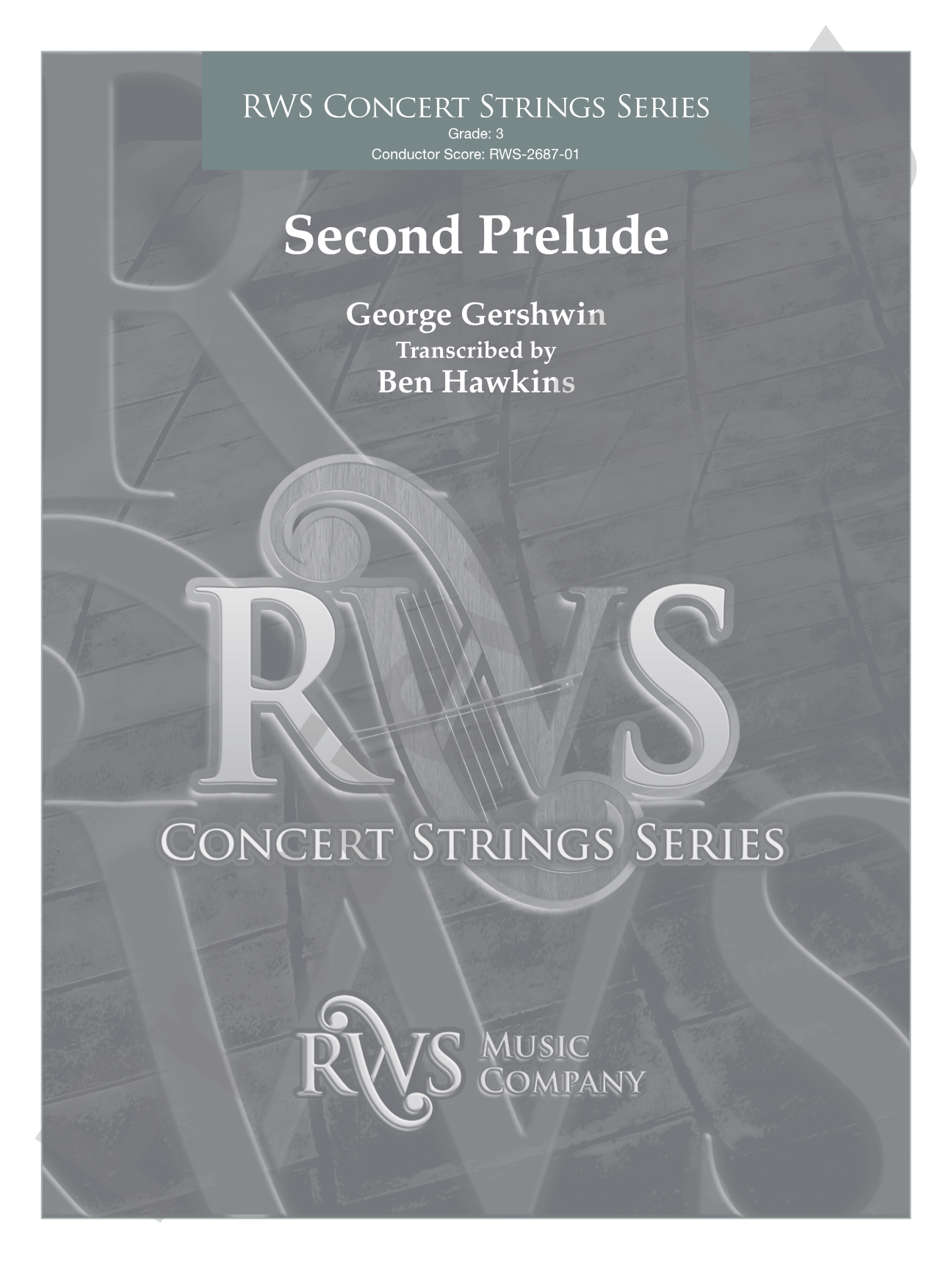
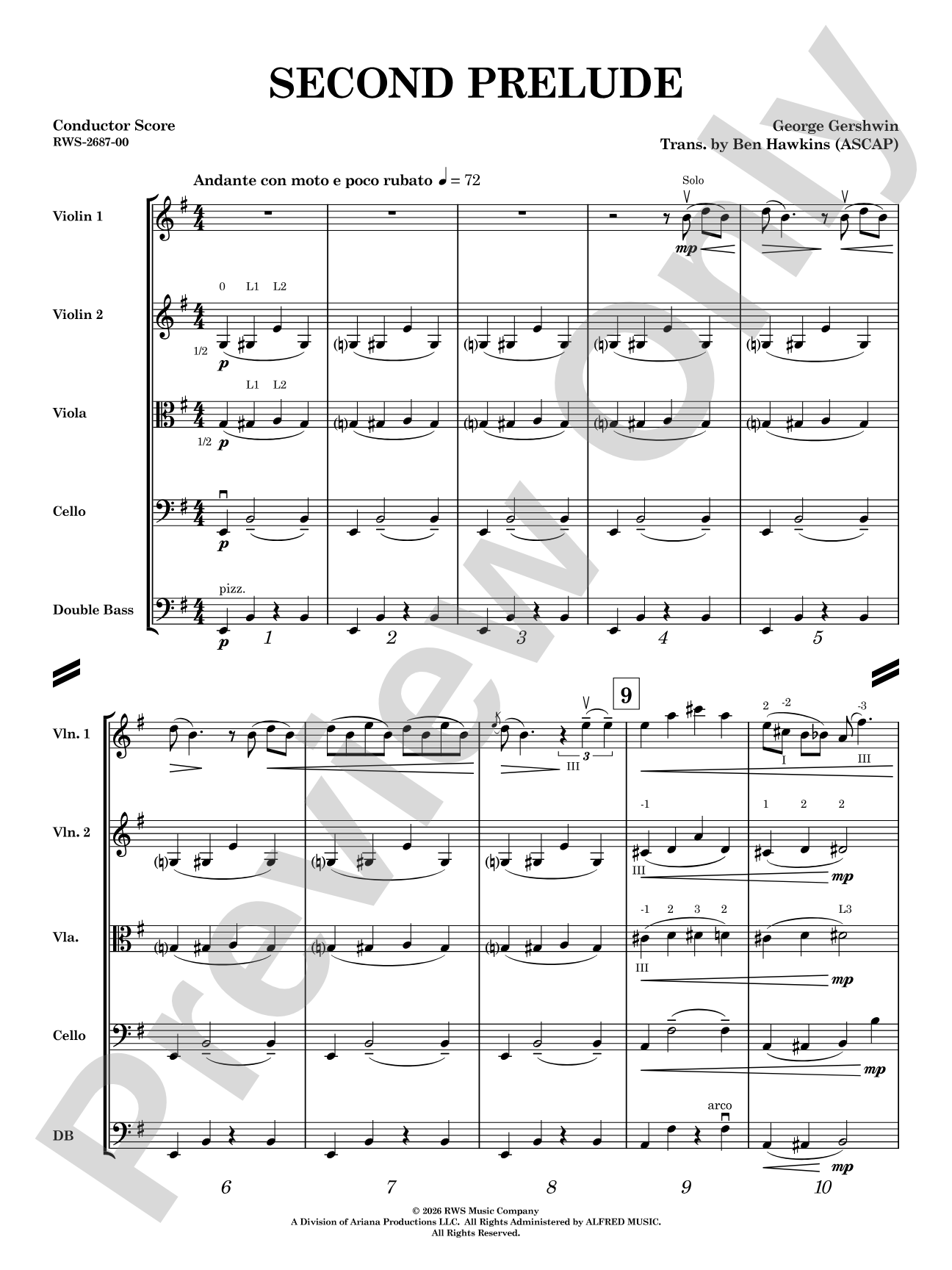
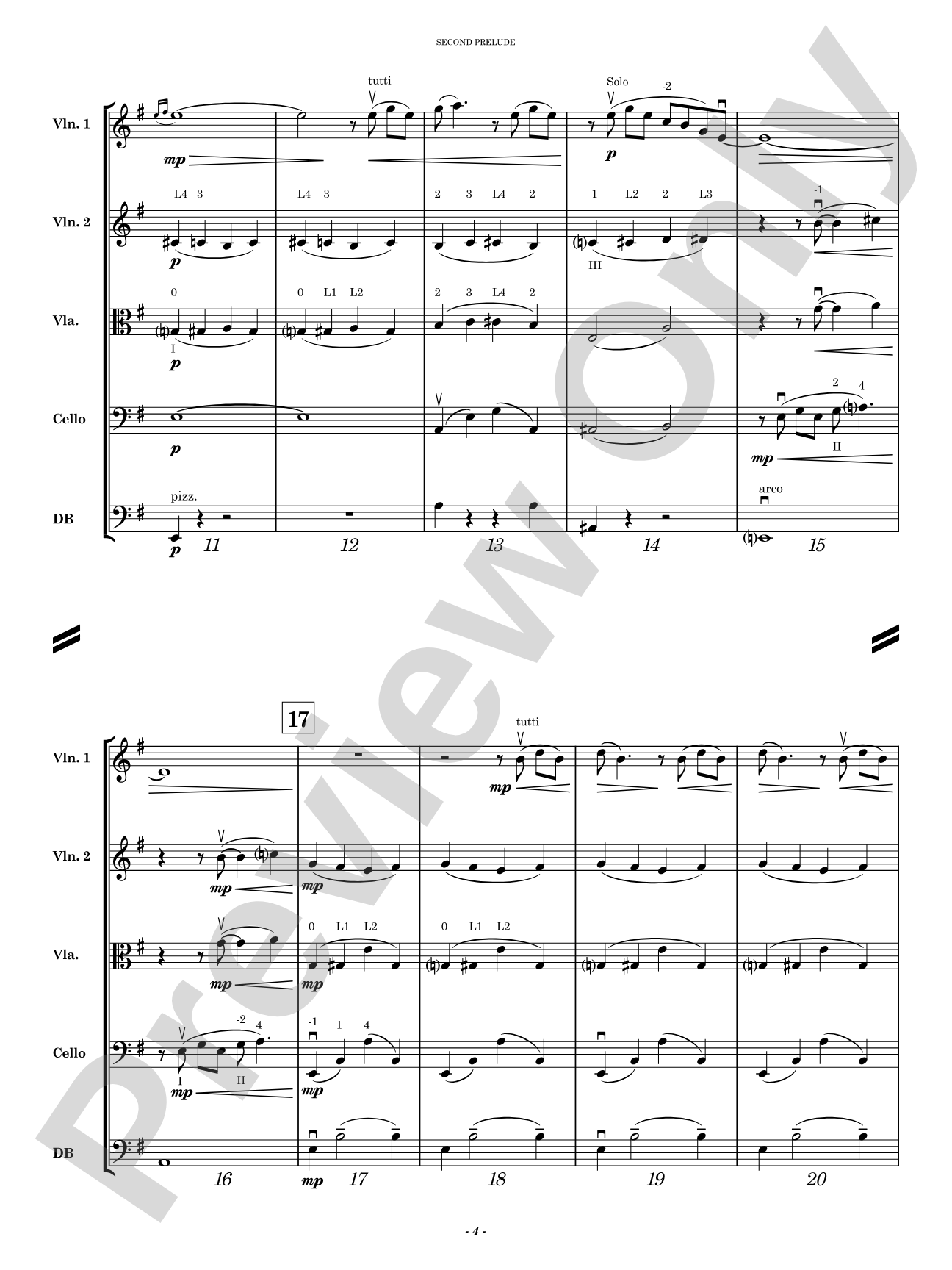
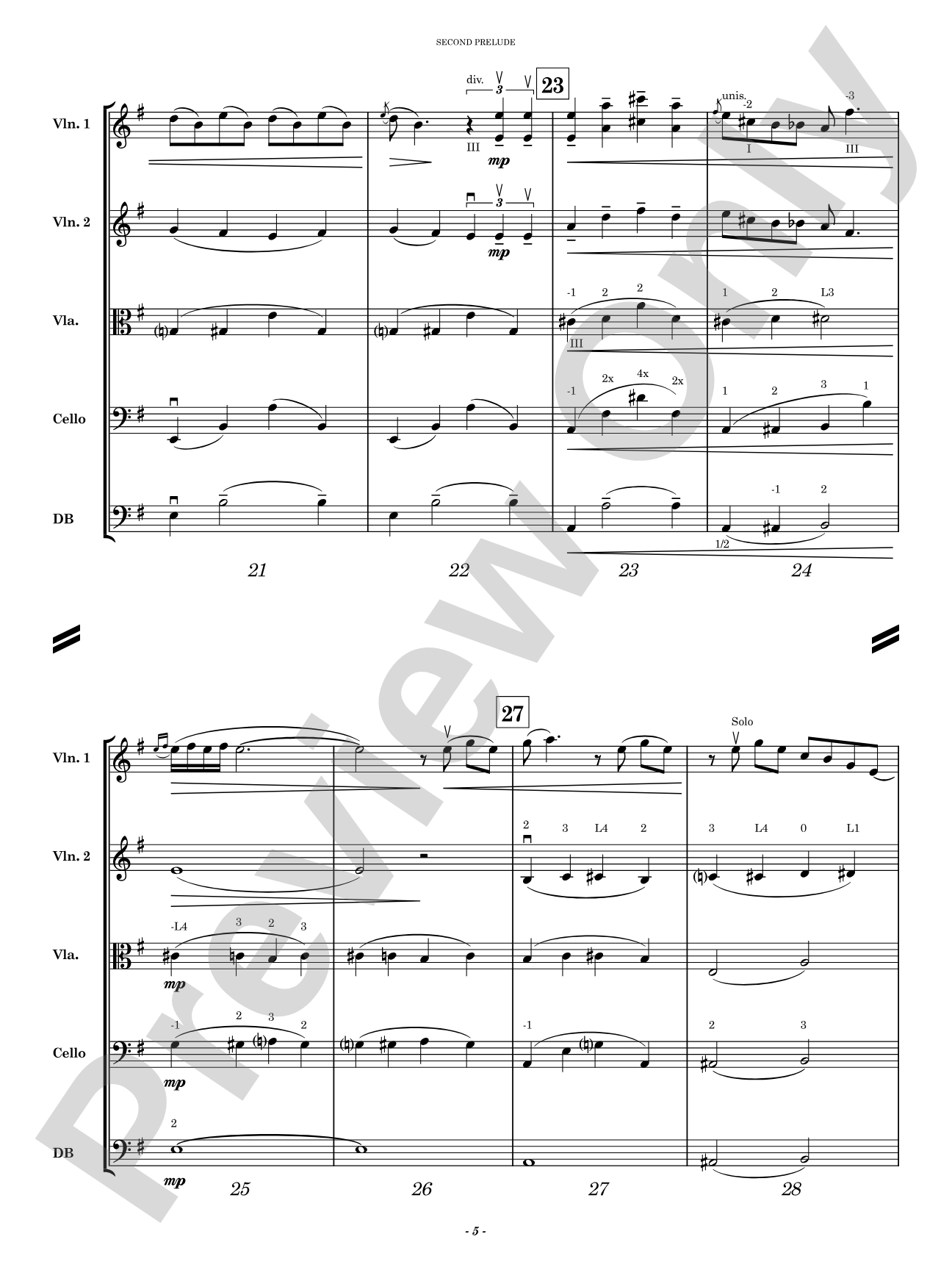
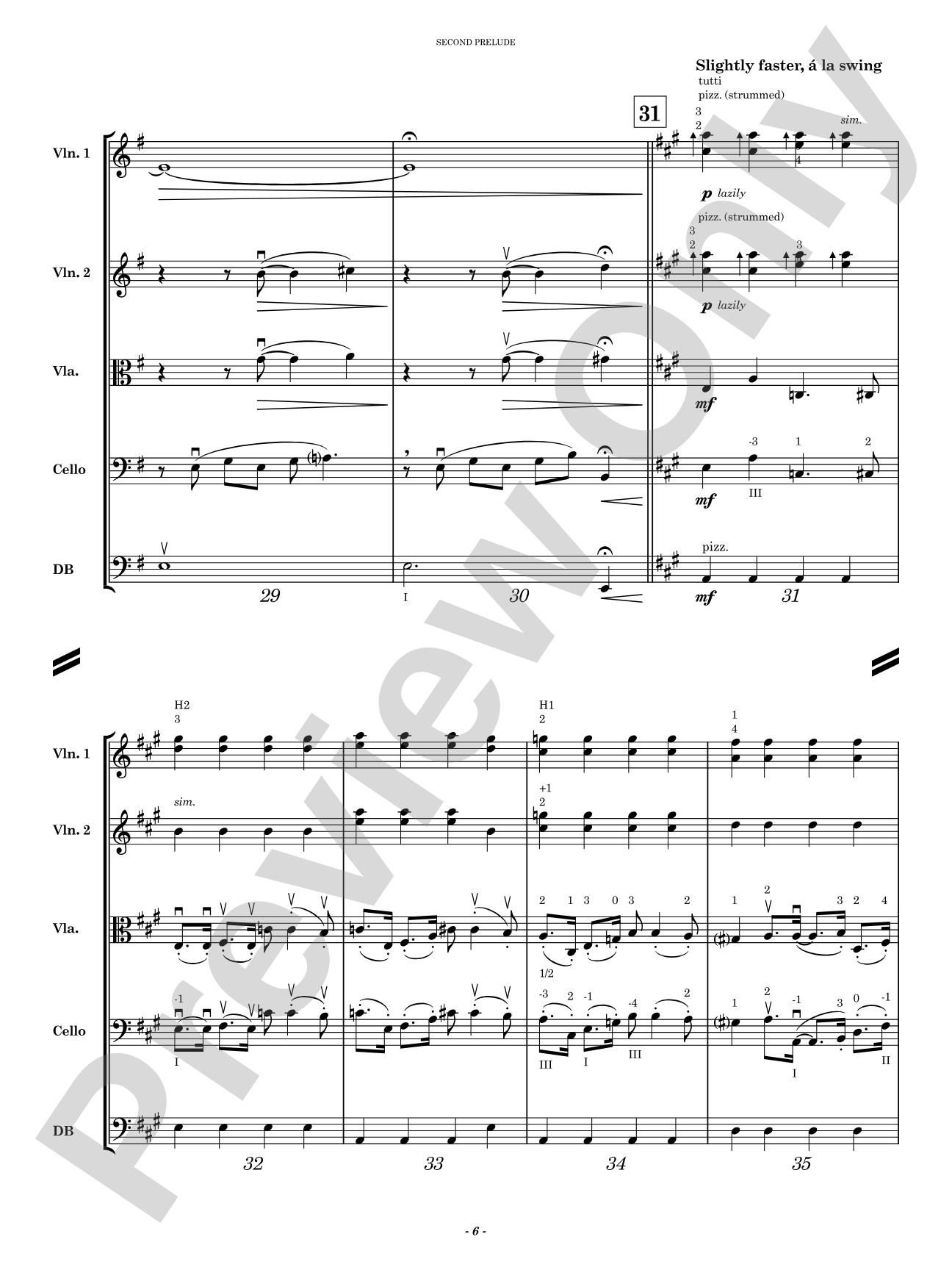
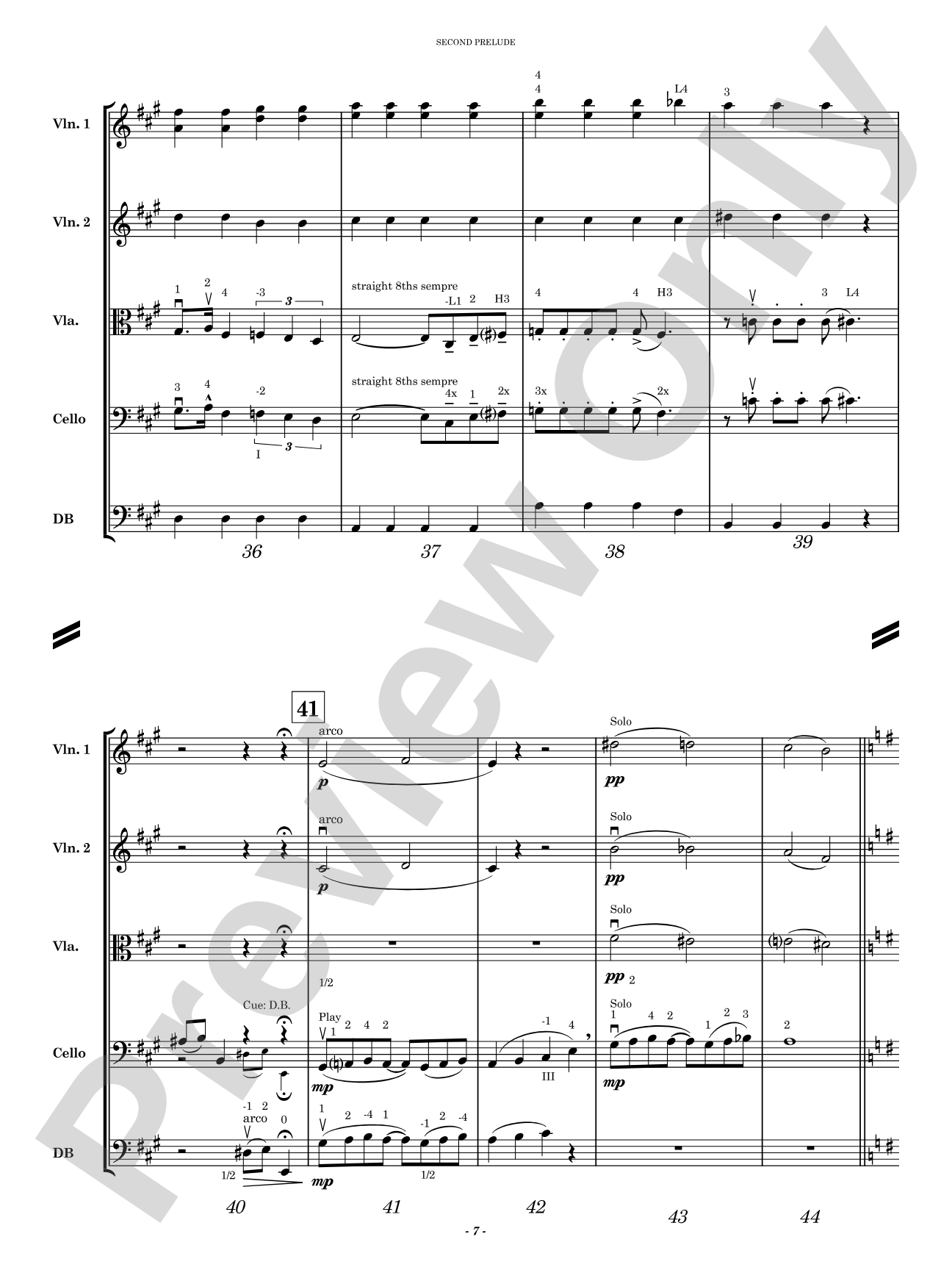
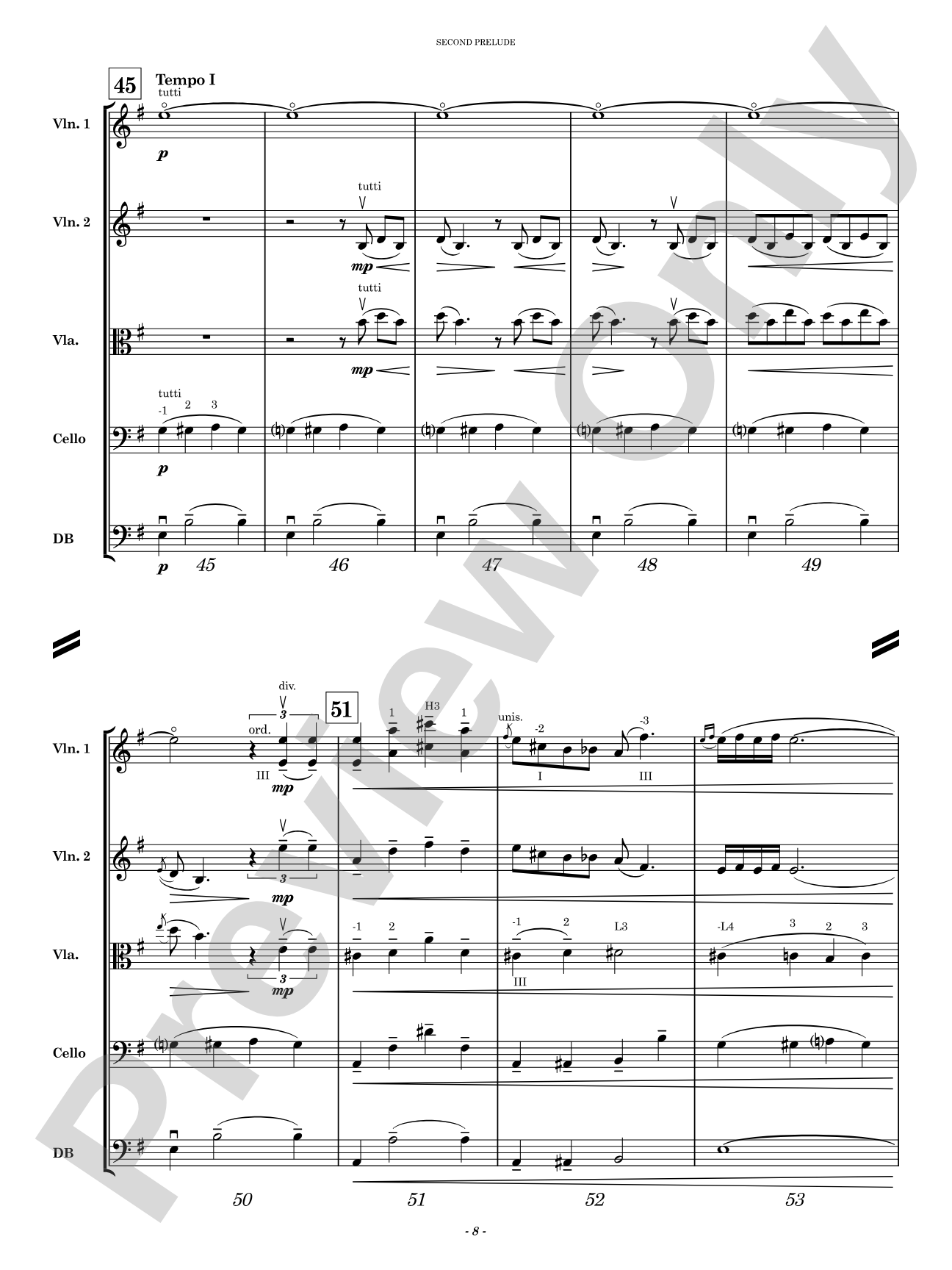
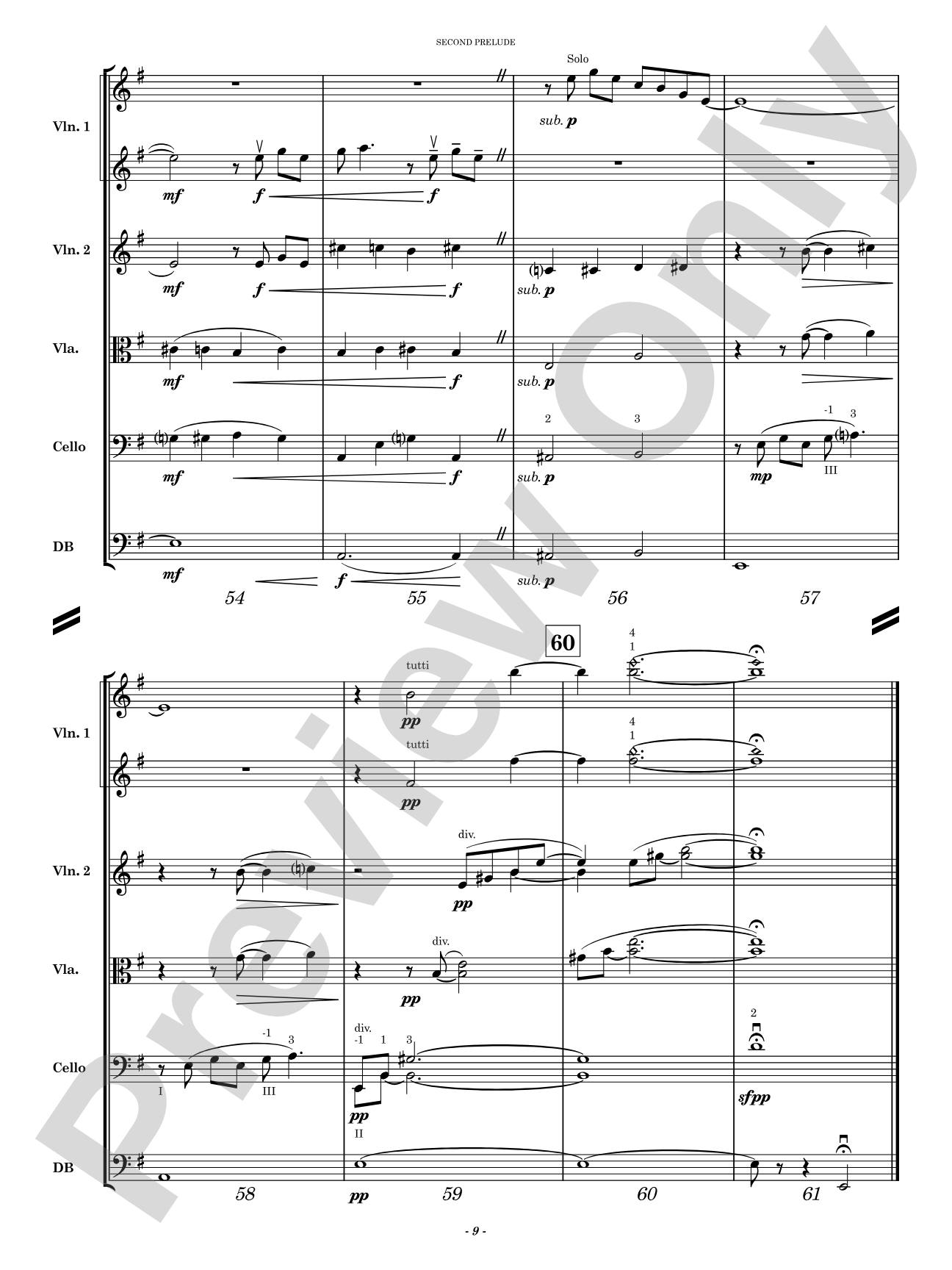

Second Prelude: Score
George Gershwin / trans. Ben Hawkins
Grade: 3
Item: 98-PR-0000063
$8.00
Pickup currently not available
Description
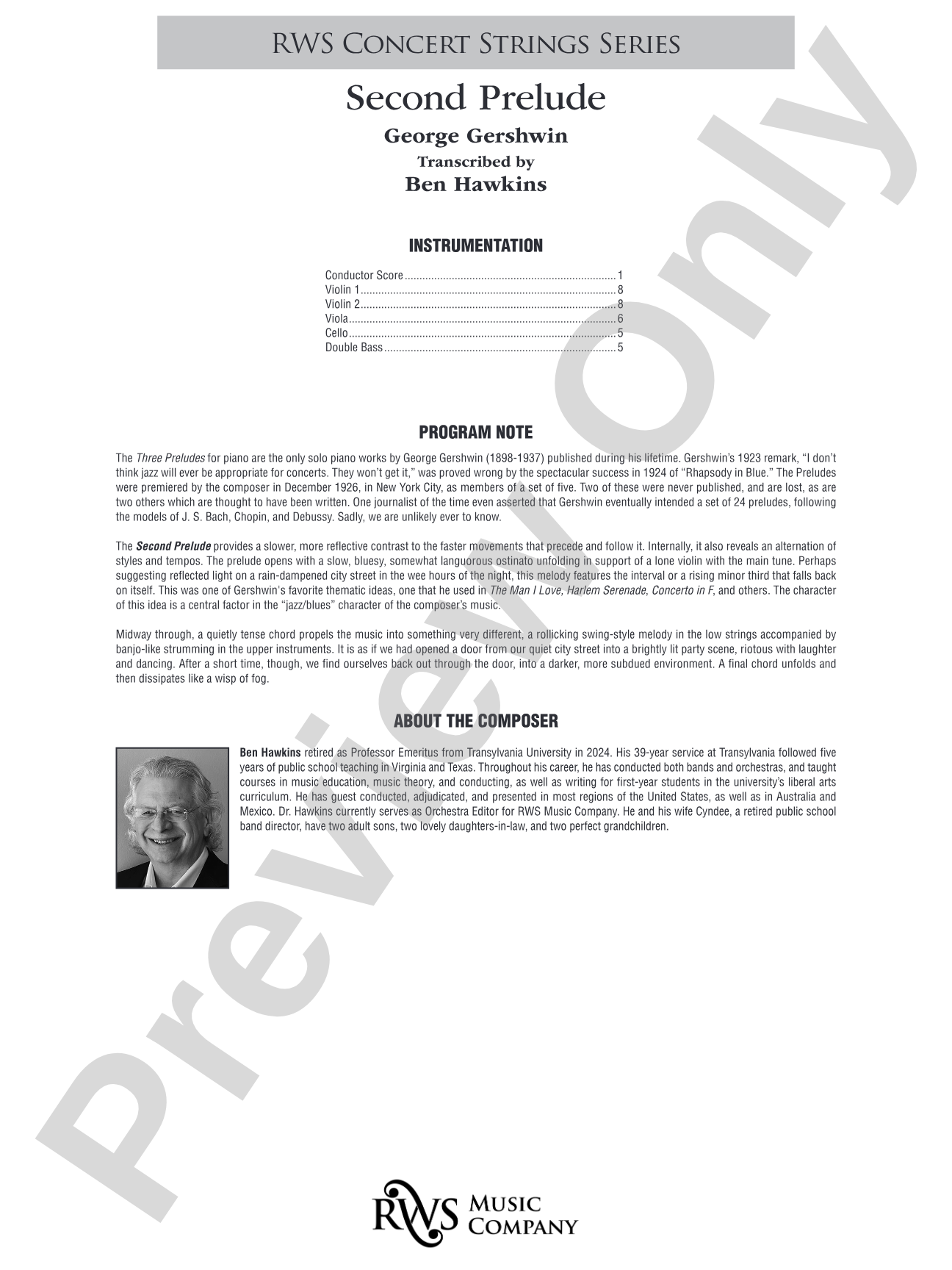
A quiet city street in the wee hours after a rain. A bustling, brightly lit dance party. Second Prelude evokes both scenes through a vivid journey into a late night of the Jazz Age, offering a striking and atmospheric contrast for your programming.


Second Prelude: Score isn't in MakeMusic Cloud just yet...but it could be. Let us know you'd like to see it, and you'll help shape what comes next. In the meantime, start a free trial and dive into thousands of interactive titles your students can play along with today.
Request This Title
Tell us you want it.
Start Your Free Trial
Explore everything that's ready to play right now.
Sample Audio
1
Audio File
--:--
0:00
0:00
Sample Video
Additional Details
Series:
RWS - Concert Strings
Publisher:
RWS Music Company
SKU:
98-PR-0000063
More about this title
About the Composer: George Gershwin
George Gershwin (1898-1937) bridged classical and popular music with an authenticity that few composers achieved. His gift for melody and harmonic sophistication made him a pivotal figure in American concert music, and his integration of jazz idioms into formally structured works opened doors for generations of composers who followed.
For music educators, Gershwin's legacy offers students a chance to engage with music that refuses easy categorization. His works reward careful listening and reveal the compositional craft beneath their accessible surface.
Why we love this
Ben Hawkins' arrangement captures the cinematic quality of Gershwin's Second Prelude while making it genuinely singable for string orchestras at the high school level. The writing balances transparency of line with rich harmonic color, so your players get real parts to sink their teeth into without drowning in technical demand. It's a piece that programs beautifully against heavier or more rhythmically complex works because it establishes mood without stealing the room.
What to expect
Picture a rain-slicked street at 3 a.m., the city briefly emptied and quiet. Then you turn a corner and stumble onto a speakeasy flooding with energy, laughter, and saxophone wails. Second Prelude walks between these worlds, atmospheric and reflective one moment, then suddenly alive with the restless pulse of the Jazz Age. The music shifts without warning, mirroring the unpredictability of a late night that keeps surprising you.
Who it's for
This works for advanced middle school orchestras and standard high school ensembles looking to explore American concert music with genuine substance. Directors seeking a contest or festival piece that stands apart from standard repertoire will find this both accessible and sophisticated enough to reward careful rehearsal.
How to get the most out of it
- Shape the opening phrases with a breath before each new melodic gesture; resist the urge to push forward, as the piece's power lives in its stillness and restraint.
- Pay attention to the Hawkins arrangement's voice leading in the inner parts. Those aren't filler voices; they carry harmonic movement that keeps the piece alive.
- Let the jazz harmonies breathe. Gershwin's chord changes are intentional, and rushing through them flattens the atmospheric quality that makes this piece distinctive.
- Consider tempo relationships within sections. The contrast between quiet introspection and brighter moments needs space to register; transitions should feel organic rather than abrupt.
How to use it
Program this alongside other early twentieth-century American works to give your audience a coherent evening that illuminates how composers were experimenting with vernacular music. Alternatively, use it as an opener or closer because its dramatic arc and strong closing will anchor a concert. It also serves as an excellent festival piece that showcases musicality and ensemble refinement without demanding virtuosity.
Skills your students will build
- Stylistically appropriate vibrato control in jazz influenced idioms
- Reading and executing syncopated rhythmic figures
- Dynamic shaping across longer phrases without excessive tempo variation
- Voicing and balance in jazz harmonies
- Rubato and expressive phrasing within a structural framework