


Seawind: Concert Band Conductor Score & Parts
By Steve Hodges
Grade: 1.5 (Easy)
Item: 00-PK-0008137

$55.00
Pickup currently not available
Buy Extra Parts (Digital PDF Download)
| Product | Price | Quantity |
|---|---|---|
| Seawind: Score | $7.00 | |
| Seawind: Flute | $3.00 | |
| Seawind: Oboe | $3.00 | |
| Seawind: Bassoon | $3.00 | |
| Seawind: 1st B-flat Clarinet | $3.00 | |
| Seawind: 2nd B-flat Clarinet | $3.00 | |
| Seawind: B-flat Bass Clarinet | $3.00 | |
| Seawind: E-flat Alto Saxophone | $3.00 | |
| Seawind: 2nd E-flat Alto Saxophone | $3.00 | |
| Seawind: B-flat Tenor Saxophone | $3.00 | |
| Seawind: E-flat Baritone Saxophone | $3.00 | |
| Seawind: 1st B-flat Trumpet | $3.00 | |
| Seawind: 2nd B-flat Trumpet | $3.00 | |
| Seawind: 1st F Horn | $3.00 | |
| Seawind: 1st Trombone | $3.00 | |
| Seawind: Baritone T.C. | $3.00 | |
| Seawind: Baritone B.C. | $3.00 | |
| Seawind: Tuba | $3.00 | |
| Seawind: Bells | $3.00 | |
| Seawind: 1st Percussion | $3.00 | |
| Seawind: 2nd Percussion | $3.00 | |
| Seawind: Timpani | $3.00 |
Parts Added to Cart!
Description
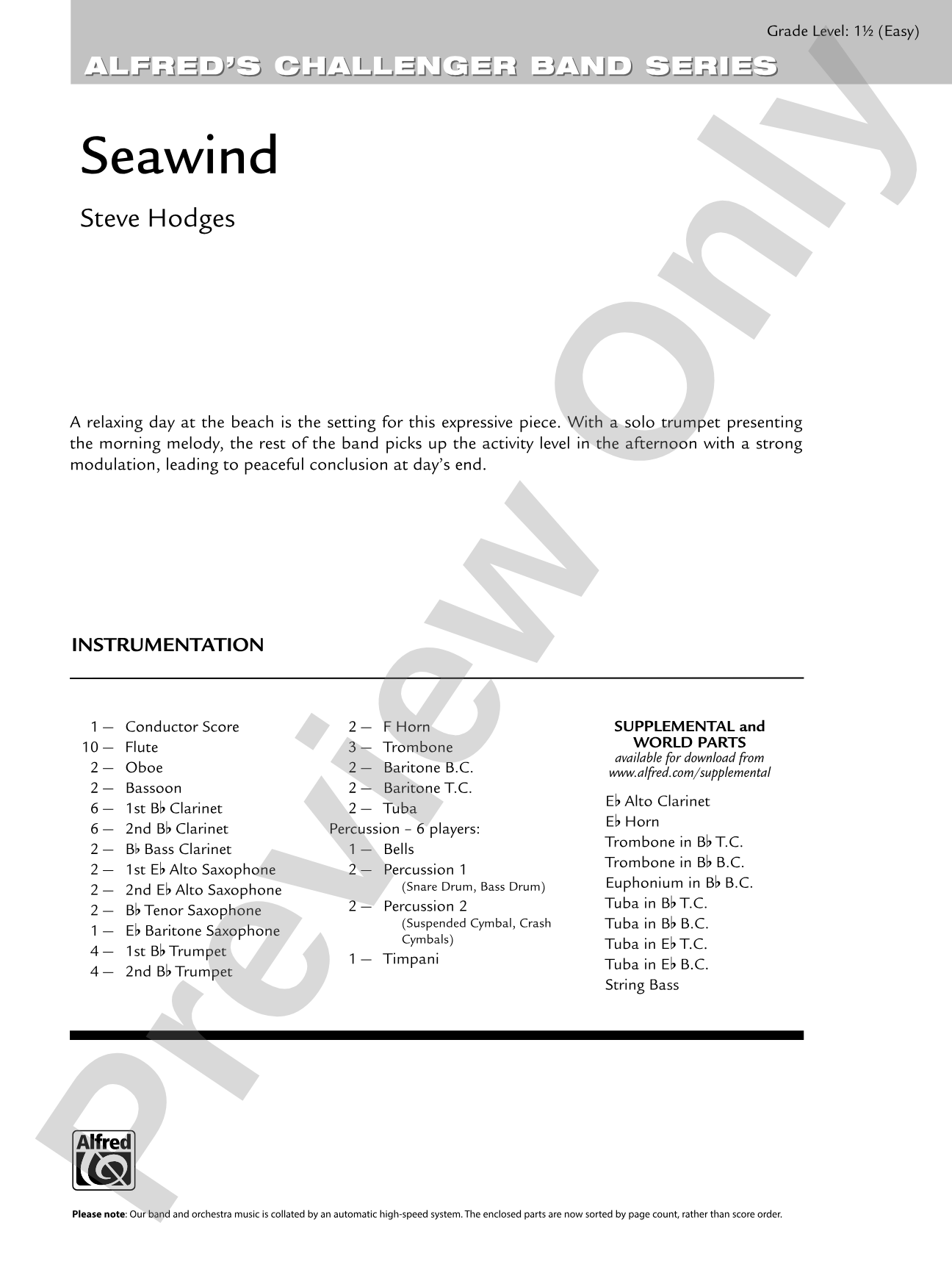
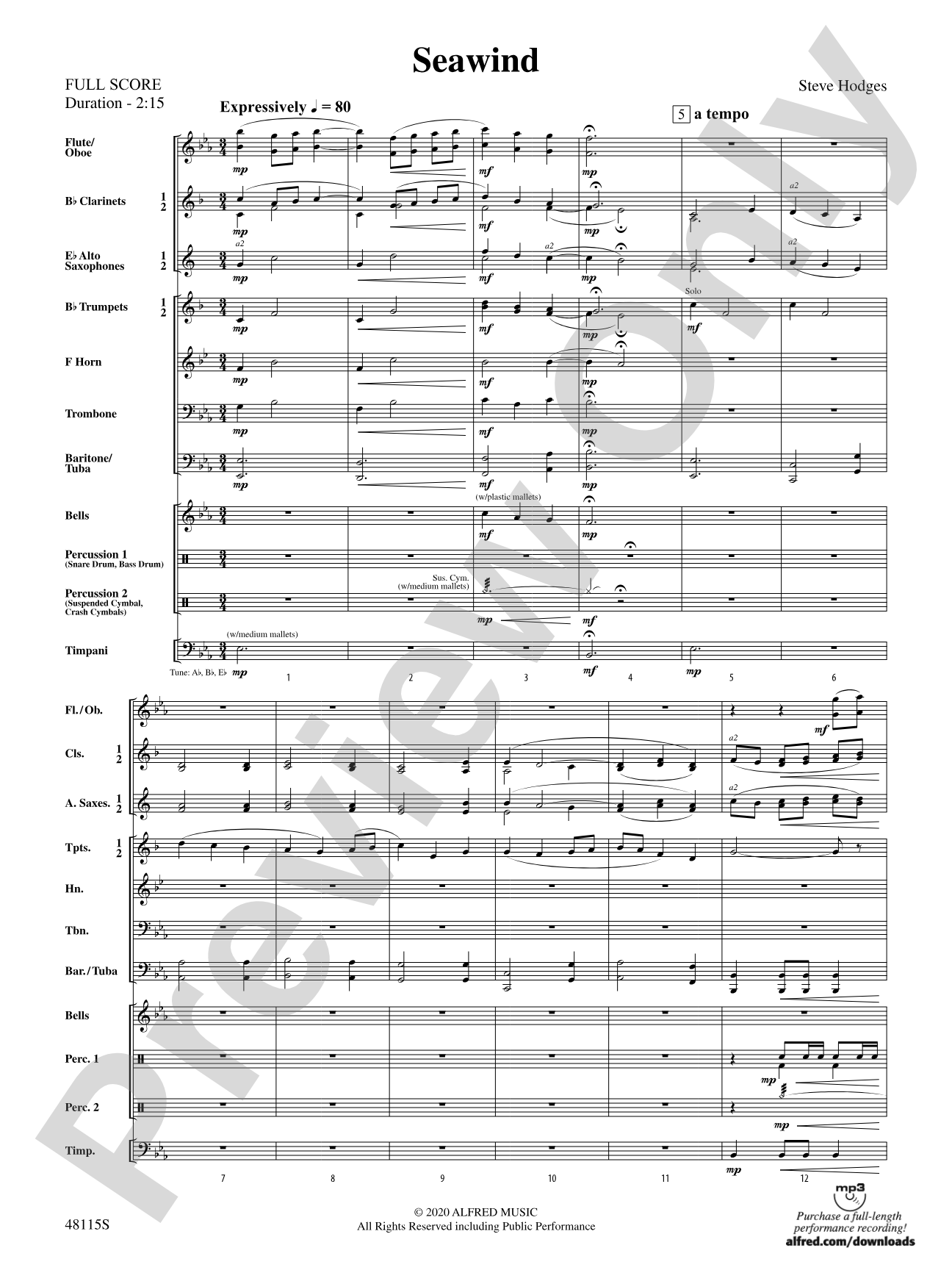
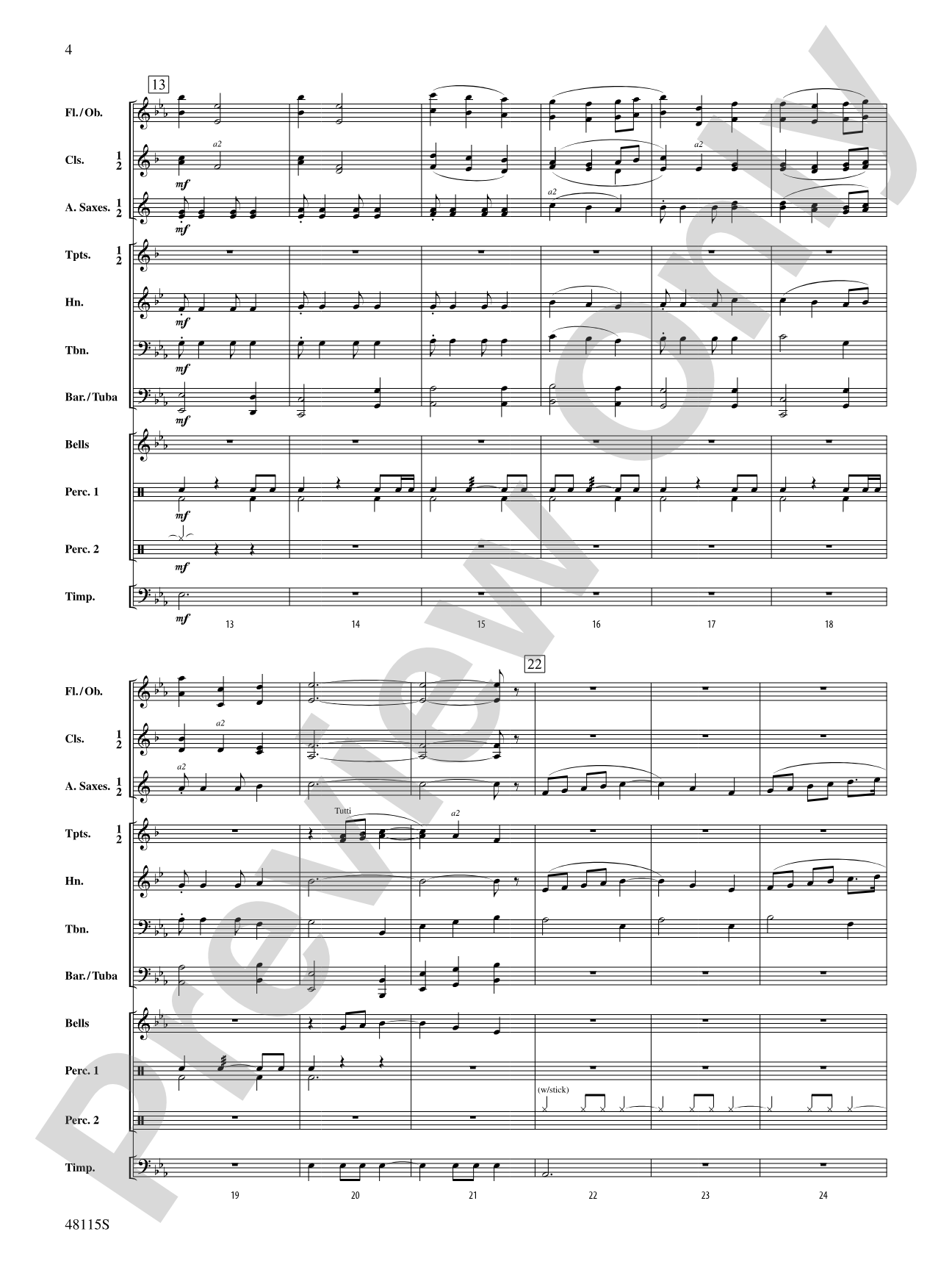
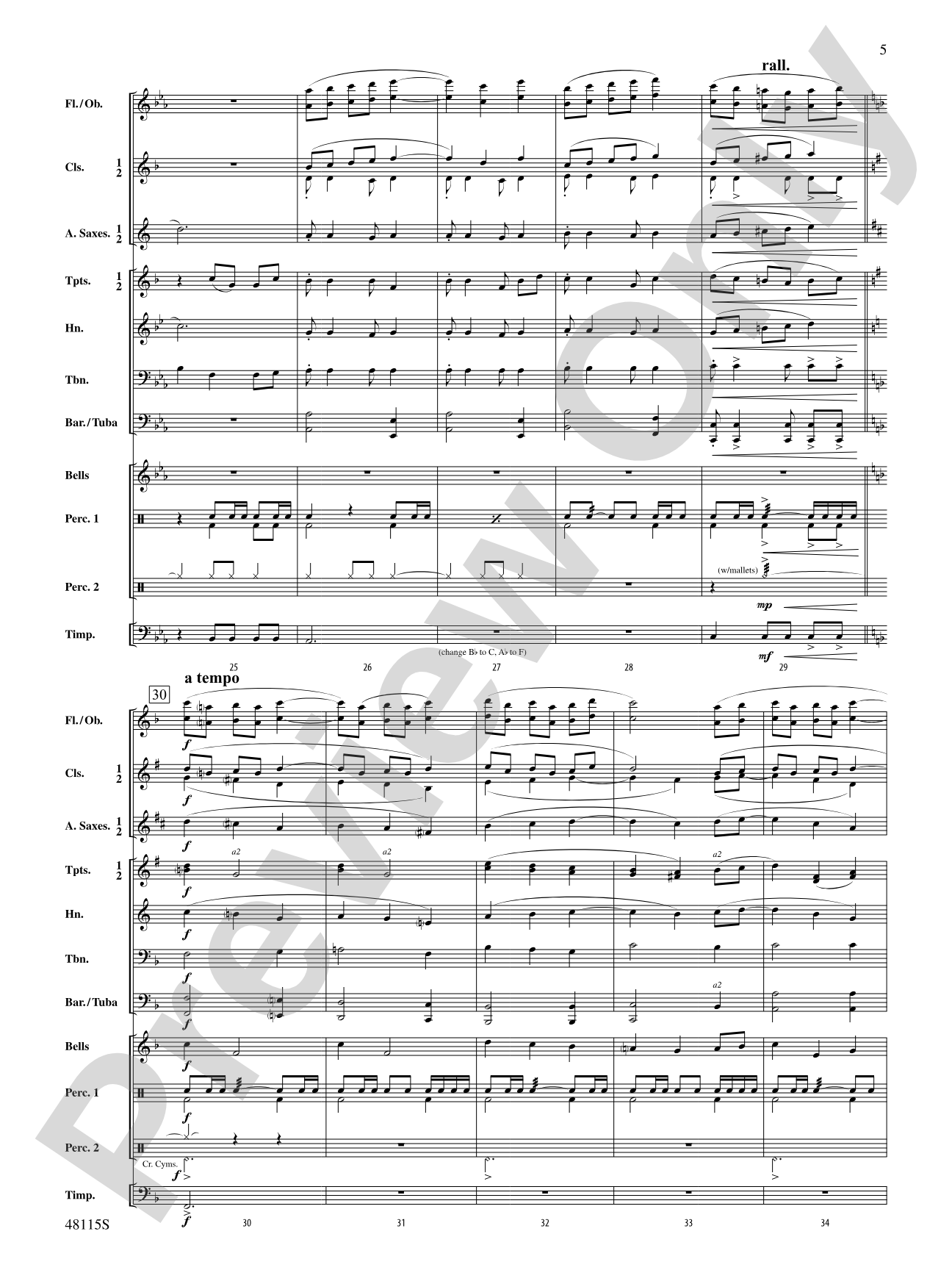
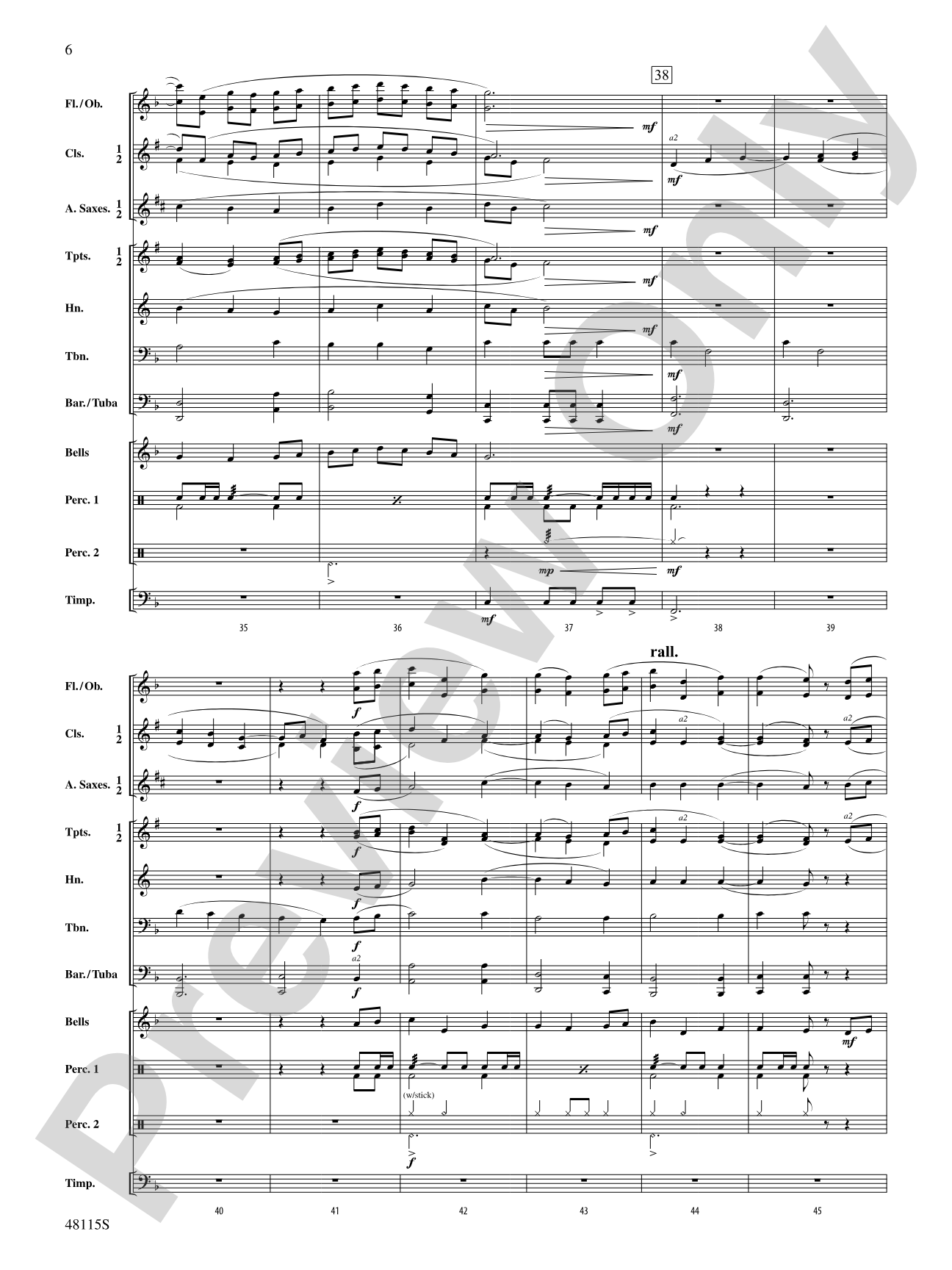
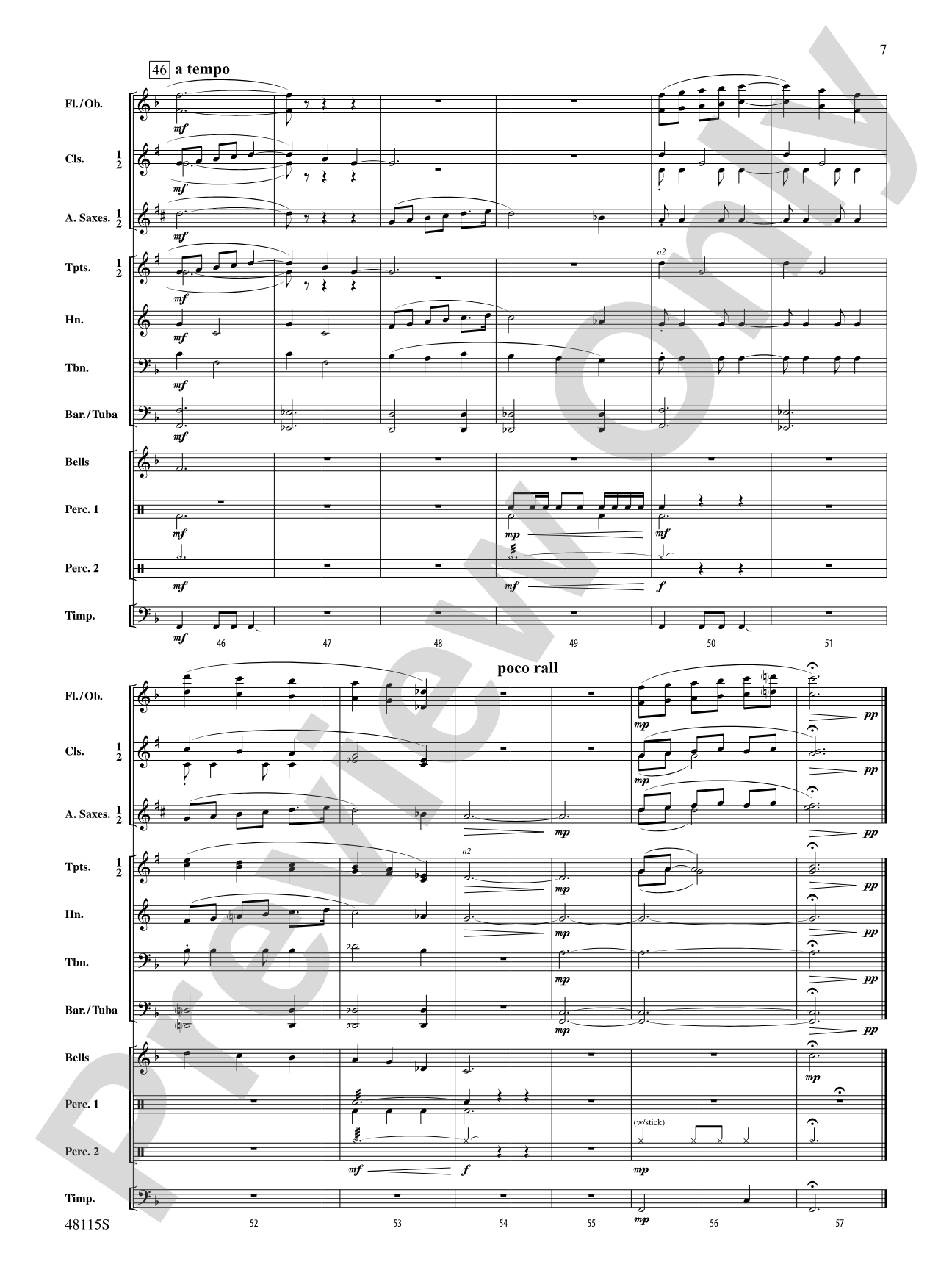
A relaxing day at the beach is the setting for this expressive piece. A solo trumpet presents the morning melody, the rest of the band picks up the activity level in the afternoon with a strong modulation, leading to peaceful conclusion at day's end. (2:15) This title is available in MakeMusic Cloud.


Don't just read it, hear it, play along with it, and watch your students grow with it. In MakeMusic Cloud, Seawind: Concert Band Conductor Score & Parts comes alive with professional accompaniment, adjustable tempo, and built-in practice tools that turn solo practice into real progress.
Open in the Player
Jump straight in and assign it today.
Start Your Free Trial
Open this title and explore the full library in minutes.
Sample Audio
1
Audio File
--:--
0:00
0:00
Sample Video
Additional Details
Series:
Challenger Band Series
Publisher:
Alfred Music
Page Count:
120
SKU:
00-PK-0008137
More about this title
About the Composer: Steve Hodges

Steve Hodges holds degrees from Western Oregon University (Bachelor of Science) and Central Washington University (Master of Music Education). After four decades directing bands, choirs, and ensembles across public school settings, he transitioned to full-time composition, eventually retiring from classroom teaching.
Since 1986, Hodges has published over 120 concert band compositions through Alfred Music, along with choral arrangements through Staff Music and Shawnee Press. His works have appeared at festivals and state conventions worldwide, been commissioned by honor bands and schools across North America, and licensed by major television networks including TBS and ESPN. A member of ASCAP, Hodges continues to live in The Dalles, Oregon, where he remains active in community music and watches his grandchildren perform his own compositions in their school bands.
Why we love this
Hodges captures something rare in Grade 1.5 repertoire: genuine musical storytelling without condescension. The trumpet solo opening will appeal to your young soloists, the middle section gives the full band something substantive to sink into, and the return to calm provides real contrast rather than simple repetition. Directors appreciate music that teaches phrasing and dynamic range while sounding genuinely musical in performance.
What to expect
Seawind unfolds with the natural rhythm of a day at the shore. The morning opens quietly with a soloist's gentle reflection; by midday, activity builds with warmth and forward motion as more of the band joins the conversation. The piece concludes in the golden light of evening, returning to peace with a sense of completion rather than exhaustion.
Who it's for
Directors programming Grade 1.5 concert bands who want accessible music with genuine expressive content. This works equally well for early in the year, when students are still building fundamentals, or as a confident closer for a program.
How to get the most out of it
- Balance the opening trumpet solo carefully; at this level, support the soloist with warm, understated voicing in the lower instruments so the melody stays prominent.
- Shape the modulation in the afternoon section by gradually building intensity through ensemble unity rather than pushing individual sections; think of it as the tide coming in.
- Let the final section breathe. Resist the urge to rush back to the opening tempo; treat it as a genuine wind-down where clarity matters more than energy.
How to use it
Program this as a concert centerpiece that bridges a busier opening number and something more energetic to follow. Its storytelling arc also makes it effective as a festival selection, where judges appreciate compositional craft at every level. The 2:15 duration fits comfortably into concert pacing without dominating the program.
Skills your students will build
- Solo passage phrasing and melodic shaping (trumpet part)
- Dynamic control across modulations and sectional balance
- Reading and responding to textural changes (sparse to full ensemble)
- Ensemble listening and intonation adjustment during key areas