Seascape Cover Image

Seascape: Piano Sheet

$3.50 USD
Sale price  $3.50 USD Regular price 
Skip to product information
Seascape Cover Image

Seascape: Piano Sheet

By Willard A. Palmer

Level: Early Elementary

Item: 00-2285

$3.50
Shipped

One moment…

Description
Correlates with Alfred's Basic Piano Library, Level 1A. The gentle swaying of ocean waves and walks on the beach are portrayed in this peaceful elementary level song in 3/4 time and C Major (C Position). The pianist will play long phrases, sometimes moving the hands an octave higher, and the dynamics include "call and echo" technique.

Seascape: Piano Sheet isn't in MakeMusic Cloud just yet...but it could be. Let us know you'd like to see it, and you'll help shape what comes next. In the meantime, start a free trial and dive into thousands of interactive titles your students can play along with today.

Sample Pages

Sample Audio
No sample audio found.
Sample Video
Additional Details
Series: Alfred's Basic Piano Library
Publisher: Alfred Music
Page Count: 4
ISBN10: 0-7390-1545-1
ISBN13: 978-0-7390-1545-2
UPC: 038081001777
SKU: 00-2285

More about this title

About the Composer: Willard A. Palmer
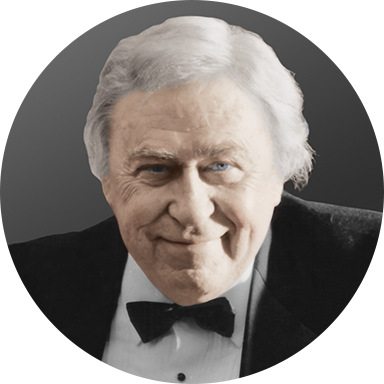
Willard A. Palmer

Willard A. Palmer stands as one of the most prolific and influential music educators of the twentieth century, with nearly 800 published compositions spanning piano, accordion, guitar, organ, and choral literature. His works have been translated into multiple languages and adopted worldwide, making him a foundational figure in instrumental pedagogy. Palmer's journey began as a child prodigy performing on radio at age thirteen, an early indicator of the broad musical vision that would define his career.

Palmer's scholarly contributions extended far beyond composition. After earning his Bachelor's degree from Millsaps College in Mississippi and studying at the prestigious Conservatory of Leipzig on scholarship, he joined the University of Houston faculty, where he pioneered the first college-level accordion courses. His meticulous research into Baroque ornamentation and performance practice earned him international recognition and shaped the acclaimed Alfred Masterworks series. He received a Doctor of Humanities degree in 1971 and a Doctor of Music degree in 1983 in recognition of his musicological achievements.

Why we love this

Palmer has a gift for distilling musical imagery into pieces that capture a beginner's imagination without overwhelming their hands. The "call and echo" dynamic technique woven throughout teaches young pianists to shape phrases musically from the very start, turning a simple elementary piece into genuine artistry. Students hear themselves making waves and swells rather than merely playing notes.

What to expect

Seascape invites the listener into a world of gentle motion and calm reflection. The swaying 3/4 rhythm and major key tonality create a sense of peaceful wandering, as if tracing footprints along the shore while watching waves lap softly against the sand.

Who it's for

This piece is designed for pianists in the early elementary stage, particularly those following Alfred's Basic Piano Library Level 1A curriculum. It serves students ready to expand beyond single-hand melodies and explore longer phrase work while staying comfortably within the C position.

How to get the most out of it

  • Shape the long phrases by imagining the gentle rise and fall of ocean waves; let the dynamics guide the swell rather than playing each measure in isolation.
  • When moving the hands an octave higher, maintain the same relaxed arm weight and legato touch you used in the lower register to preserve the peaceful character.
  • Use the "call and echo" passages to explore how one hand can respond to the other, almost like a conversation; this builds listening skills and ensemble awareness even in a solo piece.
  • Keep the 3/4 waltz rhythm steady but unhurried; resist the urge to rush, as the piece unfolds most beautifully when given time to breathe.

How to use it

Include this piece in recitals where you want to offer variety in character and mood alongside more energetic early elementary selections. It works particularly well when programmed alongside folk songs or other pastoral repertoire, providing students with a model of how elementary pieces can convey real musical imagery.

Skills your students will build

  • Long phrase playing in 3/4 time
  • Octave hand position shifts
  • Dynamic shaping with call and echo technique
  • Sustained legato touch across phrase boundaries
  • Melodic expression at the elementary level

You May Also Like