Sea Venture Cover Image

Sea Venture: String Orchestra Conductor Score & Parts

$46.00 USD
Sale price  $46.00 USD Regular price 
Skip to product information
Sea Venture Cover Image

Sea Venture: String Orchestra Conductor Score & Parts

By Todd Parrish

Grade: 1

Item: 00-43837

makemusic Cloud badge

Need it now?

Buy Digital Version
$46.00
Shipped

One moment…

Description
Written to give young orchestras a full sound, this original piece features all the notes and bowings learned in the first year of study. Each section gets to play both melody and harmony while working on staccato bowings and varied dynamics. (2:00)

Don't just read it, hear it, play along with it, and watch your students grow with it. In MakeMusic Cloud, Sea Venture: String Orchestra Conductor Score & Parts comes alive with professional accompaniment, adjustable tempo, and built-in practice tools that turn solo practice into real progress.

Sample Pages

Sample Audio
0:00
0:00
Sample Video
Additional Details
Series: Highland/Etling String Orchestra
Publisher: Alfred Music
Page Count: 62
UPC: 038081497129
SKU: 00-43837

More about this title

About the Composer: Todd Parrish
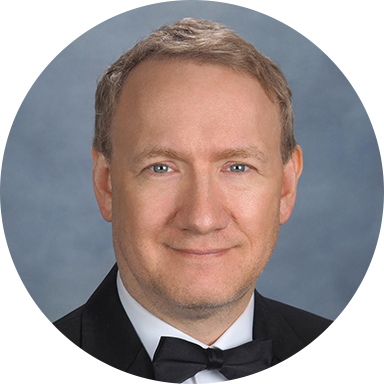
Todd Parrish

Todd Parrish brings two decades of orchestra teaching experience across Illinois, Virginia, and Florida to his compositions and arrangements. He holds a Bachelor of Music Education from ORU in Tulsa, where he studied violin and piano, and a Master of Music in Orchestral Conducting from the University of Arizona under Jindong Cai. His training also includes advanced conducting workshops in Colorado, South Carolina, Maine, and Aix-en-Provence, France.

Parrish has established himself as a prolific composer and editor, with over forty works published through Alfred Music Publishing, Wingert-Jones Publications, and Carl Fischer Music. He served as orchestra editor for J.W. Pepper and later became orchestra editor for Carl Fischer Music in 2018. His arrangements and original compositions reflect a deep understanding of what young orchestras can accomplish musically while building foundational skills.

Why we love this

Parrish understands first-year orchestras intimately. He writes for the actual notes and techniques students know, then builds something substantial from that limited palette. The result is a piece where every section carries real musical responsibility, and students hear themselves contributing to a cohesive, full sound rather than playing filler parts.

What to expect

Bright and purposeful, with the sense of a journey unfolding across the water. The orchestration glows because every part matters; there are no passengers here, just players discovering what their section can do.

Who it's for

First-year string orchestra students ready to step beyond basic exercises and play an actual concert piece. This works equally well for students in their first year of group instruction or those at the beginning of a school orchestra program.

How to get the most out of it

  • Balance the melody between sections as it passes around the ensemble. First violins may have the main line, but when violas or second violins pick it up, bring them forward so the melodic thread remains clear.
  • Establish a steady tempo early and hold it through both the staccato passages and the lyrical sections. Young players often rush the detached bowings, so a patient conductor hand helps maintain pulse.
  • Shape the varied dynamics intentionally. Rather than treating them as written marks to hit, think of them as part of the story the music is telling, which helps players internalize phrasing alongside technique.
  • Give the cello and bass section clear entrance cues for the harmony parts so they lock confidently with the upper strings and maintain the rhythmic foundation.

How to use it

Program this as the centerpiece of an early-season concert when you want to showcase how much your ensemble can accomplish in a short time span. The two-minute duration and grade-one accessibility make it ideal for festival competitions or as the opening piece on a family concert.

Skills your students will build

  • Staccato bowing control and consistency across the section
  • Reading and executing varied dynamics (piano through forte) with shape
  • Playing both melody and harmony lines with equal musicality
  • Responding to conductor cues while maintaining rhythmic independence
  • Ensemble balance and listening across four string parts

You May Also Like
