
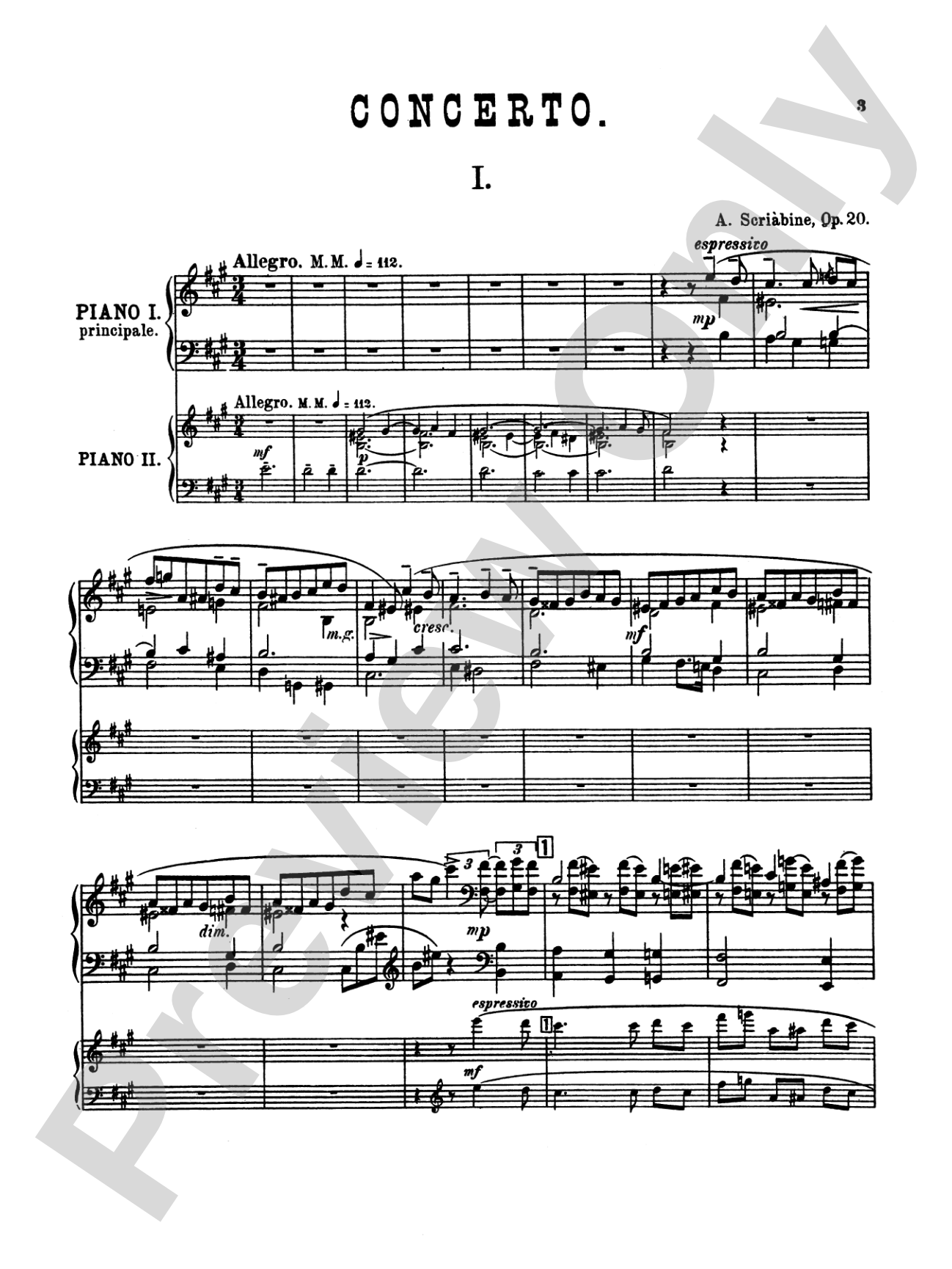
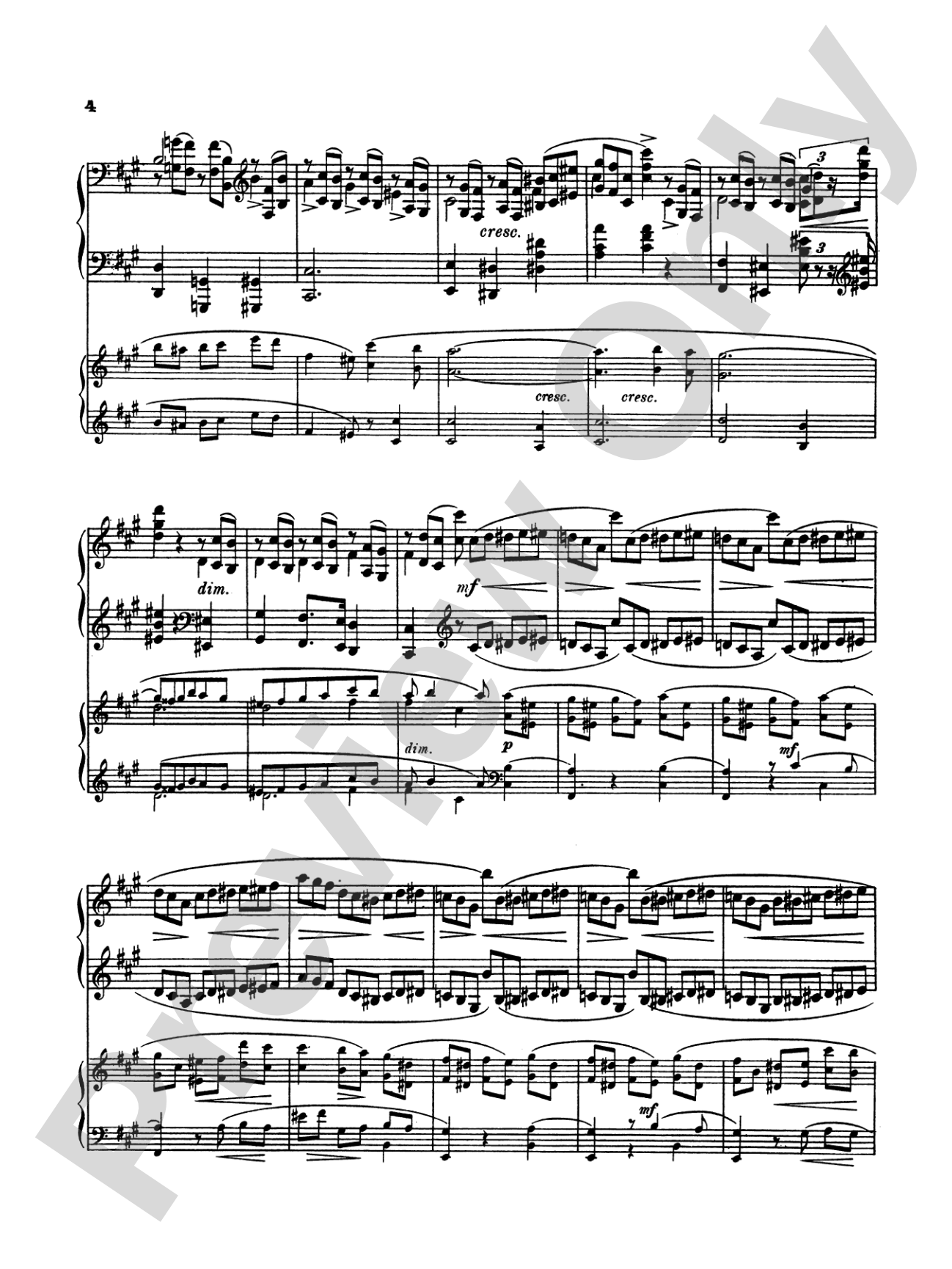
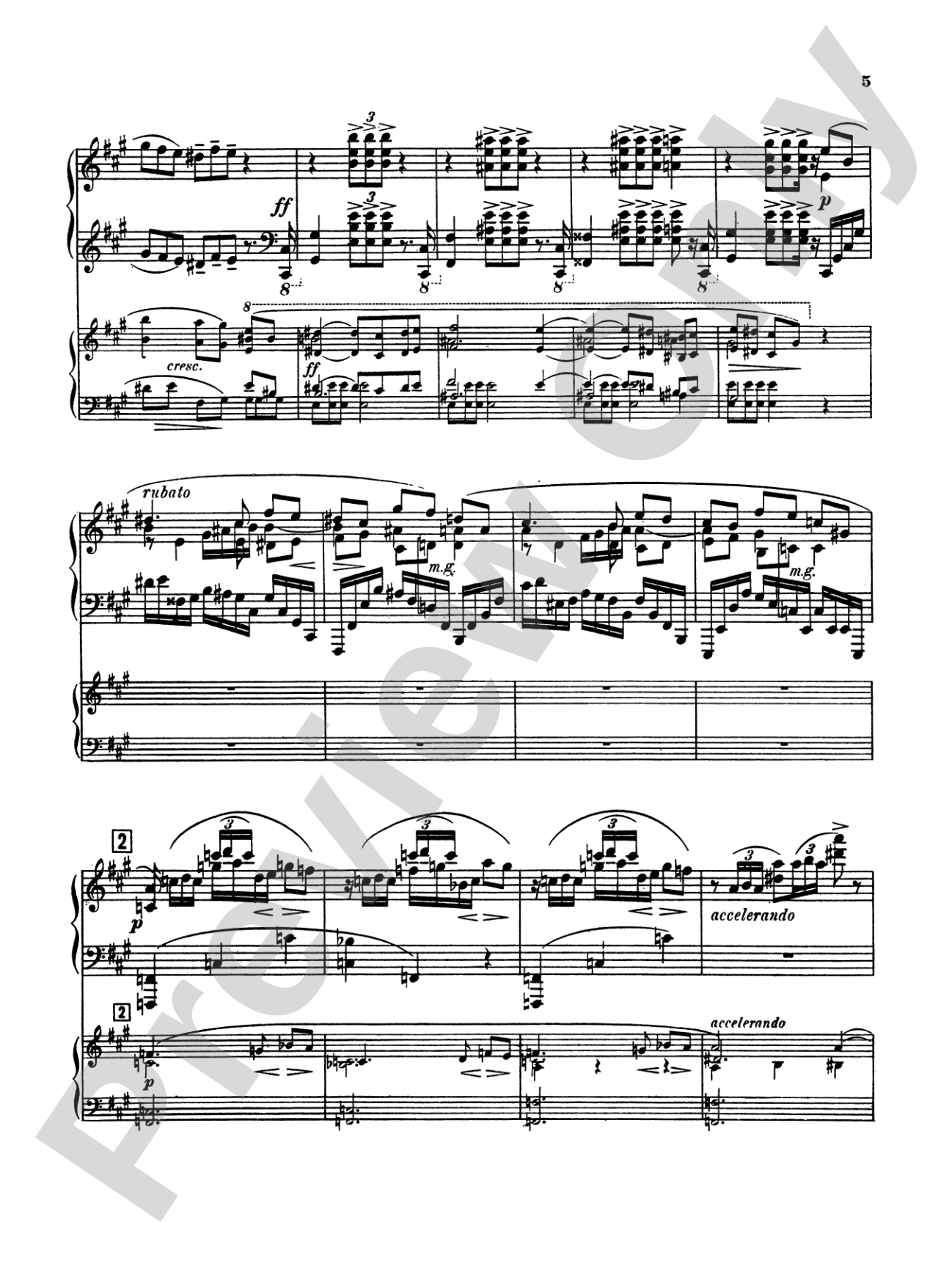
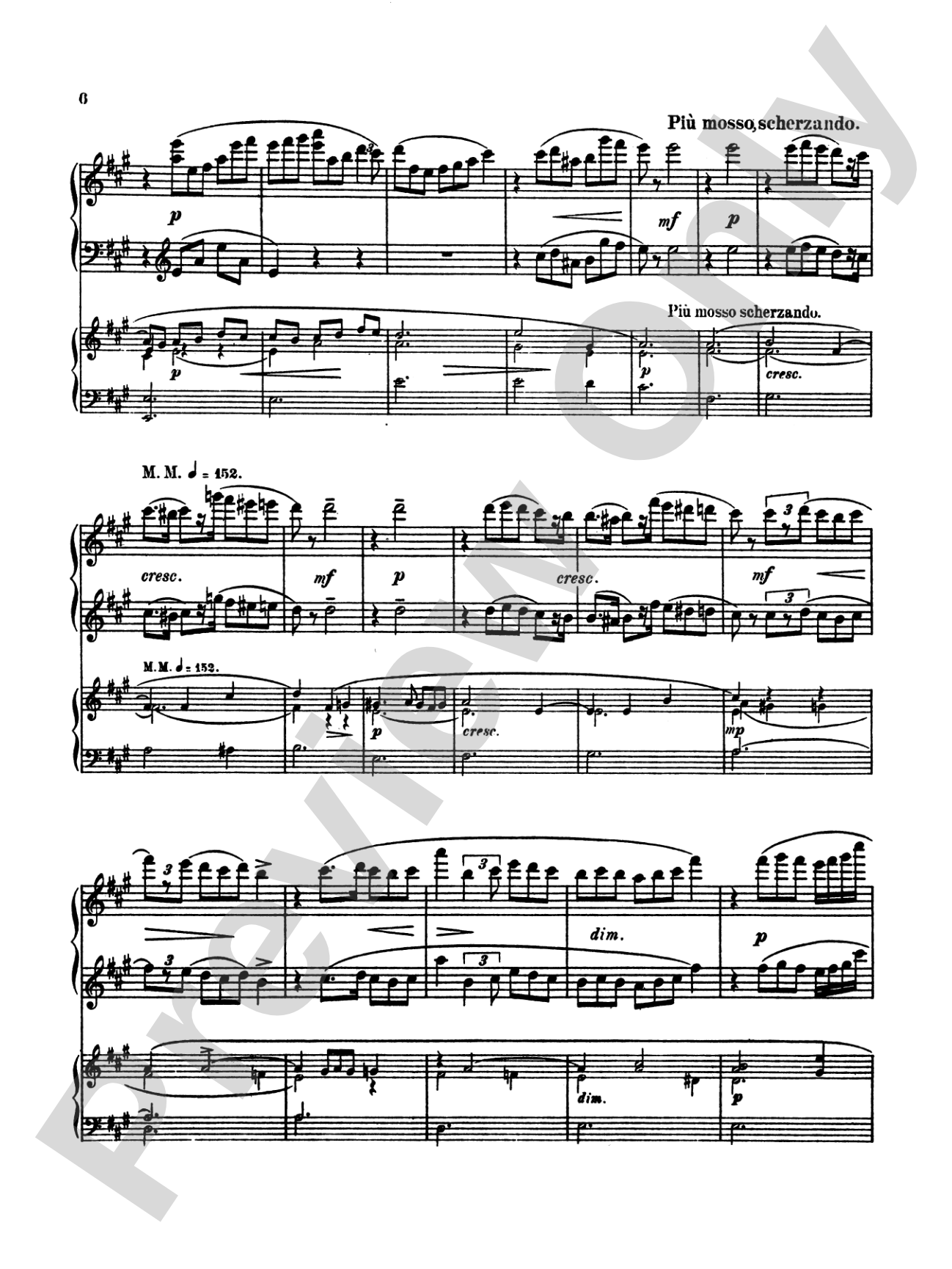
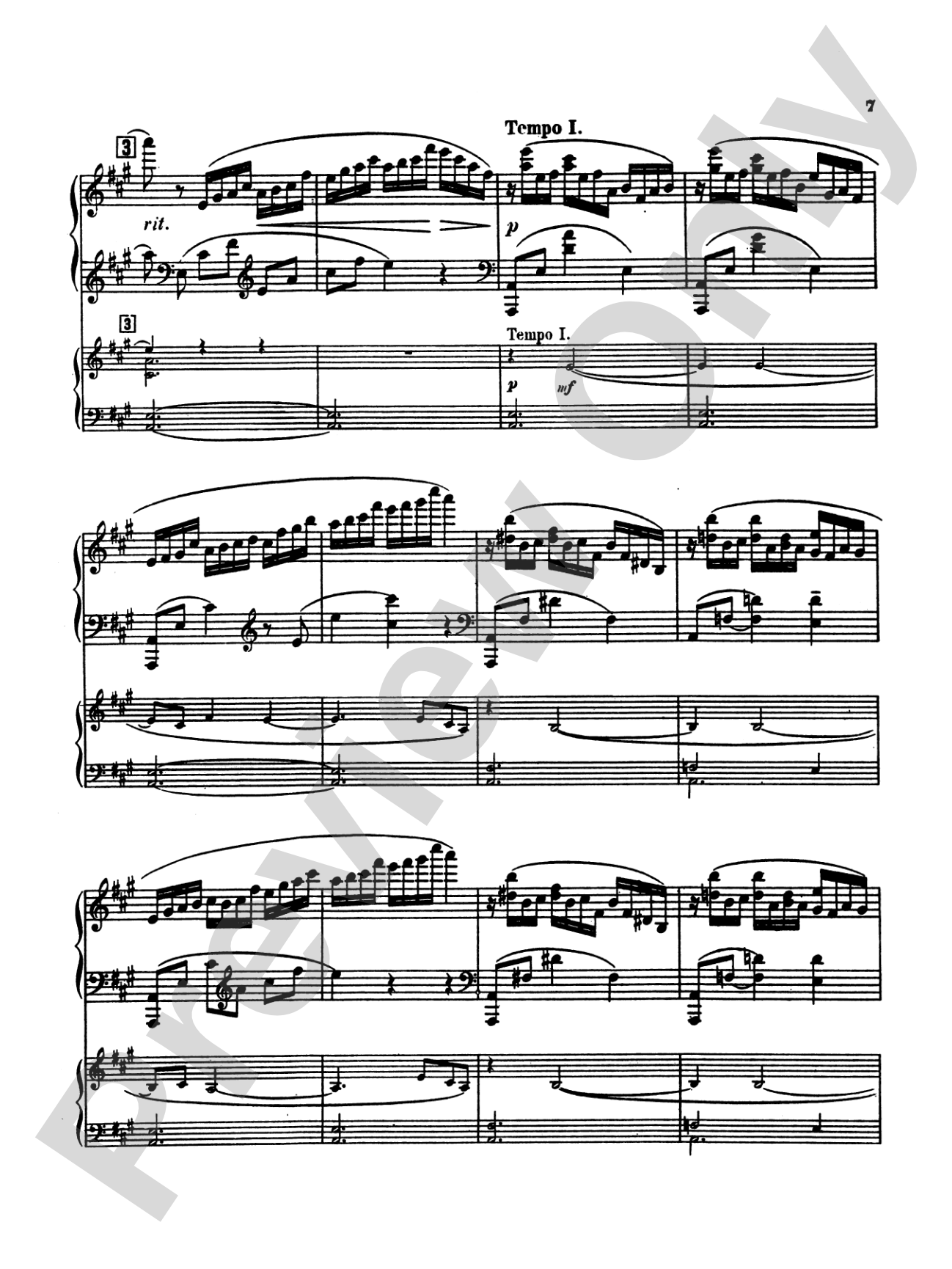
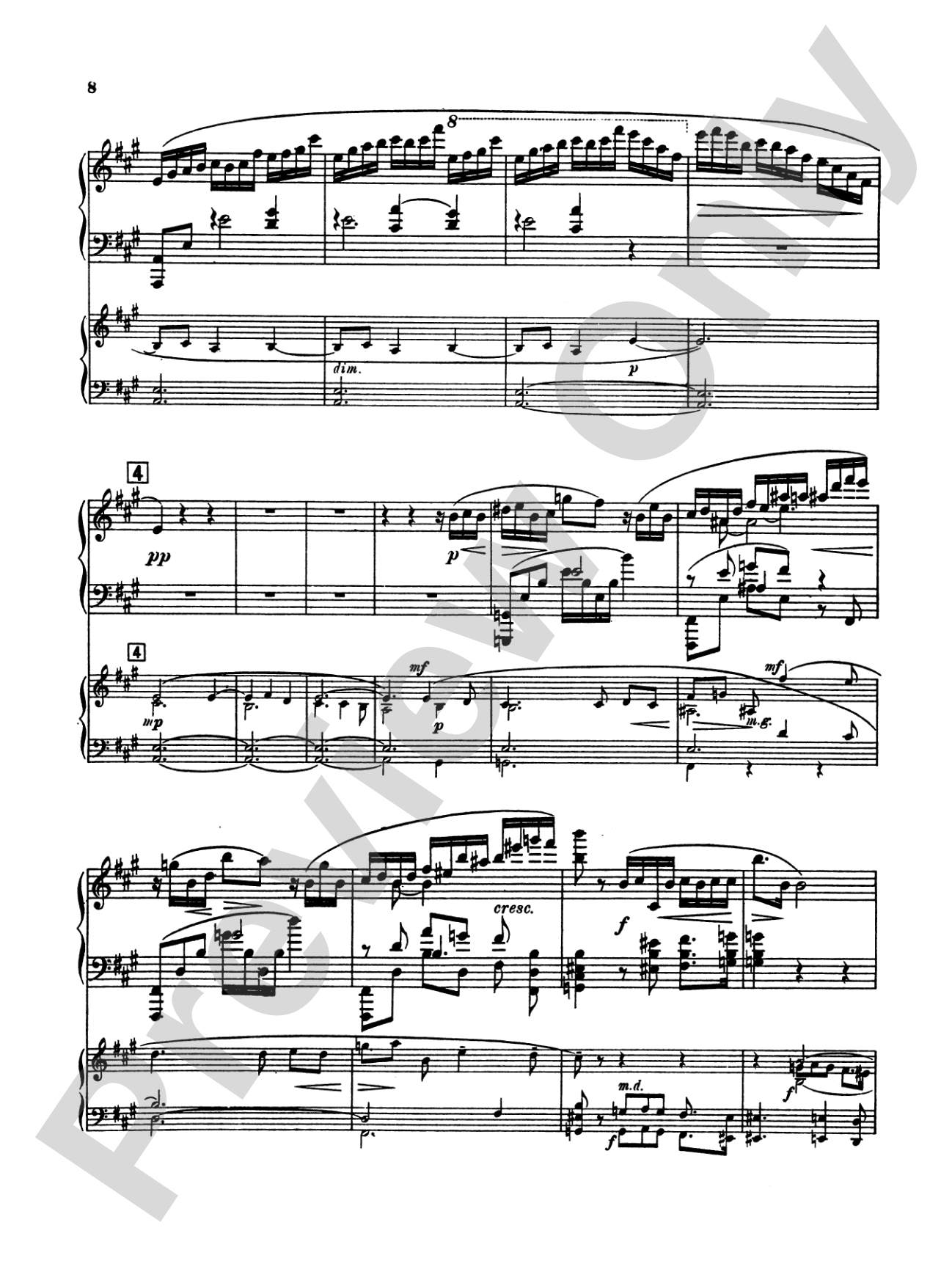
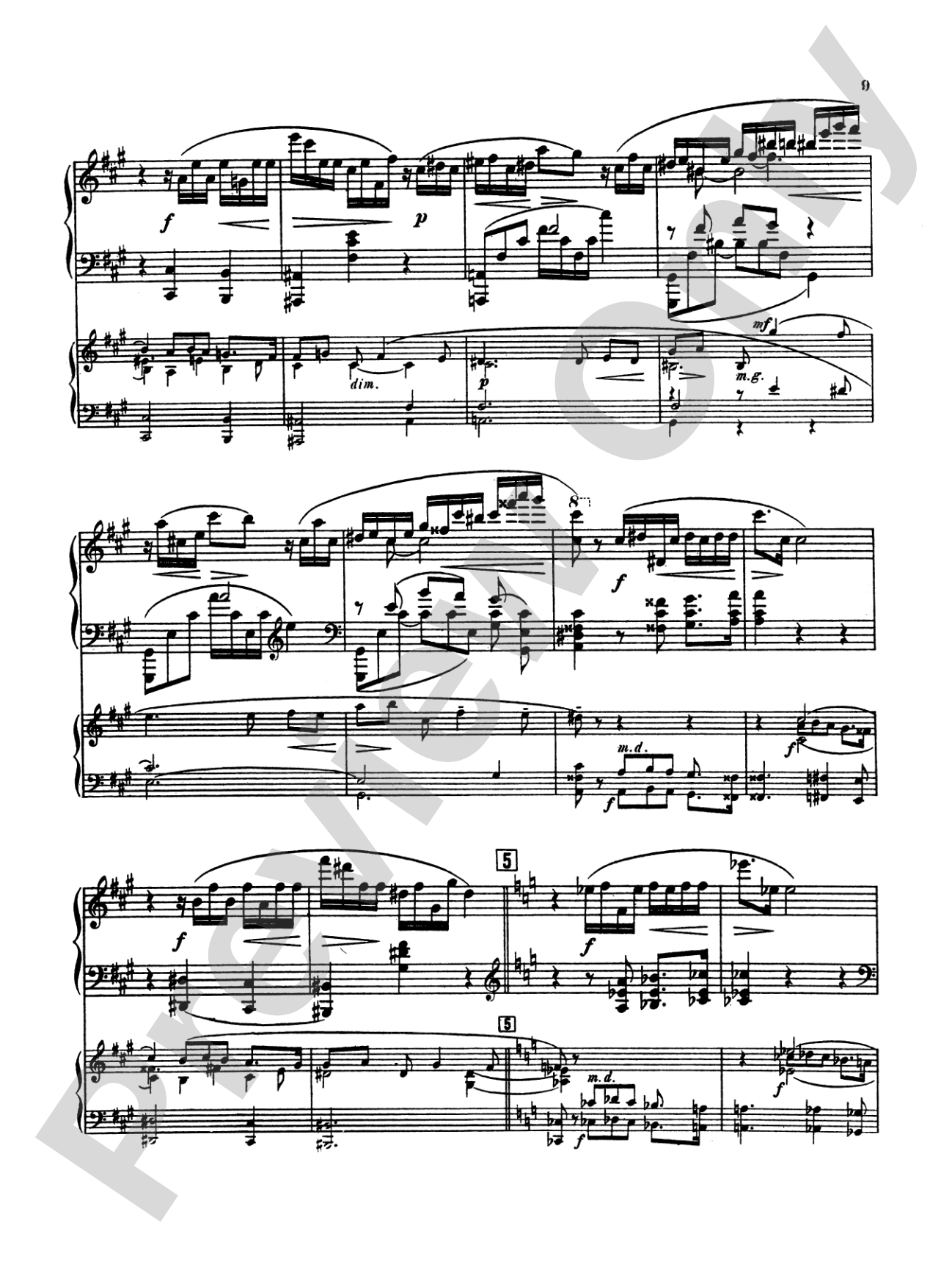
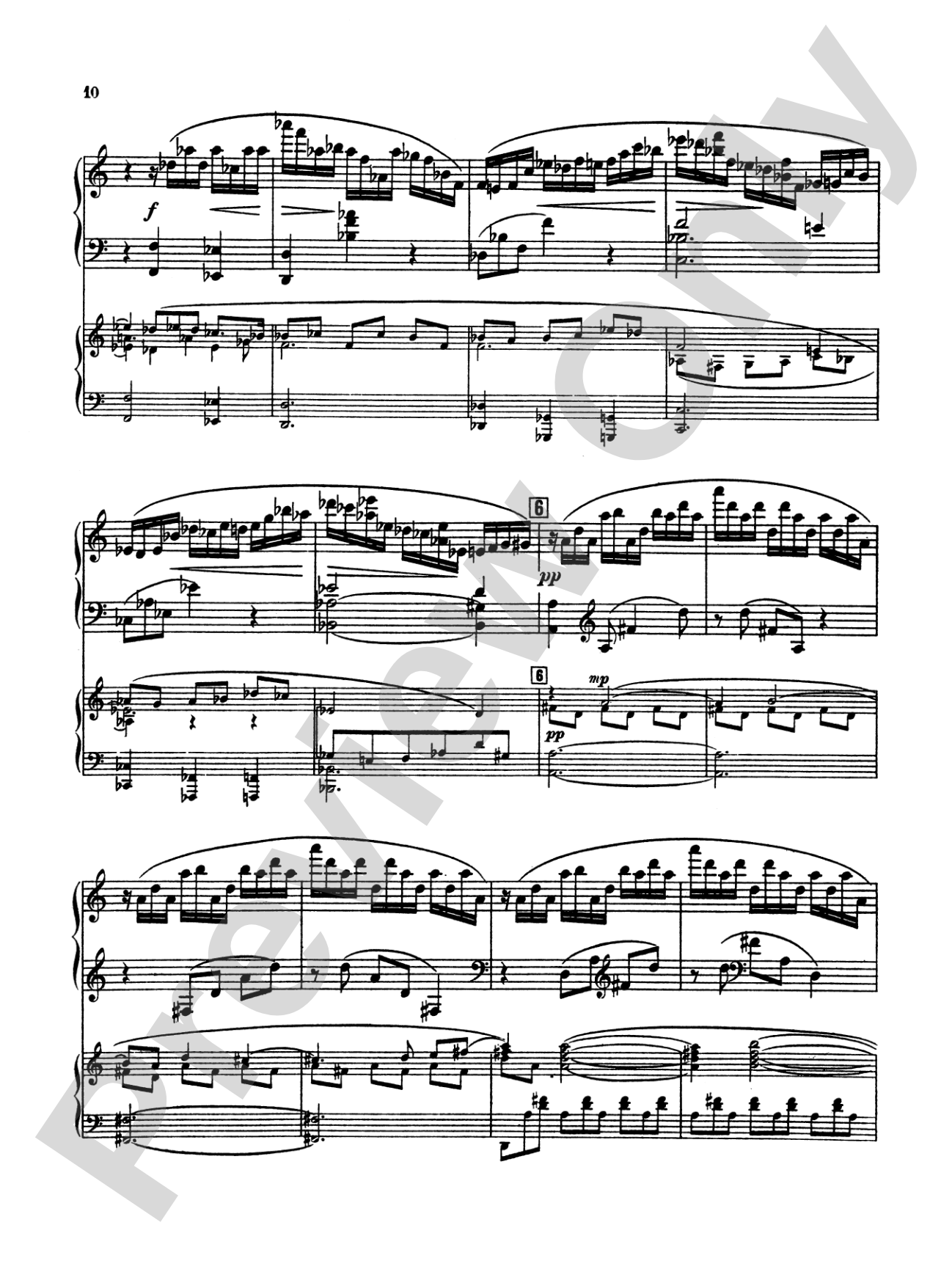
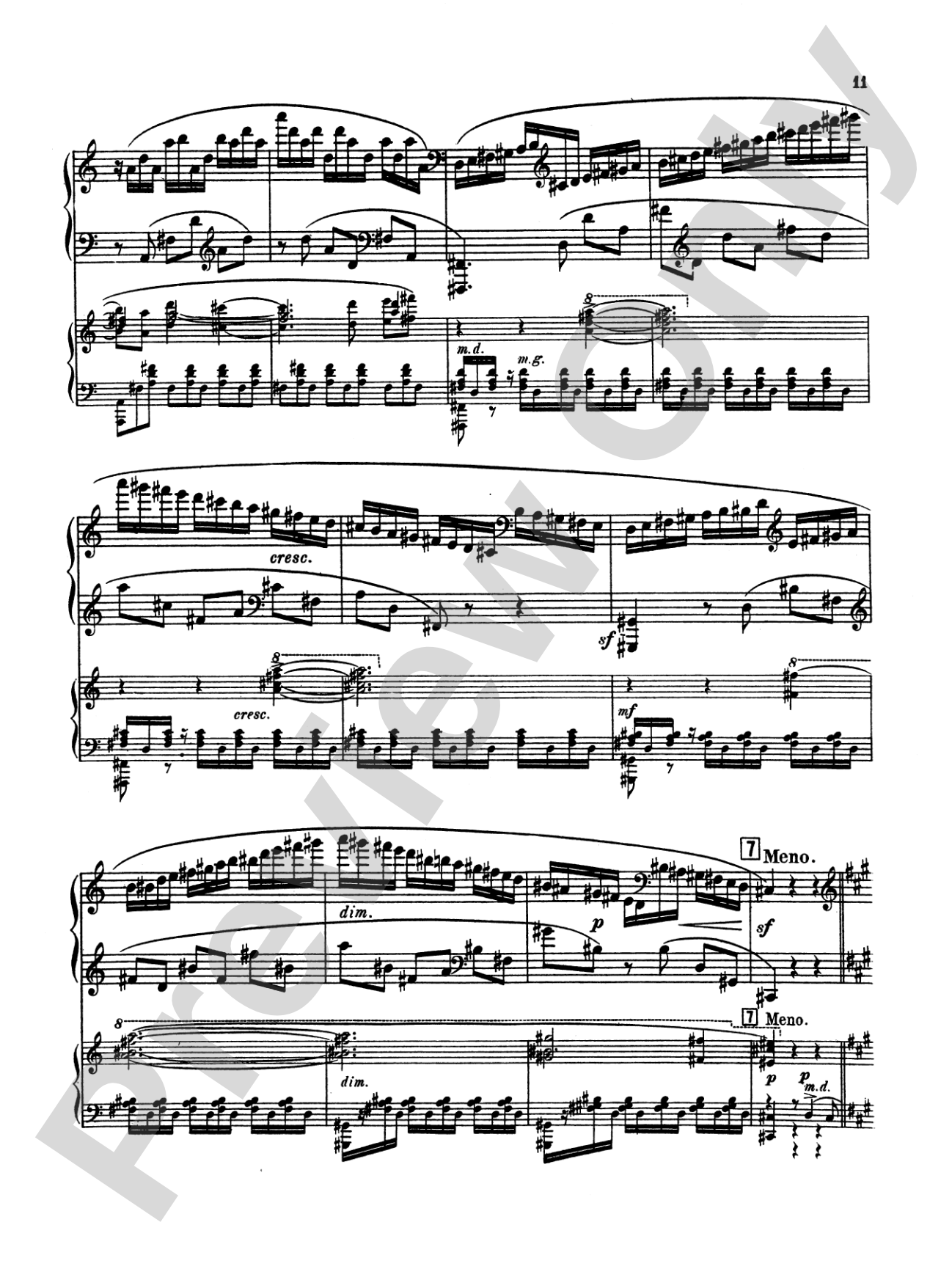
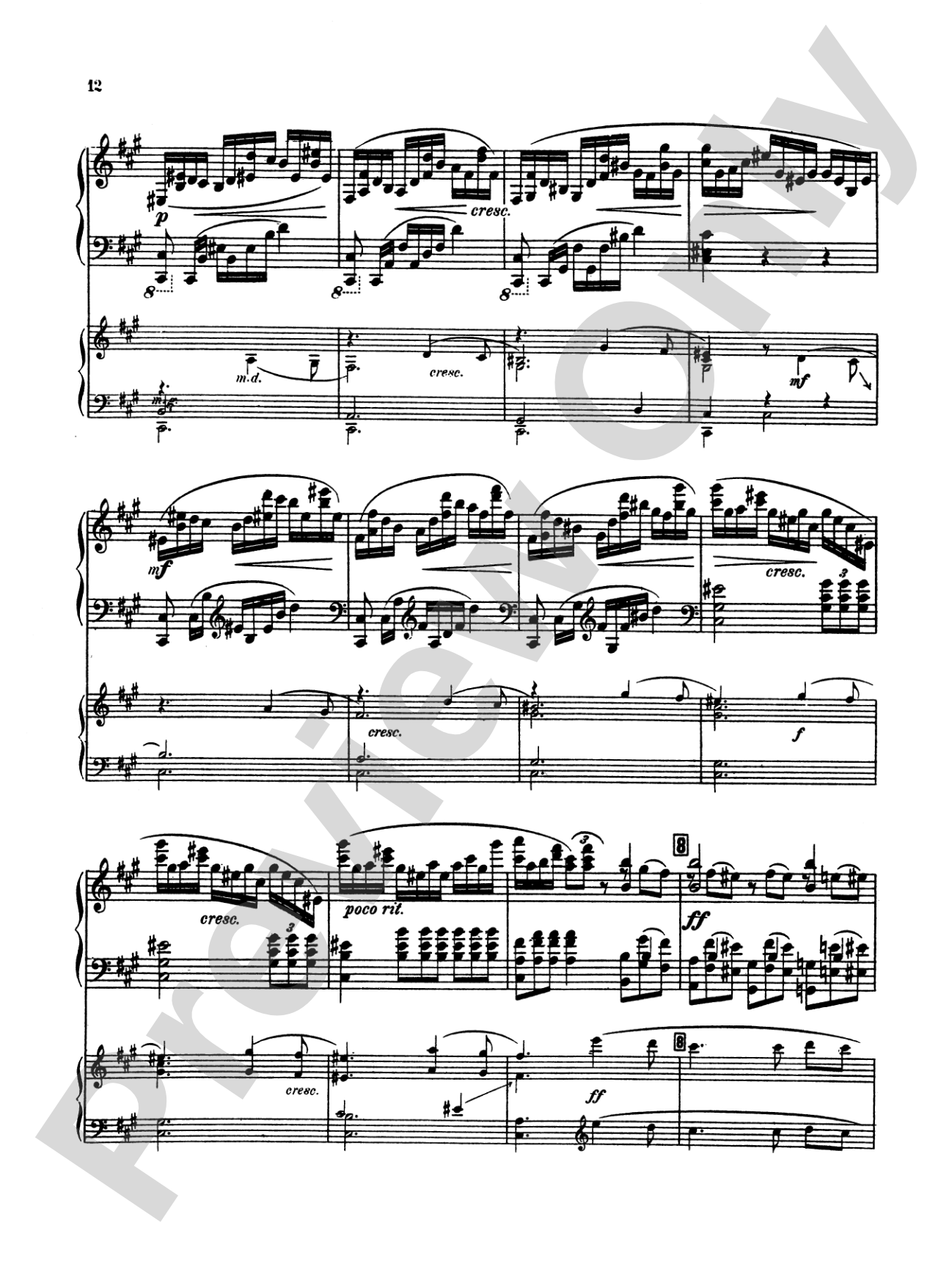
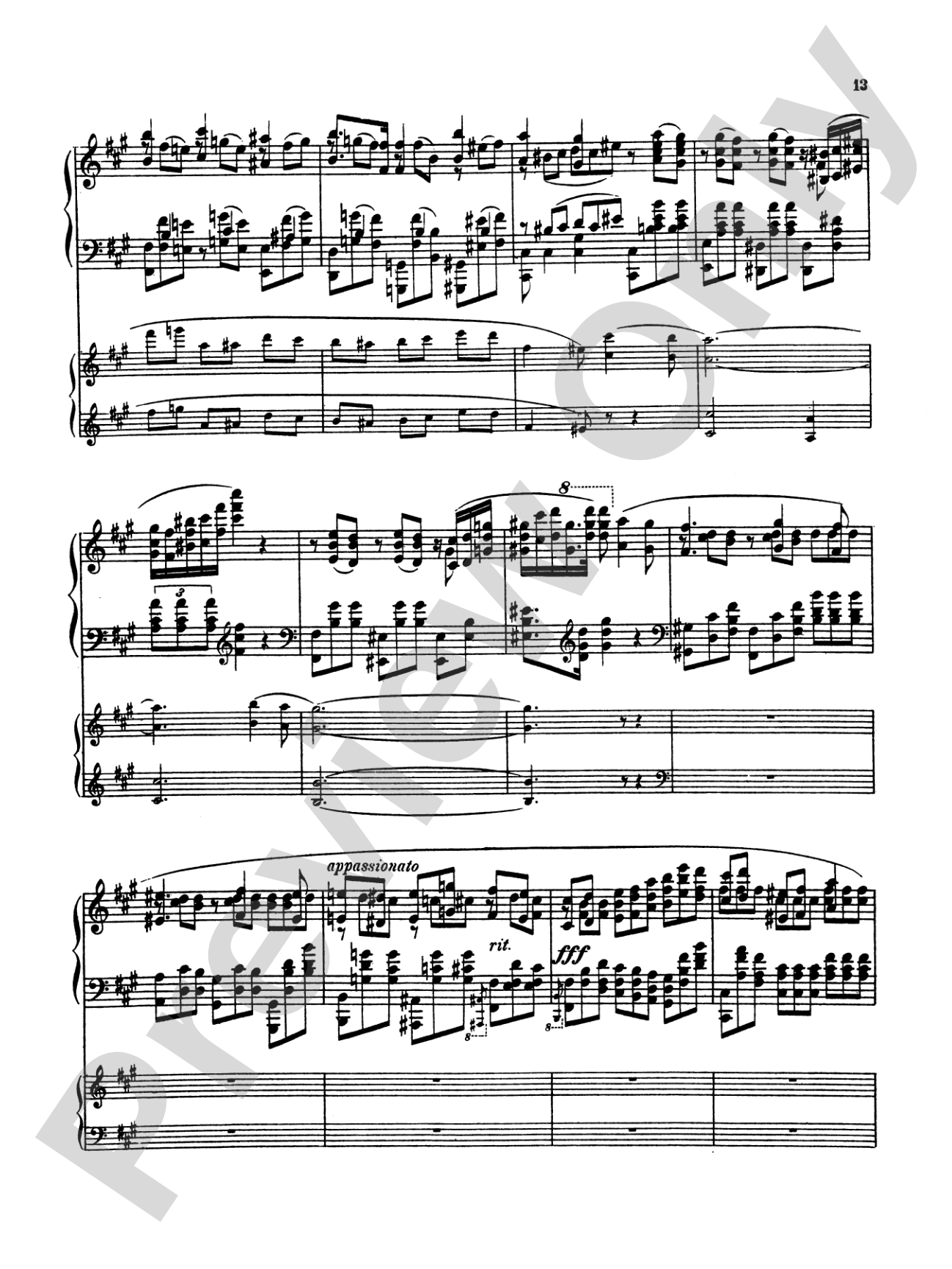
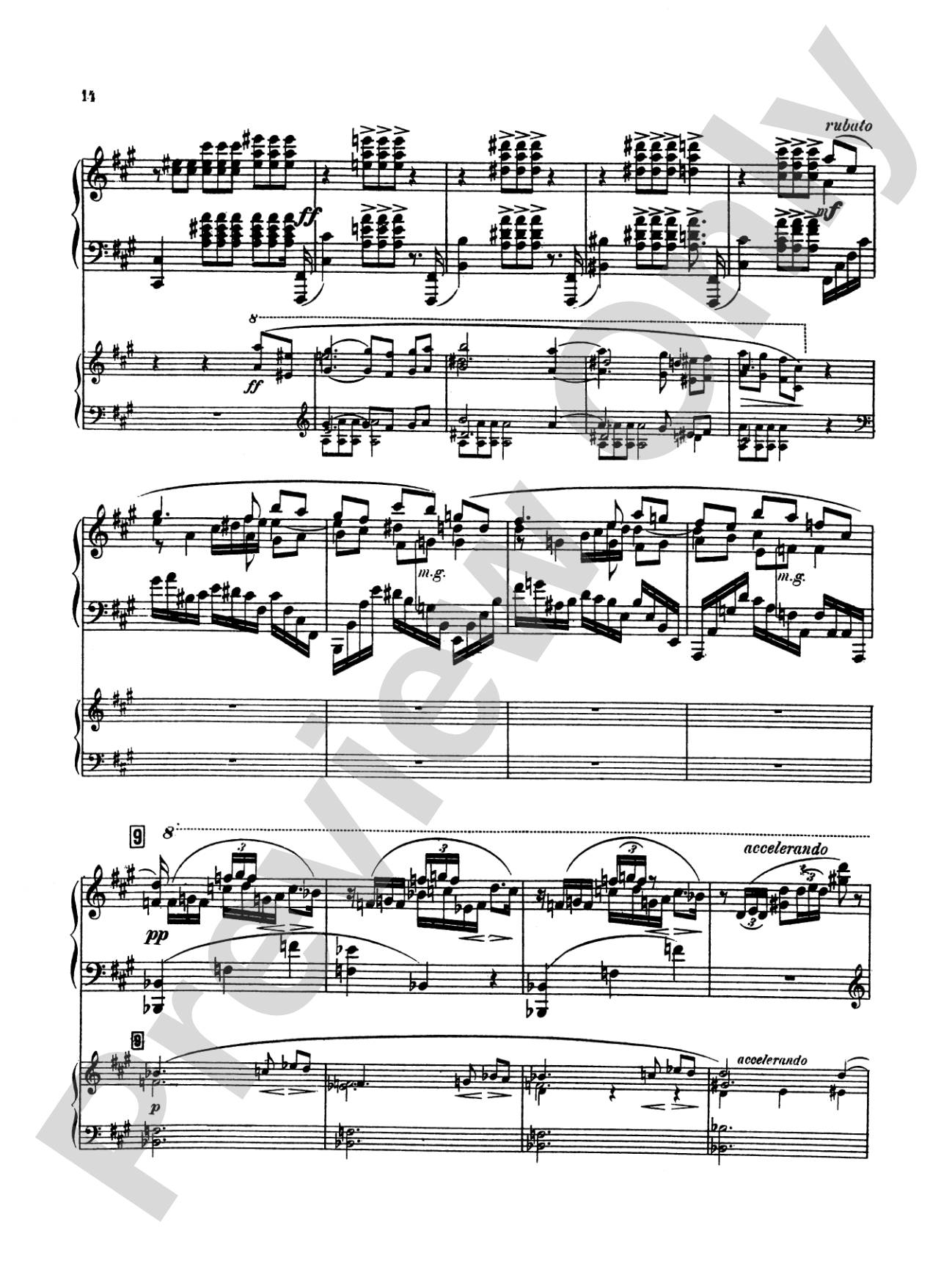
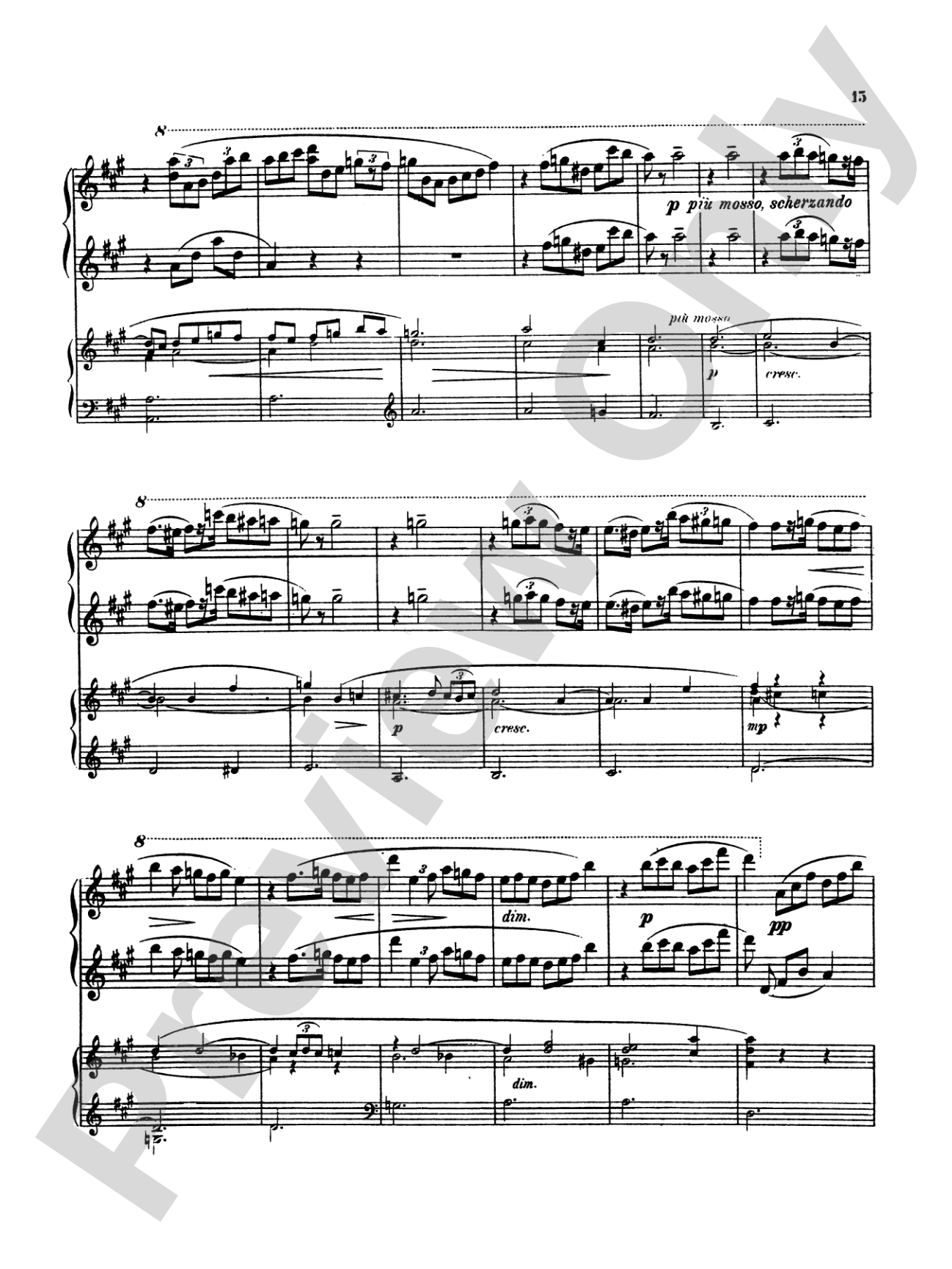
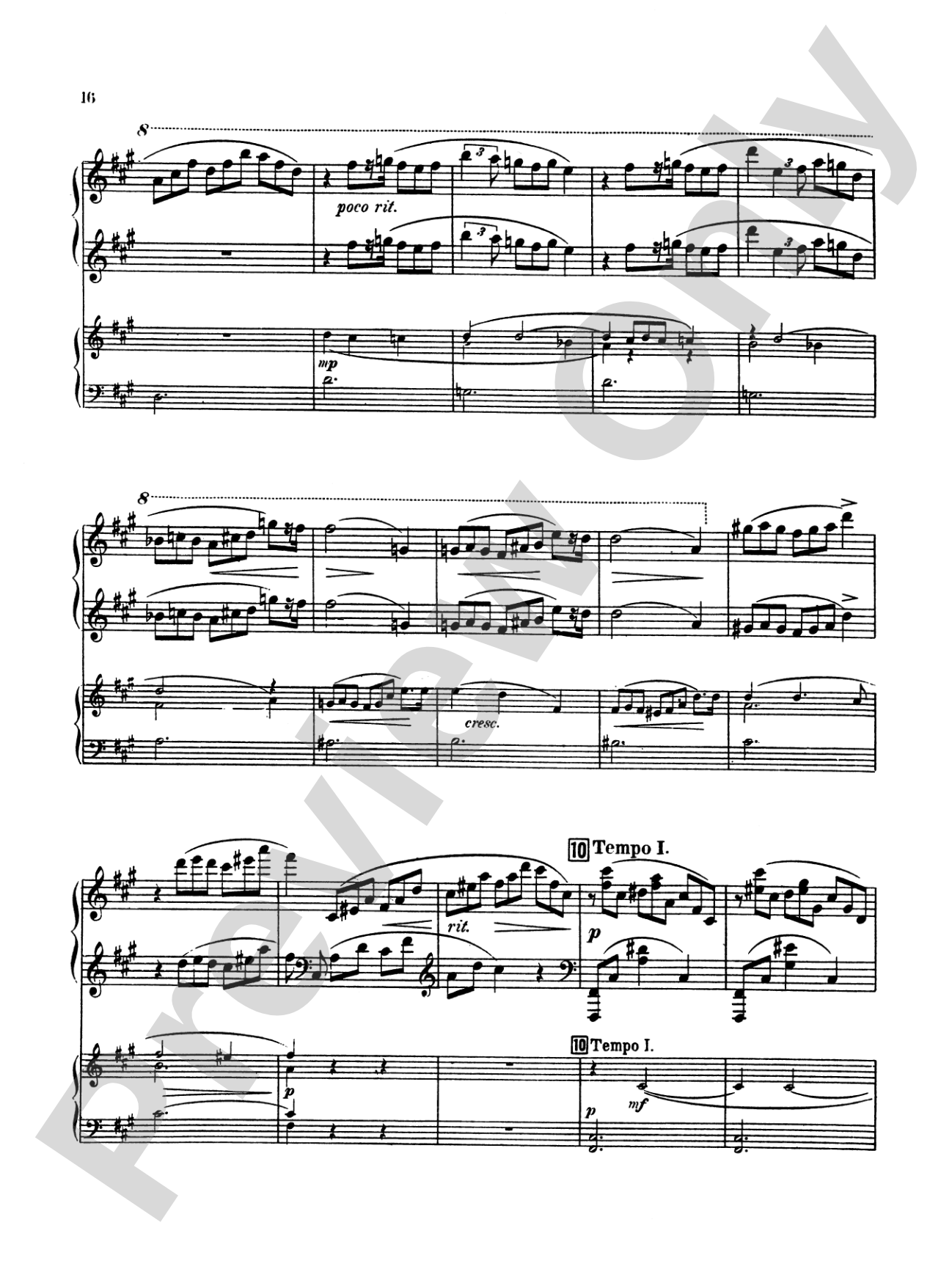
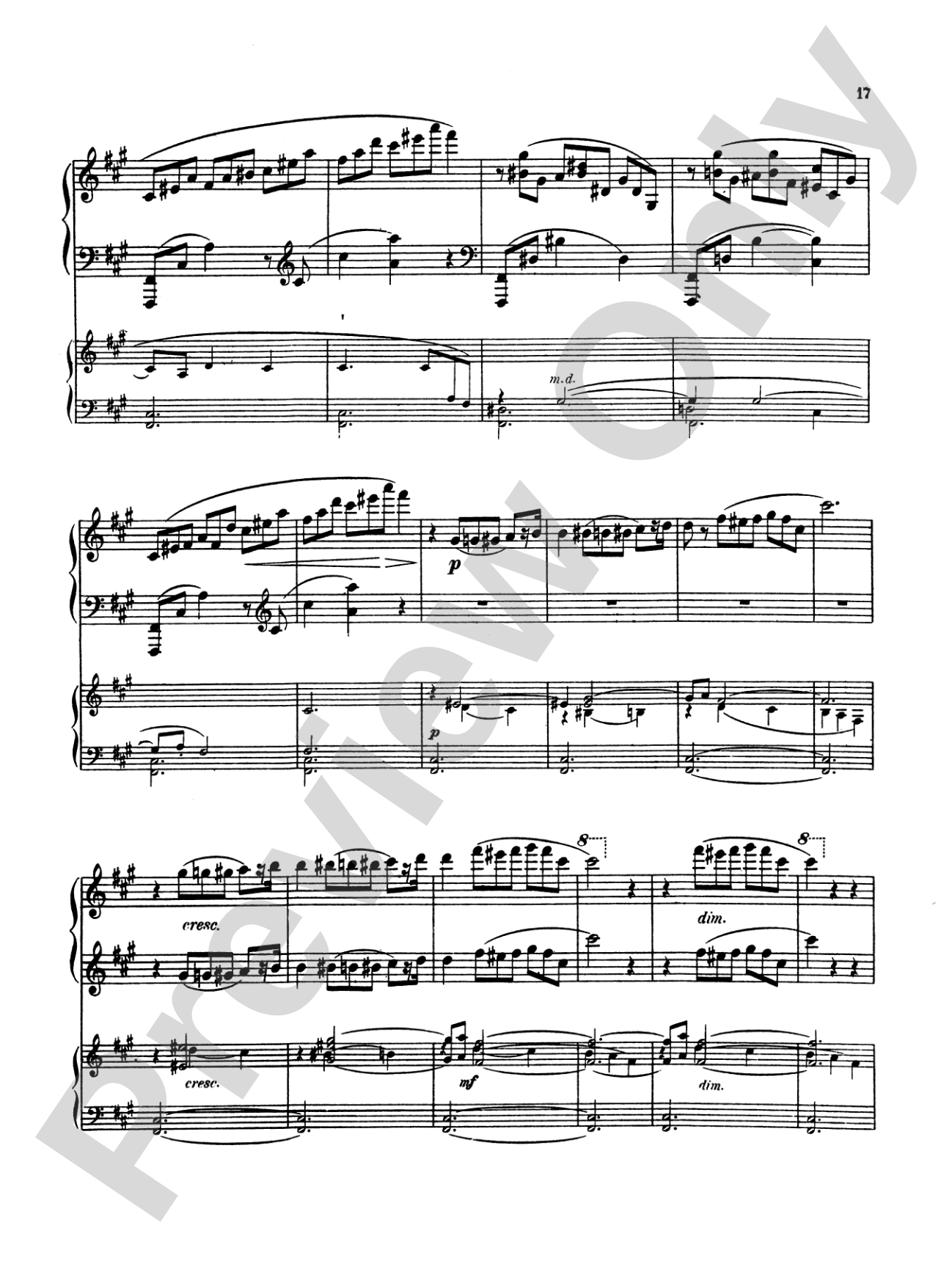
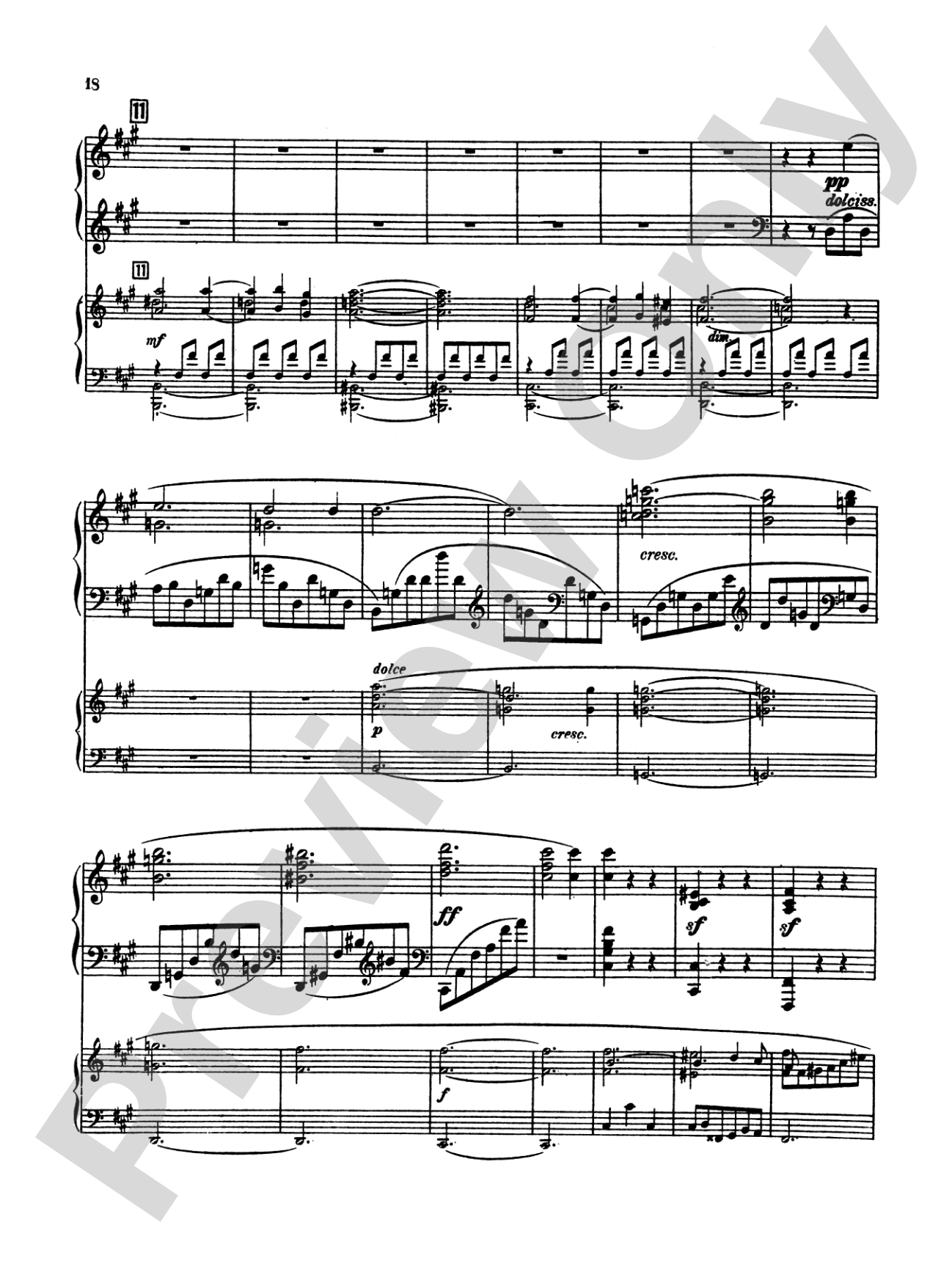
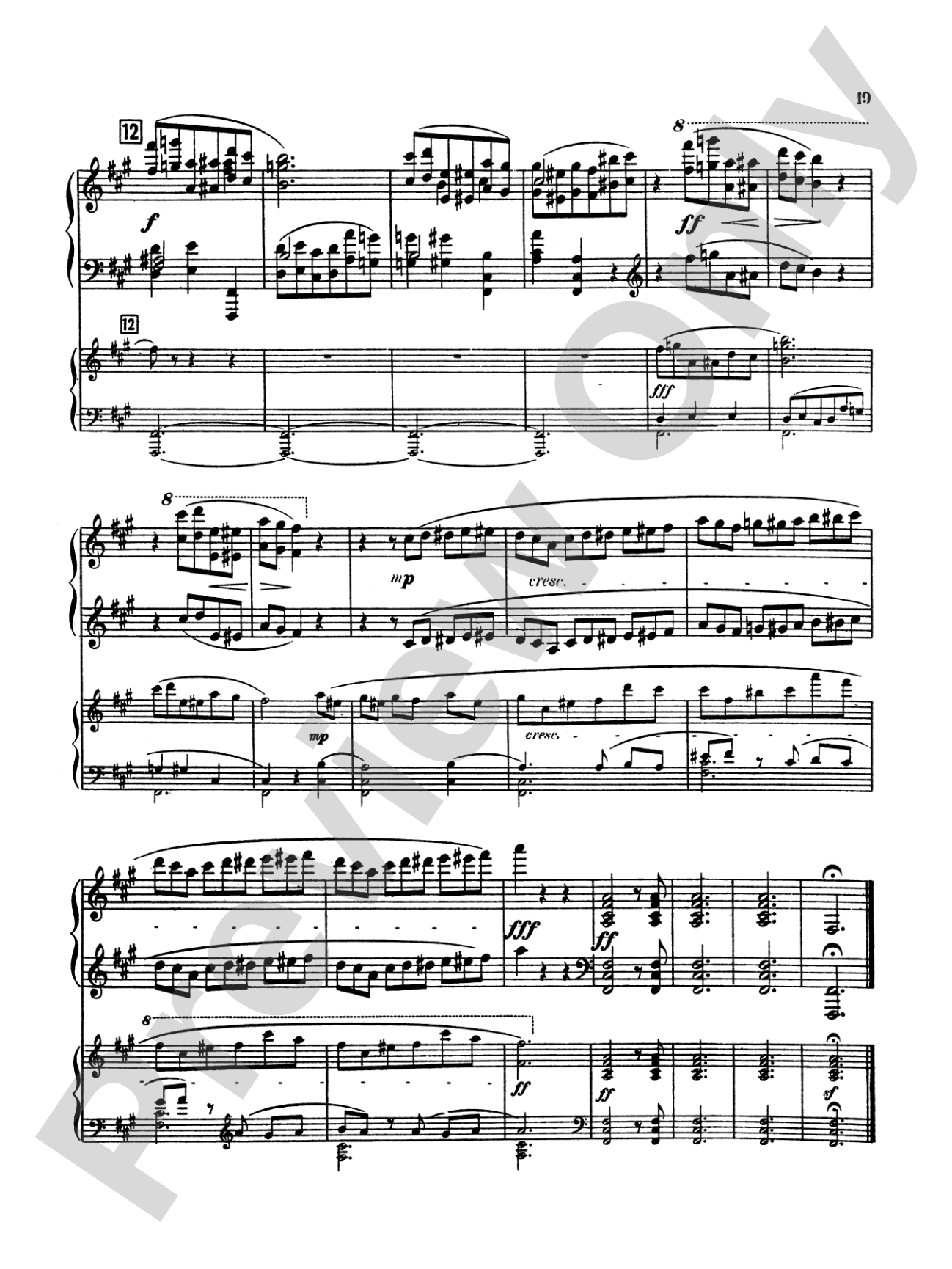

Scriabin: Piano Concerto, Op. 20: Piano Duo (2 Pianos, 4 Hands) Book (2 copies required)
By Alexander Scriabin
Level: Advanced
Item: 00-PK-0003770

$12.99
Pickup currently not available
Buy Extra Parts (Digital PDF Download)
| Product | Price | Quantity |
|---|---|---|
| Scriabin: Piano Concerto, Op. 20 | $3.99 | |
| Scriabin: Piano Concerto, Op. 20 | $3.99 | |
| Scriabin: Piano Concerto, Op. 20 | $3.95 |
Parts Added to Cart!
Related Items
Piano Concerto, Opus 20: Piano Duo (2 Pianos, 4 Hands) Book (2 copies required) |
$12.95
|
View |
Description
Expertly arranged Piano Duet by Alexander Scriabin from the Kalmus Edition series. This Advanced Piano Duet (2 Pianos, 4 Hands) is from the 20th Century and Romantic eras. 2 copies are required for performance. A Federation Festivals 2024-2028 selection.


Don't just read it, hear it, play along with it, and watch your students grow with it. In MakeMusic Cloud, Scriabin: Piano Concerto, Op. 20: Piano Duo (2 Pianos, 4 Hands) Book (2 copies required) comes alive with professional accompaniment, adjustable tempo, and built-in practice tools that turn solo practice into real progress.
Open in the Player
Jump straight in and assign it today.
Start Your Free Trial
Open this title and explore the full library in minutes.
Sample Audio
No sample audio found.
Sample Video
No sample videos found.
Additional Details
Series:
Kalmus Edition
Publisher:
Alfred Music
Page Count:
60
SKU:
00-PK-0003770
More about this title
About the Composer: Alexander Scriabin
Alexander Scriabin (1872-1915) was a Russian composer and pianist whose harmonic language pushed far beyond the Romantic tradition he inherited. His early works, including the Piano Concerto Op. 20, reveal a composer already stretching tonality to its limits while maintaining structural clarity and emotional intensity. Scriabin's innovations in color harmony and his fusion of pianist virtuosity with orchestral ambition made him a pivotal figure linking late Romanticism to modernism.
Why we love this
This Kalmus arrangement brings Scriabin's most approachable large-scale work within reach of advanced piano duet partnerships without sacrificing the work's orchestral richness and harmonic boldness. The two-piano setting demands genuine ensemble listening and timing precision, making it an ideal choice for students ready to engage with 20th-century harmony in a collaborative context. Its Federation Festivals selection ensures it meets rigorous standards for both musical substance and pianistic reward.
What to expect
Scriabin's Concerto unfolds with romantic lyricism that gradually dissolves into shimmering, ambiguous harmonies that challenge the ear's sense of resolution. The writing swings between intimate, almost chamber-like passages and moments of cascading pianistic fireworks, creating an atmosphere both introspective and explosively virtuosic.
Who it's for
Advanced piano duet partnerships preparing for festival competition, recital, or concert performance will find a substantial work that showcases maturity and harmonic sophistication. This arrangement suits studios with two strong advanced pianists who can commit to the technical and musical demands of early 20th-century writing.
How to get the most out of it
- Balance the melodic material between the two instruments carefully; often one piano carries the principal voice while the other provides harmonic foundation, but these roles shift frequently throughout the Concerto.
- Attend closely to Scriabin's dynamic markings and use them to shape the harmonic color; his crescendos and diminuendos often mark shifts in harmonic tension rather than simple volume changes.
- Coordinate pedaling between both pianos to avoid muddiness in the dense chromatic passages; brief moments of independent pedaling can actually clarify the harmonic progression.
How to use it
Program this alongside later-Romantic four-hand works to illustrate the harmonic evolution from Brahms or Dvořák into Scriabin's more experimental sound world. It works particularly well as a closer on a recital showcasing 20th-century repertoire, or as a statement piece at a festival competition where advanced duets are featured.
Skills your students will build
- Reading complex chromatic harmony and non-traditional chord progressions
- Coordinating two independent piano parts with distinct rhythmic and textural roles
- Pedal management in dense, dissonant passages
- Ensemble balance and voice leading across two keyboards
- Interpretation of Scriabin's specific dynamic and expressive markings