
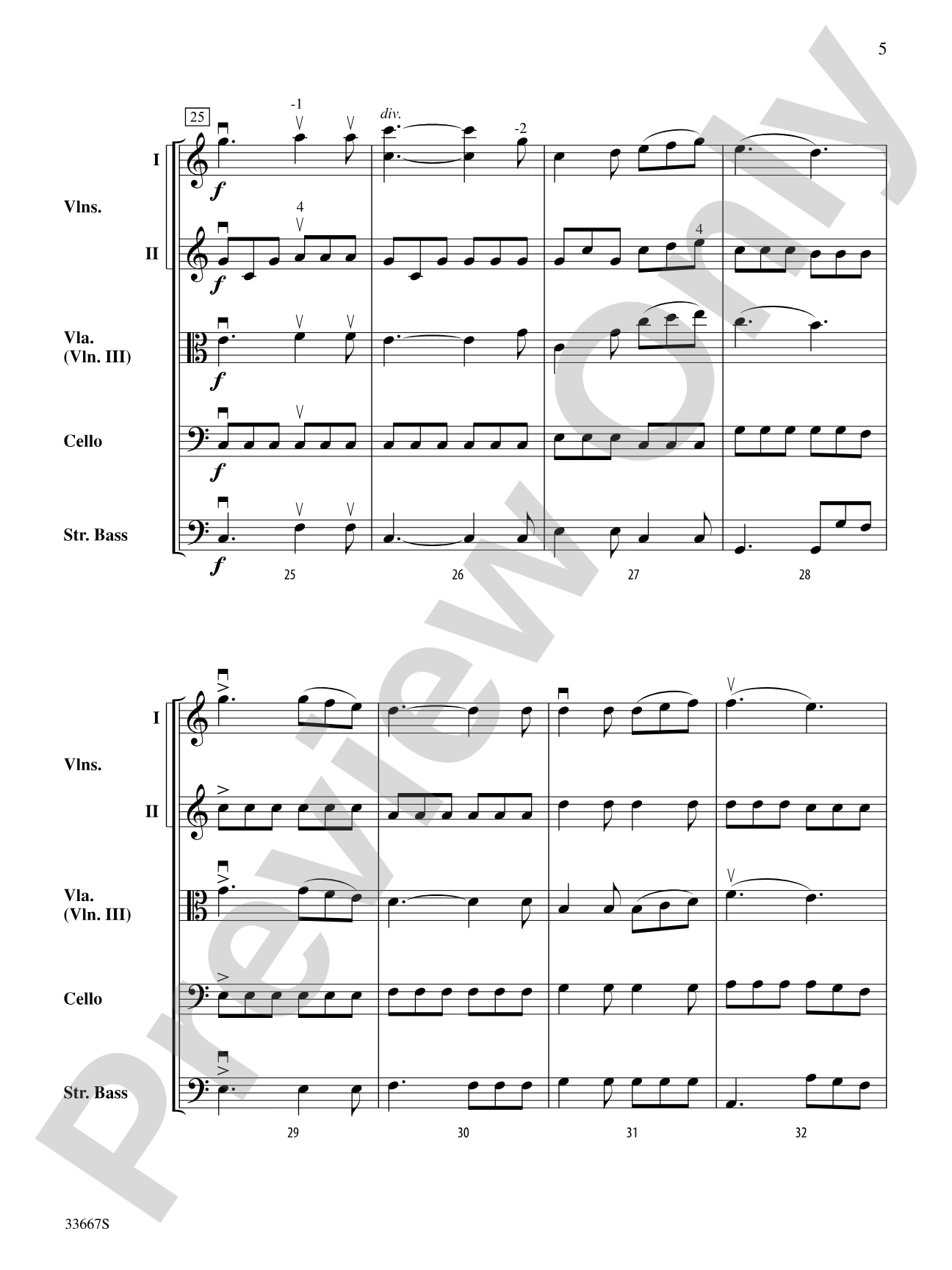
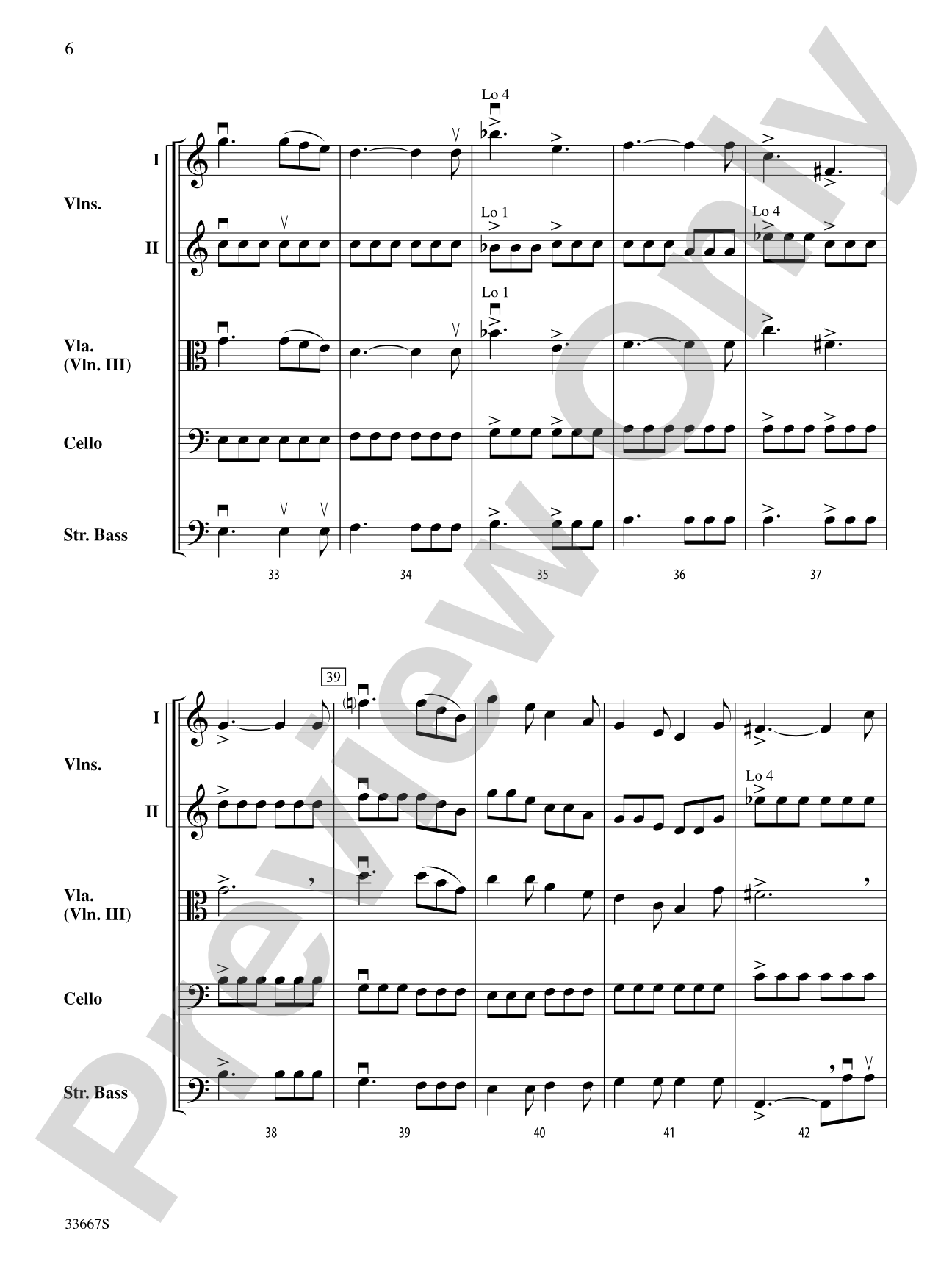
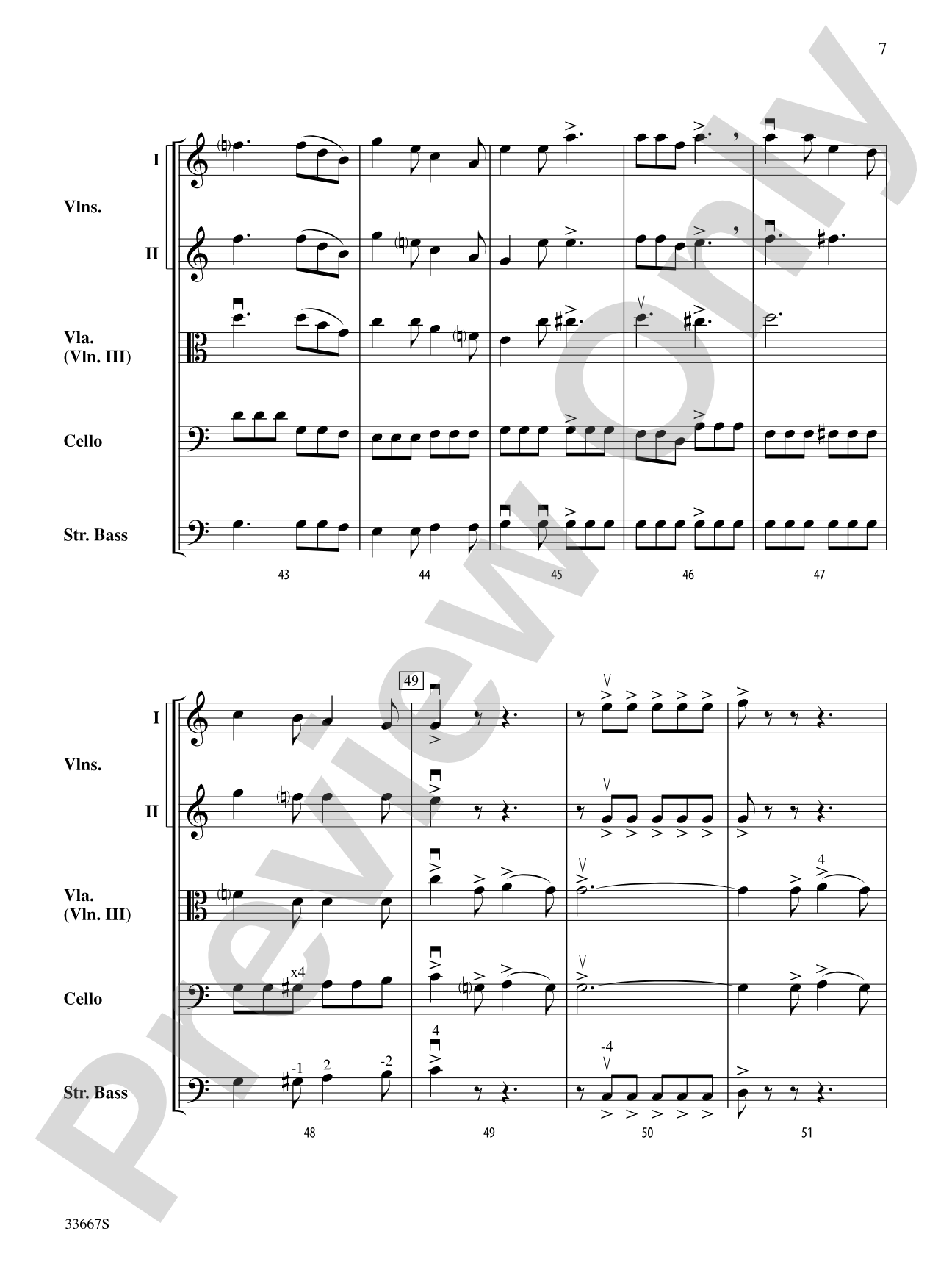
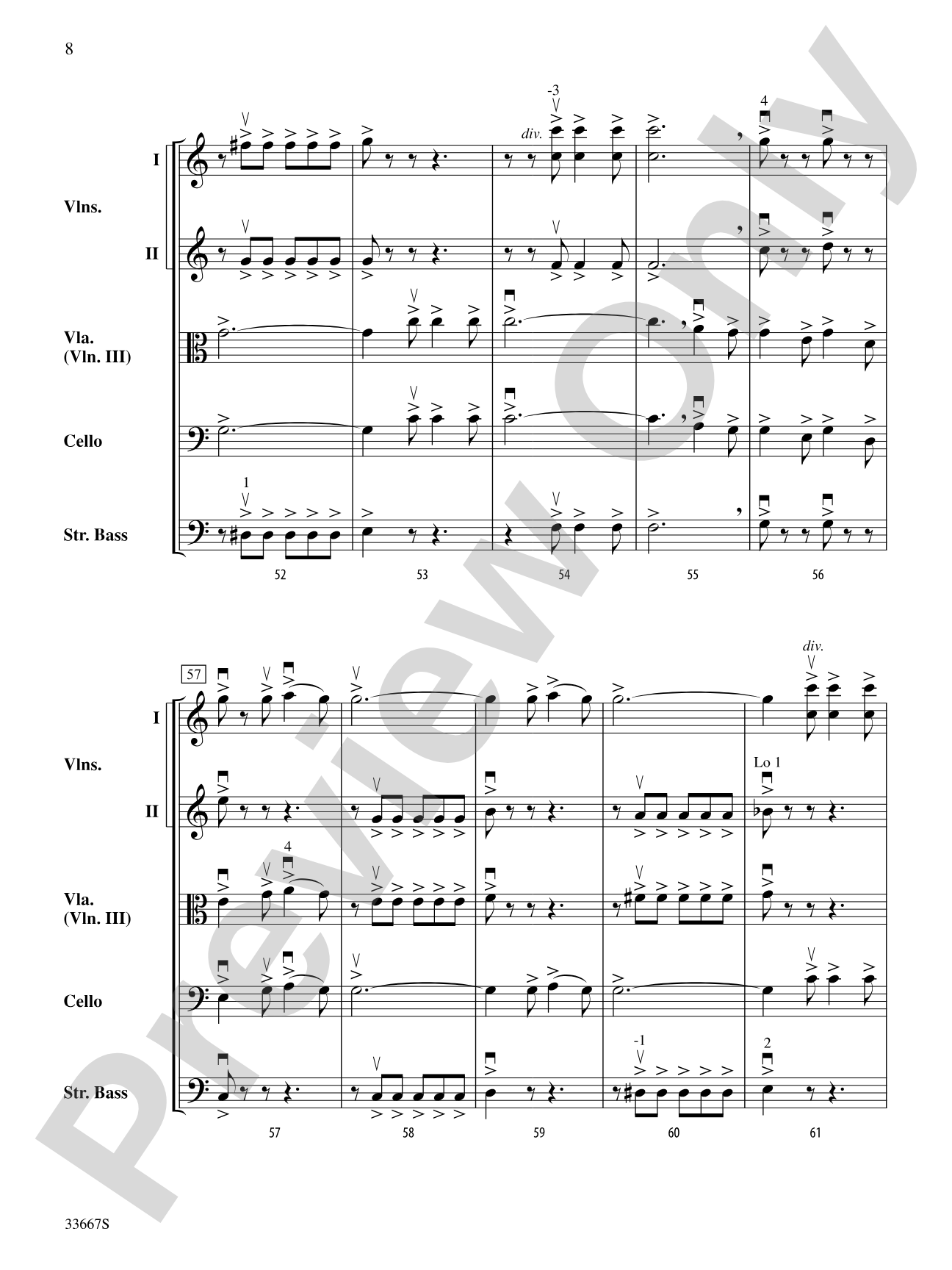

Scottish Symphony: String Orchestra Conductor Score & Parts
Finale
By Felix Mendelssohn / arr. Christina Hans
Grade: 3.5
Item: 00-PK-0004164

$45.00
Pickup currently not available
Buy Extra Parts (Digital PDF Download)
| Product | Price | Quantity |
|---|---|---|
| Scottish Symphony: Score | $7.00 | |
| Scottish Symphony: 1st Violin | $5.99 | |
| Scottish Symphony: 2nd Violin | $5.99 | |
| Scottish Symphony: 3rd Violin (Viola [TC]) | $5.99 | |
| Scottish Symphony: Viola | $5.99 | |
| Scottish Symphony: Cello | $5.99 | |
| Scottish Symphony: String Bass | $5.99 |
Parts Added to Cart!
Related Items
Scottish Symphony: String Orchestra Conductor Score |
$7.00
|
View |
Description
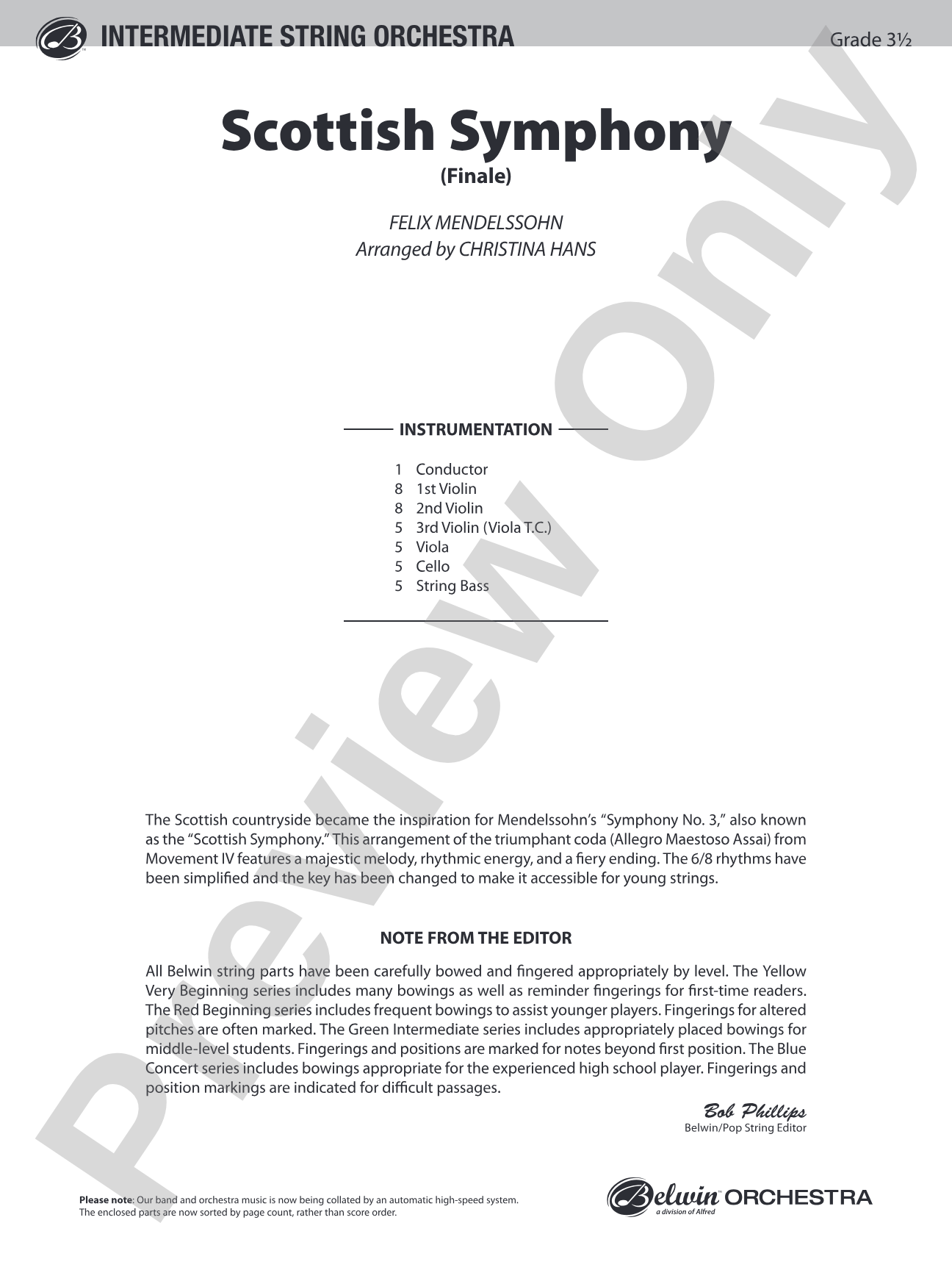
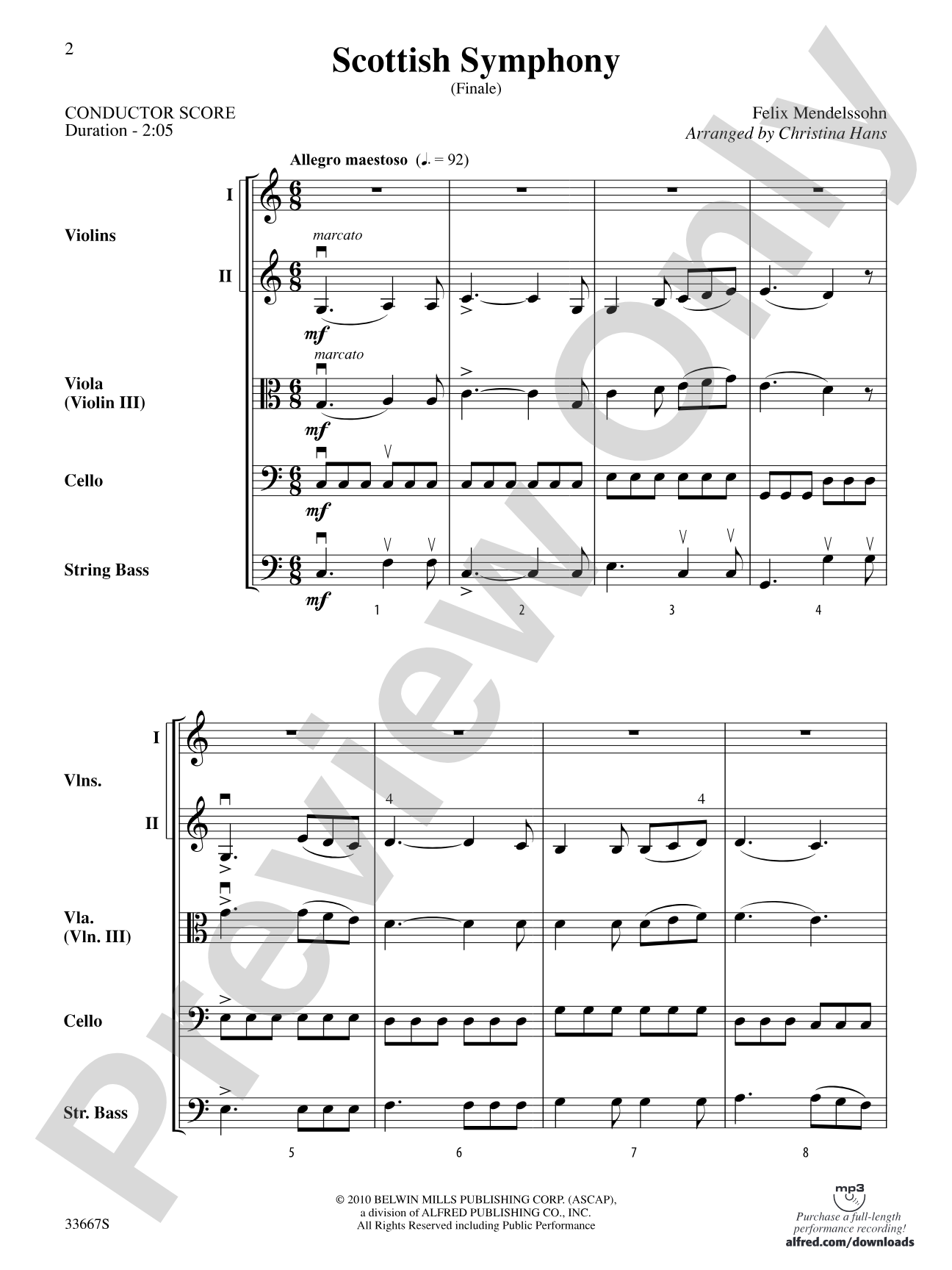
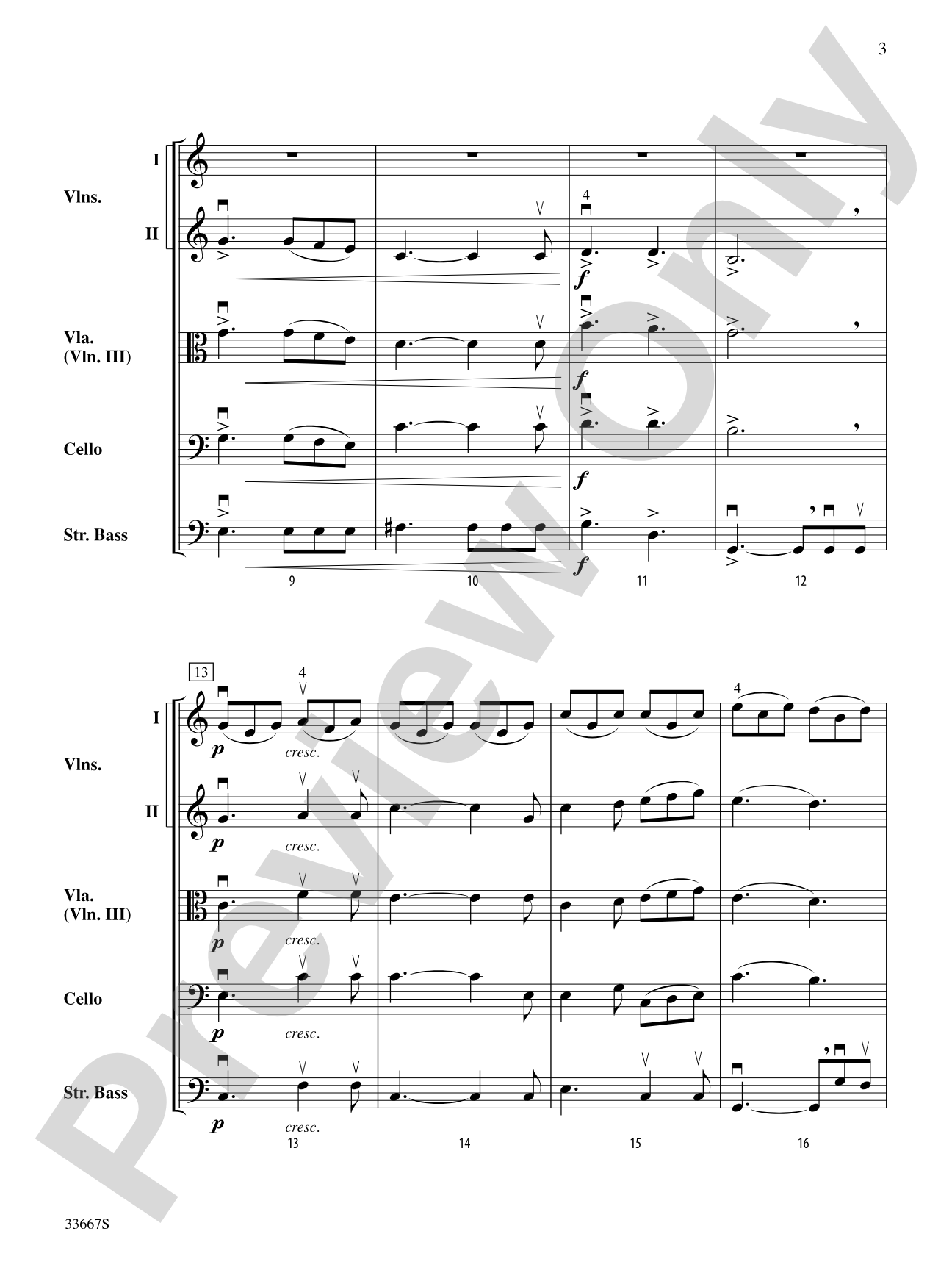
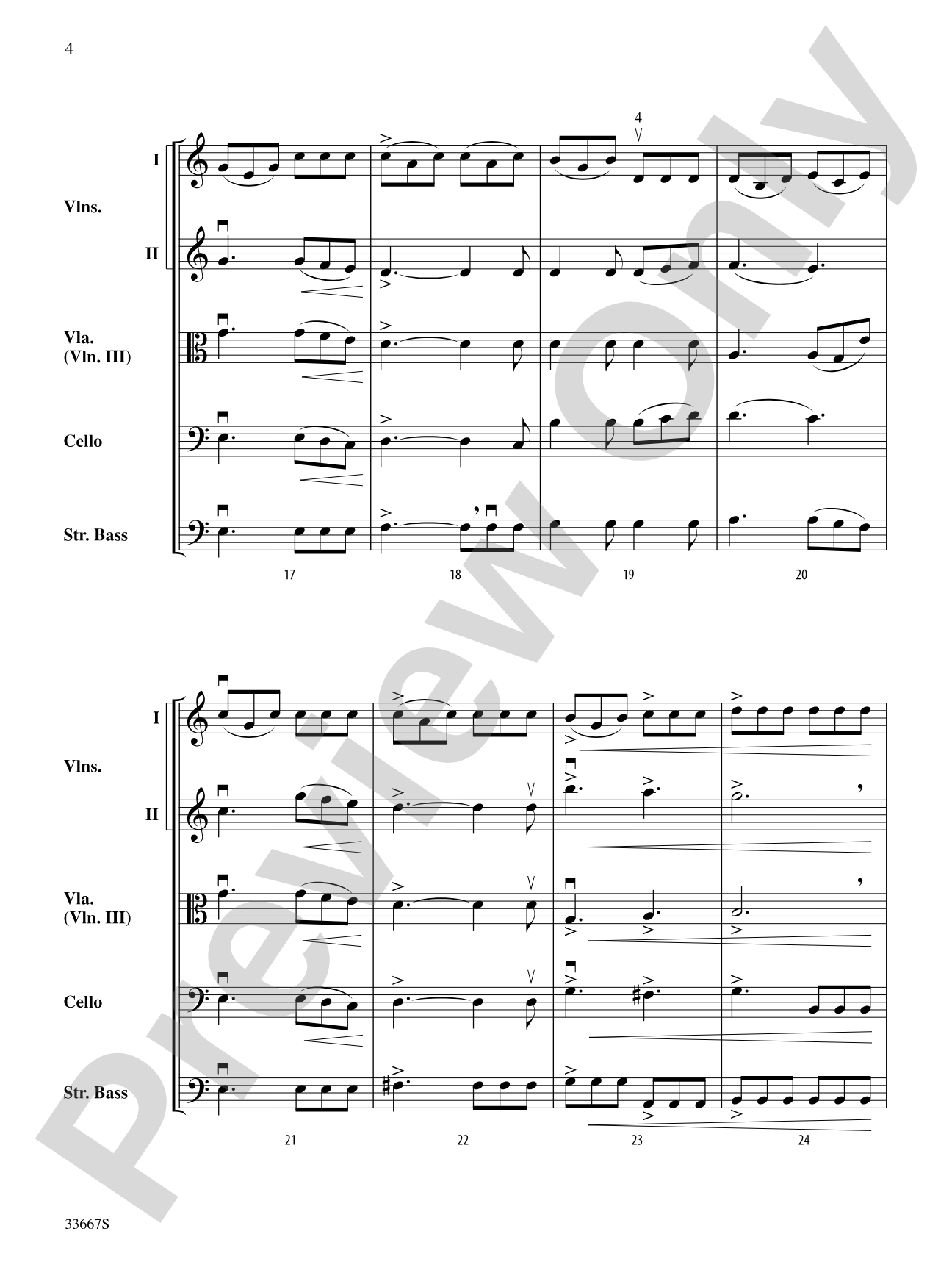
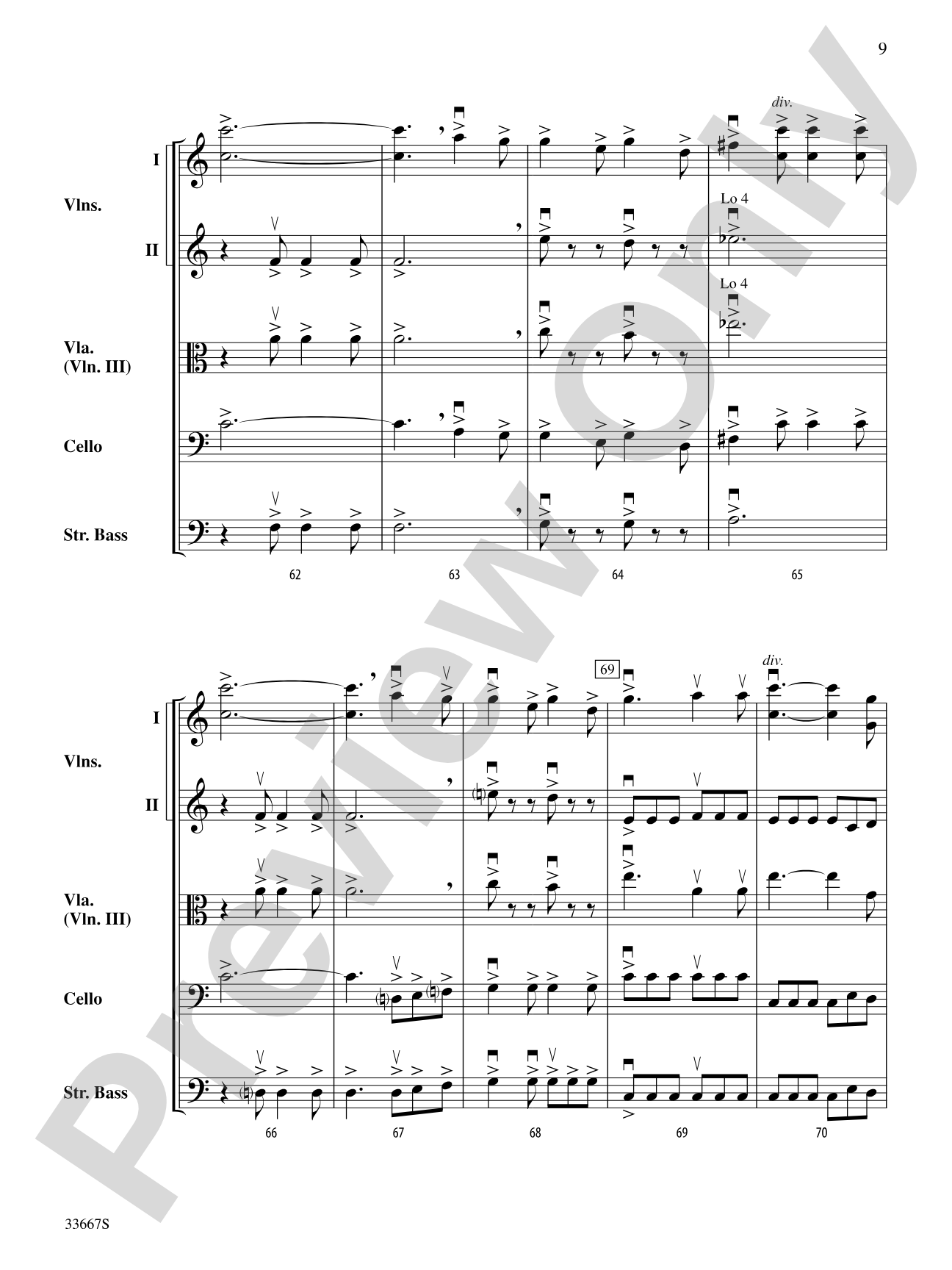
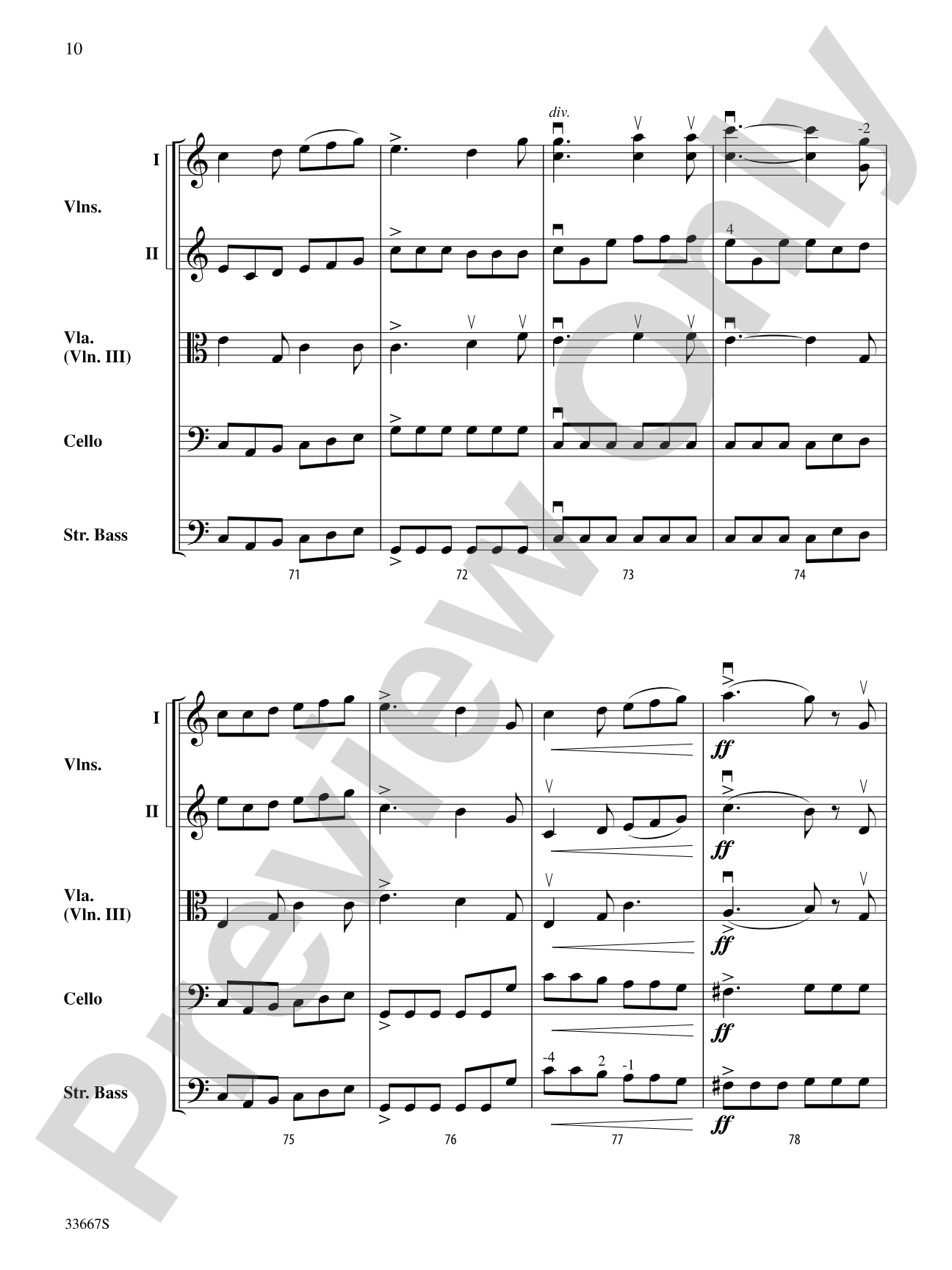
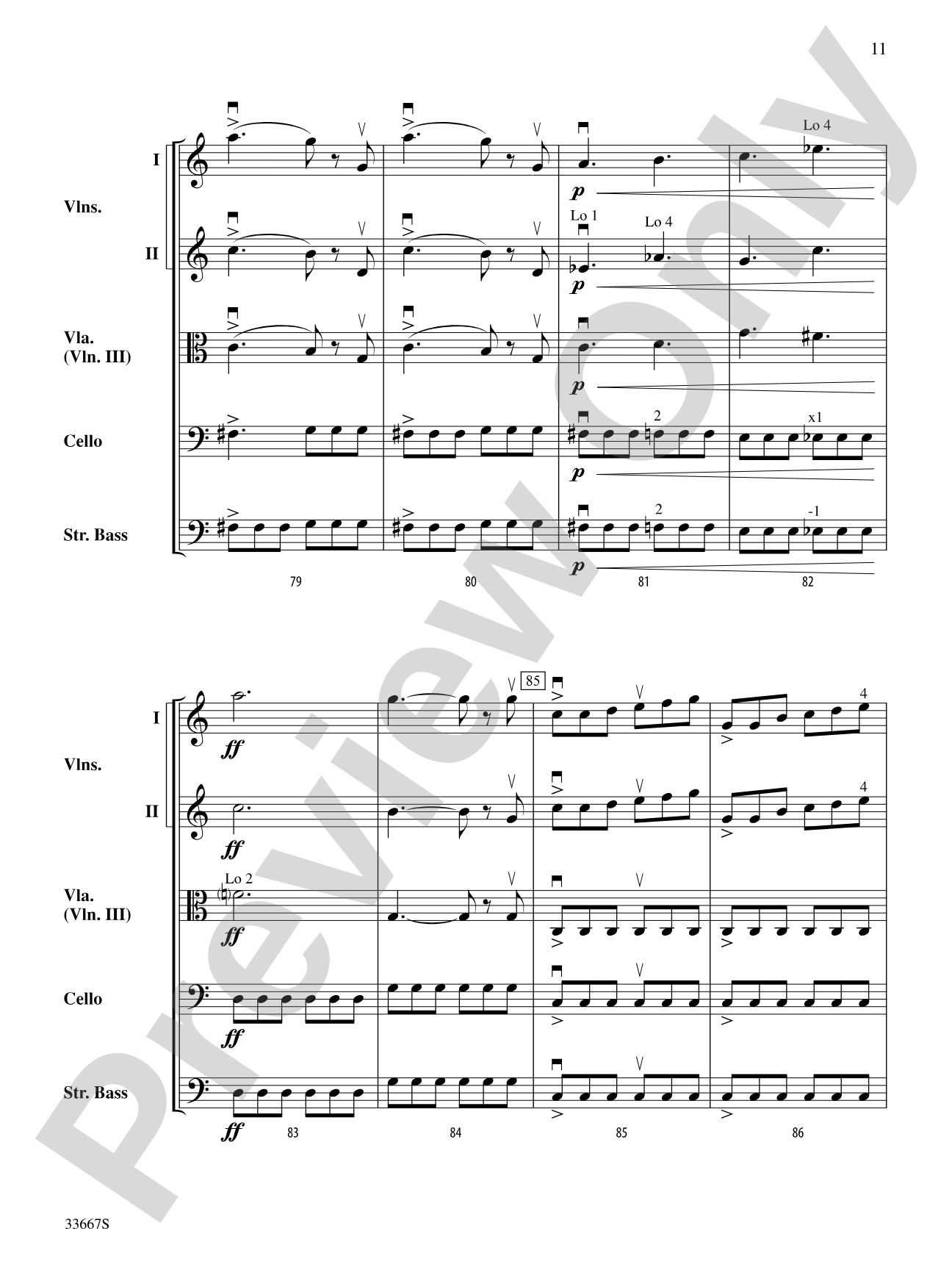
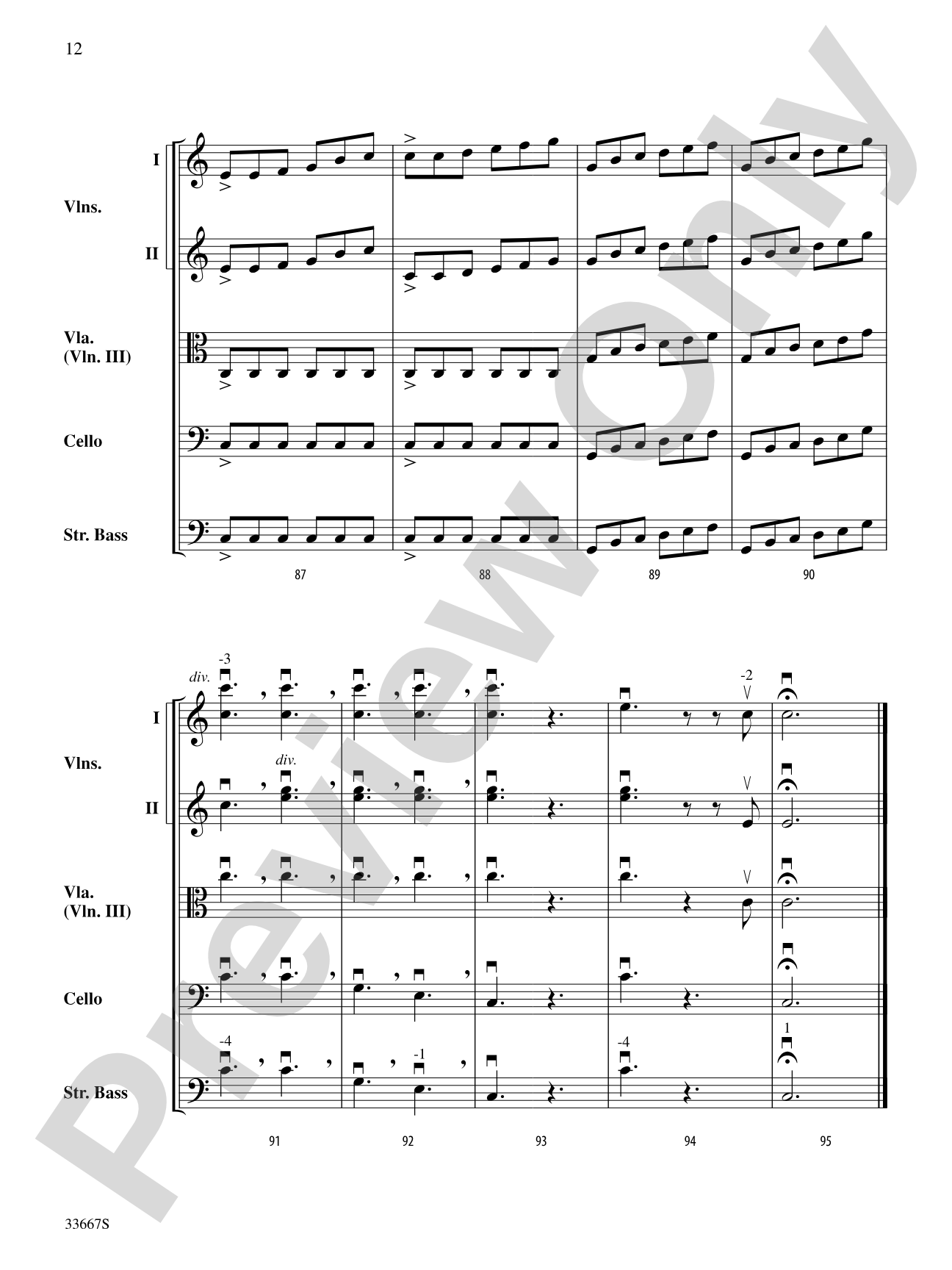
The Scottish countryside became the inspiration for Mendelssohn's "Symphony No. 3," also known as the "Scottish Symphony." This arrangement of the triumphant coda (Allegro Maestoso Assai) from Movement IV features a majestic melody, rhythmic energy, and a fiery ending. The 6/8 rhythms have been simplified and the key has been changed to make it accessible for young strings. This title is available in MakeMusic Cloud.


Don't just read it, hear it, play along with it, and watch your students grow with it. In MakeMusic Cloud, Scottish Symphony: String Orchestra Conductor Score & Parts comes alive with professional accompaniment, adjustable tempo, and built-in practice tools that turn solo practice into real progress.
Open in the Player
Jump straight in and assign it today.
Start Your Free Trial
Open this title and explore the full library in minutes.
Sample Audio
1
Audio File
--:--
0:00
0:00
Sample Video
No sample videos found.
Additional Details
Series:
Belwin Intermediate String Orchestra
Publisher:
Alfred Music
Page Count:
144
SKU:
00-PK-0004164
More about this title
About the Composer: Felix Mendelssohn
Felix Mendelssohn (1809, 1847) was a Romantic composer whose gift for orchestration and structural clarity made him one of the most performed composers of his era. He traveled extensively throughout Europe, and his journeys profoundly shaped his compositional voice; a trip to Scotland in 1829 directly inspired the Symphony No. 3, which he completed over a decade later. Mendelssohn's ability to capture vivid landscapes and emotional atmospheres in instrumental music makes his works exceptionally valuable for music education, offering students access to sophisticated harmonic language and orchestral writing without requiring decades of study to grasp.
Why we love this
This excerpt captures the propulsive finale energy that makes Mendelssohn's symphonies so rewarding to conduct. The arranger has kept the heroic melodic sweep intact while simplifying the rhythmic language, so your students experience authentic Romantic orchestration without getting bogged down in metric complexity. It's a genuine showstopper that plays much bigger than a Grade 3.5 arrangement should.
What to expect
Majestic and driving, with the sweeping lyricism that defines Mendelssohn's best writing. The main melody has that characteristic singing quality that makes Romantic string writing so gratifying, while the rhythmic momentum underneath keeps everything moving forward with purpose and urgency. By the final climax, students feel the triumph of a real symphony finale.
Who it's for
String orchestra conductors working with developing ensembles at the intermediate level who want to program substantial Romantic repertoire without sacrificing technical accessibility. This is ideal for ensembles working toward festival performances or concert showcases where you need a piece that sounds polished and confident.
How to get the most out of it
- Shape the main melody with a single unified phrase rather than breaking it into smaller segments; this line is built to soar, so encourage your first violins to project with confidence and warmth.
- Lock the rhythmic unison passages (particularly in the lower strings) with clear stick clarity and a steady pulse, since the 6/8 simplified rhythms depend on rhythmic solidity to drive the energy forward.
- Build intensity through the final pages by gradually increasing dynamic support from the full section; the "fiery ending" works only if players feel the collective momentum building toward the close.
- Balance the triumphal melody against accompanimental material so the tune cuts through; many young orchestras bury it under enthusiastic but heavy rhythm section playing.
How to use it
Position this as a standalone concert closer or as part of a "symphonic portrait" program pairing it with other orchestral masterworks at an accessible level. It also works beautifully in a festival context where judges need to hear that your strings can handle substantial four-movement symphonic literature with style and control.
Skills your students will build
- Conducting and performing in cut-time and 6/8 rhythmic patterns
- Balancing sustained melodic lines against rhythmic accompaniment figures
- Maintaining ensemble pulse and unity through syncopated rhythmic passages
- Responding to dynamic shaping and phrasing cues in lyrical, song-like melodies
- Building ensemble energy and intensity through the final climactic section
- Understanding Romantic era orchestration and harmonic language through direct engagement with an authentic masterwork