



Scottish Air: String Orchestra Conductor Score & Parts
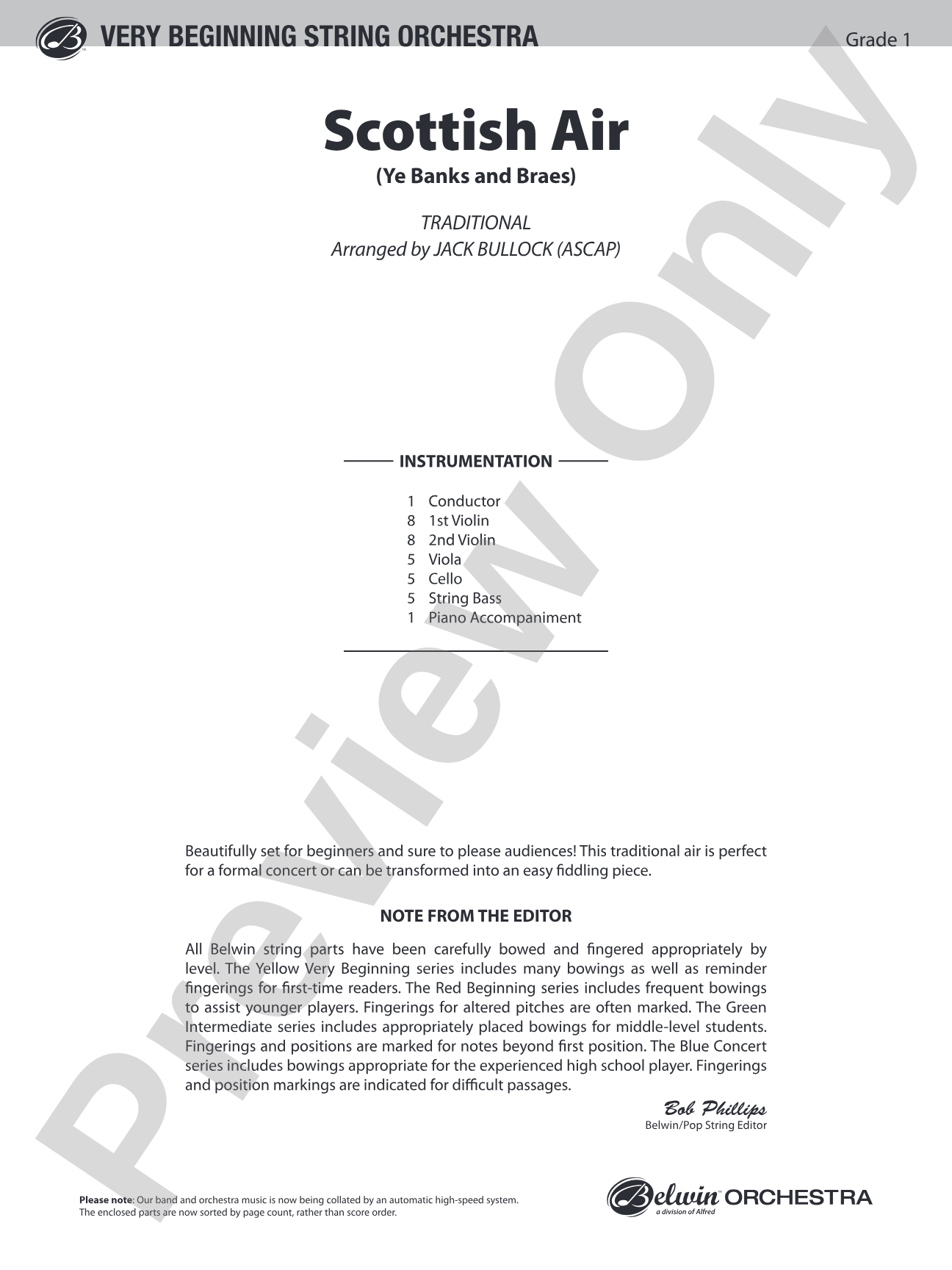
Ye Banks and Braes
Traditional / arr. Jack Bullock
Grade: 1
Item: 00-PK-0004687

$40.00
Pickup currently not available
Buy Extra Parts (Digital PDF Download)
| Product | Price | Quantity |
|---|---|---|
| Scottish Air: Score | $6.00 | |
| Scottish Air: 1st Violin | $5.99 | |
| Scottish Air: 2nd Violin | $5.99 | |
| Scottish Air: Viola | $5.99 | |
| Scottish Air: Cello | $5.99 | |
| Scottish Air: String Bass | $5.99 | |
| Scottish Air: Piano Accompaniment | $5.99 |
Parts Added to Cart!
Related Items
Scottish Air: String Orchestra Conductor Score & Parts |
$40.00
|
View |
Description
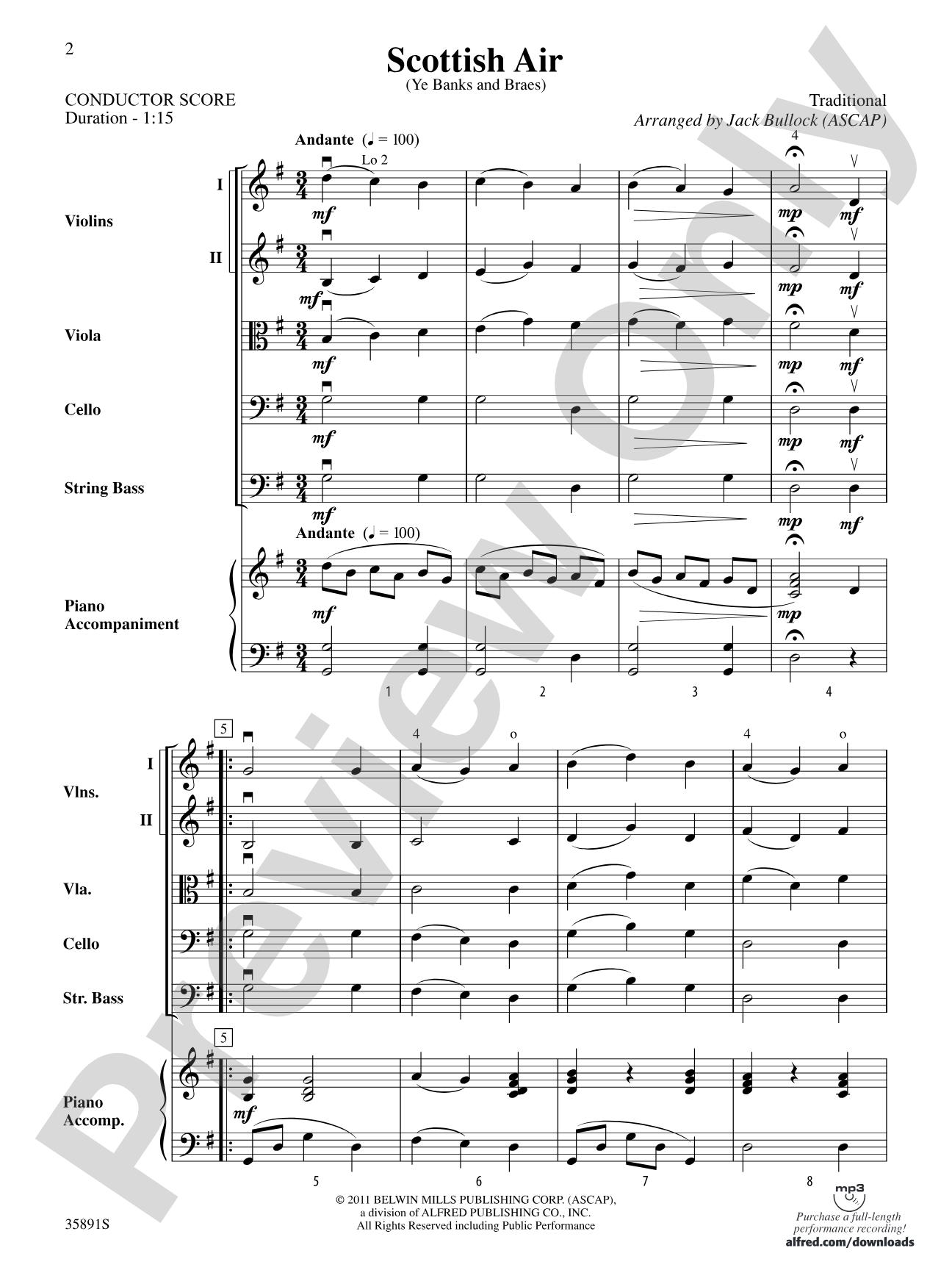
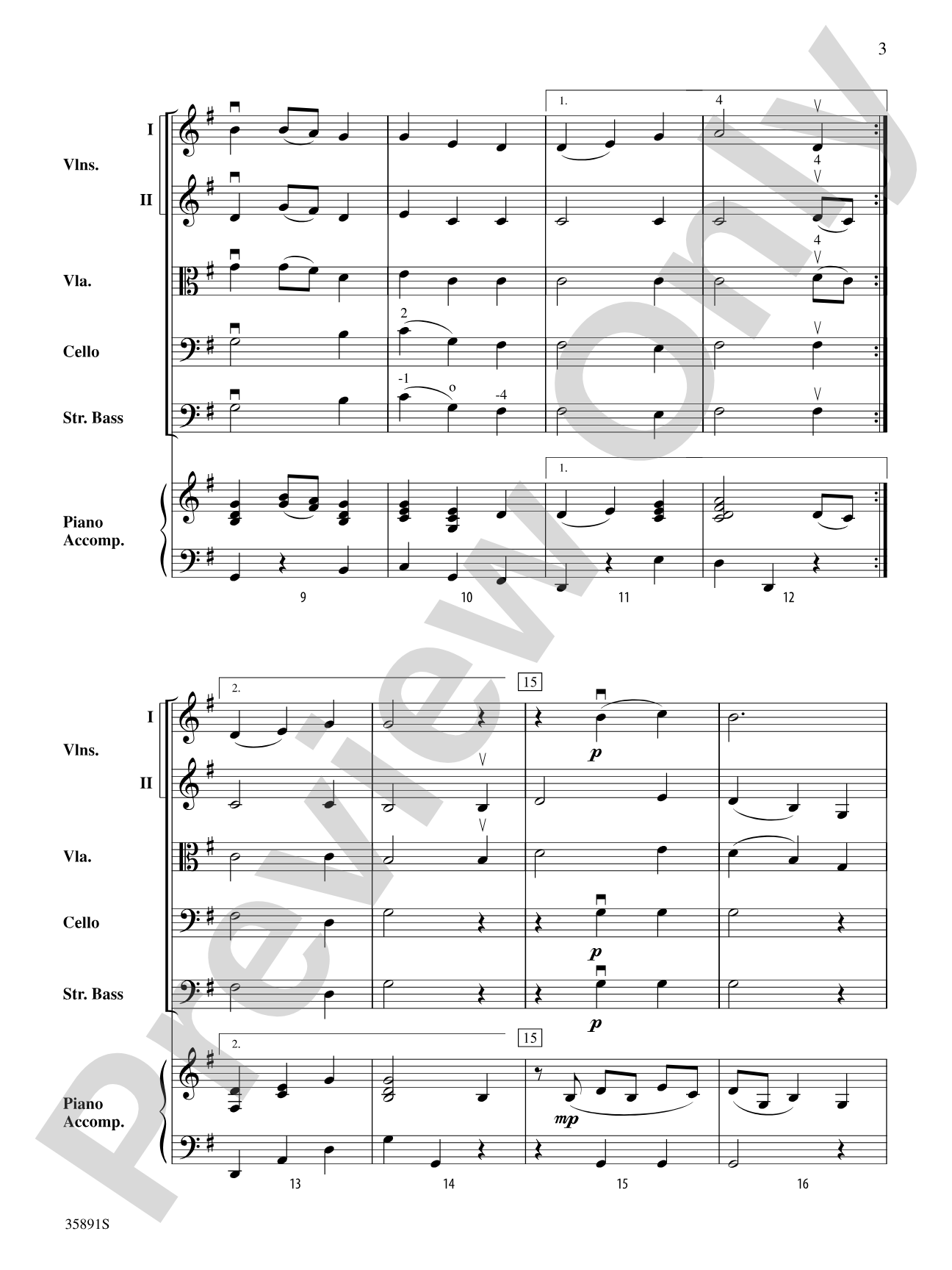
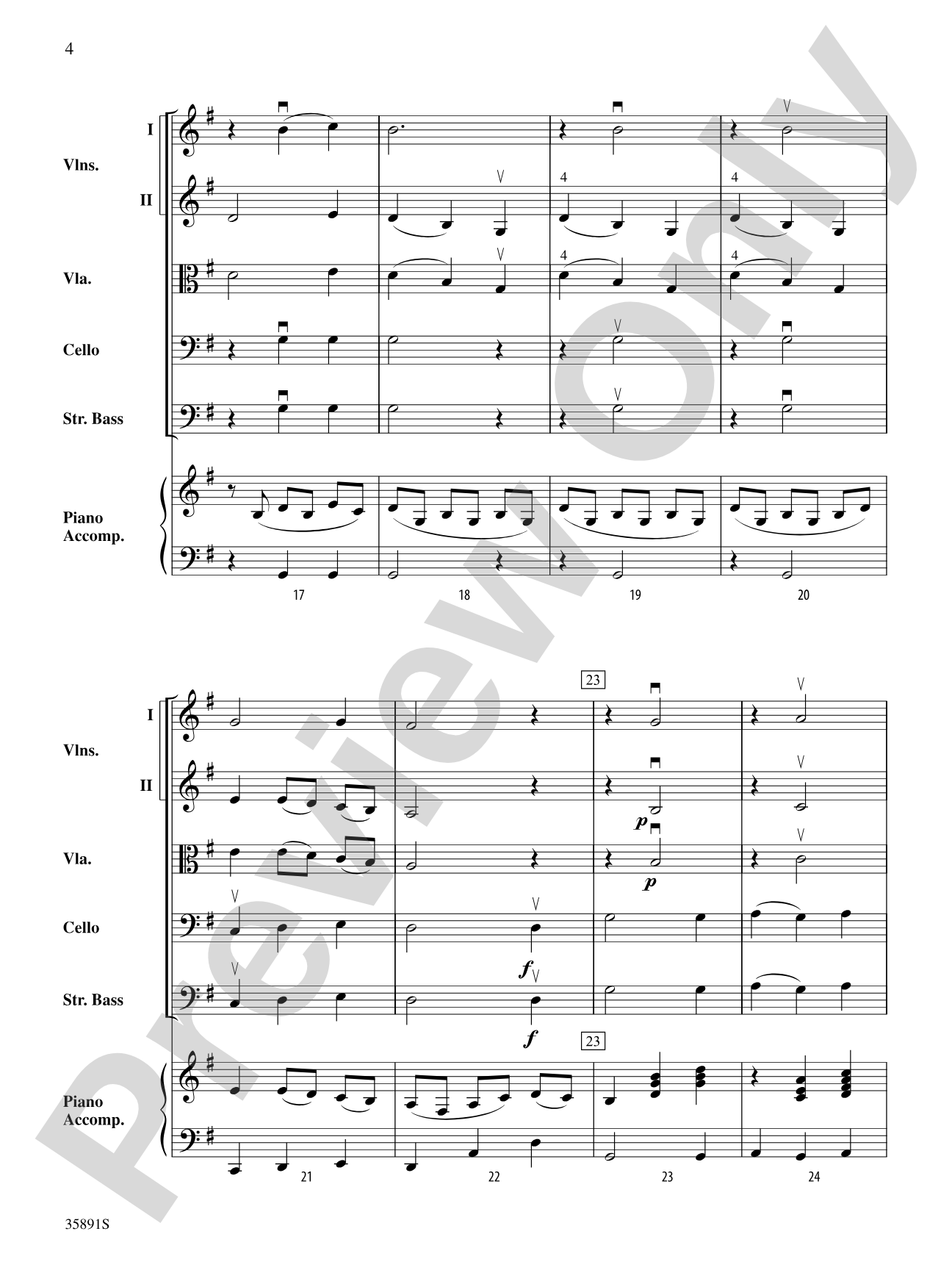
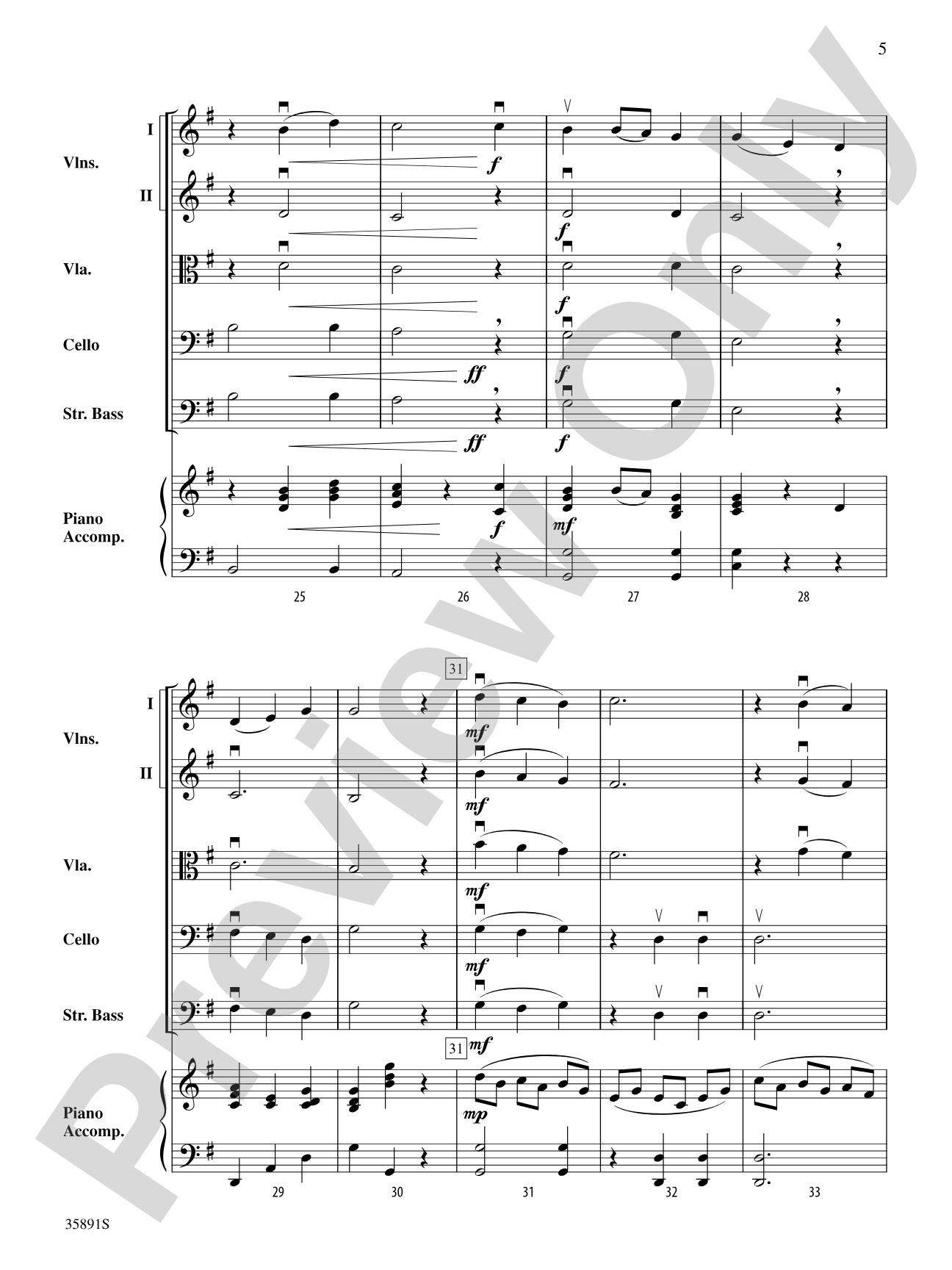
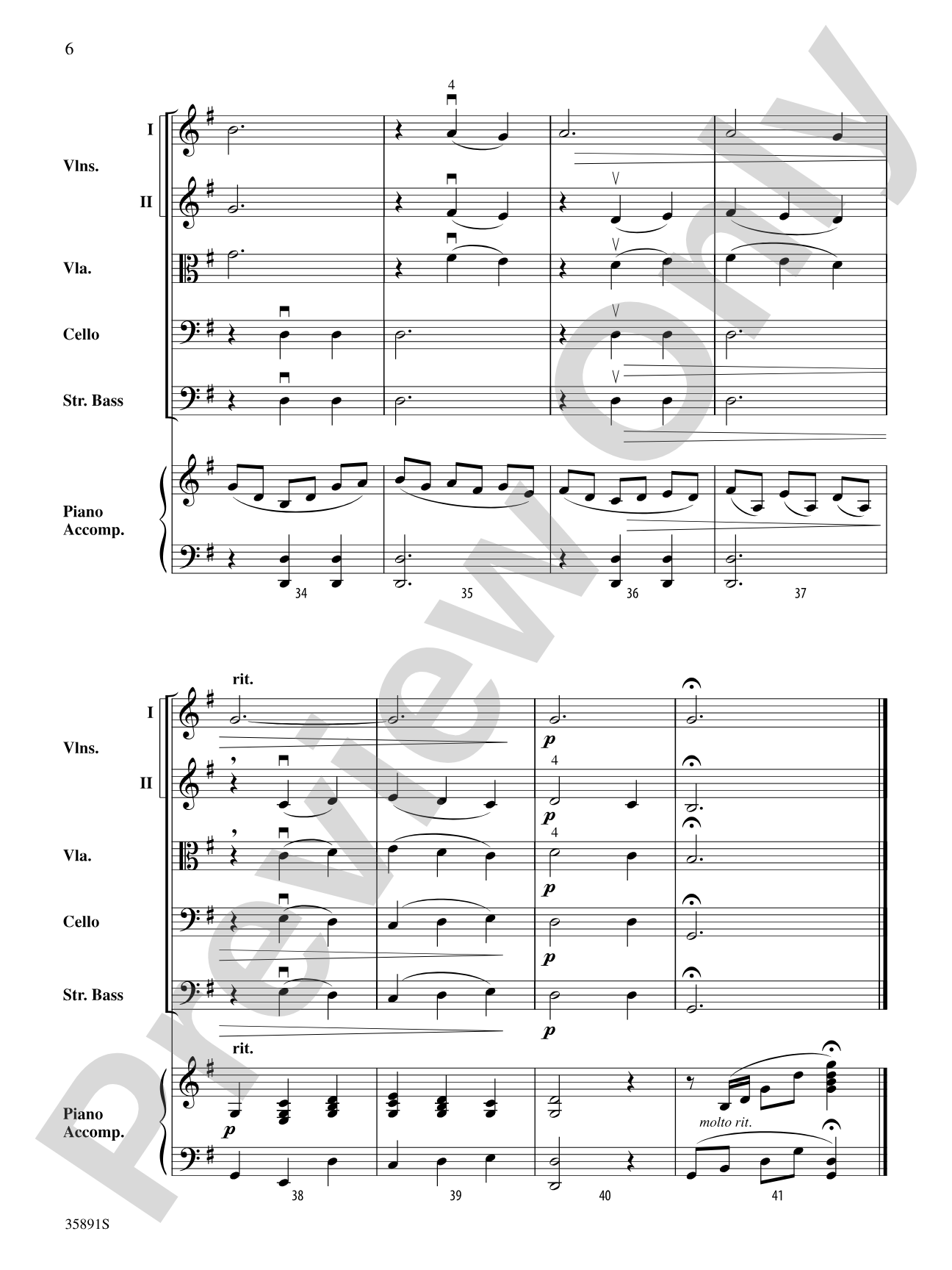
Beautifully set for beginners and sure to please audiences! This traditional air is perfect for a formal concert or can be transformed into an easy fiddling piece.


Don't just read it, hear it, play along with it, and watch your students grow with it. In MakeMusic Cloud, Scottish Air: String Orchestra Conductor Score & Parts comes alive with professional accompaniment, adjustable tempo, and built-in practice tools that turn solo practice into real progress.
Open in the Player
Jump straight in and assign it today.
Start Your Free Trial
Open this title and explore the full library in minutes.
Sample Audio
1
Audio File
--:--
0:00
0:00
Sample Video
No sample videos found.
Additional Details
Series:
Belwin Very Beginning String Orchestra
Publisher:
Alfred Music
Page Count:
66
SKU:
00-PK-0004687
Instrumentation:
string w/ pno acc
More about this title
About the Arranger: Jack Bullock

Jack Bullock brings decades of performance, composition, and teaching experience to his arrangements. A trained trumpeter who performed with the Miami Philharmonic Orchestra and Miami Opera Company, he holds undergraduate, graduate, and doctoral degrees in music education and has composed and arranged over 600 works across concert band, orchestra, jazz ensemble, and marching band.
Bullock spent 20 years teaching instrumental music in schools and served as assistant band director at Ithaca College's School of Music, where he also chaired the Music Education Department. His instructional work includes co-authorship of the Belwin 21st Century Band Method and contributions to Alfred Music's Music Expressions curriculum. He has conducted clinics nationwide and internationally, and holds membership in ASCAP since 1980.
Why we love this
This arrangement captures what makes a Grade 1 string piece genuinely effective: accessible voicing that never condescends, a melody that singers and audiences alike will recognize, and enough textural variety to hold interest across a full concert program. Bullock's experience teaching young orchestras shows in every part—each line is idiomatic and playable without sacrificing musicality.
What to expect
Warm and unrushed, like a melody that has traveled through centuries and settled comfortably into memory. There's dignity in the simplicity and a gentle lilt that invites audiences into something familiar yet fresh.
Who it's for
Beginning string orchestras seeking repertoire that honors traditional music while building fundamental ensemble skills. This works equally well for conductors introducing Grade 1 groups to concert performance and for experienced young orchestras exploring folk idioms.
How to get the most out of it
- Balance the melody between first violins and the inner voices; the traditional air works best when the tune sings clearly while violas and cellos provide harmonic warmth.
- Use the piano accompaniment to anchor ensemble intonation and provide structural clarity, especially during the opening measures and any ritardandos.
- Shape the phrasing in long, natural arcs rather than stopping at bar lines; Scottish airs benefit from singers' breath patterns even when played by instruments.
- Keep vibrato minimal or absent in younger sections to maintain blend and clarity of articulation.
How to use it
Open a concert with this piece to establish an intimate tone, or use it as a palate cleanser between heavier works. Its versatility also suits it to thematic programming around folk traditions or cultural celebrations, and the accessible difficulty allows less experienced orchestras to anchor their season-opening concerts with a piece that builds confidence.
Skills your students will build
- Playing sustained melodic lines with clear tone production
- Ensemble balance between melody and accompaniment
- Coordinate bowing patterns within and across string sections
- Intonation adjustment through listening to harmonic context
- Phrasing and breath management adapted from vocal tradition