
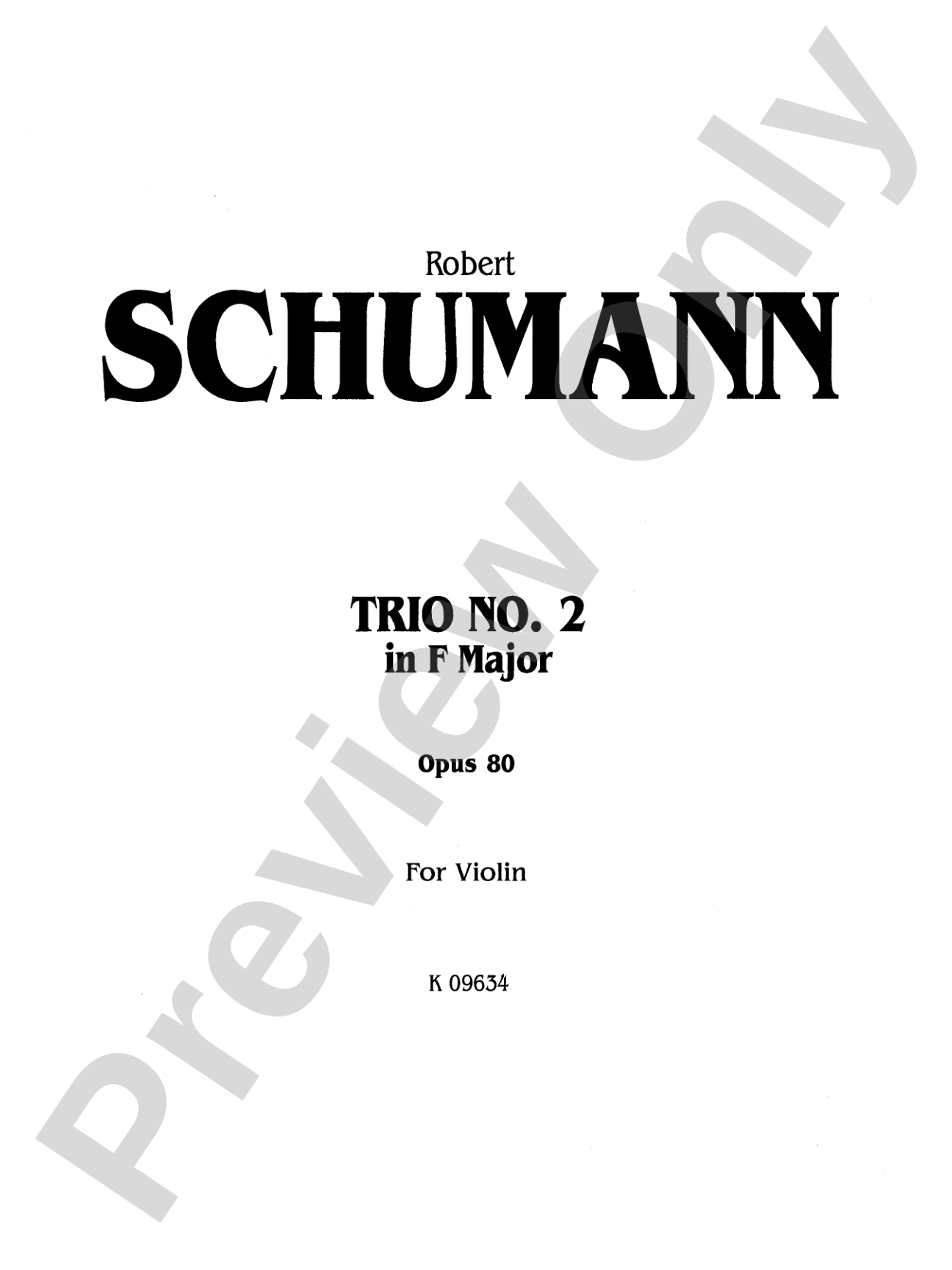

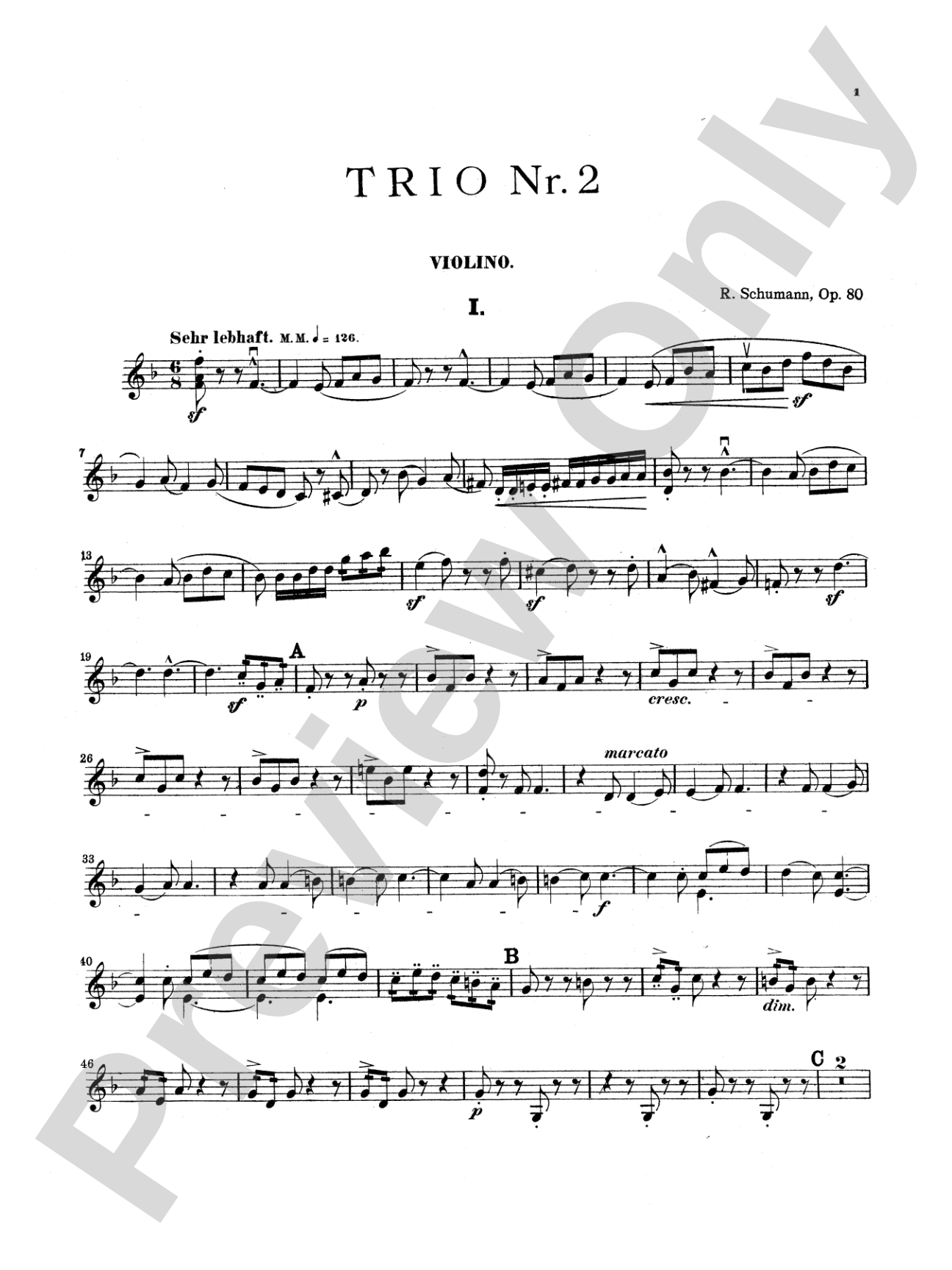
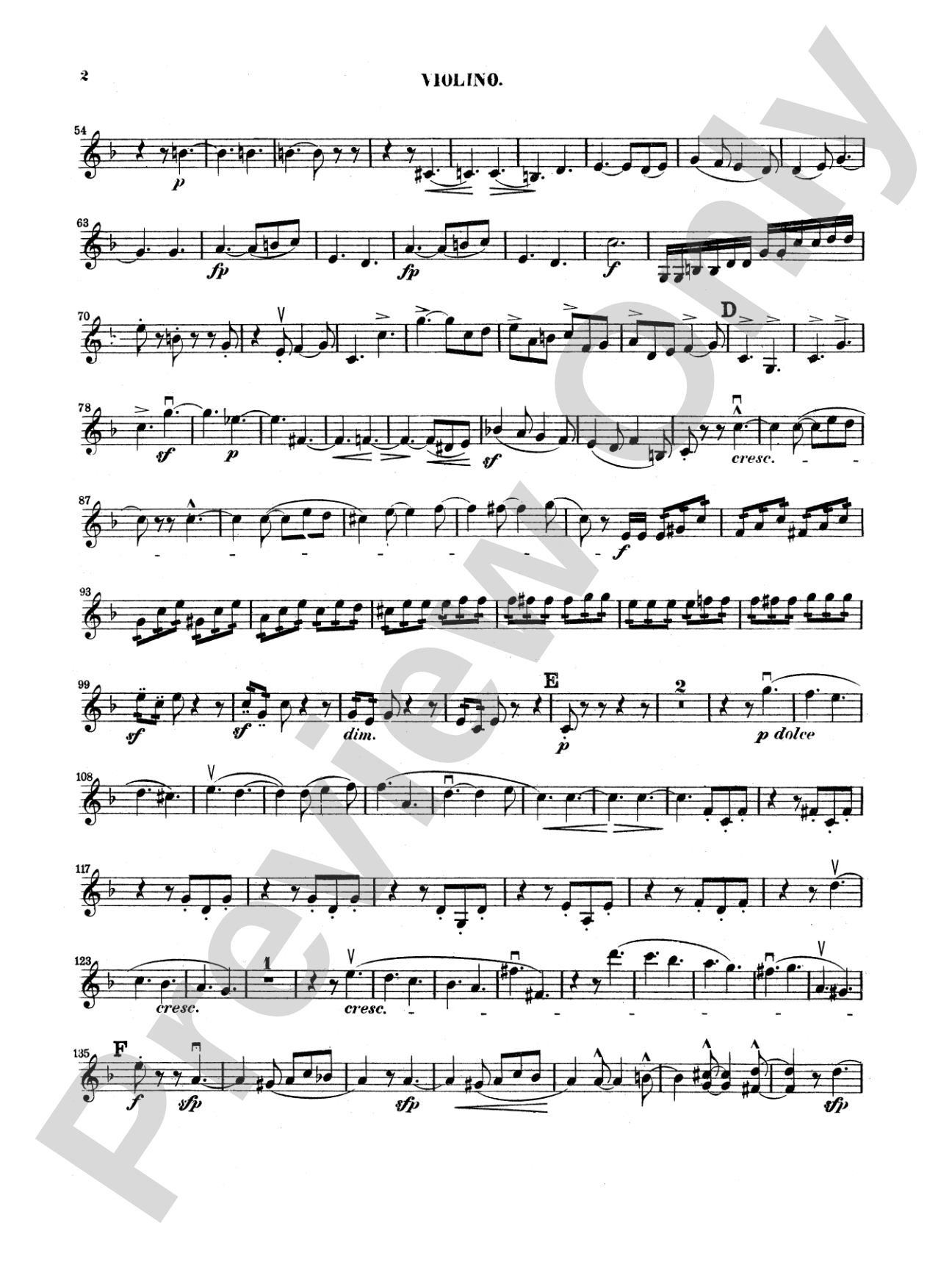
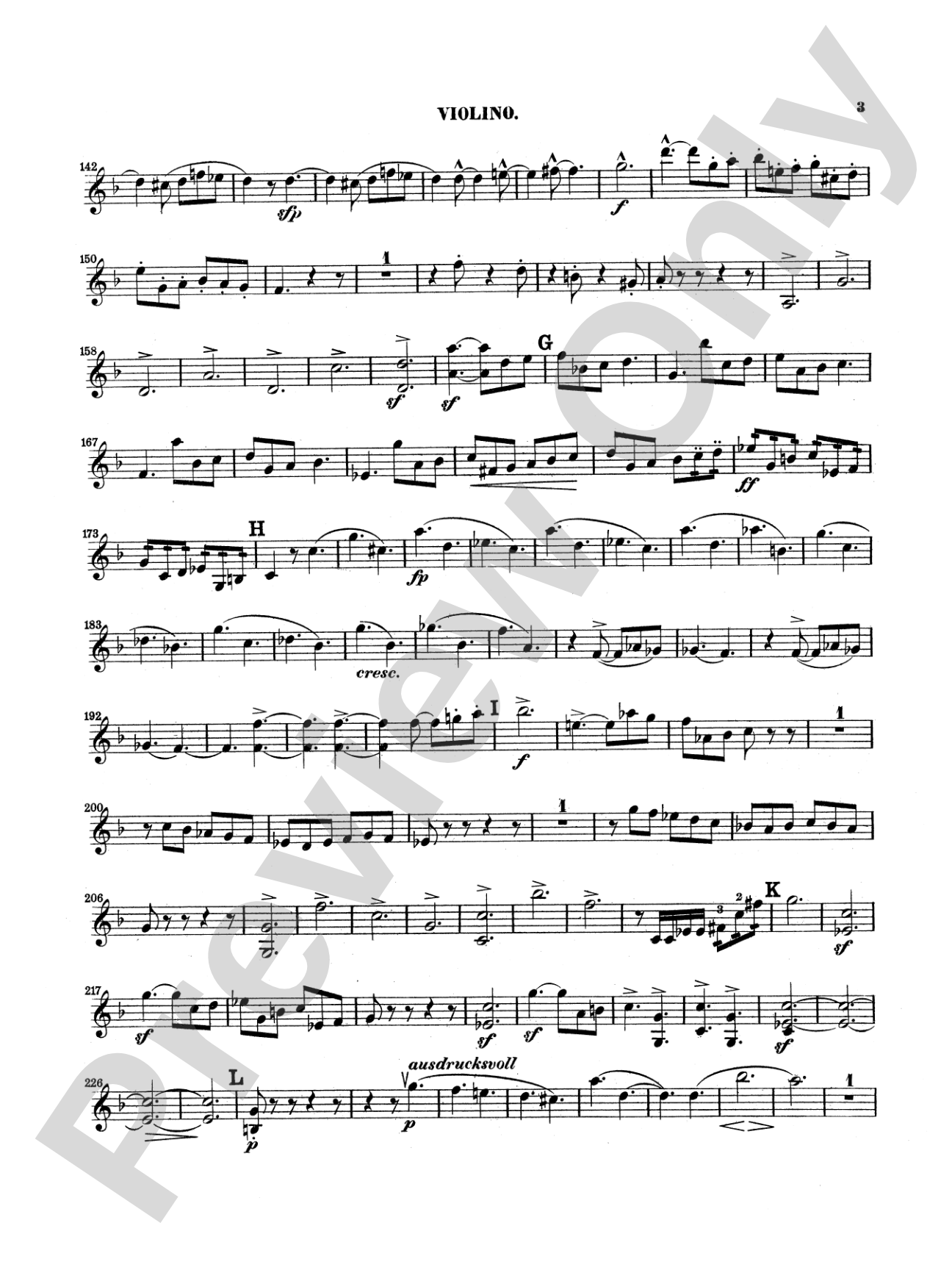
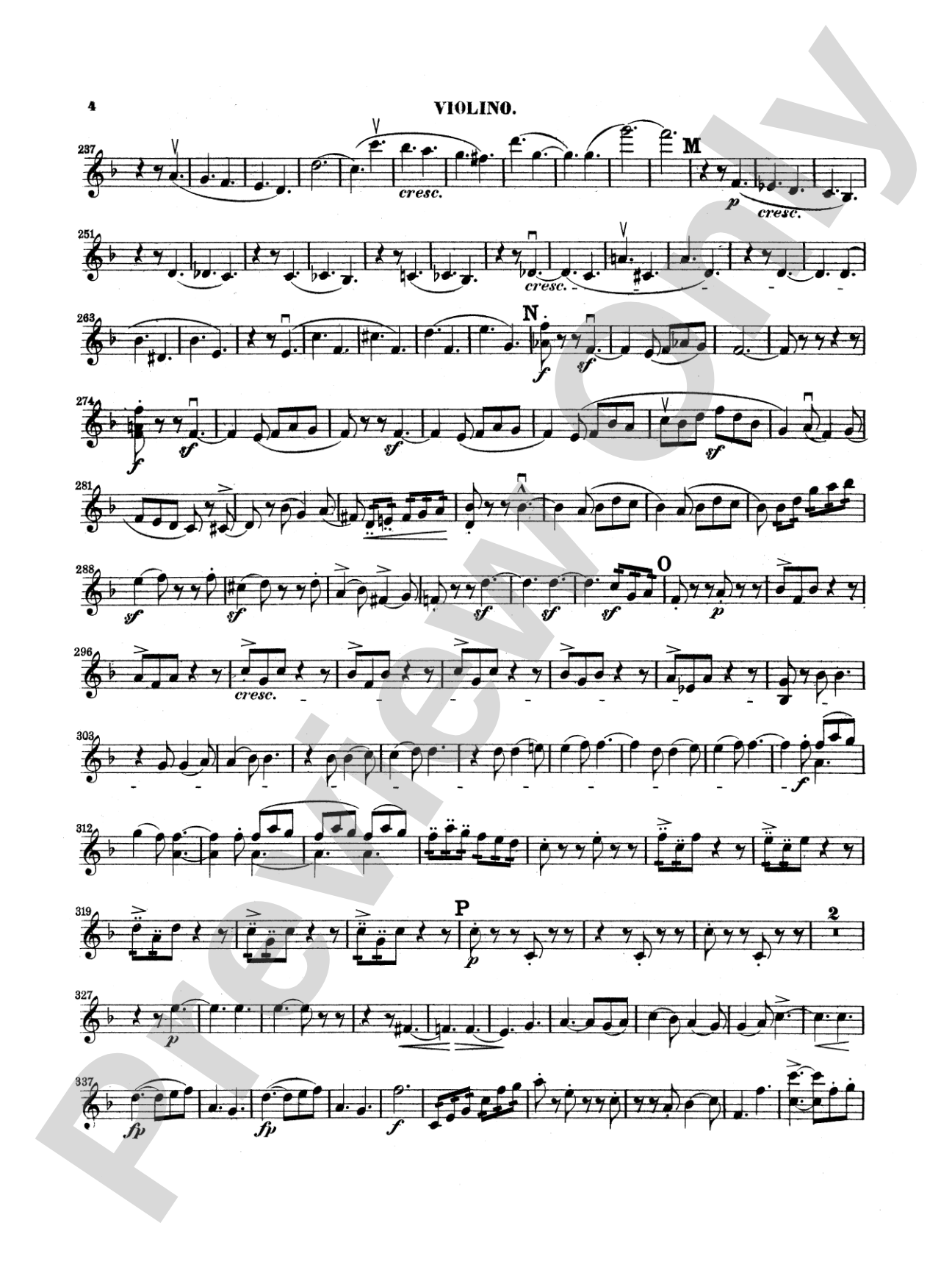
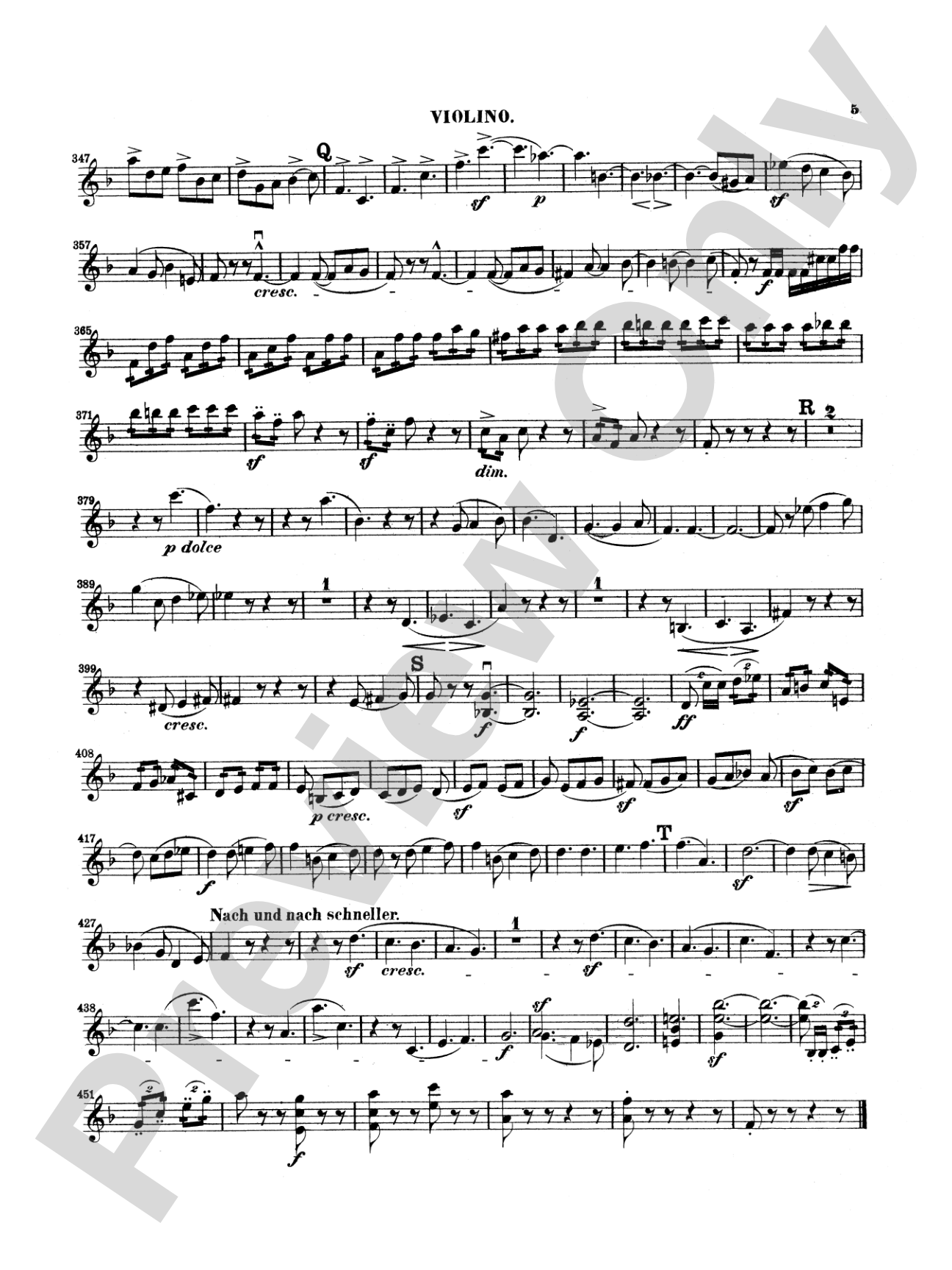
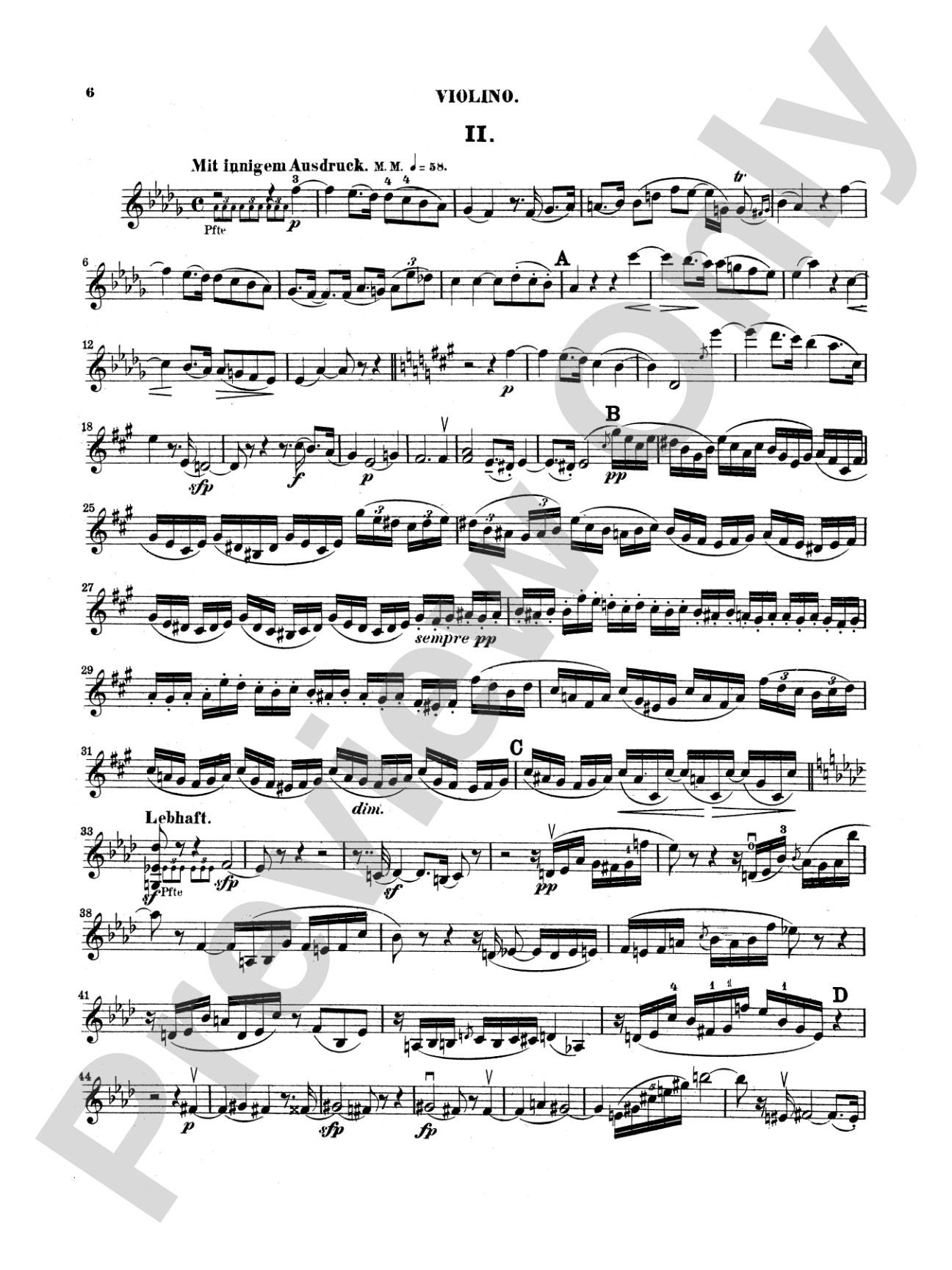
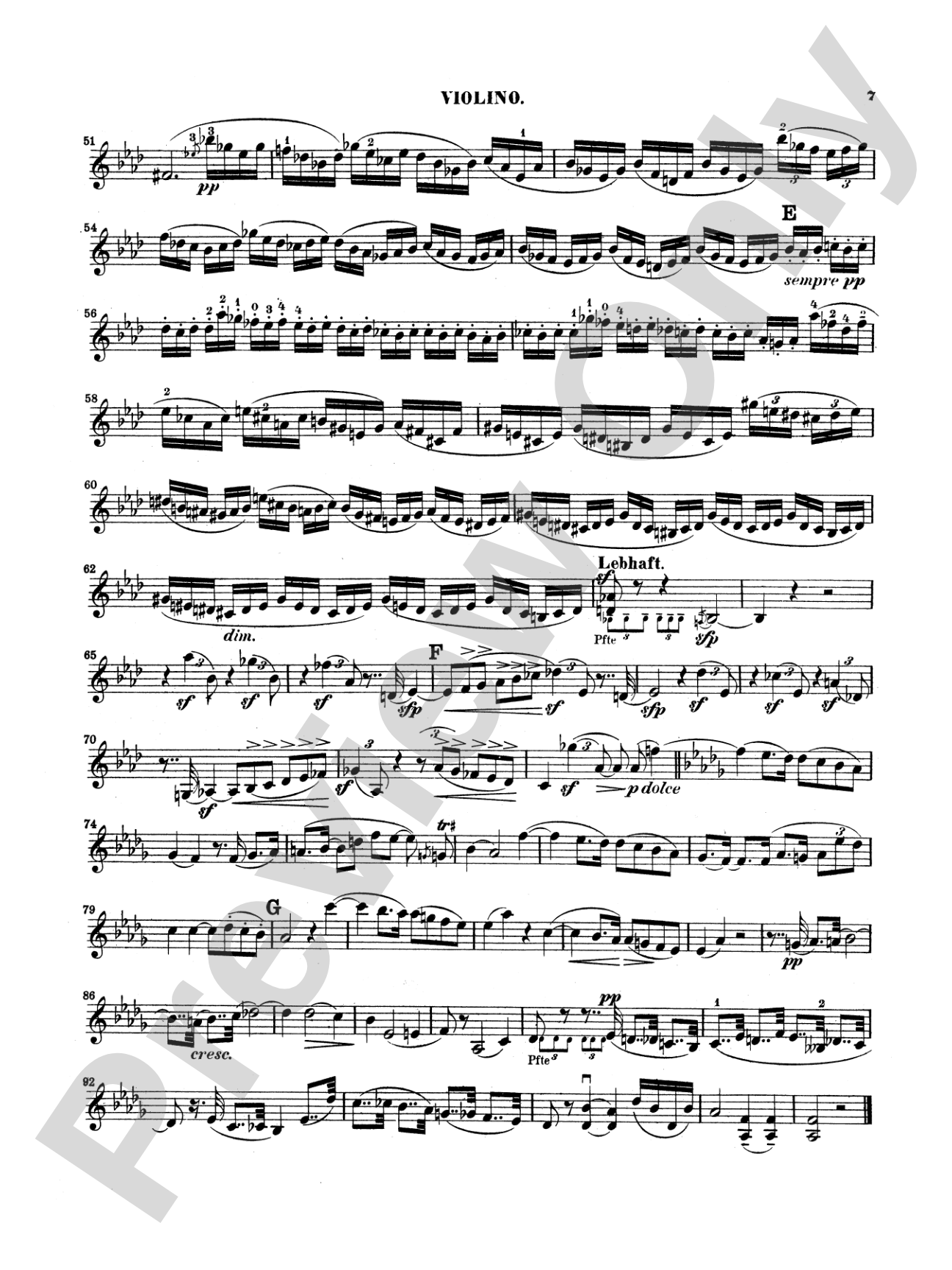
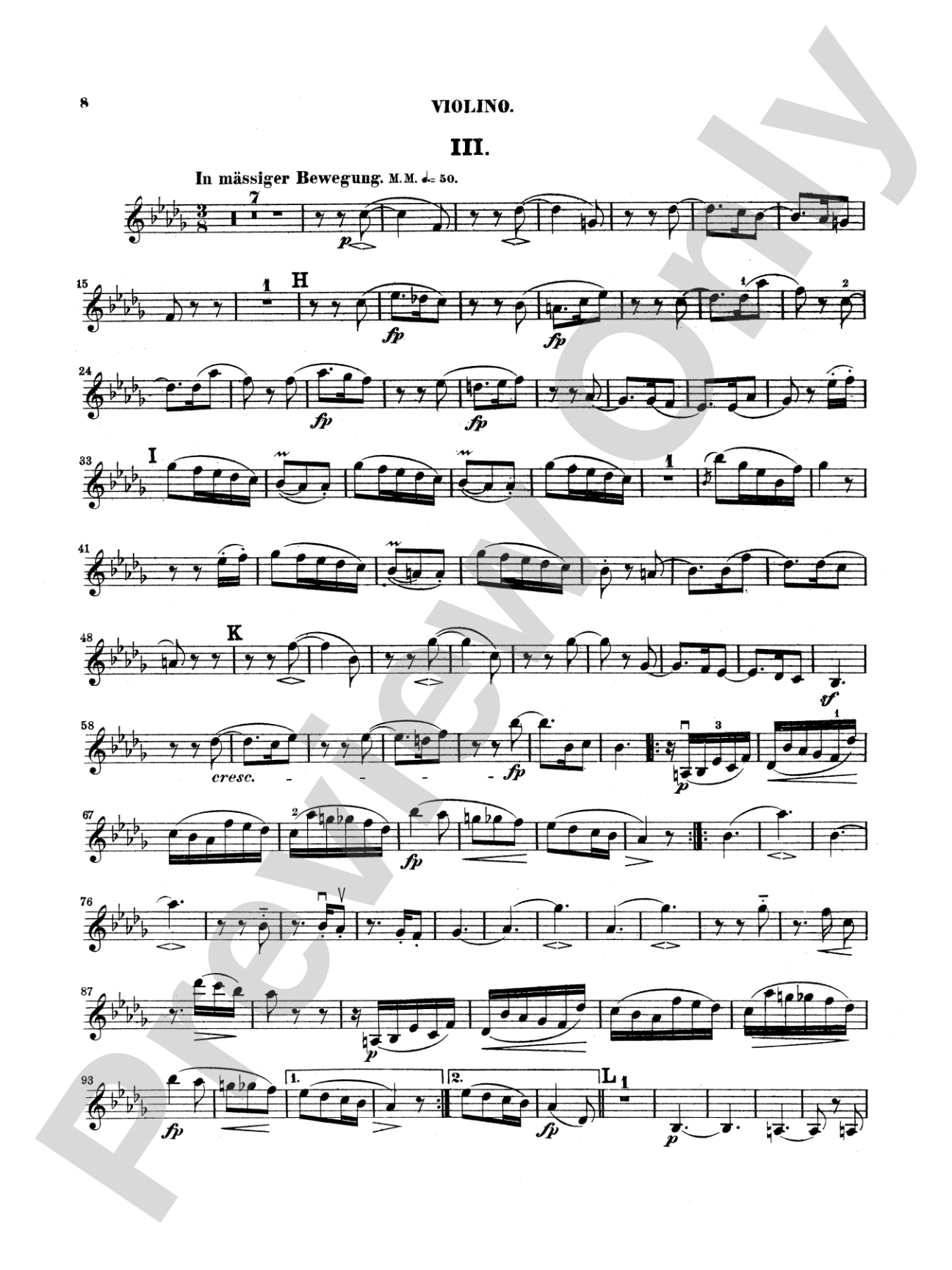
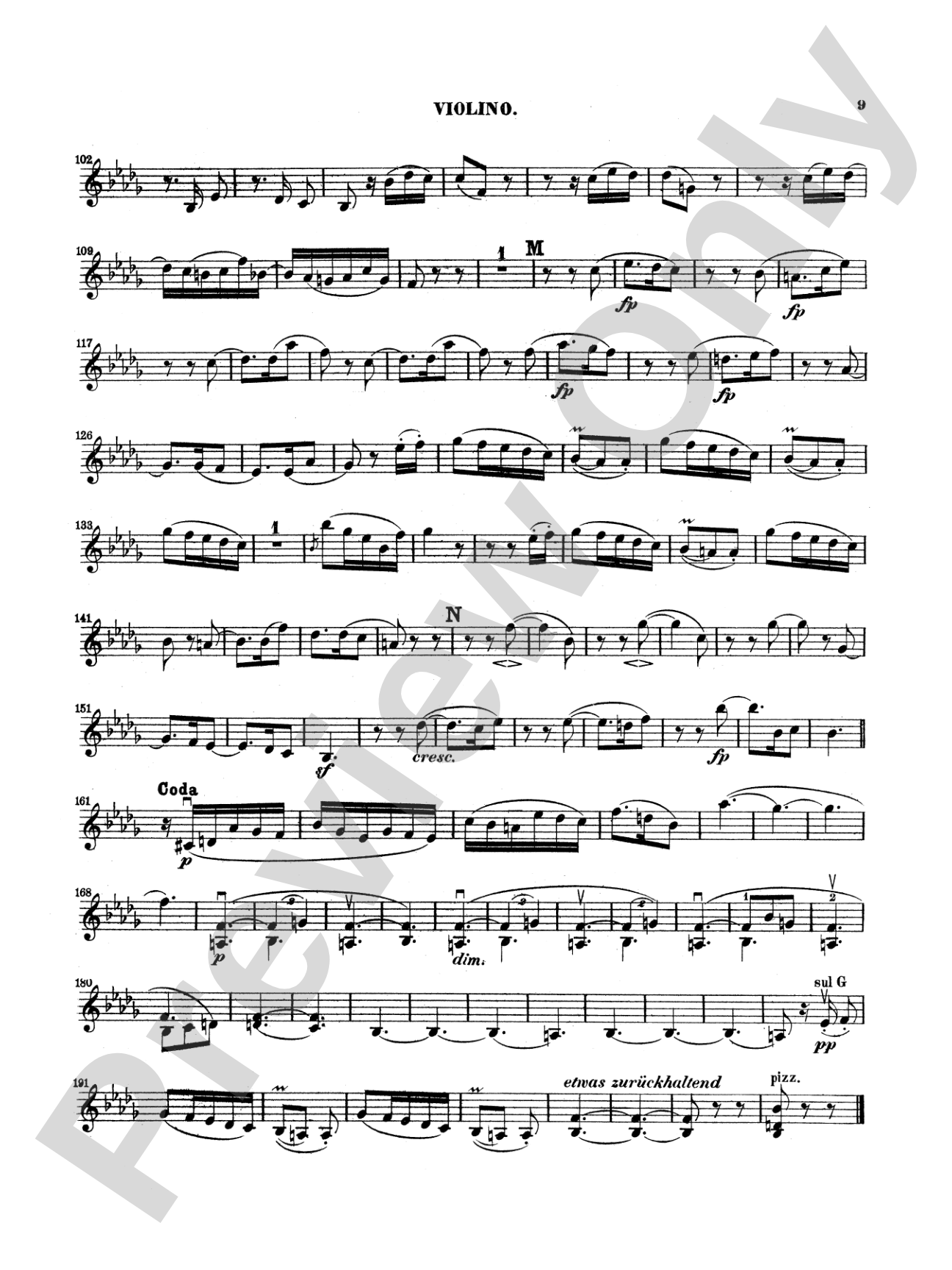
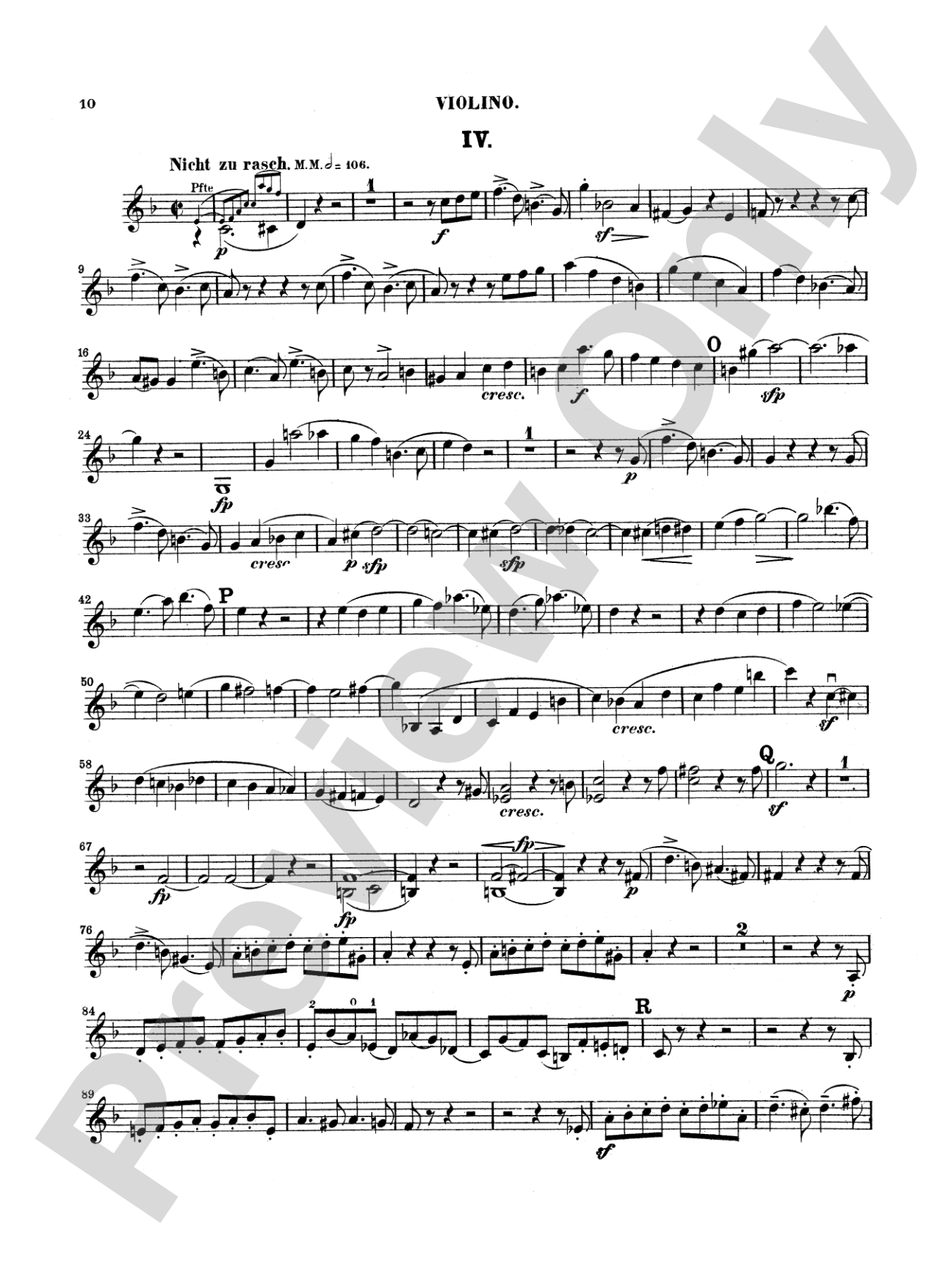
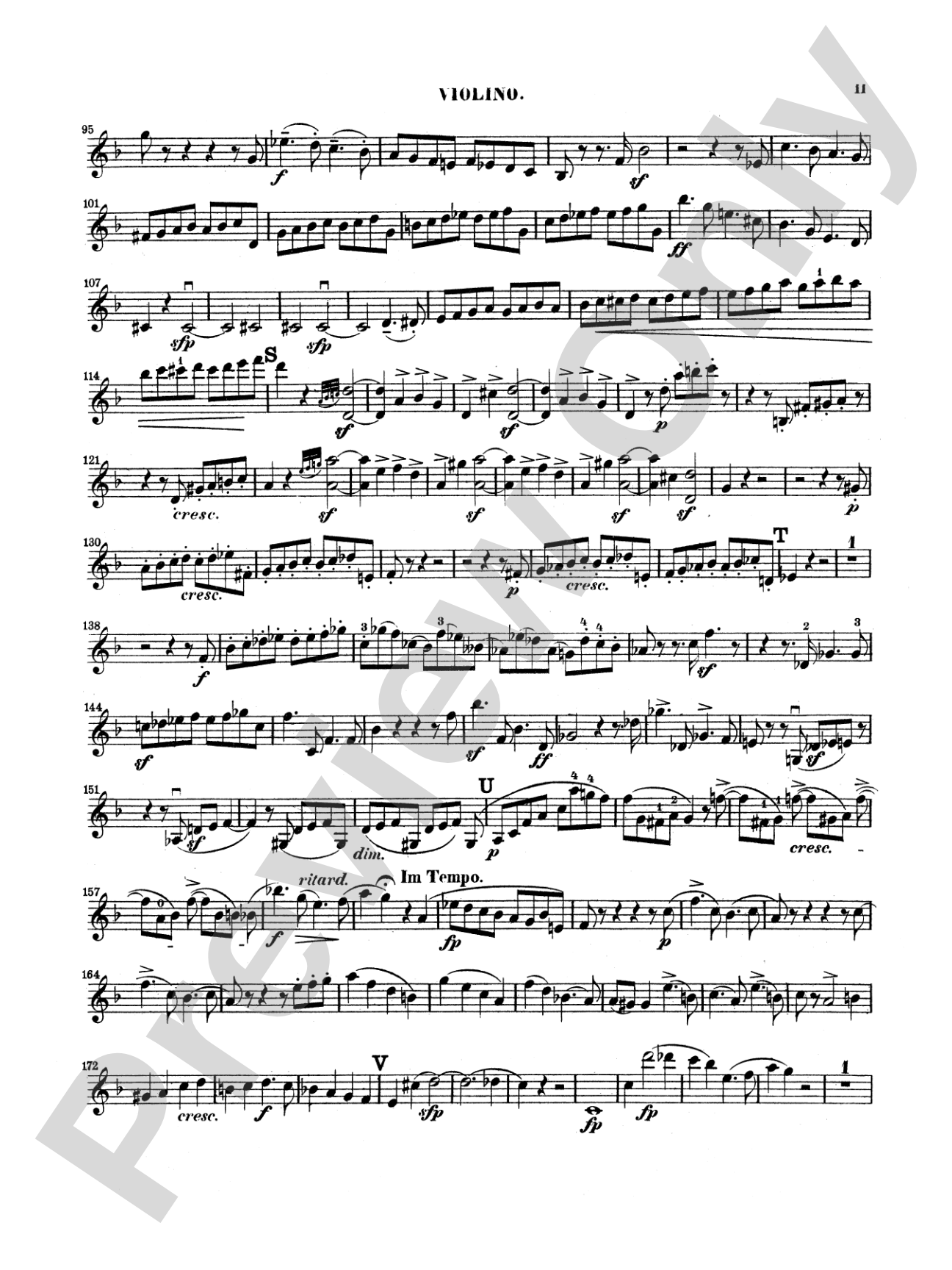
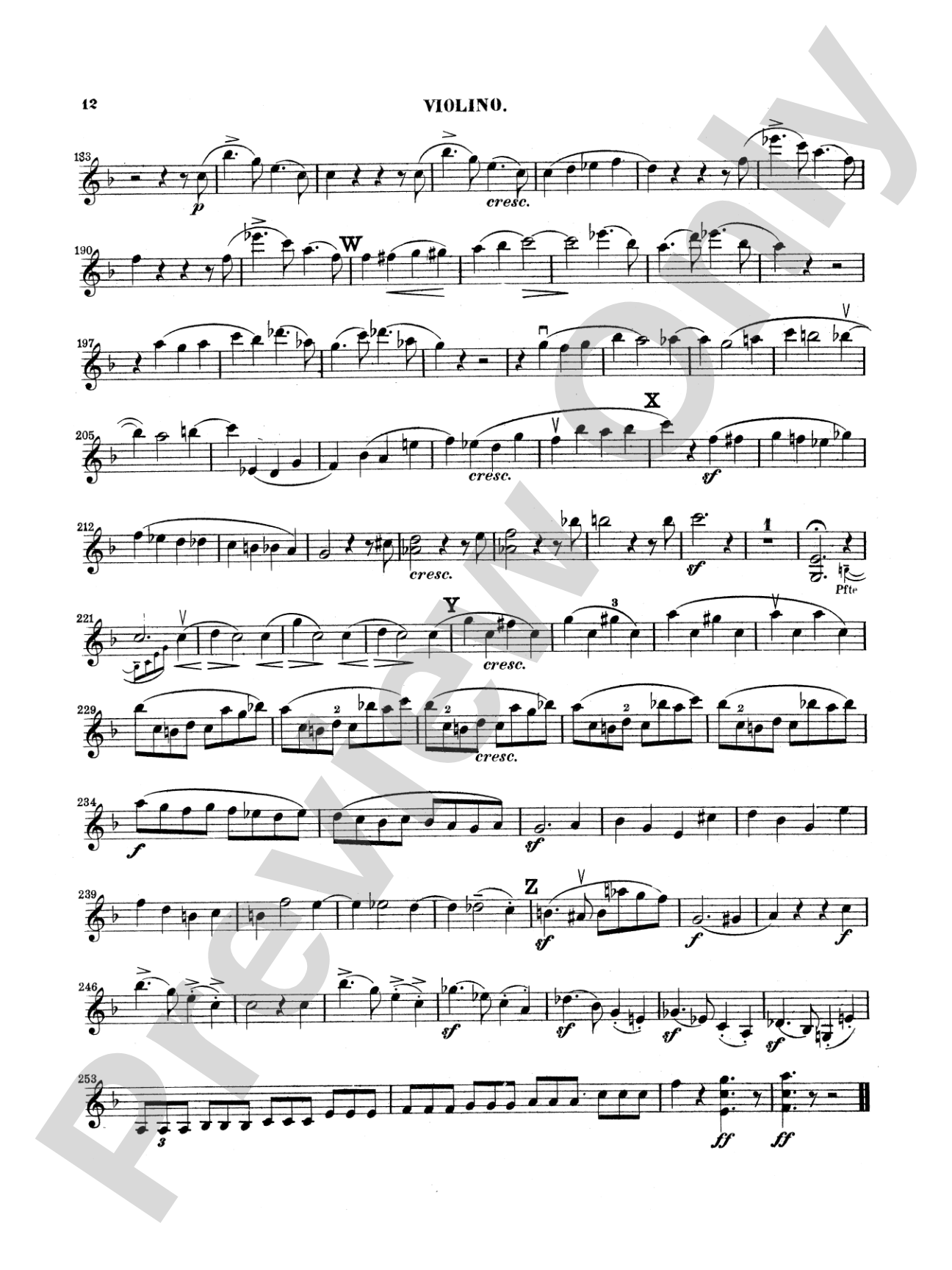



Schumann: Trio No. 2 in F Major, Op. 80: Chamber Trio Book
By Robert Schumann
Item: 00-PK-0003818

$19.99
Pickup currently not available
Buy Extra Parts (Digital PDF Download)
| Product | Price | Quantity |
|---|---|---|
| Schumann: Trio No. 2 in F Major, Op. 80 | $5.99 | |
| Schumann: Trio No. 2 in F Major, Op. 80 | $5.99 | |
| Schumann: Trio No. 2 in F Major, Op. 80 | $5.95 |
Parts Added to Cart!
Related Items
Trio No. 2, Opus 80: Chamber Trio Book |
$19.95
|
View |
Description


Don't just read it, hear it, play along with it, and watch your students grow with it. In MakeMusic Cloud, Schumann: Trio No. 2 in F Major, Op. 80: Chamber Trio Book comes alive with professional accompaniment, adjustable tempo, and built-in practice tools that turn solo practice into real progress.
Open in the Player
Jump straight in and assign it today.
Start Your Free Trial
Open this title and explore the full library in minutes.
Sample Audio
No sample audio found.
Sample Video
No sample videos found.
Additional Details
Series:
Kalmus Edition
Publisher:
Alfred Music
Page Count:
76
SKU:
00-PK-0003818
Instrumentation:
Piano, Violin & Cello
More about this title
About the Composer: Robert Schumann
Robert Schumann (1810-1856) was a pivotal figure in Romantic music, bridging the classical forms he inherited and the expressive possibilities his era demanded. A composer, critic, and pianist, Schumann brought literary sensitivity to instrumental music; his chamber works combine rigor with emotional directness, making them central to the 19th-century chamber repertoire.
Schumann's approach to the trio genre emphasized equality among voices rather than piano dominance. His chamber music reflects both technical ambition and intimate lyricism, qualities that reward serious study from advanced players.
Why we love this
This trio gives equal voice to all three instruments in a way that challenges and rewards each player. Rather than treating the trio as a piano piece with accompaniment, Schumann writes conversations; violinists and cellists will find genuine musical substance that makes chamber playing feel like genuine collaboration, and pianists must balance intimacy with architectural support. It's substantial enough for festival competition yet human enough to program alongside contemporaries like Brahms and Mendelssohn.
What to expect
The opening presents warmth and gentle forward motion, inviting intimacy without sentimentality. By turns lyrical and spirited, the work unfolds with Romantic earnestness; broad singing lines give way to delicate interplay, and a sense of genuine conversation among equals creates engagement rather than display. The architecture feels spacious and inevitable.
Who it's for
Advanced chamber musicians preparing for competitions, recitals, or concert performances. High school students in serious chamber programs and college-level players will find the technical and musical demands appropriate to their development. This trio suits ensembles with strong collaborative experience and individual instrumental maturity.
How to get the most out of it
- Balance the opening themes between violin and cello before the piano enters; these instruments establish the work's emotional foundation and deserve clarity.
- Shape the Scherzando movement with rhythmic precision but allow the humor to breathe; mechanical playing dulls Schumann's wit.
- Listen across the ensemble during sustained passages in the slow movement; blend the voices without sacrificing individual color.
- Mark difficult passages in rehearsal where ensemble cohesion matters most, particularly where the trio moves between homophonic and contrapuntal textures.
How to use it
Program this as the centerpiece of a chamber recital or festival competition; its 76 pages demand substantial commitment and reward serious listening. Pair it with a lighter contemporary work or a Classical-era trio to show stylistic range, or present it alongside other Schumann chamber music to build a thematic program.
Skills your students will build
- Balancing ensemble texture between homophonic and contrapuntal writing
- Sustaining long melodic lines across phrase boundaries
- Responding to harmonic movement with precise ensemble intonation
- Coordinating rhythmic independence across three instruments
- Interpreting Romantic-era expression marks and character indications
- Collaborative listening and adaptive dynamics in chamber settings