
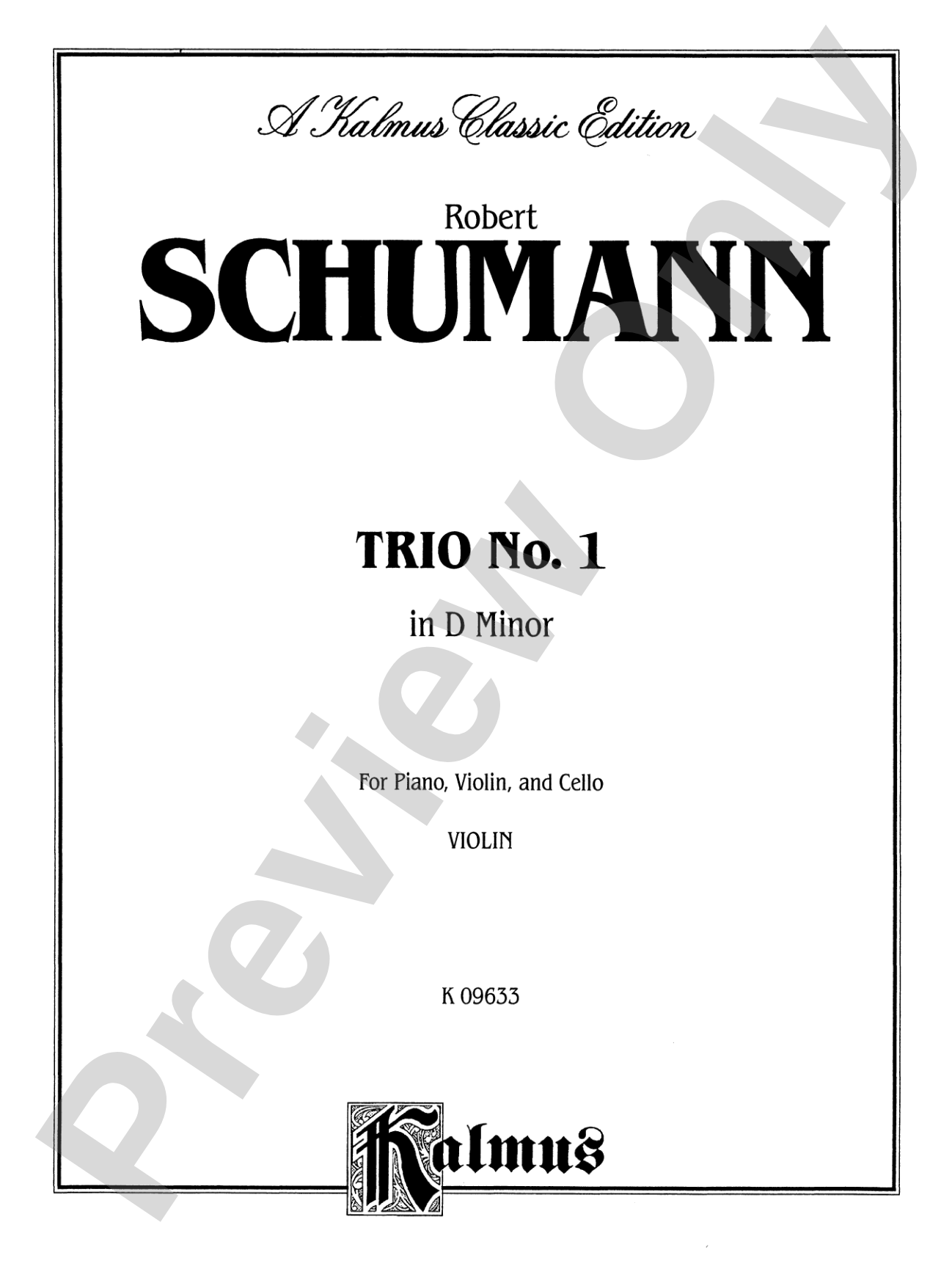

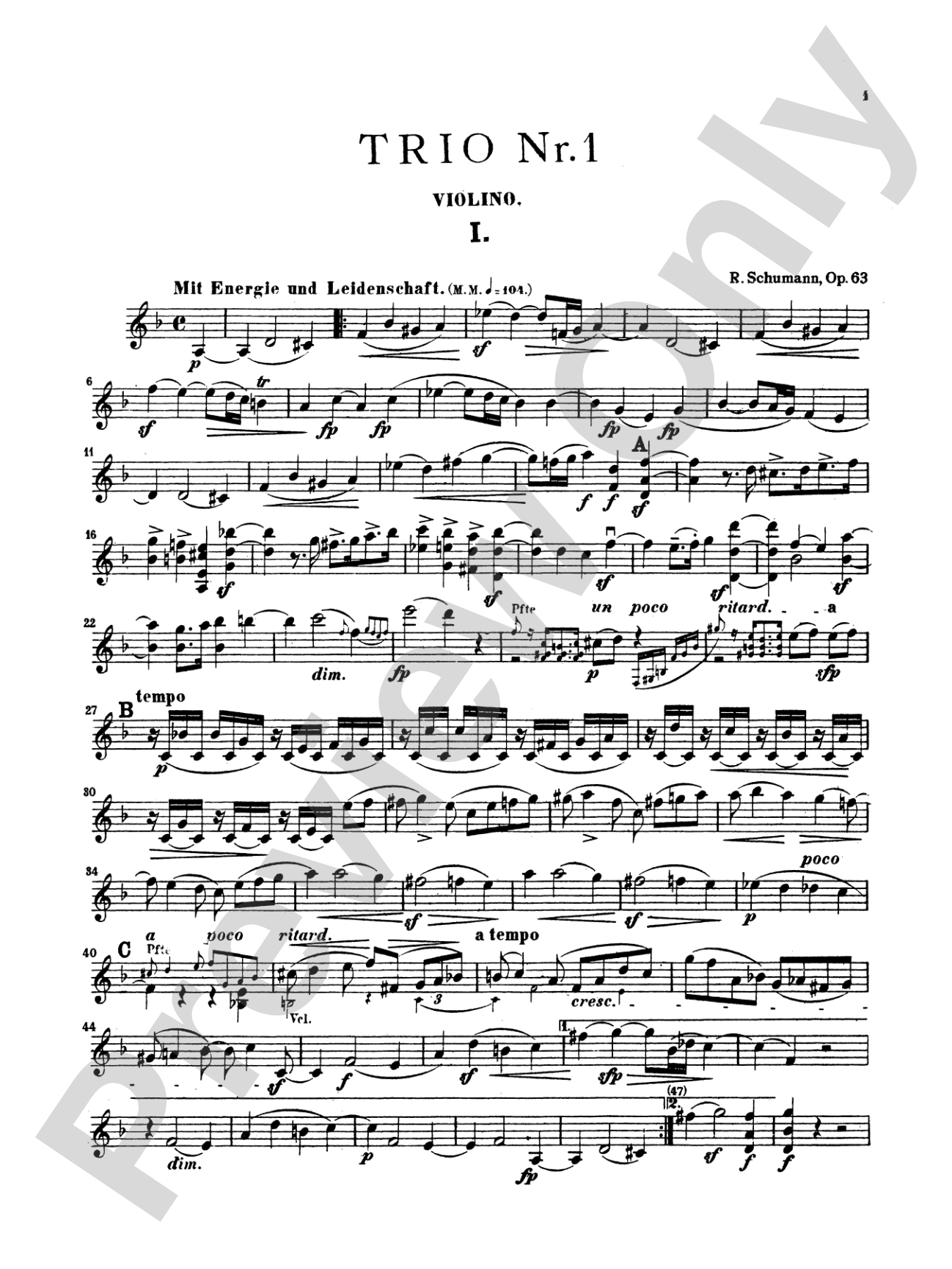

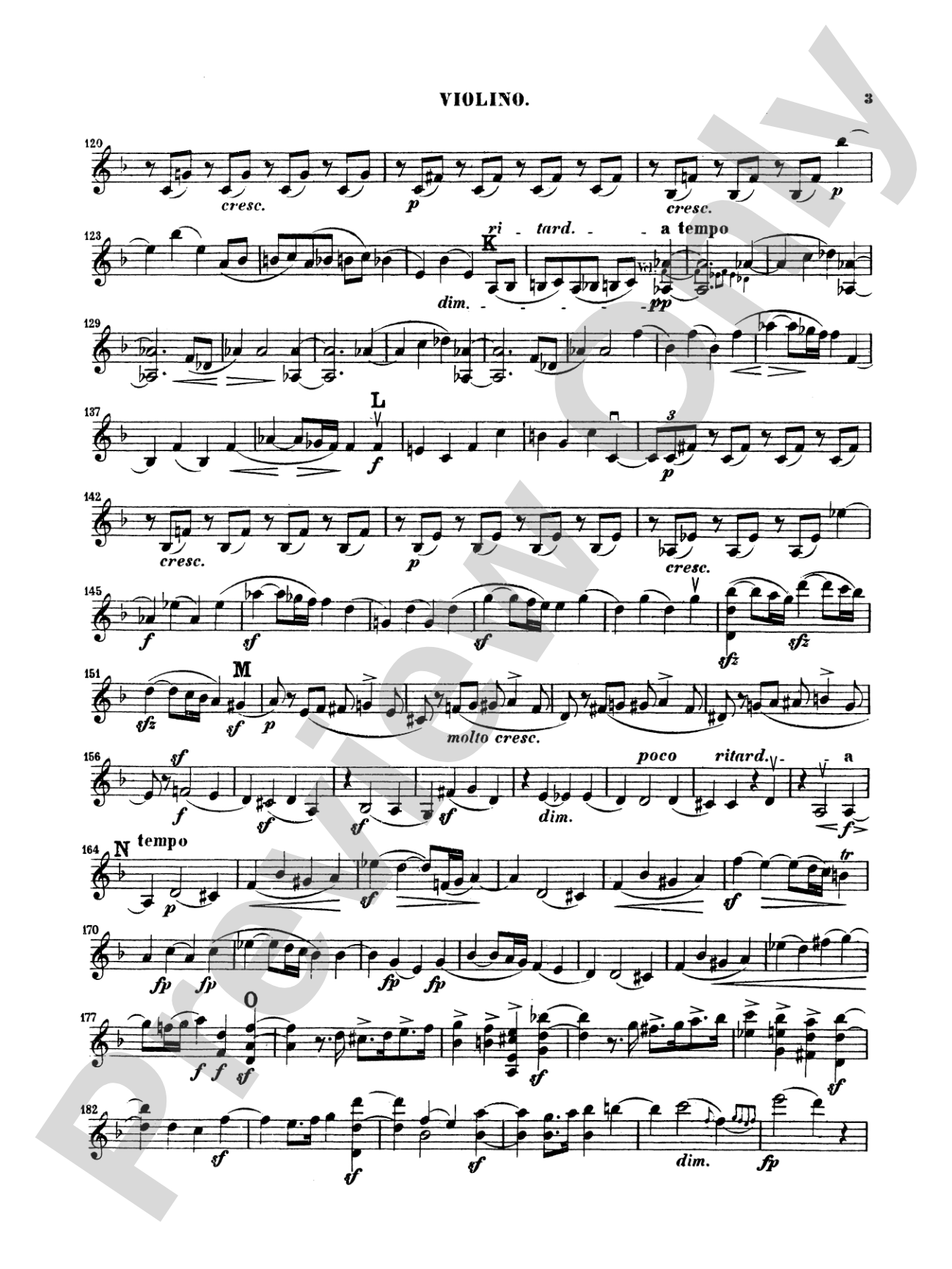
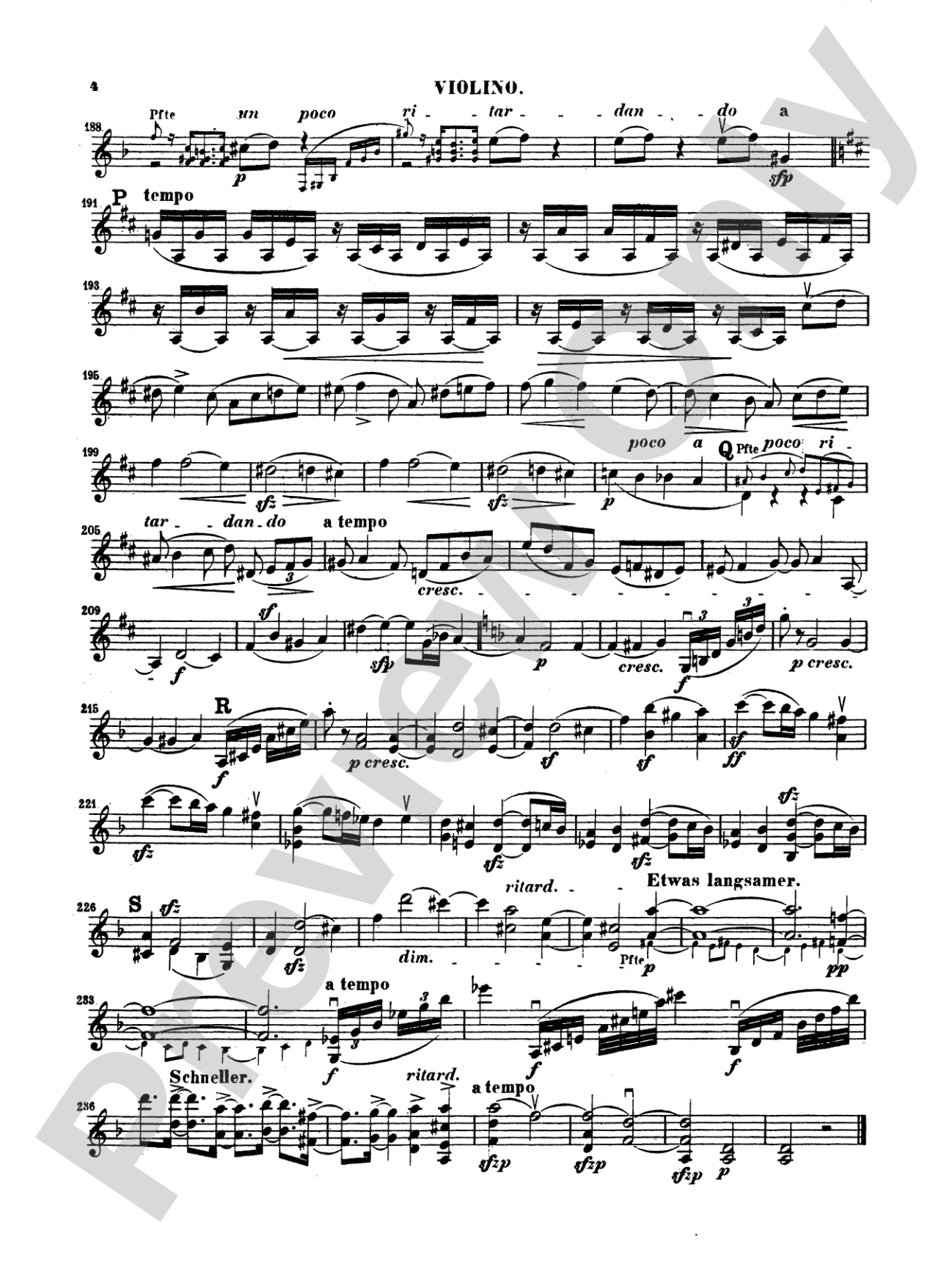
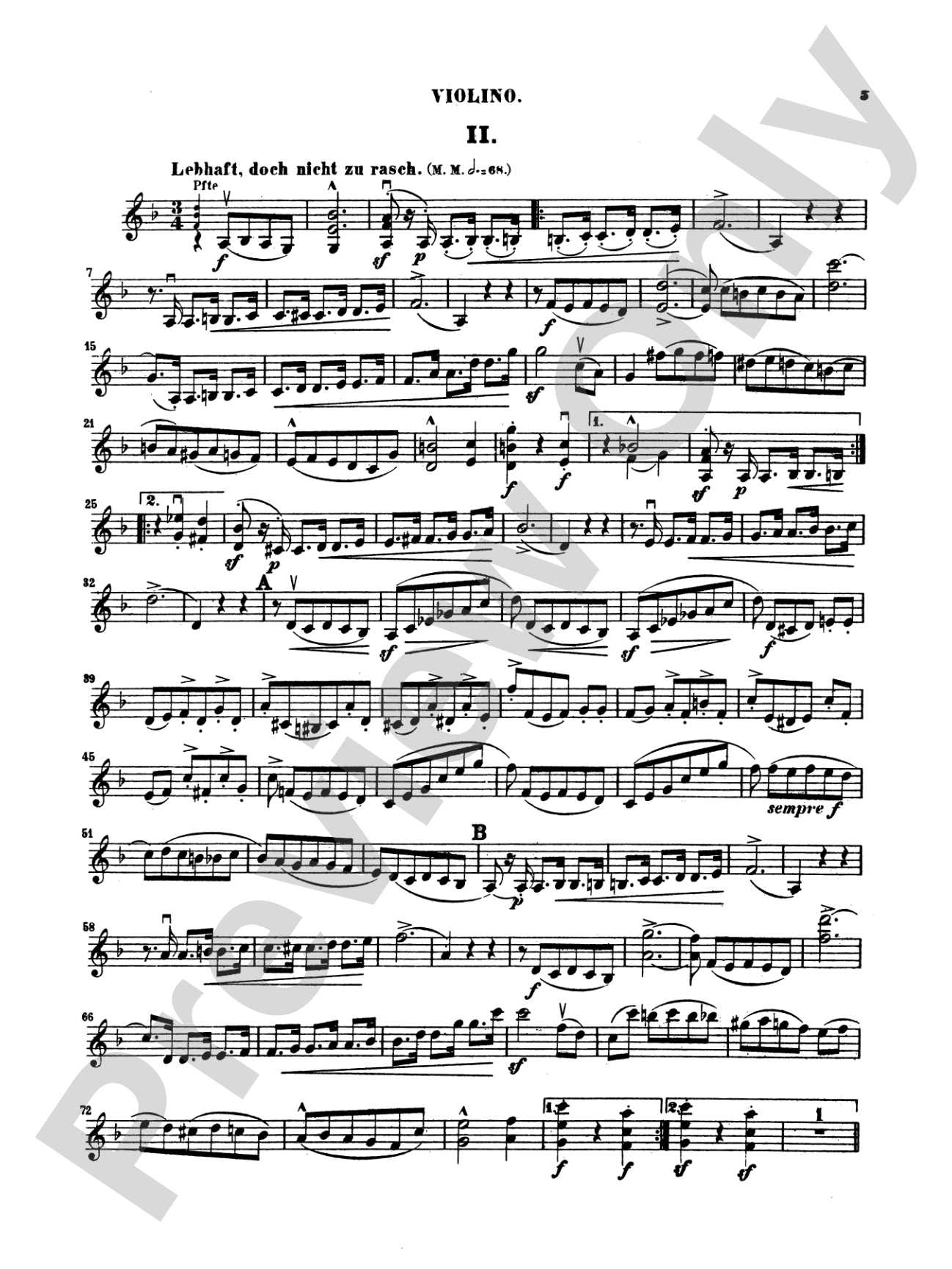
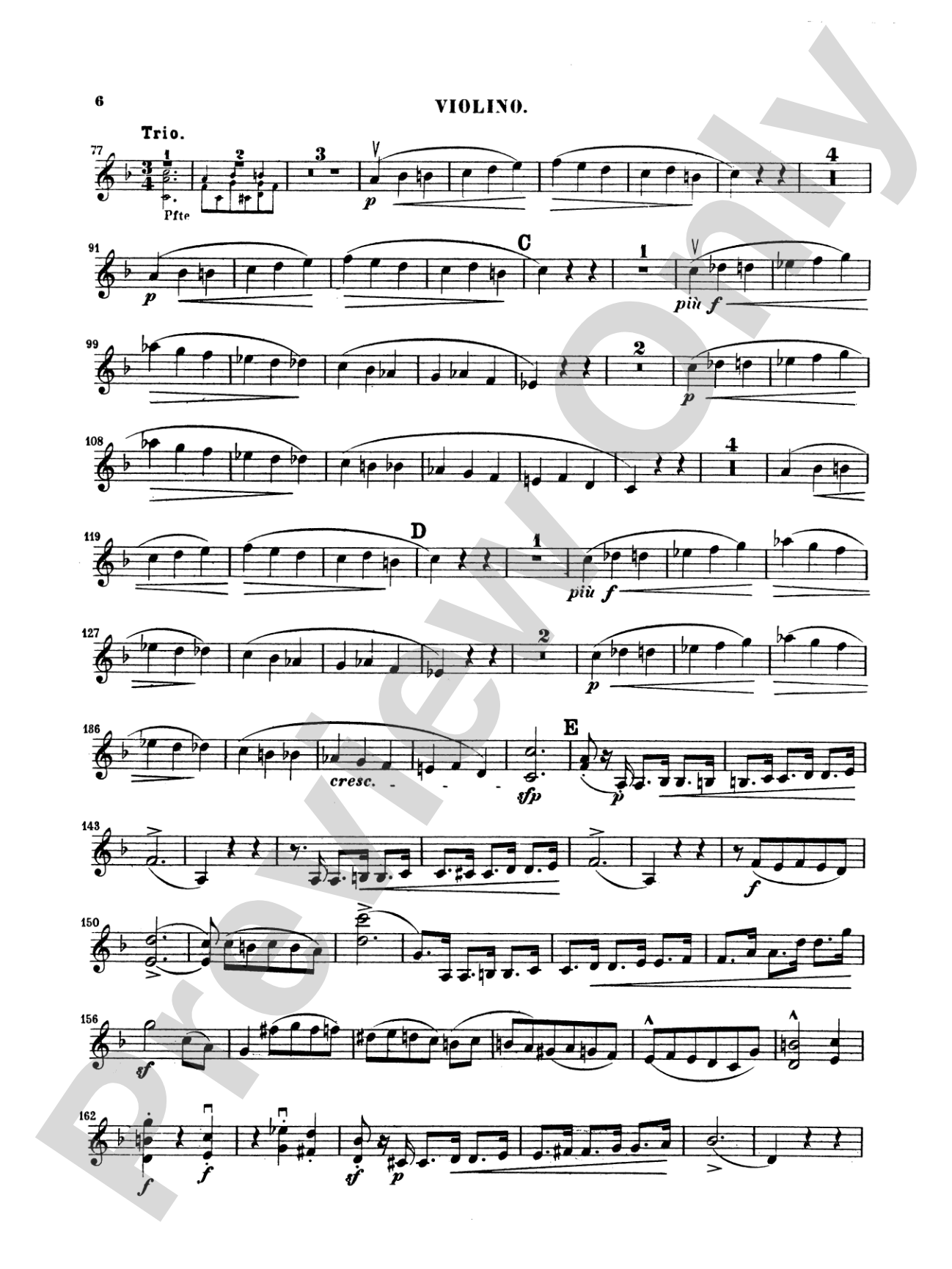
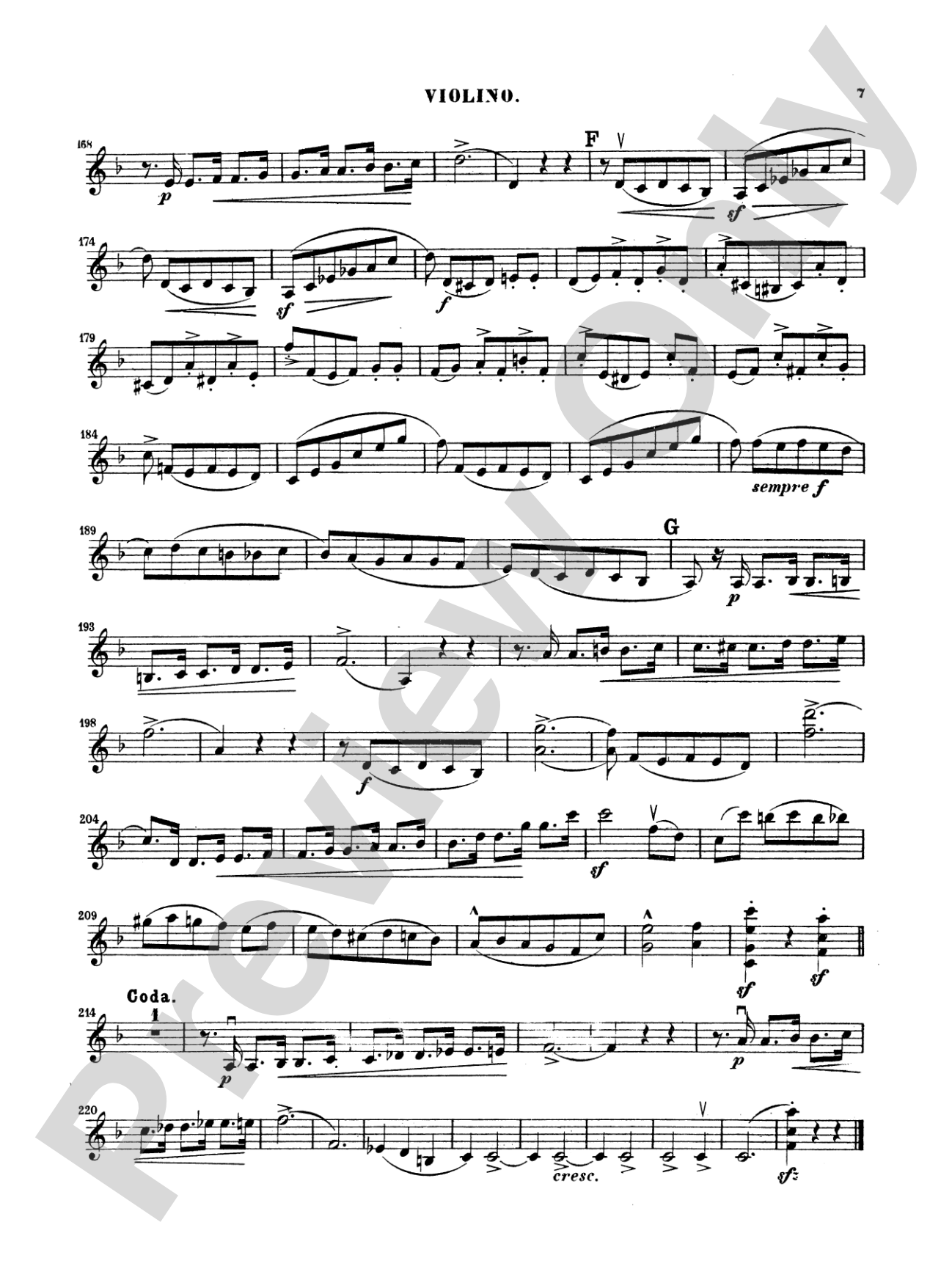
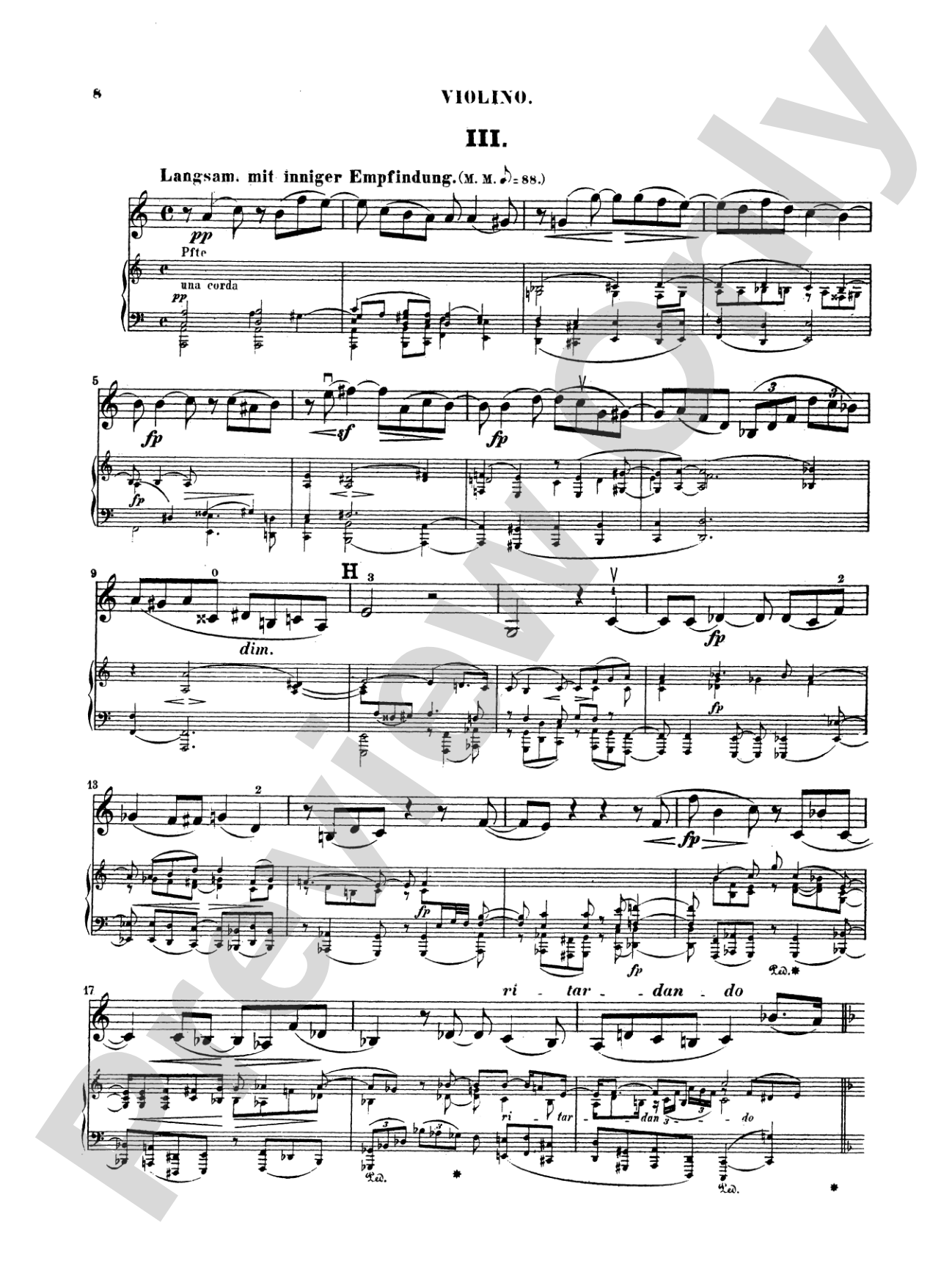
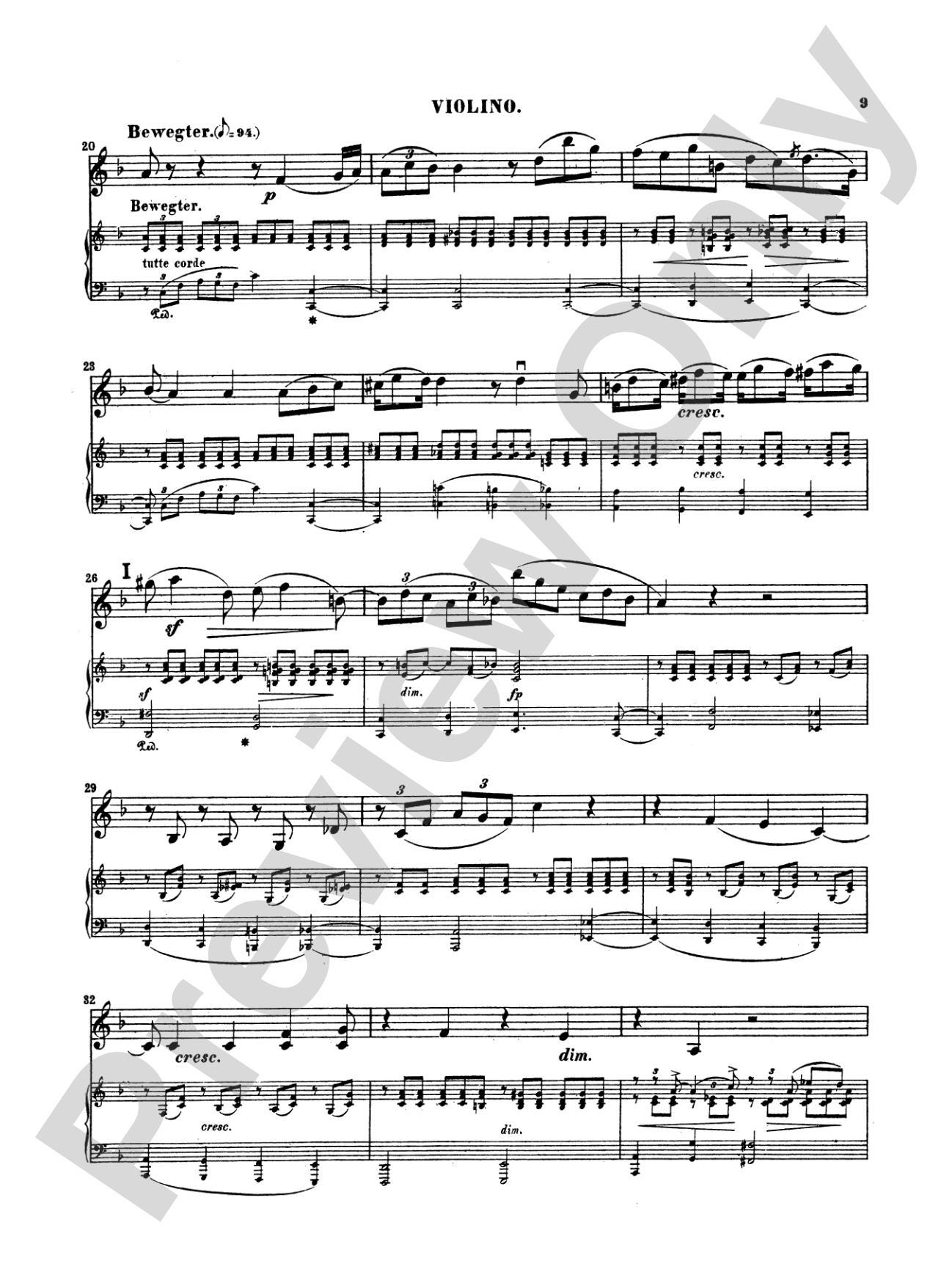
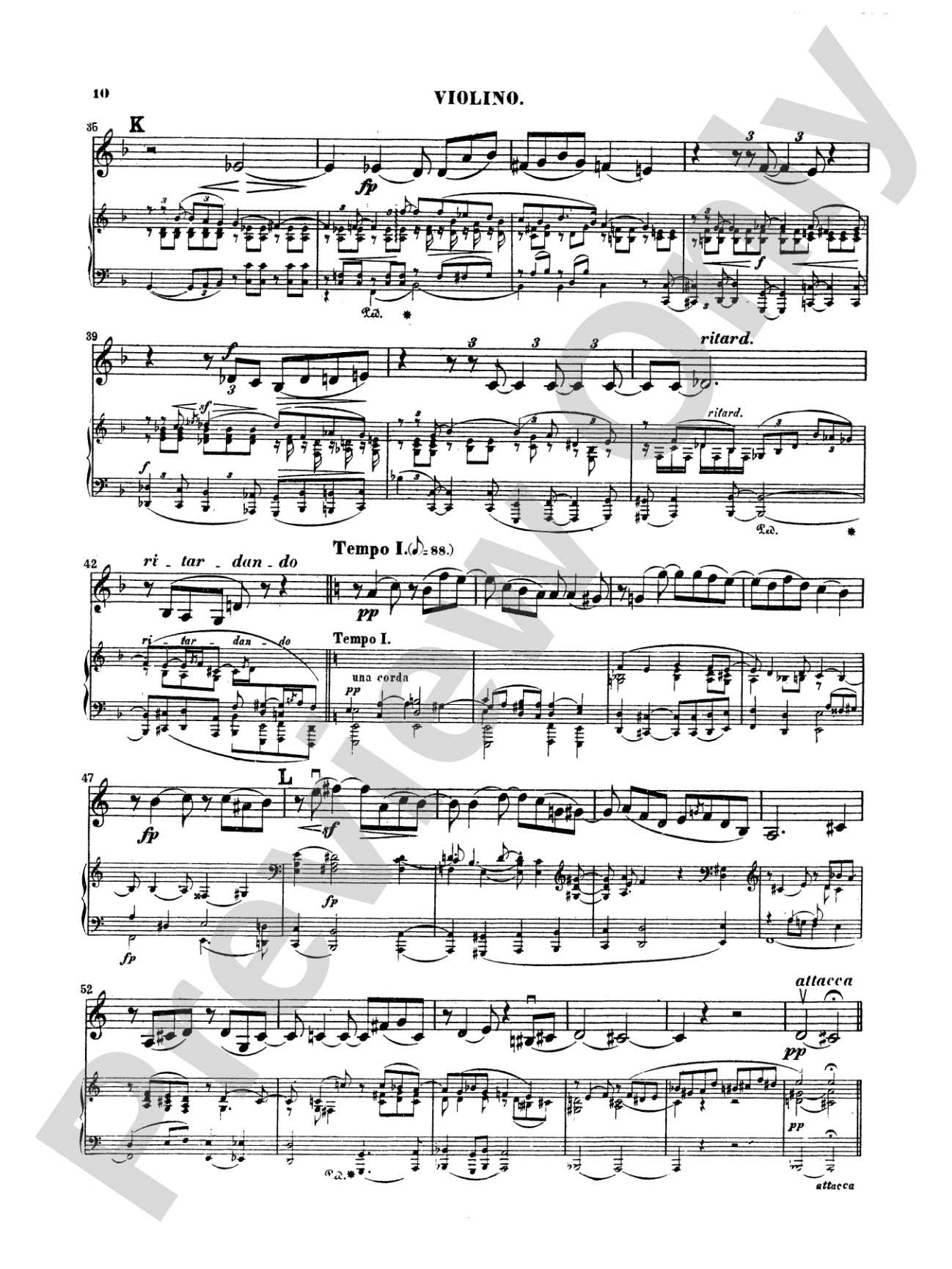
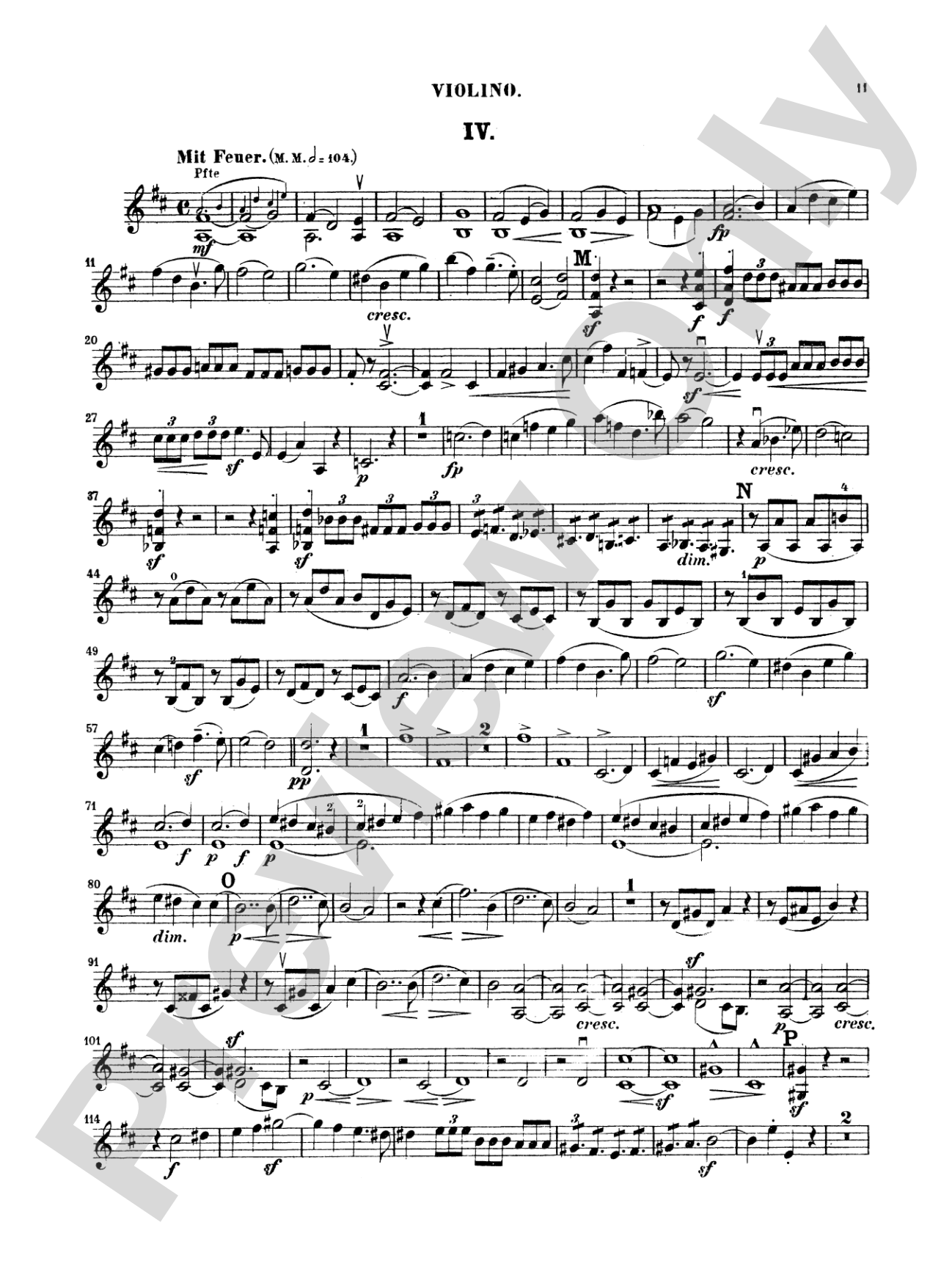
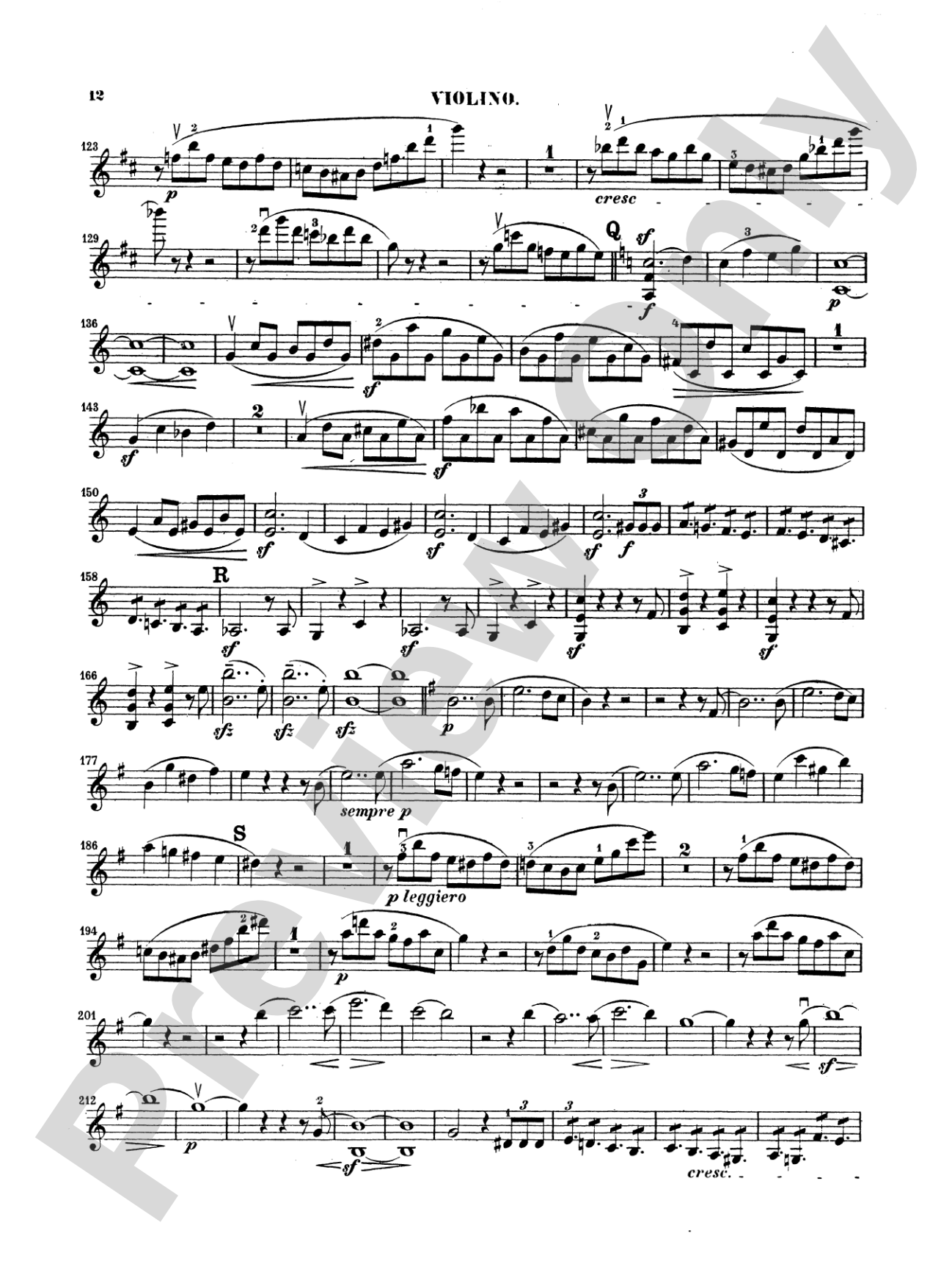
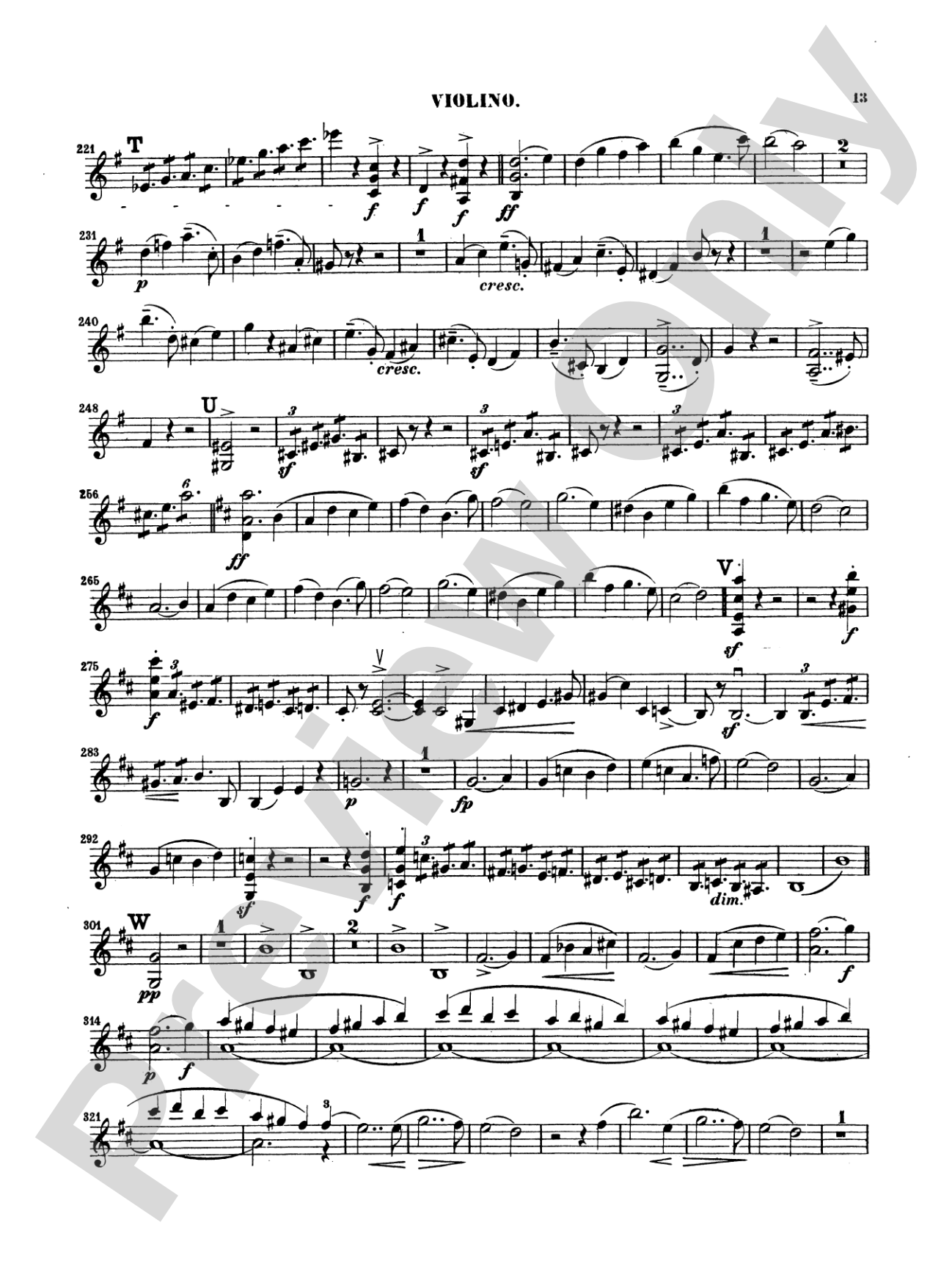
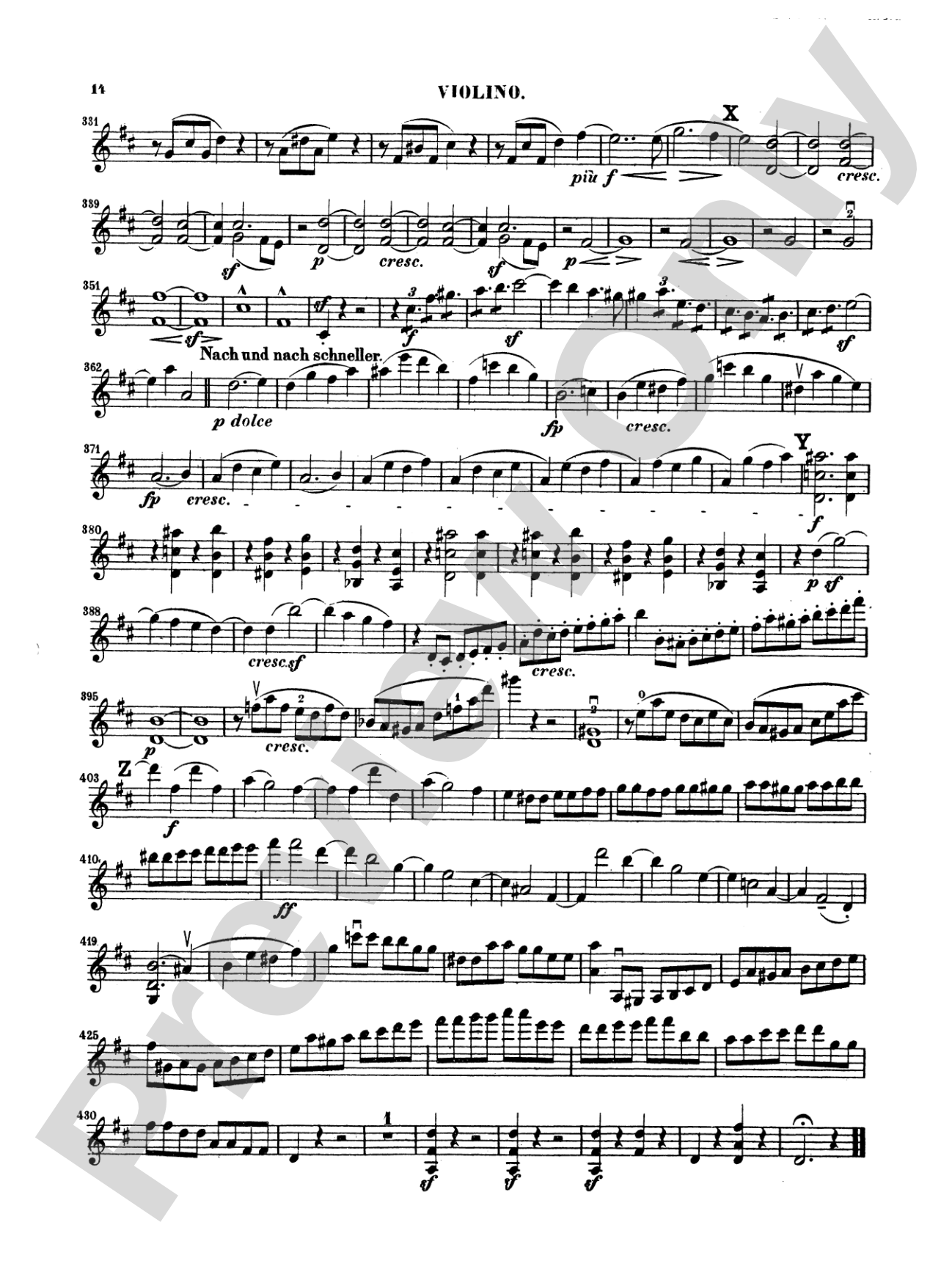

Schumann: Trio No. 1 in D Minor, Op. 53: Chamber Trio Book
By Robert Schumann
Item: 00-PK-0003817

$19.99
Pickup currently not available
Buy Extra Parts (Digital PDF Download)
| Product | Price | Quantity |
|---|---|---|
| Schumann: Trio No. 1 in D Minor, Op. 53 | $5.99 | |
| Schumann: Trio No. 1 in D Minor, Op. 53 | $5.99 | |
| Schumann: Trio No. 1 in D Minor, Op. 53 | $5.95 |
Parts Added to Cart!
Related Items
Trio No. 1, Opus 63: Chamber Trio Book |
$19.95
|
View |
Description
Expertly arranged Trio for Piano, Violin, and Cello by Robert Schumann from the Kalmus Edition series. This Trio is from the Romantic era.


Don't just read it, hear it, play along with it, and watch your students grow with it. In MakeMusic Cloud, Schumann: Trio No. 1 in D Minor, Op. 53: Chamber Trio Book comes alive with professional accompaniment, adjustable tempo, and built-in practice tools that turn solo practice into real progress.
Open in the Player
Jump straight in and assign it today.
Start Your Free Trial
Open this title and explore the full library in minutes.
Sample Audio
No sample audio found.
Sample Video
No sample videos found.
Additional Details
Series:
Kalmus Edition
Publisher:
Alfred Music
Page Count:
84
SKU:
00-PK-0003817
Instrumentation:
Piano, Violin & Cello
More about this title
About the Composer: Robert Schumann
Robert Schumann (1810-1856) was a pivotal Romantic composer whose chamber works redefined the genre for his era. A virtuoso pianist and deeply literary musician, he brought unprecedented emotional depth and harmonic innovation to the string trio format, treating the ensemble not as a display vehicle but as an intimate dialogue between equal voices.
Why we love this
Schumann's Trio No. 1 stands as one of the finest examples of Romantic chamber music, combining the lyrical warmth of his piano writing with genuinely grateful string parts that avoid the empty virtuosity common in 19th-century salon music. The 84-page score unfolds with architectural clarity and emotional generosity, making it as rewarding for advanced students to study as for established ensembles to perform at a high level.
What to expect
The D minor tonality lends the work an introspective, sometimes turbulent character, yet Schumann punctuates the darker passages with moments of surprising warmth and lyrical beauty. The piano writing in particular channels a conversational intimacy; the strings sing while the keyboard weaves harmonic color beneath them, creating the sense of a private musical conversation.
Who it's for
This trio serves advanced high school ensembles, university chamber music programs, and adult amateur groups with strong technical facility and interpretive maturity. Contest and festival programs benefit from chamber works of this caliber that offer both technical substance and genuine musical reward.
How to get the most out of it
- Establish the piano as a harmonic anchor early in rehearsals; Schumann expects the keyboard to shape the ensemble's tuning and intonation, not simply accompany.
- Attend to the contrapuntal inner voices in the middle movements; Schumann weaves second violin material into the accompaniment, and buried counterpoint will collapse without careful voicing.
- Balance the opening D minor theme between violin and cello. This material returns throughout the work, and its profile must remain clear even when the piano texture thickens around it.
- Honor the fermatas and structural pauses. Schumann uses silence as architectural material, and rushing through these moments damages the work's emotional arc.
How to use it
Program this alongside lighter fare from the same era to showcase the range of Romantic chamber music; a Mendelssohn Scherzo or a short Brahms movement makes an effective contrast. It also serves well as a festival or competition selection where judges expect to hear substantial, mature repertoire that demonstrates both ensemble discipline and musical sophistication.
Skills your students will build
- Balance and blend in a three-part texture with keyboard
- Reading and executing complex harmonic vocabulary of the Romantic era
- Intonation in non-traditional harmonic contexts
- Collaborative listening between string and piano parts
- Sustained lyricism and phrasing across longer formal structures
- Navigation of Schumann's contrapuntal inner voices