
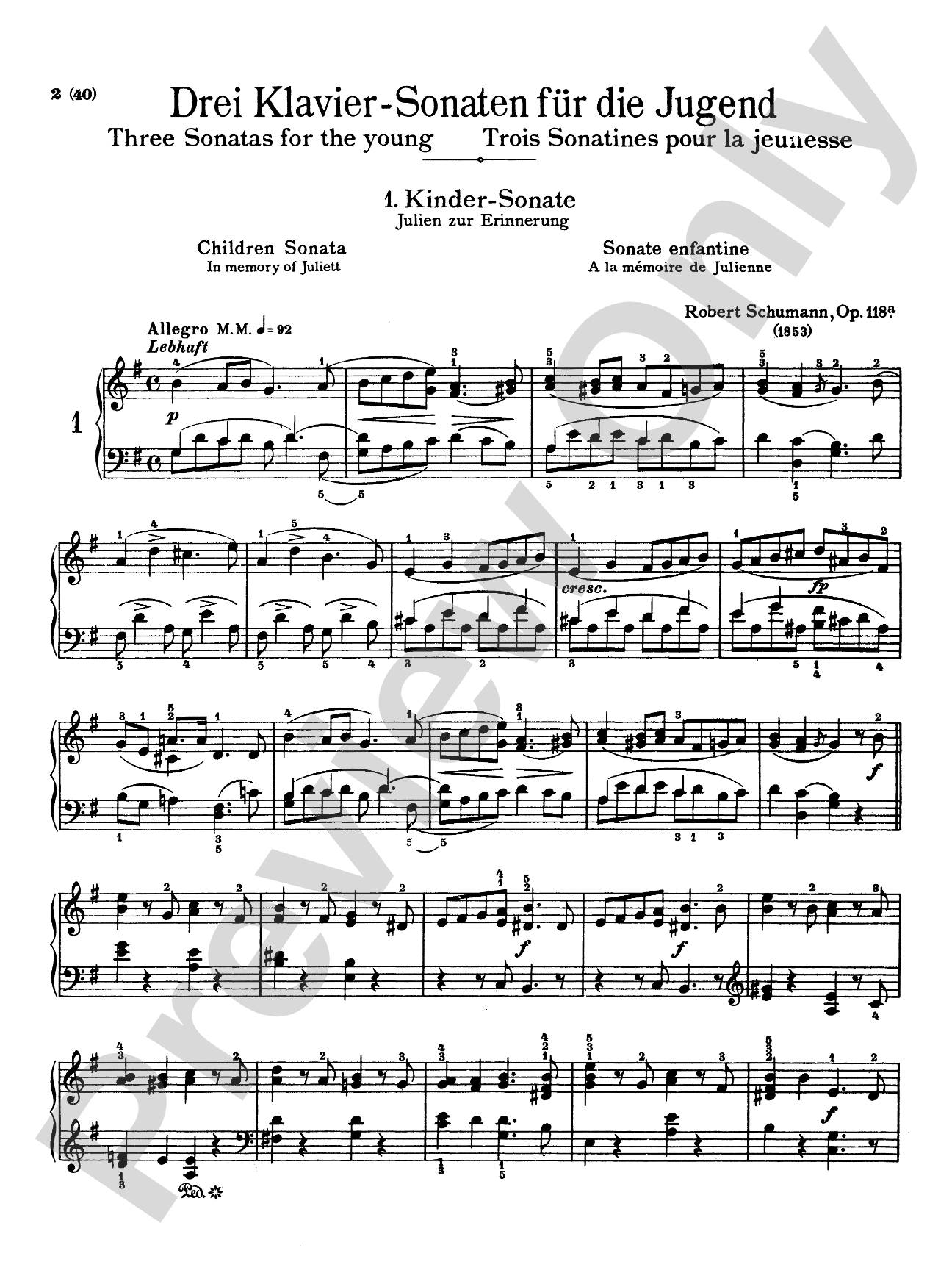
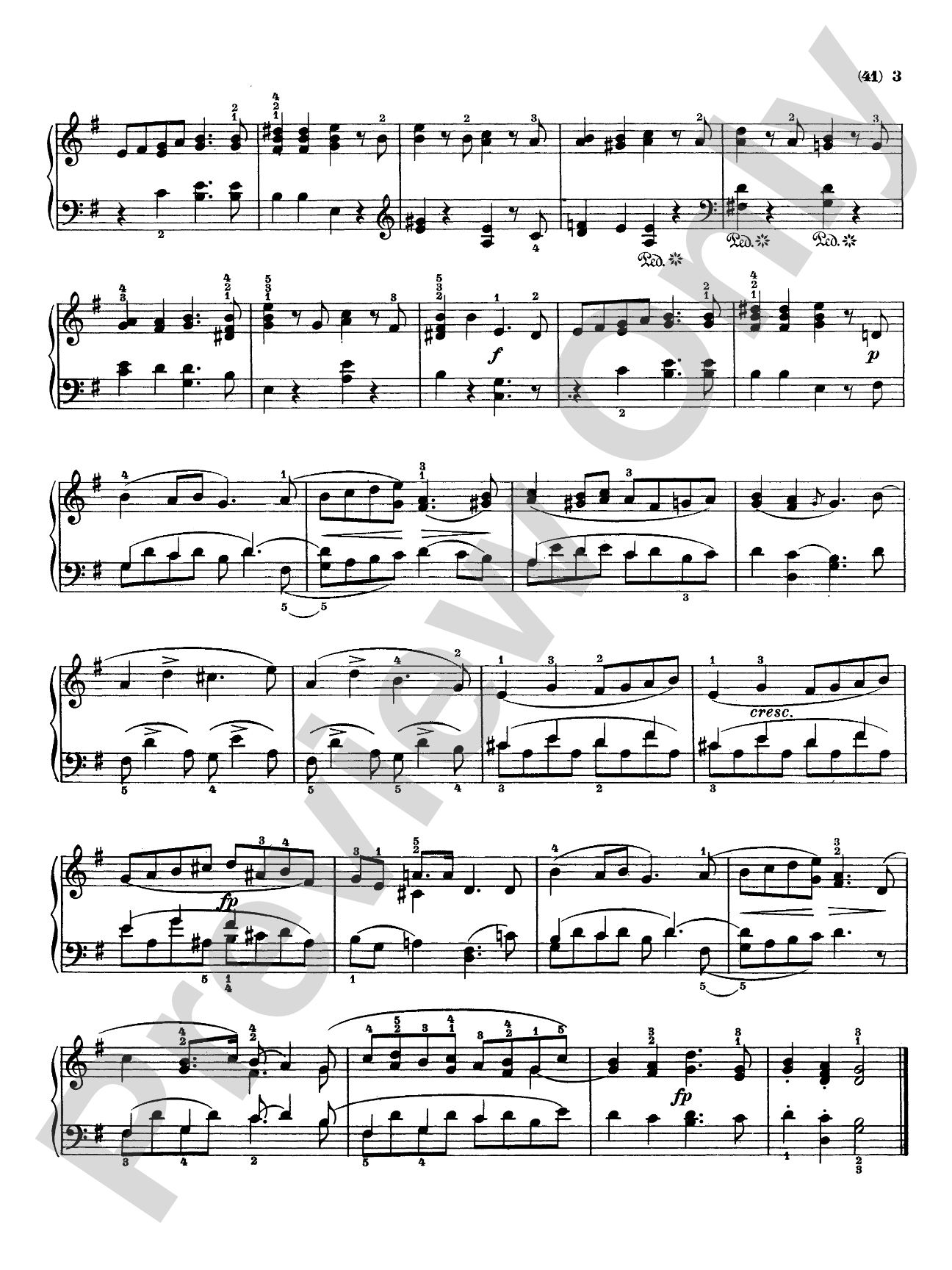
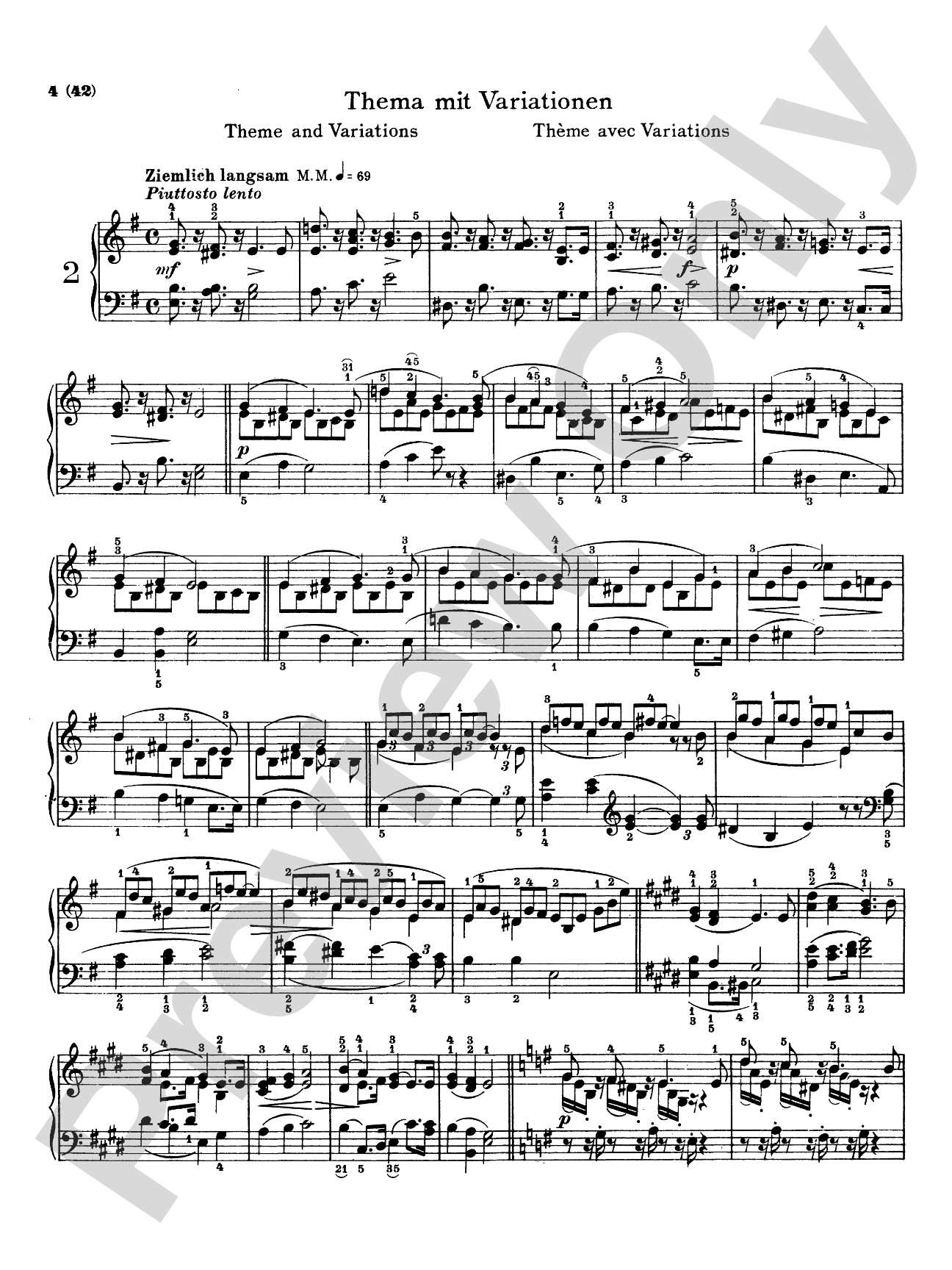
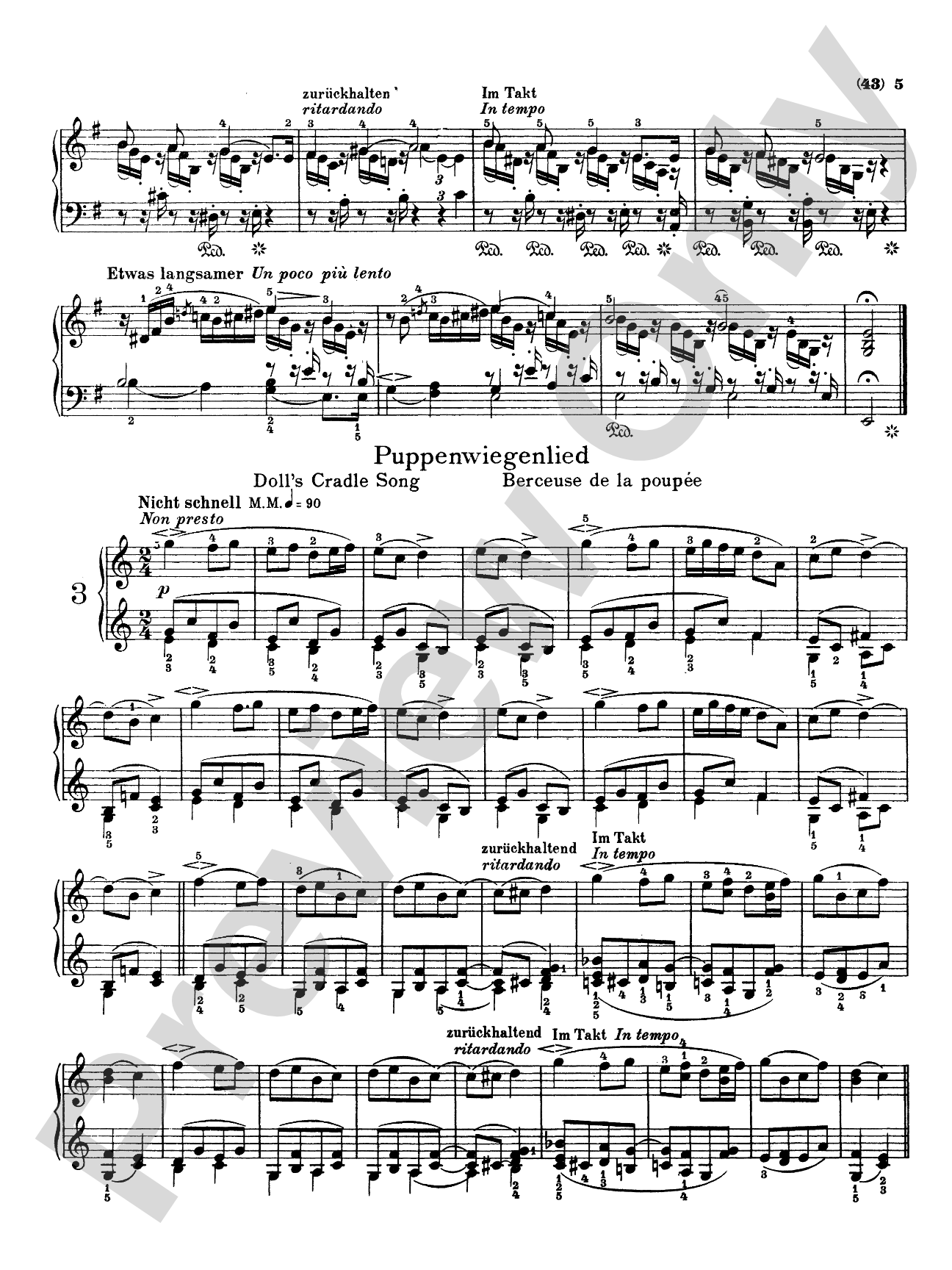
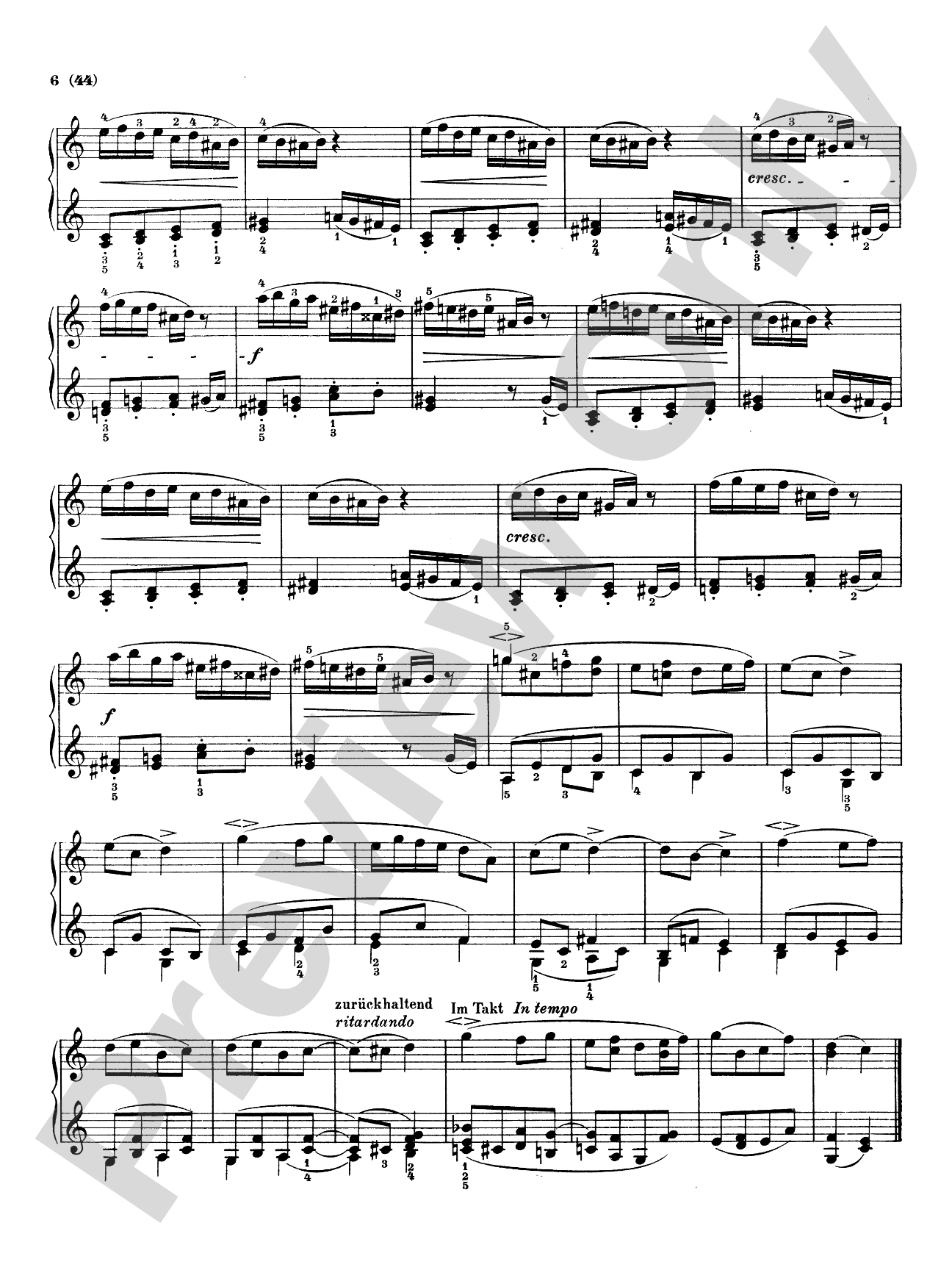
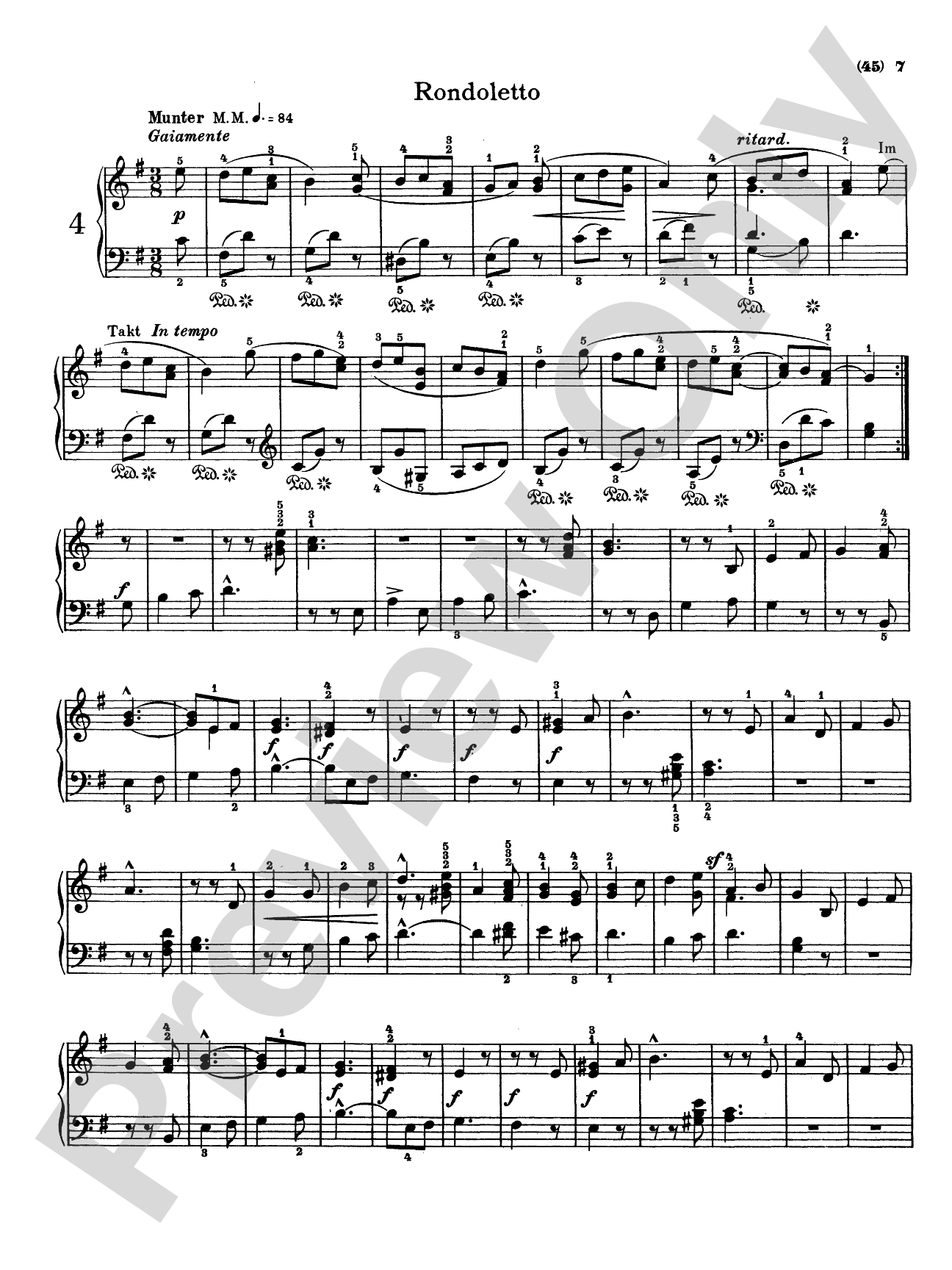
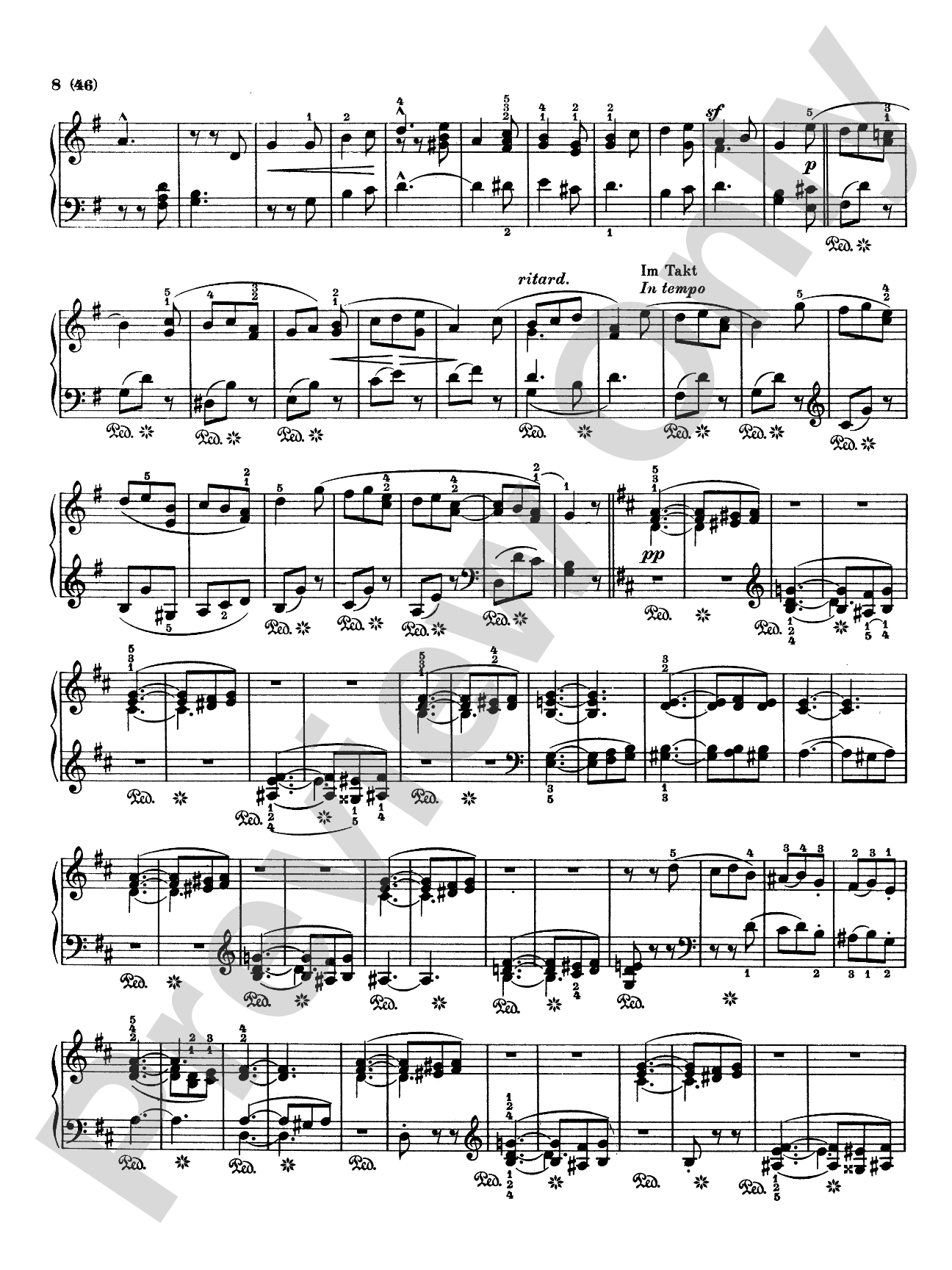
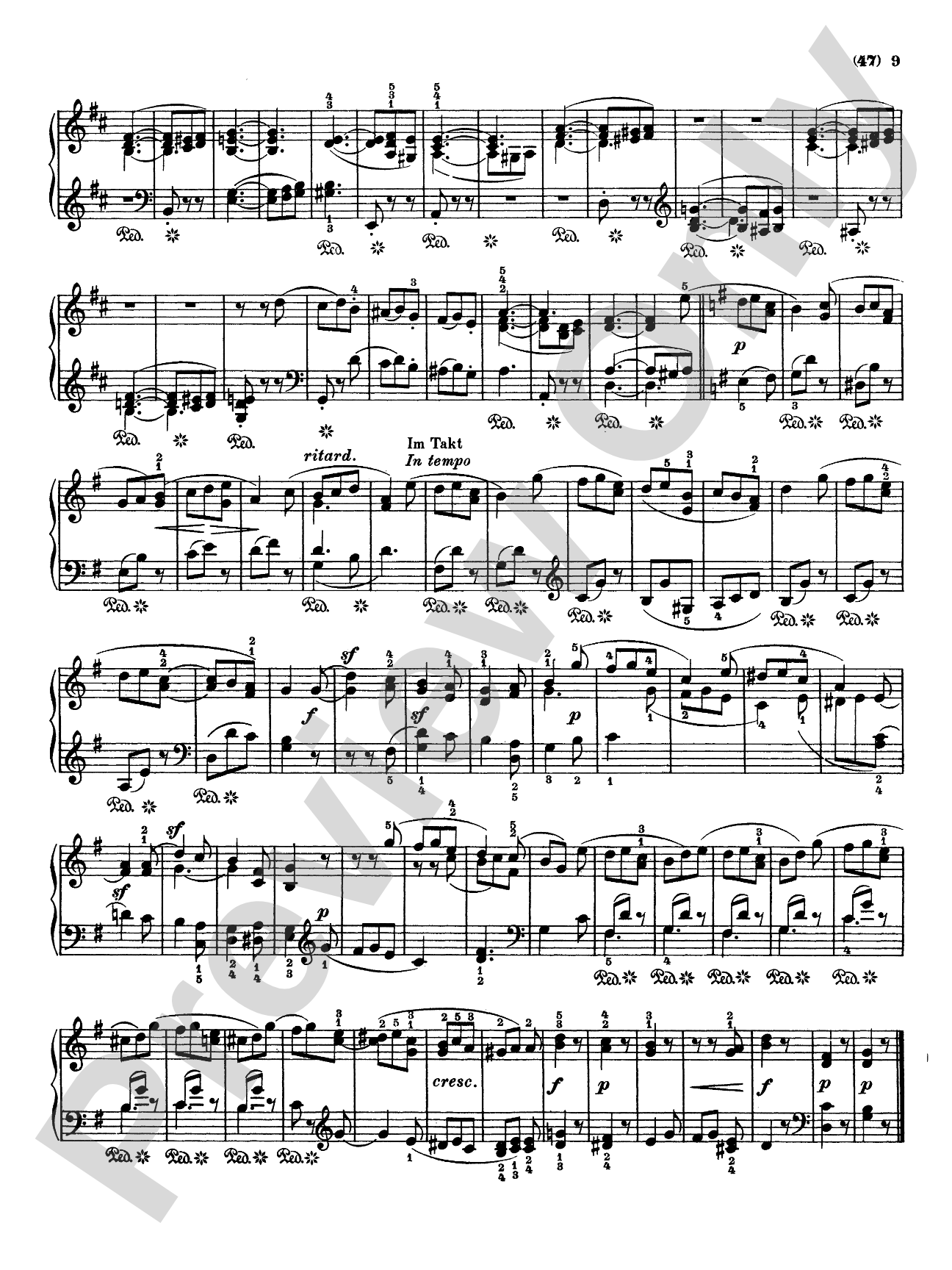

Schumann: Three Sonatas for the Young, Op. 118: Piano
By Robert Schumann
Level: Advanced
Item: 00-PK-0003327

$11.99
Pickup currently not available
Buy Extra Parts (Digital PDF Download)
| Product | Price | Quantity |
|---|---|---|
| Schumann: Three Sonatas for the Young, Op. 118 | $2.99 | |
| Schumann: Three Sonatas for the Young, Op. 118 | $2.99 | |
| Schumann: Three Sonatas for the Young, Op. 118 | $2.99 |
Parts Added to Cart!
Related Items
Three Sonatas for the Young, Opus 118: Piano |
$11.95
|
View |
Description
Expertly arranged piano solo from our Kalmus Edition.


Don't just read it, hear it, play along with it, and watch your students grow with it. In MakeMusic Cloud, Schumann: Three Sonatas for the Young, Op. 118: Piano comes alive with professional accompaniment, adjustable tempo, and built-in practice tools that turn solo practice into real progress.
Open in the Player
Jump straight in and assign it today.
Start Your Free Trial
Open this title and explore the full library in minutes.
Sample Audio
No sample audio found.
Sample Video
No sample videos found.
Additional Details
Series:
Kalmus Edition
Publisher:
Alfred Music
Page Count:
36
SKU:
00-PK-0003327
More about this title
About the Composer: Robert Schumann
Robert Schumann (1810, 1856) was a Romantic composer and critic whose dual career shaped 19th-century music. He championed new voices through his journalism while composing prolifically across all genres, yet he harbored a special devotion to piano music as a vehicle for intimate expression and technical innovation. His late works, including Op. 118, reflect his mature voice, harmonically adventurous, rhythmically complex, and deeply concerned with the relationship between musical structure and emotional content.
Schumann's three sonatas for young pianists represent a unique pedagogical achievement: they demand genuine musicianship and technical facility without sacrificing artistic substance. Written in the final years of his life, these works resist condescension. They challenge students to grapple with Romantic-era harmony, dramatic shifts in texture, and the balance between lyrical and virtuosic writing that defines his aesthetic.
Why we love this
These sonatas occupy rare territory, advanced student repertoire that never feels diluted or pedagogically watered down. Schumann gives students real compositional challenges: unexpected harmonic turns, simultaneous melodic and accompaniment figures that require independent finger control, and expressive demands that separate careful note-reading from genuine interpretation. A student who conquers these pieces gains confidence in Romantic-era language and emerges with stronger hands and ears.
What to expect
The music unfolds with the intimate warmth characteristic of Schumann's late works for amateurs, balancing lyrical melody with harmonic exploration. You encounter passages of genuine tenderness alongside moments of energetic, propulsive writing that requires clarity and control. The overall effect is one of direct emotional communication without pretense or empty display.
Who it's for
Advanced pianists navigating the step from intermediate Romantic repertoire into more sophisticated 19th-century literature. High school seniors and college music majors preparing for jury exams or recitals will find these sonatas offer artistic substance at a manageable technical level. These works suit both private studio instruction and chamber or solo concert contexts.
How to get the most out of it
- Separate the melodic layers in passages where the right hand carries two voices. Practice slowly with exaggerated finger independence to ensure each line sings without interference from its neighbor.
- Attend closely to Schumann's dynamic markings and tempo indications; they articulate the emotional arc more precisely than the note content alone suggests. A mezzo-piano marking isn't casual, honor it.
- The harmonic language shifts frequently and sometimes unexpectedly. Map out the key areas and pivot points before drilling passages; this prevents stumbling when unfamiliar progressions appear.
- These pieces reward a singing touch at the keyboard. Practice by imagining a vocalist delivering the primary melody, then shape your phrasing around that imagined breath and line quality.
How to use it
Feature one sonata as a complete program item in a student recital, or extract individual movements for a shorter concert slot. These works pair naturally with other Romantic-era piano literature and provide a bridge between earlier Classical forms and the more chromatic writing of later 19th-century composers. They are equally effective as solo study projects for pianists developing their interpretation and technique.
Skills your students will build
- Reading and executing Romantic harmonic language, including chromaticism and secondary dominants
- Balancing lyrical singing tone with structural clarity across a multi-movement work
- Interpreting articulation and pedal markings to shape phrasing without obscuring harmonic motion
- Managing technical passages (hand independence, scale work, arpeggiation) within a musically coherent framework
- Understanding 19th-century sonata form and Schumann's approach to thematic development and key relationships