
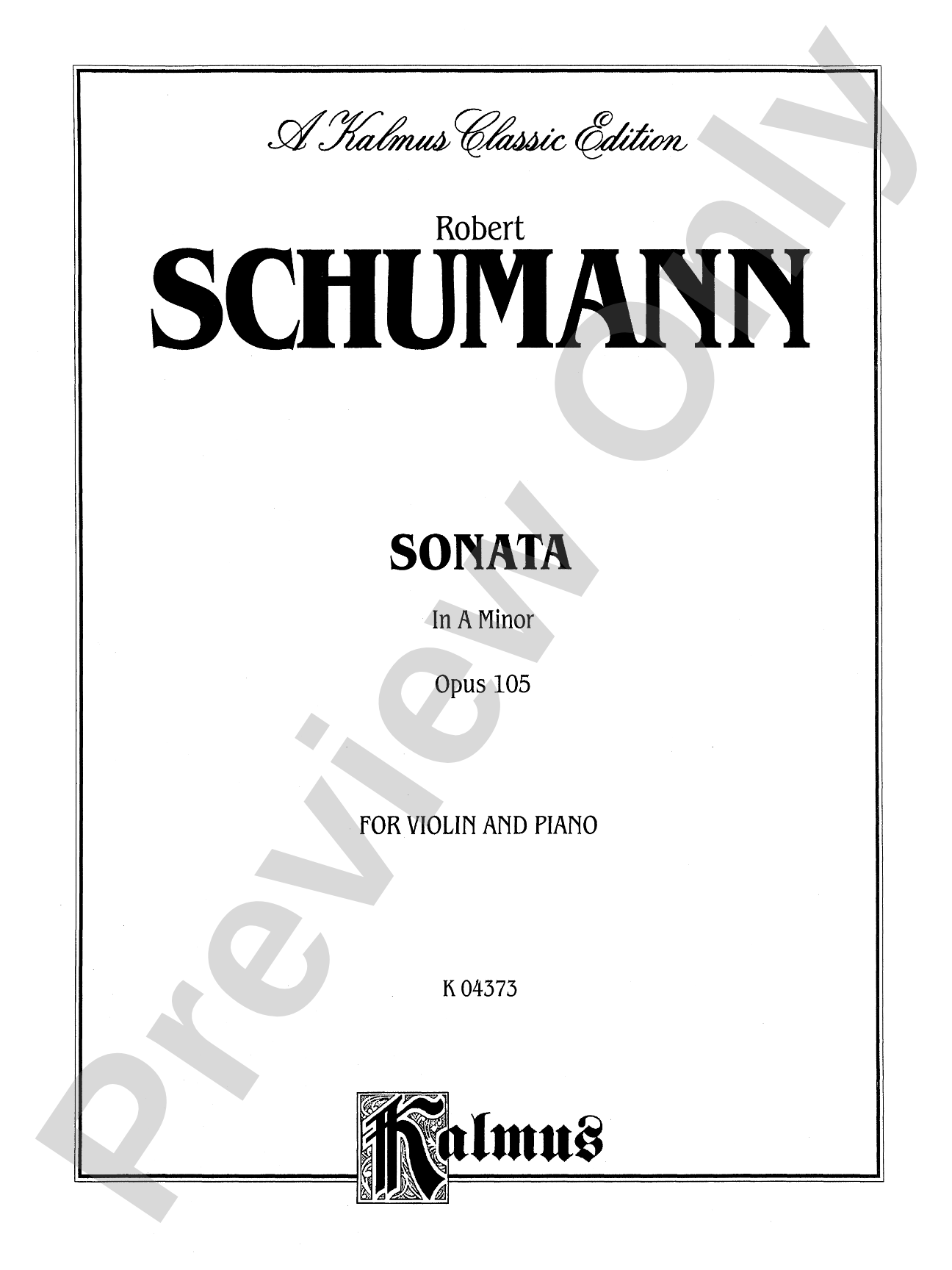
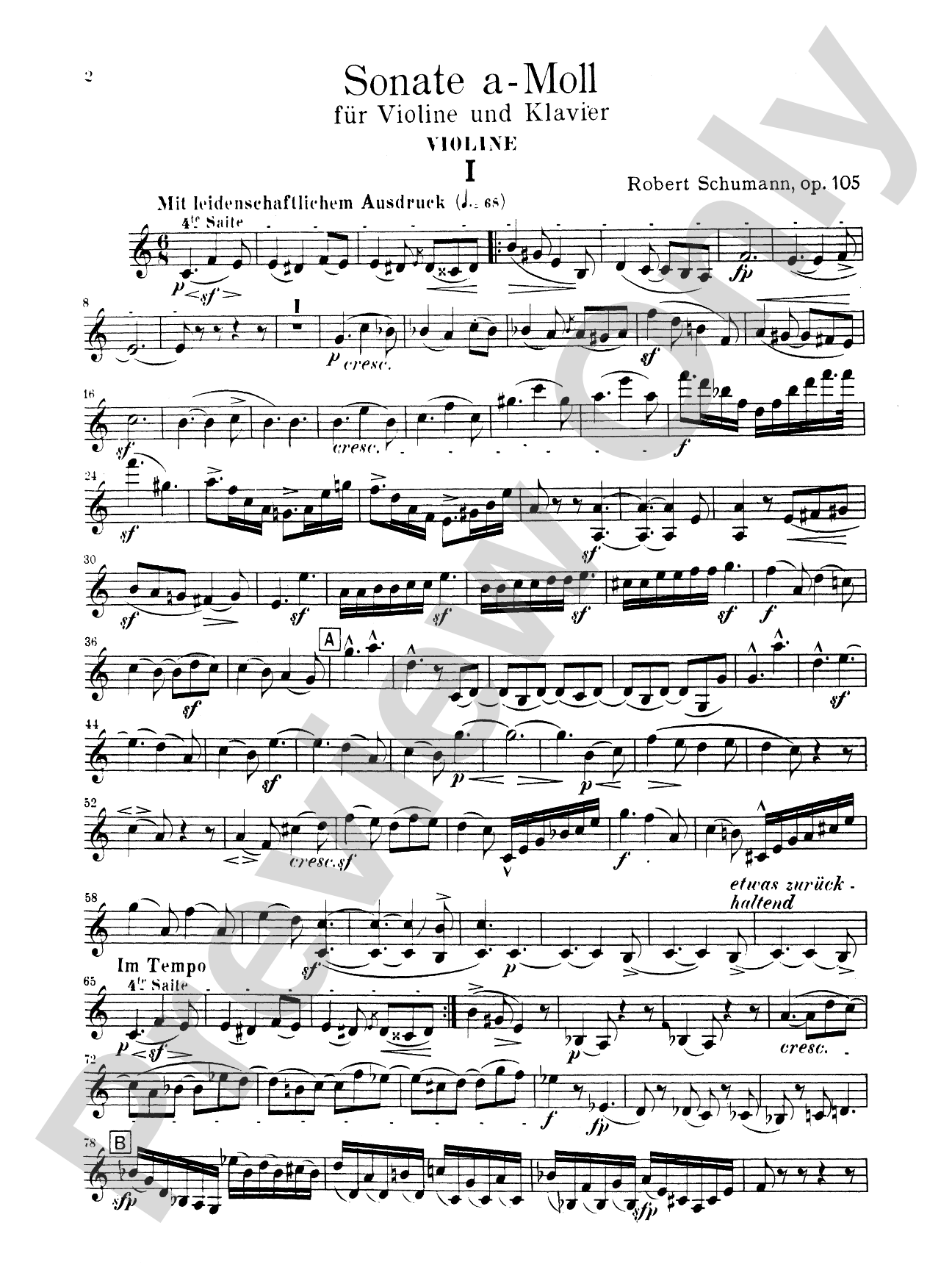
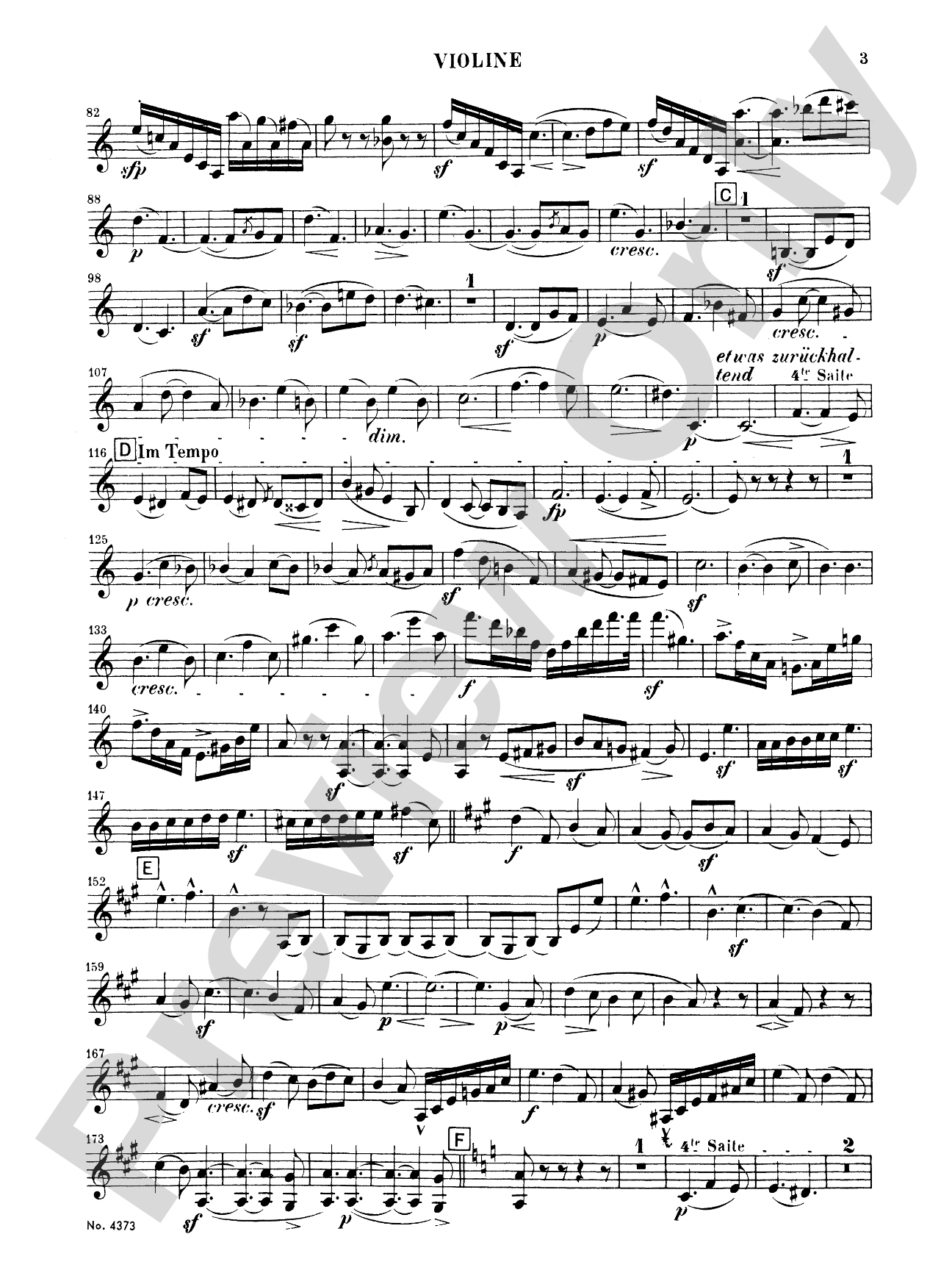
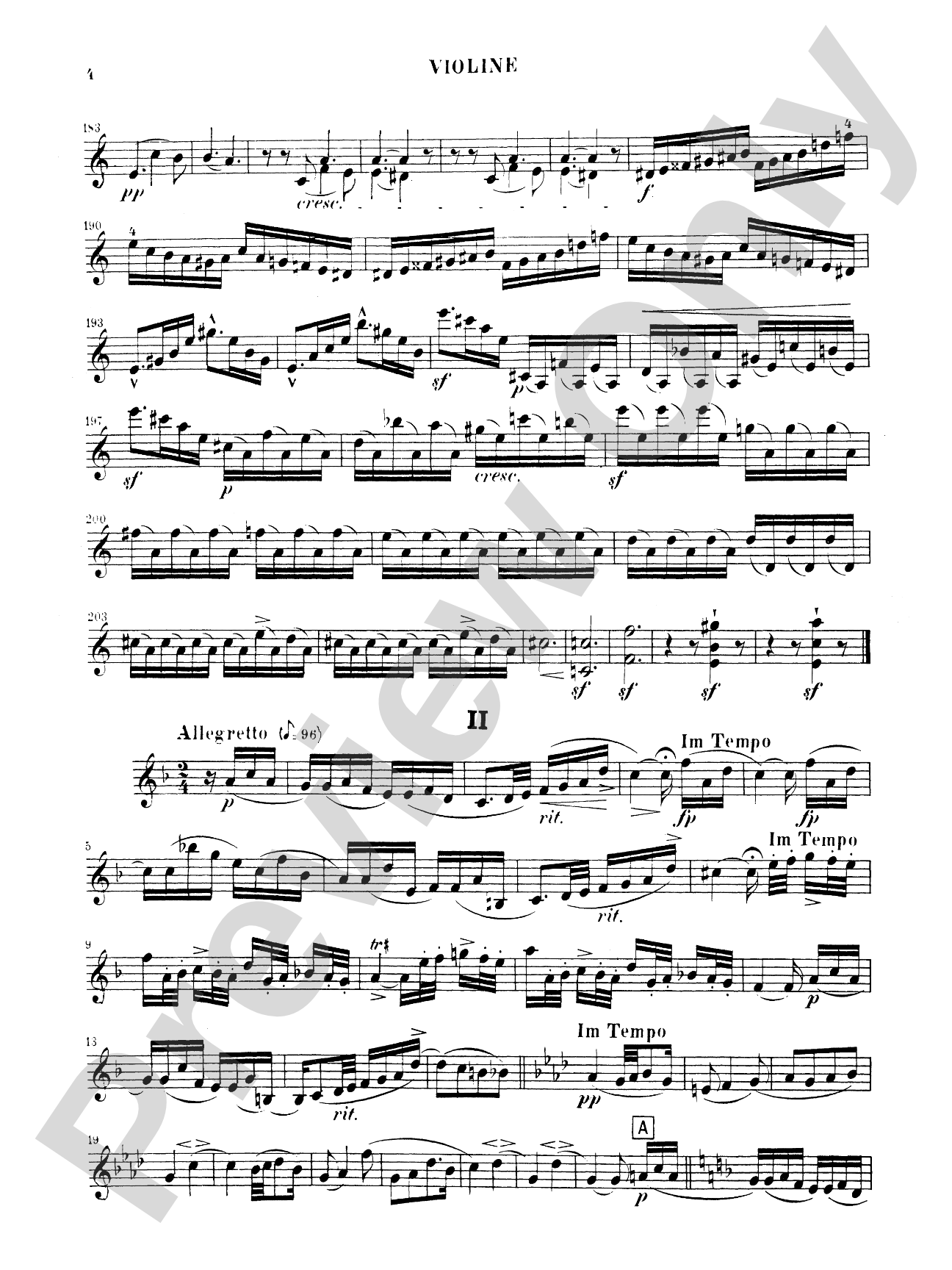
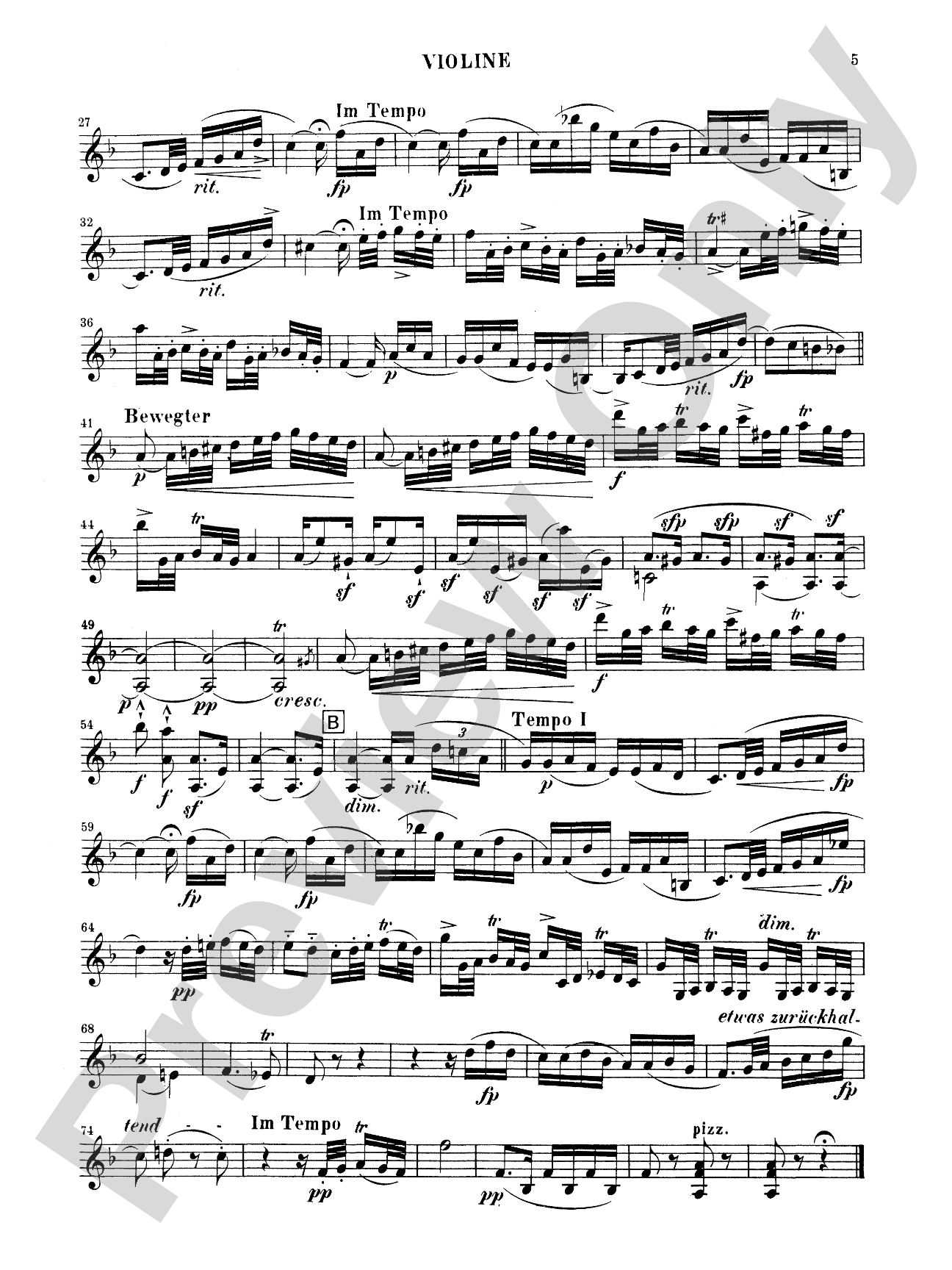
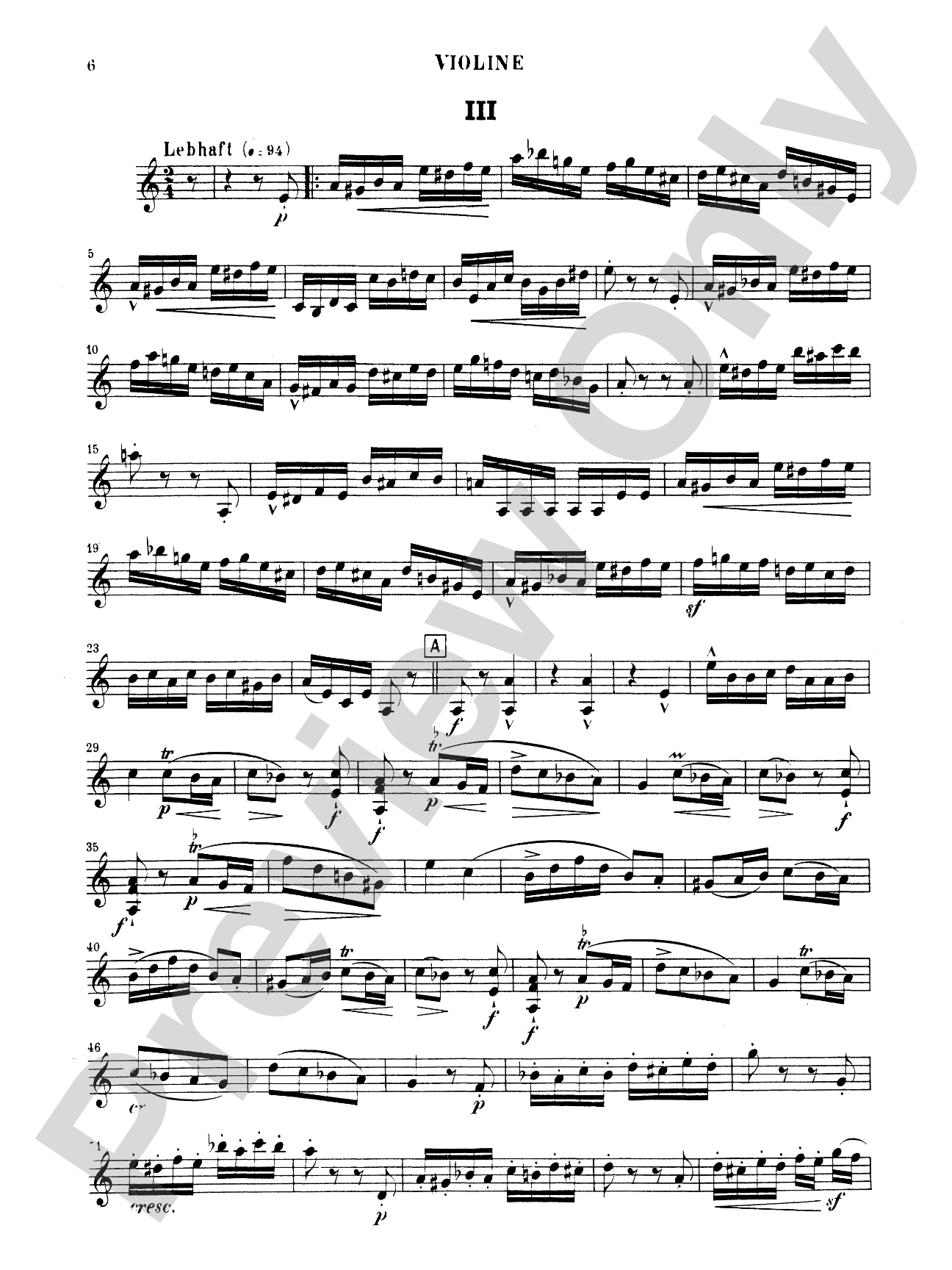
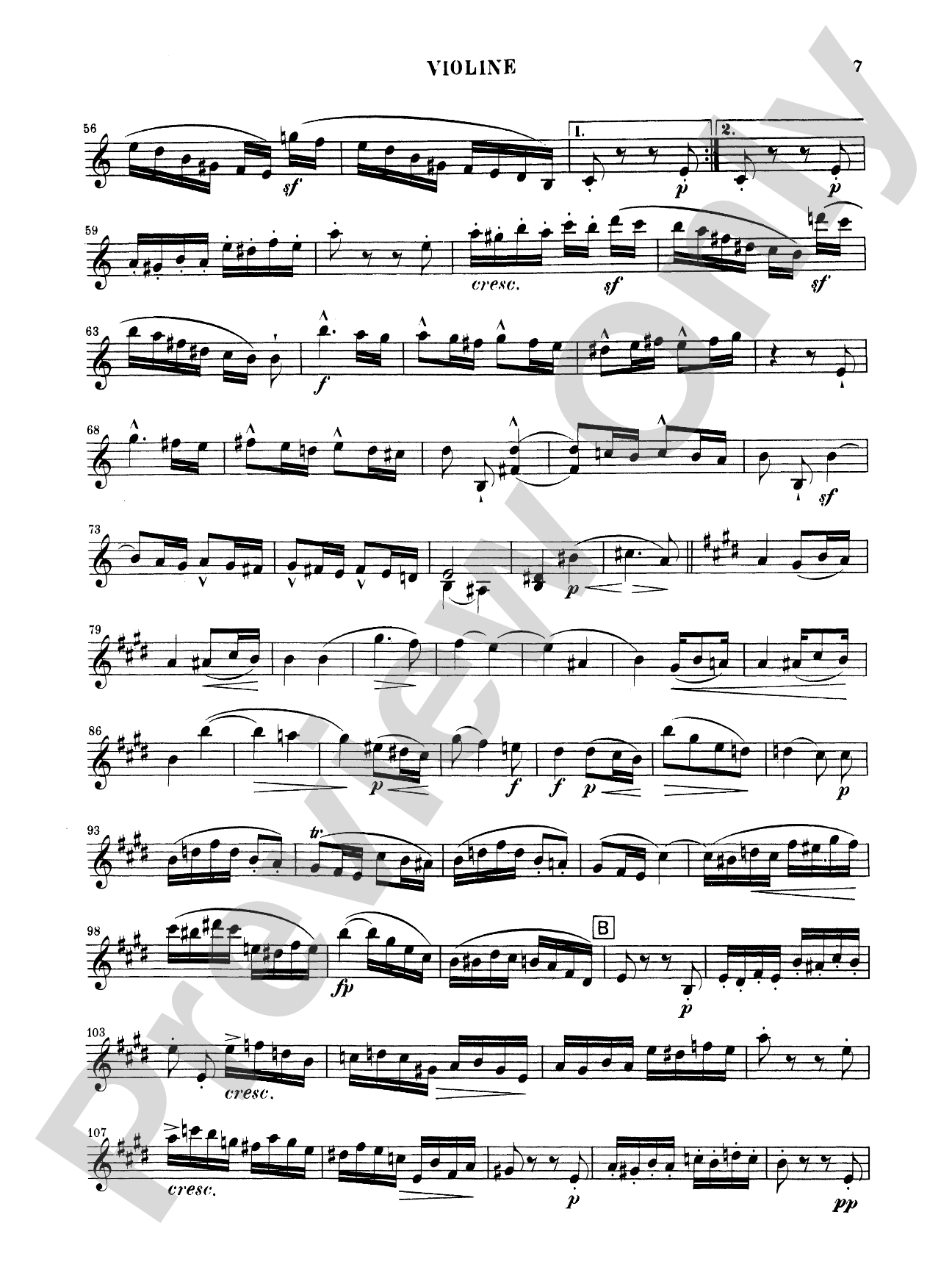
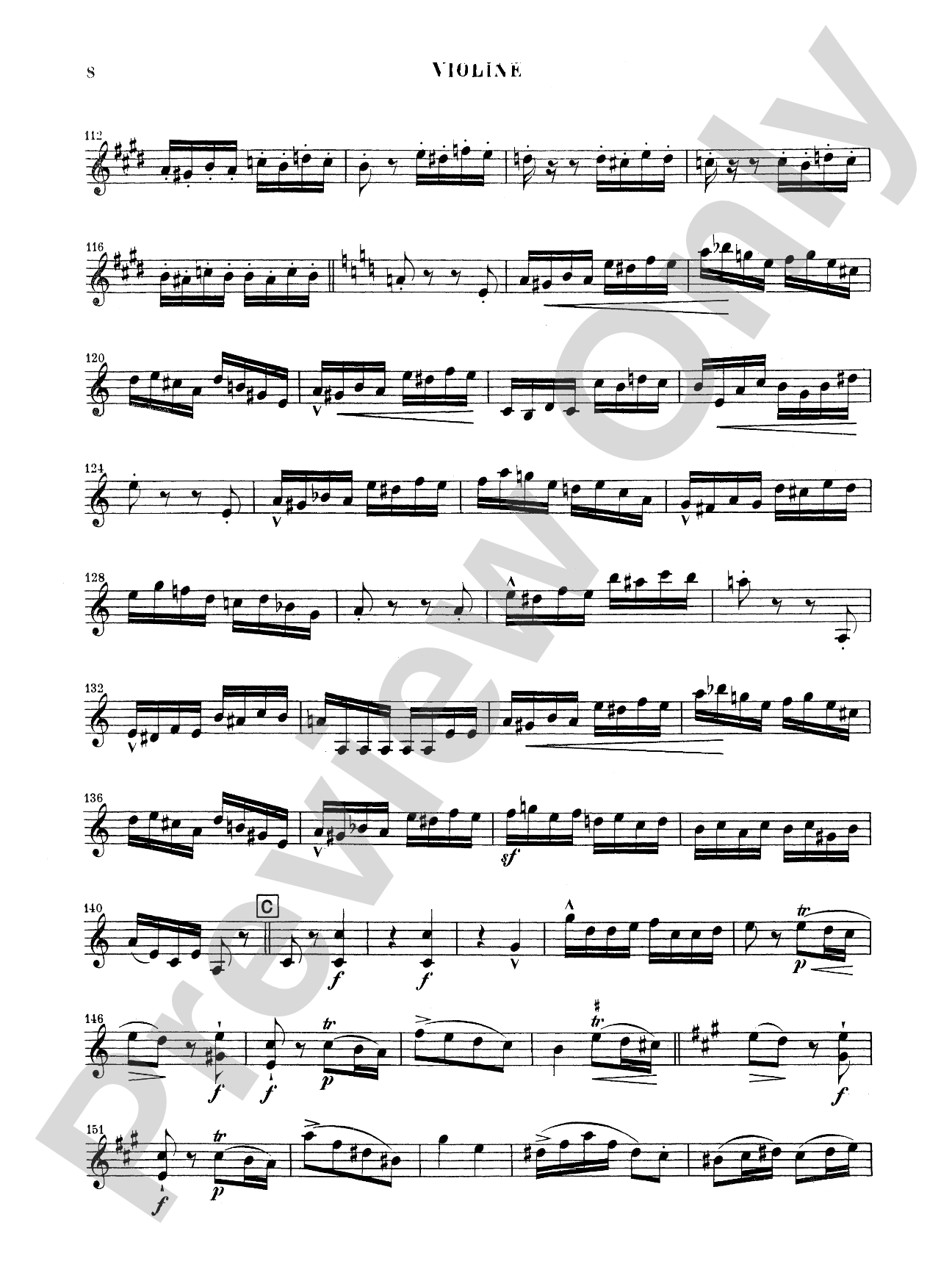
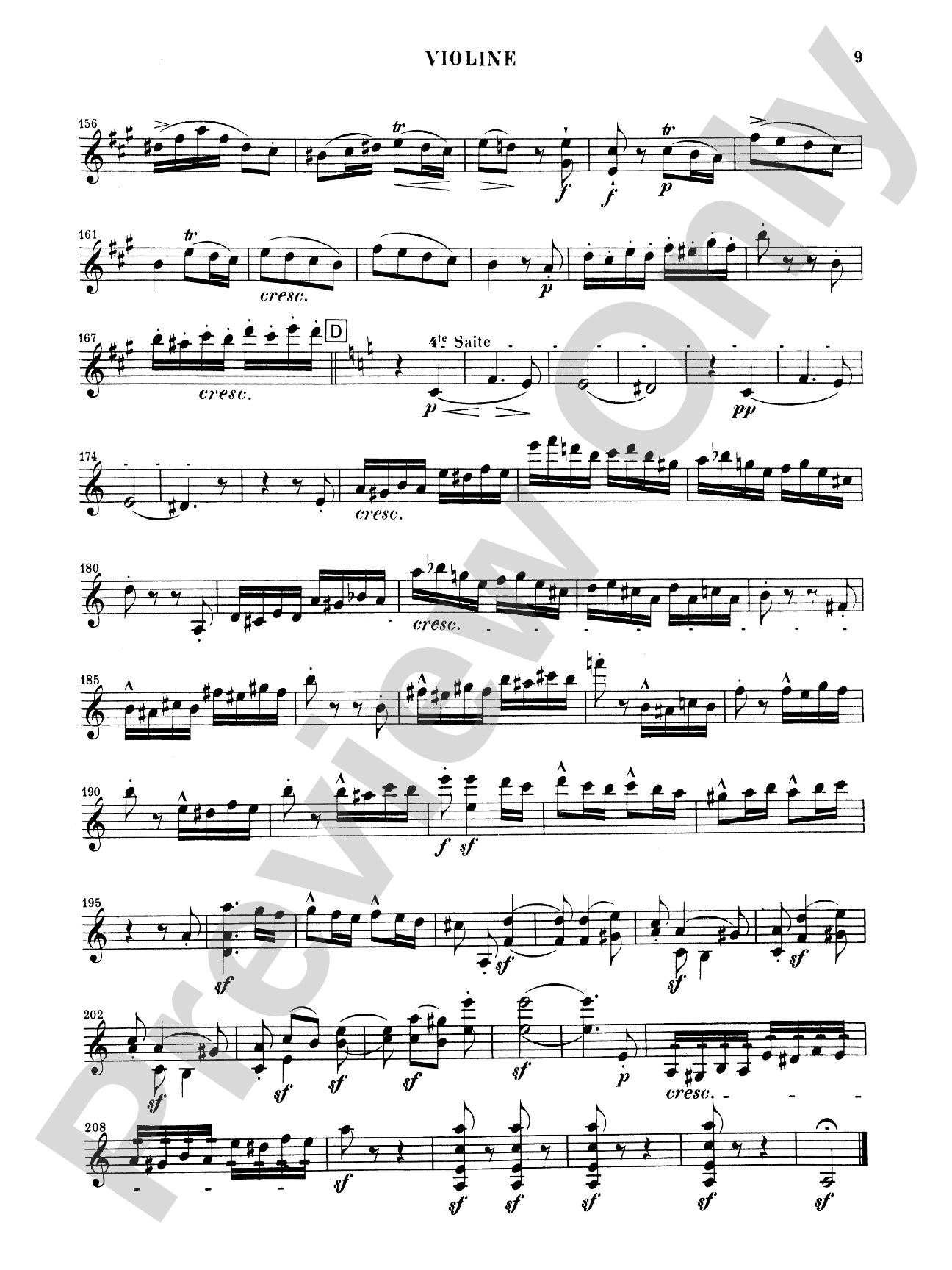




Schumann: Sonata in A Minor, Op. 105: Violin Book
By Robert Schumann
Item: 00-PK-0003490

$9.99
Pickup currently not available
Buy Extra Parts (Digital PDF Download)
| Product | Price | Quantity |
|---|---|---|
| Schumann: Sonata in A Minor, Op. 105 | $3.99 | |
| Schumann: Sonata in A Minor, Op. 105 | $3.95 |
Parts Added to Cart!
Related Items
Sonata in A Minor, Opus 105: Violin Book |
$9.95
|
View |
Description
A Violin solo with Piano Accompaniment composed by Robert Schumann.


Don't just read it, hear it, play along with it, and watch your students grow with it. In MakeMusic Cloud, Schumann: Sonata in A Minor, Op. 105: Violin Book comes alive with professional accompaniment, adjustable tempo, and built-in practice tools that turn solo practice into real progress.
Open in the Player
Jump straight in and assign it today.
Start Your Free Trial
Open this title and explore the full library in minutes.
Sample Audio
No sample audio found.
Sample Video
No sample videos found.
Additional Details
Series:
Kalmus Edition
Publisher:
Alfred Music
Page Count:
36
SKU:
00-PK-0003490
More about this title
About the Composer: Robert Schumann
Robert Schumann (1810-1856) stands as one of the Romantic era's most influential composers, known for his deep lyricism and harmonic innovation. His output spans symphonies, concertos, chamber music, and solo works that bridge the lyrical sensibility of song writing with instrumental virtuosity. Schumann's music is marked by poetic imagination, rich harmonic language, and an intuitive understanding of how instruments can sing with vocal warmth.
Why we love this
This sonata captures Schumann at his most introspective, with melodic writing that feels natural under the bow and harmonic progressions that reward close listening. The work sits squarely in the contest and festival repertoire for good reason: it demands solid technique without sacrificing musicality, and the piano part is genuinely collaborative rather than merely accompanying. It's a masterwork that sounds impressive without requiring the virtuosic fireworks of a showpiece.
What to expect
Schumann's A Minor Sonata unfolds with an introspective, almost conversational quality, as if the violin and piano are trading thoughts rather than performing for an audience. The harmonic language shifts between brooding minor passages and moments of wistful lyricism, creating a sense of emotional depth that builds without bombast. The work feels intimate even at recital scale, rewarding listeners who follow its subtle harmonic and melodic turns.
Who it's for
Advanced high school and college violinists preparing for competitions, festivals, or recitals will find this work demands real technical facility and interpretive maturity. Violinists with solid intonation, vibrato control, and experience in Romantic repertoire will have the foundation to do this music justice.
How to get the most out of it
- Shape long lines with phrase direction rather than dramatic dynamic swells; Schumann's lyricism flourishes when you prioritize sustained tone quality and subtle inflection.
- Balance the violin melody against the piano's figuration, especially in passages where the accompaniment carries rhythmic or harmonic momentum.
- Attend to the shifts between major and minor tonality and the unexpected harmonic turns; these are central to Schumann's emotional architecture and deserve careful voice leading.
- Practice the violin and piano parts separately first, then as a unified ensemble, since the sonata requires genuine communication between the two instruments rather than a soloist-with-accompaniment approach.
How to use it
This sonata works well as a centerpiece in a student recital or as a competition entry where Romantic repertoire is valued. It pairs naturally with other Schumann works or with contemporaries like Brahms, and its 36-page length makes it a substantial but manageable addition to a mixed program of shorter pieces.
Skills your students will build
- Sustaining long melodic lines with consistent vibrato and tone quality
- Navigating harmonic shifts between relative major and minor with tonal clarity
- Balancing solo melodic responsibility with collaborative listening to the accompaniment
- Interpreting Romantic-era phrasing conventions and rubato within a structured form
- Managing the technical demands of double stops, position shifts, and rhythmic coordination with piano