
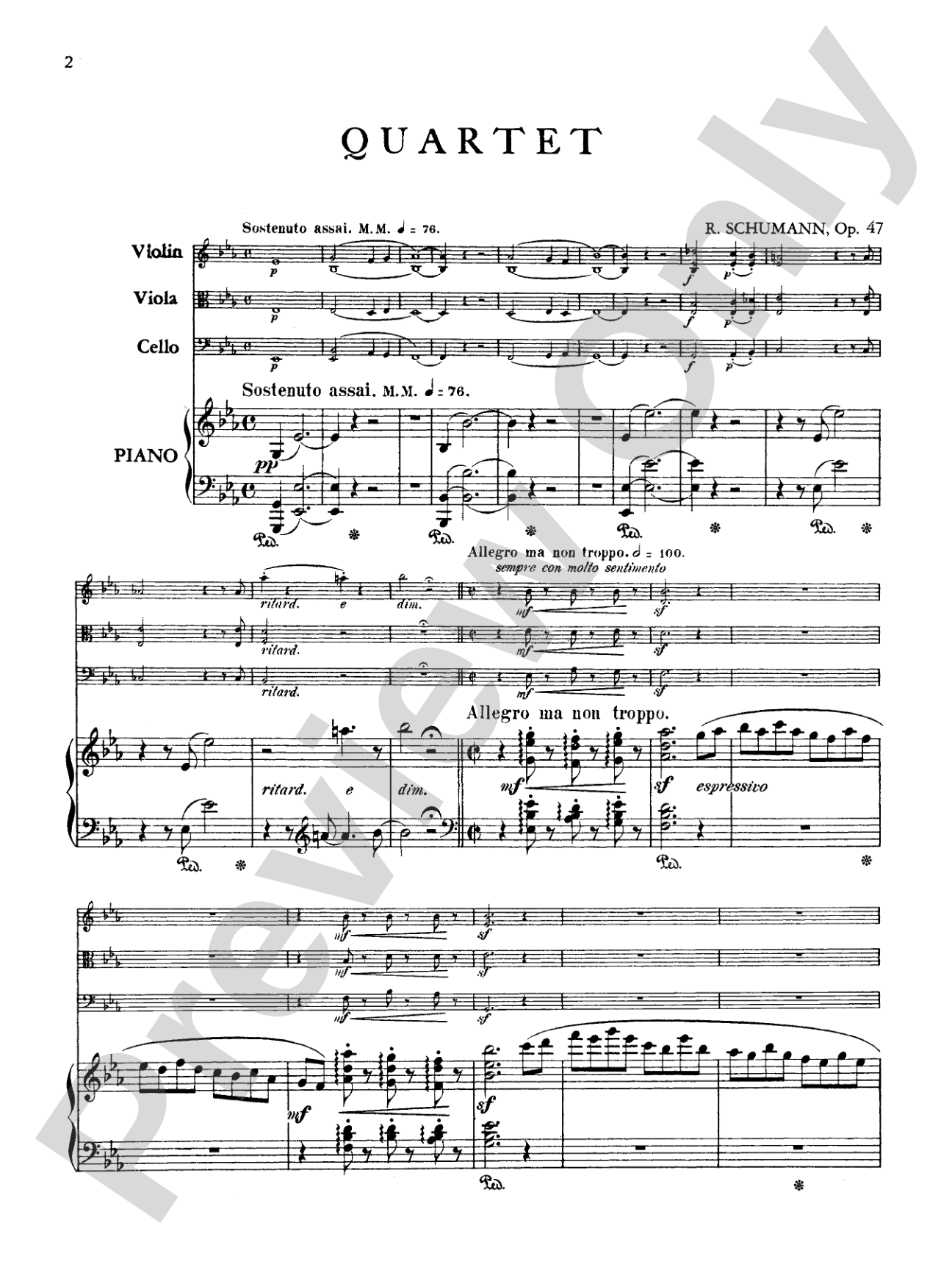
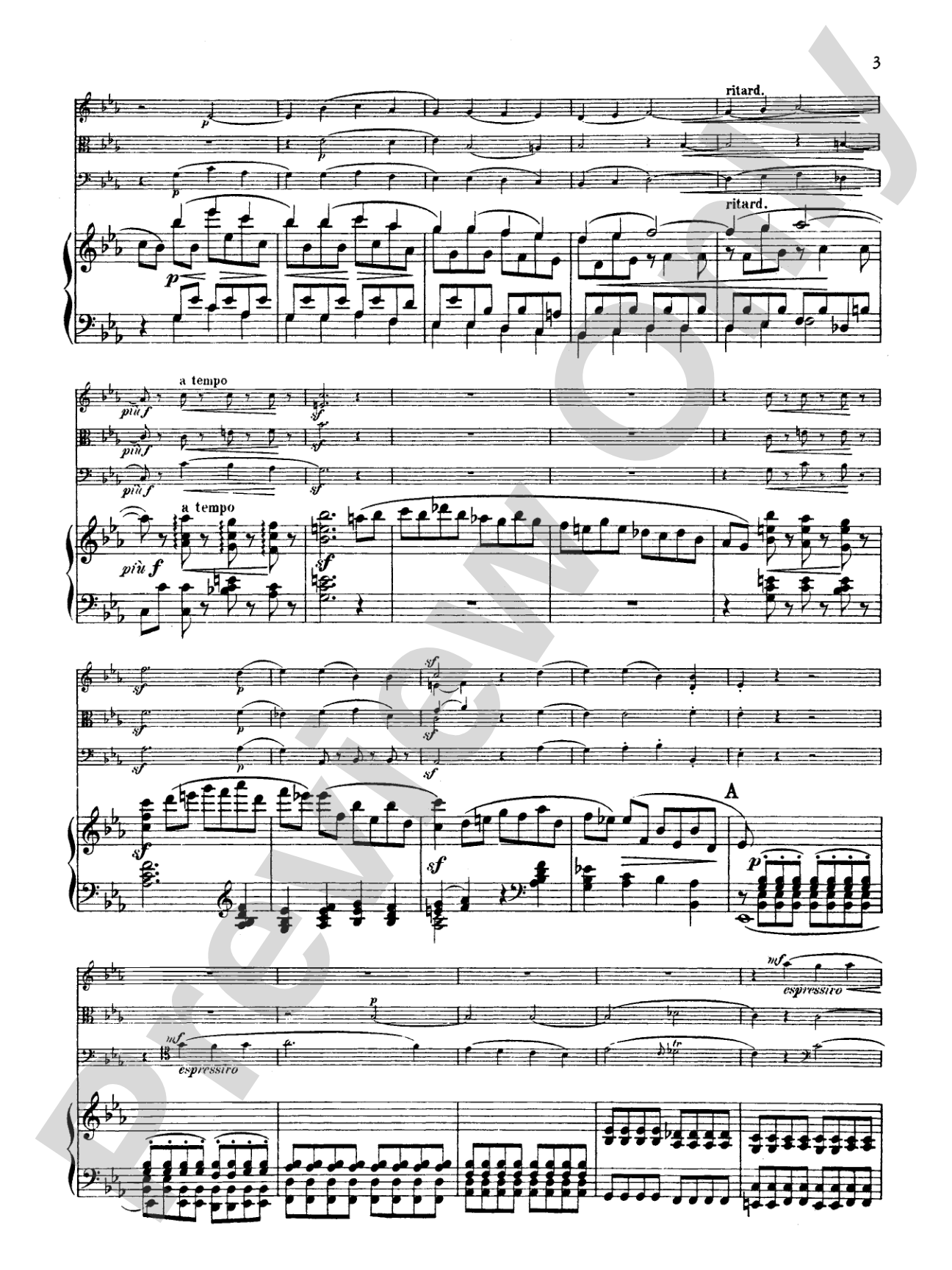
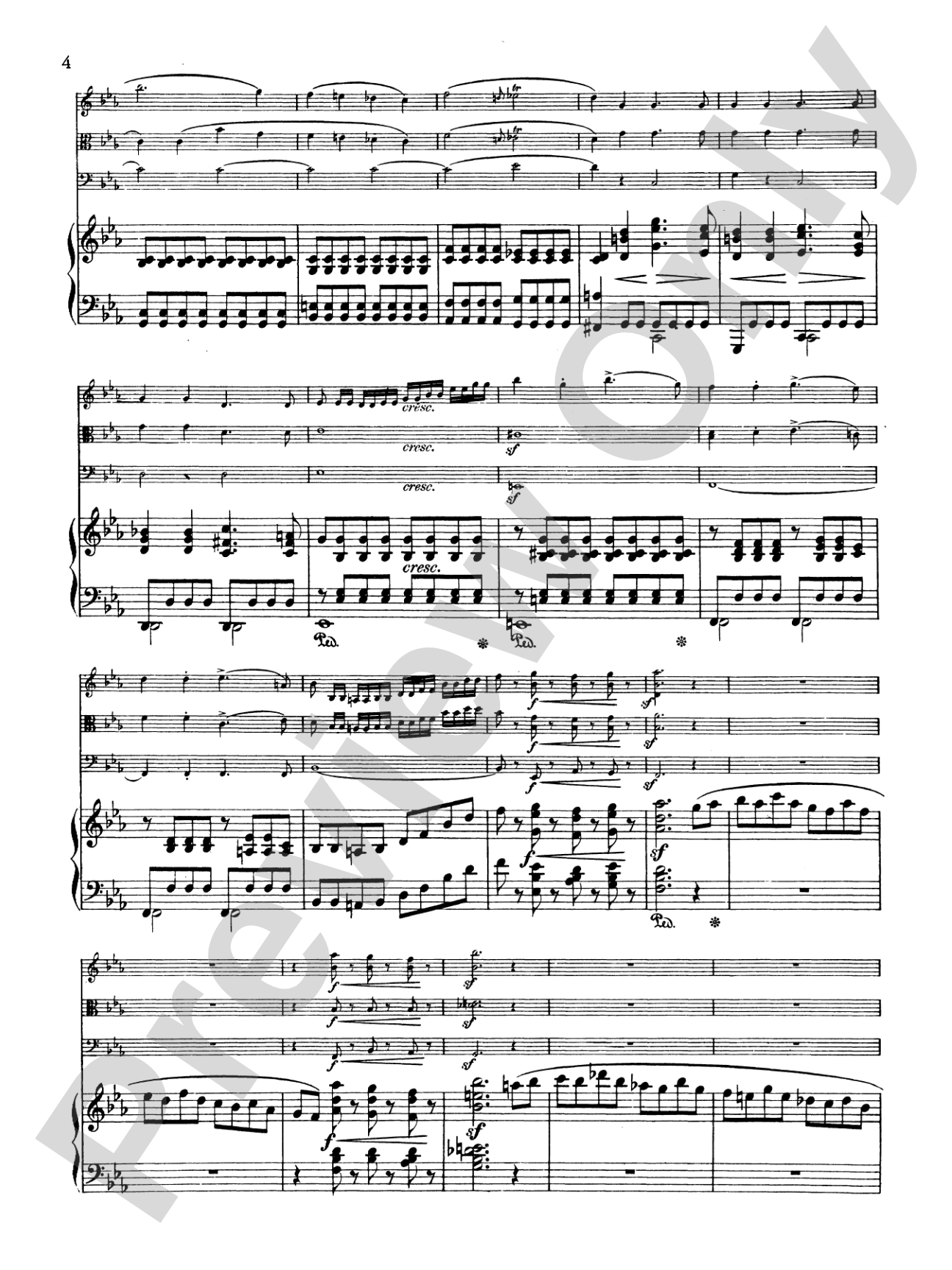
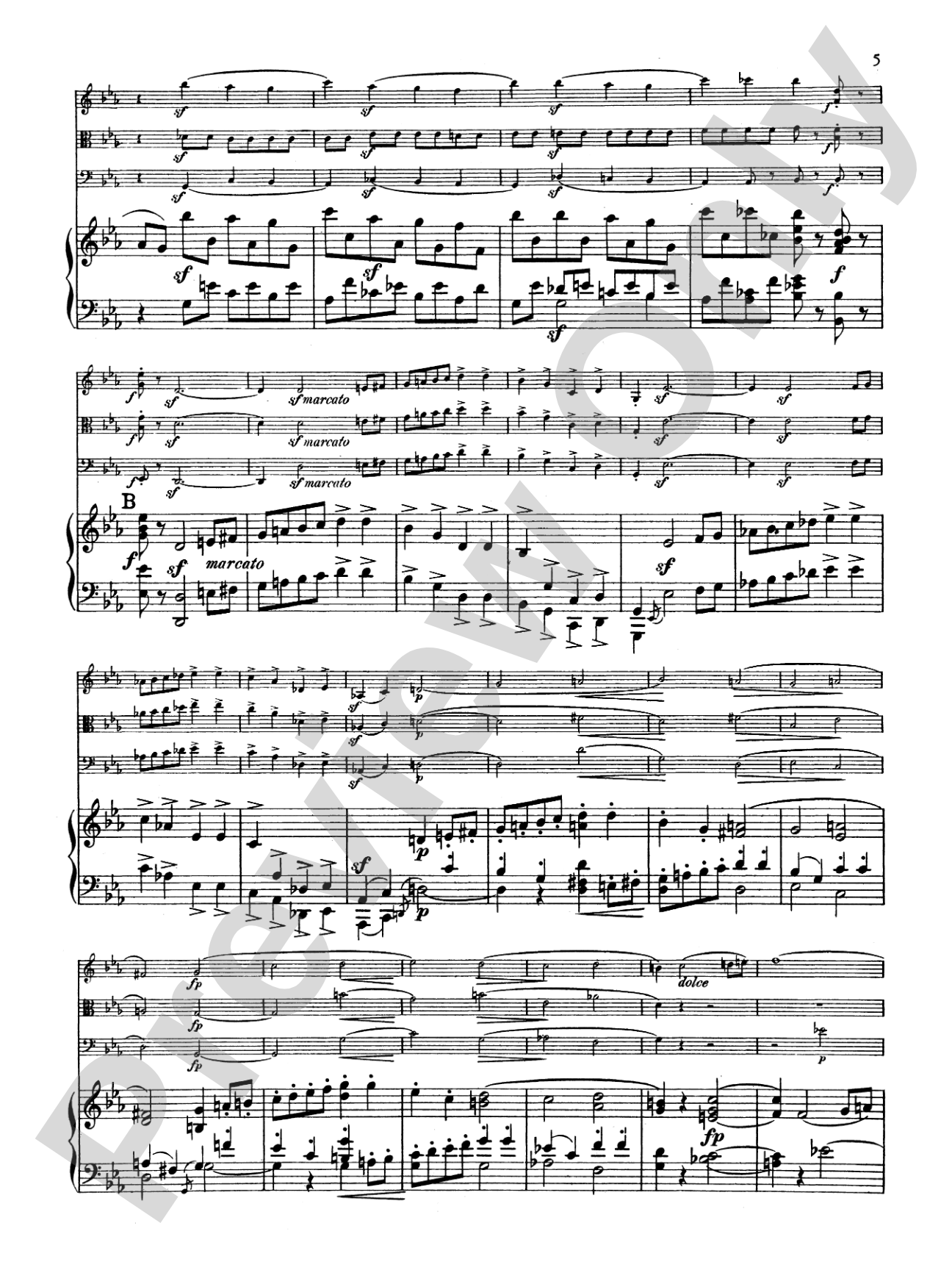
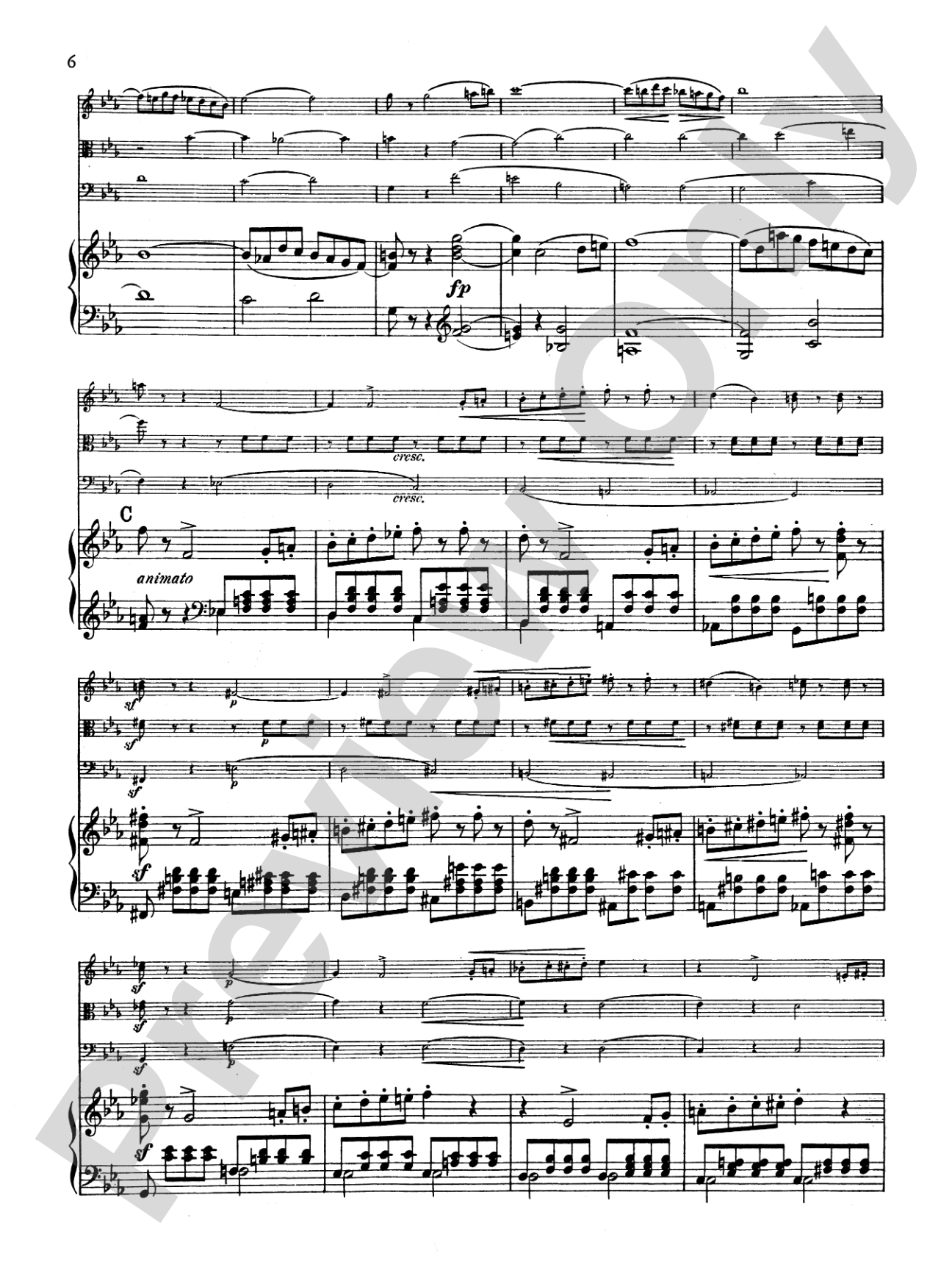
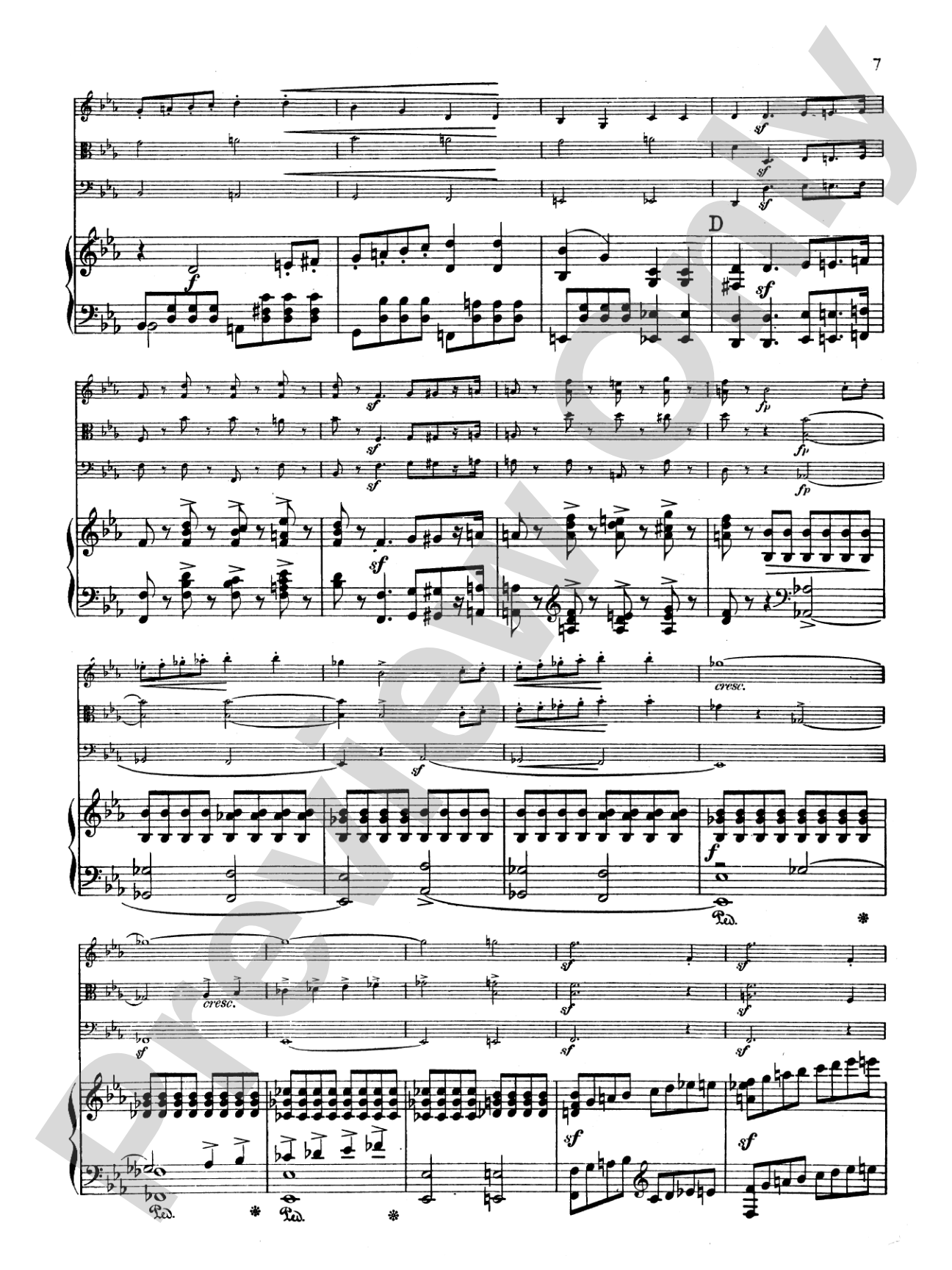
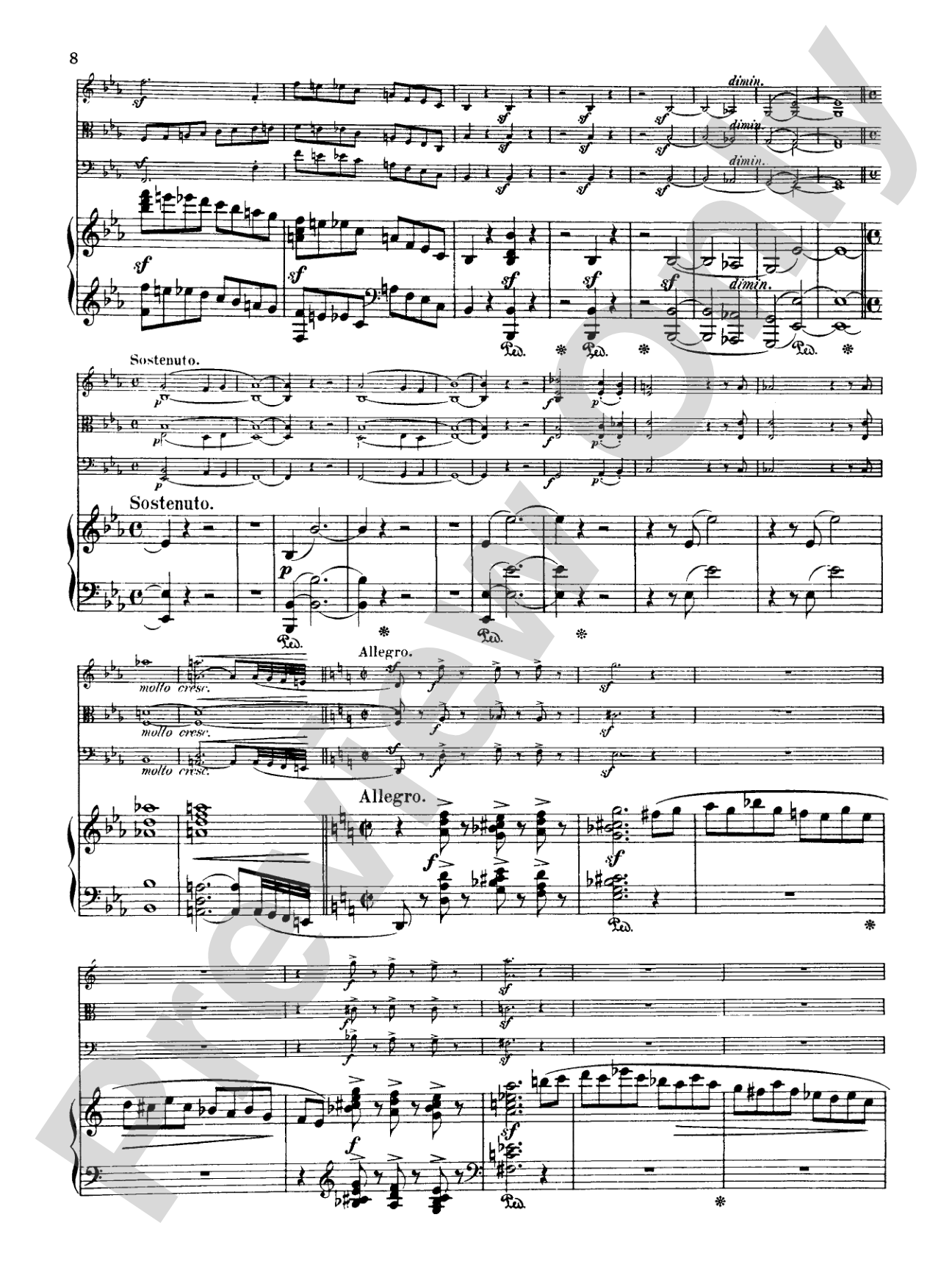
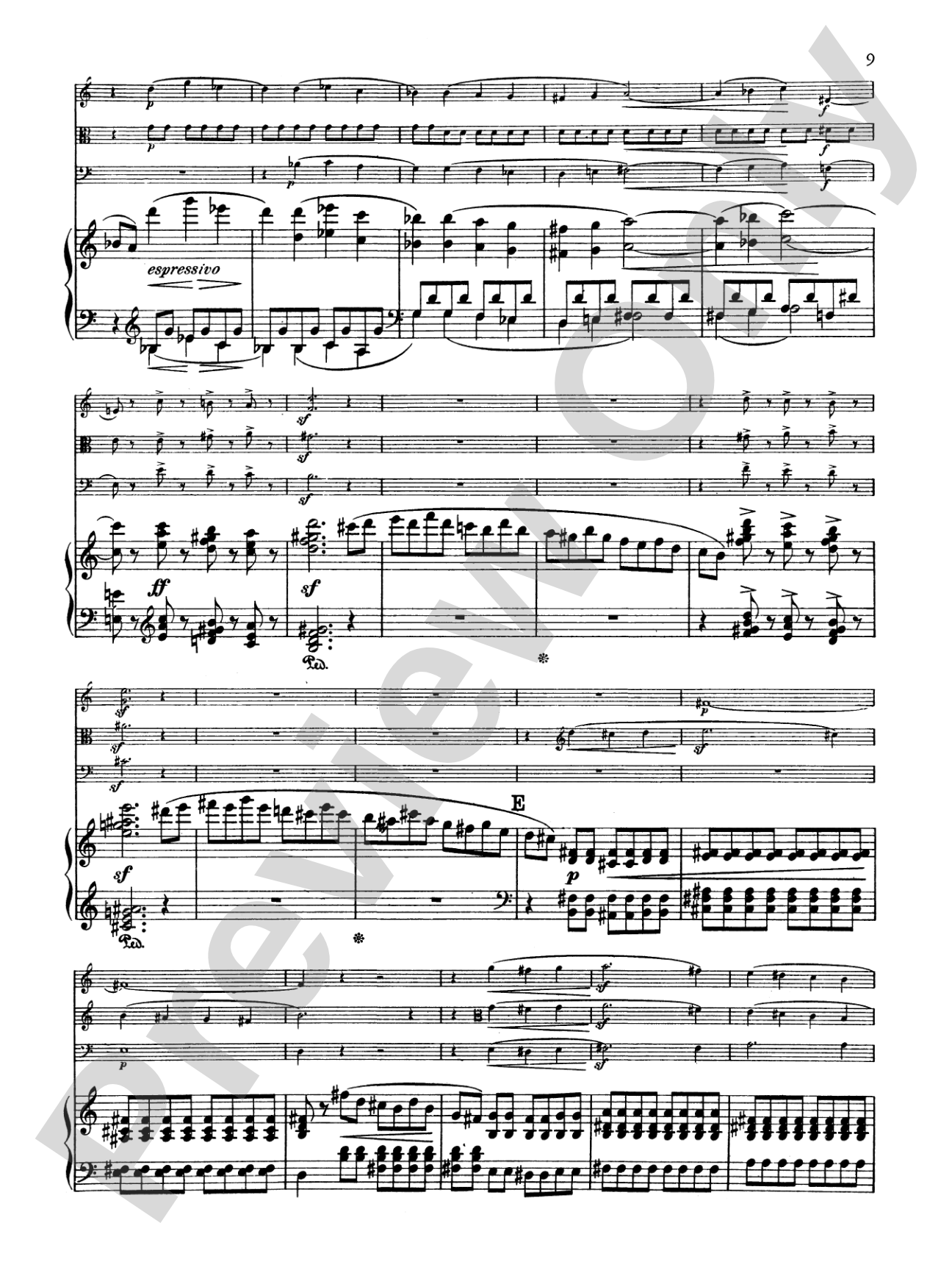
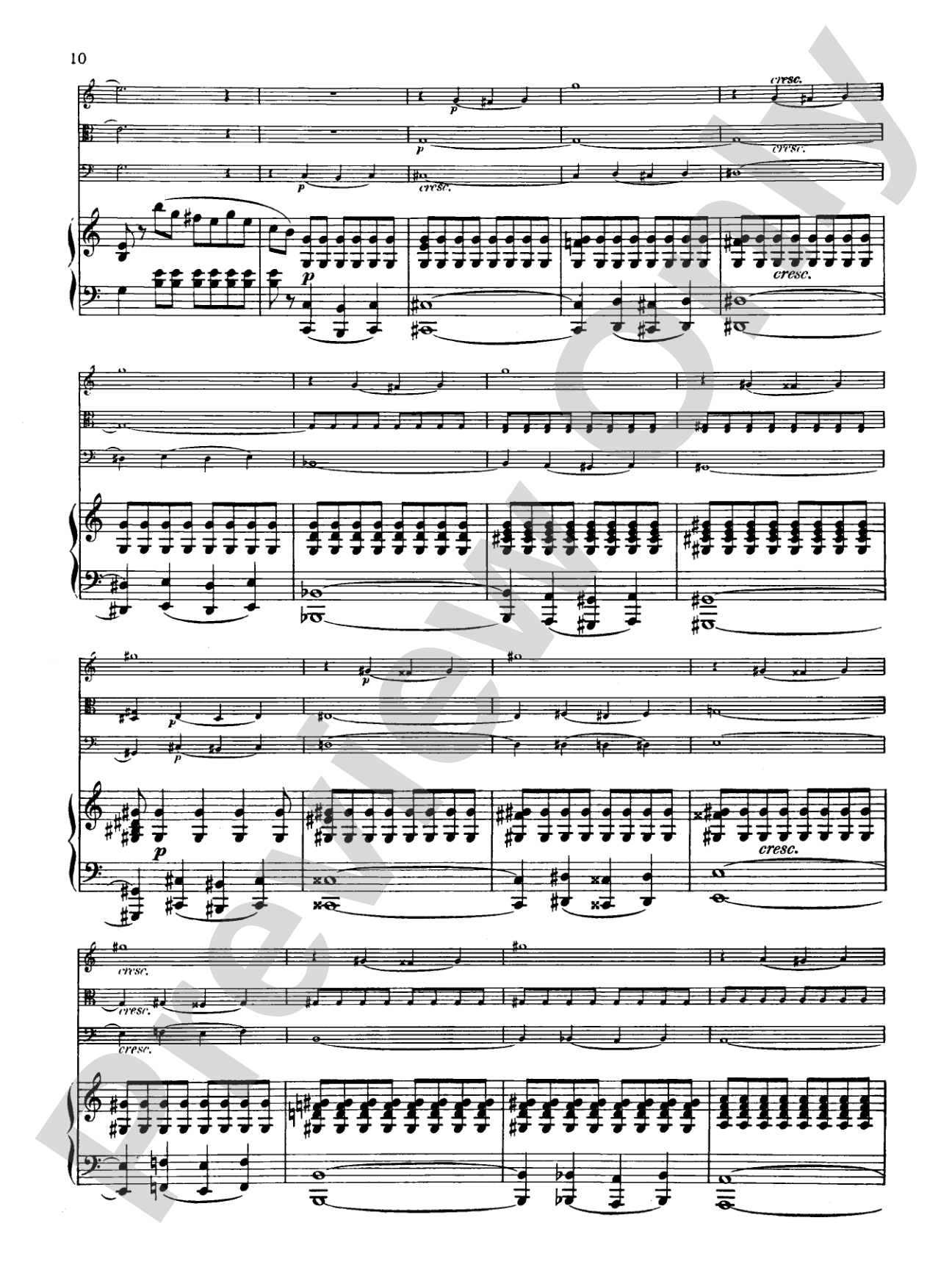
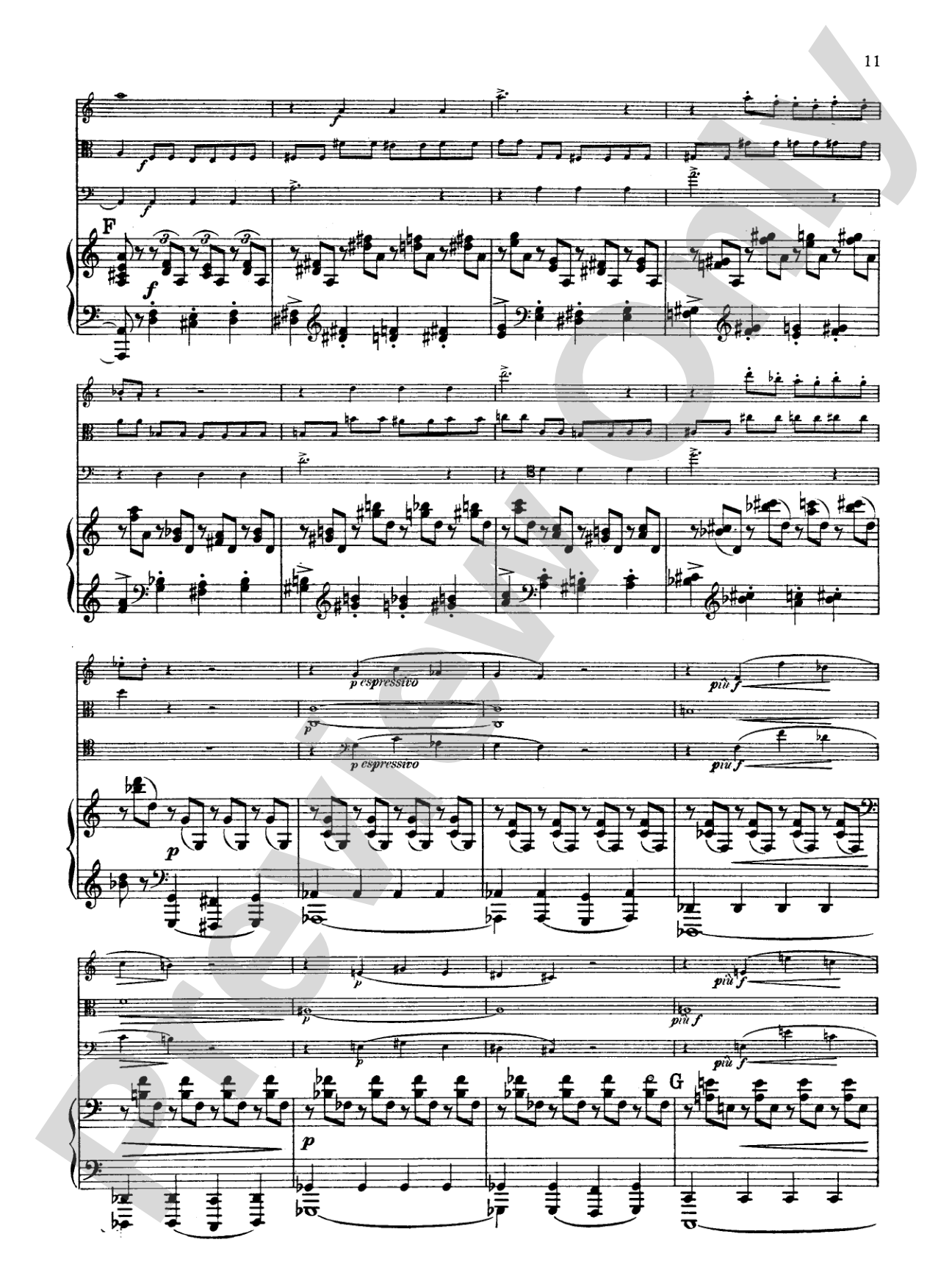
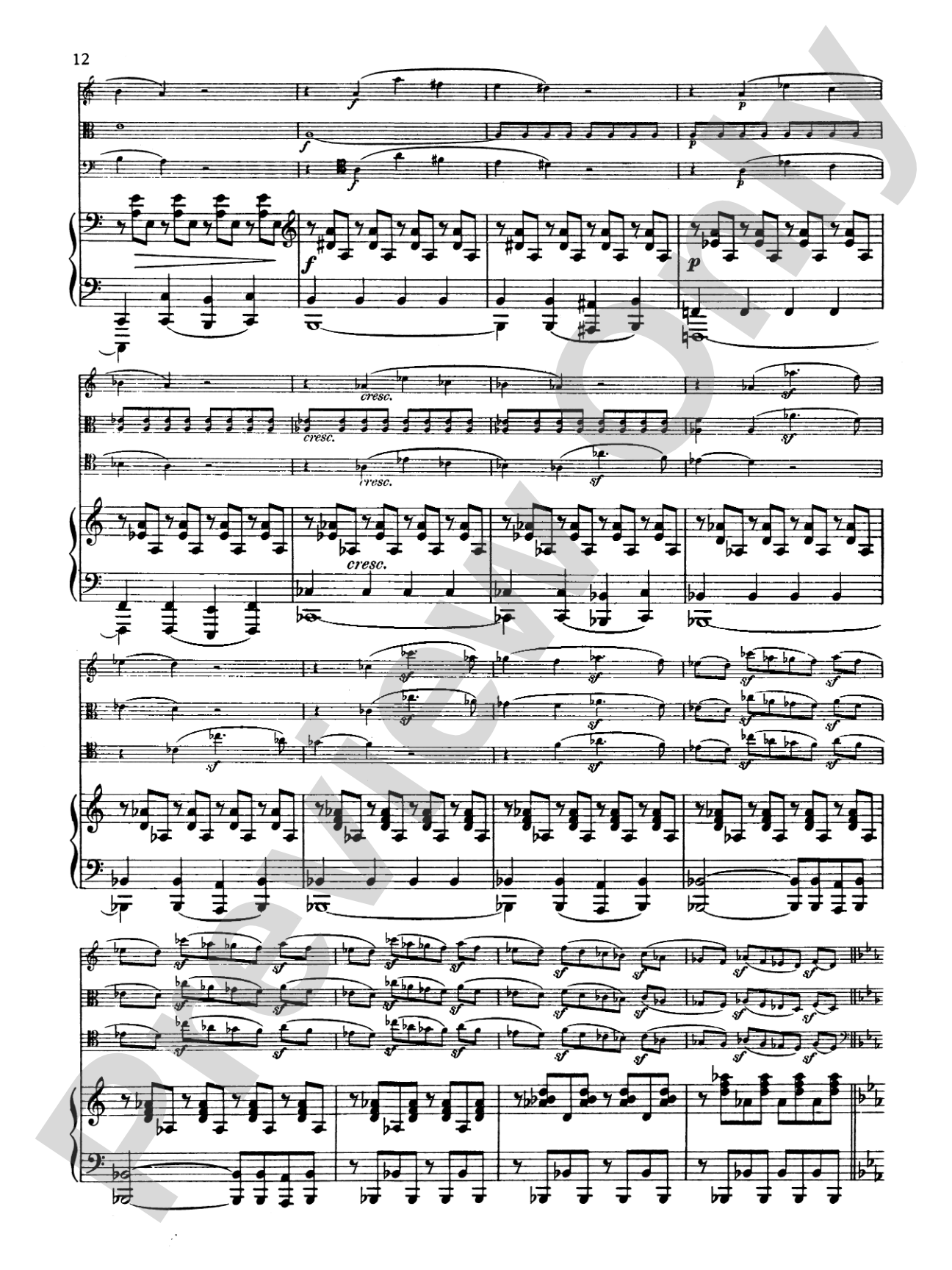
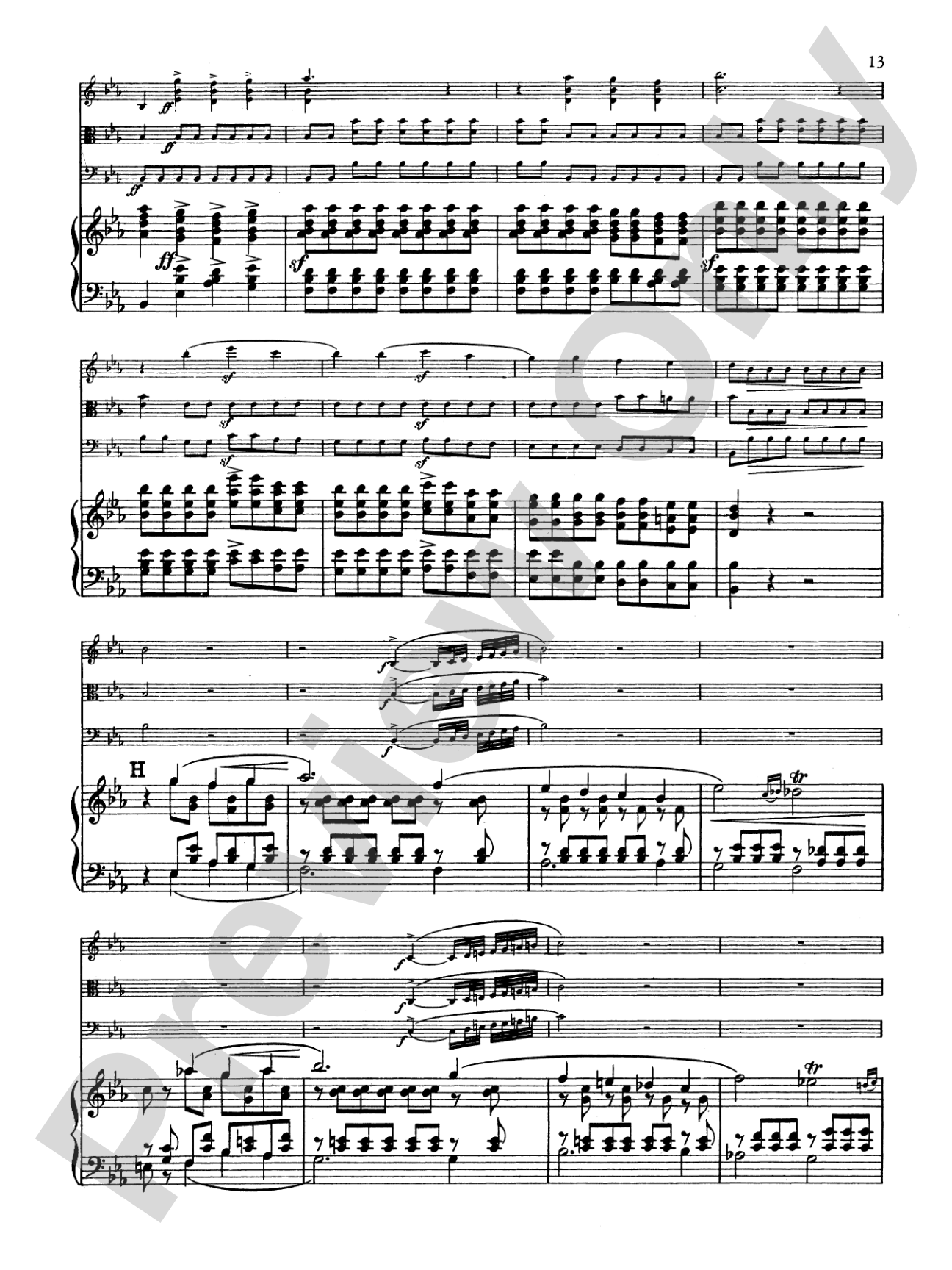
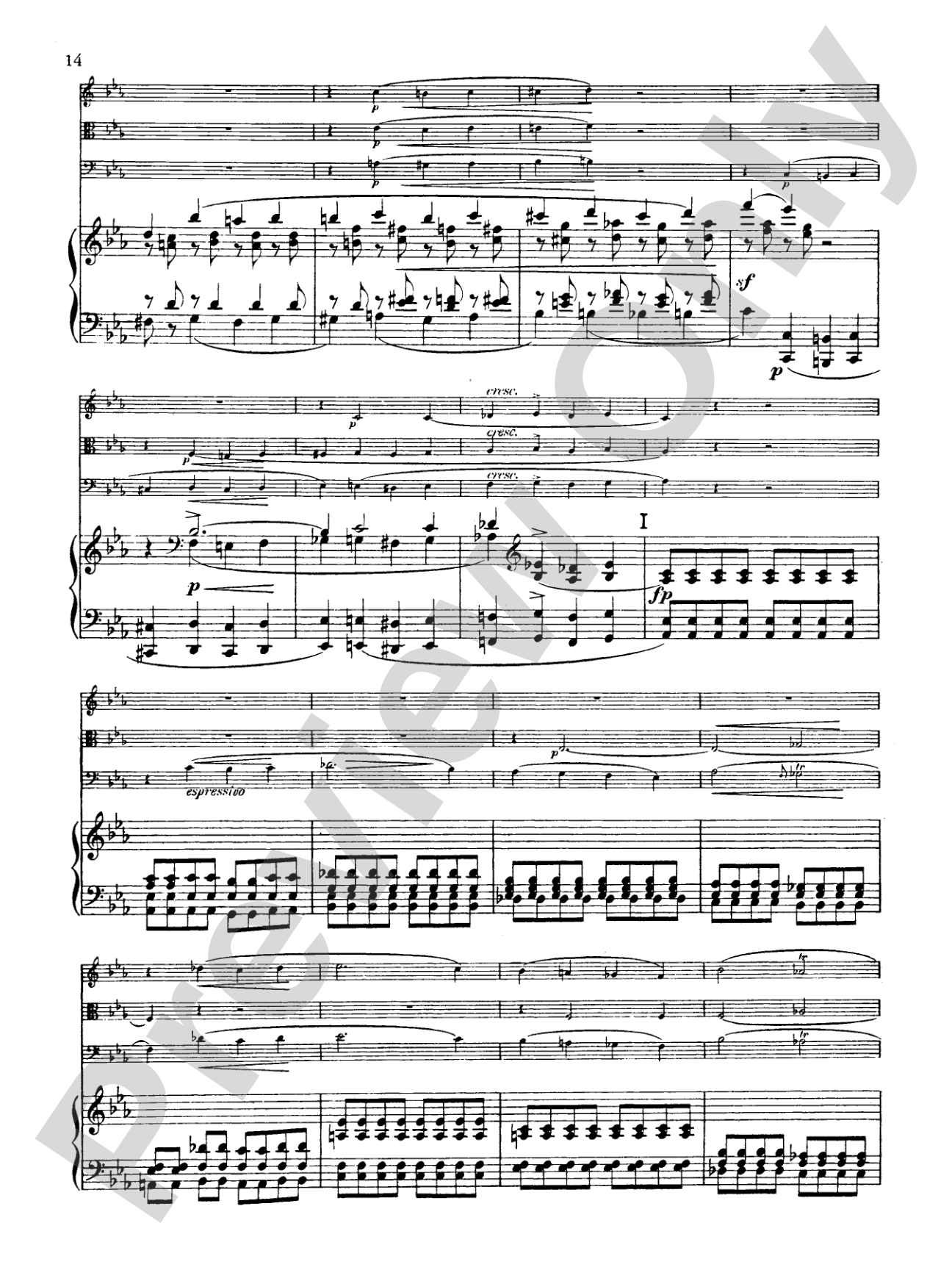
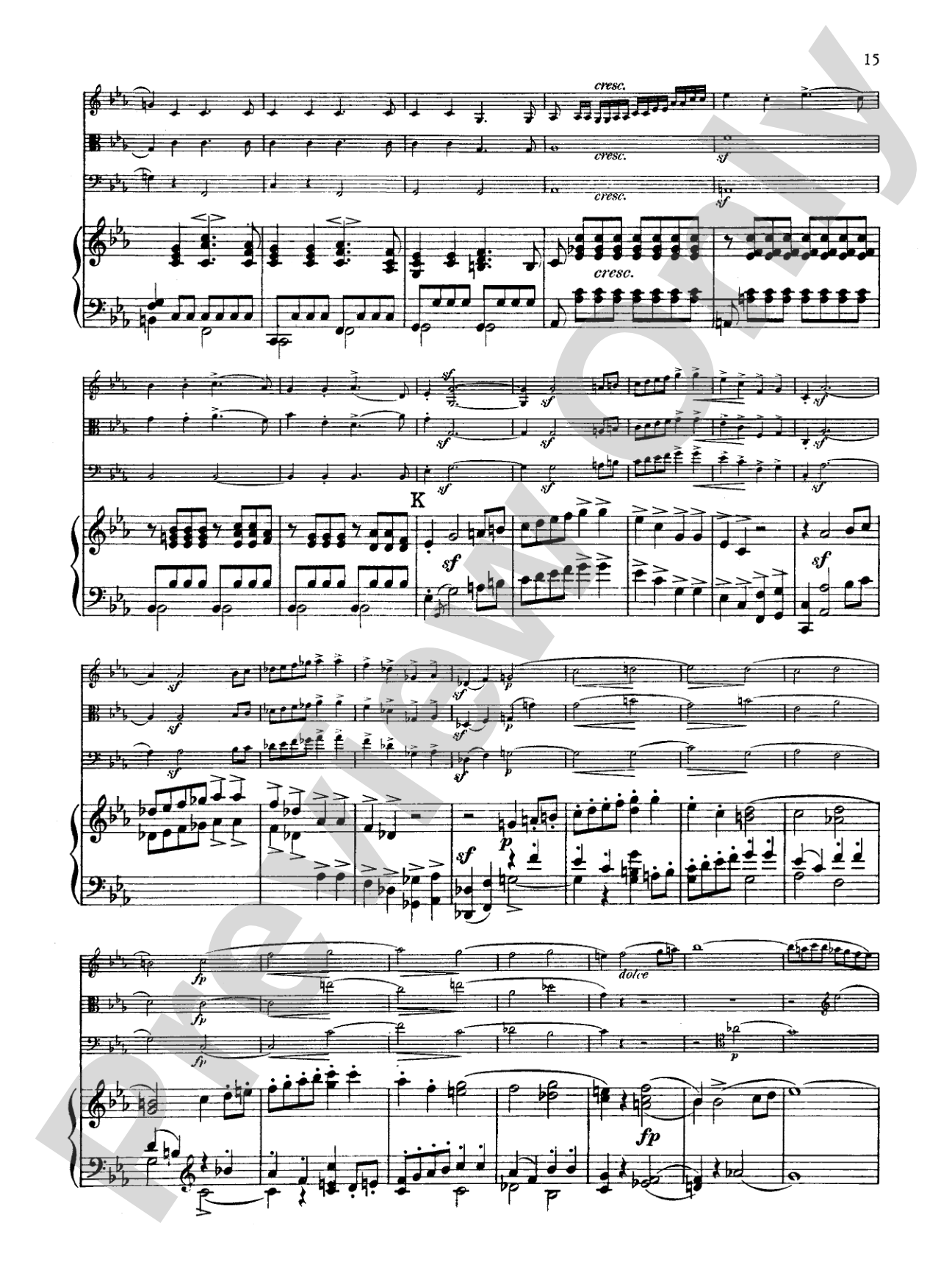
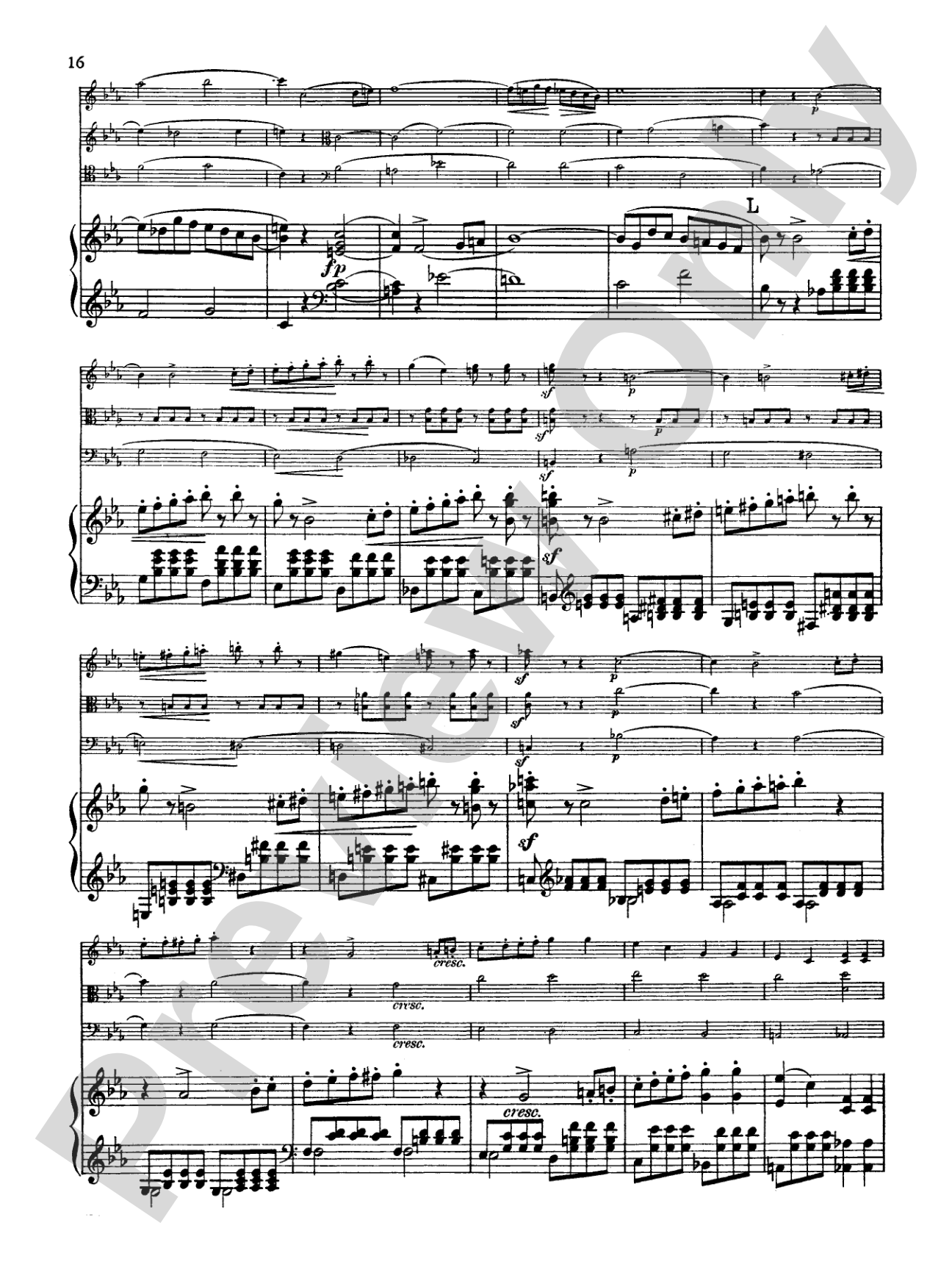
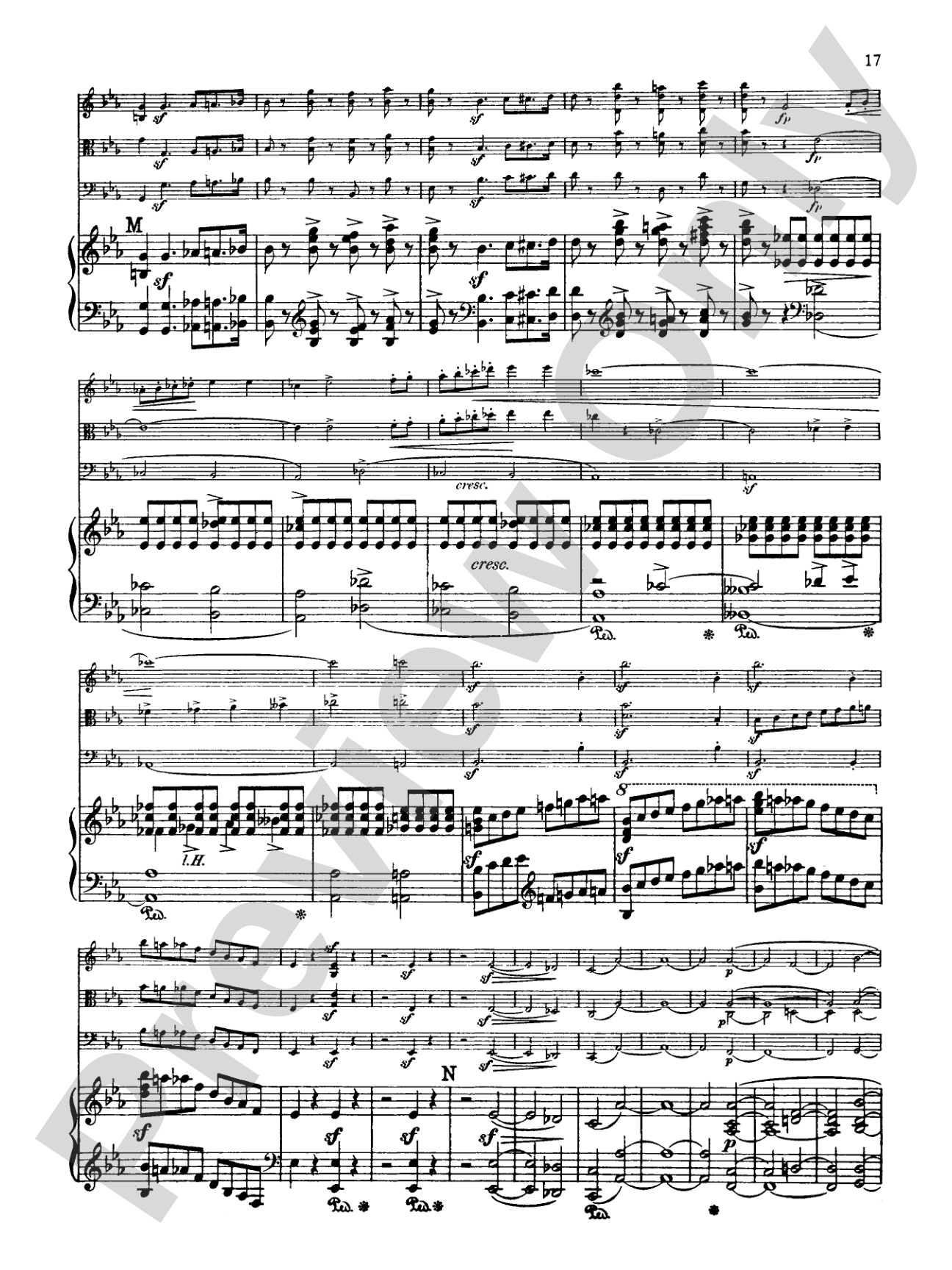
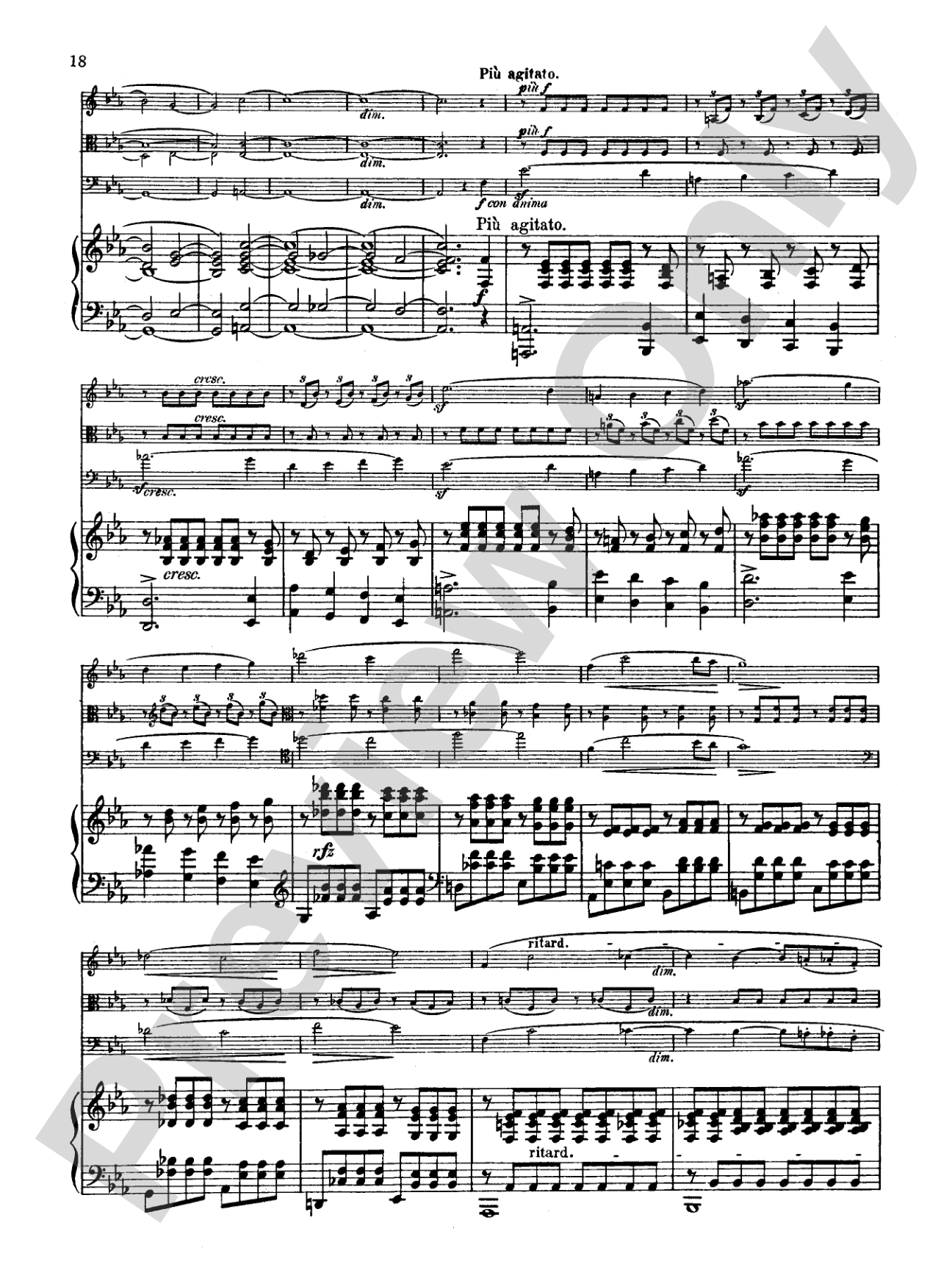
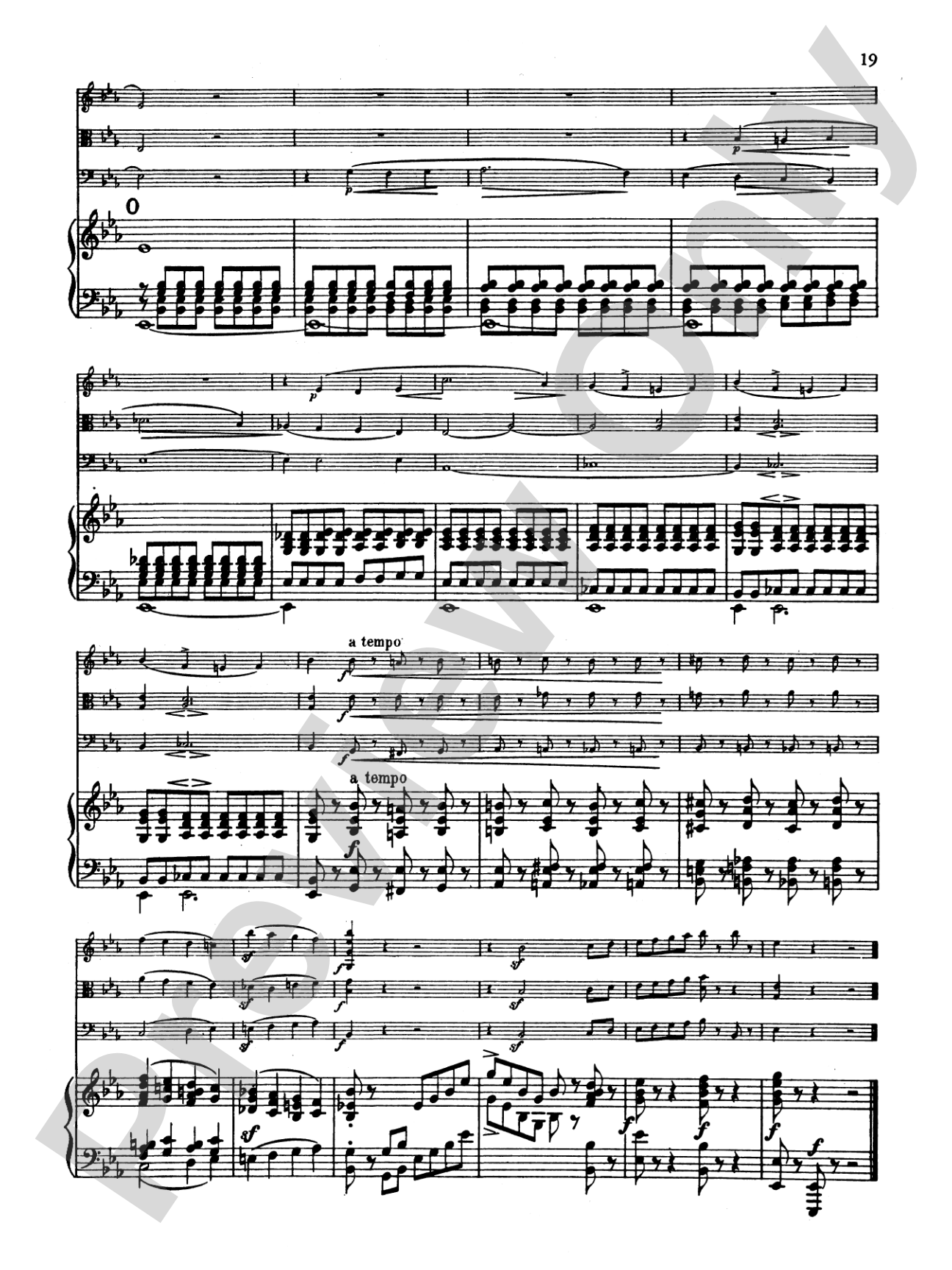
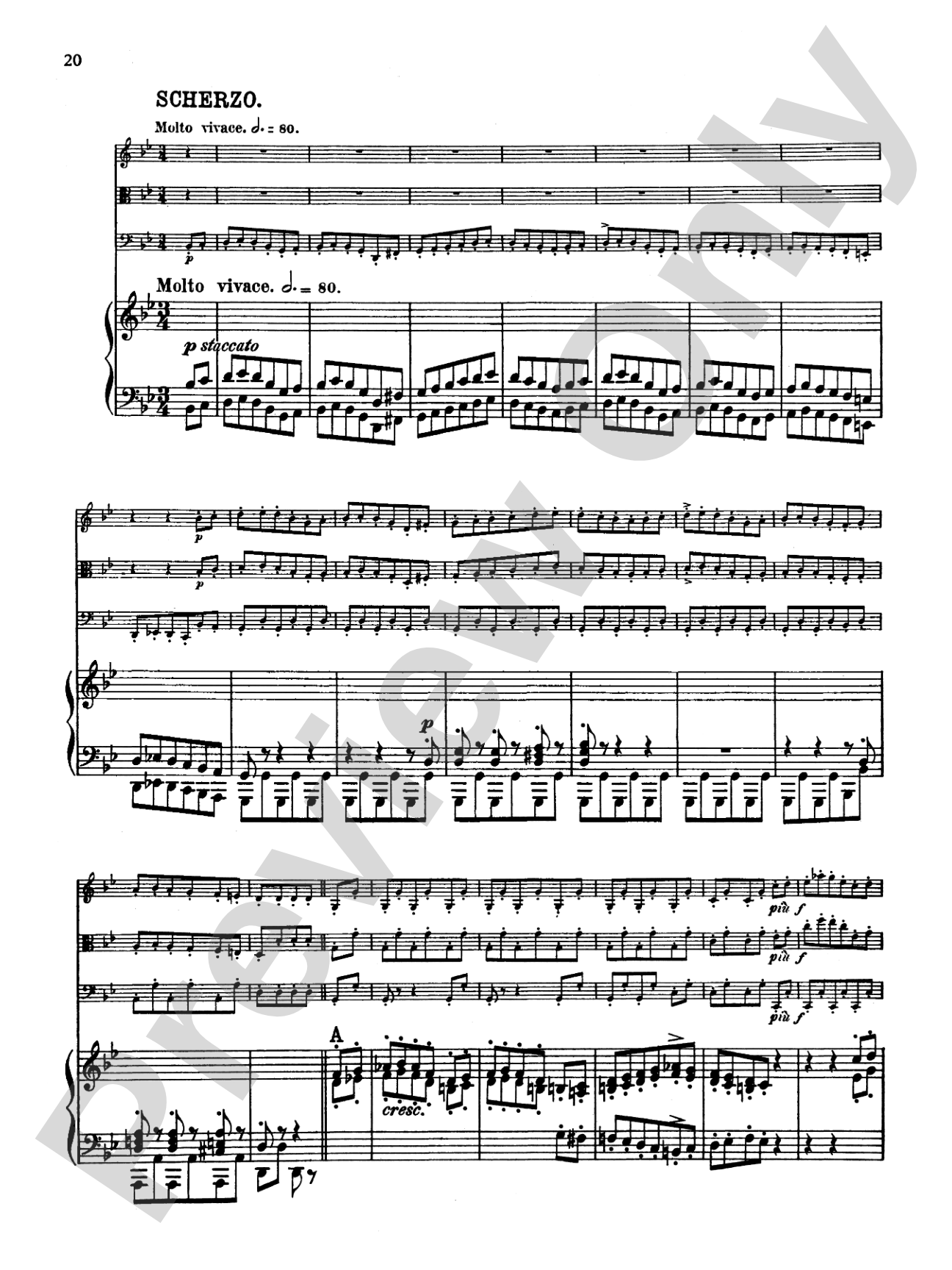
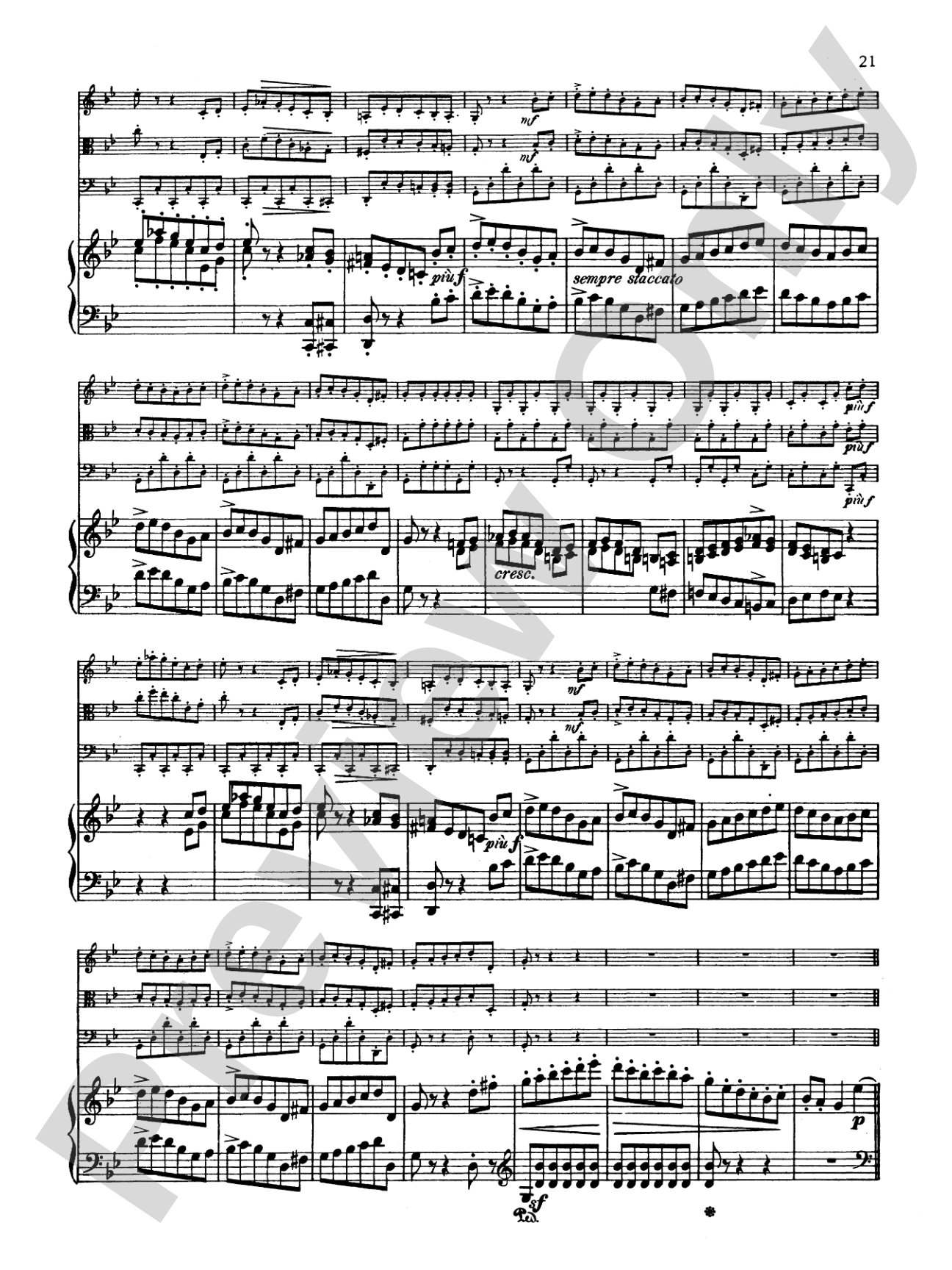
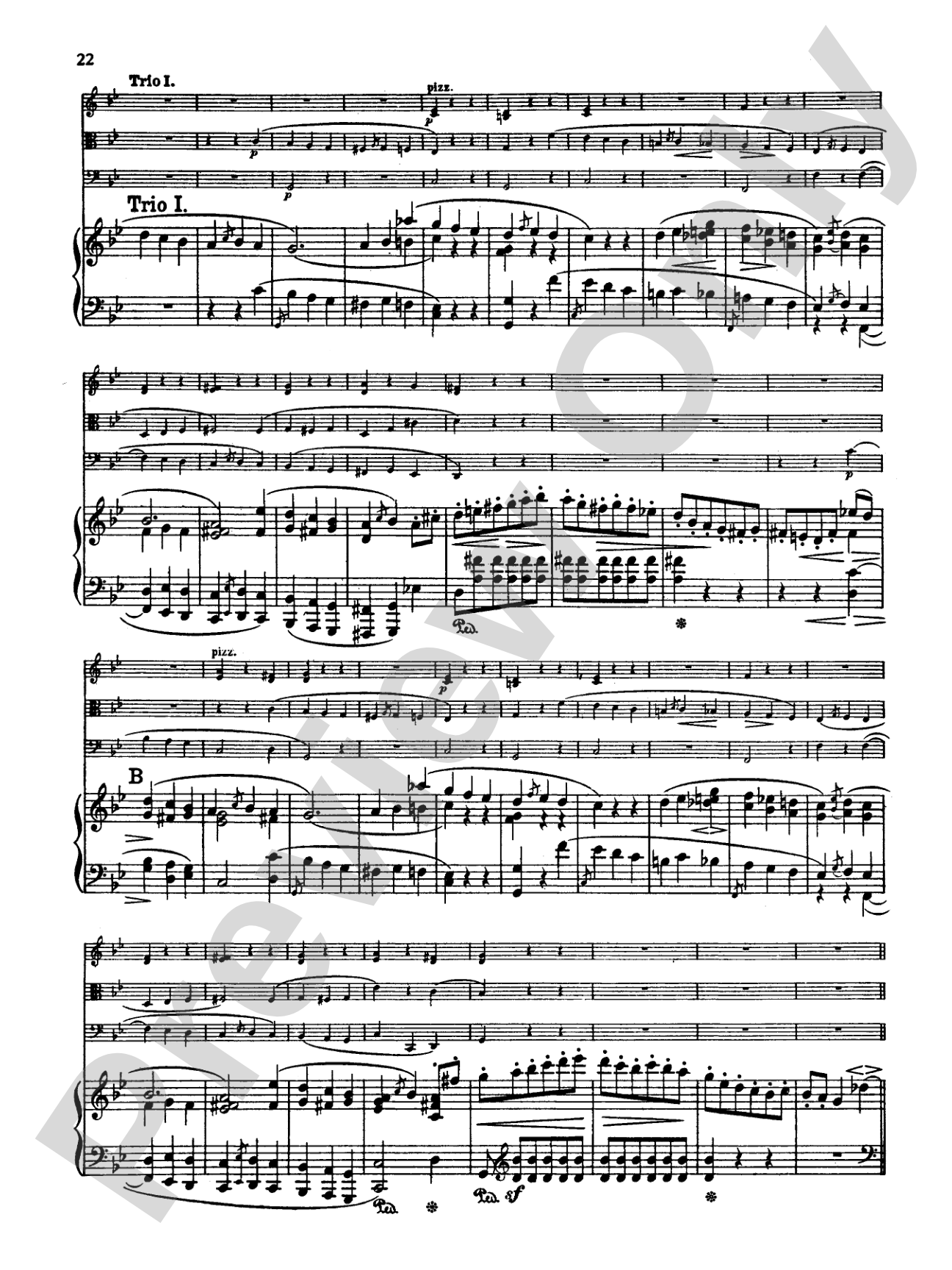
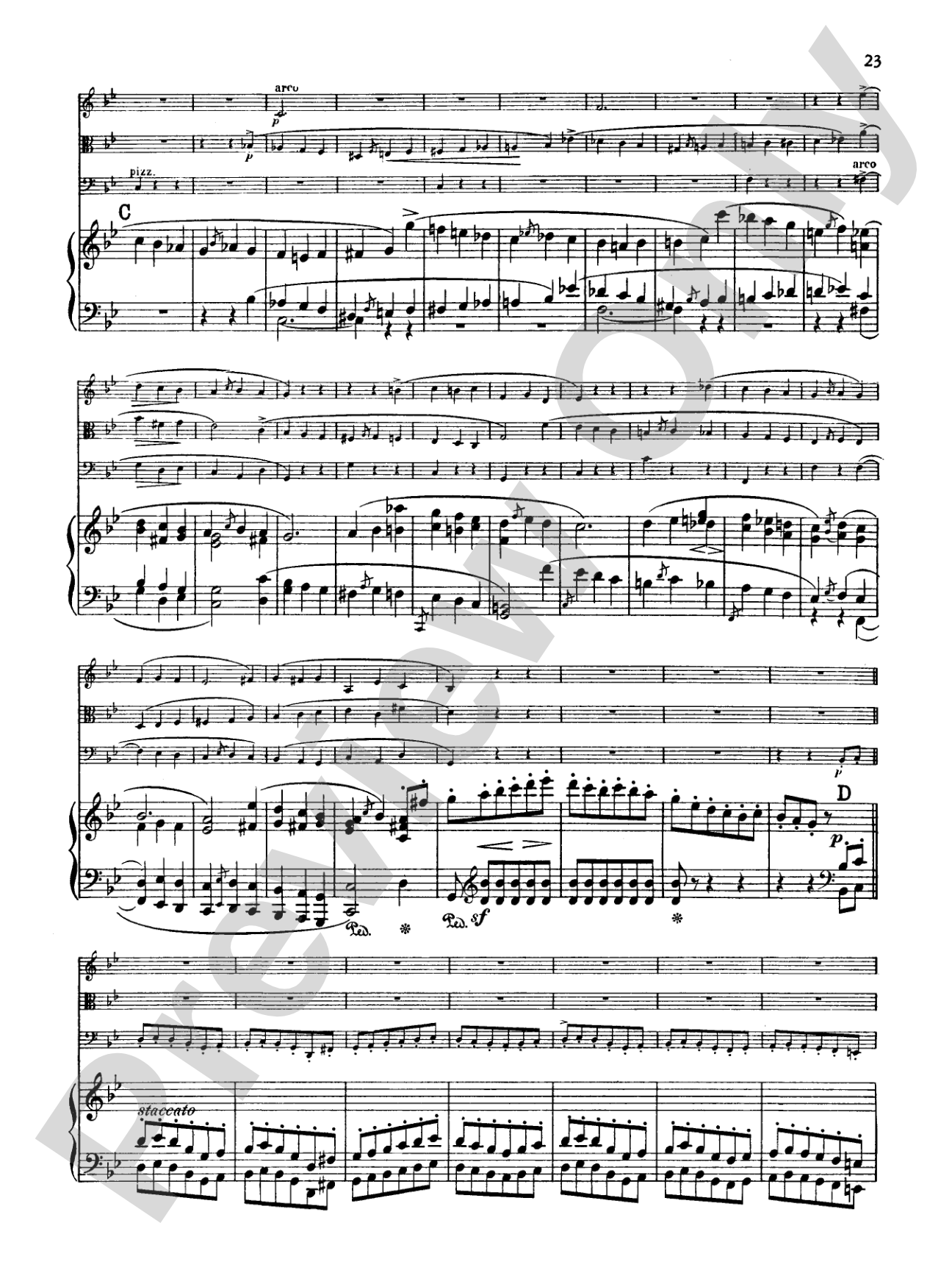
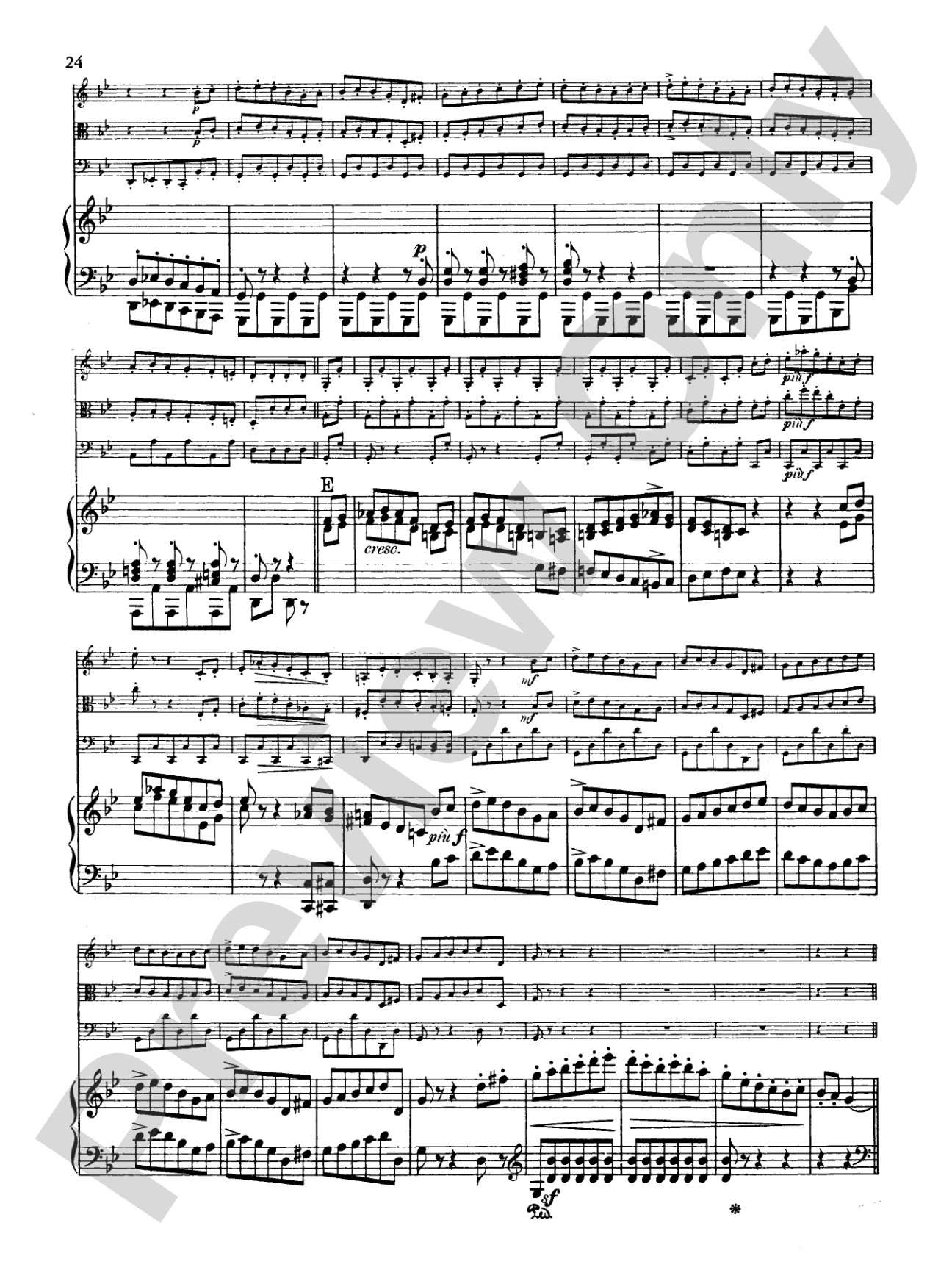
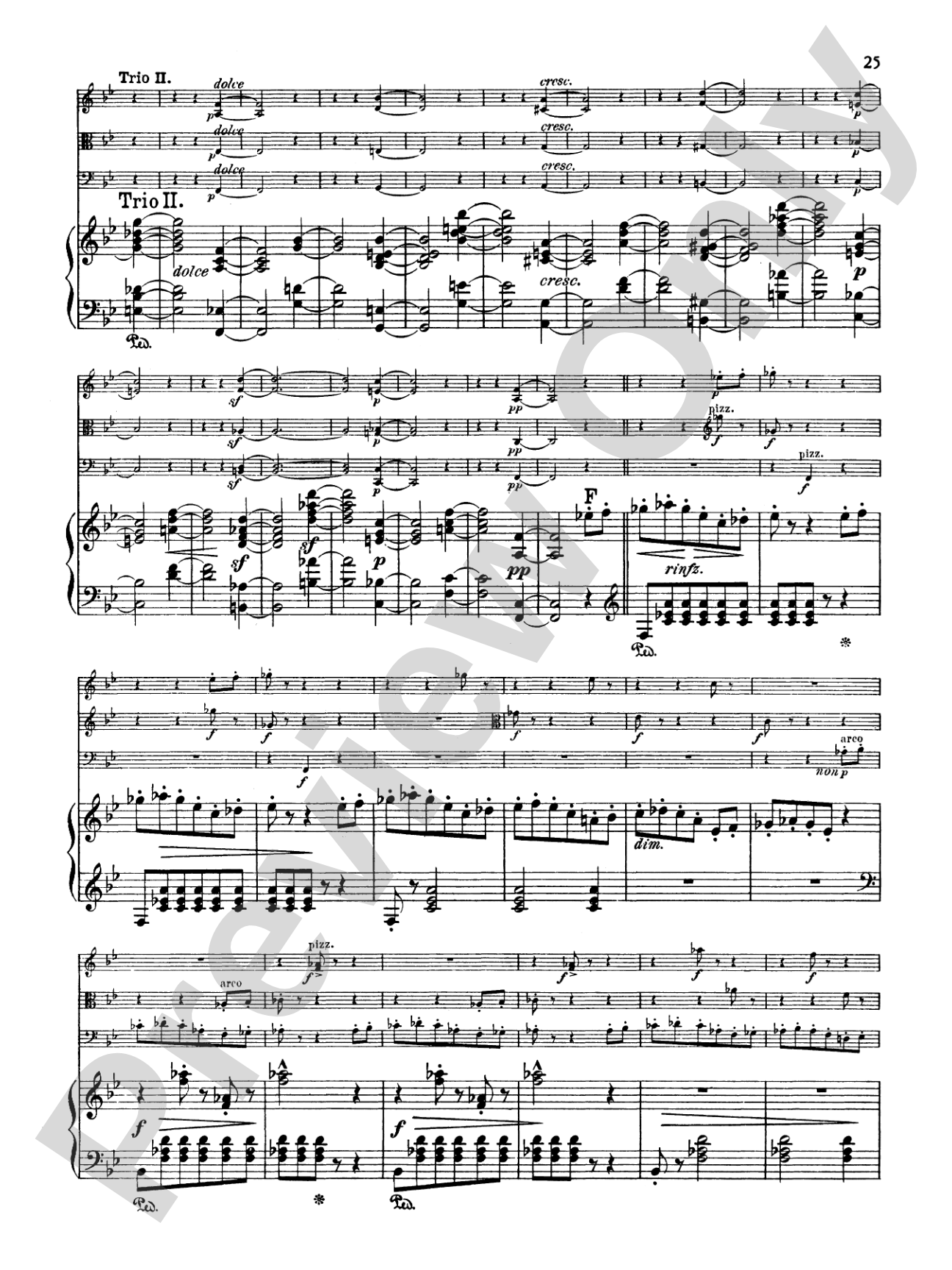
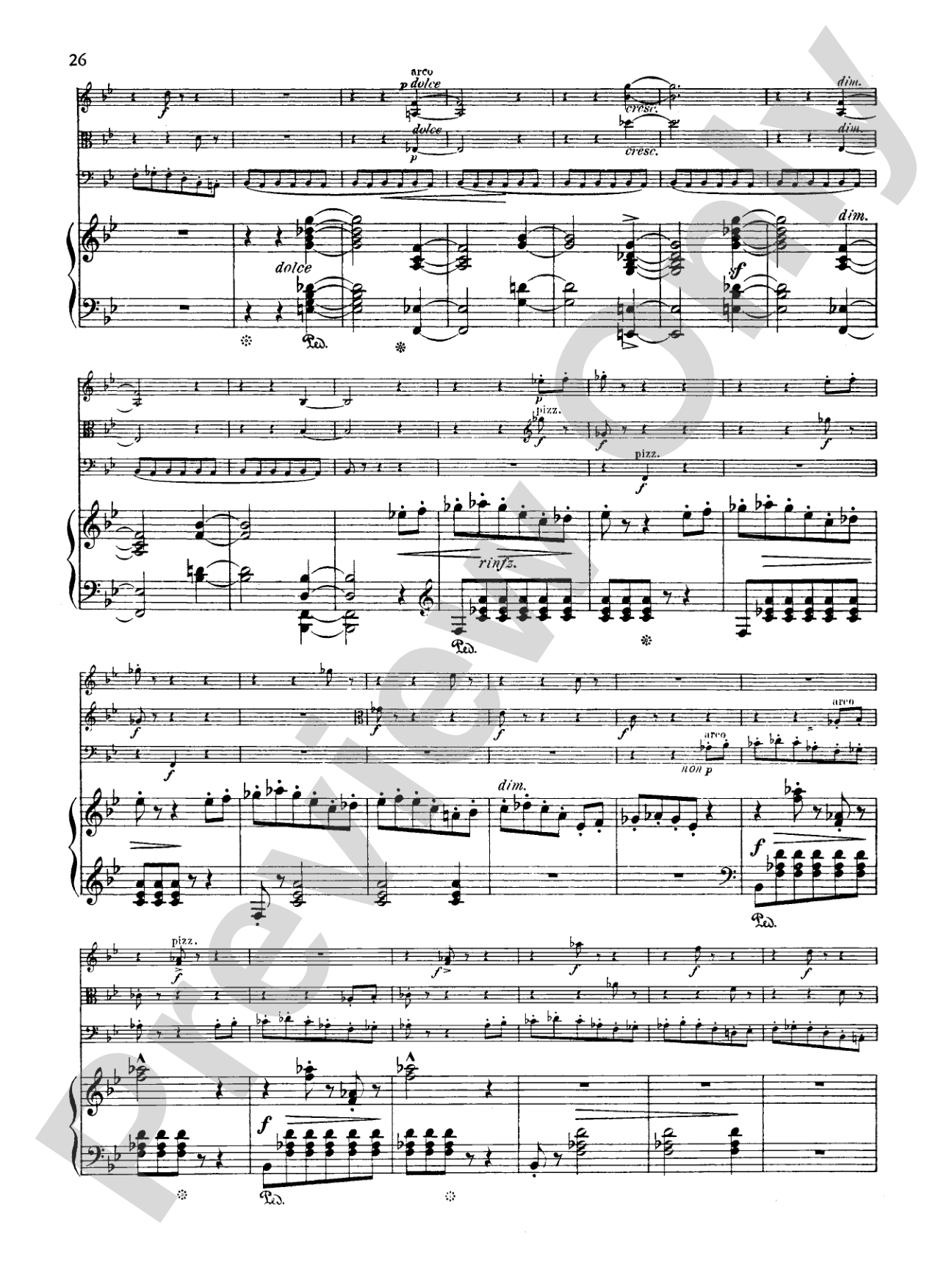
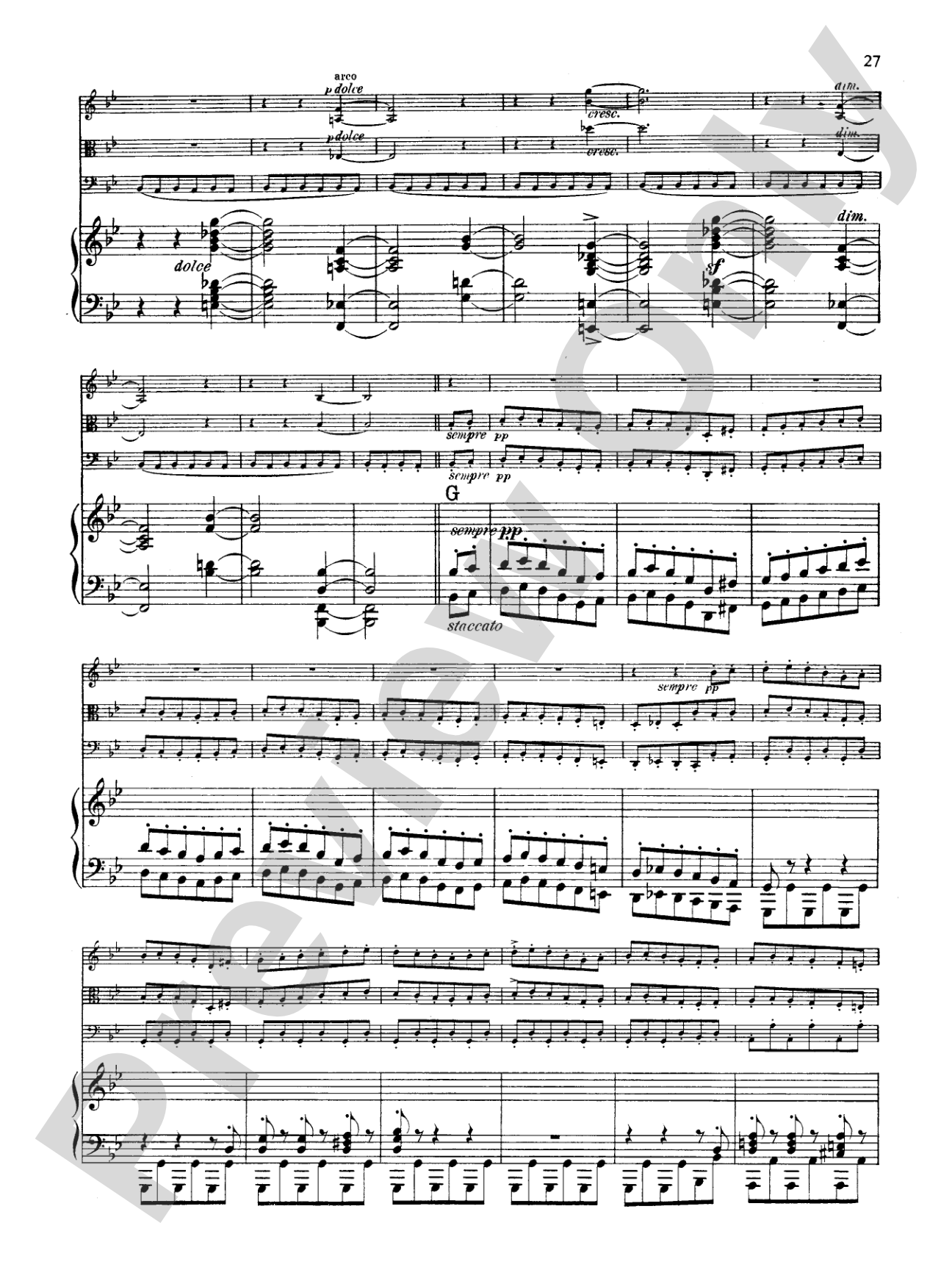
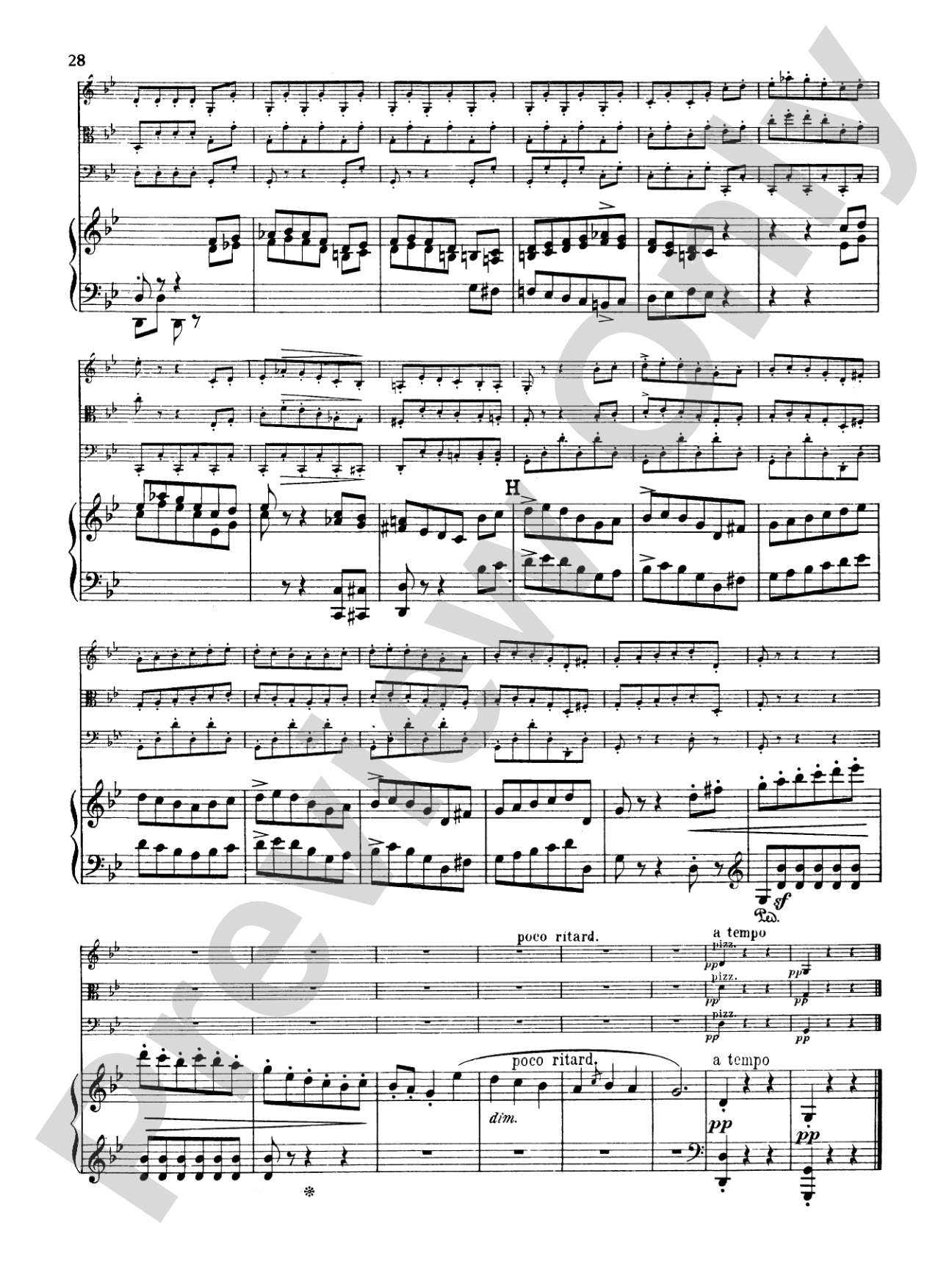
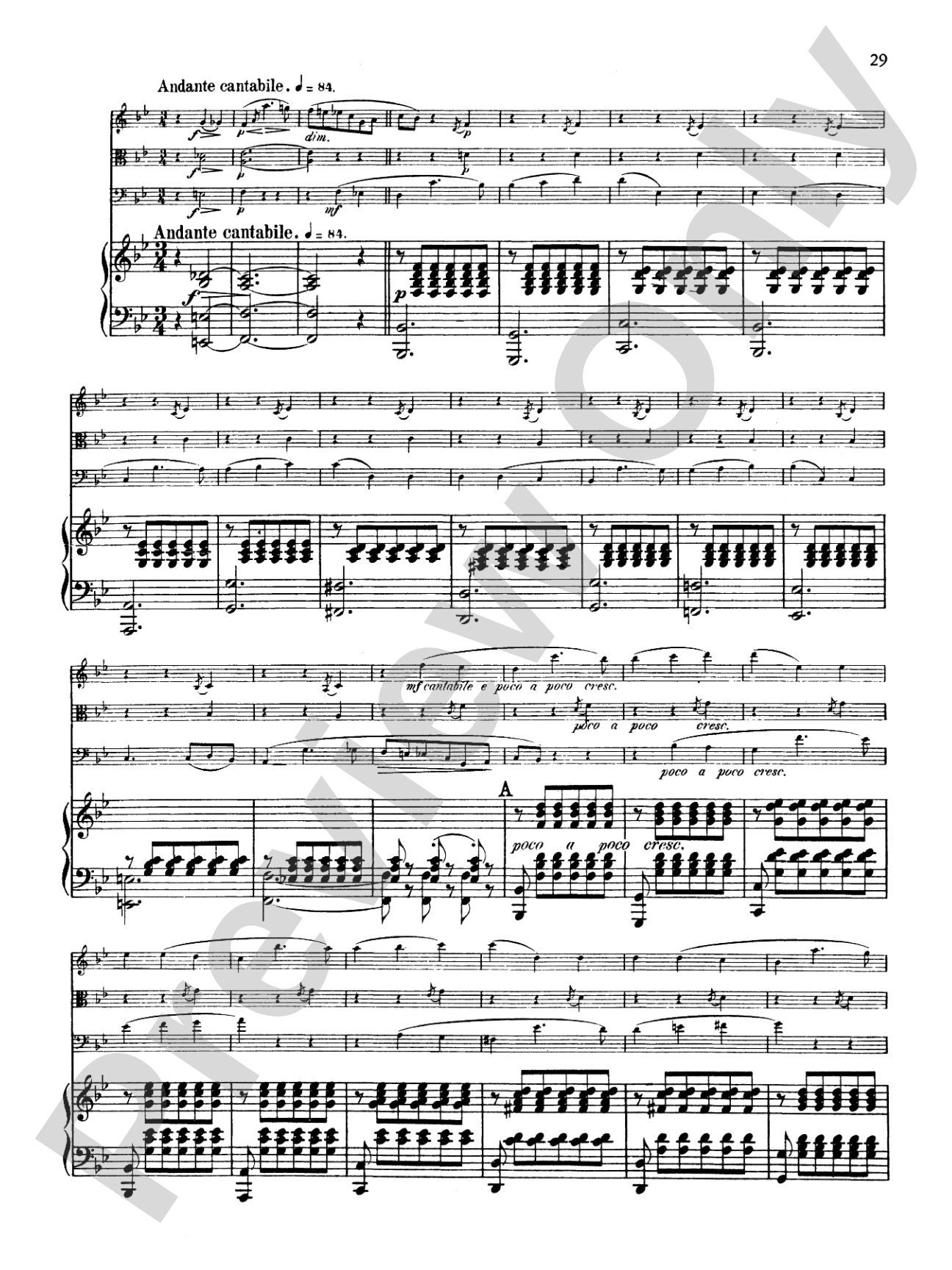
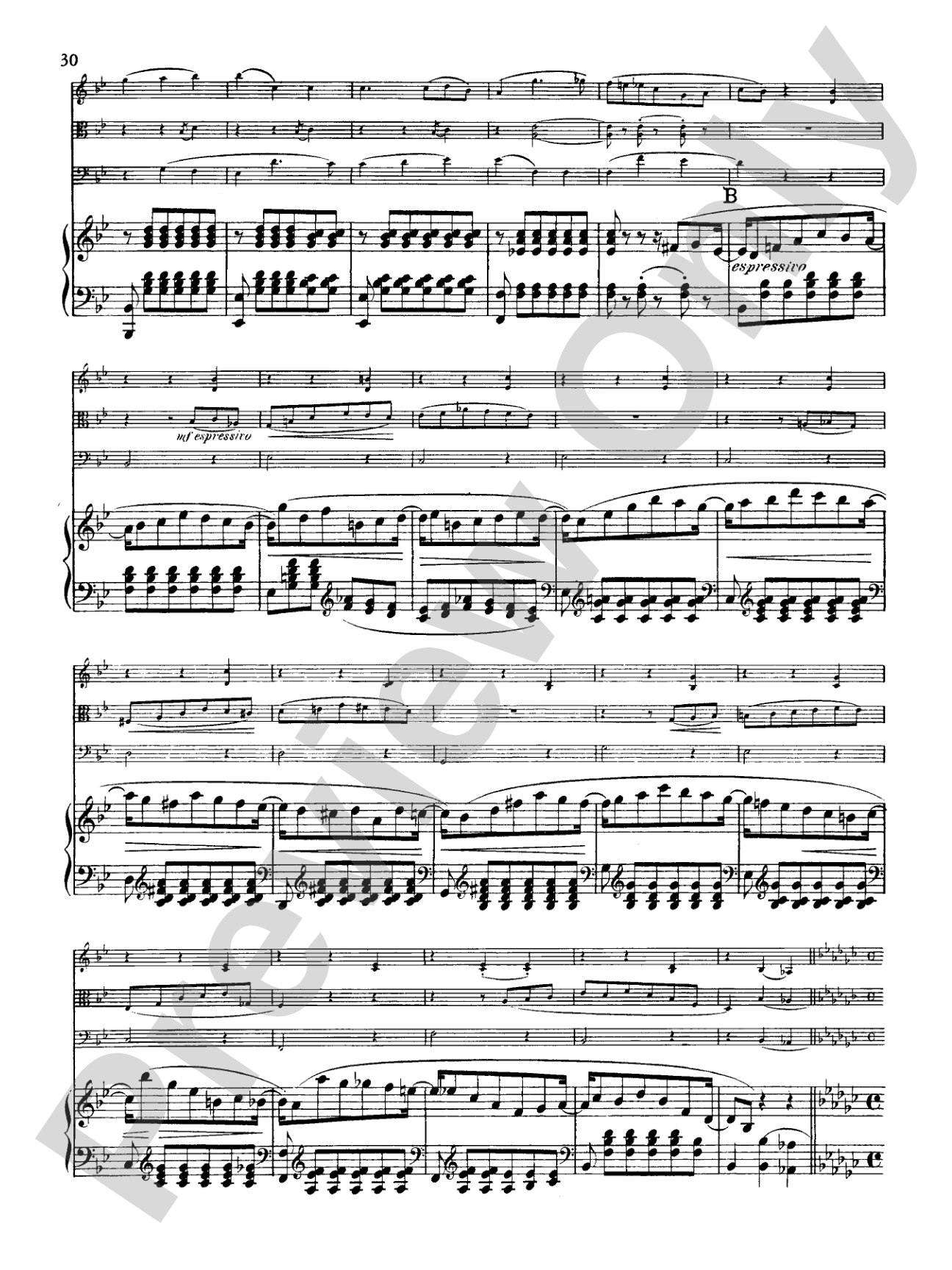
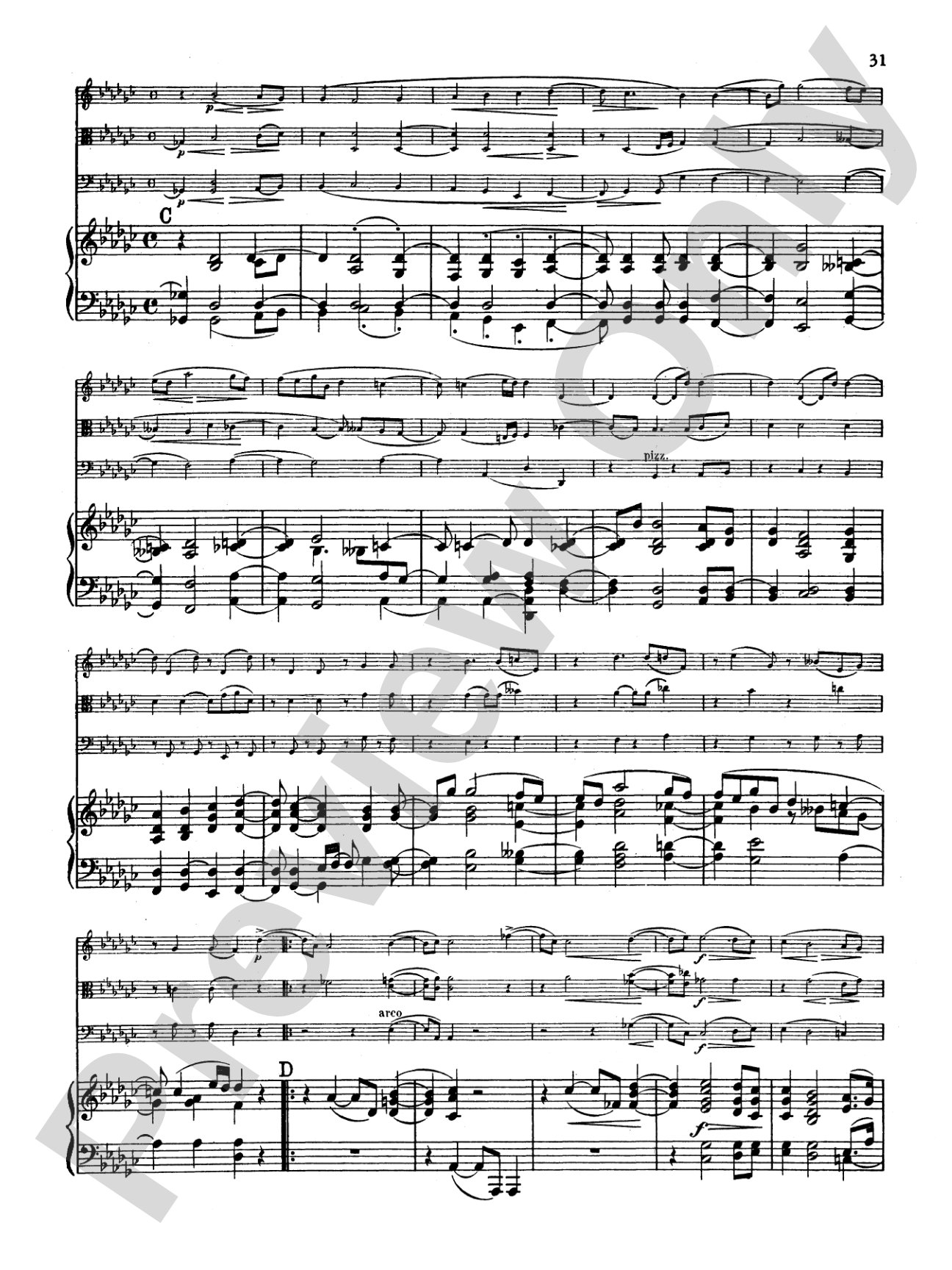
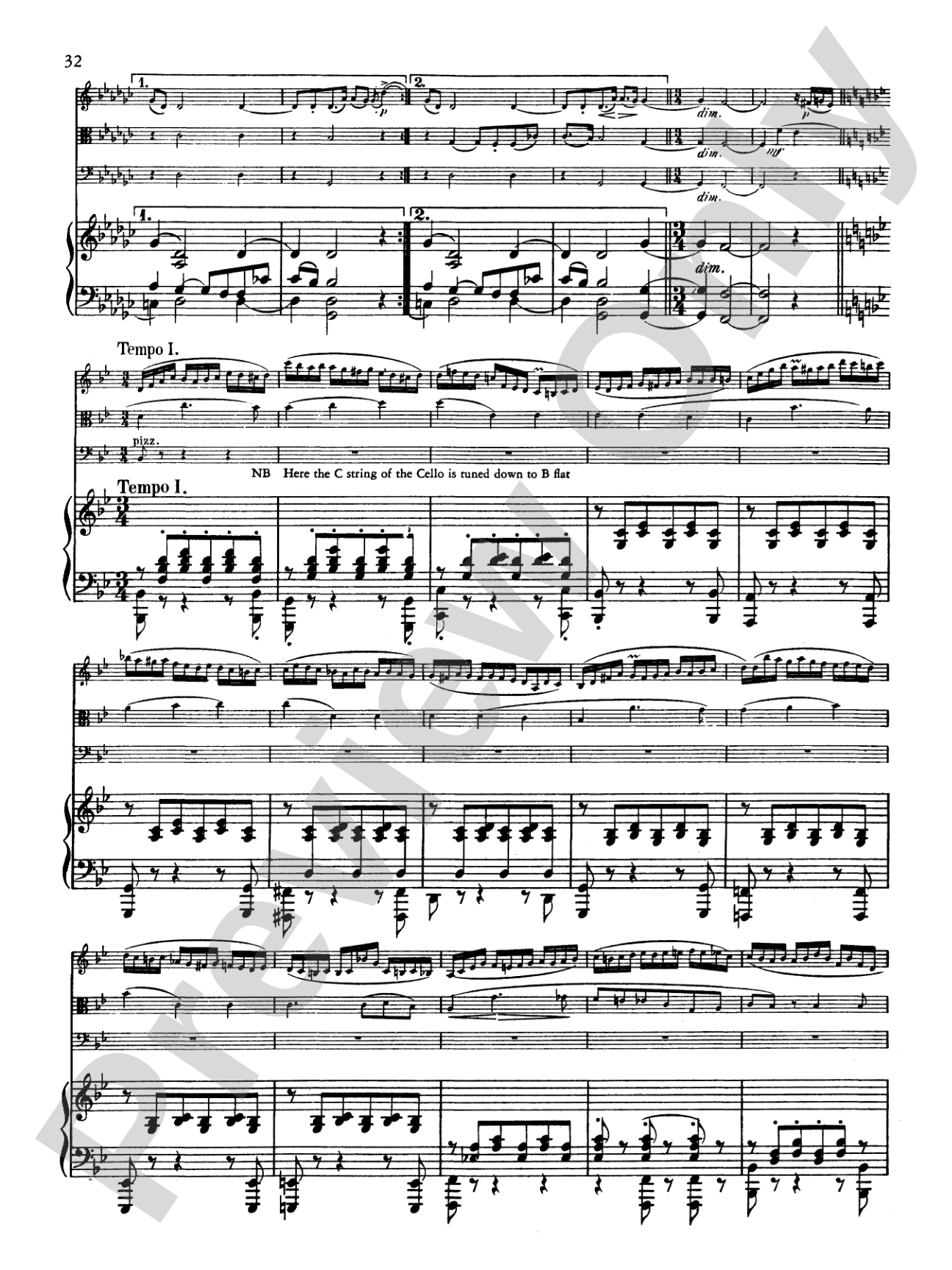
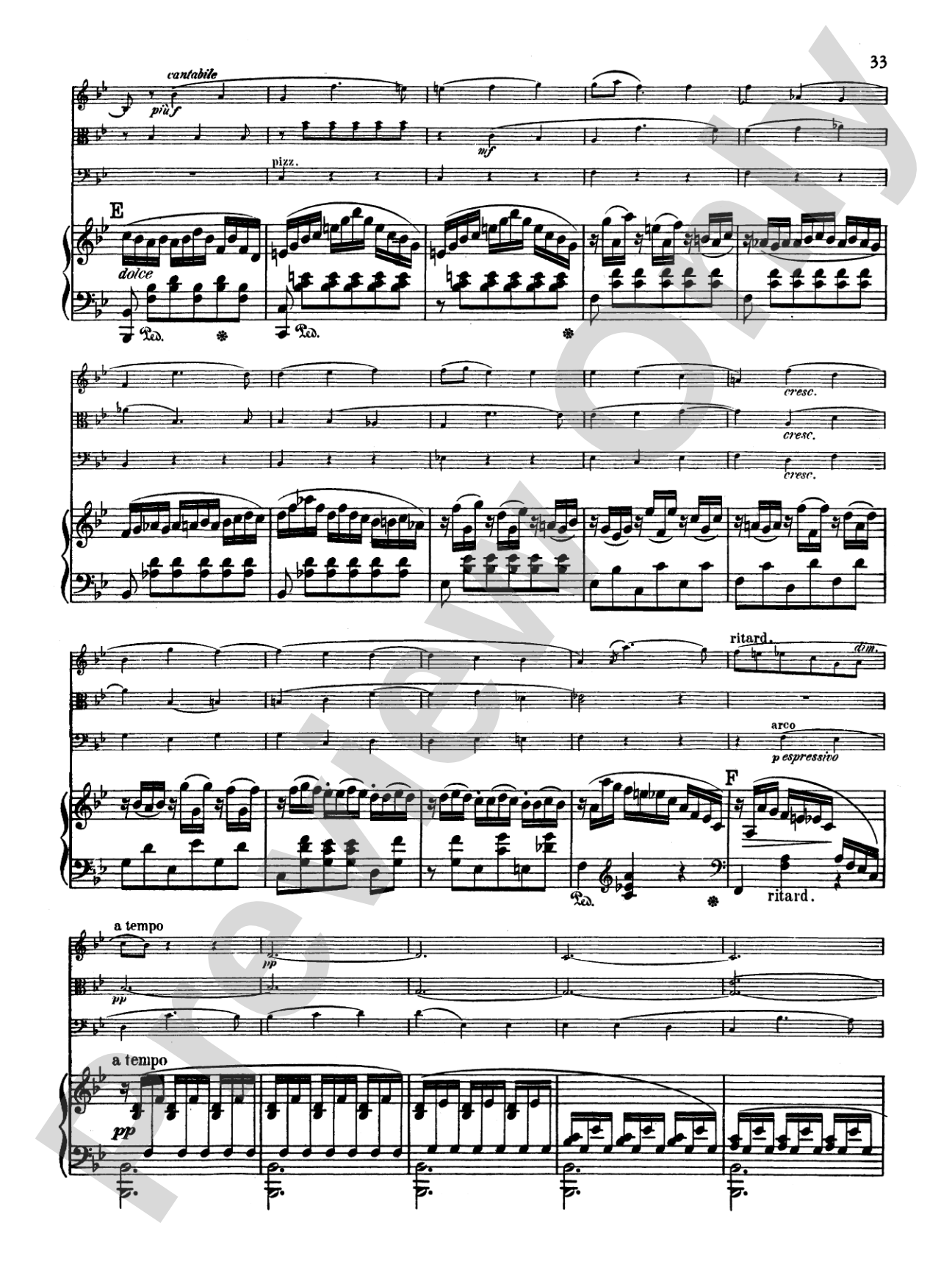
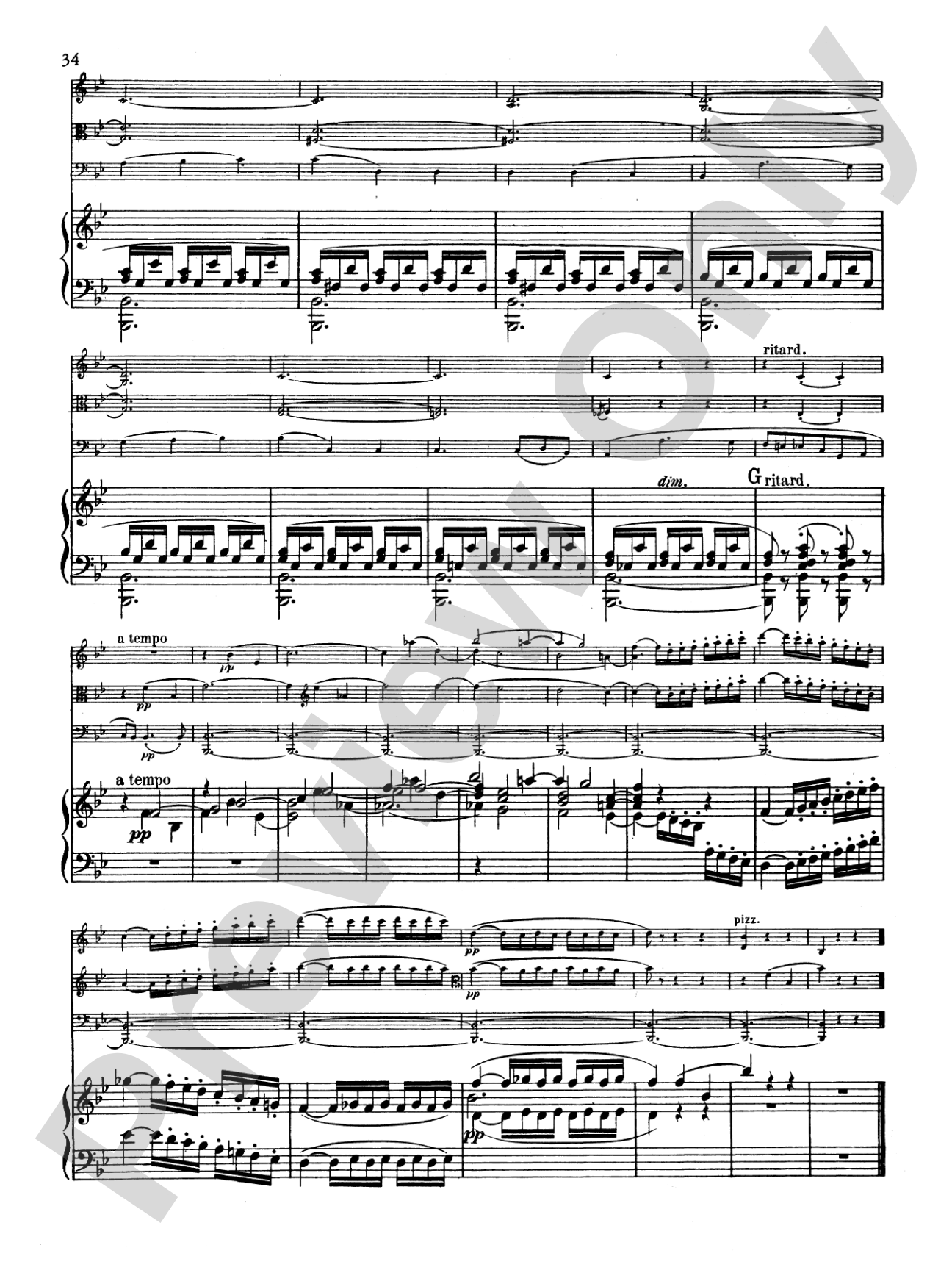
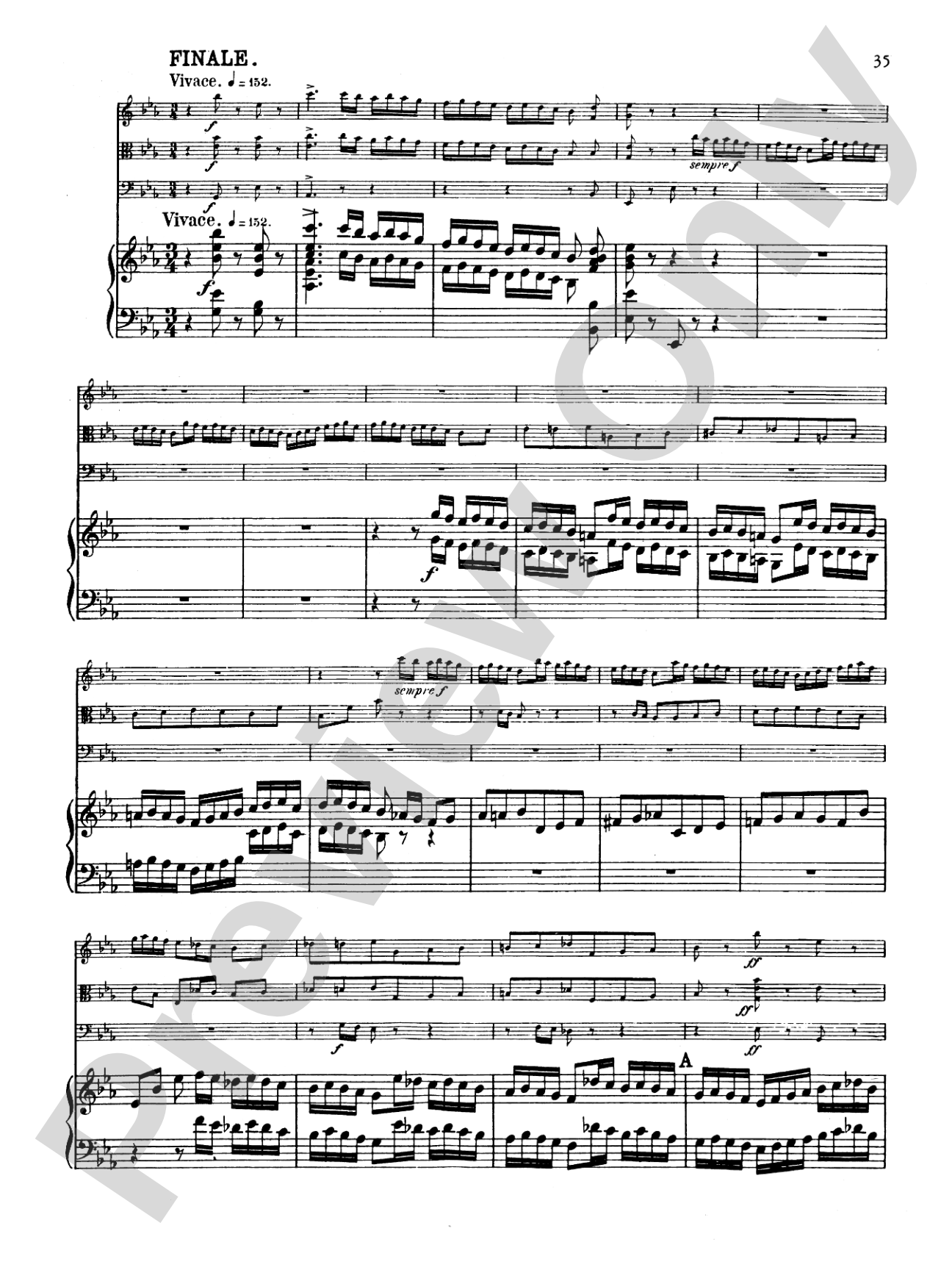
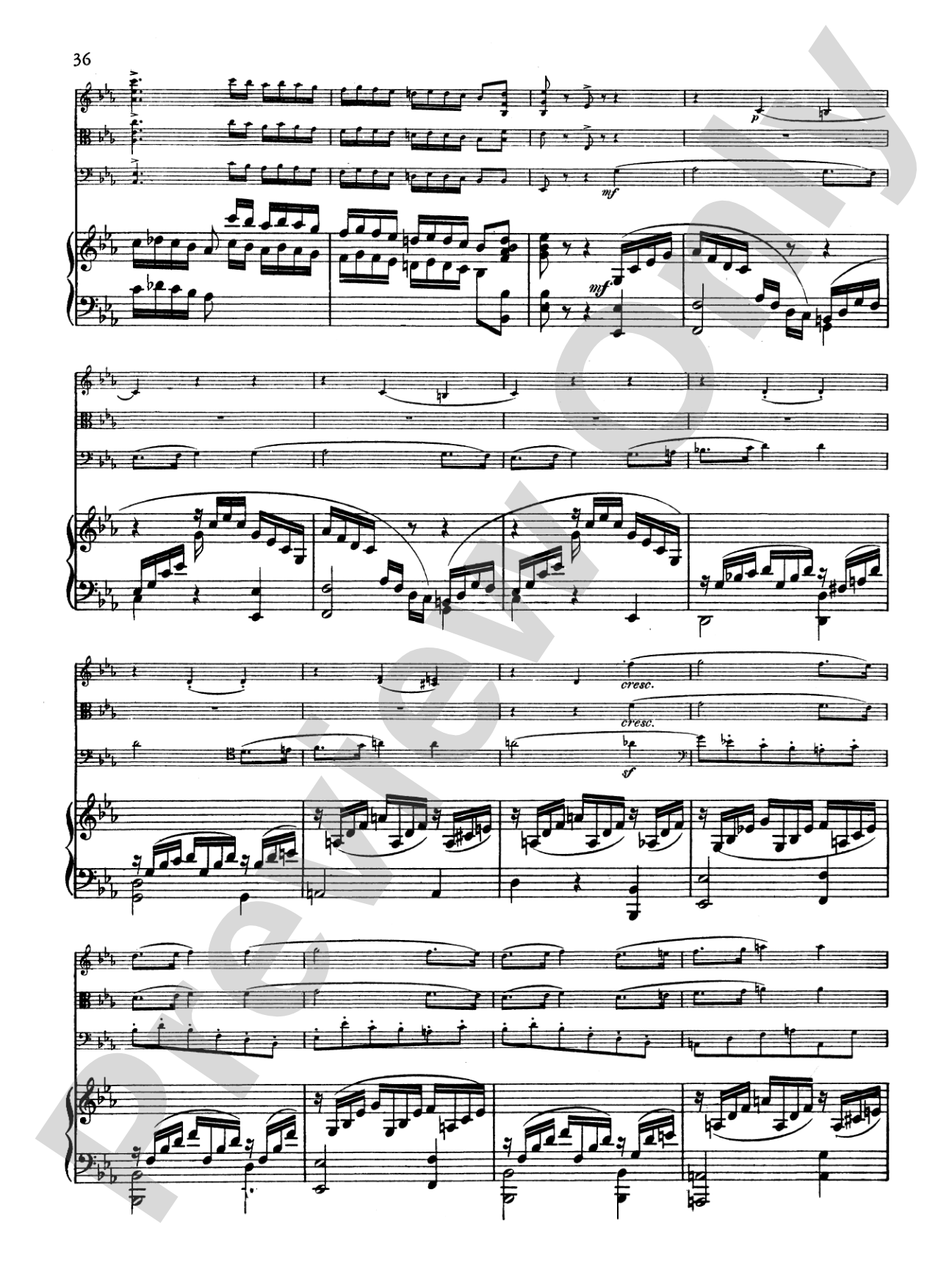
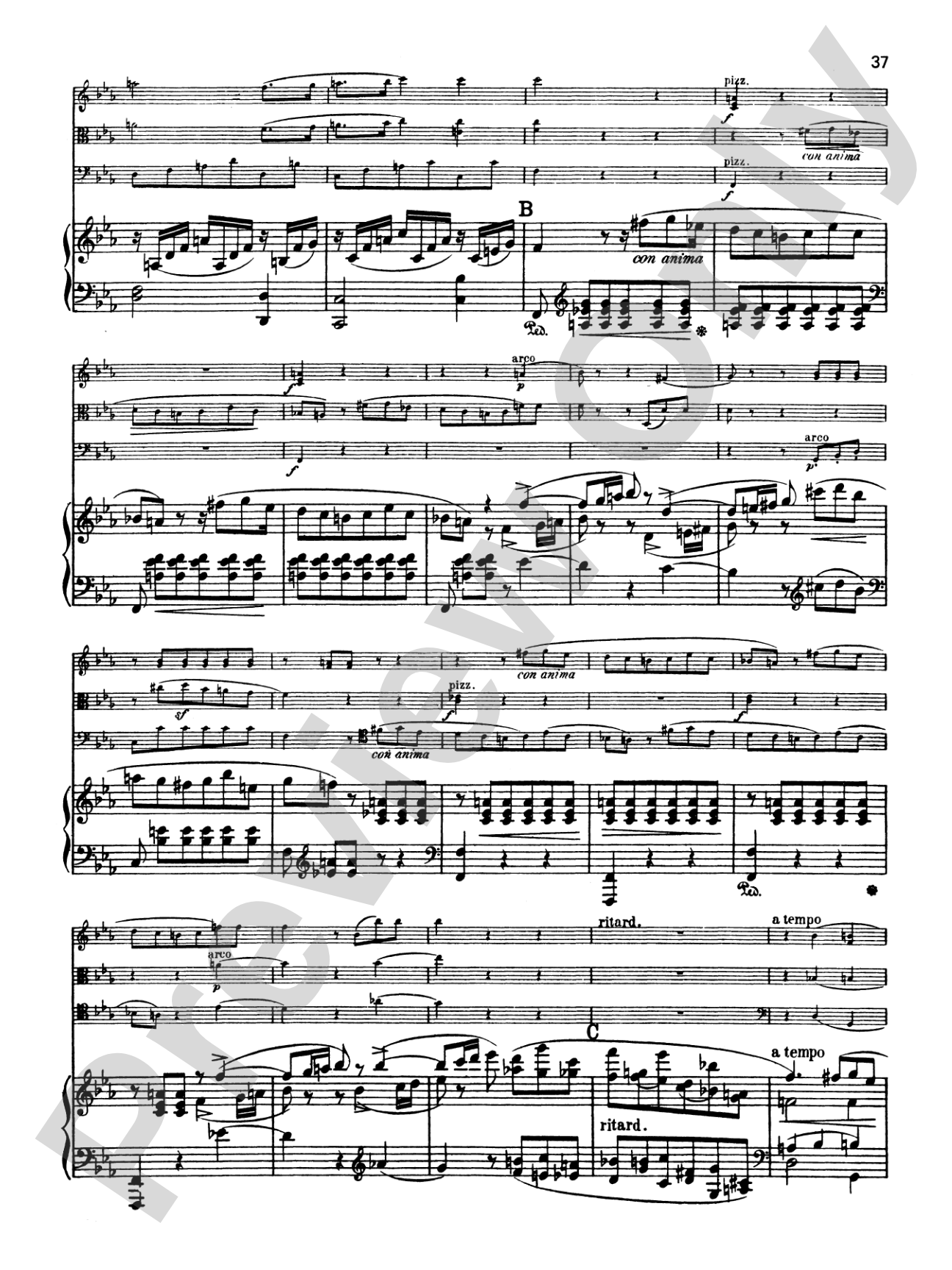
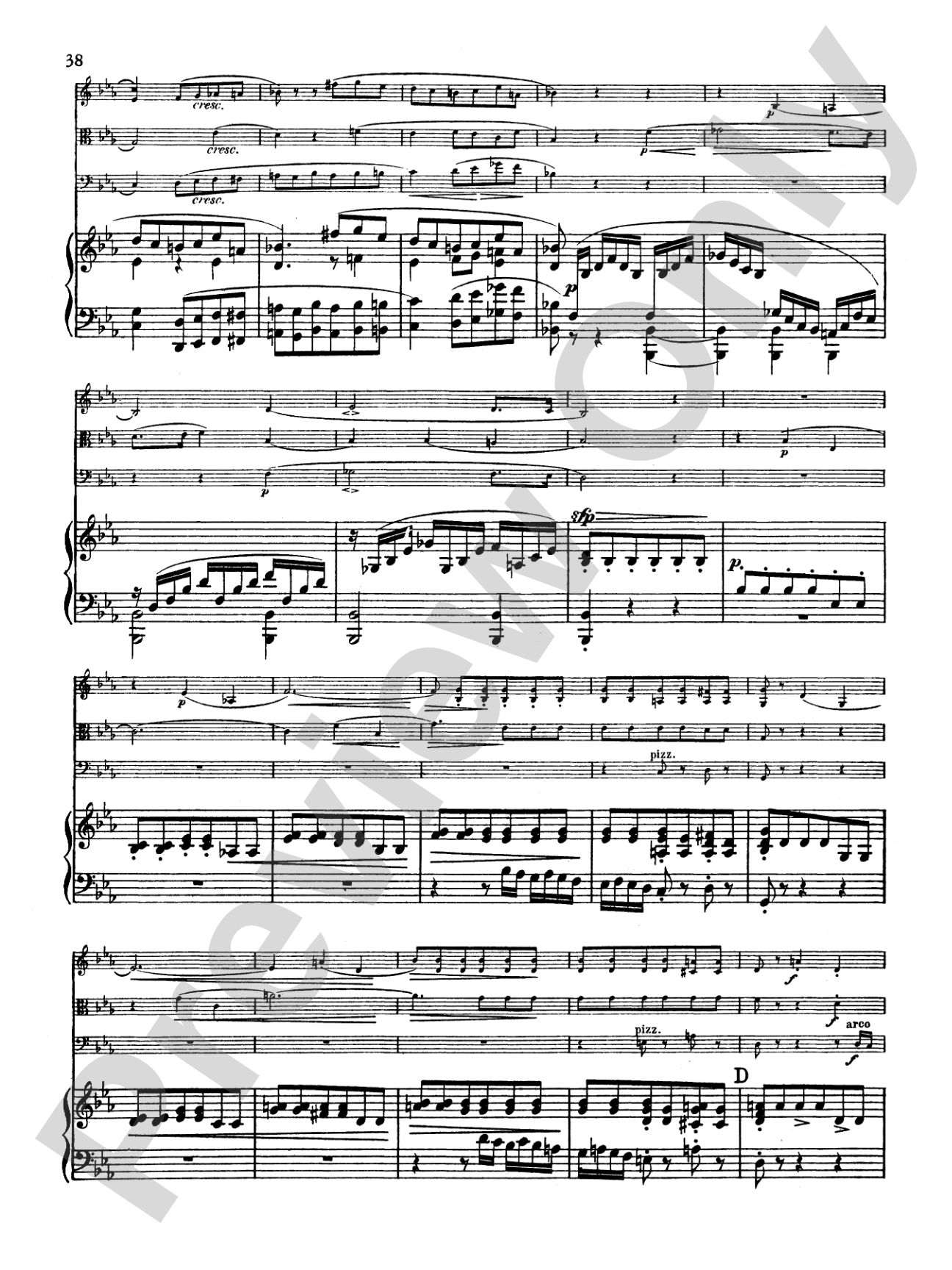
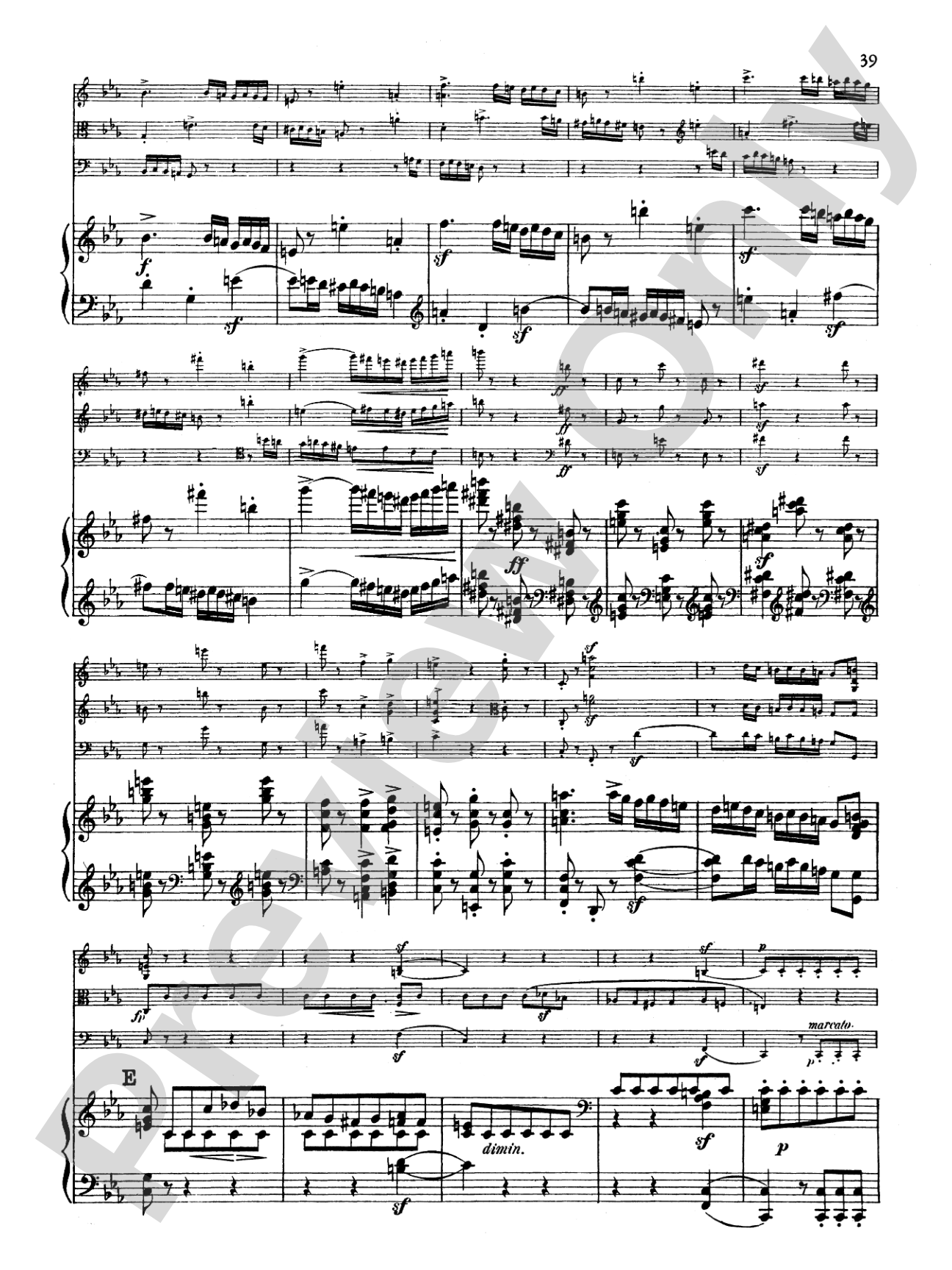
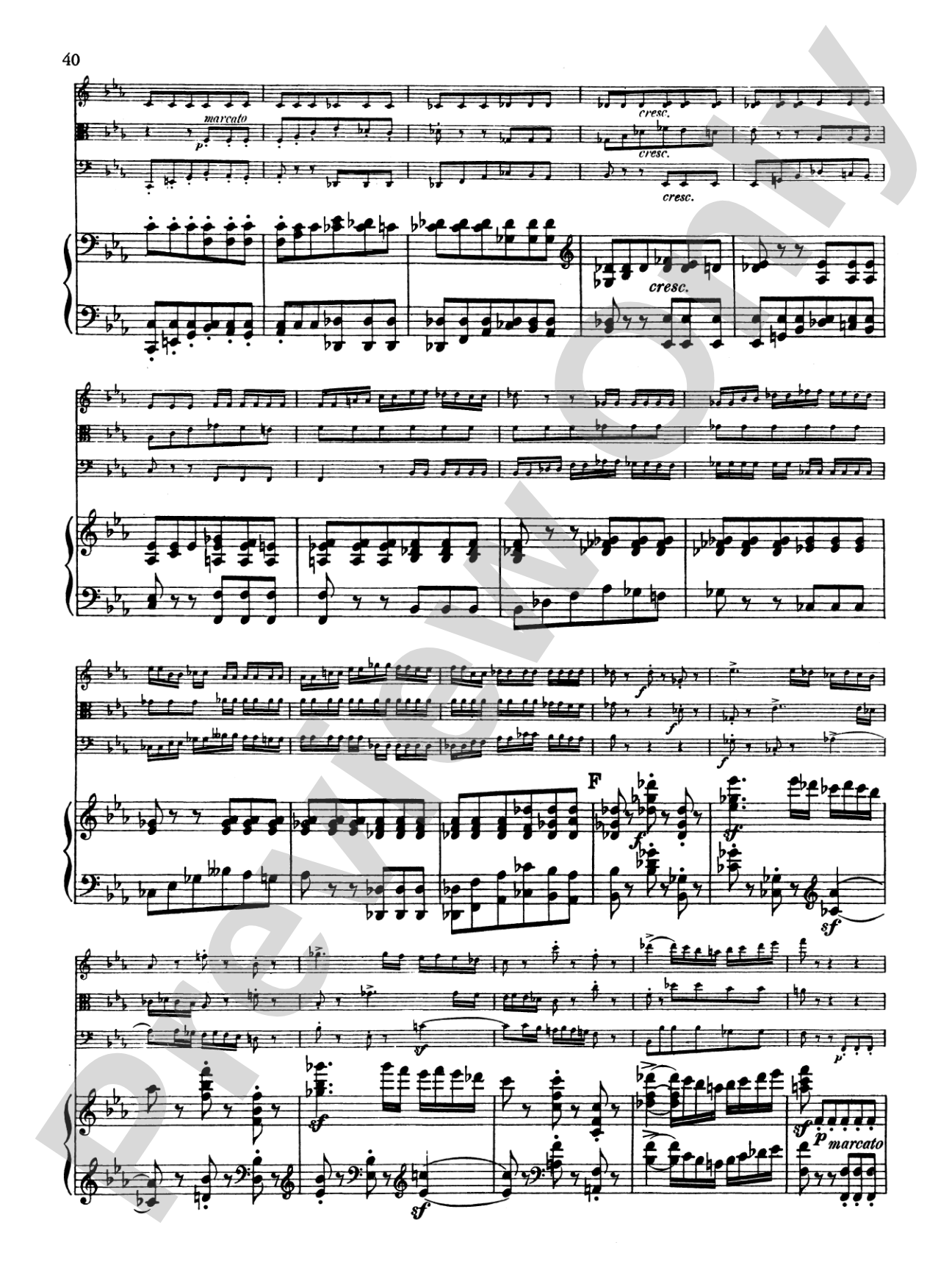
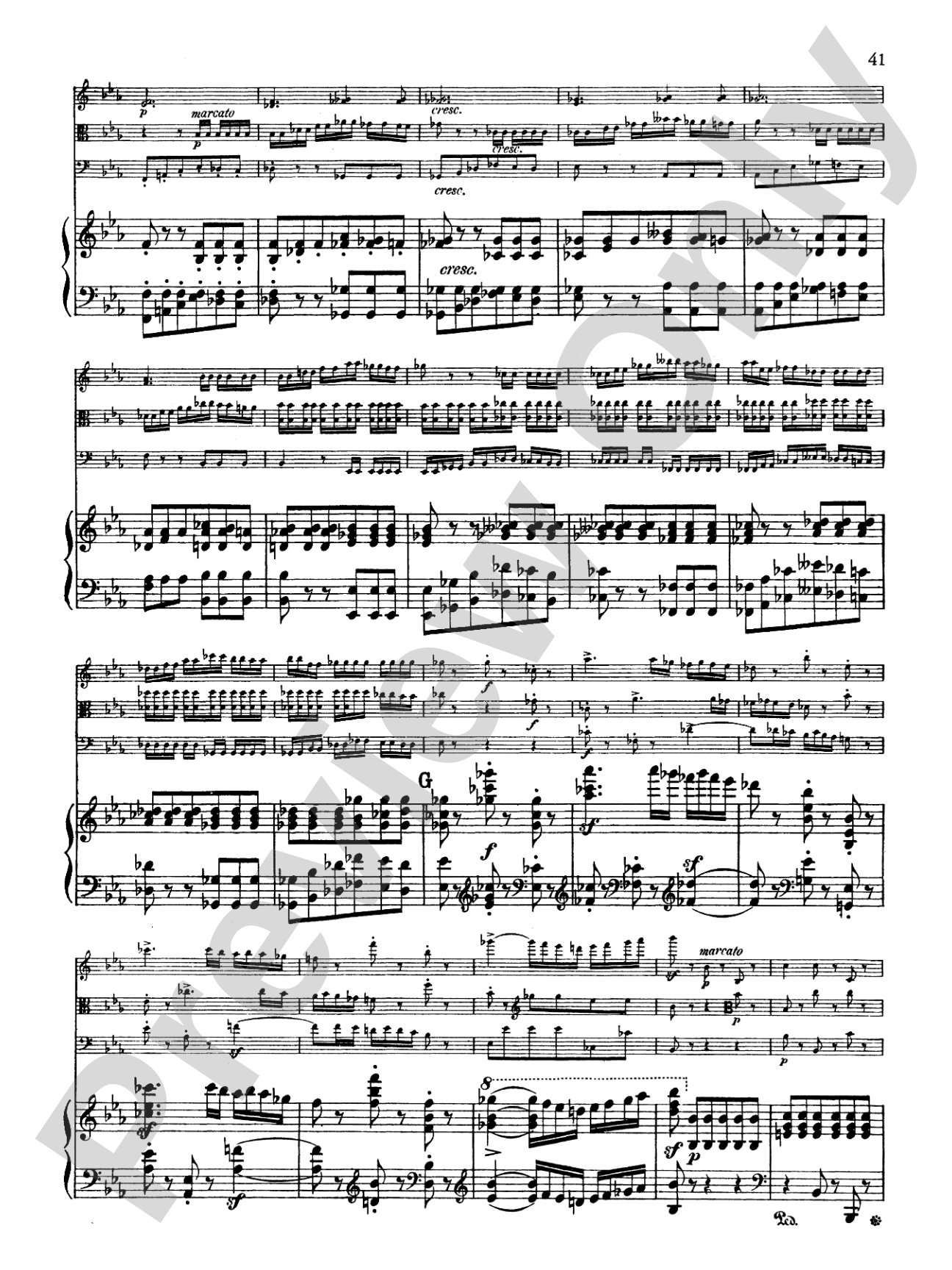
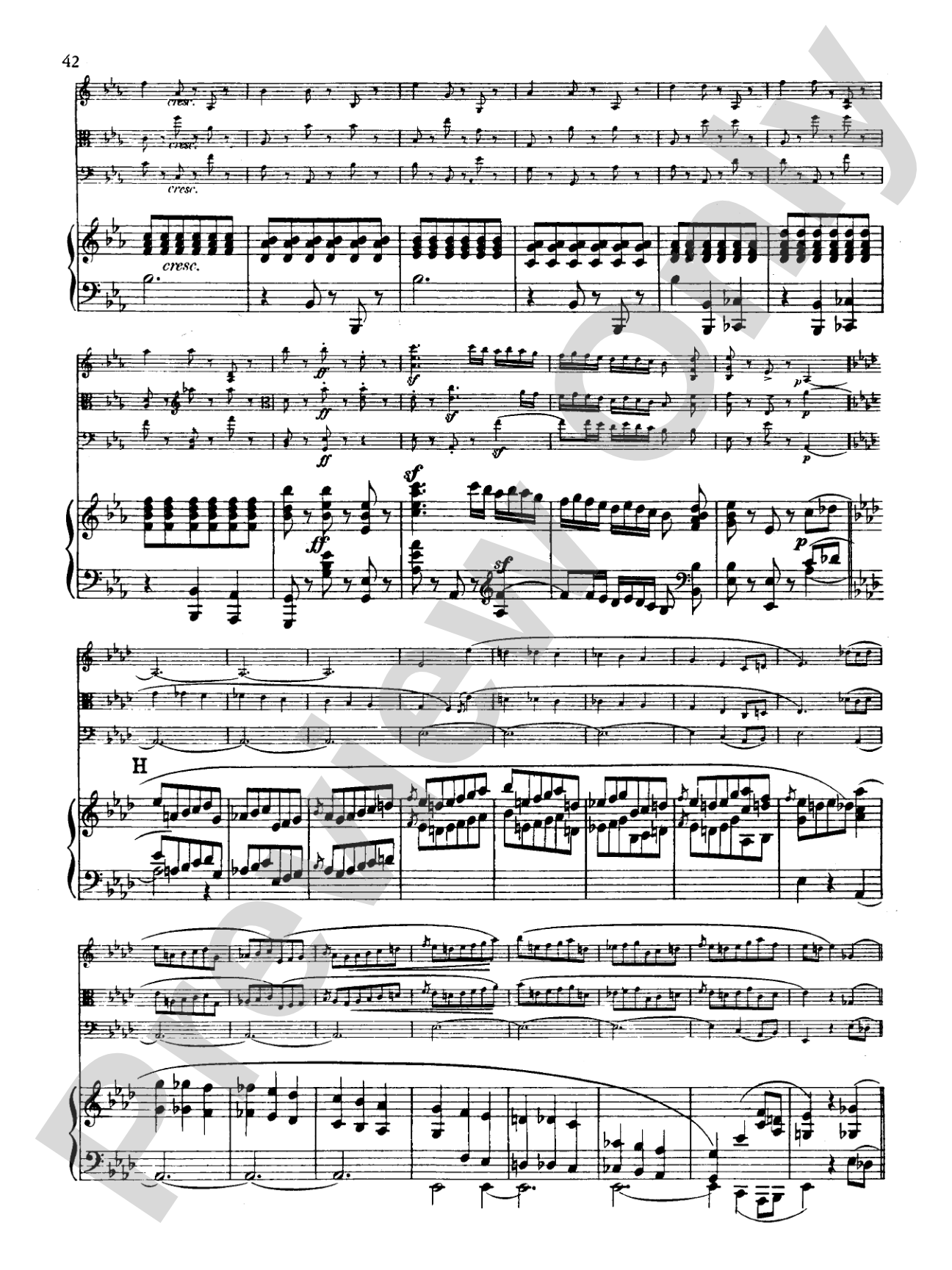
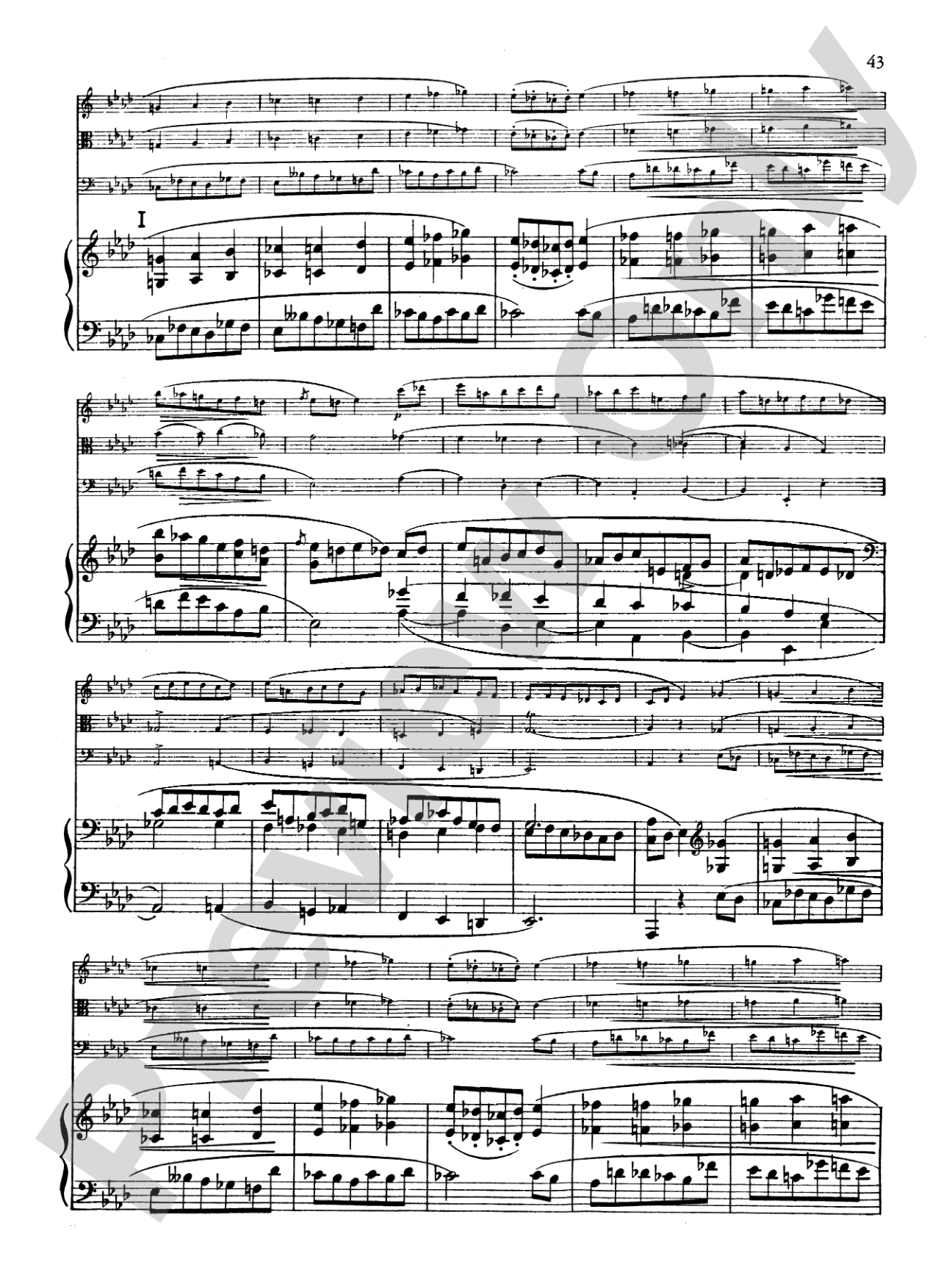
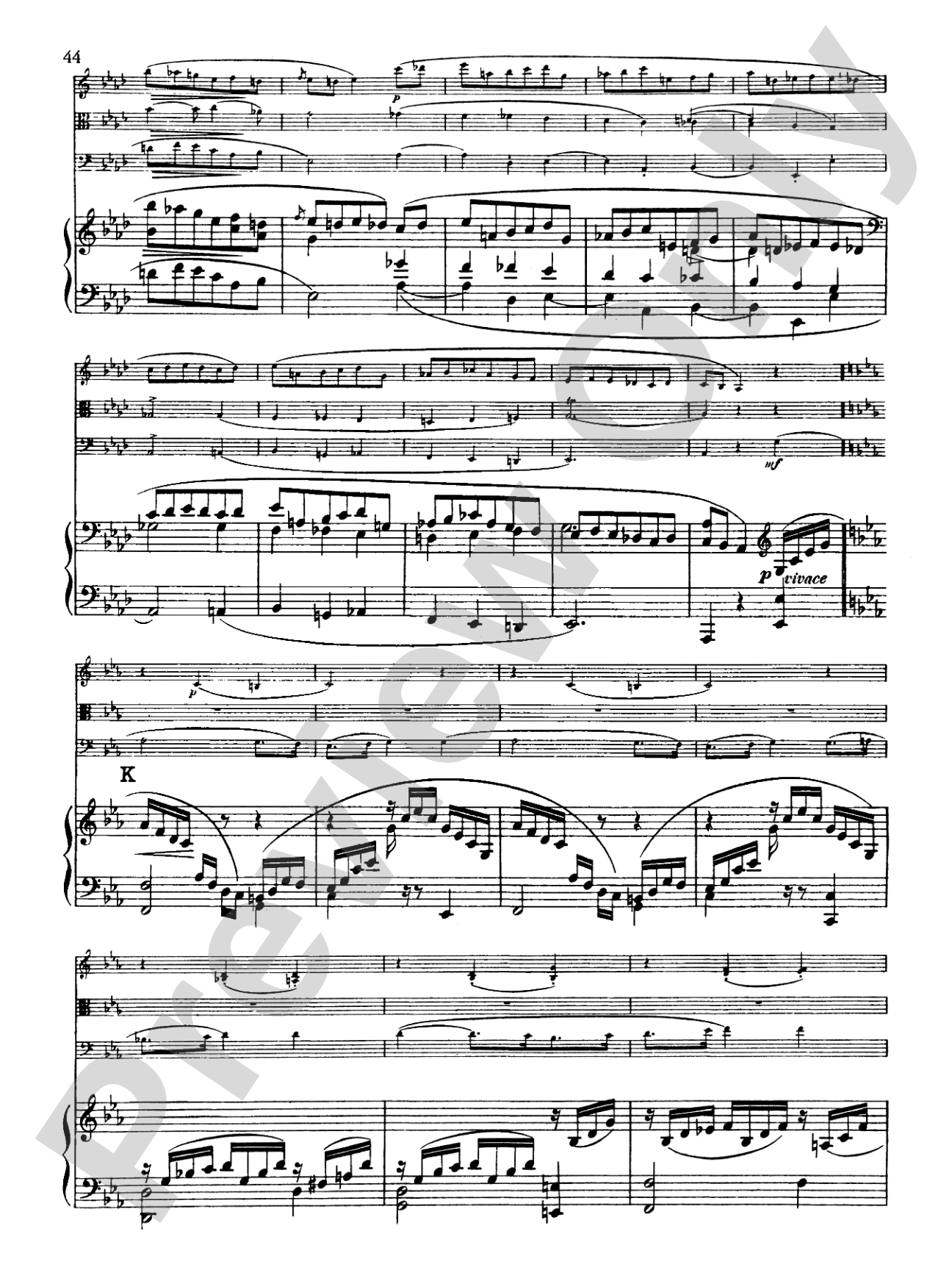
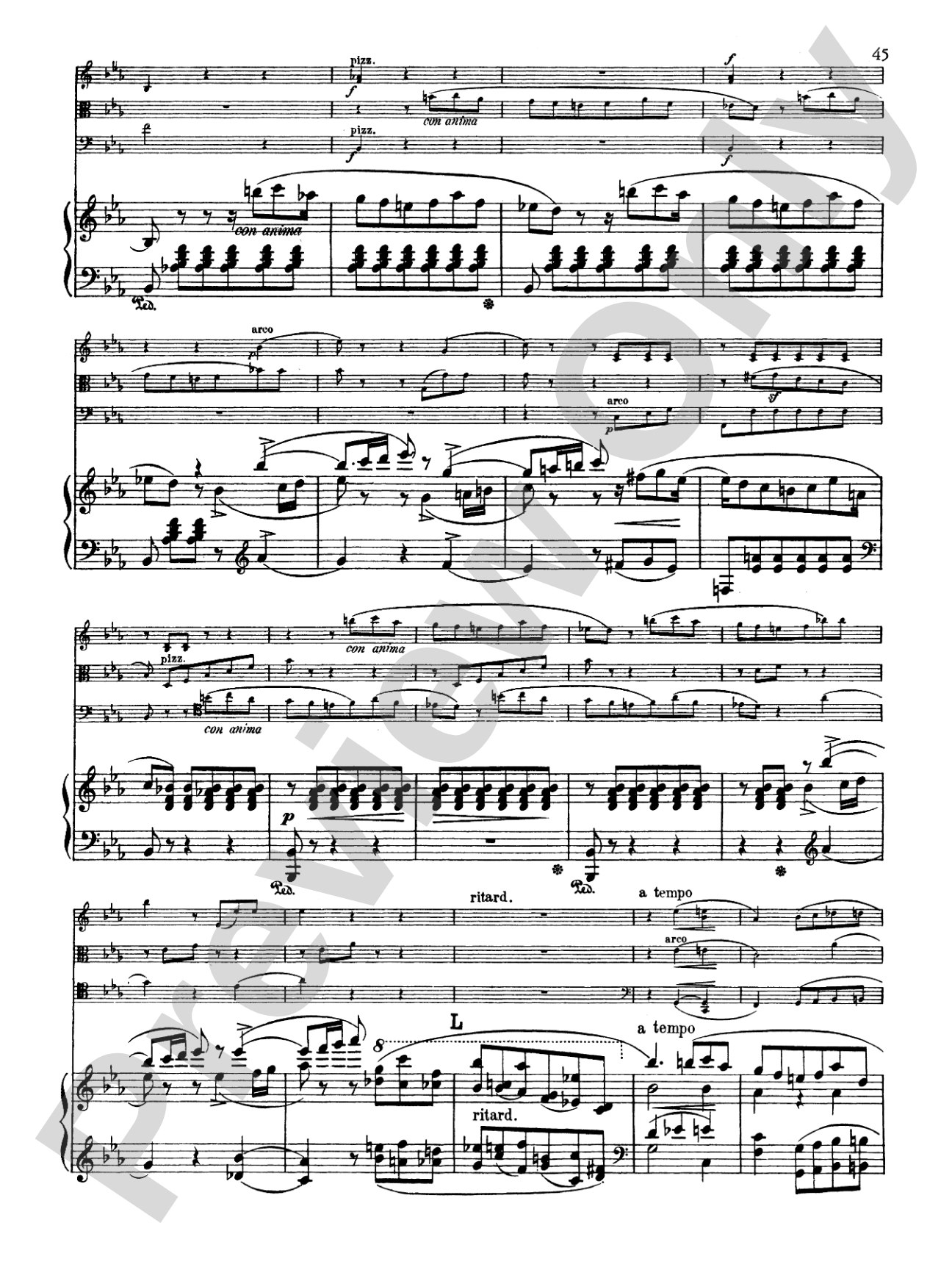
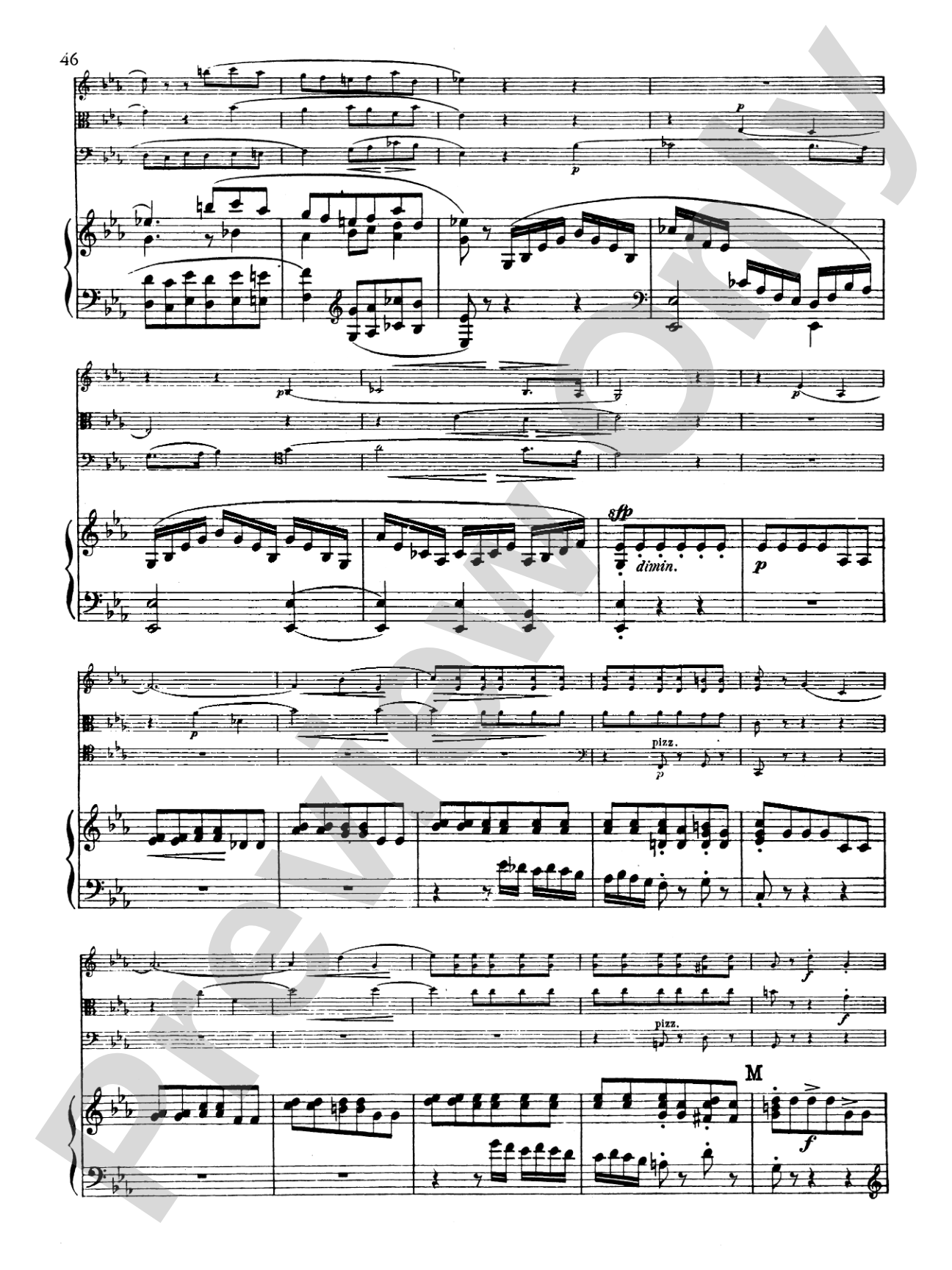
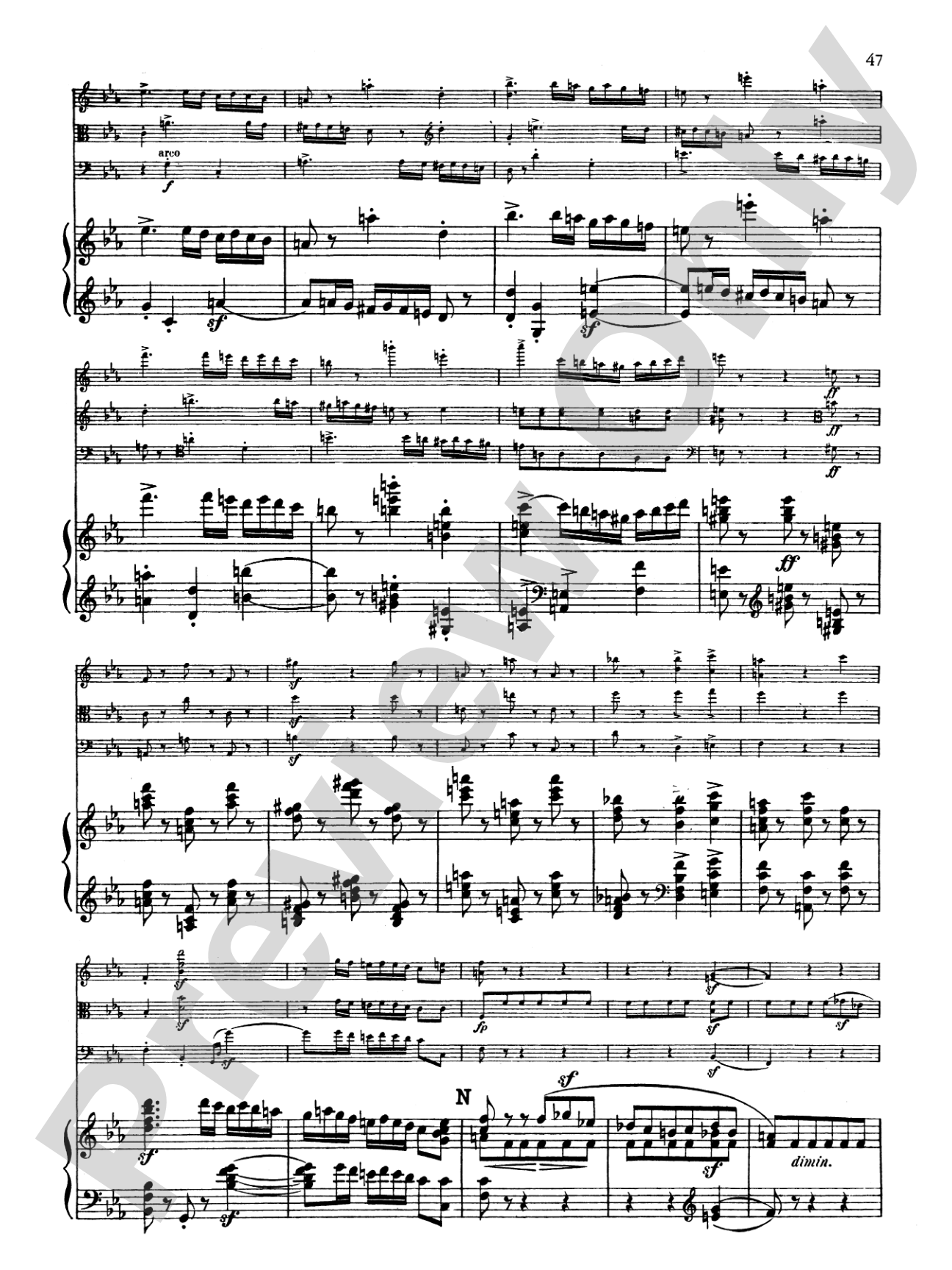
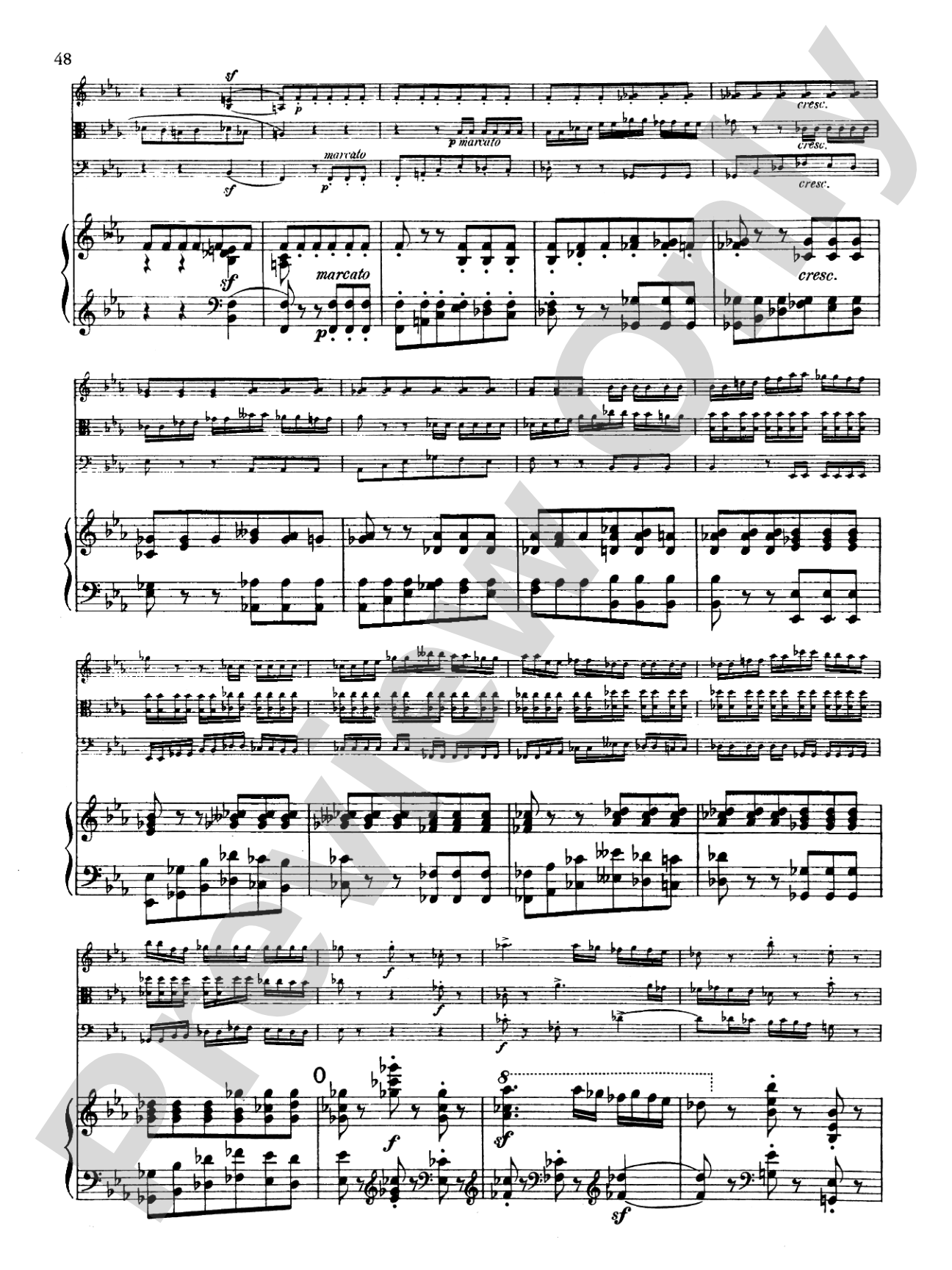
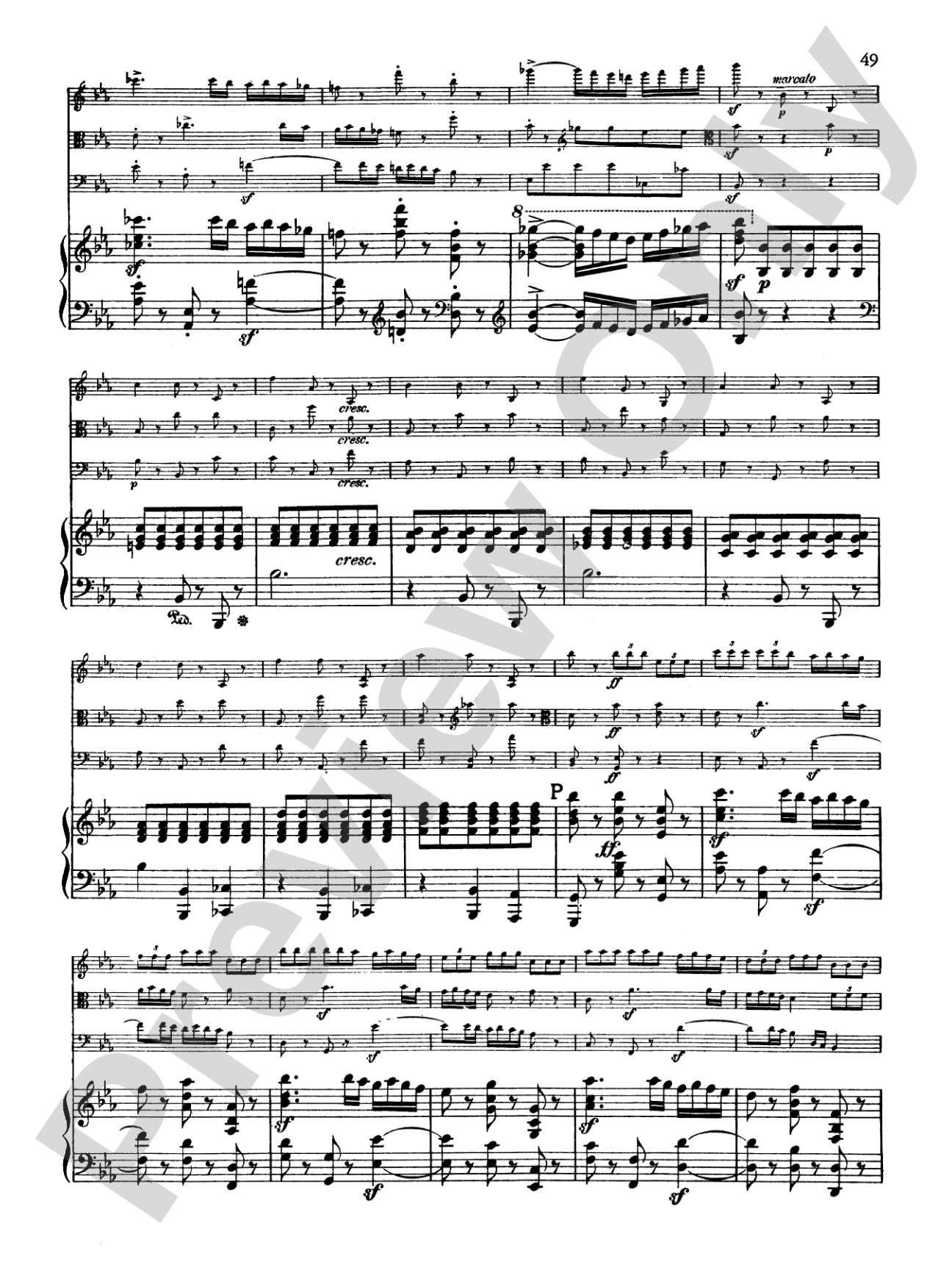
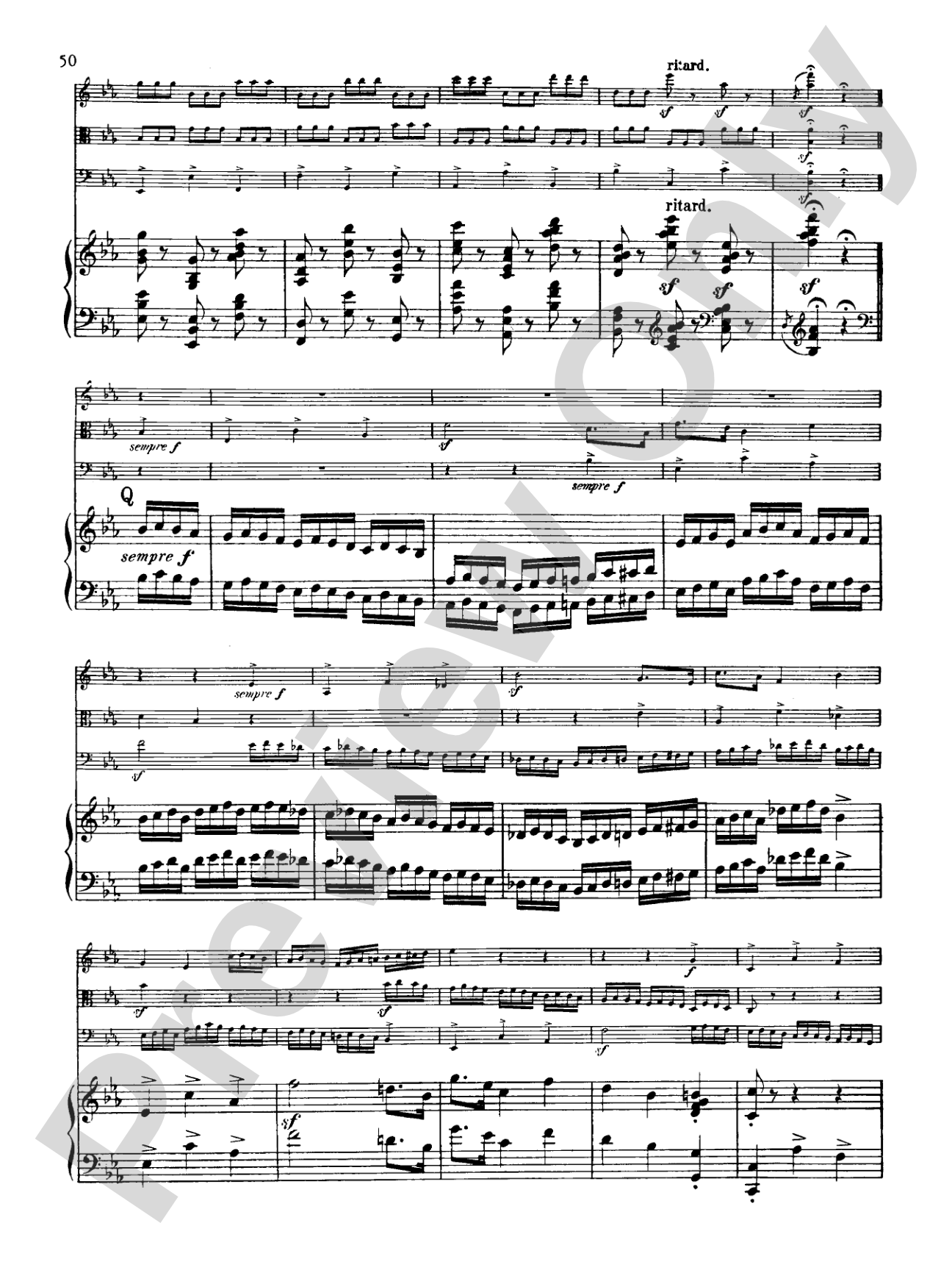

Schumann: Quartet in E flat Major, Op. 47: Chamber Quartet
By Robert Schumann
Item: 00-PK-0003820

$14.95
Pickup currently not available
Buy Extra Parts (Digital PDF Download)
| Product | Price | Quantity |
|---|---|---|
| Schumann: Quartet in E flat Major, Op. 47 | $13.95 |
Parts Added to Cart!
Related Items
Quartet in E-flat Major, Opus 47: Chamber Quartet |
$14.95
|
View |
Description


Don't just read it, hear it, play along with it, and watch your students grow with it. In MakeMusic Cloud, Schumann: Quartet in E flat Major, Op. 47: Chamber Quartet comes alive with professional accompaniment, adjustable tempo, and built-in practice tools that turn solo practice into real progress.
Open in the Player
Jump straight in and assign it today.
Start Your Free Trial
Open this title and explore the full library in minutes.
Sample Audio
No sample audio found.
Sample Video
No sample videos found.
Additional Details
Series:
Kalmus Edition
Publisher:
Alfred Music
Page Count:
92
SKU:
00-PK-0003820
More about this title
About the Composer: Robert Schumann
Robert Schumann (1810-1856) was a composer and music critic who shaped Romantic music through his intimate chamber works, symphonies, and piano literature. His string quartets represent a late flowering of the genre, composed during the 1840s when Schumann was at the height of his creative powers, blending rigorous Classical form with the emotional depth and harmonic innovation that define Romanticism.
Why we love this
This quartet sits at a pivot point in chamber music history, where Schumann synthesizes Classical architecture with Romantic expression in ways that challenge and reward advanced ensembles. The three movements demand mature ensemble listening, independent voice writing that never sacrifices lyricism, and the kind of sustained interpretive collaboration that transforms a good quartet into a great one. Programming it signals serious artistic intent.
What to expect
Schumann's E flat Major quartet radiates warmth without sentimentality, introspection without bleakness. The opening theme unfolds with gentle confidence, the harmonic language moves through rich and unexpected territories, and throughout there is a sense of elegant conversation among four equals, each contributing equally to the musical discourse. This is music that asks you to listen closely.
Who it's for
This quartet belongs in the hands of advanced chamber ensembles with solid intonation, mature musicianship, and experience navigating Romantic harmony. It suits conservatory students, college ensembles, community quartets, and semi-professional groups preparing for festivals or concert series where substantive repertoire is expected.
How to get the most out of it
- Balance the inner voices carefully; Schumann's middle parts carry thematic material as often as the first violin, and obscuring them diminishes the contrapuntal richness.
- Approach tempo relationships between movements as connected thoughts rather than isolated gestures. The emotional arc from E flat Major opening through the variations and into the finale should feel inevitable.
- Shape phrase endings with forward motion even when written as fermatas or half-cadences. Schumann invites repose but rarely genuine stopping; keep the harmonic momentum alive.
- Use dynamic nuance to clarify form. Subtle shifts in color between statement and response help audiences track the development sections without sacrificing intimacy.
How to use it
This work stands well as the centerpiece of a chamber concert, either paired with a contrasting lighter piece or as part of a thematic exploration of Romantic string writing. It also serves as an excellent festival submission, particularly for competitions that value musical maturity over virtuosity. Consider programming it alongside Schumann's other chamber works or as a bridge between Classical and later-Romantic quartet repertoire.
Skills your students will build
- Sustaining singing tone across extended phrases in the upper and lower registers
- Reading and executing complex rhythmic figures in mixed meters and syncopated passages
- Balancing independent inner voice writing with overall ensemble blend
- Navigating chromatic harmony and unexpected harmonic progressions characteristic of Romantic style
- Collaborating to shape long-range formal structures across three movements
- Differentiating thematic material through subtle dynamic and tonal inflection