
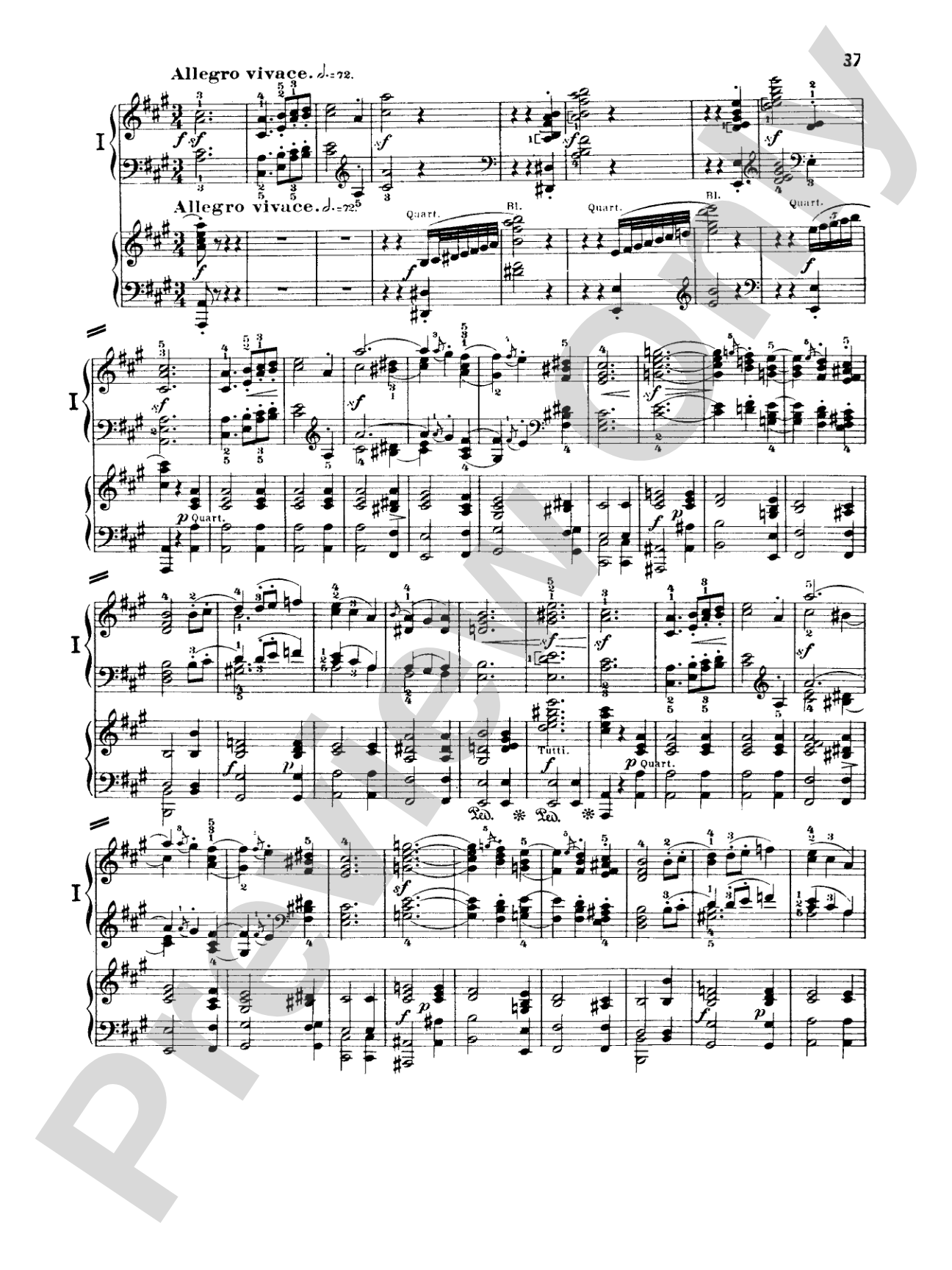
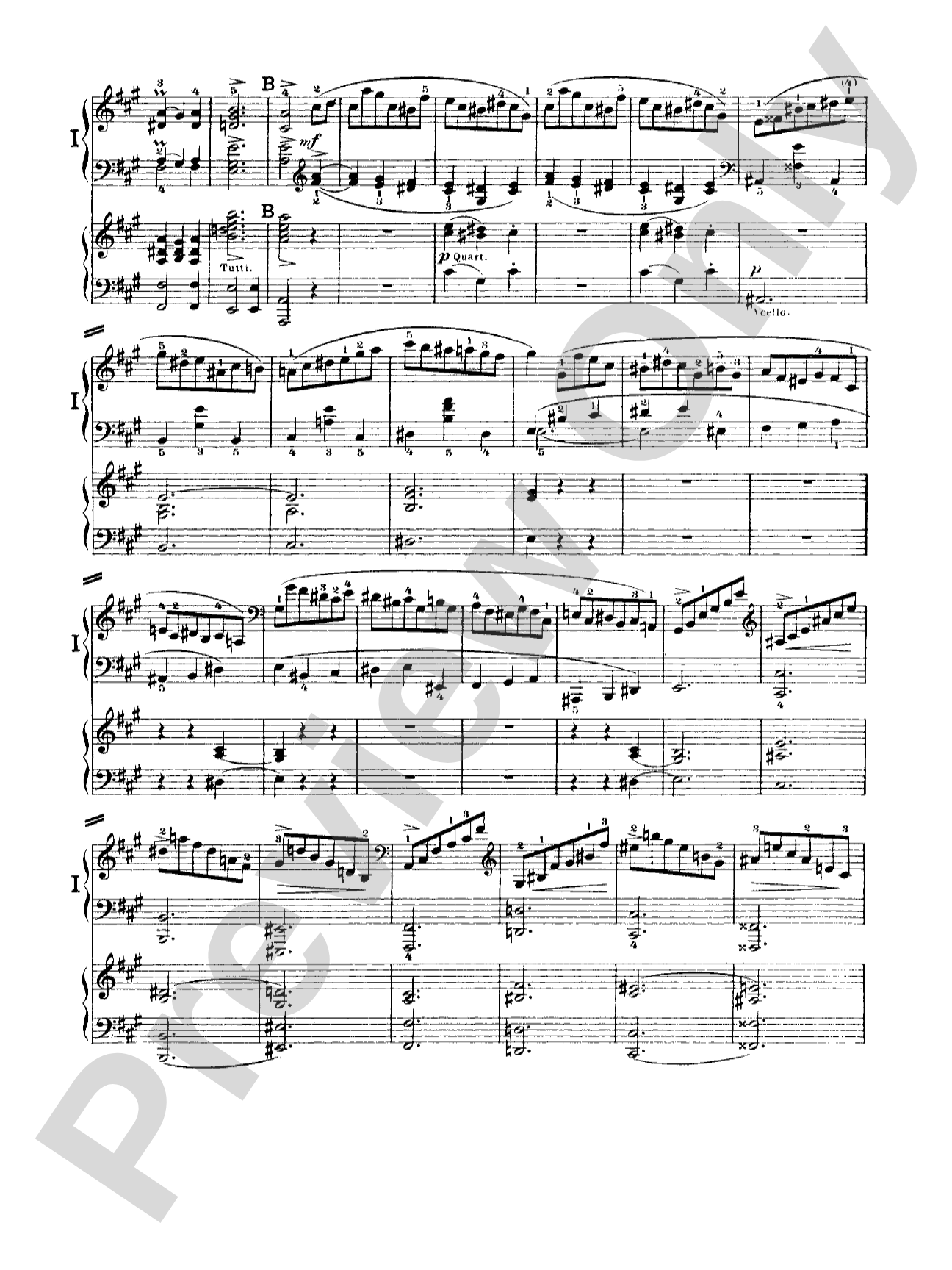
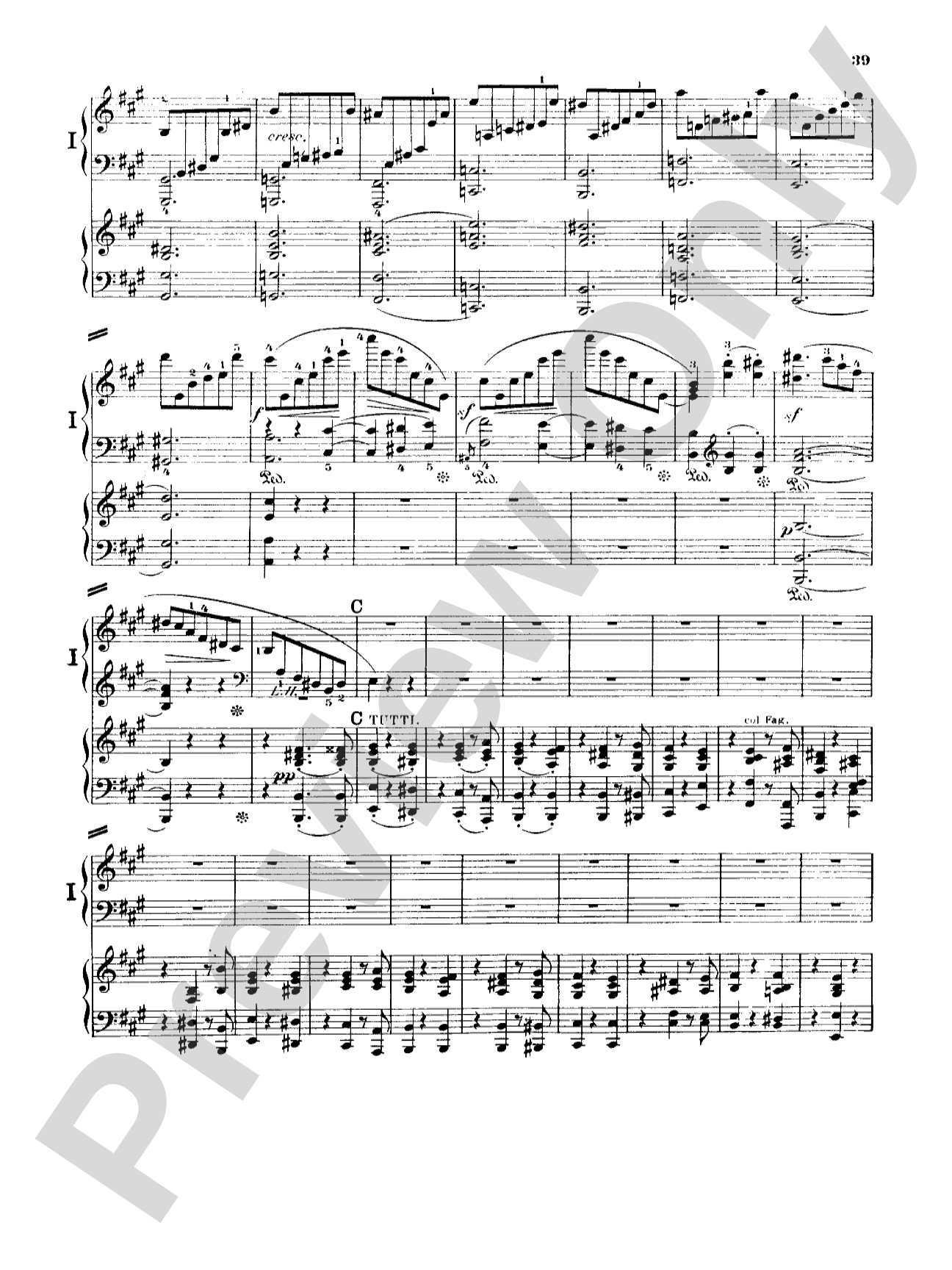
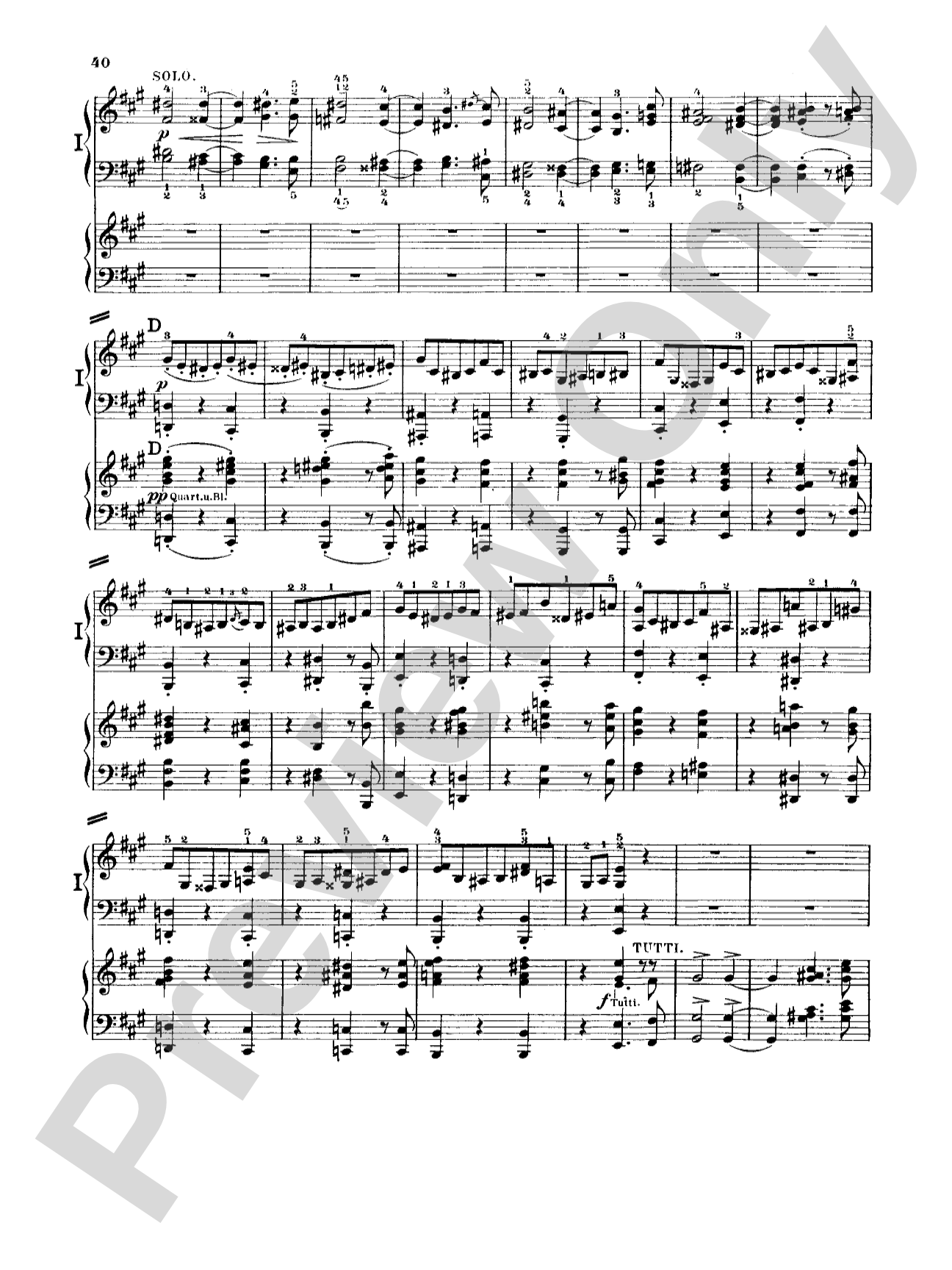
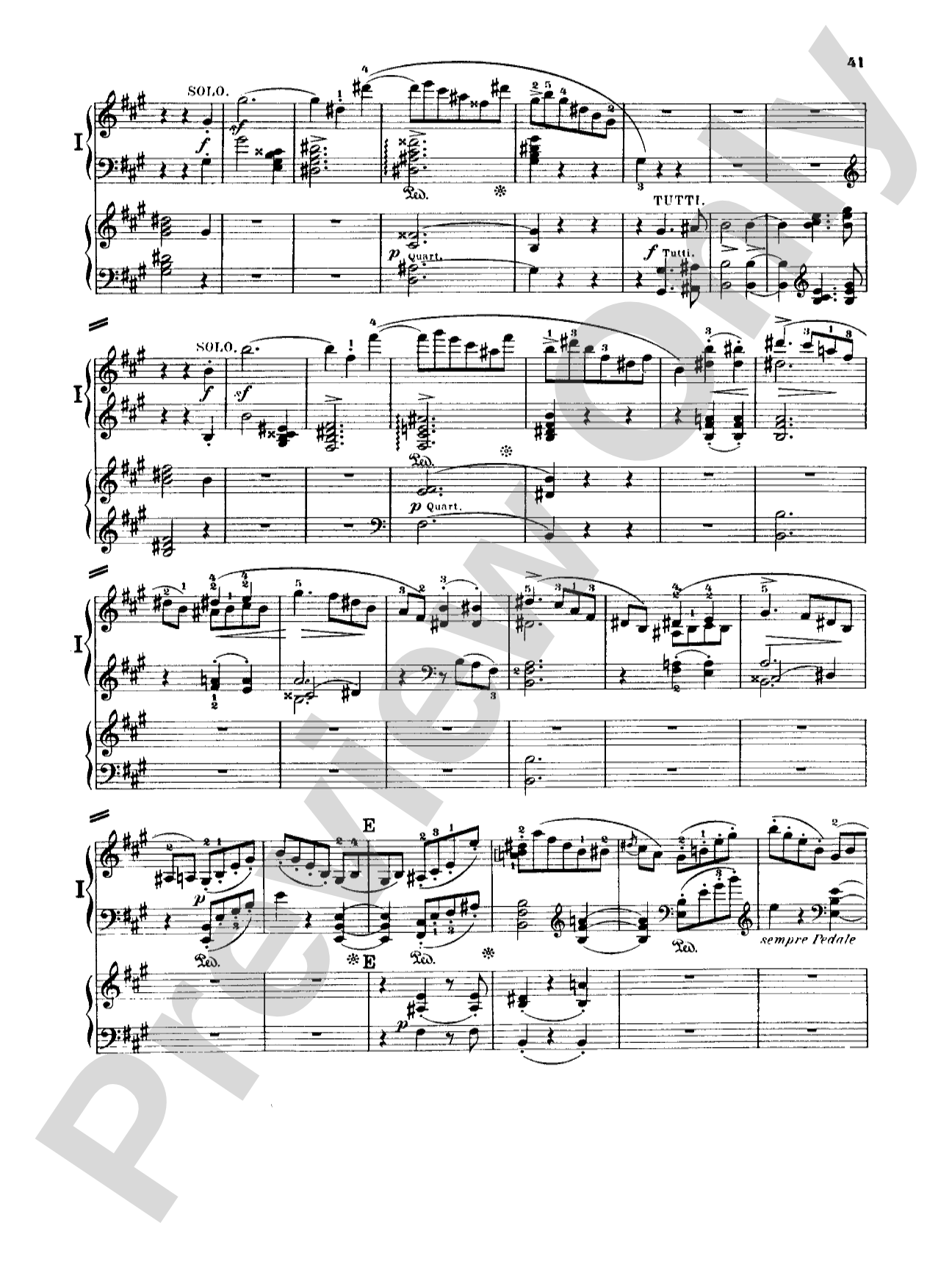
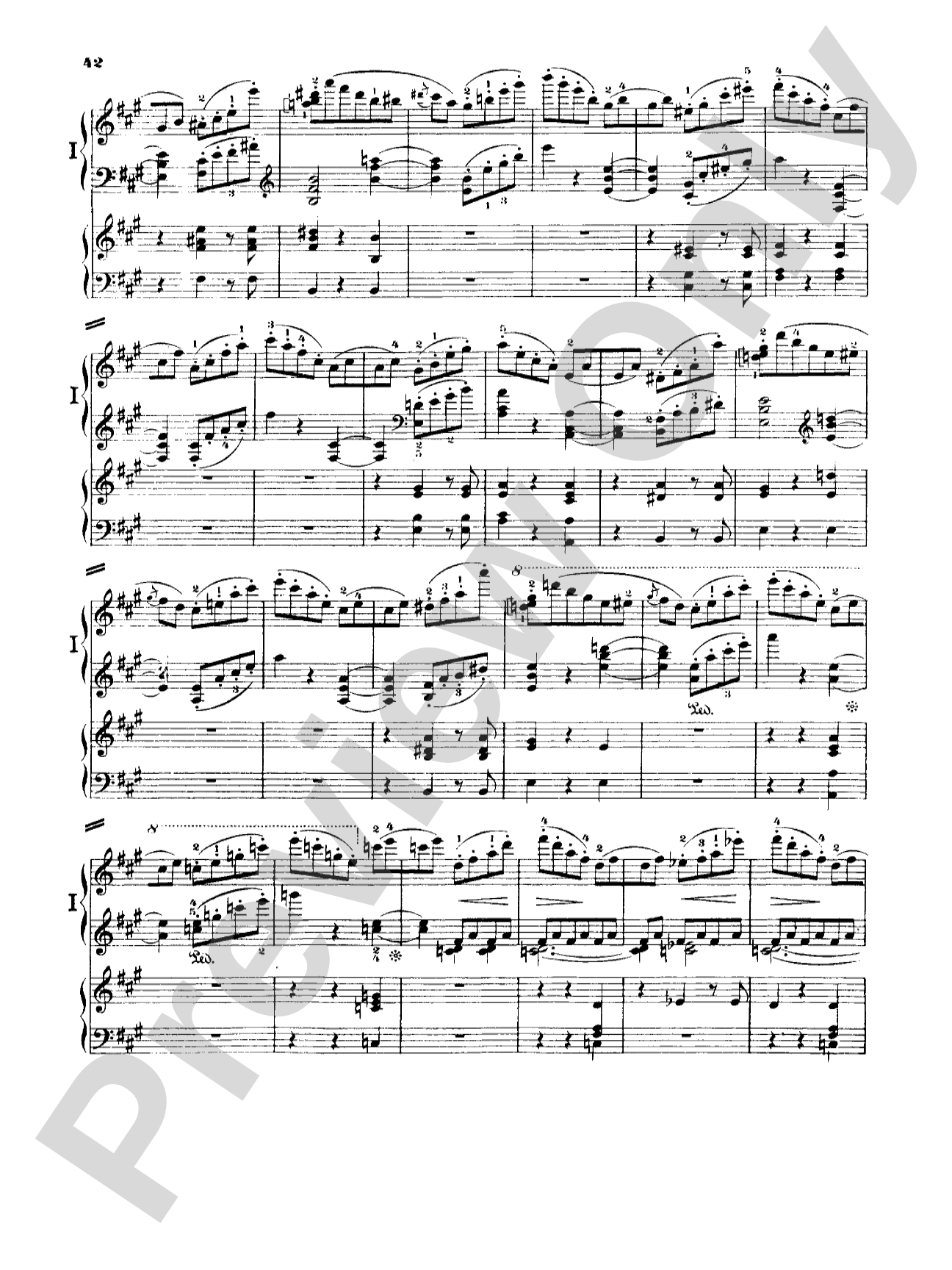
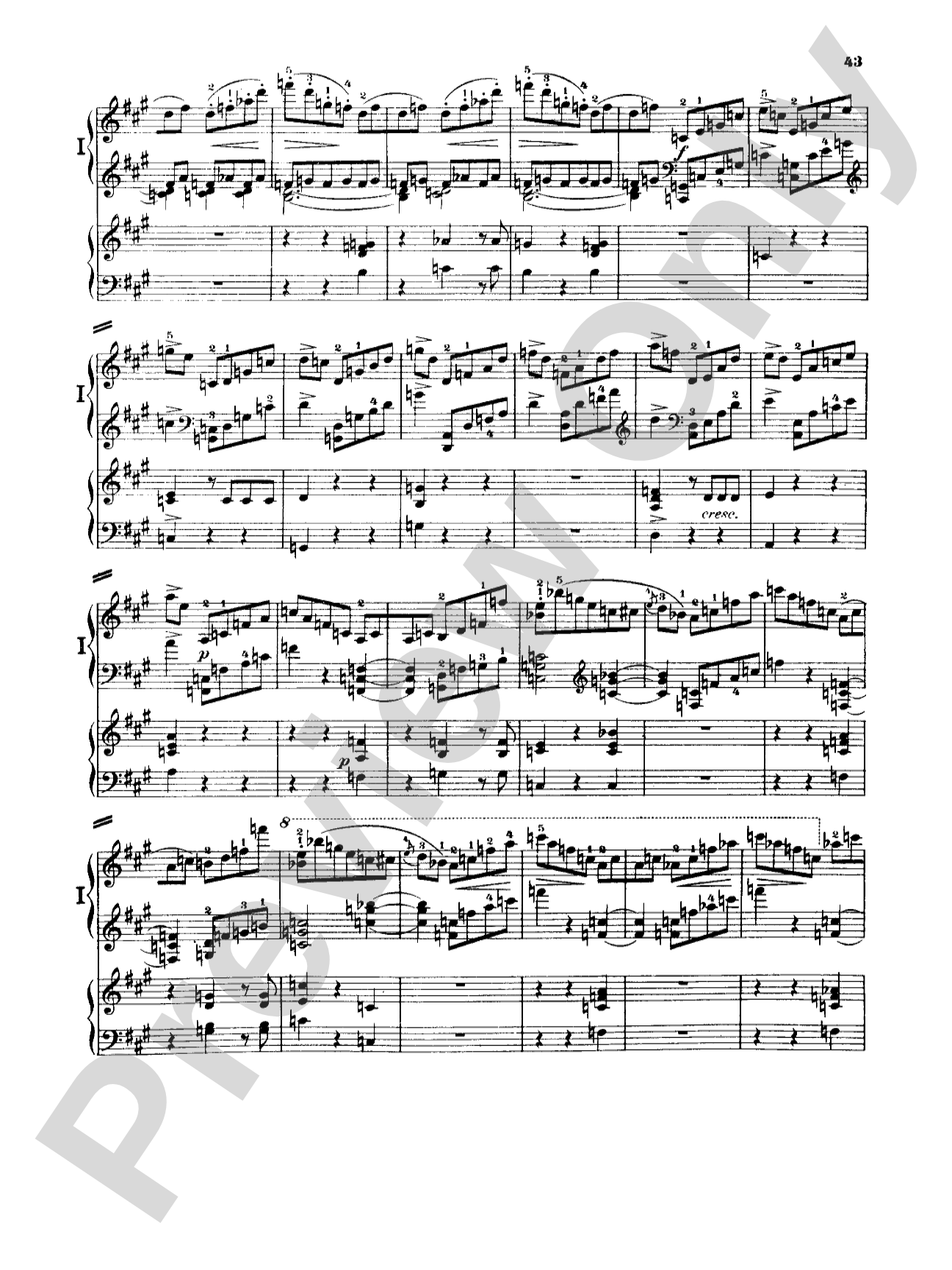

Schumann: Piano Concerto in A Minor, Op. 54
By Robert Schumann
Level: Advanced
Item: 00-PC-0009246
$3.95
Pickup currently not available
Description
Expertly arranged Piano Duet by Robert Schumann from the Kalmus Edition series. This Piano Duet (2 Pianos, 4 Hands) is from the Romantic era and requires 2 copies for performance. A Federation Festivals 2024-2028 selection.


Don't just read it, hear it, play along with it, and watch your students grow with it. In MakeMusic Cloud, Schumann: Piano Concerto in A Minor, Op. 54 comes alive with professional accompaniment, adjustable tempo, and built-in practice tools that turn solo practice into real progress.
Open in the Player
Jump straight in and assign it today.
Start Your Free Trial
Open this title and explore the full library in minutes.
Sample Audio
No sample audio found.
Sample Video
No sample videos found.
Additional Details
Series:
Kalmus Edition
Publisher:
Alfred Music
Page Count:
68
SKU:
00-PC-0009246
More about this title
About the Composer: Robert Schumann
Robert Schumann (1810–1856) was a cornerstone of the Romantic era, expanding the expressive and harmonic possibilities of piano music while simultaneously advancing the symphonic tradition. His works combine lyrical melody with sophisticated counterpoint, and his concertos rank among the most performed and beloved of the Romantic repertoire. Schumann's orchestral writing reflected his deep understanding of keyboard color, making his arrangements for piano duo particularly effective vehicles for exploring the full dramatic arc of his larger works.
Why we love this
This arrangement captures the architectural sweep and emotional depth of Schumann's only piano concerto without requiring an orchestra, making it accessible for advanced pianists in recital and festival contexts. The Kalmus Edition presents the work with clarity and fidelity, and its selection for Federation Festivals 2024-2028 confirms its value as repertoire that challenges serious students while remaining genuinely moving to audiences.
What to expect
The opening announcement of the first movement carries the urgency and passion of Romantic virtuosity, building through passages of brilliant figuration into moments of introspection and harmonic richness. The middle movement breathes with lyrical warmth and intimate dialogue between the two pianos, while the finale returns to driving energy and declarative strength that concludes the concerto with generous, confident gestures.
Who it's for
Advanced pianists preparing for collegiate auditions, festival competitions, or recitals will find this work both pedagogically valuable and musically substantial. Pairs of accomplished students or a student and teacher exploring four-hand repertoire at the highest level will discover a piece that rewards deep musical investment and collaborative musicianship.
How to get the most out of it
- Balance the primo and secondo parts carefully throughout the first movement; the concerto's architecture demands that thematic lines project clearly even when multiple voices are active simultaneously.
- Attend to Schumann's harmonic progressions at the page turns and section breaks, where chromatic voice leading can blur if the two pianists do not listen acutely to each other.
- Shape the lyrical second movement as chamber music rather than accompanied solo; the secondo part carries harmonic and textural responsibility that requires equal musical attention from both players.
- Use the written tempo markings as structural guides; Schumann's ritardandos and accelerandos often signal thematic transitions that may be obscured if both pianists rush or drag independently.
How to use it
This concerto works powerfully as a standalone feature for a four-hand recital or festival appearance, commanding a full program segment on its own. It pairs naturally with other Romantic duo repertoire or can anchor a concert devoted to chamber music at the keyboard, positioning advanced students as collaborators rather than soloists.
Skills your students will build
- Ensemble listening and coordination across two instruments with independent staff notation
- Harmonic analysis of chromatic voice leading and tonal architecture in Romantic-era large form
- Dialogue and balance between primo and secondo parts across varying textures
- Performance of rapid passagework, double-note passages, and dramatic dynamic contrasts at an advanced technical level
- Interpretation of Romantic-era expressive markings and structural weight across a three-movement concerto form