
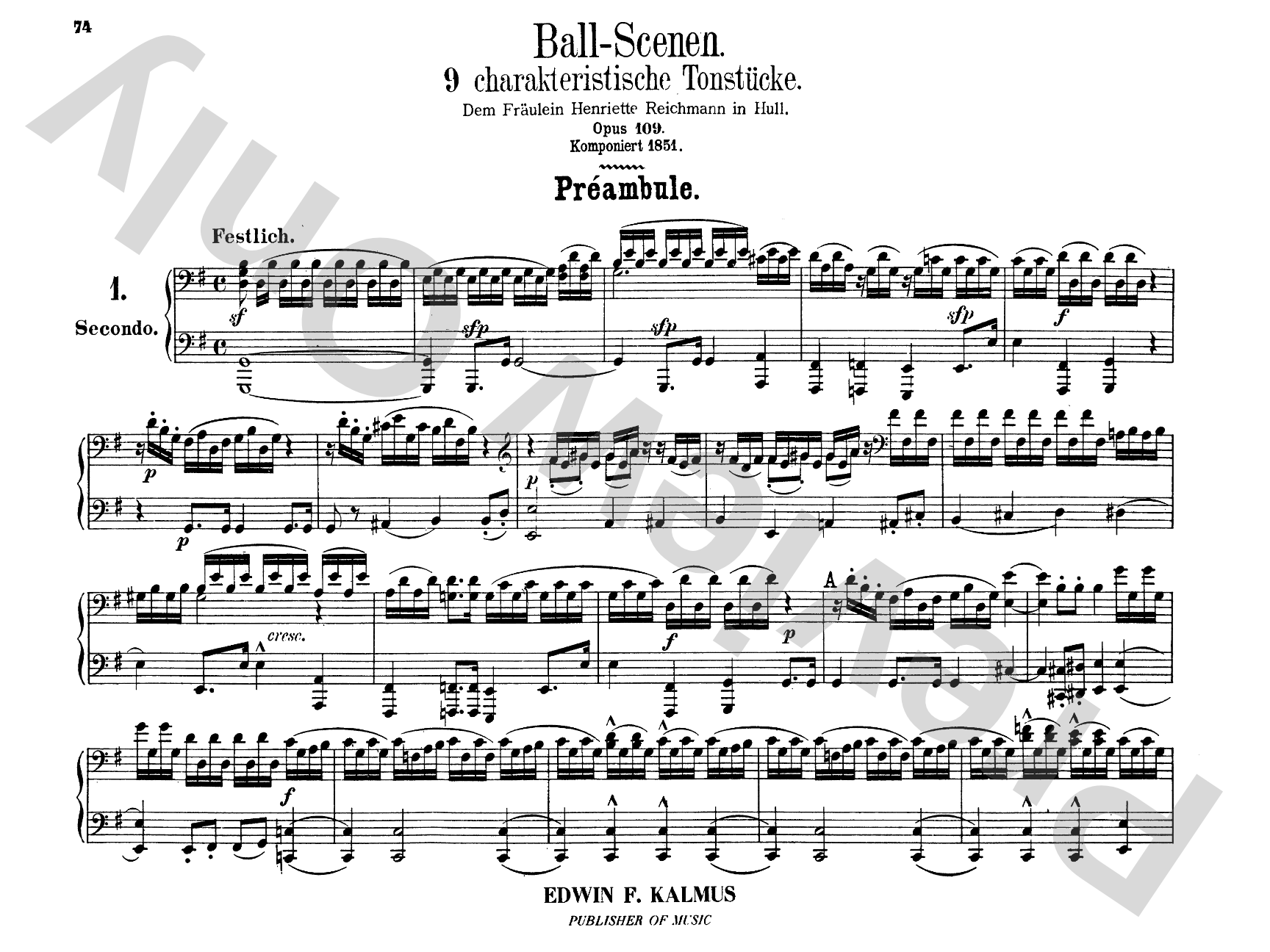
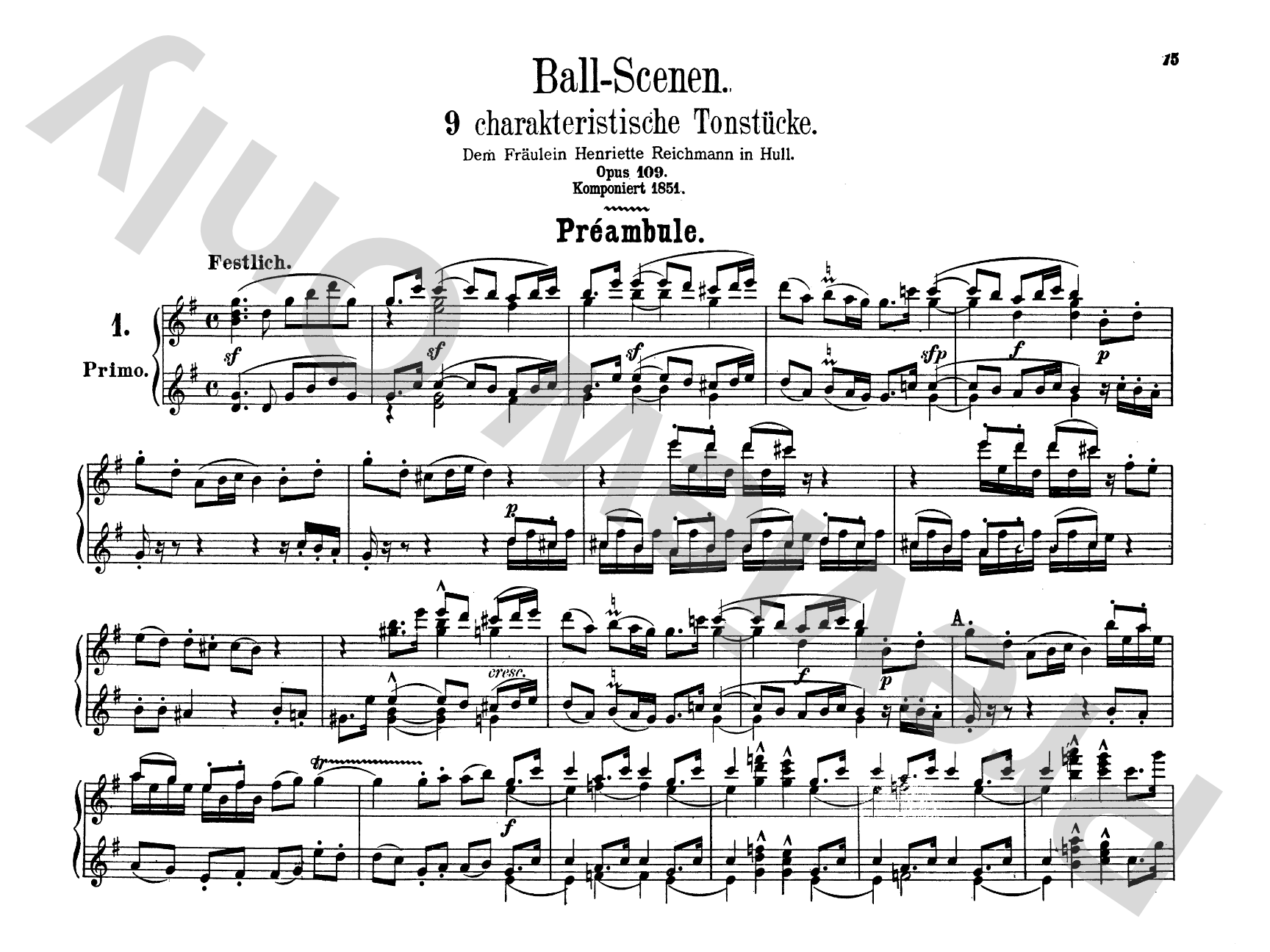
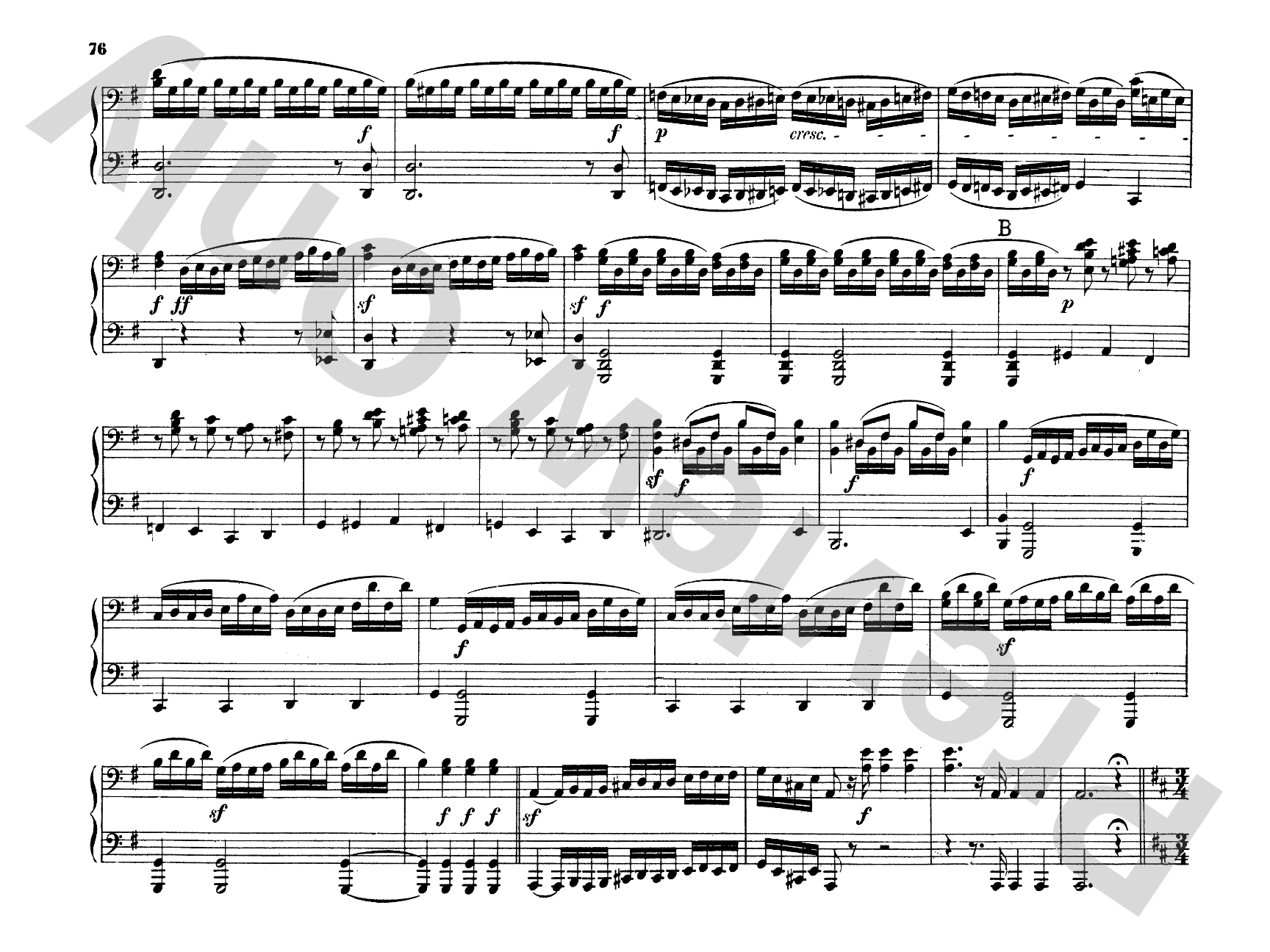
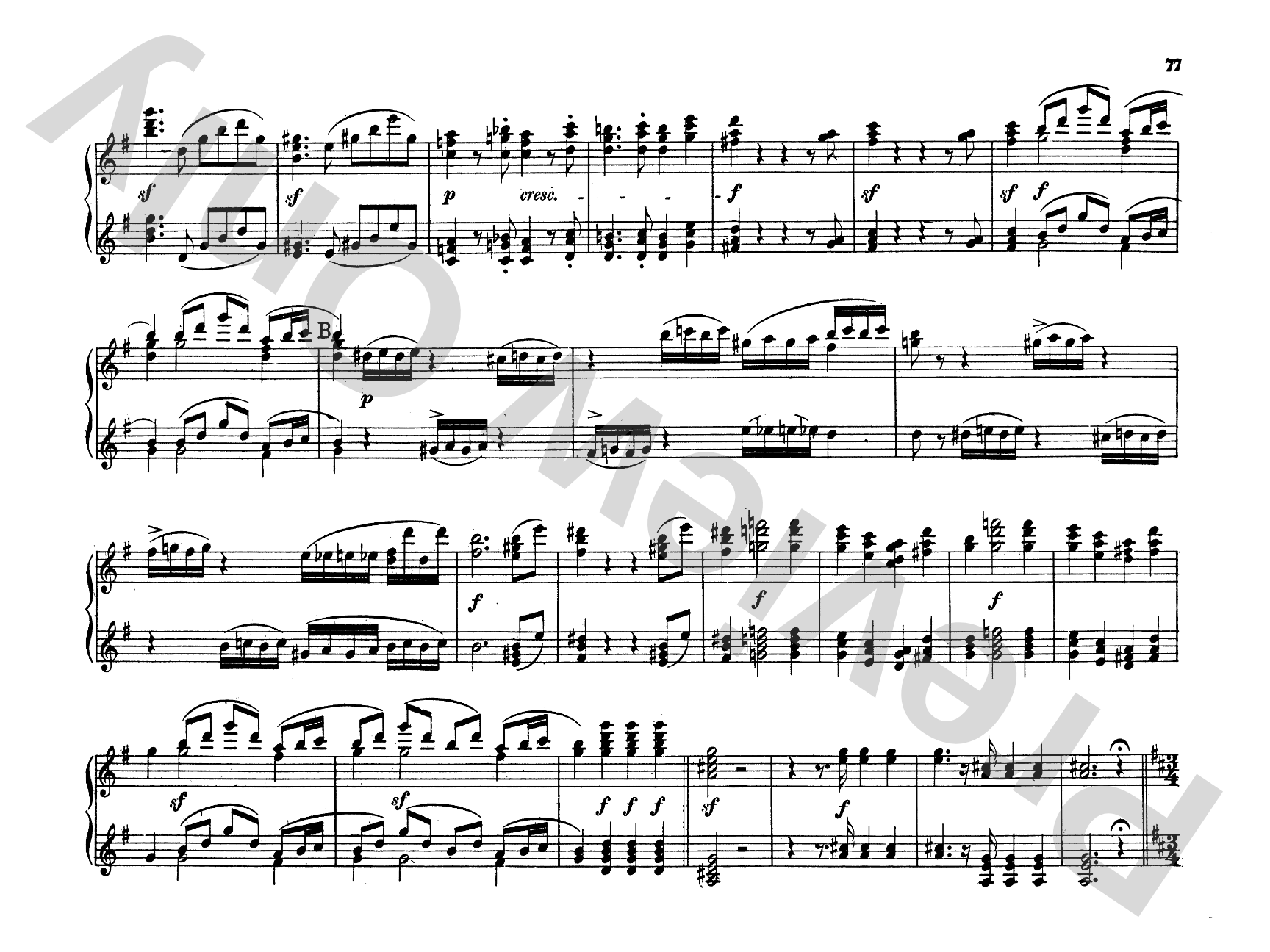

Schumann: Original Compositions for Four Hands, Volume II: Piano Duet (1 Piano, 4 Hands) Comb Bound Book
By Robert Schumann
Item: 00-PK-0003330

$14.99
Pickup currently not available
Buy Extra Parts (Digital PDF Download)
Parts Added to Cart!
Related Items
Original Compositions for Four Hands, Volume II: Piano Duet (1 Piano, 4 Hands) Comb Bound Book |
$14.95
|
View |
Description
Op. 109 & 103. The comb binding creates a lay-flat book that is perfect for study and performance.


Don't just read it, hear it, play along with it, and watch your students grow with it. In MakeMusic Cloud, Schumann: Original Compositions for Four Hands, Volume II: Piano Duet (1 Piano, 4 Hands) Comb Bound Book comes alive with professional accompaniment, adjustable tempo, and built-in practice tools that turn solo practice into real progress.
Open in the Player
Jump straight in and assign it today.
Start Your Free Trial
Open this title and explore the full library in minutes.
Sample Audio
No sample audio found.
Sample Video
No sample videos found.
Additional Details
Series:
Kalmus Edition
Publisher:
Alfred Music
Page Count:
68
SKU:
00-PK-0003330
More about this title
About the Composer: Robert Schumann
Robert Schumann (1810-1856) stands among the great Romantic composers, bridging the intimate world of the piano with orchestral ambition. His output spans symphonies, concertos, and chamber works, but the piano remained central to his voice throughout his life. Schumann brought unprecedented poetic depth to keyboard writing, infusing technical brilliance with emotional candor.
Why we love this
Four-hand writing was Schumann's laboratory for exploring texture and dialogue between two players. These works demand genuine musical partnership rather than a soloist-plus-accompaniment dynamic, making them rewarding for adult amateurs and advanced students who understand ensemble listening. The comb binding lets both players read comfortably without closing the book, a practical gift for rehearsal and performance.
What to expect
These works shimmer with Romantic introspection and conversational warmth. The two players weave together like voices in dialogue, moving from lyrical passages that seem to float above the keyboard to moments of passionate intensity where the texture locks into rich harmonic clusters. There is no showiness here, only the honest exchange of musical ideas between two minds at one instrument.
Who it's for
Pianists with solid technique and musical maturity who want to explore Schumann's chamber writing without doubling an orchestra. Adult amateurs and upper-level students benefit most, as the works assume confident note-reading and interpretive judgment. Teachers seeking four-hand repertoire that treats both players as equals will find genuine partners here.
How to get the most out of it
- Establish your tempo rubato vocabulary before playing through. Schumann's romantic phrasing lives in small fluctuations of time; agree on where the secondo holds steady and where the primo breathes.
- Balance the treble voices with the bass line in mind. The primo often carries melody, but the secondo's foundation shapes the harmonic color; neither part should overshadow the other.
- Practice hands separately at first, then map out the dynamic architecture together. Schumann layers textures vertically; marking where each voice crests helps both players serve the whole.
- Test the acoustics of your performance space early. These pieces unfold in intimate detail; a hall suited only for larger ensembles can muddy Schumann's motivic work.
How to use it
Pair these works with other chamber or solo repertoire to showcase the duet tradition within a recital. They also serve well in educational settings where ensemble playing deepens students' listening and collaborative skills. Consider programming one four-hand piece as a bridge between solo and small-ensemble segments.
Skills your students will build
- Balancing two melodic voices at the same keyboard
- Reading and executing Romantic-era rubato and phrasing conventions
- Listening actively to a partner's sound and adjusting ensemble balance
- Interpreting Schumann's poetic harmonic language and textural layering
- Coordinating pedaling across two players to achieve unified color