
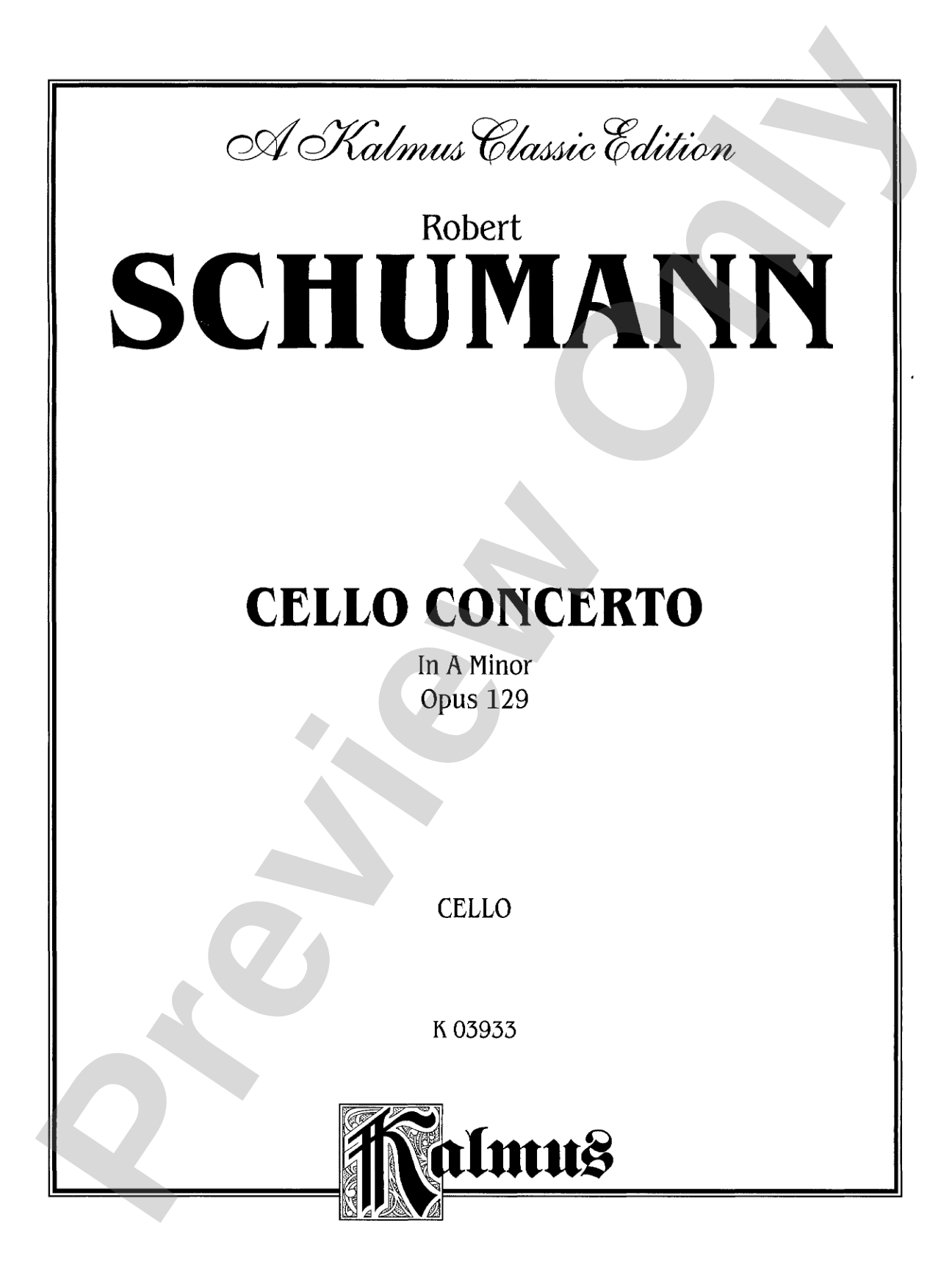
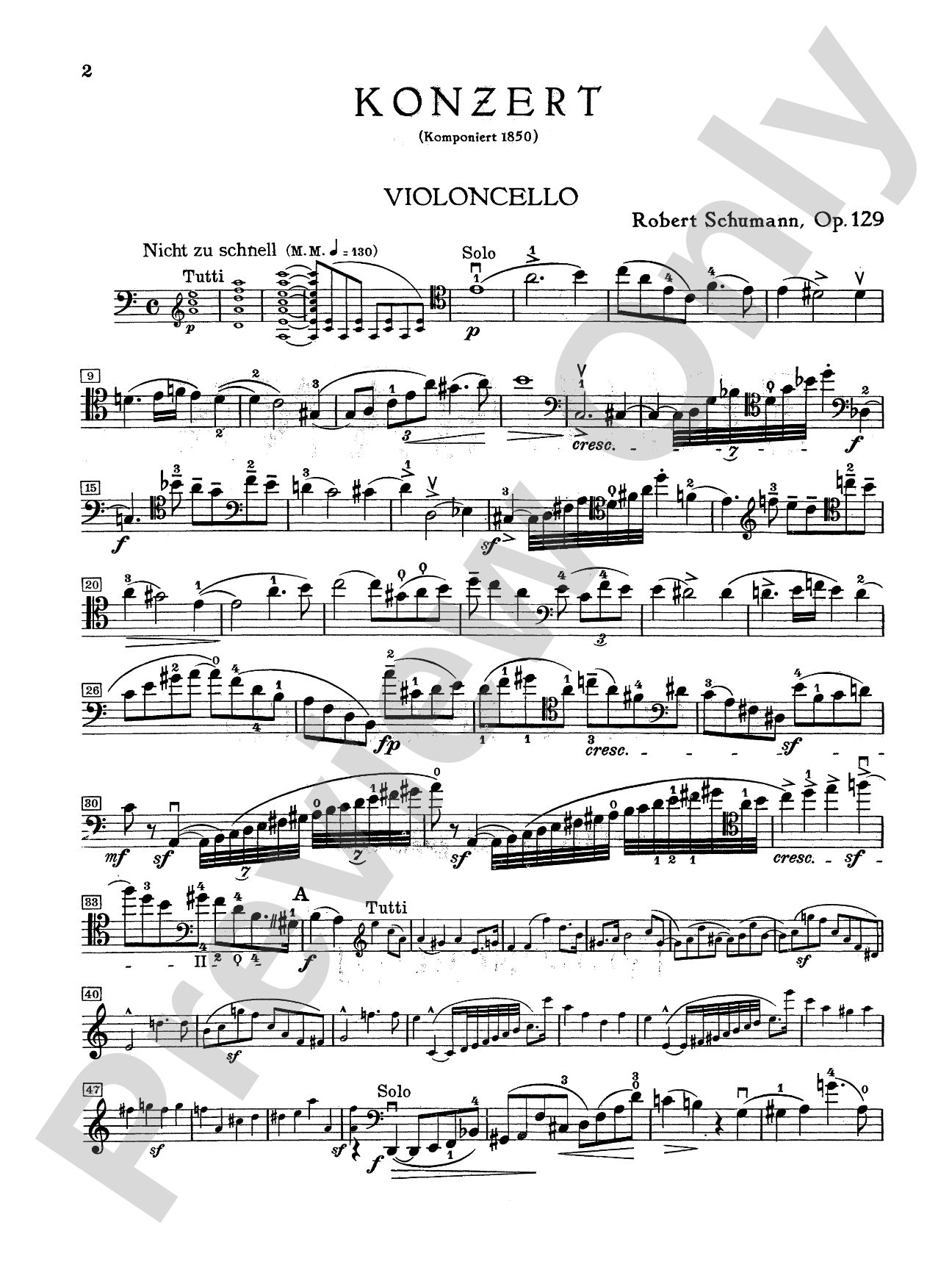
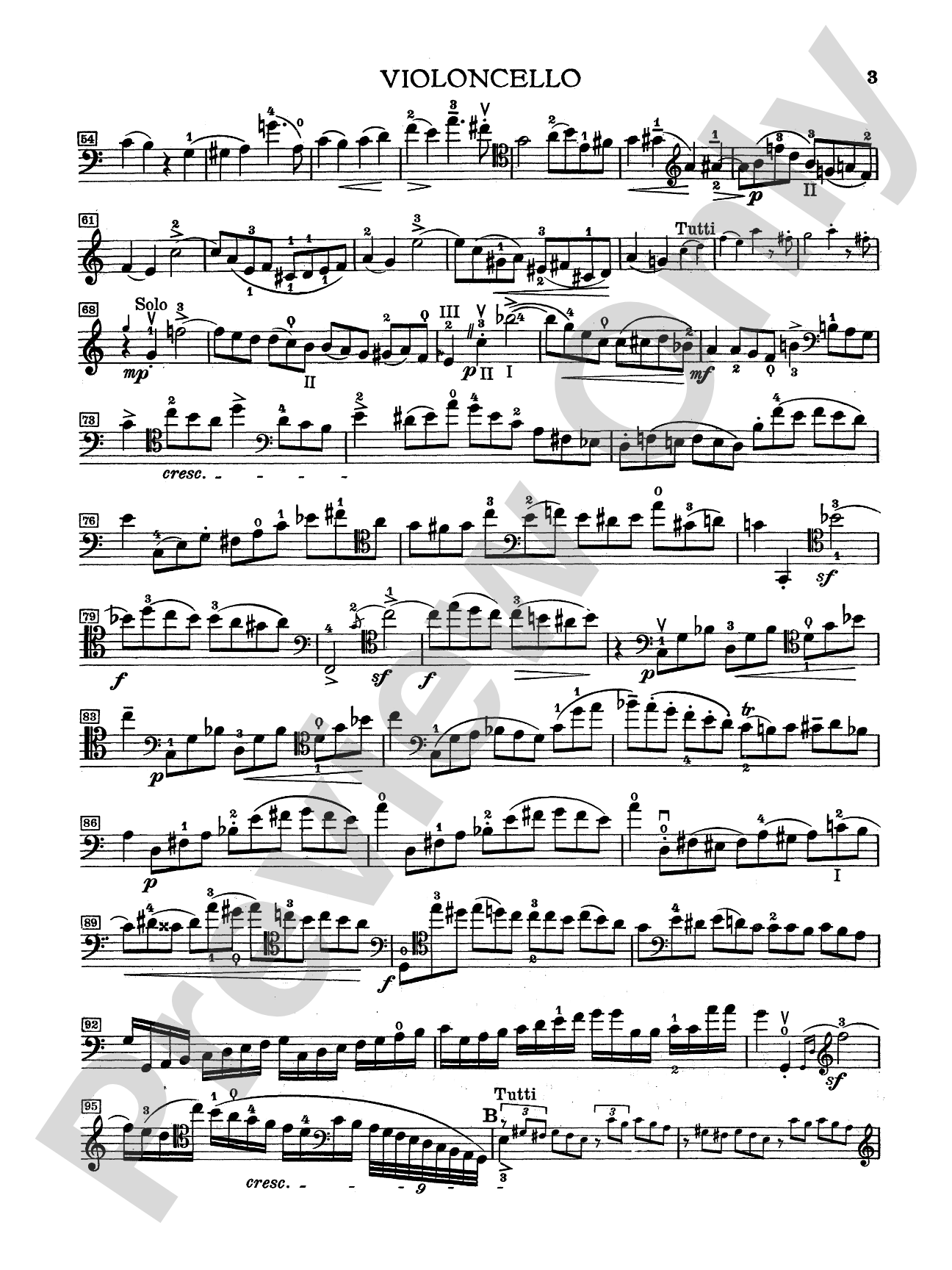
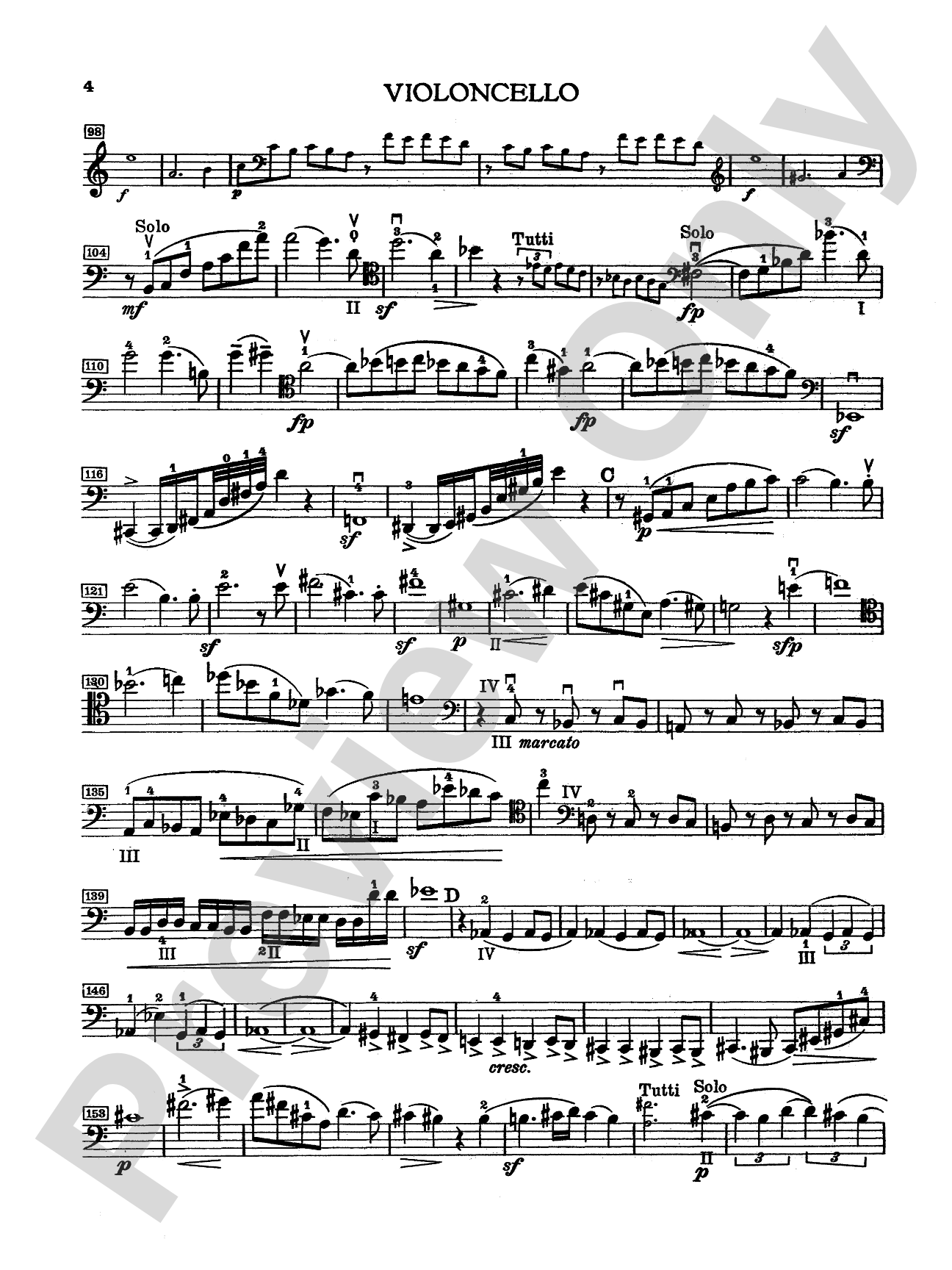
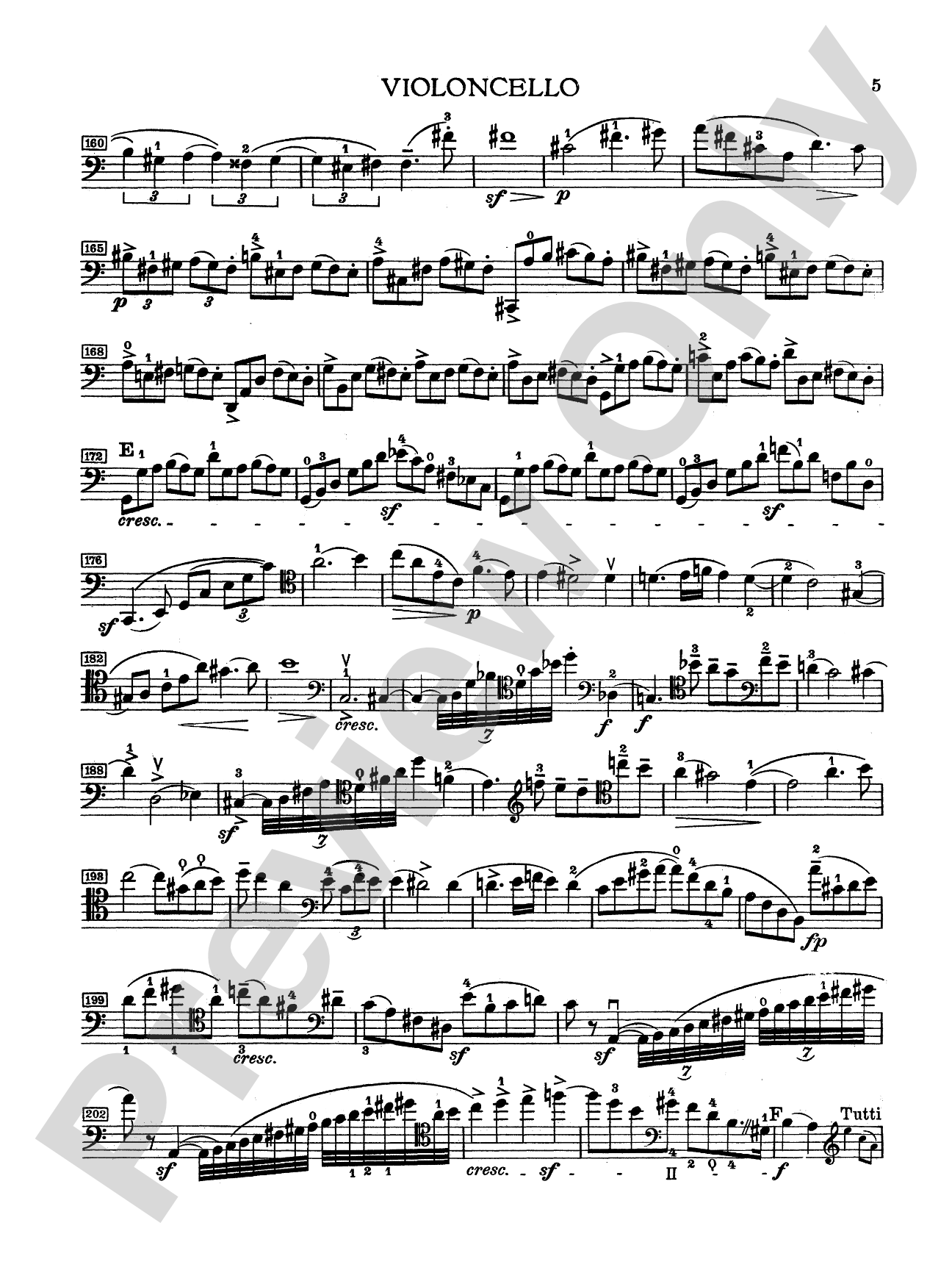
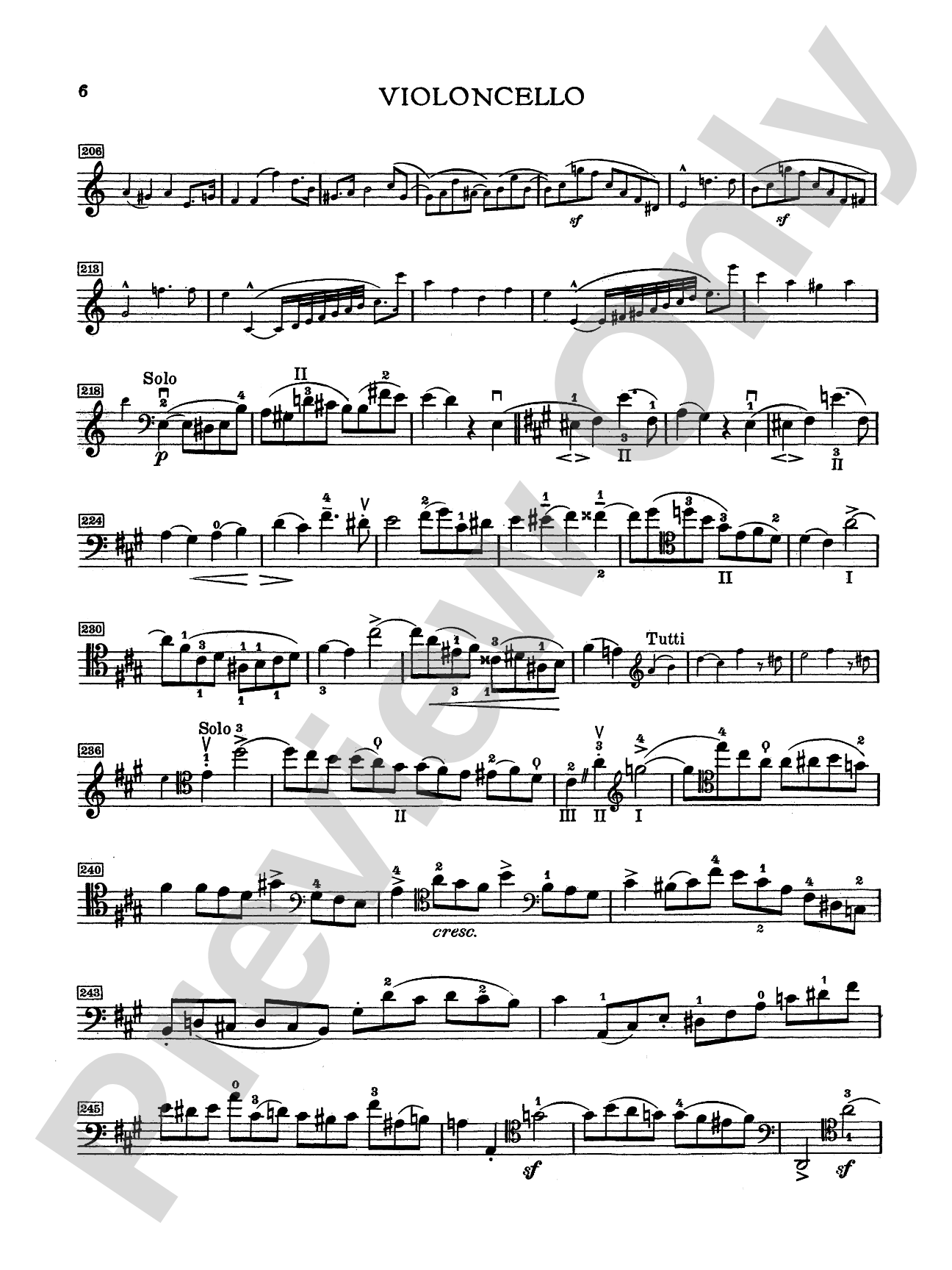
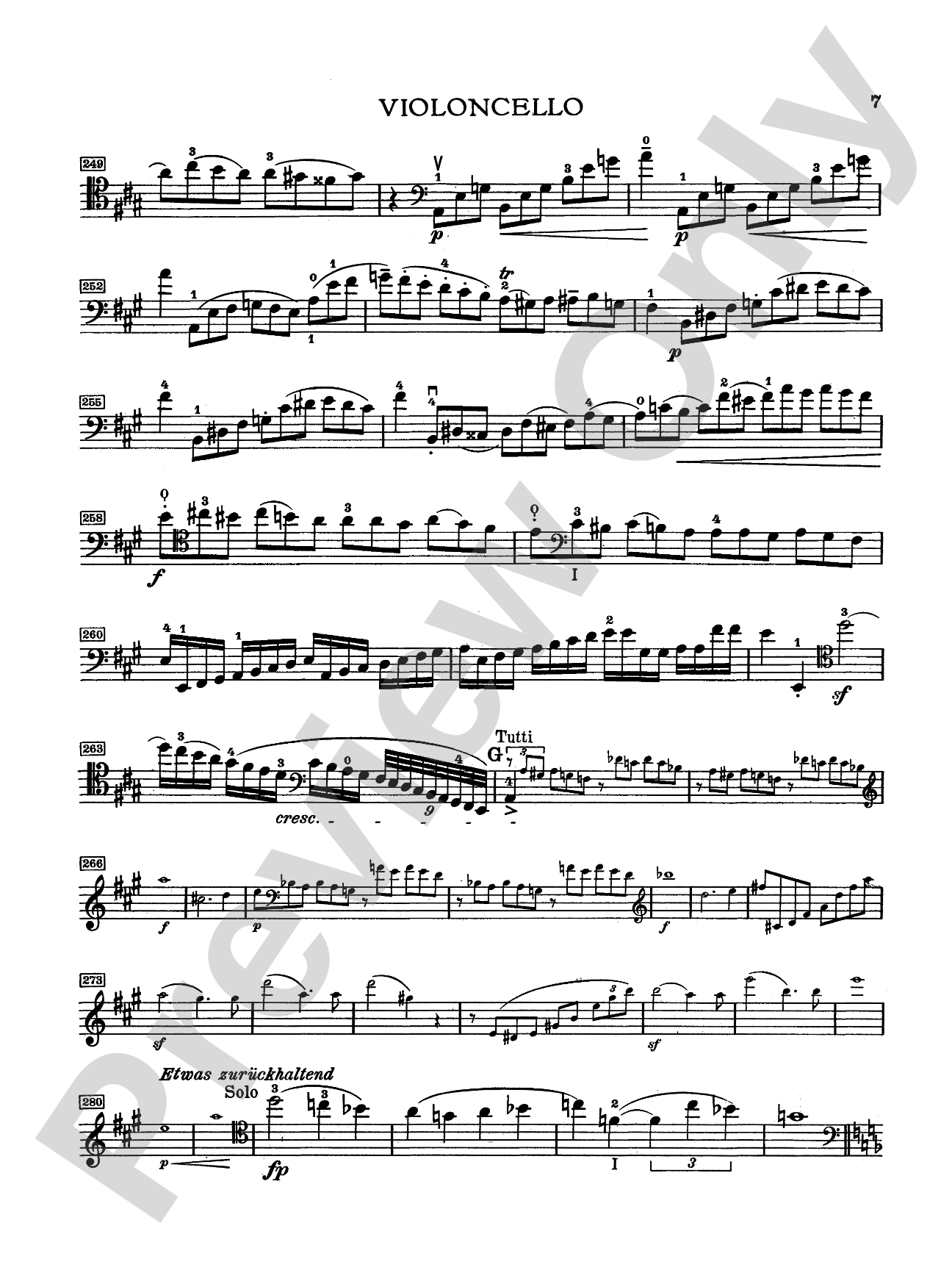
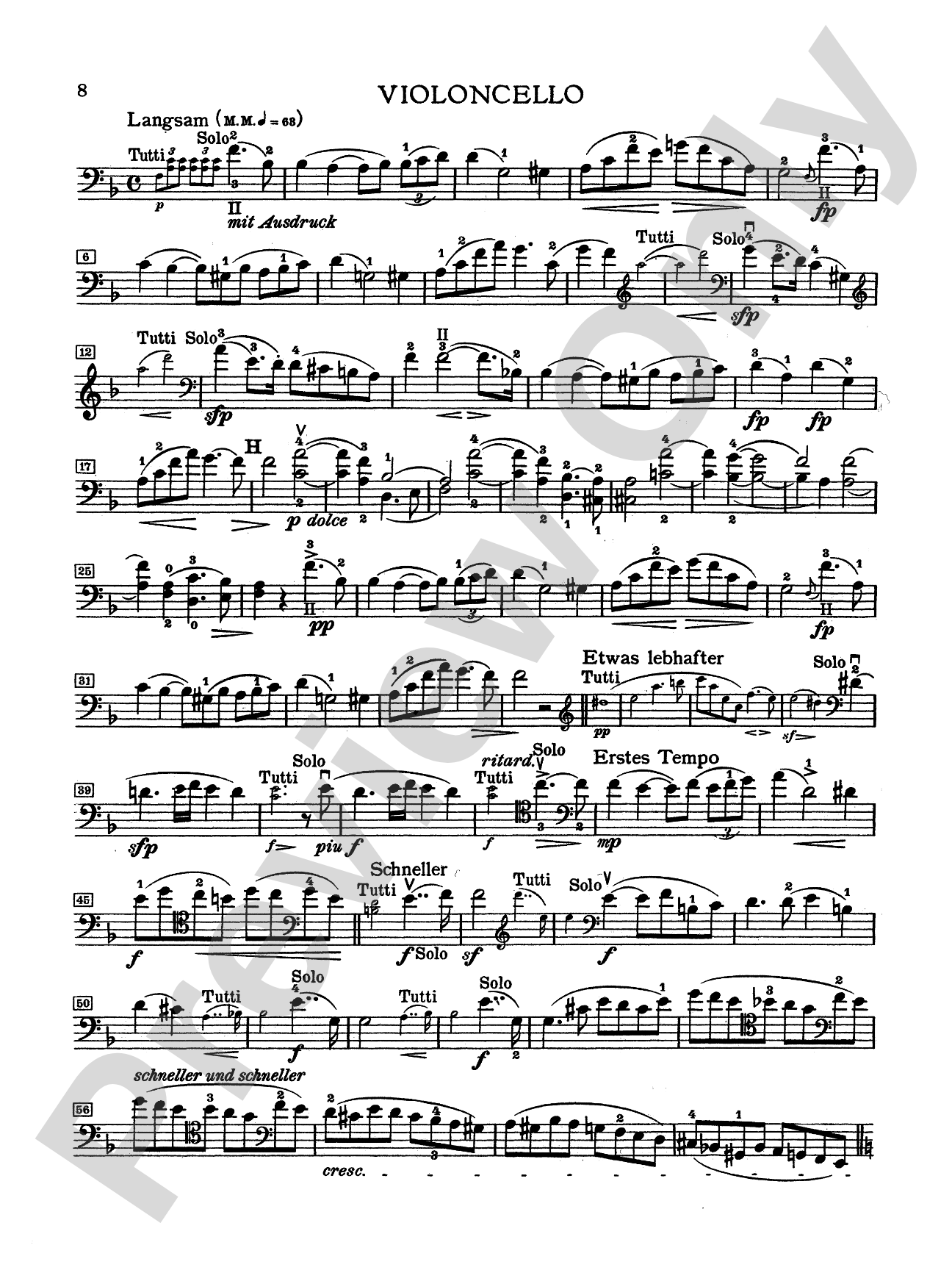
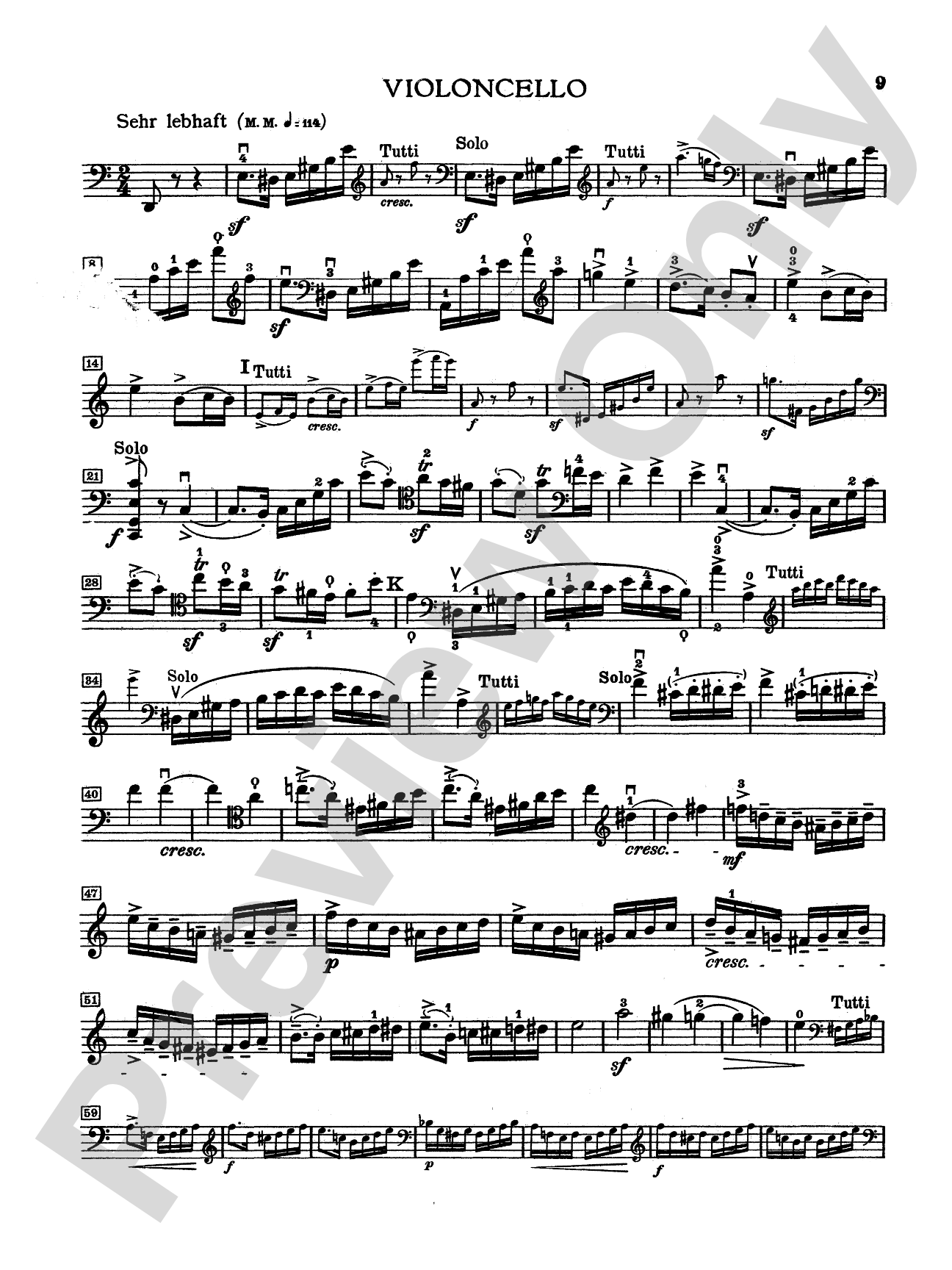
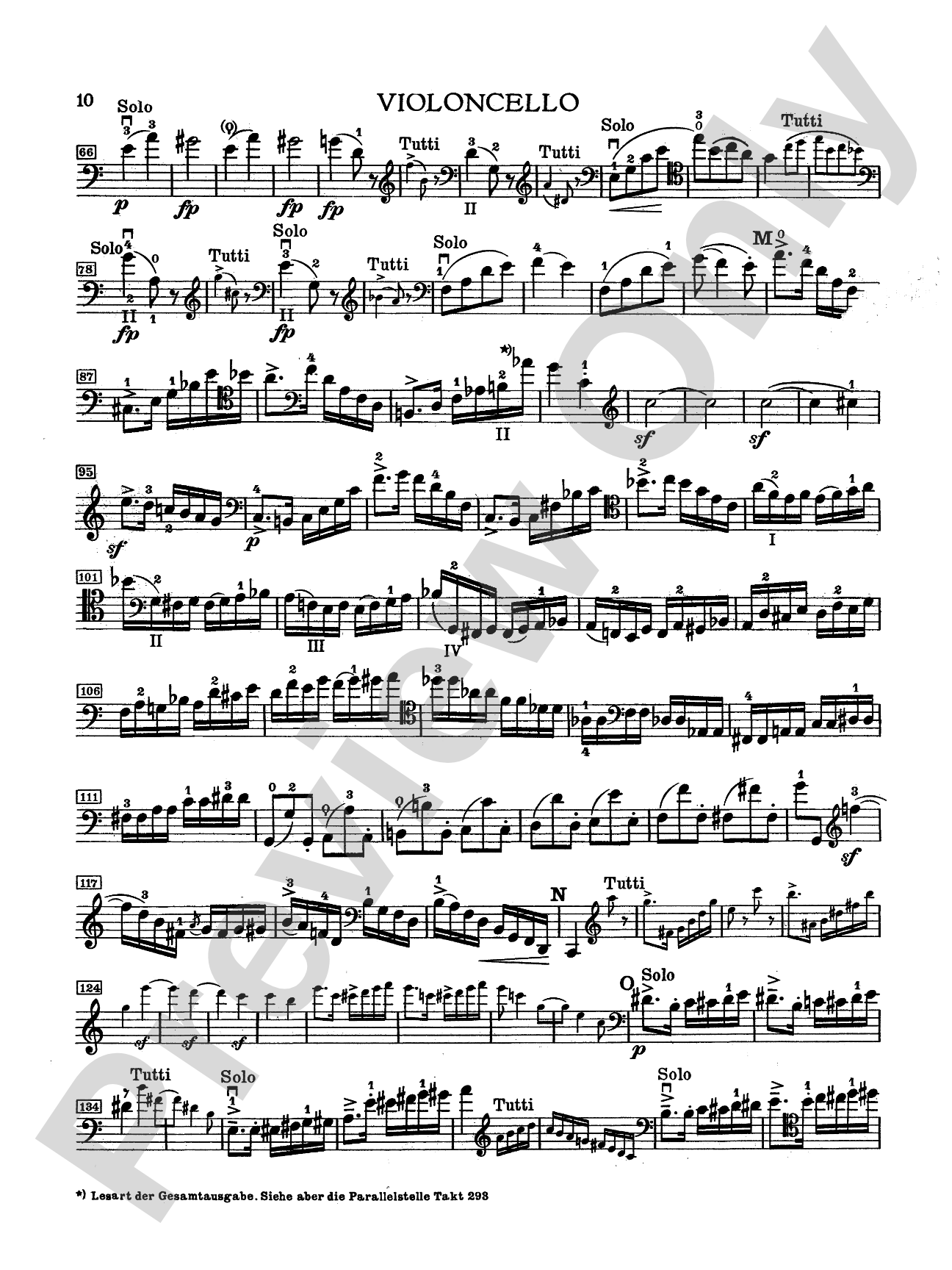
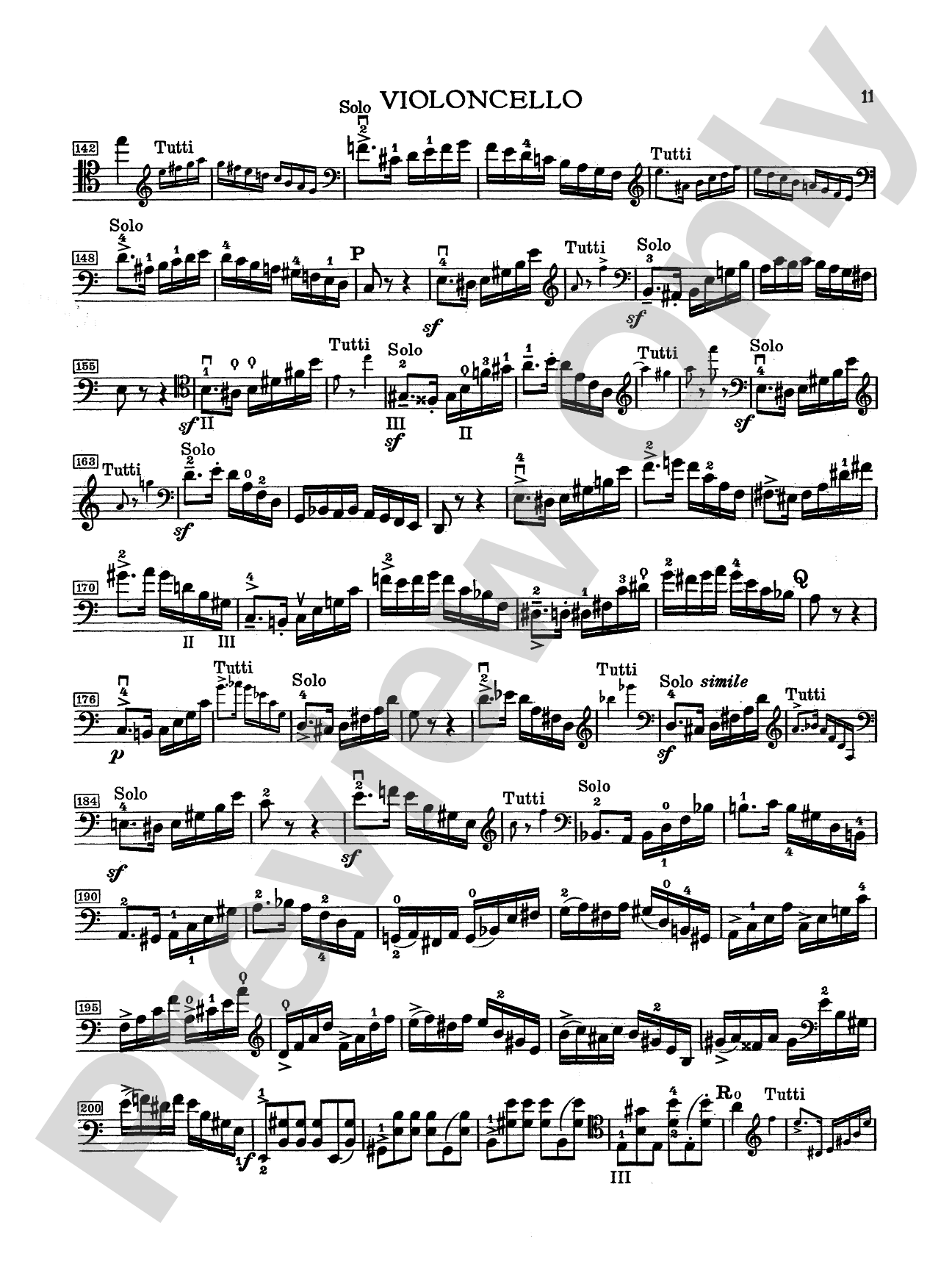
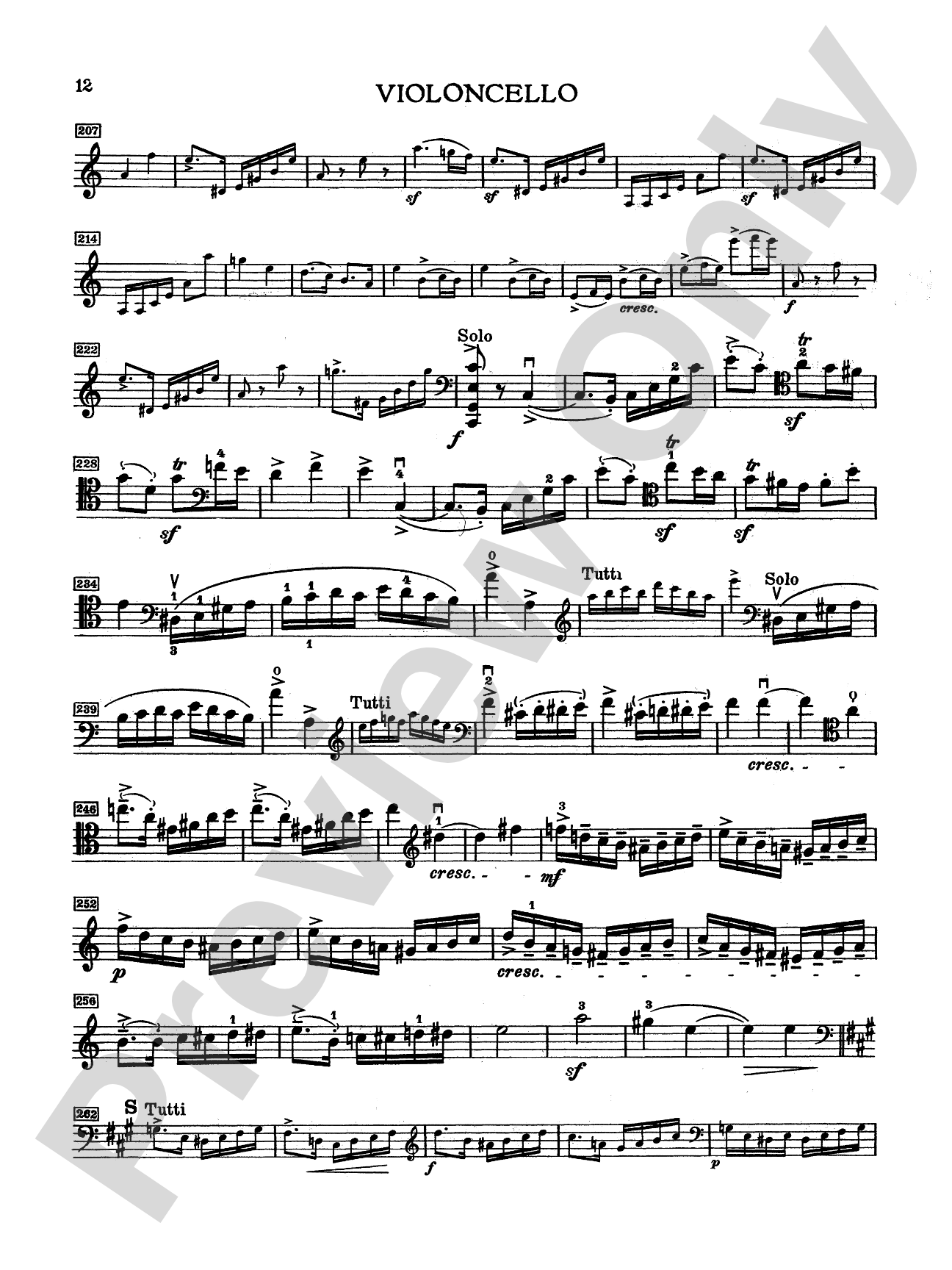
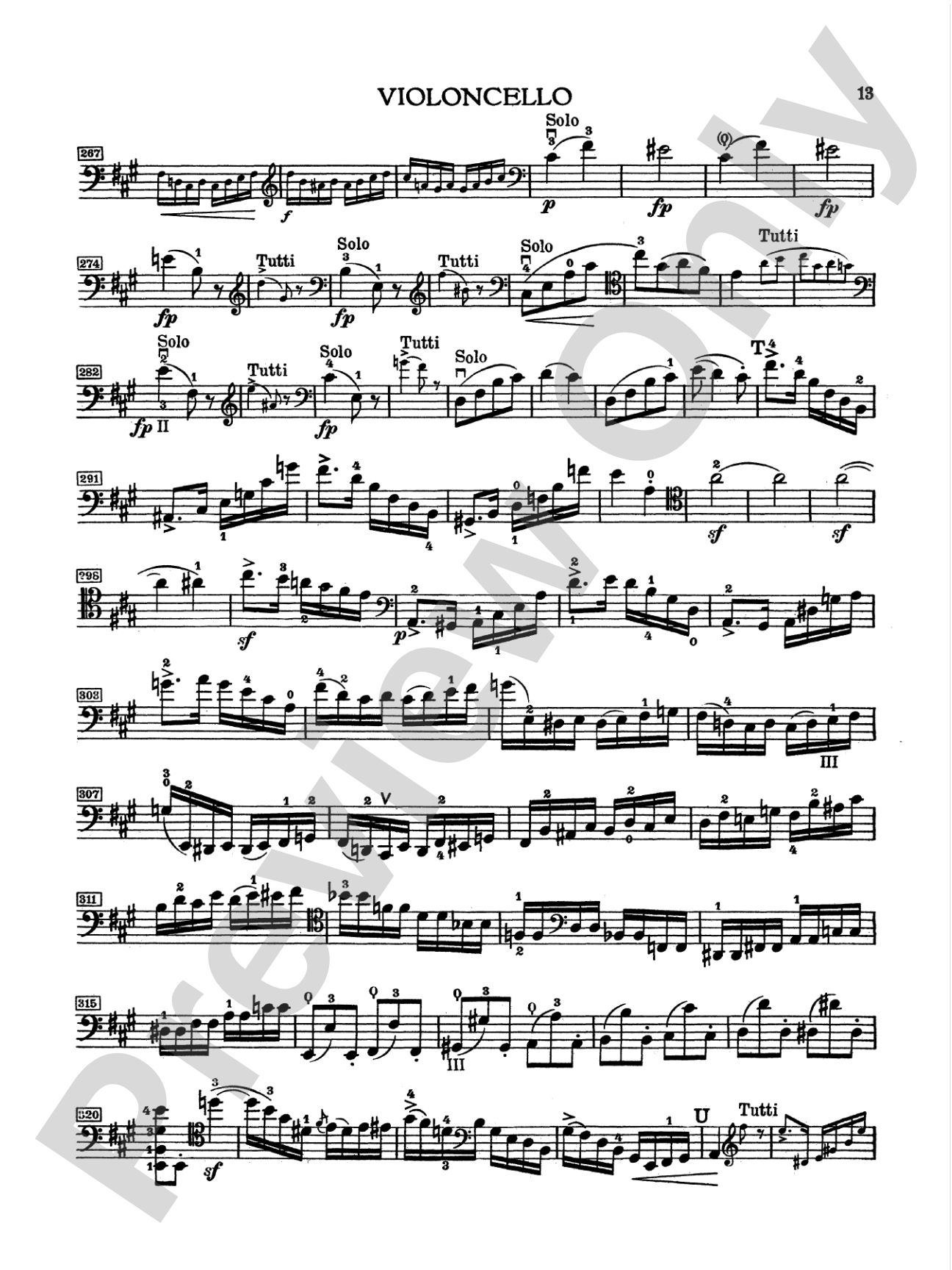
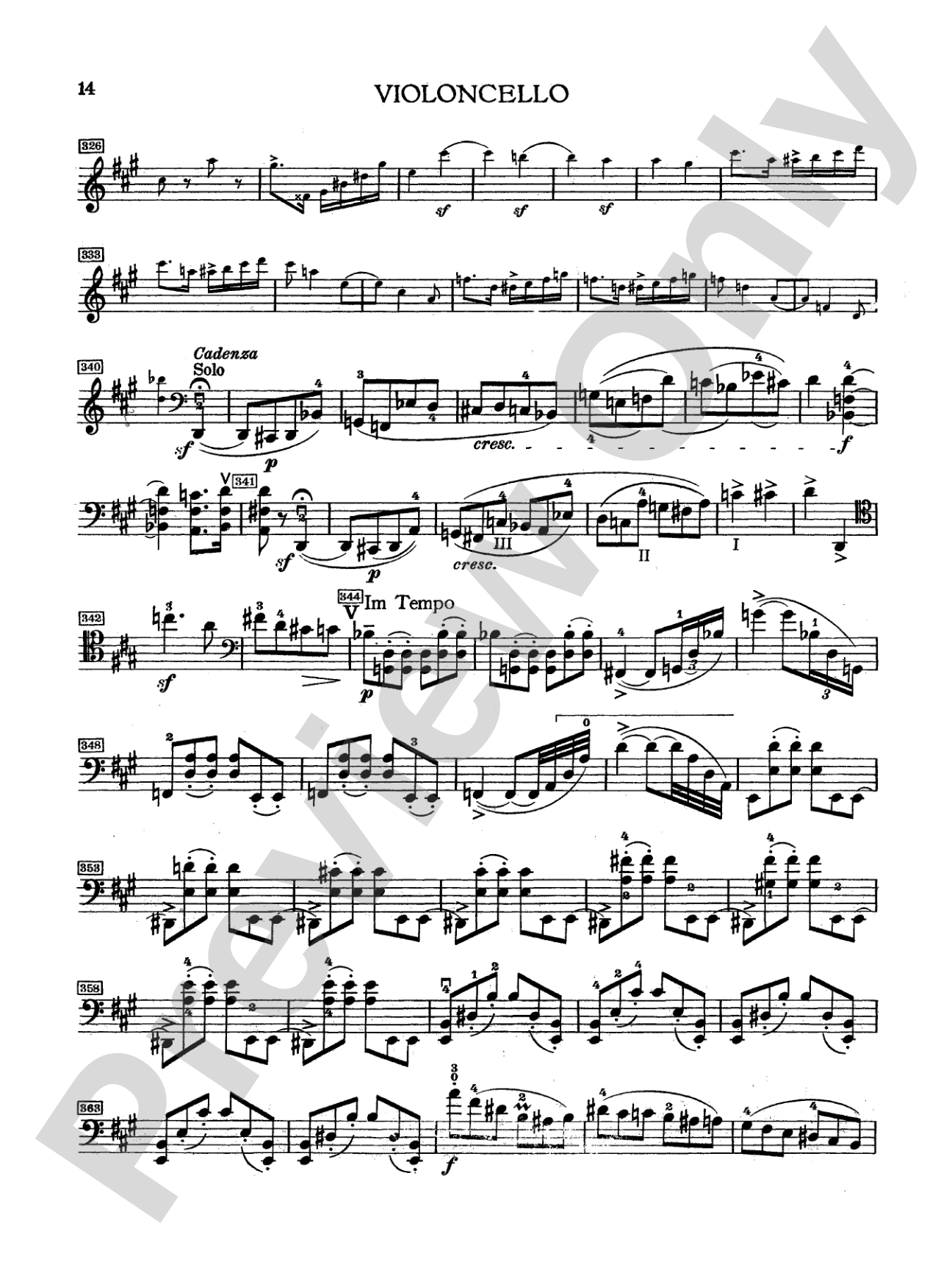
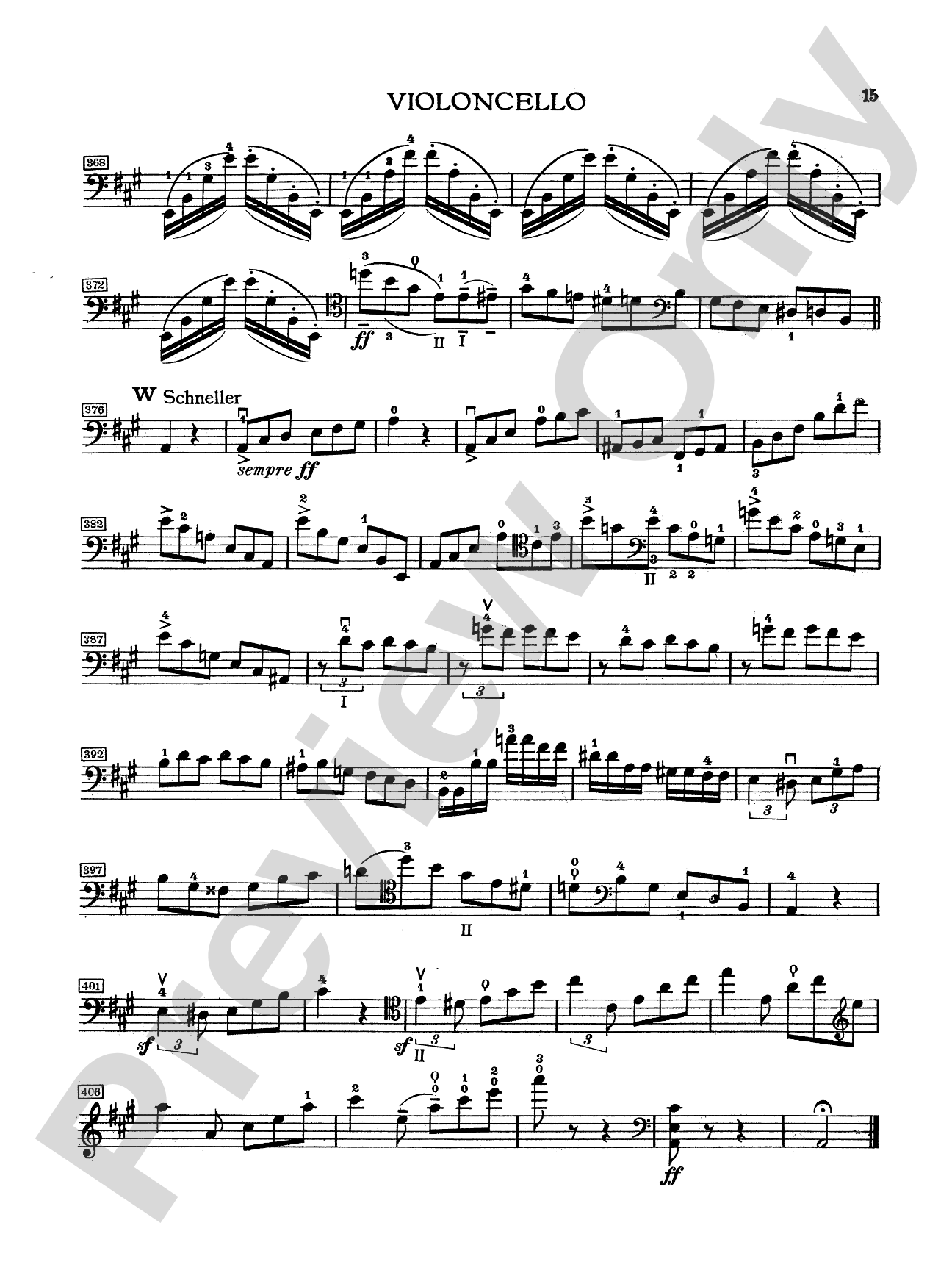


Schumann: Cello Concerto in A Minor, Op. 129: Cello Book
By Robert Schumann
Item: 00-PK-0003336

$12.99
Pickup currently not available
Buy Extra Parts (Digital PDF Download)
| Product | Price | Quantity |
|---|---|---|
| Schumann: Cello Concerto in A Minor, Op. 129 | $5.99 | |
| Schumann: Cello Concerto in A Minor, Op. 129 | $5.95 |
Parts Added to Cart!
Related Items
Cello Concerto, Opus 129: Cello Book |
$12.95
|
View |
Description
A Cello solo with Piano Accompaniment composed by Robert Schumann.


Don't just read it, hear it, play along with it, and watch your students grow with it. In MakeMusic Cloud, Schumann: Cello Concerto in A Minor, Op. 129: Cello Book comes alive with professional accompaniment, adjustable tempo, and built-in practice tools that turn solo practice into real progress.
Open in the Player
Jump straight in and assign it today.
Start Your Free Trial
Open this title and explore the full library in minutes.
Sample Audio
No sample audio found.
Sample Video
No sample videos found.
Additional Details
Series:
Kalmus Edition
Publisher:
Alfred Music
Page Count:
48
SKU:
00-PK-0003336
More about this title
About the Composer: Robert Schumann
Robert Schumann (1810-1856) was a Romantic composer whose chamber and orchestral works bridged the lyrical intimacy of Lieder with large ensemble color. Though trained as a pianist and critic, he composed across all genres and became one of the nineteenth century's most influential voices in reshaping what concert music could express. His concertos for solo instrument and orchestra represent some of the most grateful and musically substantial writing in the standard repertoire.
Schumann's approach to the concerto form prioritized the soloist's voice as a singing partner within the orchestration rather than as a display vehicle. The Cello Concerto, completed in 1850 near the end of his life, exemplifies this philosophy with its lyrical themes, structural clarity, and generous passagework that rewards both technical and musical maturity.
Why we love this
Schumann's Cello Concerto stands apart from its virtuosic Romantic contemporaries through its genuine melodic invention and architectural poise. The work sits at an ideal point between technical accessibility and artistic depth, offering cellists a path into the major concerto literature that does not demand pyrotechnics but instead rewards phrase-singing and structural understanding. It remains a touchstone for competitions and festivals because it reveals the cellist's musical maturity as much as technical facility.
What to expect
The Cello Concerto unfolds with the warmth and directness of a nineteenth-century German Lied, yet within a three-movement formal structure of genuine architectural weight. Its melodies emerge with a singer's phrasing, the accompaniment responds with lyrical partnership rather than orchestral bombast, and the overall effect is one of intimate dialogue between soloist and ensemble despite the grand concerto context. You emerge from it not breathless from virtuosity, but moved by the sincerity of what has been expressed.
Who it's for
This edition serves advanced cellists preparing for competitions, festival performances, or ambitious recital programming. It is equally valuable for mature students studying the Romantic concerto repertoire and for teachers seeking a substantial solo work that balances technical growth with genuine artistry.
How to get the most out of it
- Shape the opening theme as if it were a cello song without words; Schumann's orchestration here is sparse, and your tone must carry the entire emotional weight of the introduction.
- Track the harmonic motion carefully through the development sections. The piano reduction can obscure the original orchestral clarity, so study the internal voices to understand where the key and emotional center shifts.
- Observe the dynamic markings with precision. Schumann often marks sudden drops in texture that signal formal turning points; honor these gestures rather than smoothing over them.
- Give the slower middle movement space and breath. Resist rushing toward the finale; this movement contains some of Schumann's most intimate writing and sets up the final return all the more effectively.
How to use it
Position this concerto as the centerpiece of a recital devoted to Romantic chamber works, pairing it with sonatas or smaller character pieces that share Schumann's aesthetic sensibility. It also works well on youth orchestra or chamber music festival programs where it can anchor a half-program alongside orchestral accompaniment rather than piano. For competitive students, it has established itself as a major choice at the advanced high school and early undergraduate levels.
Skills your students will build
- Sustaining long melodic lines through harmonic changes
- Balance and blend in chamber texture (soloist and piano partnership)
- Phrasing across phrase marks and through formal sections
- Interpreting Romantic-era dynamic and expressive markings
- Navigation of the three-movement concerto form
- Confidence in fast passagework within a musical context rather than as display