
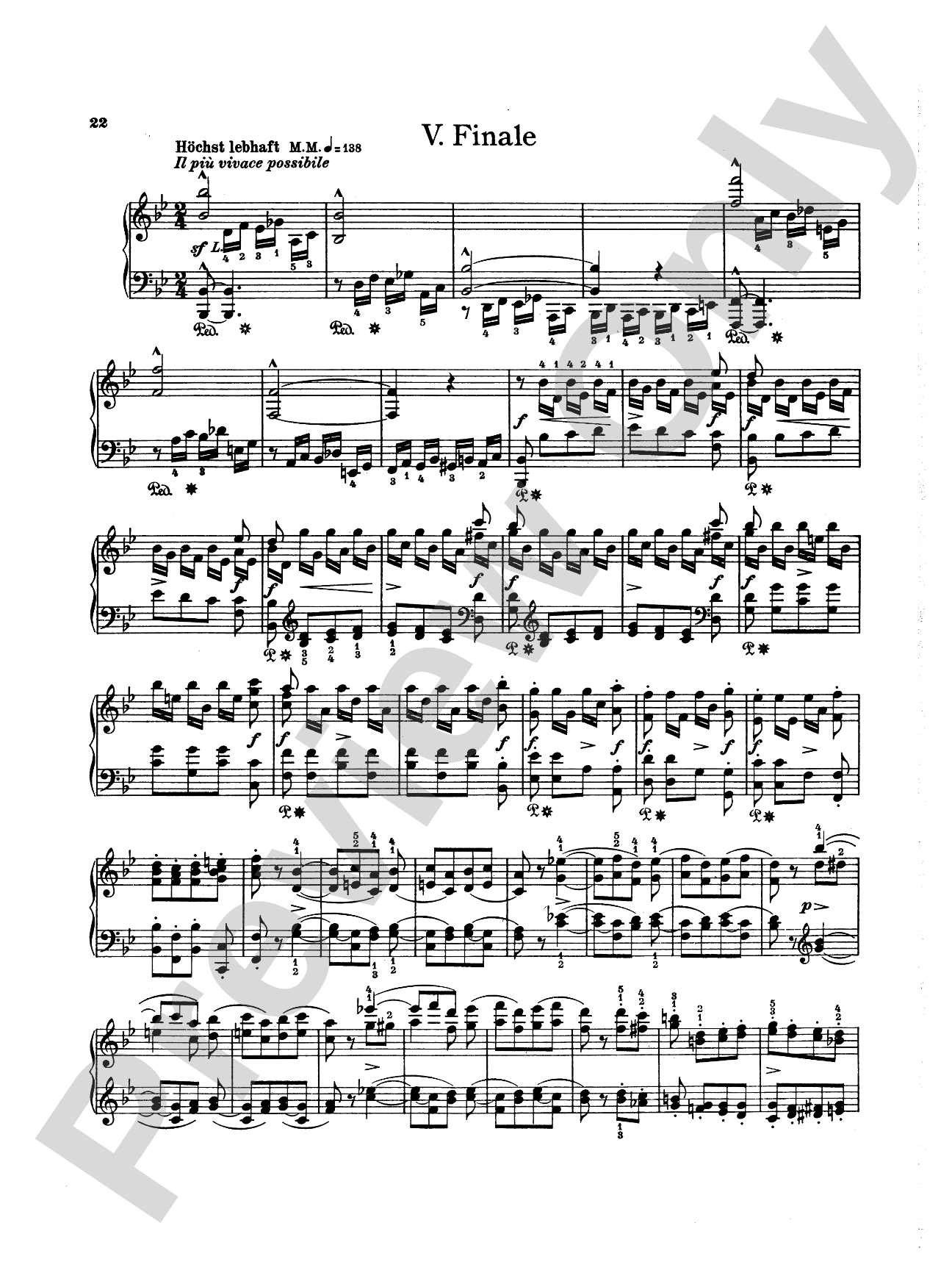
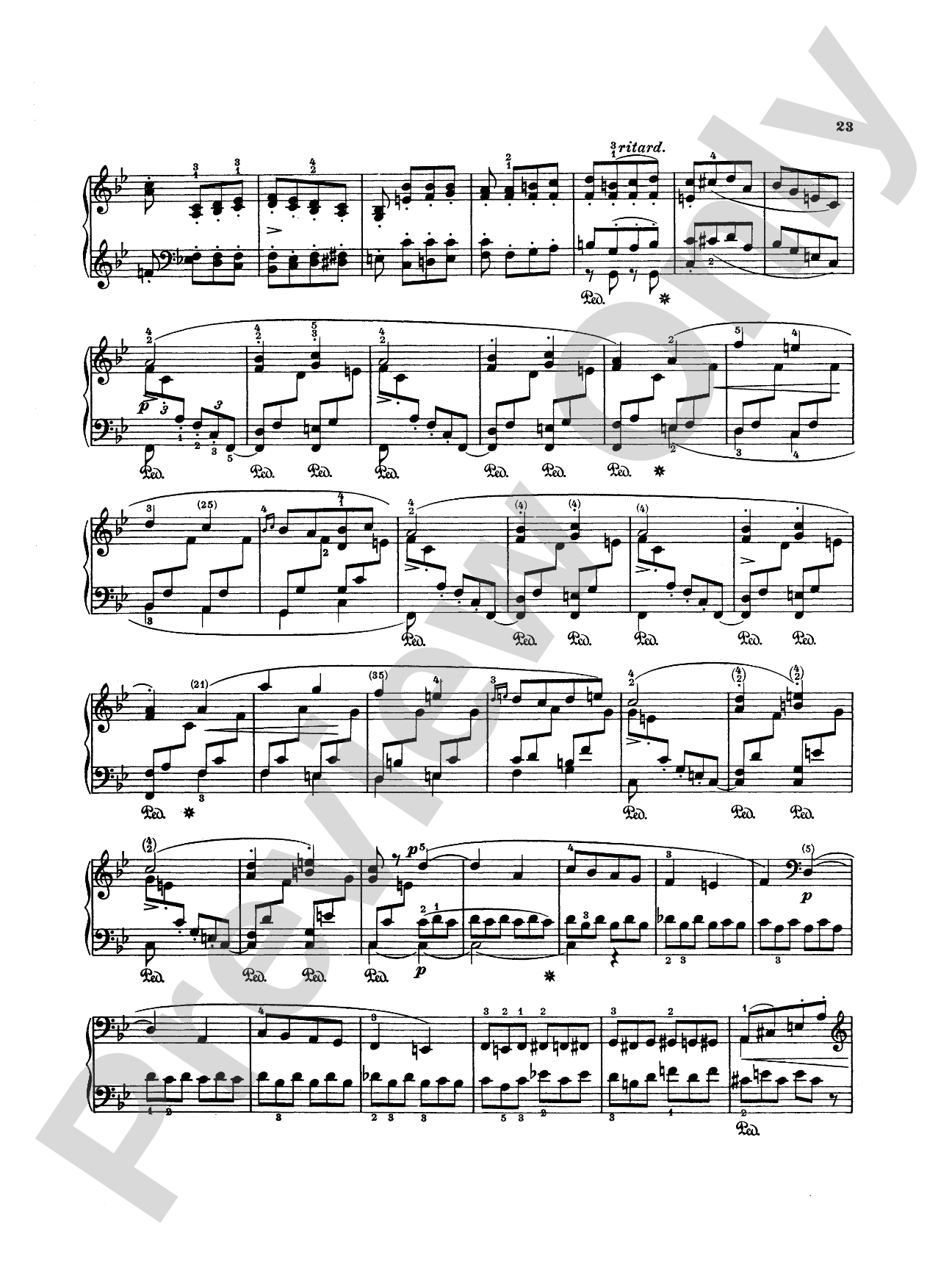

Schumann: Carnival Jest from Vienna, Op. 26
By Robert Schumann
Level: Intermediate / Advanced
Item: 00-PC-0009274
$0.99
Pickup currently not available
Description
Expertly arranged piano solo from our Kalmus Edition.


Don't just read it, hear it, play along with it, and watch your students grow with it. In MakeMusic Cloud, Schumann: Carnival Jest from Vienna, Op. 26 comes alive with professional accompaniment, adjustable tempo, and built-in practice tools that turn solo practice into real progress.
Open in the Player
Jump straight in and assign it today.
Start Your Free Trial
Open this title and explore the full library in minutes.
Sample Audio
No sample audio found.
Sample Video
No sample videos found.
Additional Details
Series:
Kalmus Edition
Publisher:
Alfred Music
Page Count:
32
SKU:
00-PC-0009274
More about this title
About the Composer: Robert Schumann
Robert Schumann (1810–1856) was a composer, critic, and pianist whose work bridged Romanticism's emotional intensity with rigorous formal structure. He composed prolifically across all genres, but his piano works remain cornerstones of the Romantic repertoire, prized for their poetic imagination, harmonic adventurousness, and technical demands that continue to challenge advanced pianists today.
Schumann's career was shaped equally by his dual gifts as a composer and music journalist. Through his writing, he championed new composers and articulated a vision of music as personal expression rooted in literary and cultural ideas. This philosophy infuses his own works, particularly his character pieces and large-scale cycles, which invite performers to discover narrative and dramatic depth beneath the surface.
Why we love this
Carnival Jest from Vienna captures Schumann at his most inventive, with rapid figurations, unexpected harmonic turns, and a playful energy that demands both technical facility and interpretive flair. The Kalmus Edition provides a reliable, cleanly engraved text that lets the music's rhythmic complexity and pianistic color shine without editorial distraction. Programmers seeking substantial intermediate-advanced solo work that stretches beyond the standard Romantic canon will find this piece delivers genuine musical substance without overshadowing a recital.
What to expect
Schumann's Vienna jest sparkles with wit and restless energy, driven by bustling passagework and unexpected harmonic detours that keep the ear off balance in the best way. The piece cycles between moments of playful virtuosity and sudden harmonic turns, with the underlying current of Viennese salon culture lending both sophistication and mischief. Its character feels intimate and theatrical at once, as if Schumann is sharing an inside joke with the listener.
Who it's for
Advanced intermediate to advanced pianists seeking ambitious Romantic solo repertoire beyond the familiar Schumann canon. Teachers preparing students for upper-level competitions, recitals, or honors-level study will find a work that rewards deep engagement with harmonic language and structural design. This piece belongs in the hands of pianists comfortable with rapid figuration and interpretive independence.
How to get the most out of it
- Separate the rapid passagework into manageable rhythmic units during practice; Schumann's figuration often traces underlying harmonic motion that becomes clearer when you identify where the root movement lands.
- Attend to the dynamic shadings and tempo fluctuations as structural markers. The piece's character shifts depend on precise control of touch and phrasing, not just speed.
- Balance the clarity of accompanying figures against melodic lines. Schumann frequently embeds the principal voice within or beneath the texture, requiring selective voice leading.
- Approach the jestful character through articulation and rhythmic precision rather than aggressive tempo. The humor emerges from detail and surprise, not volume.
How to use it
Place this as a centerpiece in a solo recital highlighting Schumann's piano works, or pair it with his other character pieces to showcase the range of his miniature forms. It works especially well in a program exploring Romantic nationalism or Vienna's musical culture, where its title and spirited character anchor a thematic arc. Consider it for spring recitals or competitions where advanced pianists need material that combines substance with genuine audience engagement.
Skills your students will build
- Managing rapid sixteenth-note and thirty-second-note figurations at tempo
- Identifying and balancing multiple voices within complex textures
- Navigating unexpected harmonic progressions and key relationships
- Sustaining interpretive control through dynamic contrast and articulation
- Reading and executing Schumann's characteristic rubato and tempo flexibility indications