
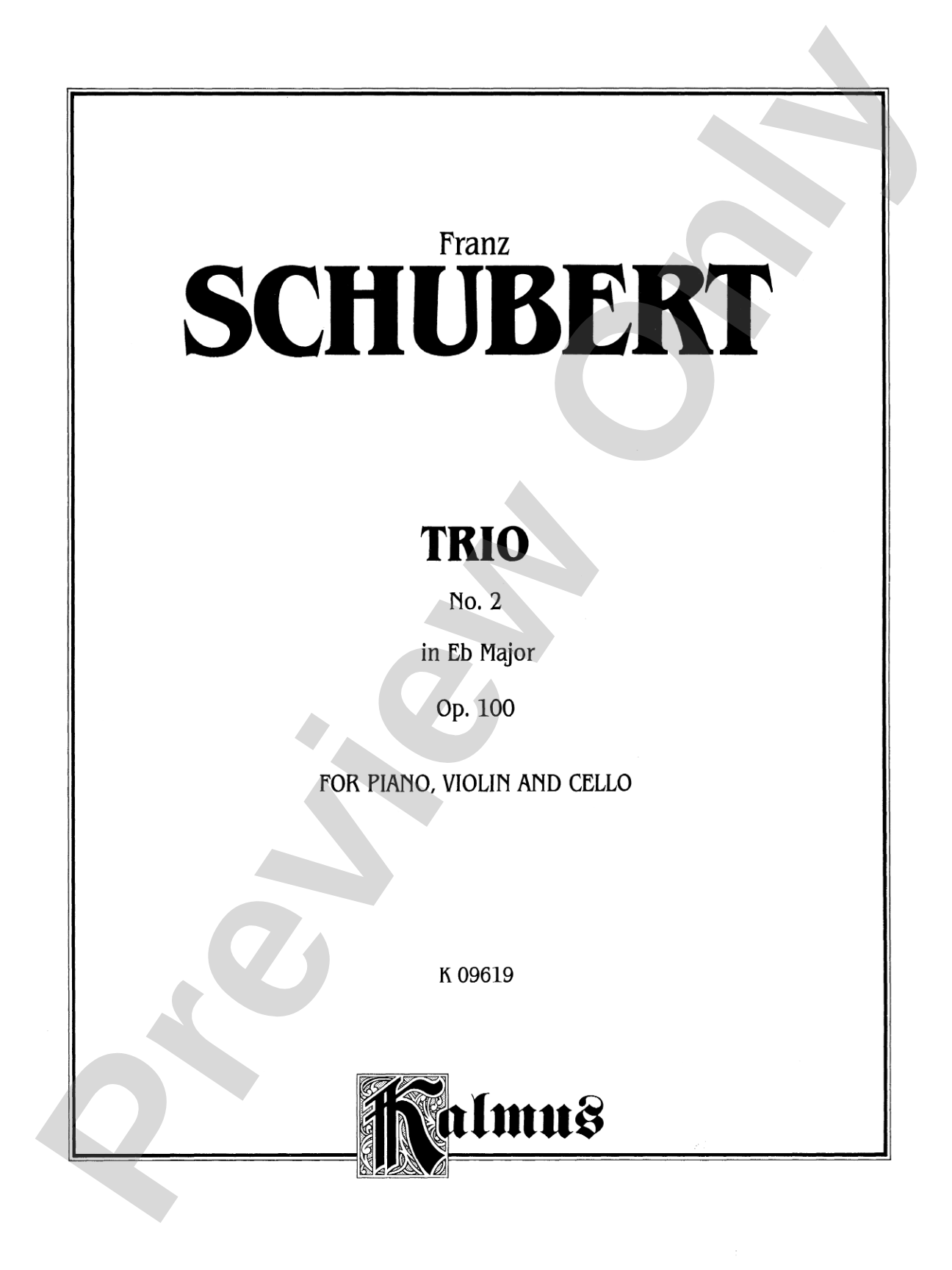
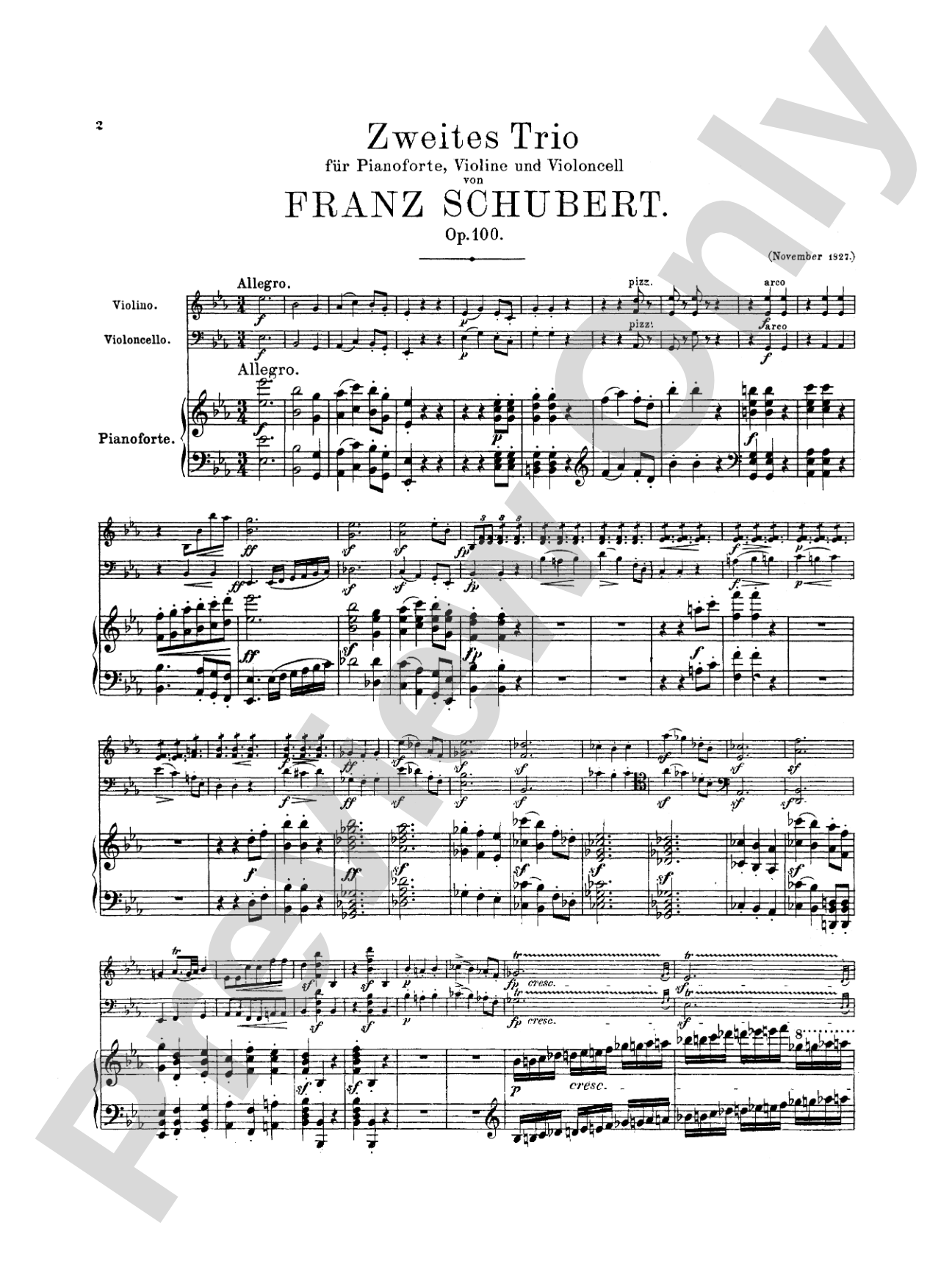
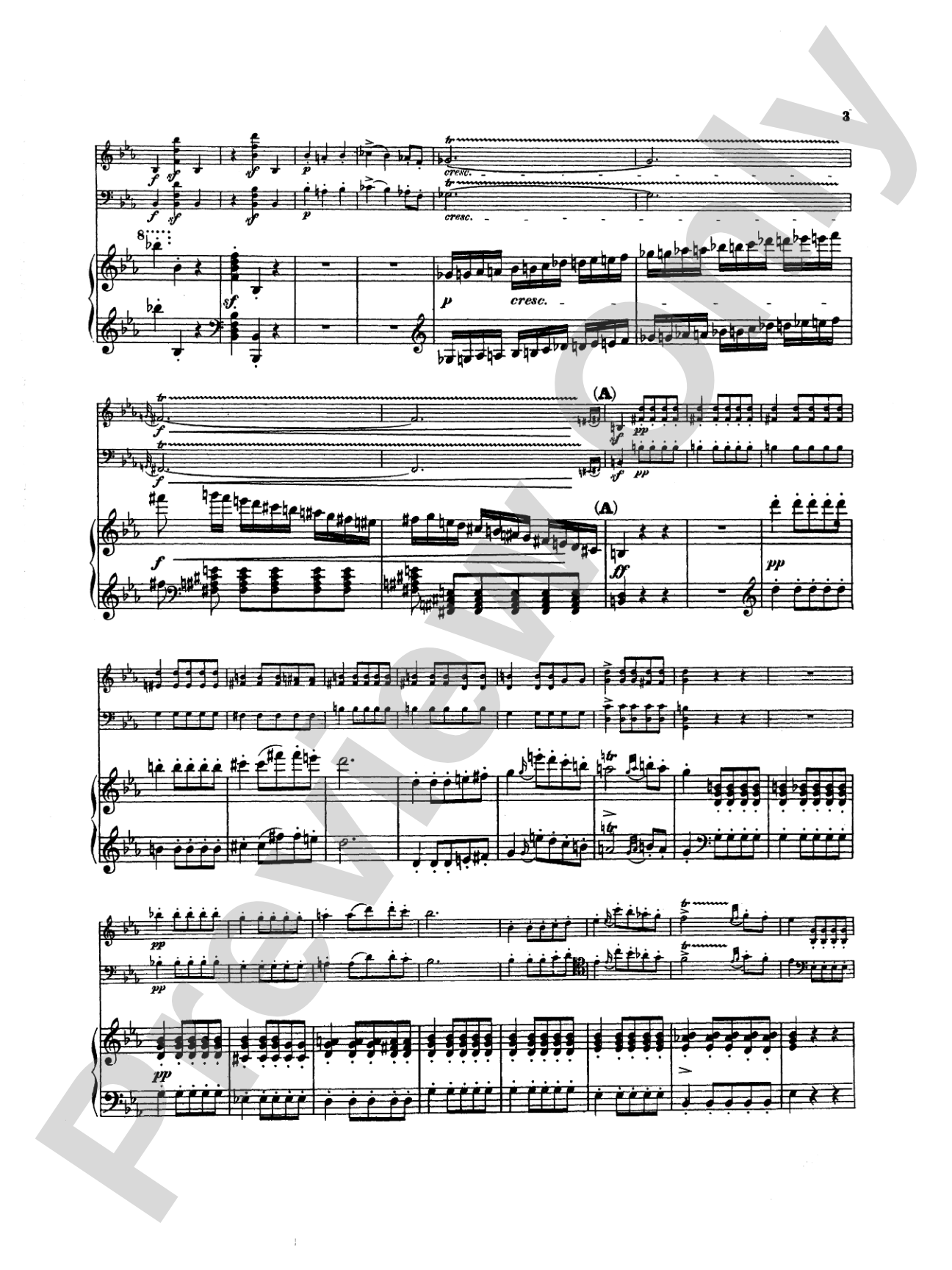
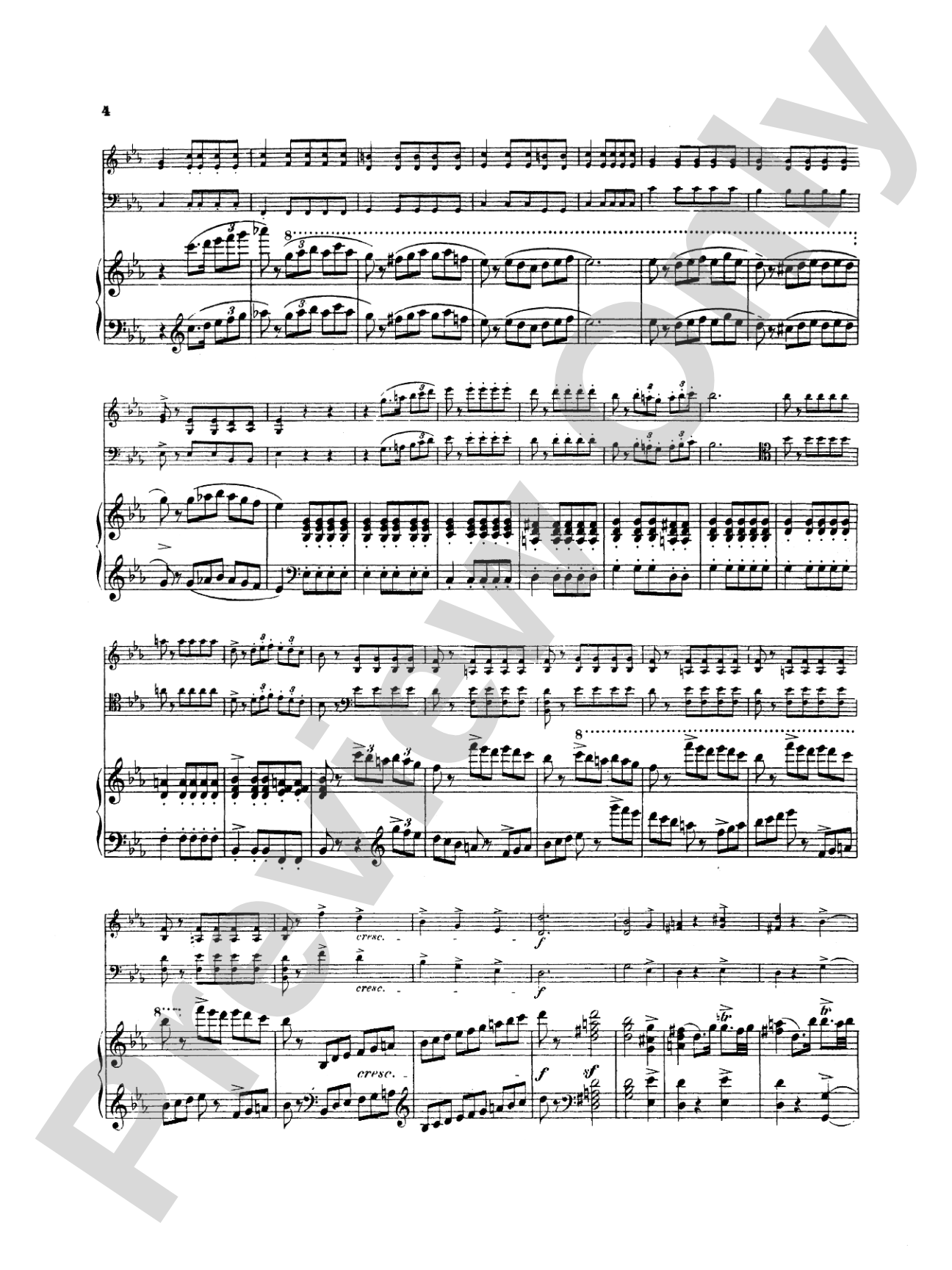
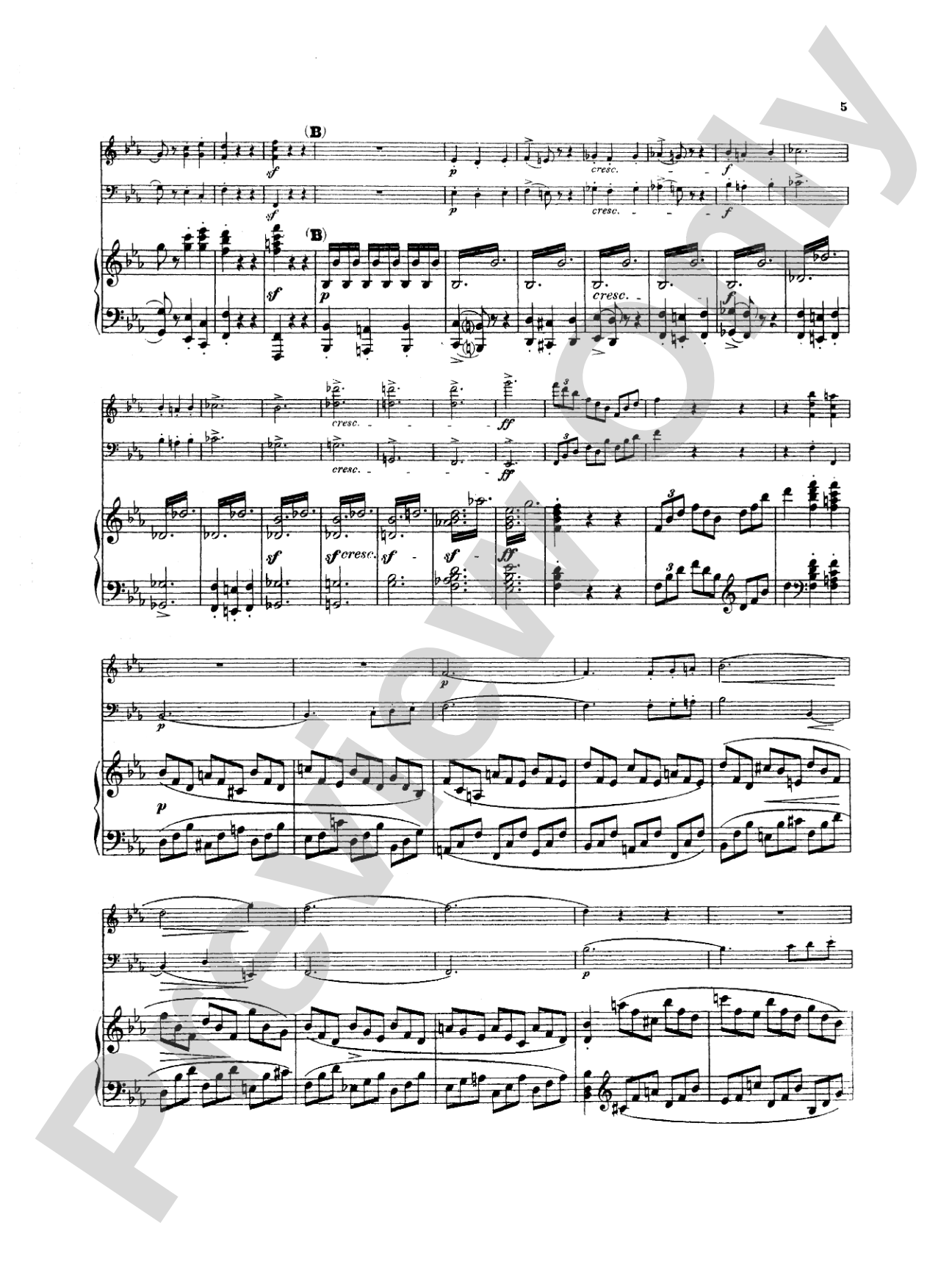
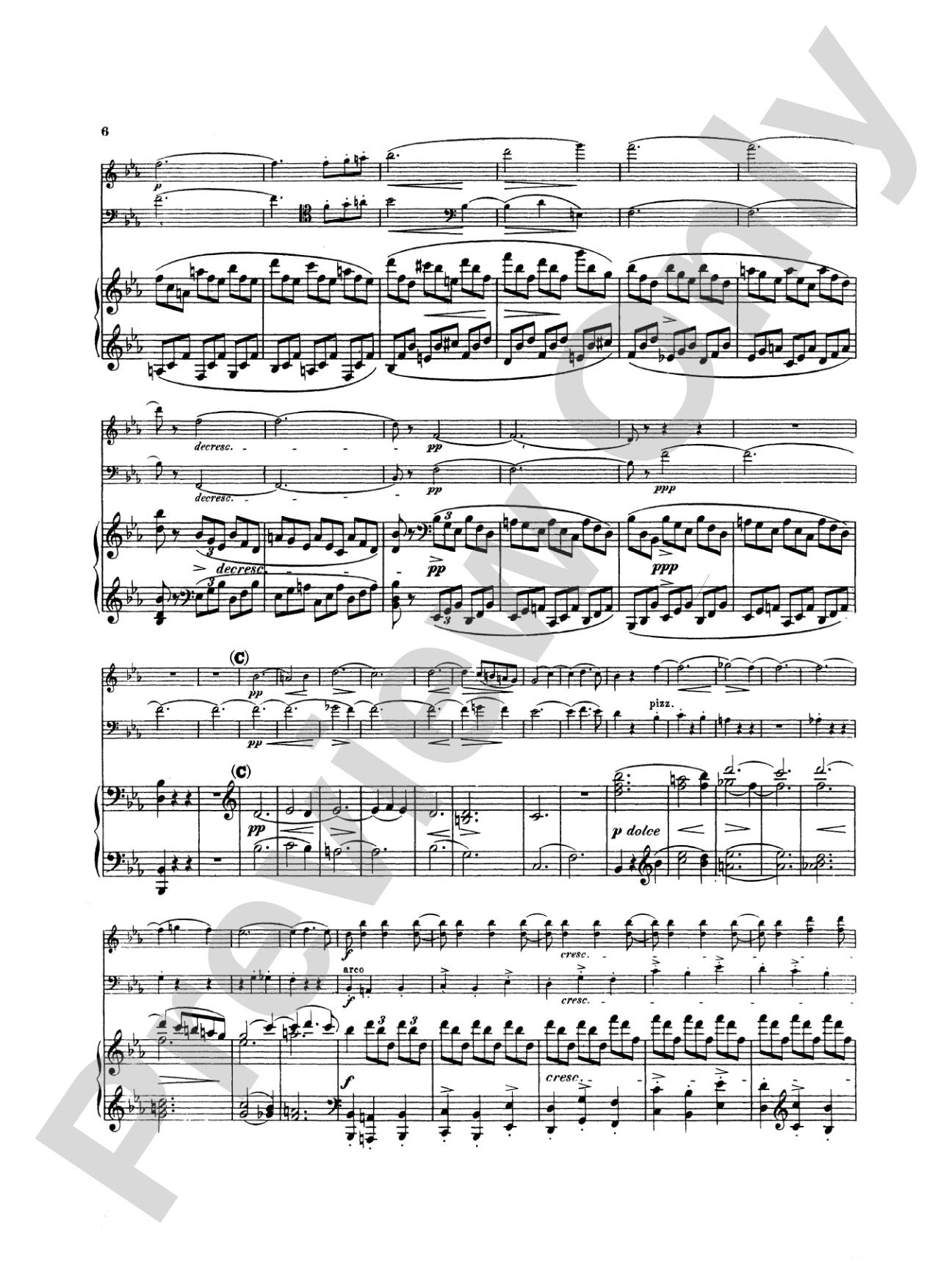
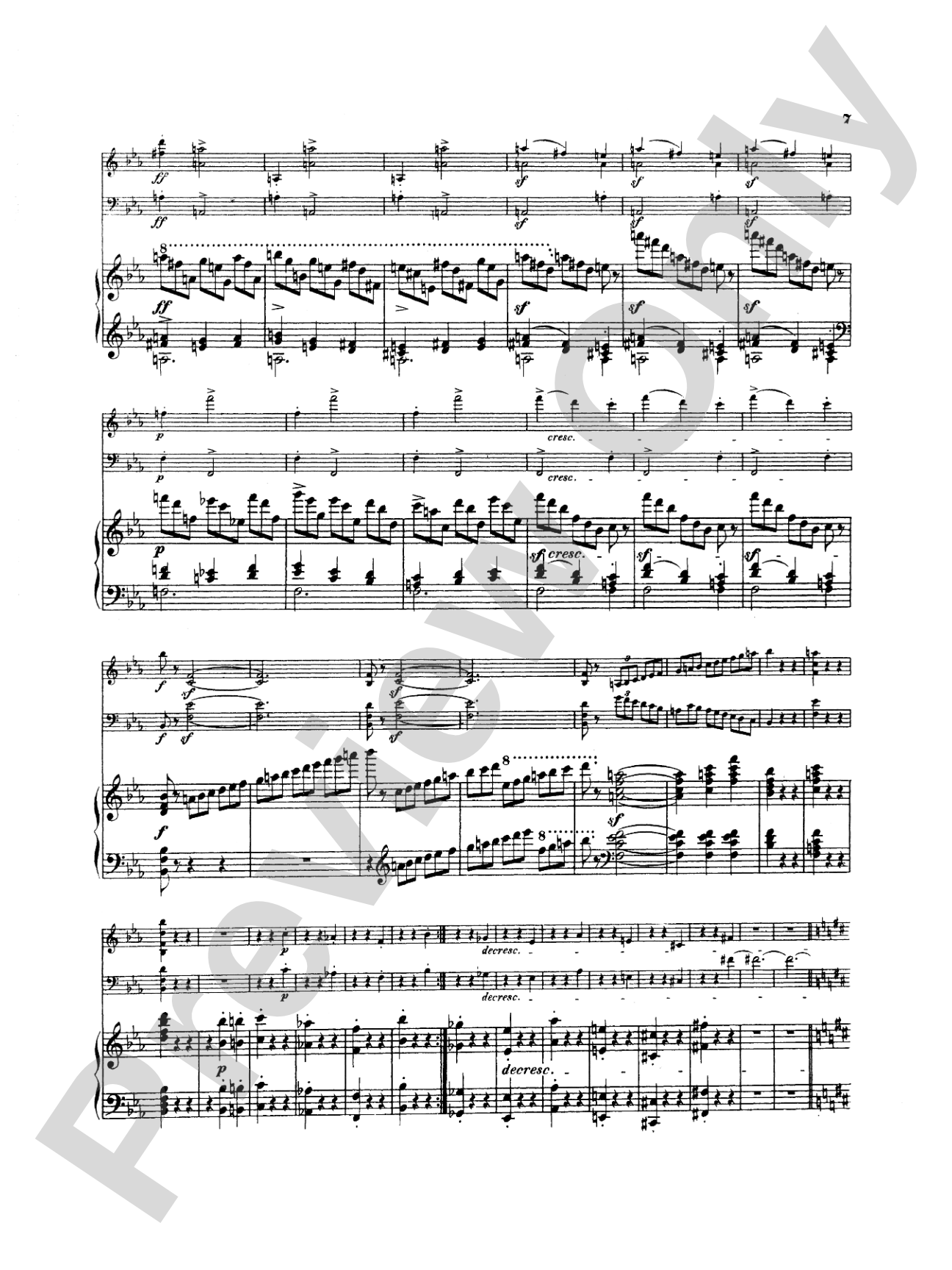
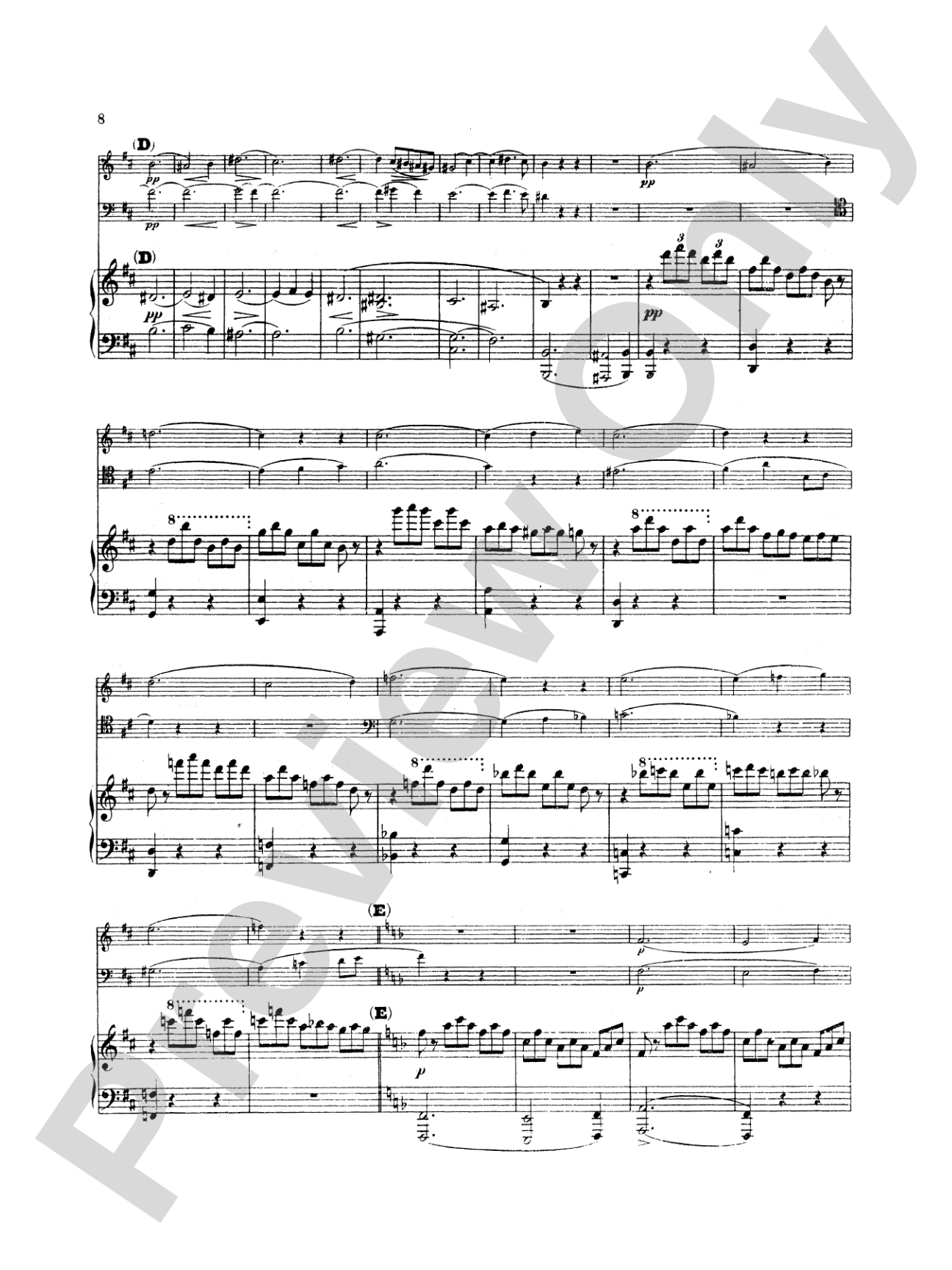
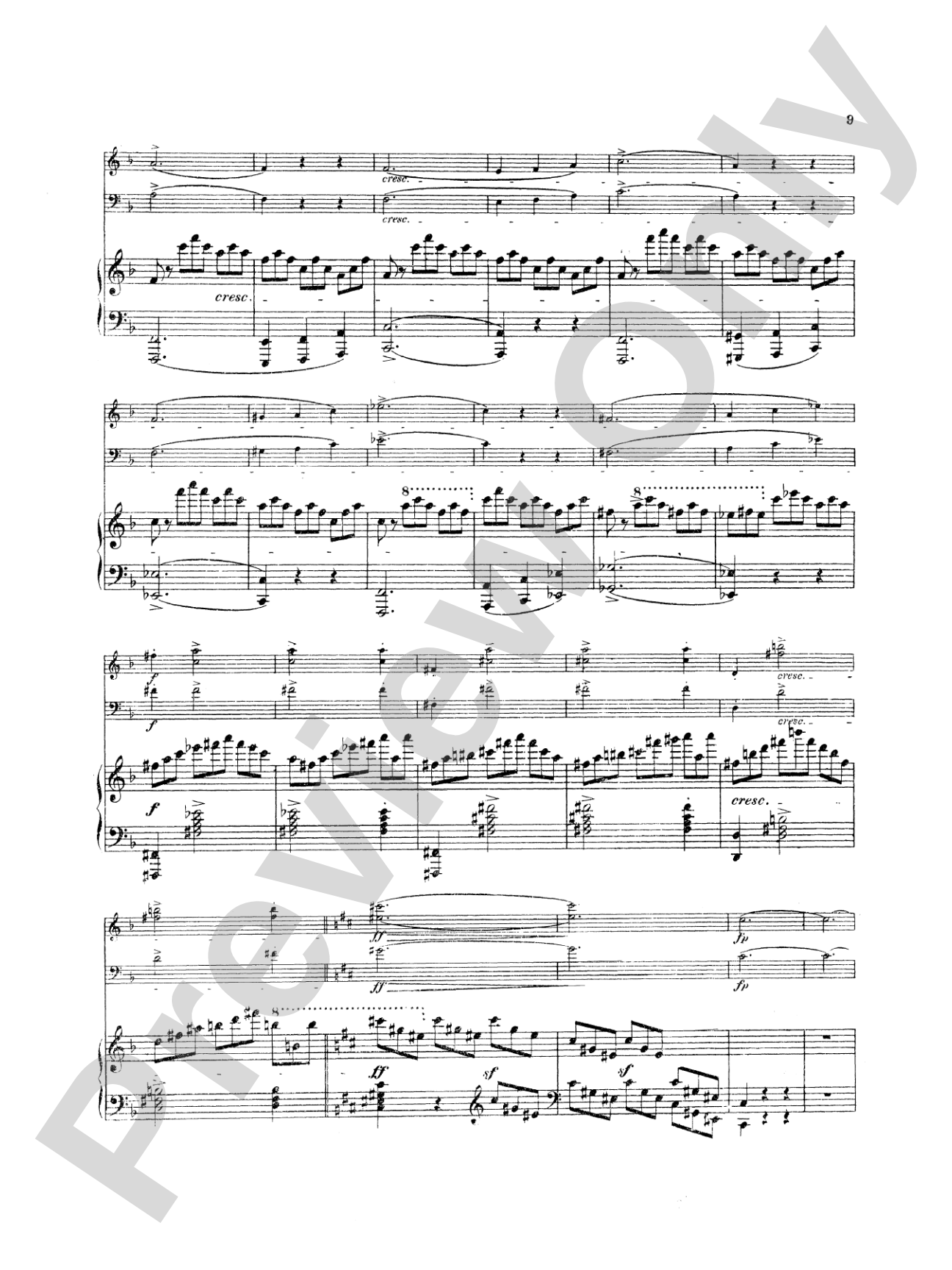
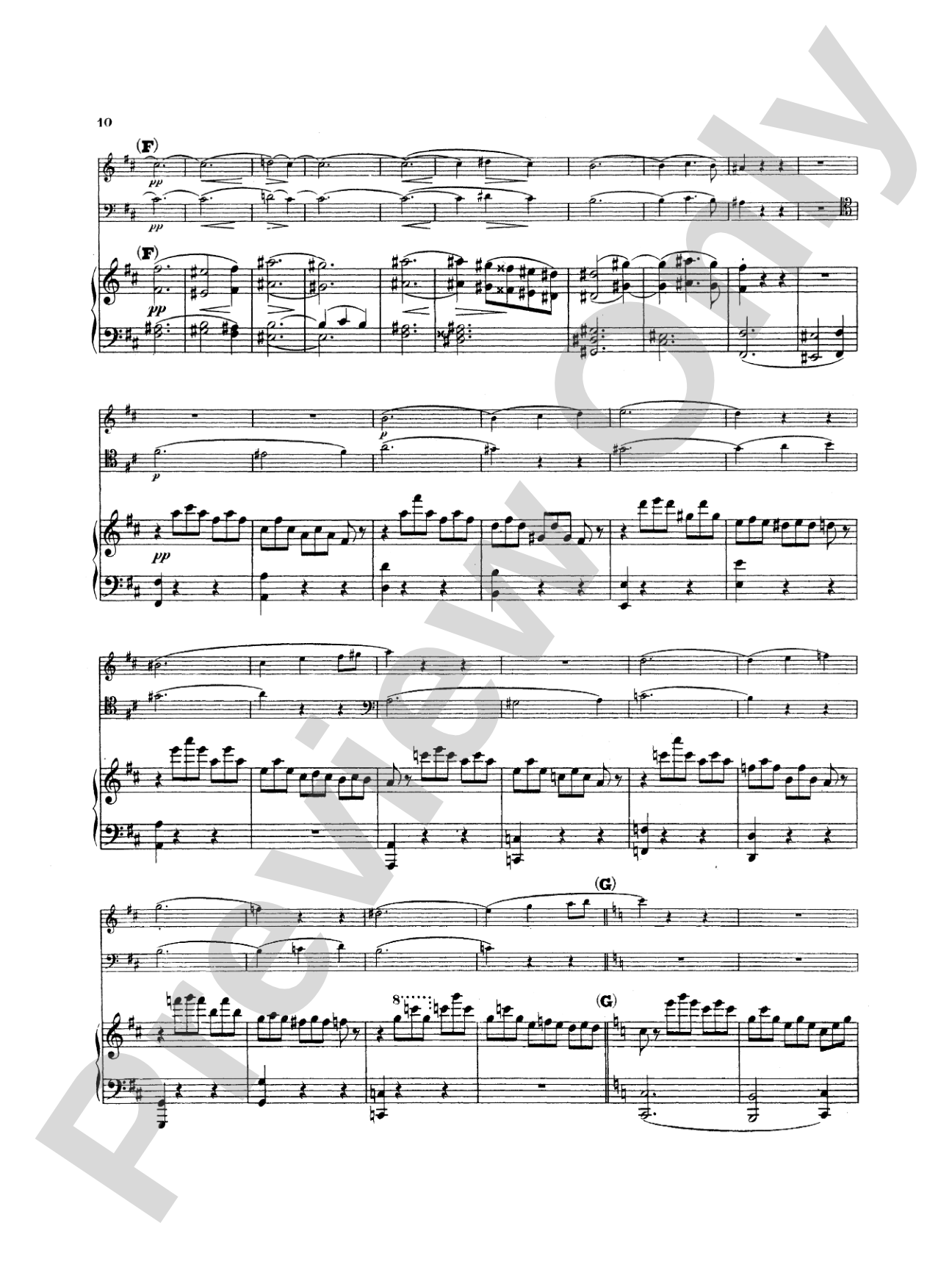
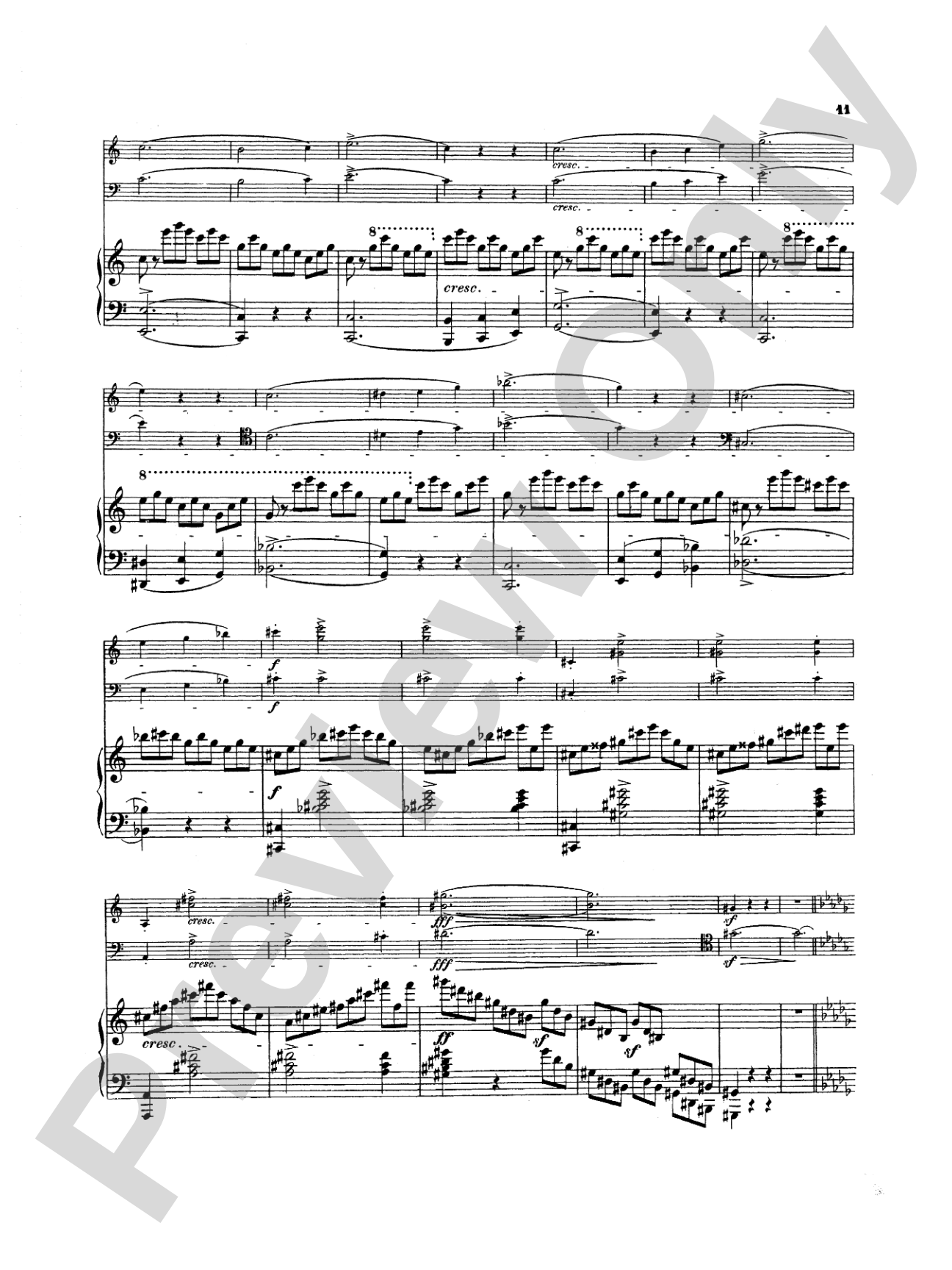
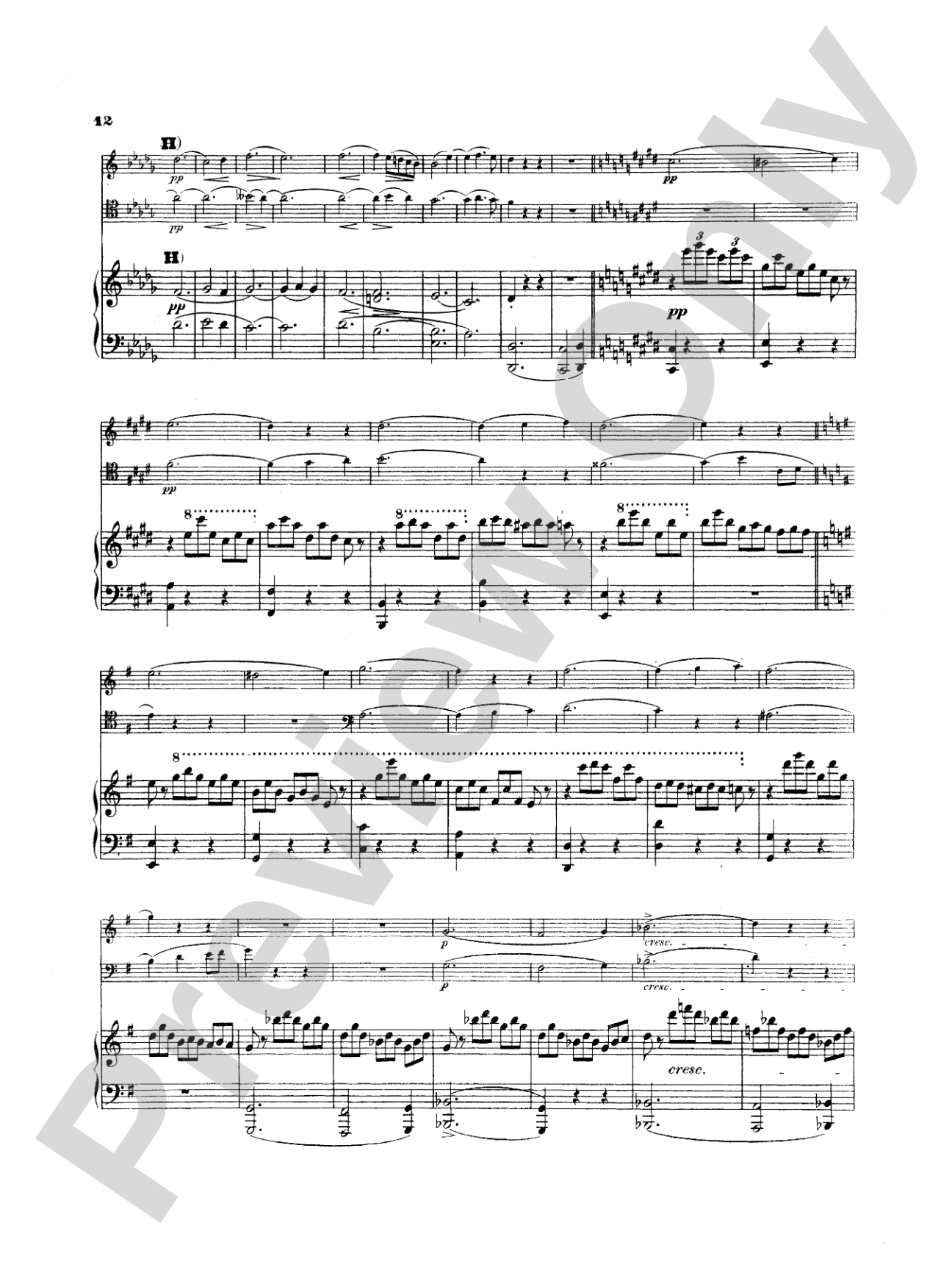
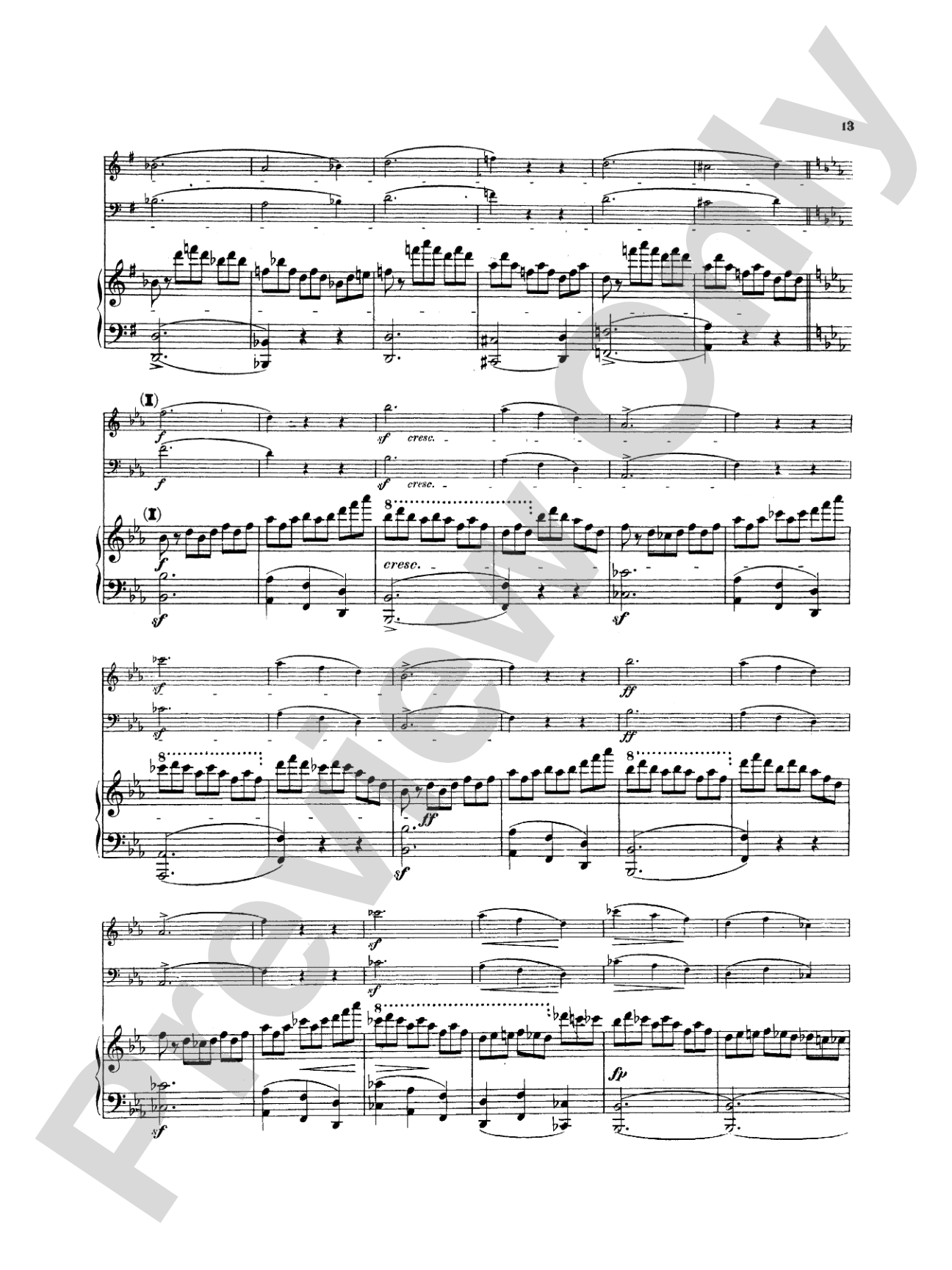

Schubert: Trio No. 2 in E flat Major, Op. 100
By Franz Schubert
Item: 00-PC-0013002
$7.95
Pickup currently not available
Description
Expertly arranged Trio for Piano, Violin, and Cello by Franz Schubert from the Kalmus Edition series. This Trio is from the Classical and Romantic eras.


Don't just read it, hear it, play along with it, and watch your students grow with it. In MakeMusic Cloud, Schubert: Trio No. 2 in E flat Major, Op. 100 comes alive with professional accompaniment, adjustable tempo, and built-in practice tools that turn solo practice into real progress.
Open in the Player
Jump straight in and assign it today.
Start Your Free Trial
Open this title and explore the full library in minutes.
Sample Audio
No sample audio found.
Sample Video
No sample videos found.
Additional Details
Series:
Kalmus Edition
Publisher:
Alfred Music
Page Count:
64
SKU:
00-PC-0013002
Instrumentation:
Piano, Violin & Cello
More about this title
About the Composer: Franz Schubert
Franz Schubert (1797–1828) was an Austrian composer whose output spanned nearly every musical genre despite his short life. He bridged the Classical and Romantic eras, inheriting the formal structures of Haydn and Mozart while infusing them with the harmonic freedom and emotional depth that defined Romanticism. His chamber works, especially his string quartets and piano trios, represent some of the most profound achievements in the repertoire and remain central to the training and performance lives of serious string musicians.
Schubert's Trio No. 2 in E flat Major stands among the pinnacles of chamber music literature. Composed in 1827, it showcases his mastery of extended form, lyrical melody, and harmonic invention. The work demands musicianship of the highest order from all three players and continues to be a benchmark piece for chamber musicians preparing for competitions, festivals, and professional performance.
Why we love this
This trio sits at the exact intersection of accessibility and ambition. The work is formal and substantial enough to reward serious study, yet its themes are immediate and singable rather than forbidding. Chamber musicians at the intermediate-to-advanced level will find themselves drawn back to it again and again because each rehearsal reveals new layers of harmonic sophistication and interpretive possibility.
What to expect
The opening unfolds with warmth and introspection, immediately establishing Schubert's lyrical gifts. The work moves through moments of tenderness and dramatic intensity, with the piano and strings in constant dialogue. Throughout its 64 pages, the trio feels both intimate and grand, balancing moments of quiet beauty against passages of genuine symphonic scope.
Who it's for
This work is designed for advanced chamber ensembles, student trios preparing for competitions or festivals, and accomplished musicians seeking to build depth in the Romantic chamber repertoire. College-level students and serious adult amateurs will find it rewarding and appropriately challenging.
How to get the most out of it
- Balance the texture so the piano doesn't overpower the strings, particularly in passages where the keyboard part contains both accompaniment and thematic material. Rehearse with all three parts audible and let the acoustic space help shape the overall blend.
- Pay close attention to Schubert's phrasing marks and articulations, which are not decorative. These details guide the shape of longer melodic lines and prevent the music from sounding diffuse or shapeless across the extended form.
- Shape the slower movement with special care to harmonic progression rather than simply following tempo markings. Schubert's use of chromaticism and unexpected key shifts creates emotional weight that requires subtle tempo flexibility to communicate.
- Lock in the rhythmic integrity during faster passages, particularly in the finale. The piano's figuration can easily pull the ensemble forward if the three players aren't listening actively to each other.
How to use it
Program this as a centerpiece on a chamber recital, pairing it with shorter works from different eras to provide contrast. It works equally well as the anchor for a festival or competition entry, where judges expect to hear musicians demonstrate both technical security and interpretive maturity. Consider positioning it on a concert after intermission, where audiences can settle into its longer form.
Skills your students will build
- Ensemble balance and texture control across three instruments with different timbral properties
- Reading and executing Romantic-era harmonic language and chromaticism
- Sustaining long-form musical narrative across extended movements
- Collaborative listening and rhythmic alignment in complex piano-string textures
- Interpretation of Schubert's phrasing and articulation marks for expressive effect