
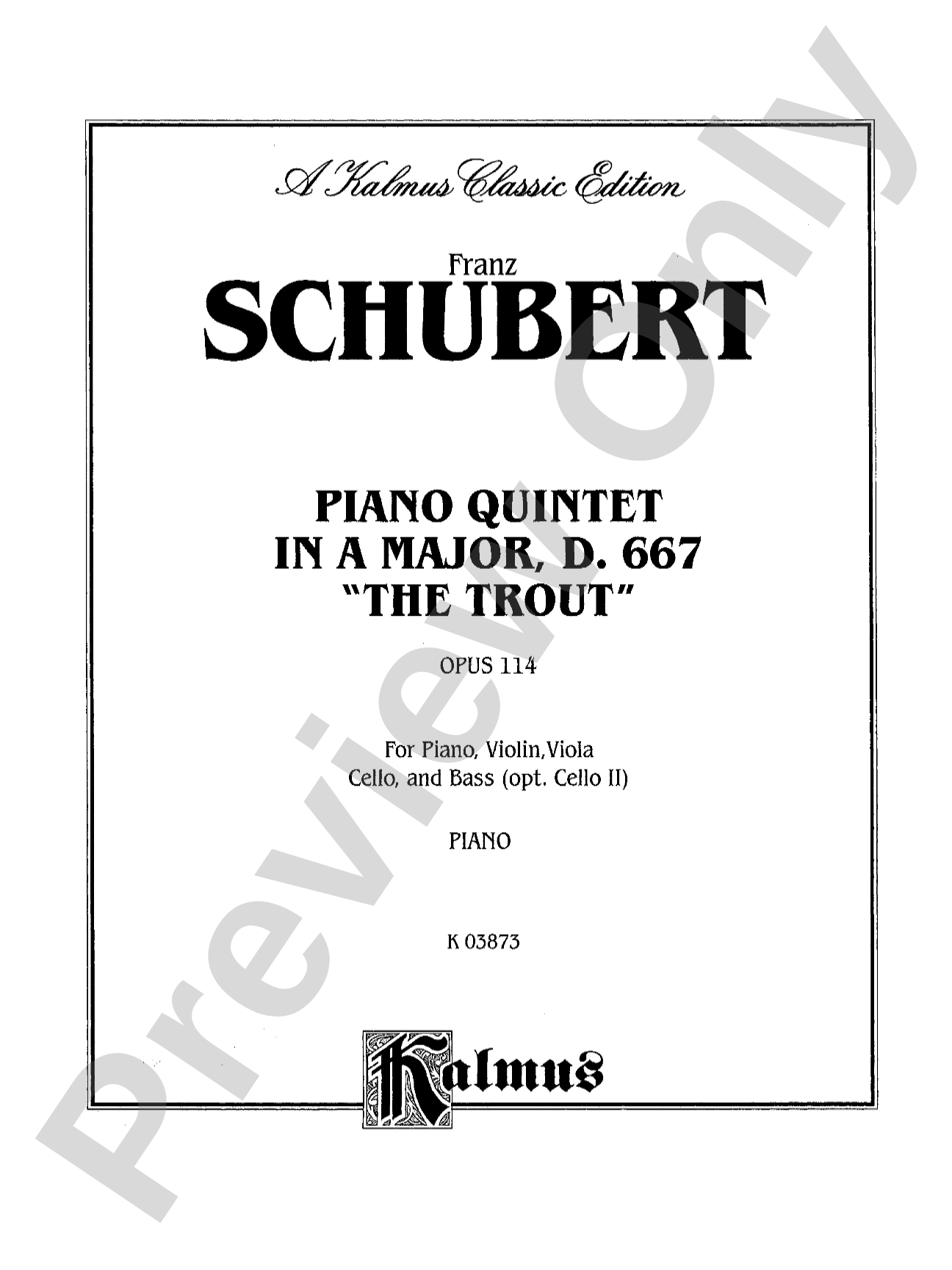
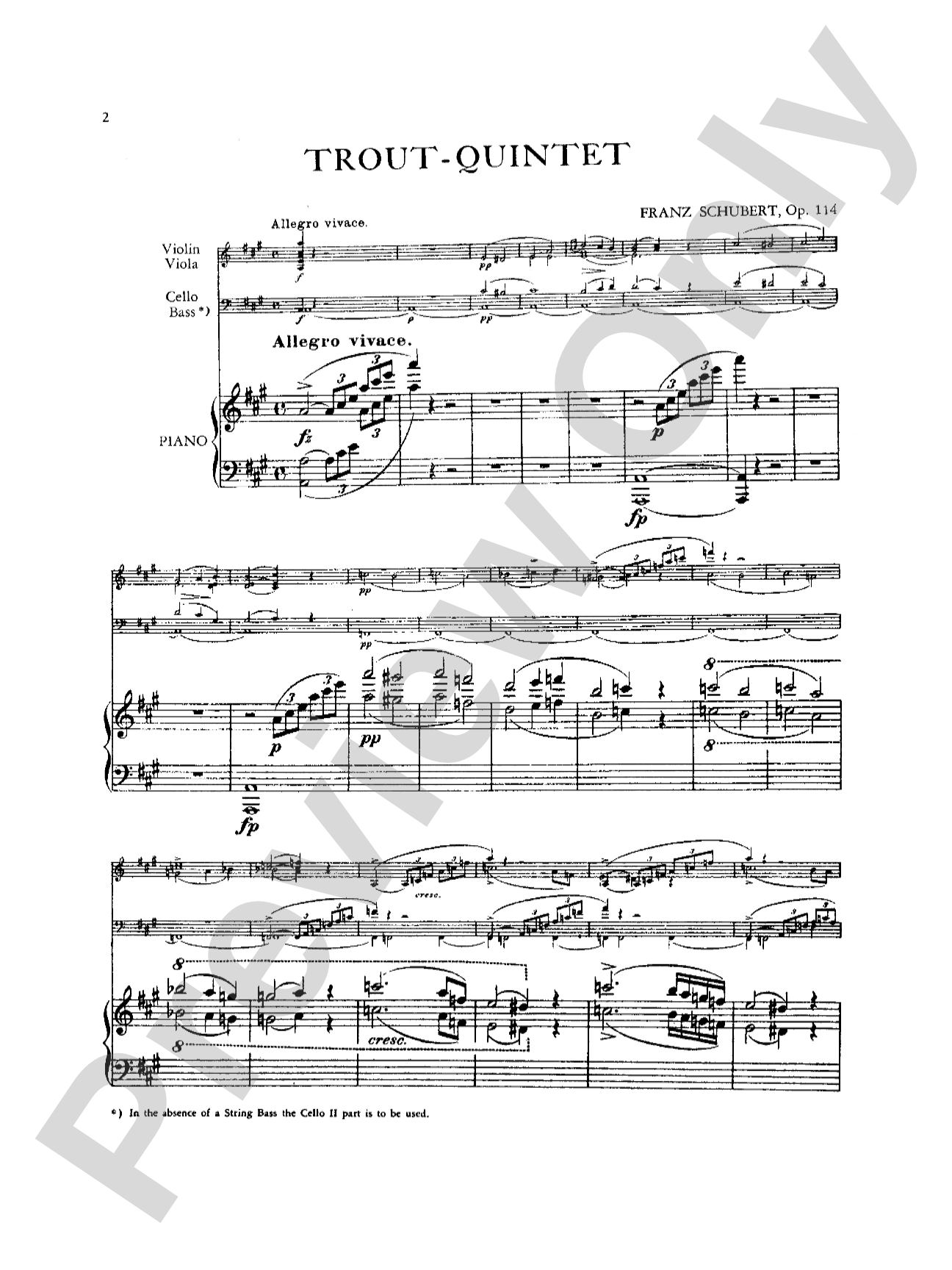
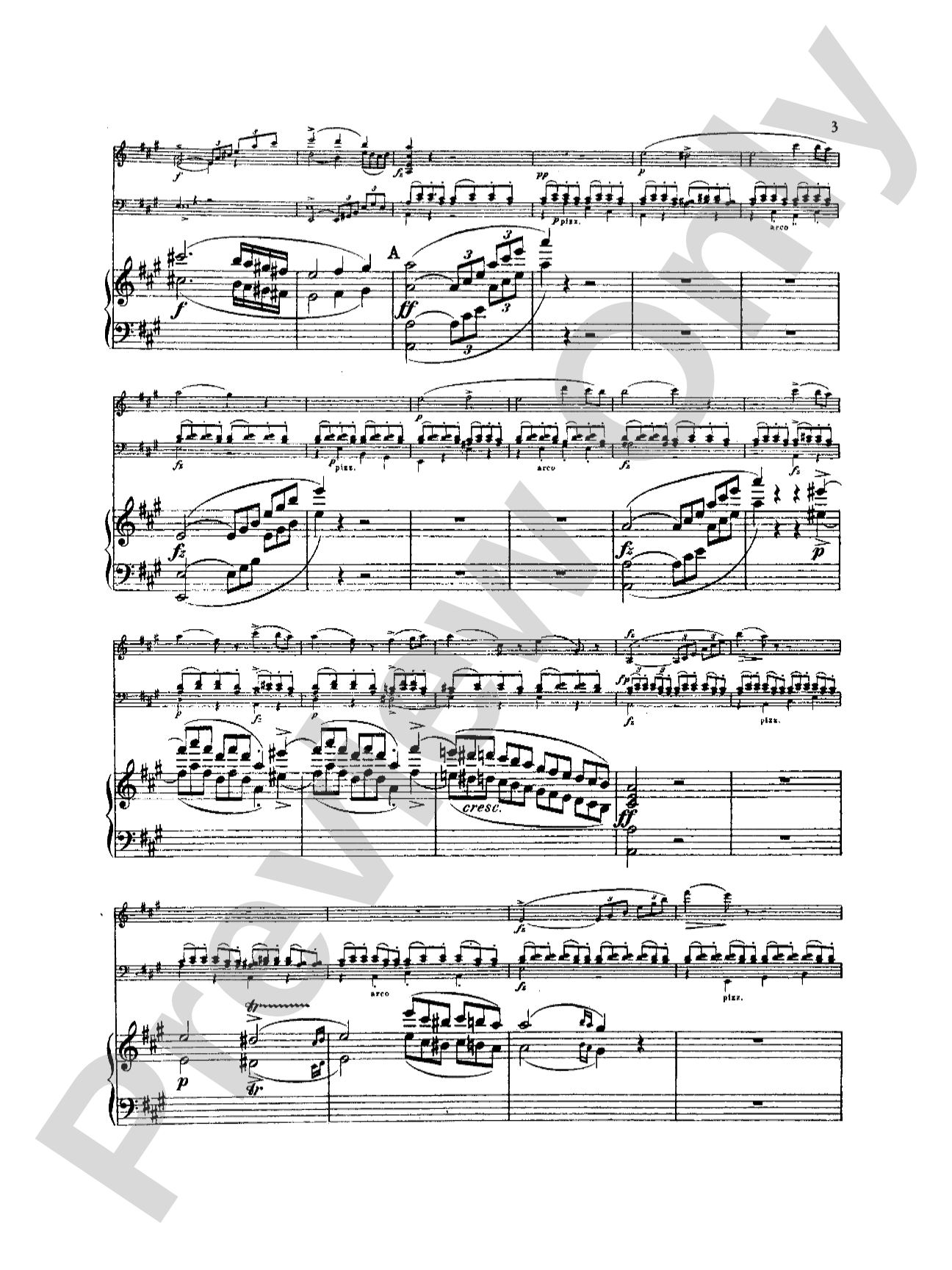
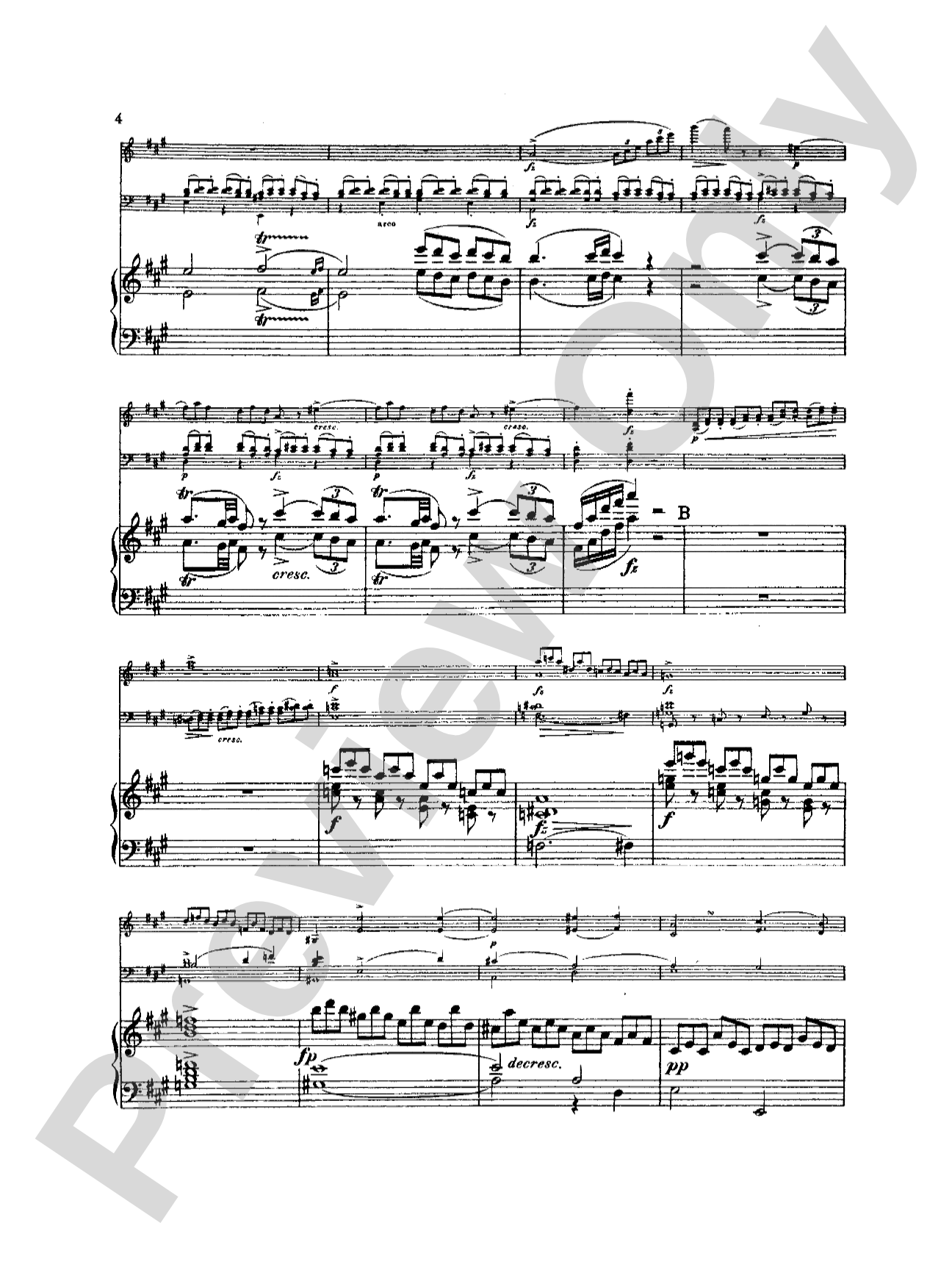
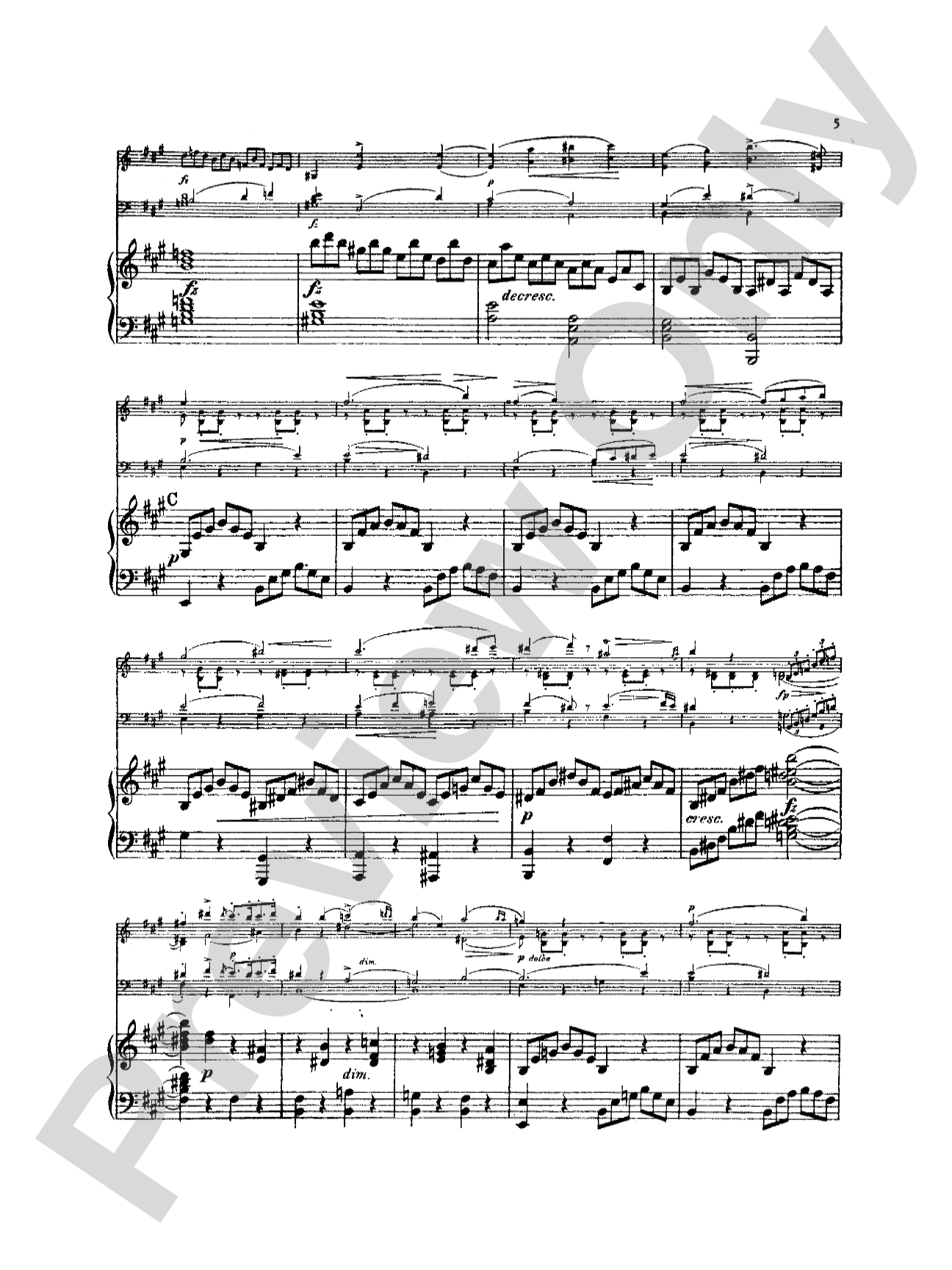
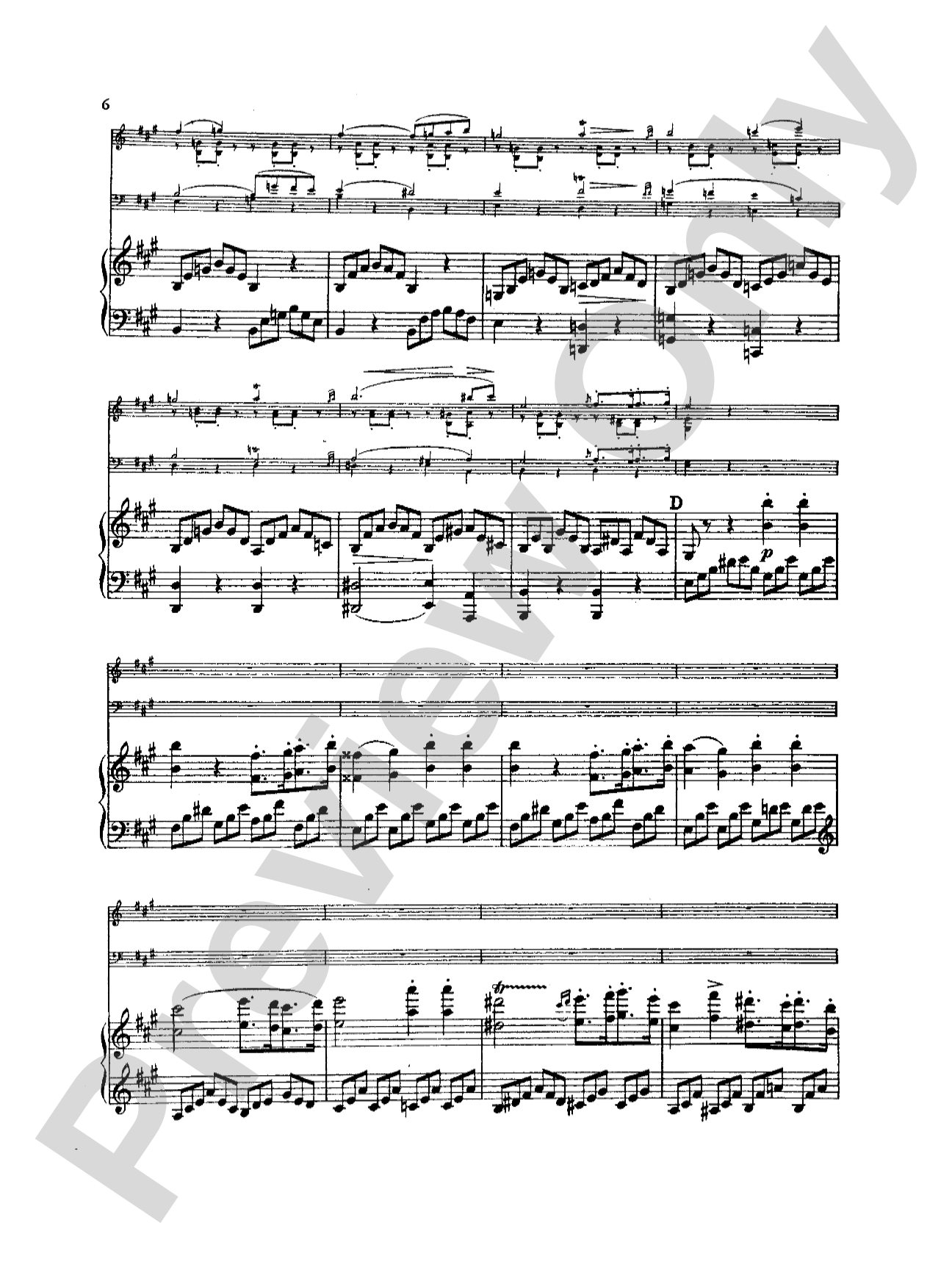
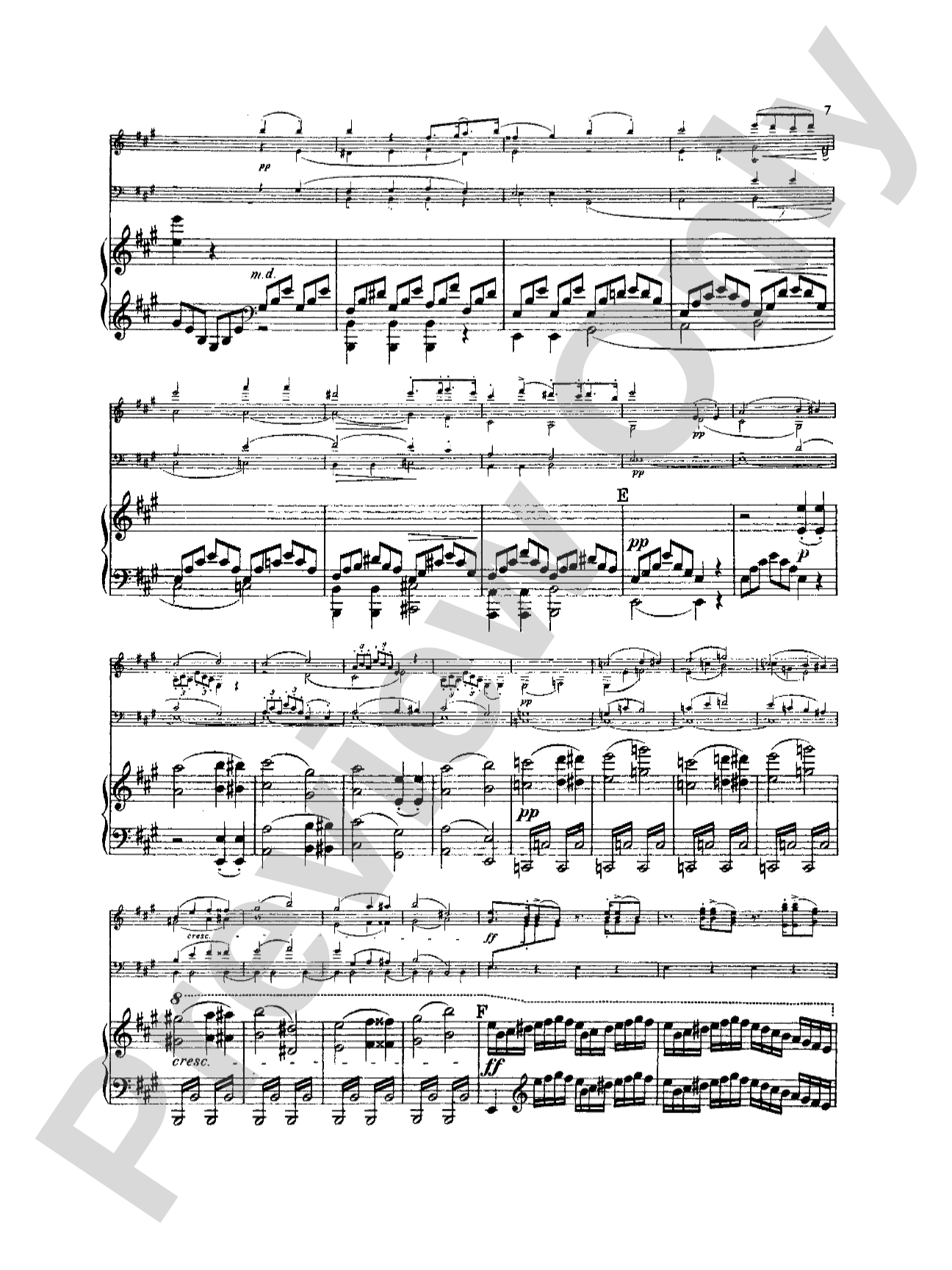
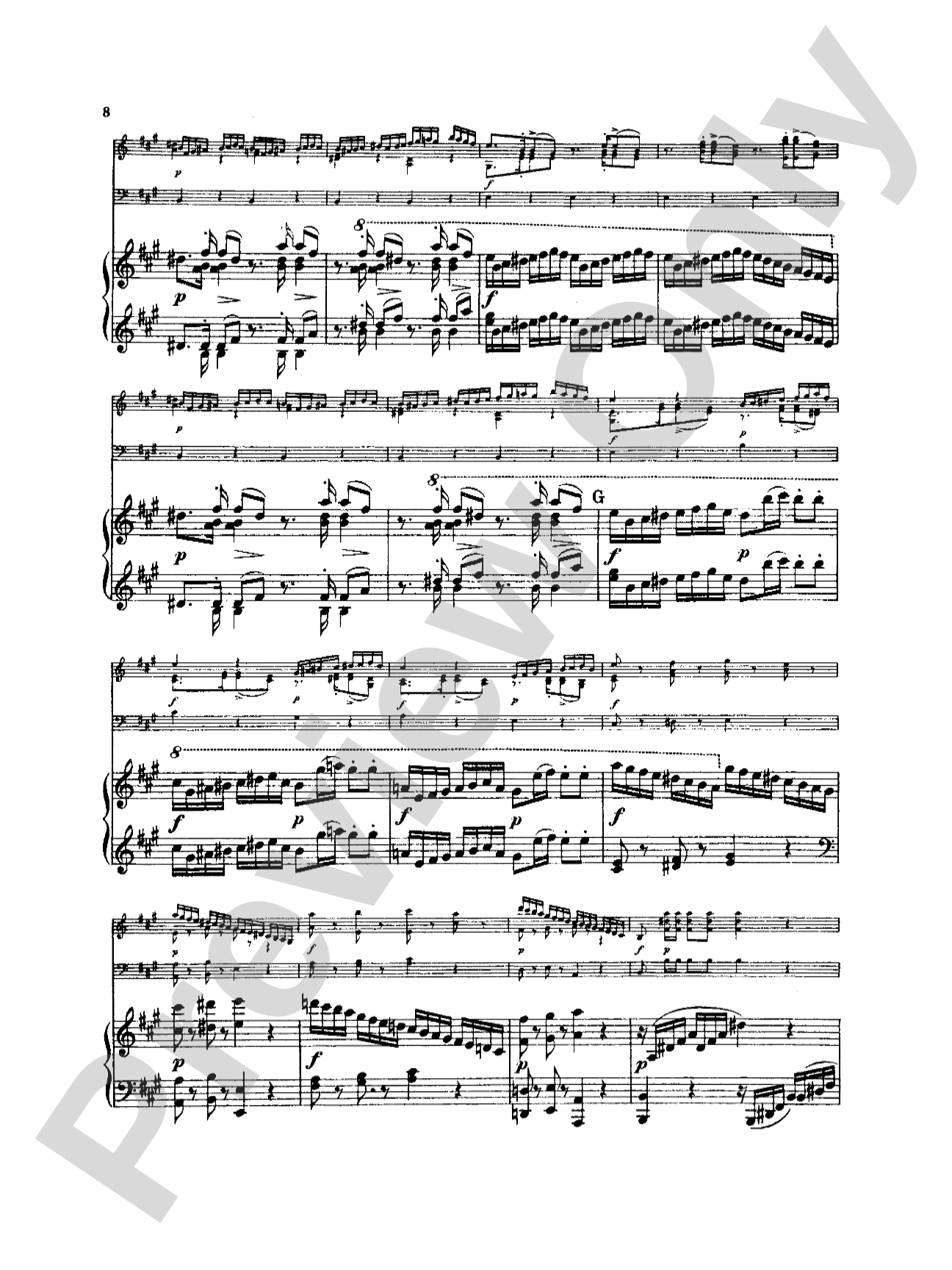
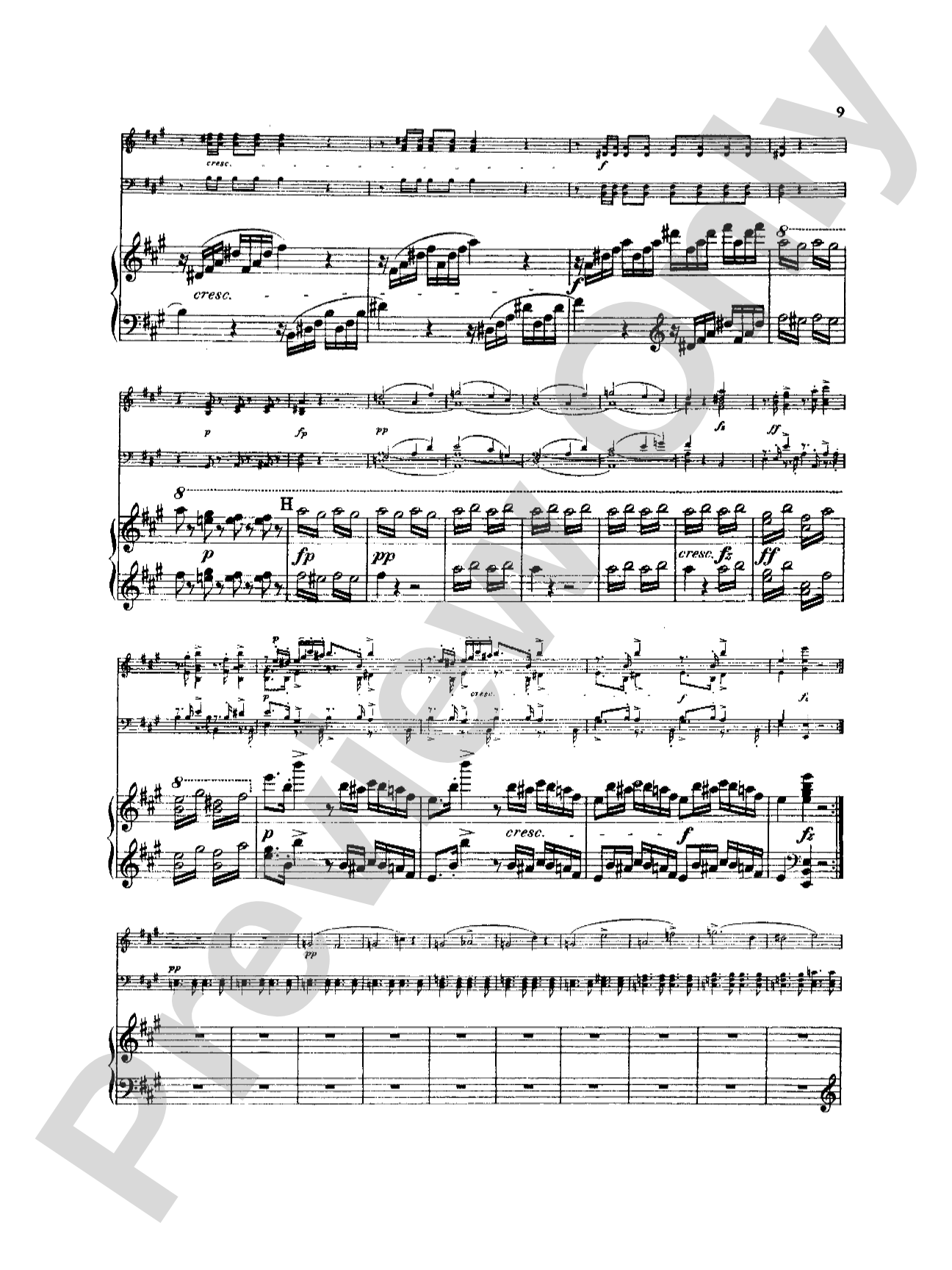
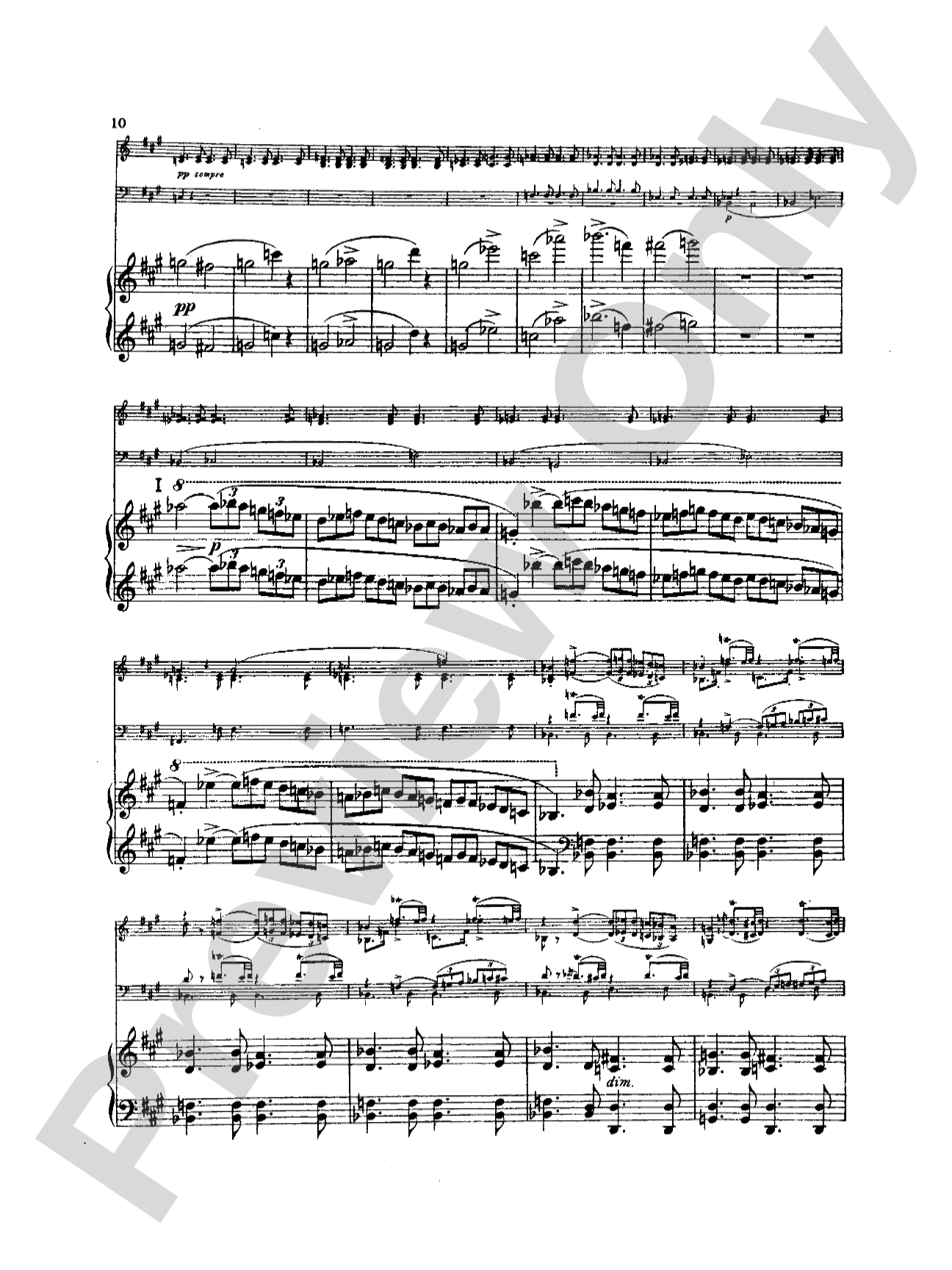
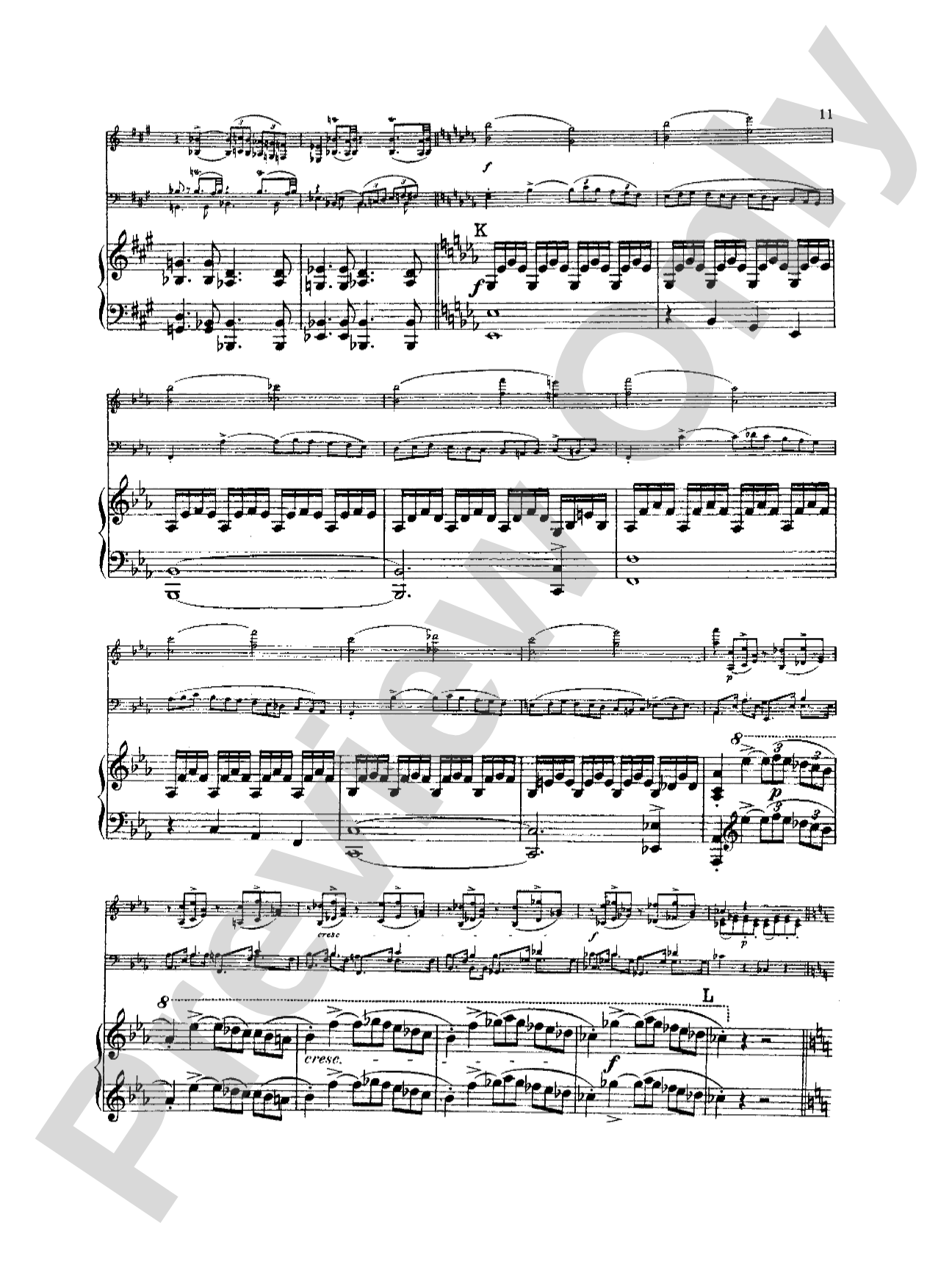
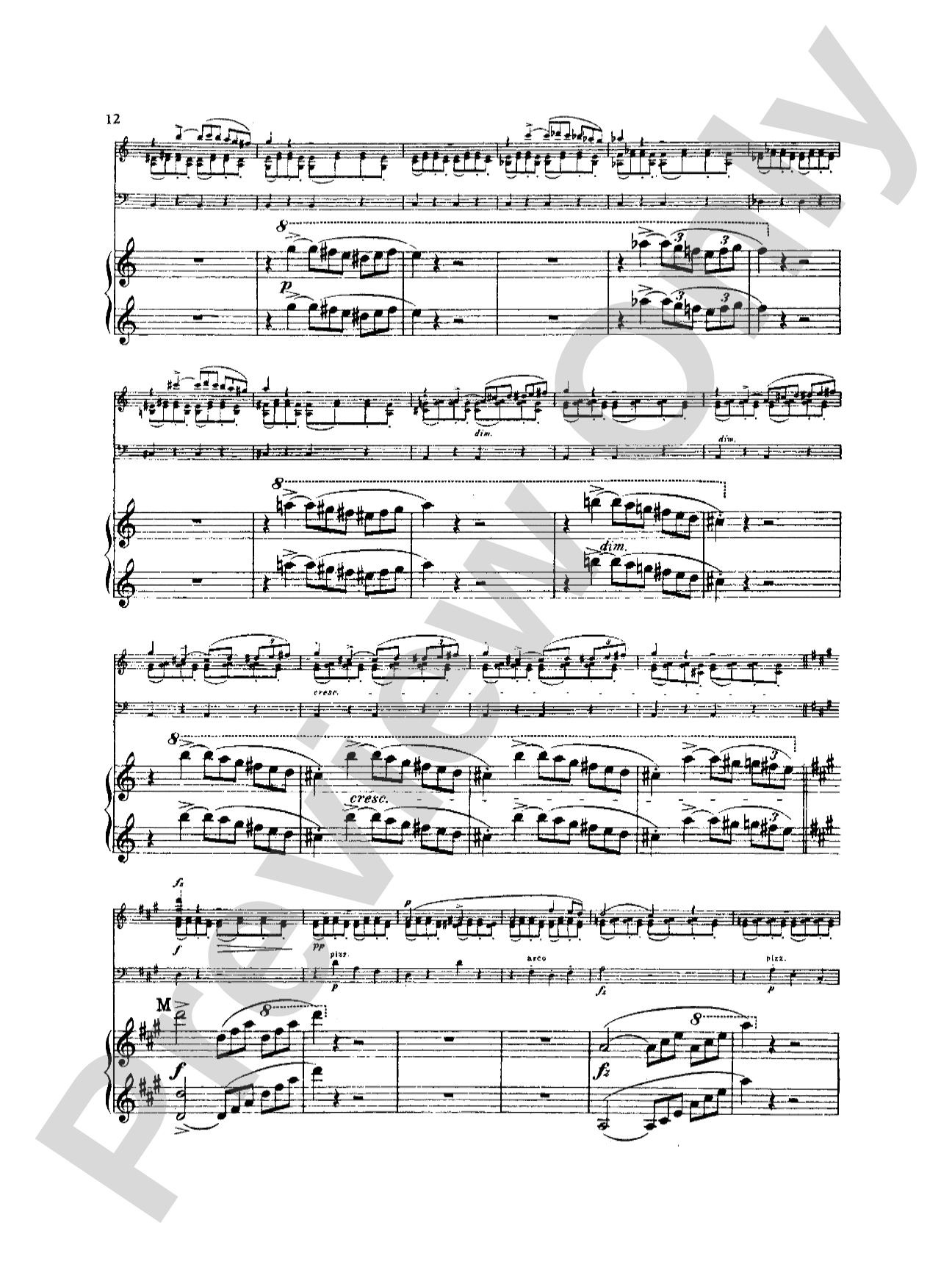
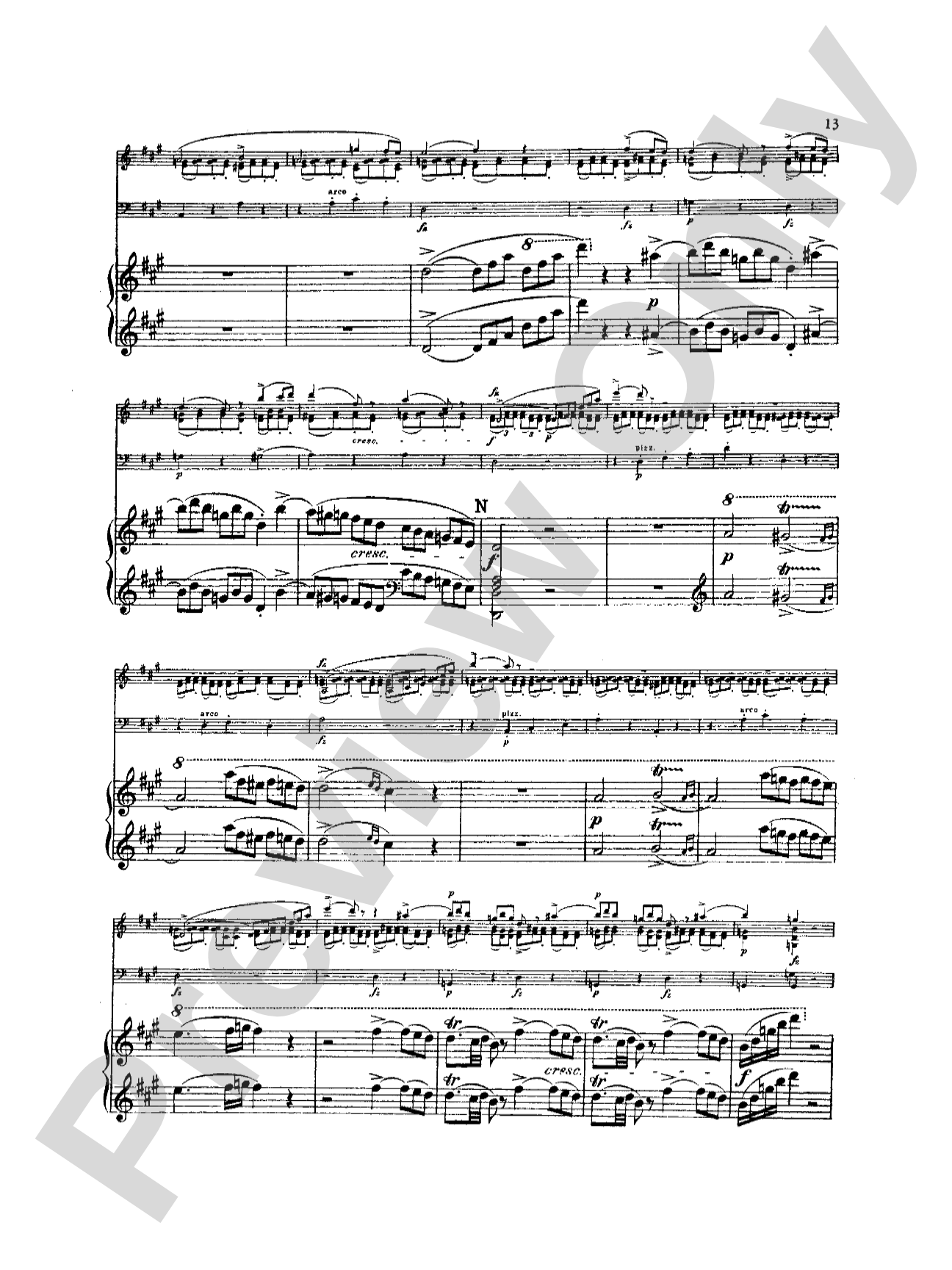
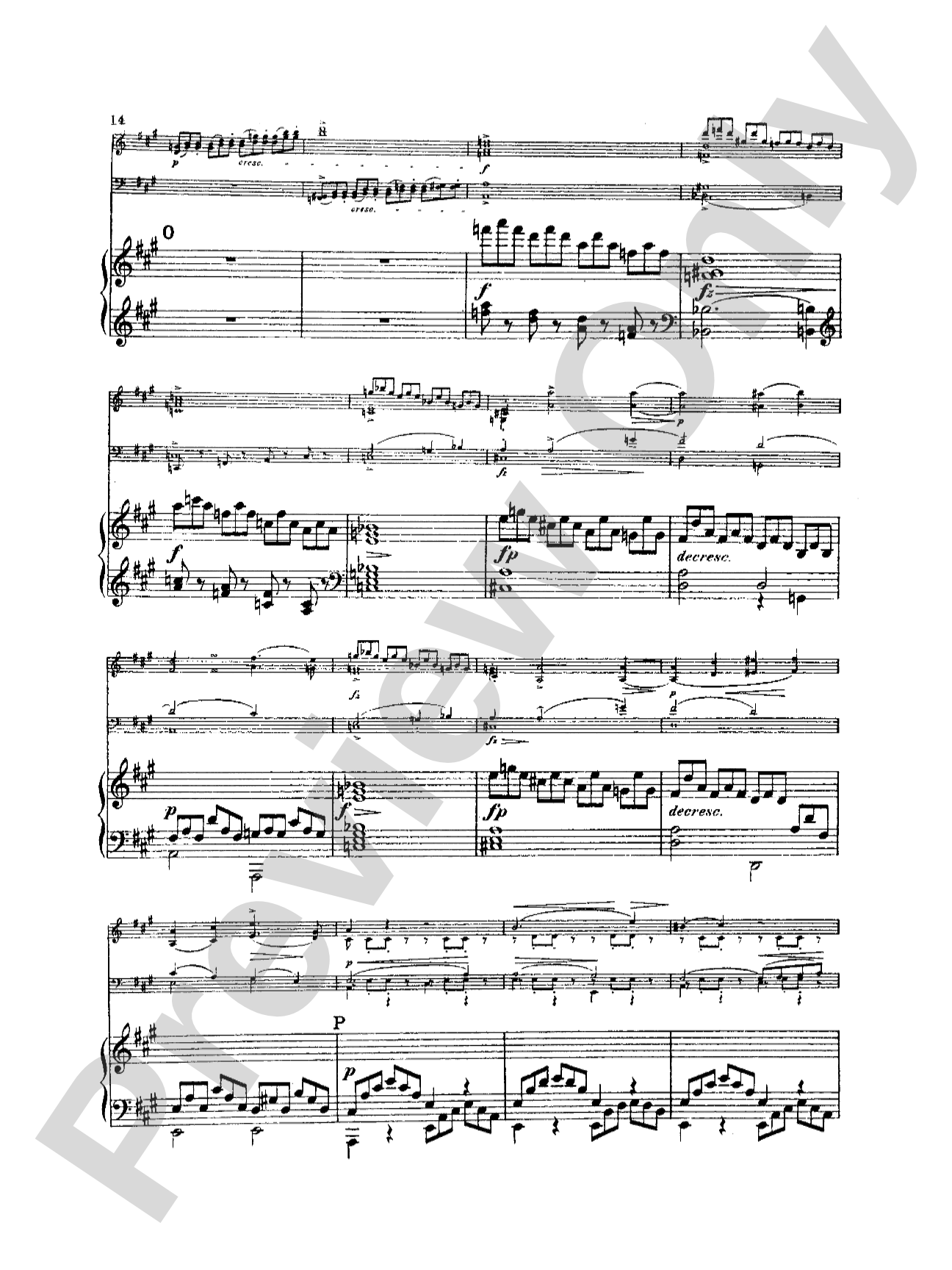
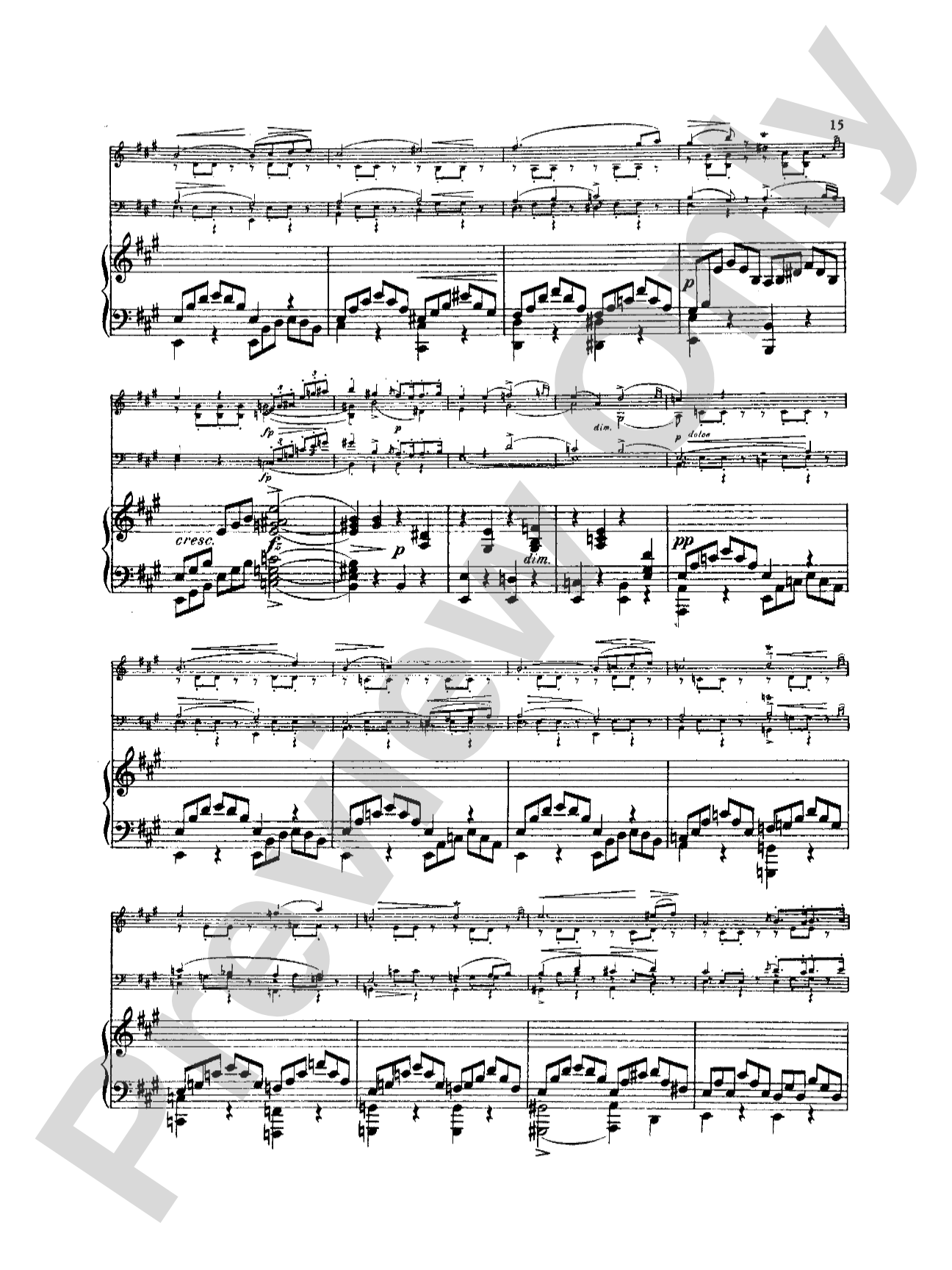
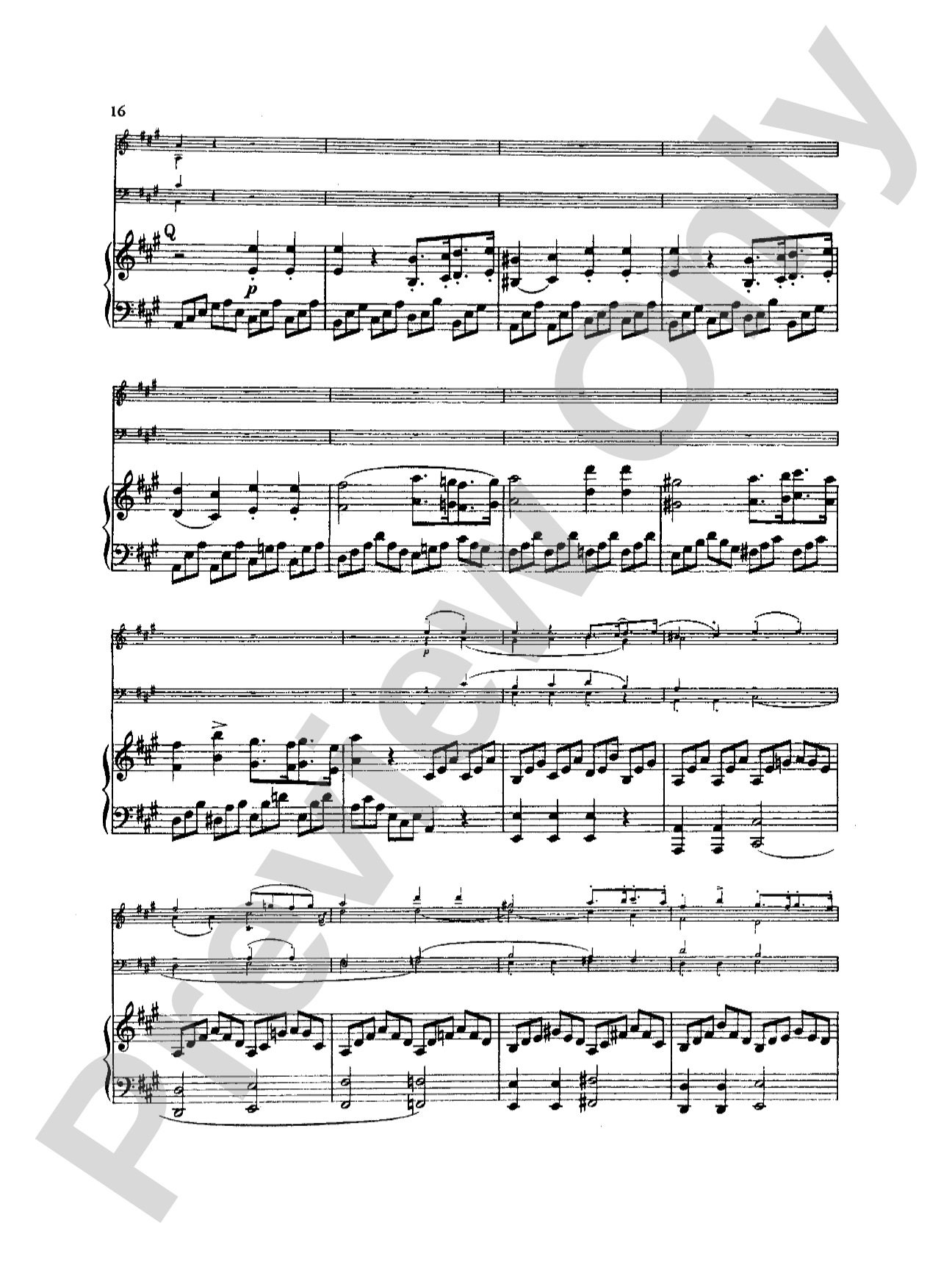
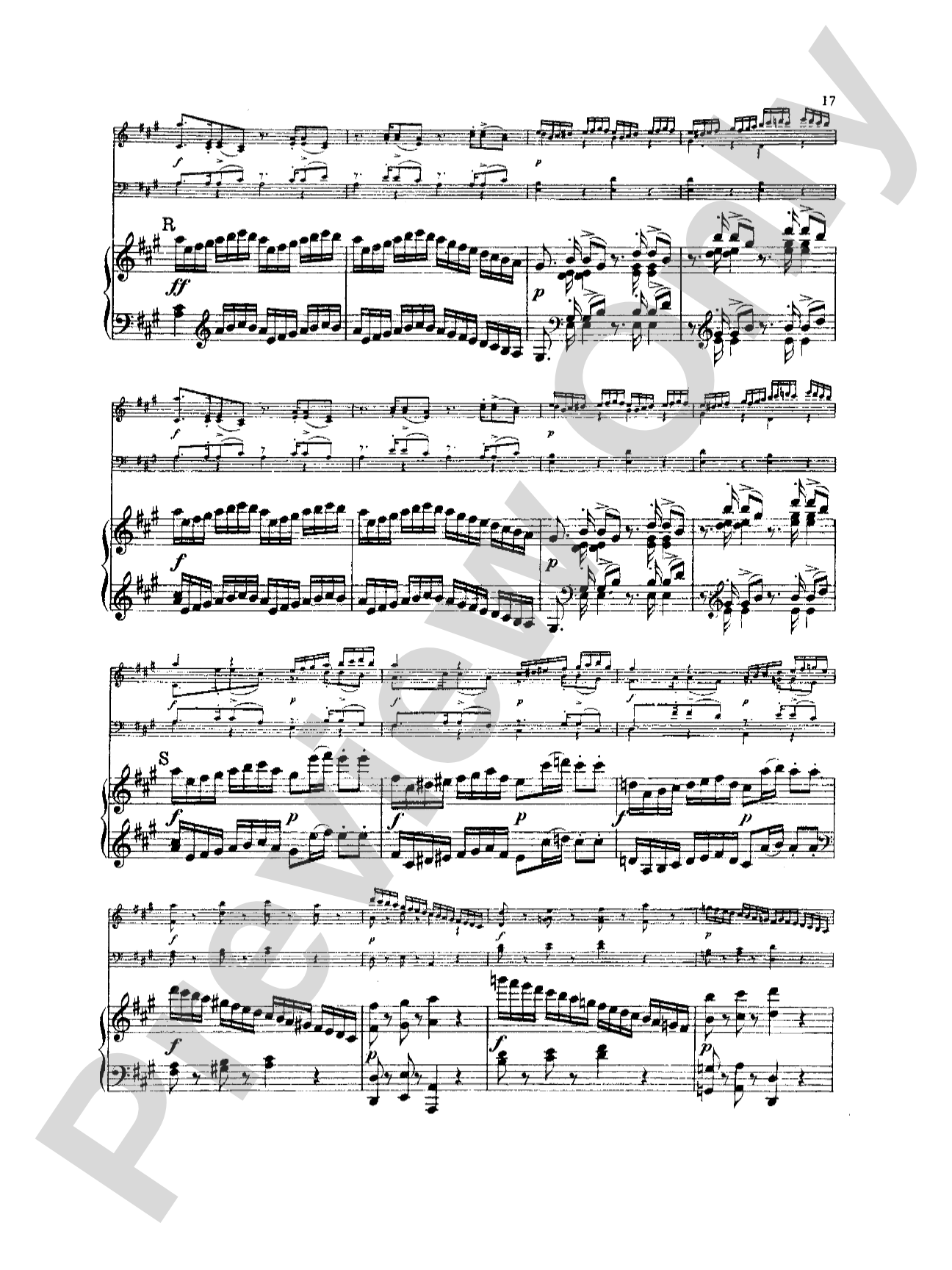
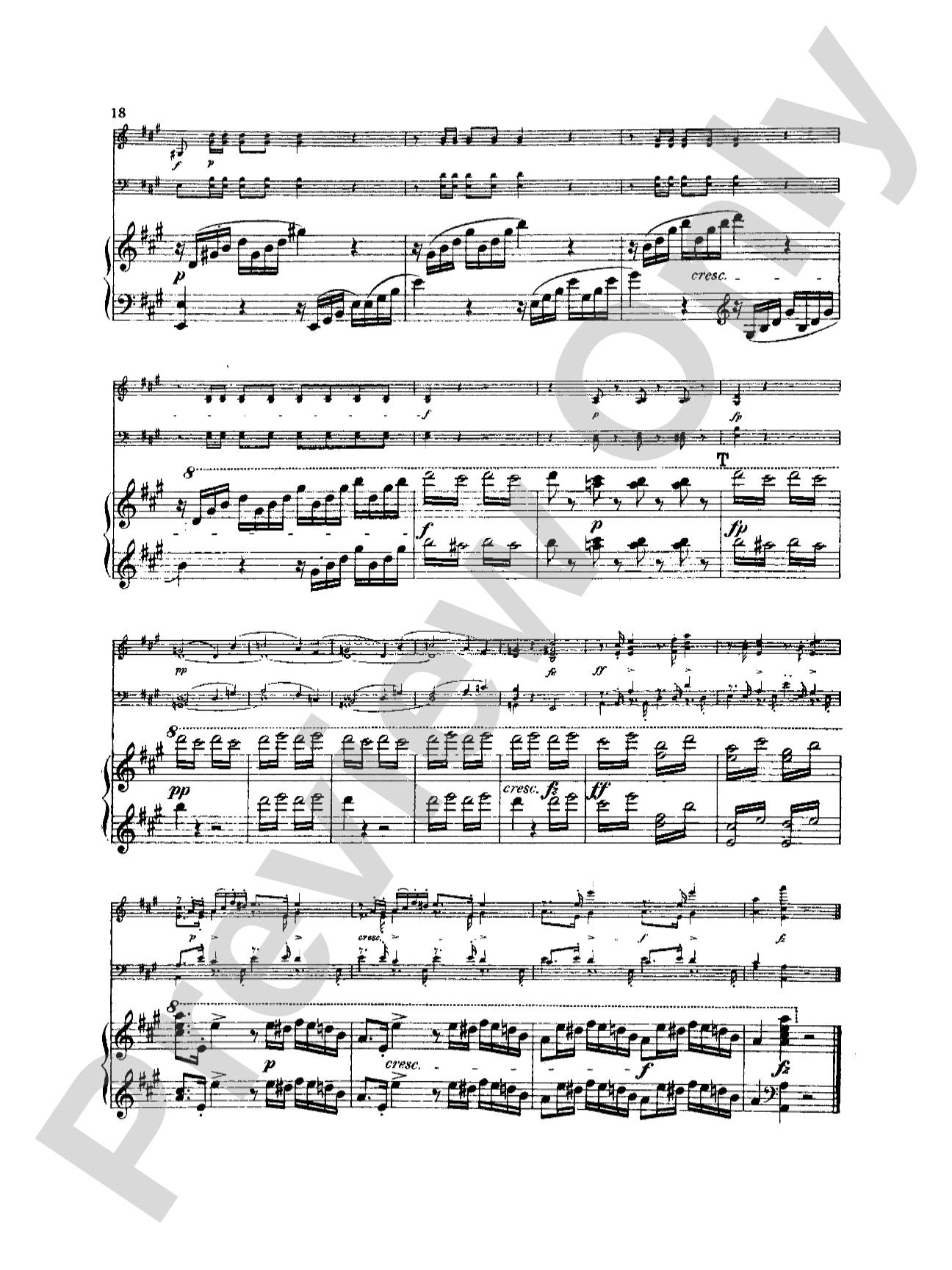
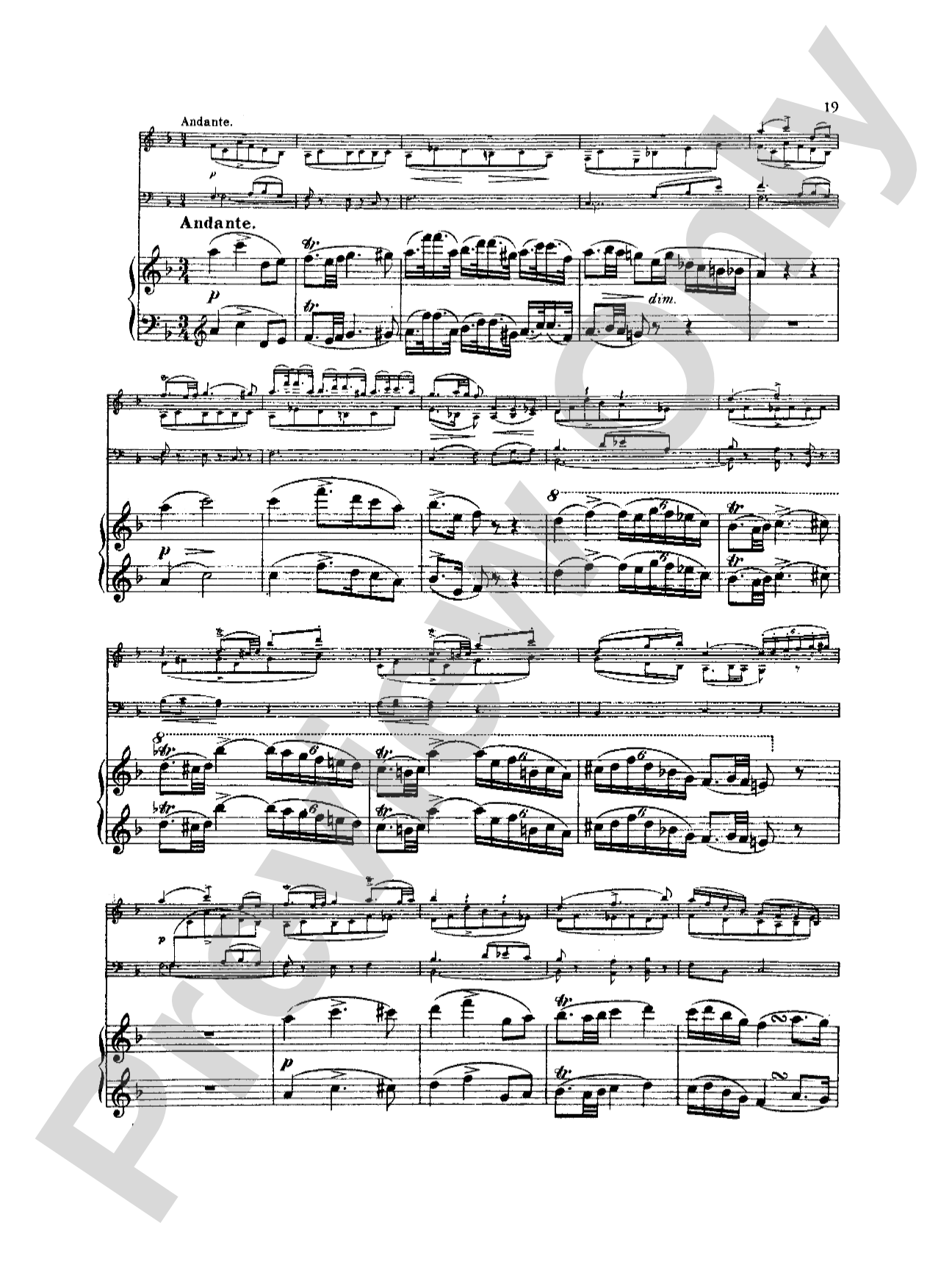
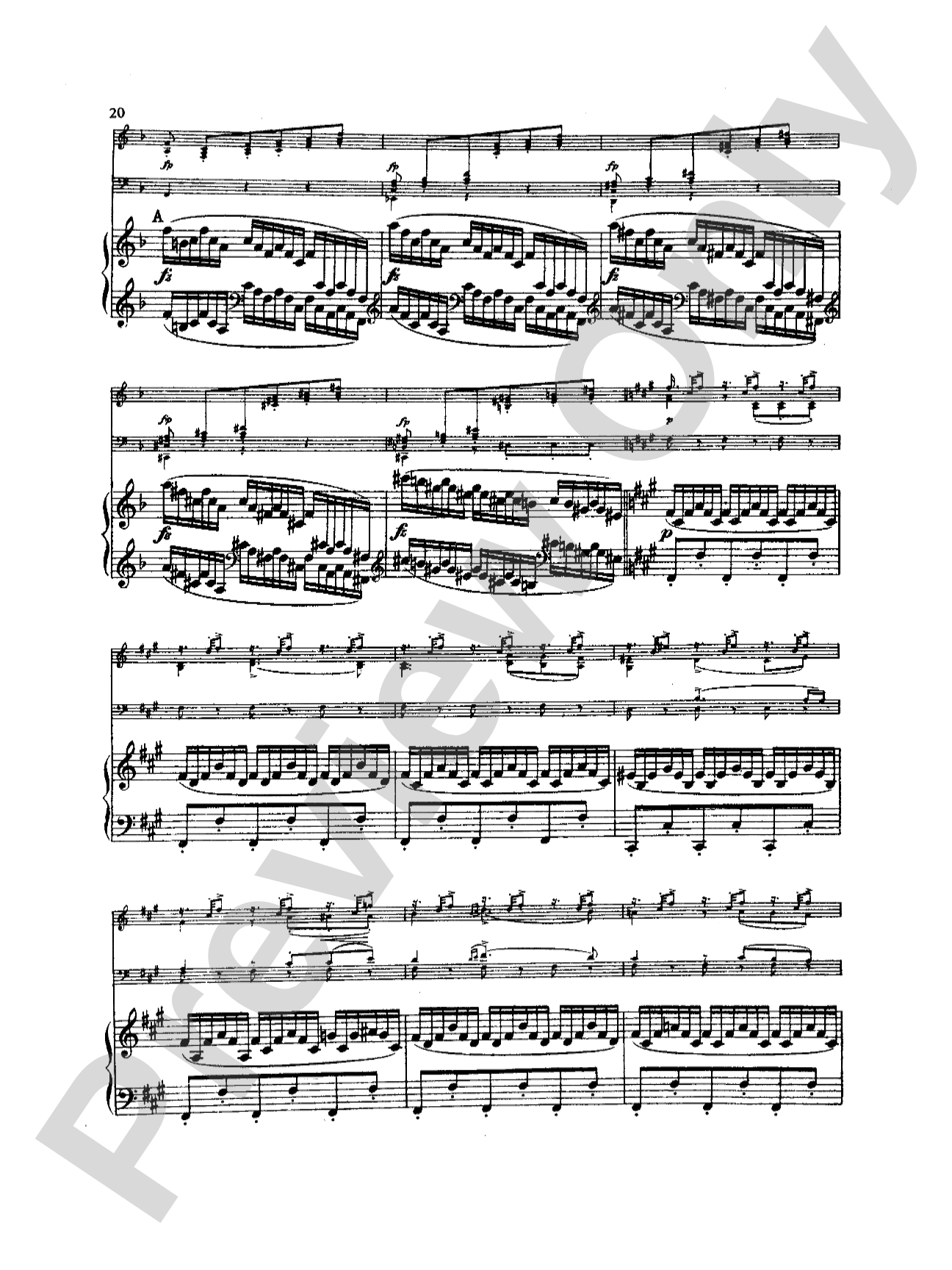
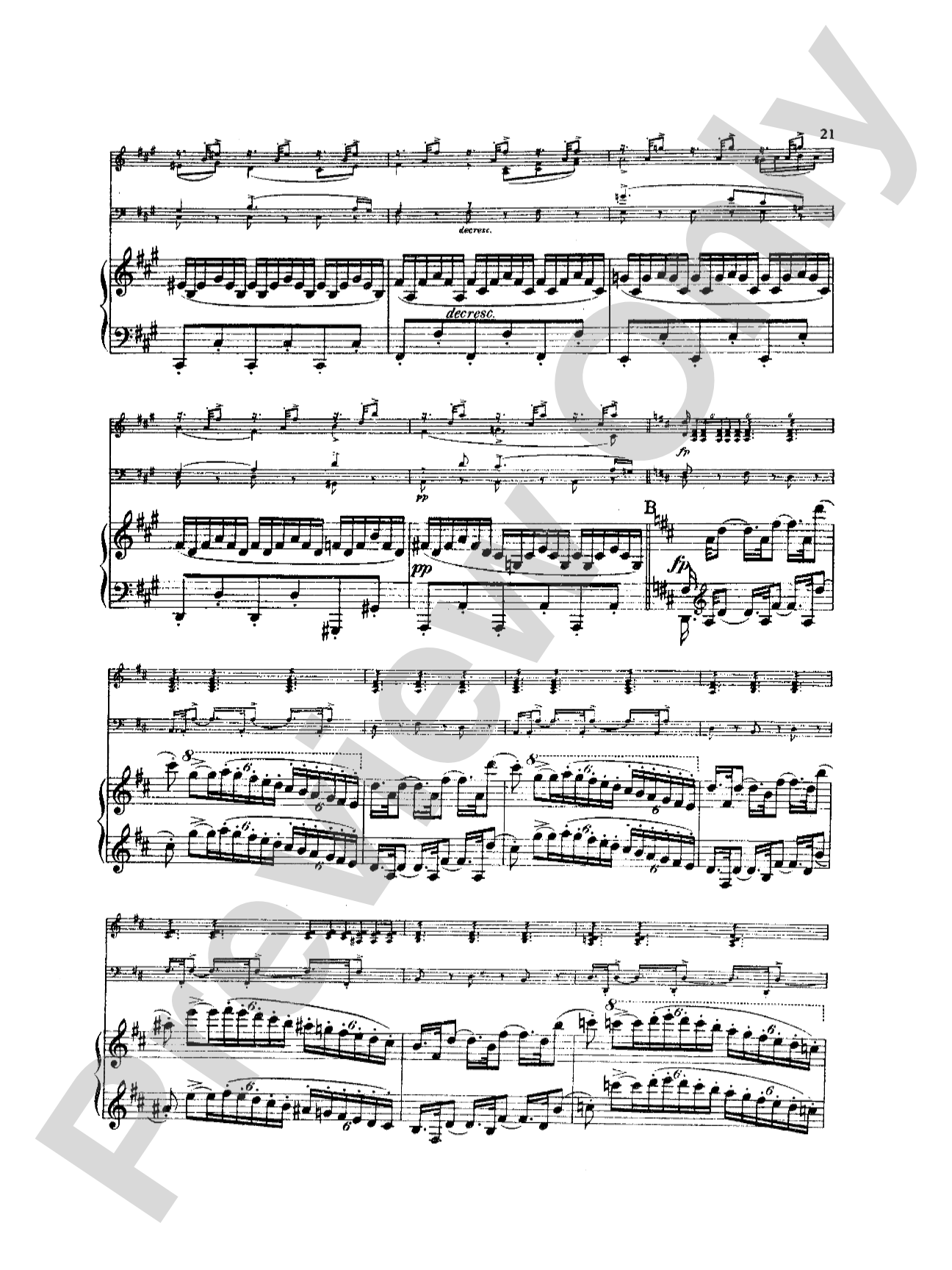
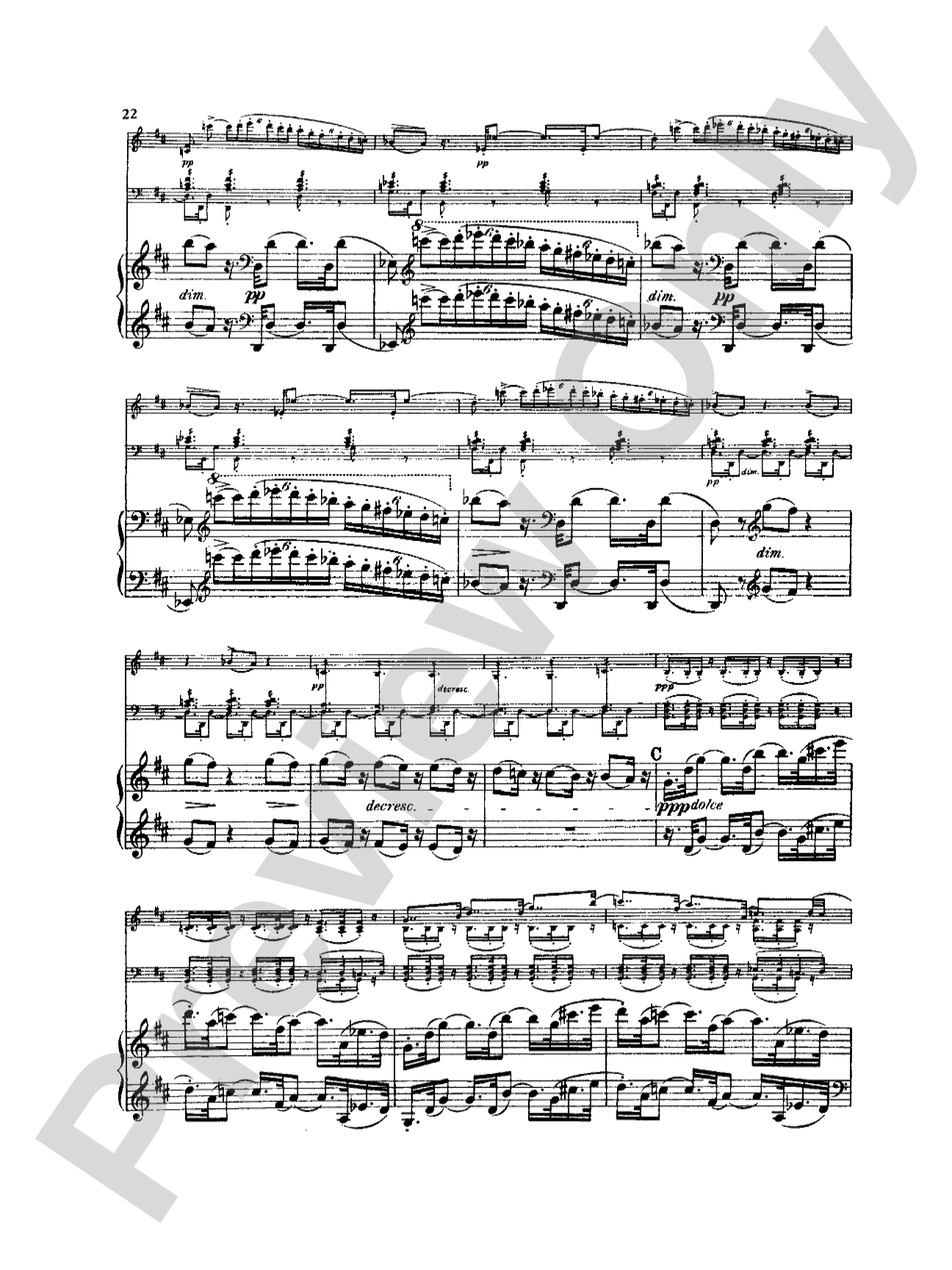
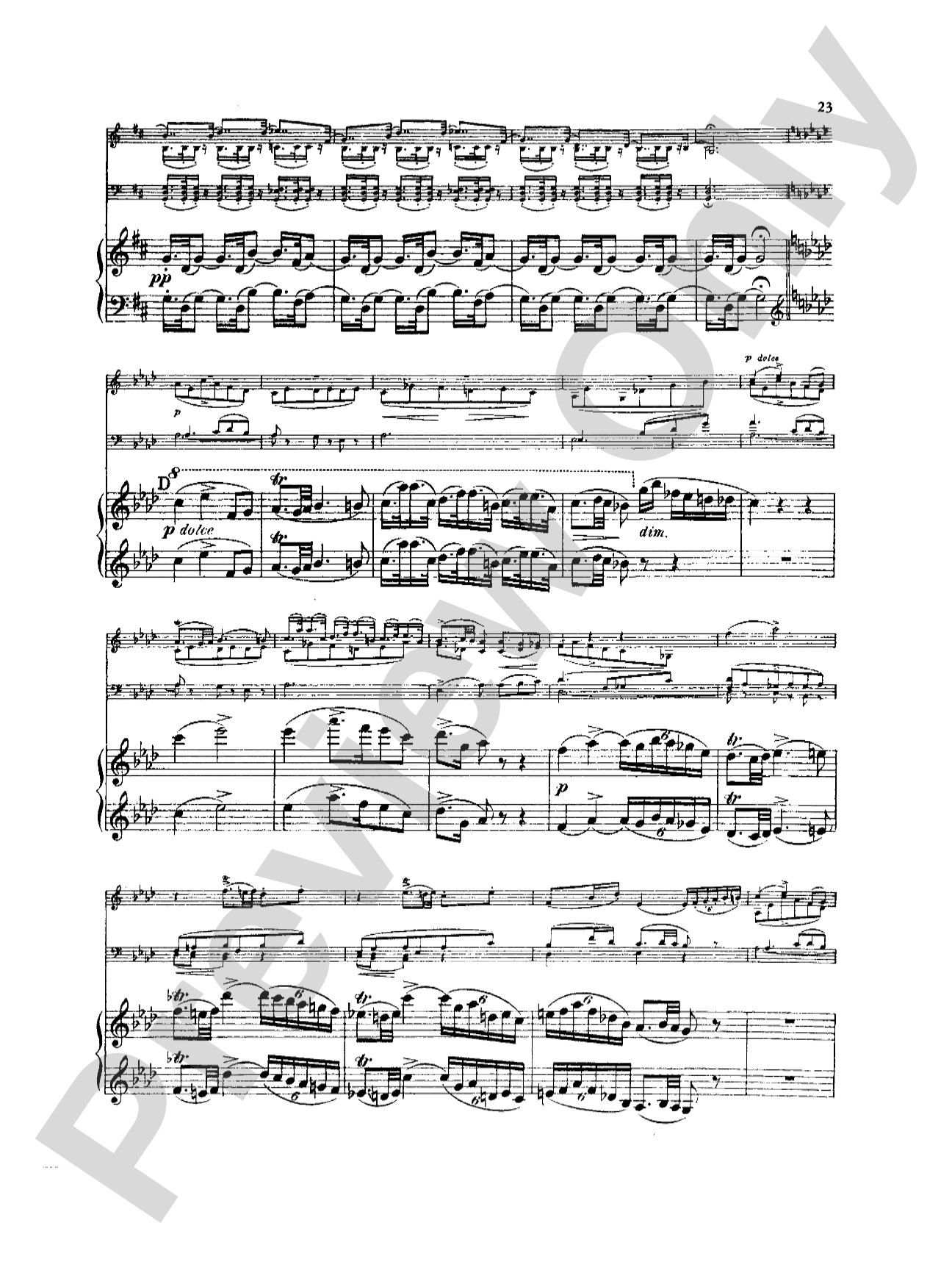
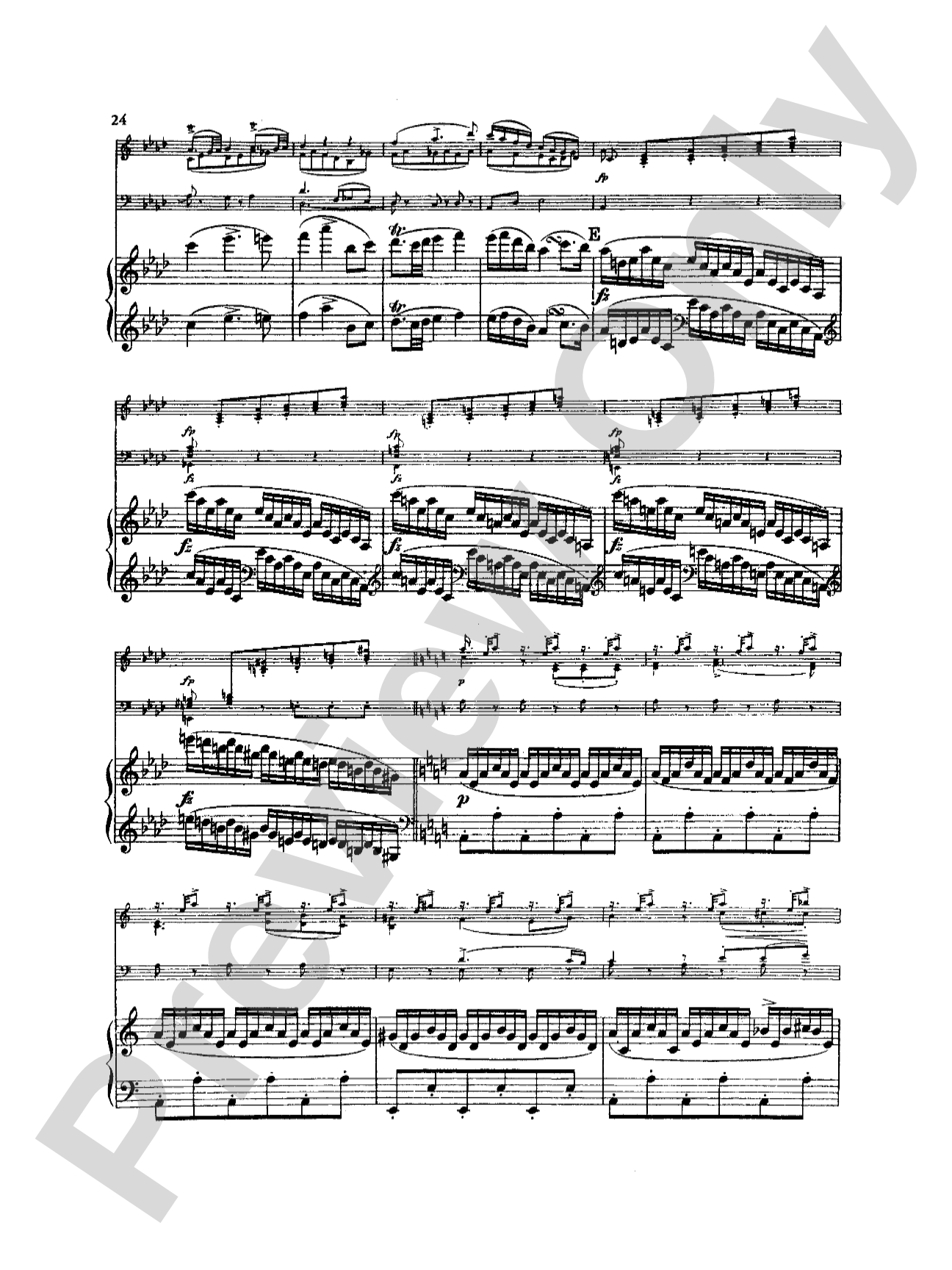
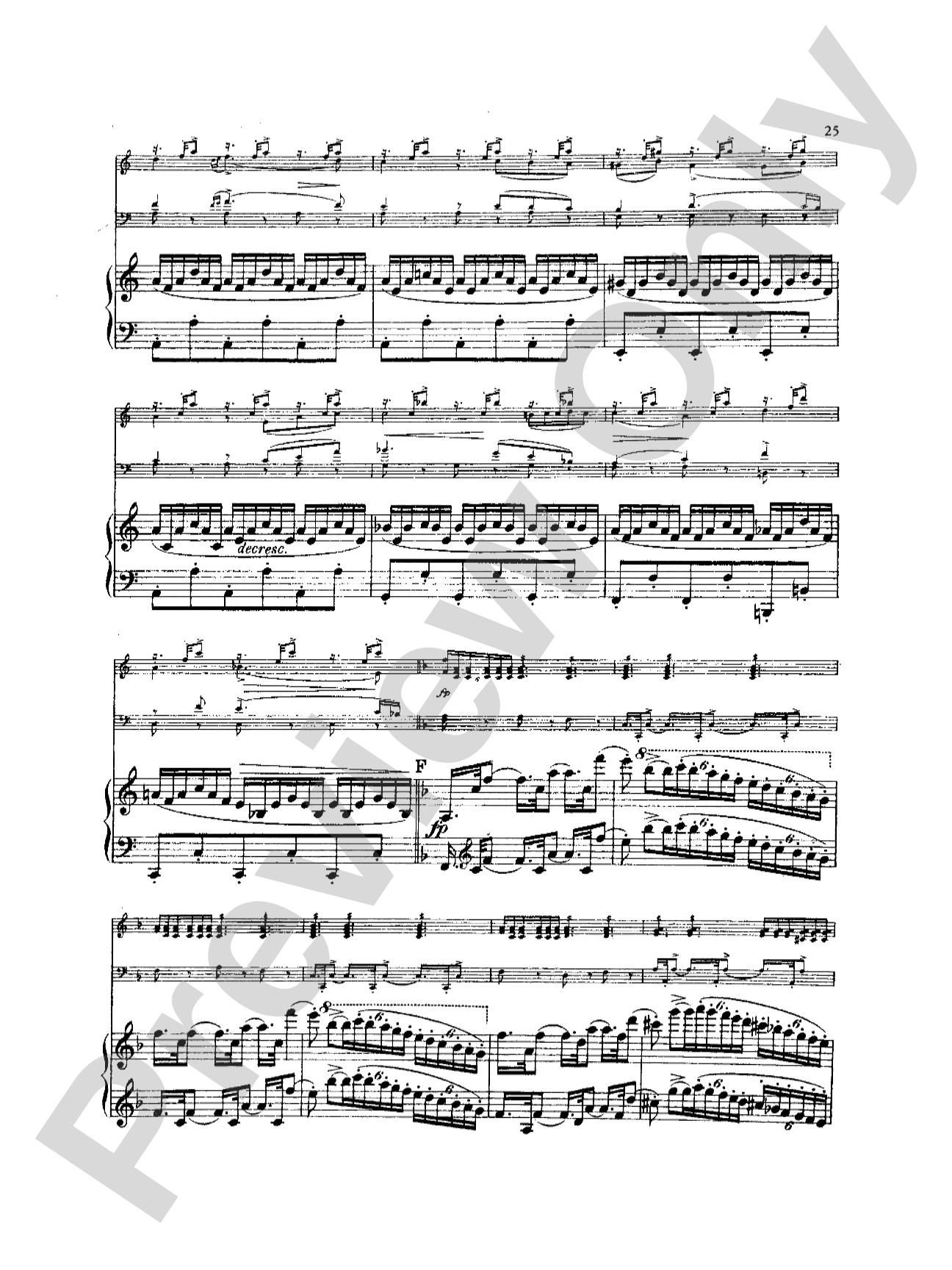
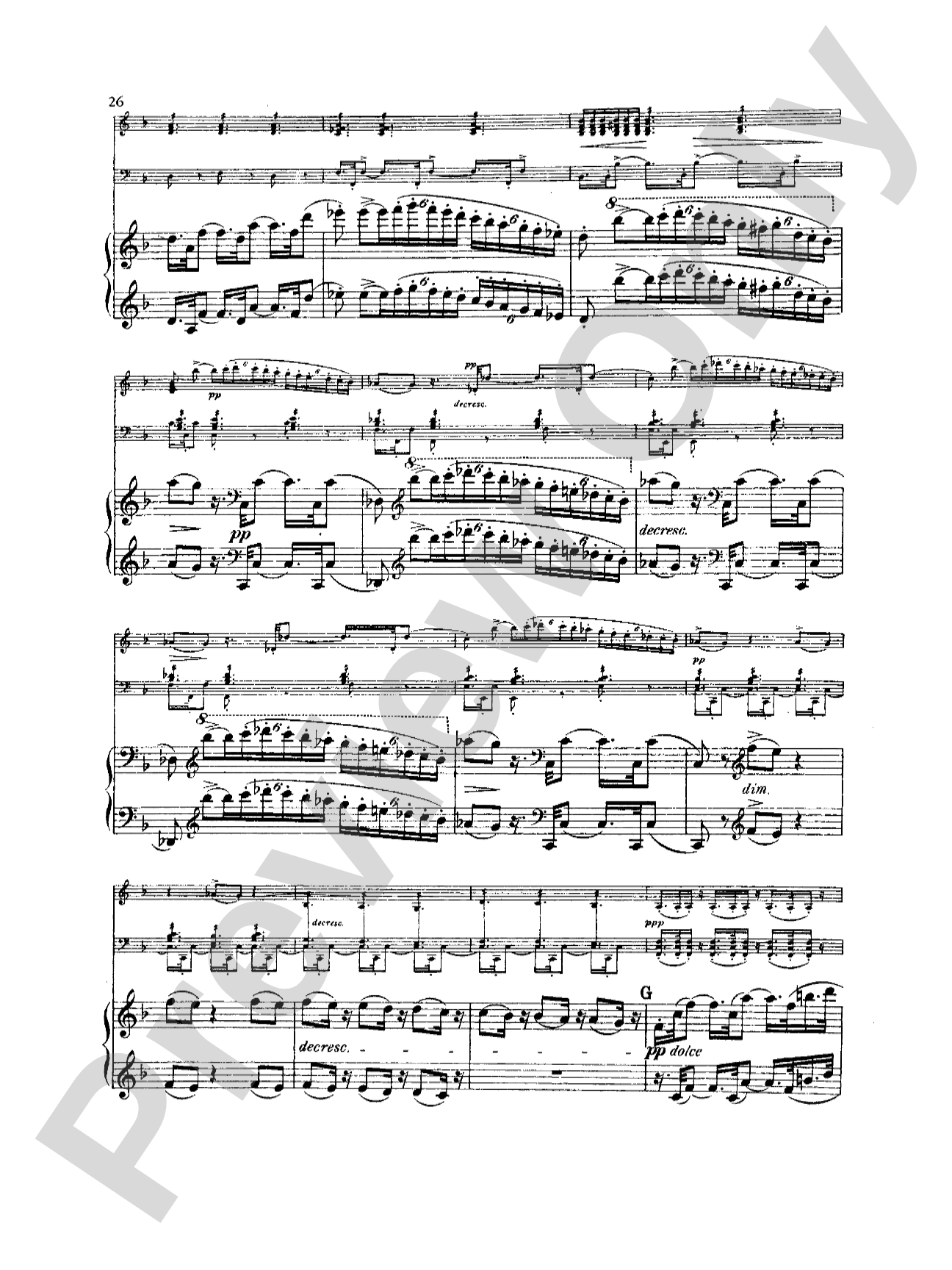
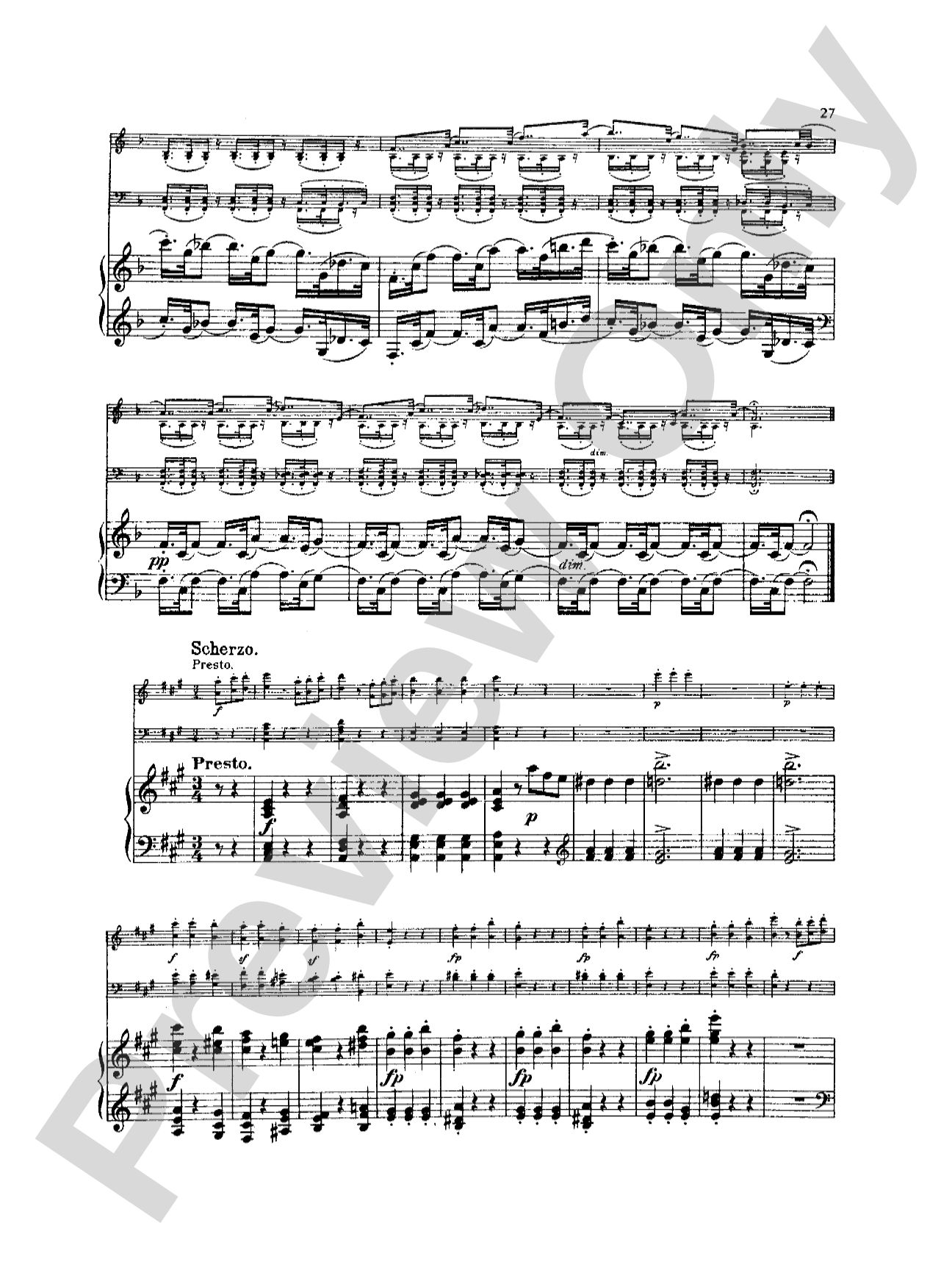
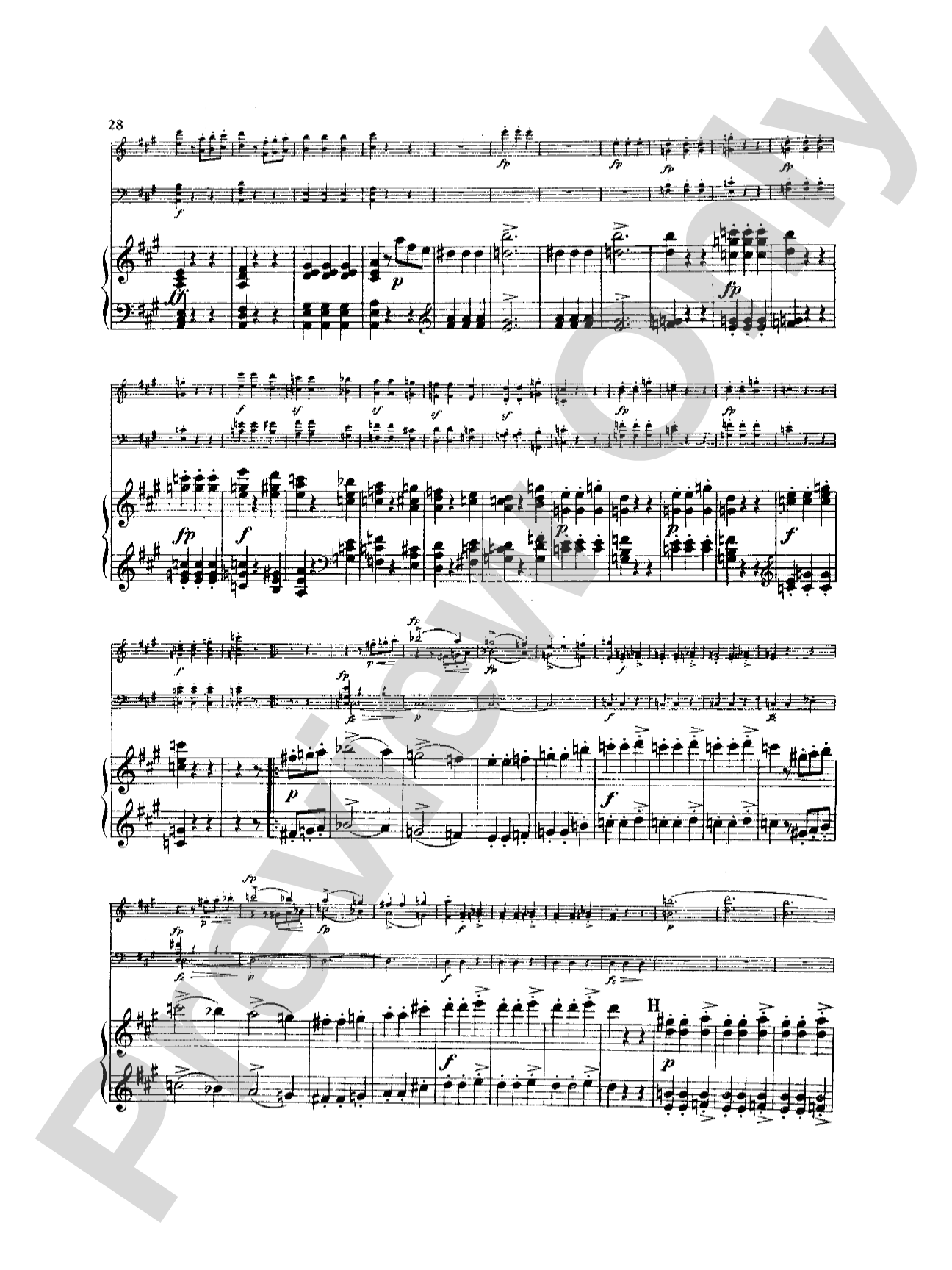
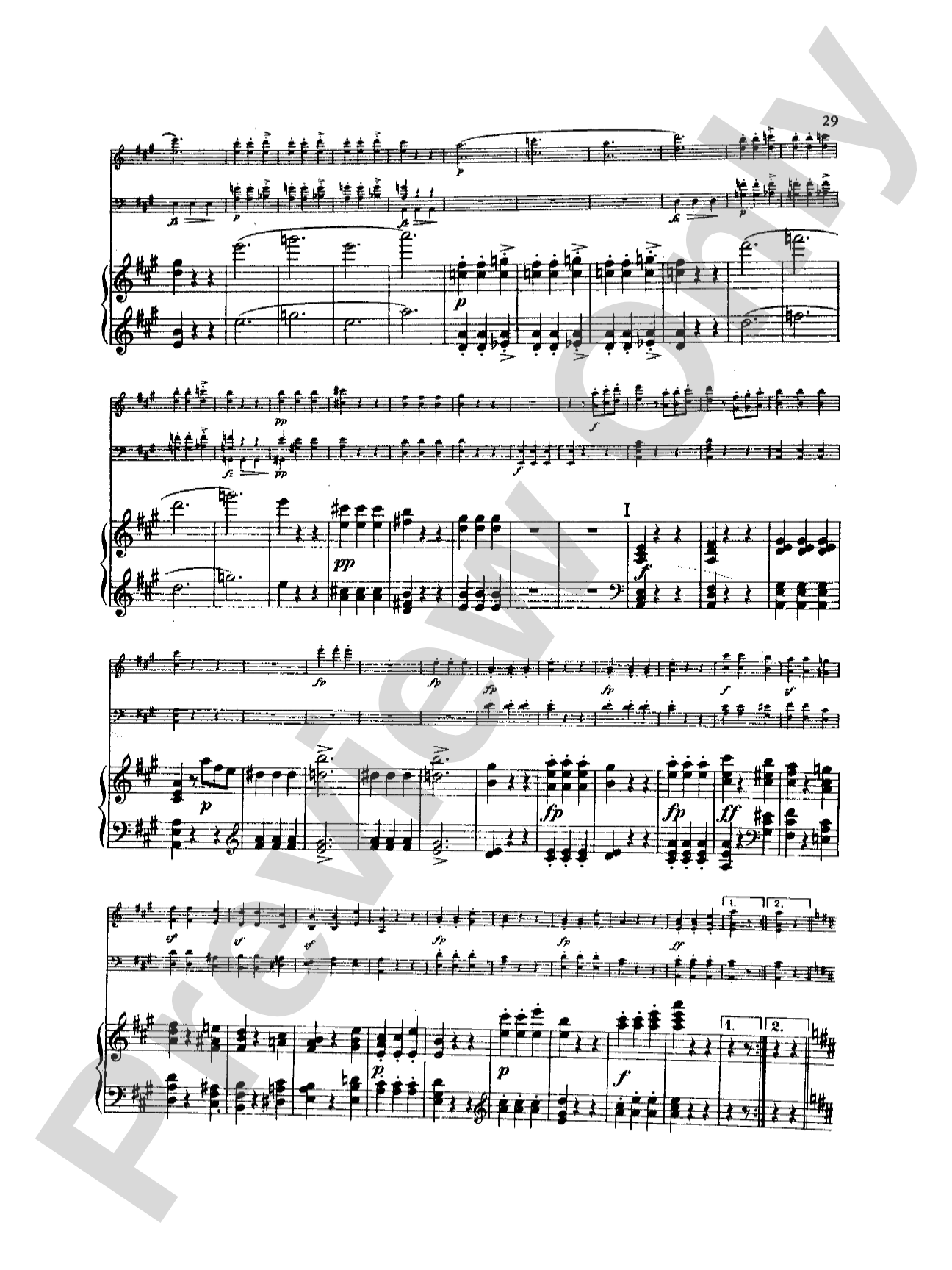
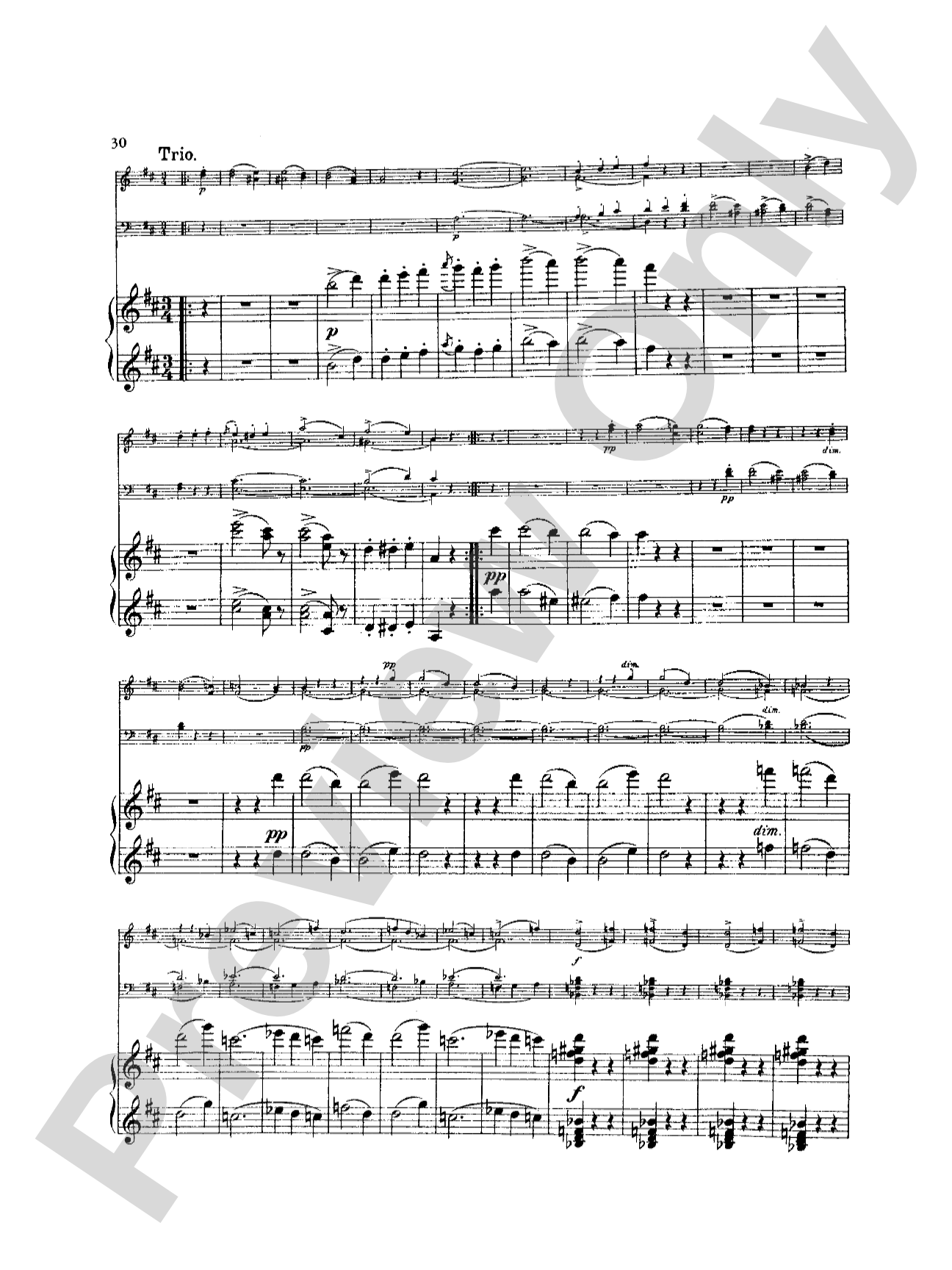
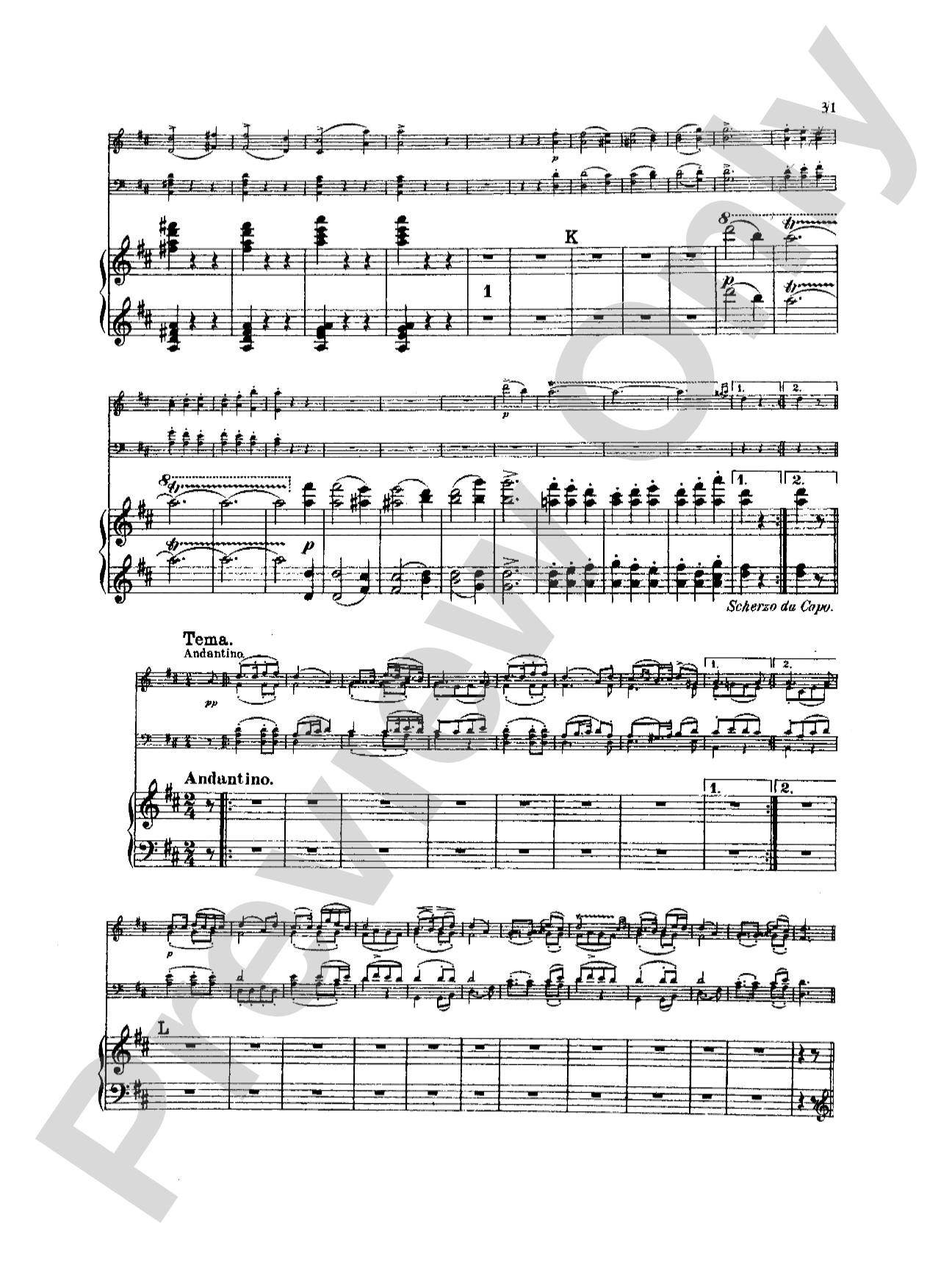
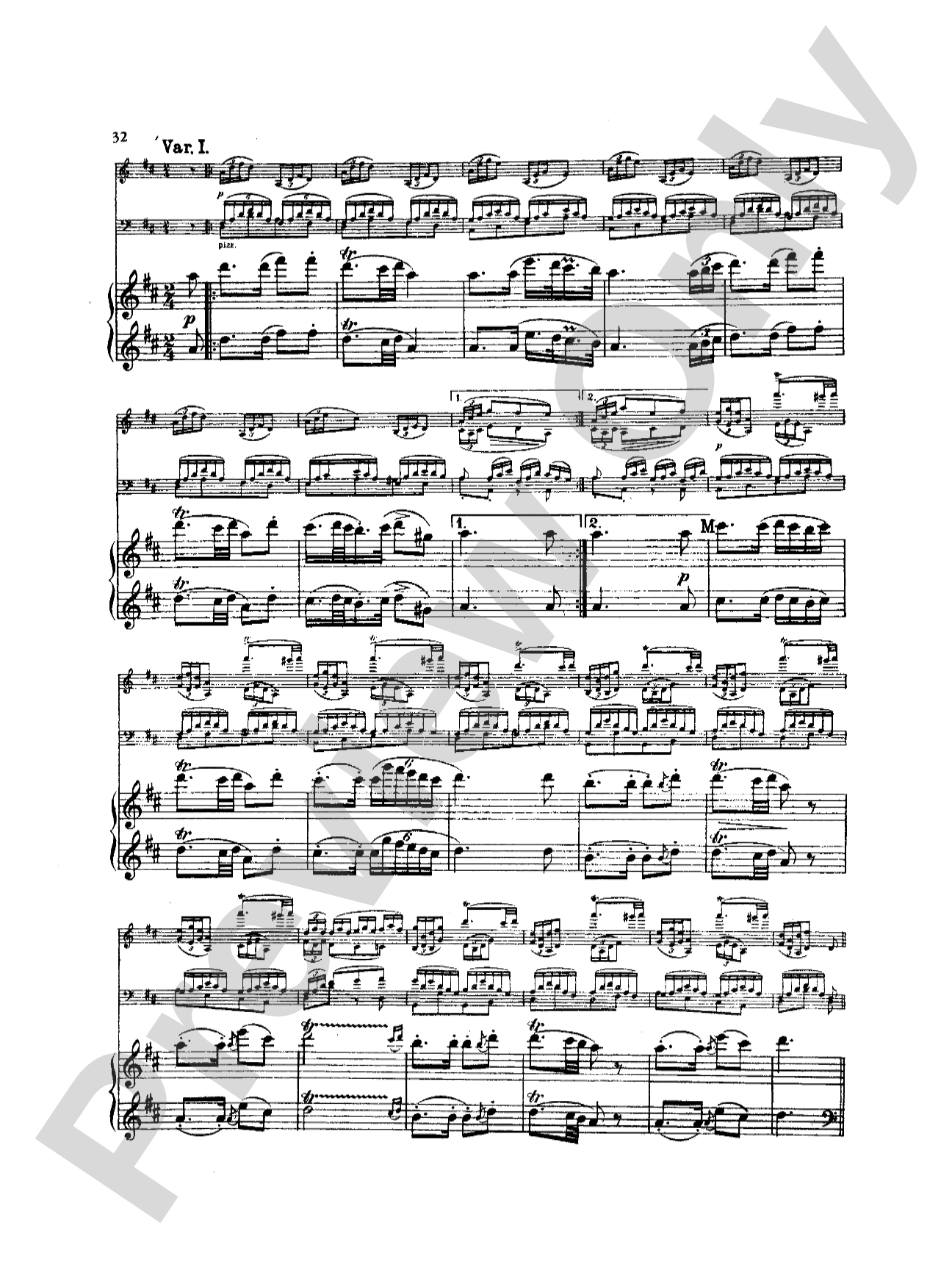
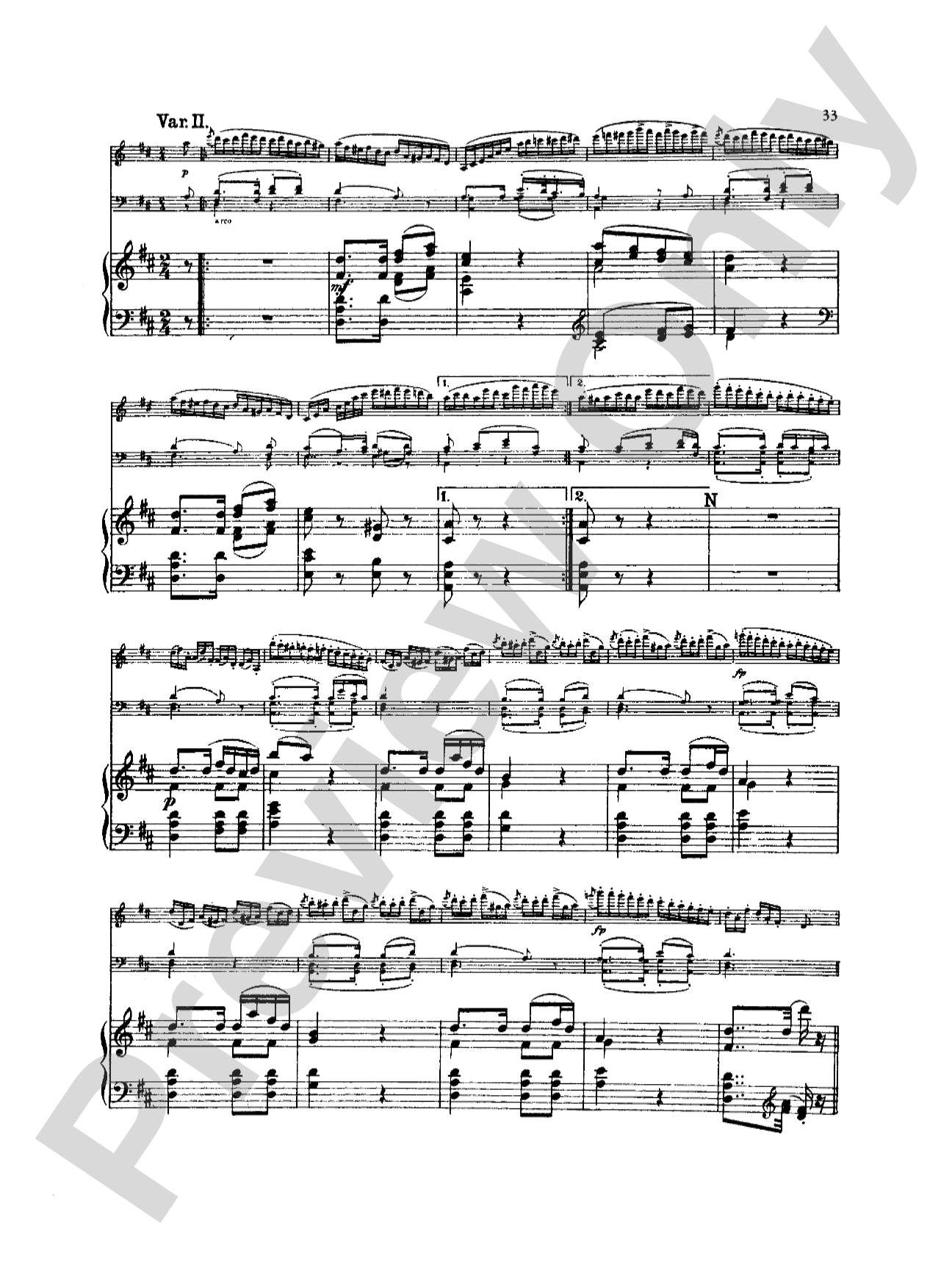
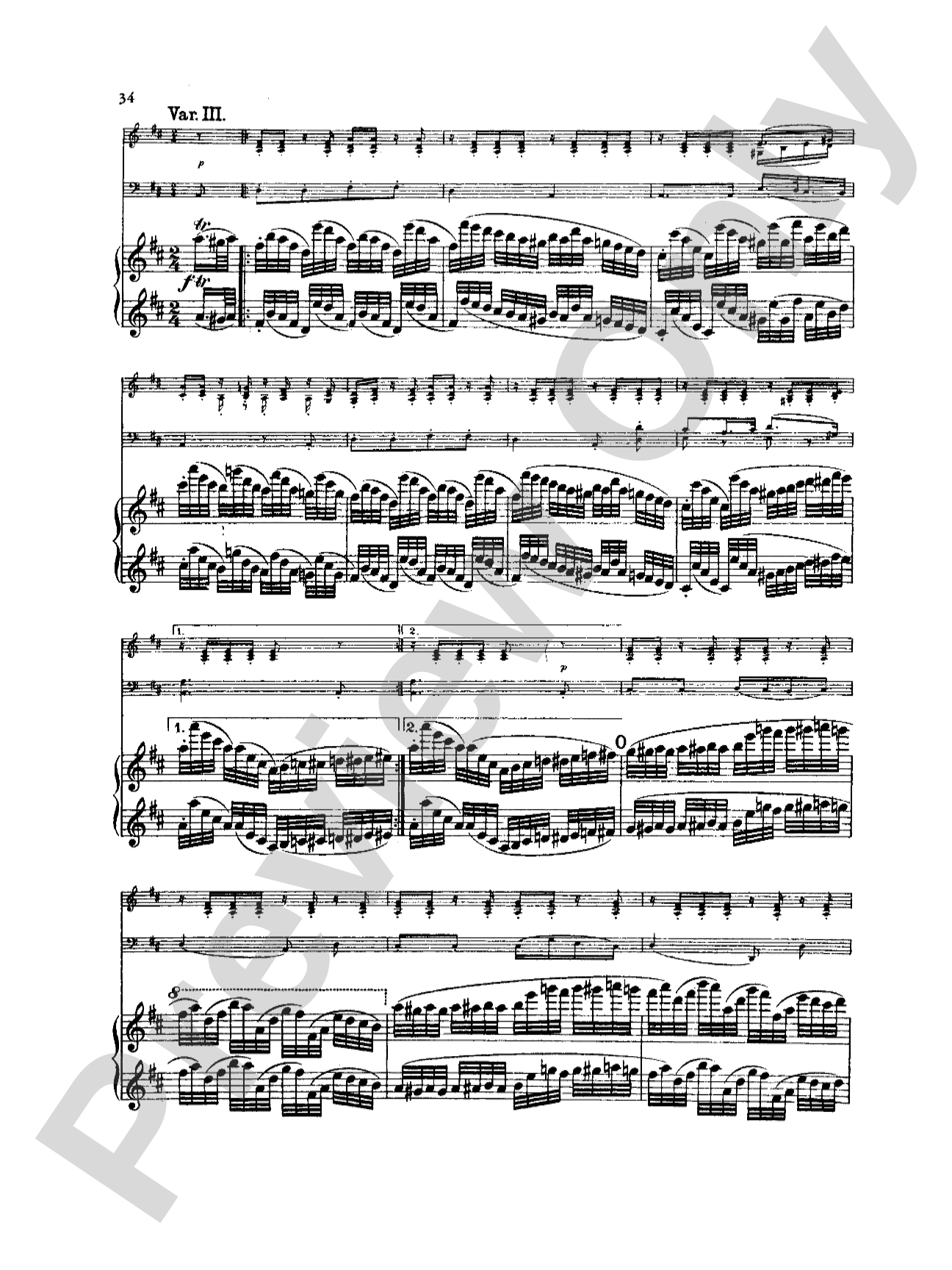
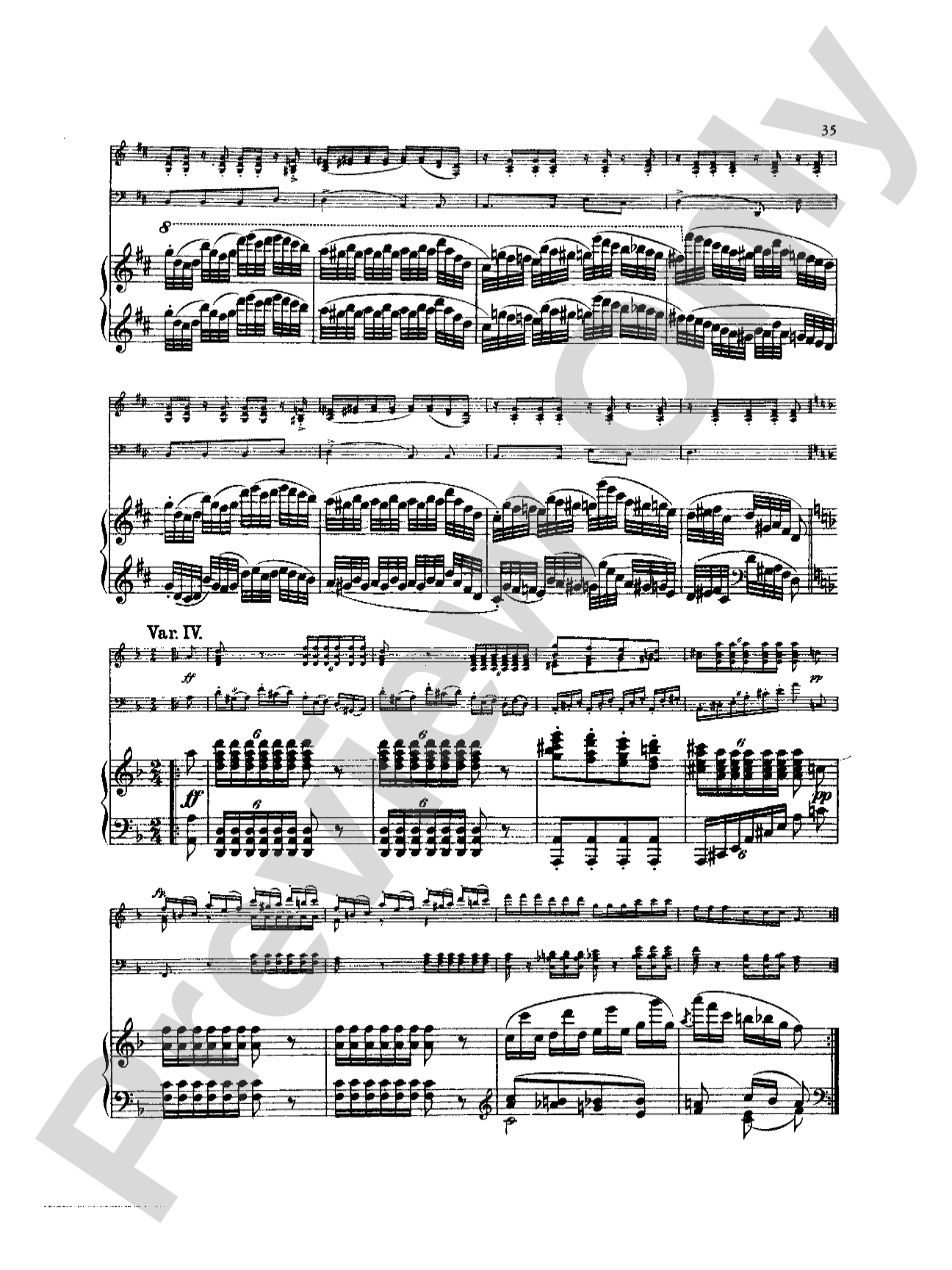
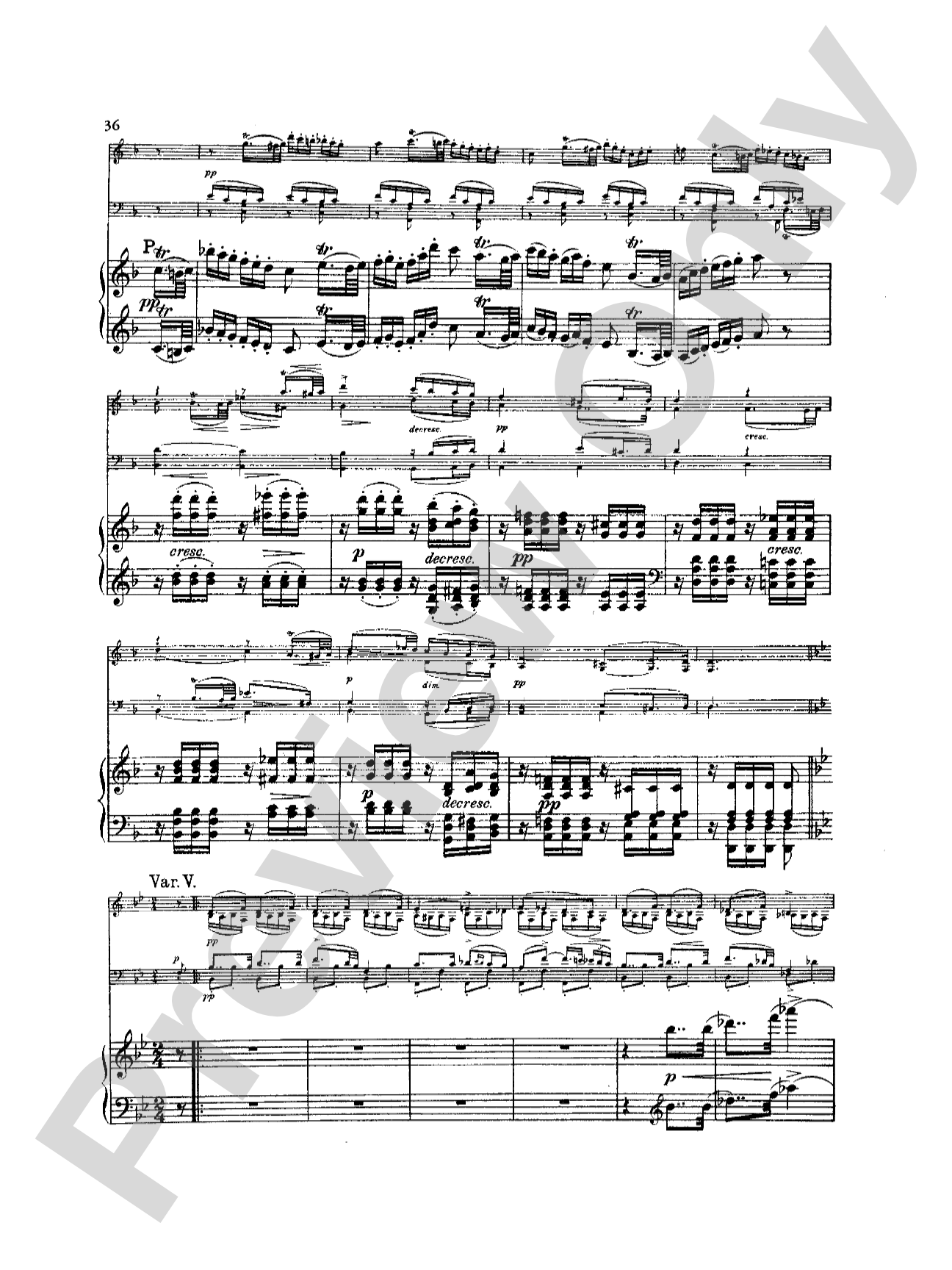
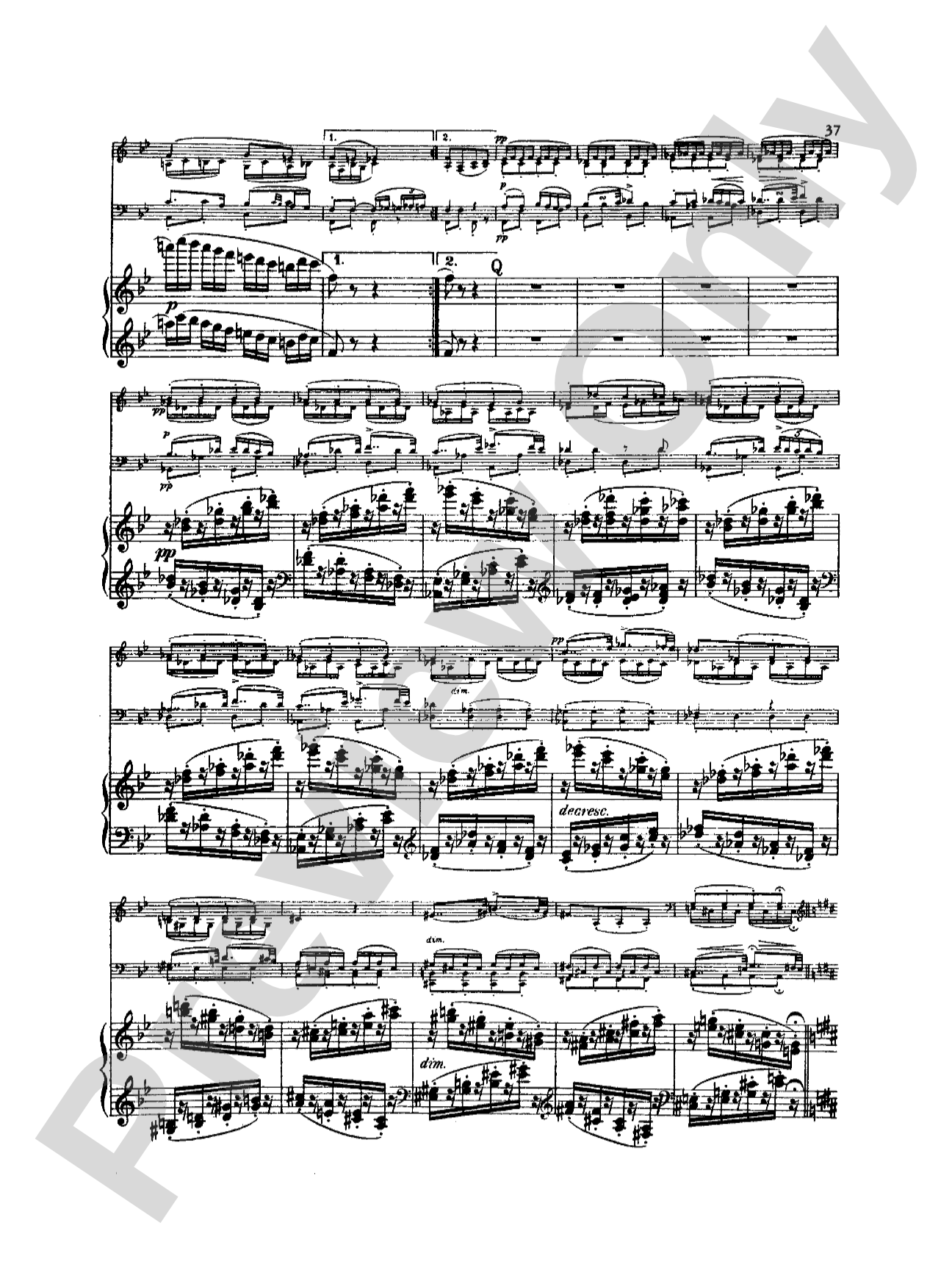
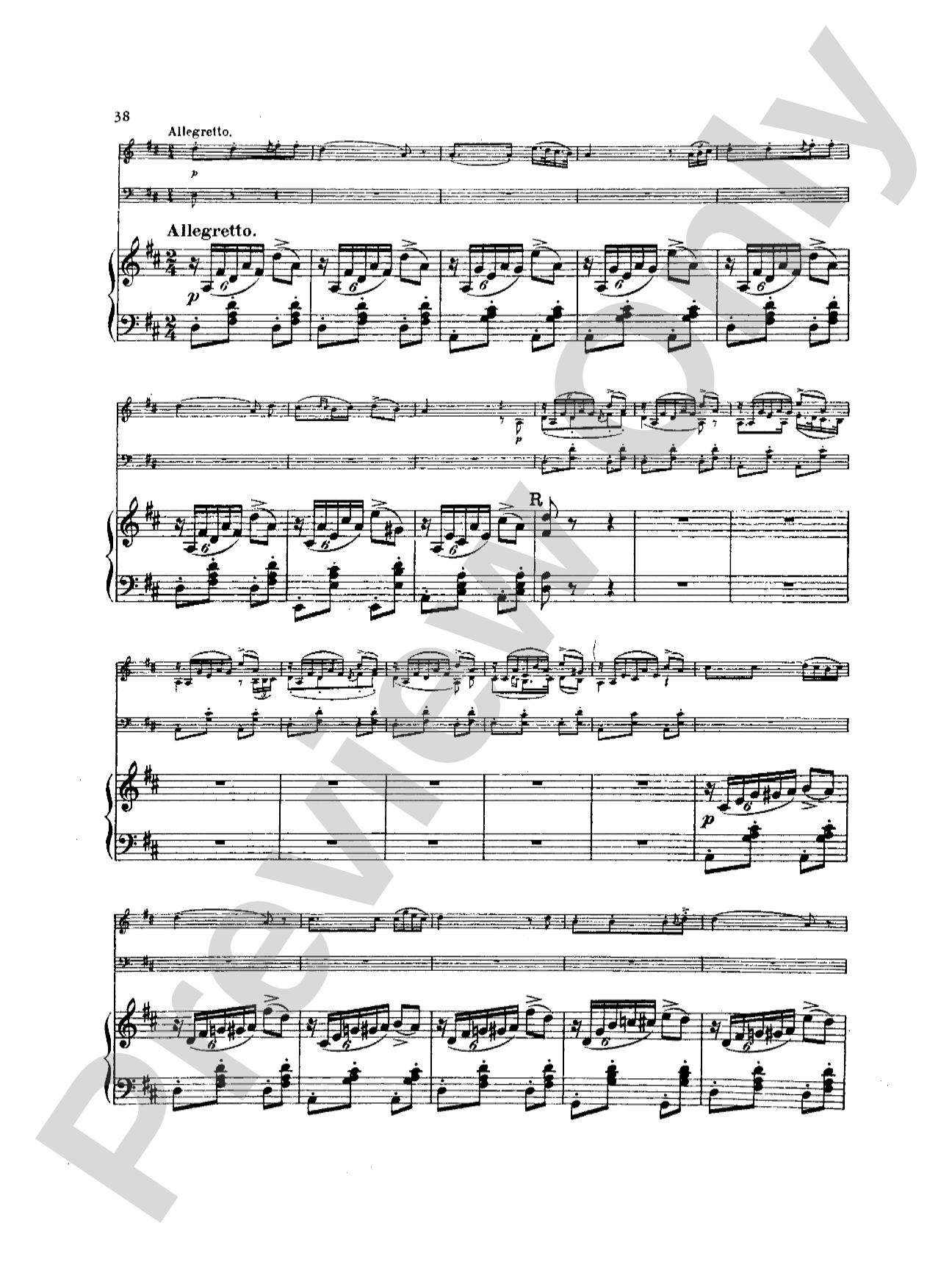
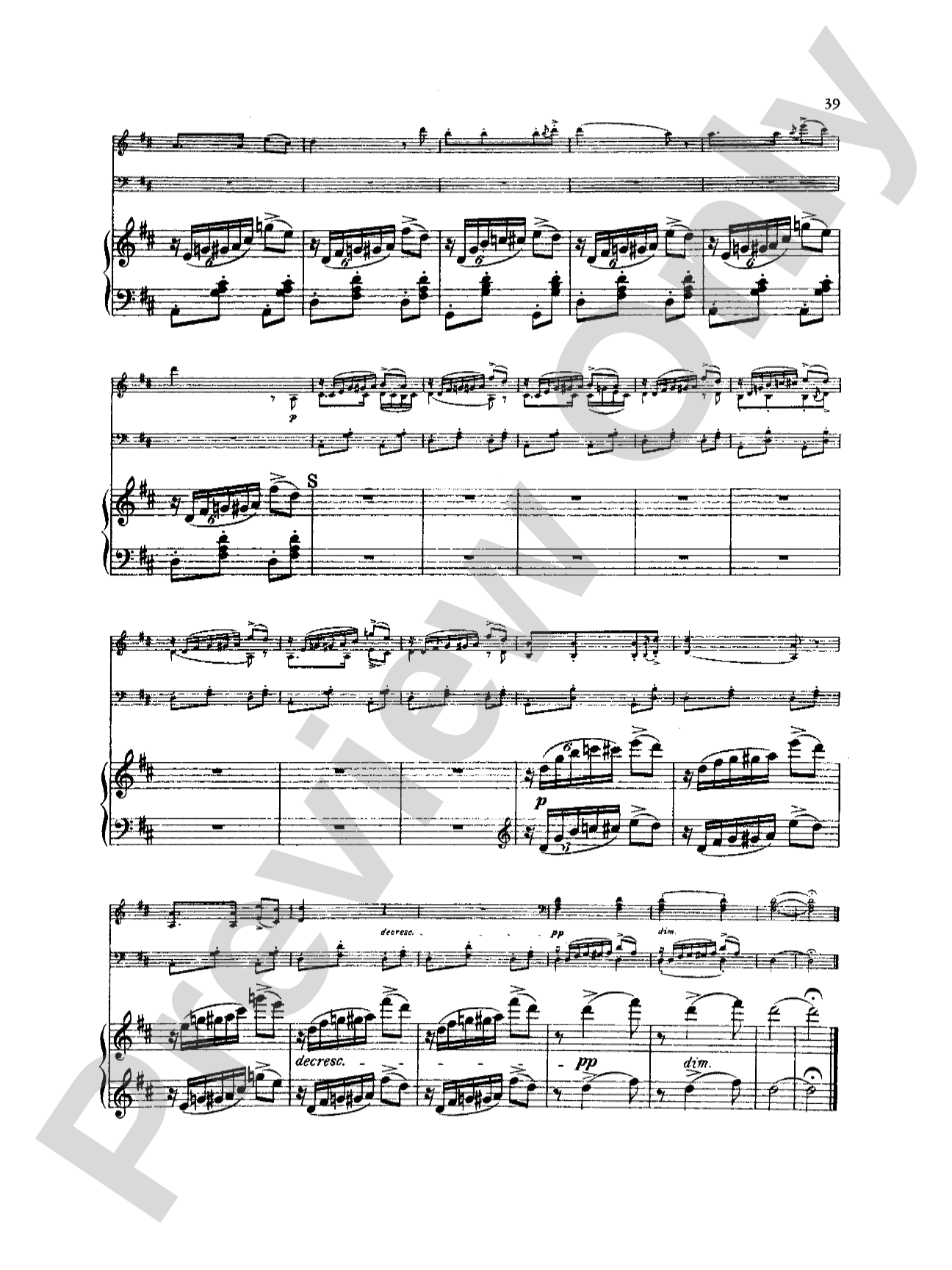
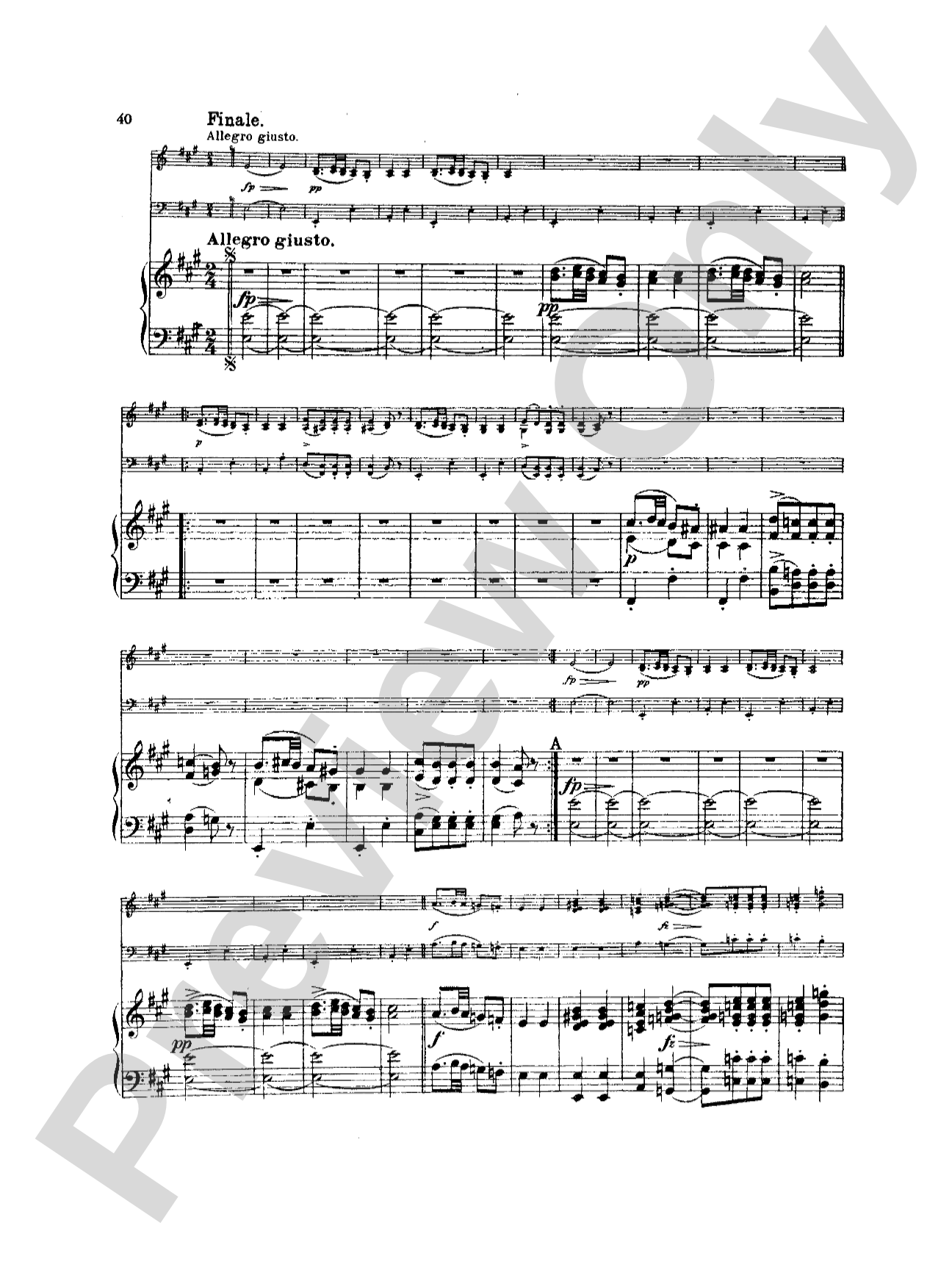
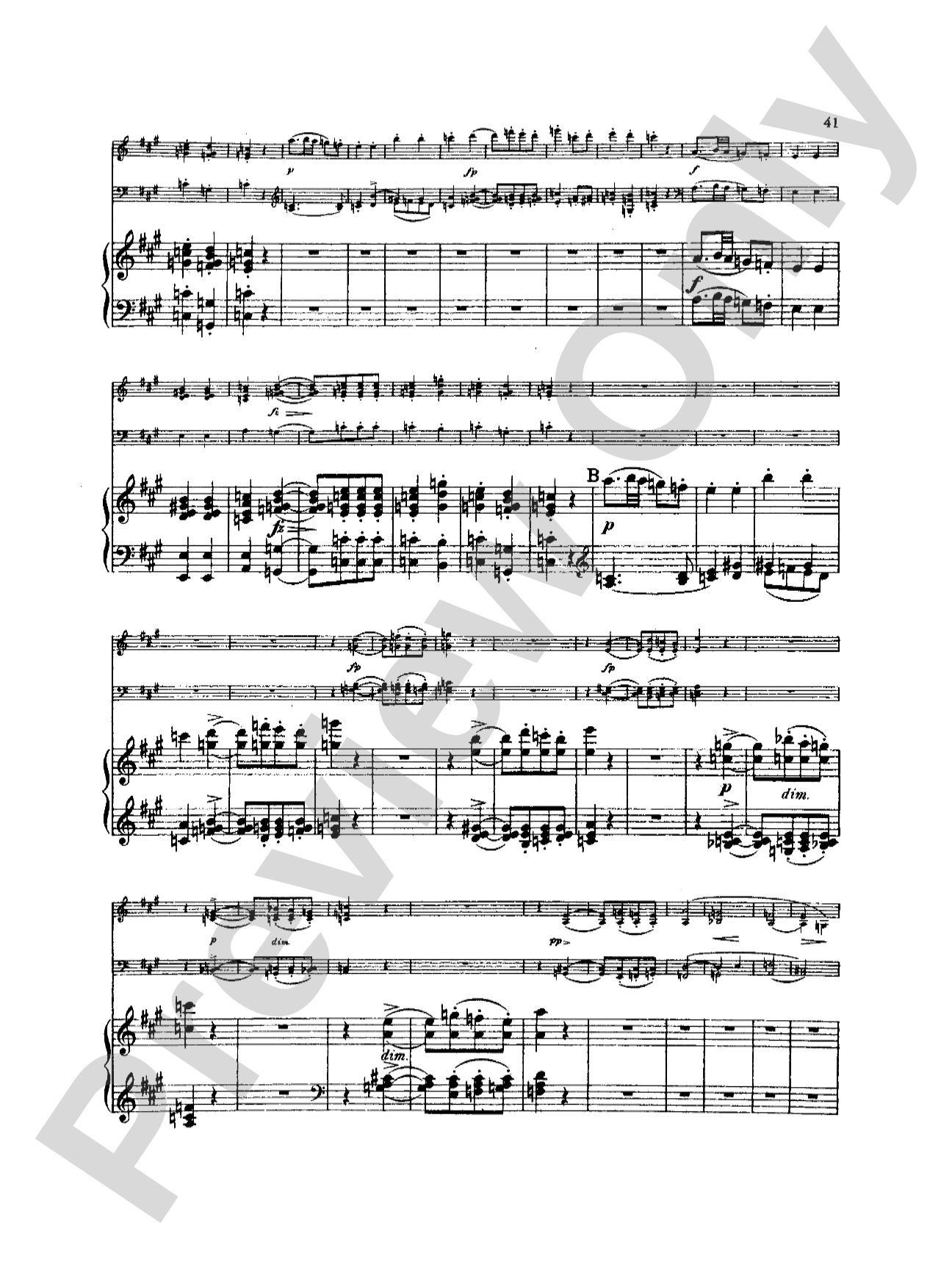
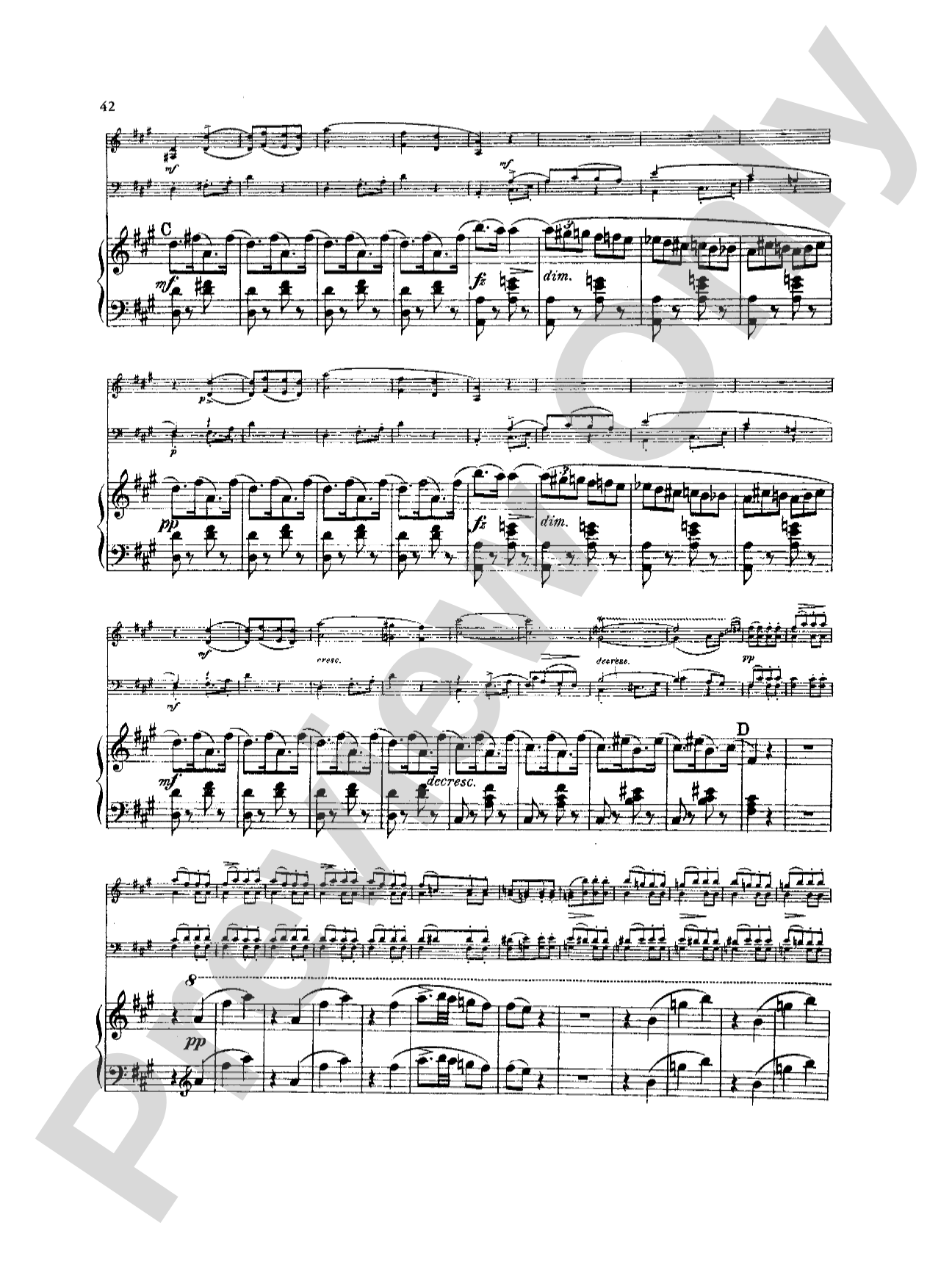
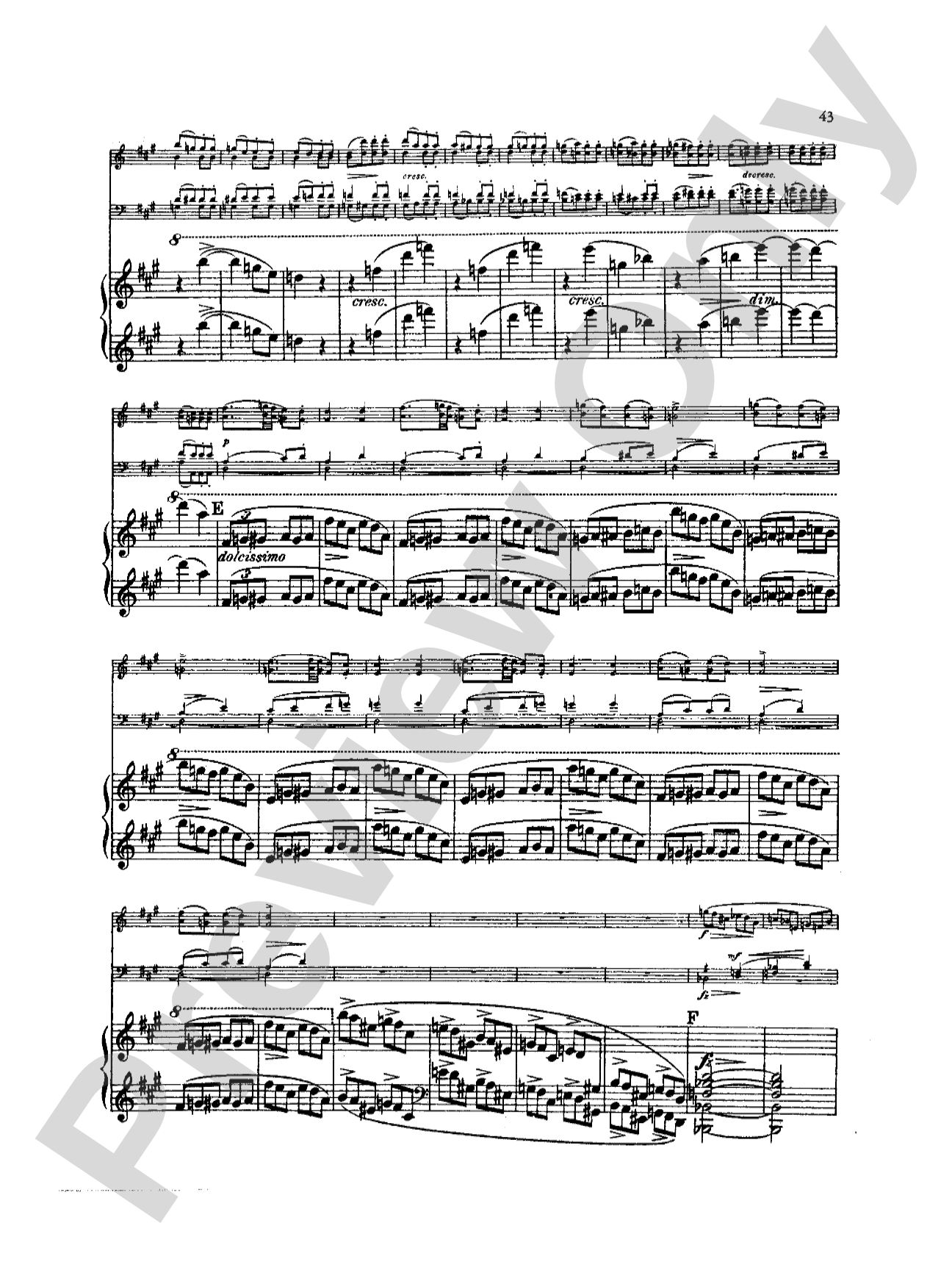
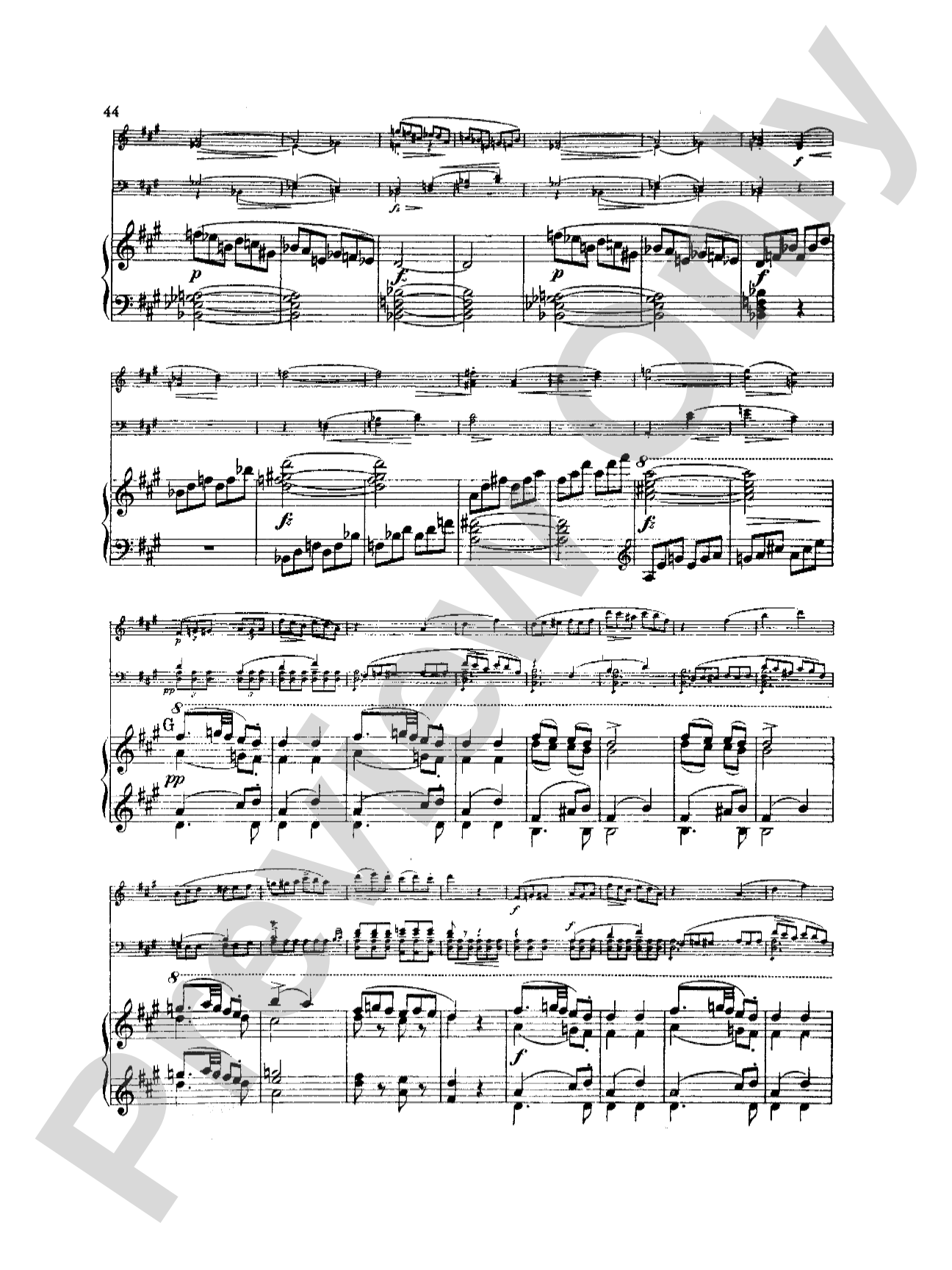
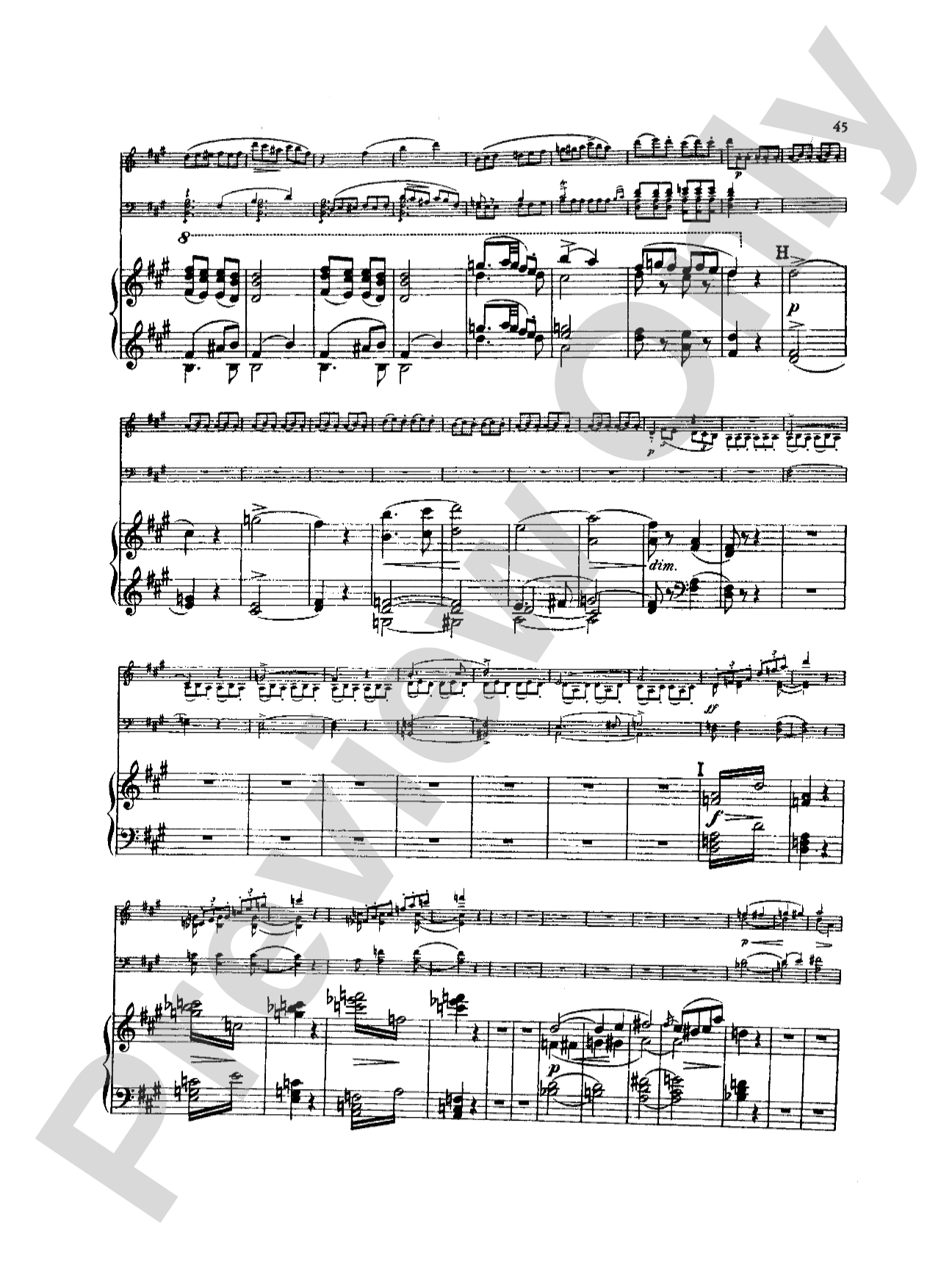
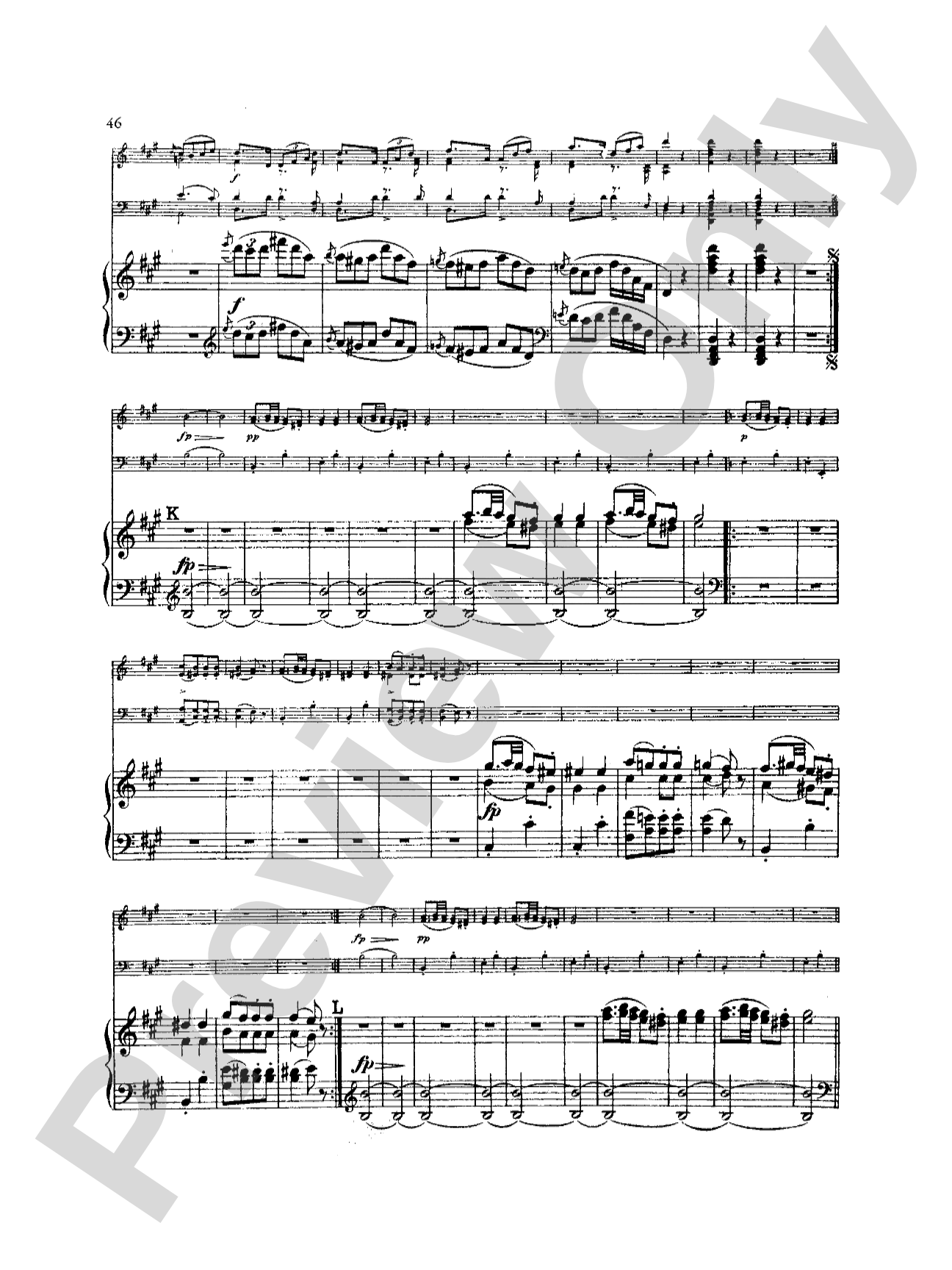
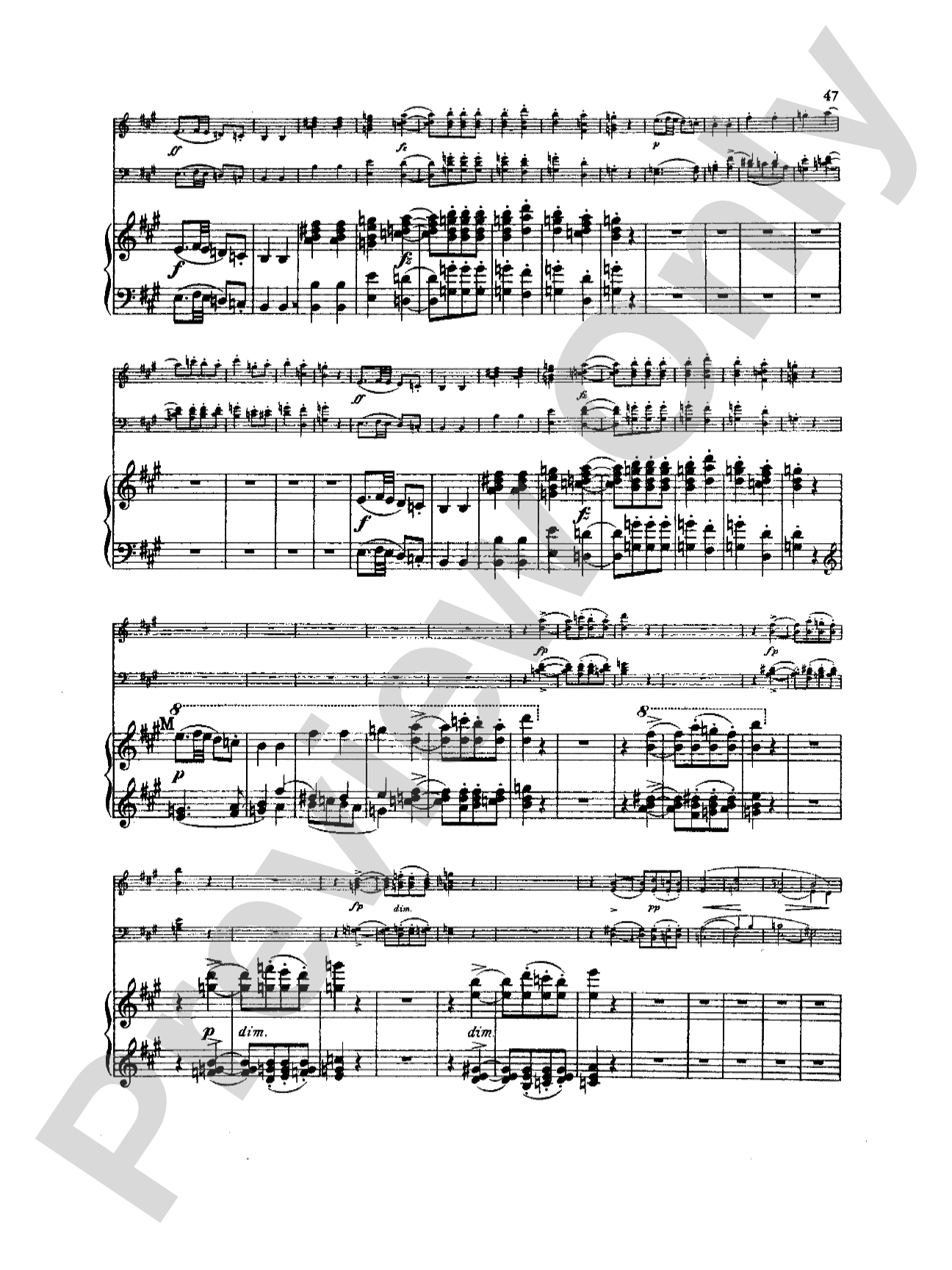
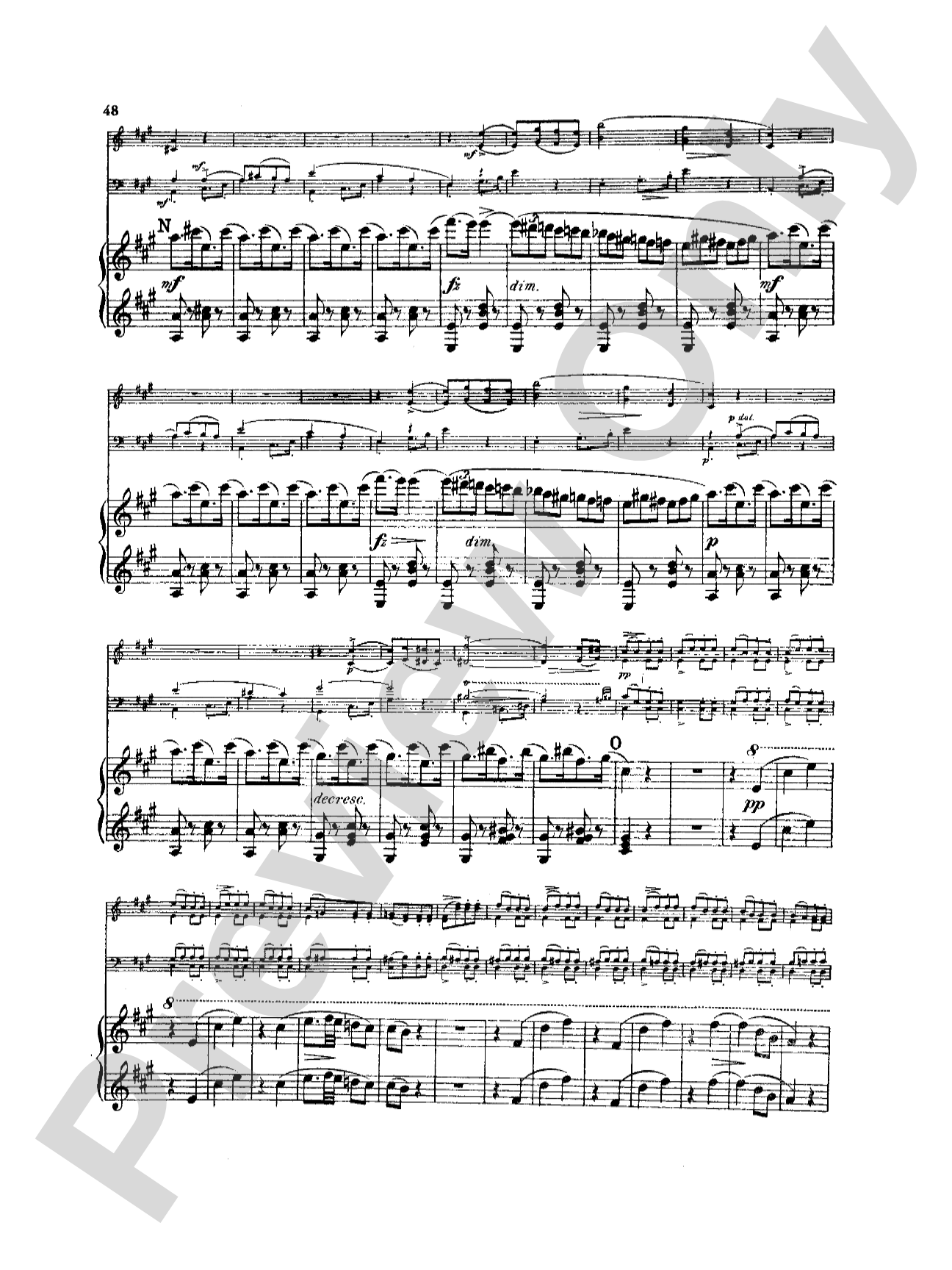

Schubert: "The Trout" Quintet, Op. 114: String Quintet Book
By Franz Schubert
Item: 00-PK-0003313

$23.95
Pickup currently not available
Buy Extra Parts (Digital PDF Download)
| Product | Price | Quantity |
|---|---|---|
| Schubert: "The Trout" Quintet, Op. 114 | $22.95 |
Parts Added to Cart!
Related Items
Trout Quintet, Opus 114: String Quintet Book |
$23.95
|
View |
Description
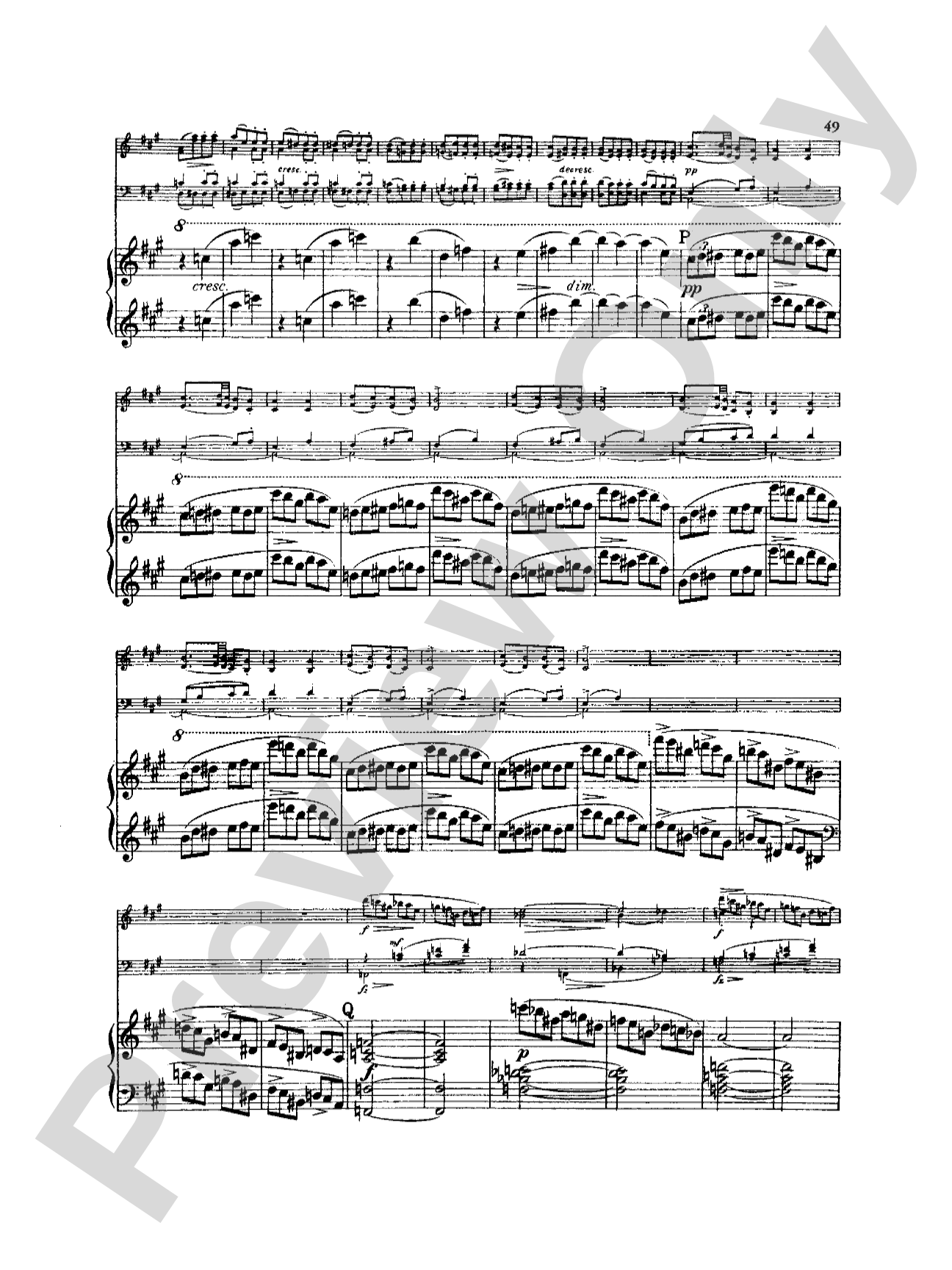
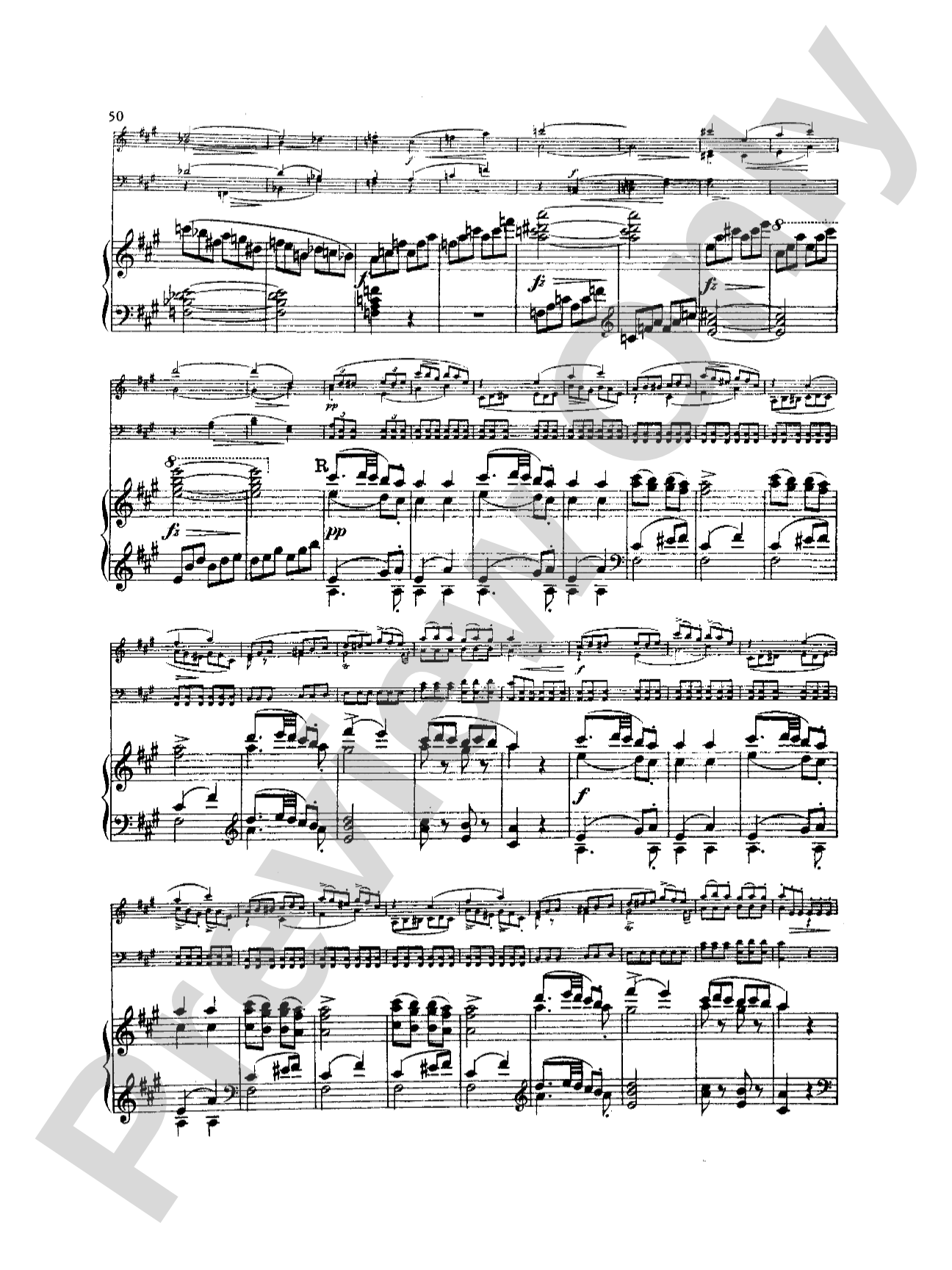
Expertly arranged String Quintet for Piano, Violin, Viola, Cello, and Bass by Franz Schubert from the Kalmus Edition series. This is from the Romantic and Classical eras.


Don't just read it, hear it, play along with it, and watch your students grow with it. In MakeMusic Cloud, Schubert: "The Trout" Quintet, Op. 114: String Quintet Book comes alive with professional accompaniment, adjustable tempo, and built-in practice tools that turn solo practice into real progress.
Open in the Player
Jump straight in and assign it today.
Start Your Free Trial
Open this title and explore the full library in minutes.
Sample Audio
No sample audio found.
Sample Video
No sample videos found.
Additional Details
Series:
Kalmus Edition
Publisher:
Alfred Music
Page Count:
112
SKU:
00-PK-0003313
Instrumentation:
Piano, Violin, Viola, Cello, & Bass
More about this title
About the Composer: Franz Schubert
Franz Schubert (1797–1828) composed during the transition from Classical to Romantic music, creating works of extraordinary lyricism and harmonic depth despite his short life. His chamber music represents some of the nineteenth century's most intimate and emotionally direct writing, establishing models that influenced composers for generations. The "Trout" Quintet stands among his most performed works, prized for its accessibility and the distinctive character Schubert brings to the piano quintet genre.
Why we love this
This is chamber music that rewards both serious musicians and audiences immediately. The writing is singable, the textures are transparent, and the famous variations movement on the "Trout" theme gives performers a chance to shine individually while maintaining the warmth Schubert brings to ensemble playing. Programming this quintet signals genuine repertoire literacy while remaining deeply accessible.
What to expect
Schubert's quintet unfolds like a conversation among friends, intimate yet expansive. The famous "Trout" theme appears luminous and gently varied in the slow movement, while the surrounding sections balance lyrical songfulness with moments of genuine drama and humor. There's a natural sweetness here without sentimentality.
Who it's for
Advanced amateur ensembles, advanced youth orchestras with strong chamber players, and serious piano quintets preparing repertoire for recital or competition. This work demands confident reading in all parts and mature ensemble listening from each player.
How to get the most out of it
- Balance the piano part carefully in the opening movement; Schubert writes full harmonic support, but the string lines must sing above it without the keyboard overwhelming the texture.
- In the variations movement, each player should shape their entrance distinctly while staying rhythmically aligned with the piano. This movement teaches collaborative solo playing.
- Approach the scherzo with clarity and lift rather than heaviness; Schubert's rhythmic playfulness here needs articulation and air.
- The finale requires stamina and rhythmic precision from all five players. Establish a steady tempo before the movement begins and maintain ensemble contact through the rapid passages.
How to use it
Use this as a centerpiece for a chamber music concert or festival program, where it can stand alone or anchor a Schubert-focused recital. It also works well in school-level chamber music competitions or as a demonstration of masterwork-level ensemble playing for aspiring chamber musicians.
Skills your students will build
- Playing within a balanced five-part texture where no instrument dominates
- Phrasing and breathing as an ensemble across longer musical lines
- Rhythmic precision and flexibility in accompaniment roles (particularly for viola and cello)
- Listening to harmonic movement and responding to chord changes in real time
- Variation technique through the famous movement-length theme and variations