
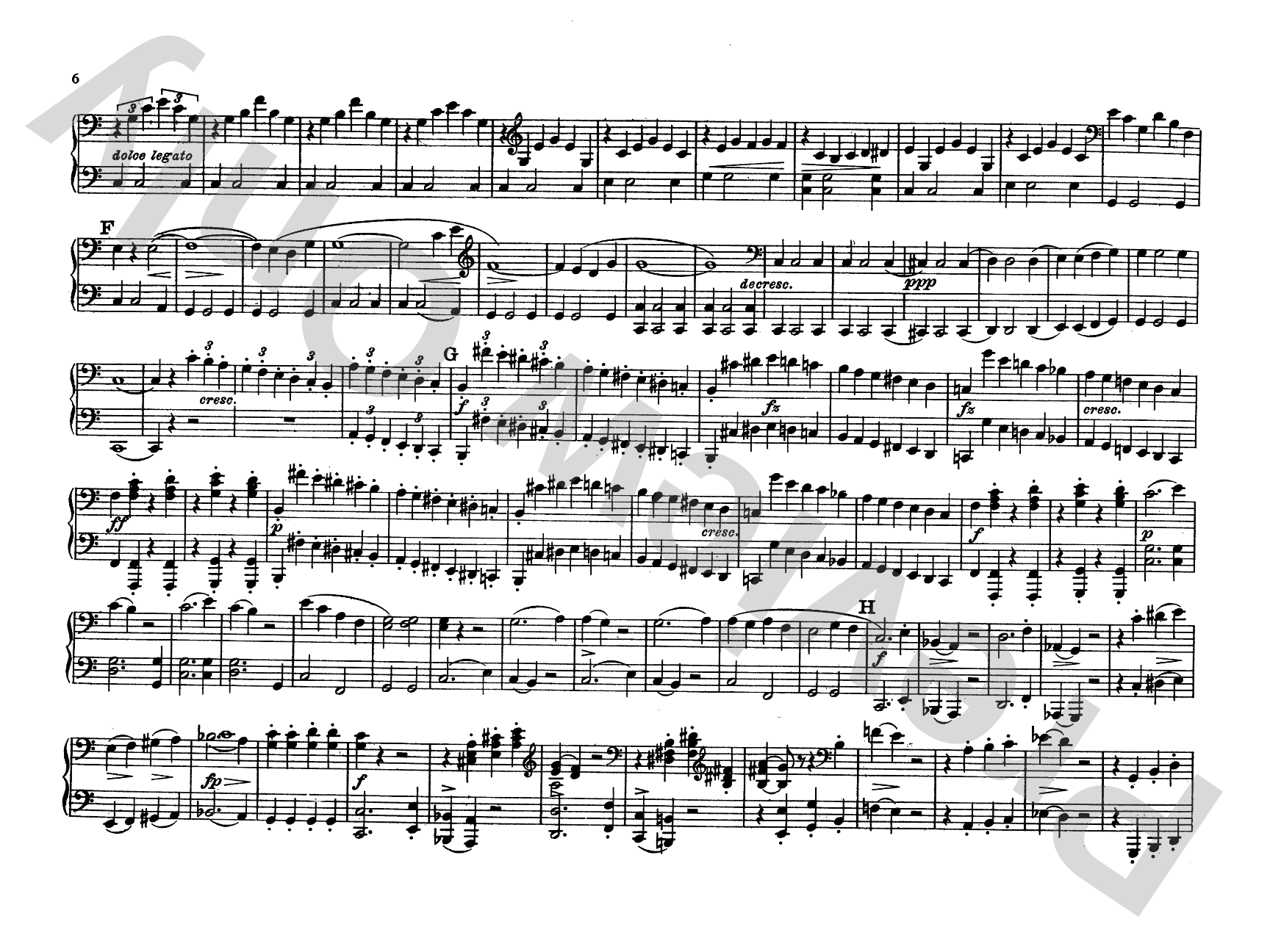
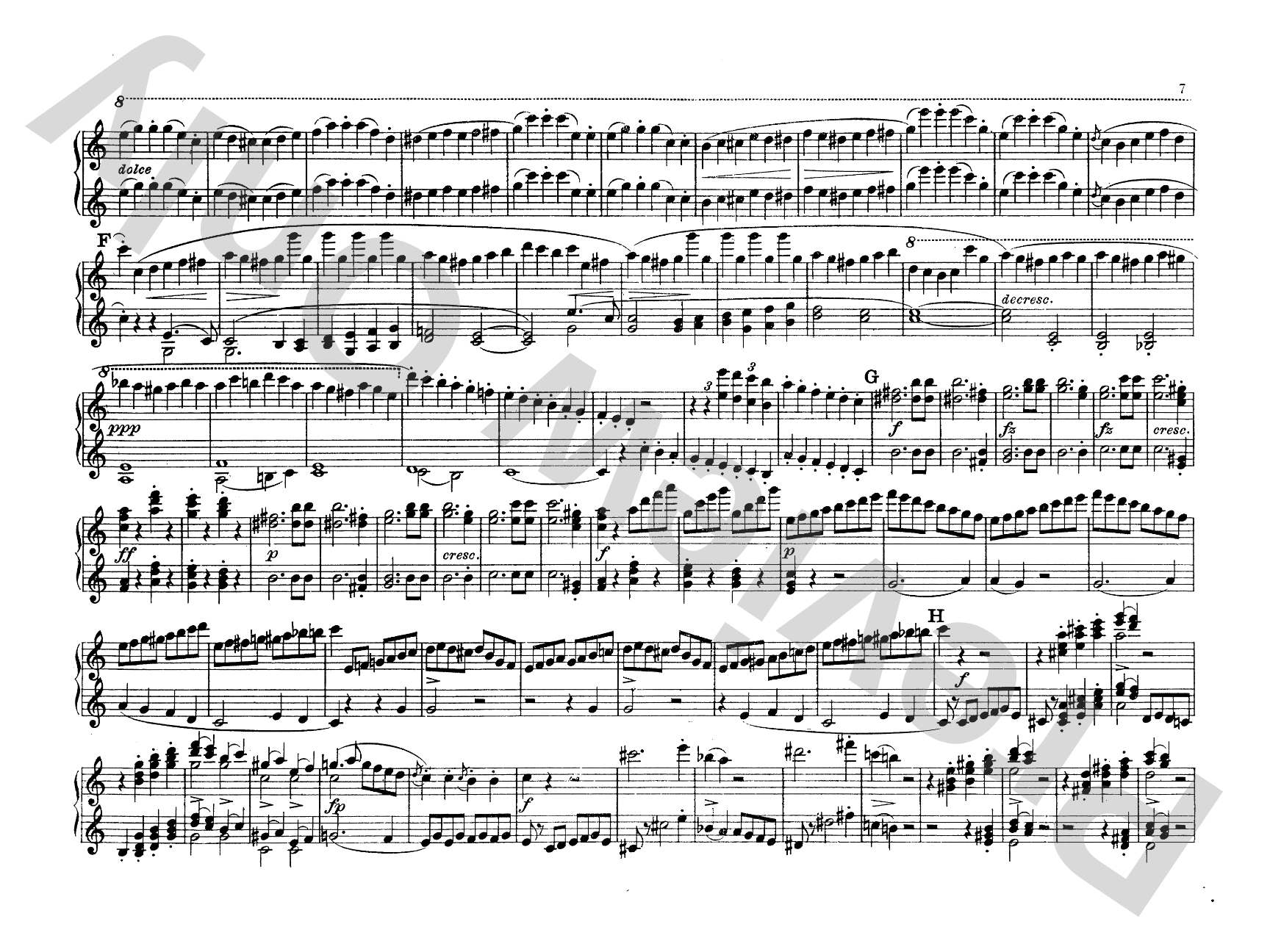
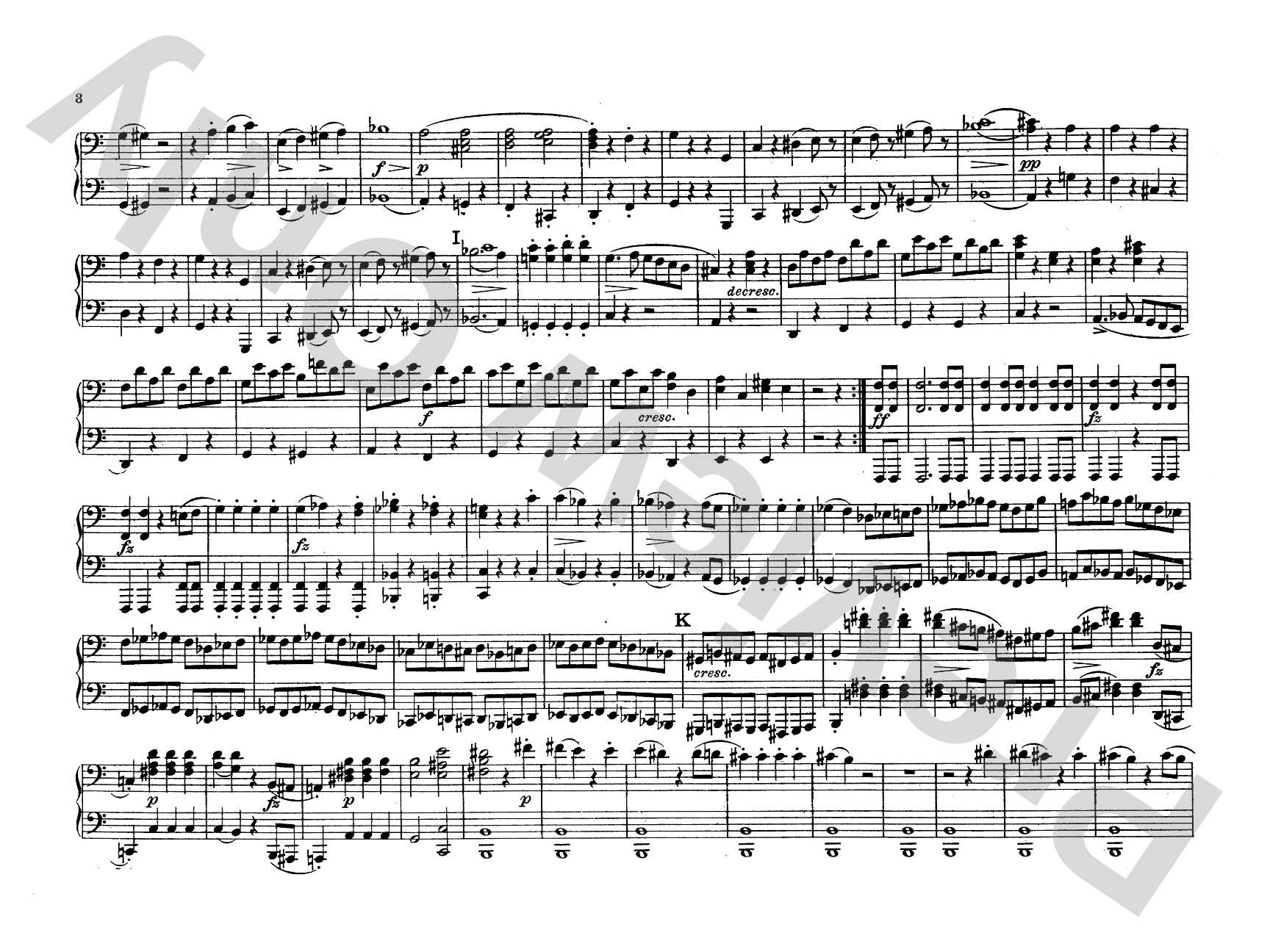
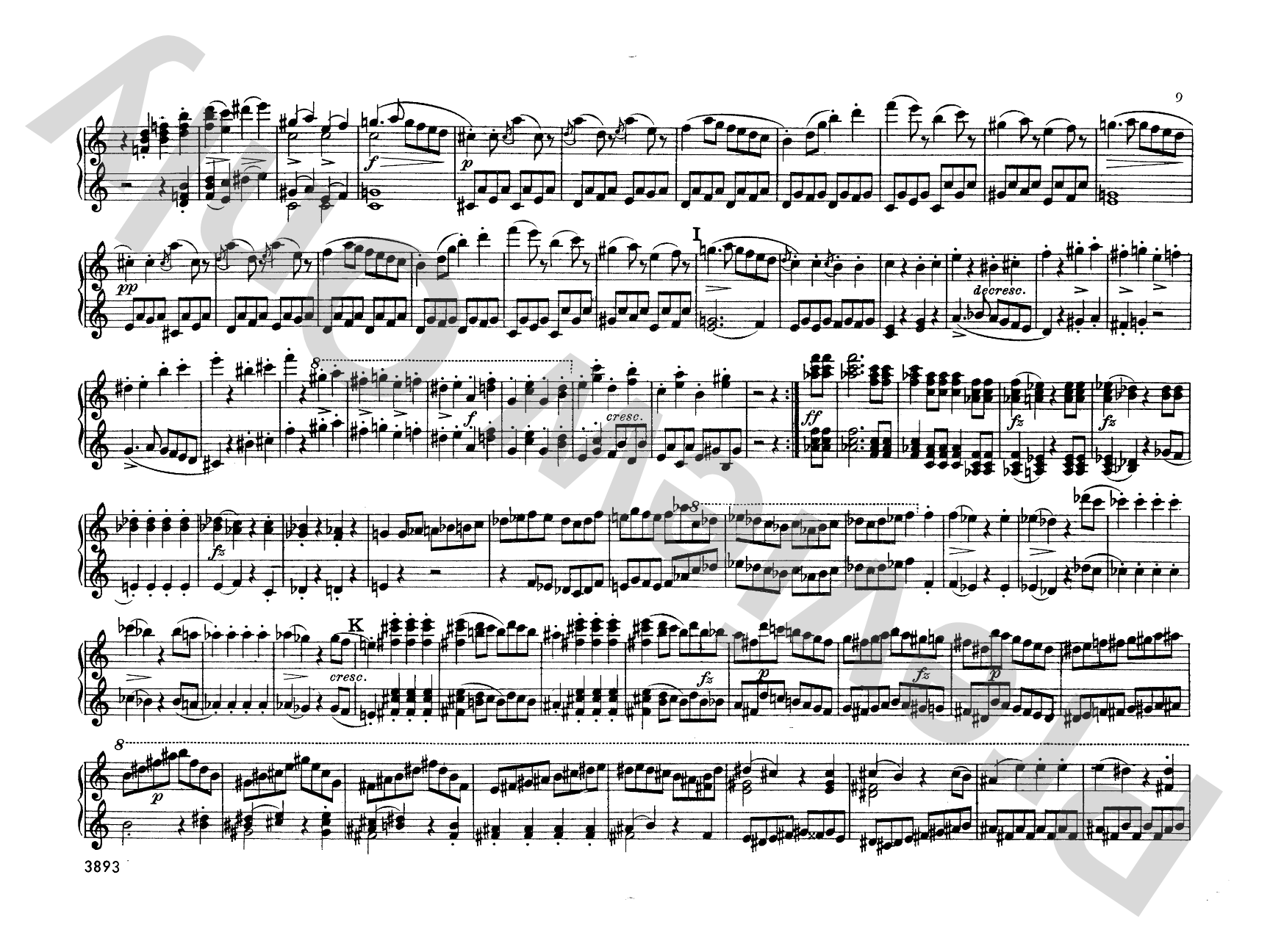
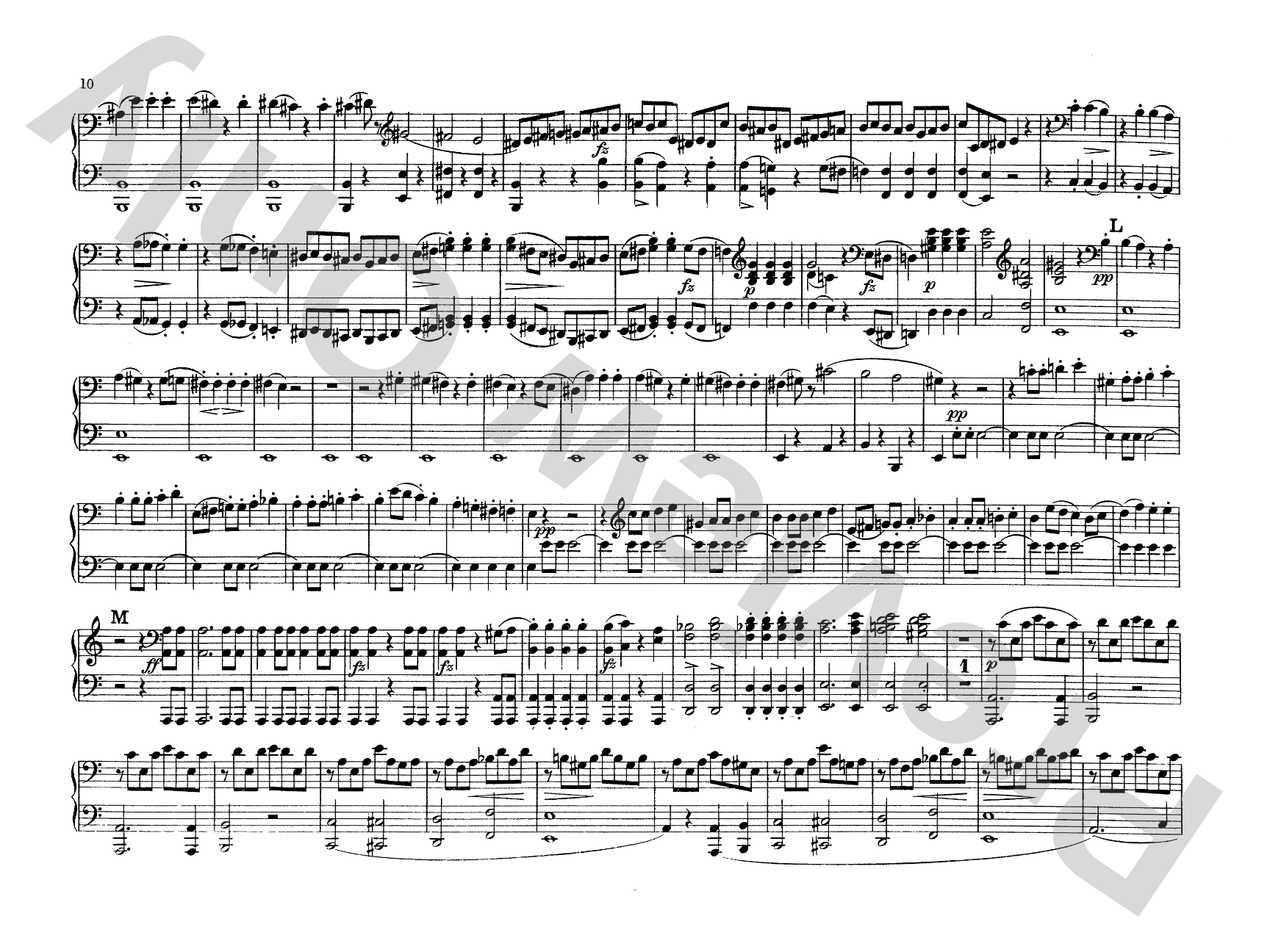
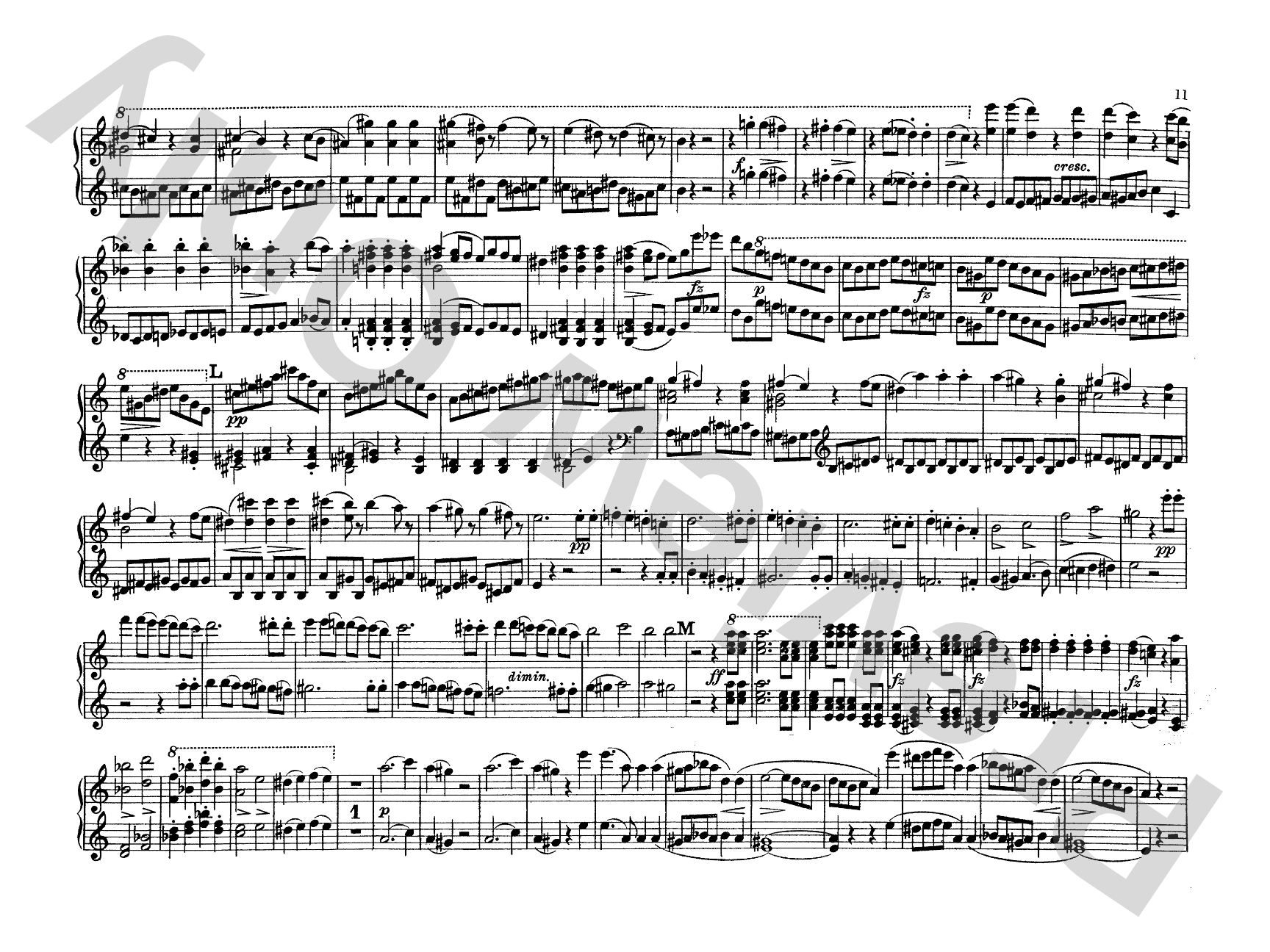
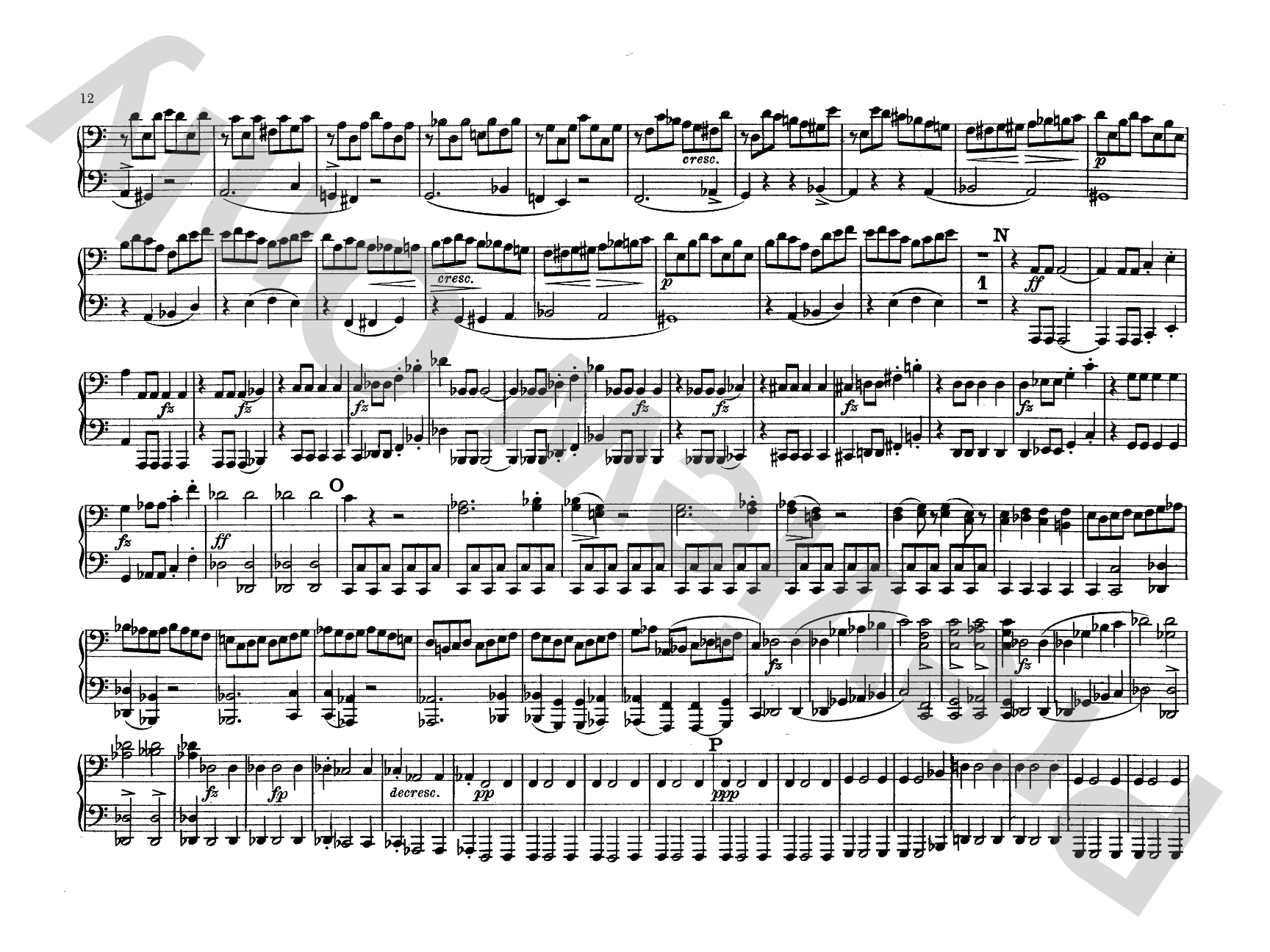
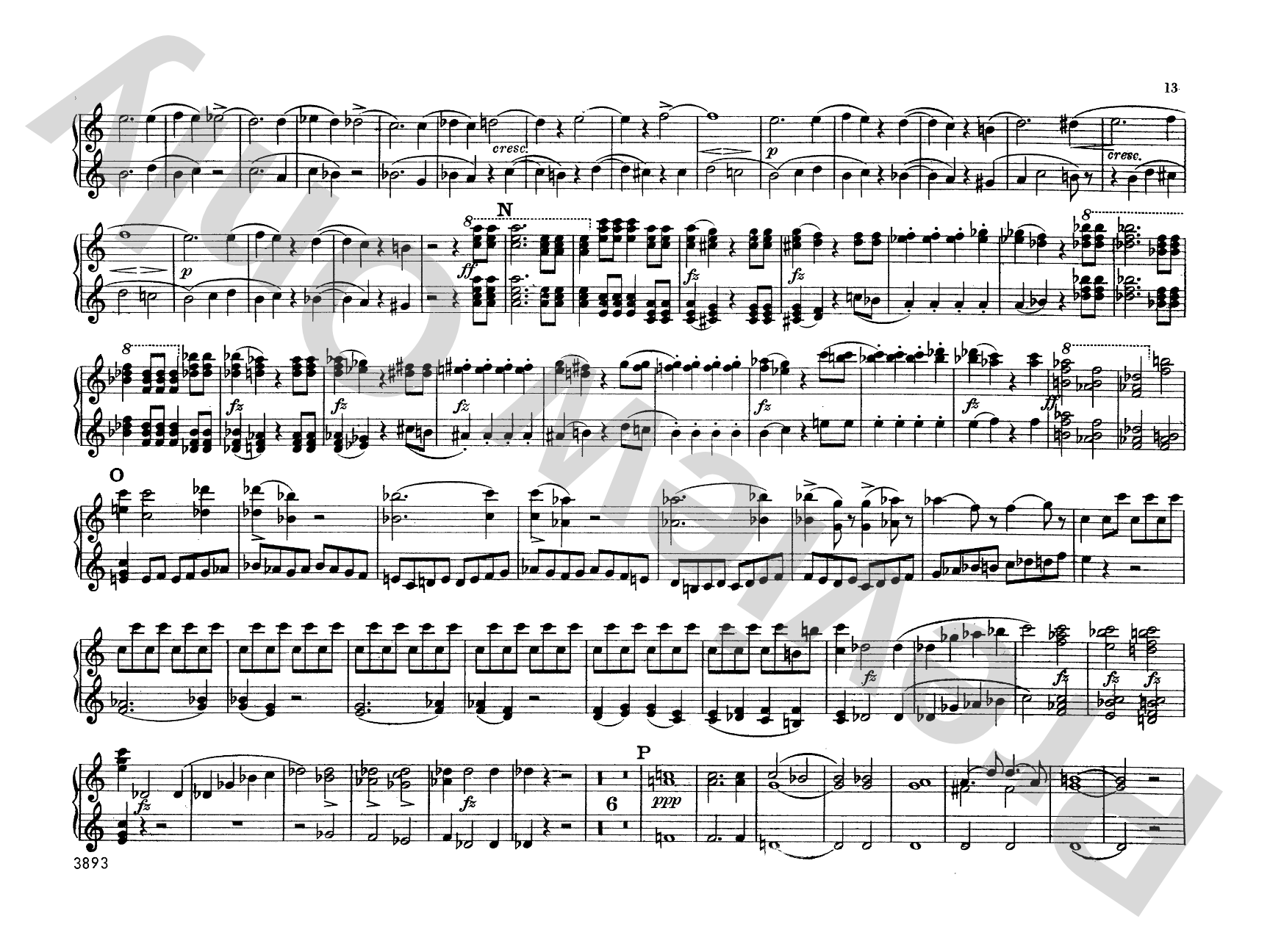

Schubert: Original Compositions for Four Hands, Volume V
By Franz Schubert
Item: 00-PK-0003318

$19.99
Pickup currently not available
Buy Extra Parts (Digital PDF Download)
Parts Added to Cart!
Description
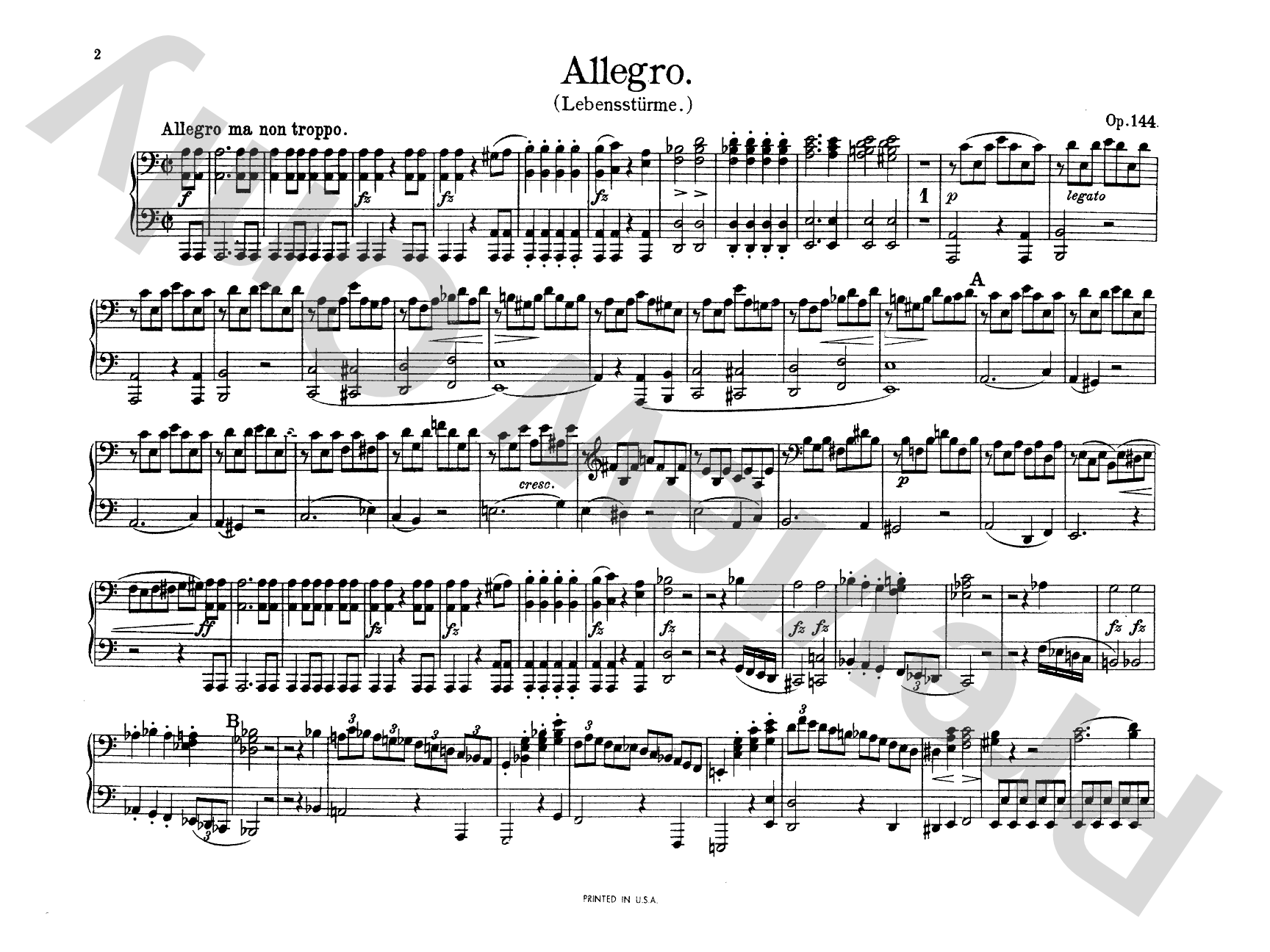
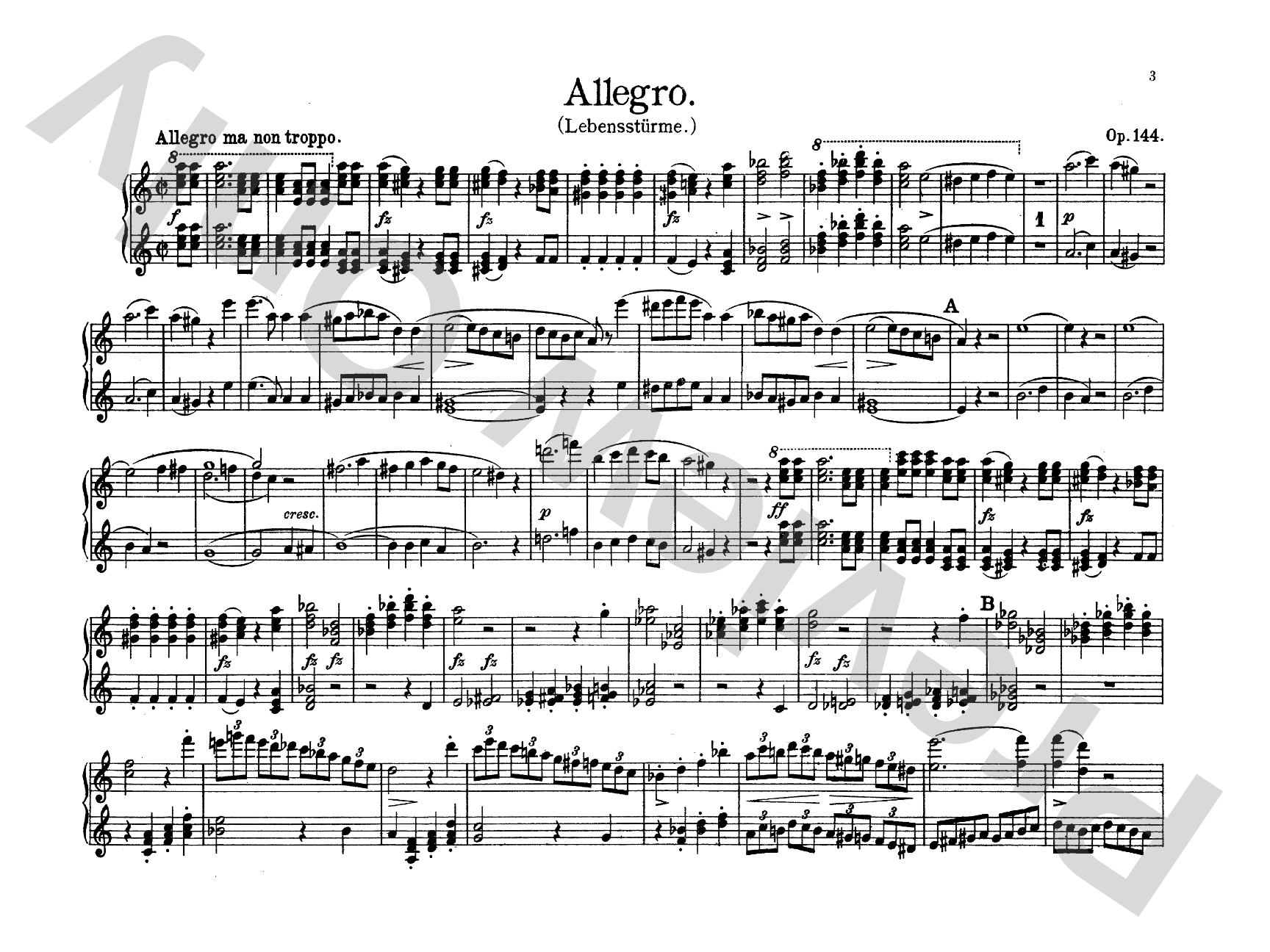
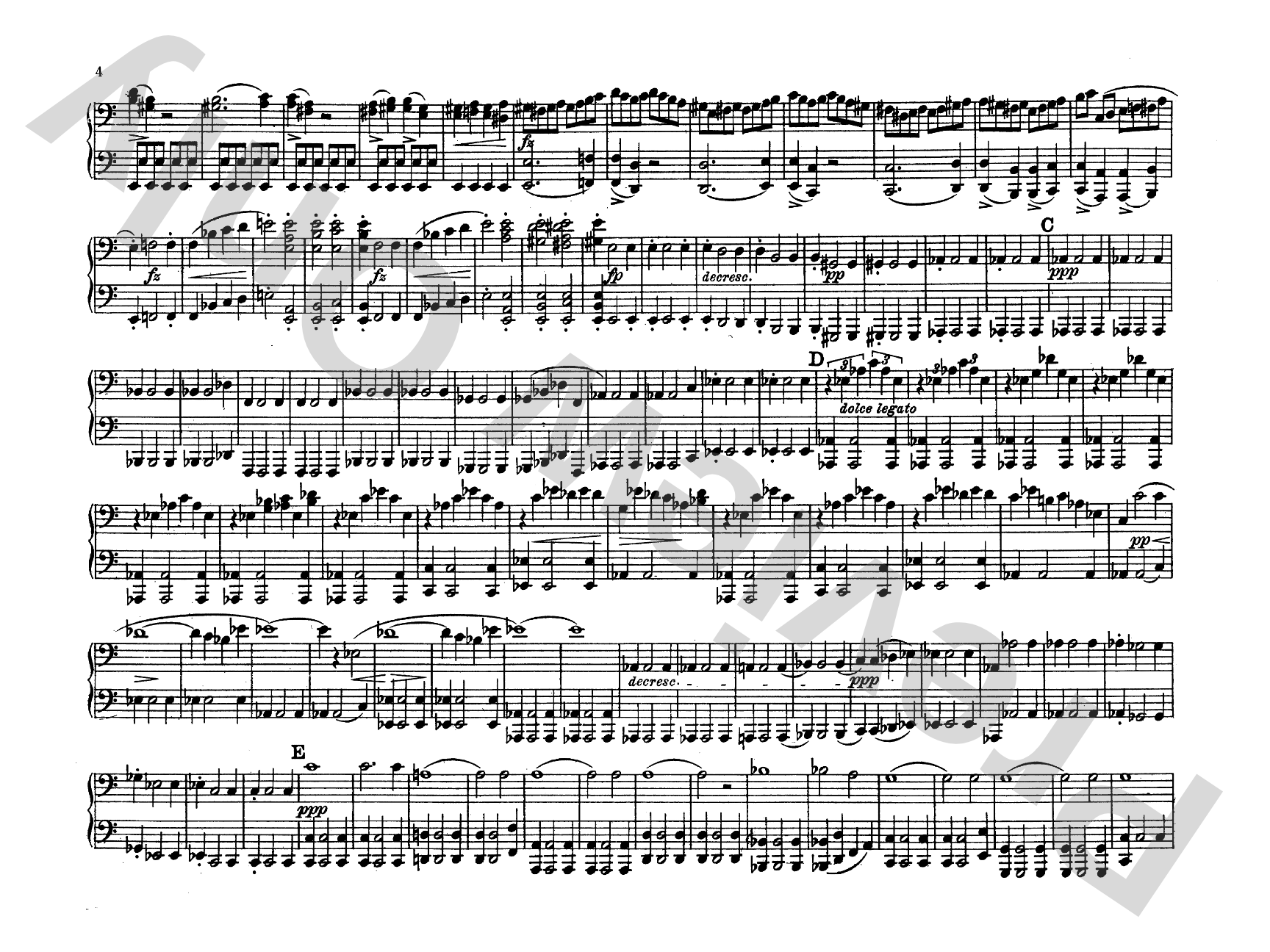
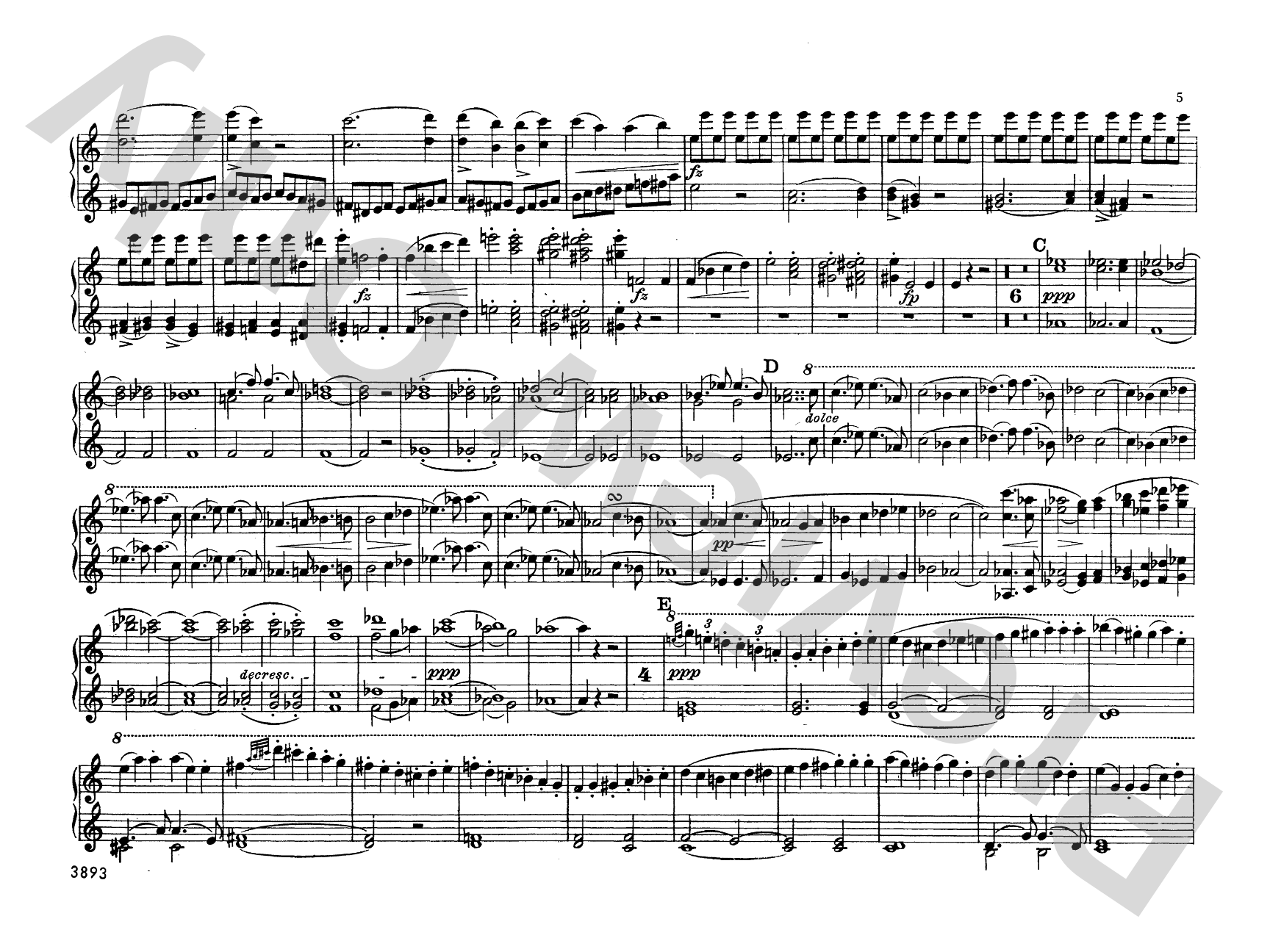
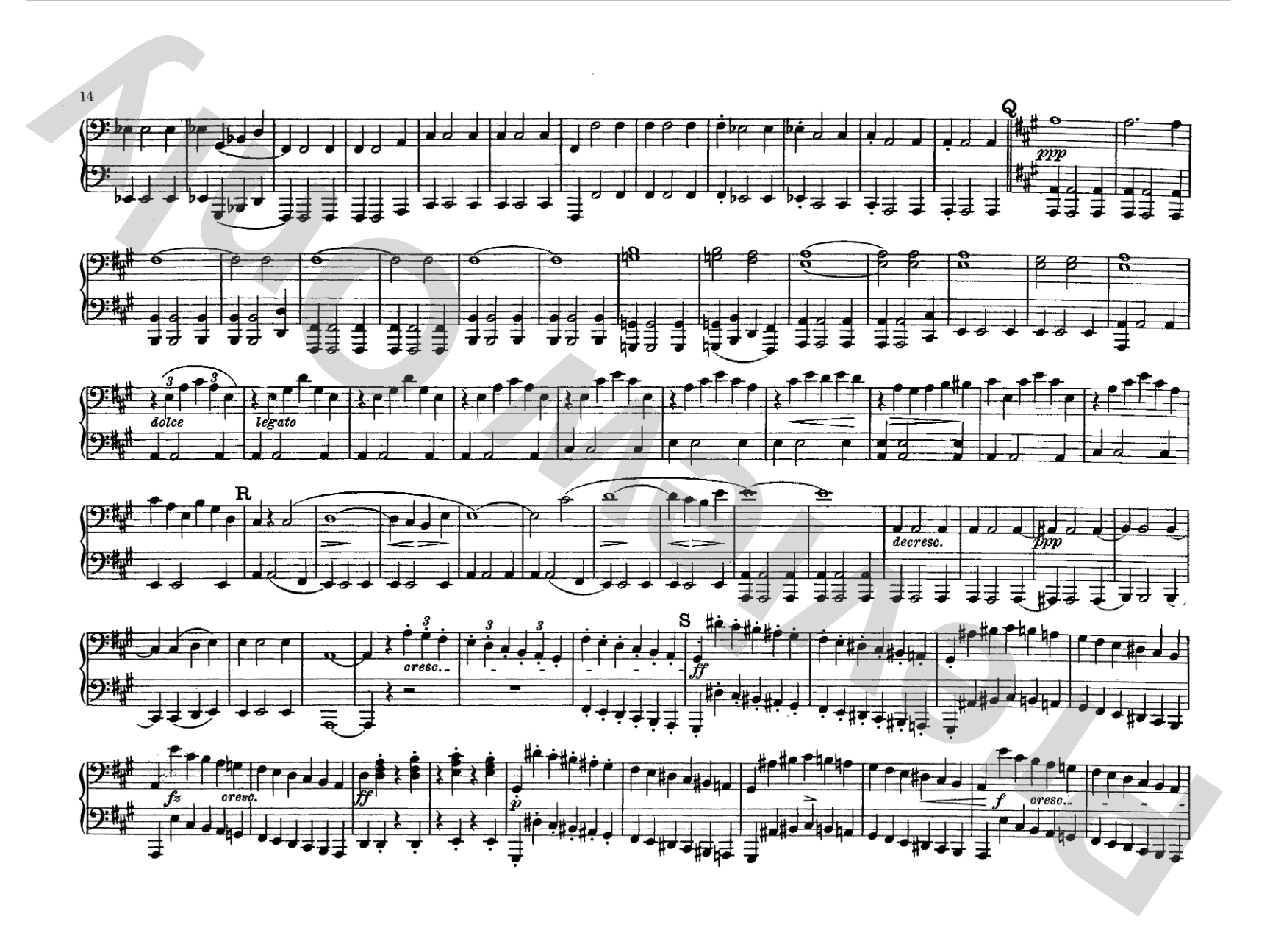
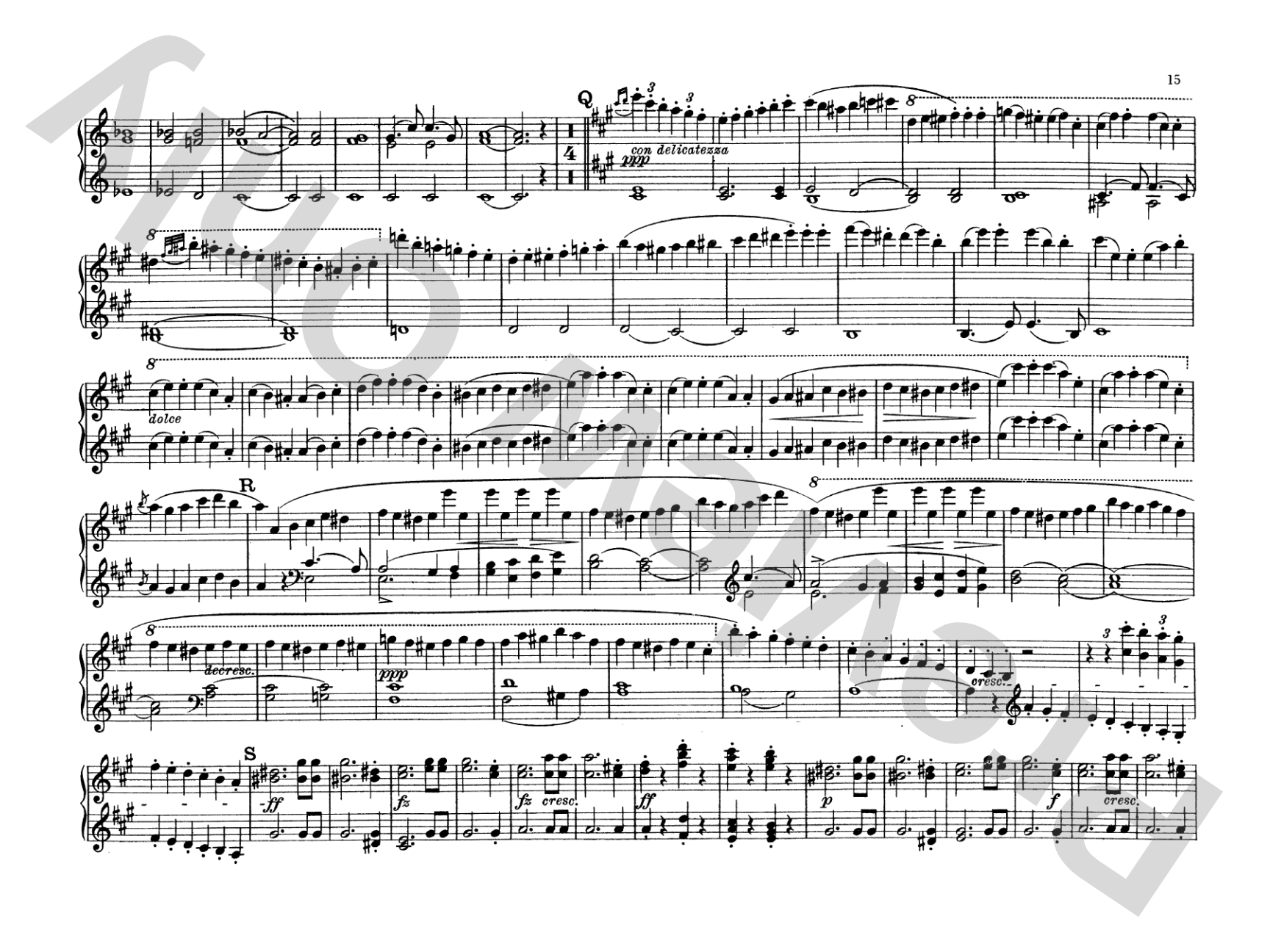
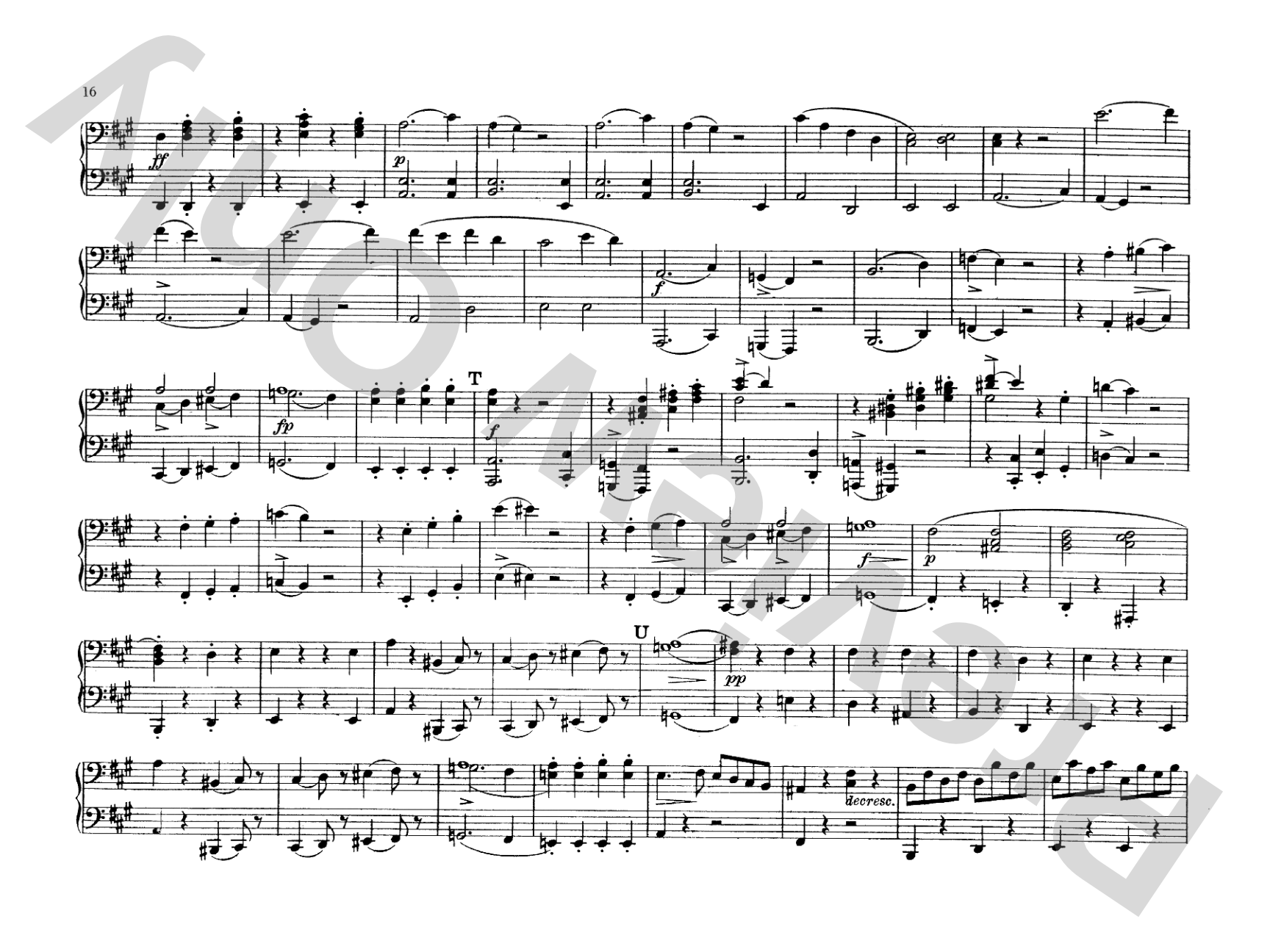
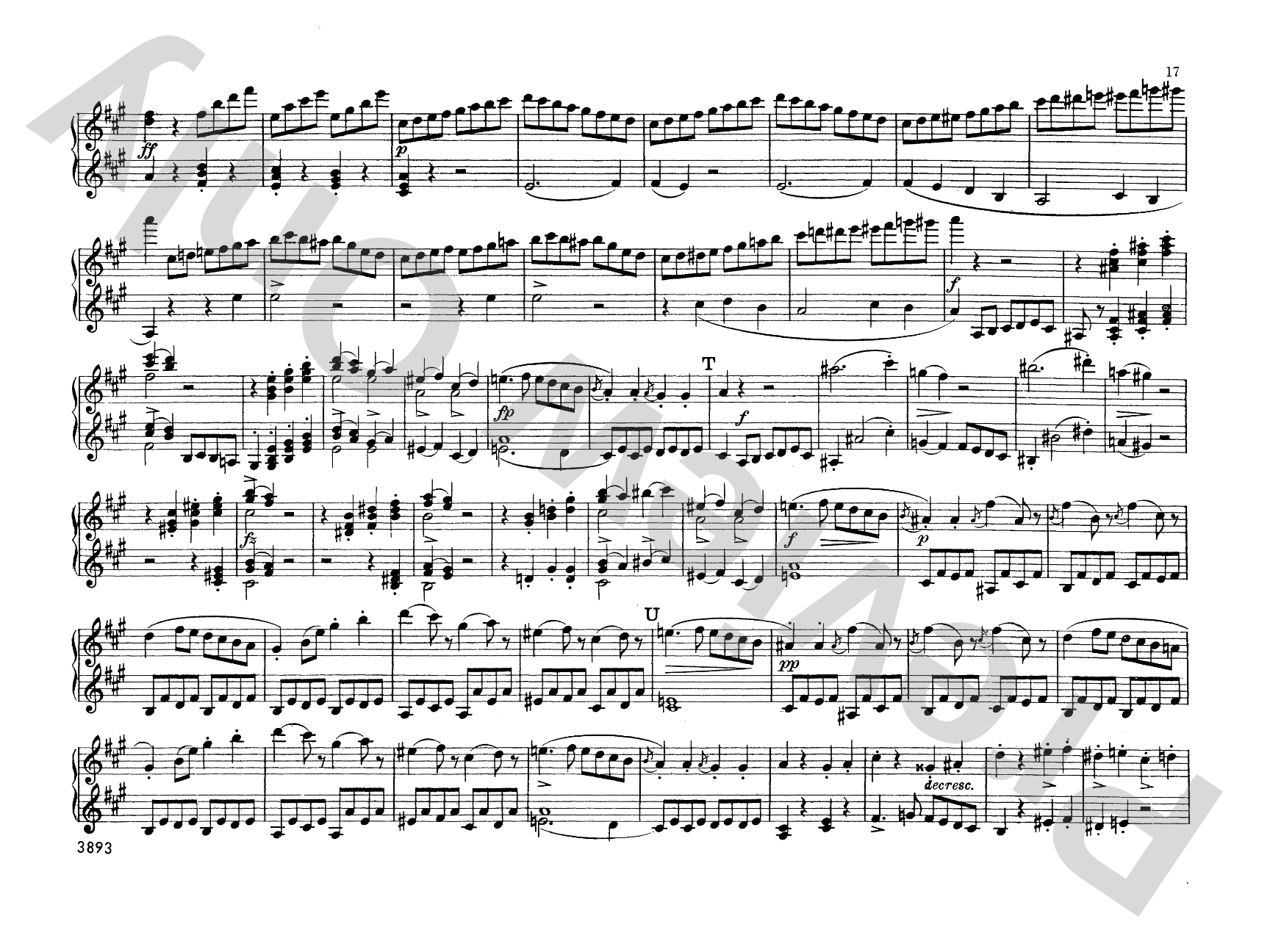
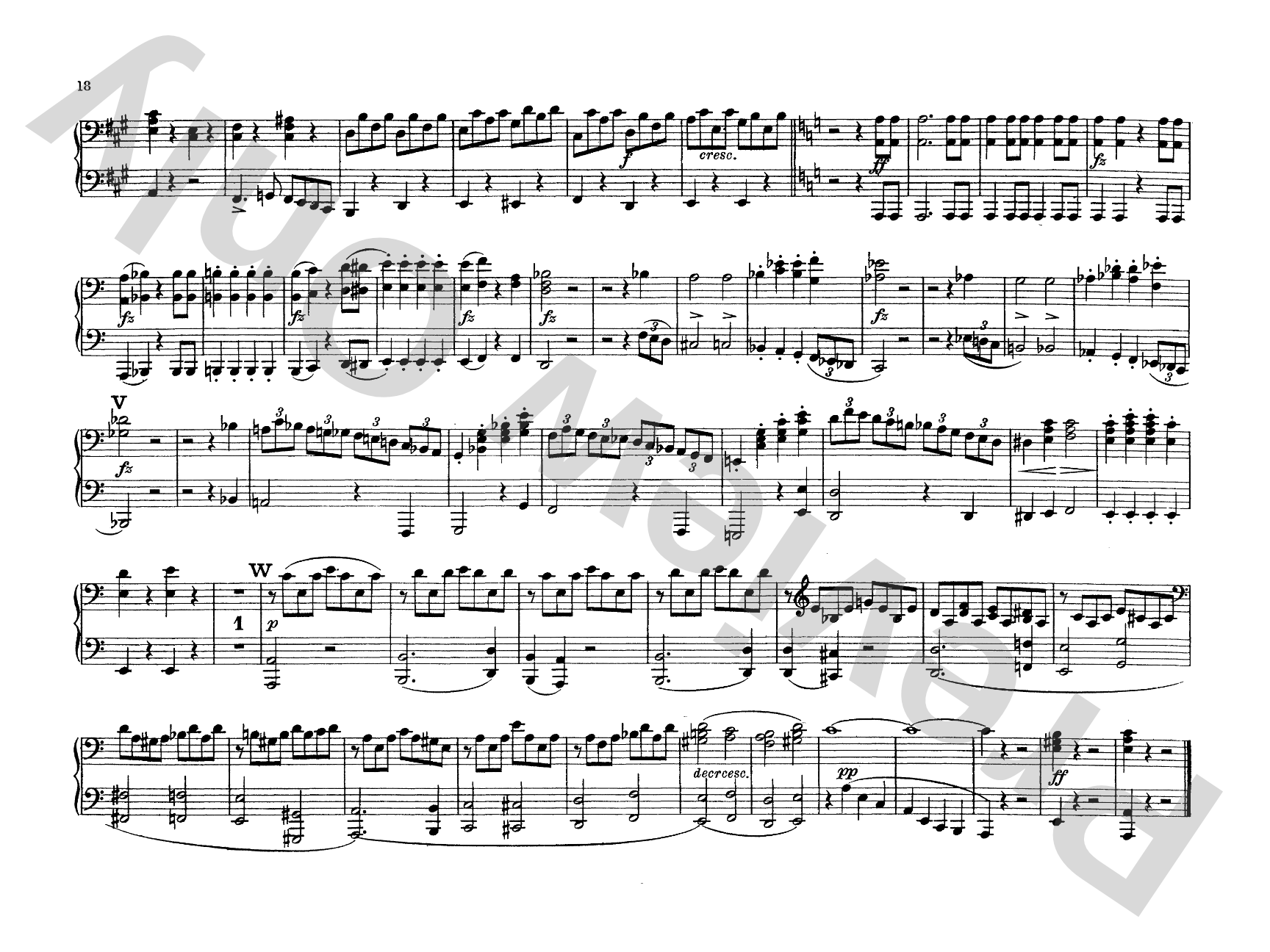
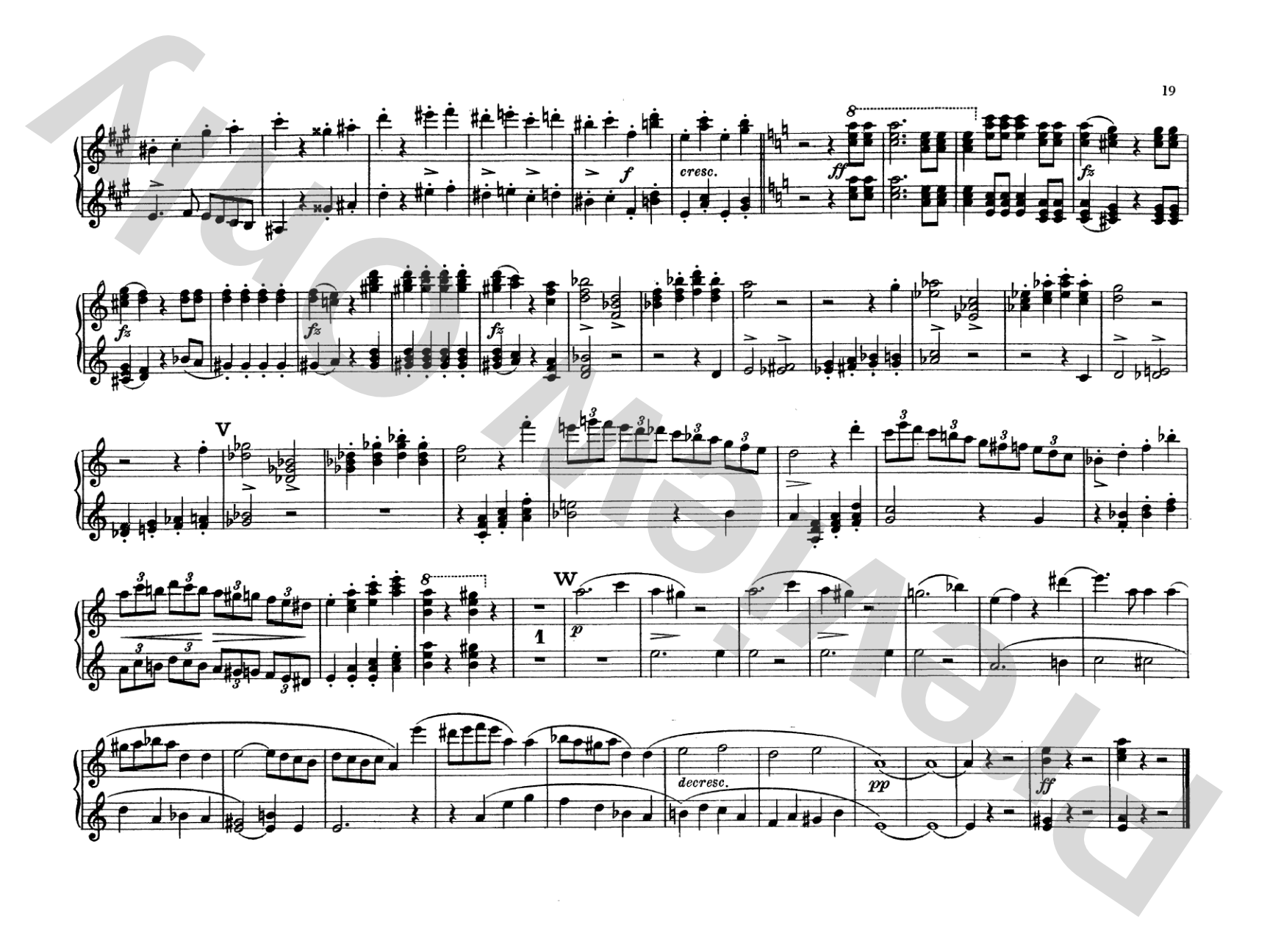
Op. 114, 152, Op. 34 - Sonata, Four Laendler, Kindermarsch


Don't just read it, hear it, play along with it, and watch your students grow with it. In MakeMusic Cloud, Schubert: Original Compositions for Four Hands, Volume V comes alive with professional accompaniment, adjustable tempo, and built-in practice tools that turn solo practice into real progress.
Open in the Player
Jump straight in and assign it today.
Start Your Free Trial
Open this title and explore the full library in minutes.
Sample Audio
No sample audio found.
Sample Video
No sample videos found.
Additional Details
Series:
Kalmus Edition
Publisher:
Alfred Music
Page Count:
64
SKU:
00-PK-0003318
More about this title
About the Composer: Franz Schubert
Franz Schubert (1797, 1828) composed prolifically across every major genre despite his short life, leaving a catalog of over 600 works that bridged Classical form and Romantic expression. His gift for melody was unmatched; even his most intimate pieces sing with the kind of directness that makes them immediate to performers and audiences alike.
Schubert wrote extensively for the piano, and his four-hand works hold a special place in his output. These duets were composed for social music-making, the kind of domestic performance that defined middle-class musical life in early 19th-century Vienna. Yet they lose nothing in their accessibility; they remain sophisticated in harmony and form, offering real musical substance alongside their approachability.
Why we love this
This collection gathers some of Schubert's most approachable and rewarding duet writing, combining a full sonata with character pieces that sparkle with his gift for melody and graceful ornamentation. Unlike much duet literature that treats the secondo part as mere accompaniment, Schubert gives both players genuinely musical material to sink their teeth into. Programming these works signals to your audience that four-hand piano can be serious repertoire, not filler.
What to expect
Intimate without being fussy, songful without sentimentality. These pieces invite you into the world of early 19th-century Vienna: the Sonata unfolds with Classical proportion and Romantic warmth, while the Laendlers pulse with the gentle, almost waltzing spirit of Austrian folk dances. The Kindermarsch adds a touch of whimsy and directness, as if Schubert captured a moment of simple joy.
Who it's for
Intermediate to advanced amateur pianists and serious students looking for substantial four-hand repertoire that combines technical interest with genuine musicality. Piano teachers will find this volume ideal for duet partners of similar ability, or for advanced students pairing with a teacher for performance and study.
How to get the most out of it
- Balance the melodic line between primo and secondo carefully; often one player carries the theme while the other provides essential harmonic support, and this relationship shifts. Listen actively to ensure neither hand dominates.
- Shape each Laendler with unhurried charm. Resist the urge to rush the triple meter; let the dance rhythms breathe and the phrase contours emerge naturally.
- Coordinate pedaling between both players before rehearsal. Schubert's harmonic language benefits from sympathetic damping, but muddiness will obscure his counterpoint if the pedal is held carelessly.
- Approach the Kindermarsch with clarity and precision in the rhythmic details. Even though it is written simply, rhythmic ensemble between the players is essential to maintain the march's forward momentum.
How to use it
A Schubert four-hand work makes an excellent closer for a recital or chamber concert, offering your audience a shift in scale from solo work to genuine dialogue. The Sonata alone can anchor a program dedicated to Classical and Romantic duet literature, or program one of the Laendlers as a palate-cleansing interlude between weightier selections.
Skills your students will build
- Balancing primo and secondo voices to maintain musical independence while achieving ensemble blend
- Pedaling coordination and shared responsibility for harmonic color
- Reading multiple rhythmic layers simultaneously and maintaining steady pulse with a partner
- Shaping Romantic-era lyricism within Classical sonata structure
- Interpreting dance forms (Laendler) with stylistic authenticity and grace