
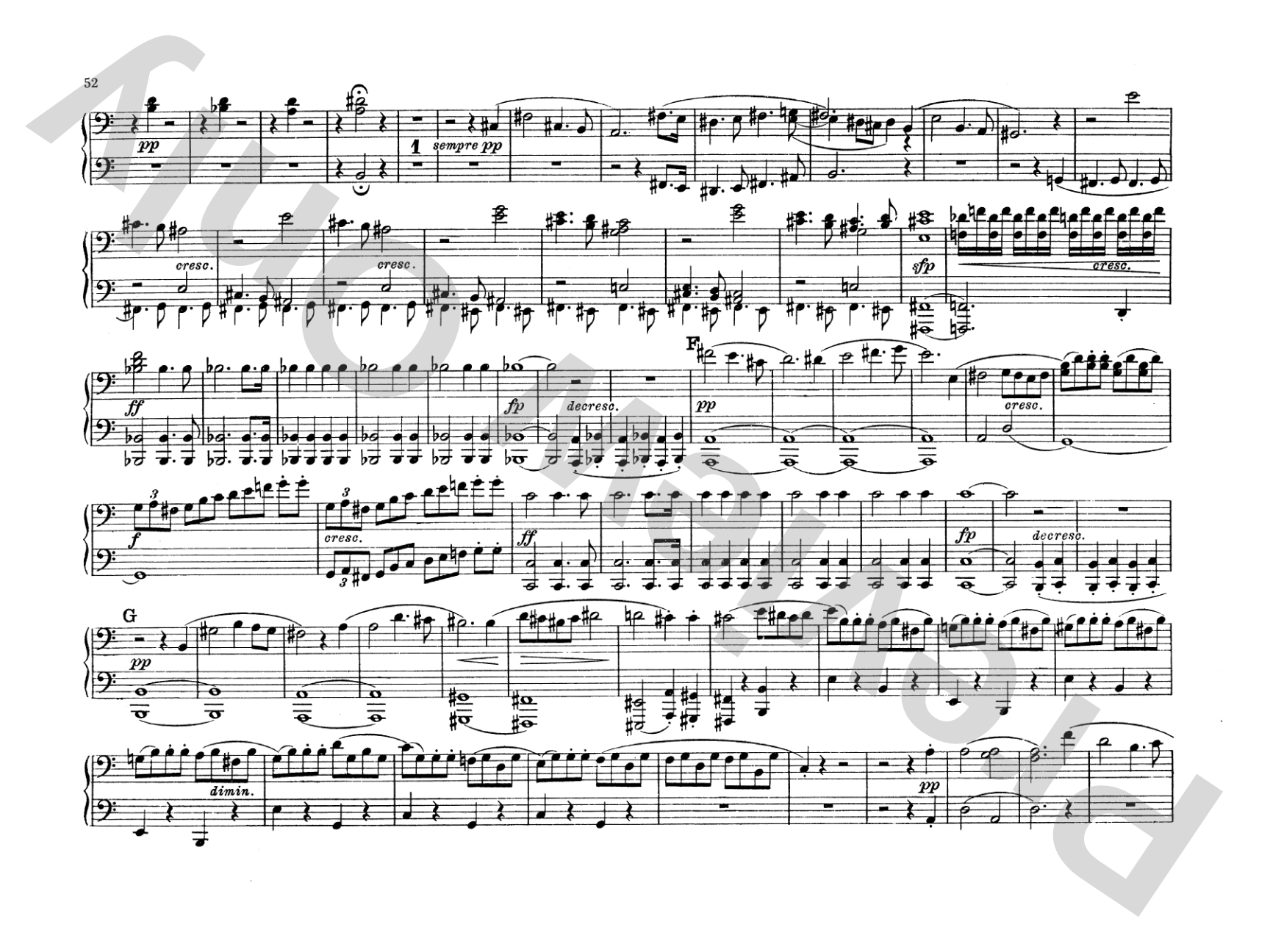
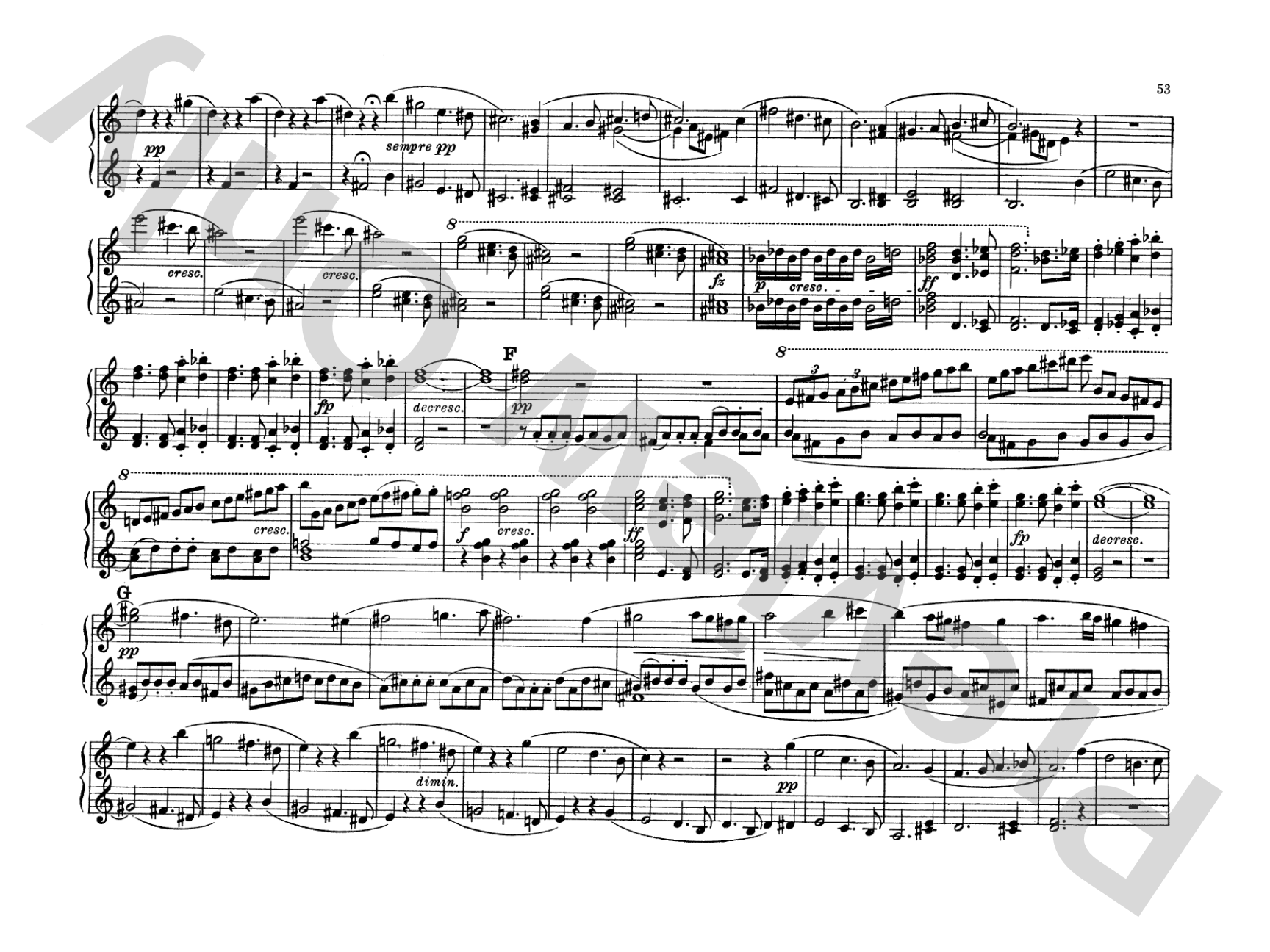
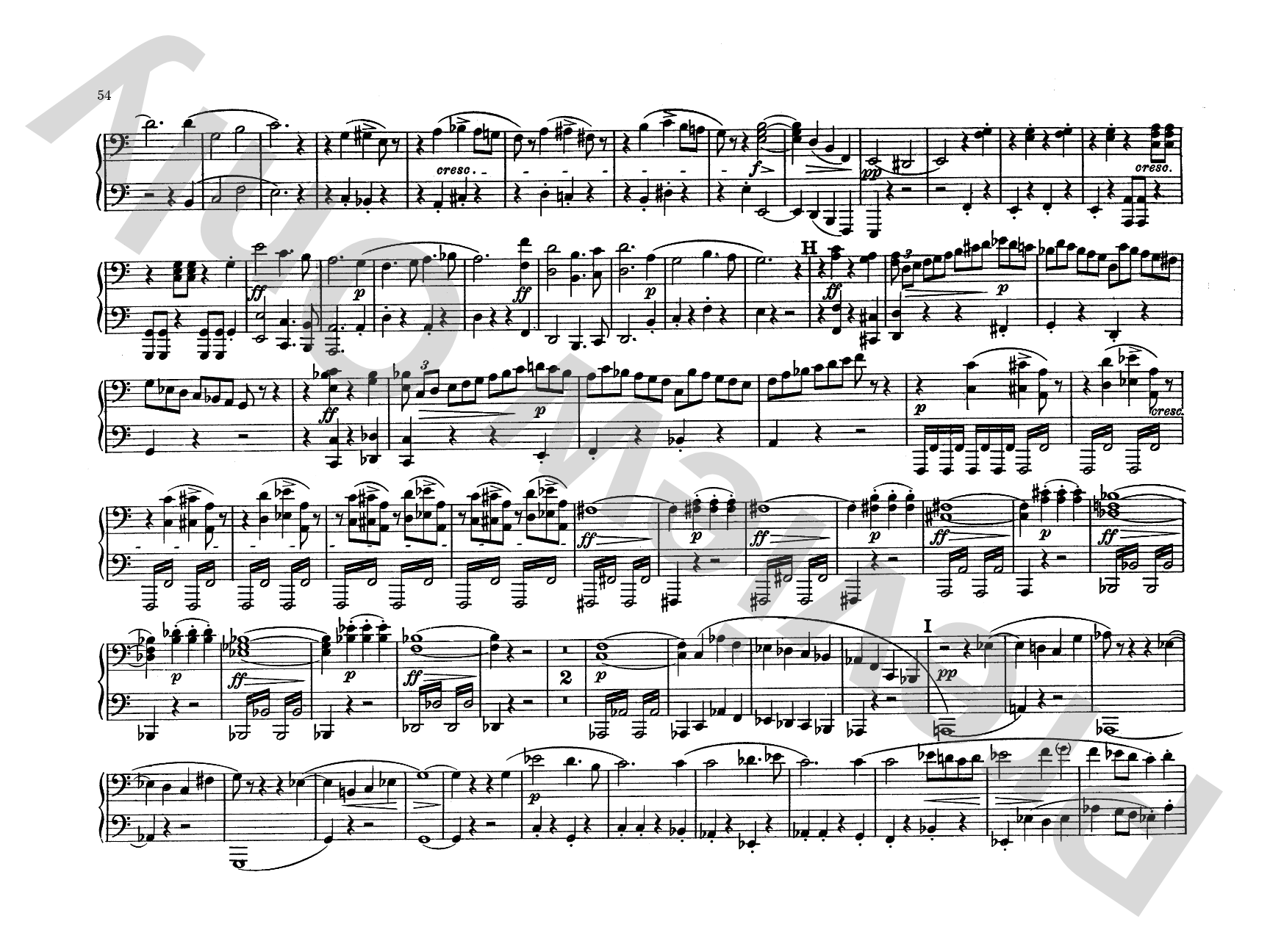
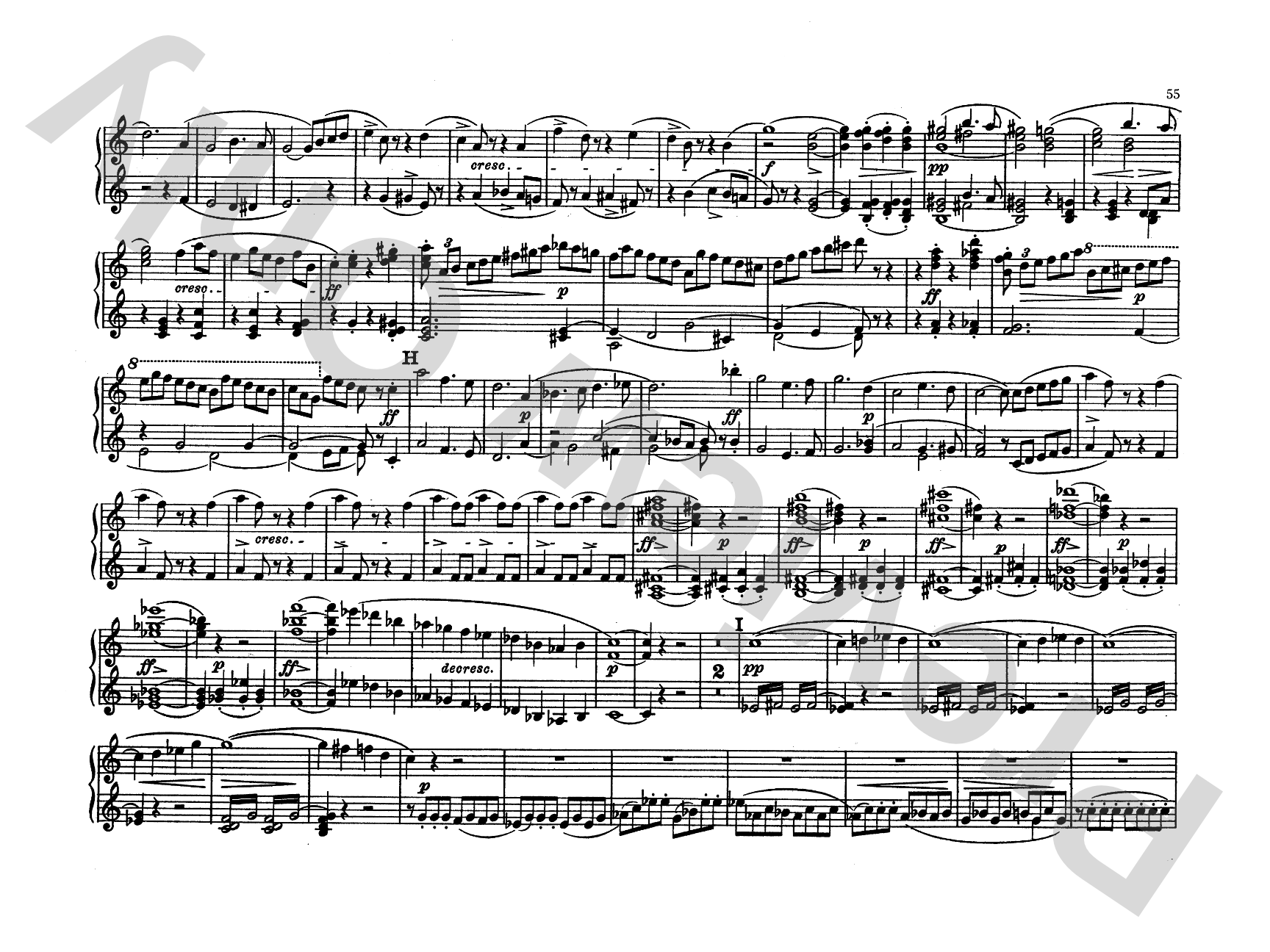

Schubert: Original Compositions for Four Hands, Volume IV
By Franz Schubert
Item: 00-PC-0009181
$3.95
Pickup currently not available
Description
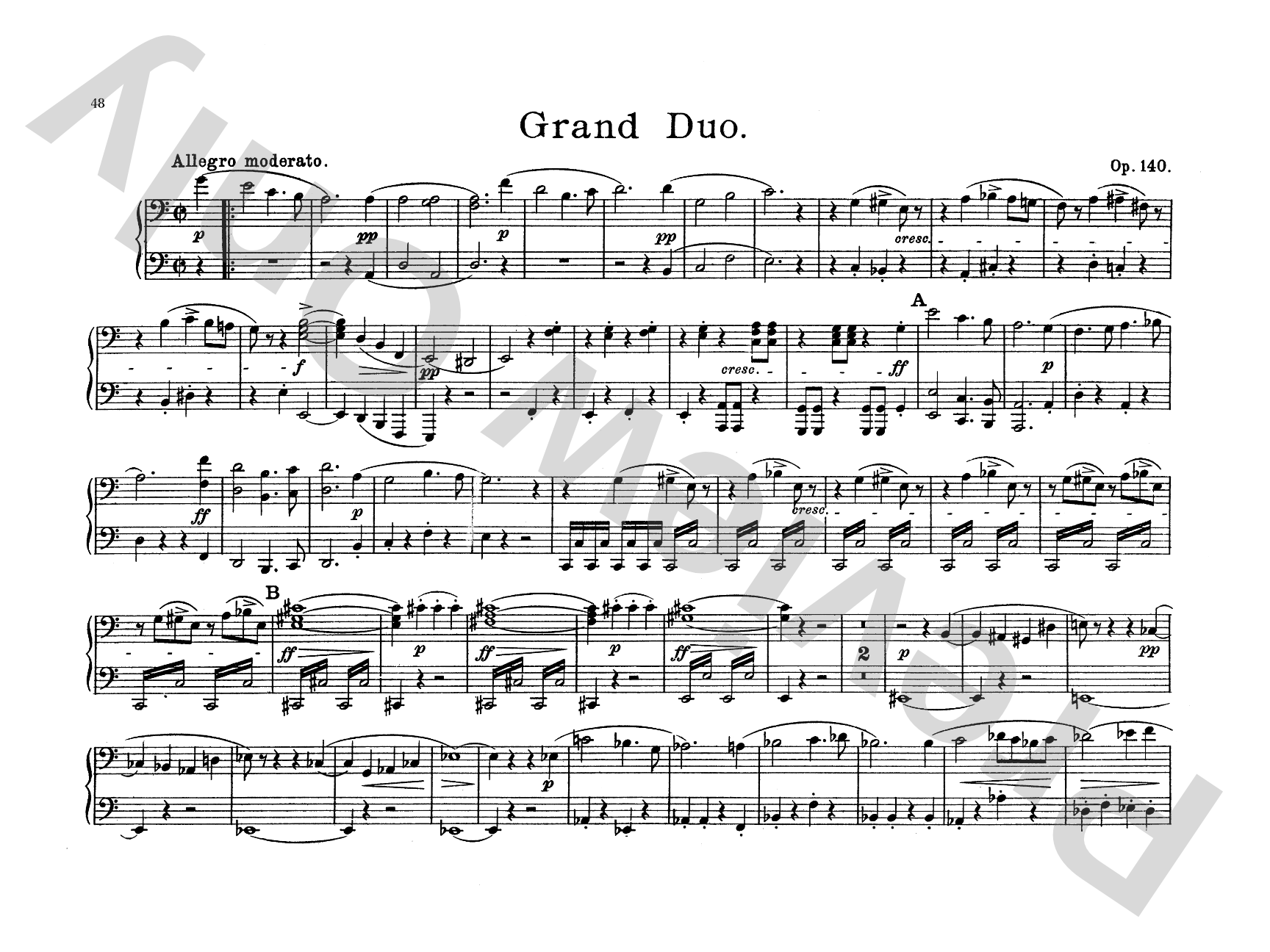
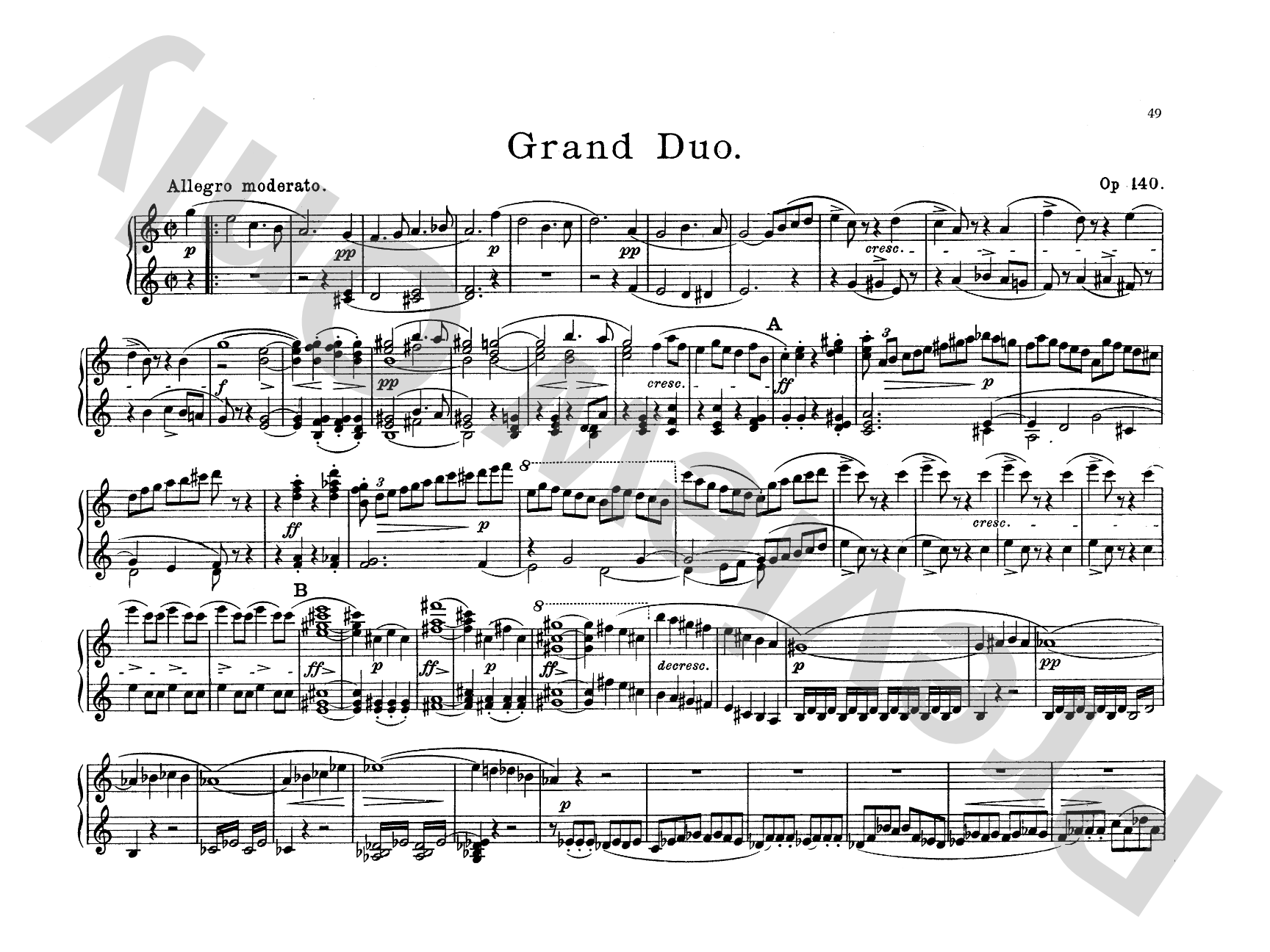
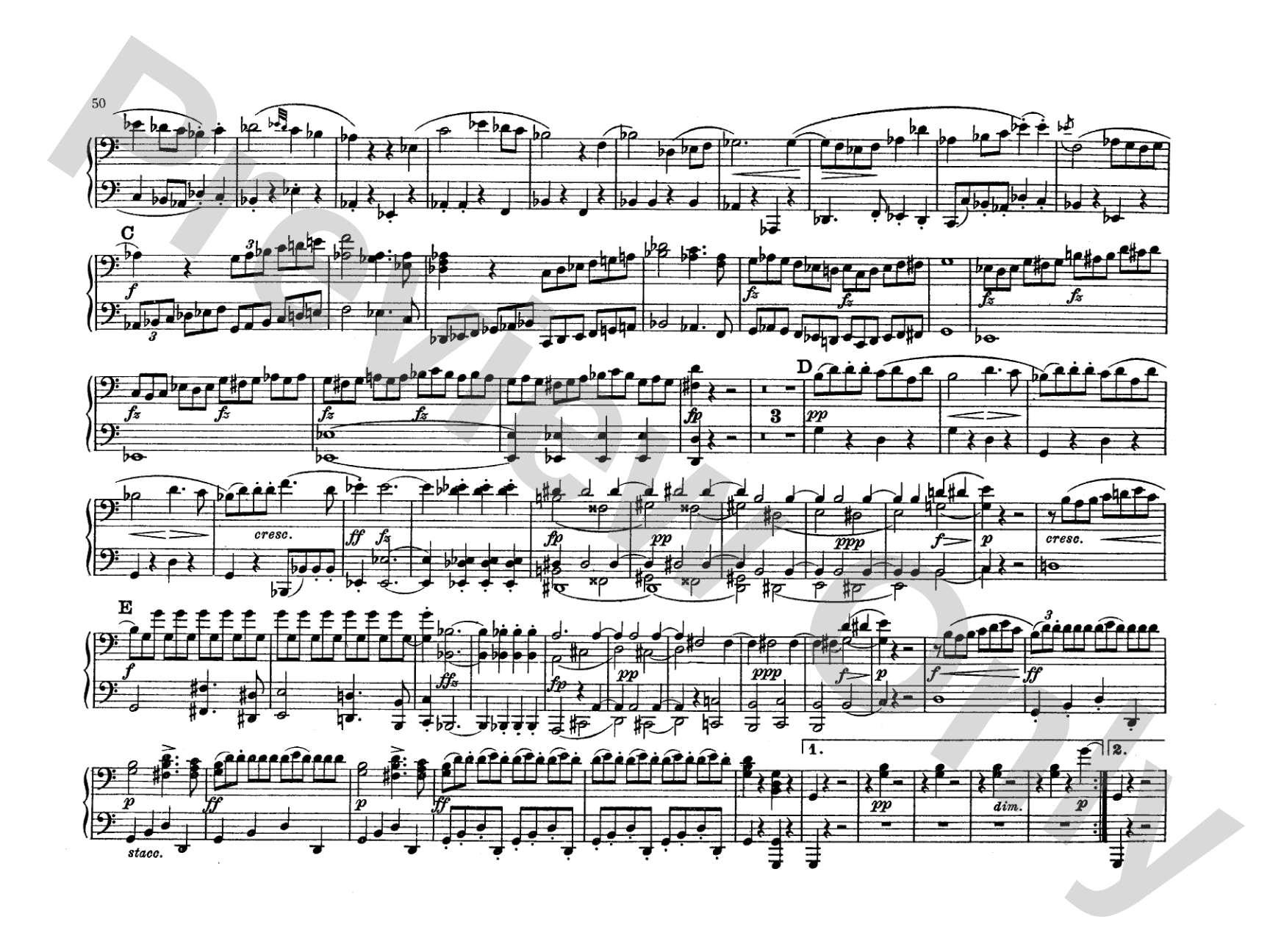
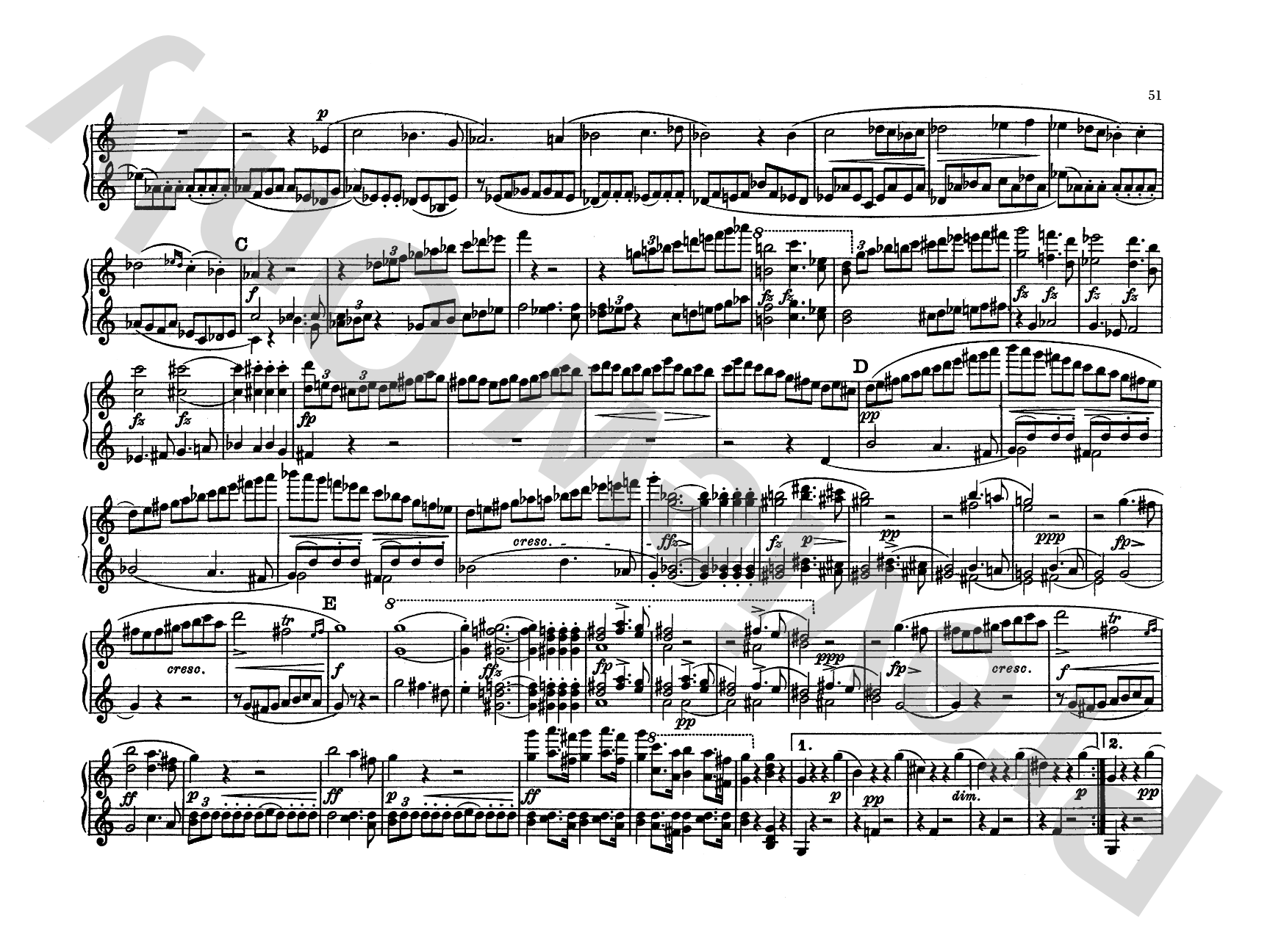
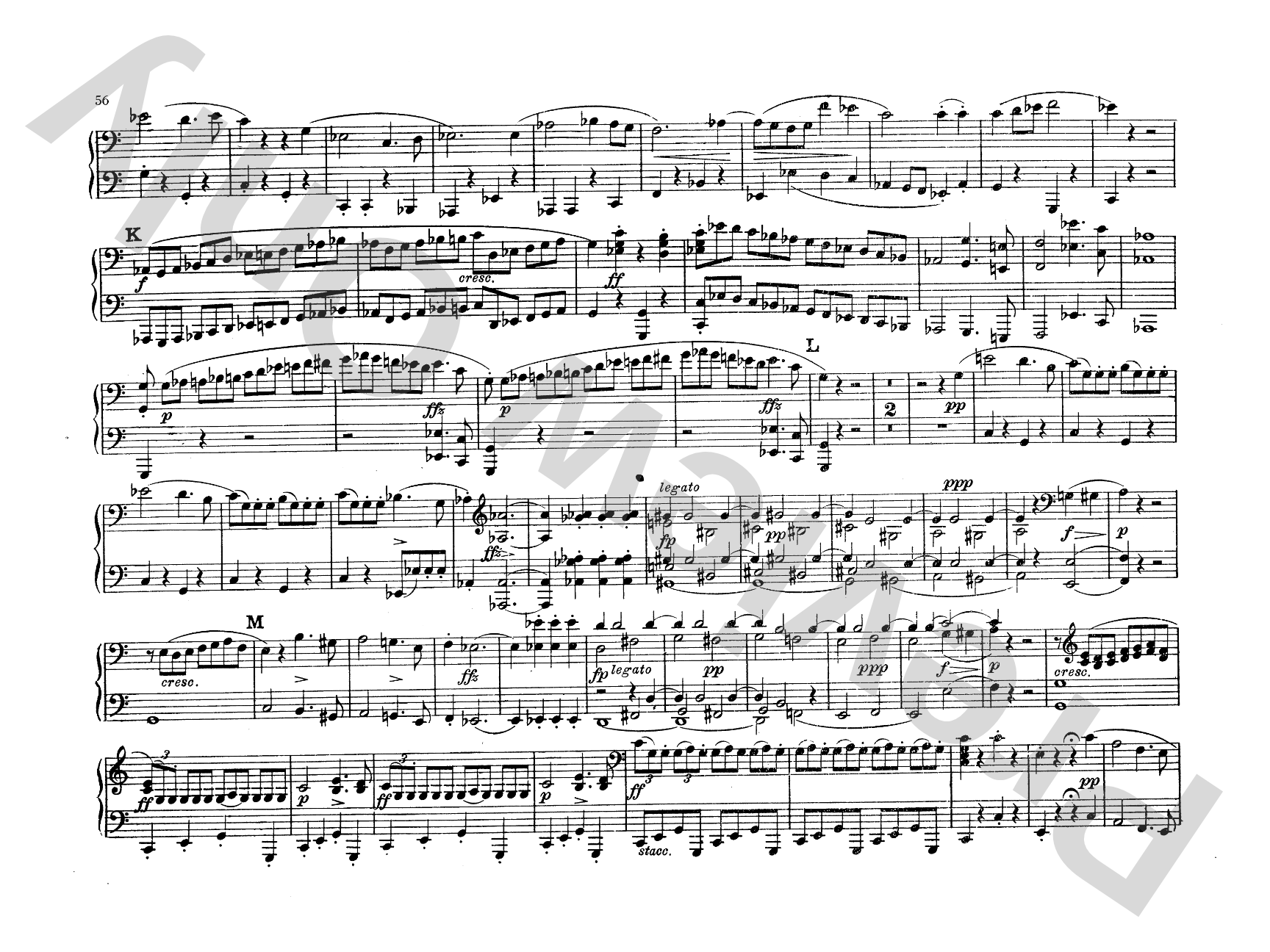
Op. 107, 121, 138, 140. The comb binding creates a lay-flat book that is perfect for study and performance.


Don't just read it, hear it, play along with it, and watch your students grow with it. In MakeMusic Cloud, Schubert: Original Compositions for Four Hands, Volume IV comes alive with professional accompaniment, adjustable tempo, and built-in practice tools that turn solo practice into real progress.
Open in the Player
Jump straight in and assign it today.
Start Your Free Trial
Open this title and explore the full library in minutes.
Sample Audio
No sample audio found.
Sample Video
No sample videos found.
Additional Details
Series:
Kalmus Edition
Publisher:
Alfred Music
Page Count:
92
SKU:
00-PC-0009181
More about this title
About the Composer: Franz Schubert
Franz Schubert (1797-1828) stands as one of the most prolific composers in Western music, producing nearly 1,000 works across every genre despite his brief life. His gift for melody was unparalleled; he could spin out lyrical themes that seemed to flow endlessly, whether in symphonies, chamber music, or intimate vocal works. Though he died at 31, his body of work bridged the Classical world of Mozart and Beethoven with the emerging Romantic sensibility that would define the 19th century.
Schubert's four-hand piano works occupy a special place in his catalog. Written for amateur musicians and friends, these duets combine technical accessibility with genuine compositional depth, allowing pianists at the intermediate level to experience his gift for orchestral color and harmonic richness. Many were composed for his own circle in Vienna, where they served as entertainment and study for gifted dilettantes. Today, they remain among the most rewarding duet repertoire available, offering both performers substantive music without requiring virtuosic display.
Why we love this
Schubert's duet collections strike a rare balance between accessibility and artistic substance. These four opuses let intermediate pianists experience his harmonic sophistication and lyrical gift without the technical demands of his solo sonatas. The lay-flat comb binding transforms what could be awkward score management into a practical tool for synchronized rehearsal and performance.
What to expect
These works shimmer with the lyrical warmth Schubert perfected. You'll find dancing rhythms, unexpected harmonic shifts, and melodies that seem to discover themselves as they unfold. The writing balances both hands as equal partners, so neither pianist recedes into accompaniment; instead, the texture weaves soprano and bass lines together in ways that feel both conversational and deeply interconnected.
Who it's for
This collection serves intermediate to early-advanced pianists seeking meaningful duet repertoire that goes beyond arrangements. It works equally well for teaching partnerships (where a teacher and student share the bench), for recital programs with a collaborating pianist, or for adult amateurs who want to explore Schubert's craft in a repertoire designed for shared musicmaking.
How to get the most out of it
- Establish a unified touch between primo and secondo from the outset. Schubert wrote these duets for players of roughly equal ability, so blend your tone colors rather than letting one part dominate the texture.
- Pay close attention to Schubert's dynamic markings and phrase shapes. The music breathes through subtle crescendos and diminuendos; rushing these details flattens the emotional arc.
- Use the lay-flat binding as a rehearsal advantage. Position the book so both players can read their part clearly without awkward neck craning, which will improve ensemble accuracy.
- Shape the melodic lines with gentle rubato rather than rigid tempo. Schubert's melodies invite a natural flexibility that prevents four-hand playing from sounding mechanical.
How to use it
Feature these duets on collaborative recitals where two pianists share a program, or program one alongside Schubert's solo works to deepen an all-Schubert concert. They also anchor repertoire lists for chamber music courses and provide substantial study material for pianists preparing for duet ensemble competitions. The lay-flat format makes them reliable choices for sightreading sessions or salon-style gatherings where sheet music must stay open during performance.
Skills your students will build
- Ensemble balance and rhythmic coordination between two independent hand positions
- Reading and executing Schubert's harmonic language, including chromatic voice-leading and unexpected modulations
- Pedaling technique for blending four hands into unified color
- Phrasing across the full keyboard range while maintaining forward momentum
- Interpretation of Classical-era rubato and dynamic shaping