
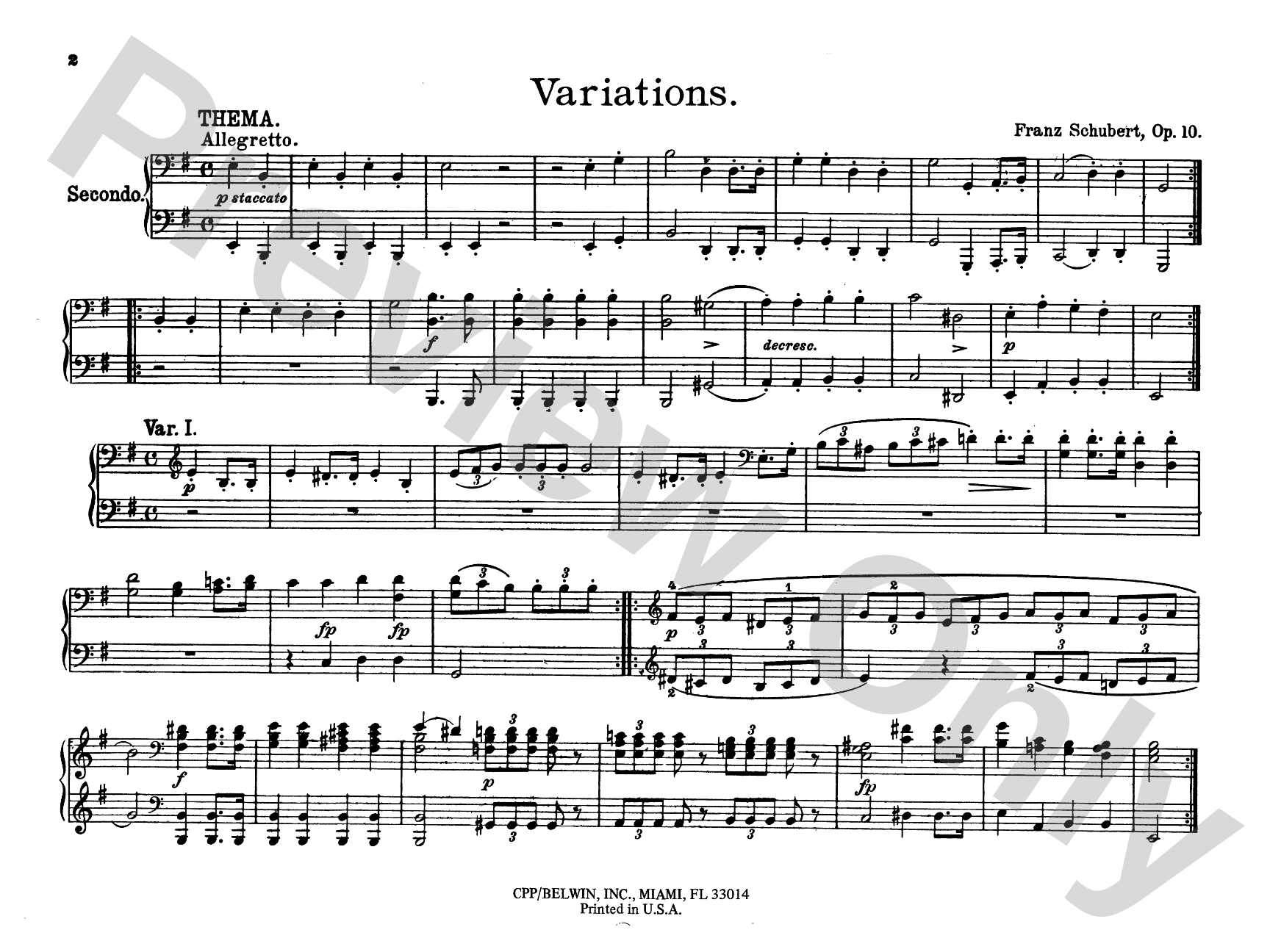
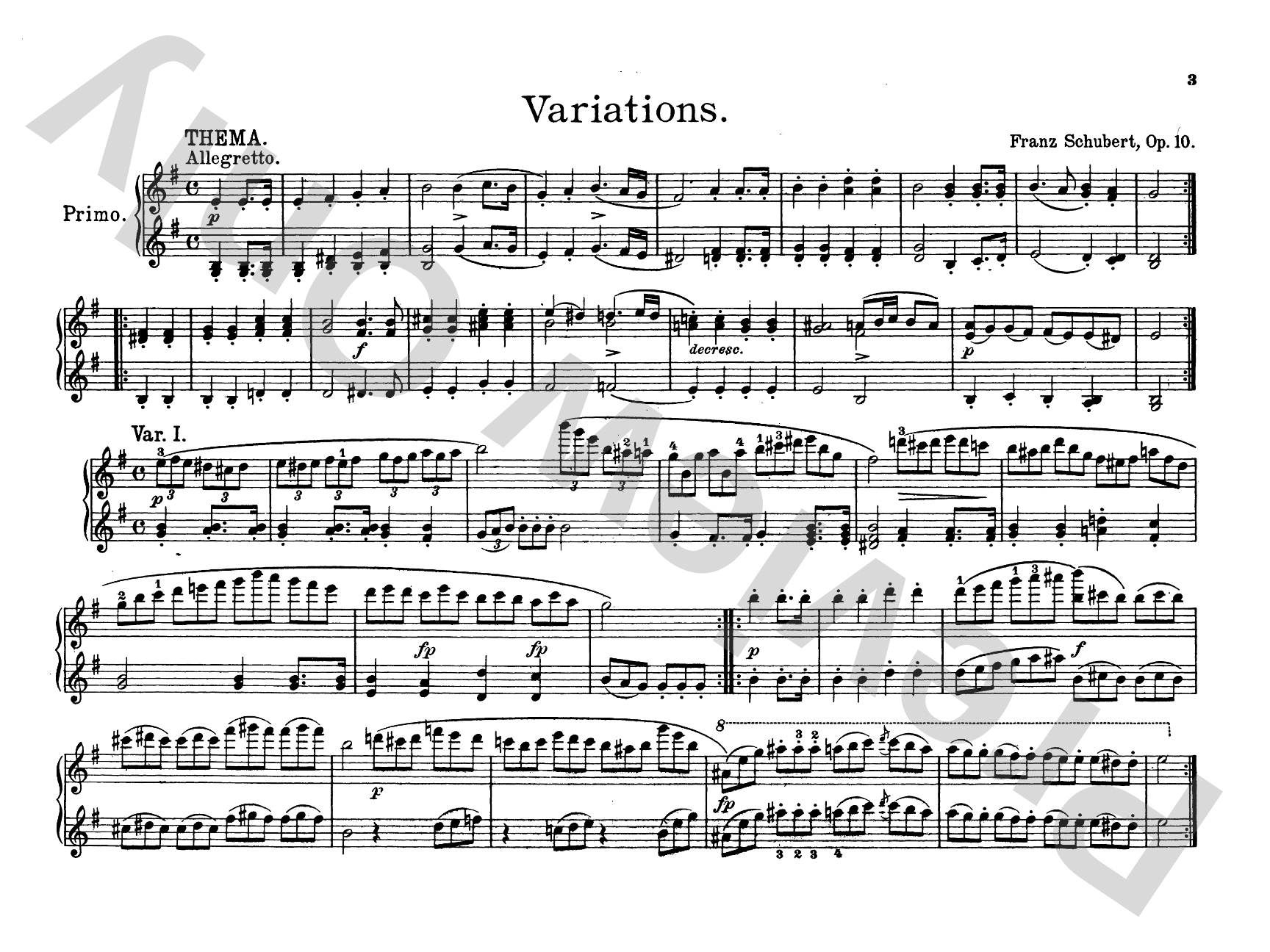
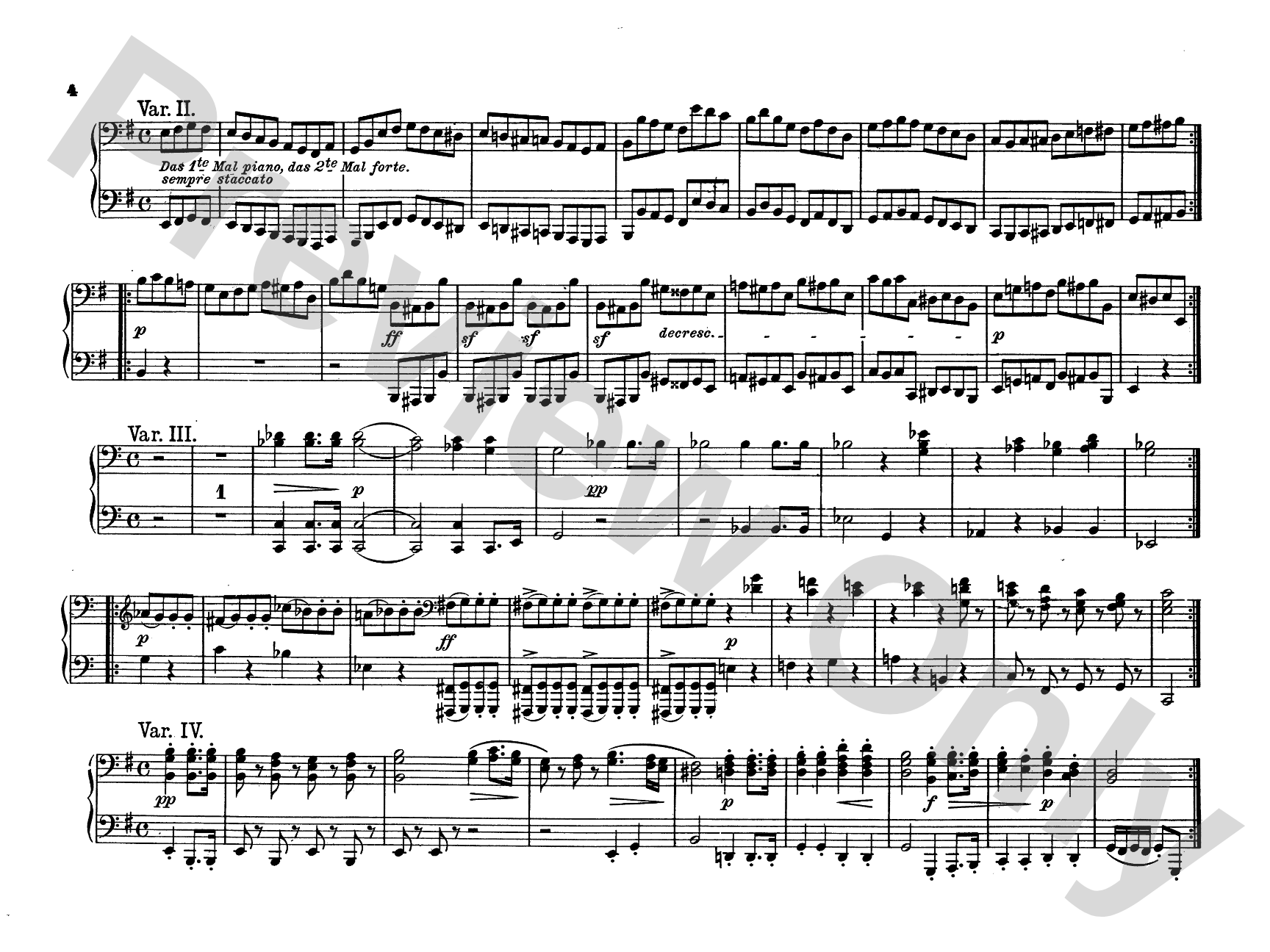
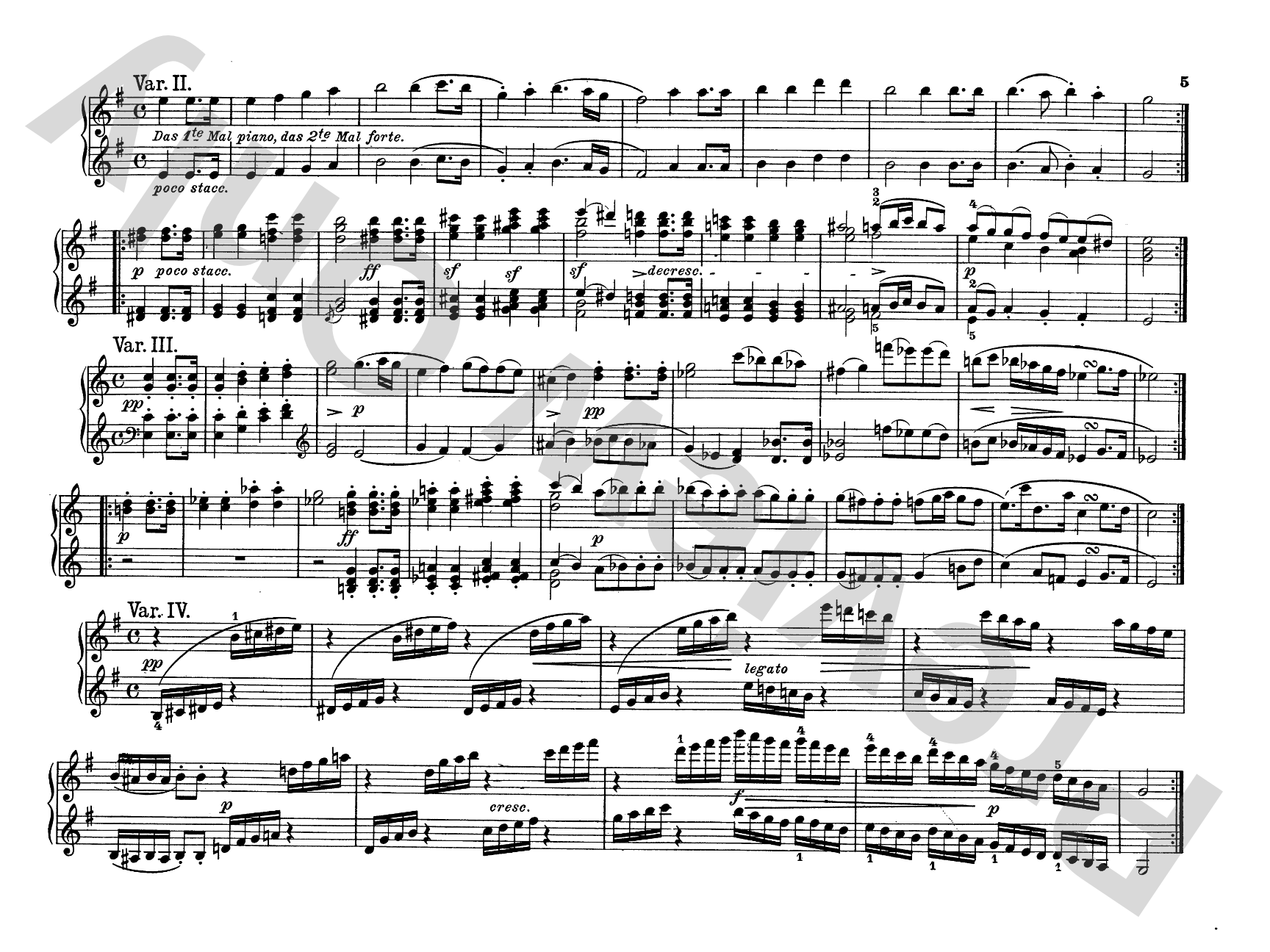
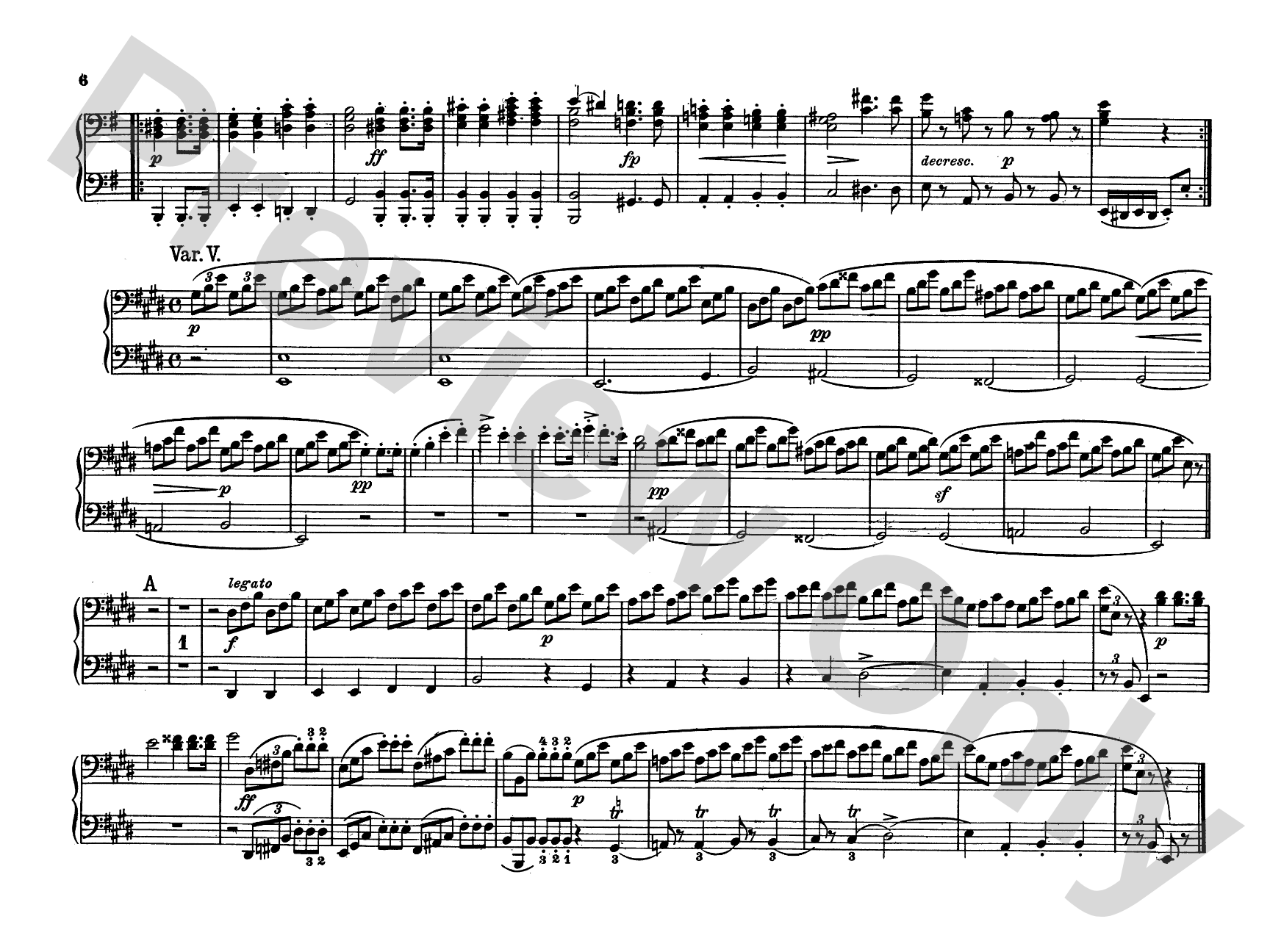
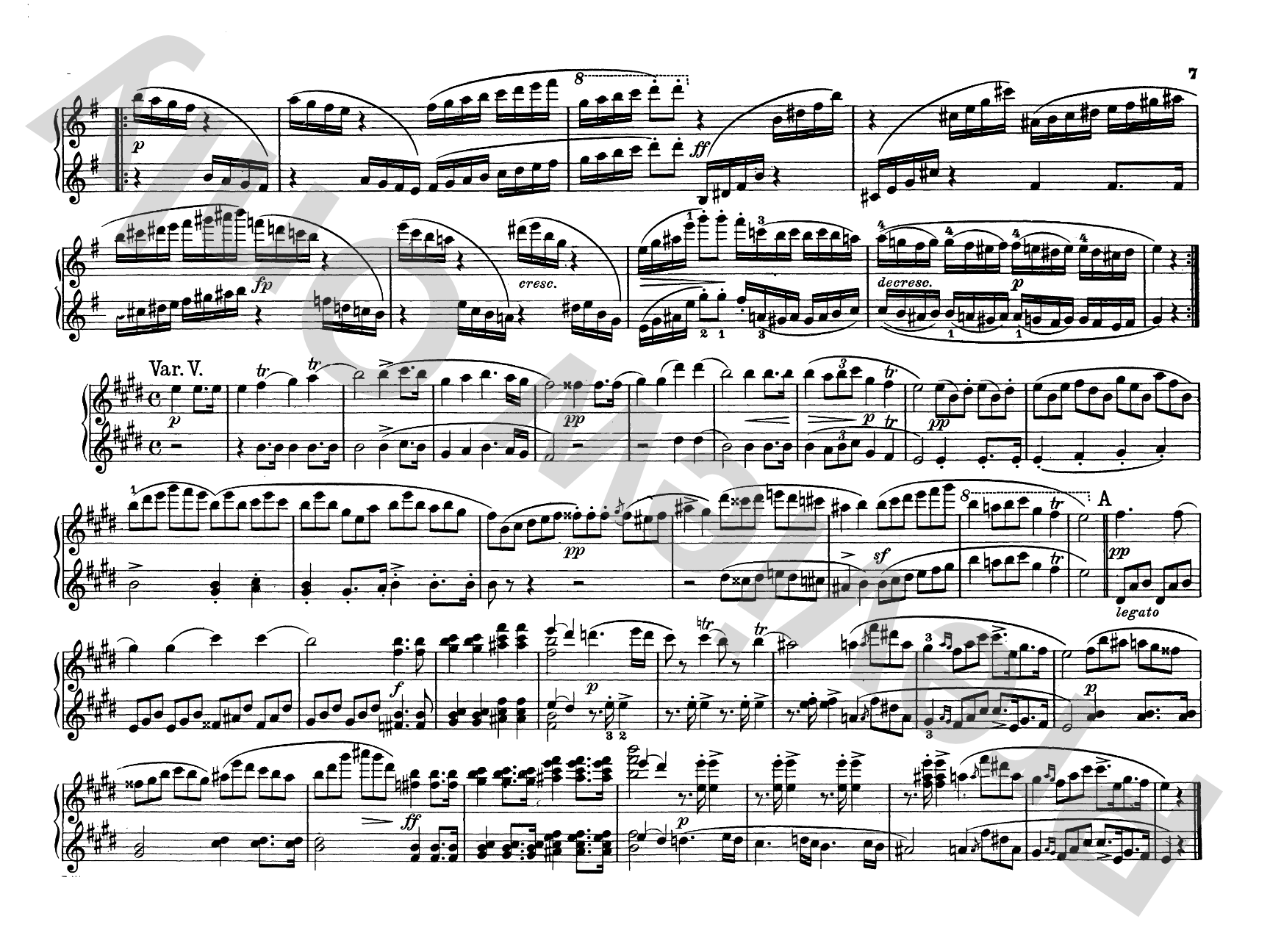
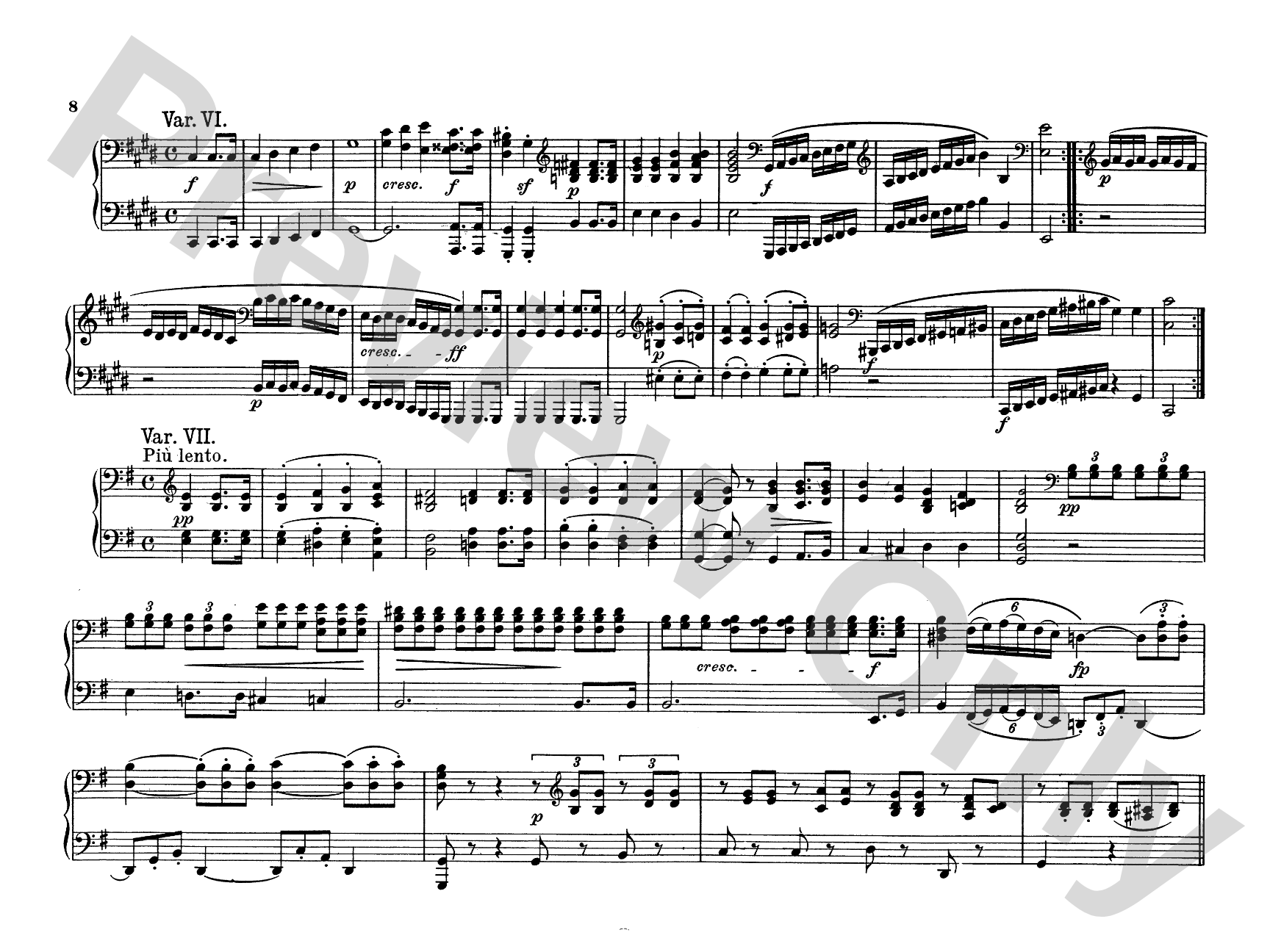
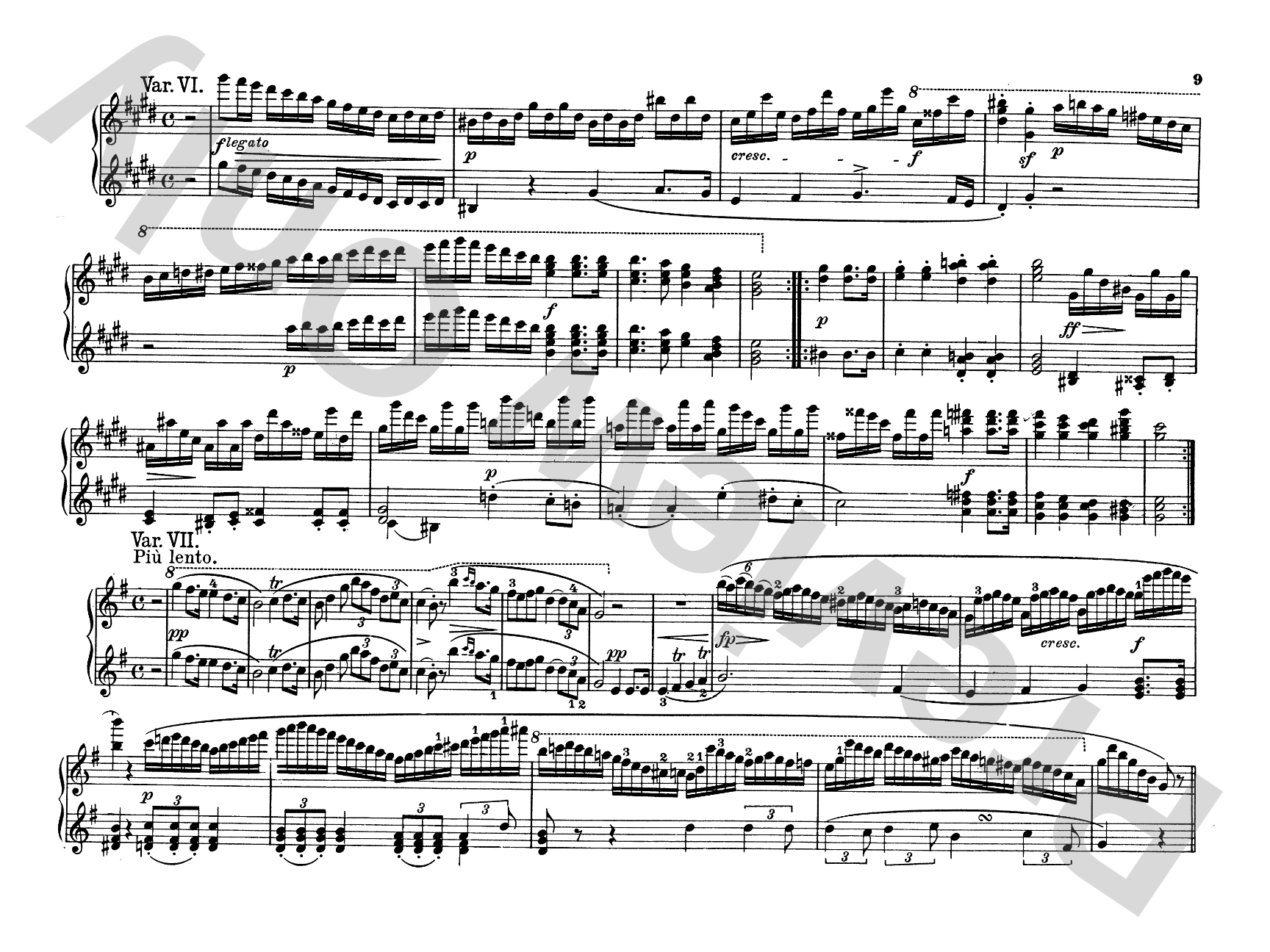
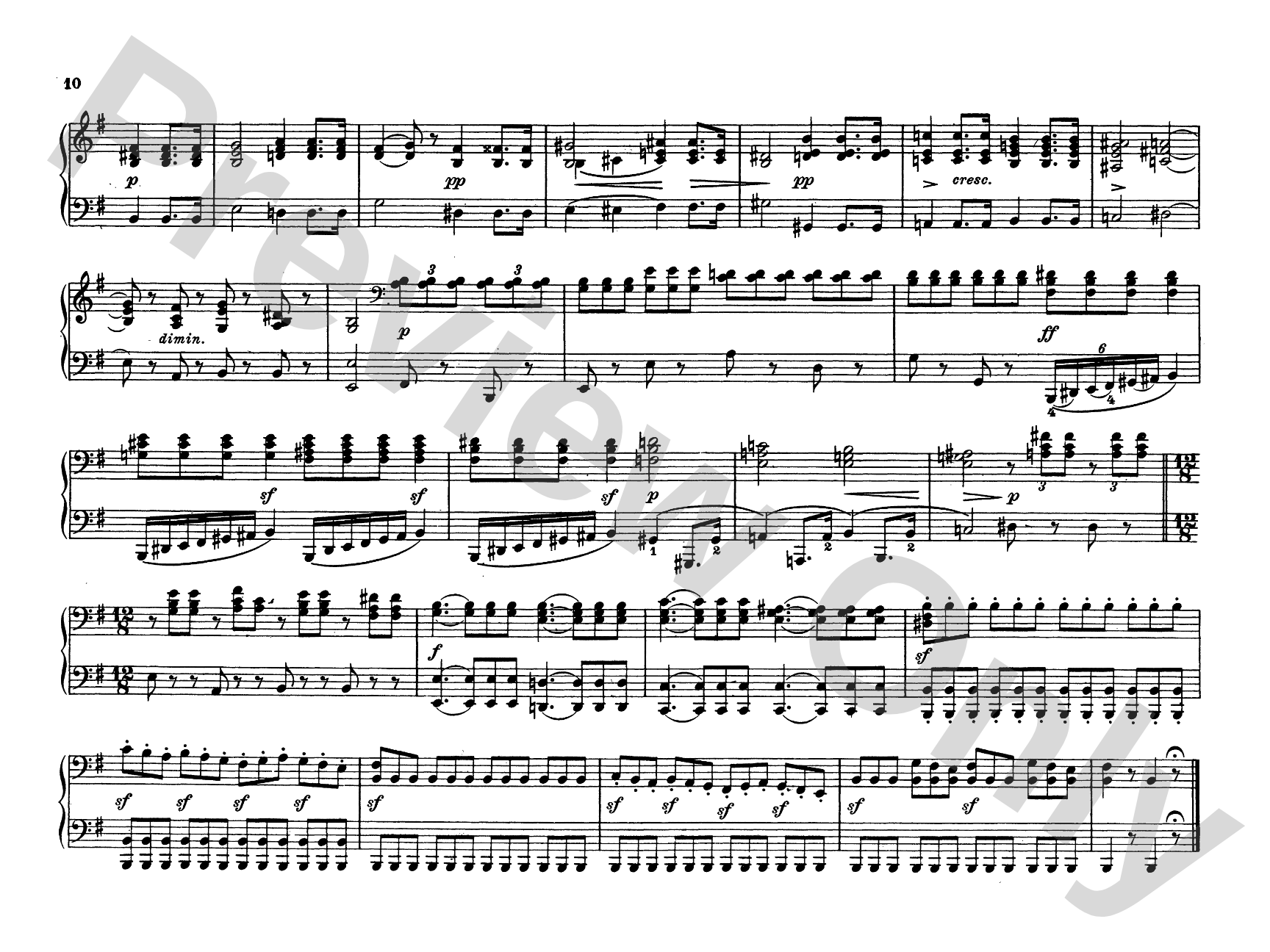
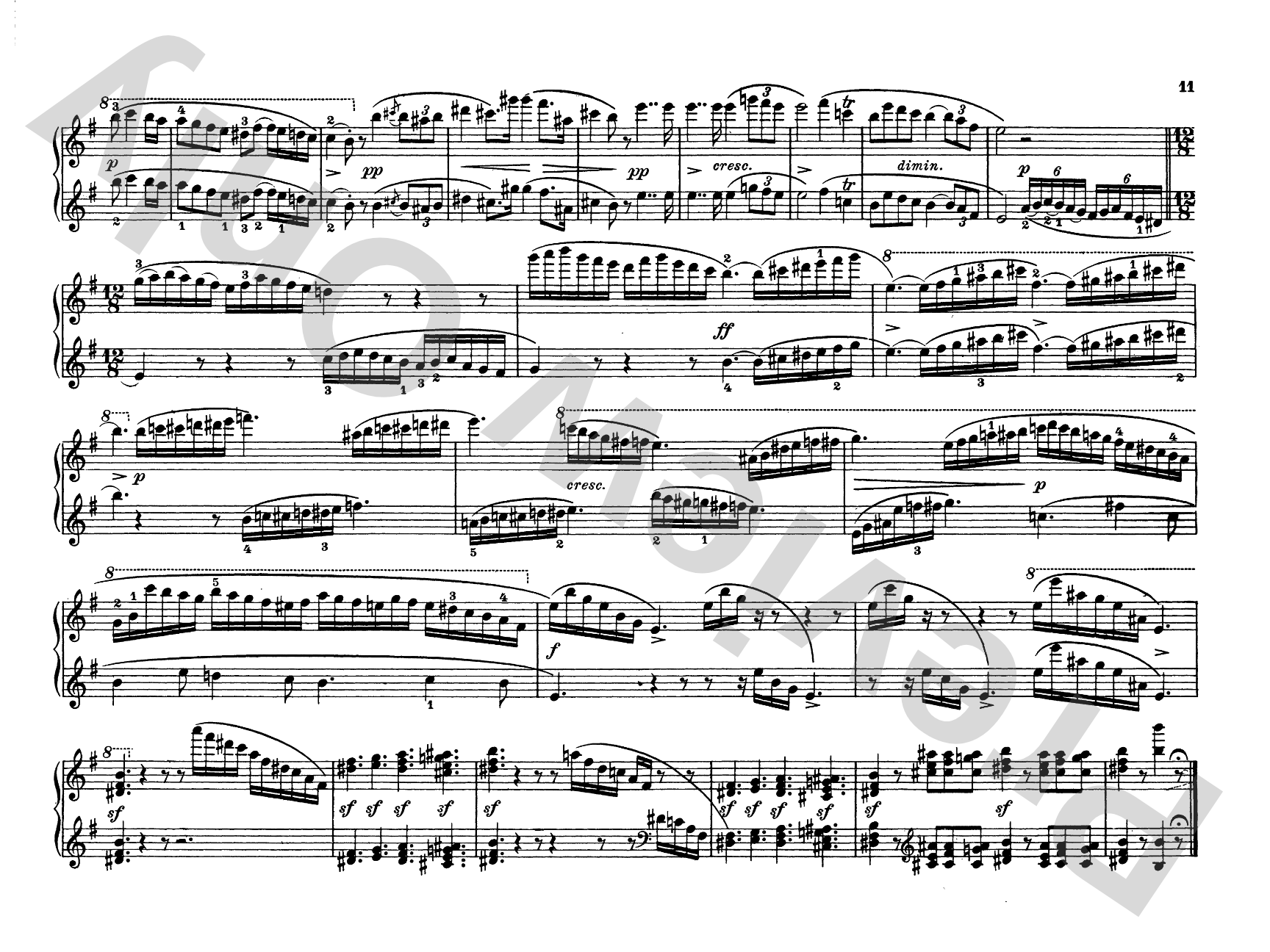
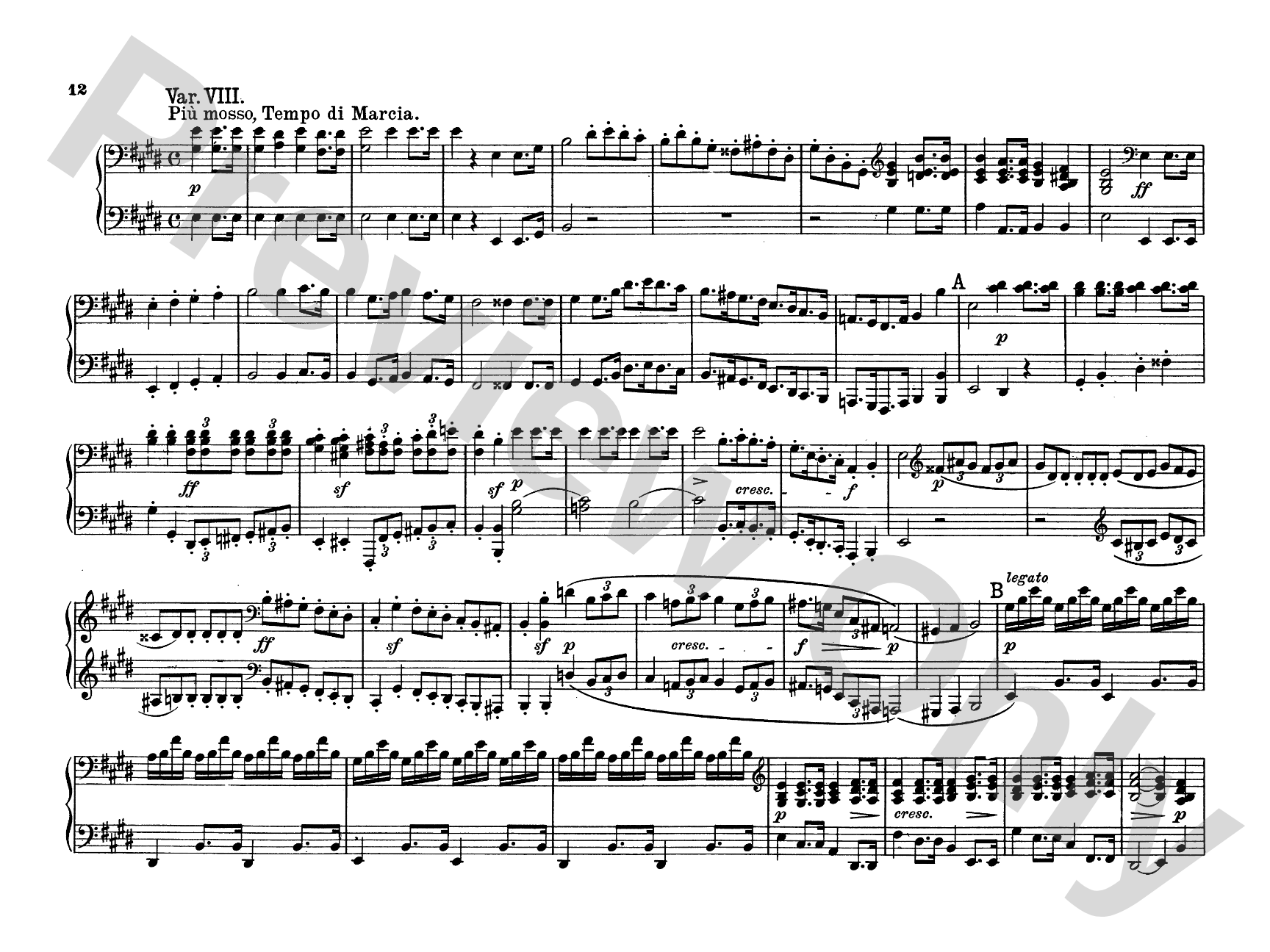
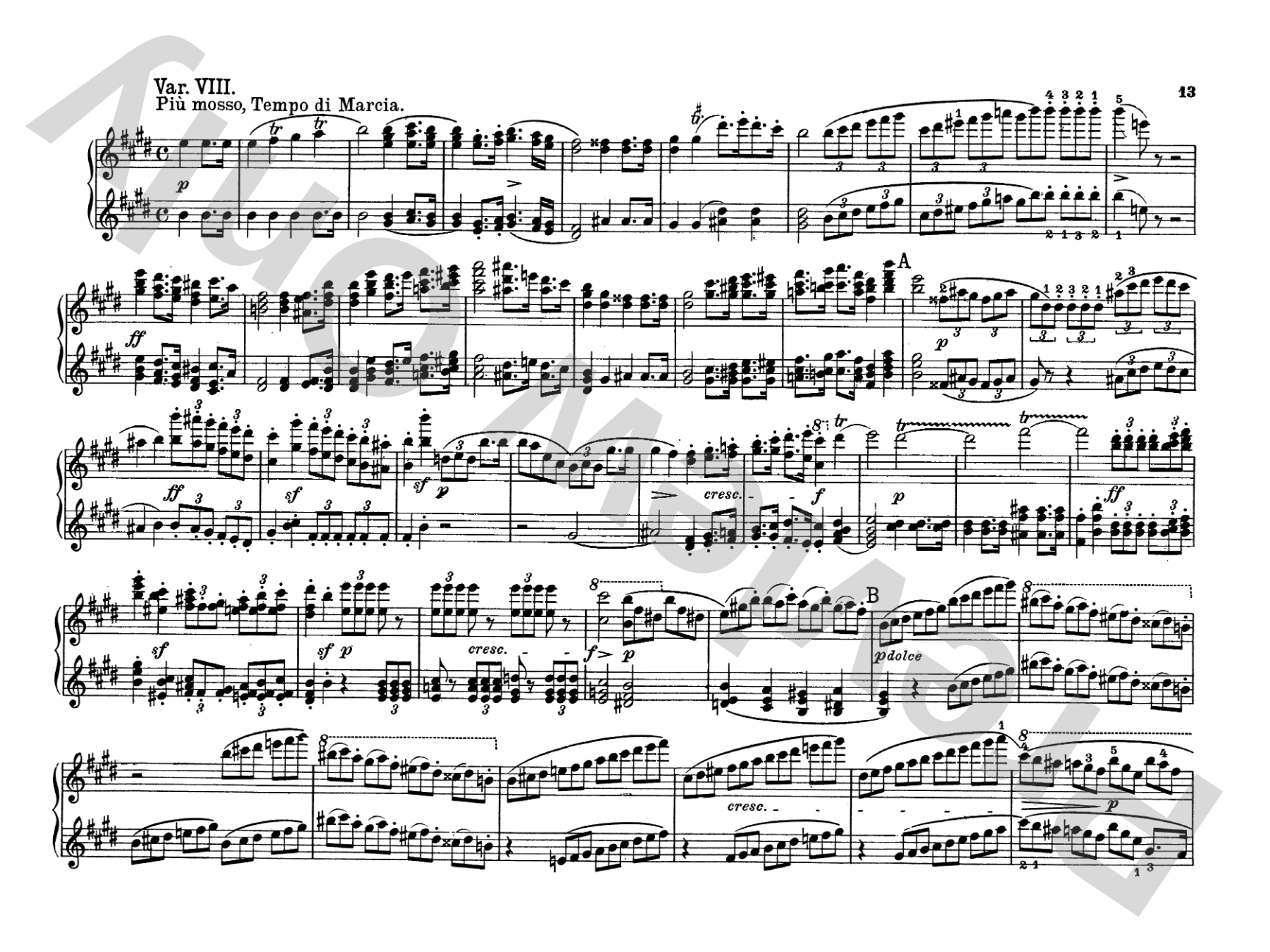
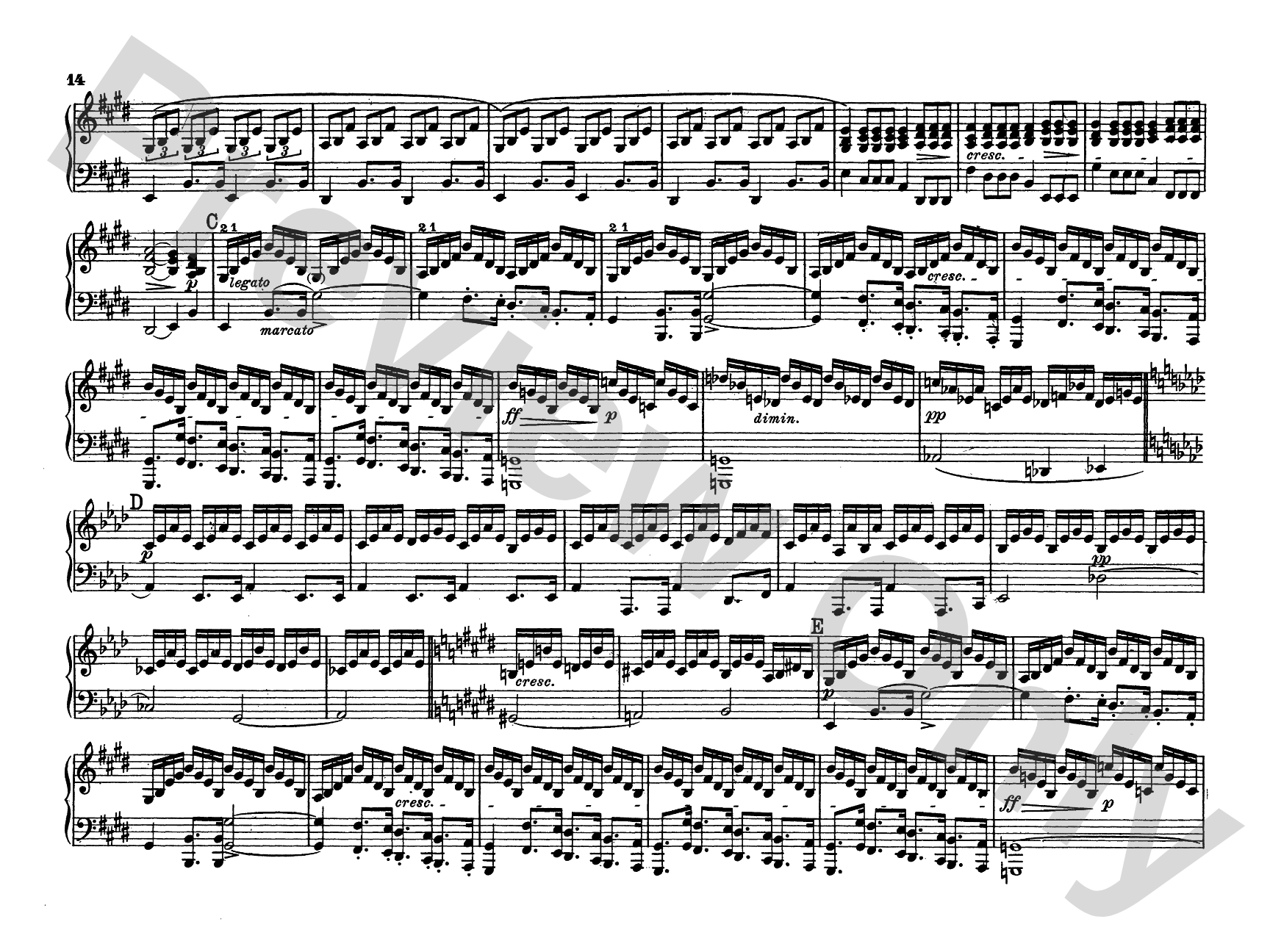
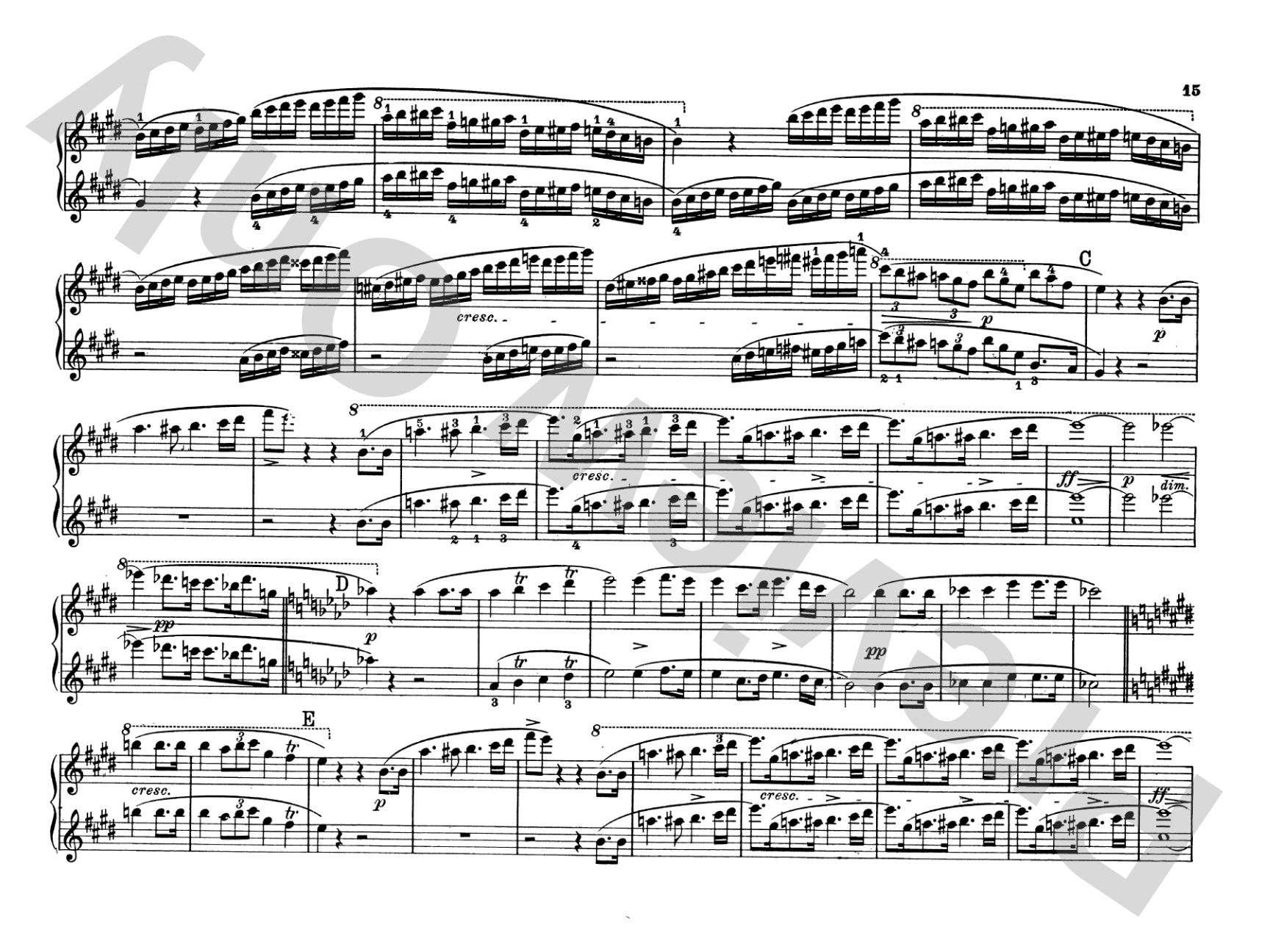
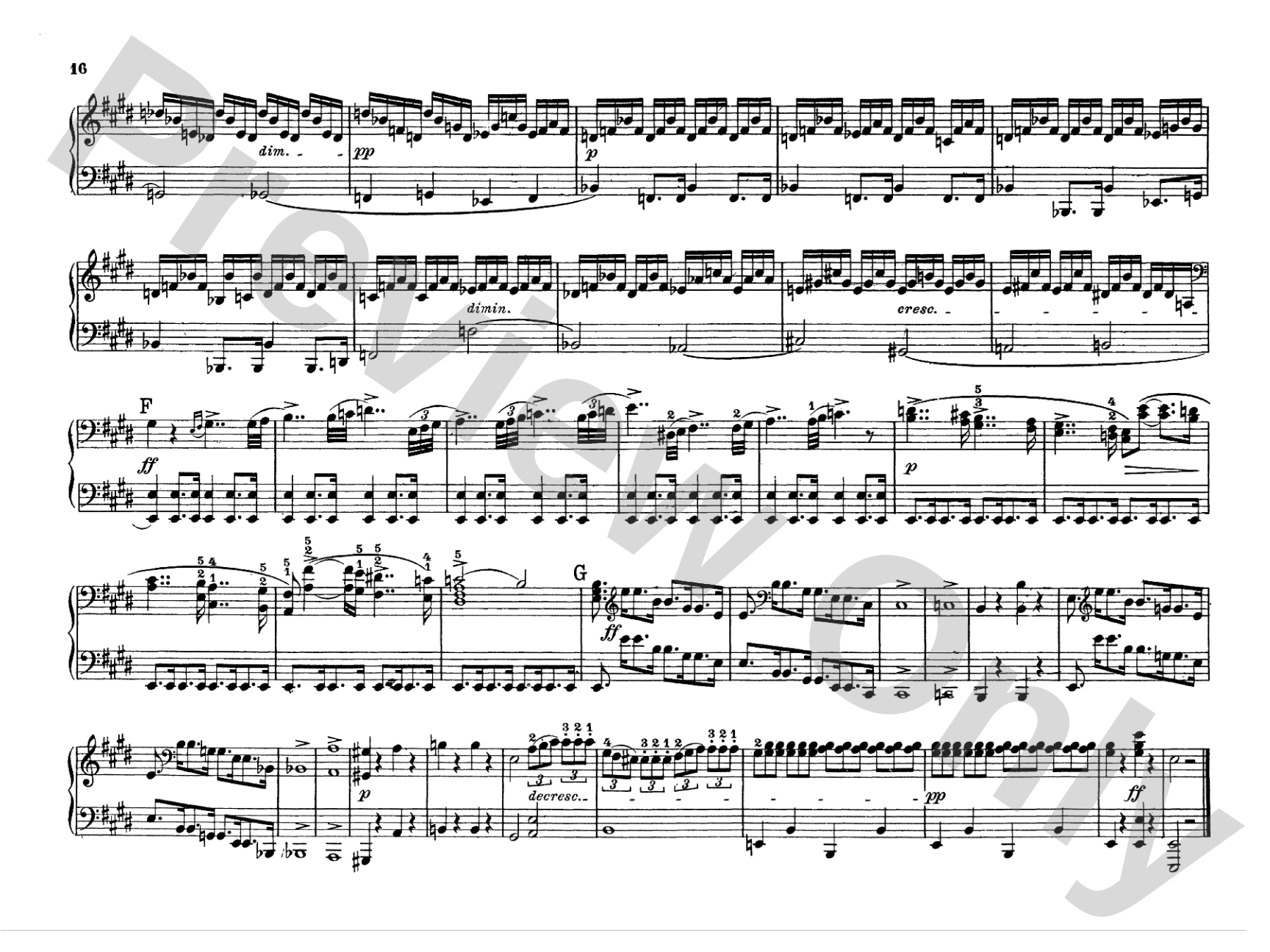
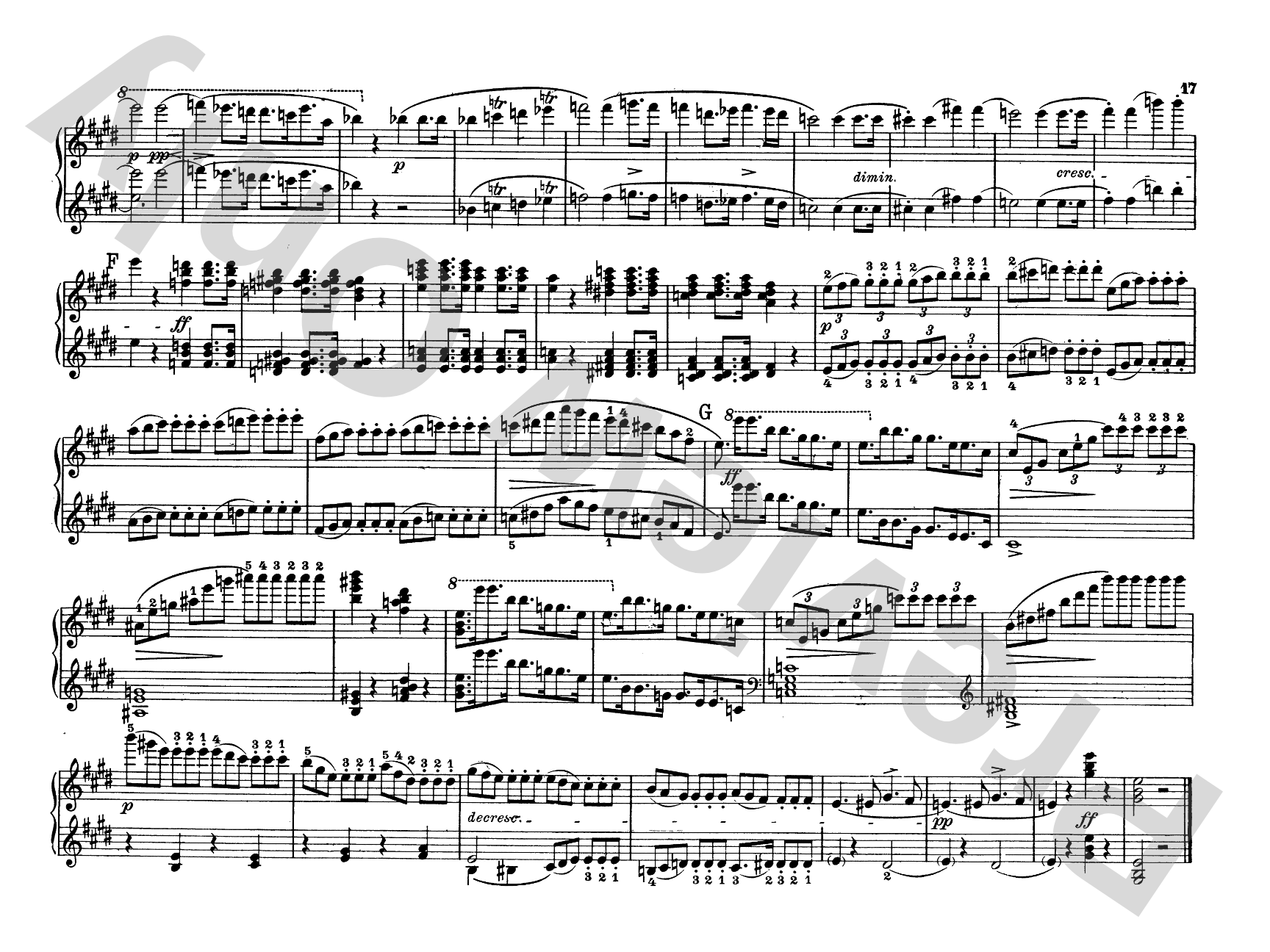

Schubert: Original Compositions for Four Hands, Volume I: Piano Duet (1 Piano, 4 Hands) Comb Bound Book
By Franz Schubert
Item: 00-PK-0003314

$17.99
Pickup currently not available
Buy Extra Parts (Digital PDF Download)
Parts Added to Cart!
Related Items
Original Compositions for Four Hands, Volume I: Piano Duet (1 Piano, 4 Hands) Comb Bound Book |
$17.95
|
View |
Description
Op. 10, 27, 30, 35, 40. The comb binding creates a lay-flat book that is perfect for study and performance.


Don't just read it, hear it, play along with it, and watch your students grow with it. In MakeMusic Cloud, Schubert: Original Compositions for Four Hands, Volume I: Piano Duet (1 Piano, 4 Hands) Comb Bound Book comes alive with professional accompaniment, adjustable tempo, and built-in practice tools that turn solo practice into real progress.
Open in the Player
Jump straight in and assign it today.
Start Your Free Trial
Open this title and explore the full library in minutes.
Sample Audio
No sample audio found.
Sample Video
No sample videos found.
Additional Details
Series:
Kalmus Edition
Publisher:
Alfred Music
Page Count:
116
SKU:
00-PK-0003314
More about this title
About the Composer: Franz Schubert
Schubert lived a short life (1797, 1828) but left an enormous catalog of works across nearly every genre. His gift for melody was virtually unmatched; even his most structurally adventurous pieces sing. He composed steadily for the piano, writing sonatas, impromptus, and dances that remain central to the repertoire, but he also understood the collaborative joy of four-hand writing.
His four-hand duets occupy a special place in his output. These works balance serious compositional ambition with the practical pleasure of shared music-making, making them ideal for advancing students who need to experience ensemble playing without leaving the keyboard. Schubert's duets demand musicality and sensitivity from both players, never treating the secondo as mere accompaniment.
Why we love this
This collection gathers five substantial opuses that showcase Schubert's mature approach to the medium: both players engage meaningfully with the musical material rather than falling into the typical primo-melody, secondo-accompaniment split. The comb binding is genuinely practical for rehearsal and performance, eliminating page-turn logistics that plague standard bindings and keeping the score open and visible for both players simultaneously.
What to expect
Schubert's duets inhabit a unique space between the intimacy of his song style and the architectural clarity of Classical form. Passages move between lyrical warmth and playful energy, with harmonic shifts that feel both inevitable and surprising, all wrapped in textures that feel collaborative rather than hierarchical.
Who it's for
This collection serves advanced amateur duet partnerships and pre-conservatory students ready for Schubert's more sophisticated writing. It also works for piano teachers assembling a serious duet repertoire beyond the standard pedagogical fare, or for pianists preparing for collaborative performance where both players deserve substantial musical material.
How to get the most out of it
- Balance the secondo part deliberately. Schubert entrusts this player with real thematic content, not mere harmonic filler; resist the reflex to play it softer than the primo.
- Practice the opening passages separately by role before playing together. Identifying which hand carries the principal idea in each phrase prevents the typical blur that results when both players assume the melody is always on top.
- Establish pedal coordination before adding tempo. The shared single pedal demands that both players agree on color and timing; work this out slowly enough to hear where the harmonies shift.
- Shape phrases across both parts as a single line. These works succeed when the four hands sound like one voice thinking through the music, not two pianists watching their own parts.
How to use it
Program these duets on collaborative recitals where the focus is on pianistic partnership rather than soloist and accompanist. They also serve well in a season that pairs chamber repertoire with solo works, offering a substantial alternative to the Brahms and Ravel duets typically heard at this level. Any of these opuses can anchor a recital program without feeling like filler.
Skills your students will build
- Balancing two independent voices at the same instrument
- Reading and executing articulation and pedal markings in dialogue with another player
- Recognizing and maintaining thematic material across both primo and secondo parts
- Coordinating tempo and phrasing without a conductor
- Managing shared use of the pedal between two players