
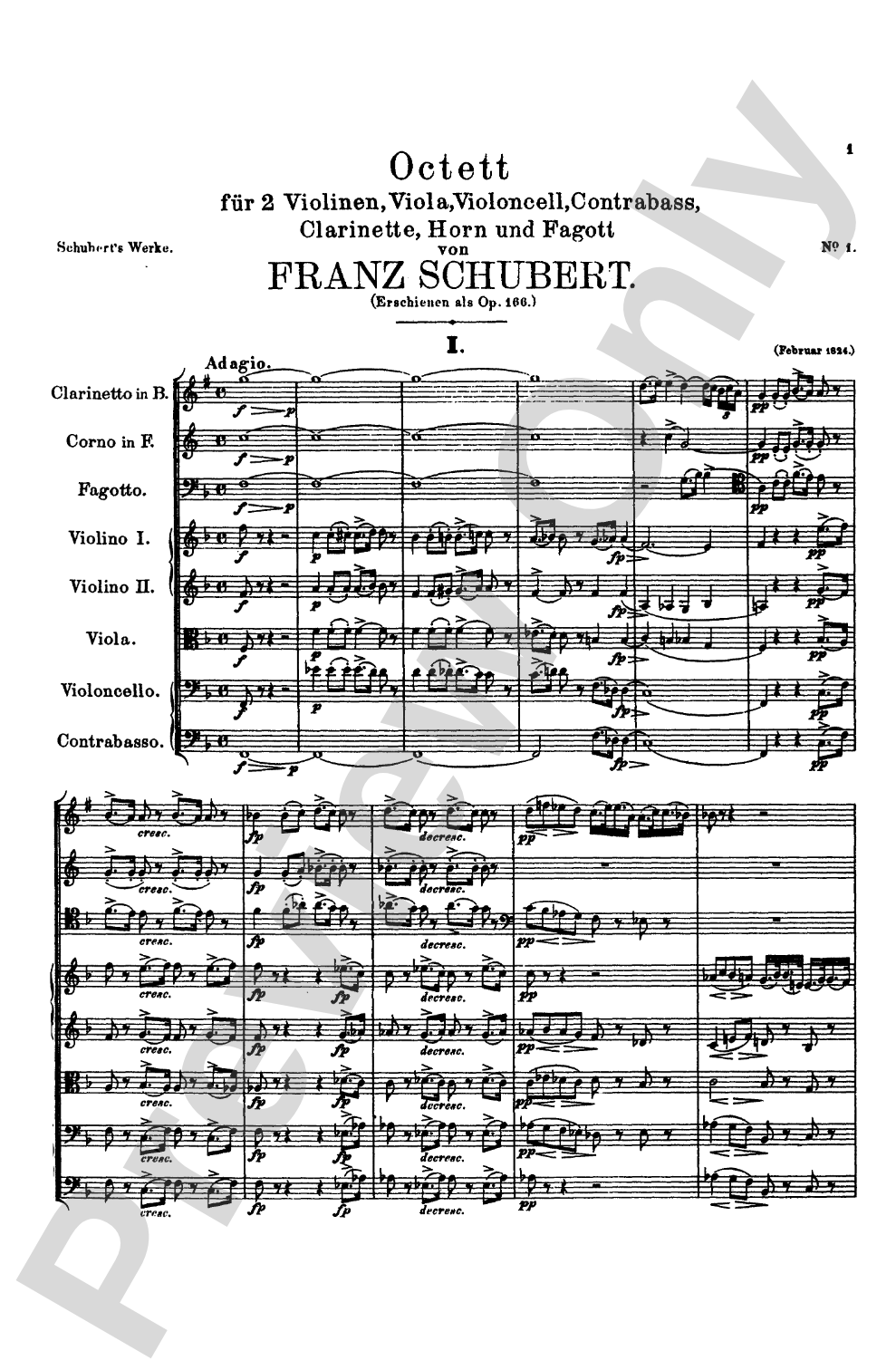
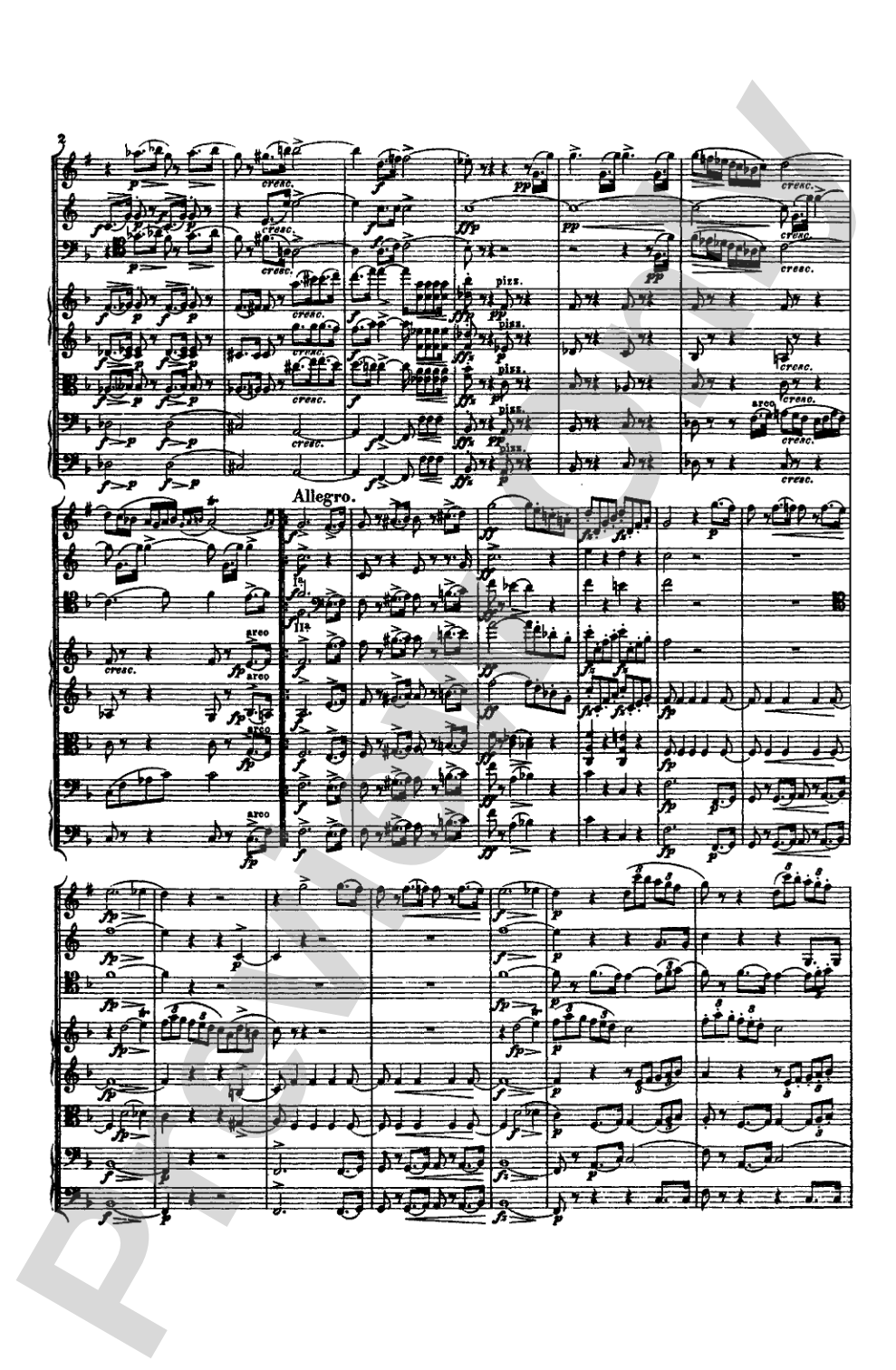
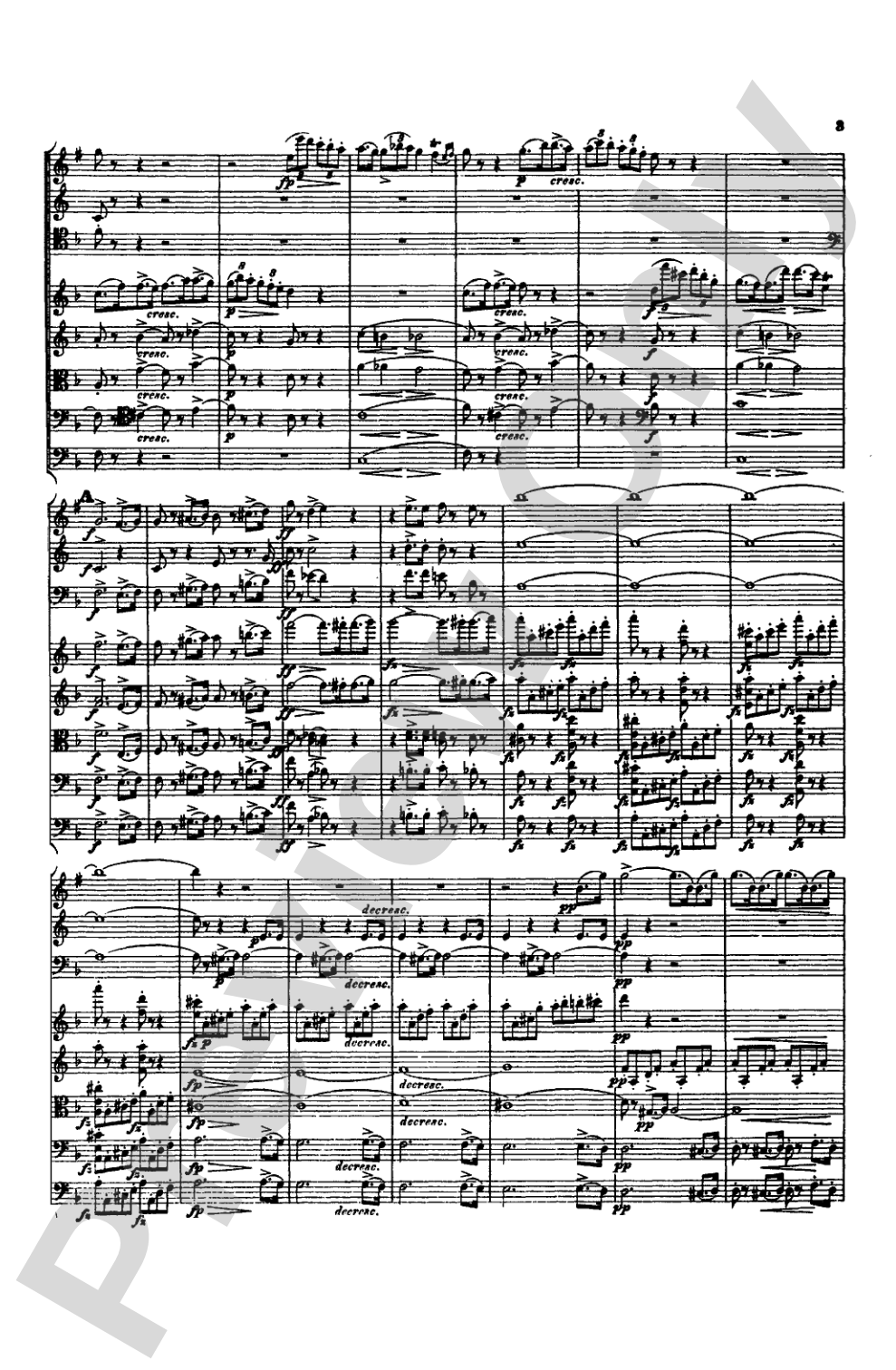
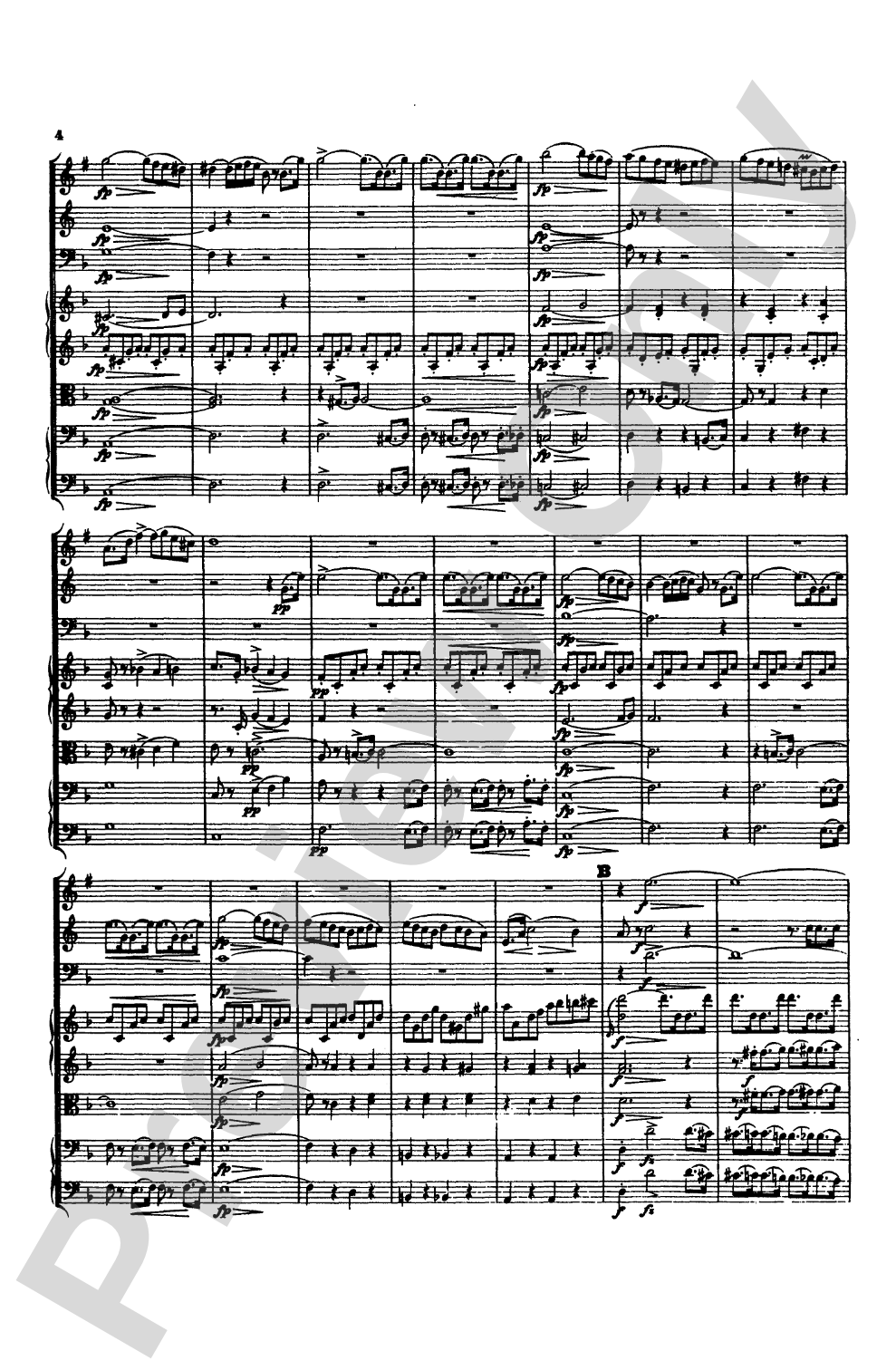
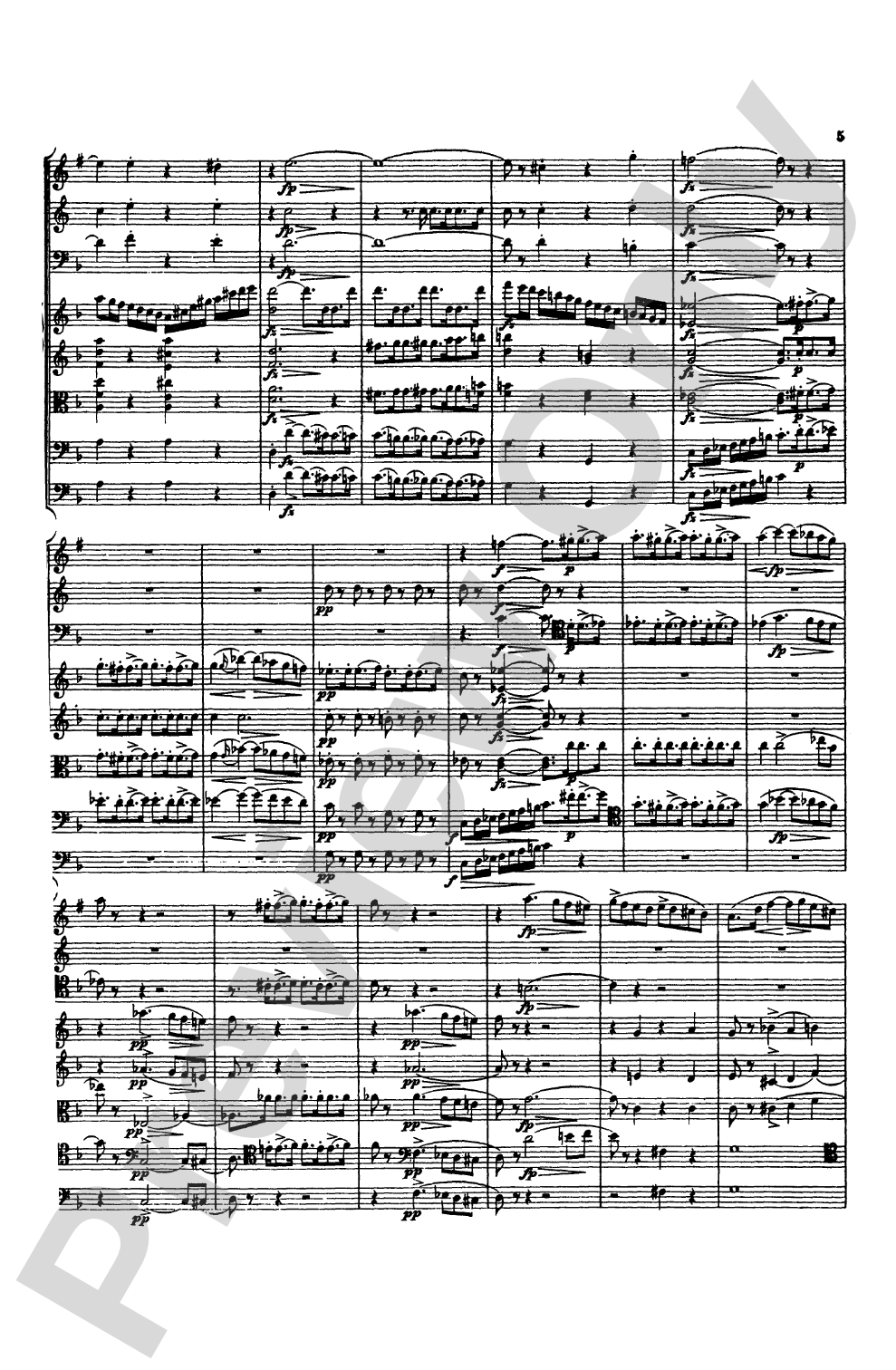
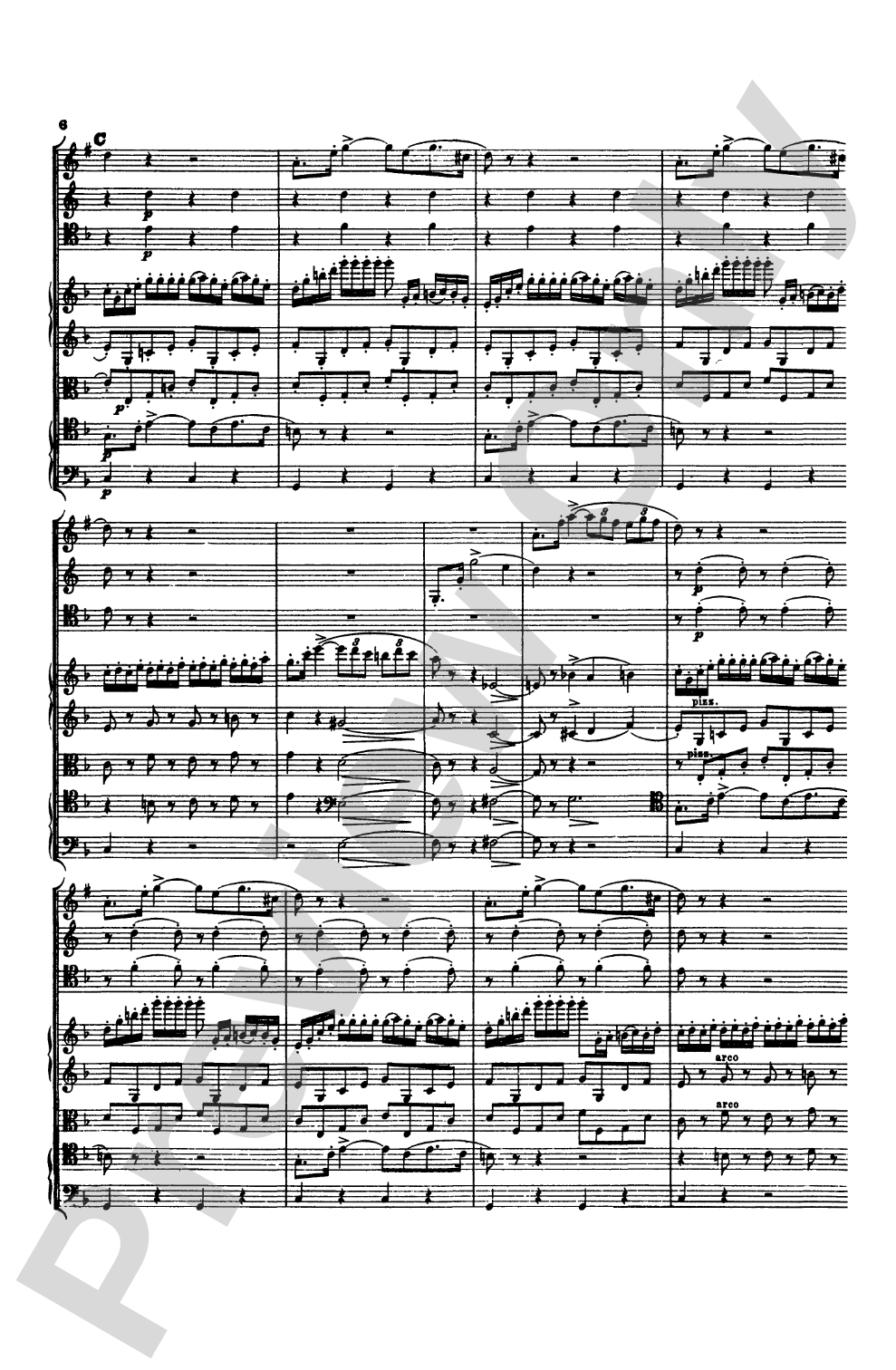
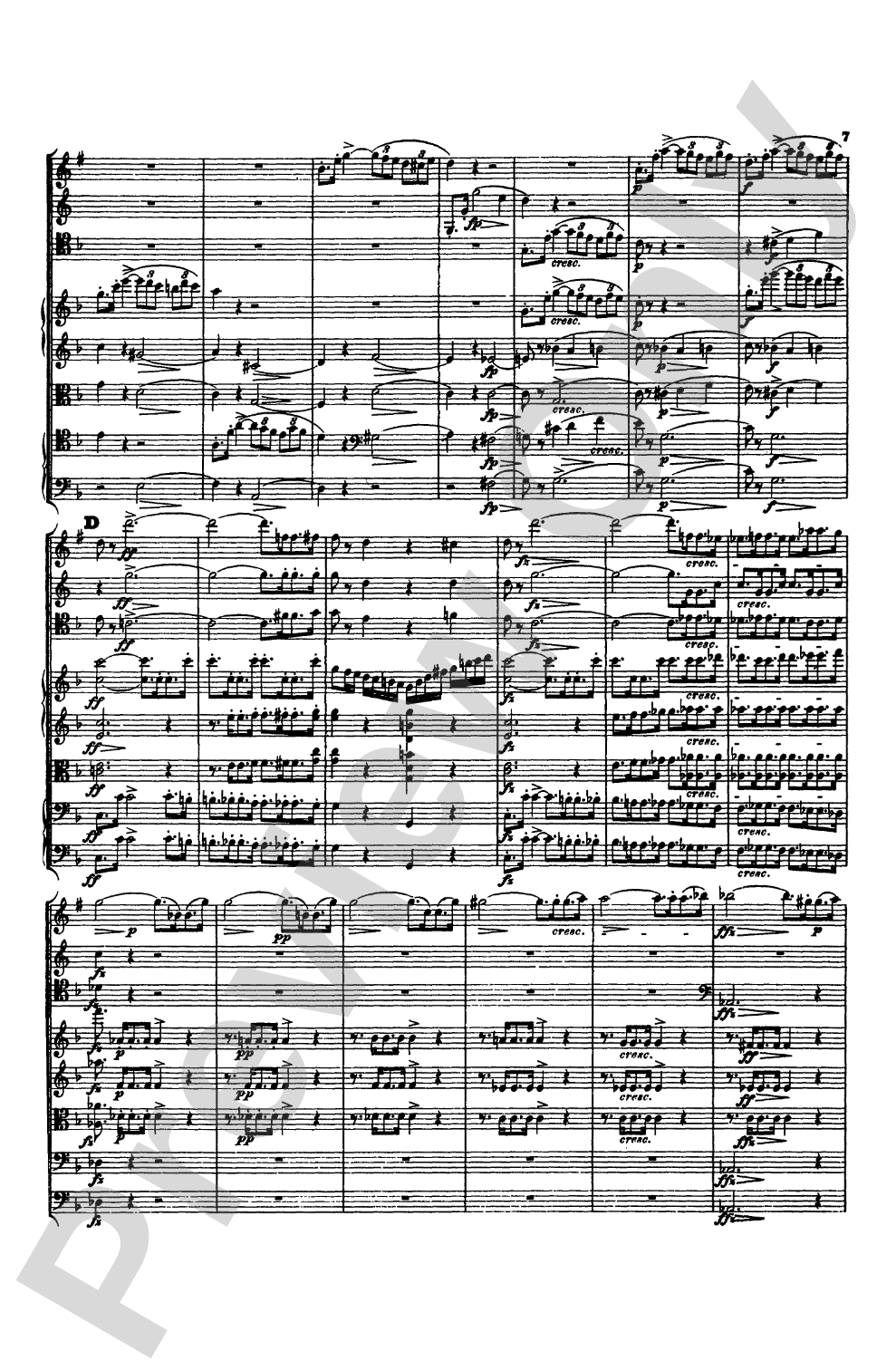
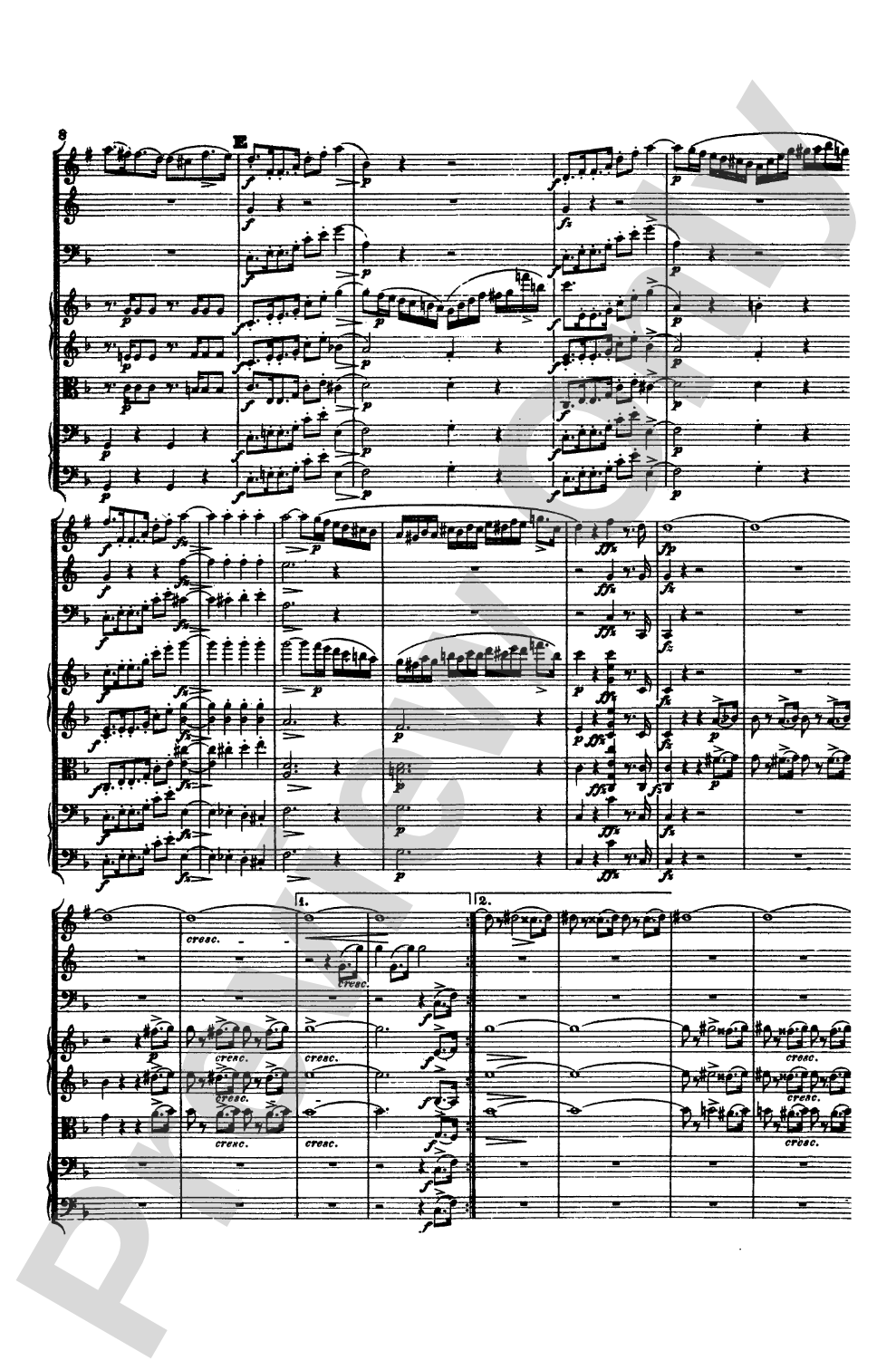
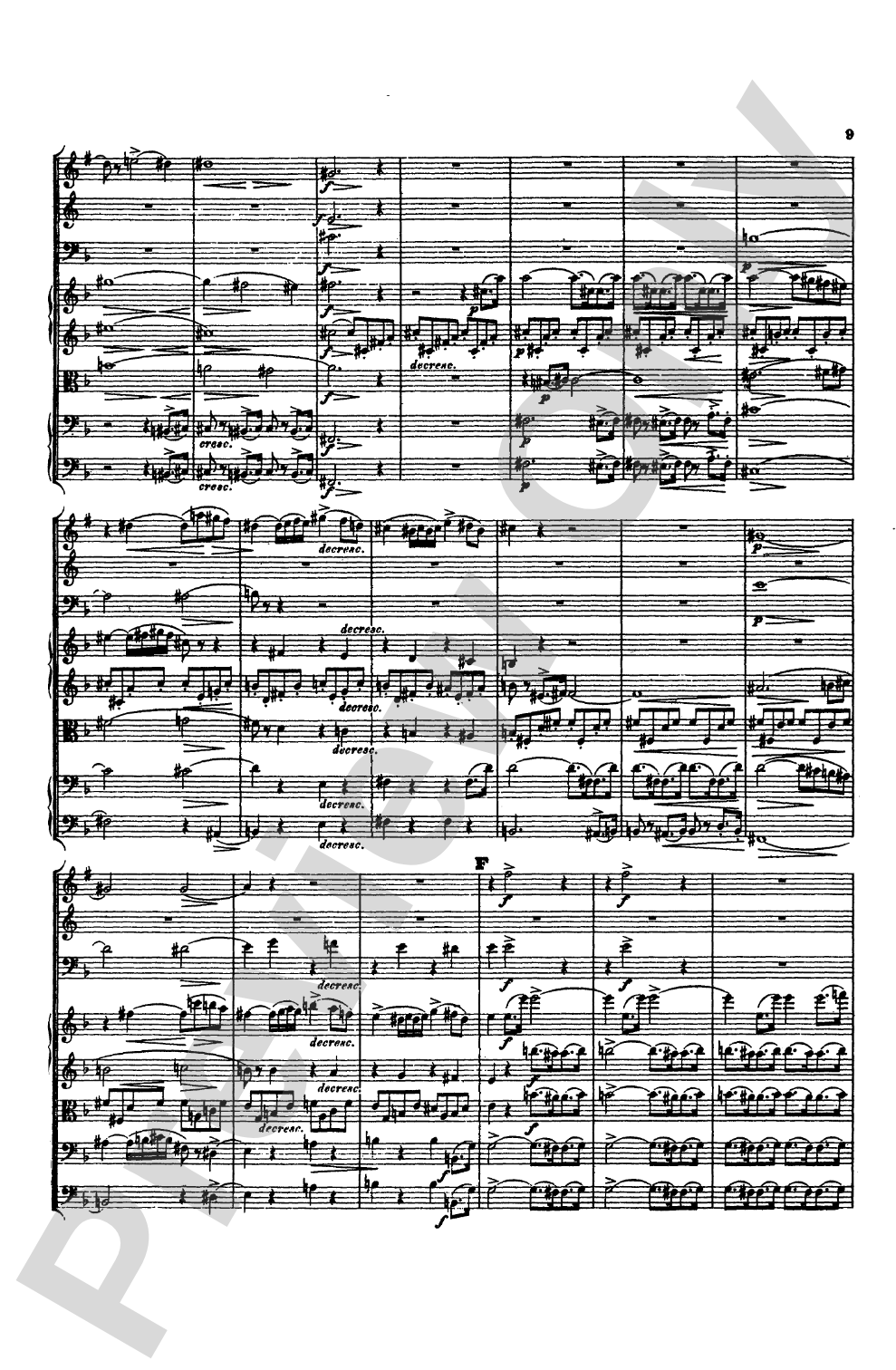
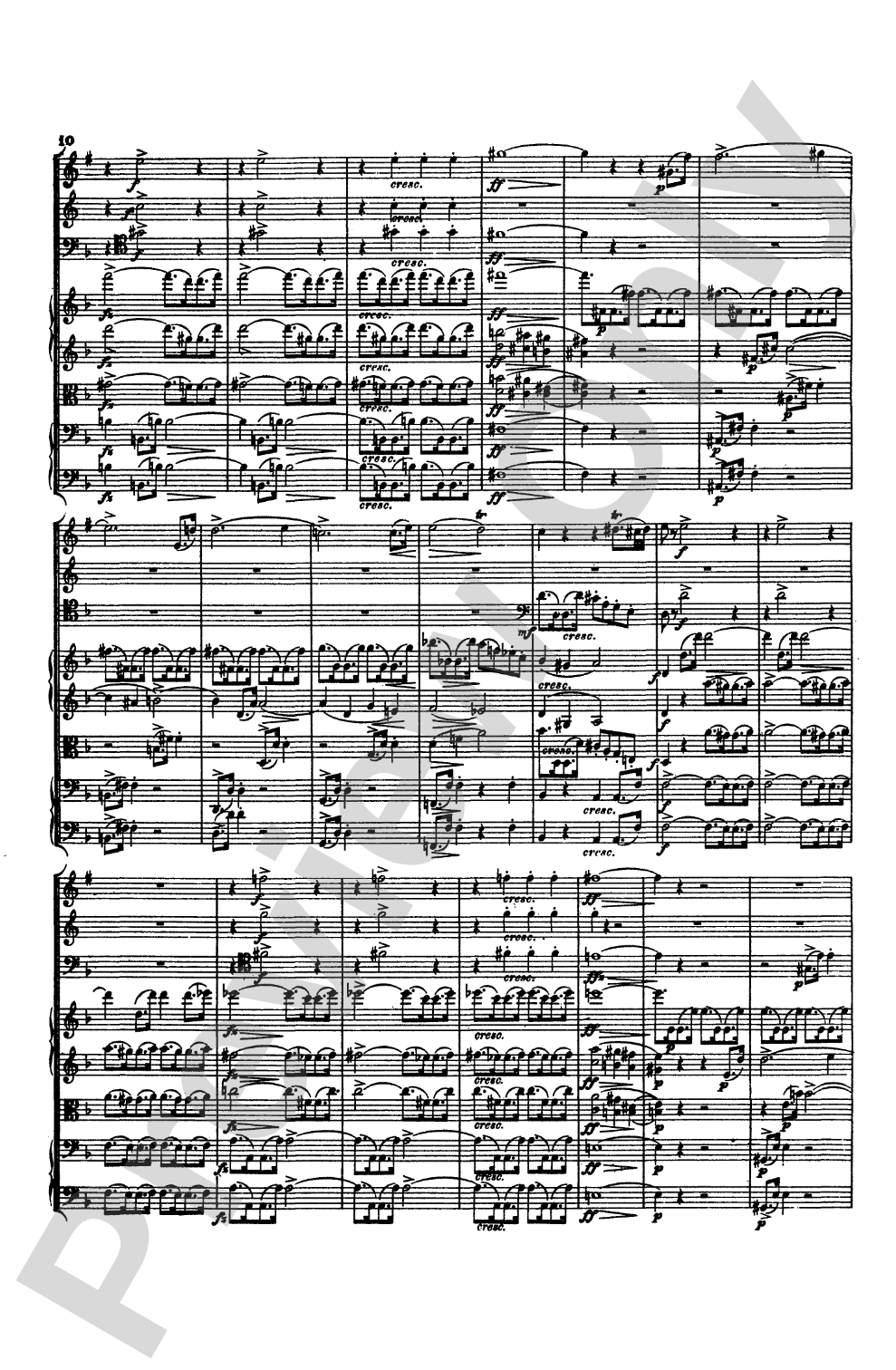
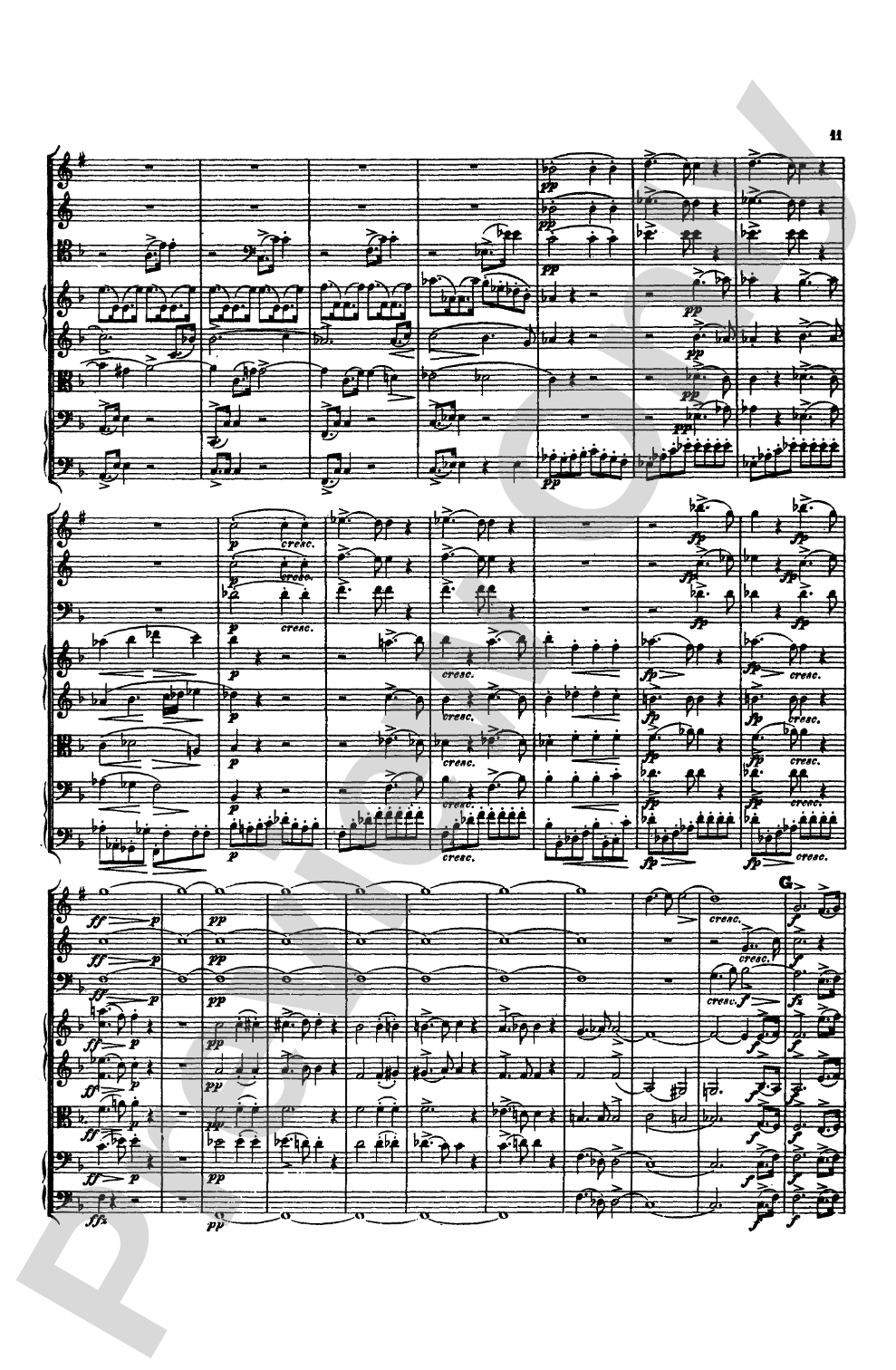
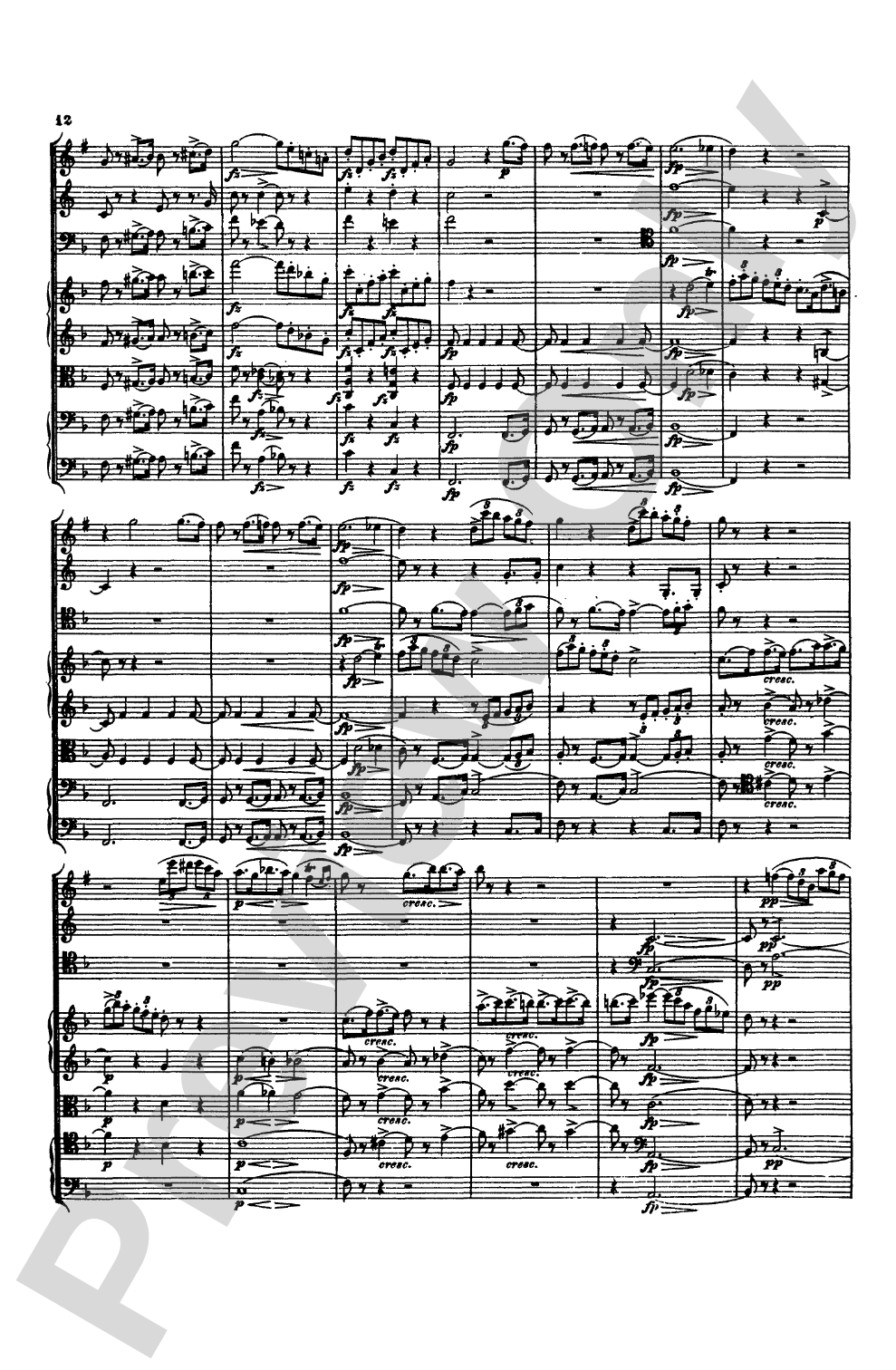
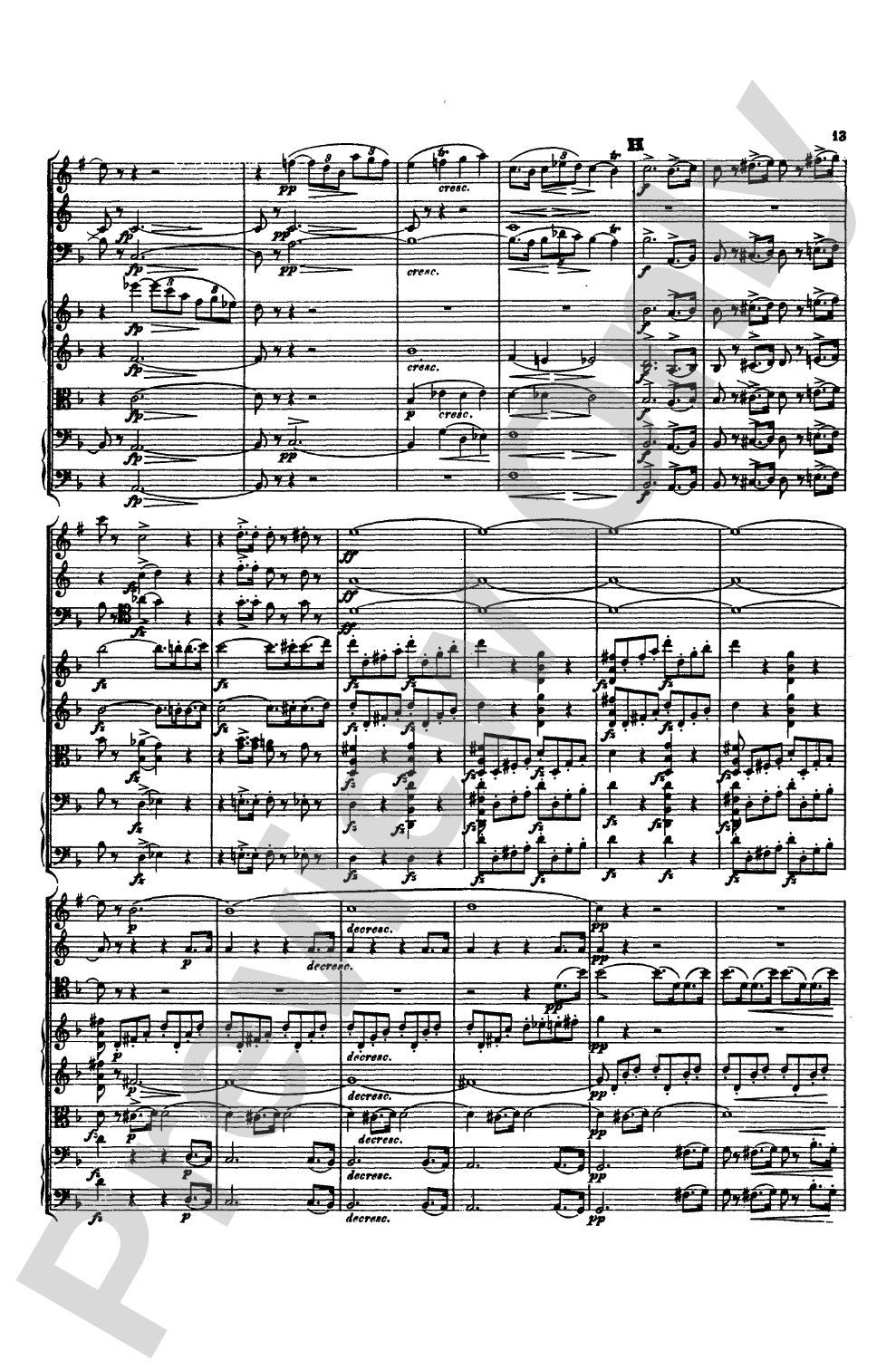
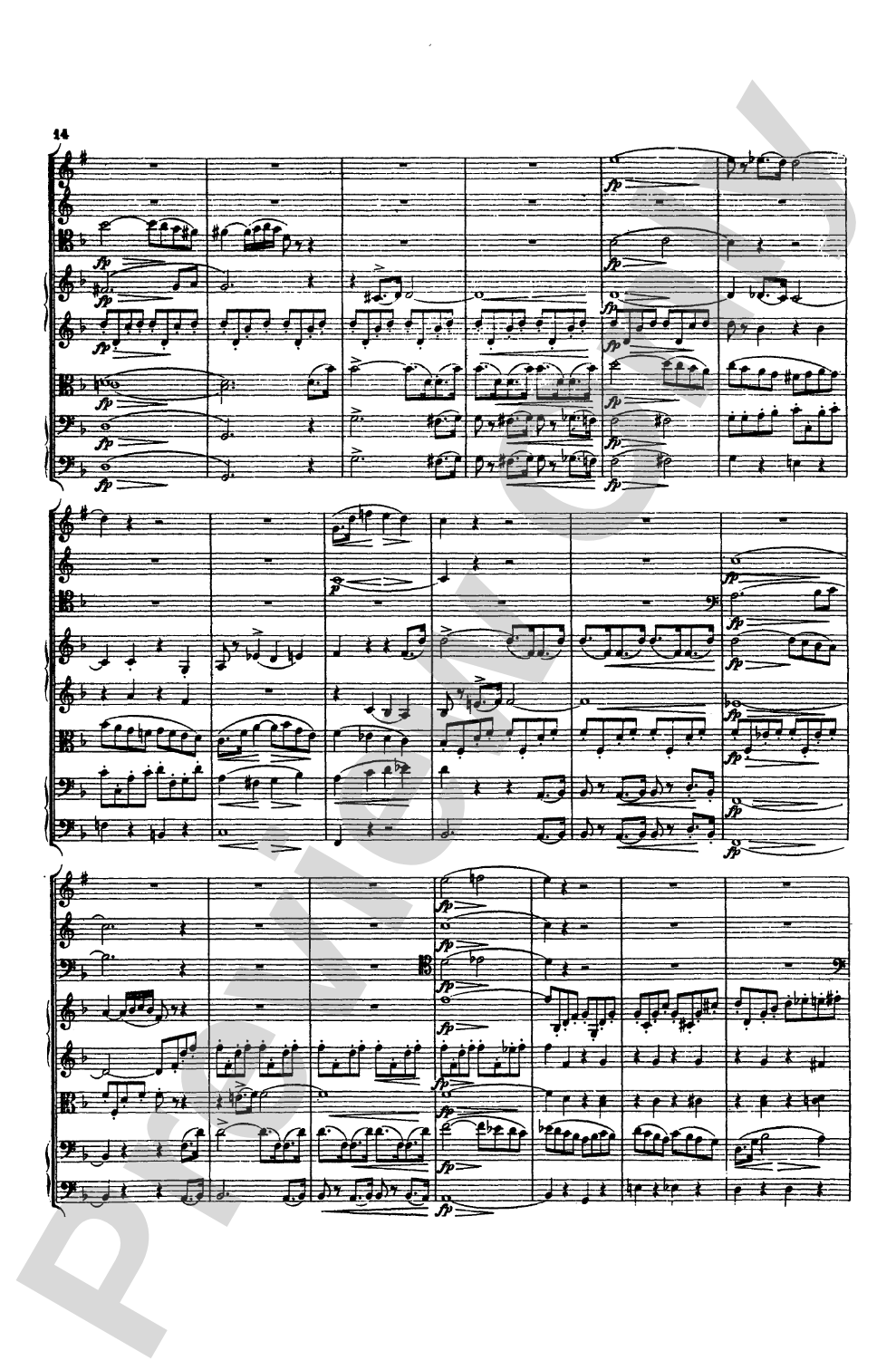
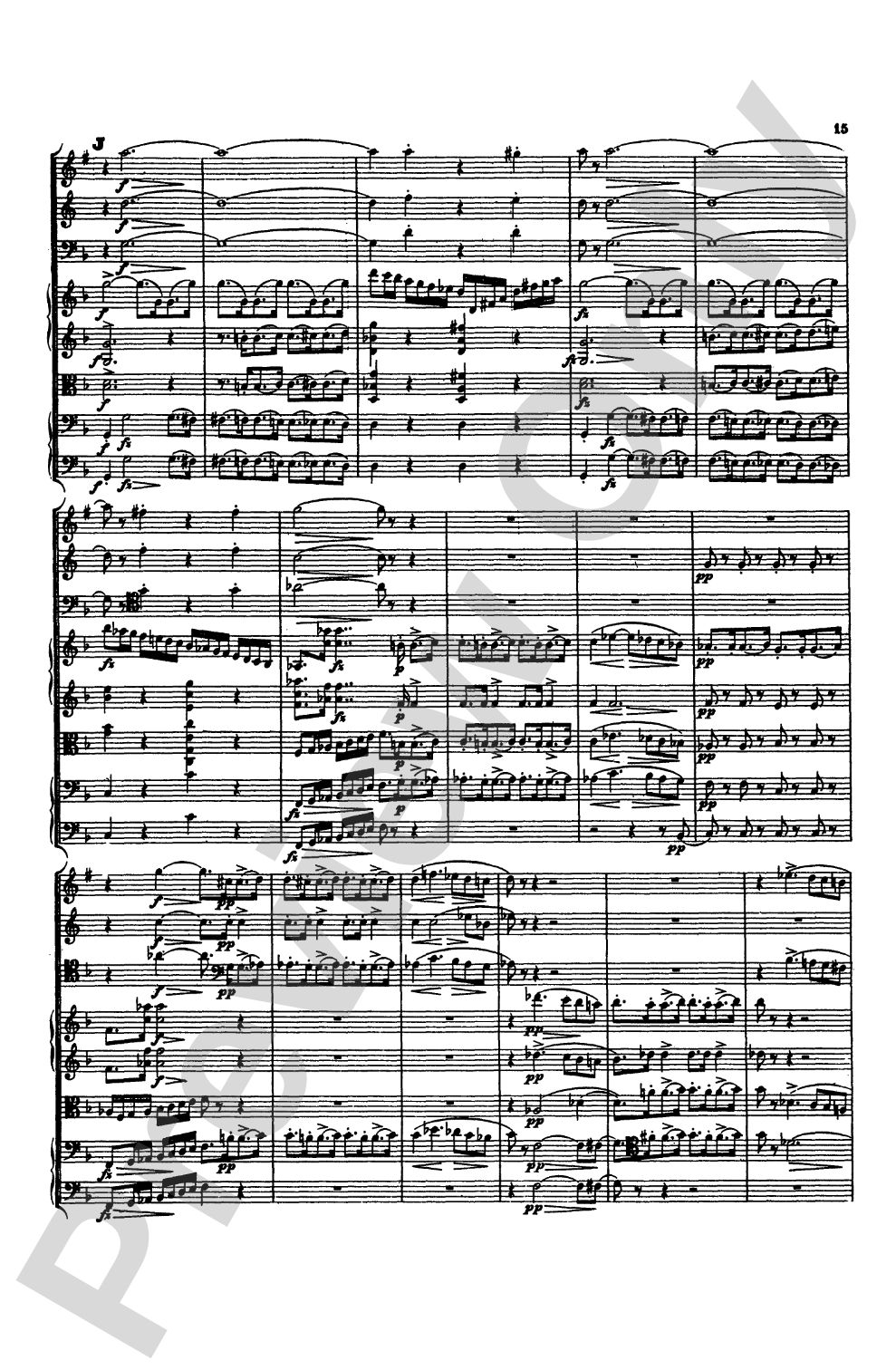
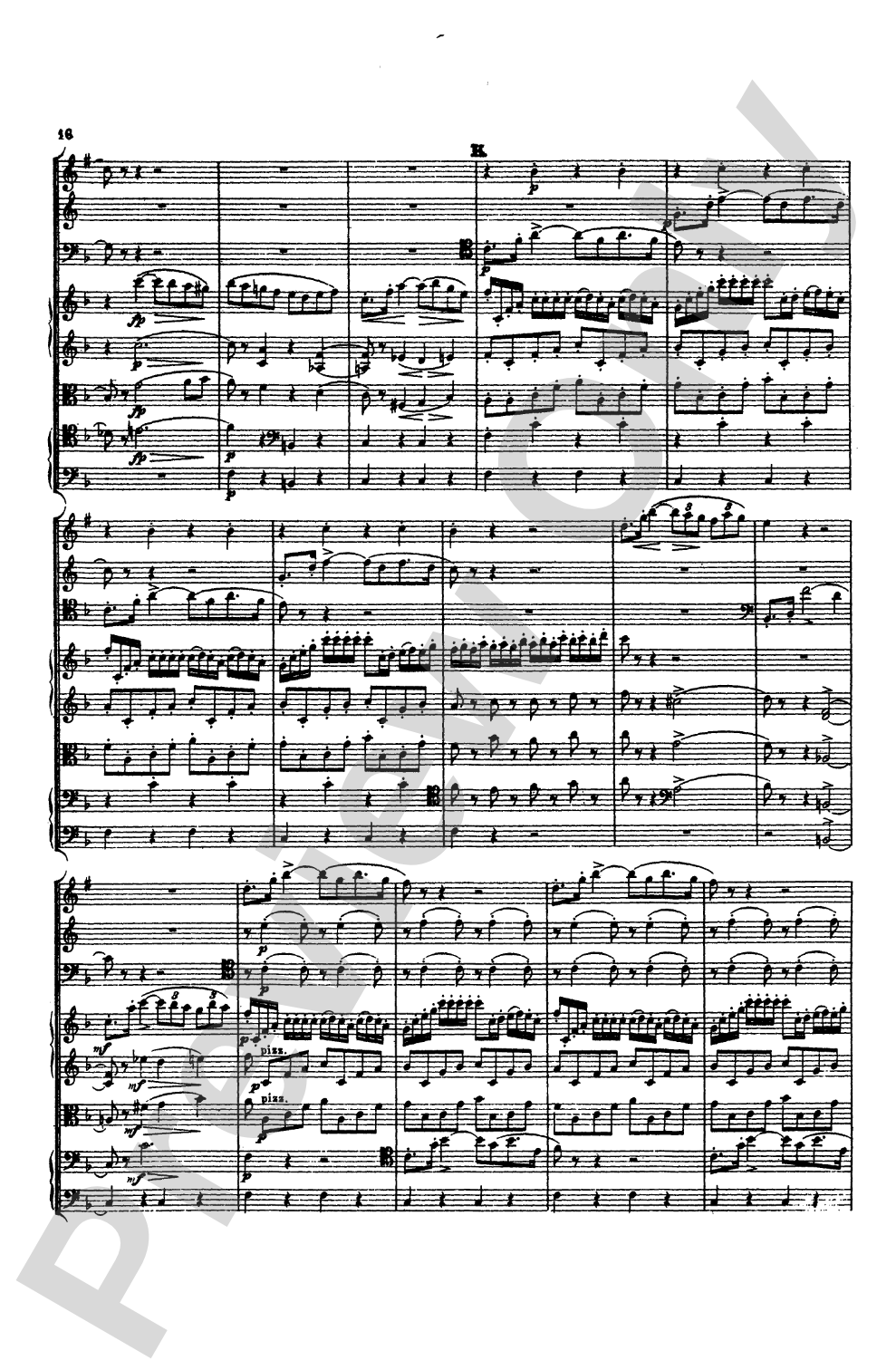
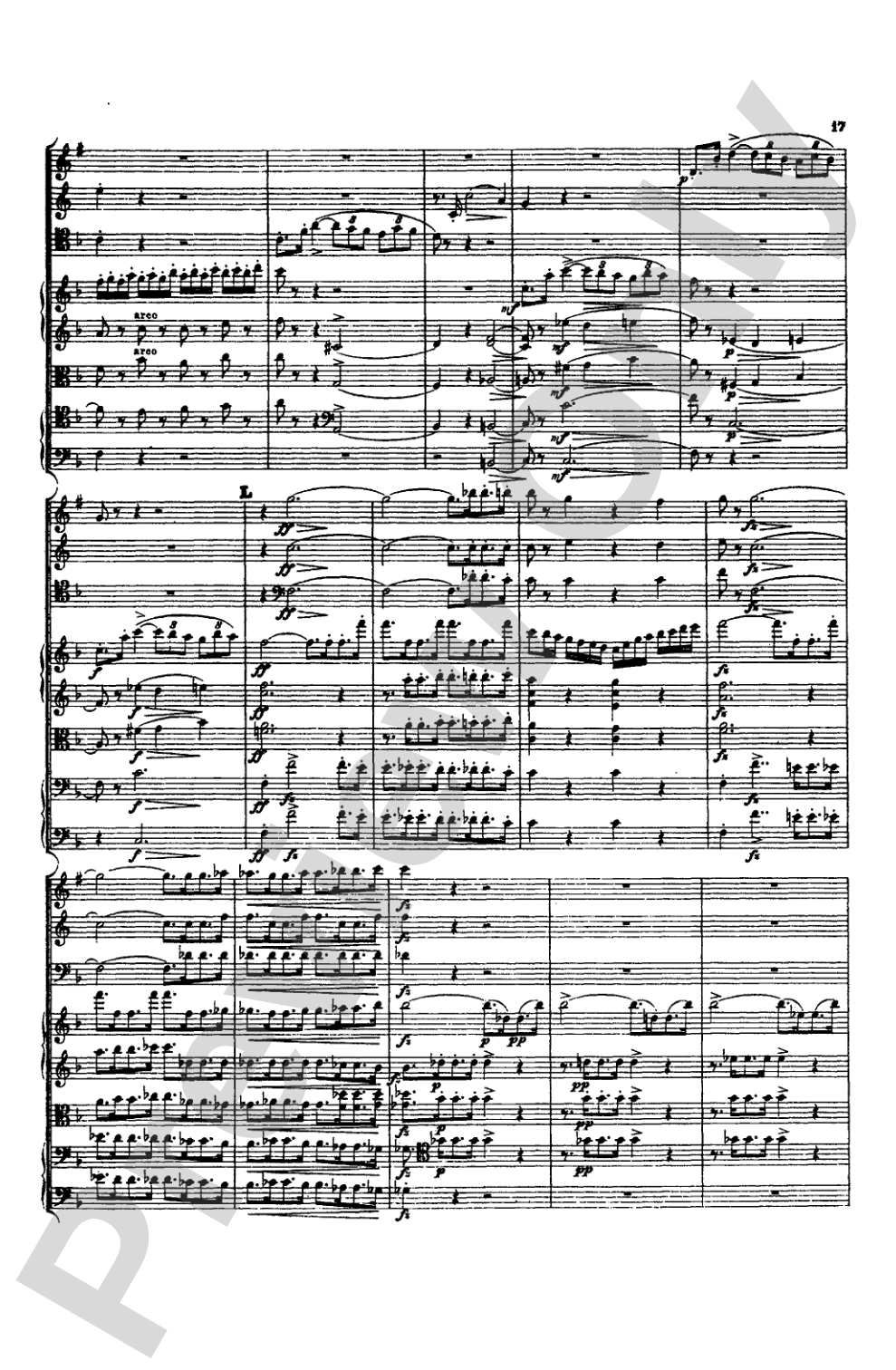
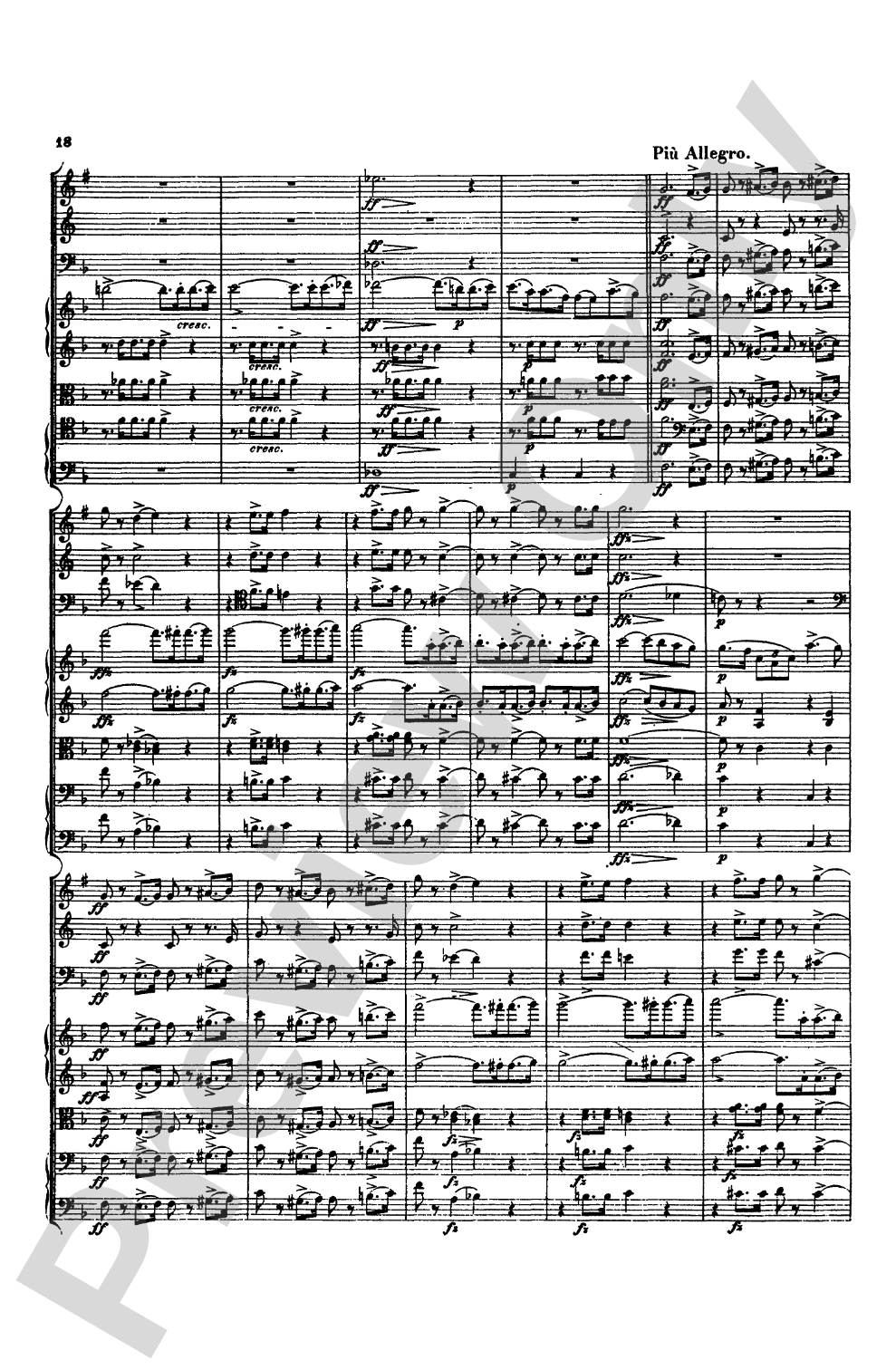
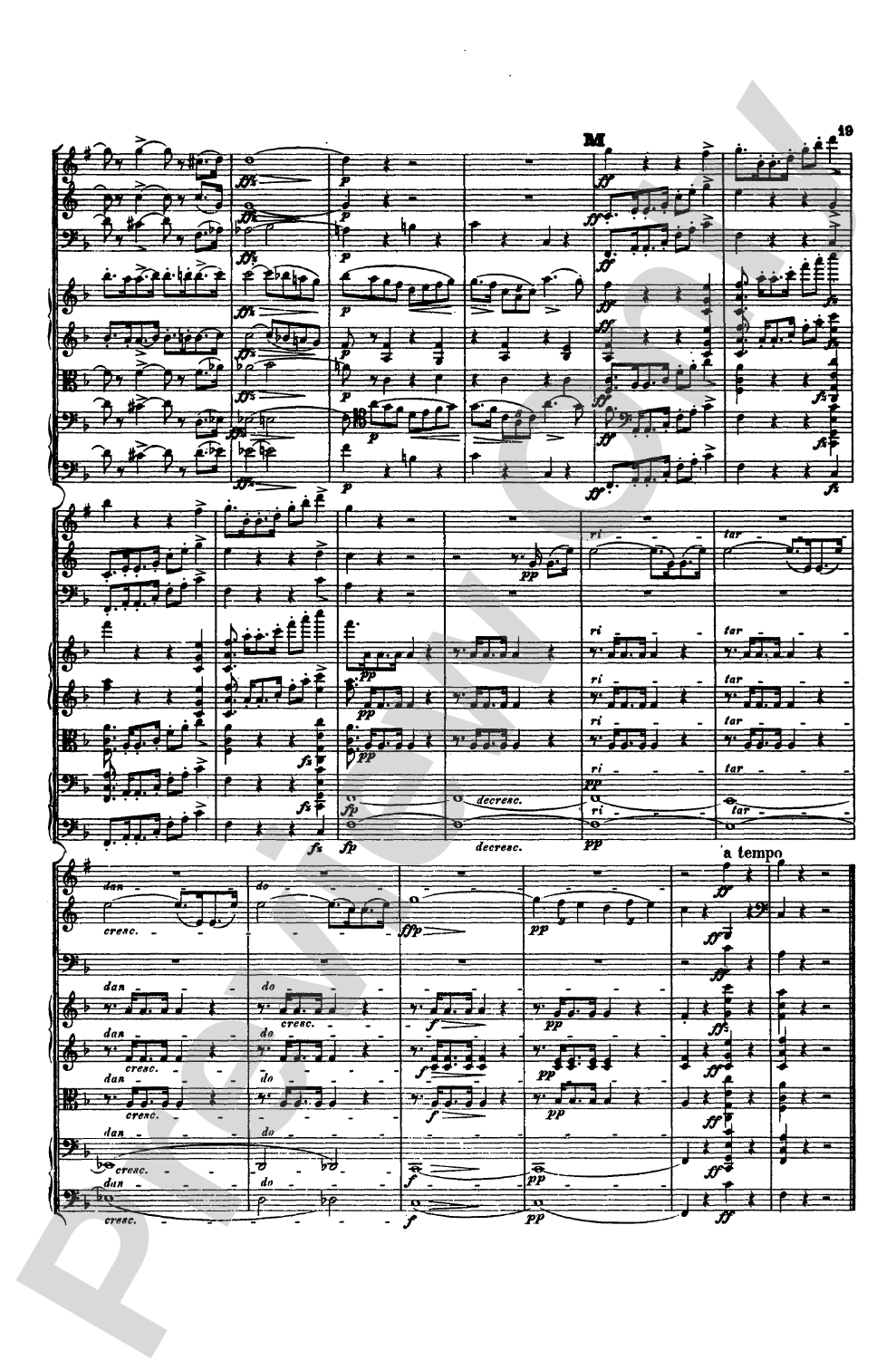
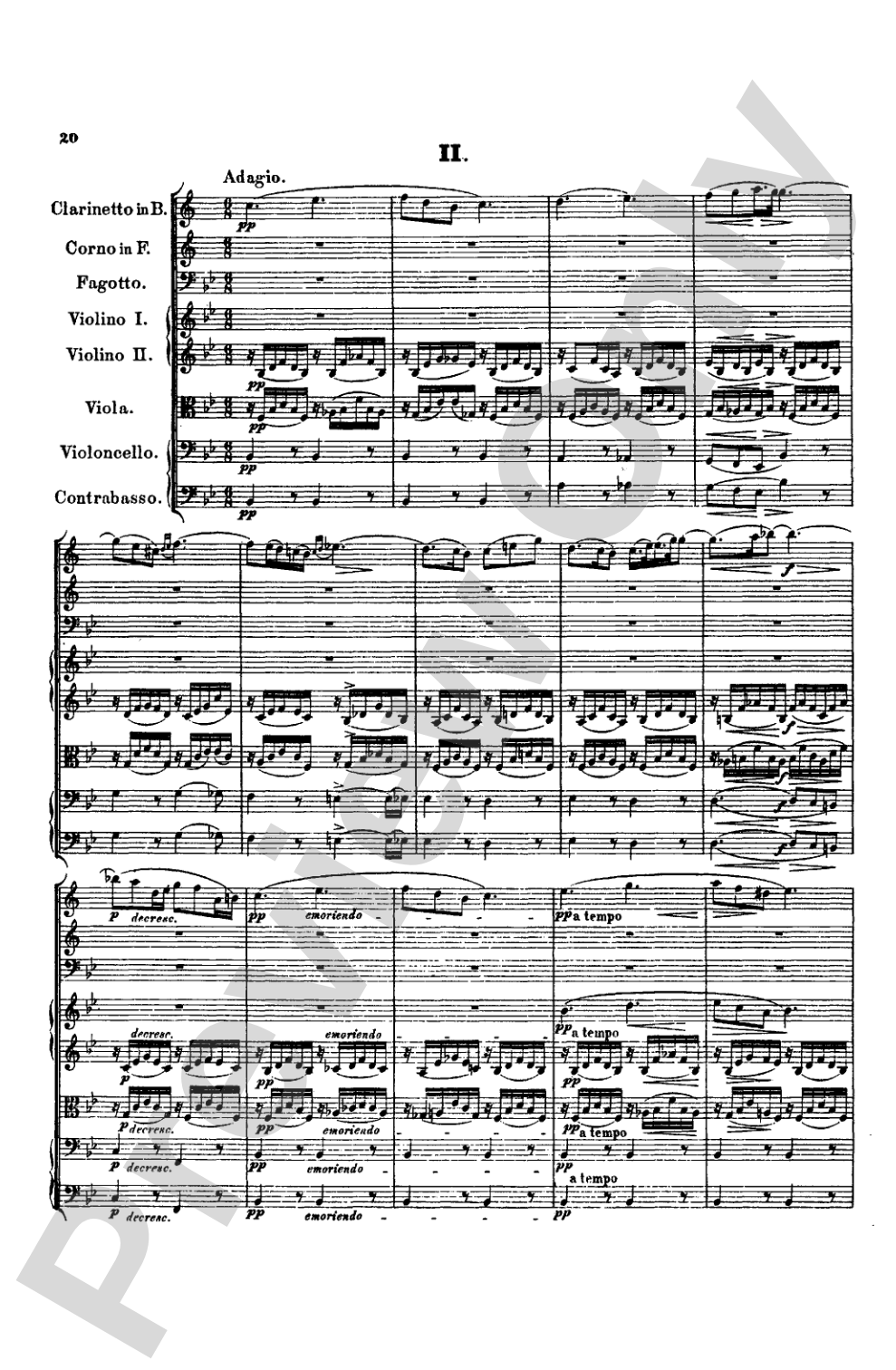
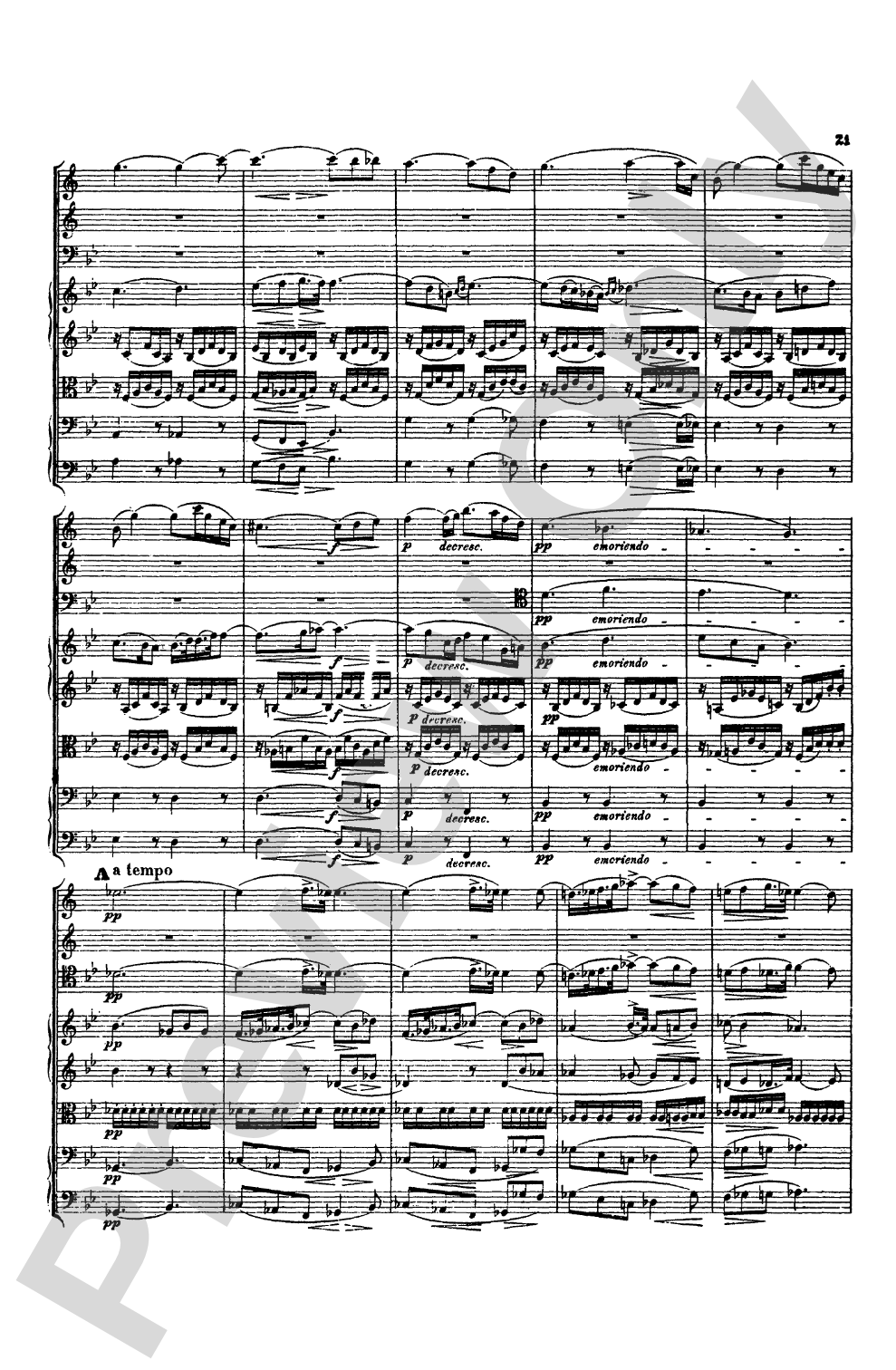
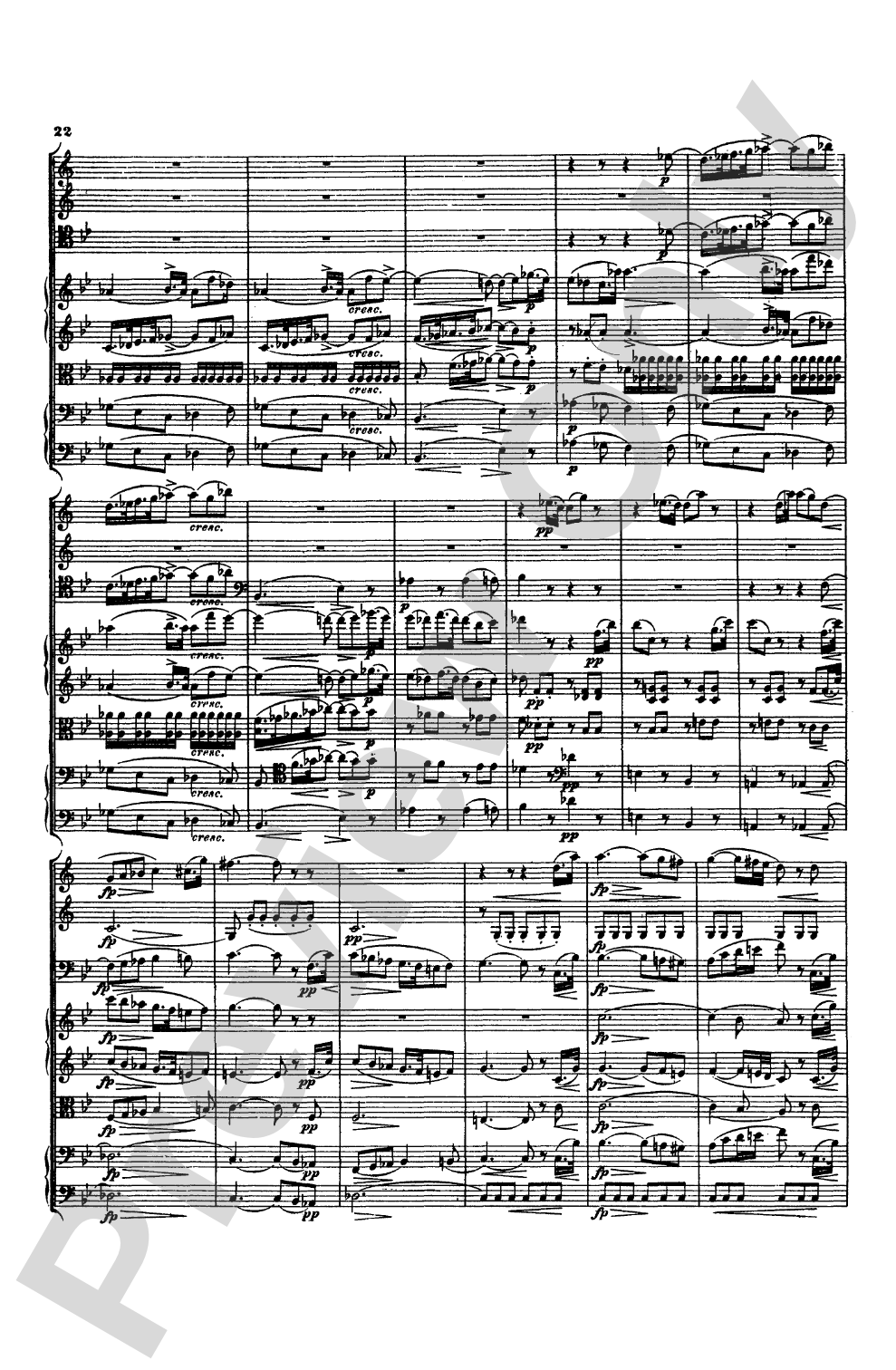
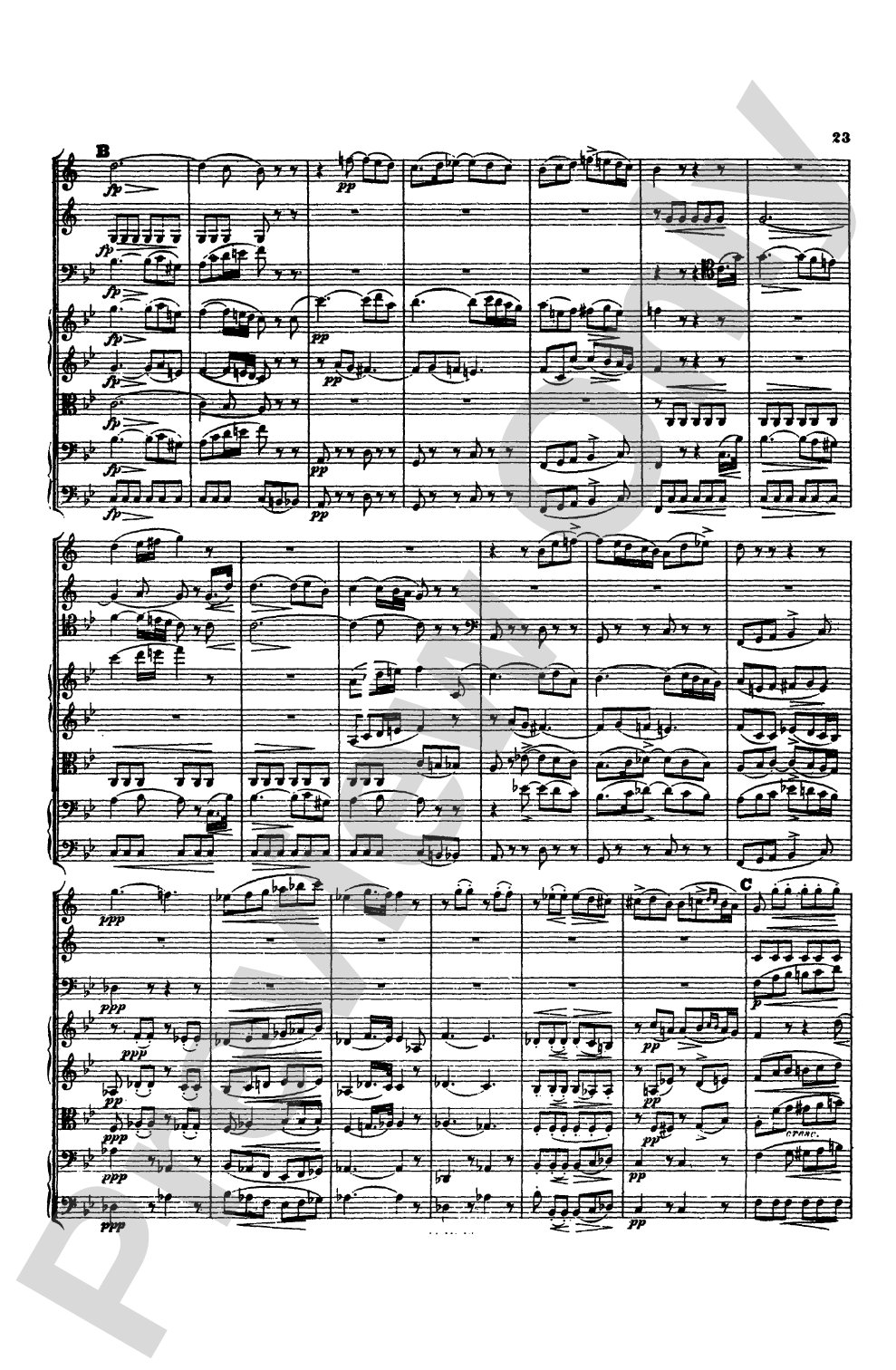
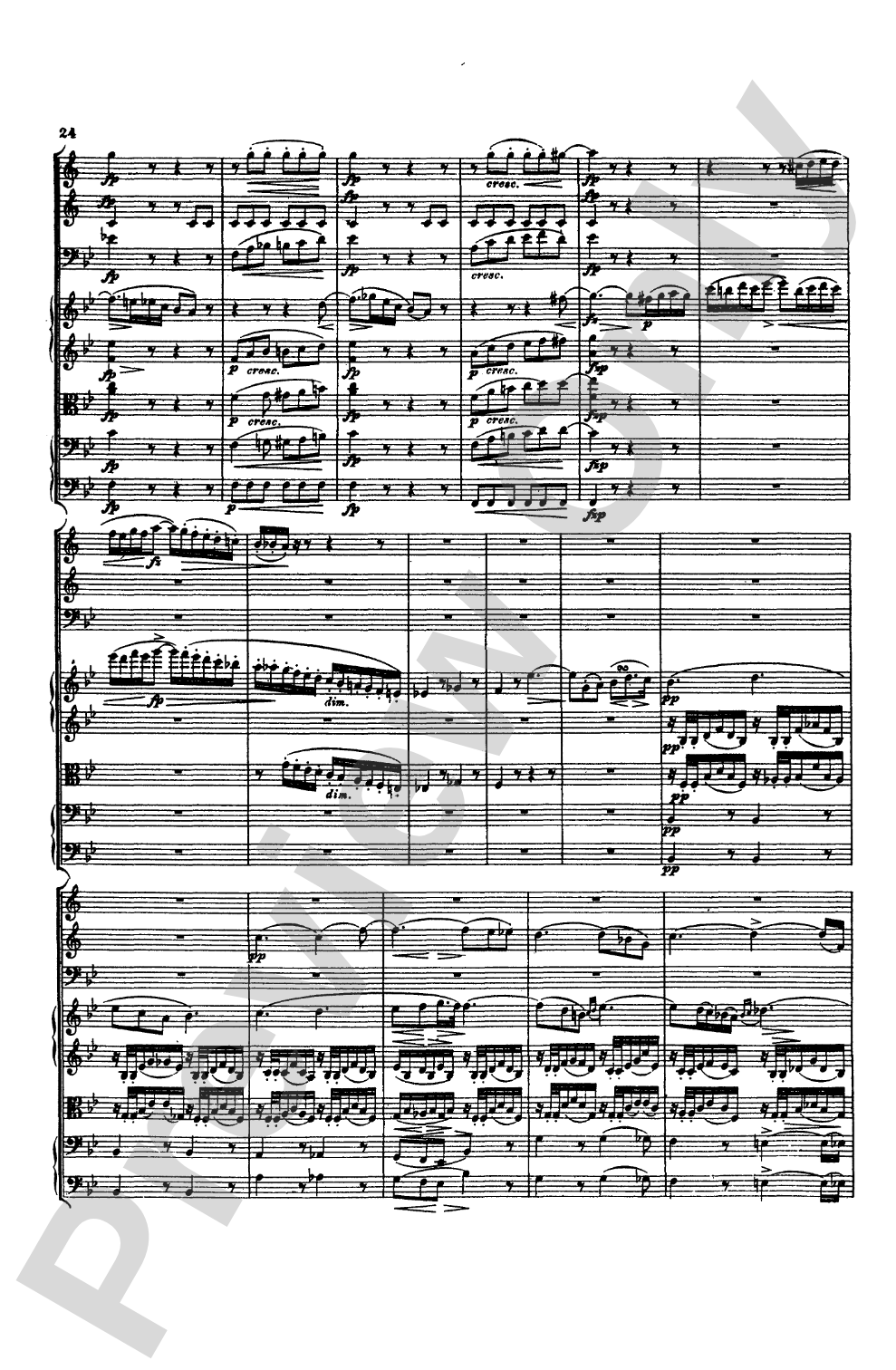
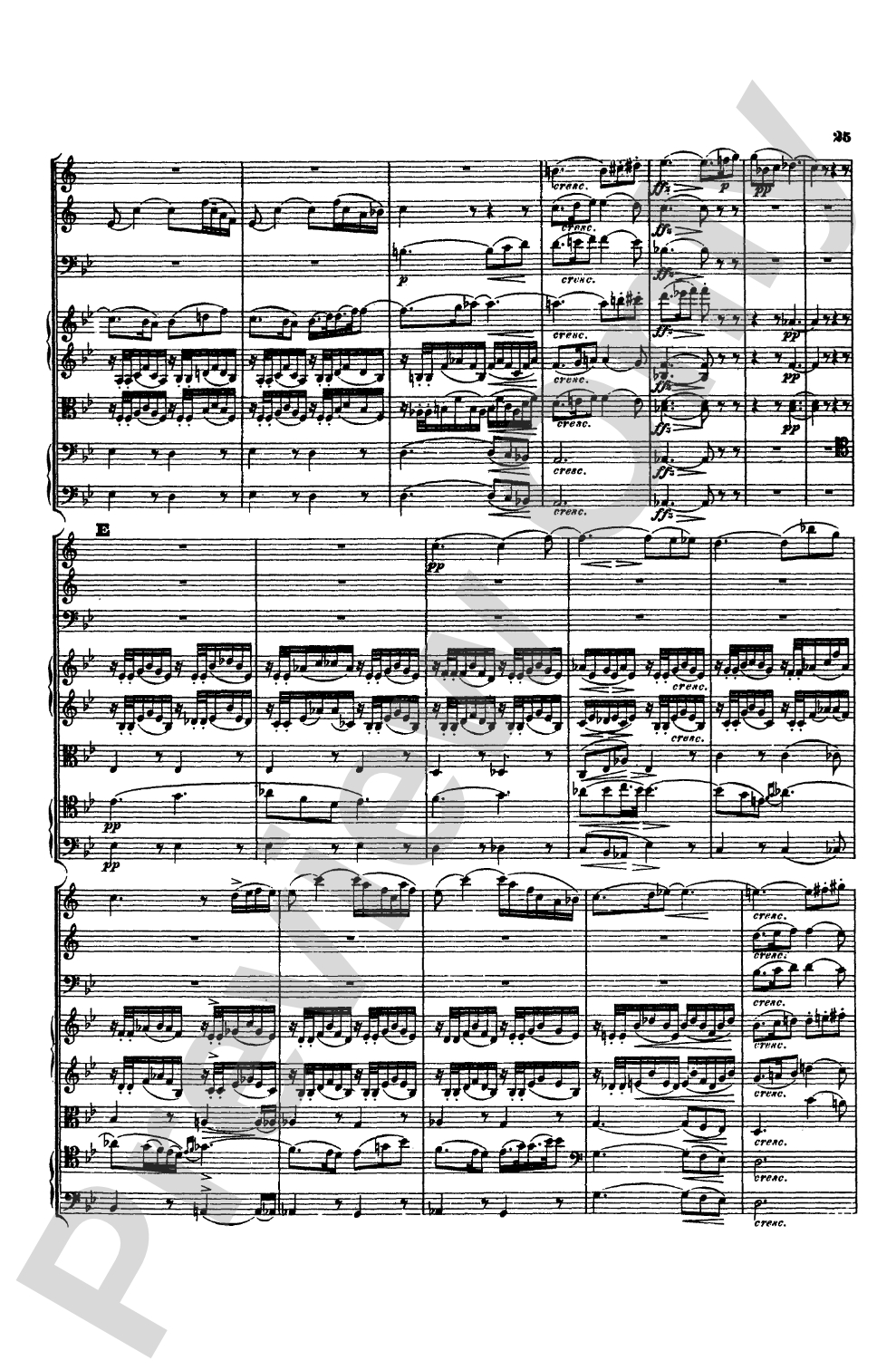
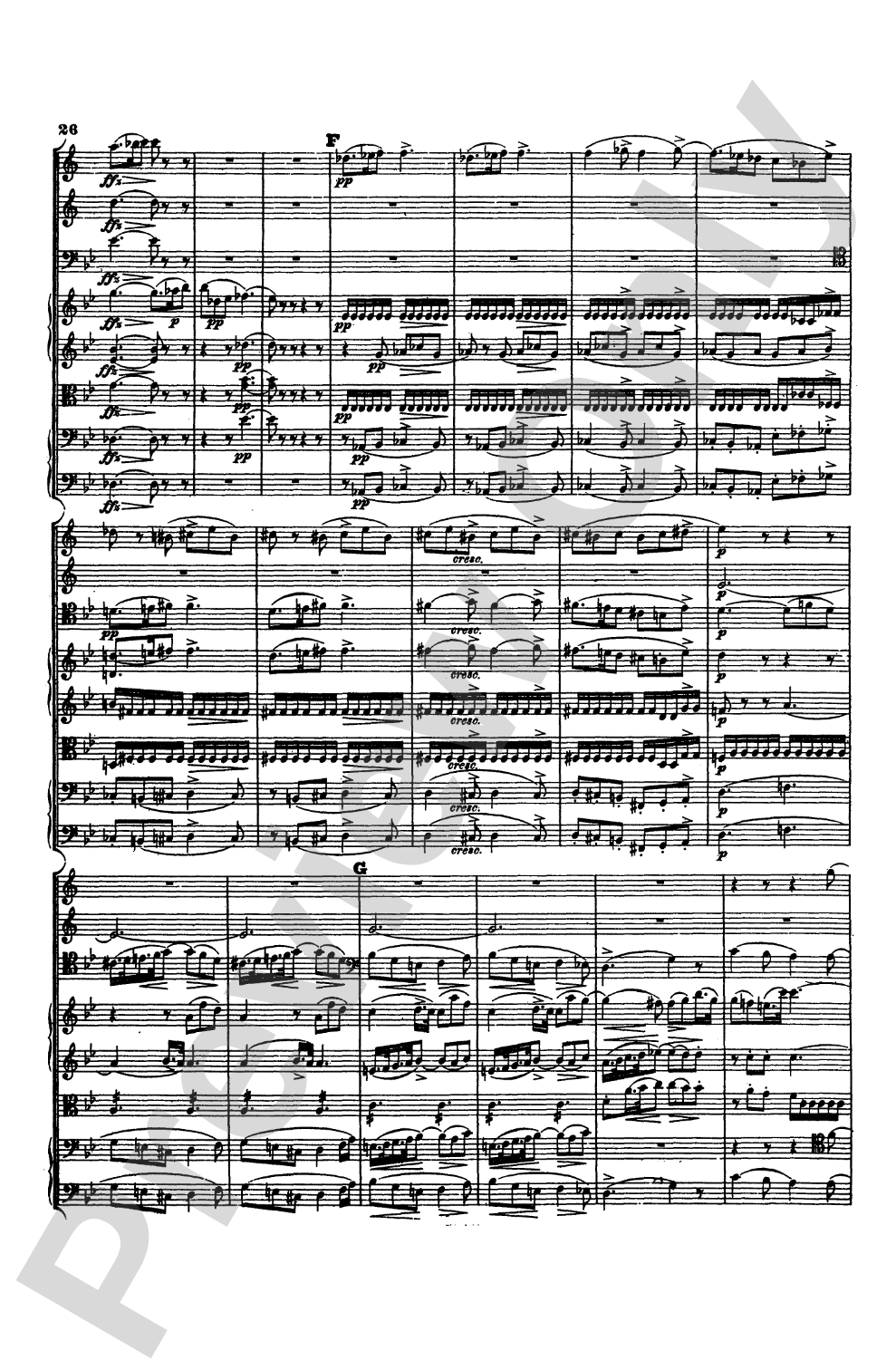
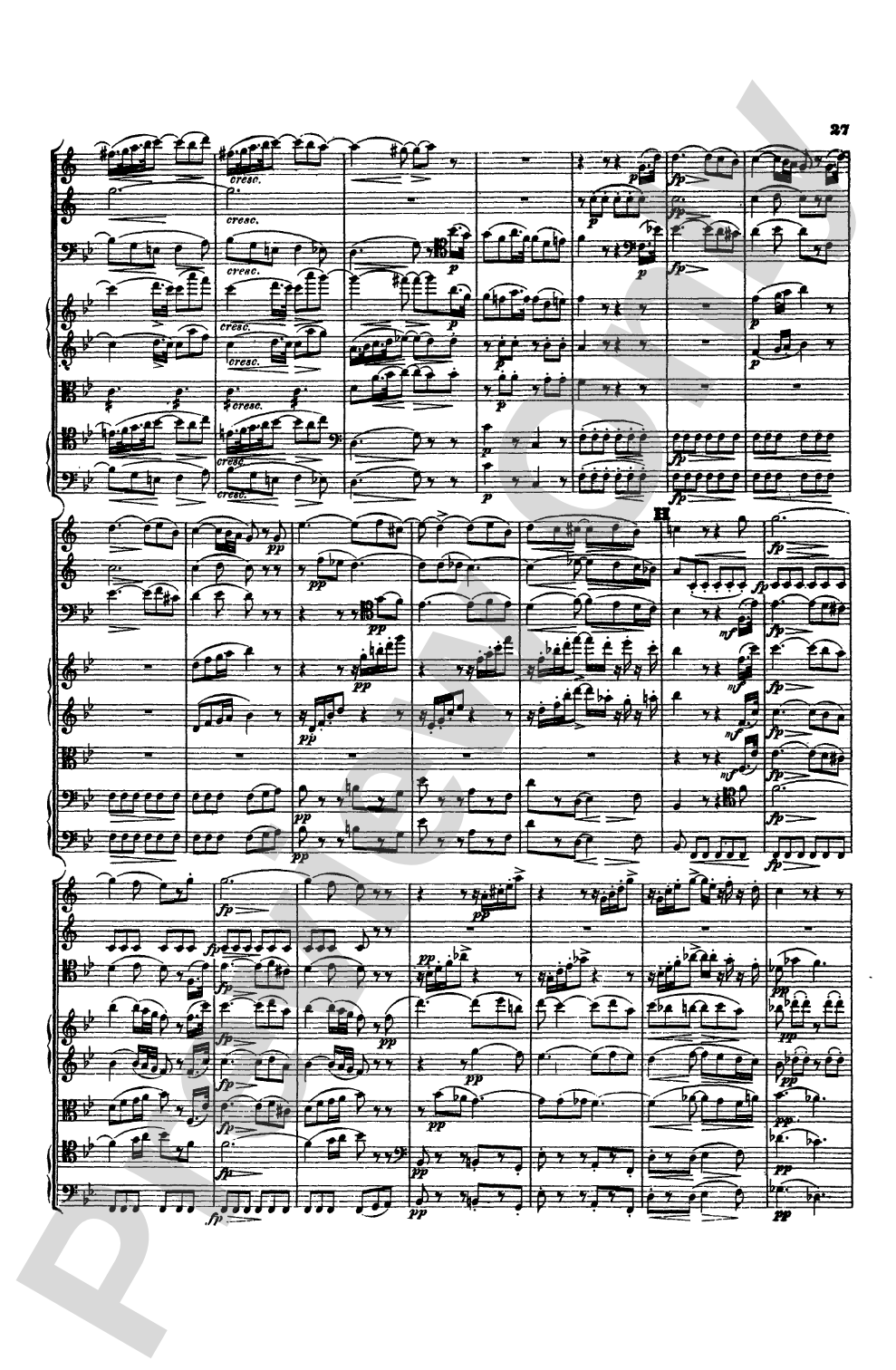
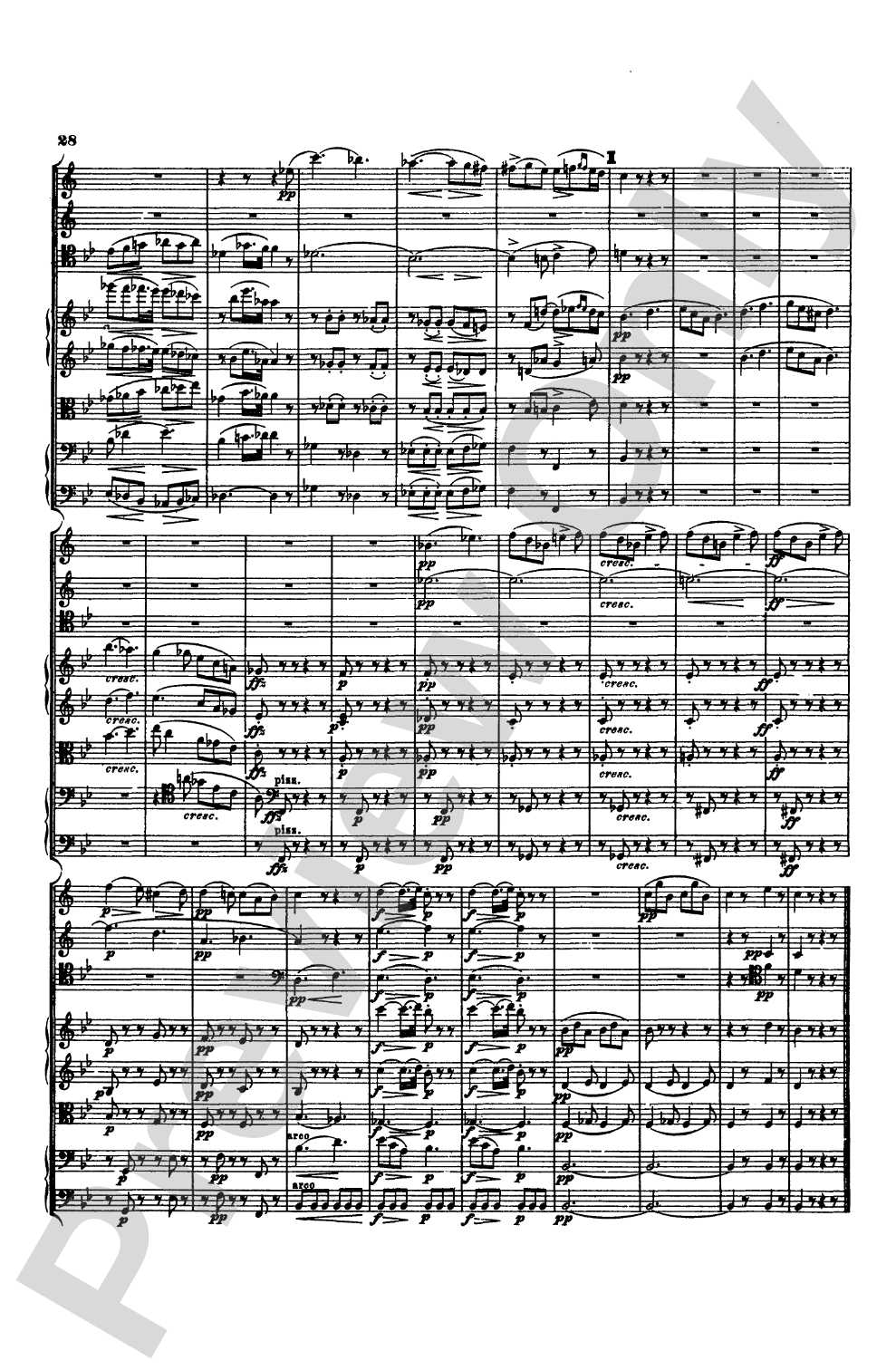
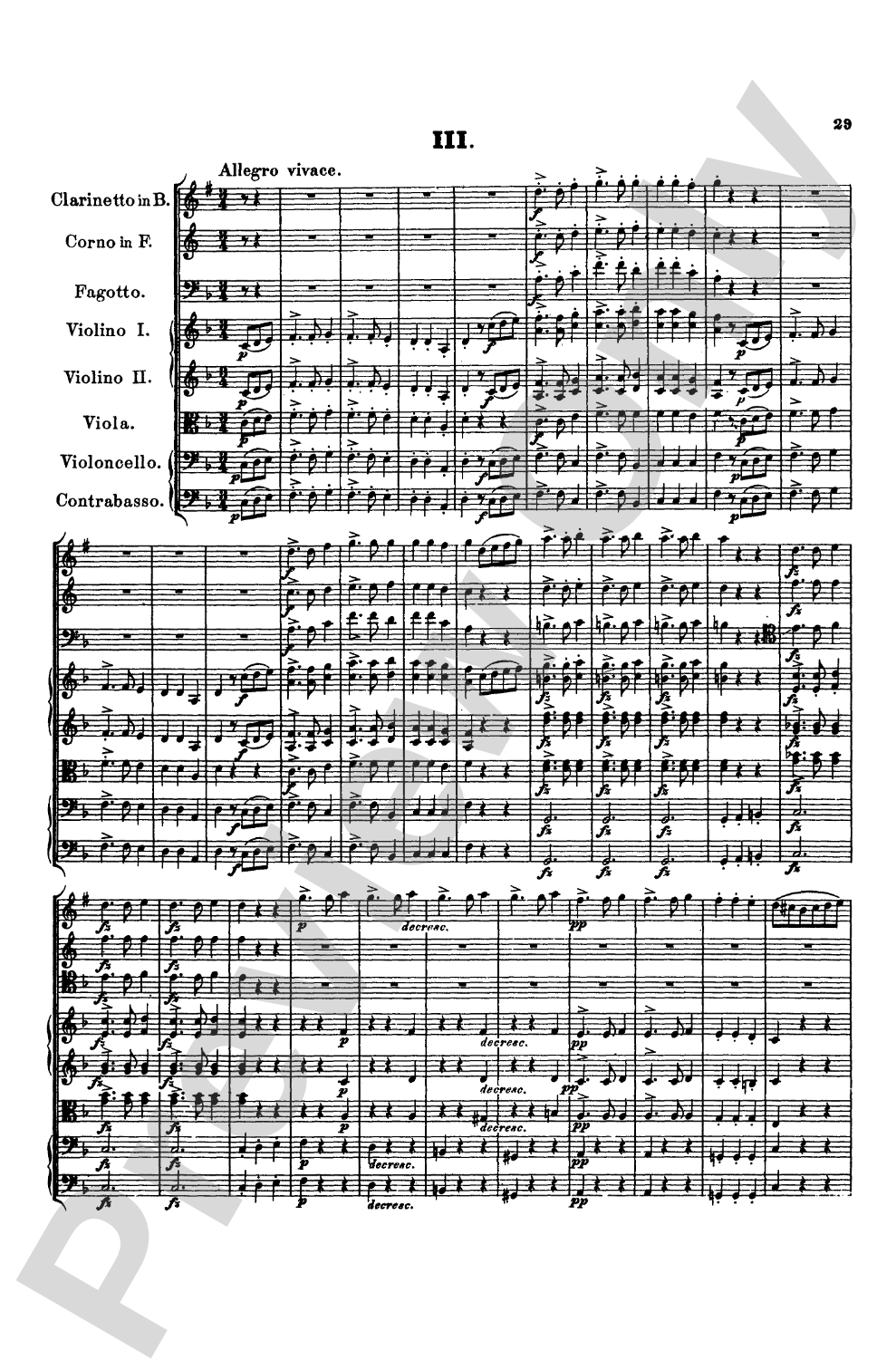
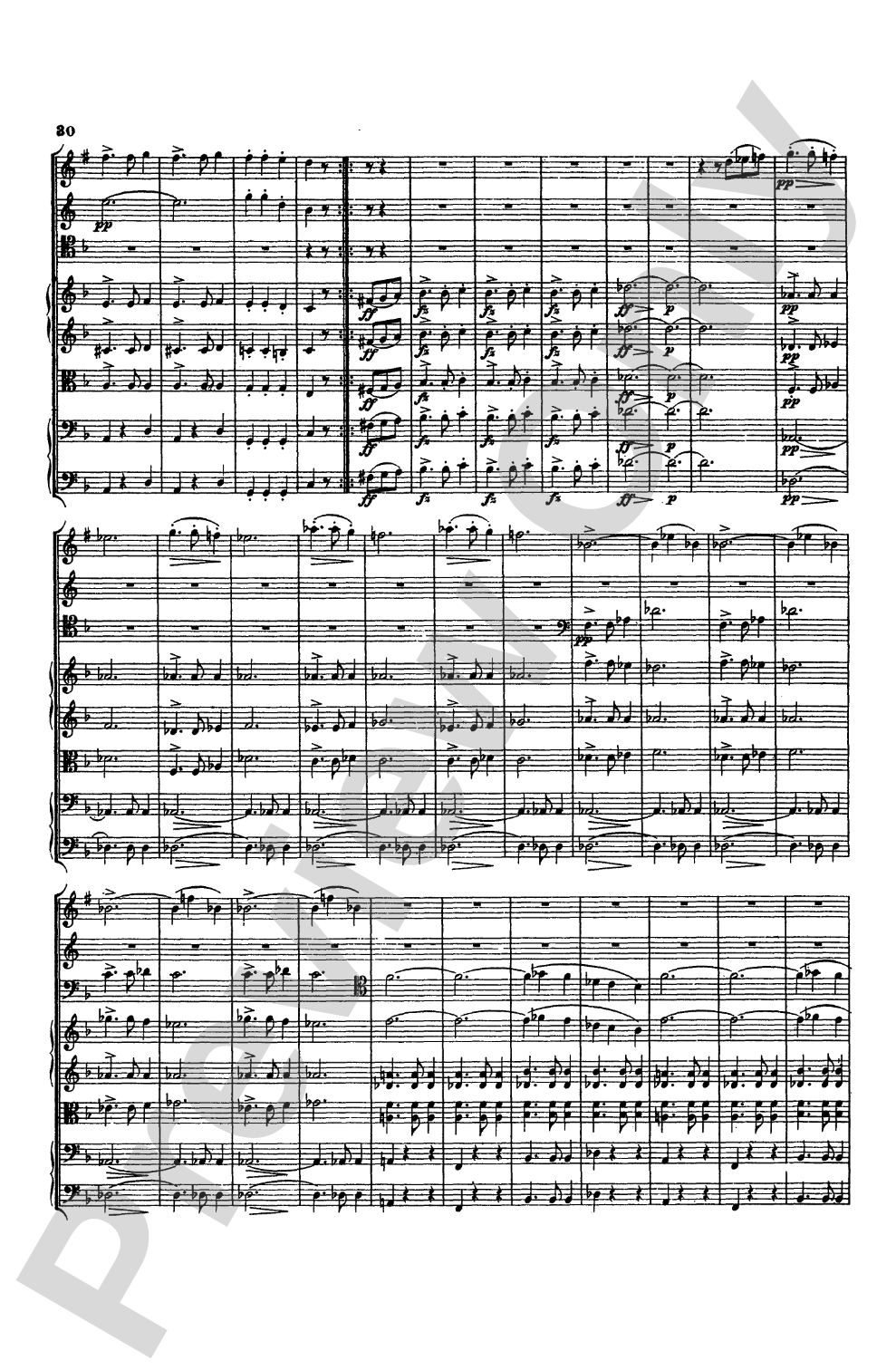
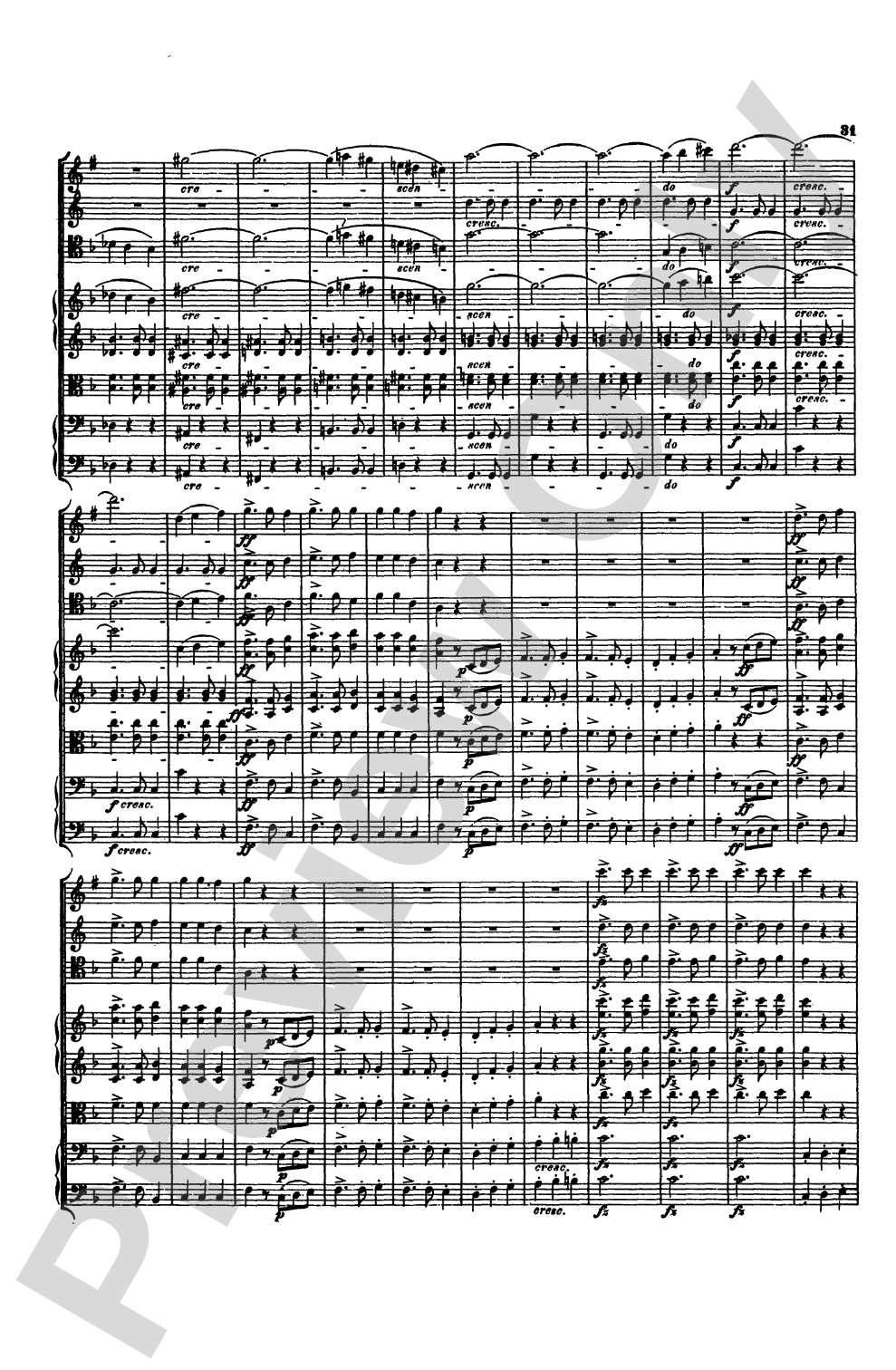
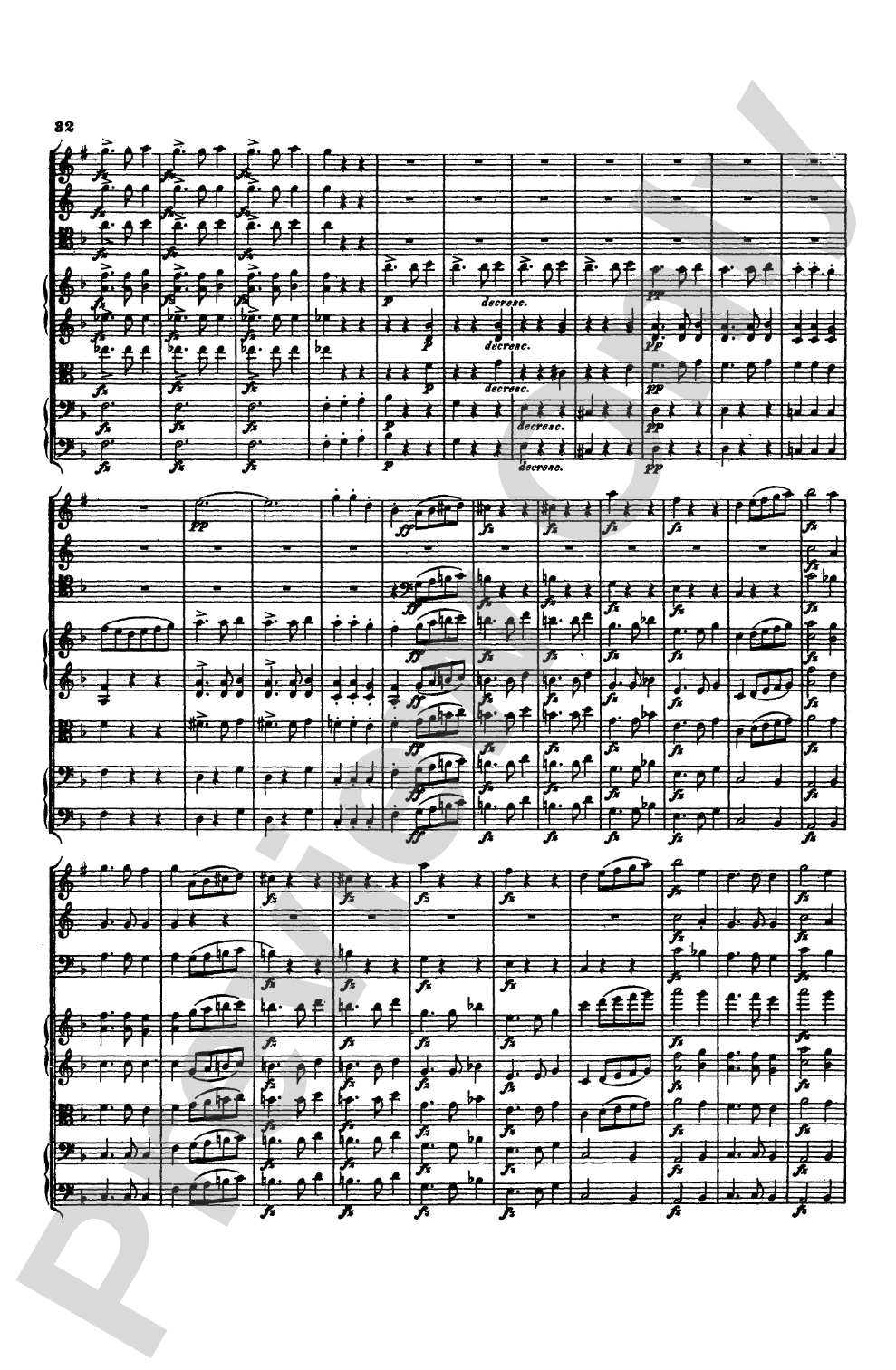
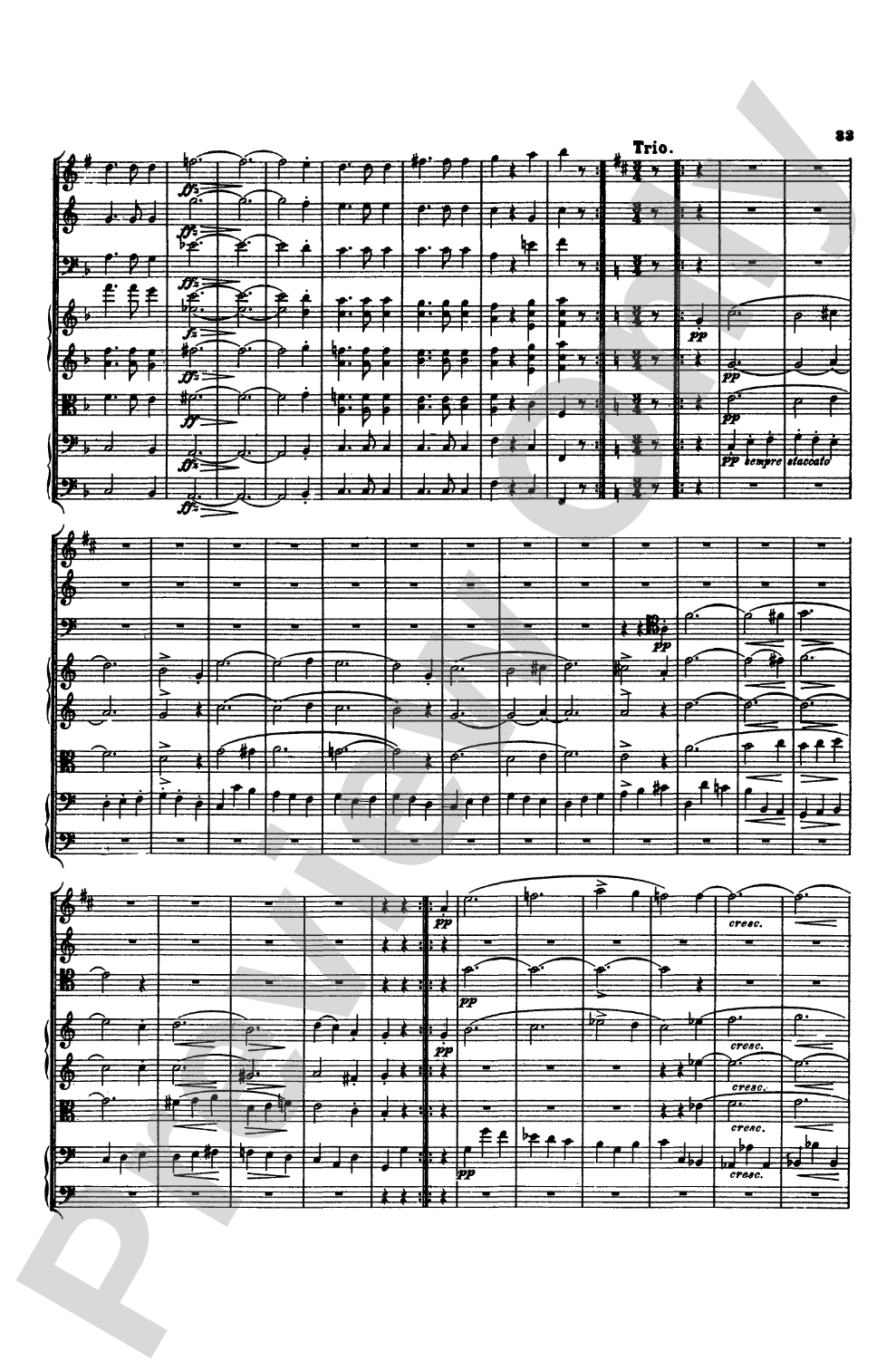
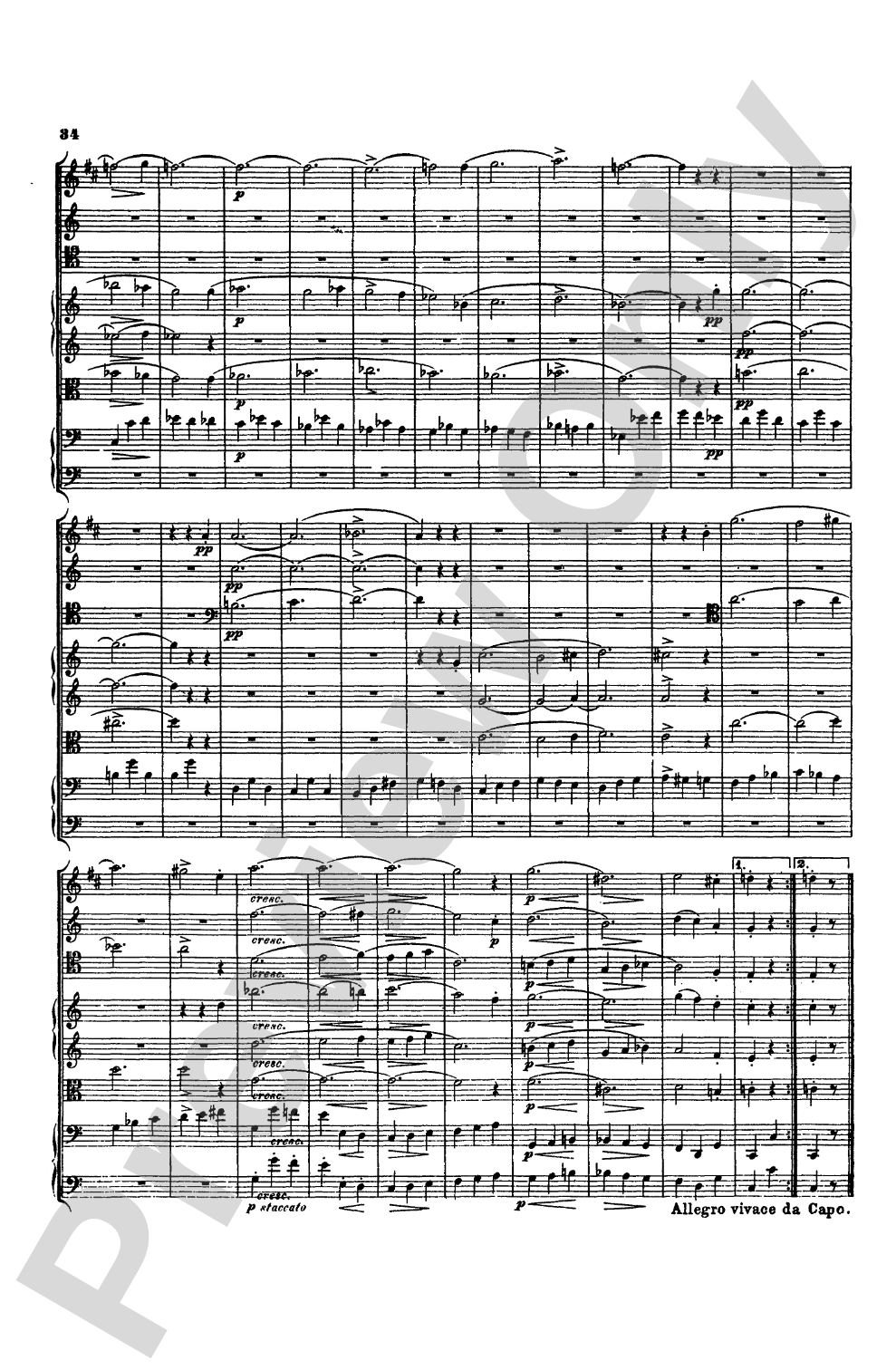
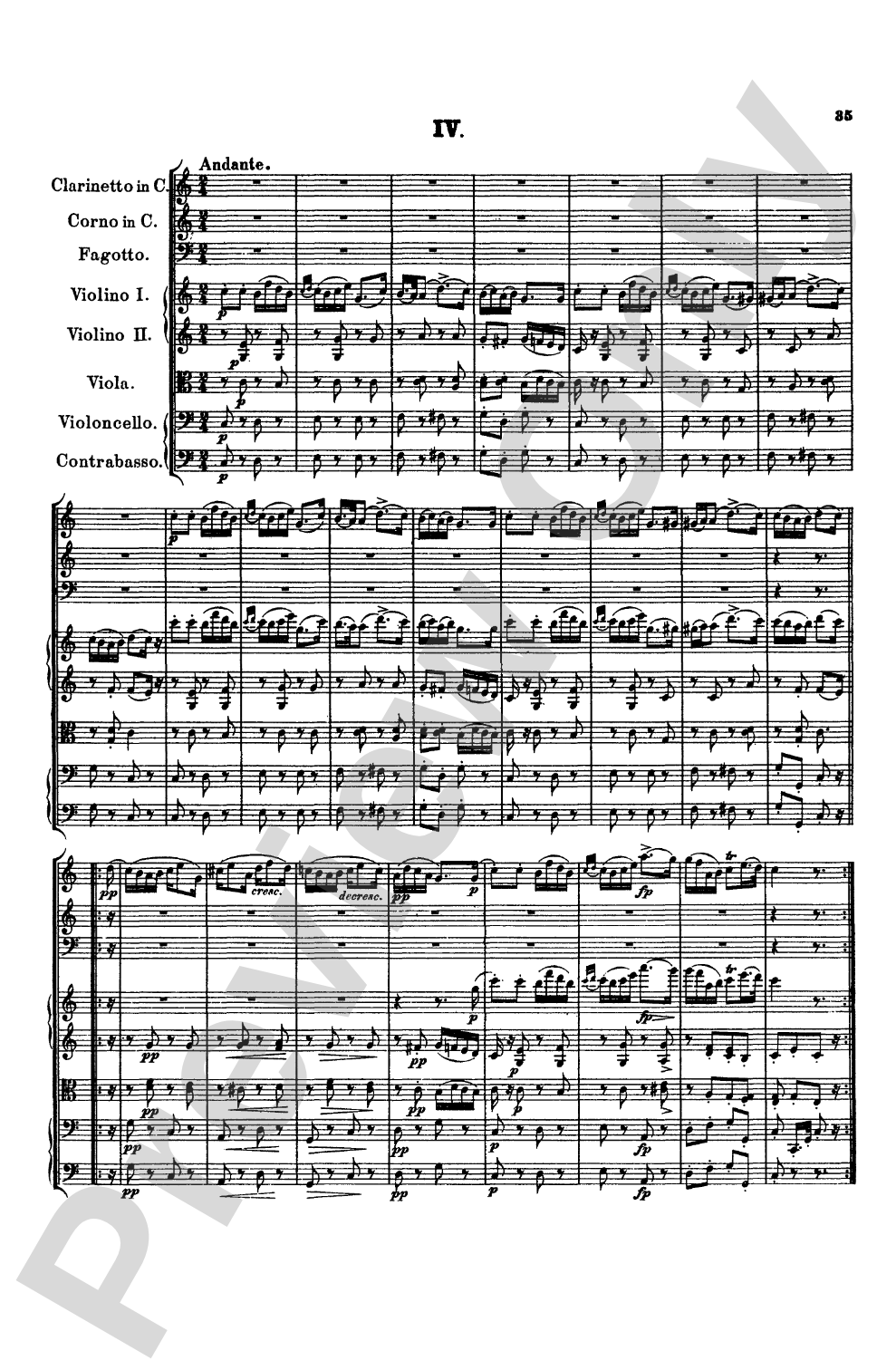
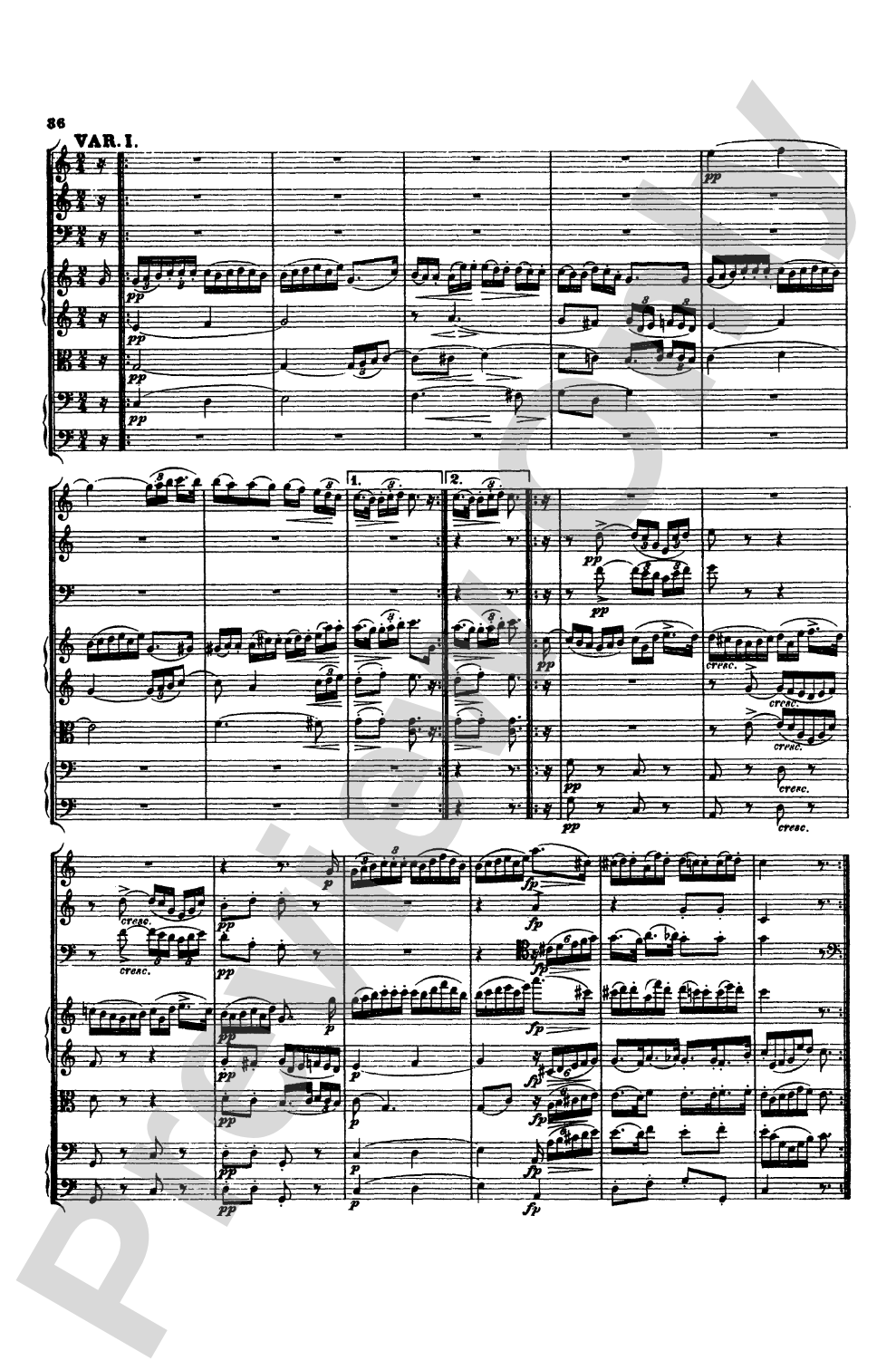
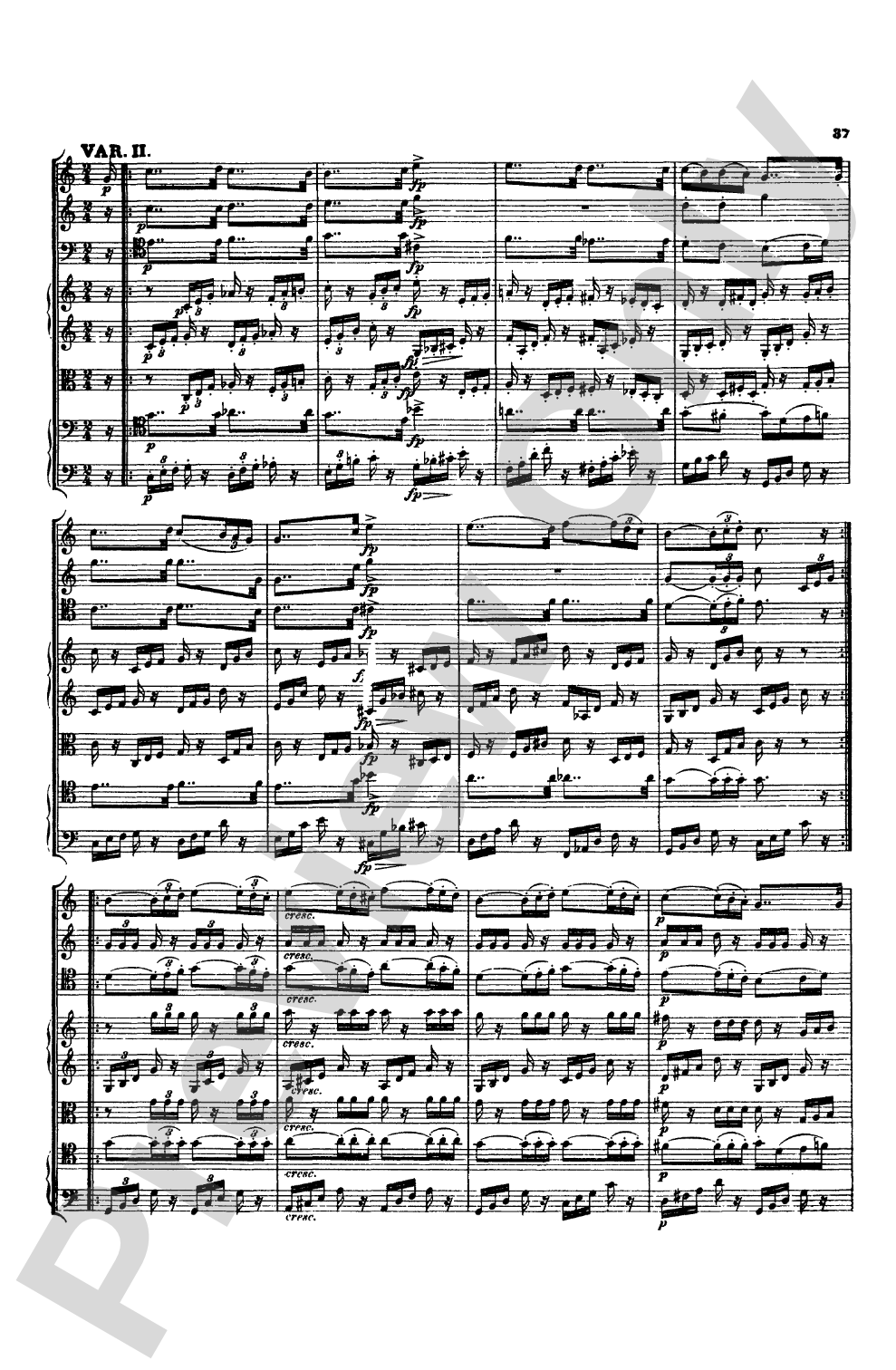
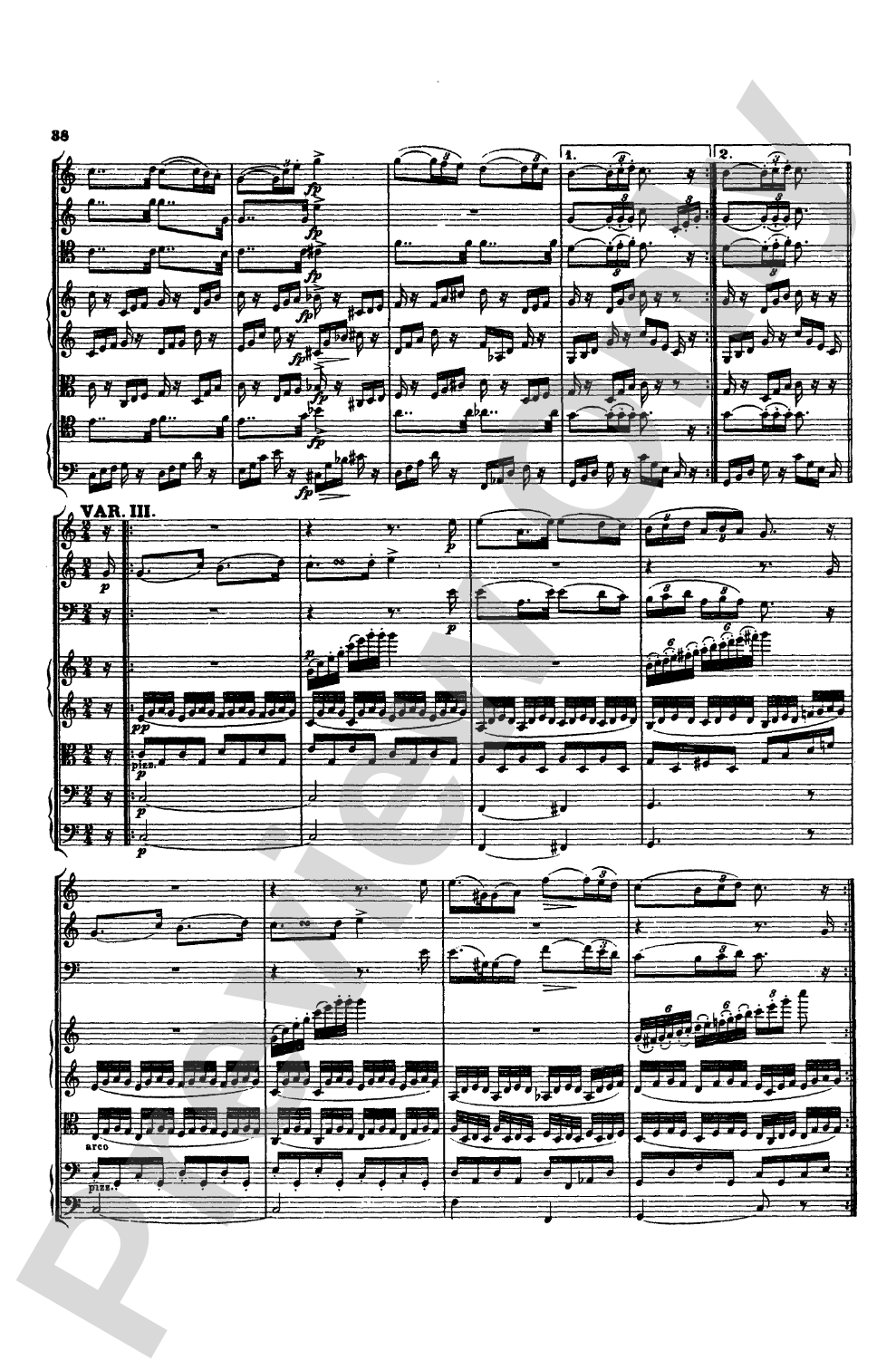
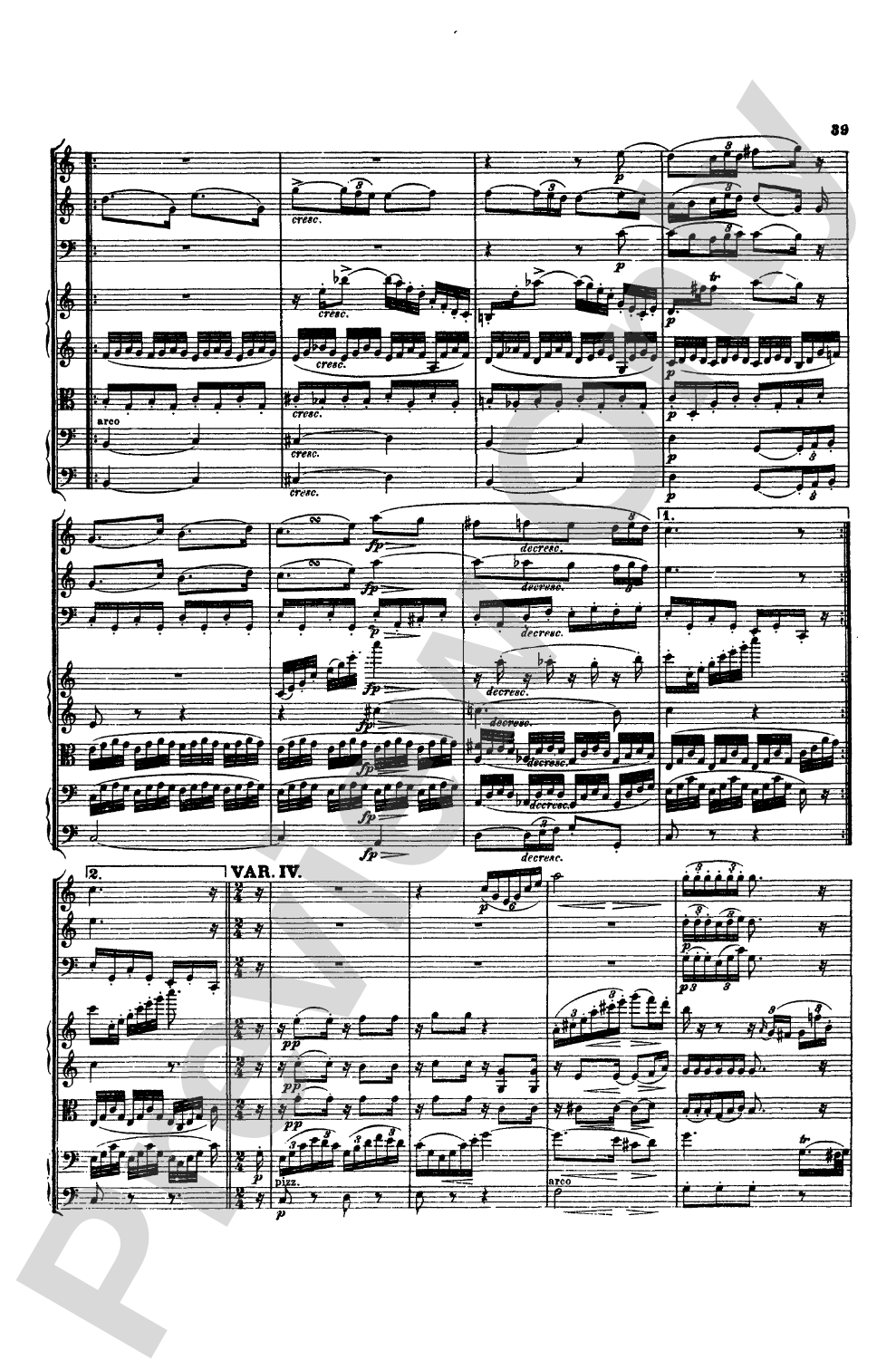
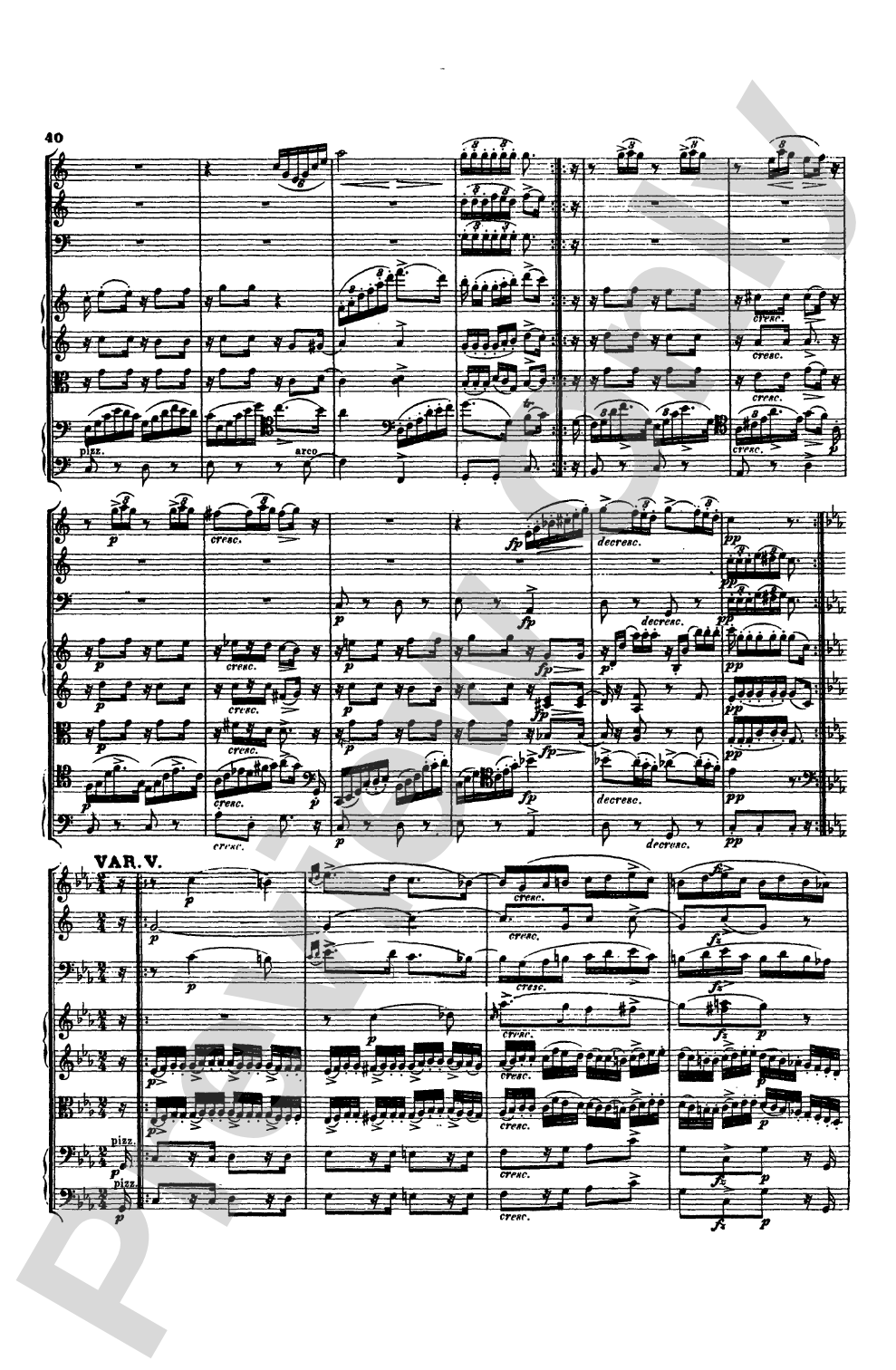
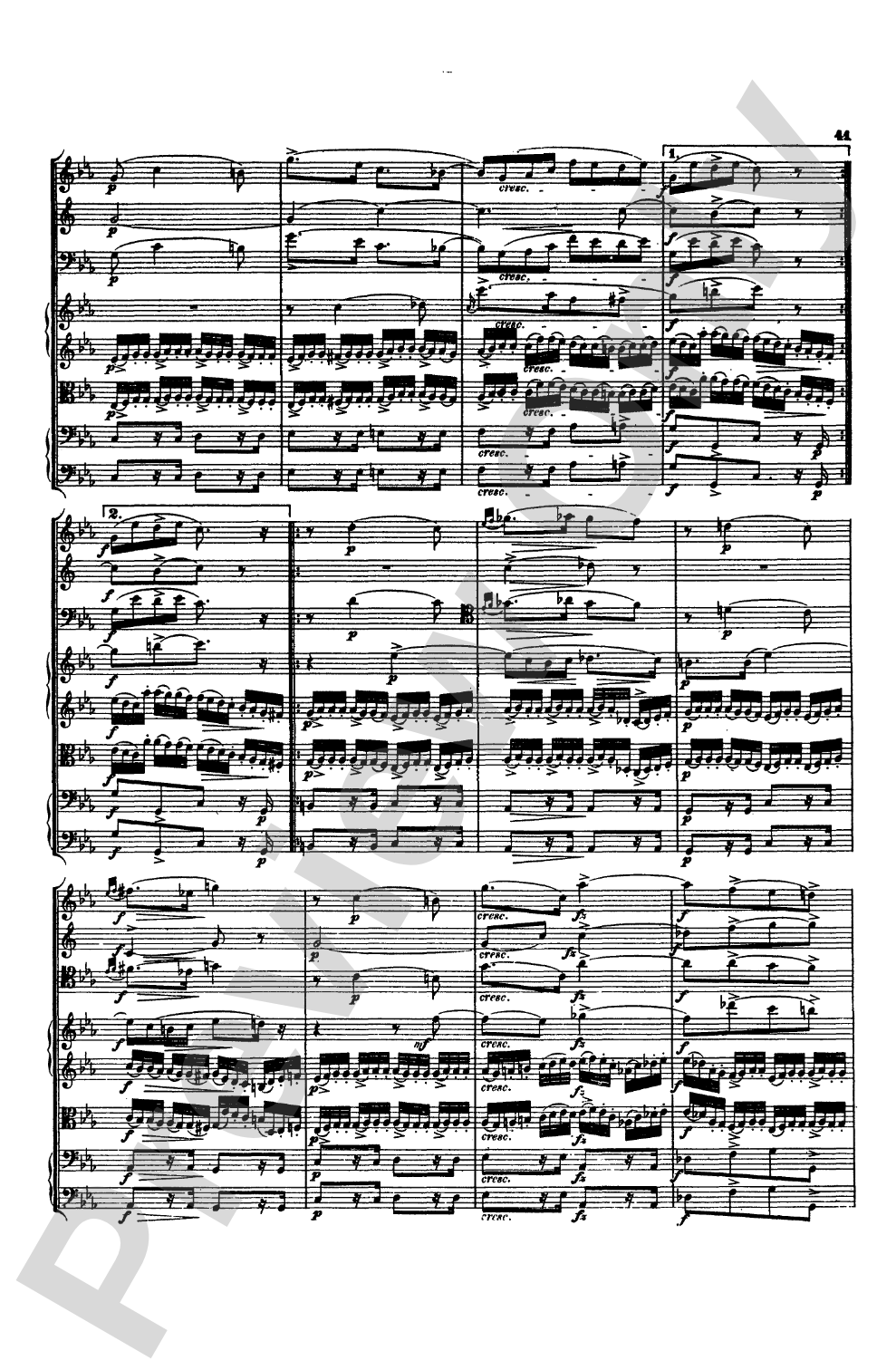
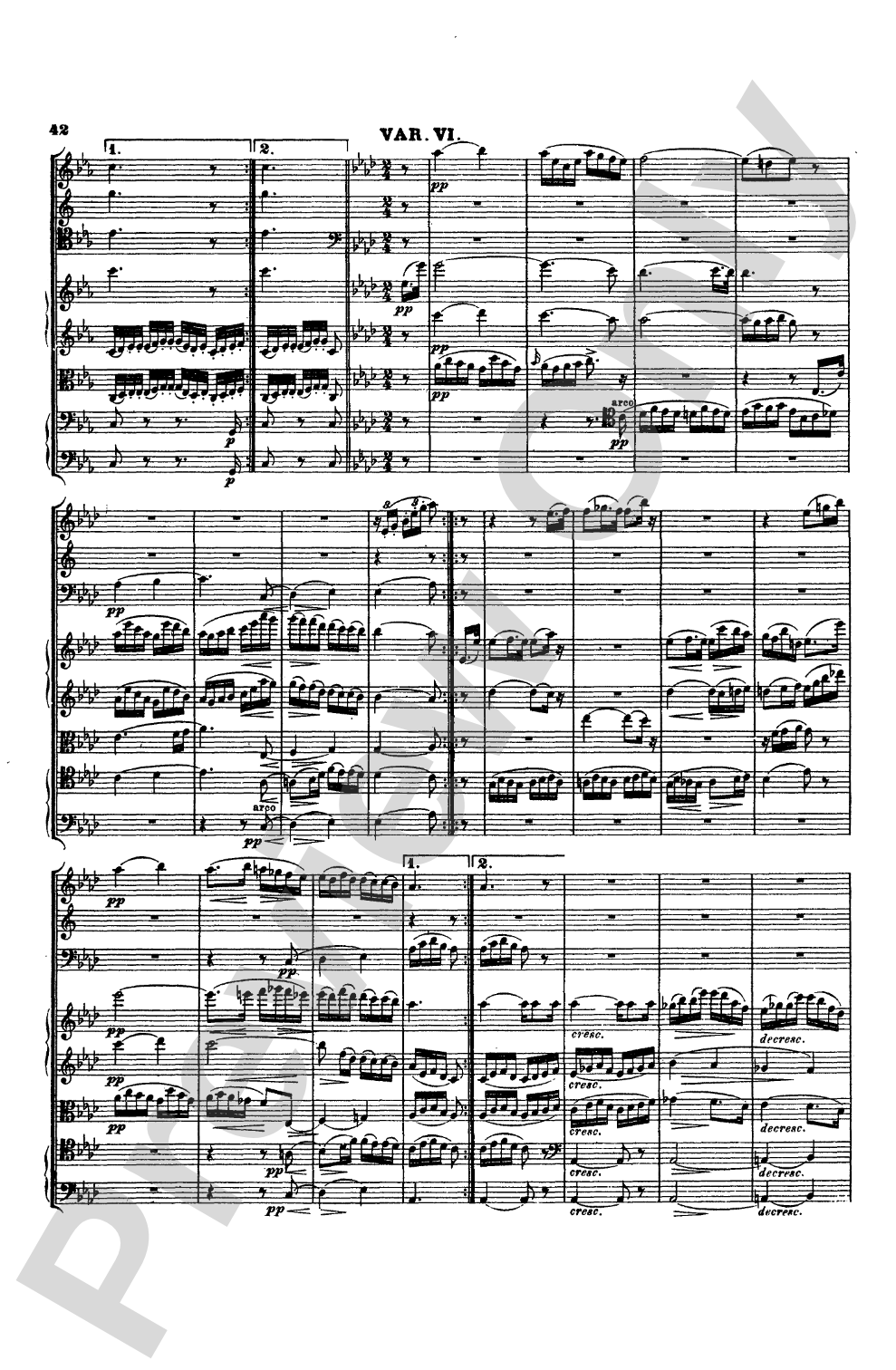
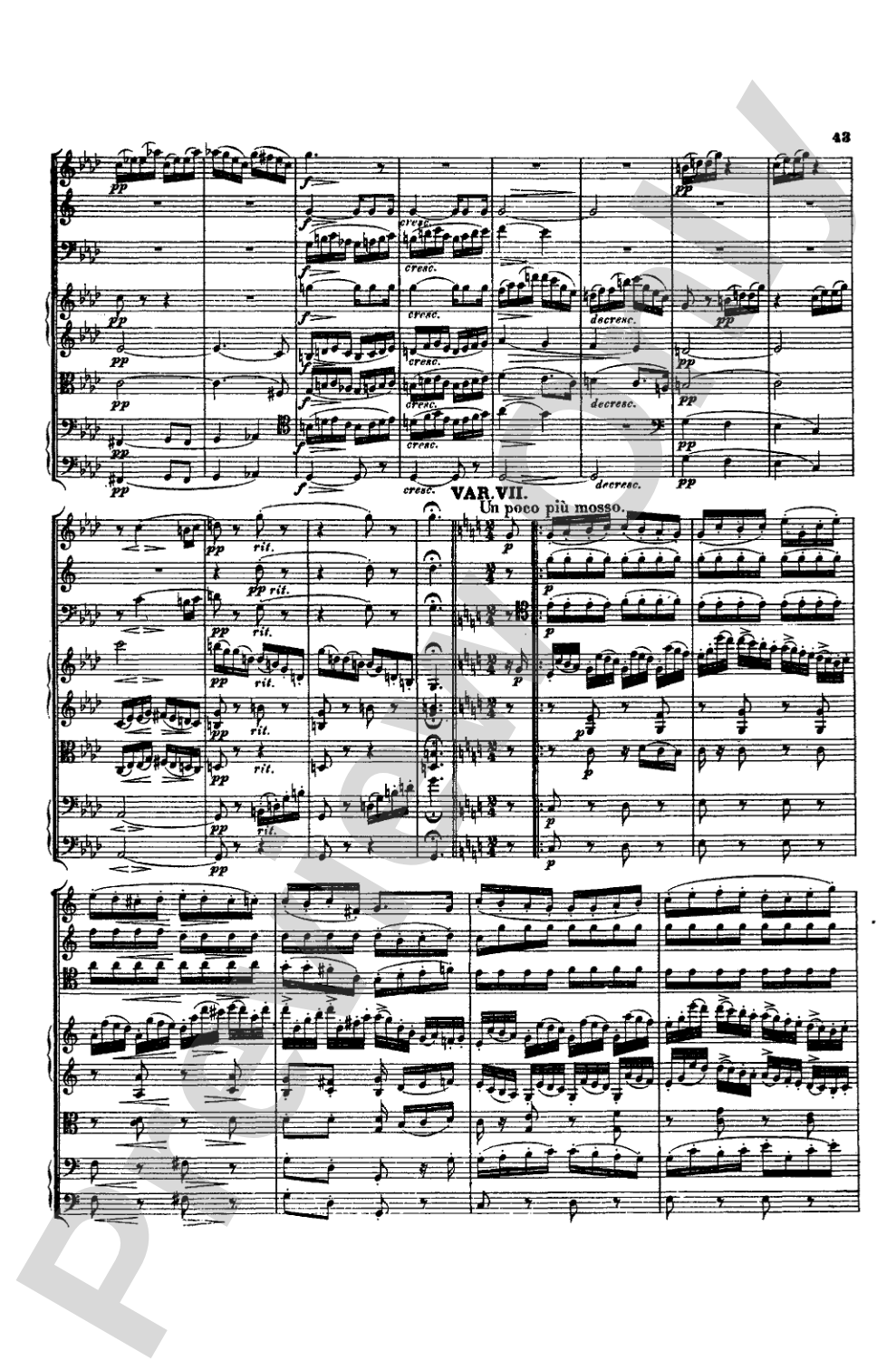
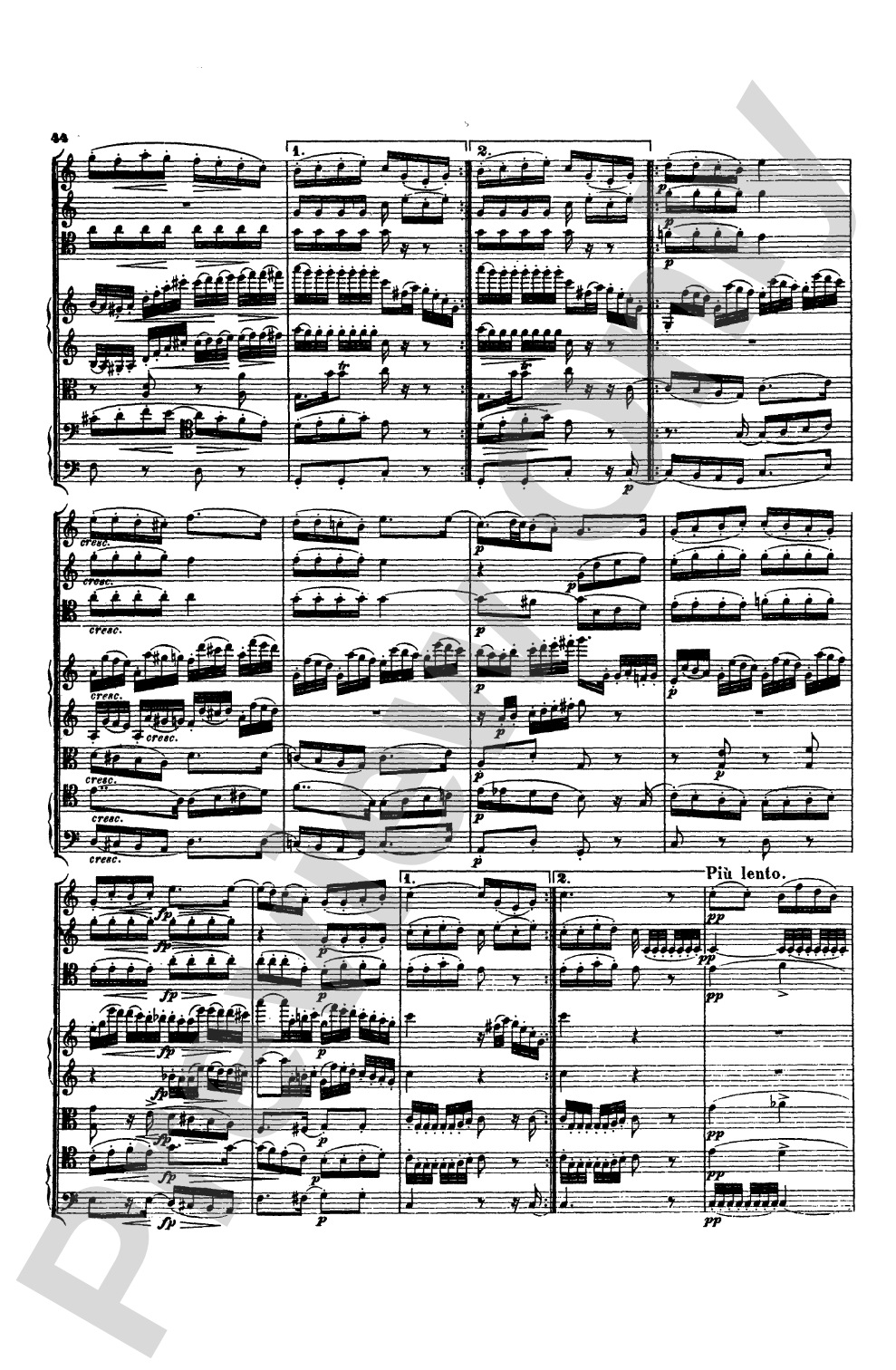
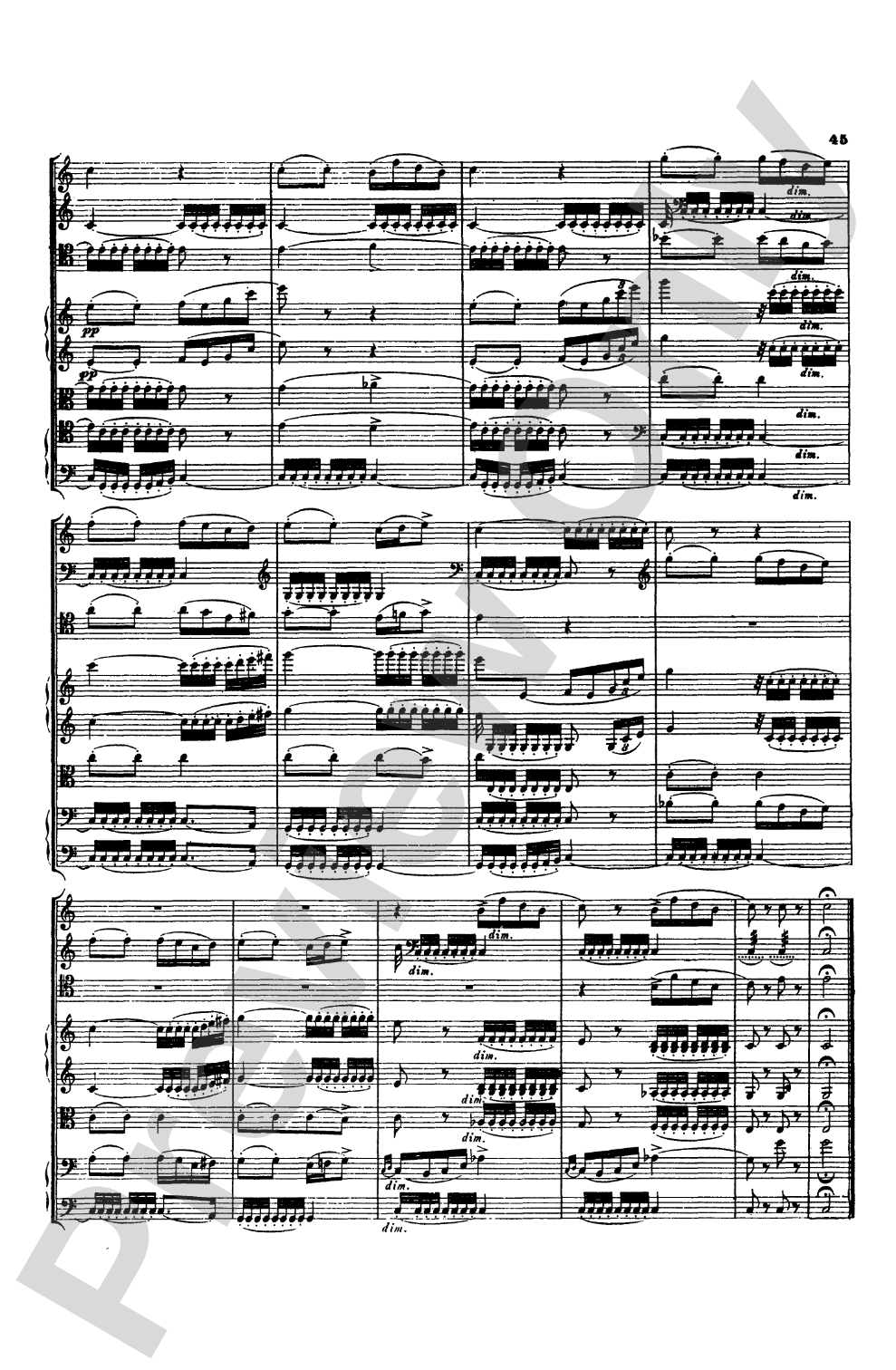
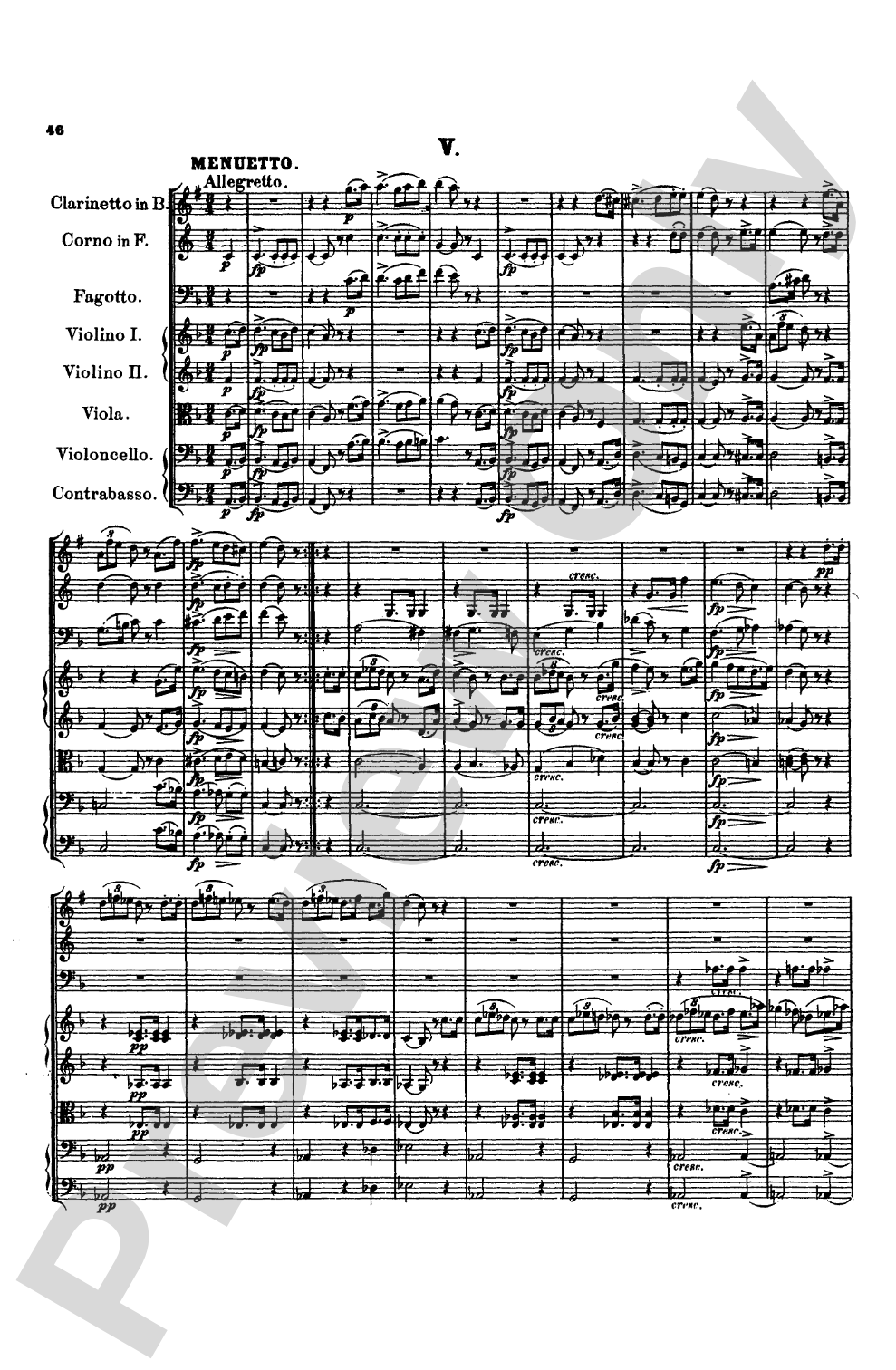
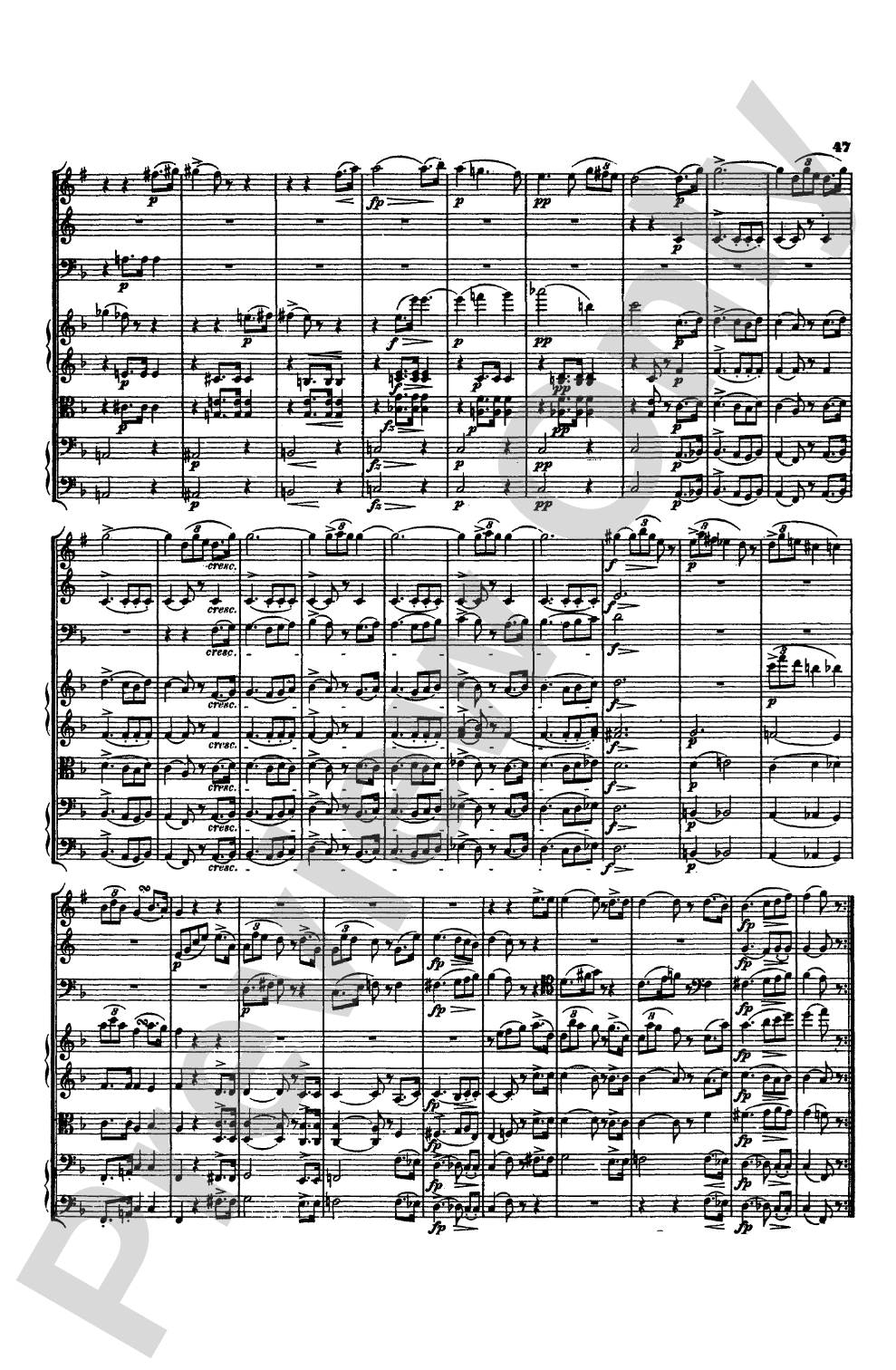
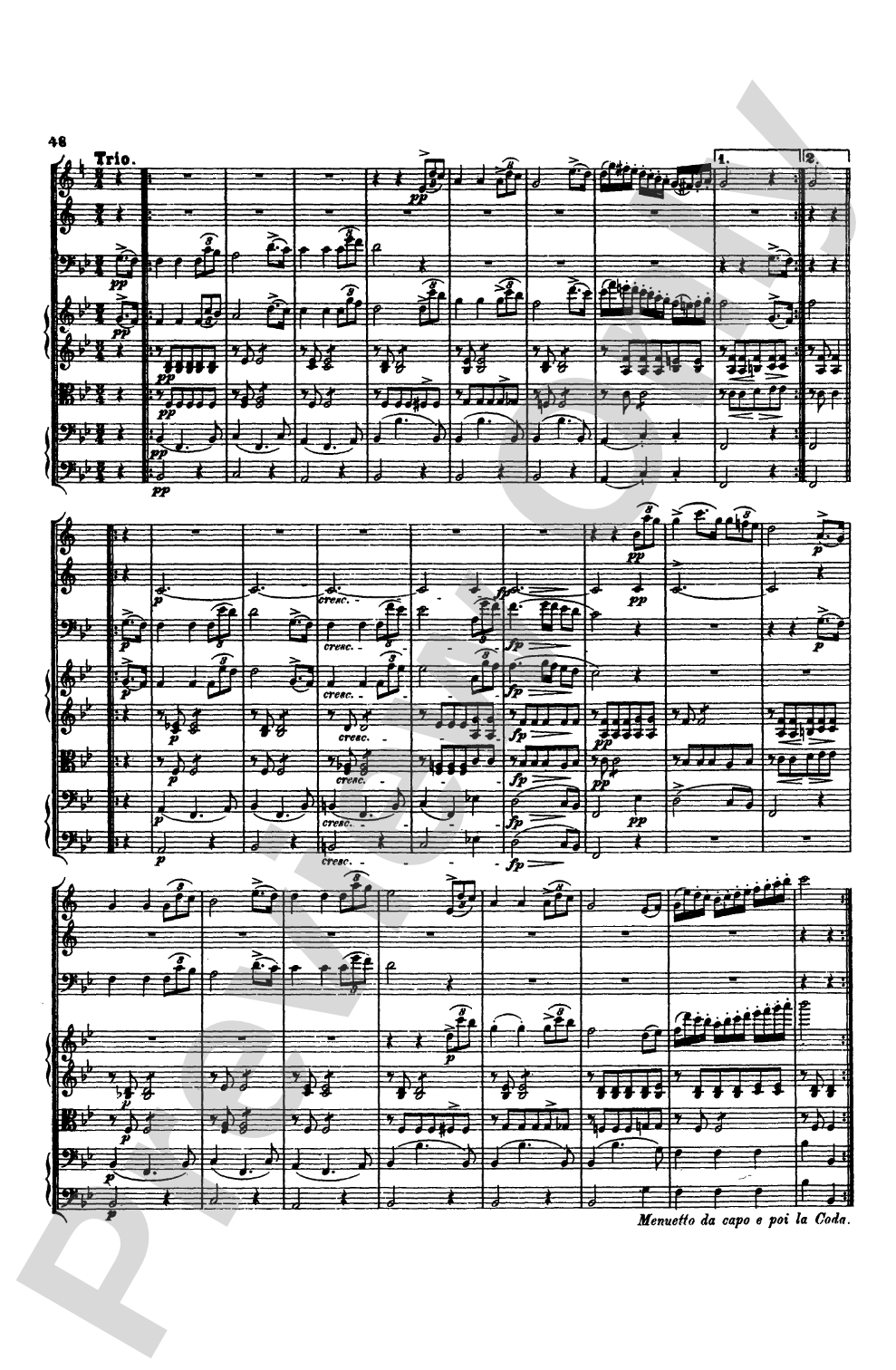
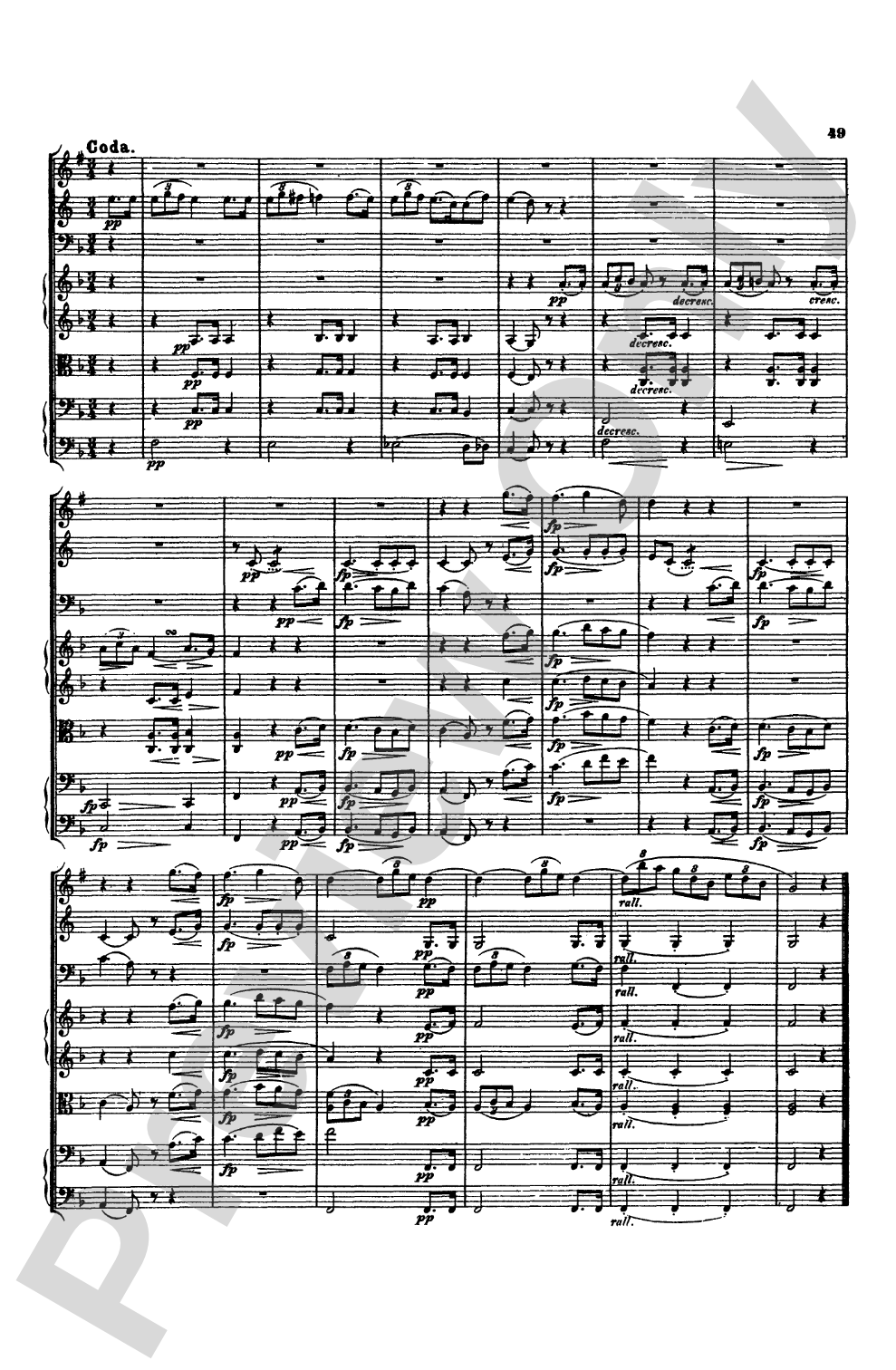
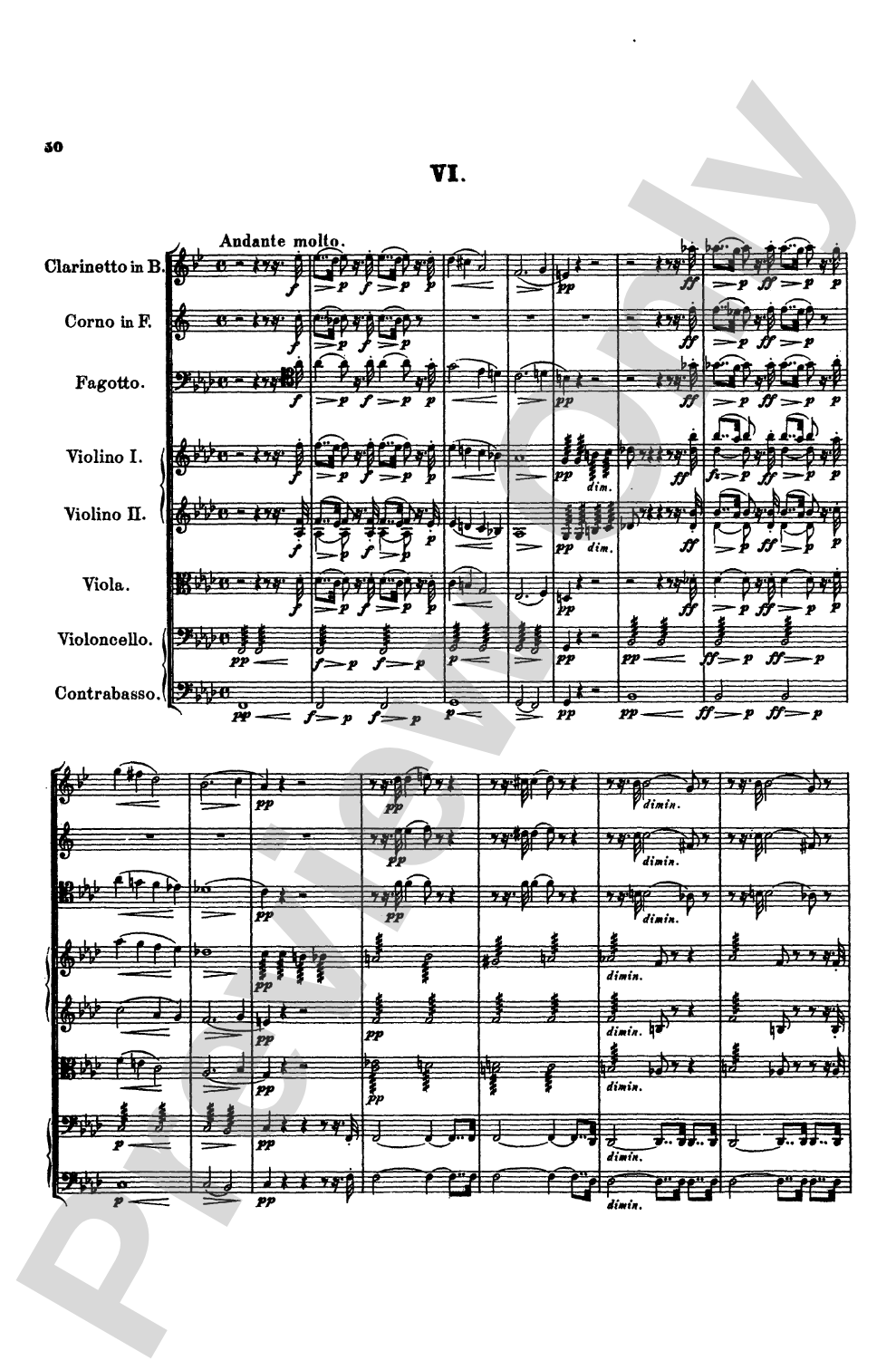

Schubert: Nonet and Two Octets: Chamber Ensemble Miniature Score
By Franz Schubert
Item: 00-PK-0002698

$12.99
Pickup currently not available
Buy Extra Parts (Digital PDF Download)
| Product | Price | Quantity |
|---|---|---|
| Schubert: Nonet and Two Octets | $3.95 | |
| Schubert: Nonet and Two Octets | $3.99 | |
| Schubert: Nonet and Two Octets | $3.99 |
Parts Added to Cart!
Related Items
Minuet and Finale for Winds; Eine Kleine Trauermusik for Winds; Octet, Opus 166 for Winds and Strings: Chamber Ensemble Miniature Score |
$12.95
|
View |
Description
A mixed instrument, chamber ensemble composed by Franz Schubert.


Don't just read it, hear it, play along with it, and watch your students grow with it. In MakeMusic Cloud, Schubert: Nonet and Two Octets: Chamber Ensemble Miniature Score comes alive with professional accompaniment, adjustable tempo, and built-in practice tools that turn solo practice into real progress.
Open in the Player
Jump straight in and assign it today.
Start Your Free Trial
Open this title and explore the full library in minutes.
Sample Audio
No sample audio found.
Sample Video
No sample videos found.
Additional Details
Series:
Kalmus Edition
Publisher:
Alfred Music
Page Count:
88
SKU:
00-PK-0002698
More about this title
About the Composer: Franz Schubert
Franz Schubert (1797-1828) created some of the most intimate and emotionally direct chamber music in the Western tradition. Working in Vienna during the transition from Classical to Romantic aesthetics, he composed prolifically across all genres, yet his chamber works reveal a composer deeply invested in conversation between instrumental voices rather than virtuosic display.
Schubert's chamber ensemble writing combines the formal clarity of Haydn and Mozart with harmonic richness and melodic depth that point toward the Romantic era. His ability to develop themes organically across multiple instruments, and his gift for writing memorable yet sophisticated lines for each player, make these works enduring challenges and rewards for any ensemble.
Why we love this
This collection brings together three of Schubert's most substantial chamber works in a single, economical score. The Nonet and octets represent the composer at his most generous with ensemble writing, offering rich material for musicians who want to explore Romantic-era chamber repertoire without the performance demands of a full symphony orchestra. For chamber directors seeking substantial works that reward careful ensemble preparation, these pieces deliver intellectual depth and genuine musical joy.
What to expect
Schubert's chamber writing is conversational and lyrical, with moments of genuine surprise. The Nonet moves between warmth and introspection, while the octets balance structural sophistication with an almost intimate quality. There is elegance without pretension, and harmonic color that suggests the composer's deep engagement with orchestral thinking applied at chamber scale.
Who it's for
This miniature score serves chamber ensembles (both student and professional) prepared to tackle Classical-Romantic masterworks that demand secure intonation, ensemble listening, and interpretive maturity. Players with several years of chamber experience will find ample material here for artistic growth and performance satisfaction.
How to get the most out of it
- Balance the dialogue between first and second violin lines; Schubert often distributes thematic material across both parts, and clarity matters more than volume dominance.
- Shape phrases toward harmonic destinations rather than beating time. The Romantic idiom here requires the ensemble to think in longer arcs, particularly in slow movements.
- Use a miniature score strategically during rehearsal to show how material weaves through the ensemble; this visual reference helps players understand their role in larger formal structures.
- Pay particular attention to the woodwind-string transitions. Schubert's orchestration includes passages where instruments hand off ideas, and secure ensemble rhythm during these moments prevents unintended shifts in tempo or texture.
How to use it
These works function as centerpieces for a chamber concert or as repertoire for advanced student ensembles exploring the Romantic canon. The three-piece structure also allows a director to program individual works across a season rather than attempting all three in a single concert, making this score a long-term curricular resource.
Skills your students will build
- Balancing independent melodic lines while maintaining ensemble cohesion
- Navigating Romantic-era harmonic language and unexpected tonal shifts
- Executing secure intonation in complex harmonic contexts
- Reading a miniature score and translating conductor gestures to individual instrumental parts
- Sustaining longer formal structures (multi-movement works) with musical shape and continuity