
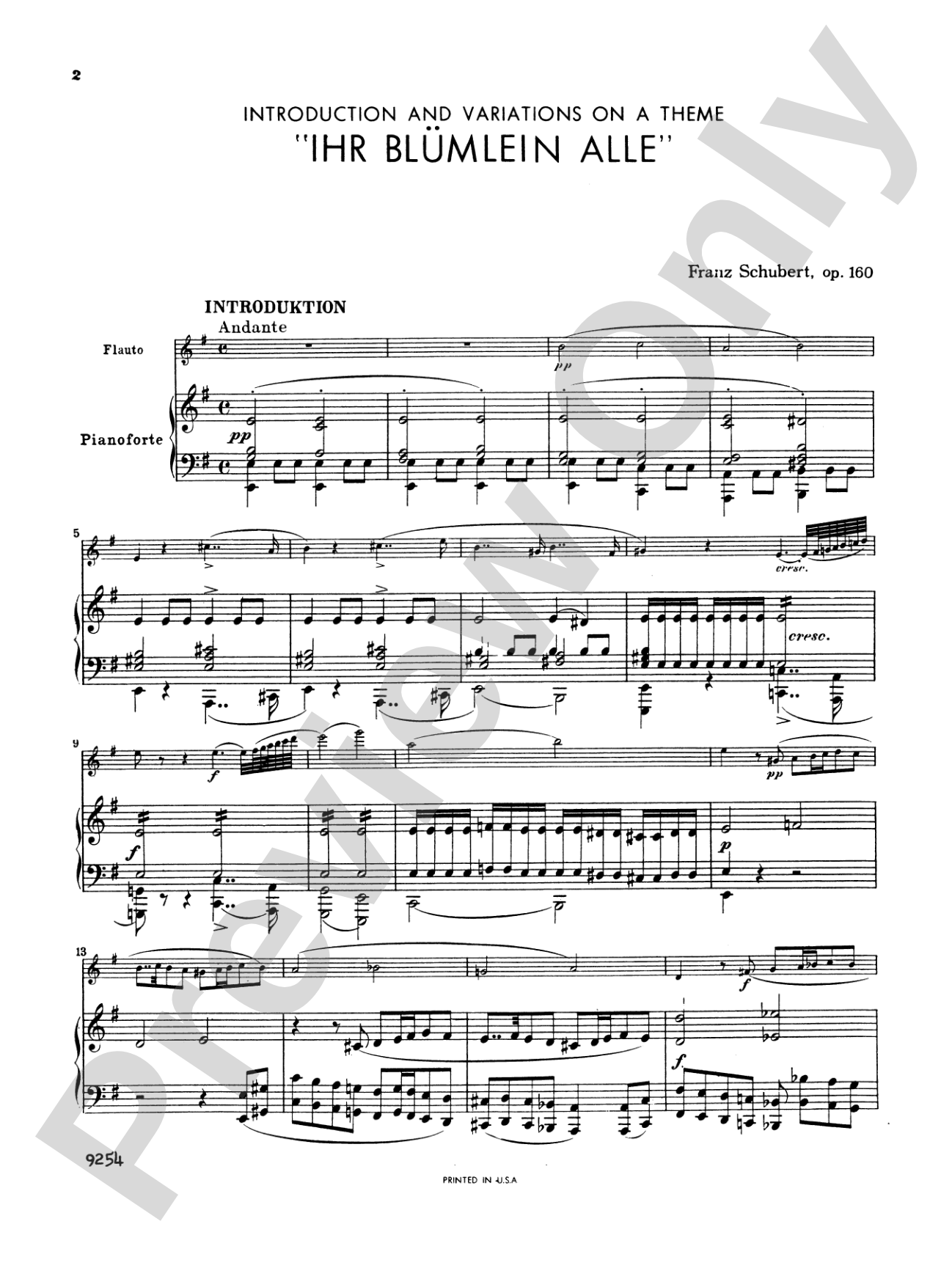
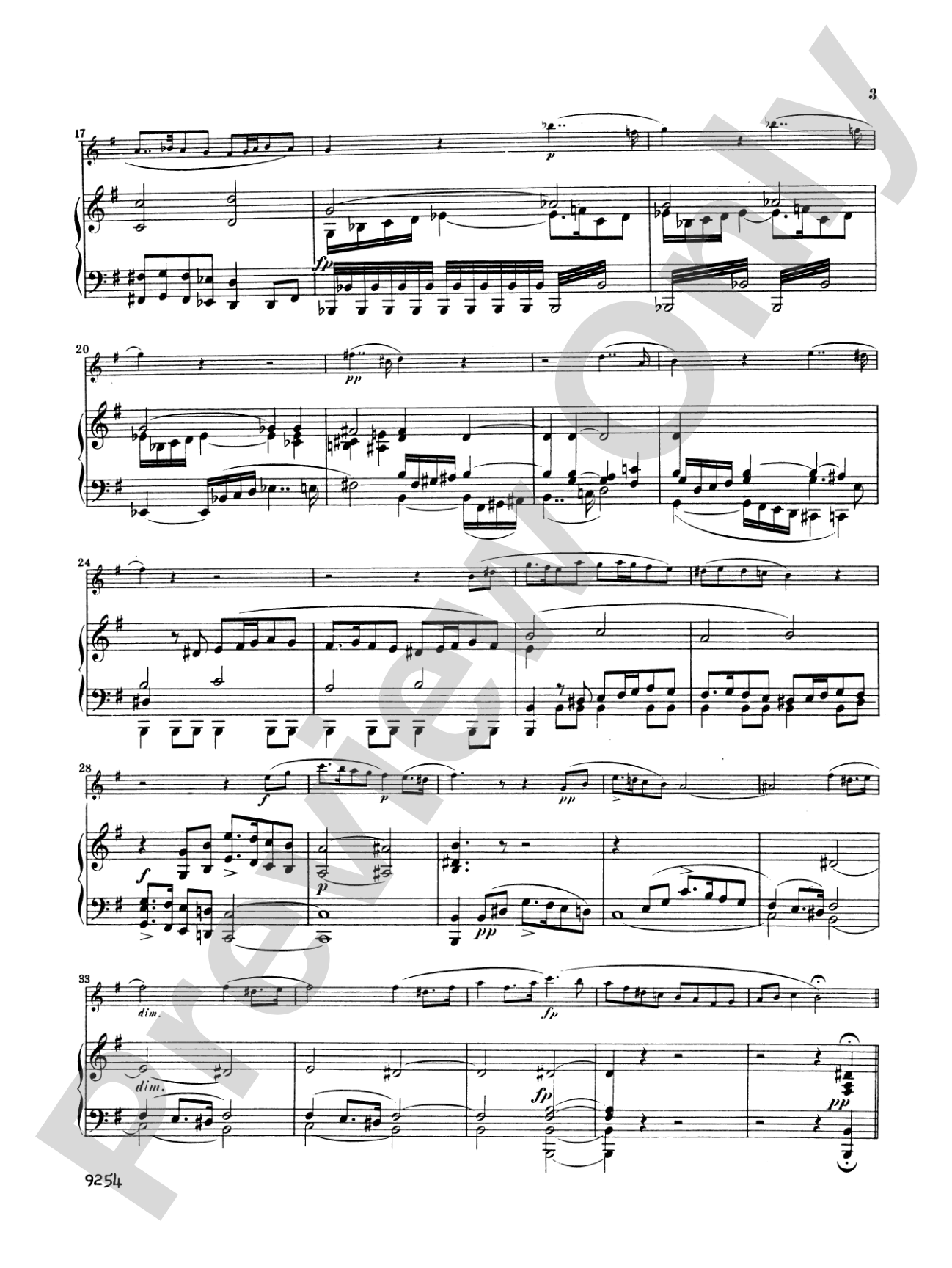
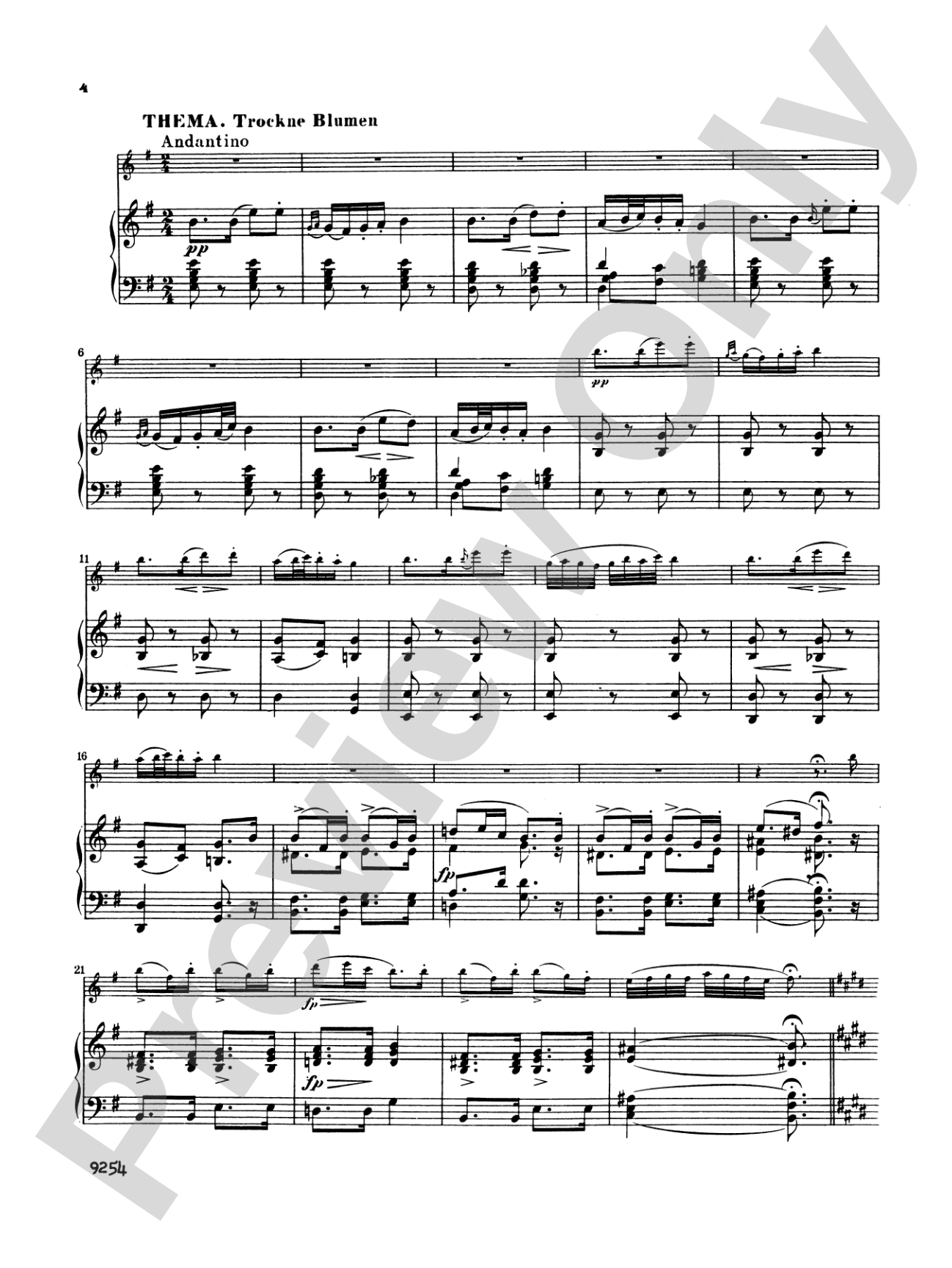
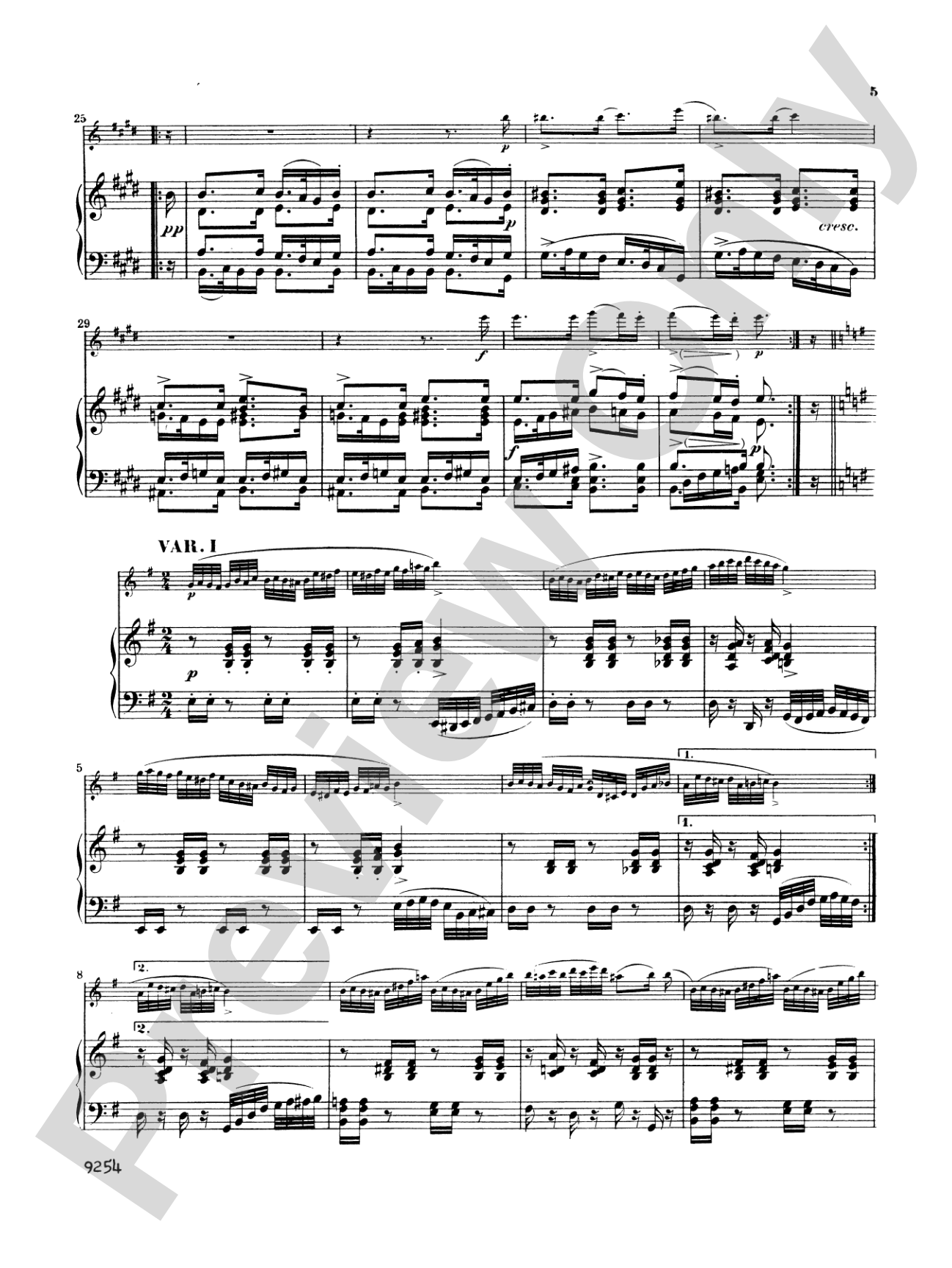
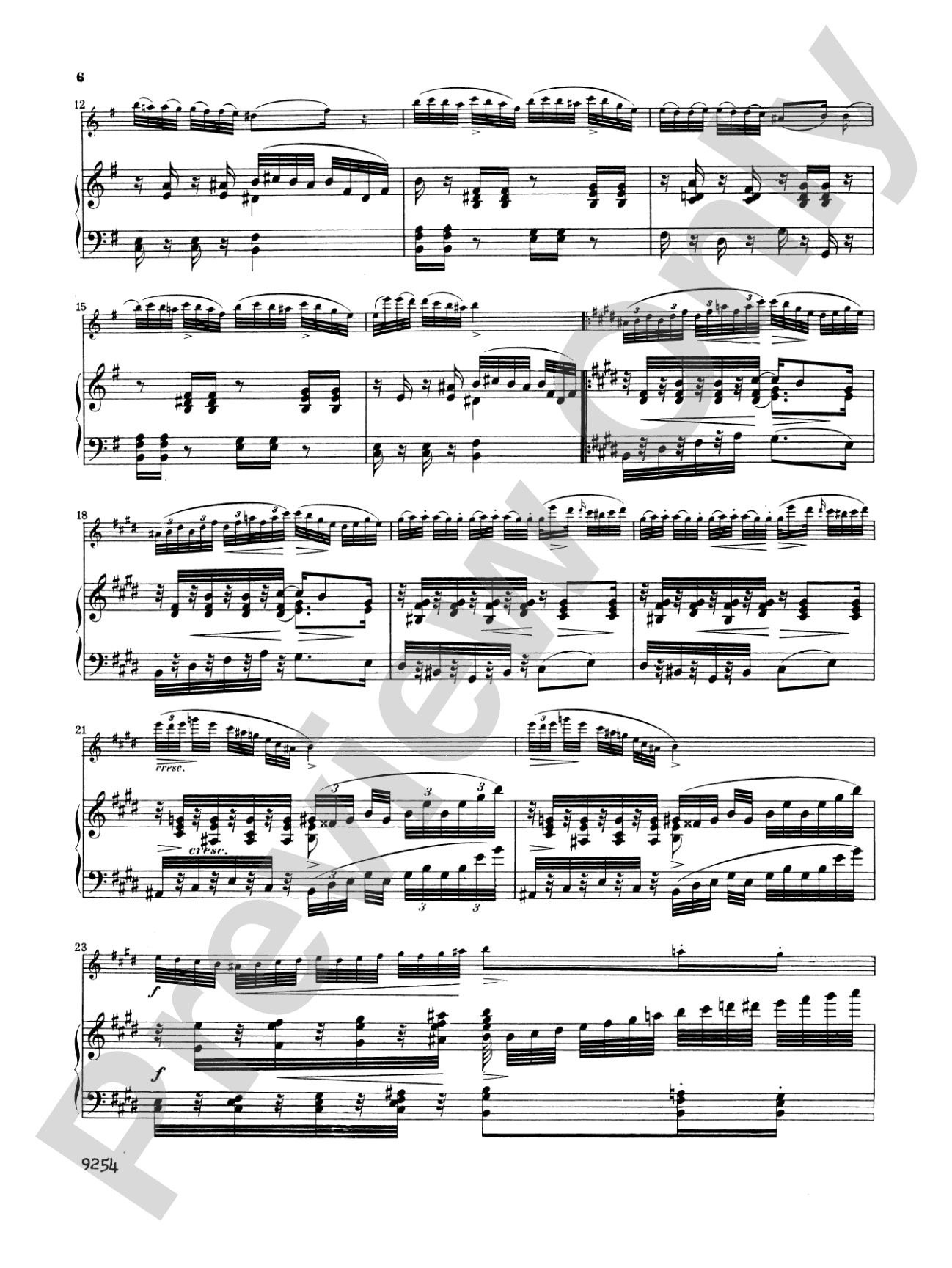
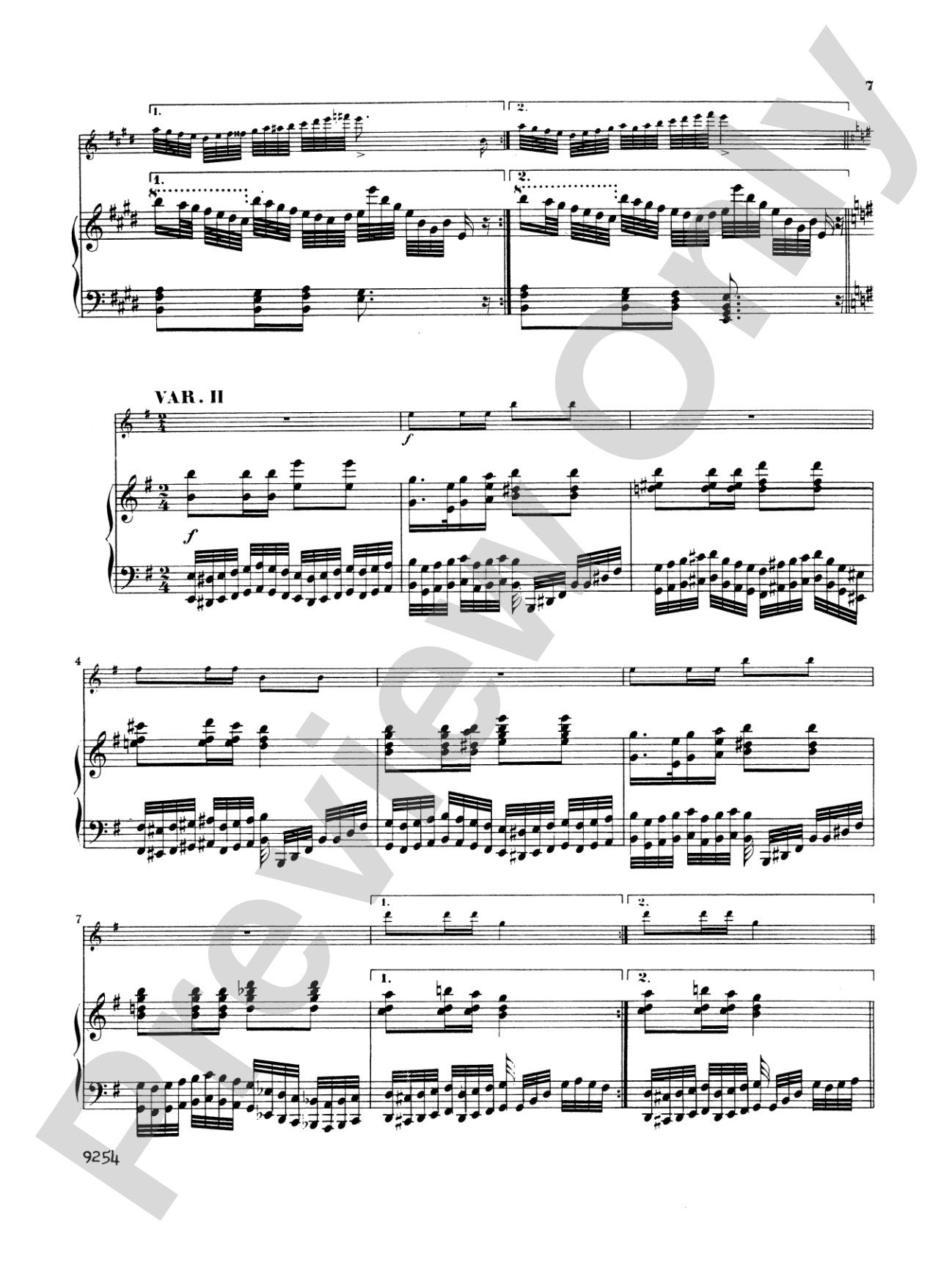
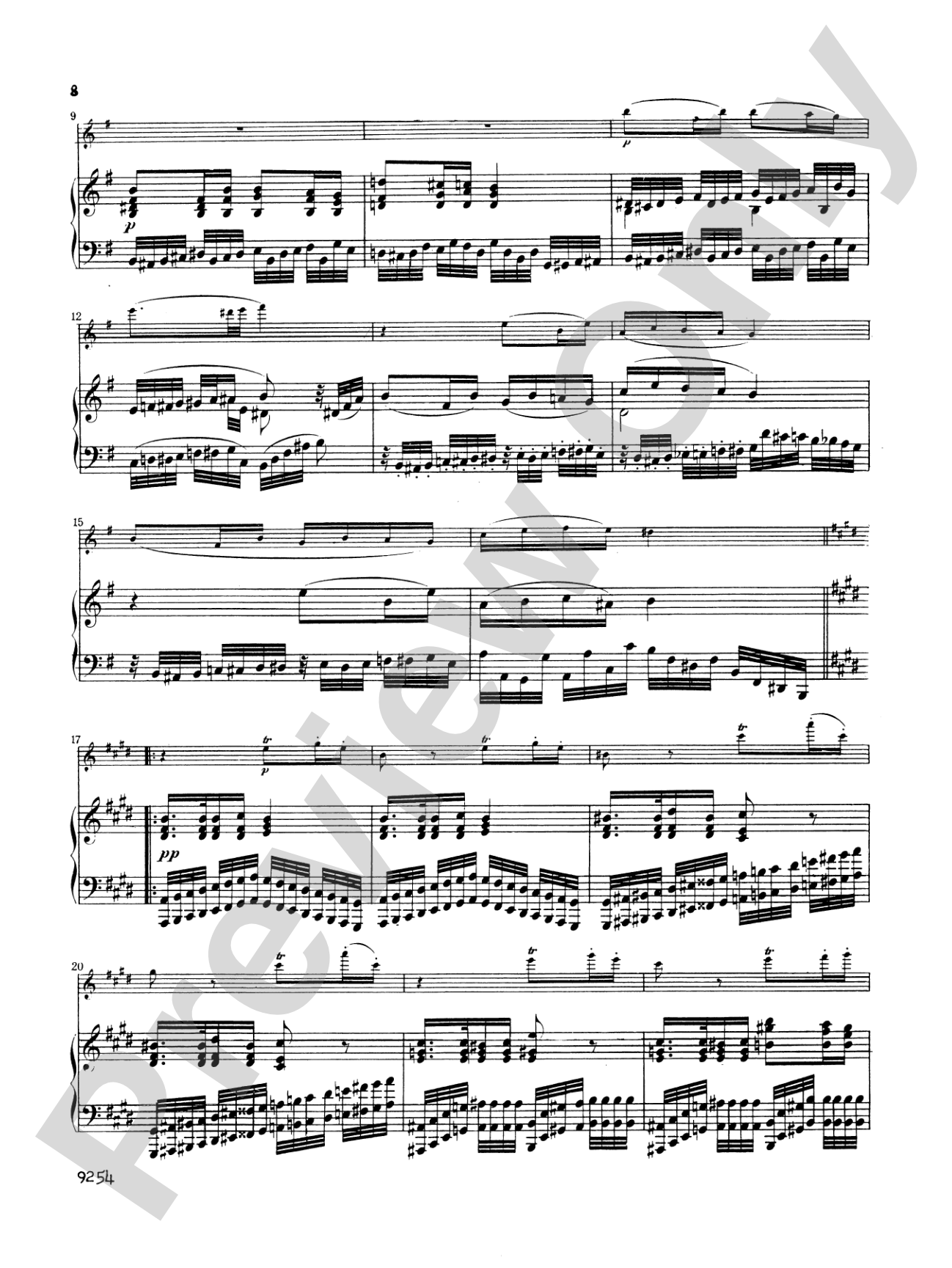
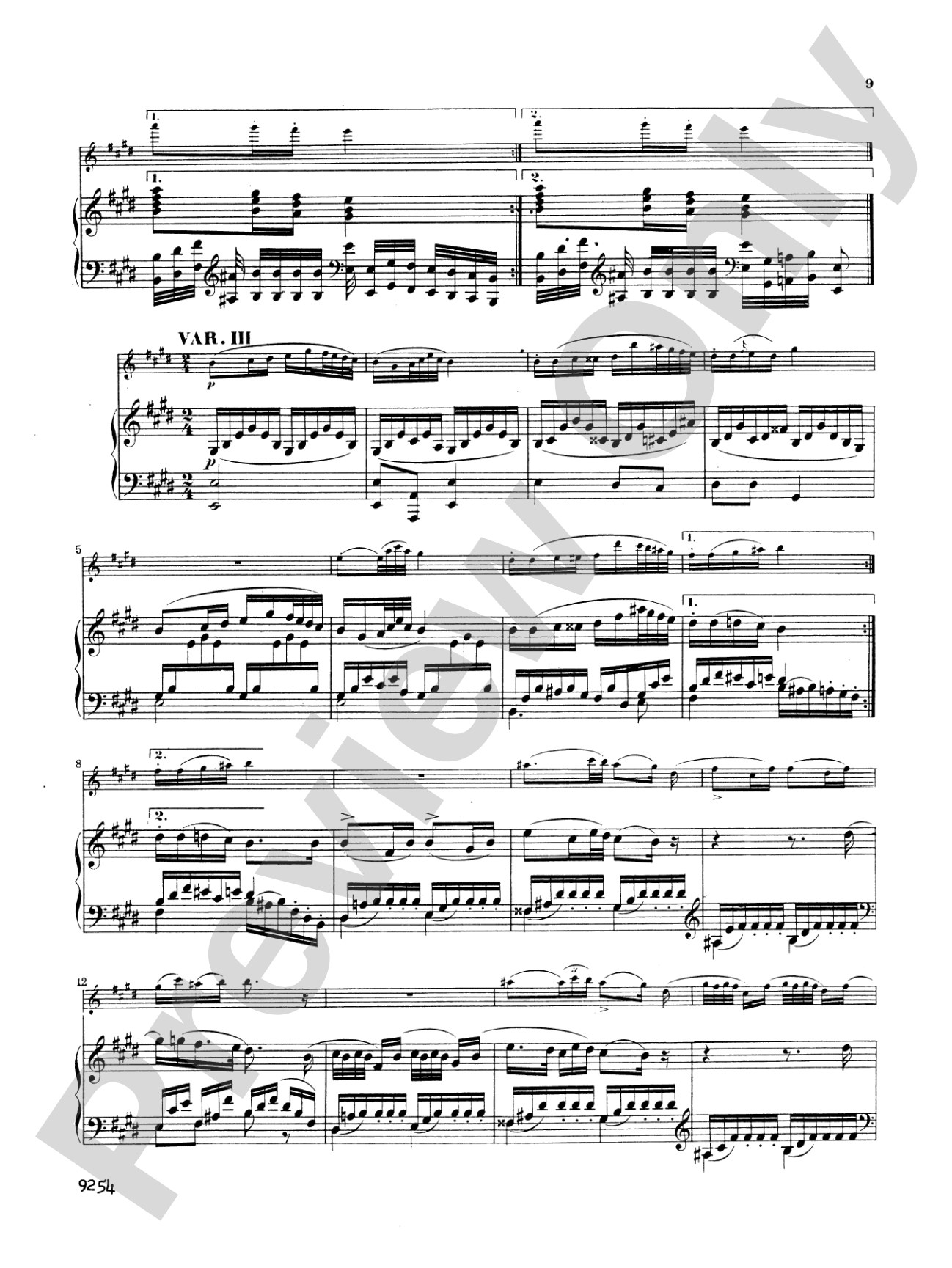
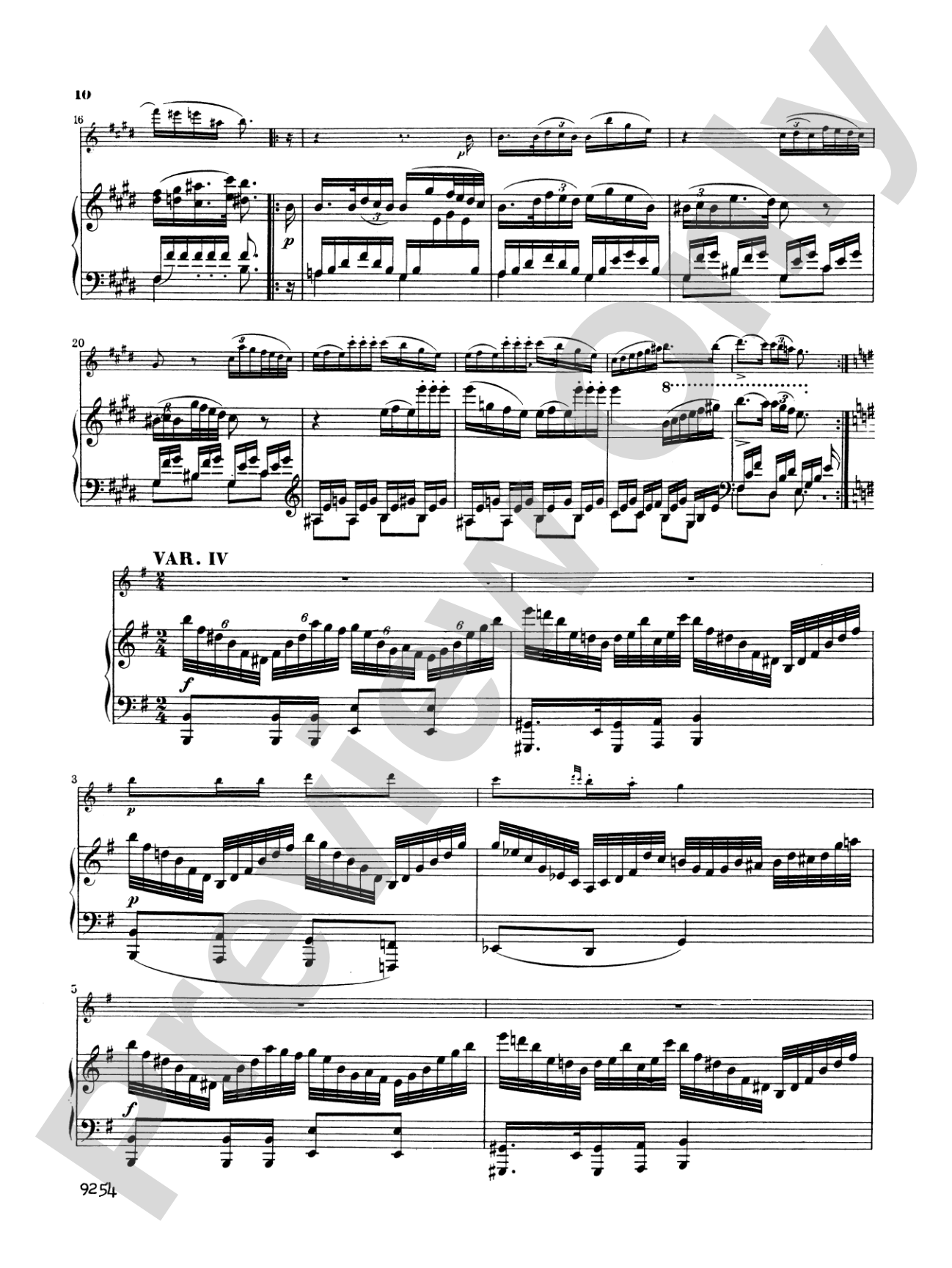
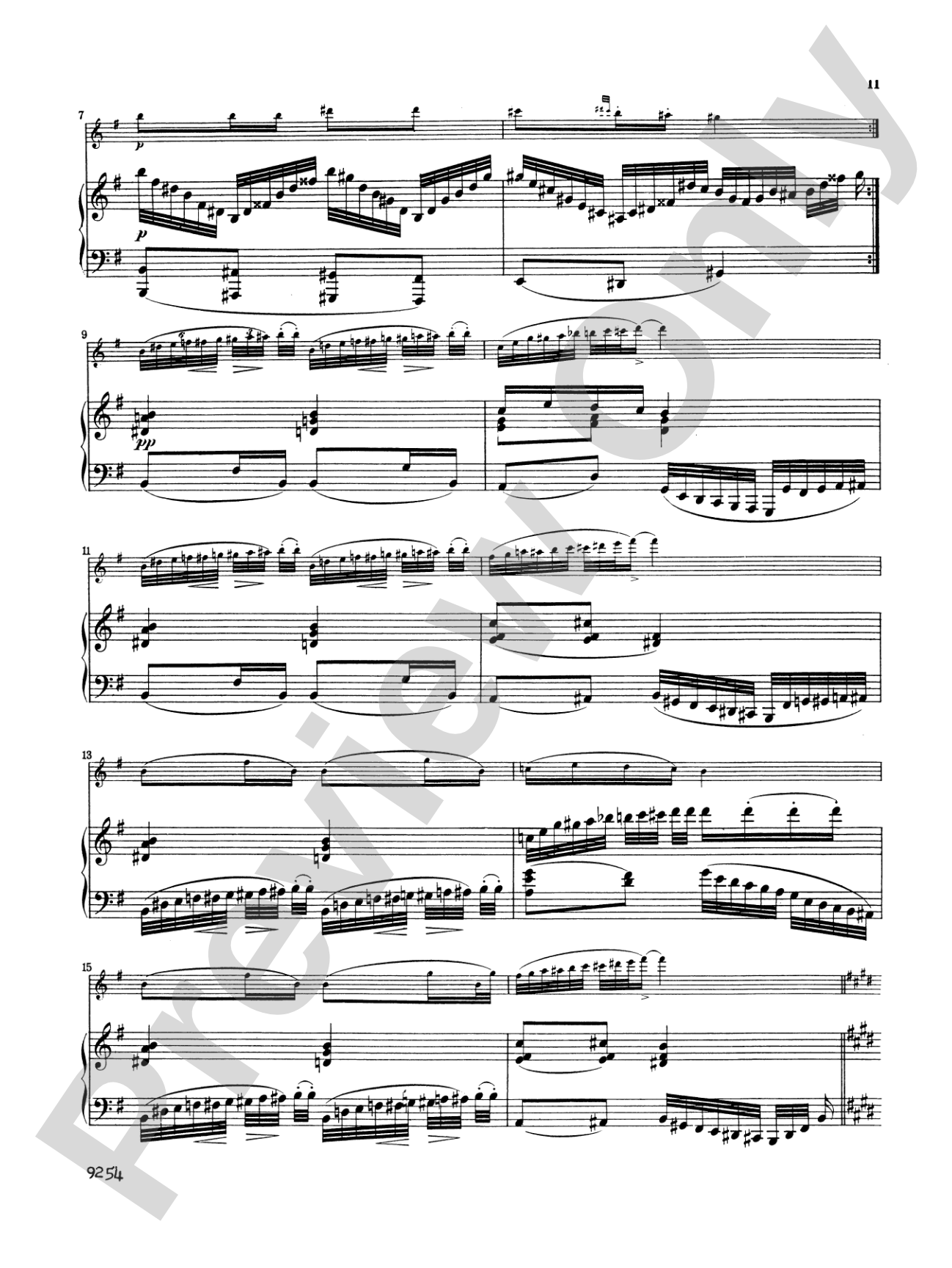
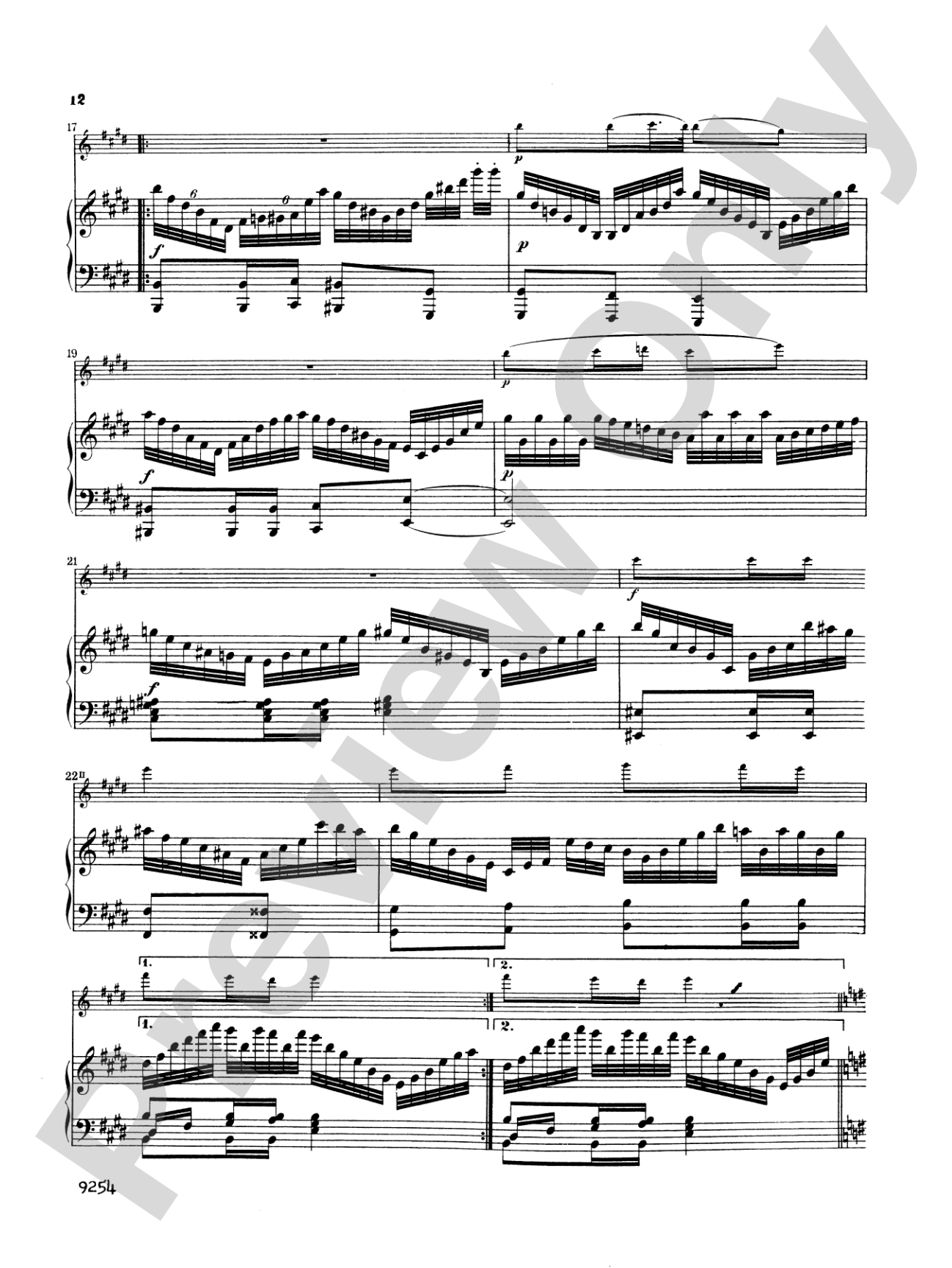
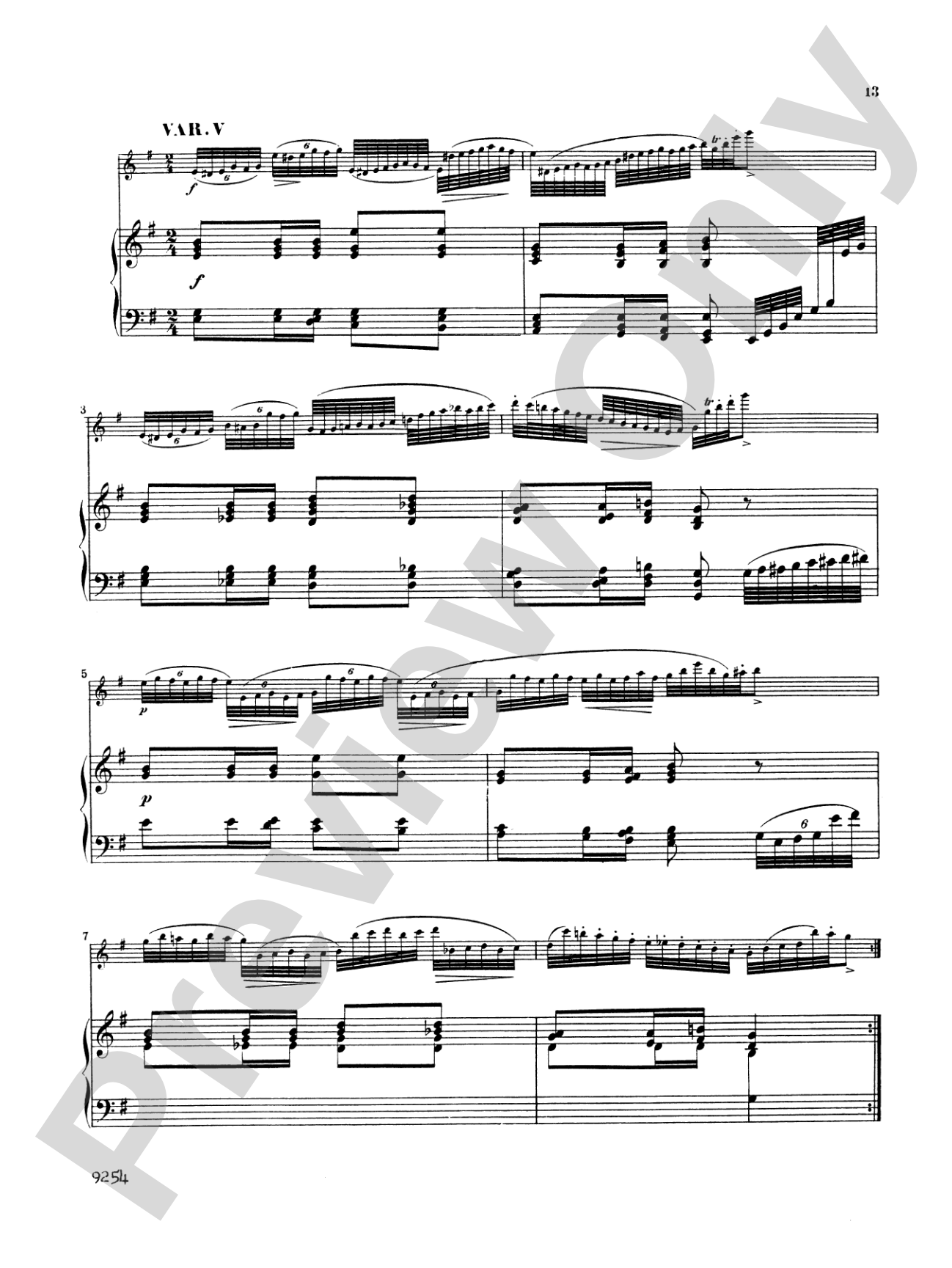
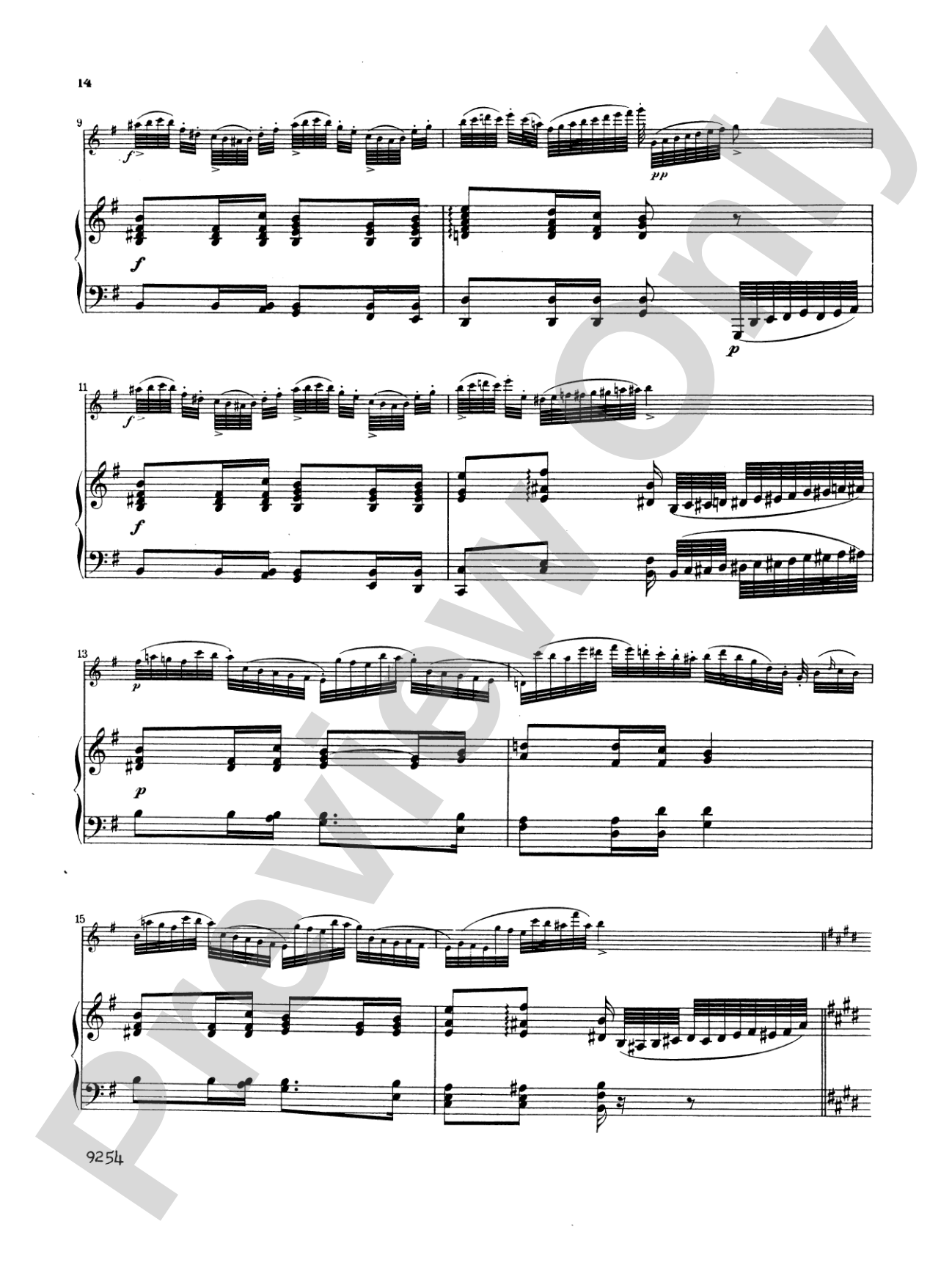
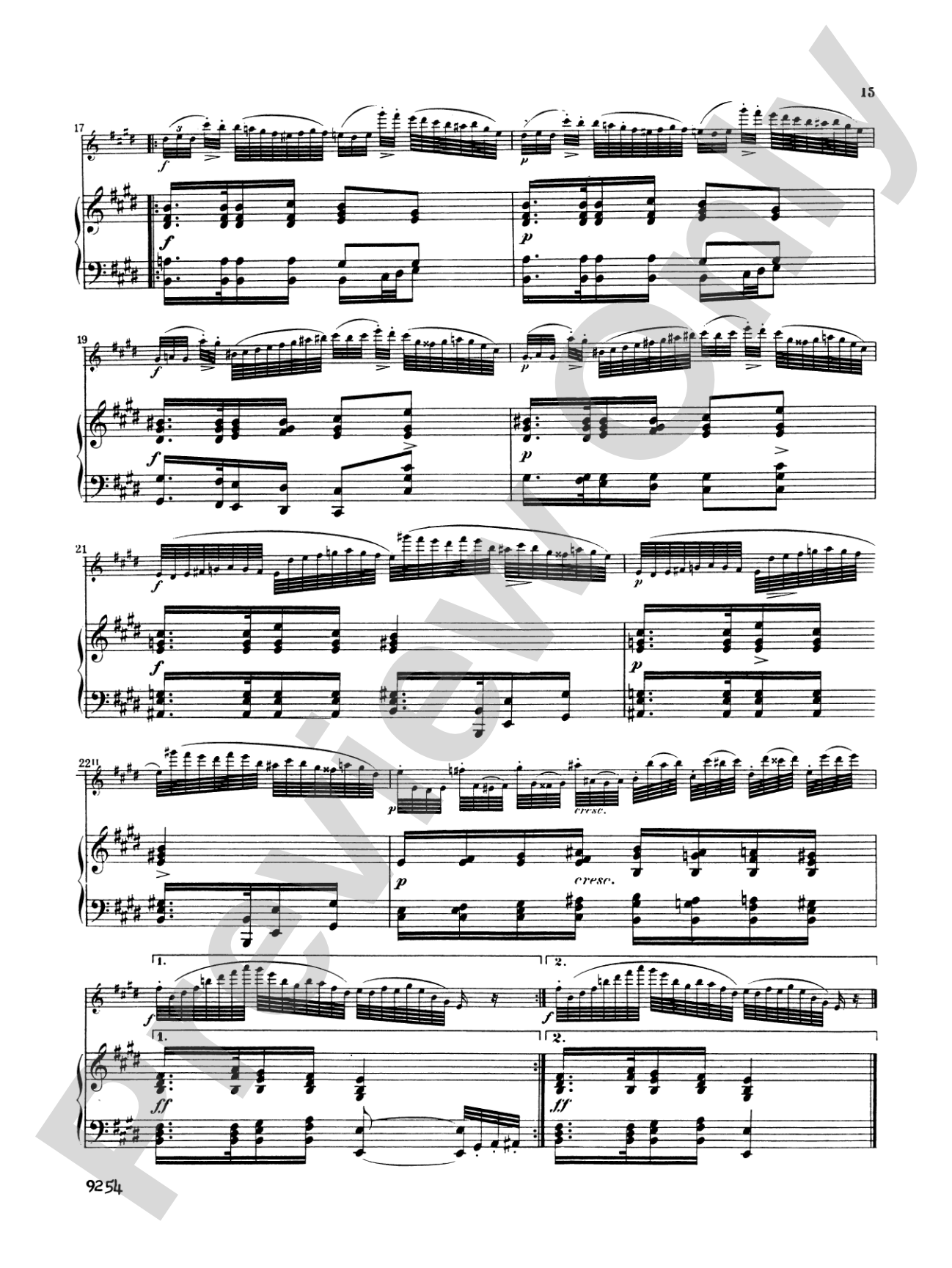
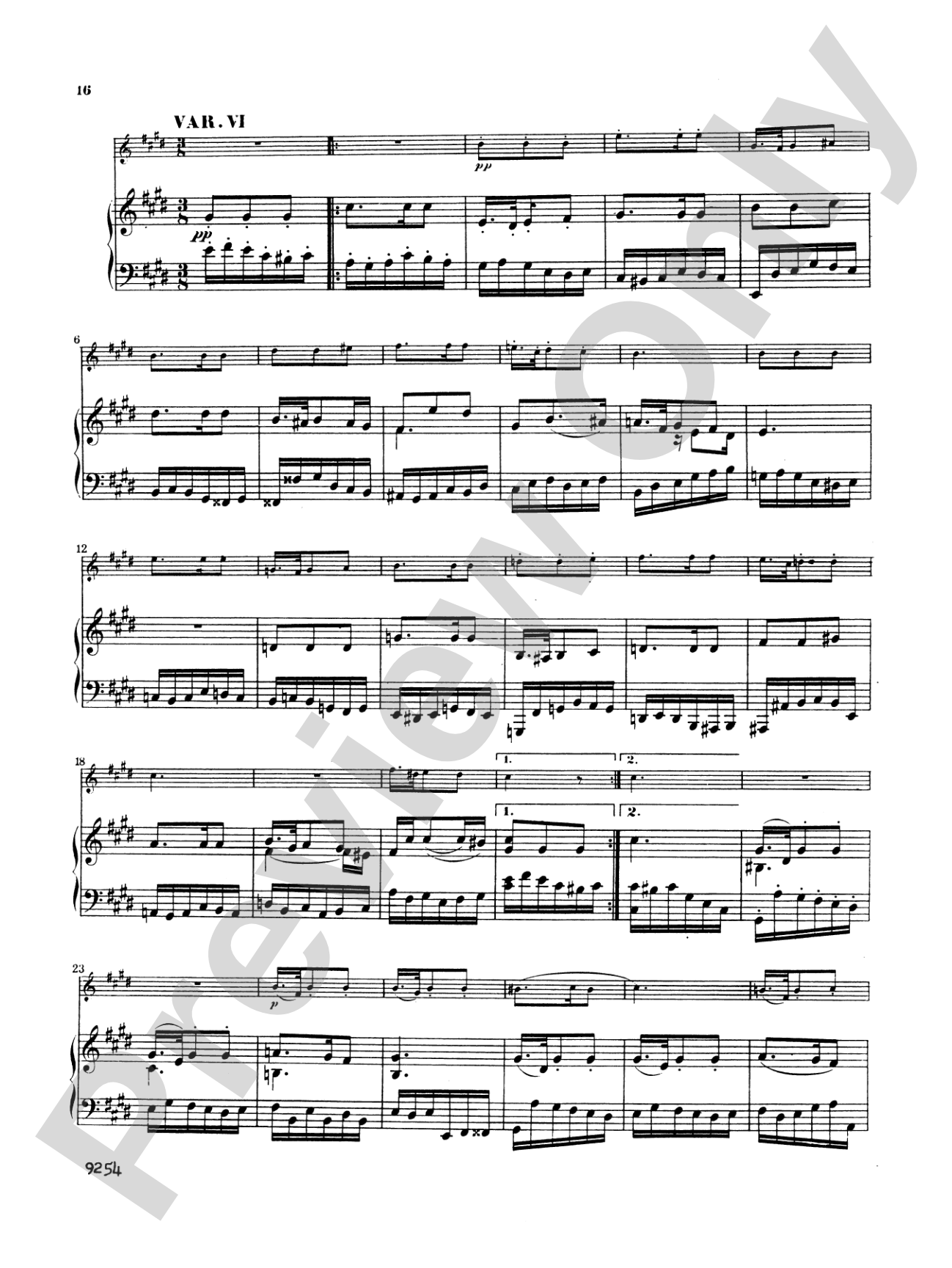
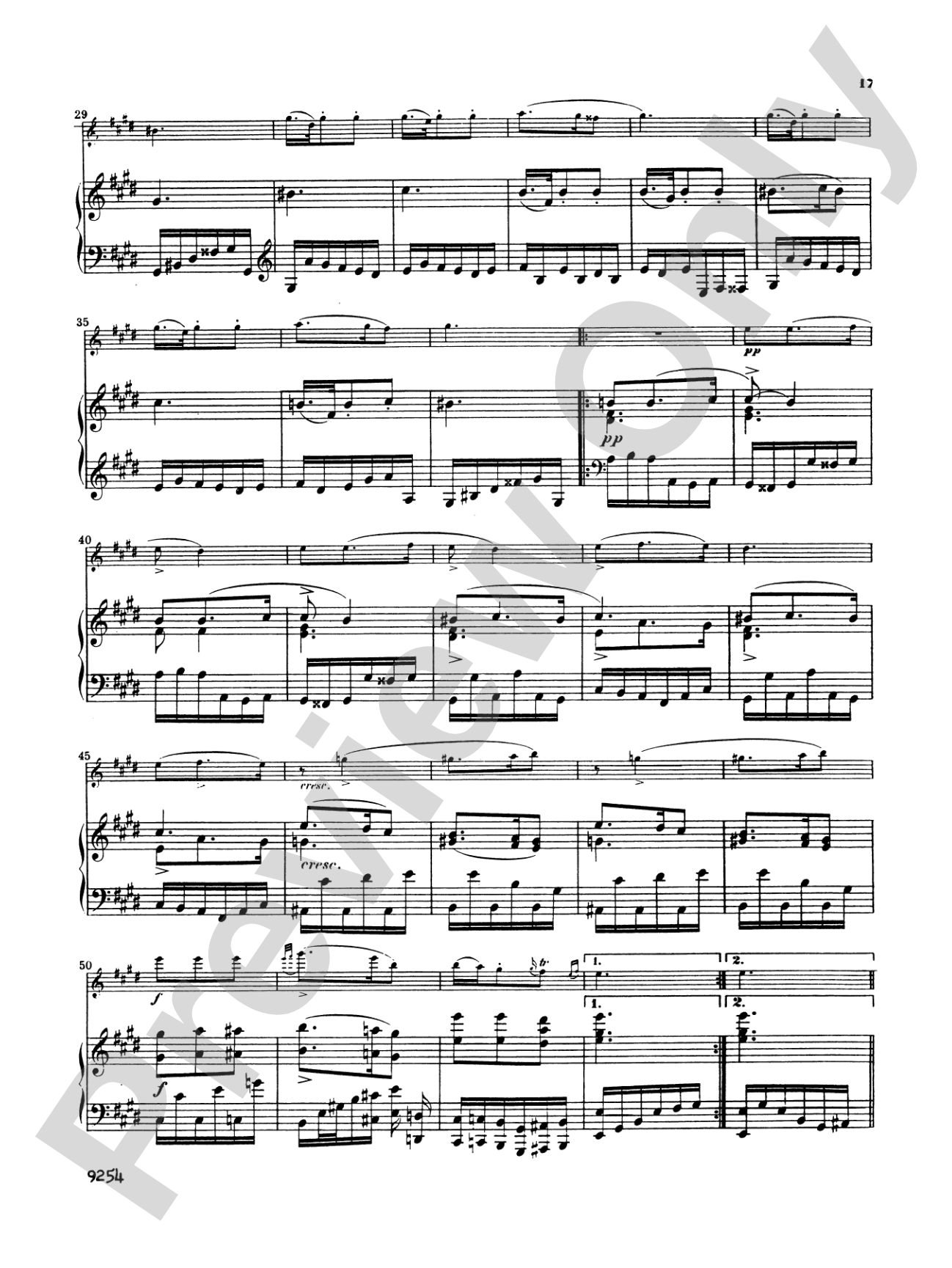
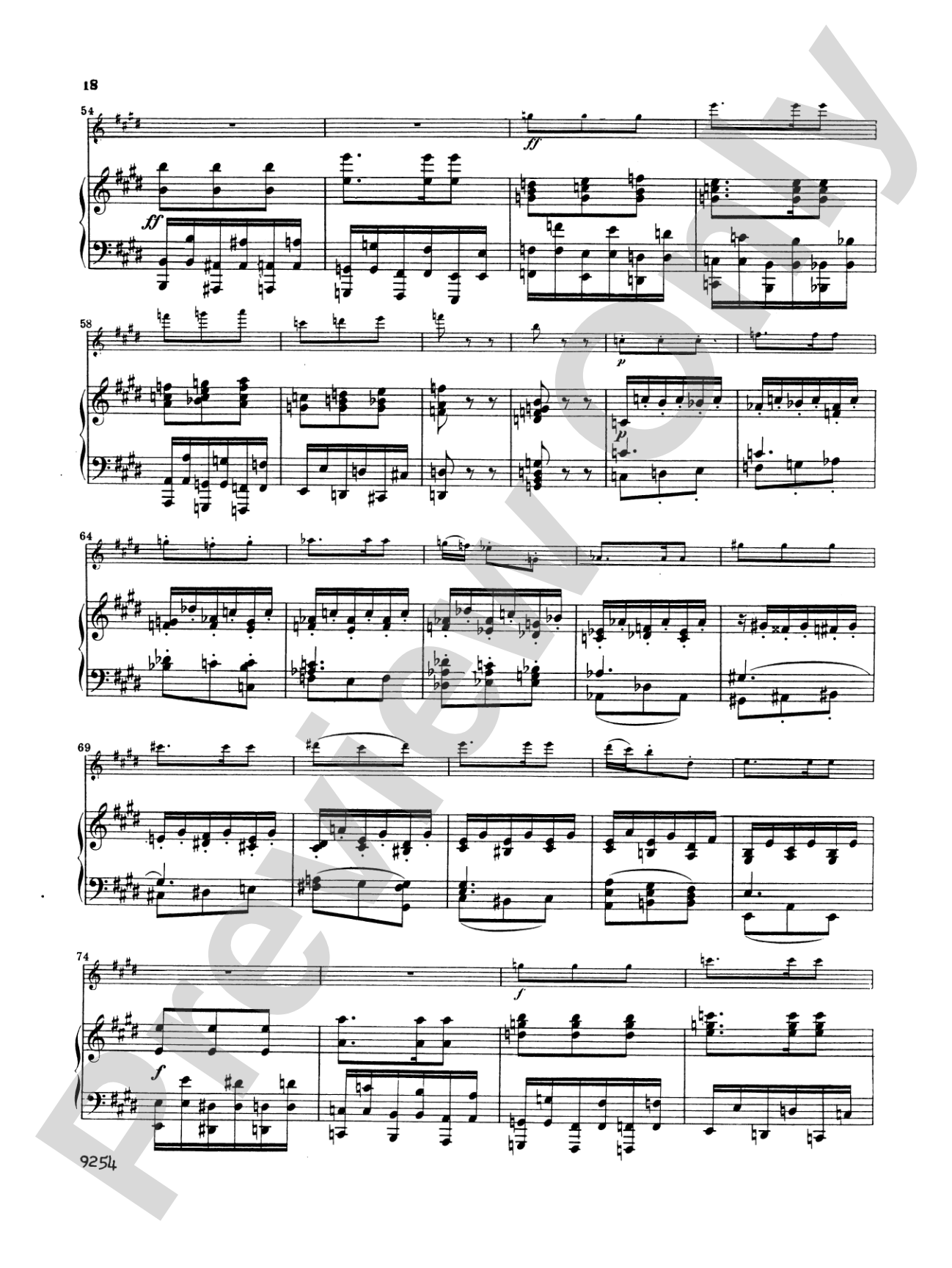
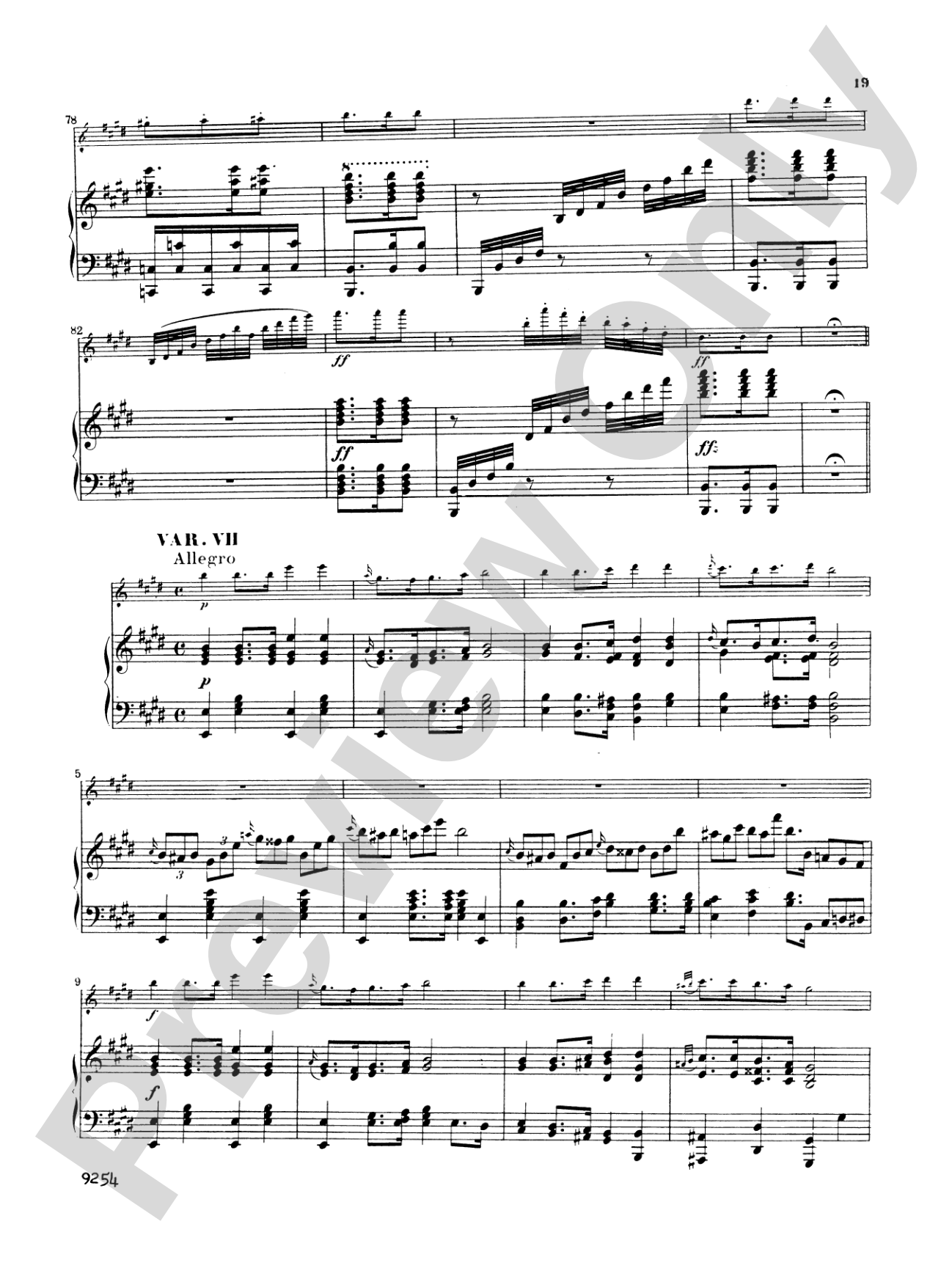
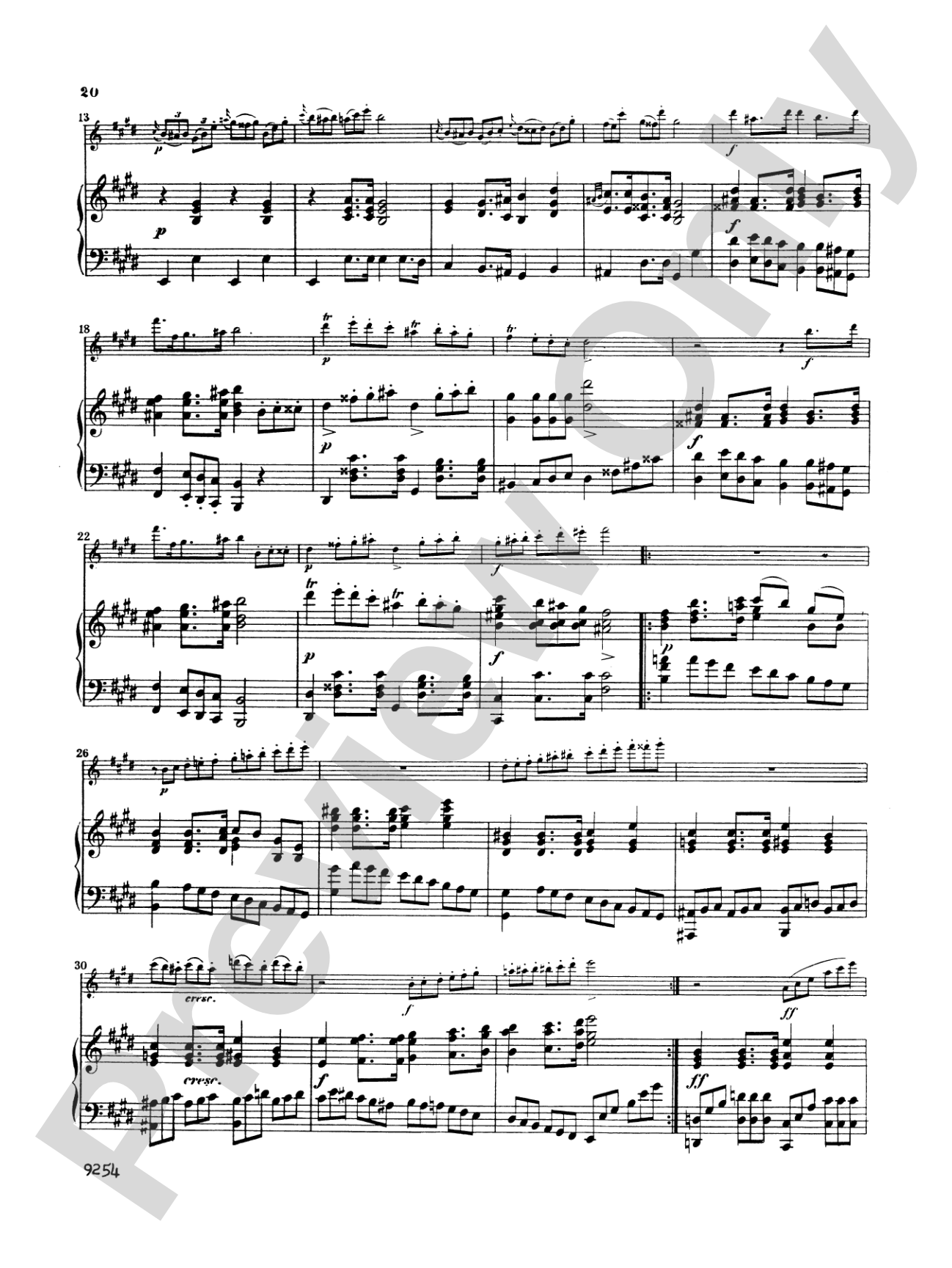
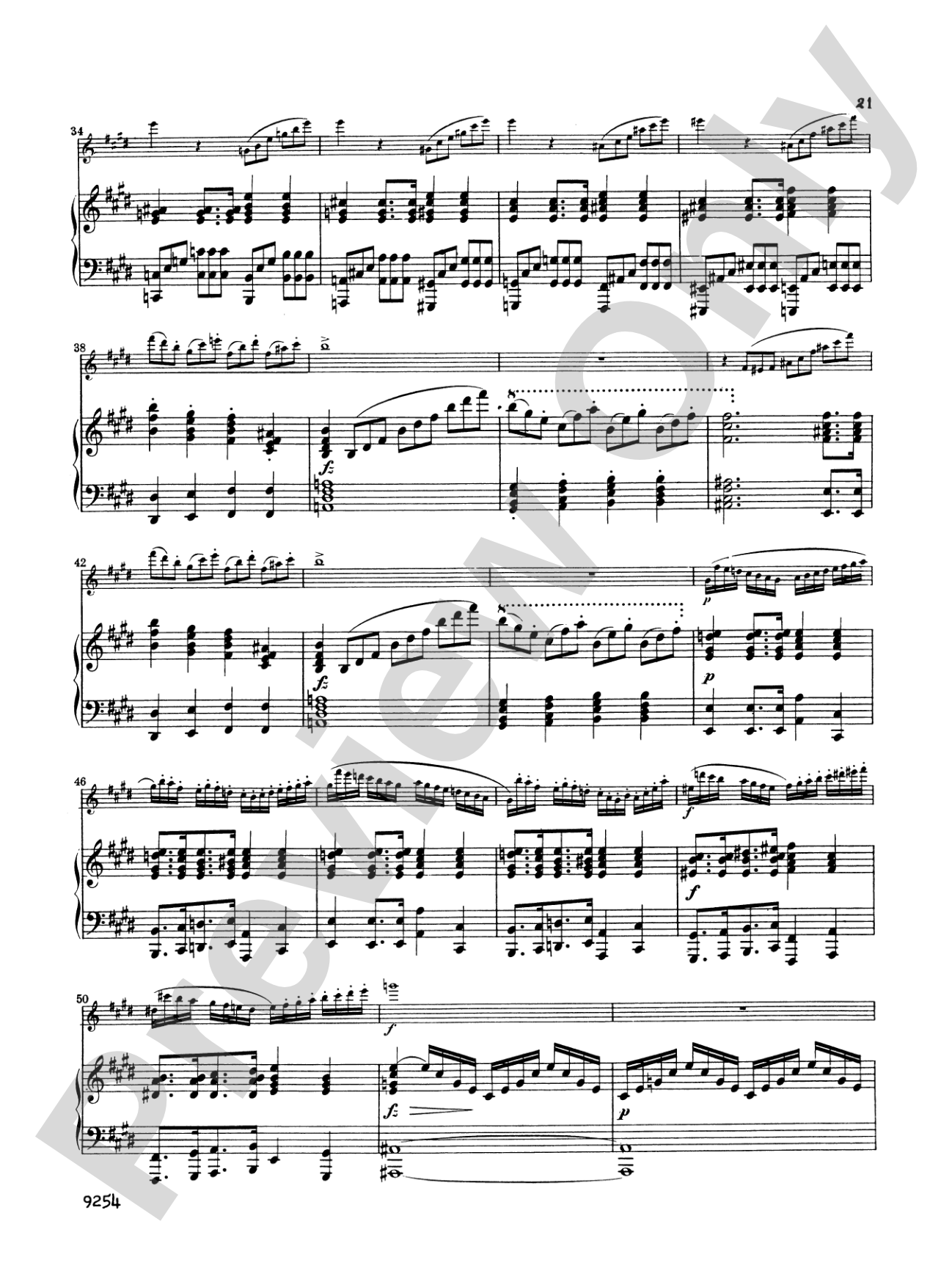
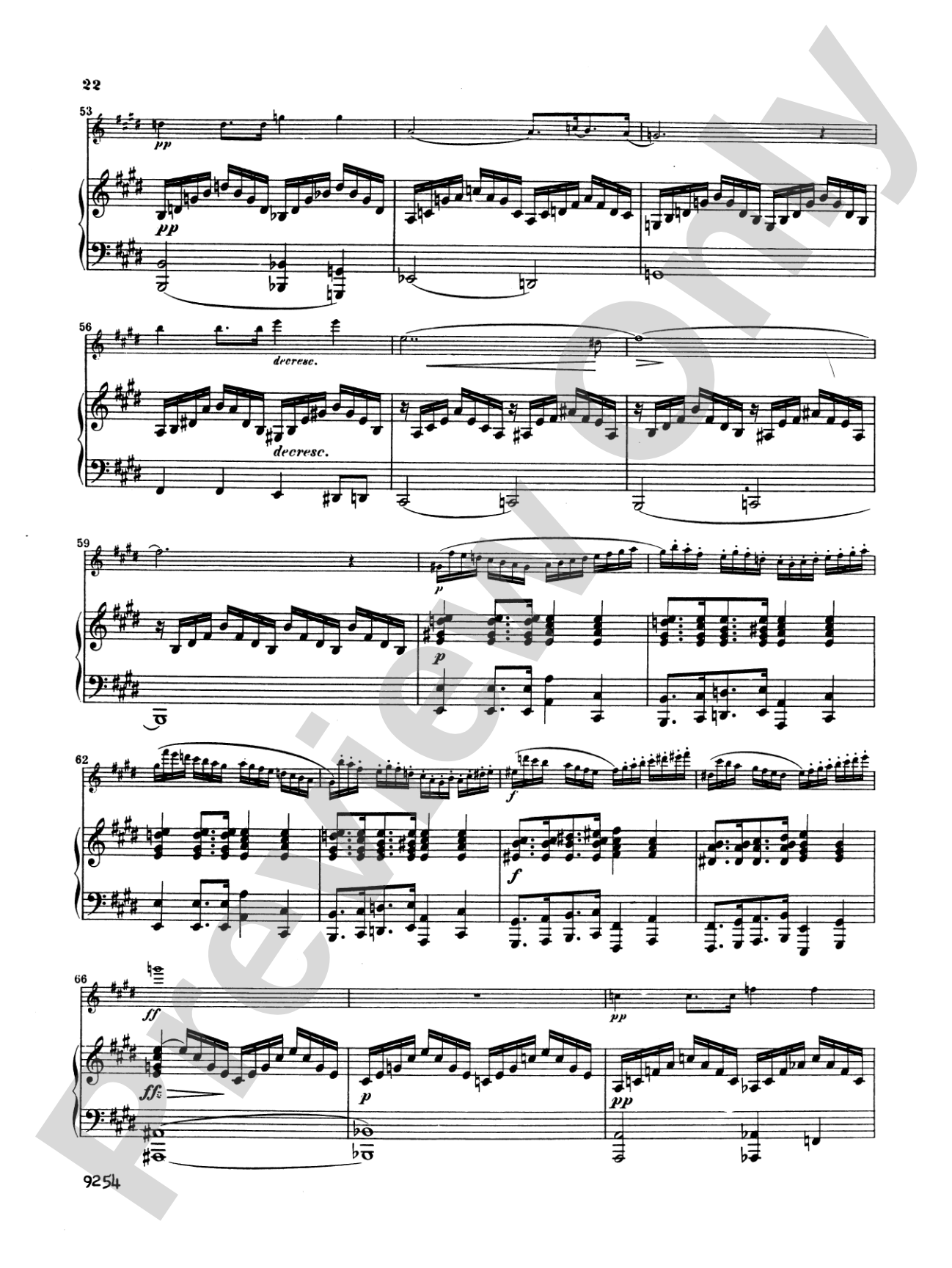
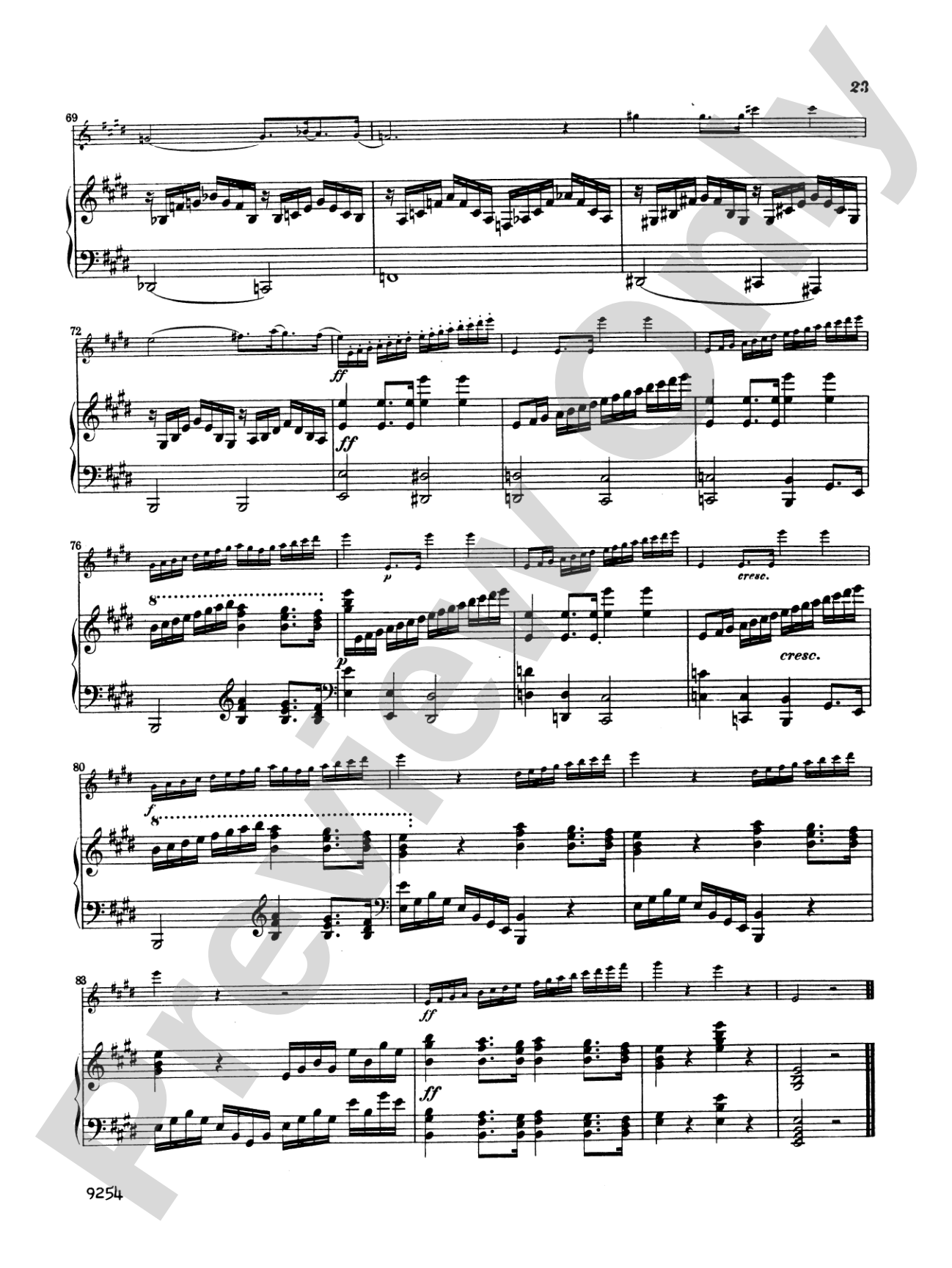


Schubert: Introduction and Variations on a Theme "Ihr Blümlein Alle": Flute Part(s)
By Franz Schubert
Item: 00-PK-0003722

$9.99
Pickup currently not available
Buy Extra Parts (Digital PDF Download)
| Product | Price | Quantity |
|---|---|---|
| Schubert: Introduction and Variations on a Theme "Ihr Blümlein Alle" | $8.95 |
Parts Added to Cart!
Related Items
Introduction and Variations on a Theme "Ihr Blümlein Alle," Opus 160: Flute Part(s) |
$9.99
|
View |
Description
A Flute solo with Piano Accompaniment composed by Franz Schubert.


Don't just read it, hear it, play along with it, and watch your students grow with it. In MakeMusic Cloud, Schubert: Introduction and Variations on a Theme "Ihr Blümlein Alle": Flute Part(s) comes alive with professional accompaniment, adjustable tempo, and built-in practice tools that turn solo practice into real progress.
Open in the Player
Jump straight in and assign it today.
Start Your Free Trial
Open this title and explore the full library in minutes.
Sample Audio
No sample audio found.
Sample Video
No sample videos found.
Additional Details
Series:
Kalmus Edition
Publisher:
Alfred Music
Page Count:
32
SKU:
00-PK-0003722
More about this title
About the Composer: Franz Schubert
Franz Schubert (1797–1828) was an Austrian composer whose prolific output bridged the Classical and Romantic eras. Working primarily in Vienna, he mastered instrumental forms inherited from Haydn and Mozart while infusing them with harmonic innovation and lyrical depth that would define Romantic music. His chamber works, symphonies, and vocal music remain cornerstones of the repertoire.
Schubert's instrumental writing for woodwinds is consistently idiomatic and grateful. He understood the flute's expressive range across its entire compass and wrote passages that showcase both technical brilliance and singing quality. His variations form, which he used frequently across multiple genres, demonstrates his gift for spinning musical ideas into coherent, satisfying structures.
Why we love this
This work sits at an ideal intersection of musical substance and technical display. The theme "Ihr Blümlein Alle" gives Schubert a memorable, singable melody to develop, and his variations unfold with the kind of logical architecture that makes the form clear to listeners while keeping performers engaged through constantly shifting figurations and harmonic coloring. It's the kind of showpiece that sounds effortlessly elegant rather than mechanically impressive.
What to expect
The piece opens with graceful, cantabile simplicity in the theme, then unfolds through increasingly animated variations that dance and sparkle while maintaining Classical restraint. There's an inherent warmth to Schubert's harmonic language that keeps even the most technically elaborate variations from sounding cold or purely virtuosic.
Who it's for
This is an excellent choice for advanced flute students preparing for regional or state-level competitions and festival adjudication. It suits performers who are comfortable with sustained lyrical playing, rapid passagework across the full range, and the interpretive maturity to shape variations convincingly.
How to get the most out of it
- Shape each variation as a distinct character. Schubert's harmonic language shifts meaningfully from one section to the next, so use dynamic contrast and tempo nuance to clarify the architecture rather than playing through with uniform color.
- Balance ornamentation with phrase direction. Rapid passagework should serve the melody's arc, not interrupt it. Listen to where Schubert places scale runs and arpeggios within larger musical gestures.
- Coordinate carefully with the piano accompaniment during transitions between variations. The pianist will anchor harmonic changes and structural seams; lock onto those moments to maintain ensemble cohesion.
How to use it
Program this as a solo recital centerpiece for an advanced flutist, or feature it in a chamber music concert alongside other Classical-era woodwind works. At approximately 32 pages, it provides substantial musical content that fills a full concert slot without requiring additional pieces. It's also an excellent audition selection for college preparation or competitive festivals.
Skills your students will build
- Sustaining lyrical phrasing while executing rapid technical passages
- Executing variations on a theme with structural clarity
- Balancing ornamentation with melodic direction
- Coordinating ensemble texture with piano accompaniment
- Interpretation of Classical form with Romantic harmonic language