
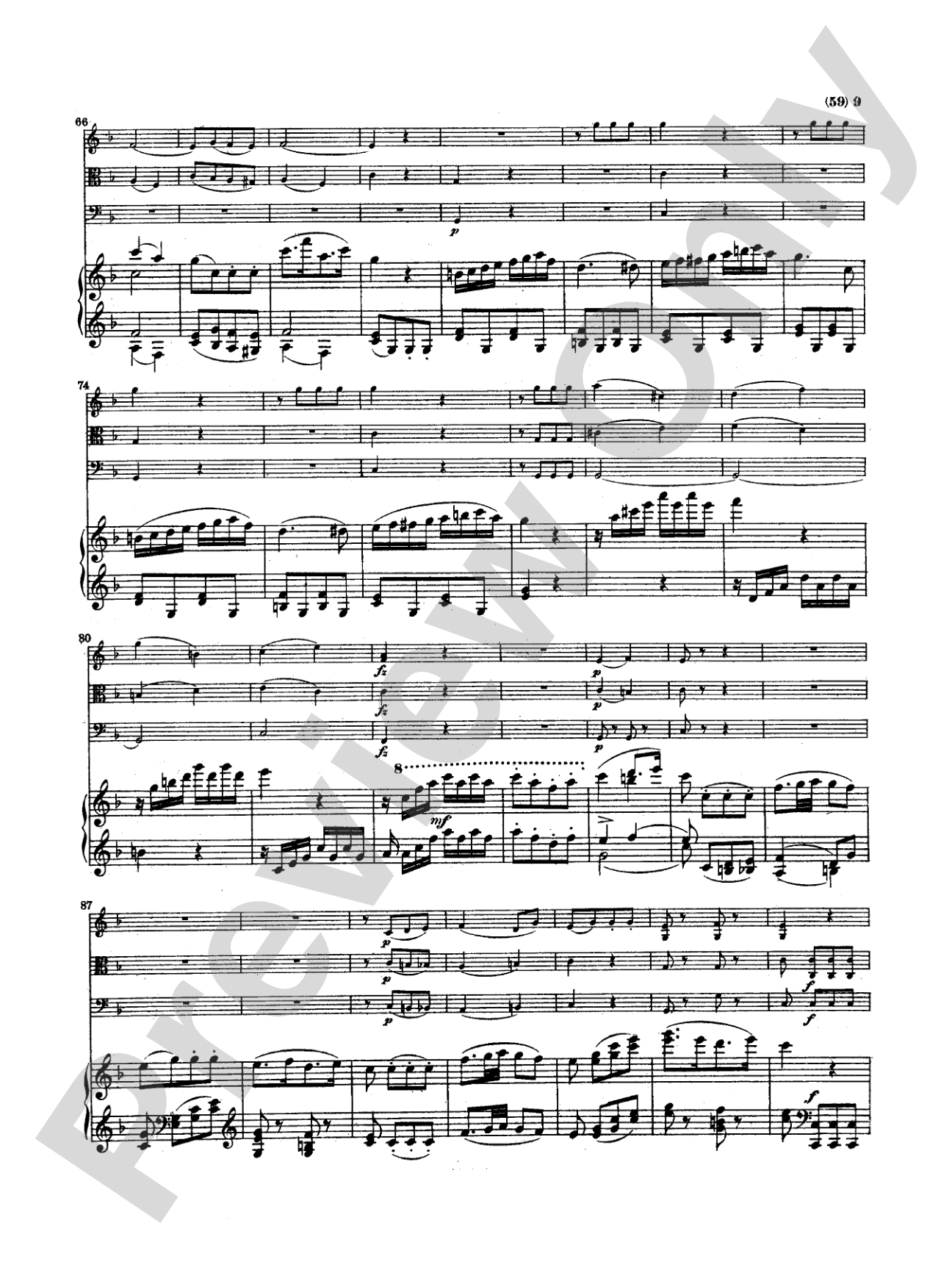
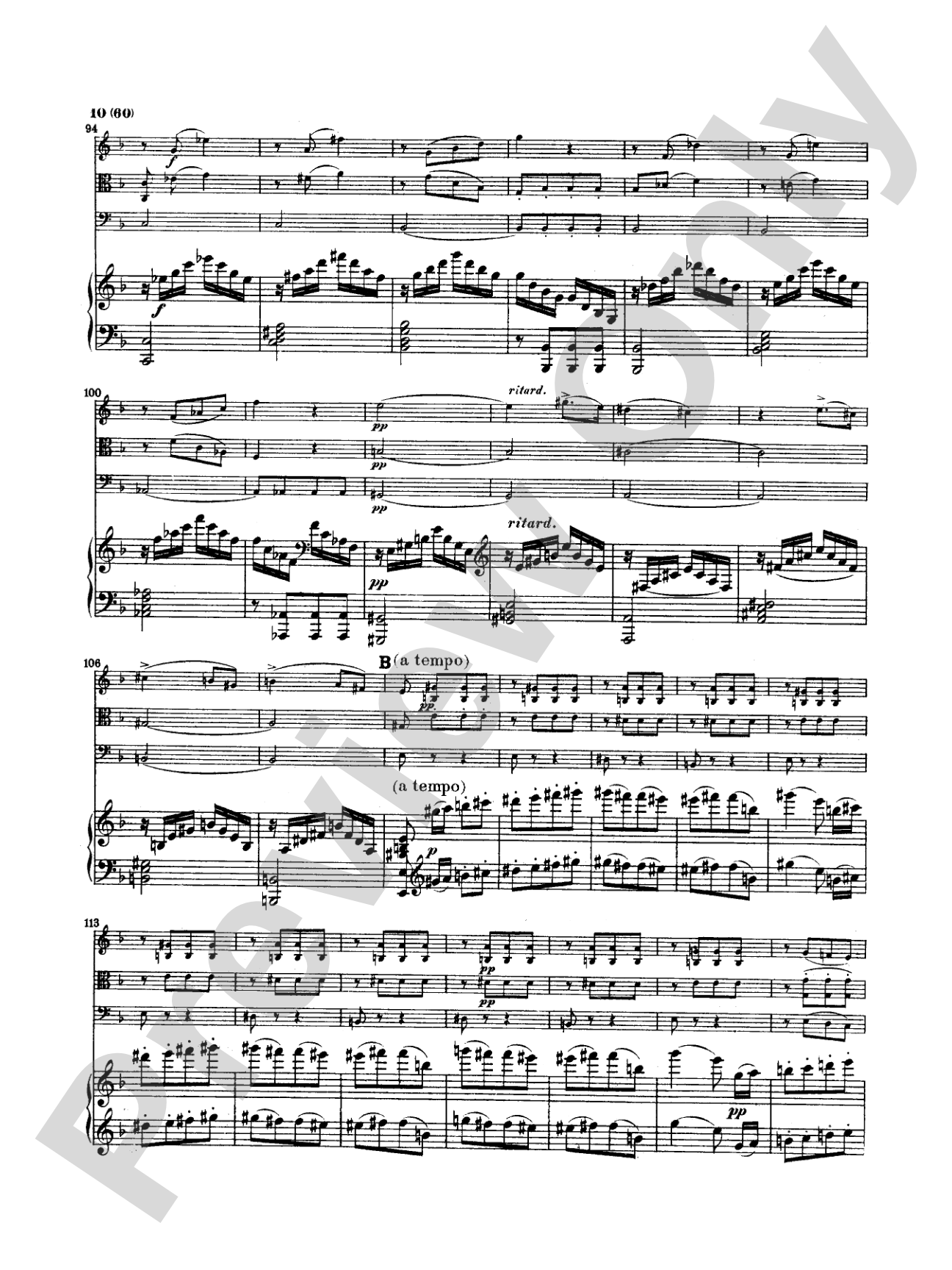
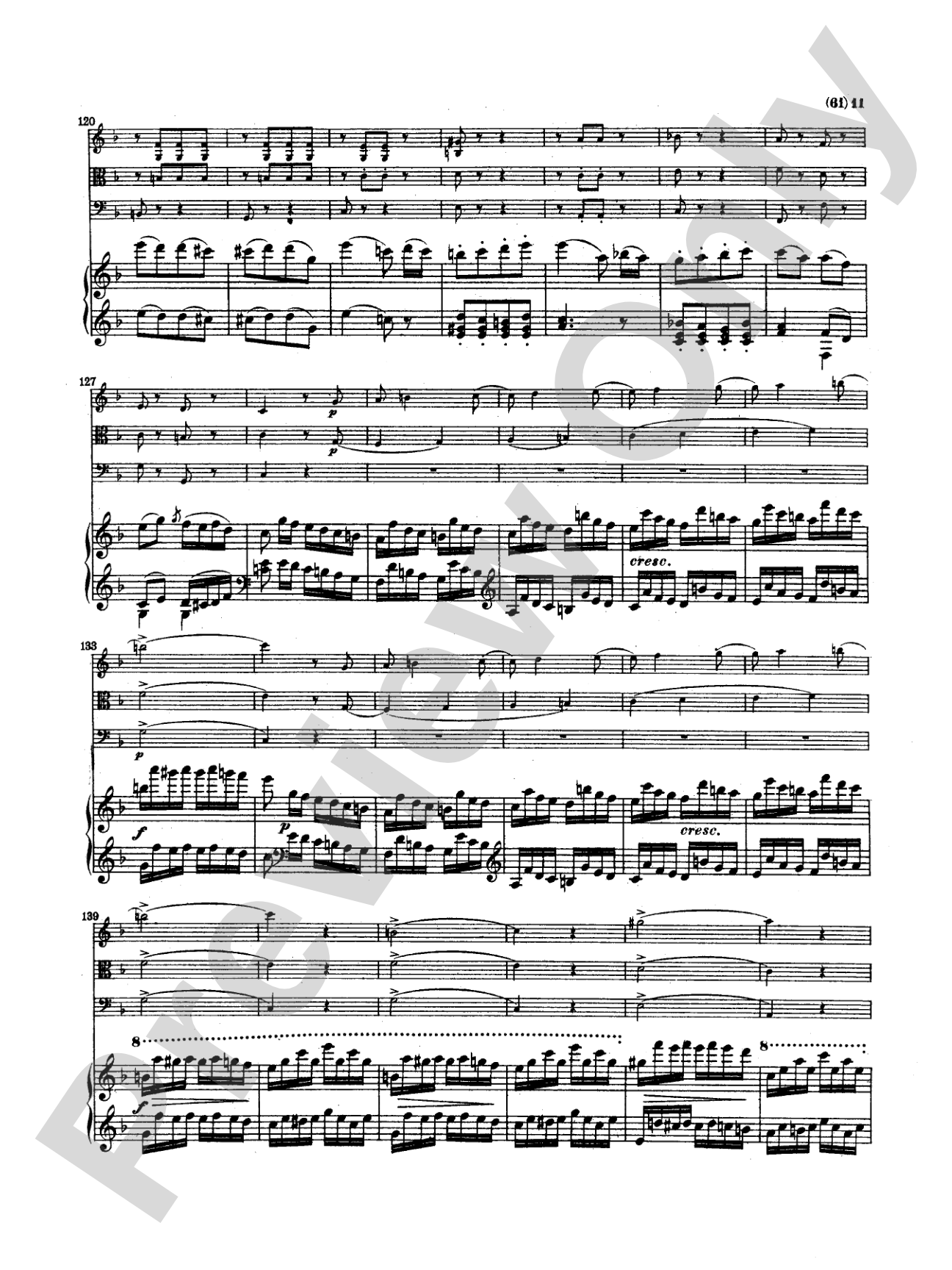
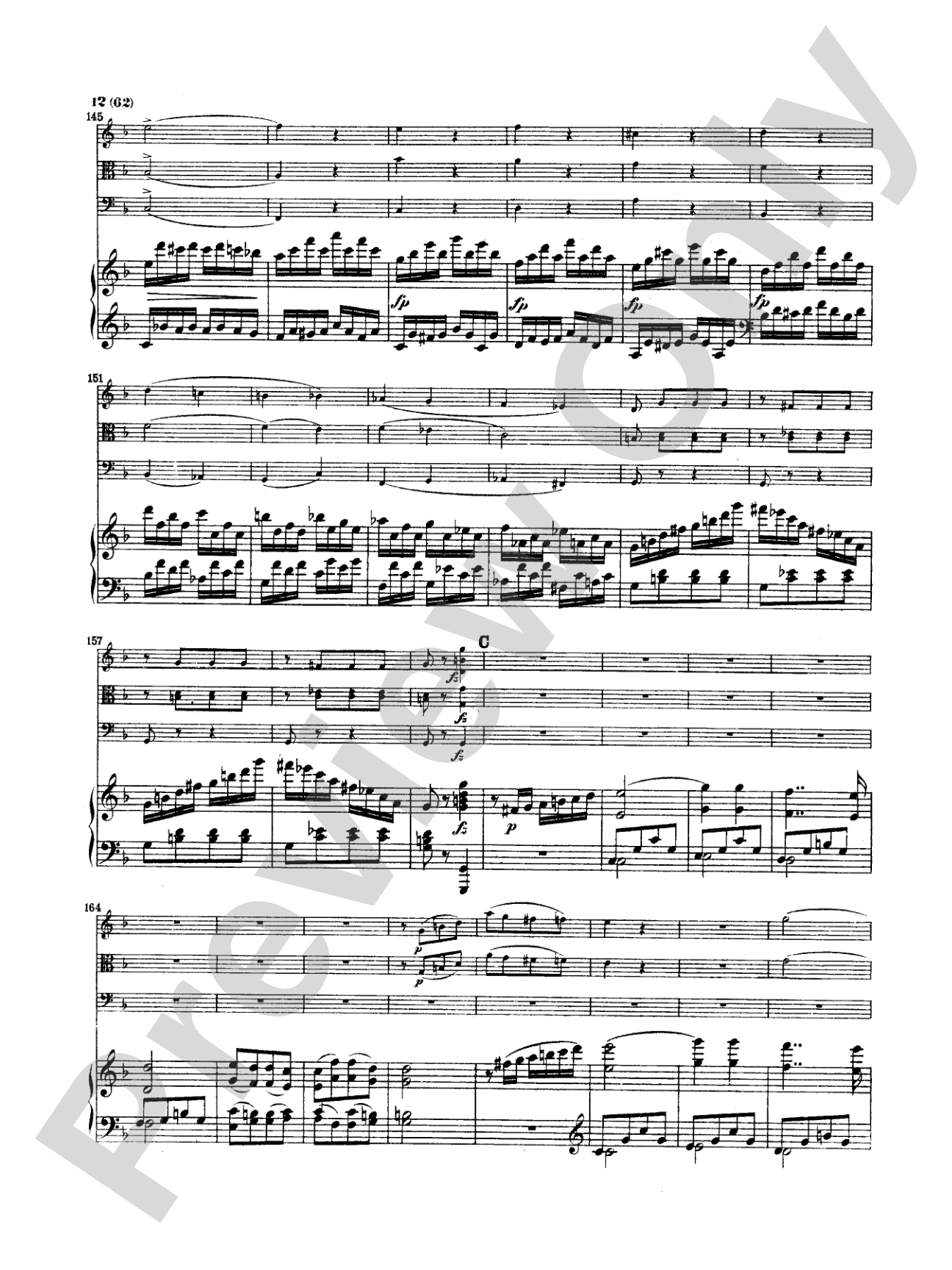
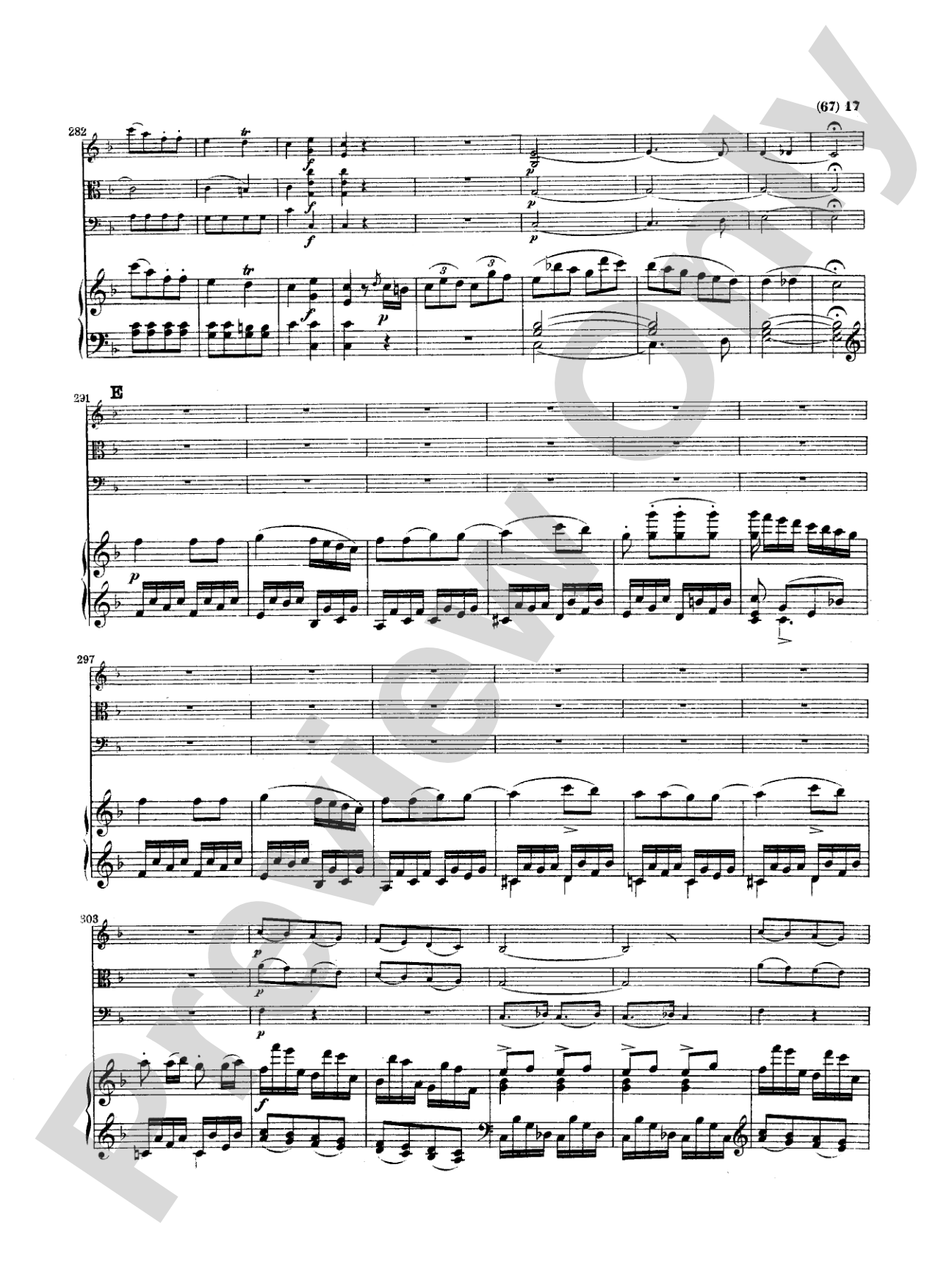
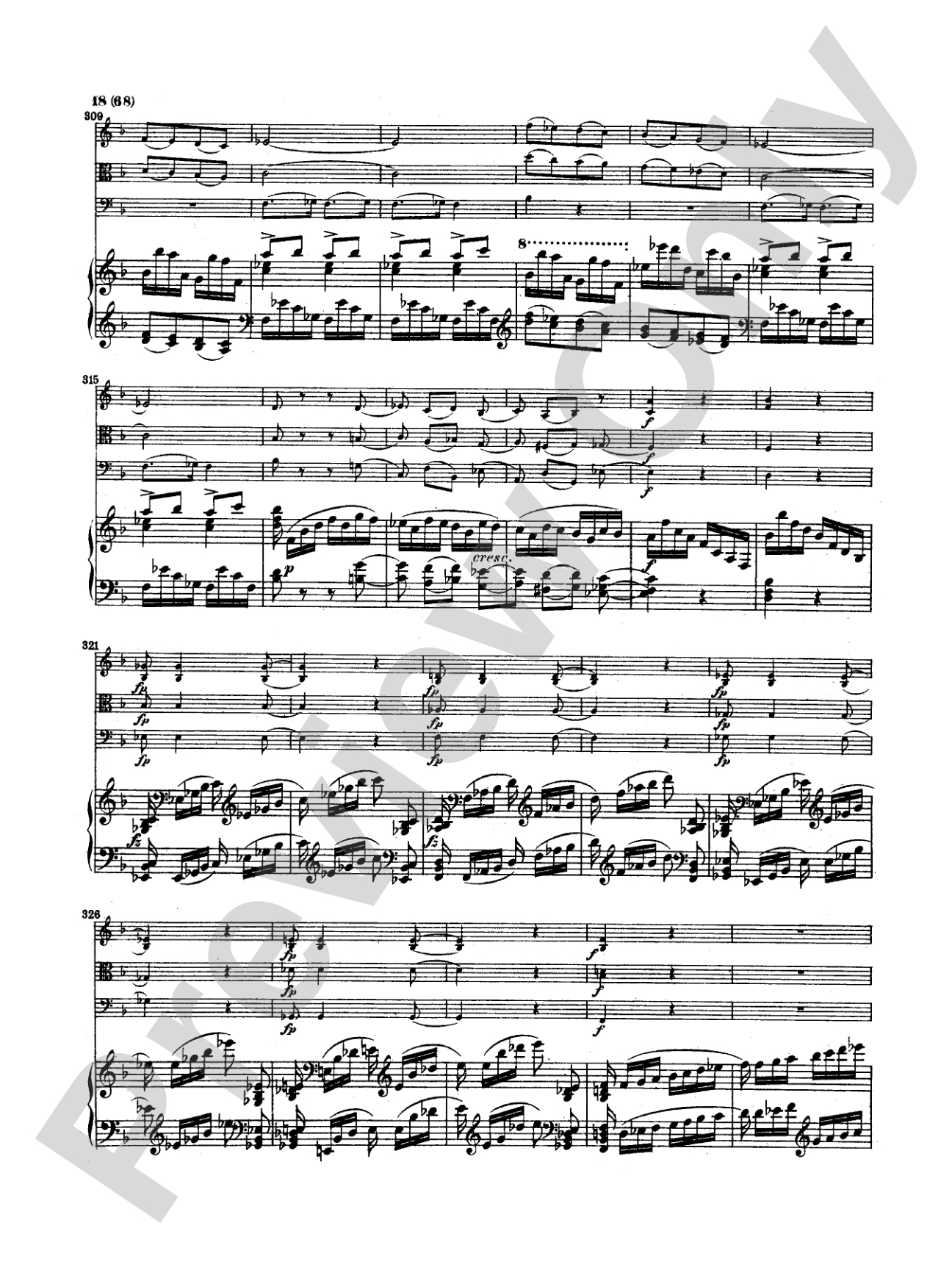
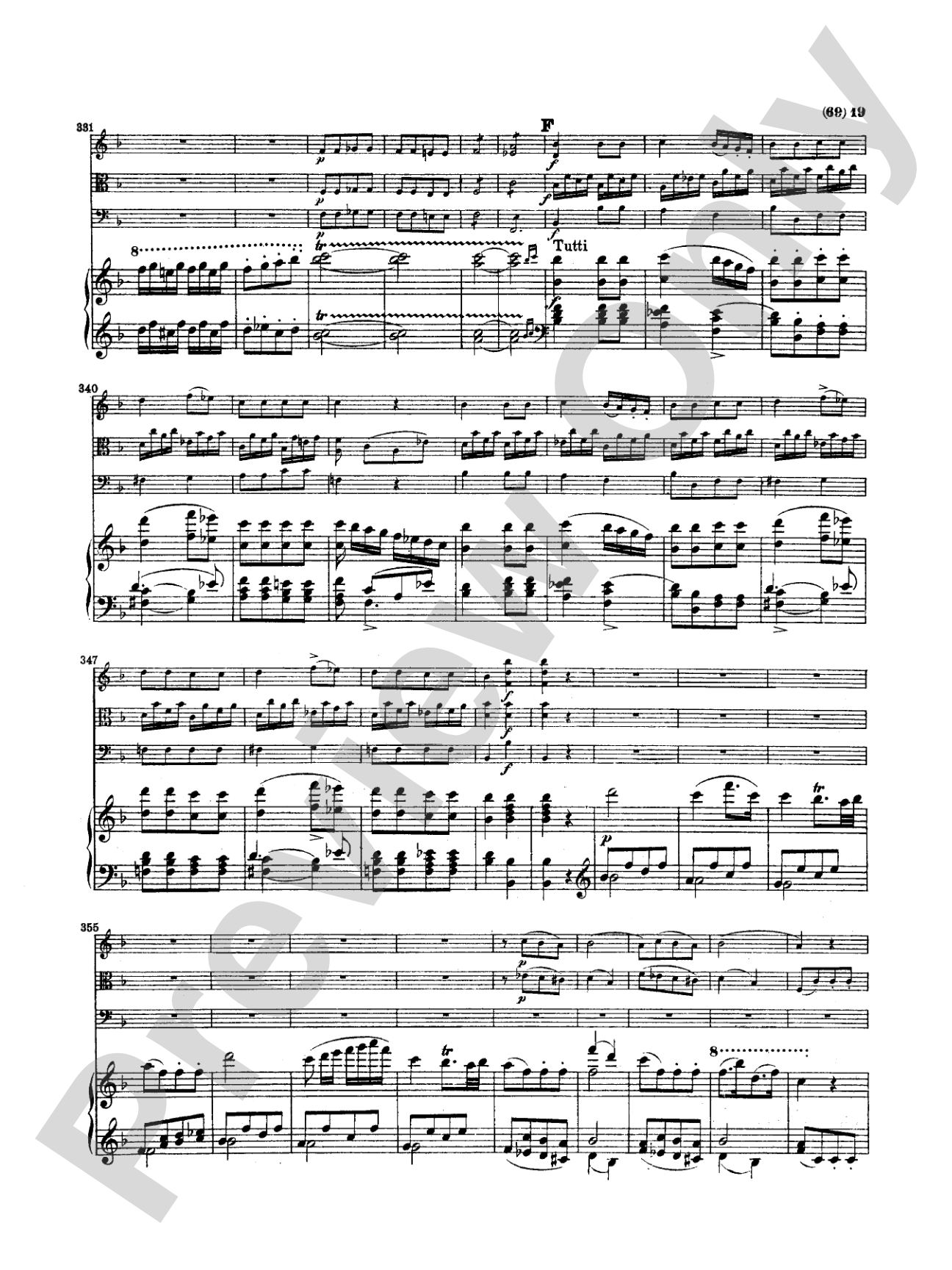
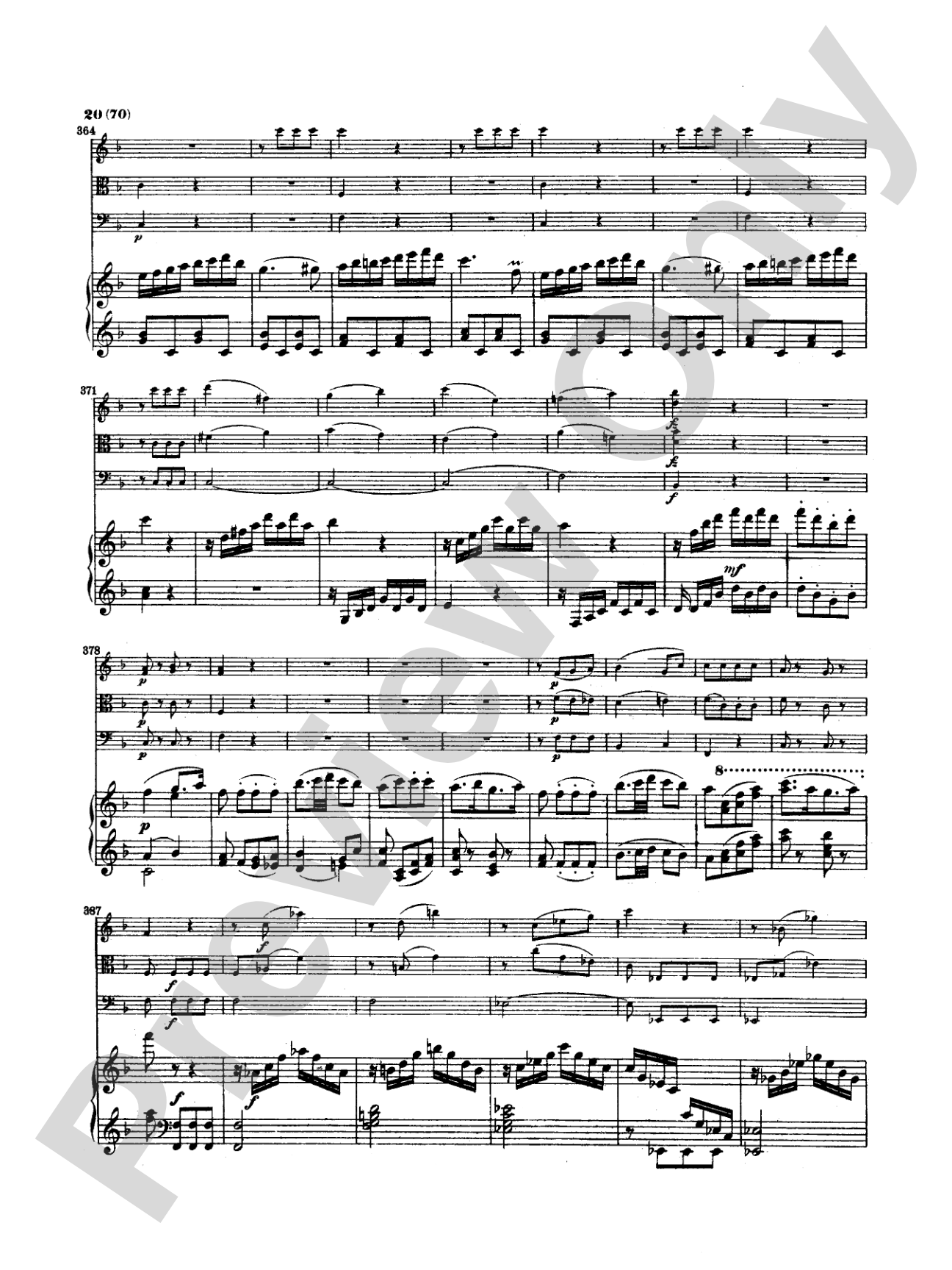
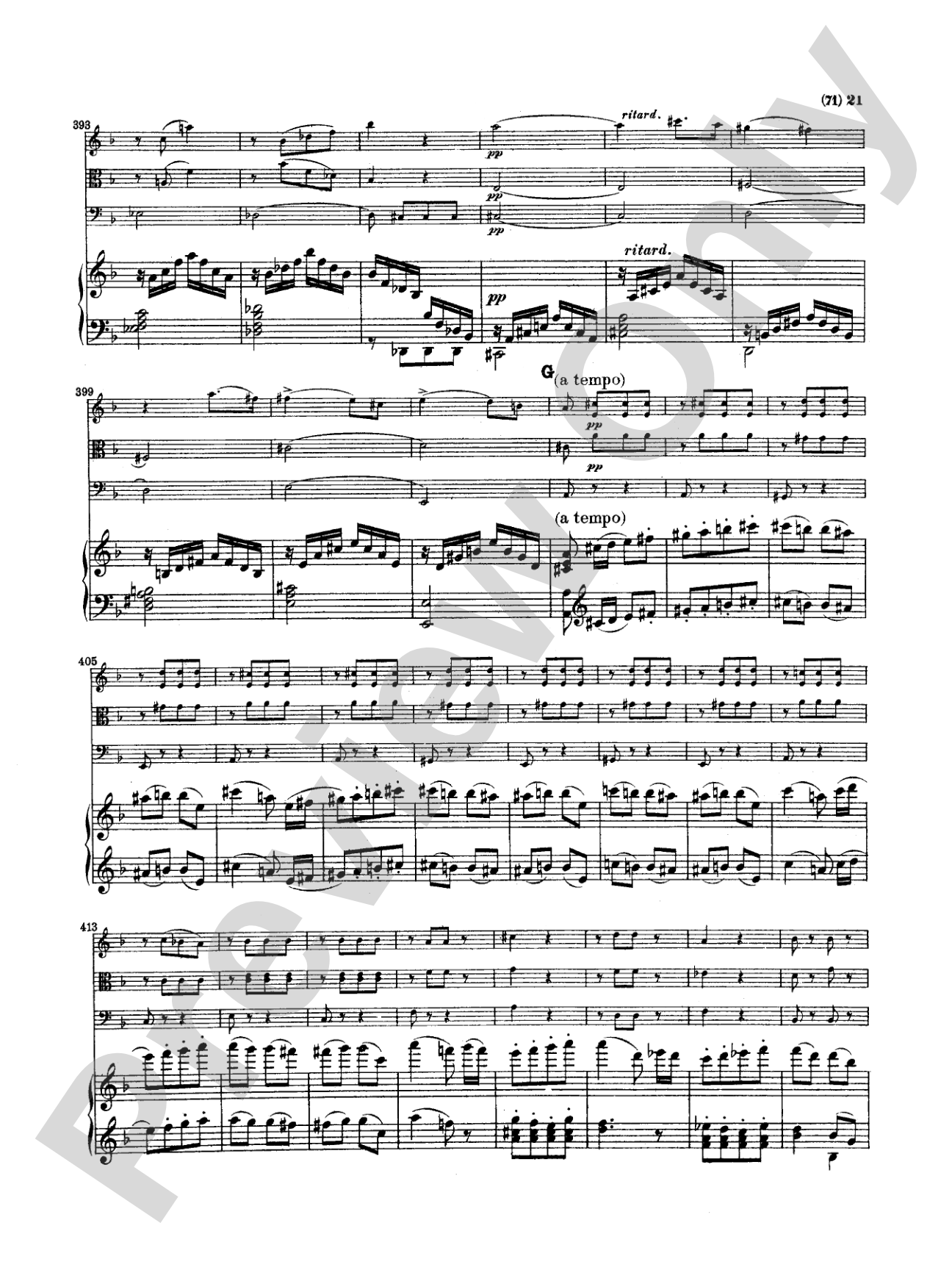
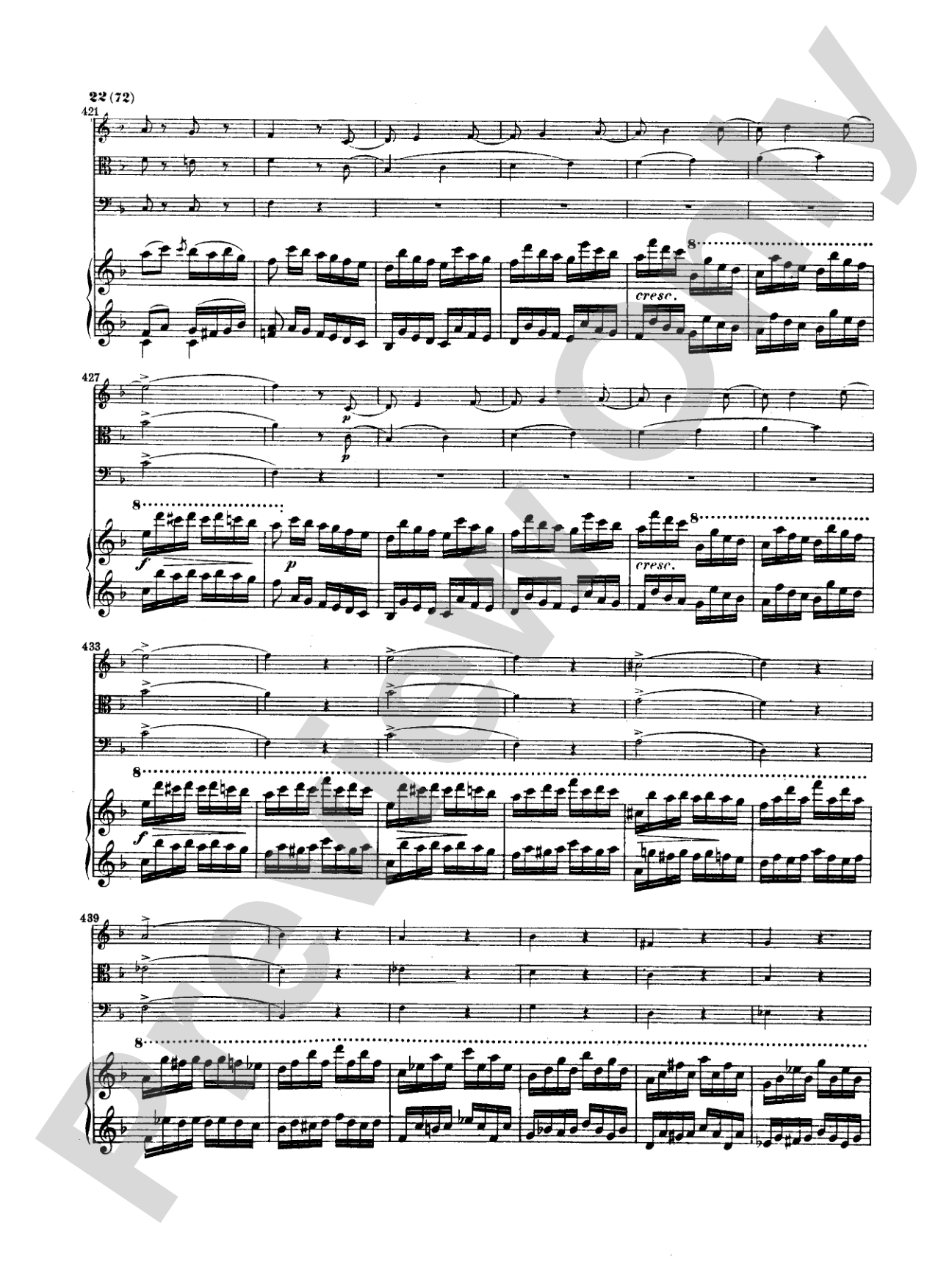
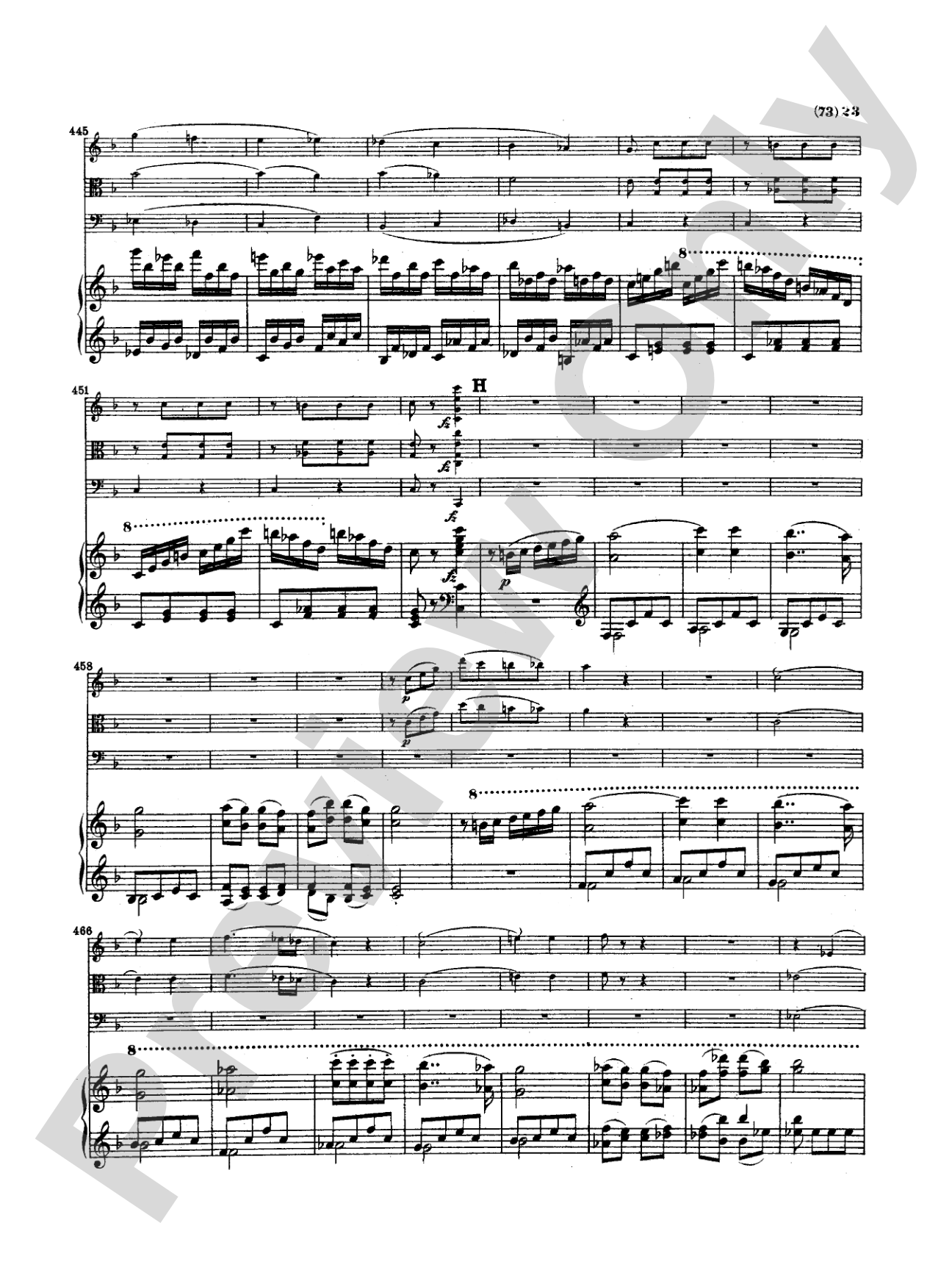
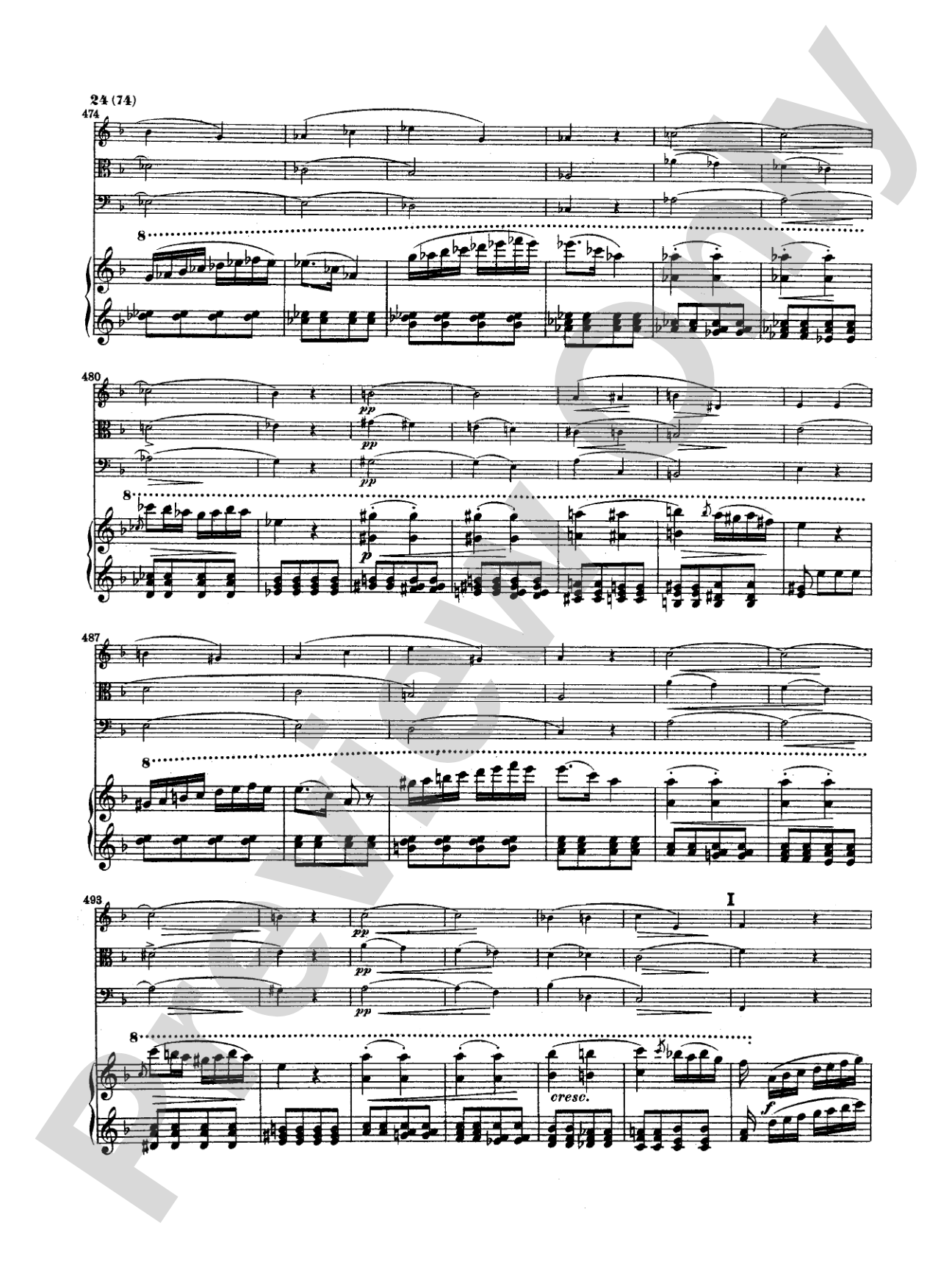


Schubert: Adagio and Rondo Concertant in F Major: Book
By Franz Schubert
Item: 00-PK-0003824

$9.95
Pickup currently not available
Buy Extra Parts (Digital PDF Download)
| Product | Price | Quantity |
|---|---|---|
| Schubert: Adagio and Rondo Concertant in F Major | $8.95 |
Parts Added to Cart!
Related Items
Adagio and Rondo Concertante in F Major: Book |
$9.95
|
View |
Description
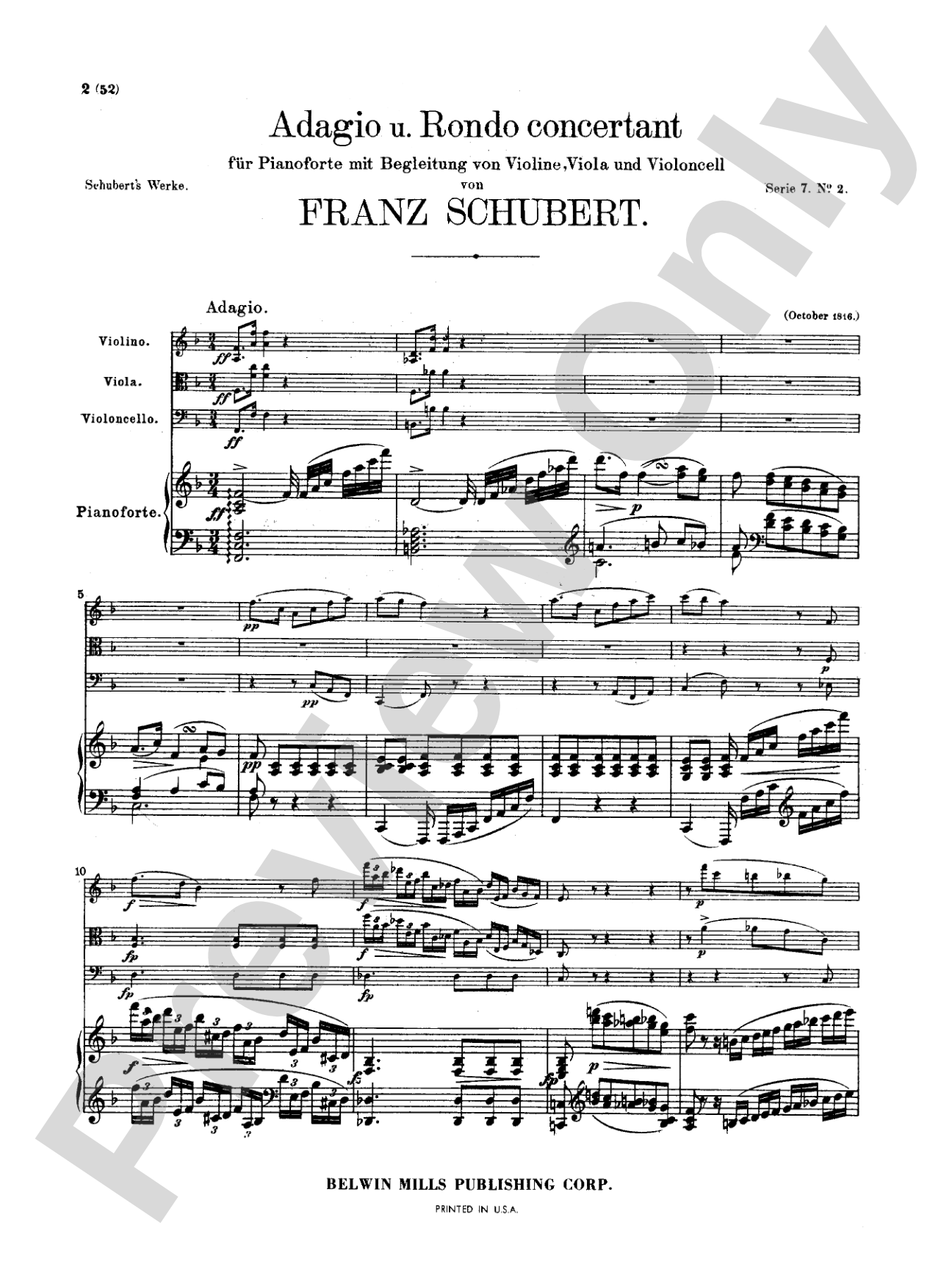
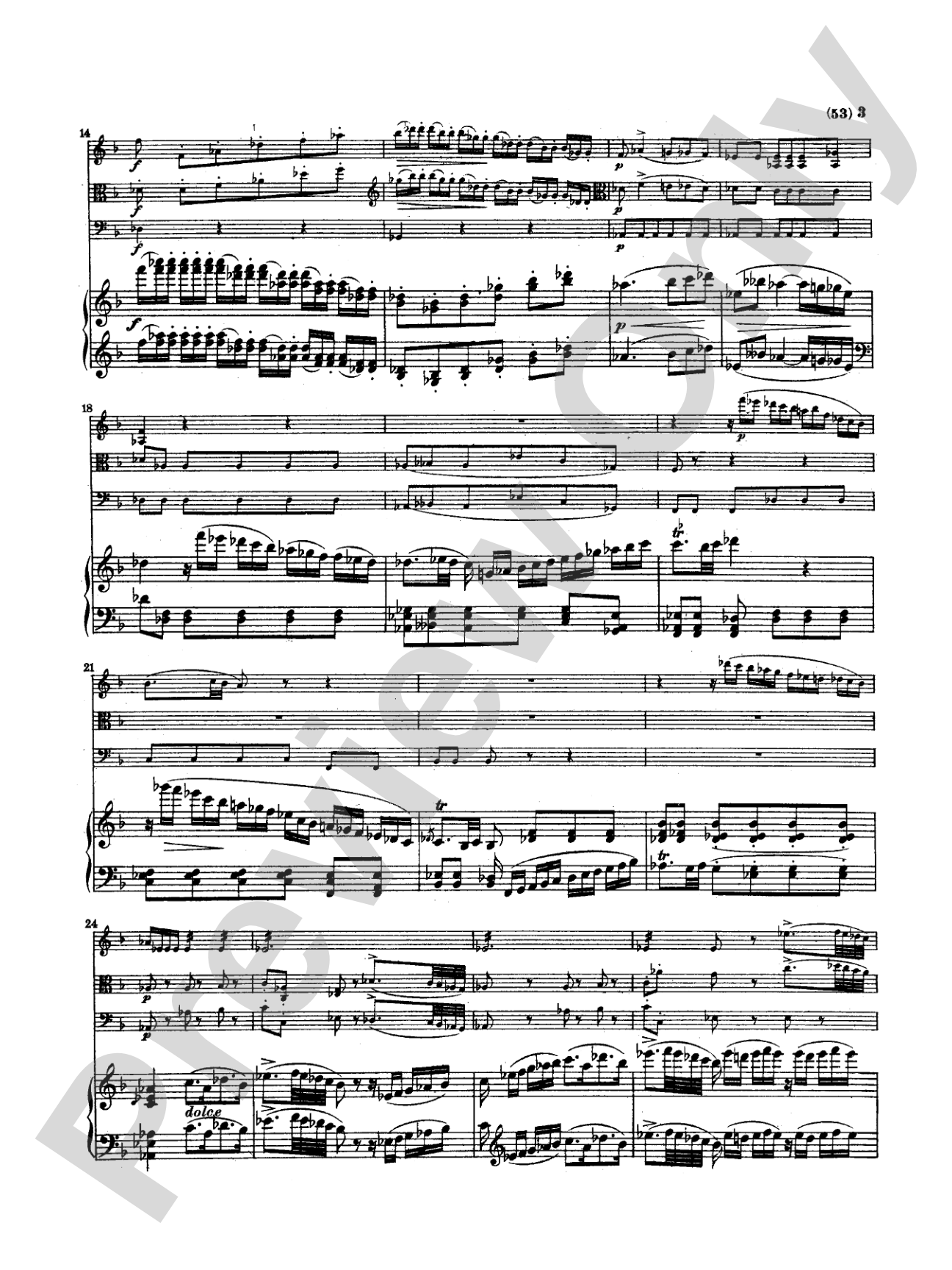
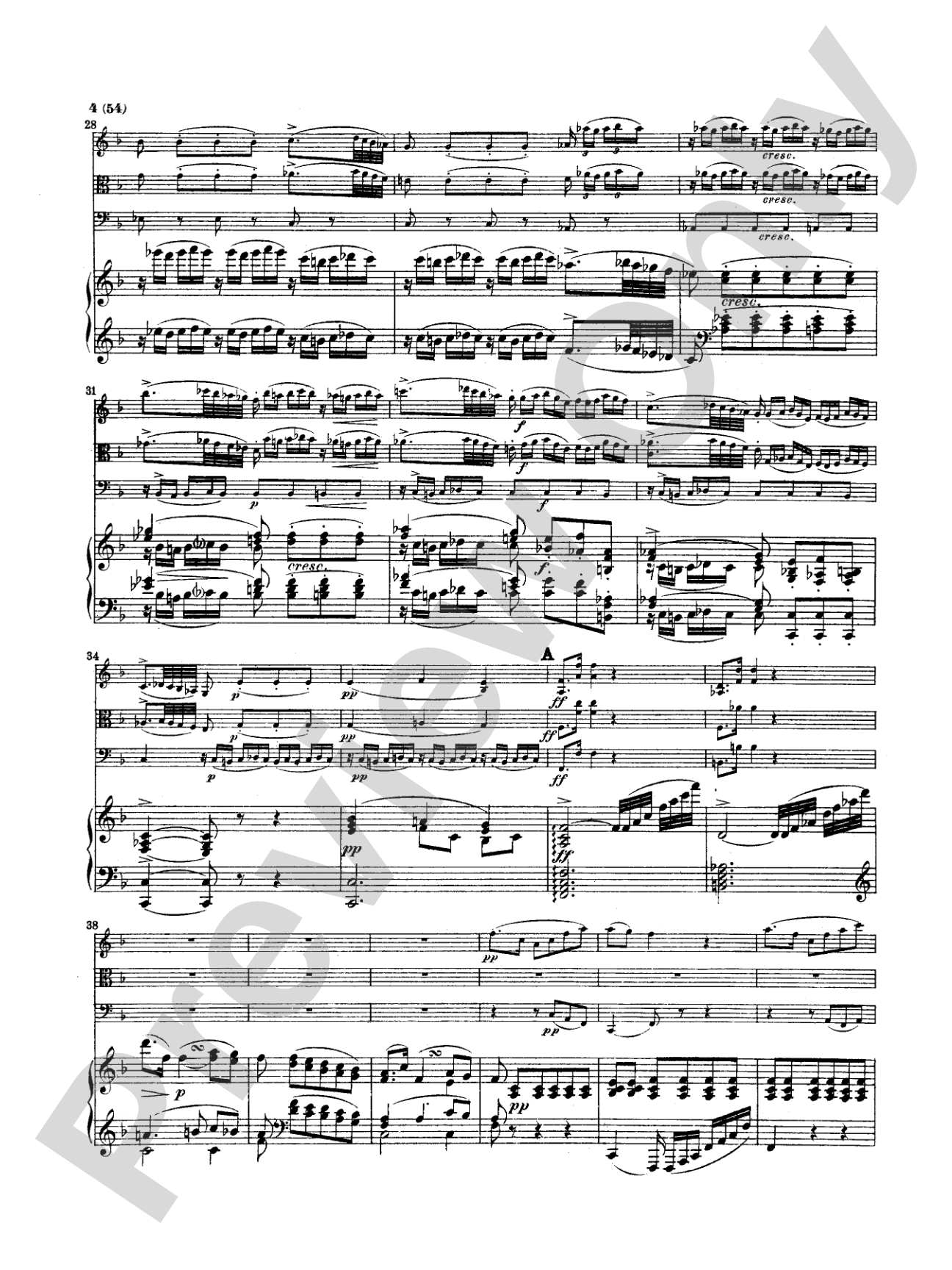
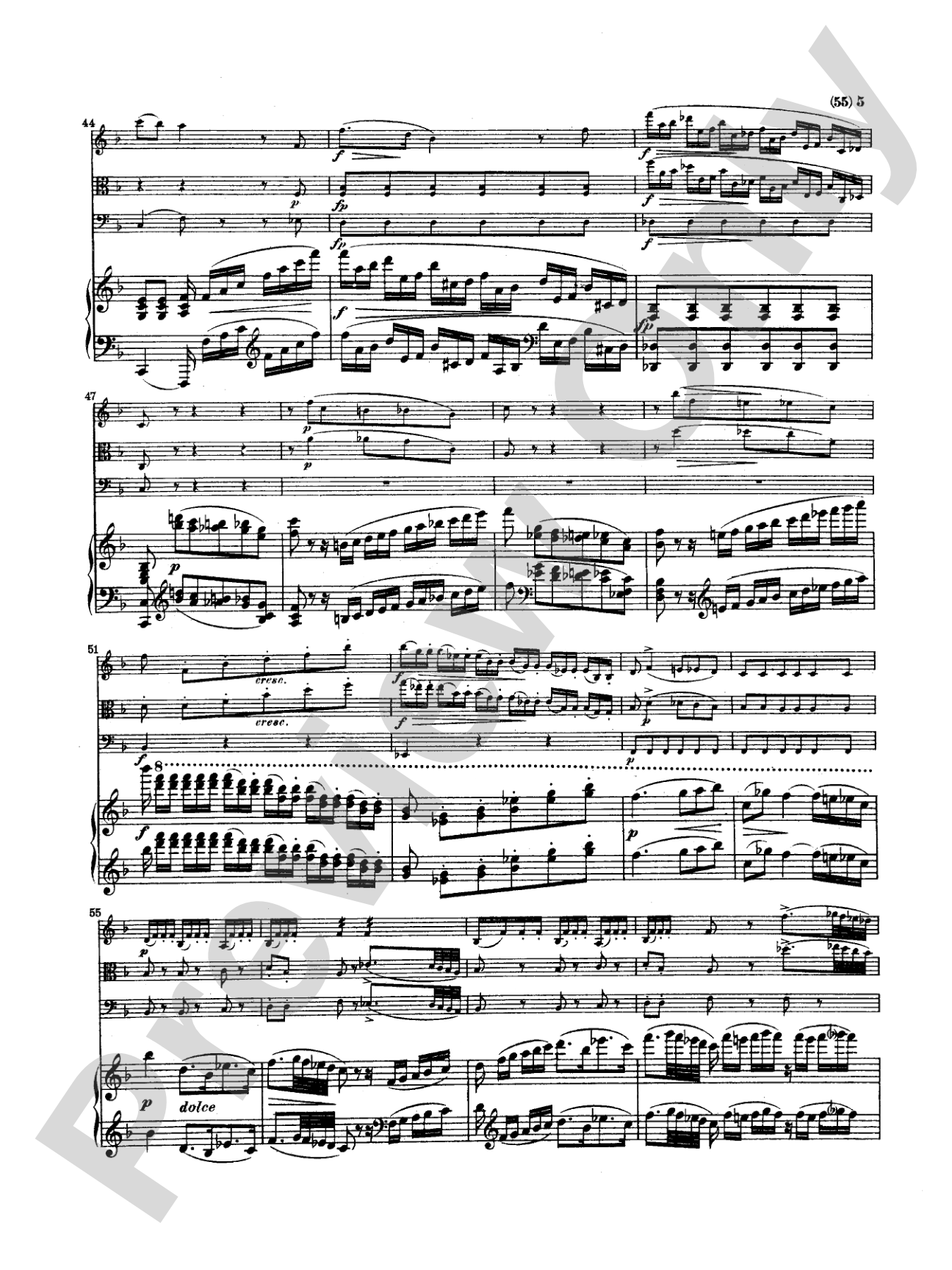
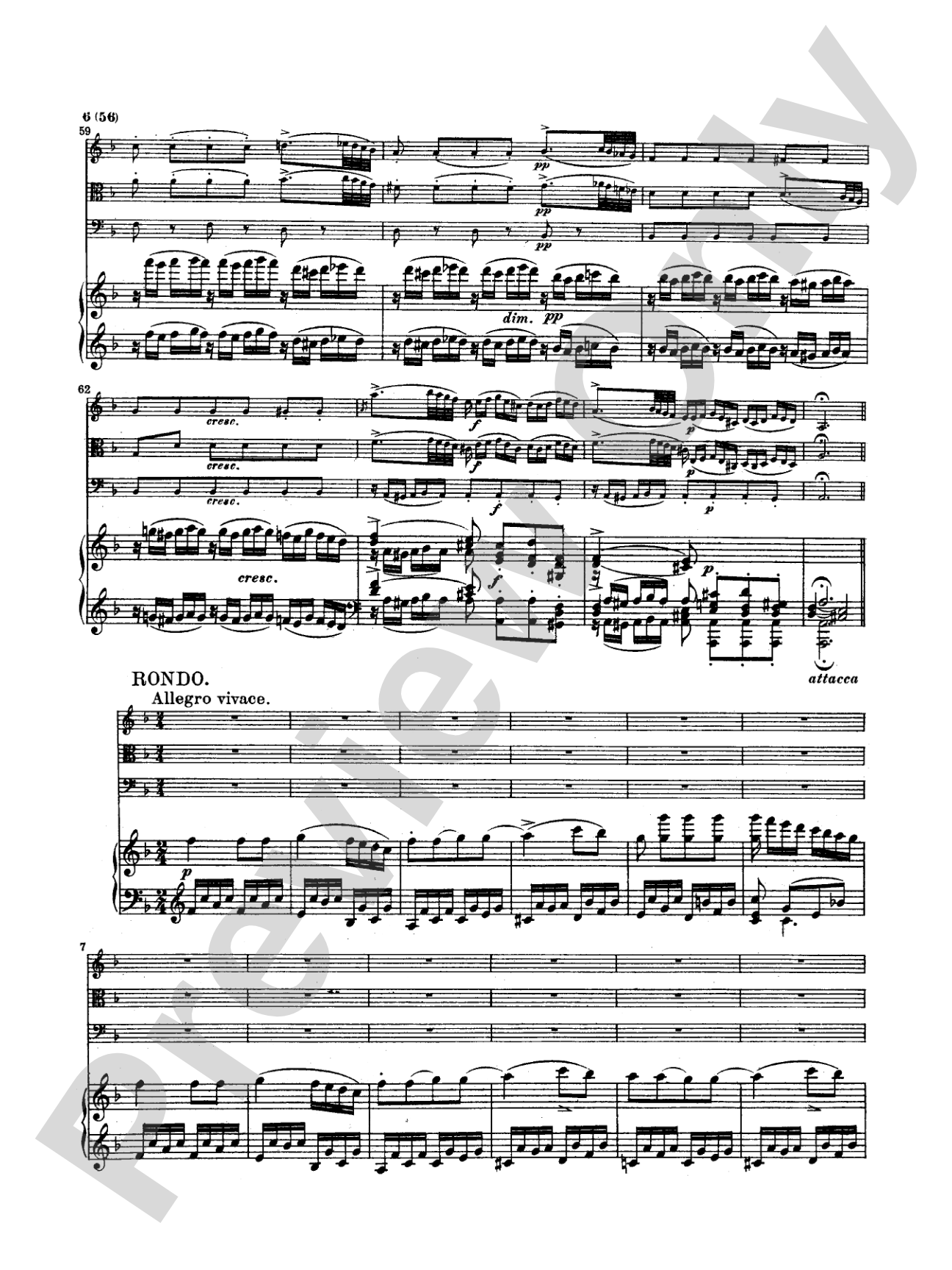
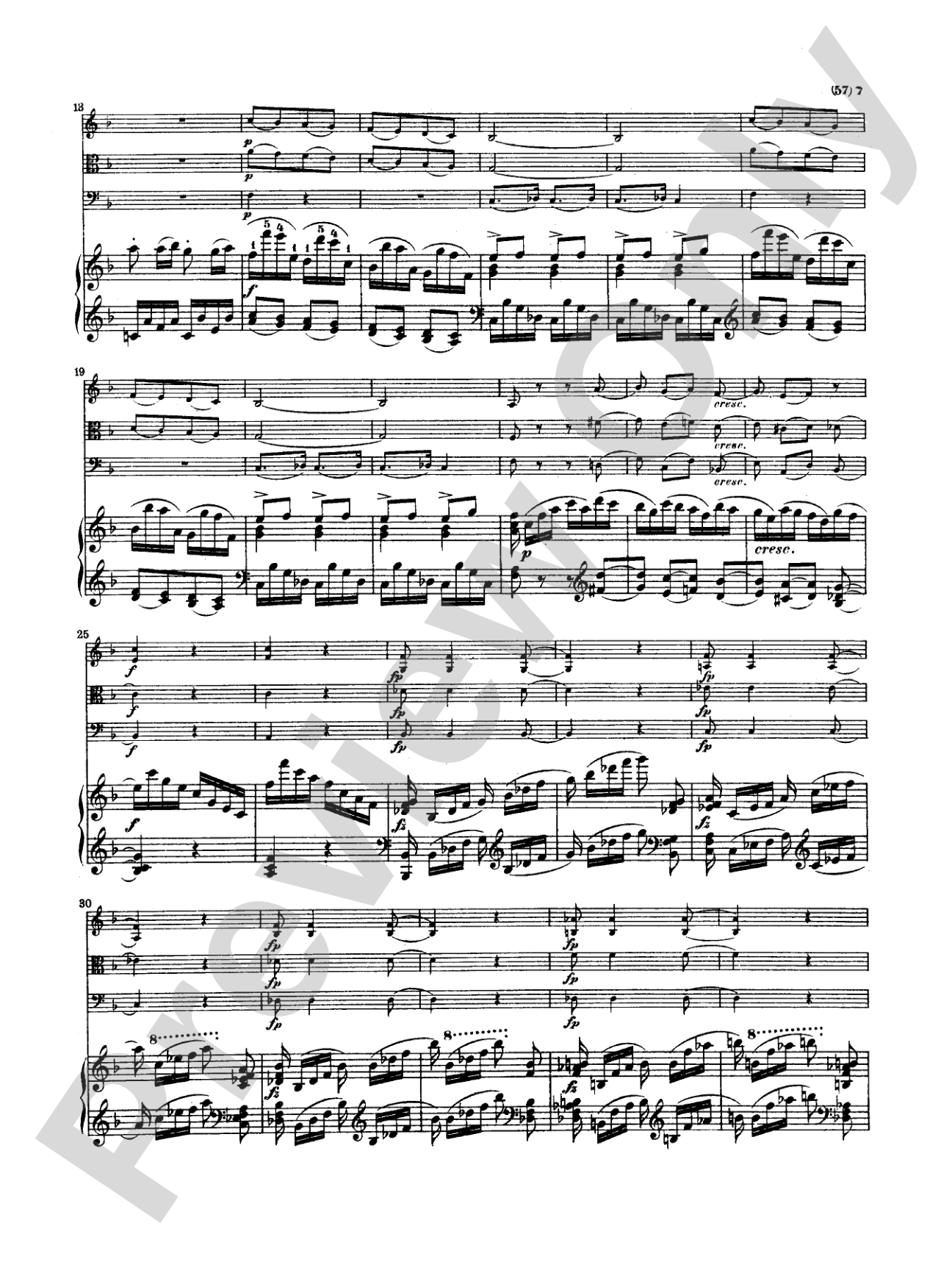
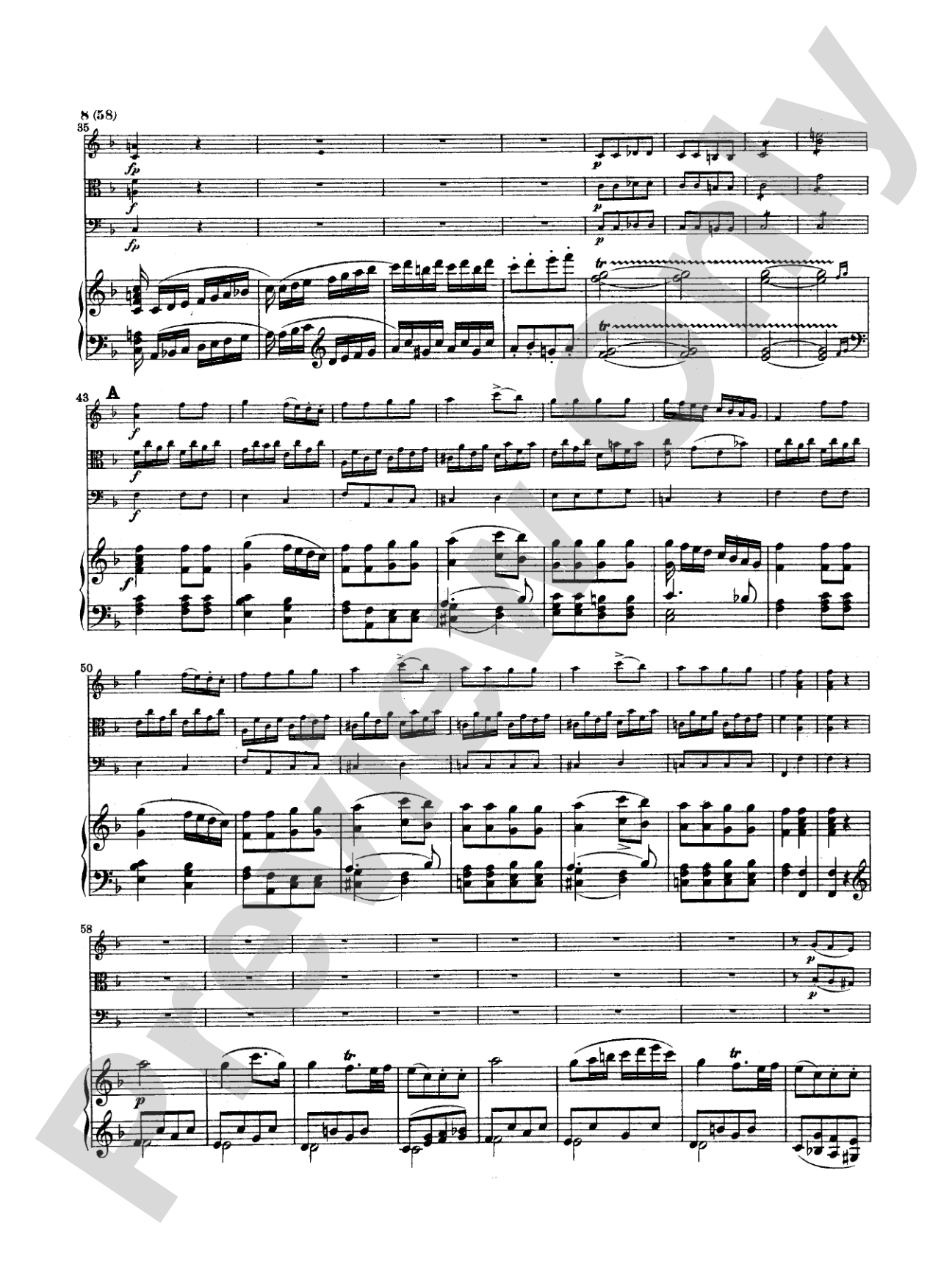
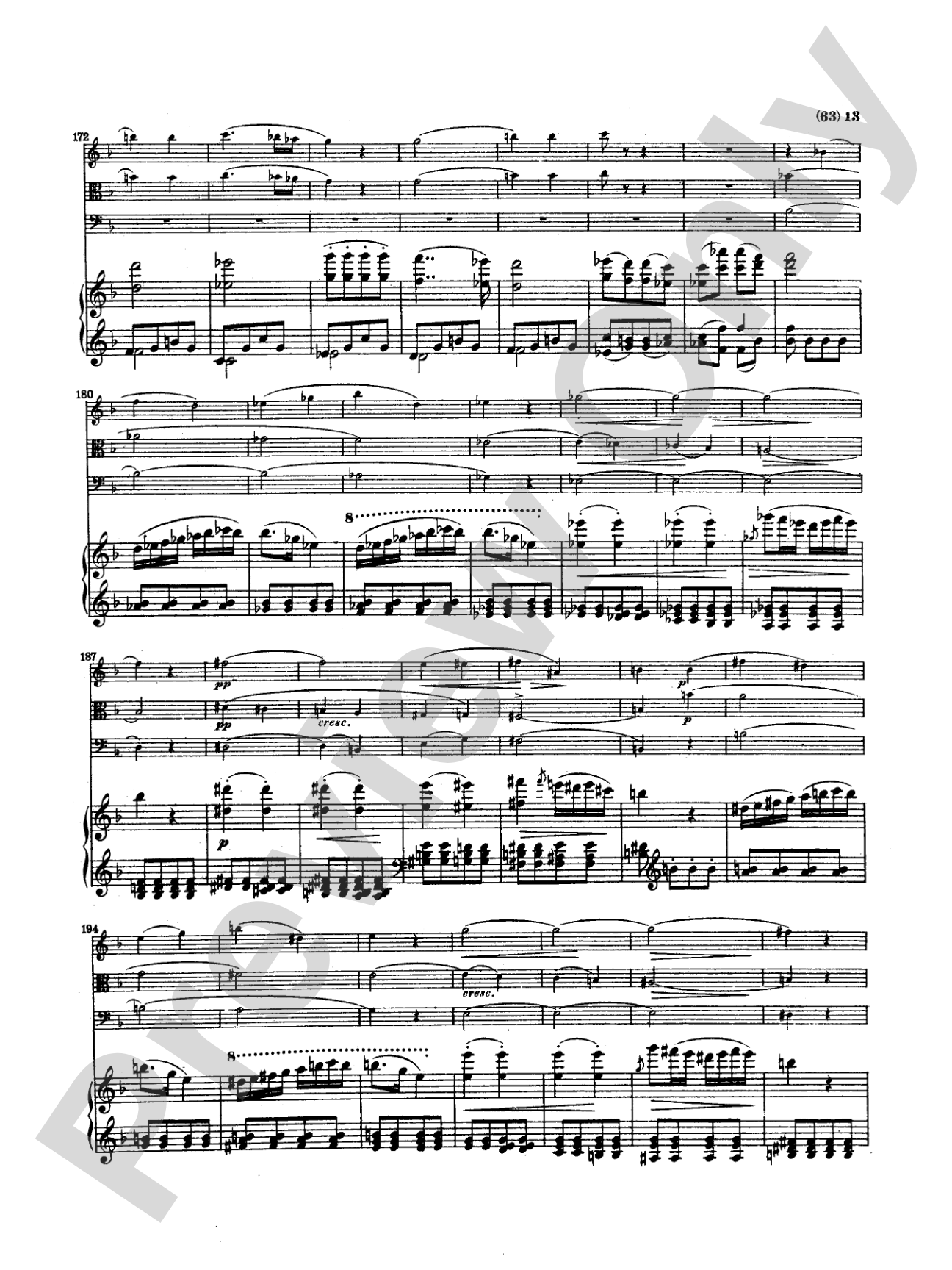
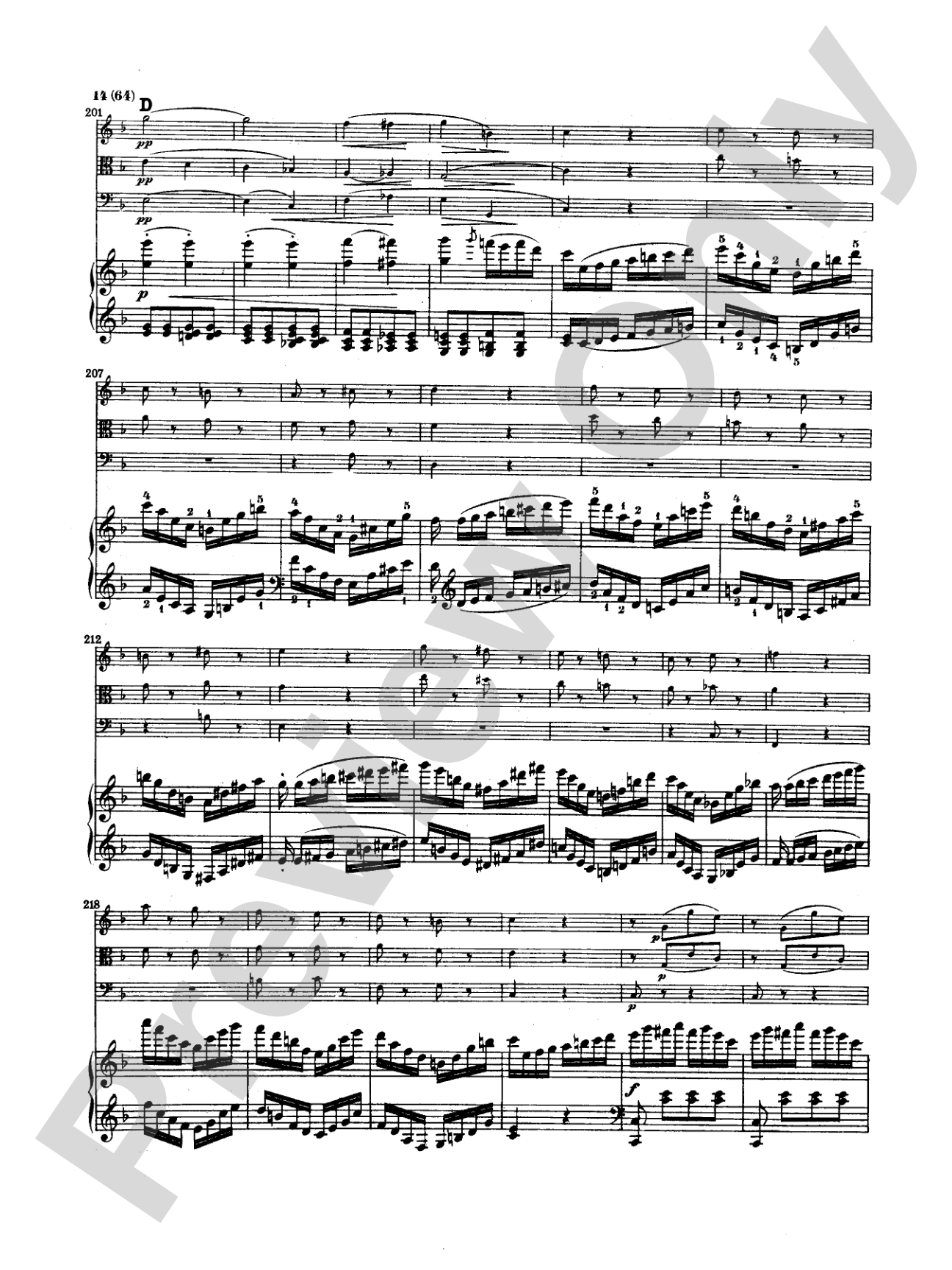
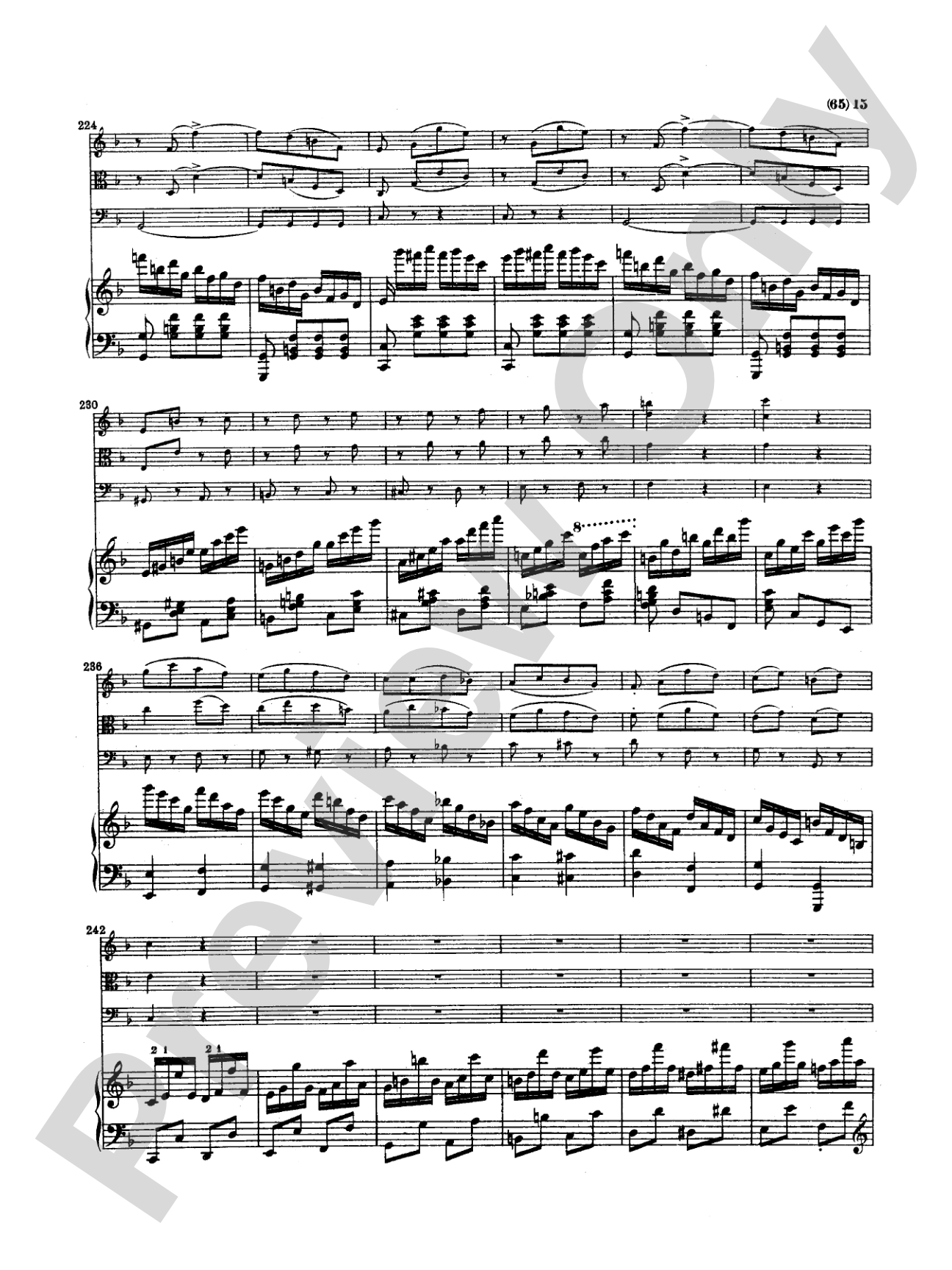
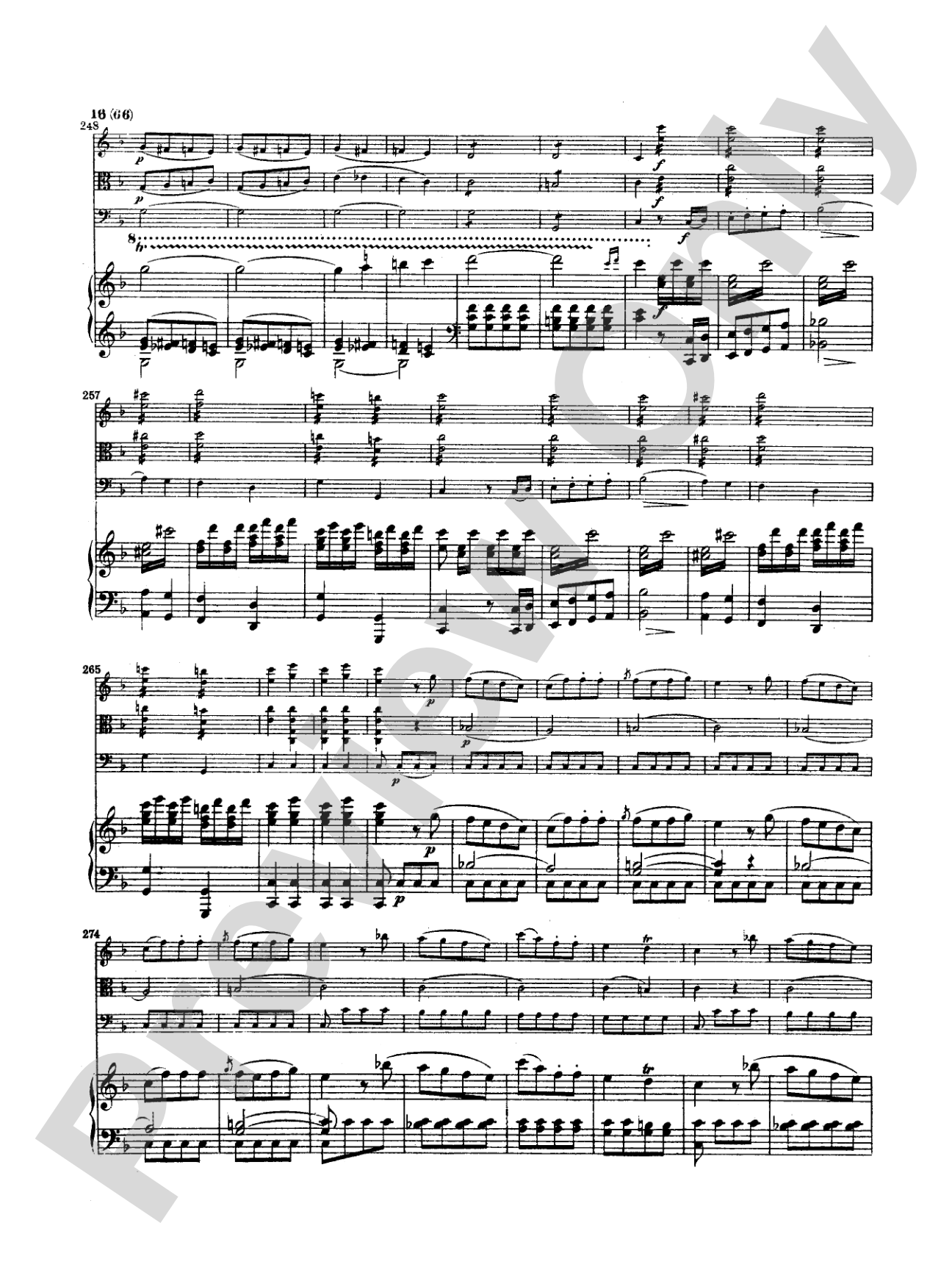
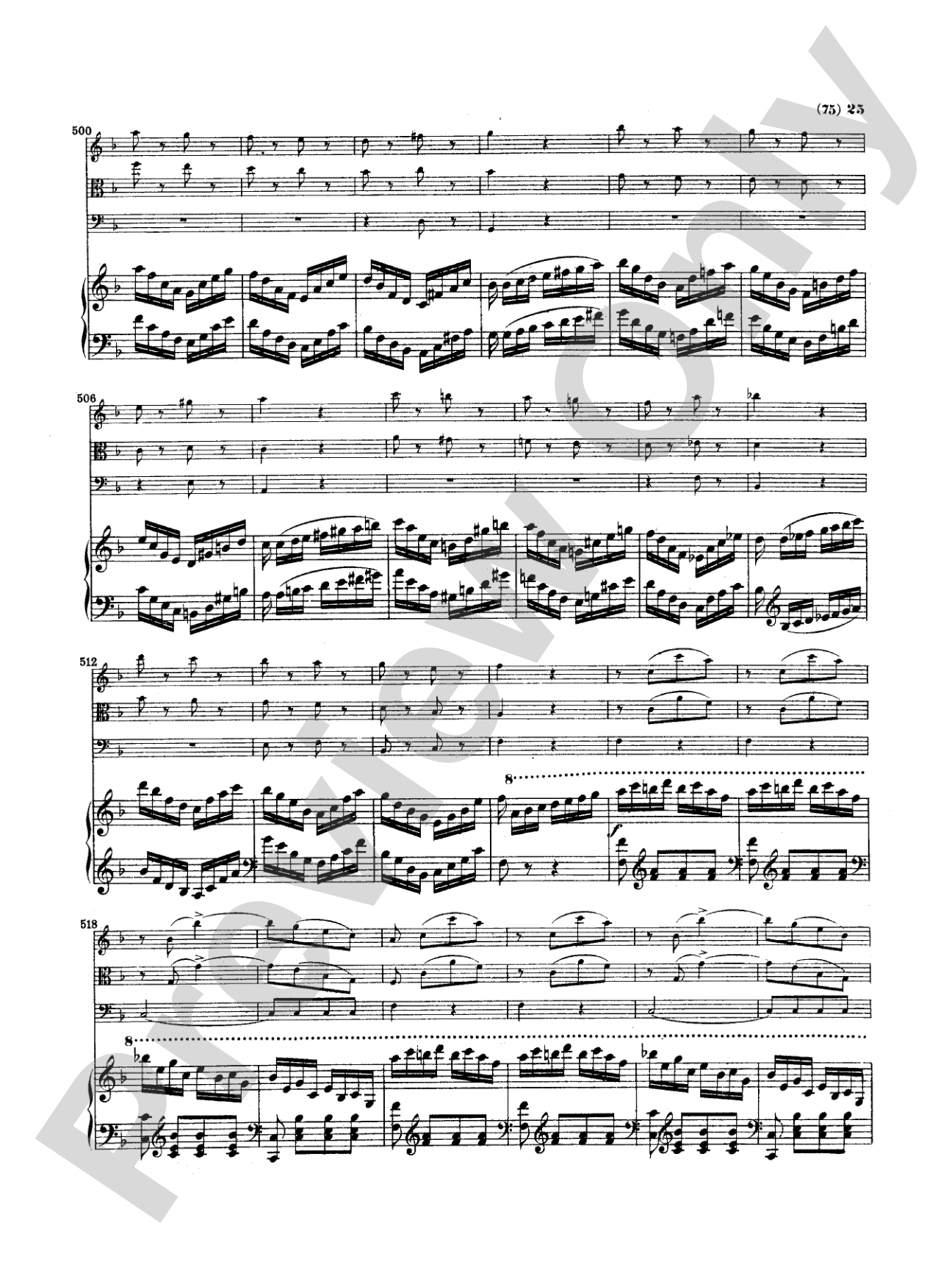
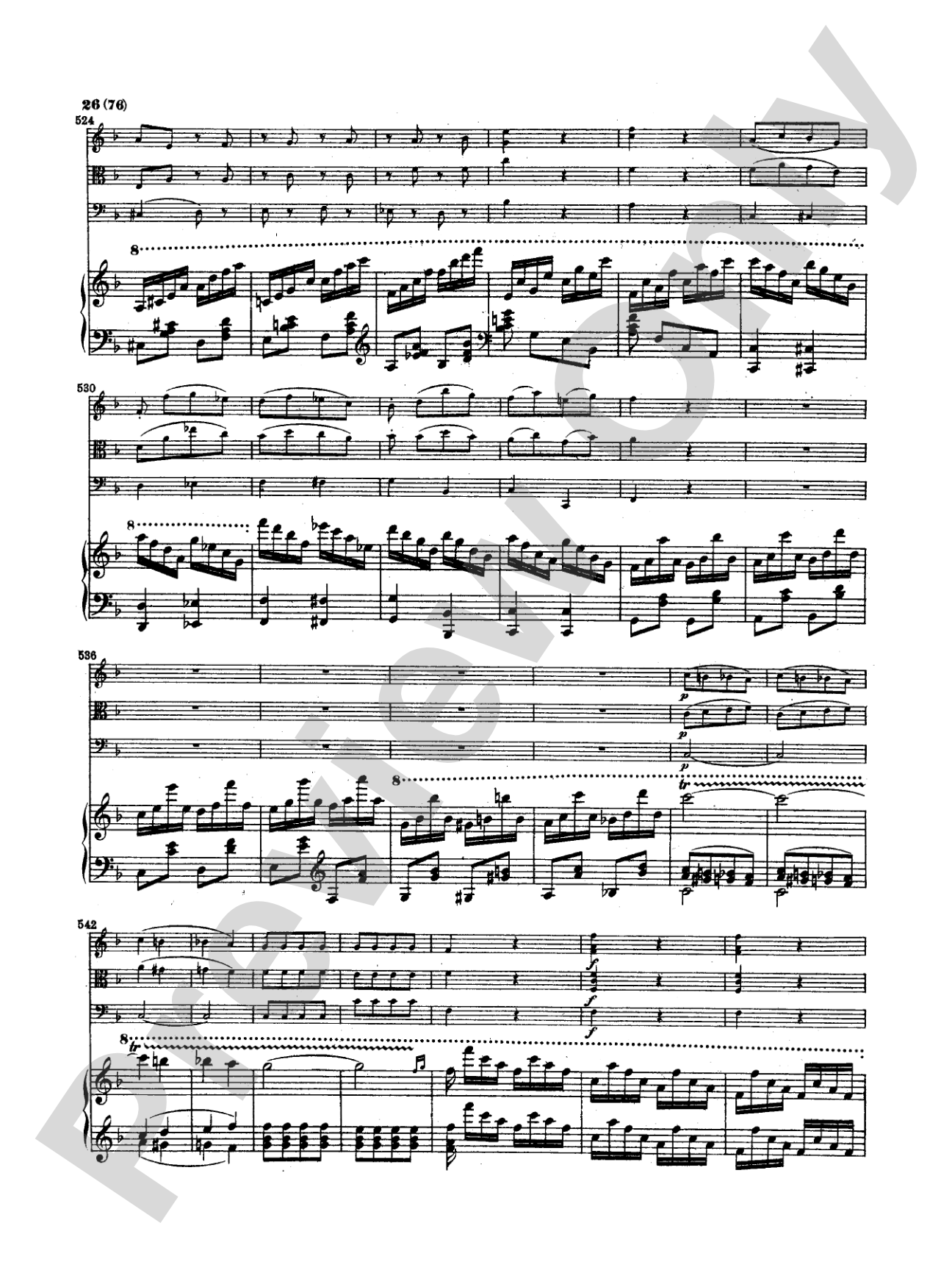
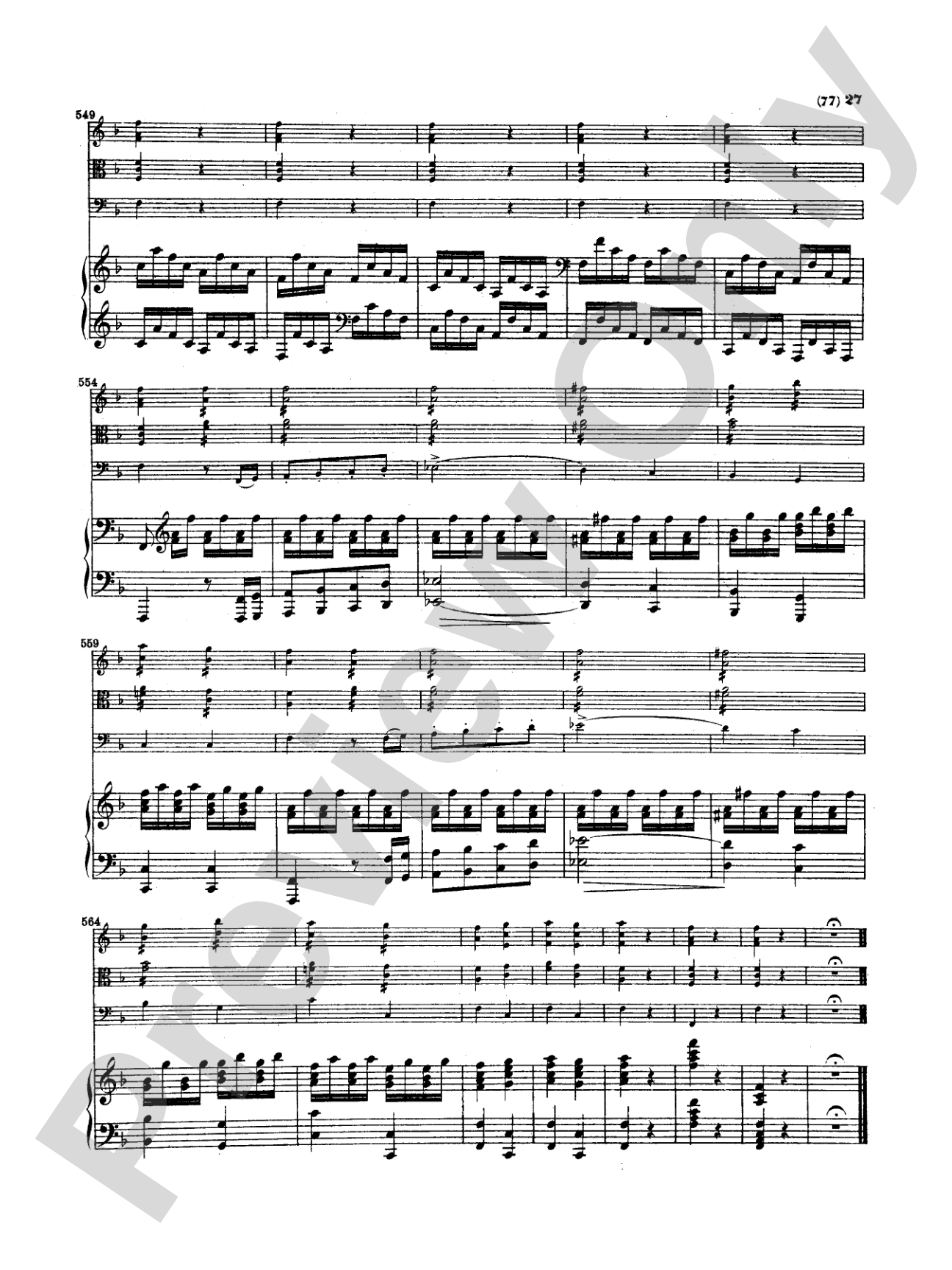
A concertant for Piano, Violin, Viola, and Cello, composed by Franz Schubert. A Federation Festivals 2020-2024 selection.


Don't just read it, hear it, play along with it, and watch your students grow with it. In MakeMusic Cloud, Schubert: Adagio and Rondo Concertant in F Major: Book comes alive with professional accompaniment, adjustable tempo, and built-in practice tools that turn solo practice into real progress.
Open in the Player
Jump straight in and assign it today.
Start Your Free Trial
Open this title and explore the full library in minutes.
Sample Audio
No sample audio found.
Sample Video
No sample videos found.
Additional Details
Series:
Kalmus Edition
Publisher:
Alfred Music
Page Count:
40
SKU:
00-PK-0003824
More about this title
About the Composer: Franz Schubert
Franz Schubert (1797-1828) composed over 600 works across every genre during his short lifetime, yet many remained unpublished until decades after his death. His chamber music represents the bridge between Classical form and Romantic expression, combining the structural clarity of Haydn and Mozart with unprecedented harmonic depth and lyrical richness. Schubert's string works in particular showcase his gift for writing singable, memorable melodies while treating ensemble voices with equal sophistication.
The Adagio and Rondo Concertant exemplifies Schubert's mastery of the four-part string texture. Written late in his career, it reflects his mature compositional voice and remains a cornerstone of chamber music literature, valued for its emotional directness and technical demands on all players.
Why we love this
This work sits at a sweet spot for advanced chamber ensembles: it demands real maturity and polish without the concerto virtuosity that can overshadow ensemble balance. The dialogue between instruments feels inevitable rather than showy, and the emotional arc from introspection to lively brilliance gives players something genuinely meaningful to shape and communicate.
What to expect
The opening Adagio unfolds with intimate introspection, as if four friends are having a confidential conversation. The Rondo that follows sparkles with grace and momentum, balancing its Classical architecture with sudden moments of Romantic warmth and unexpected harmonic turns.
Who it's for
Advanced high school and college chamber ensembles ready to tackle Romantic-era masterworks. Quartets preparing for festival competitions or concert series will find a work that rewards serious preparation and yields impressive results.
How to get the most out of it
- Balance the cello line carefully in the opening Adagio, where it carries essential harmonic underpinning. The movement works only when all four players hear it as a complete conversation.
- Shape the second violin and viola parts with the same care you give the melody. Schubert writes beautiful counterpoint in these voices that often gets buried.
- In the Rondo, maintain a dance-like lightness without sacrificing the piece's inherent dignity. The tempo should breathe naturally rather than rush.
- Work intonation passages as a quartet unit rather than by part. Schubert's chromatic harmony exposes tuning issues immediately.
How to use it
Position this as a centerpiece work on a chamber music concert, where its 40-page scope allows for programming depth without dominating the evening. It works beautifully alongside other Schubert chamber works or as the ambitious anchor piece on a quartet recital.
Skills your students will build
- Sustained intonation in chromatic harmony
- Ensemble balance and voice-leading independence
- Romantic-era phrasing and harmonic awareness
- Dialogue and responsiveness between four equal players
- Interpretation of Classical form with Romantic expression