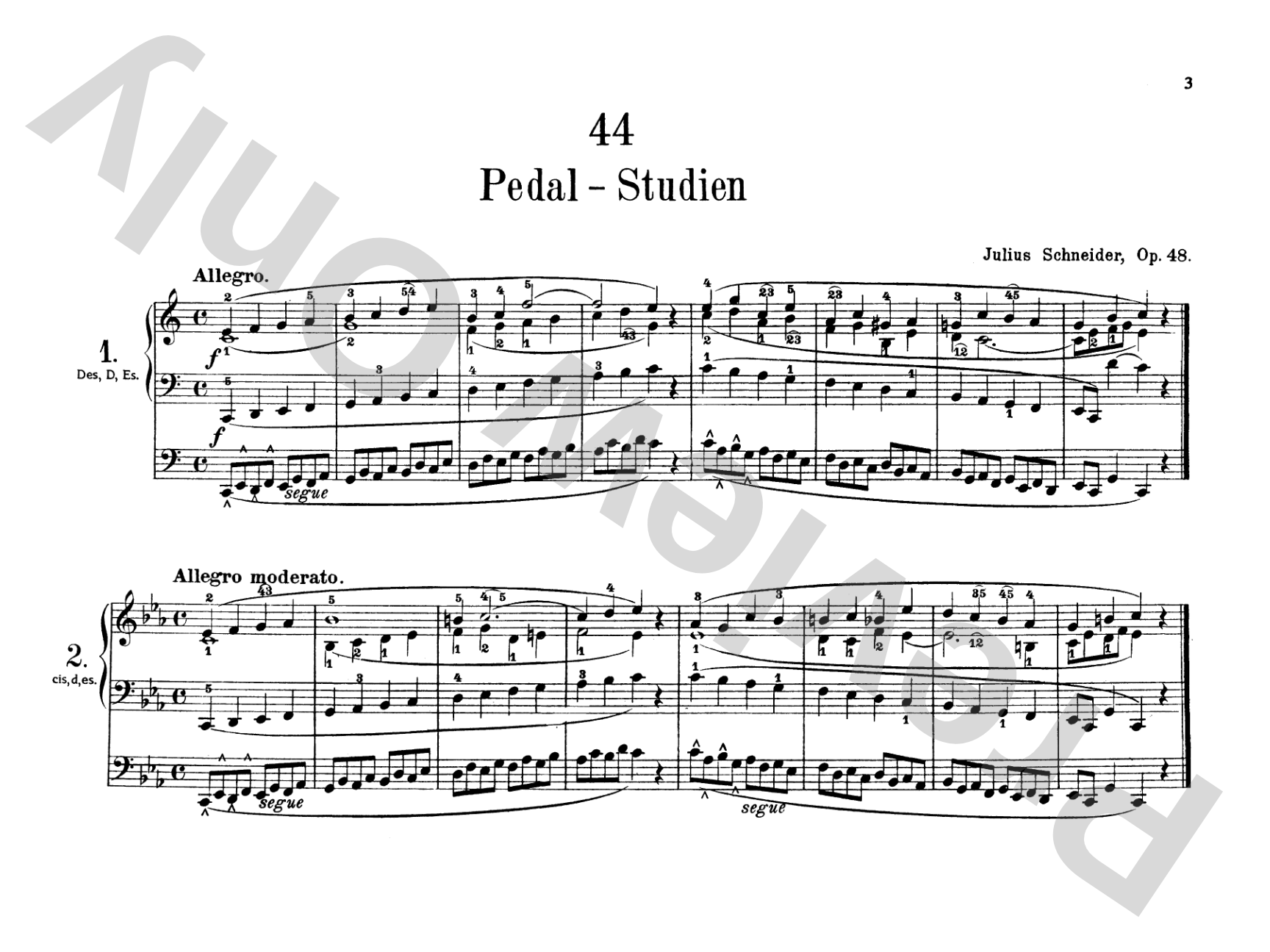
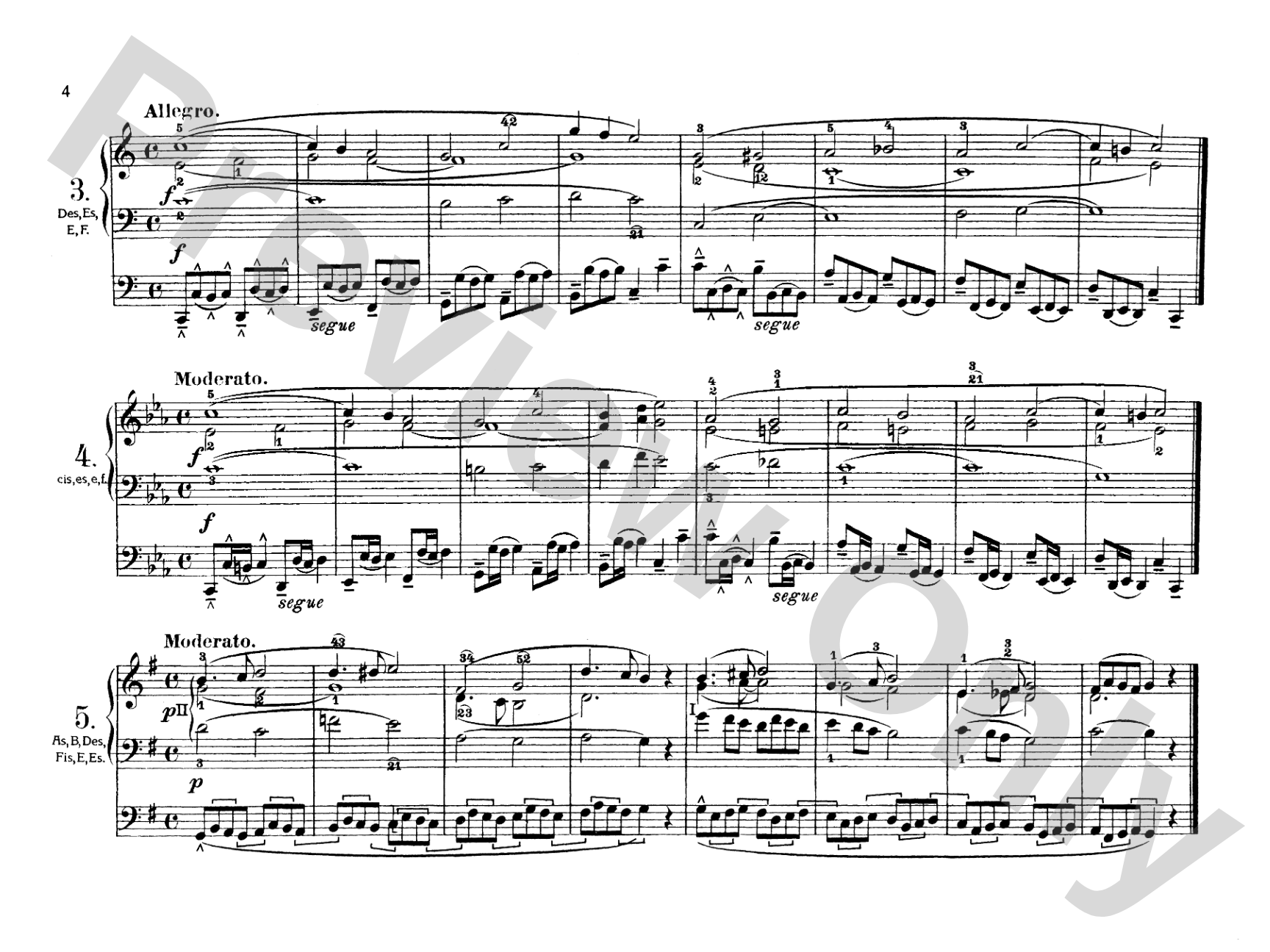
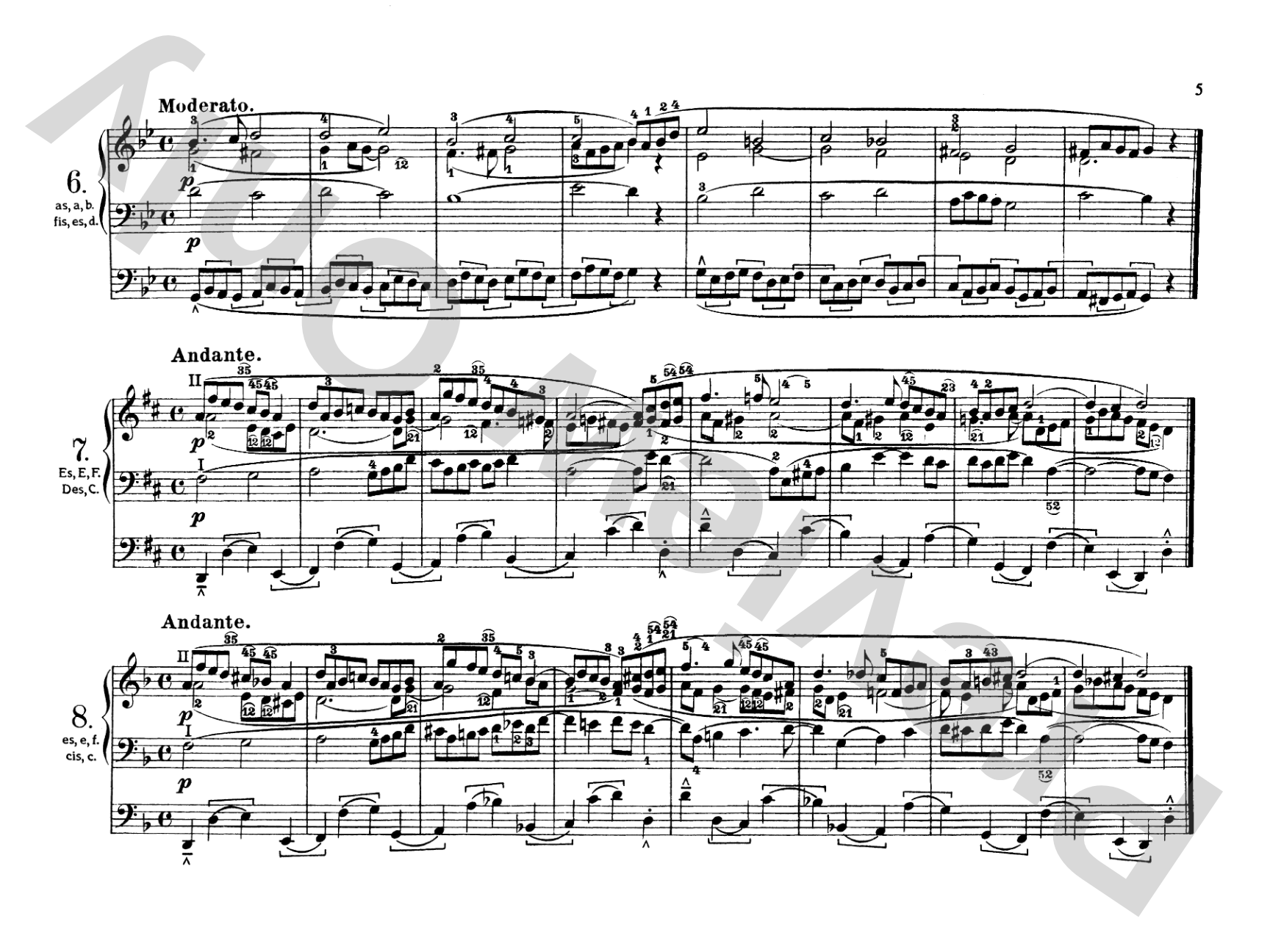
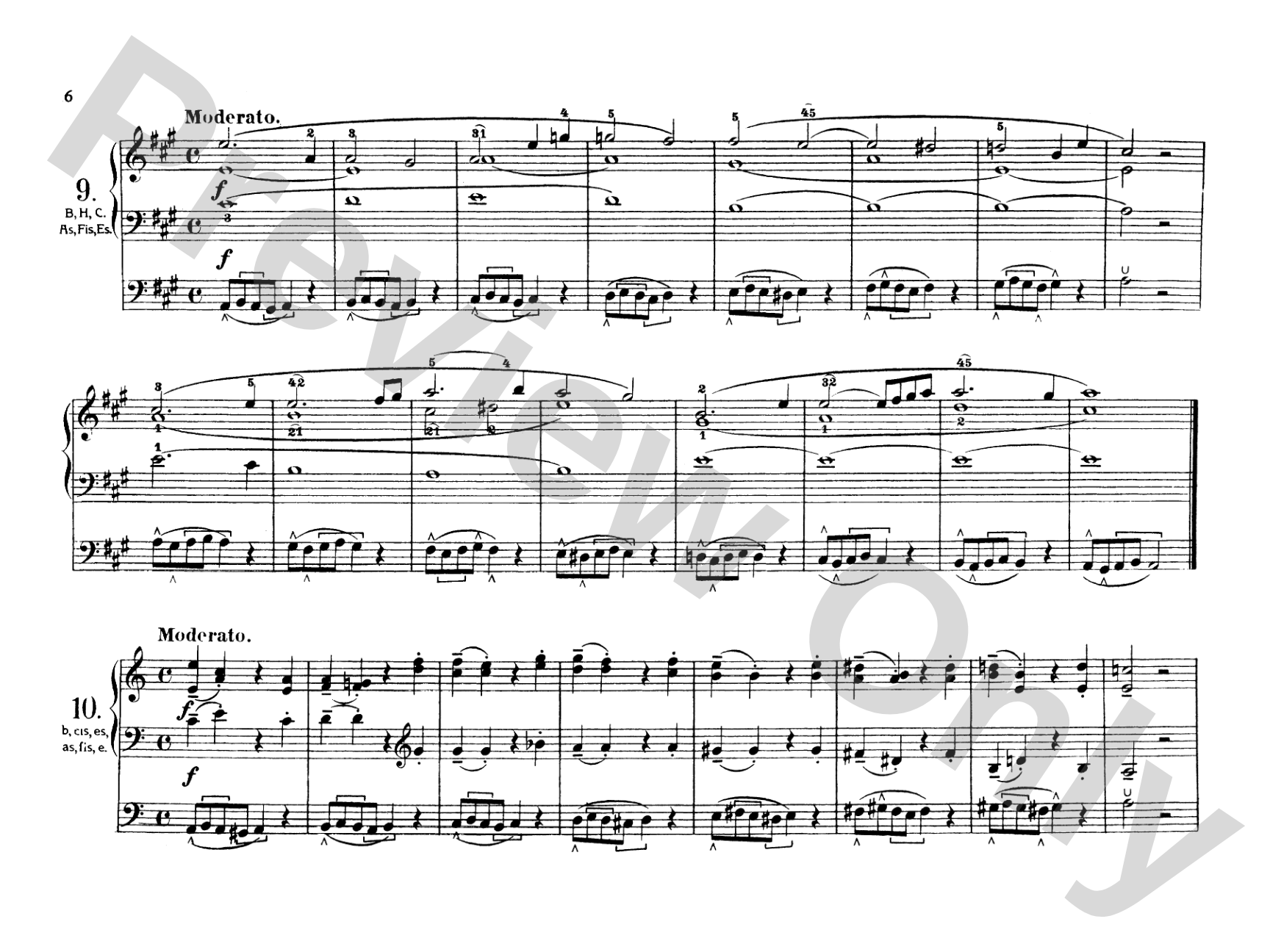
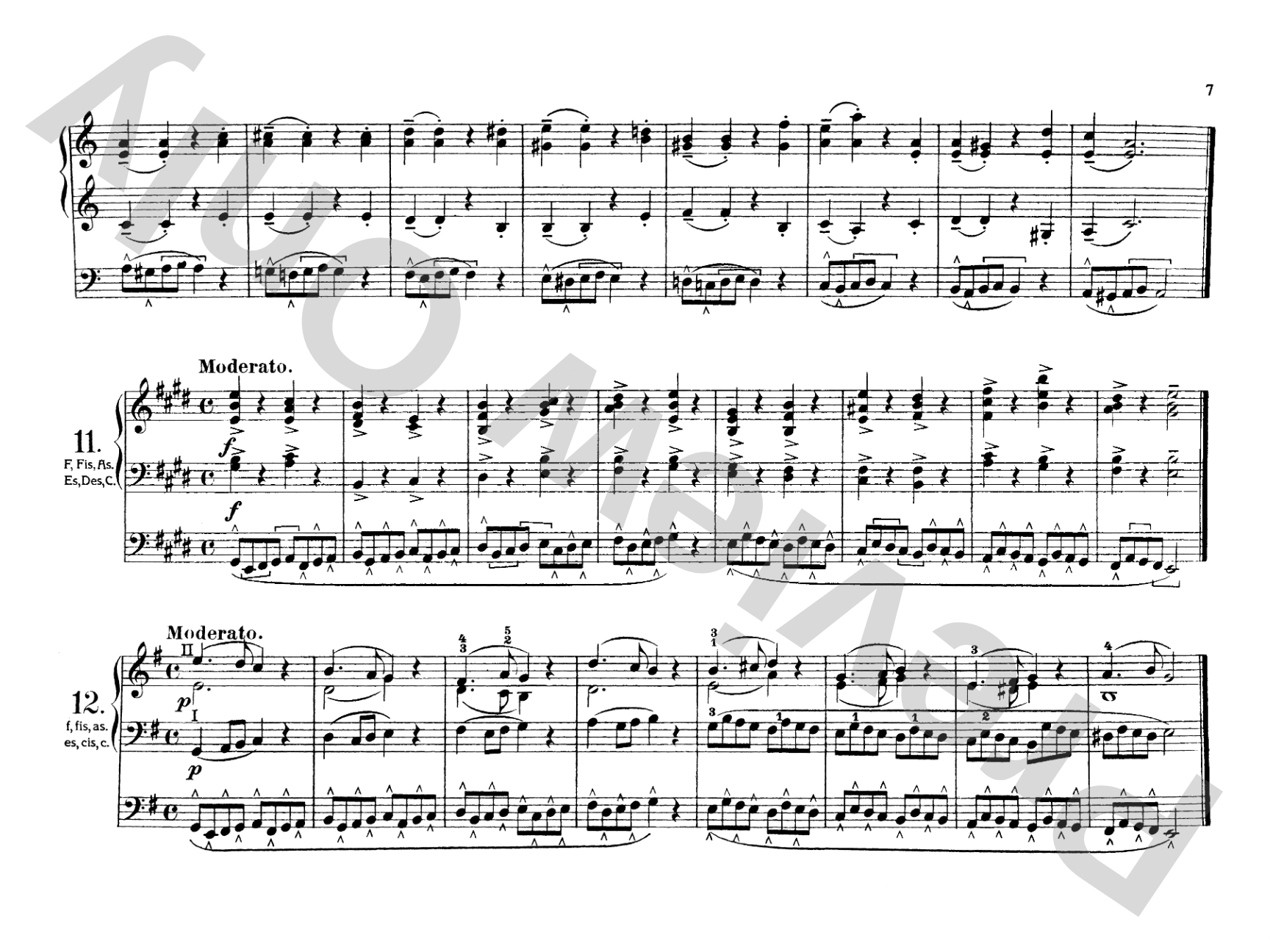
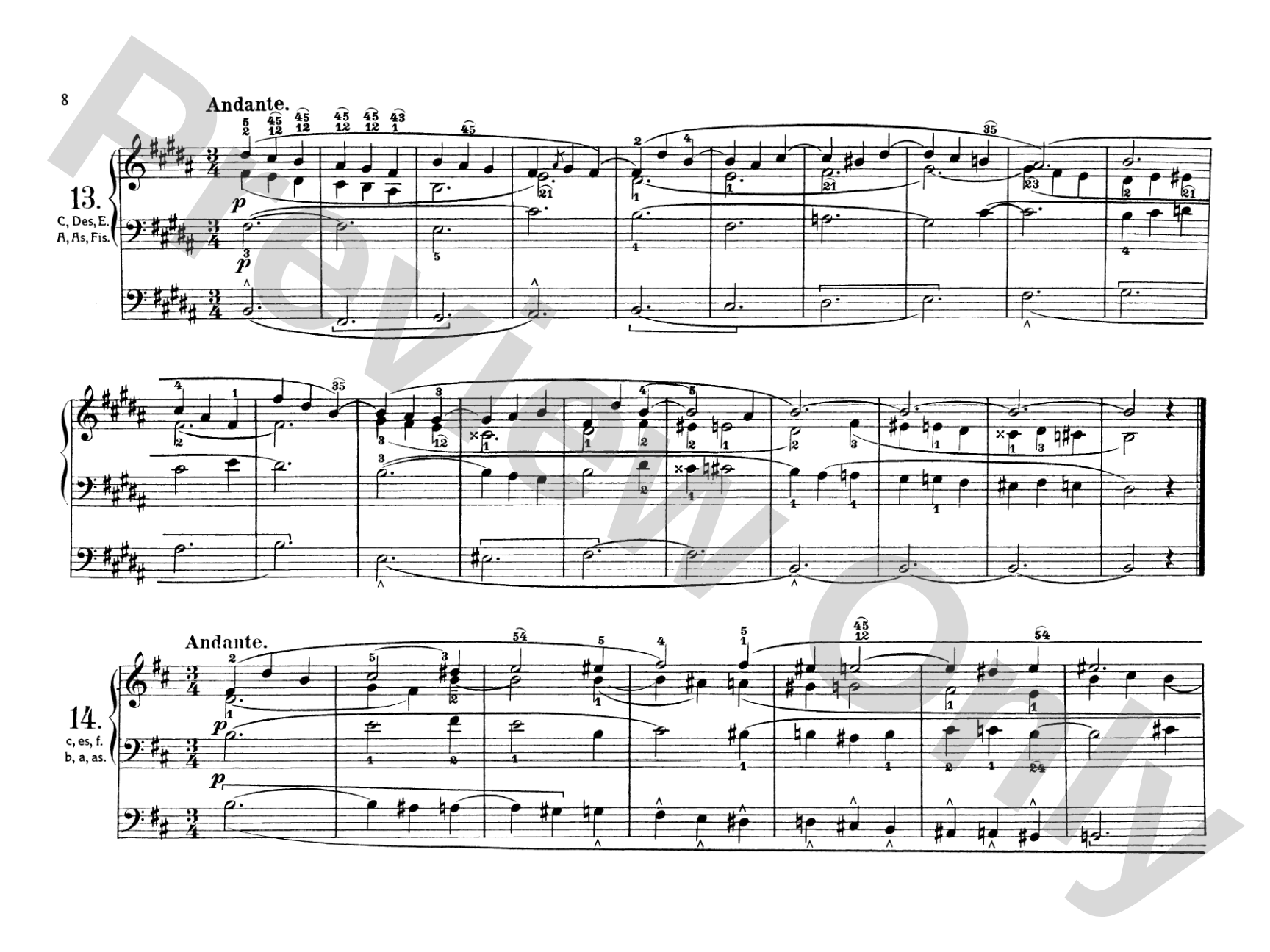
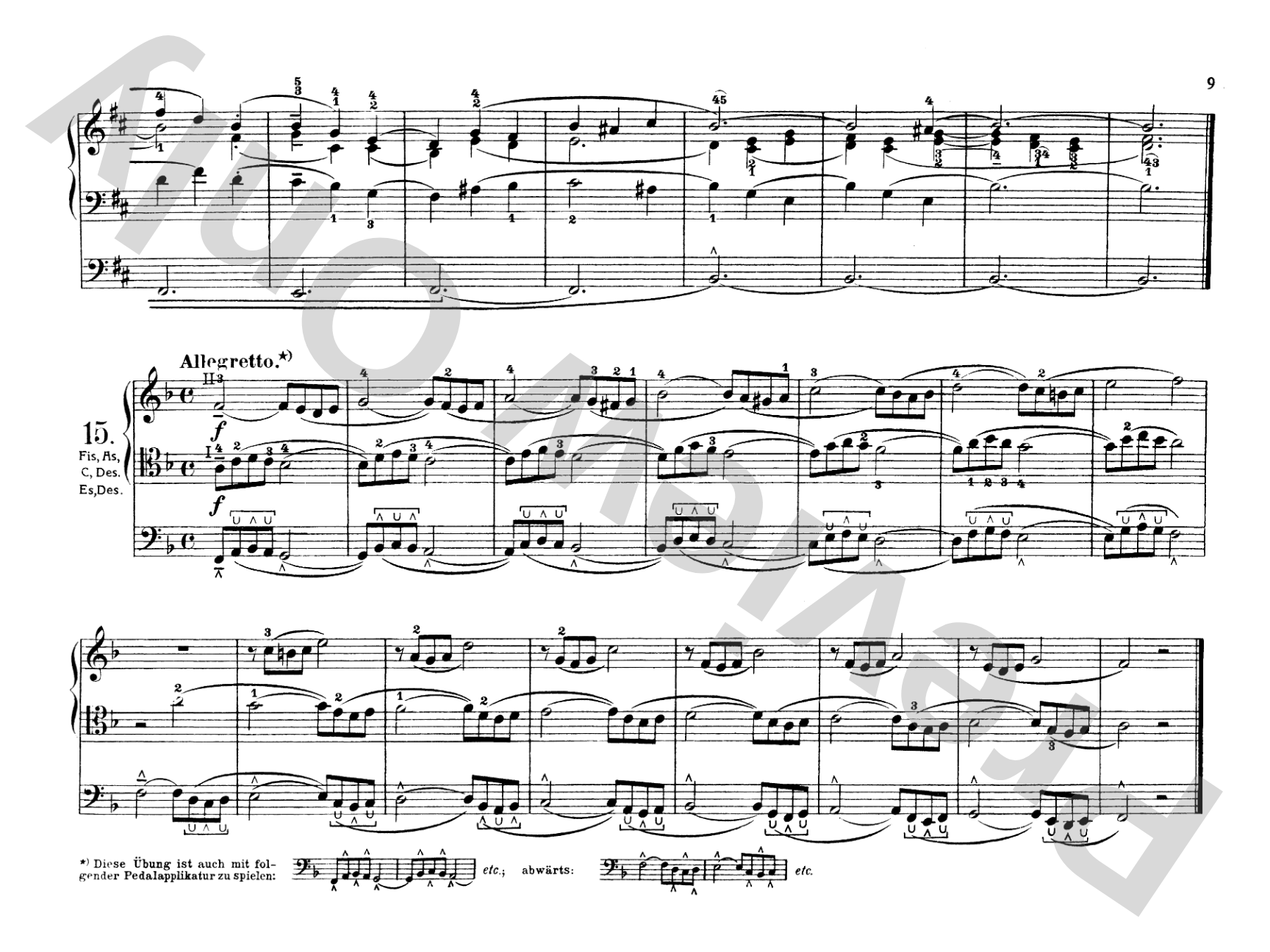
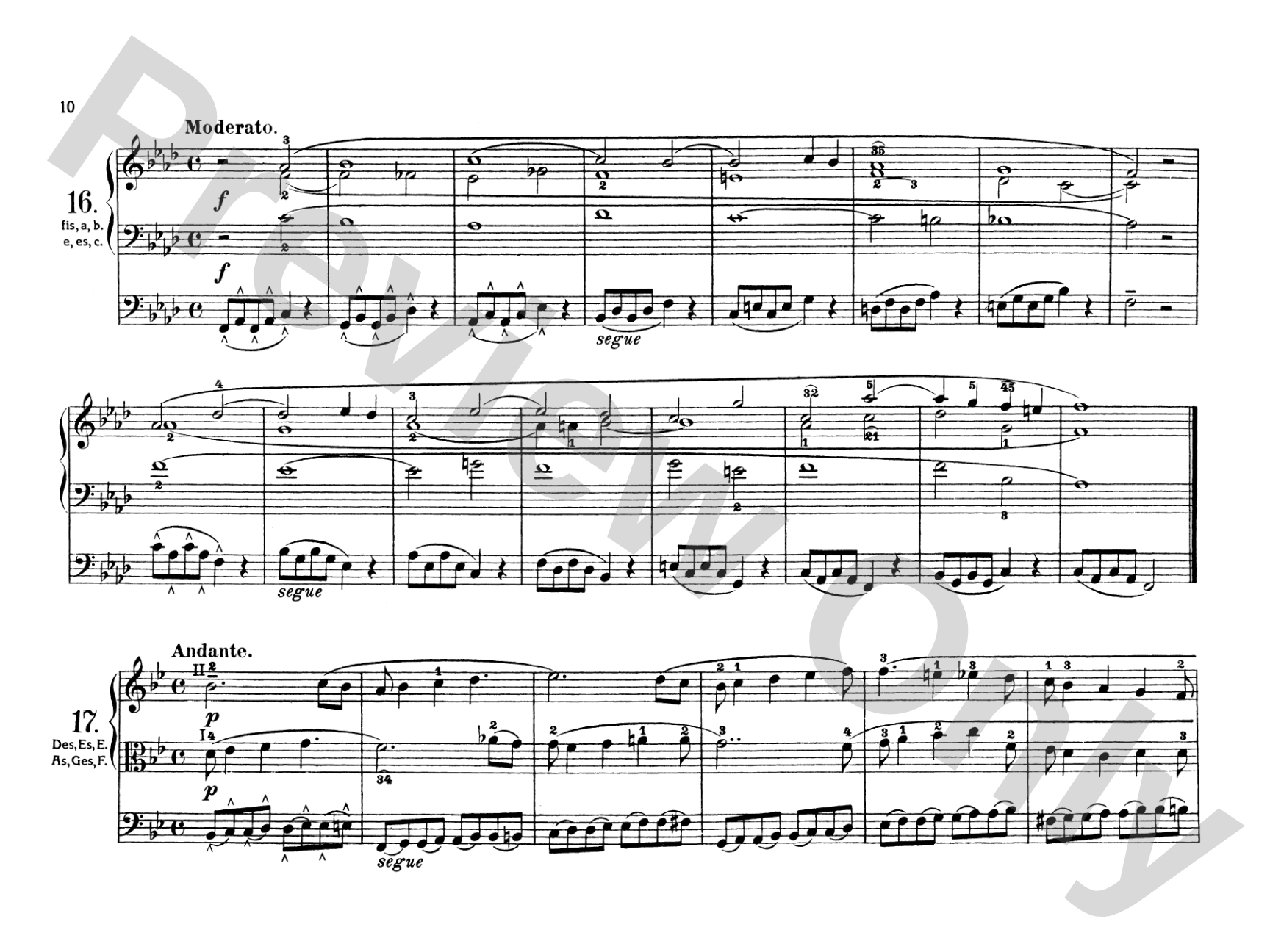
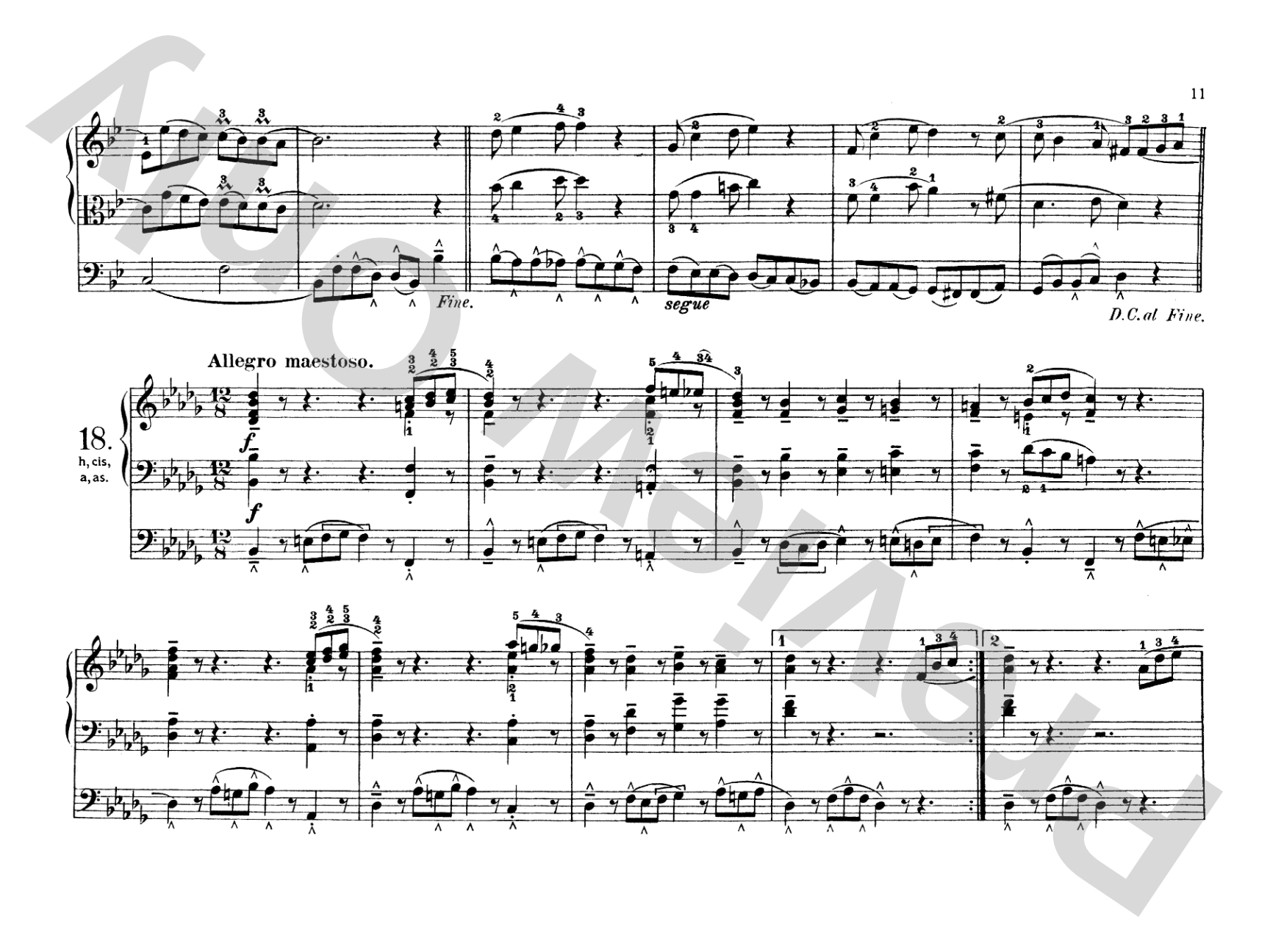
Schneider: Complete Pedal Studies, Op. 48 and 67 Sheet Music Preview

Schneider: Complete Pedal Studies, Op. 48 and 67

By Julius Schneider

Item: 00-PC-0003938

Digital Download
$3.95
Description
Kalmus is proud to present these 69 artistic organ pieces from Julius Schneider. Each work is designed to help in developing advanced pedal technique. The comb binding creates a lay-flat book that is perfect for study and performance. An excellent addition to any organist's library.

Don't just read it, hear it, play along with it, and watch your students grow with it. In MakeMusic Cloud, Schneider: Complete Pedal Studies, Op. 48 and 67 comes alive with professional accompaniment, adjustable tempo, and built-in practice tools that turn solo practice into real progress.

Sample Audio
No sample audio found.
Sample Video
Additional Details
Series: Kalmus Edition
Publisher: Alfred Music
Page Count: 72
SKU: 00-PC-0003938

More about this title

About the Composer: Julius Schneider

Julius Schneider (1786-1853) was a German organist and composer whose prolific output shaped Romantic-era organ pedagogy. His studies and character pieces remain essential training tools for advancing organists, particularly those seeking to master the independent technical demands of the pedal keyboard.

Why we love this

These 69 pieces span two opus numbers and deliver exactly what organists need: systematic, musically rewarding studies that build pedal independence without sacrificing artistic substance. The lay-flat comb binding honors the practical reality of organ practice, keeping pages open at the keyboard where they belong.

What to expect

These pieces balance discipline with lyricism. Schneider moves between driving, rhythmically intricate passages and singing melodic lines, always anchoring everything in the pedal keyboard. The result feels less like mechanical drilling and more like exploring what independent feet can accomplish musically.

Who it's for

Advanced organists preparing for higher-level performance and study programs, church musicians seeking substantial pedal literature beyond basic methods, and teachers of intermediate-to-advanced students who need studies with genuine musical substance.

How to get the most out of it

  • Establish a consistent practice tempo for each study before attempting the composed tempo; pedal independence develops through graduated speed, not rushing.
  • Listen critically to pedal articulation and clarity, especially in passages where hand and foot parts overlap; Schneider often reveals weak spots in coordination through rhythmic complexity.
  • Map out the most efficient pedal movements for registral leaps before playing; this repertoire rewards thoughtful footwork planning as much as technical facility.
  • Perform these studies as recital openers or closers; their artistic merit and technical sophistication make them far more than practice exercises.

How to use it

Feature individual studies in recitals to showcase pedal facility and interpretive depth. Use them strategically in teaching curricula to address specific technical gaps, or program a pair of contrasting studies as concert programming that bridges pedagogical and performance contexts.

Skills your students will build

  • Independent pedal technique in varied rhythmic contexts
  • Coordination between hands and feet across non-aligned parts
  • Pedal articulation and clarity in rapid and sustained passages
  • Leaping and registral movement with secure footwork
  • Expressive pedal playing beyond mechanical exercise

You May Also Like