
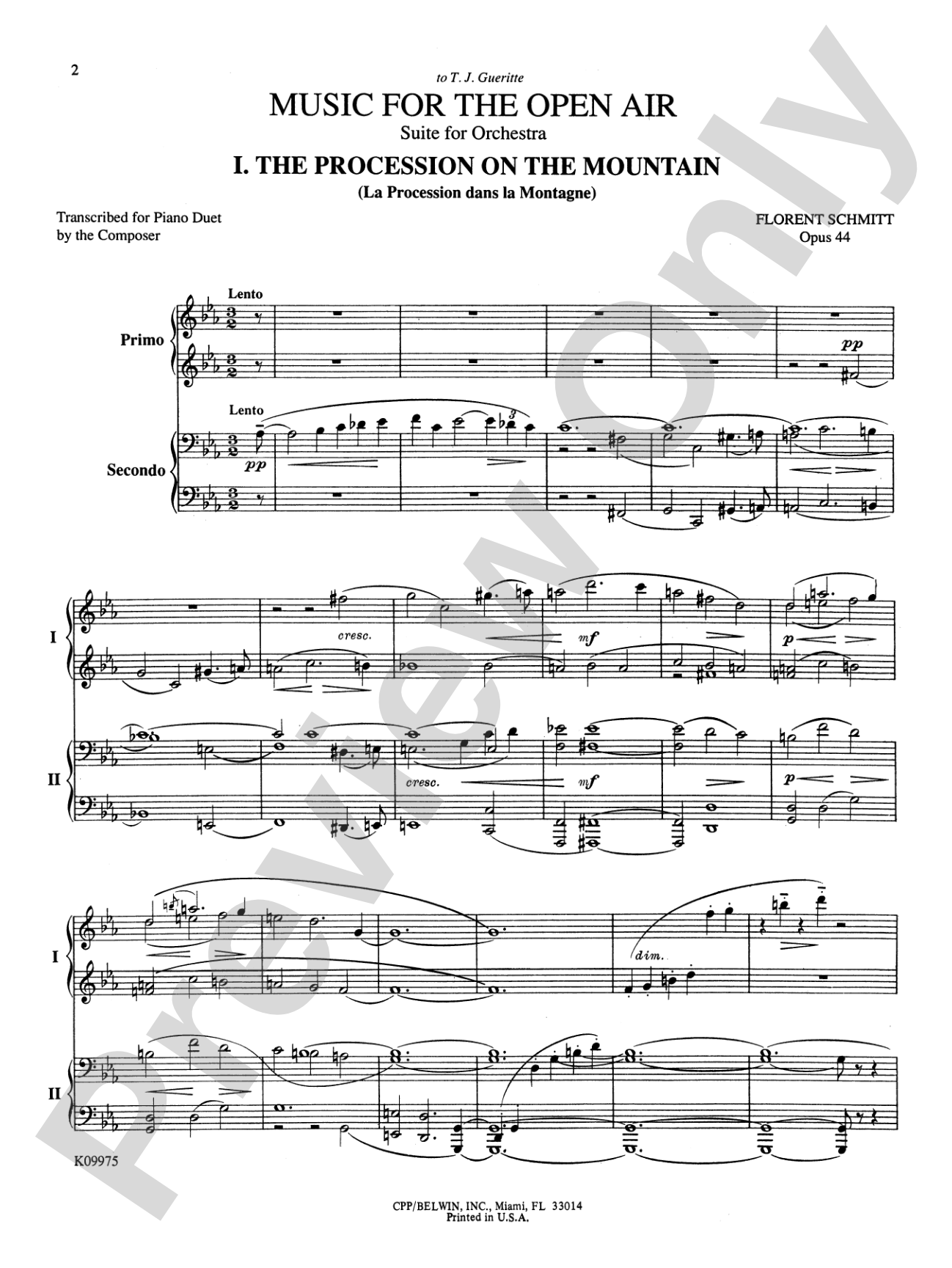

Schmitt: Music for the Open Air (Suite for Orchestra, Op. 44)
By Florent Schmitt
Item: 00-PK-0003940

$8.99
Pickup currently not available
Buy Extra Parts (Digital PDF Download)
Parts Added to Cart!
Description
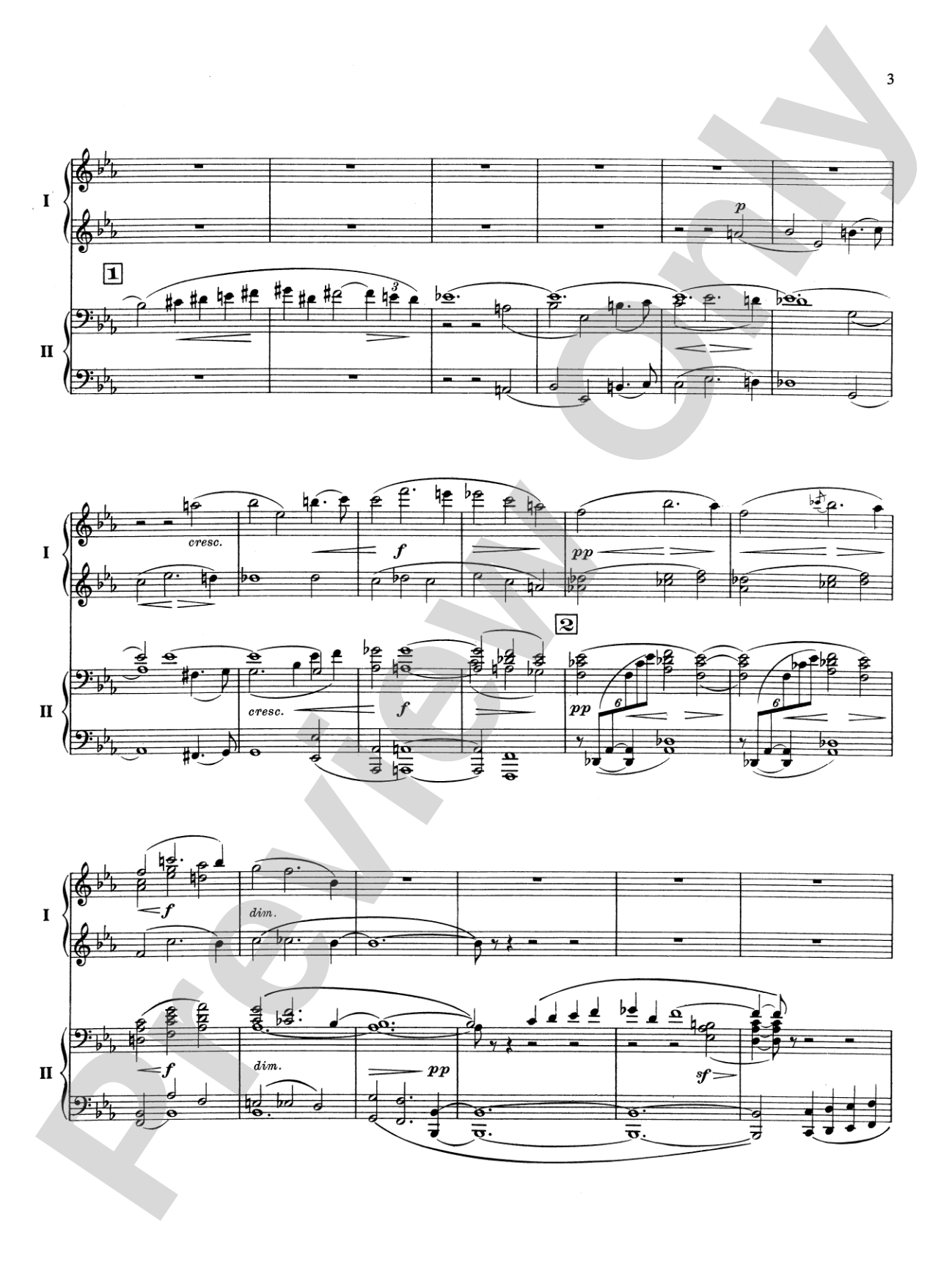
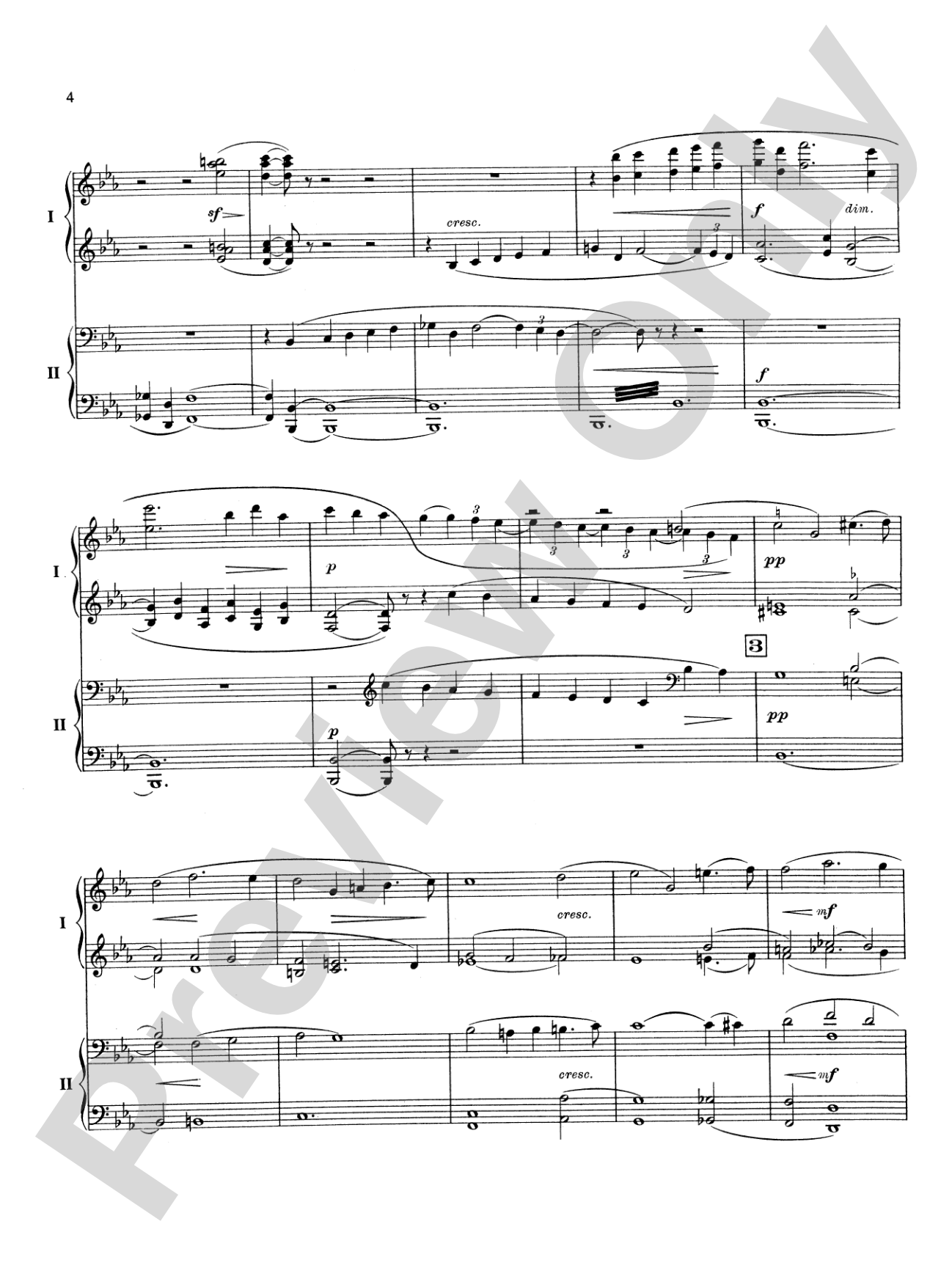
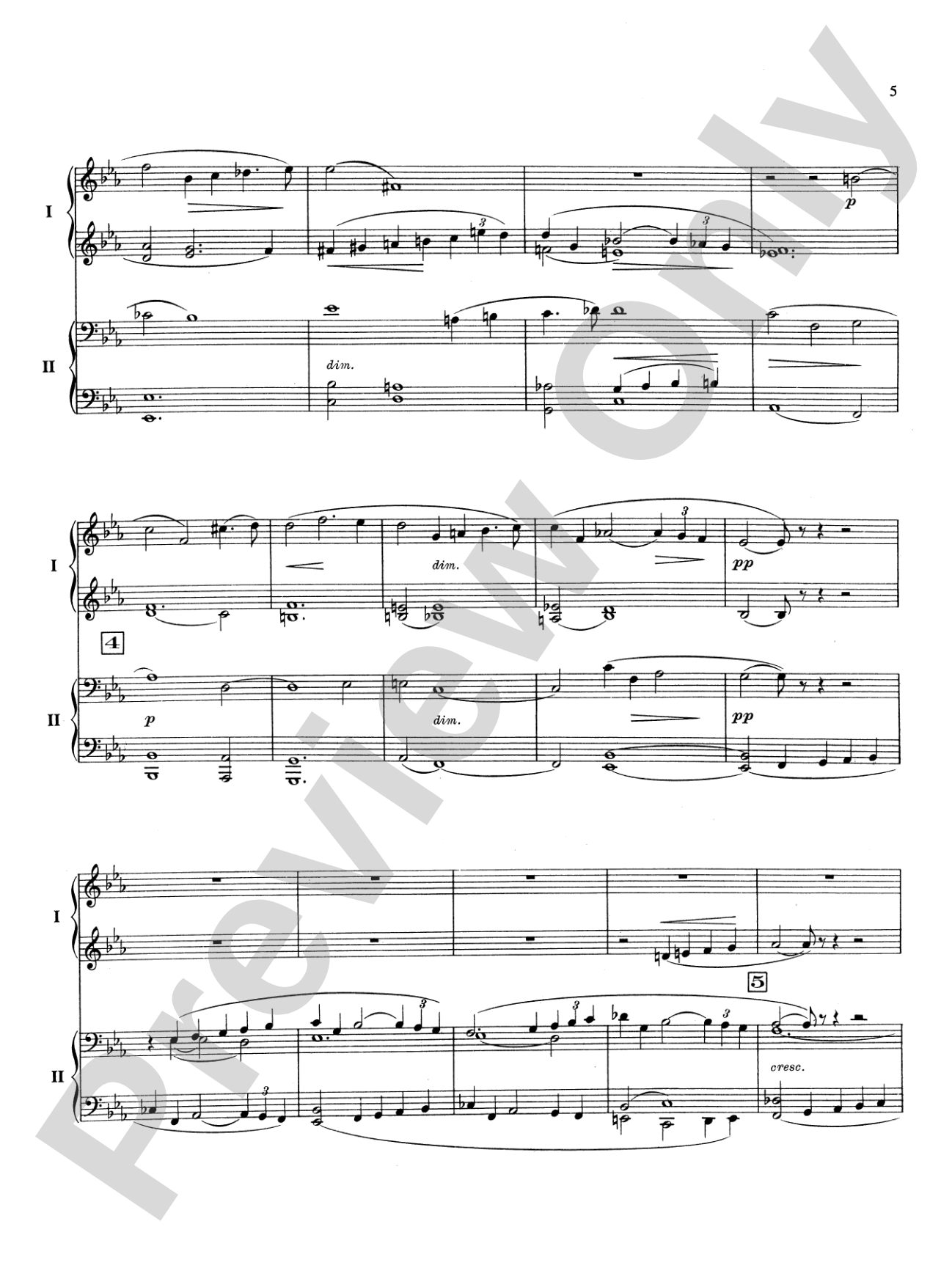
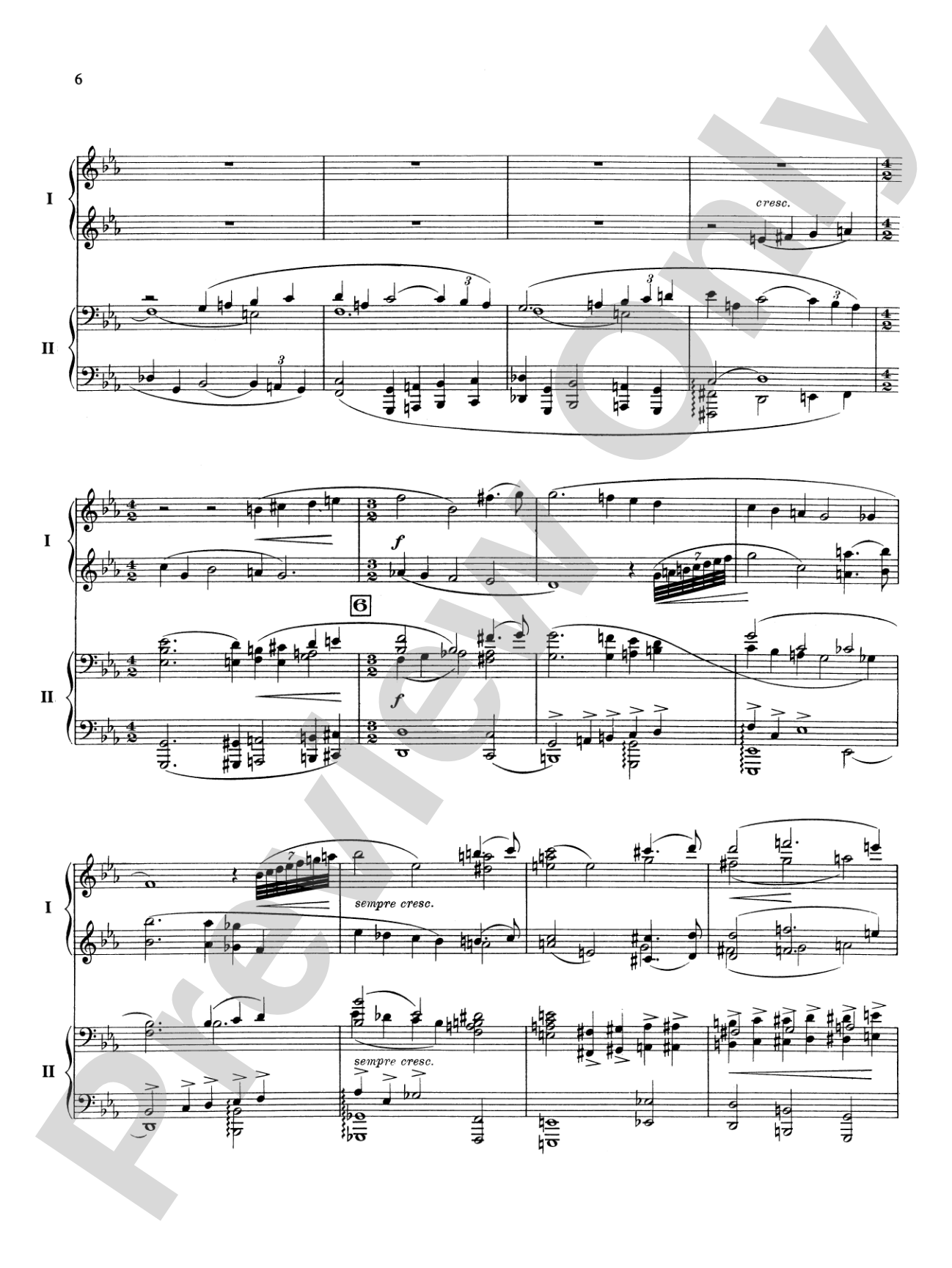
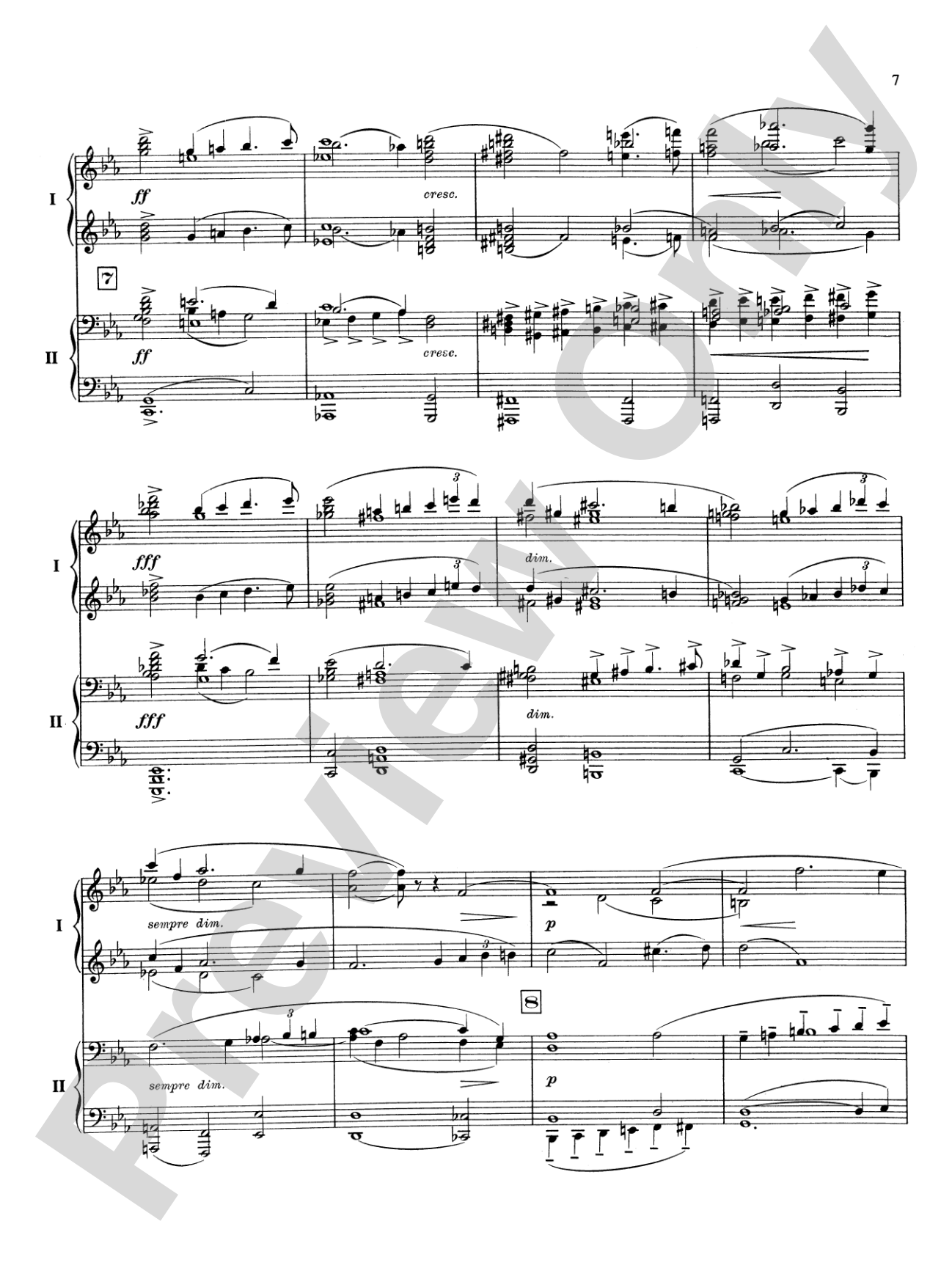
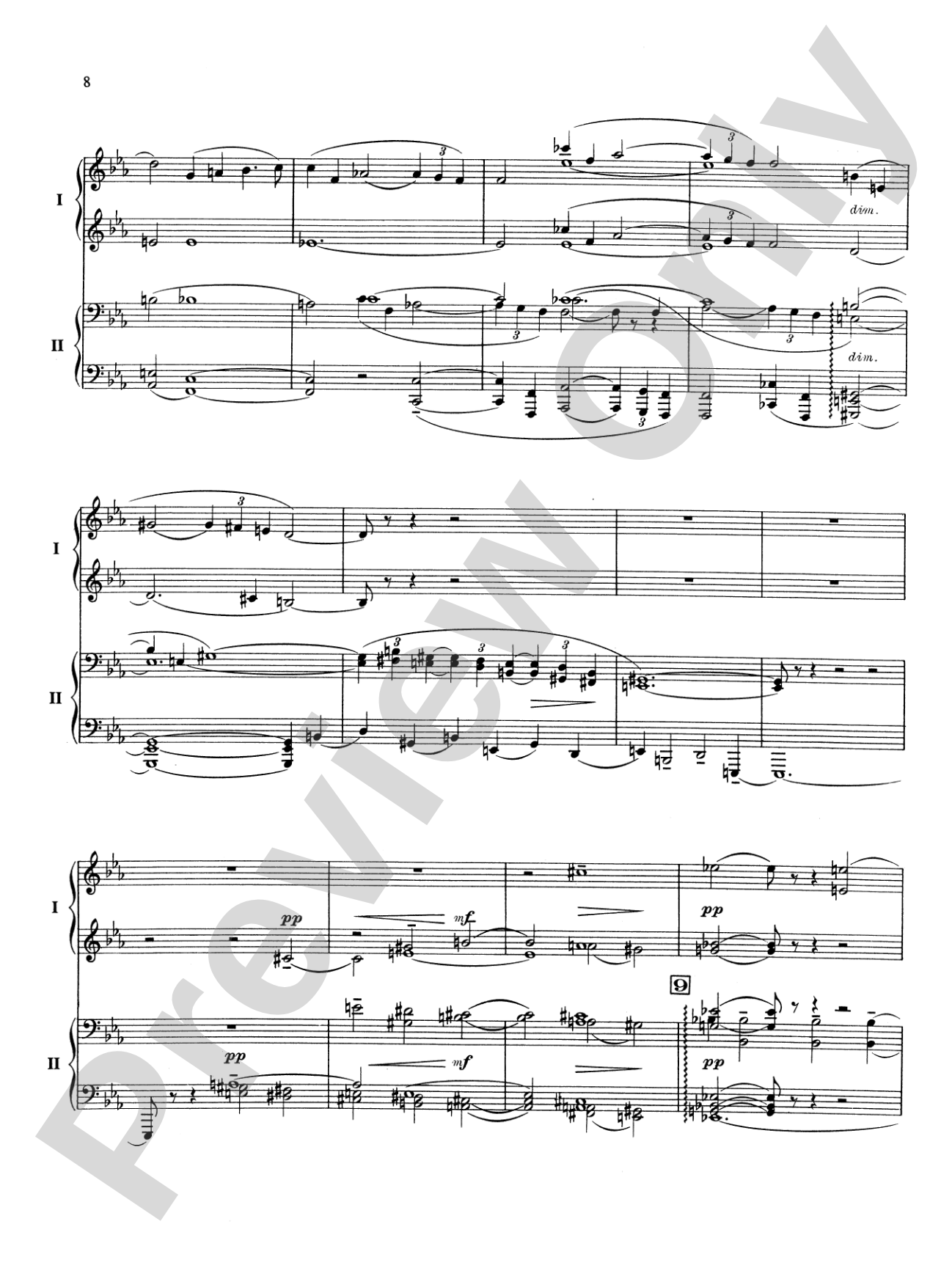
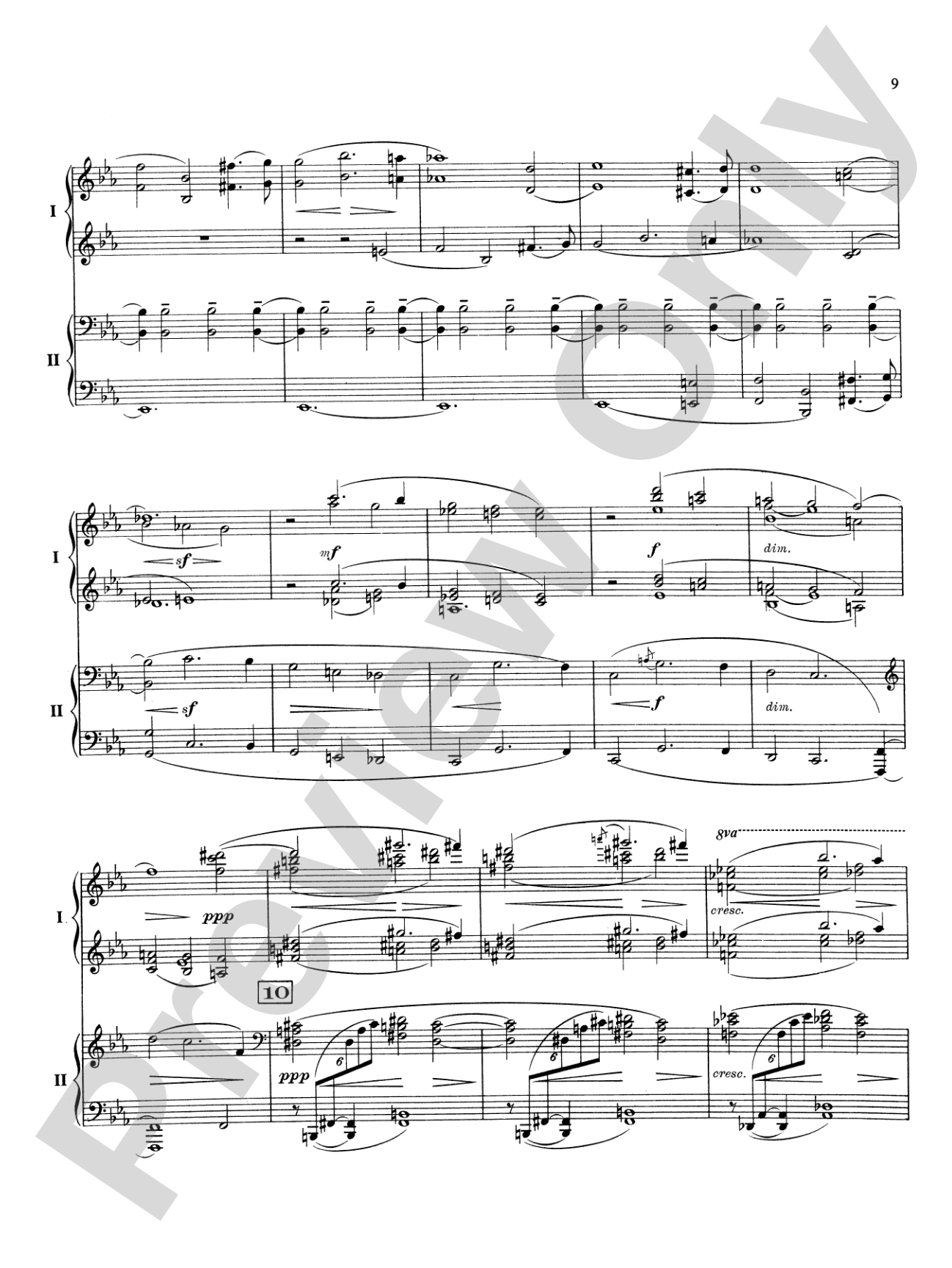
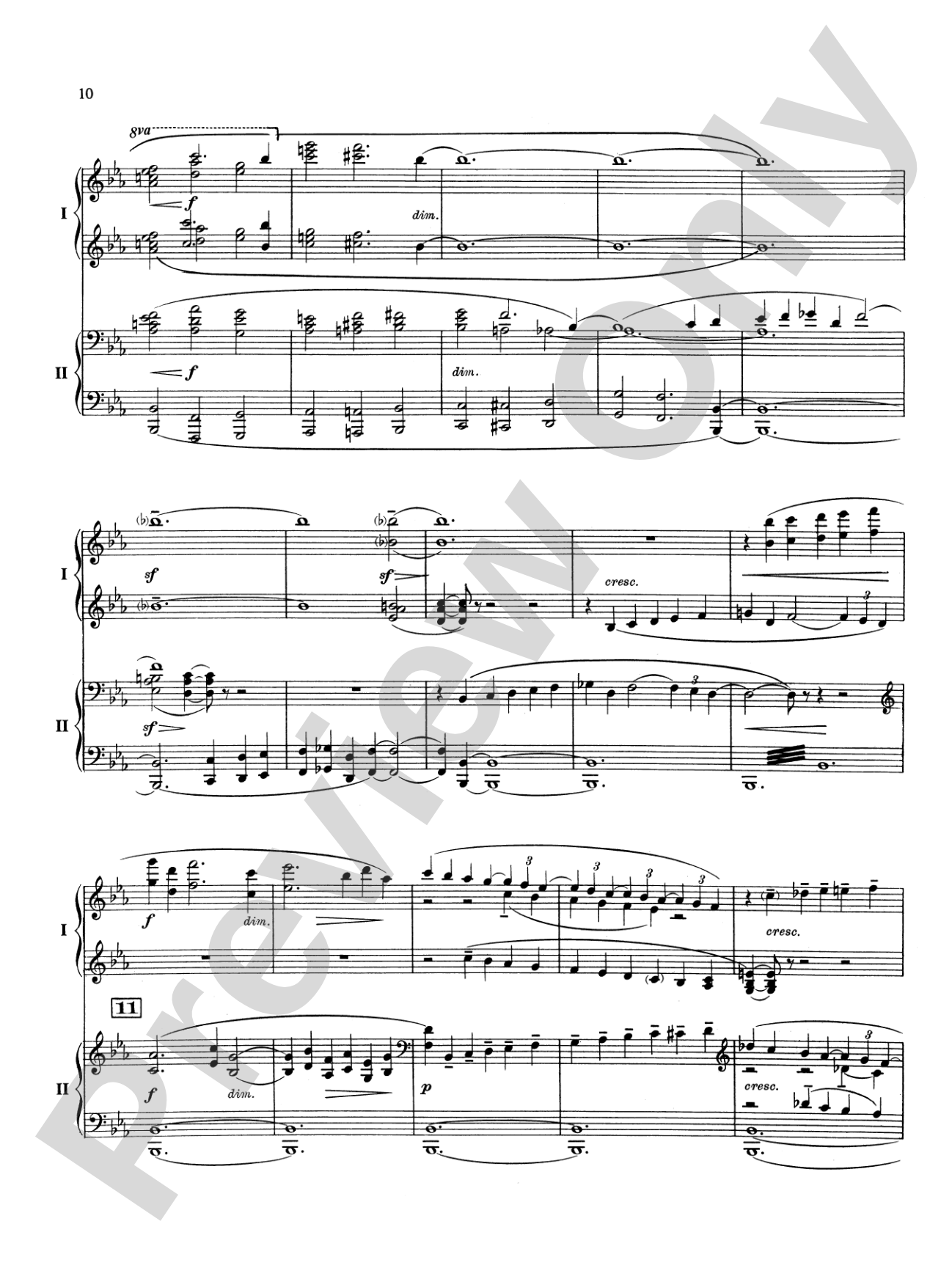
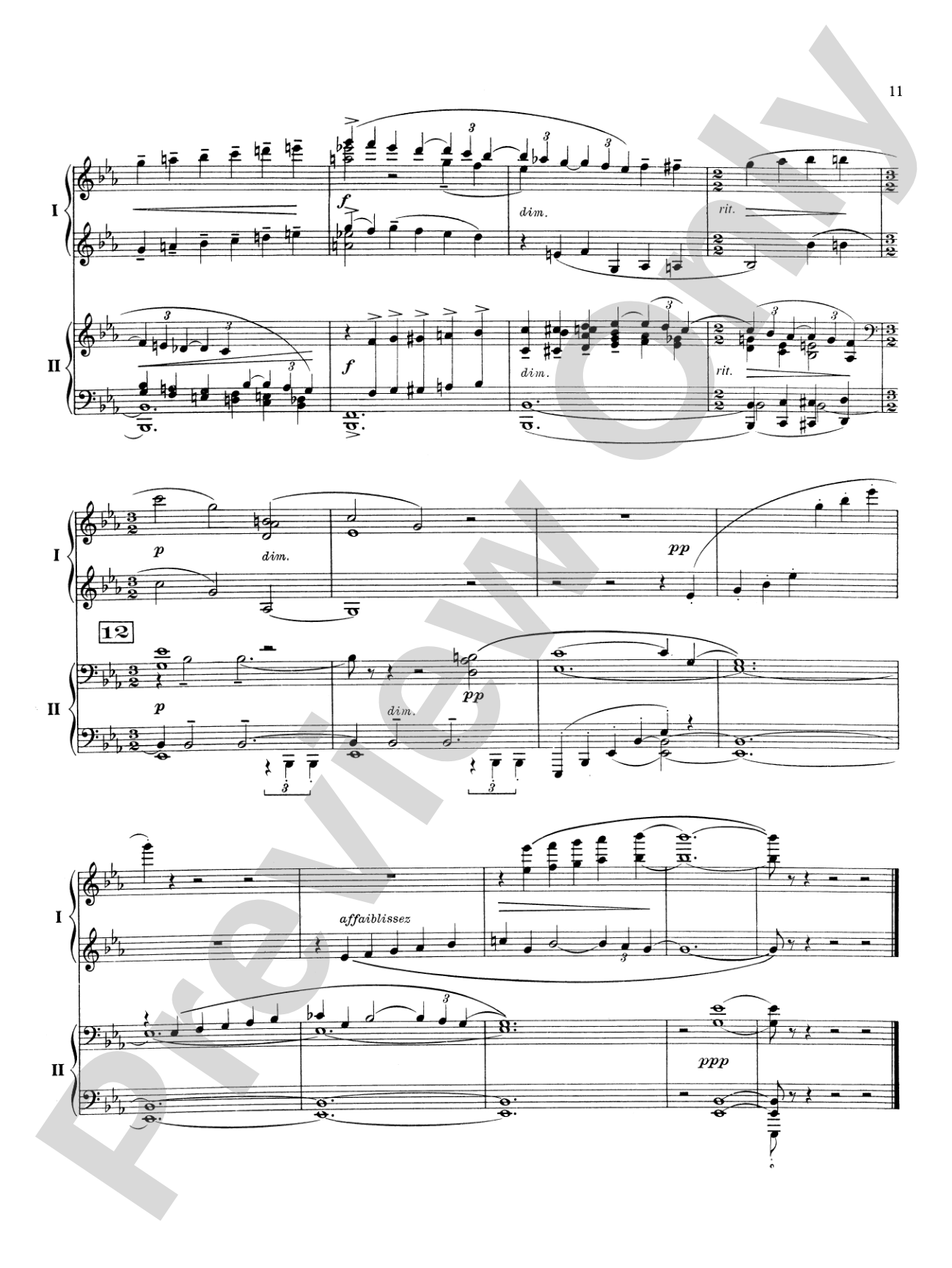
A piano duet transcription by French composer Florent Schmitt of one of his orchestral works. This three-movement piece offers some challenges to pianists, but can easily be performed by advancing students.


Don't just read it, hear it, play along with it, and watch your students grow with it. In MakeMusic Cloud, Schmitt: Music for the Open Air (Suite for Orchestra, Op. 44) comes alive with professional accompaniment, adjustable tempo, and built-in practice tools that turn solo practice into real progress.
Open in the Player
Jump straight in and assign it today.
Start Your Free Trial
Open this title and explore the full library in minutes.
Sample Audio
No sample audio found.
Sample Video
No sample videos found.
Additional Details
Series:
Kalmus Edition
Publisher:
Alfred Music
Page Count:
36
SKU:
00-PK-0003940
More about this title
About the Composer: Florent Schmitt
Florent Schmitt (1870, 1958) was a French composer whose prolific output bridged the late Romantic and early modernist worlds. A Prix de Rome winner and respected teacher, Schmitt wrote across genres with particular mastery in orchestral and chamber music, commanding sophisticated harmonies and orchestration that influenced generations of French composers. His willingness to transcribe his own works for different ensembles speaks to his practical understanding of how music must live in varied performance contexts.
Why we love this
This transcription delivers the scale and architectural ambition of a full orchestral work without requiring an ensemble. Advanced piano duets at this level rarely offer such substantial musical content: Schmitt's writing for four hands captures genuine symphonic gesture, and the three-movement structure gives students experience with large-scale form that shapes how they approach any repertoire afterward.
What to expect
Sunlit and spacious, with orchestral breadth translated to the piano's two-instrument texture. The outer movements move with confidence and sweep; the middle section invites more introspective playing, though never losing the work's essential sense of open-air vitality and light.
Who it's for
Advanced high school pianists and undergraduate piano students ready for repertoire that demands technical control and musical maturity. Duet partners performing together in studio recitals or competition will find this a compelling choice that commands serious preparation and rewards it fully.
How to get the most out of it
- Balance the primo and secondo parts as distinct instrumental voices rather than melody and accompaniment. The secondo frequently carries material of equal musical weight, particularly in the first and third movements.
- Mark tempo relationships between movements before rehearsal begins. Schmitt's structural logic depends on how clearly these transitions register with the audience.
- Attend to the distribution of rests and enter precisely after silence. With only two pianists, every entrance defines the harmonic and textural landscape.
How to use it
Program this as the centerpiece of a recital devoted to 20th-century transcriptions, pairing it with other piano duet works from the same era. Its three-movement form and substantial length (36 pages) make it ideal as the major work on a studio recital, allowing students to demonstrate their range across contrasting tempos and textures.
Skills your students will build
- Reading and balancing two equally important piano parts
- Executing rapid passagework and scalar runs with clarity and control
- Understanding large orchestral forms translated to keyboard texture
- Maintaining ensemble unity across dramatic tempo and dynamic changes
- Interpreting early 20th-century harmonic language and its notation