
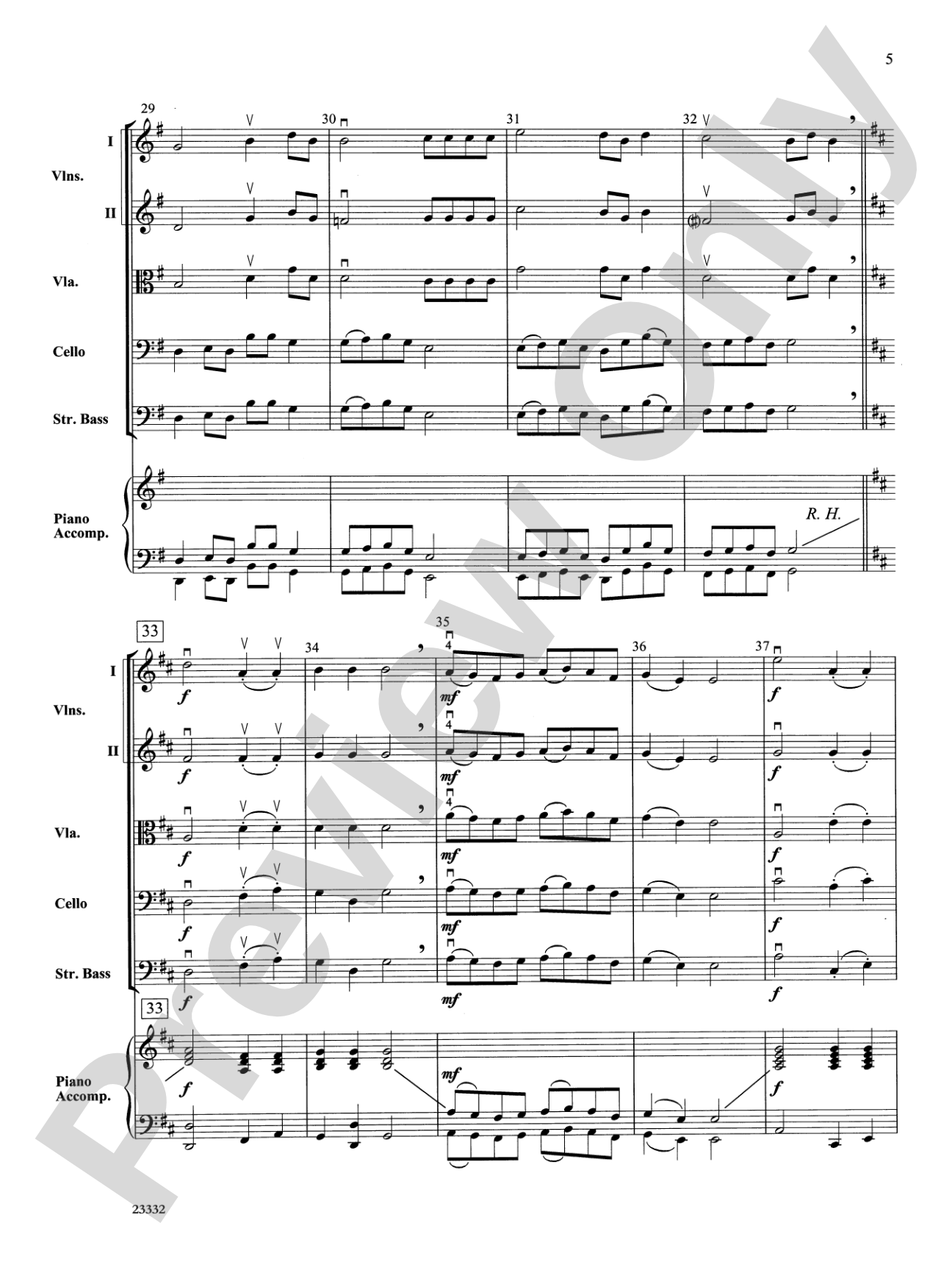
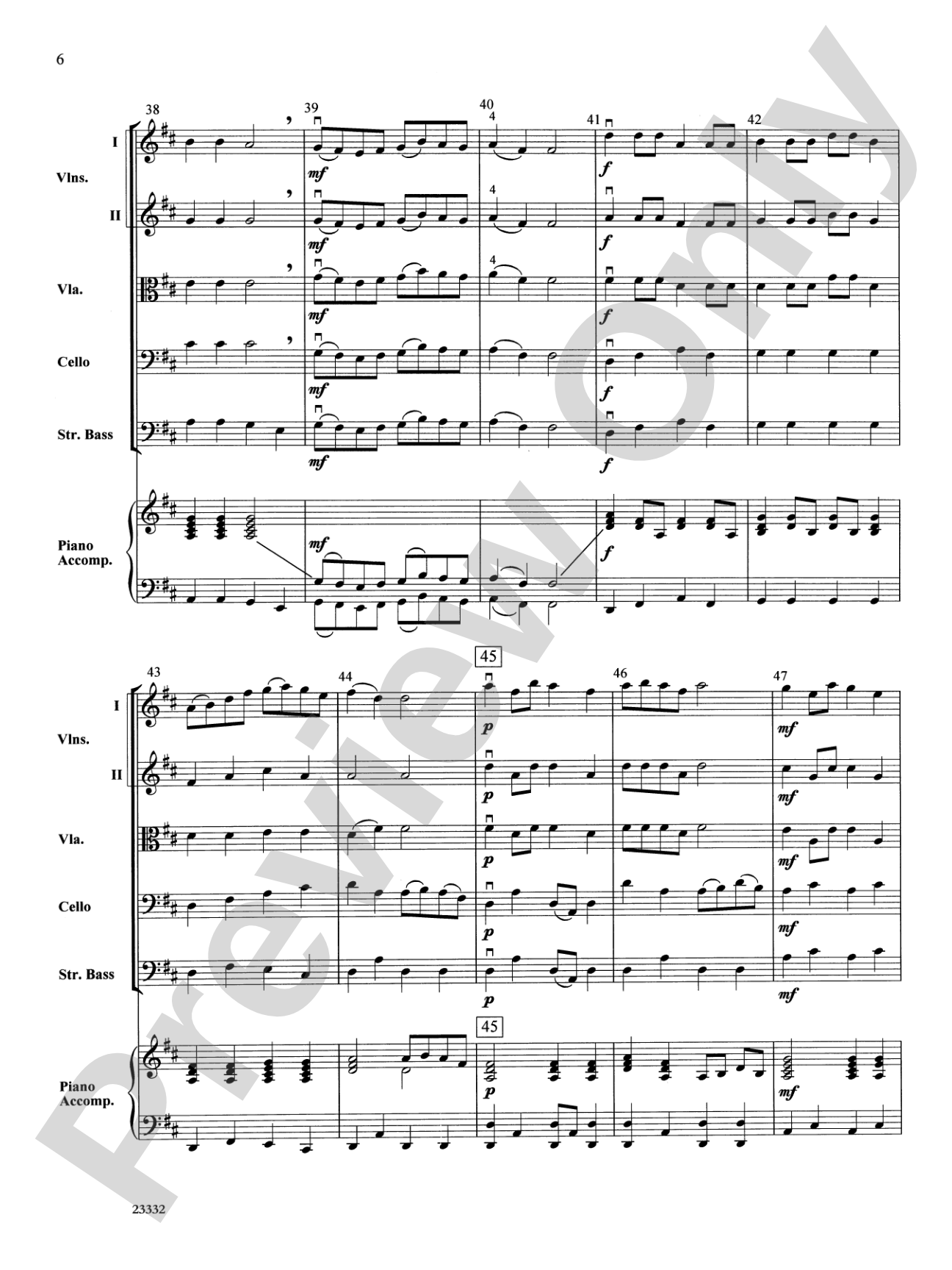
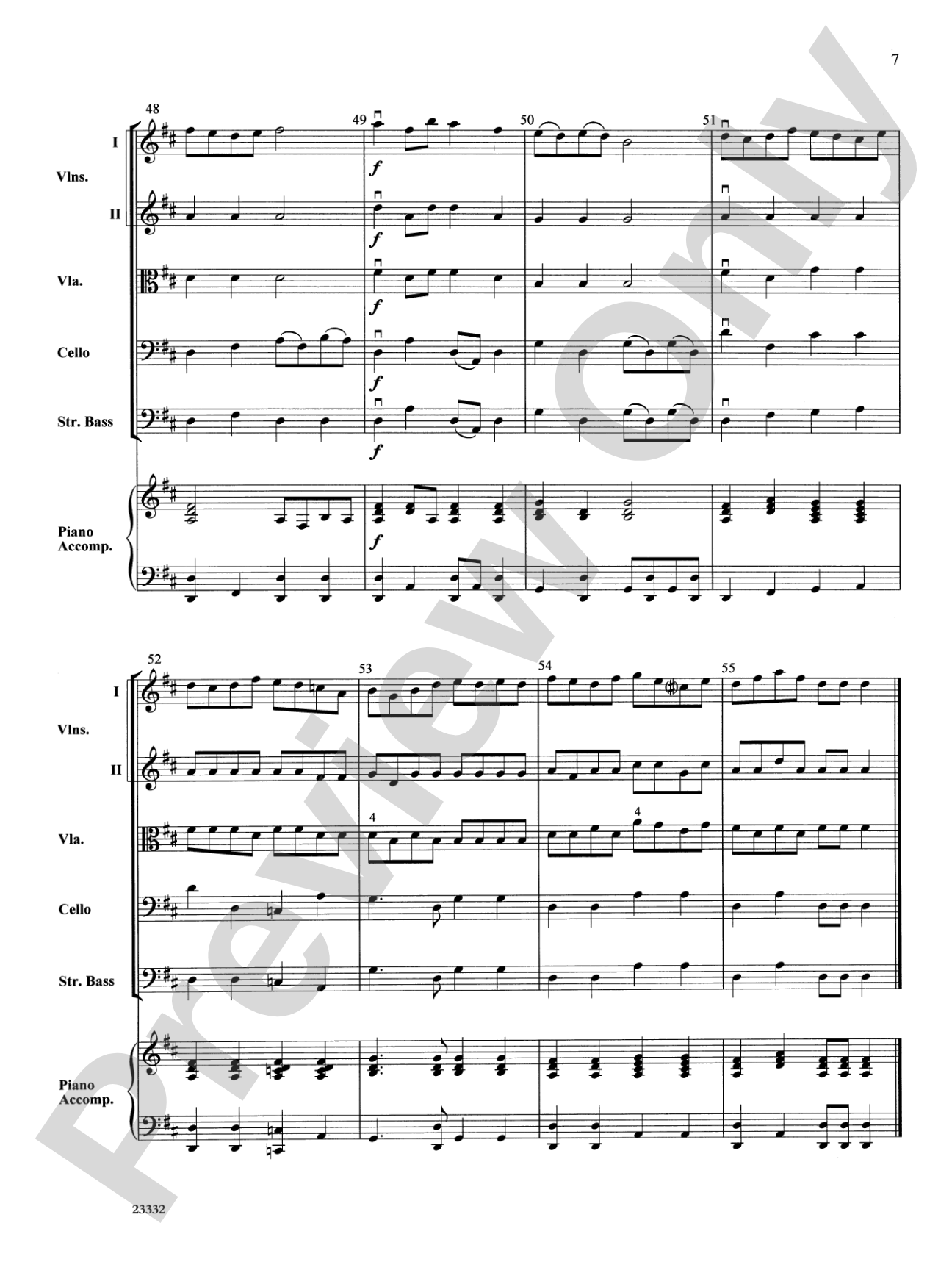


Scherzando: Score
By Edmund J. Siennicki
Grade: 2
Item: 00-PR-0000673
$6.00
Pickup currently not available
Description
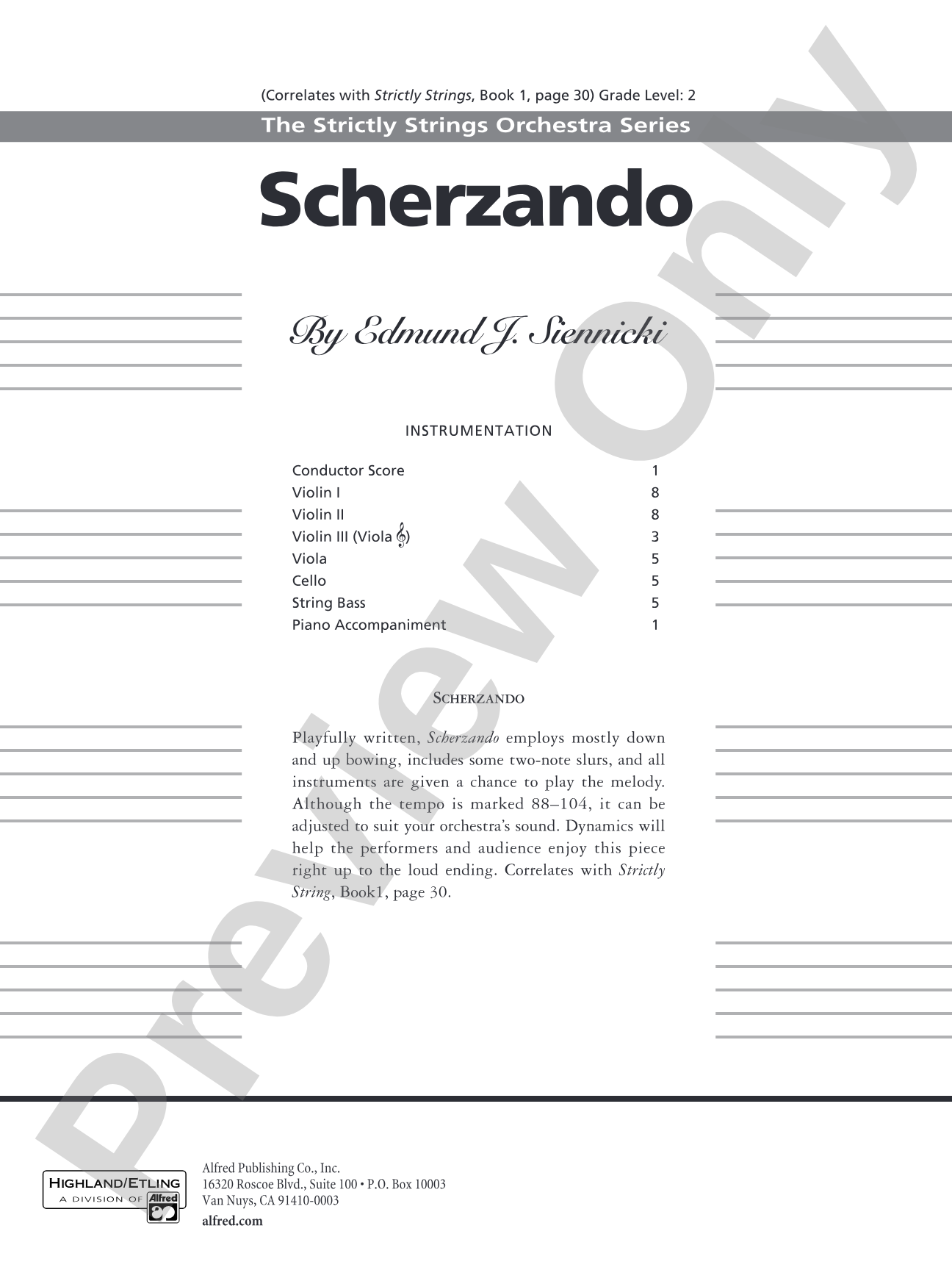
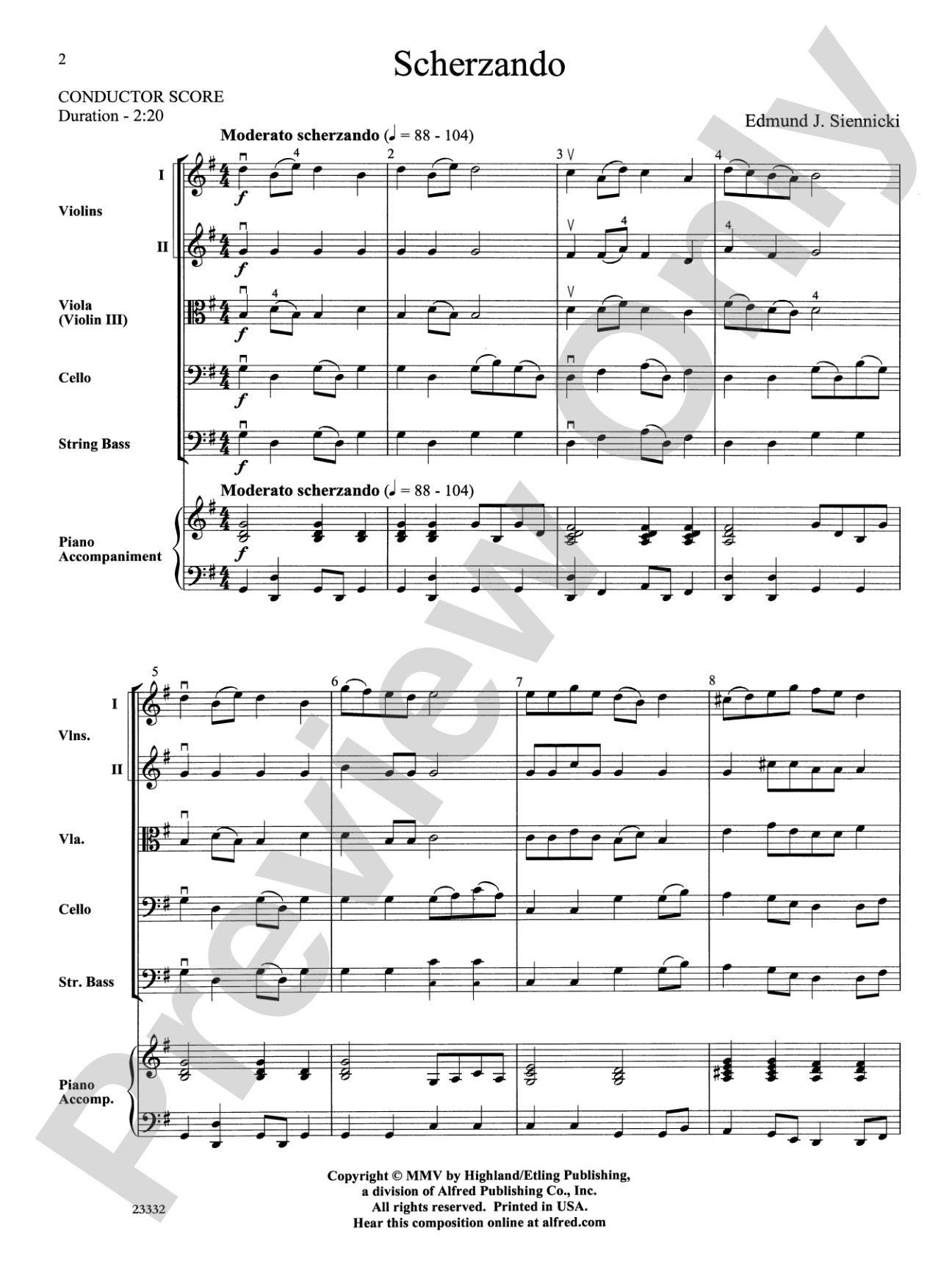
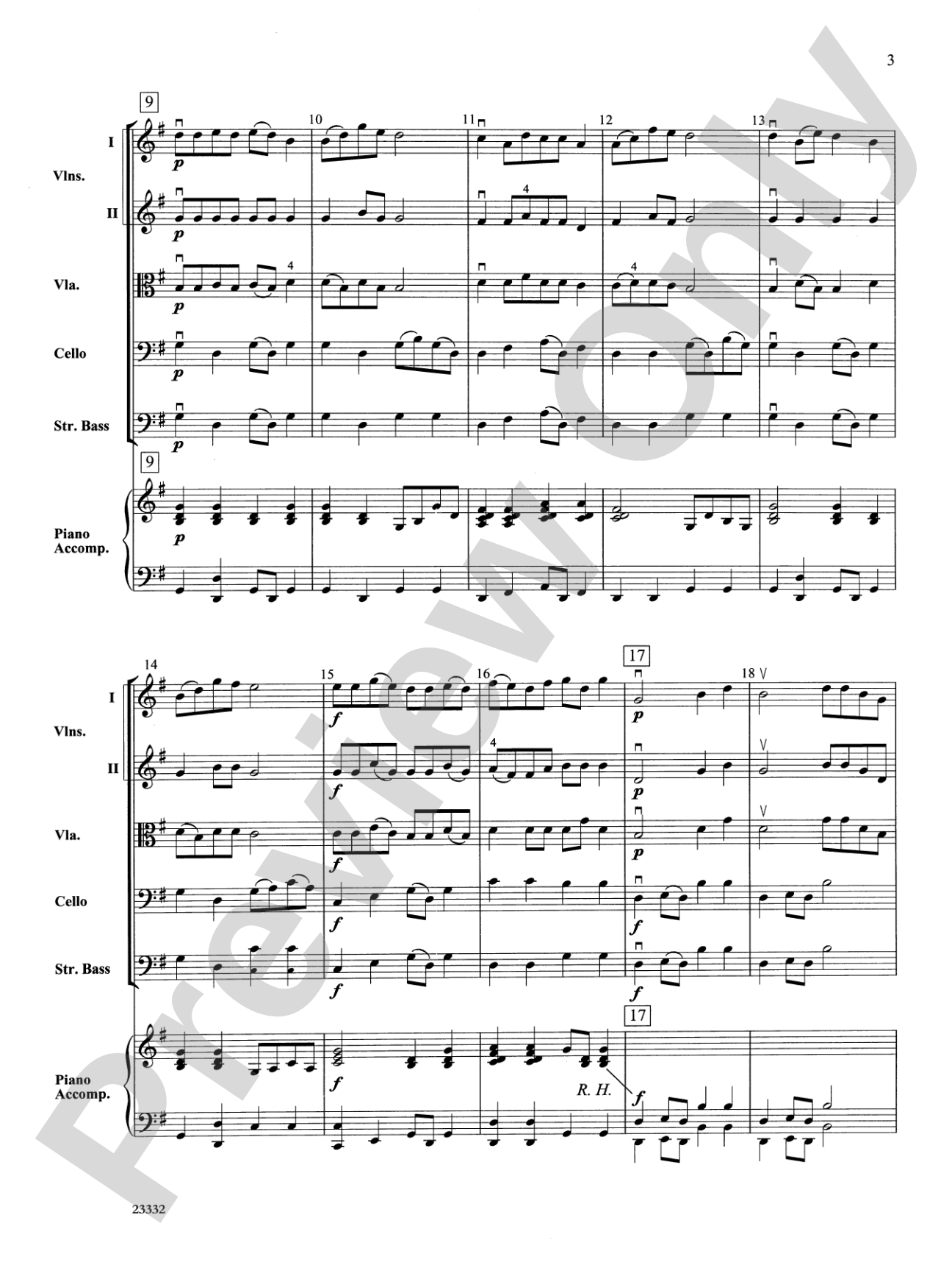
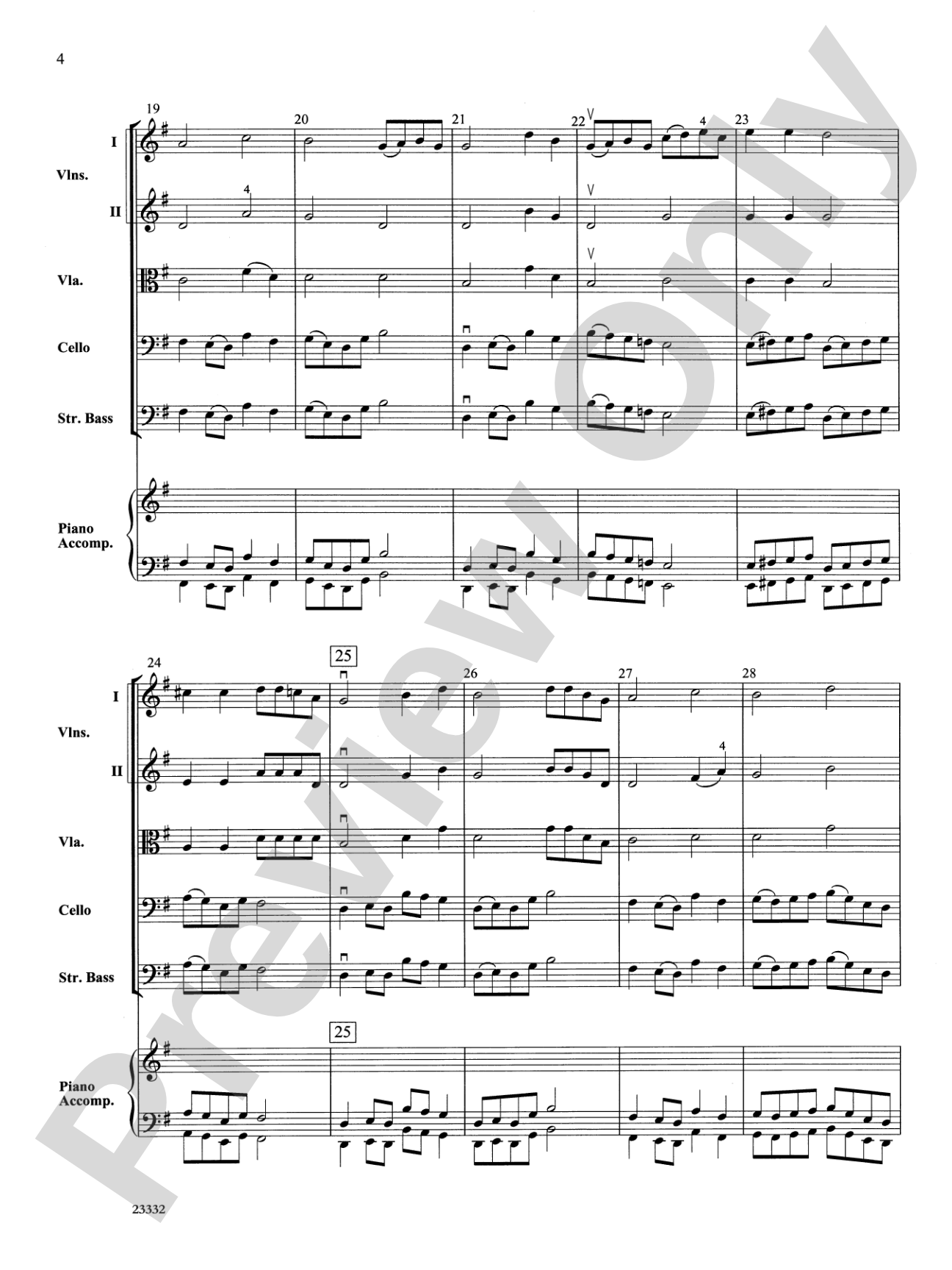
Playfully written, Scherzando employs mostly down and up bowing, includes some two-note slurs, and all instruments are given a chance to play the melody. Although the tempo is marked 88-104, it can be adjusted to suit your orchestra's sound. Dynamics will help the performers and audience enjoy this piece right up to the forte ending. Correlates with Strictly String, Book 1, page 30.


Don't just read it, hear it, play along with it, and watch your students grow with it. In MakeMusic Cloud, Scherzando: Score comes alive with professional accompaniment, adjustable tempo, and built-in practice tools that turn solo practice into real progress.
Open in the Player
Jump straight in and assign it today.
Start Your Free Trial
Open this title and explore the full library in minutes.
Sample Audio
1
Audio File
--:--
0:00
0:00
Sample Video
No sample videos found.
Additional Details
Series:
Highland/Etling Strictly Strings
Publisher:
Alfred Music
Page Count:
72
SKU:
00-PR-0000673
More about this title
About the Composer: Edmund J. Siennicki
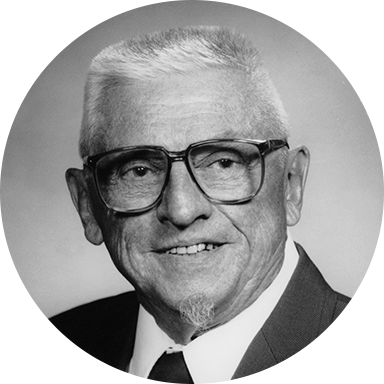
Edmund J. Siennicki grew up in Cleveland, Ohio, where a formative meeting with pianist Ignacy Jan Paderewski at age twelve shaped his musical direction. He earned his Bachelor's degree from Kent State University, where he composed Fight on for KSU, a piece still performed at the university's football games. In 1994, Kent State honored him with the Distinguished Alumnus Award from the School of Music.
Siennicki studied composition with Herbert Elwell and electronic music with Sergio Barroso, earning his MA from Teachers College, Columbia University, and consulting with noted composer Vincent Persichetti. His career combined professional performance on bassoon and piano with teaching in Cleveland junior high schools and faculty positions at Michigan and Kent State University. His compositions have won prizes in National School Orchestra competitions and earned him residencies at the MacDowell Colony. With nearly 200 published works and two decades of ASCAP special awards, Siennicki continues composing, visiting schools, and leading clinics.
Why we love this
This piece strikes the balance every Grade 2 director needs: genuinely musical and engaging for young players without unnecessary technical hurdles. Siennicki distributes the melody across the entire ensemble so every section gets rewarding moments in the spotlight, building ownership and confidence in younger orchestras. The playful character and flexible tempo range make it work equally well as a festival offering or a concert highlight that audiences actually enjoy.
What to expect
Scherzando has a light, dancing quality that keeps audiences smiling. The playful writing and bouncing energy create a performance that feels spirited and youthful, with enough musical substance to satisfy young musicians who are learning that good music can be fun.
Who it's for
Grade 2 string orchestras ready to move beyond unison melodies and explore a piece where every voice carries the tune. Young ensembles benefit from Siennicki's accessible yet musical writing, which demands secure bowing technique without complex shifting or difficult rhythms.
How to get the most out of it
- Experiment within the tempo range of 88-104 bpm by running the piece at different speeds in rehearsal; find the tempo that lets your orchestra articulate the bowings cleanly without rushing.
- Use dynamic contrast deliberately as a structural tool; the score's dynamic markings drive the humor and energy forward, so shape them intentionally rather than playing them superficially.
- Balance melody and accompaniment carefully as the melody passes between sections; adjust volume levels so the current melodic line cuts through without drowning out harmonic support.
How to use it
Pair this with a slower, lyrical piece to give your concert shape and variety. It works beautifully mid-program as a palette cleanser or as a festival competition entry where judges reward both musical content and engaging ensemble playing at the Grade 2 level.
Skills your students will build
- Down and up bowing coordination and consistency
- Two-note slur articulation and phrasing
- Melodic awareness across all instrumental voices
- Dynamic control and musical expression
- Balance and blend as melody transfers between sections