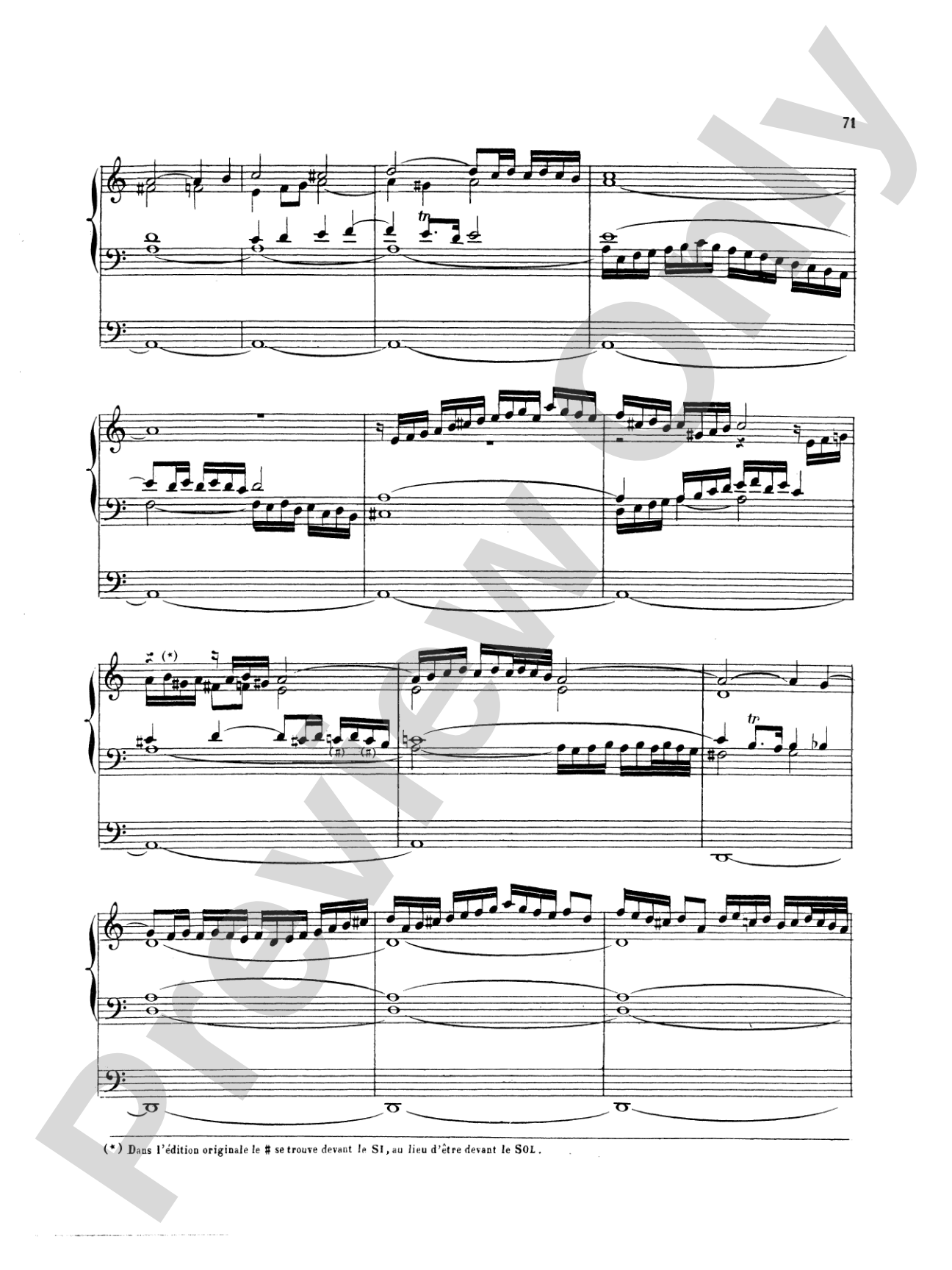
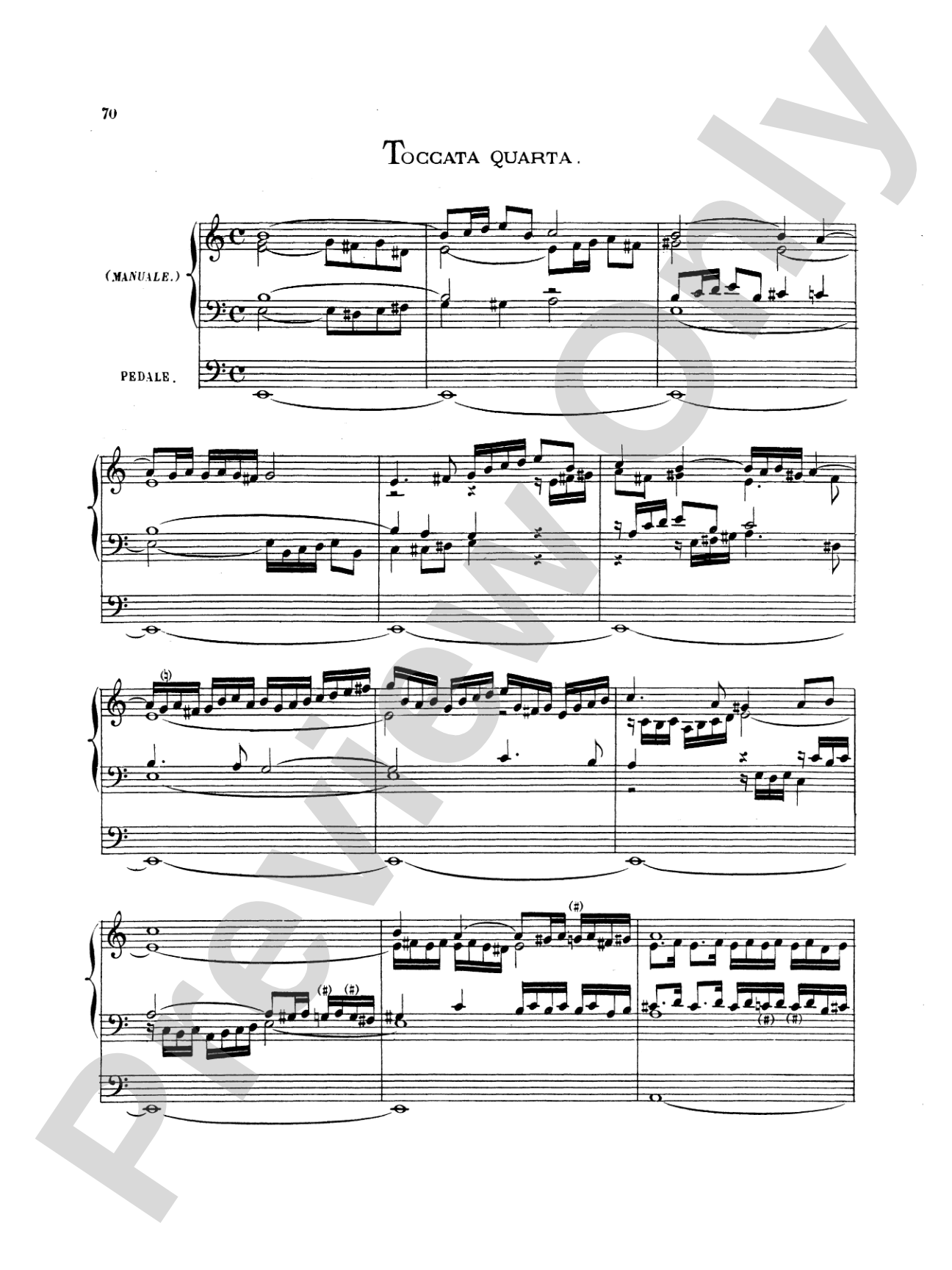
Scherer: Intonations and Toccatas Sheet Music Preview

Scherer: Intonations and Toccatas

By Sebastian Anton Scherer

Item: 00-PC-0009992

Digital Download
$0.99
Description
A collection of exercises, for Organ, composed by Sebastian Anton Scherer.

Don't just read it, hear it, play along with it, and watch your students grow with it. In MakeMusic Cloud, Scherer: Intonations and Toccatas comes alive with professional accompaniment, adjustable tempo, and built-in practice tools that turn solo practice into real progress.

Sample Audio
No sample audio found.
Sample Video
Additional Details
Series: Kalmus Edition
Publisher: Alfred Music
Page Count: 112
SKU: 00-PC-0009992

More about this title

About the Composer: Sebastian Anton Scherer

Sebastian Anton Scherer (1631–1712) was a German organist and composer whose keyboard works shaped Baroque organ pedagogy. Active primarily in Heidelberg, Scherer combined practical instruction with compositional invention, creating pieces that served both as teaching tools and concert works. His output reflects the North German organ tradition, where technical mastery and musical substance moved in tandem.

Why we love this

These intonations and toccatas arrive at a point in the Baroque where the organ's technical and expressive possibilities were fully realized. Scherer's writing is direct and idiomatic, avoiding unnecessary elaboration while demanding genuine musicianship from the performer. The collection sits at the intersection of method and masterwork, making it equally valuable for grounding intermediate players in fundamental technique and for advanced organists seeking authentic Baroque repertoire.

What to expect

These works unfold with the clarity and purposefulness of a composer writing for players he knew intimately. The intonations sit in quiet confidence, asking the organist to shape simple material into musical statement. The toccatas pulse with Northern European vigor, their rhythmic energy and harmonic turns creating a sense of exploration rather than mere display.

Who it's for

Intermediate to advanced organists seeking authentic Baroque repertoire with pedagogical grounding. Organ students working toward command of manual and pedal technique will find the intonations particularly useful as focused technical studies. Organists building a recital or service repertoire will appreciate toccatas that combine structural substance with manageable scope.

How to get the most out of it

  • Approach the intonations as opportunities to establish control over manual and pedal coordination. Scherer's writing here mirrors the warmup and tuning rituals that preceded major works, so treat each one as a focused study in clarity rather than a sprint.
  • Listen to the harmonic architecture in the toccatas; Scherer places surprising chord changes and voice-leading shifts that reward patient, deliberate phrasing. Rushing through sixteenth-note passages will obscure the structural intelligence underneath.
  • Use the full range of the instrument without apologizing for it. The toccatas exploit multiple keyboards and pedal, and the writing assumes an organist comfortable moving between them. Let the registration speak for the texture changes.
  • Balance convention with character. These works follow Baroque formal logic, but Scherer includes moments of harmonic freedom and rhythmic surprise that distinguish them from more formulaic keyboard writing of the era. Notice where he departs from expectation and honor that invention.

How to use it

Intonations work beautifully as preludes to larger works on a recital or service, establishing tonal center and performer presence before more demanding repertoire. A toccata can anchor a Baroque organ program or serve as a substantial solo piece on a mixed concert. Consider pairing selections from this collection with works by Pachelbel or the Froberger circle for a coherent historical program.

Skills your students will build

  • Manual and pedal coordination in varying figurations
  • Baroque articulation and phrasing conventions
  • Harmonic analysis in figured bass contexts
  • Registration choices for texture and contrast
  • Toccata form and the balance between written structure and improvisatory freedom
  • Two-part and three-part voice leading at the keyboard

You May Also Like