
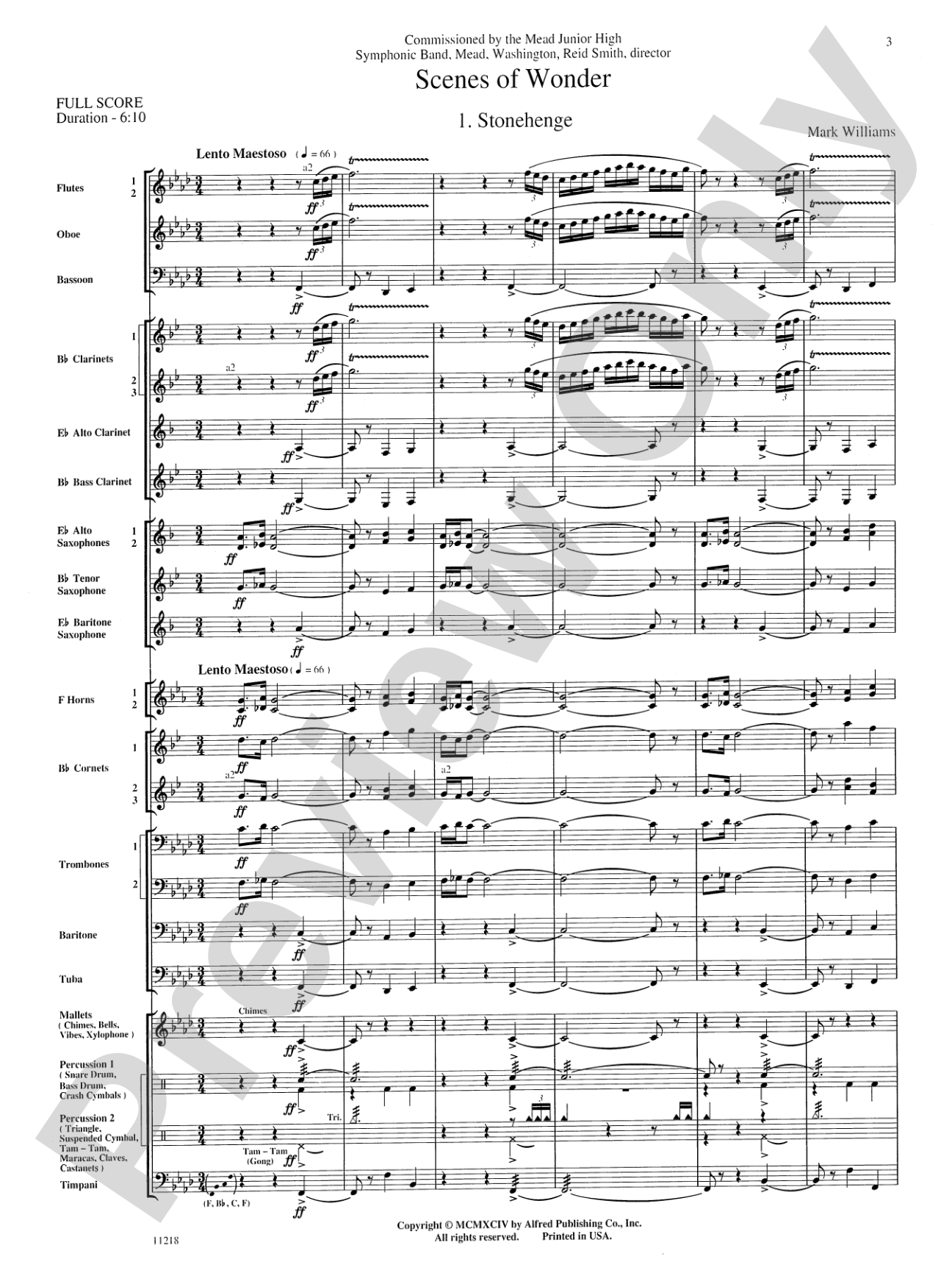
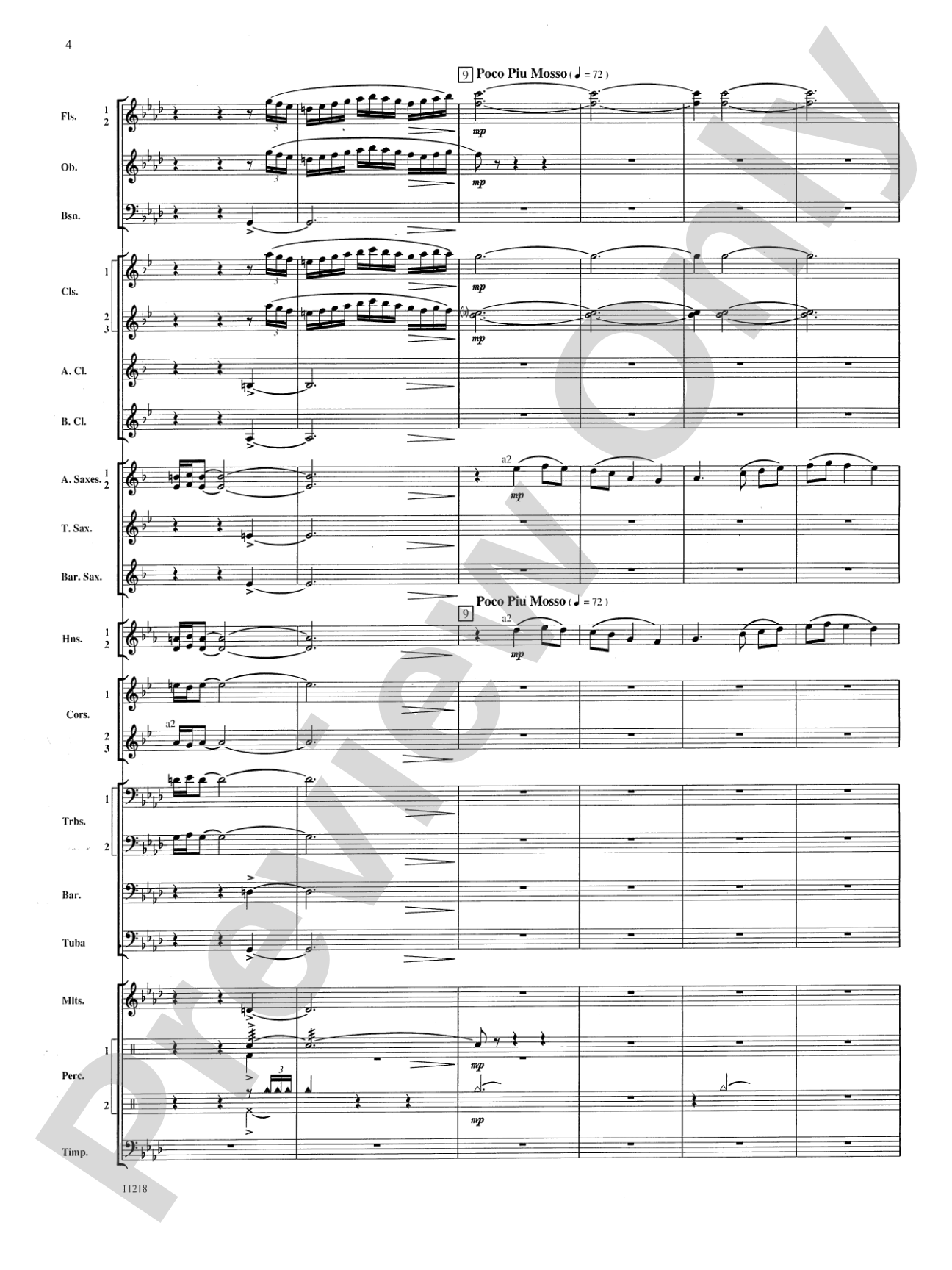
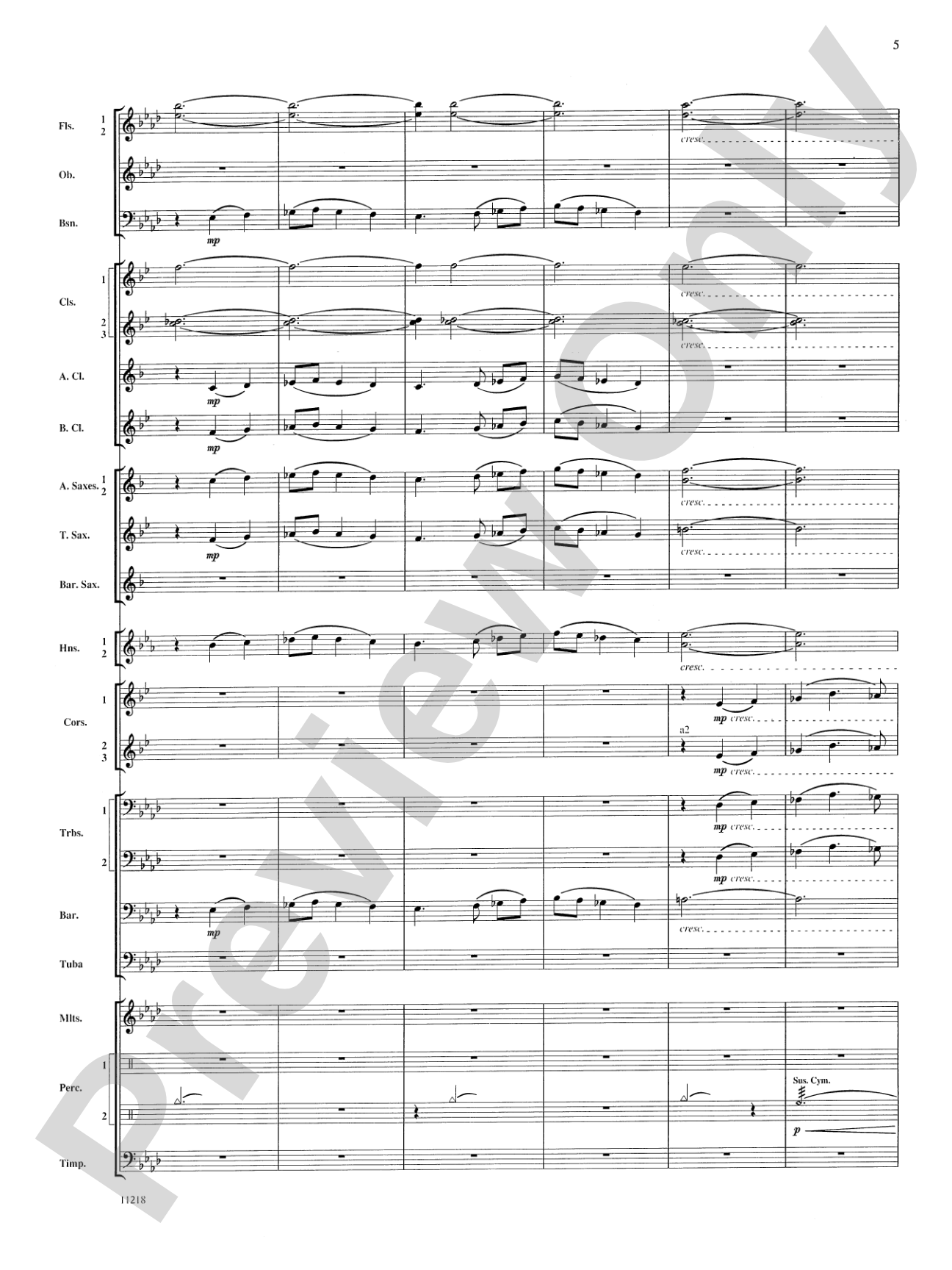
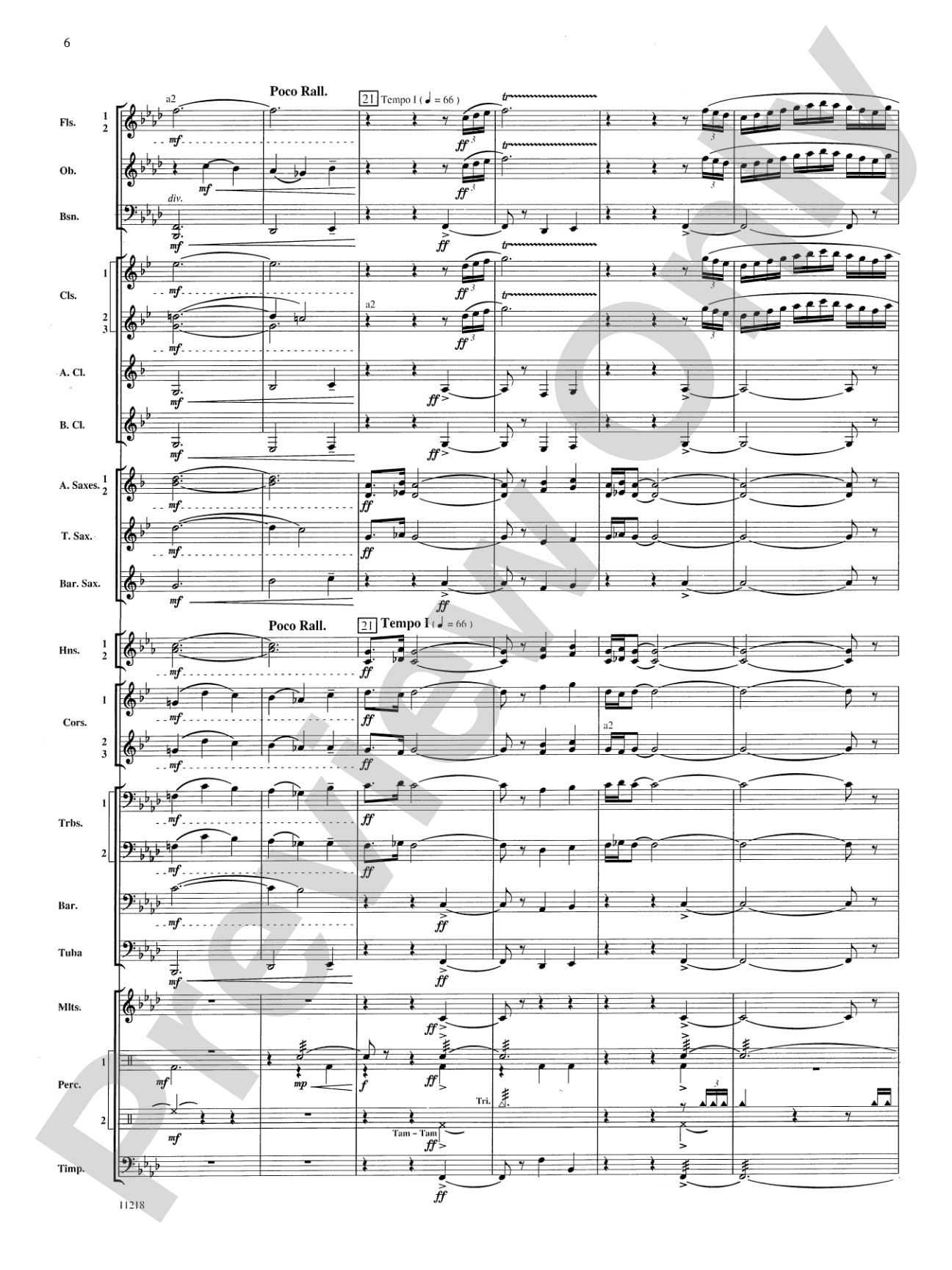
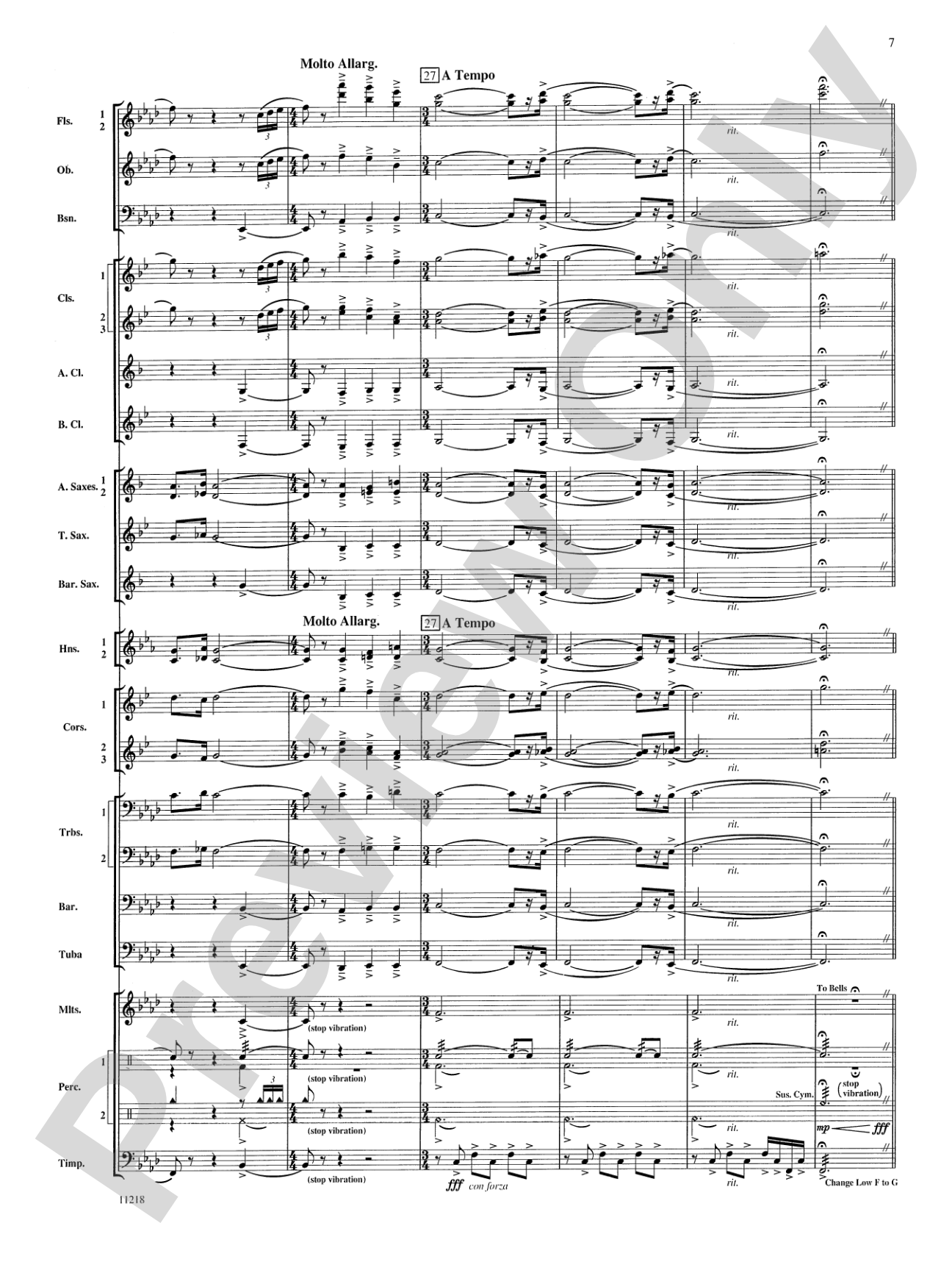
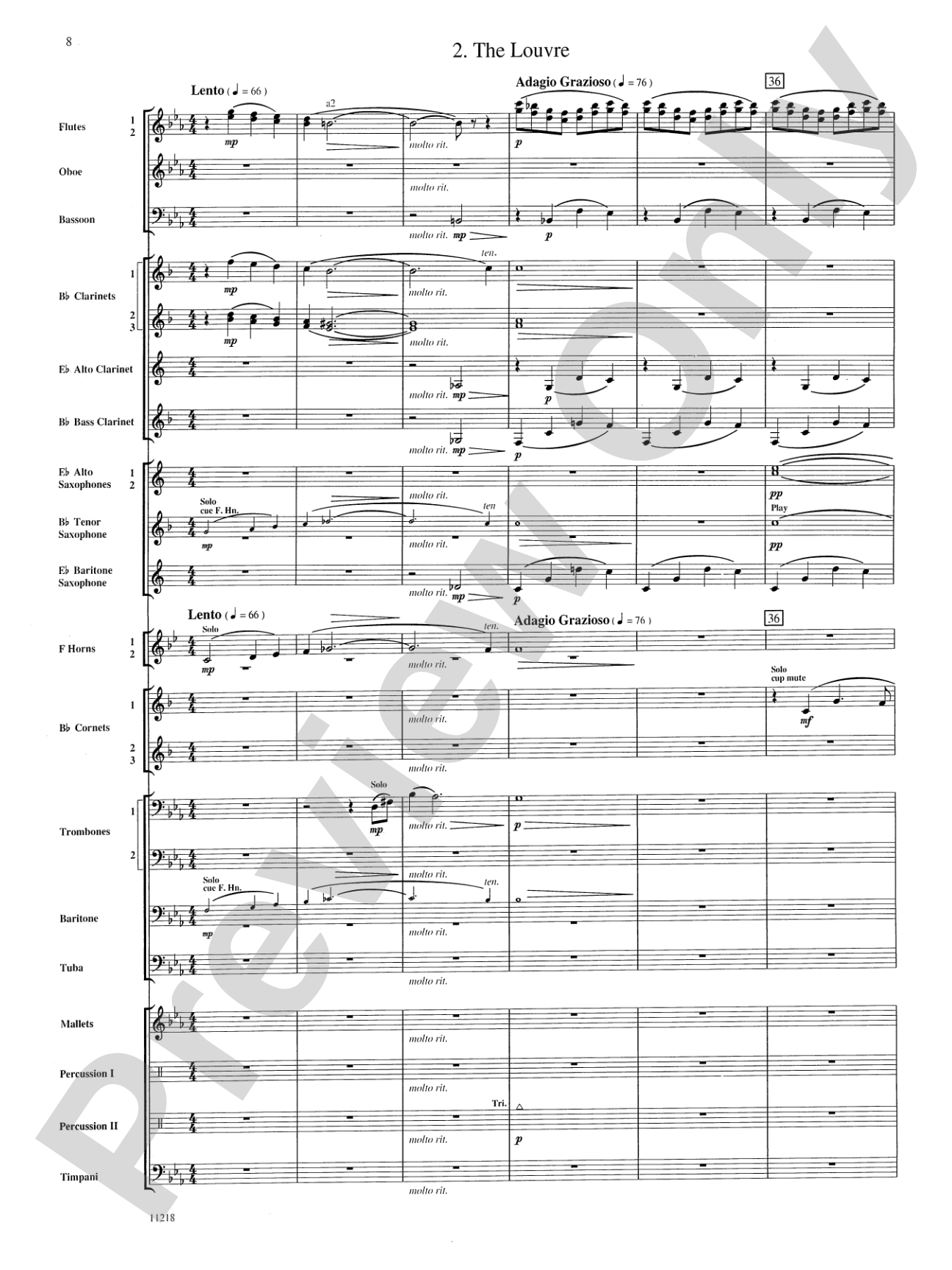
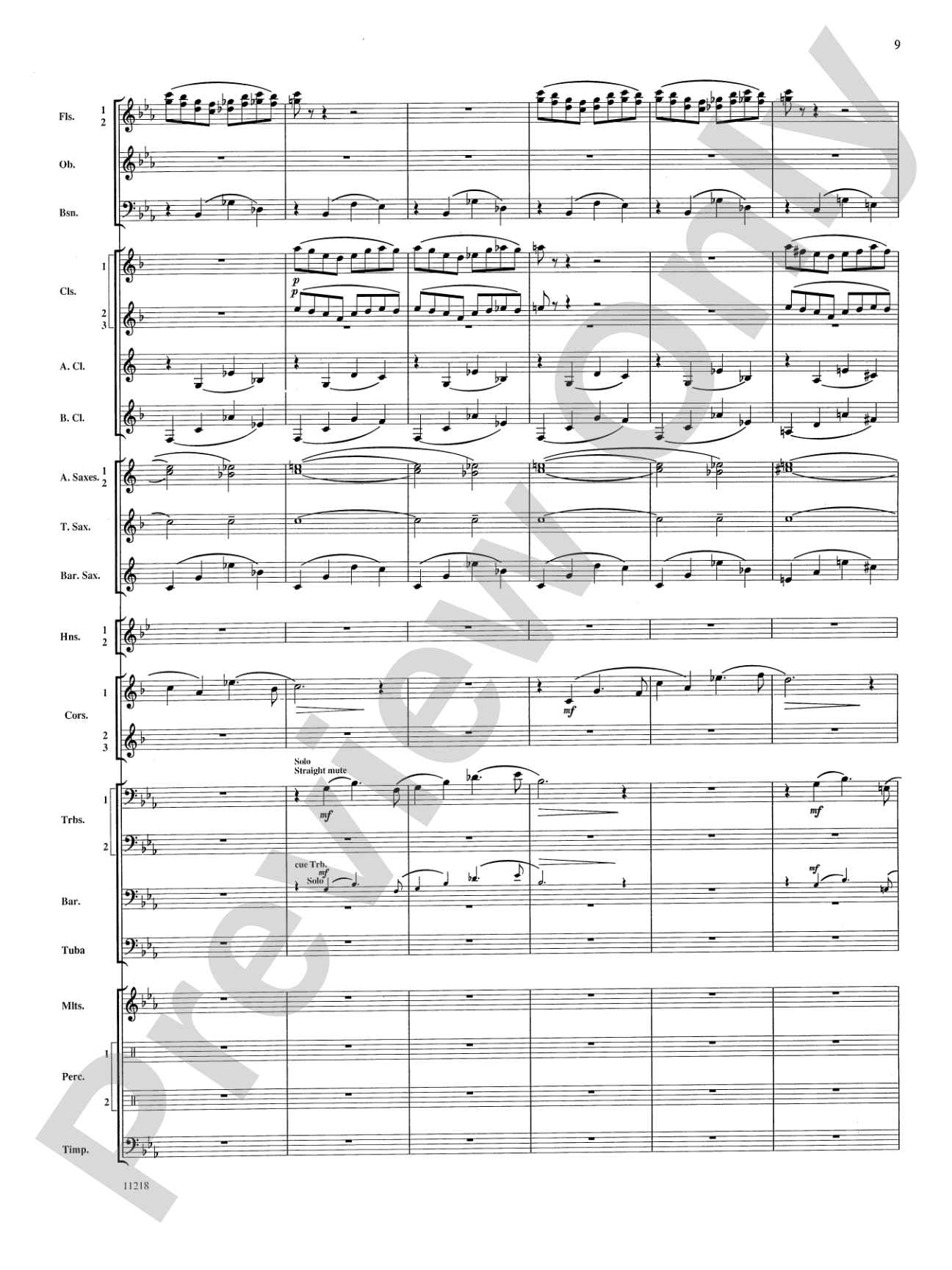
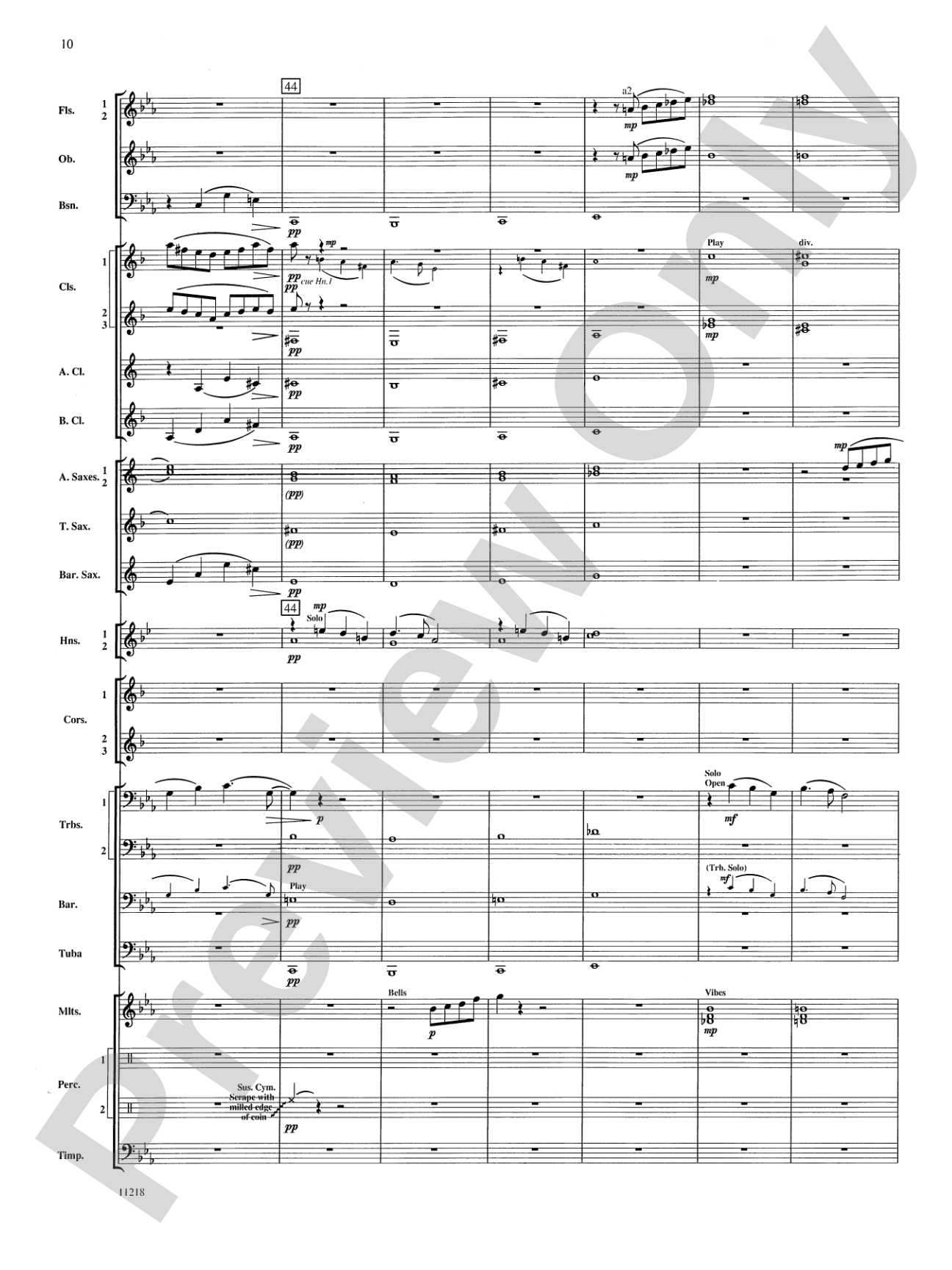
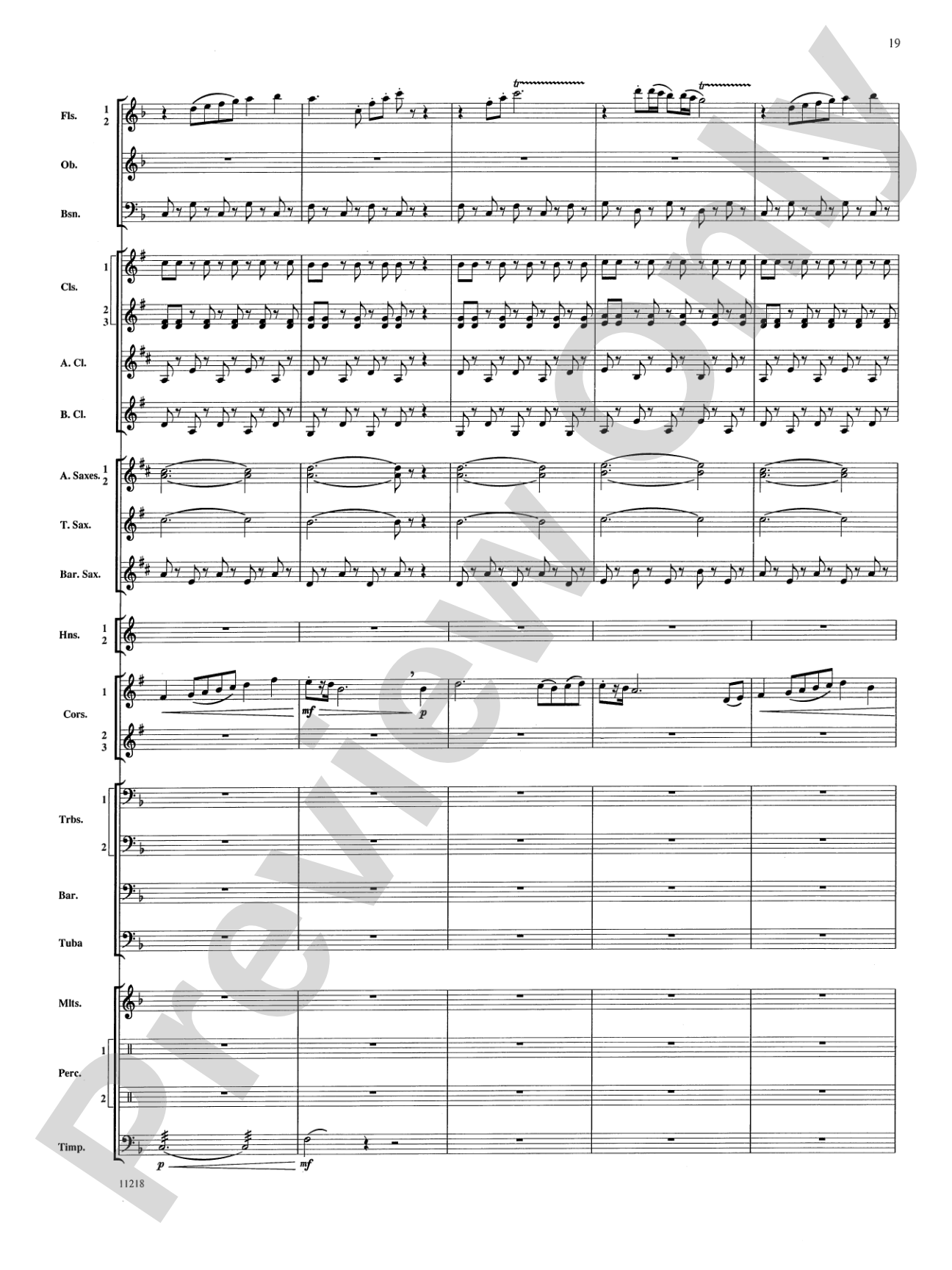
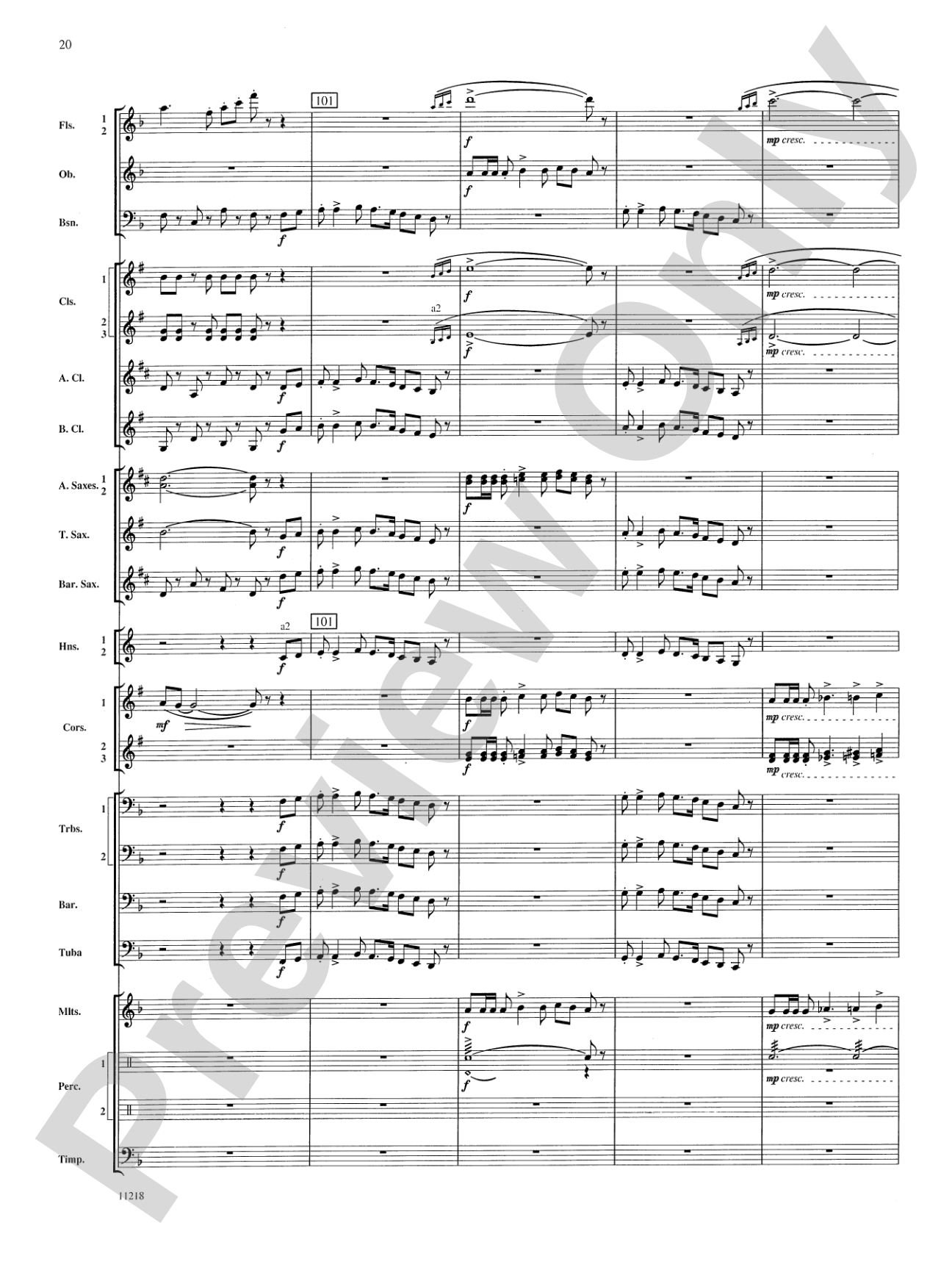
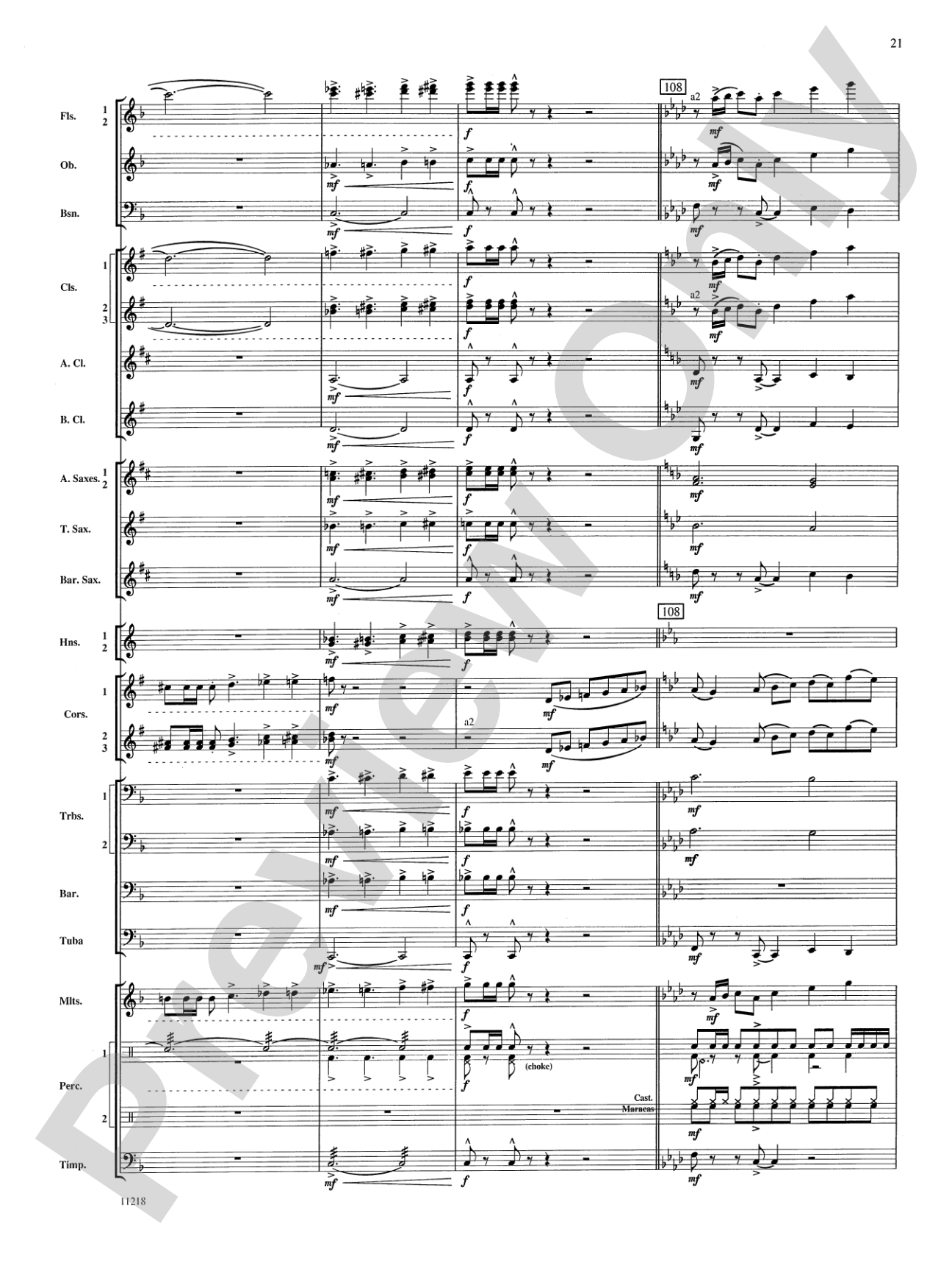
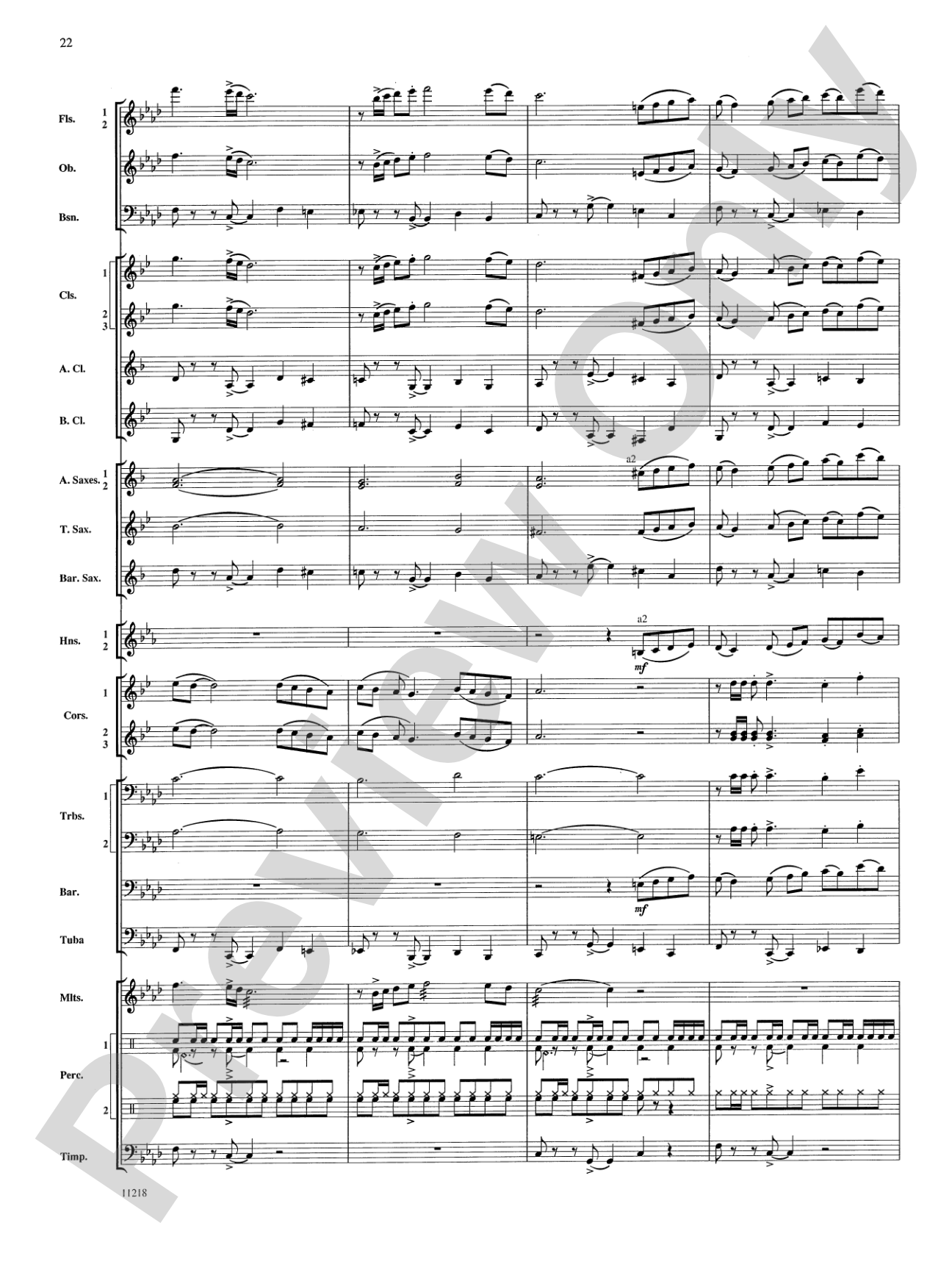
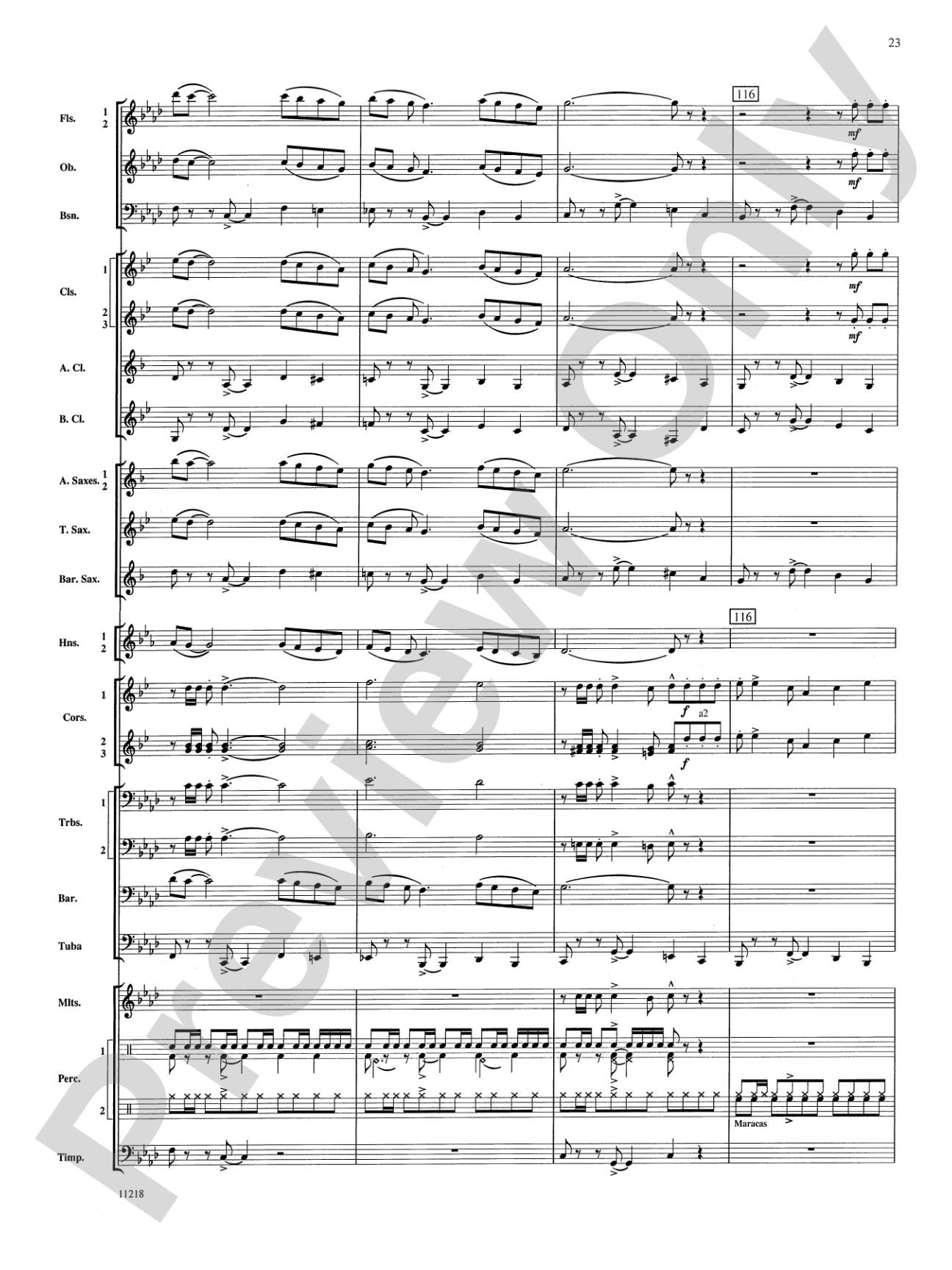
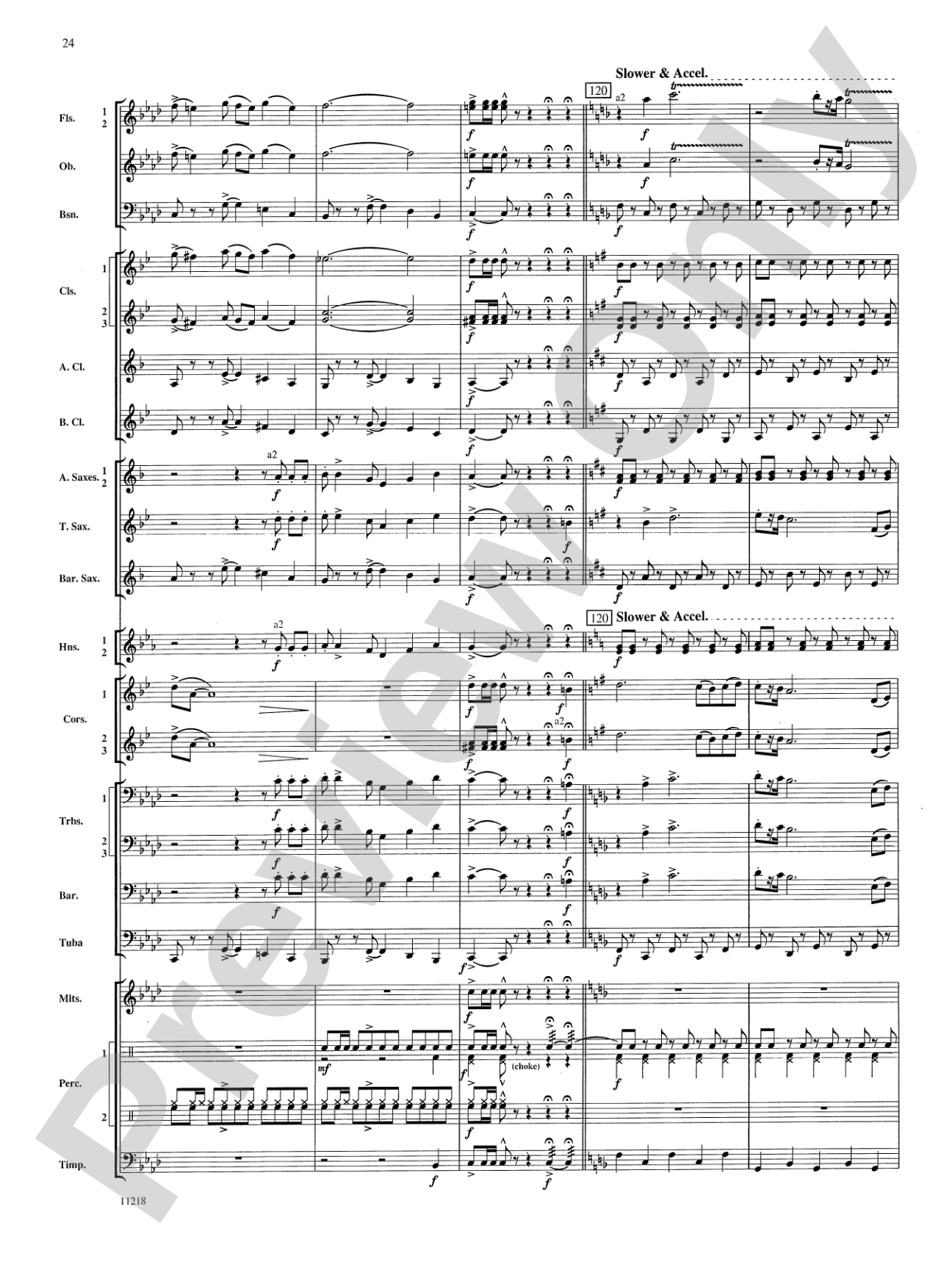
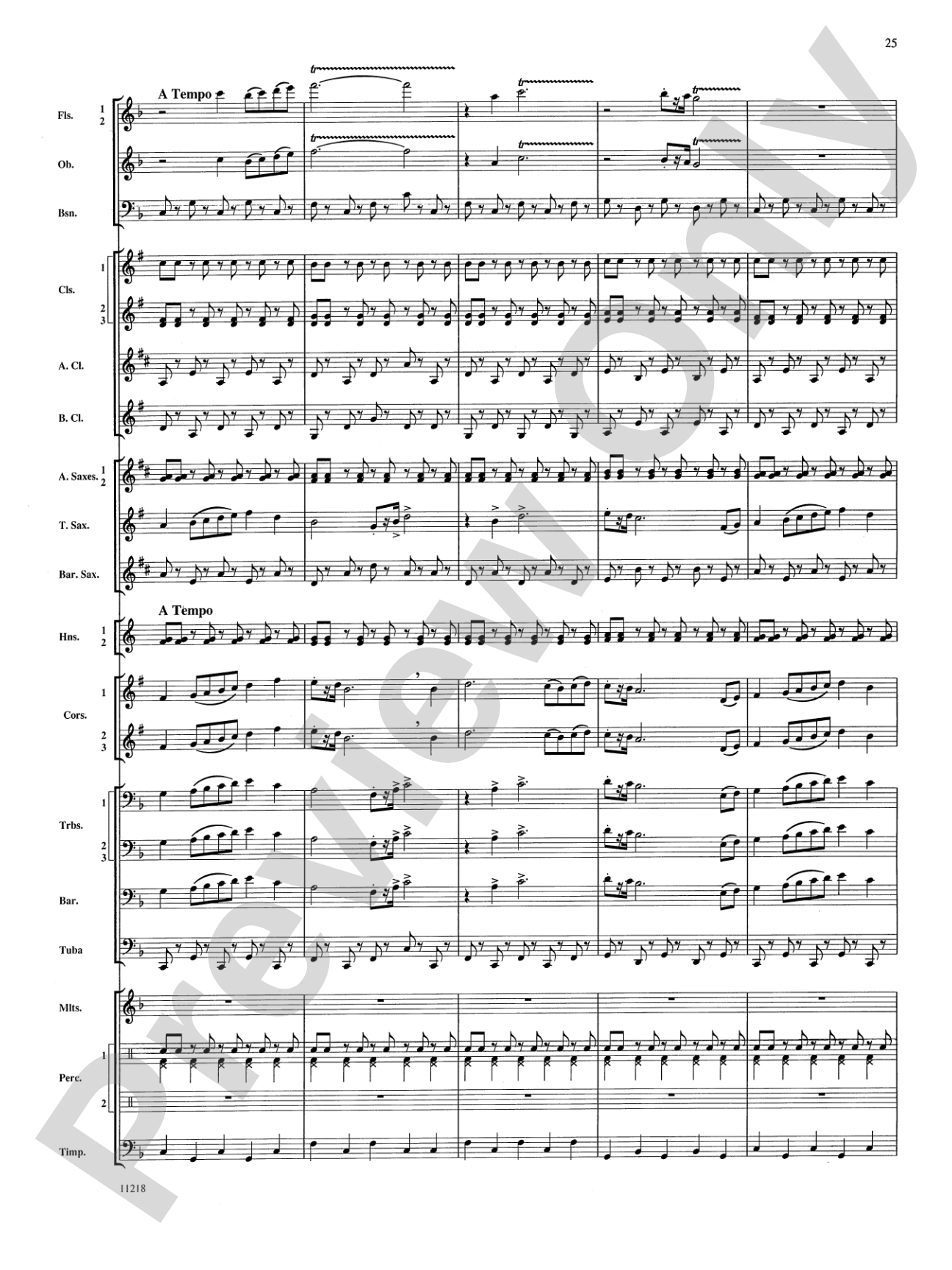
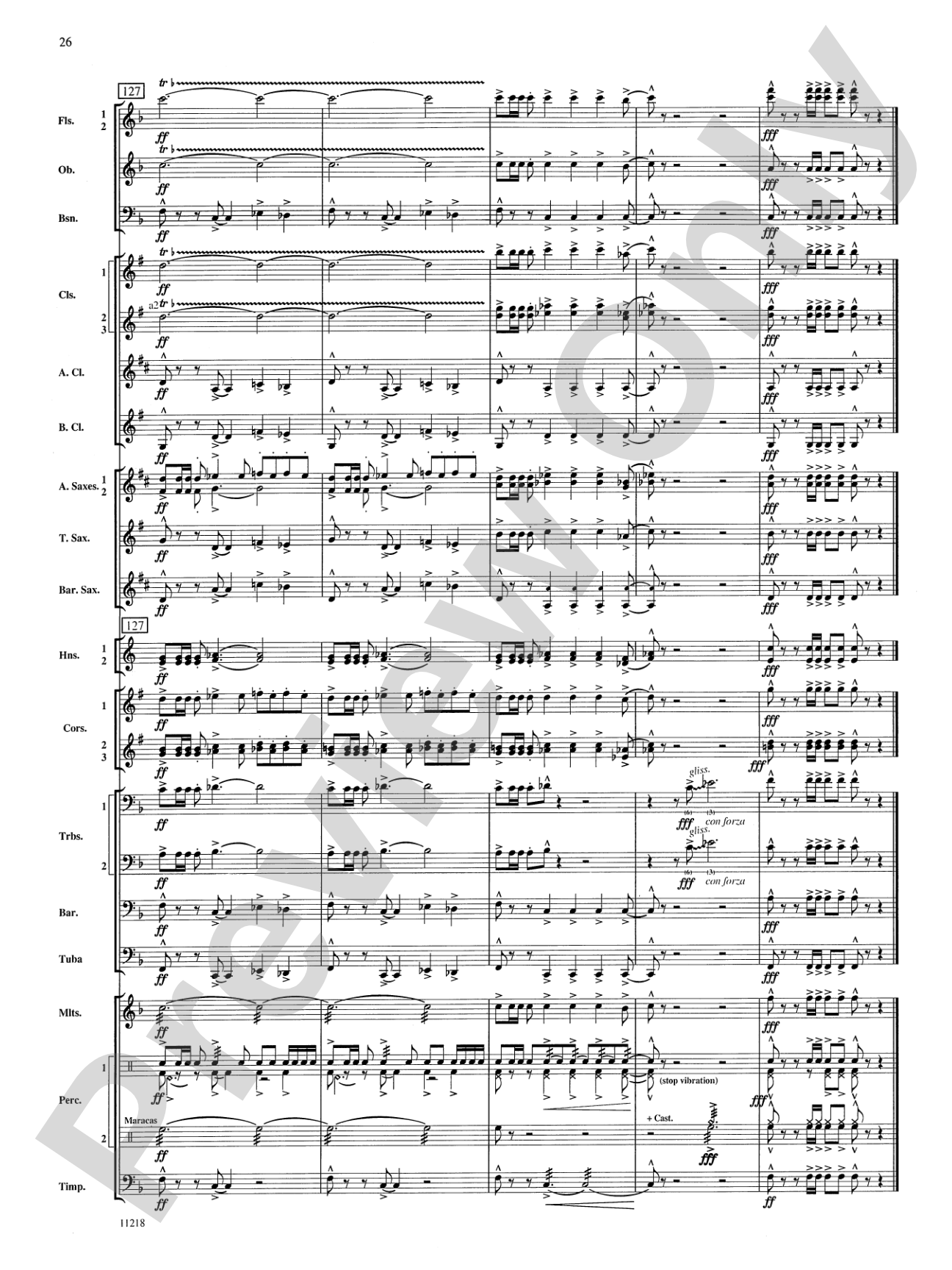

Scenes of Wonder: Score
(1. Stonehenge, 2. The Louvre, 3. Fiesta de Pamplona)
By Mark Williams
Grade: 3 (Medium)
Item: 00-PR-0000011
$6.00
Pickup currently not available
Description
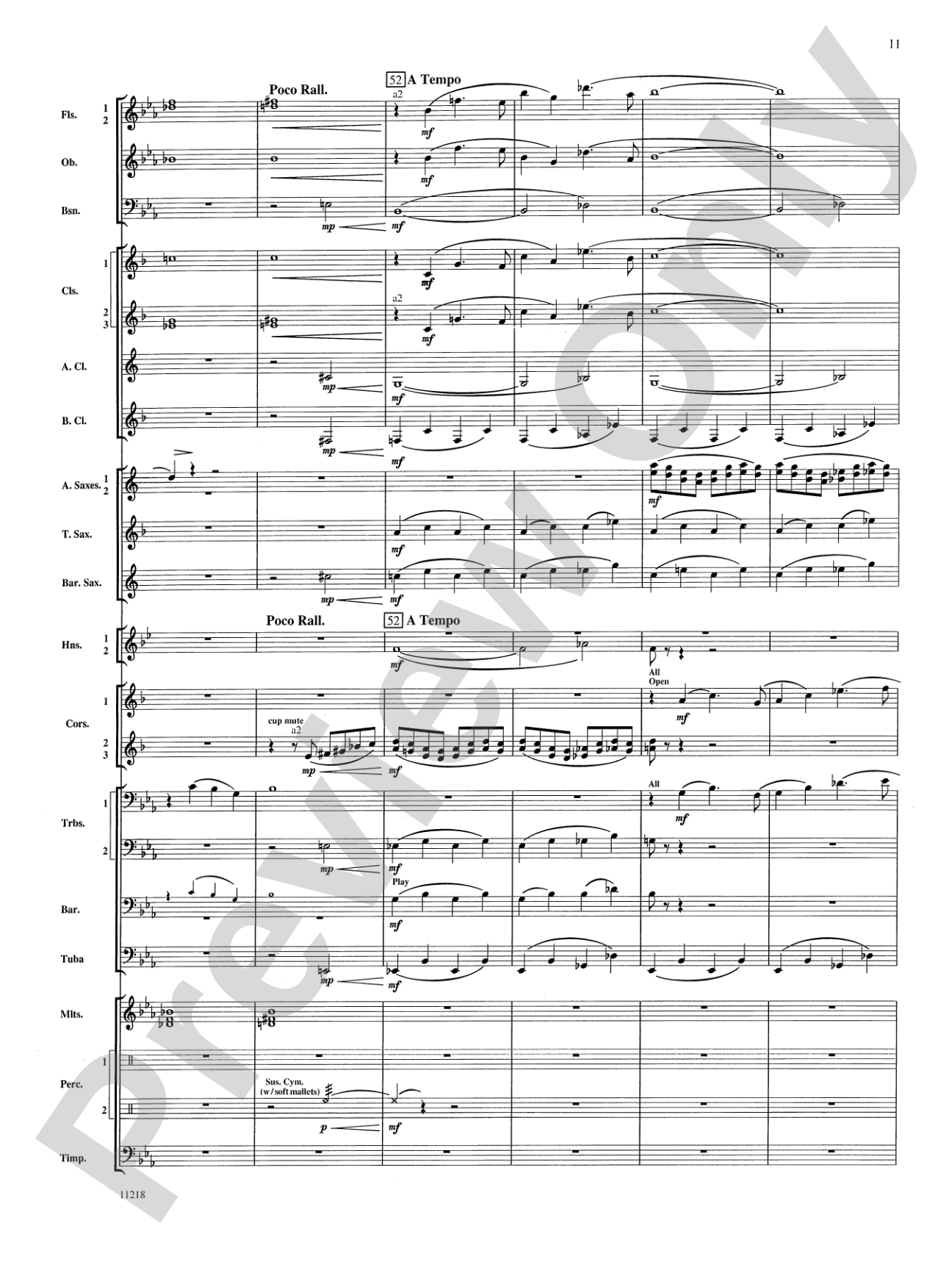
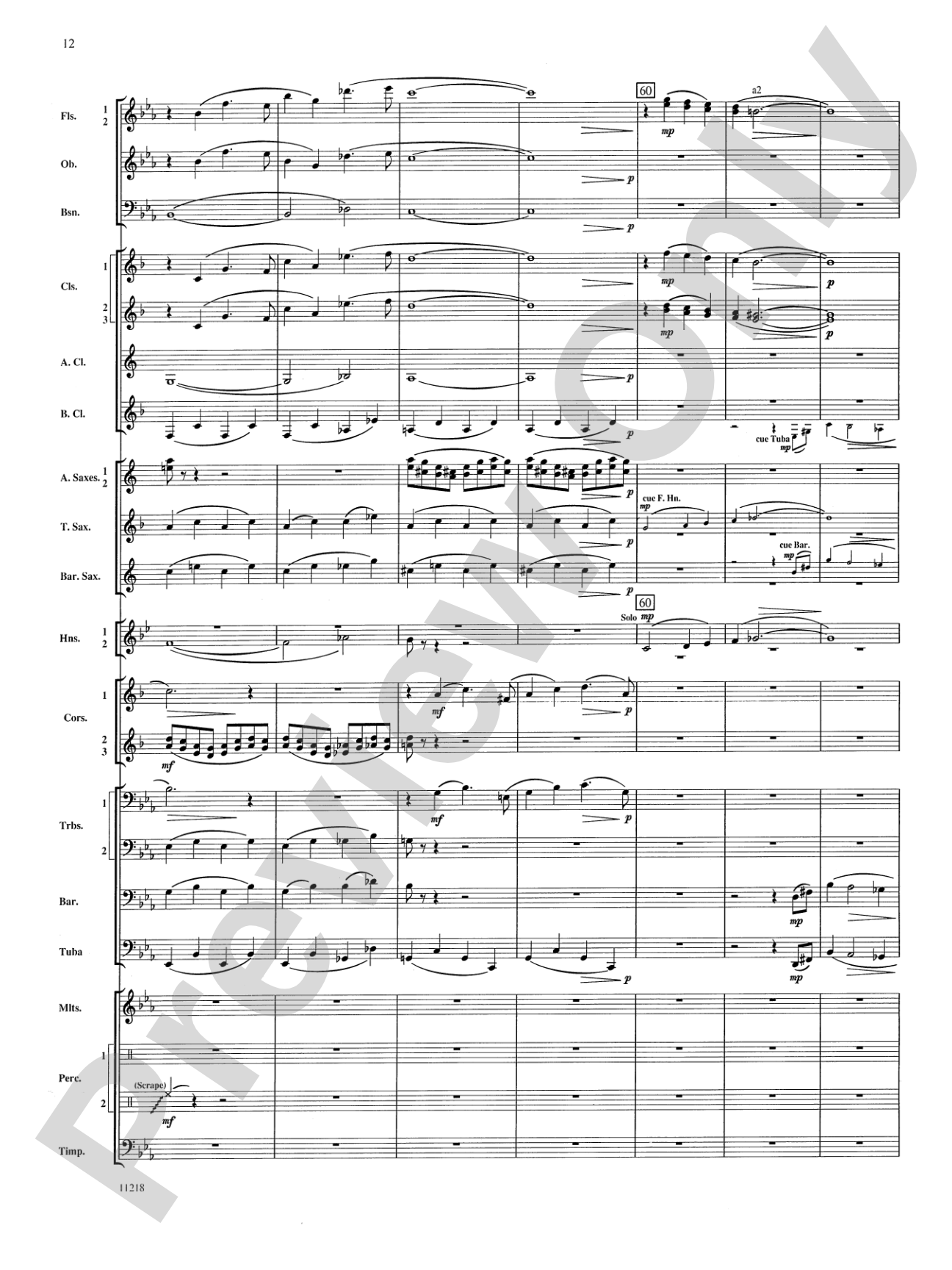
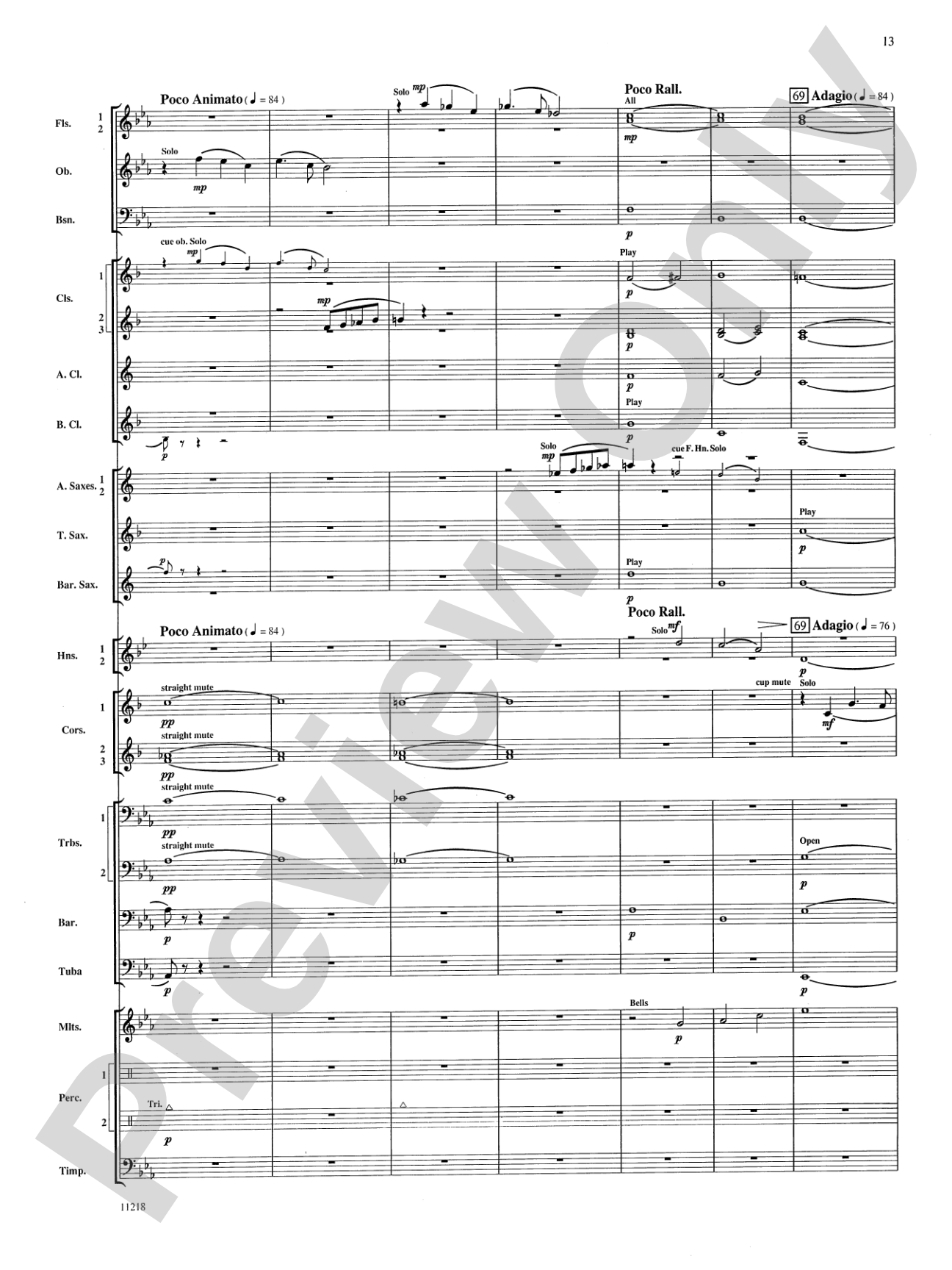
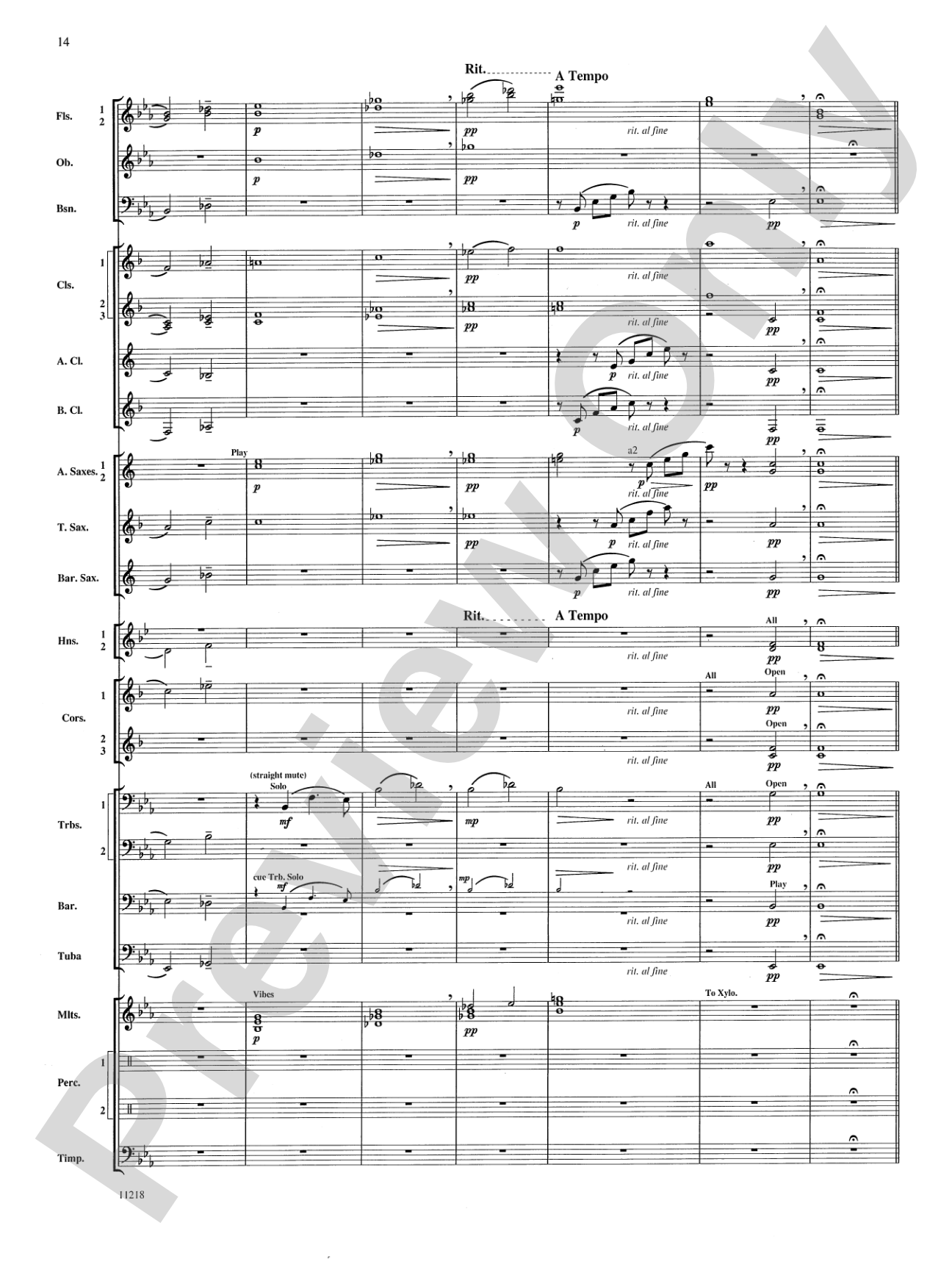
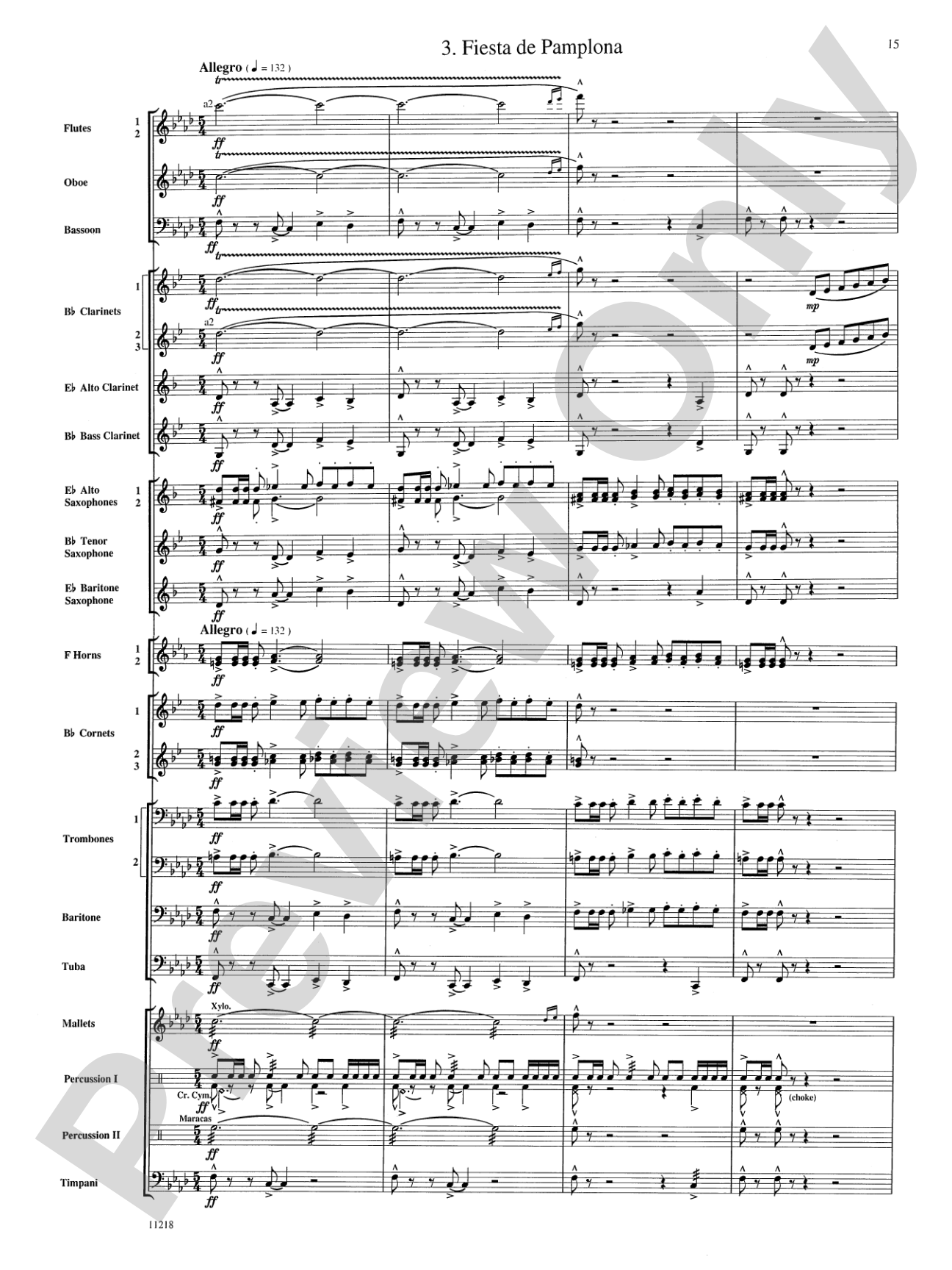
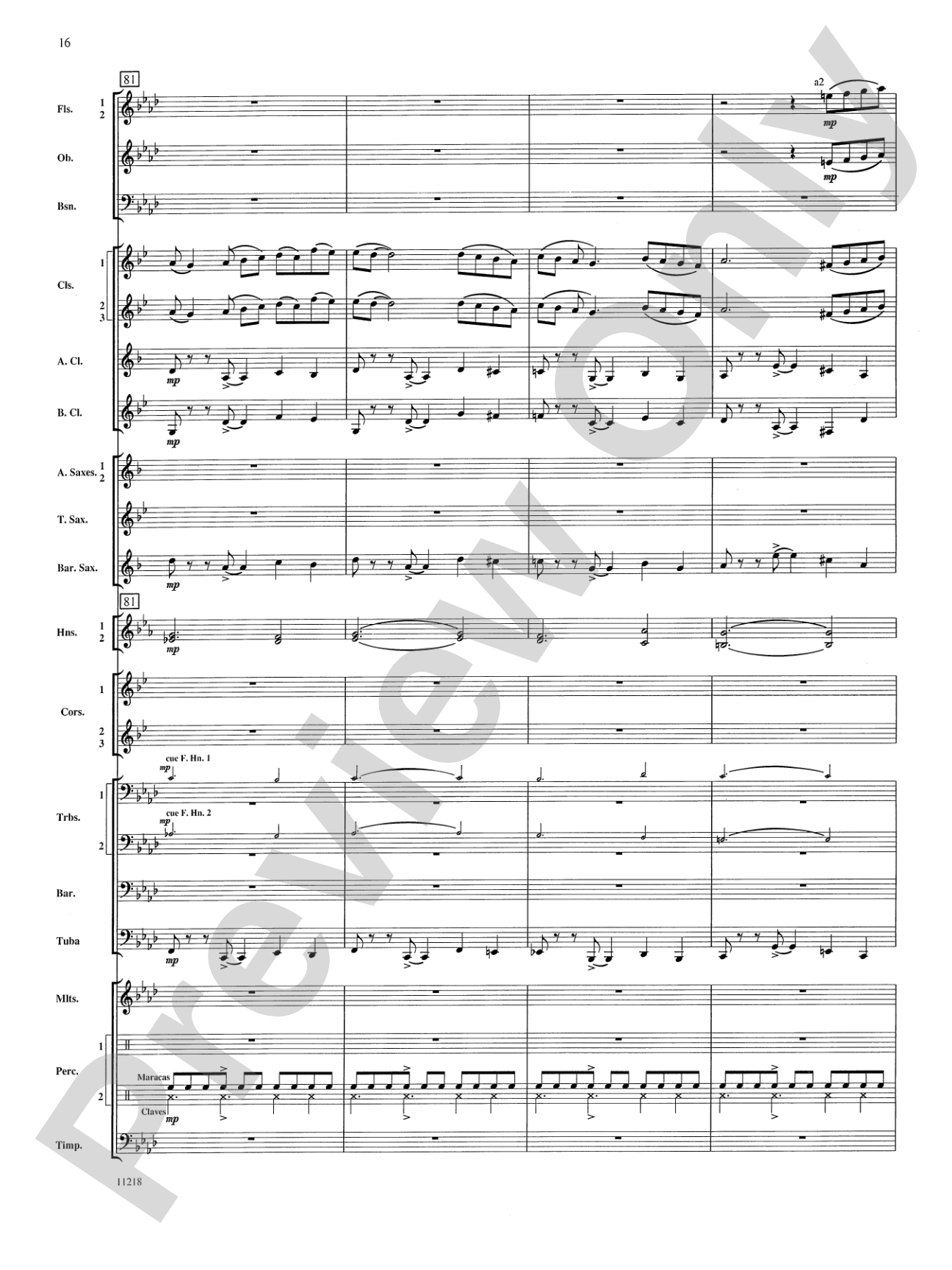
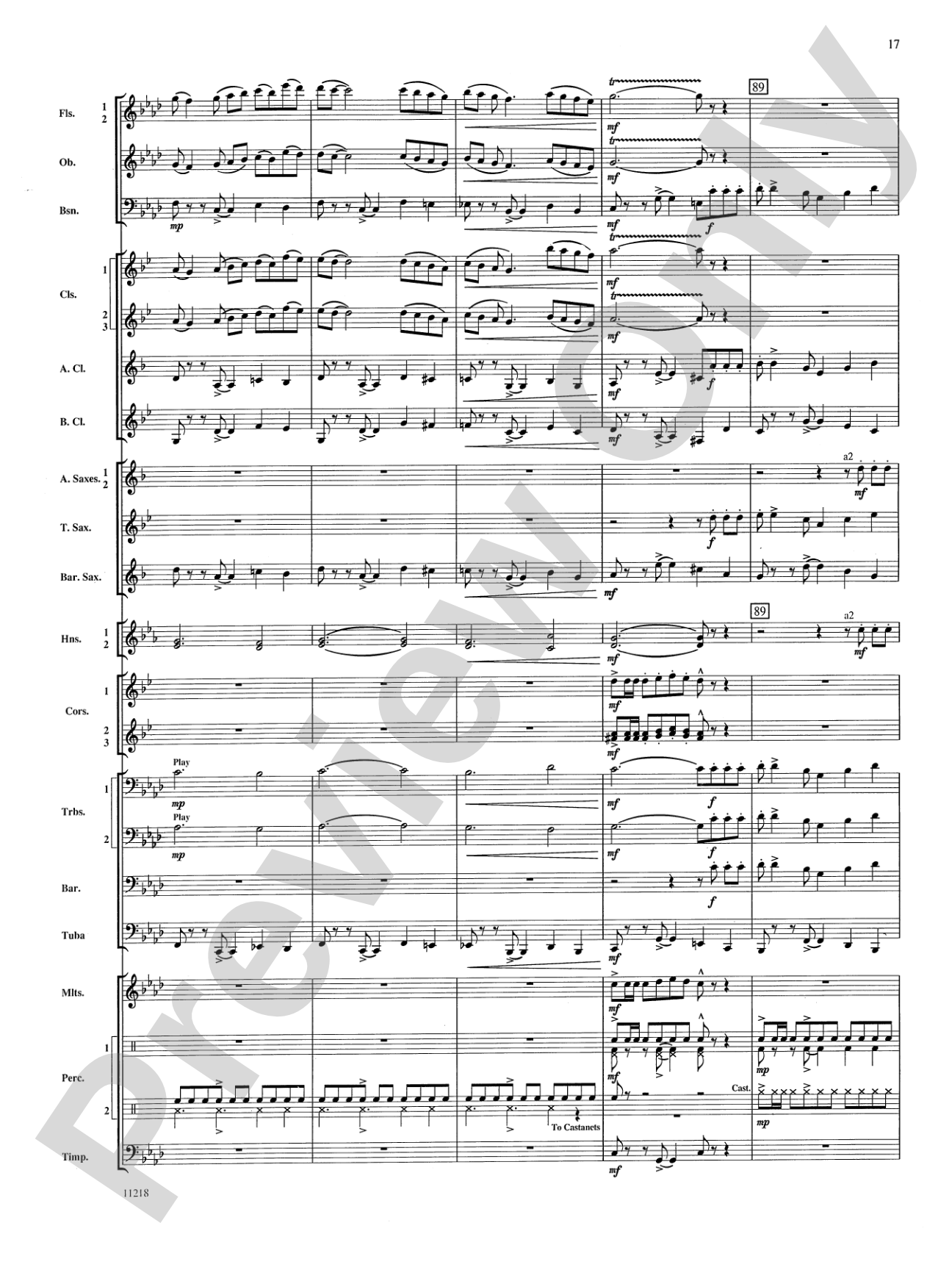
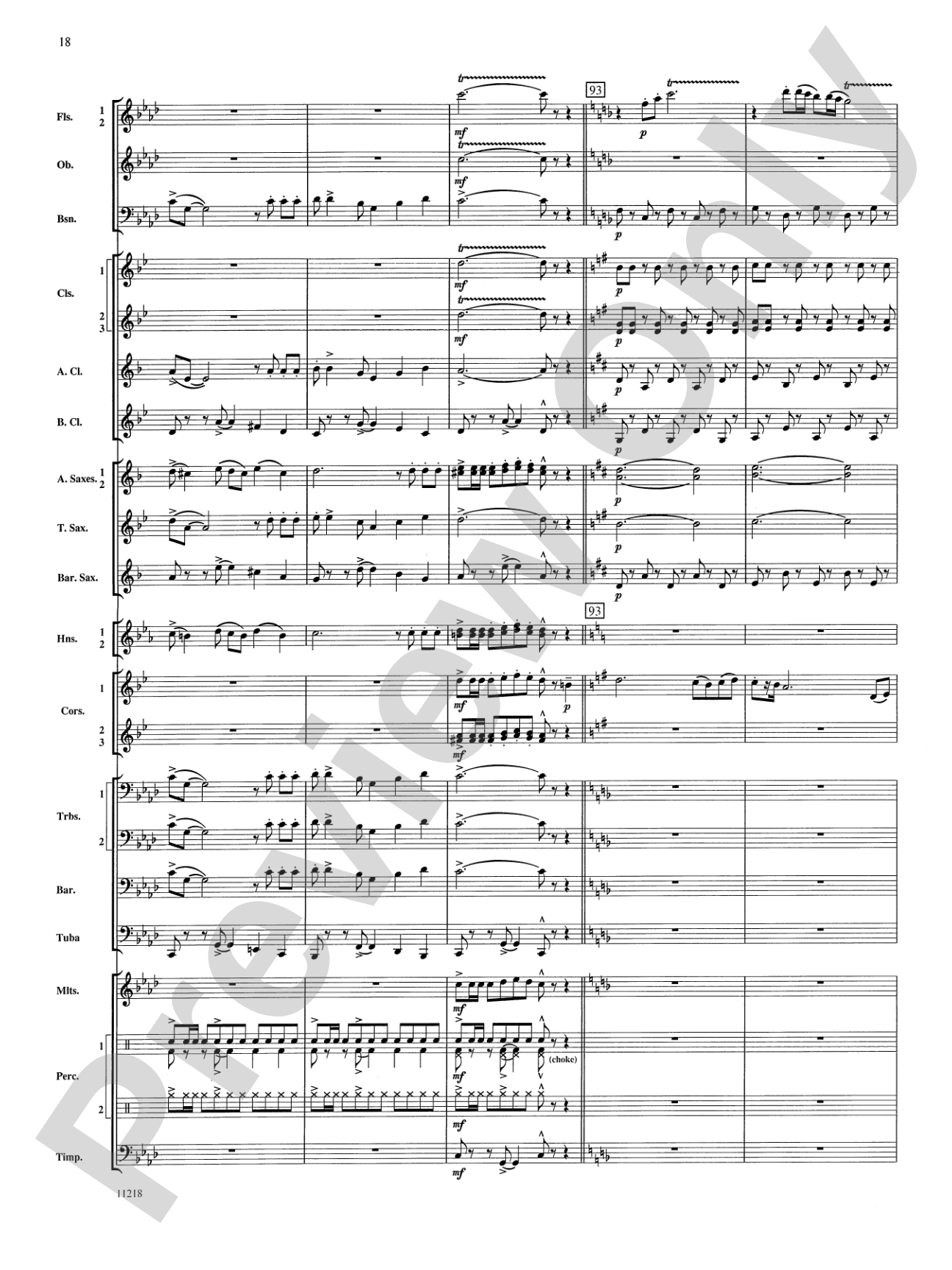
Scenes of Wonder by Mark Williams is a suite in three movements, each expressing the different emotions felt when visiting certain "scenes of wonder" in Europe. The first movement, "Stonehenge," with its intricate harmonies and "rock solid" style, depicts the power and mystery of the ancient stone monument. The second movement, "The Louvre", is written in an impressionistic style and features beautiful solo opportunities for trumpet, trombone and horn. The suite concludes with "Fiesta de Pamplona," a rollicking "paso doble" in 5/4 time conveying the excitement of the "runing of the bulls" in Pamplona, Spain.


Don't just read it, hear it, play along with it, and watch your students grow with it. In MakeMusic Cloud, Scenes of Wonder: Score comes alive with professional accompaniment, adjustable tempo, and built-in practice tools that turn solo practice into real progress.
Open in the Player
Jump straight in and assign it today.
Start Your Free Trial
Open this title and explore the full library in minutes.
Sample Audio
1
Audio File
--:--
0:00
0:00
Sample Video
No sample videos found.
Additional Details
Series:
Growing Band Series
Publisher:
Alfred Music
Page Count:
270
SKU:
00-PR-0000011
More about this title
About the Composer: Mark Williams
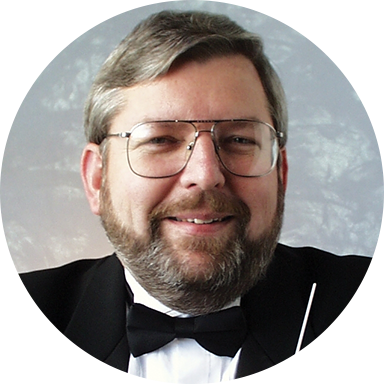
Mark Williams built his reputation as one of the most prolific and performed composers for school bands and orchestras in America. A native of Chicago who spent formative years in Spokane, Washington, he taught elementary band in Washington schools while maintaining an active schedule as a clinician and guest conductor across 34 states, five Canadian provinces, and Australia. His output exceeded 200 published compositions, and he co-authored the widely adopted Accent on Achievement Band Method, establishing pedagogy that shaped instrumental music education across generations.
Williams brought diverse musical experience to his compositional voice. He held degrees in Education and taught at Eastern Washington University, performed as a bassoon soloist and arranger with the 560th Air Force Band, and served as Conductor and Artistic Director for the Spokane British Brass Band. His contributions earned recognition including the Western International Band Clinic's Gralia Competition and multiple ASCAP Special Awards, cementing his place as a guiding voice in the development of accessible, musically substantial repertoire for student ensembles.
Why we love this
This suite delivers the concert experience students deserve at Grade 3. Each movement brings a distinct harmonic language and orchestration challenge, from the angular modernism of Stonehenge to the warm, lyrical solo writing in The Louvre, yet none of it alienates the ensemble. The final movement's 5/4 pulse and driving rhythmic energy gives students genuine artistic satisfaction without overshooting their technical readiness.
What to expect
Stonehenge looms with austere power, its stone-age mystery captured in harmonies that feel both ancient and oddly modern. The Louvre unfolds like a museum walk through soft light and color, with solo voices drifting over gentle textures. Fiesta de Pamplona erupts in rhythmic celebration, the 5/4 pulse driving forward with infectious energy and Iberian flavor.
Who it's for
Concert bands at the Grade 3 level, including middle school ensembles and accomplished upper elementary bands, will find three distinct musical challenges and rewards here. Festival and contest-ready conductors value the technical substance paired with accessibility; students get genuine artistry without excessive difficulty.
How to get the most out of it
- Balance the layered harmonies in Stonehenge by clarifying which instrumental voices carry the primary melodic thread at any moment during sectional rehearsals. The intricate harmonic writing benefits from transparent voice-leading.
- Feature the solo passages in The Louvre with proper dynamic control. Trumpet, trombone, and horn soloists need space and lighter accompaniment textures so their expressive opportunities shine without constant competition from the full ensemble.
- Lock the rhythm section into the 5/4 metric framework of Fiesta de Pamplona early. Once percussion and lower brass establish the pulse confidently, the upper voices can layer the paso doble character without rushing or collapsing the meter.
- Use the contrasting moods between movements to reset the ensemble's listening and sectional focus. The tonal shift from movement to movement gives you natural rehearsal break points.
How to use it
Program this suite as the centerpiece of a concert dedicated to European travel or cultural exploration, pairing it with lighter overtures or character pieces for contrast. It works equally well as a festival entry, where the three-movement span showcases range without excessive performance length.
Skills your students will build
- Reading mixed meters (4/4 and 5/4)
- Balancing complex harmonic textures across multiple voices
- Solo performance and musically sensitive accompaniment
- Stylistic interpretation across three distinct harmonic languages (modal, impressionistic, rhythmic)
- Sustained intonation in sustained chord structures