
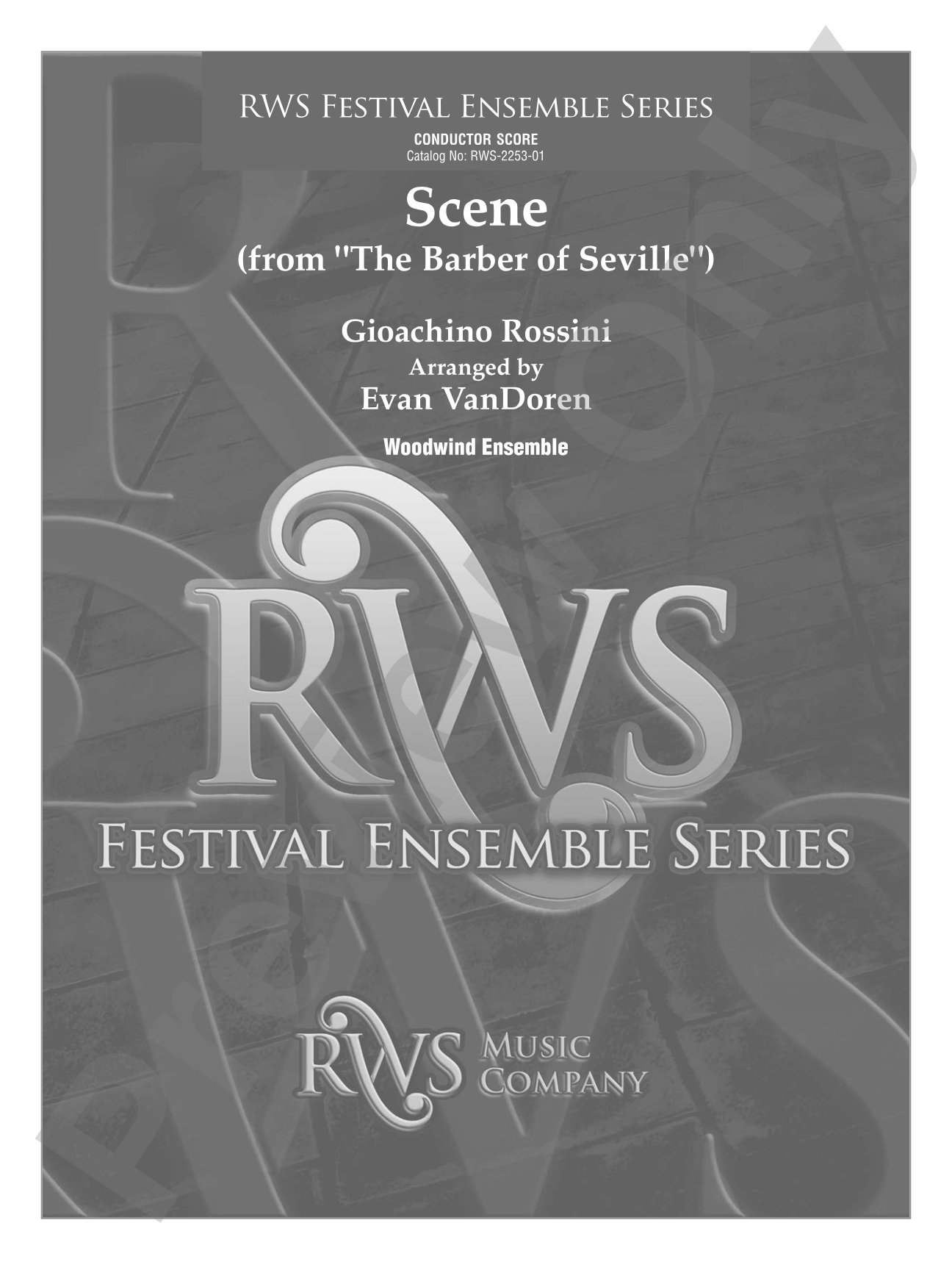
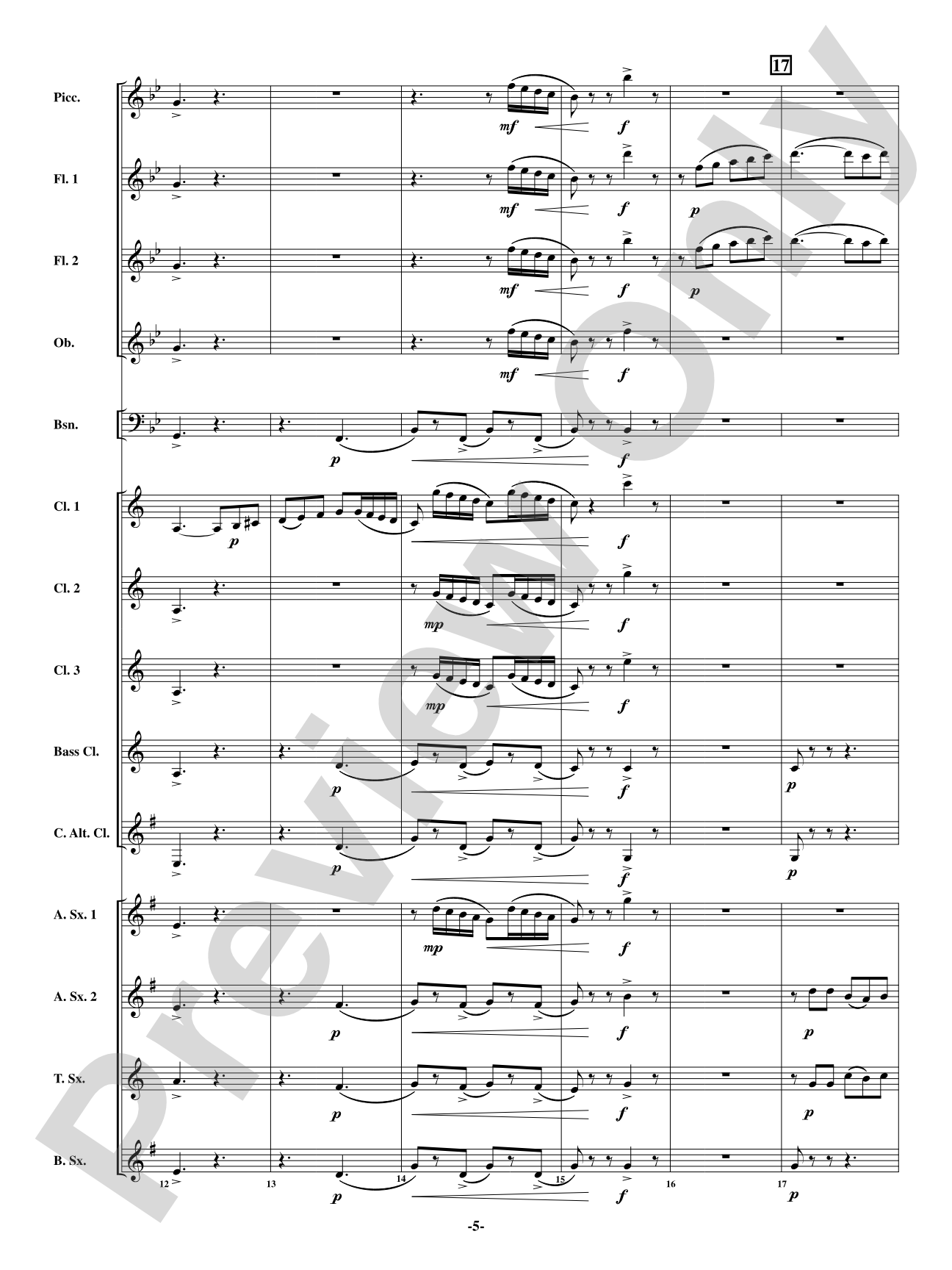
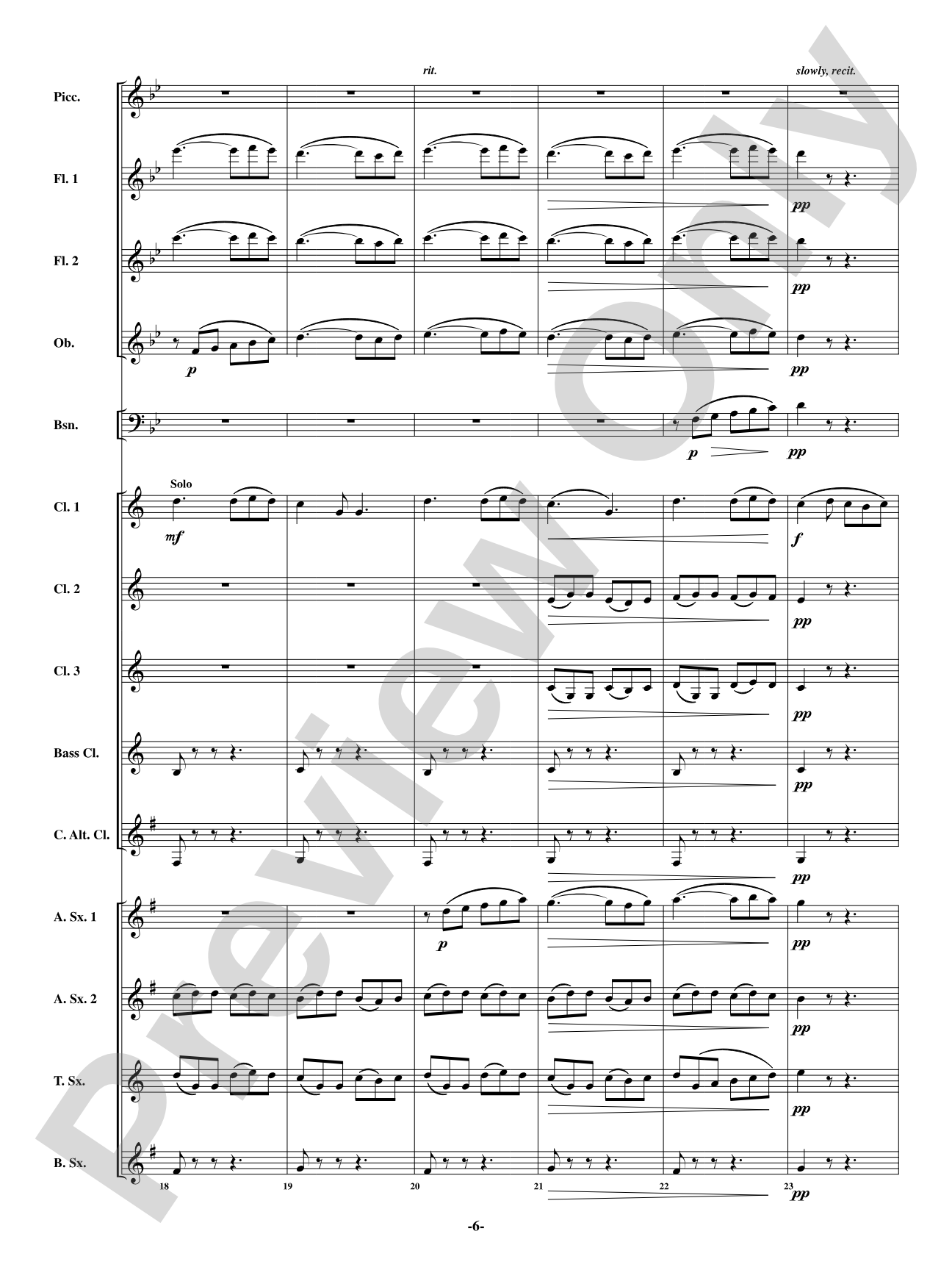
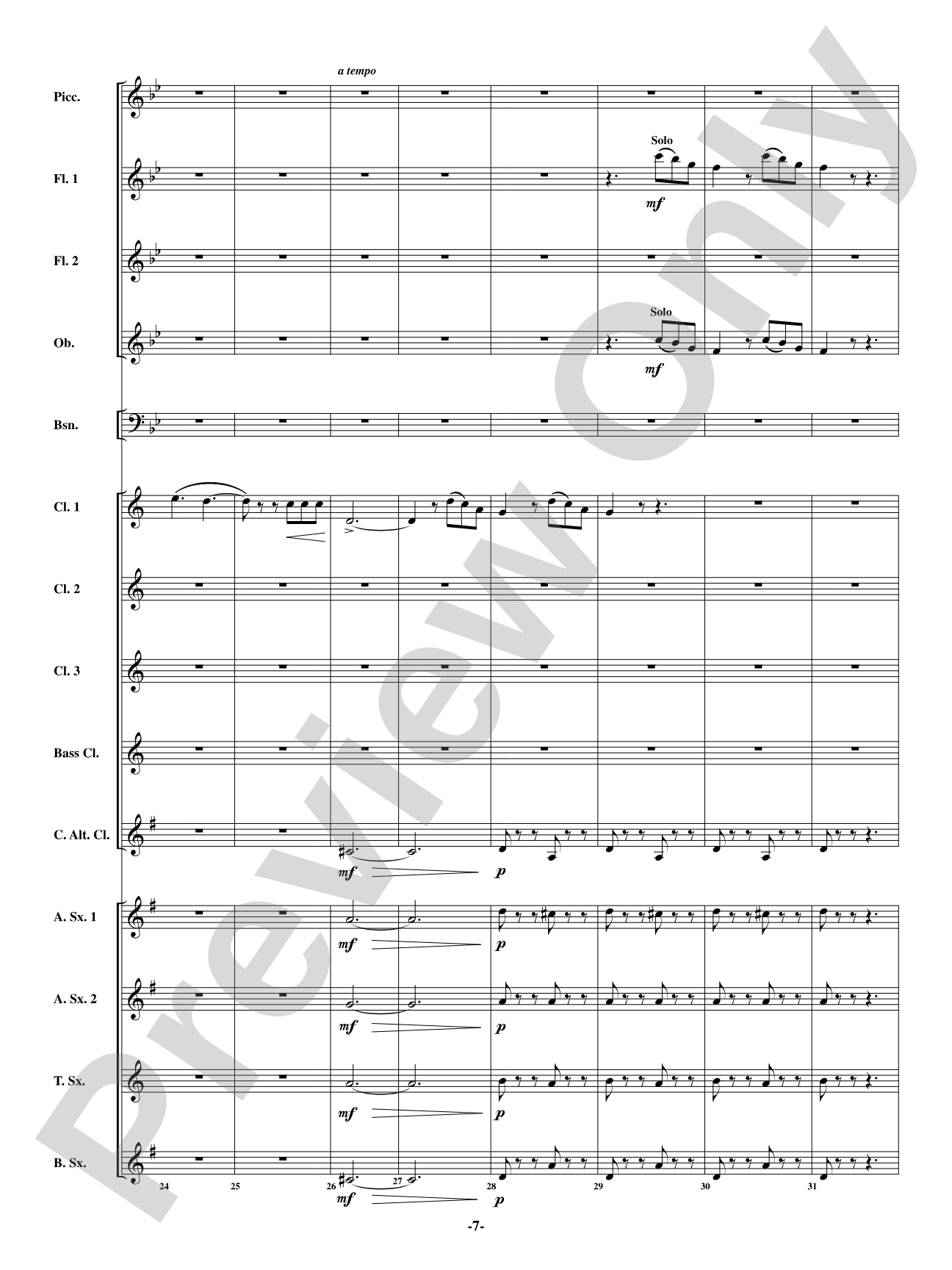
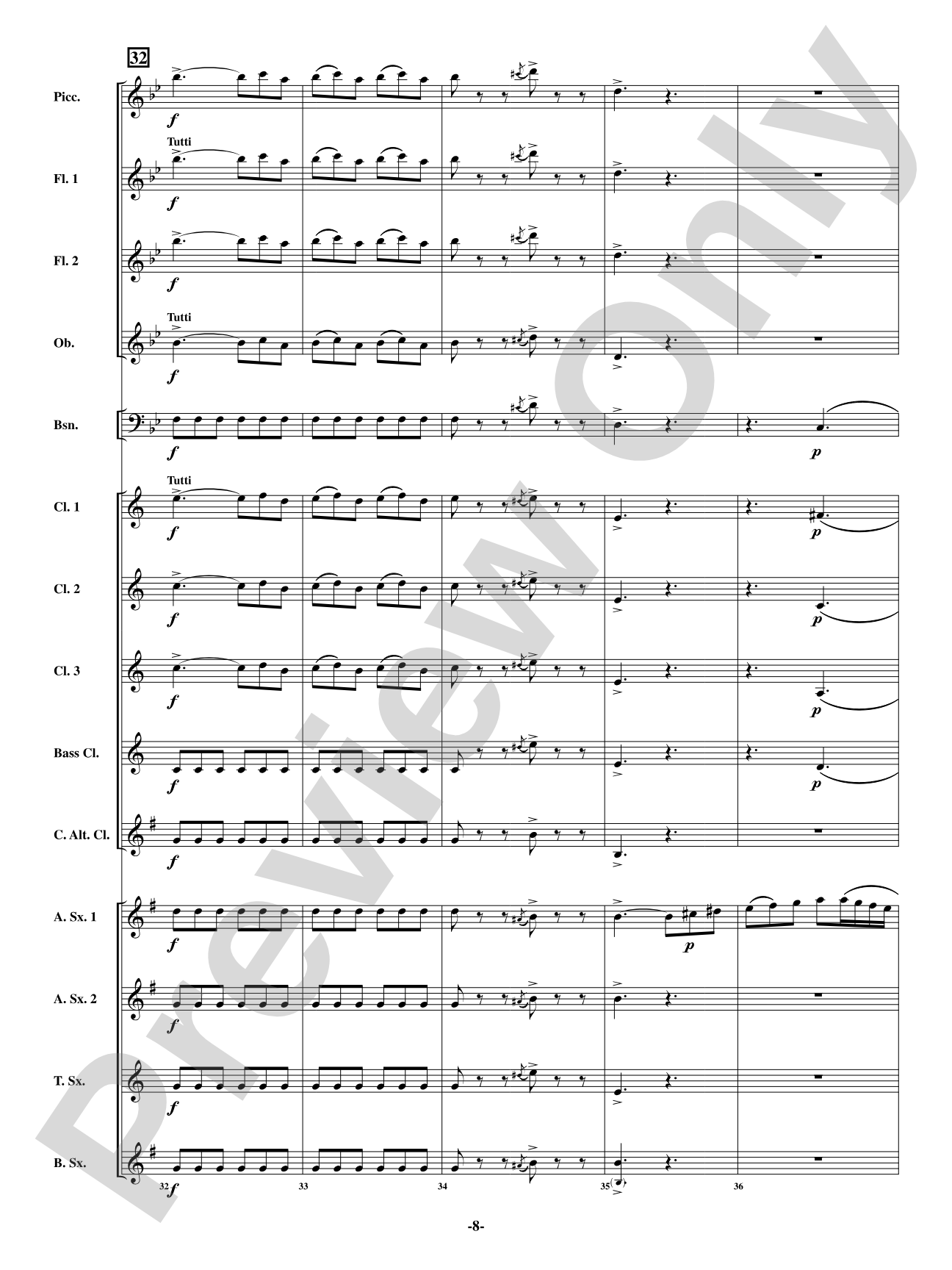
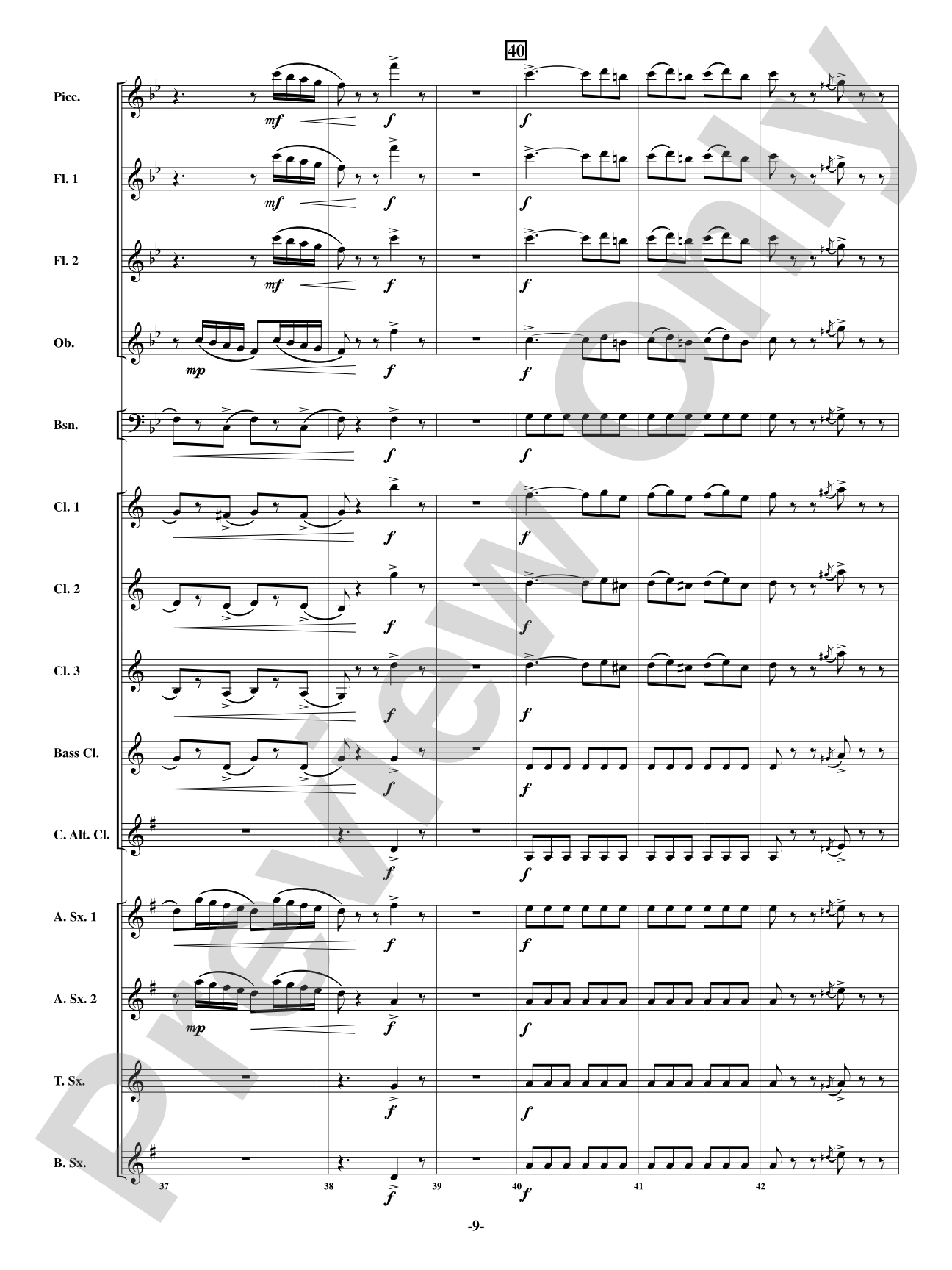
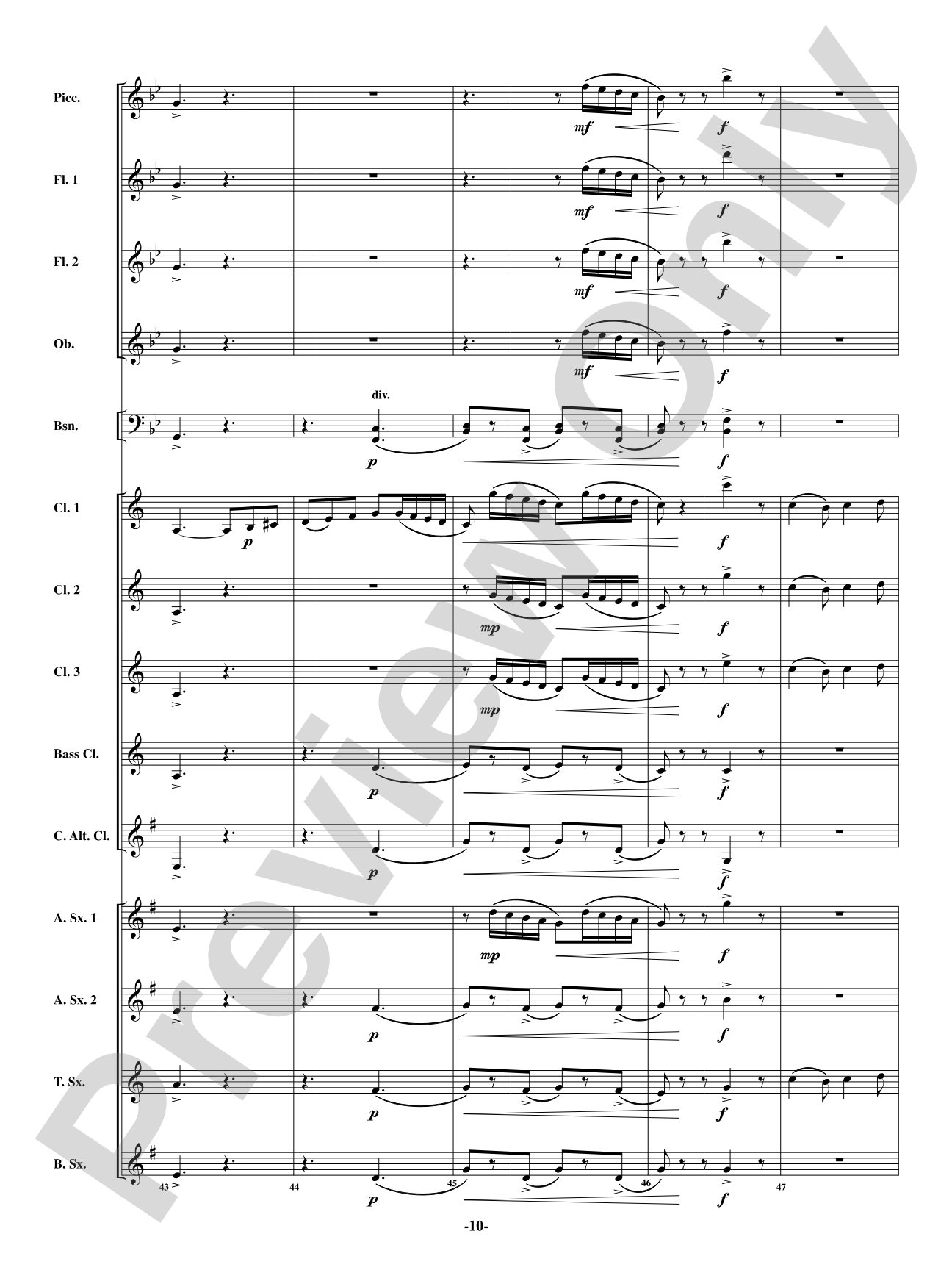
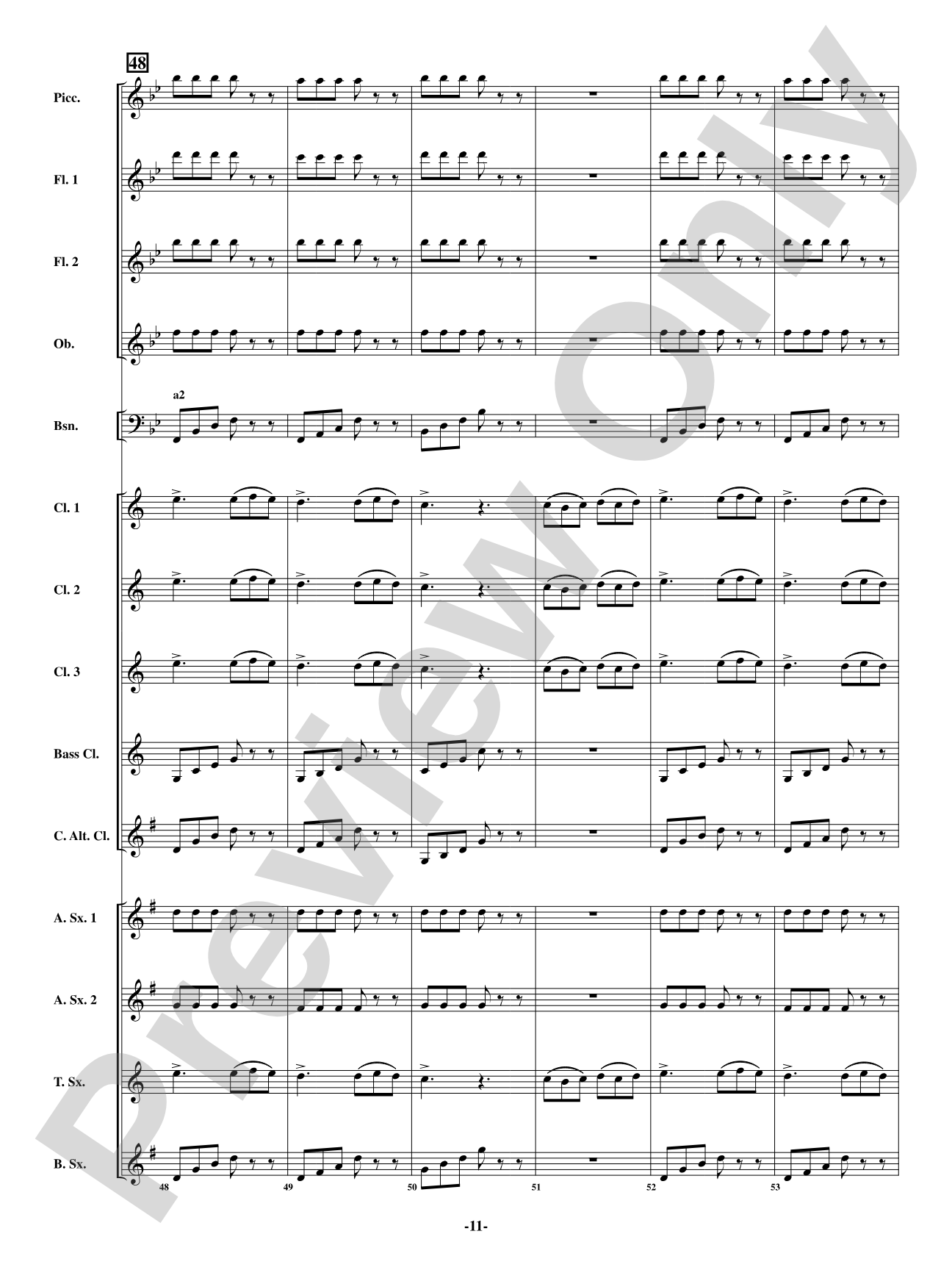
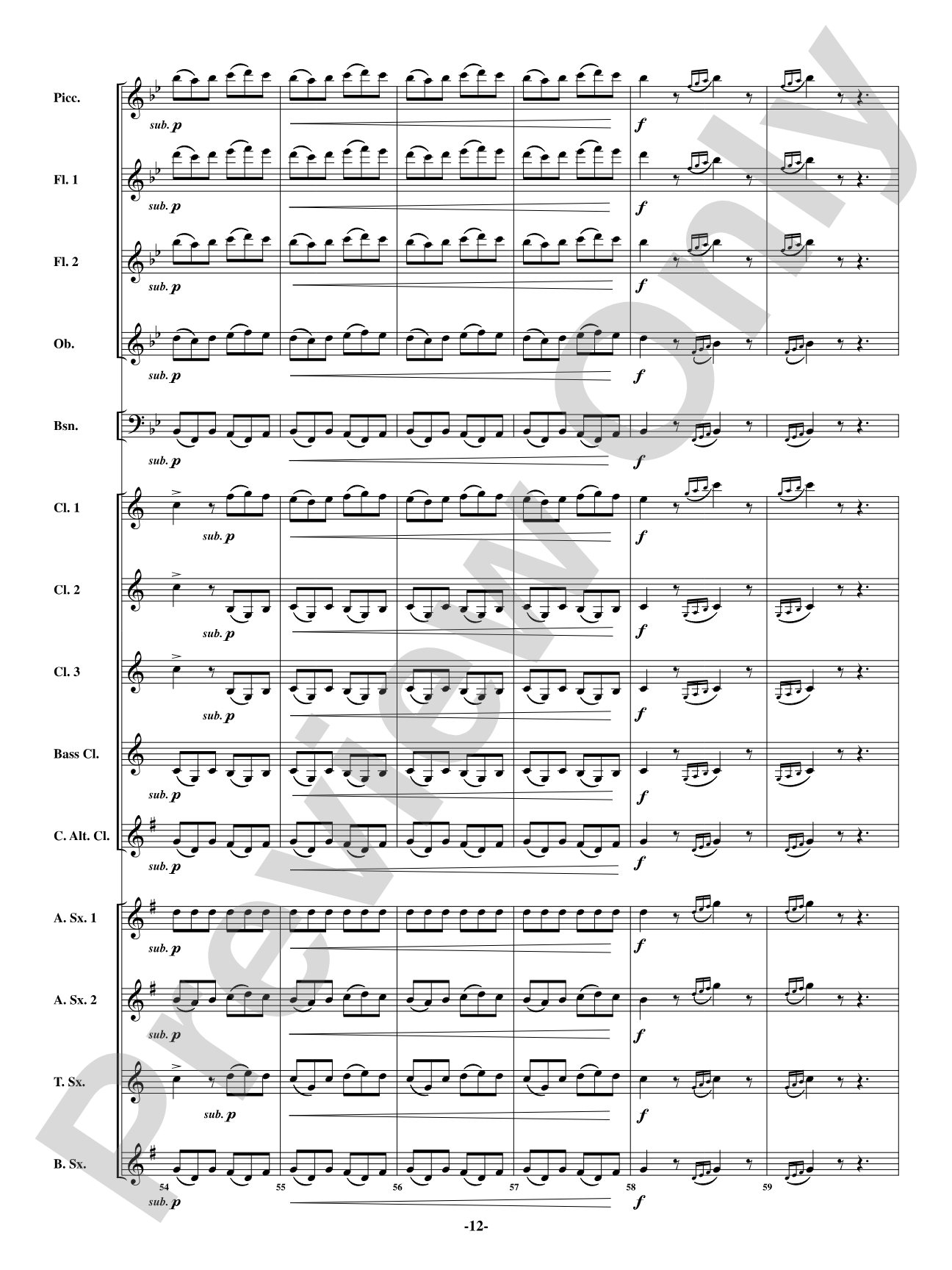
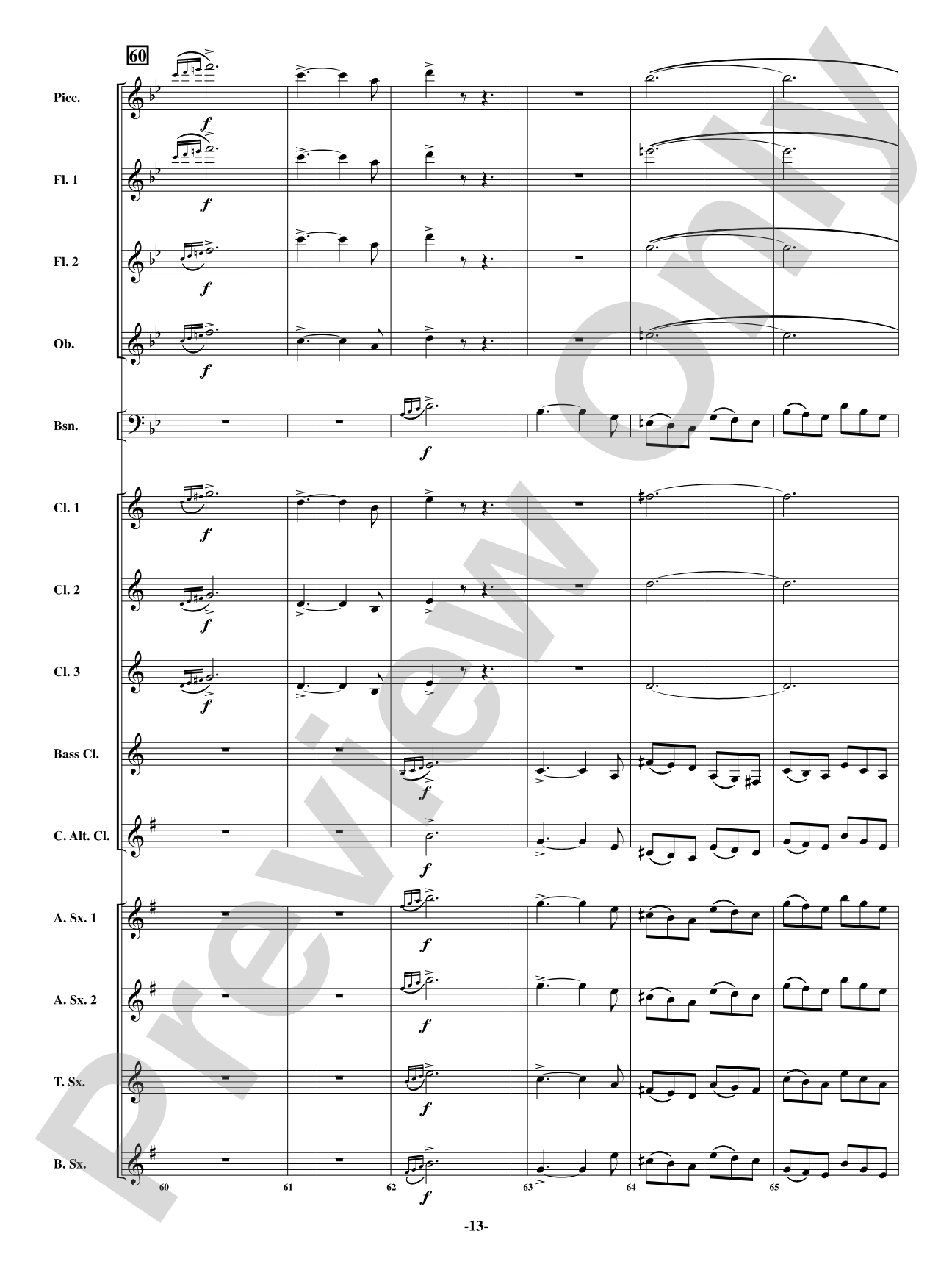
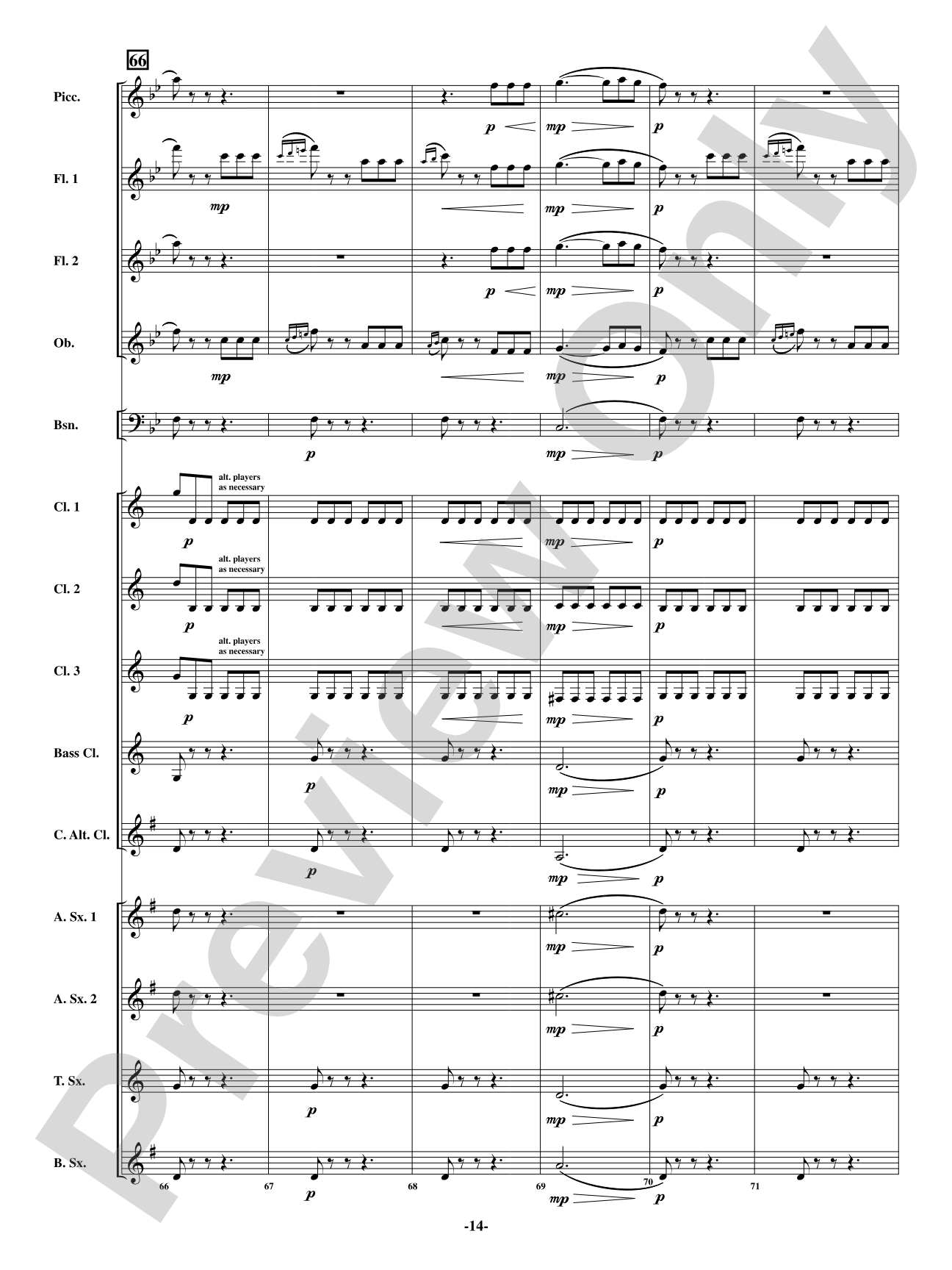
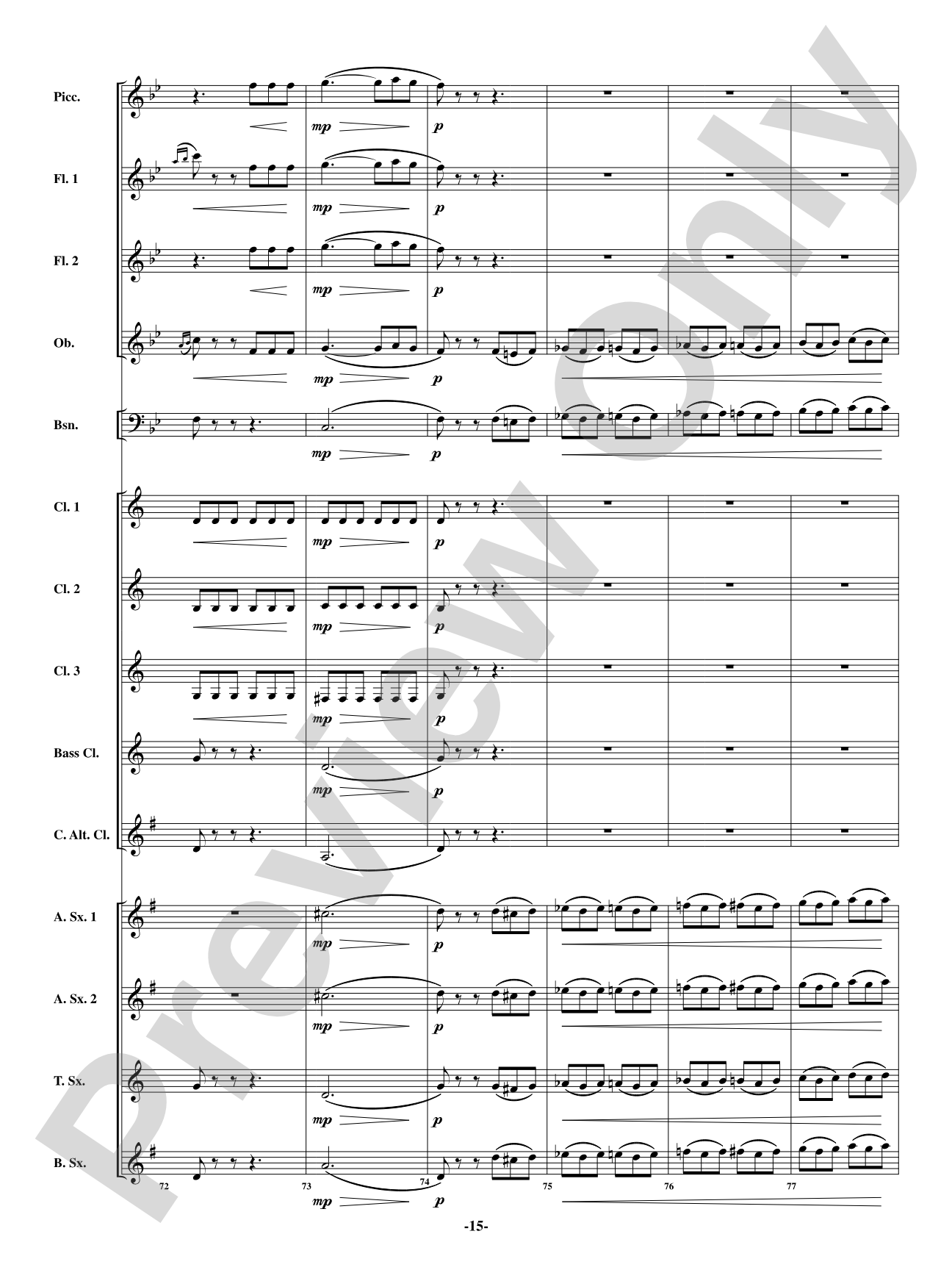
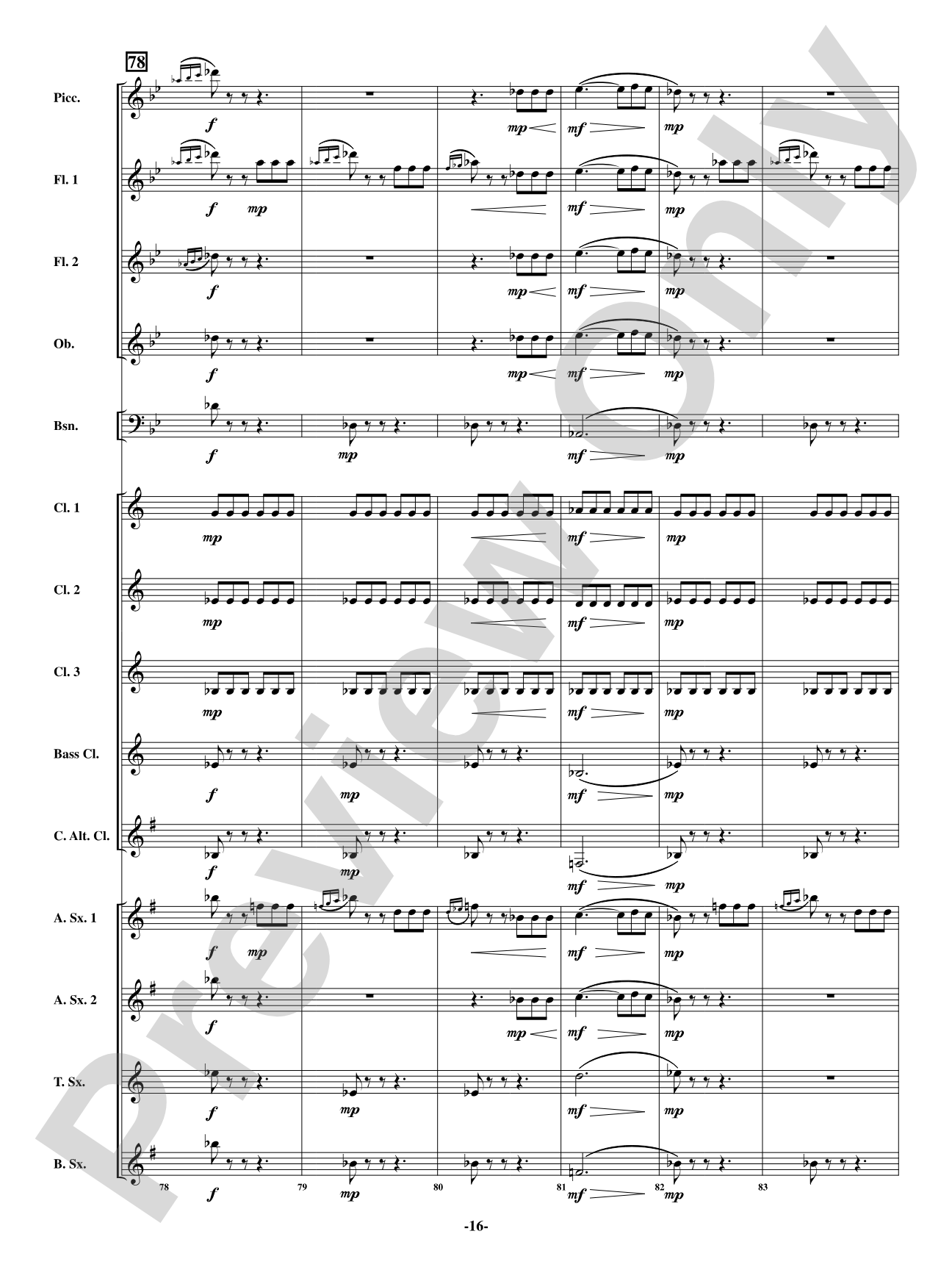
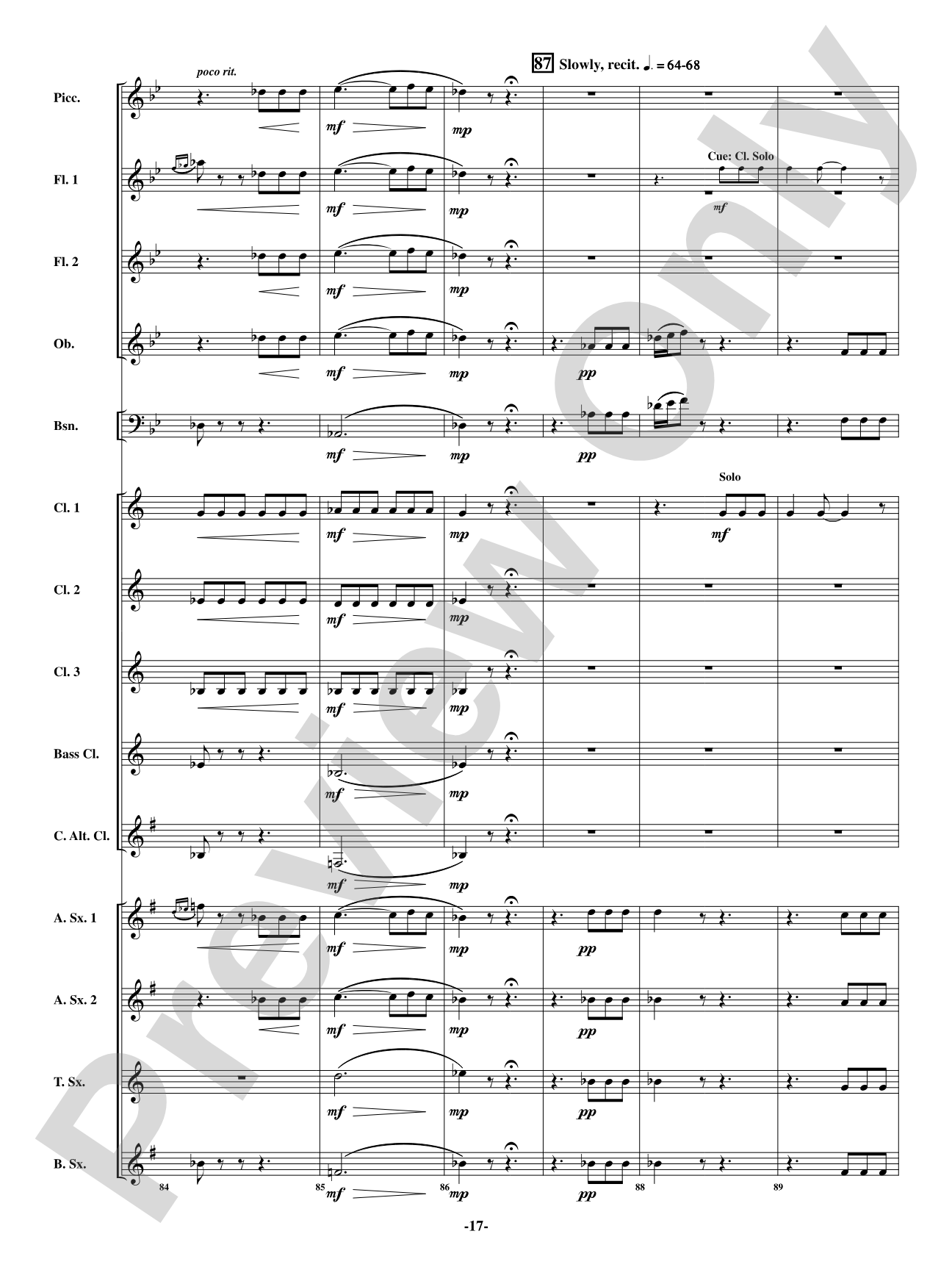
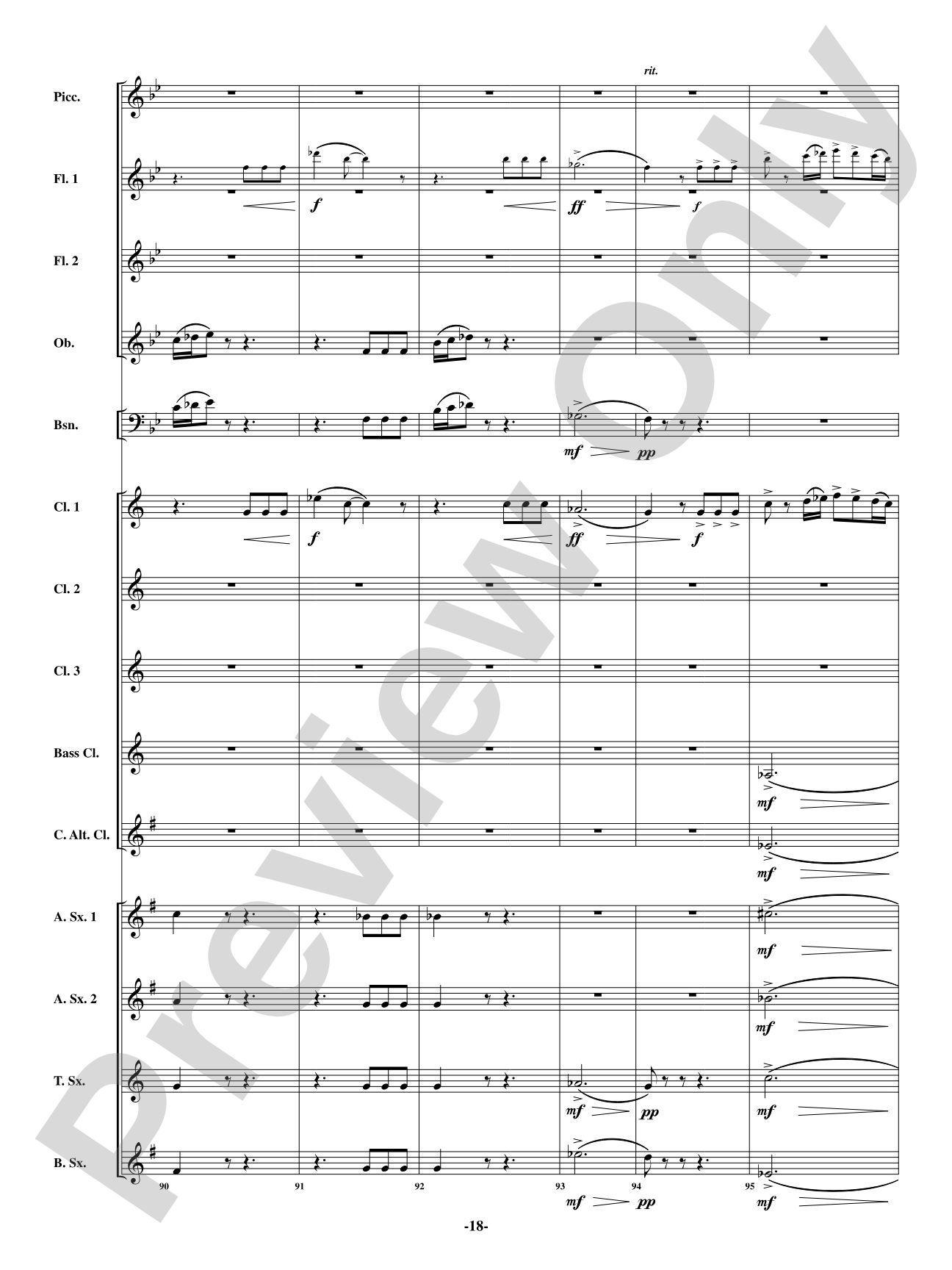
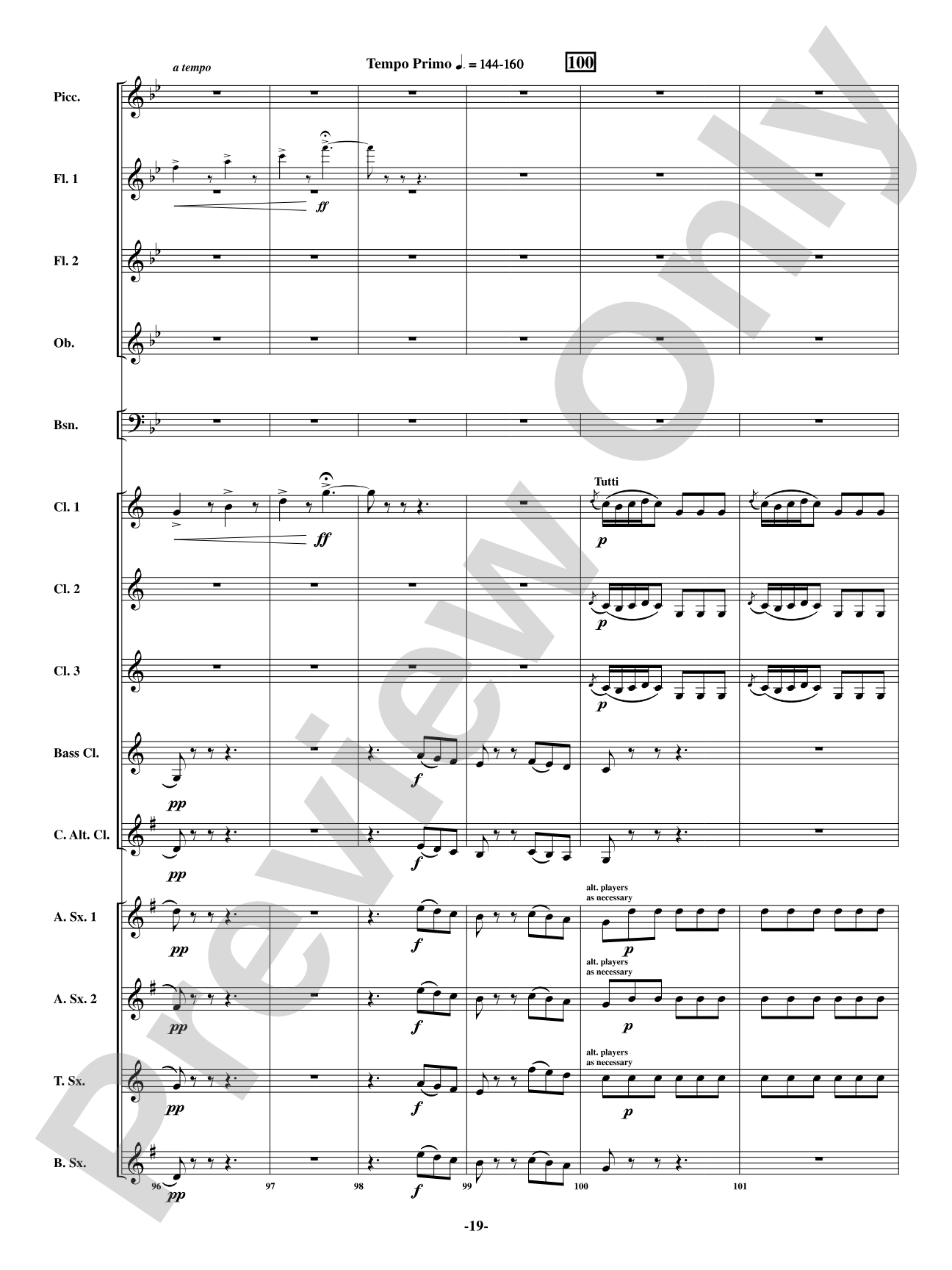
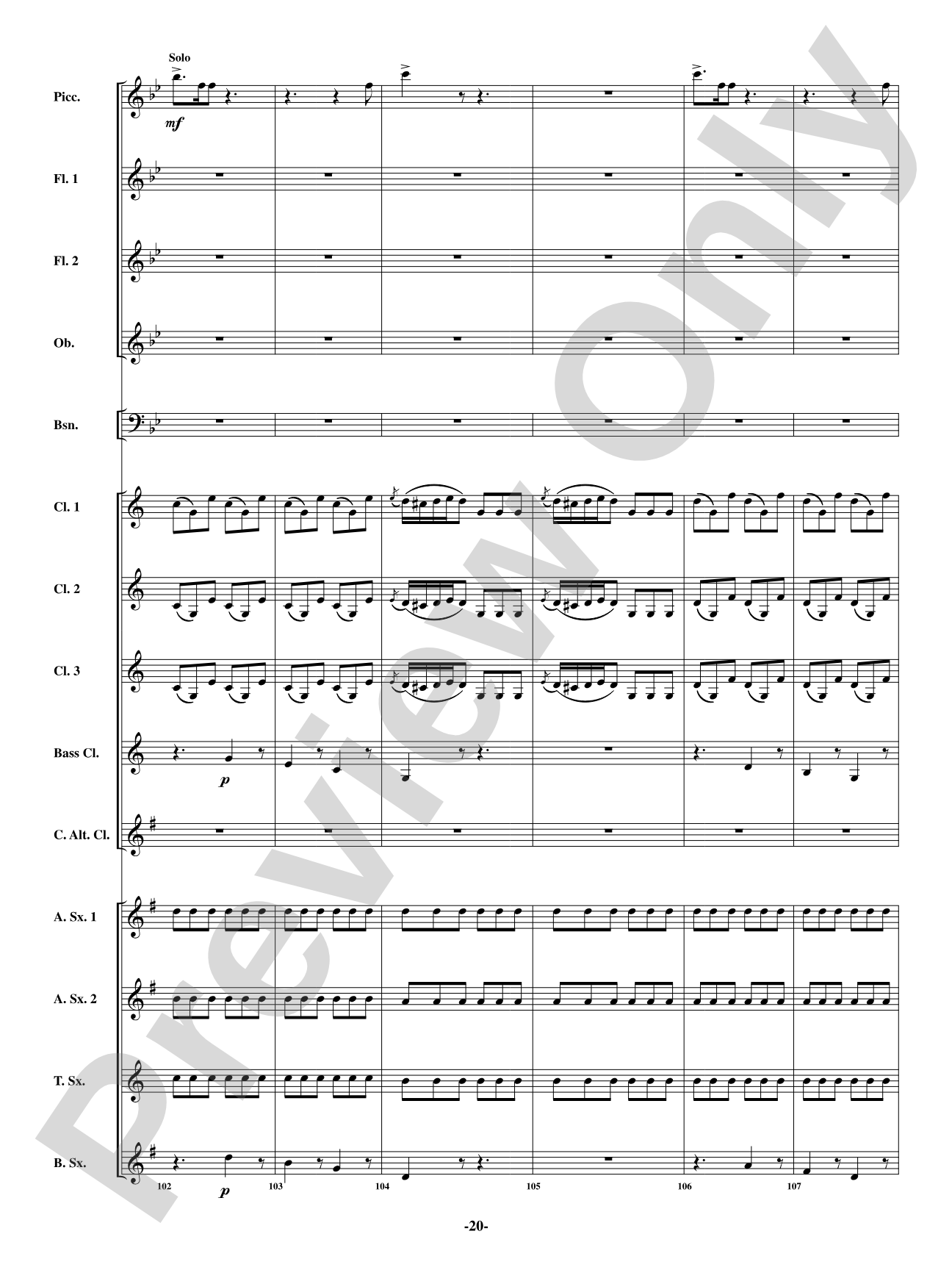
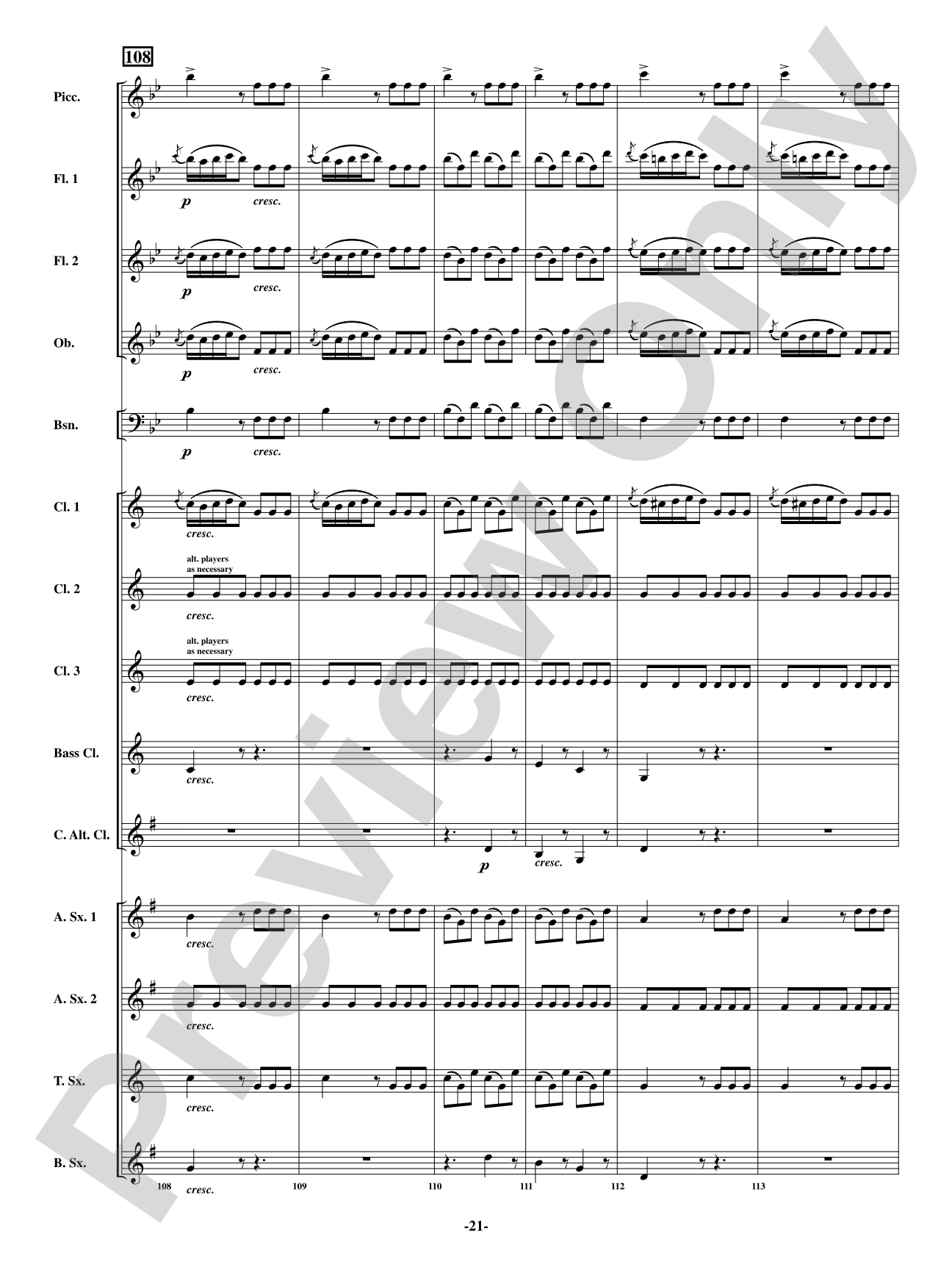
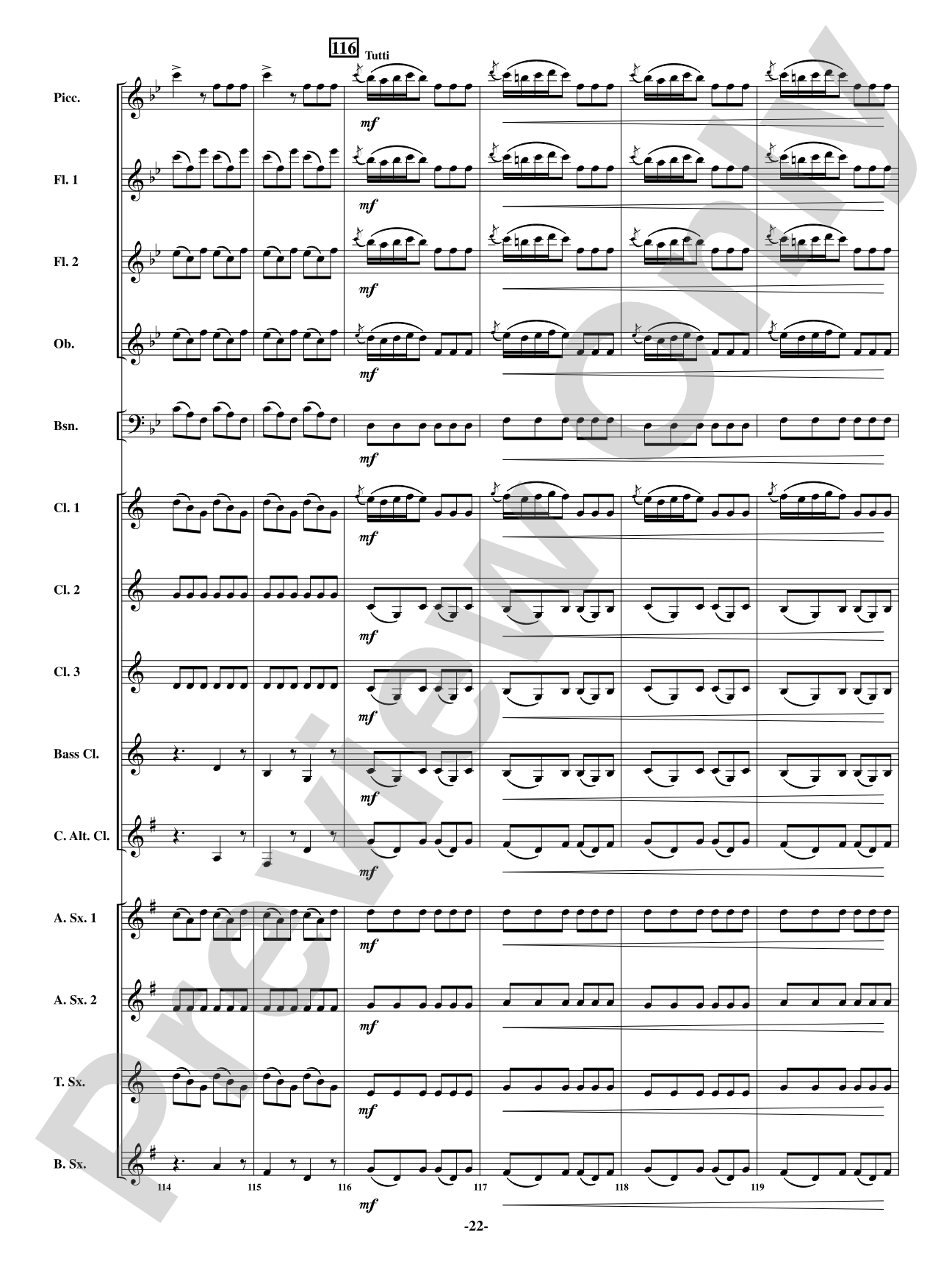
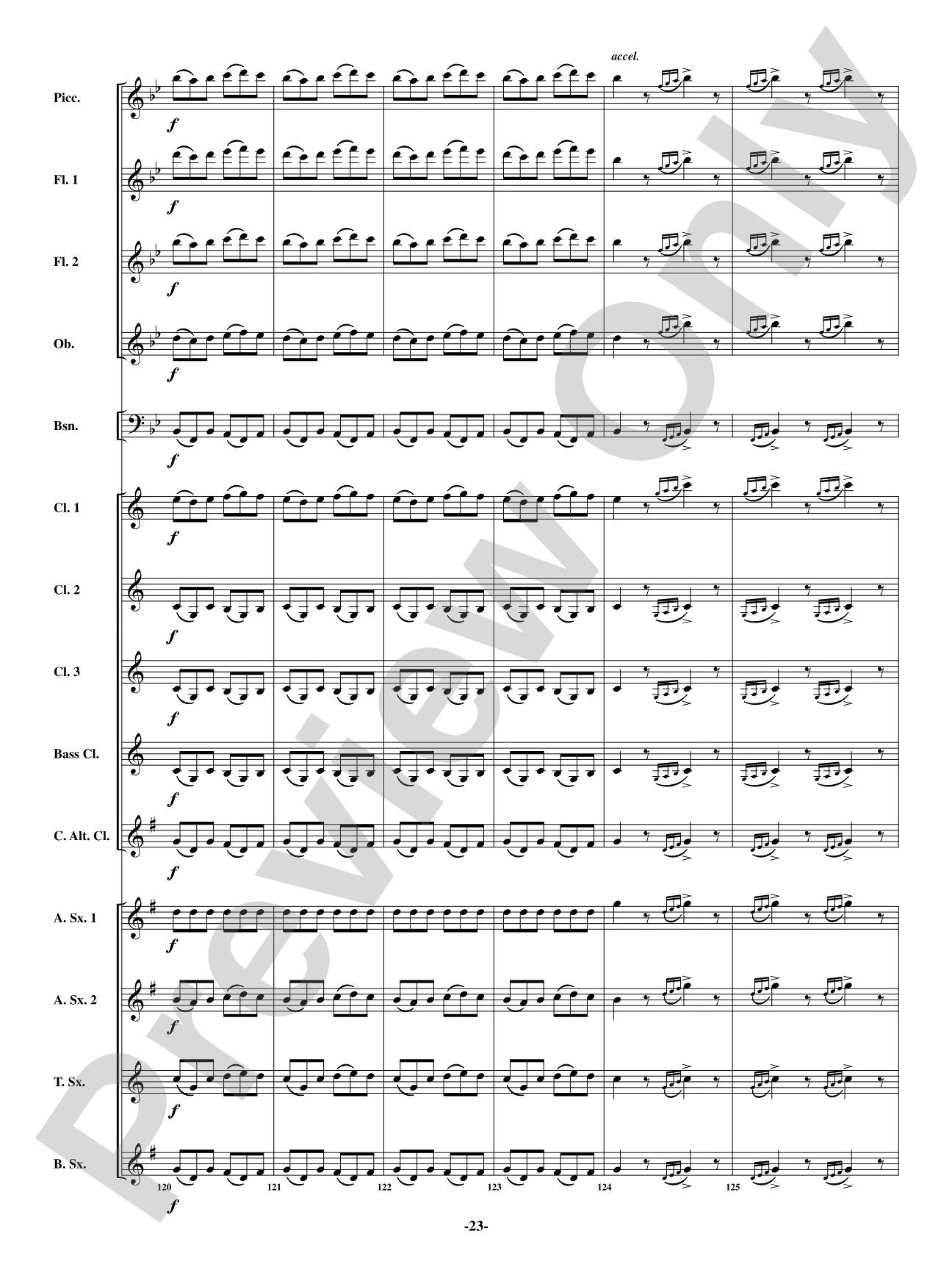
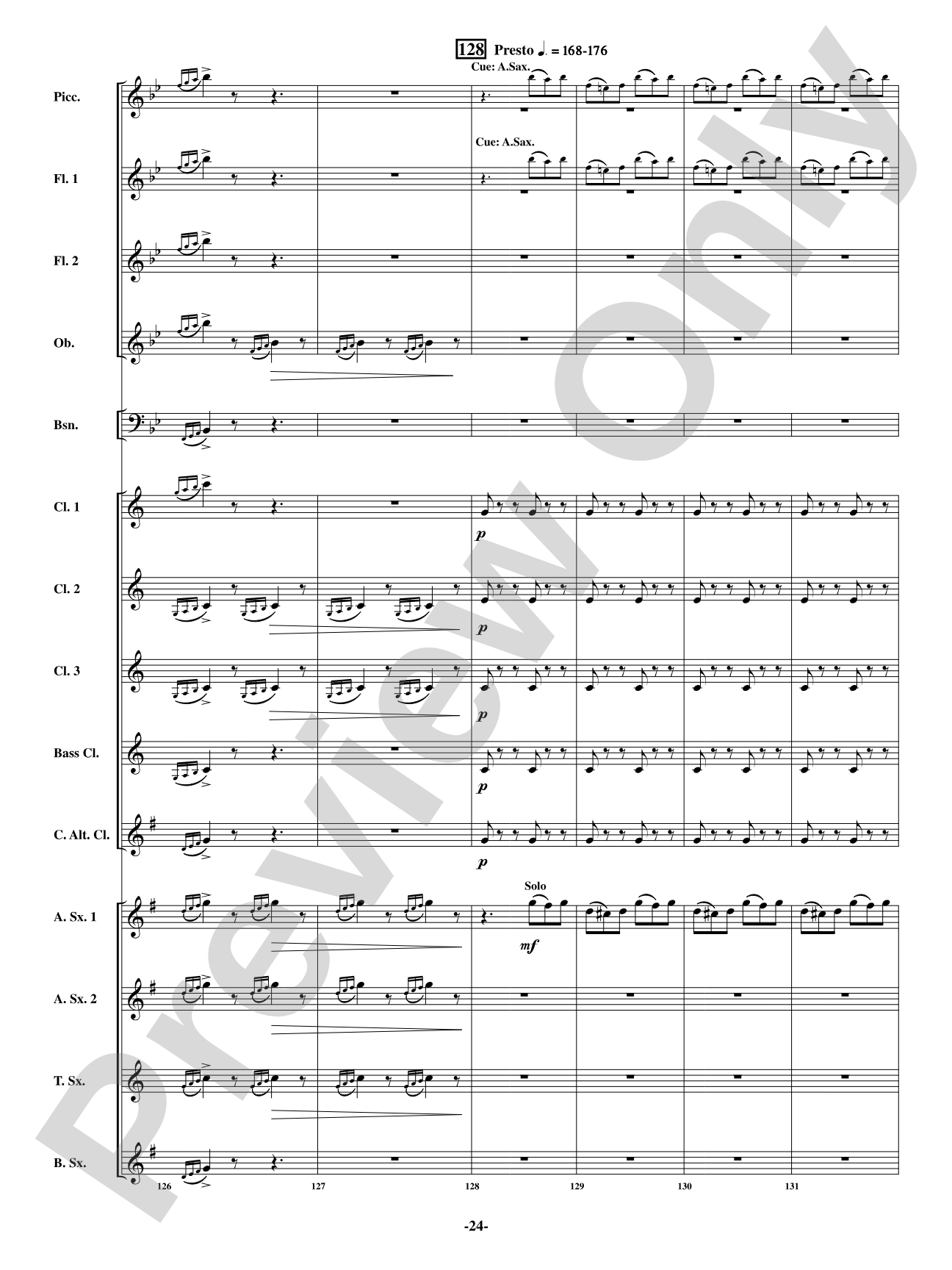
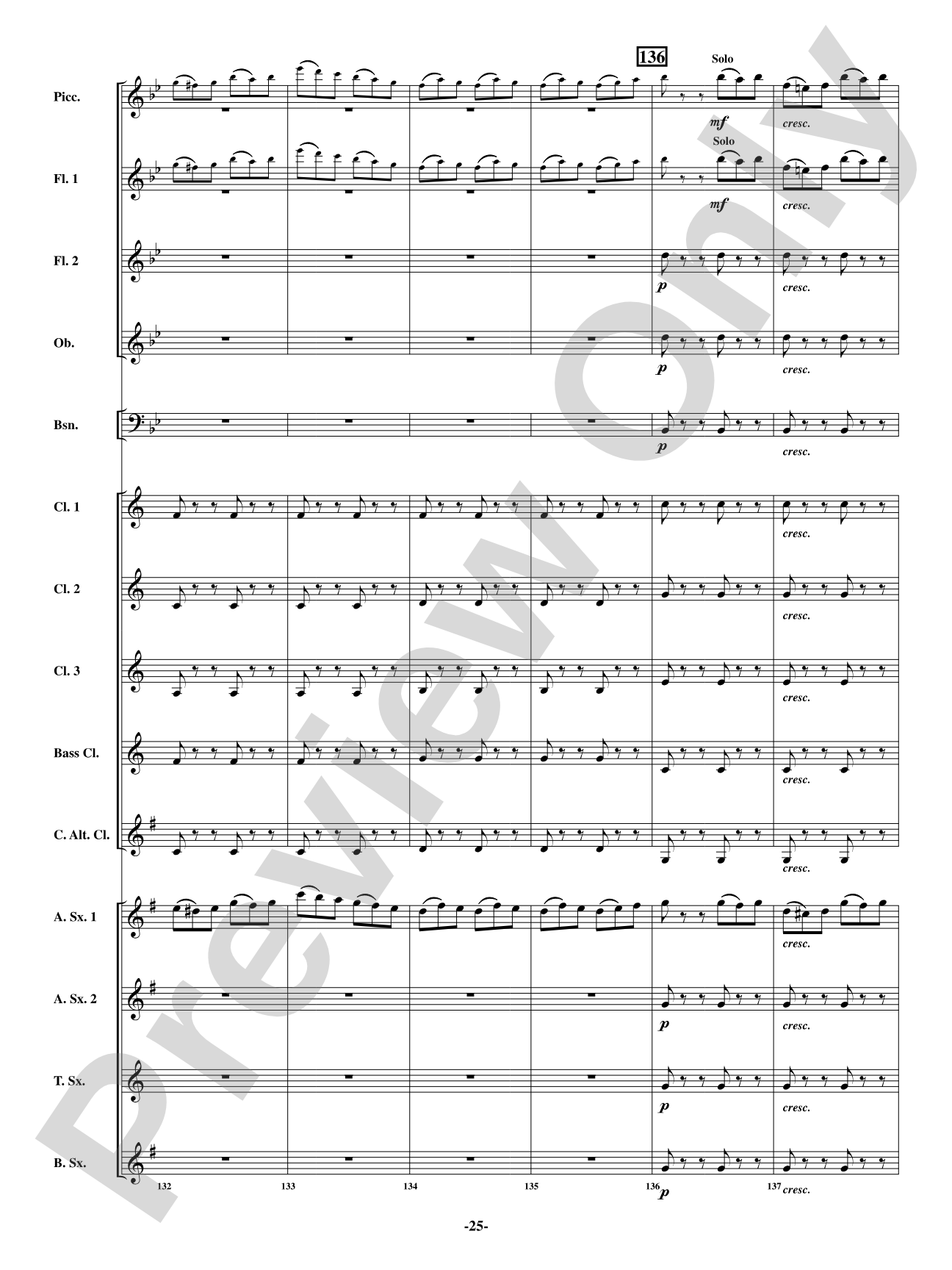
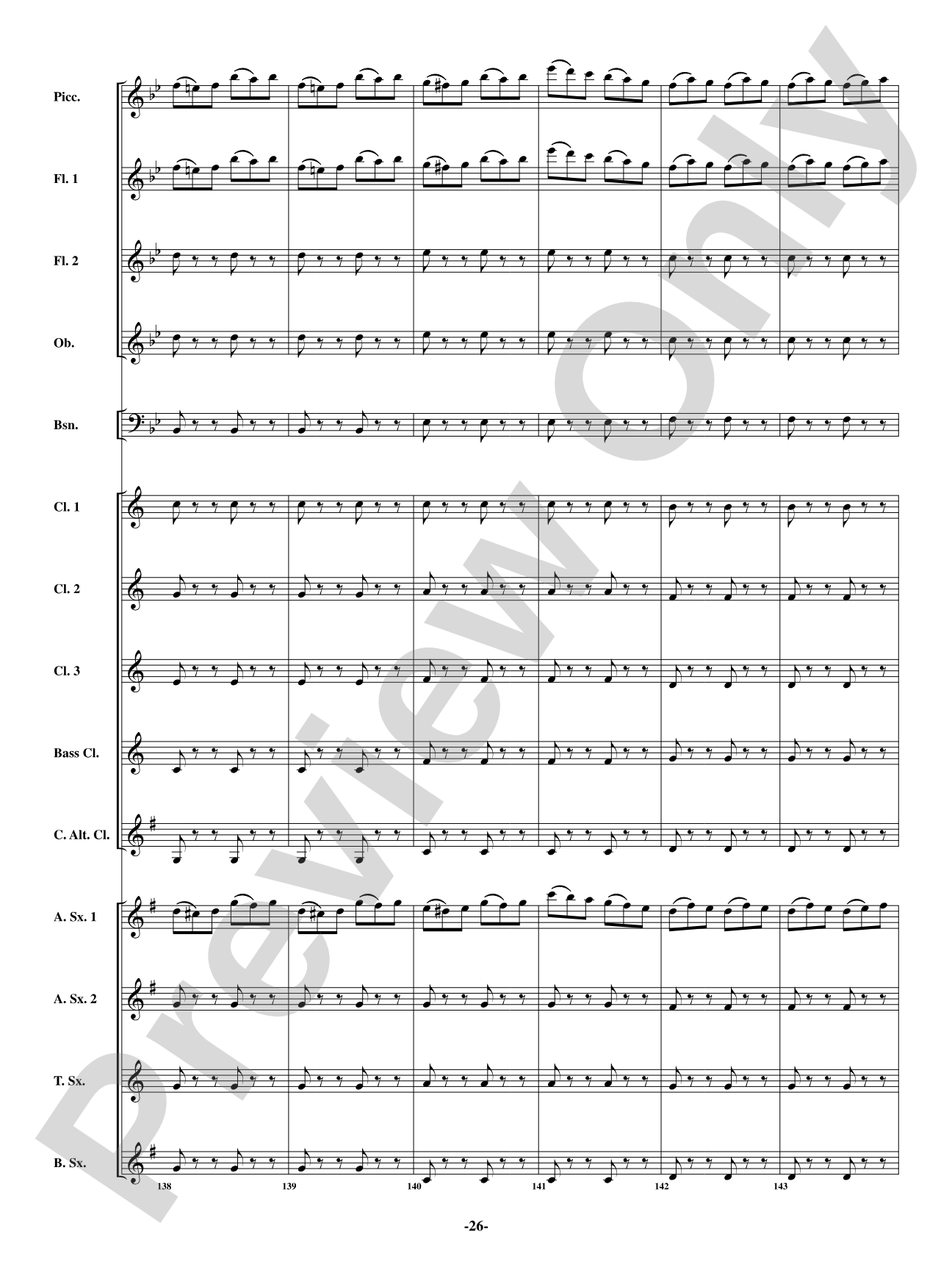
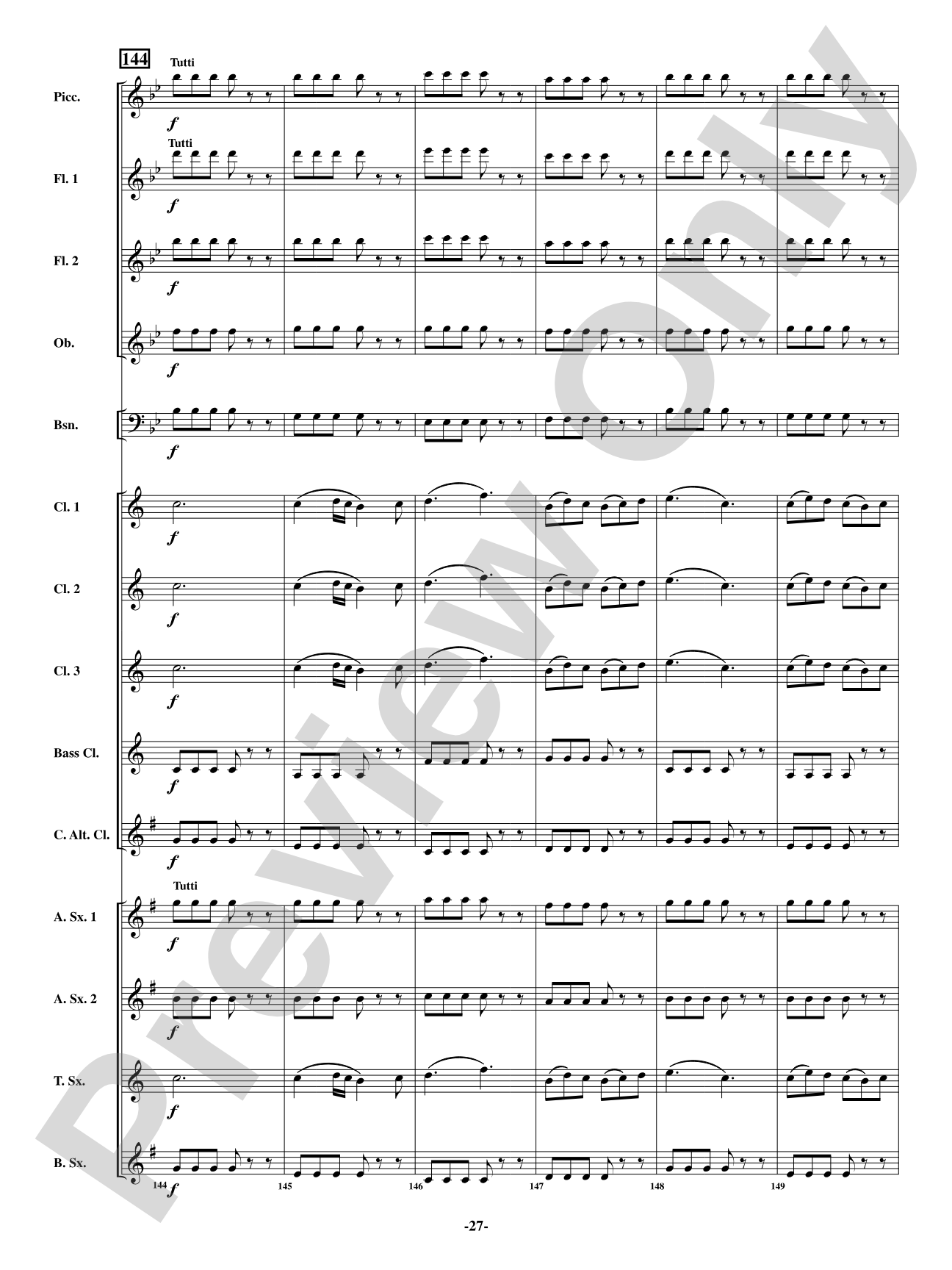
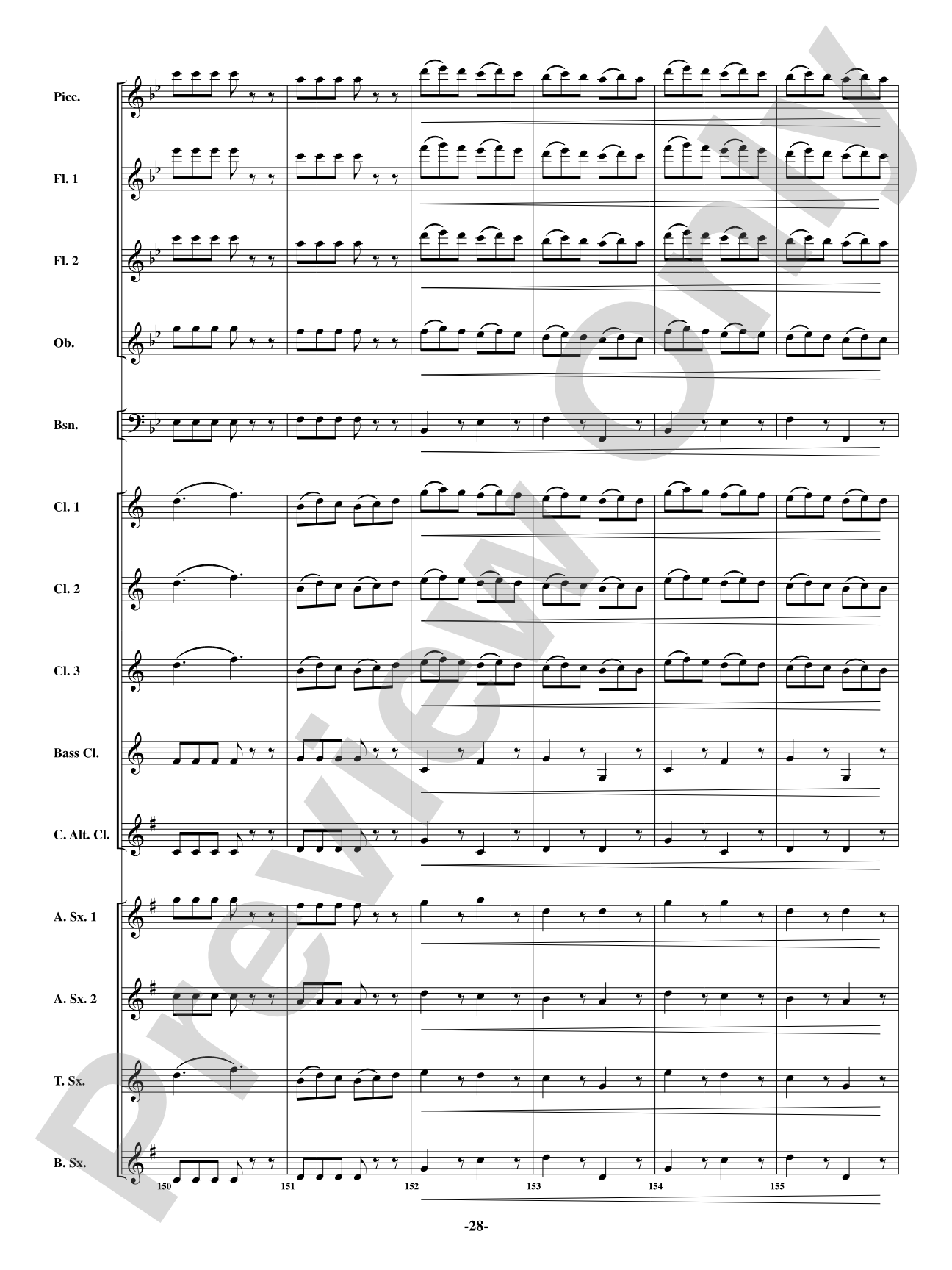
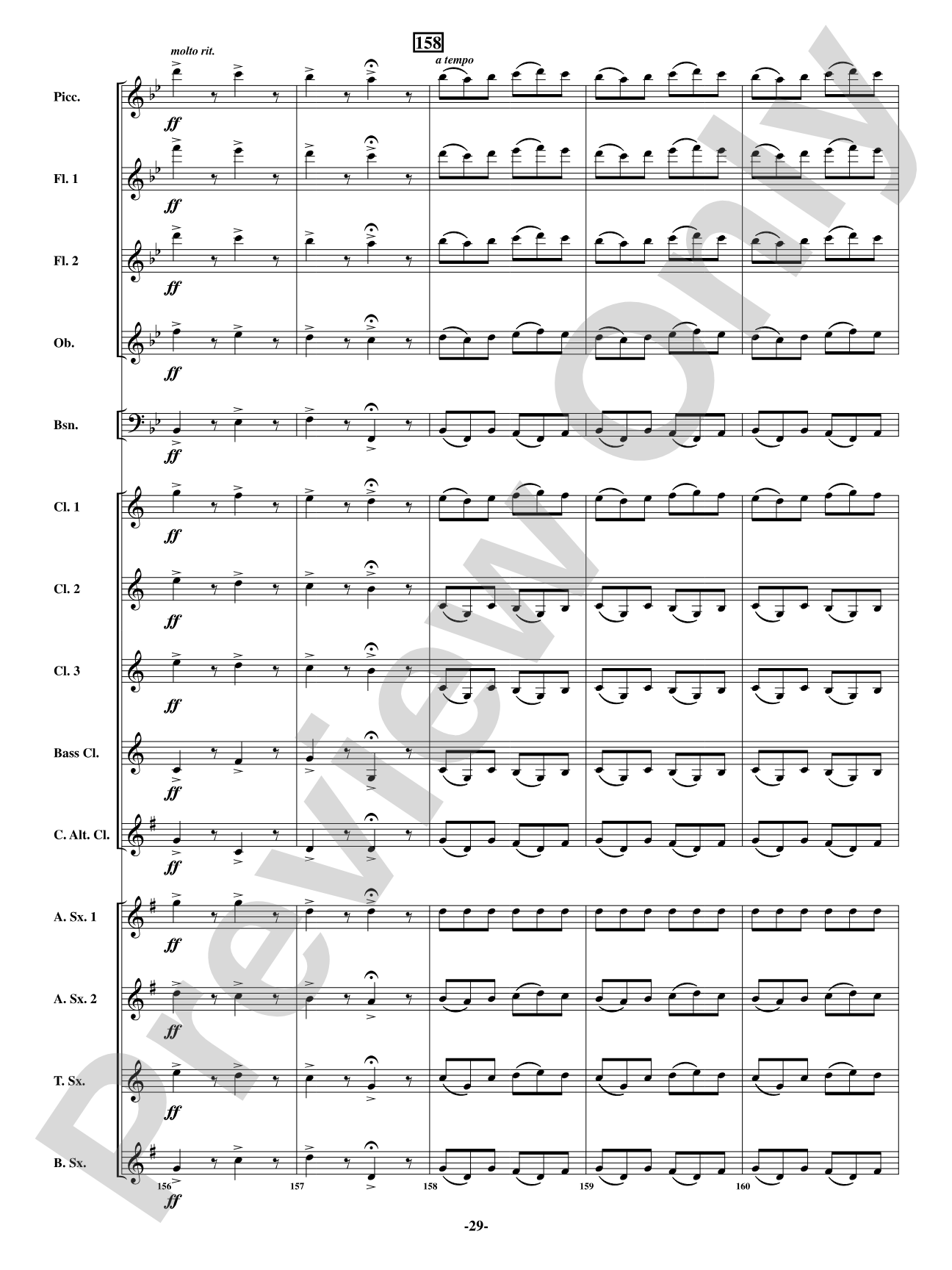
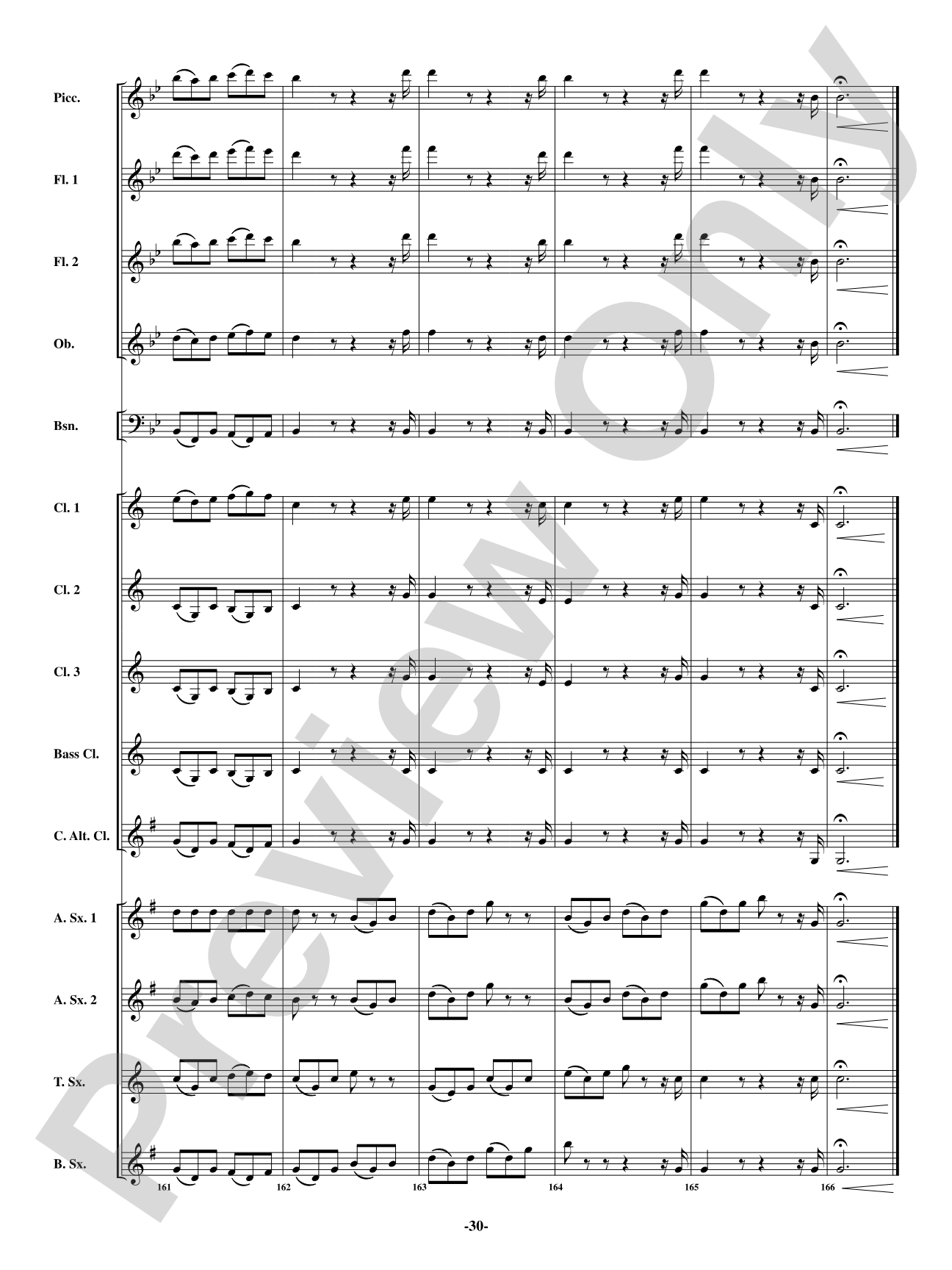



Scene - From The Barber of Seville: Woodwind Ensemble Conductor Score & Parts
From The Barber of Seville
By Gioachino Rossini / arr. Evan VanDoren
Grade: 4
Item: 98-PK-RWS2253
$60.00
Pickup currently not available
Buy Extra Parts (Digital PDF Download)
Parts Added to Cart!
Description
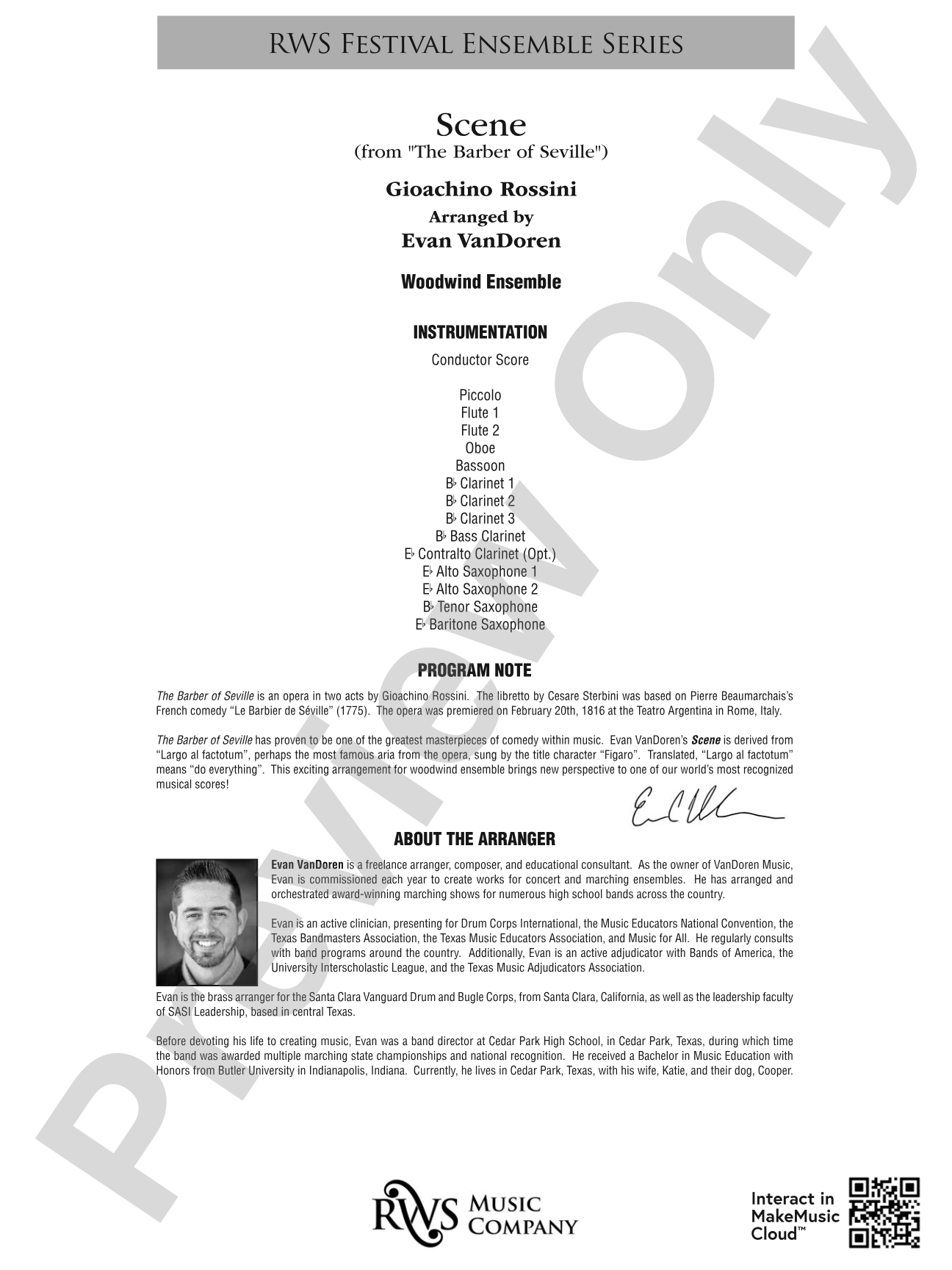
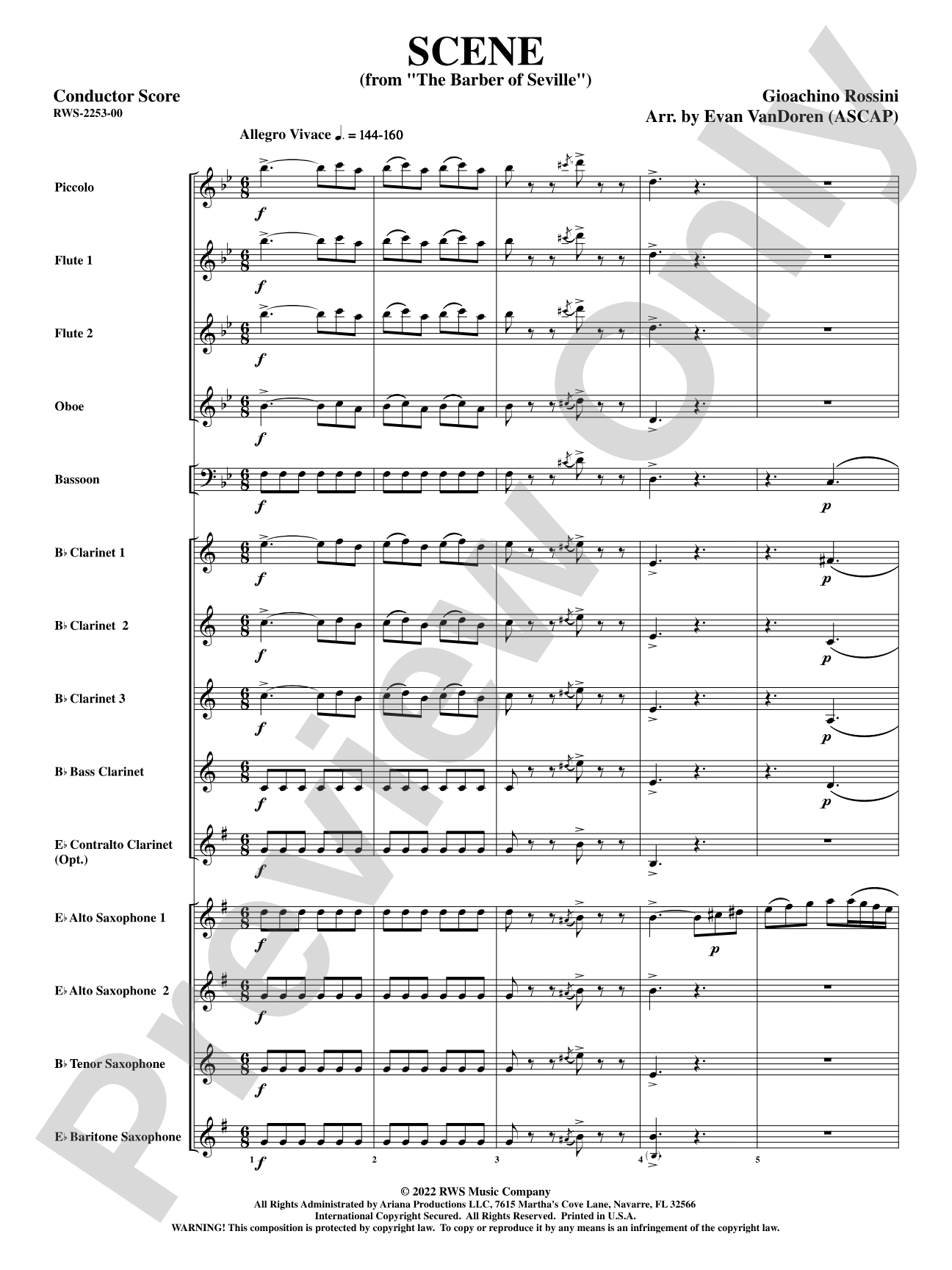
Based on the Rossini opera, Evan VanDoren's arrangement for woodwind ensemble is an excellent addition to your solo and ensemble library! This work features a fun, recognizable melody, and is appropriately challenging for high school musicians. Evan VanDoren's beautiful and exciting arrangement for woodwind ensemble brings a new perspective to one of our world's most recognized musical scores!
Original Item#: RWS-2253-00


Original Item#: RWS-2253-00
Scene - From The Barber of Seville: Woodwind Ensemble Conductor Score & Parts isn't in MakeMusic Cloud just yet...but it could be. Let us know you'd like to see it, and you'll help shape what comes next. In the meantime, start a free trial and dive into thousands of interactive titles your students can play along with today.
Request This Title
Tell us you want it.
Start Your Free Trial
Explore everything that's ready to play right now.
Sample Audio
No sample audio found.
Sample Video
No sample videos found.
Additional Details
Series:
RWS - Festival Ensemble
Publisher:
RWS Music Company
SKU:
98-PK-RWS2253
More about this title
About the Composer: Gioachino Rossini
Gioachino Rossini (1792-1868) composed some of the most performed operas in the world, and none more frequently than "The Barber of Seville." His gift for melody and his ability to craft music that delights both musicians and audiences have made his work a cornerstone of the operatic repertoire for nearly two centuries. Rossini's compositional output spanned operas, sacred music, and instrumental works, but his genius for writing memorable, singable melodies defined his legacy.
For educators, Rossini's music offers an ideal bridge between concert band and operatic literature. The Barber of Seville in particular contains scenes and arias that students recognize instantly, which builds engagement and motivation. The opera's humor, accessibility, and musical sophistication make it a perennial choice for ensemble arrangements at every level.
Why we love this
Evan VanDoren's arrangement captures the charm and energy of Rossini's original while giving each woodwind voice something genuinely interesting to play. At Grade 4, it strikes a real balance between accessibility and musicality. This is the kind of piece that sounds polished in concert without requiring weeks of rehearsal time, freeing you to focus on phrasing and style rather than just notes and rhythms.
What to expect
Bright, spirited, and immediately engaging. The famous melody from this opera carries an infectious energy that makes performers want to play, and listeners want to listen. Rossini's harmonic language is clean and direct, giving the arrangement room to breathe while maintaining the comic vitality that defined the original.
Who it's for
High school woodwind ensembles looking for concert repertoire that combines recognition and musicality. It works equally well for groups preparing for solo and ensemble competitions or building a balanced concert program. This arrangement assumes competent sight-readers with steady intonation and reasonable facility across all woodwind instruments.
How to get the most out of it
- Bring out the principal melody without letting it overshadow the inner woodwind parts. Rossini's orchestration is collaborative, and supporting voices deserve clarity and presence.
- Shape the phrases with clarity and purpose. Mark the natural arrival points in the melody and have your ensemble breathe together at logical moments to maintain the opera's forward momentum.
- Balance the dynamic changes precisely. Sudden shifts from soft to loud are characteristic of Rossini's style, so commit to contrasts rather than letting them blur.
- Pay attention to articulation consistency across the section. Tonguing style and duration will either unify or fragment your sound, especially in the faster passages.
How to use it
Program this as a standalone opener or closer that energizes an audience. Its recognizable theme and manageable length make it ideal for spring concerts, festival performances, or competition showcases. Pair it with other light, accessible works to create a program that feels cohesive and doesn't tax your ensemble on every selection.
Skills your students will build
- Balancing melody with accompaniment across five or six voices
- Executing precise dynamic shifts and terraced dynamics
- Maintaining intonation during chromatic movement and modulation
- Coordinating tonguing and articulation across the full ensemble
- Interpreting operatic style and phrasing in an instrumental context