Scarlatti: Twenty Sonatas Sheet Music Preview

Scarlatti: Twenty Sonatas

By Domenico Scarlatti

Level: Advanced

Item: 00-PC-0004037

Digital Download
$0.99
Description
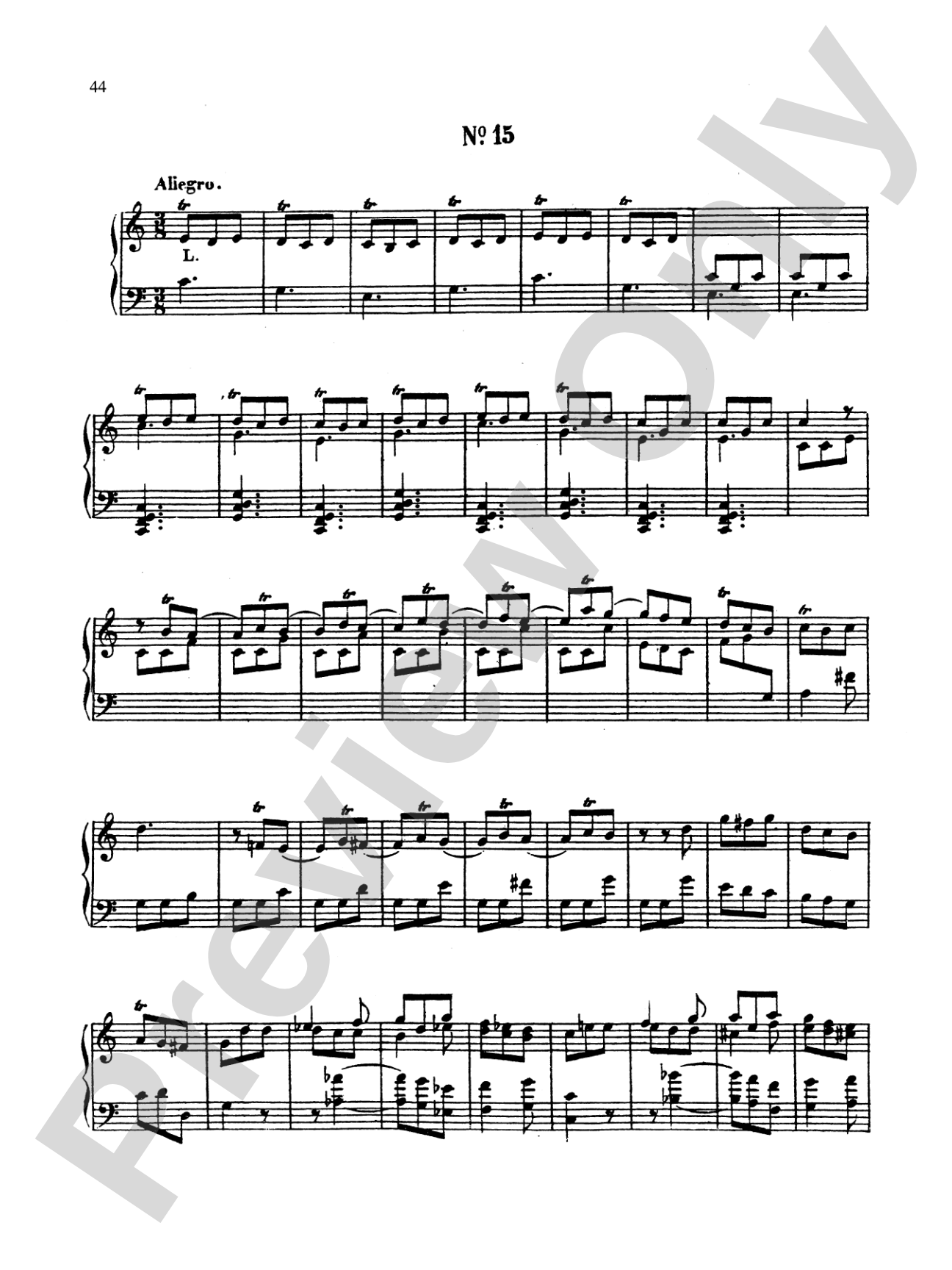
Domenico Scarlatti's fame rightly rests on the hundreds of keyboard sonatas, nearly all in the same binary form, in which he gave free reign to his imagination. In these sonatas he explored new worlds of virtuoso technique using such devices as hand-crossing, rapidly repeated notes, wide leaps in both hands, and countless other means of achieving a devastating brilliance of effect. Twenty of these sonatas are compiled in this folio written for solo piano. Audiences will be amazed at these stunning works by this great keyboard composer.

Don't just read it, hear it, play along with it, and watch your students grow with it. In MakeMusic Cloud, Scarlatti: Twenty Sonatas comes alive with professional accompaniment, adjustable tempo, and built-in practice tools that turn solo practice into real progress.

Sample Audio
No sample audio found.
Sample Video
Additional Details
Series: Kalmus Edition
Publisher: Alfred Music
Page Count: 64
SKU: 00-PC-0004037

More about this title

About the Composer: Domenico Scarlatti

Domenico Scarlatti (1685-1757) revolutionized keyboard music by treating the piano as an instrument capable of virtuosity and drama equal to any voice or ensemble. Working primarily in Spain and Portugal after leaving Italy, he composed over 500 sonatas that broke radically from the formal conventions of his era, using hand-crossing, rapid repeated notes, and wide intervallic leaps to create a sound world that remained largely unknown until the 20th century.

For music educators, Scarlatti represents a bridge between Baroque contrapuntal tradition and the keyboard innovations that would define Classical form. His sonatas demand technical security and musical intelligence from pianists, rewarding meticulous practice with genuine brilliance of effect.

Why we love this

These twenty sonatas showcase why Scarlatti's keyboard writing still captivates advanced pianists. Each piece is self-contained and dramatically distinct, giving you flexibility to program individual works at recitals or use them strategically throughout a performance season without requiring students to master a monolithic cycle.

What to expect

Scarlatti's keyboard world sparkles with wit and architectural clarity. The binary form creates satisfying symmetry, while the technical devices—hand-crossings, rapid scales, wide leaps—generate visceral excitement without sacrificing musical substance. These pieces feel both intimate and brilliantly virtuosic.

Who it's for

Advanced pianists seeking repertoire that combines Baroque musical language with genuine technical demands. These sonatas work for students preparing for competitions, building recital programs, or deepening their understanding of keyboard history before moving into Classical and Romantic literature.

How to get the most out of it

  • Study hand-crossing passages at slow tempo first, establishing the mechanics before attempting tempo. Mark the crossover points in your score so the physical choreography becomes automatic.
  • Balance the binary form's two sections carefully; resist the impulse to rush the second half just because the figuration becomes denser. Each section deserves its own architectural weight.
  • Approach repeated-note figures with clarity and evenness. These are not ornaments but structural material; they need rhythmic precision and consistent voicing.
  • Listen to multiple recorded interpretations before finalizing your tempo choices. Scarlatti's notation can accommodate a wider range of speeds than you might initially imagine.

How to use it

Program individual sonatas as contrasting recital pieces between more Romantic works, or dedicate a full recital to exploring Scarlatti's stylistic range across these twenty selections. In an advanced student series, use them to anchor a "Keyboard Masters" concert that traces technical innovation from Baroque through present day.

Skills your students will build

  • Hand-crossing coordination and independence
  • Binary form analysis and structure
  • Rapid repeated-note clarity and evenness
  • Wide intervallic leaps and hand position shifts
  • Baroque ornamentation and phrasing conventions
  • Virtuosic finger technique with musical intent

You May Also Like