Scarlatti: The Complete Works, Volume XI Sheet Music Preview

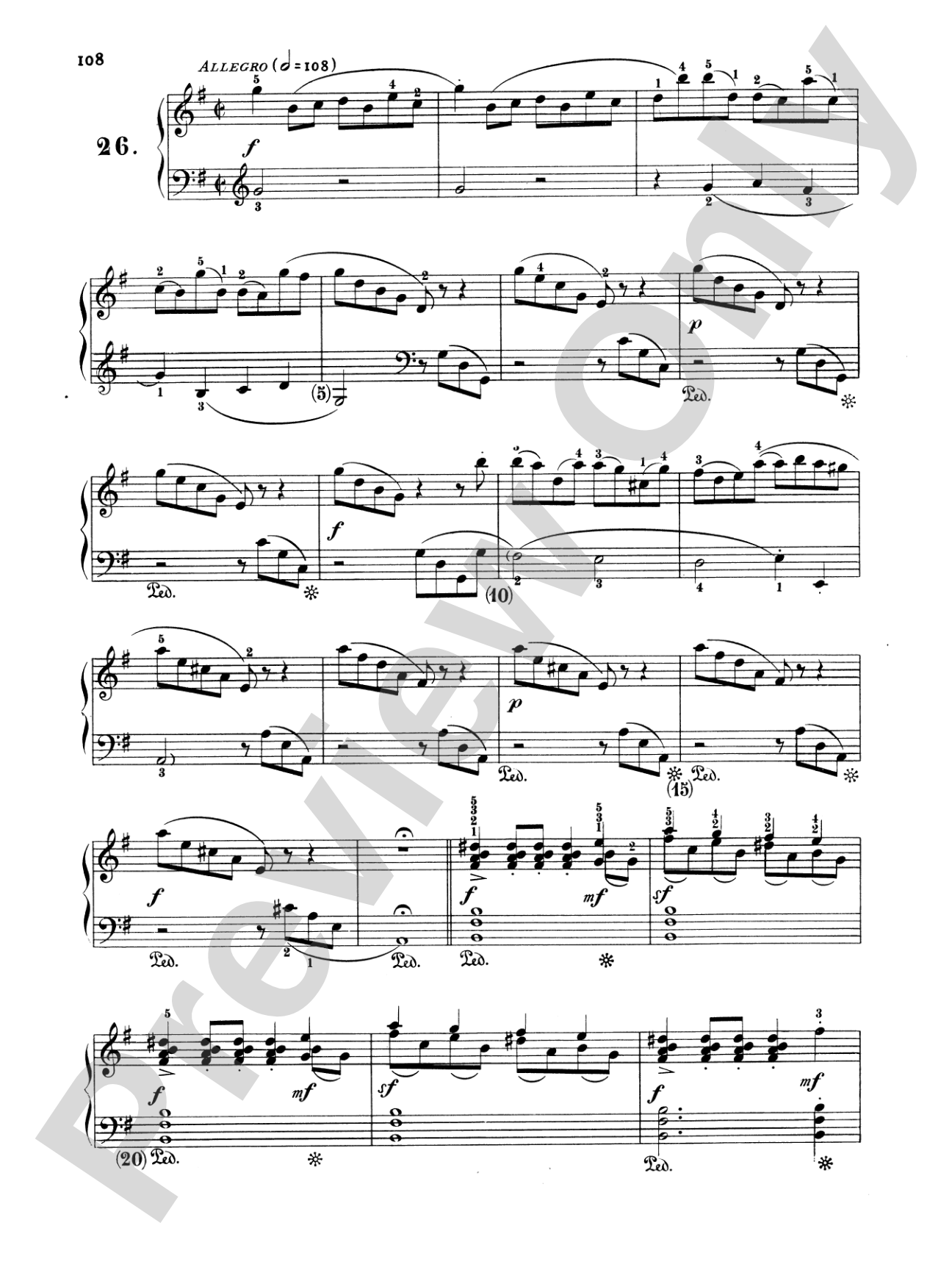
Scarlatti: The Complete Works, Volume XI

By Domenico Scarlatti

Item: 00-PC-0012594

Digital Download
$0.99
Description
Complete Harpsichord Works

Don't just read it, hear it, play along with it, and watch your students grow with it. In MakeMusic Cloud, Scarlatti: The Complete Works, Volume XI comes alive with professional accompaniment, adjustable tempo, and built-in practice tools that turn solo practice into real progress.

Sample Audio
No sample audio found.
Sample Video
Additional Details
Series: Kalmus Edition
Publisher: Alfred Music
Page Count: 208
SKU: 00-PC-0012594

More about this title

About the Composer: Domenico Scarlatti

Domenico Scarlatti (1685-1757) spent most of his career in the Iberian Peninsula, serving the royal courts of Spain and Portugal after leaving Italy in his thirties. His harpsichord sonatas represent one of the most inventive bodies of keyboard music ever written, pushing the instrument's technical and expressive boundaries in ways that anticipated later piano idioms by decades.

Scarlatti's influence on keyboard pedagogy and performance runs deep. His works demand hand crossing, rapid passage work, and rhythmic vitality that prepared pianists for the Classical and Romantic repertoire to follow. Teachers and serious students turn to his sonatas repeatedly because they combine genuine musical substance with immediate physical engagement at the keyboard.

Why we love this

Scarlatti's harpsichord sonatas translate beautifully to the modern piano, and this complete collection gives pianists access to the full scope of his invention without hunting through scattered editions. The works span wildly varied textures, moods, and technical challenges, making the collection invaluable for building repertoire that moves well beyond the same handful of familiar pieces most pianists encounter.

What to expect

Scarlatti's sonatas pulse with rhythmic energy and harmonic surprise. The keyboard sparkles with rapid scales and hand-crossing figures, yet beneath the brilliant surface lies genuine emotional range—moments of lyrical beauty, dramatic tension, and wit that feels as fresh today as it did in the eighteenth century. These are pieces that make you want to sit at the piano and explore.

Who it's for

Intermediate to advanced pianists seeking substantial Baroque keyboard repertoire that combines musical rigor with genuine performance interest. This collection serves studio teachers building comprehensive programs, music majors preparing comprehensive exams or recitals, and serious amateur pianists ready to engage with music that rewards deep study.

How to get the most out of it

  • Treat hand crossing as a musical gesture, not a technical hurdle. Scarlatti often writes hand-crossing passages to create dialogue between registers; let the crossing itself be part of the phrasing rather than something to hide.
  • Approach rhythmic vitality as a constant. Baroque keyboard music lives in the interplay between written note values and the subtle flexibility you bring; resist flattening the rhythm into metronomic regularity.
  • Explore the sonatas in sequence rather than cherry-picking. Many performers discover that working through a dozen consecutive pieces reveals Scarlatti's compositional logic and deepens understanding of his harmonic language.
  • Differentiate between passage work and song-like melody. Scarlatti often pairs rapid figuration with sustained singing lines; make sure the accompaniment material never drowns out what matters most in each measure.

How to use it

A complete Scarlatti collection works best as a library for building varied recital programs rather than a single concert selection. You might program a Scarlatti sonata alongside works by composers he influenced (Haydn, early Beethoven) to show the historical continuum, or pair individual pieces with contemporary keyboard music to highlight timelessness. The range within the collection also makes it ideal for student recitals where different players can showcase contrasting pieces from the same master.

Skills your students will build

  • Hand crossing and independence between registers
  • Baroque harpsichord idioms adapted for modern piano
  • Rapid passage work and scalar technique with musical intent
  • Harmonic language of the late Baroque and proto-Classical periods
  • Rhythmic vitality and flexibility within written notation
  • Structural analysis of binary form and sonata-like designs

You May Also Like