Scarlatti: The Complete Works, Volume X Sheet Music Preview

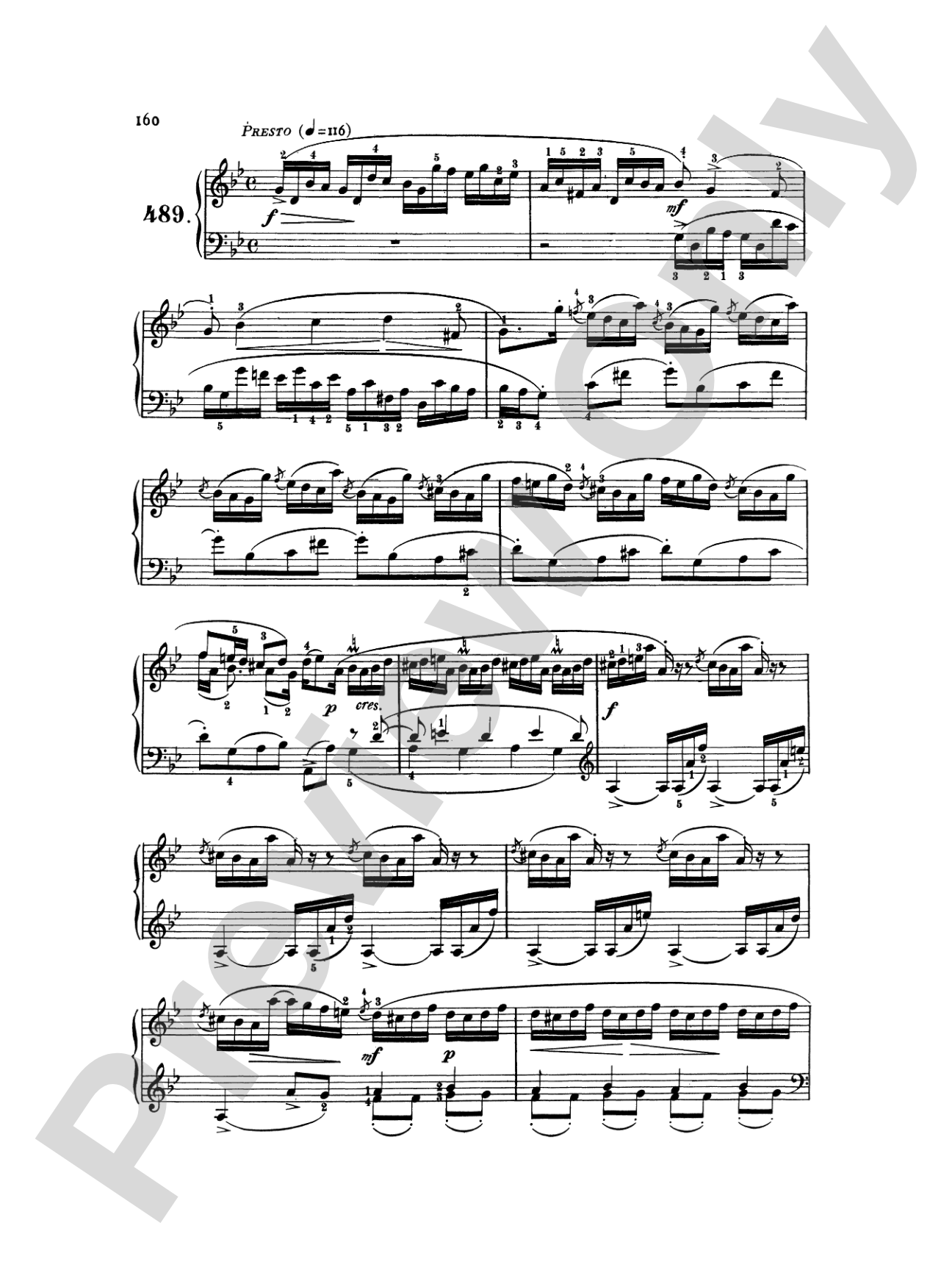
Scarlatti: The Complete Works, Volume X

By Domenico Scarlatti

Item: 00-PC-0012557

Digital Download
$0.99
Description
10 Suites (Longo 451-500)

Don't just read it, hear it, play along with it, and watch your students grow with it. In MakeMusic Cloud, Scarlatti: The Complete Works, Volume X comes alive with professional accompaniment, adjustable tempo, and built-in practice tools that turn solo practice into real progress.

Sample Audio
No sample audio found.
Sample Video
Additional Details
Series: Kalmus Edition
Publisher: Alfred Music
Page Count: 220
SKU: 00-PC-0012557

More about this title

About the Composer: Domenico Scarlatti

Domenico Scarlatti (1685-1757) stands as one of the most inventive keyboard composers of the Baroque era. A student of Francesco Gasparini and briefly of Handel, Scarlatti spent much of his career in Spain and Portugal, where he composed over 550 keyboard sonatas that would reshape what the instrument could express. His harmonic daring, rhythmic vitality, and technical demands anticipated the keyboard writing of later centuries while remaining rooted in the idioms of his time.

For pianists and teachers, Scarlatti represents a bridge between Baroque counterpoint and the emerging Classical style. His sonatas reward careful study of hand crossing, rapid scale passages, and the cultivation of clarity in both hands. They remain essential repertoire for developing mature keyboard technique and interpretive sophistication.

Why we love this

This collection opens the full expanse of Scarlatti's keyboard invention to serious students and performers. The Kalmus Edition presentation makes these ten sonatas accessible for study and recital, spanning the range of his writing from intimate explorations to brilliant display pieces. Pianists who engage these works develop technical command and stylistic fluency that transfers directly to repertoire across multiple eras.

What to expect

Scarlatti's keyboard writing sparkles with wit and technical brilliance. These sonatas move between moments of intimate harmonic exploration and passages of virtuosic exuberance, often within the same piece. The music breathes with the energy of the harpsichord while demanding the control and voicing flexibility that the modern piano affords.

Who it's for

This volume serves accomplished pianists preparing Baroque repertoire for recitals, competitions, or examination programs, as well as teachers assembling representative material from Scarlatti's output. It also suits advanced music history students seeking comprehensive exposure to a single composer's keyboard language across an extended compositional arc.

How to get the most out of it

  • Approach ornamentation as structural, not decorative. Each trill and turn shapes the harmonic rhythm and melodic contour; experiment with placement and duration to clarify the phrase architecture.
  • Balance the hands carefully in rapid scalar passages. One hand often carries the melody while the other provides figuration; adjust voicing and weight so the listener hears the intended hierarchy without sacrificing evenness of technique.
  • Observe the hand-crossing sections as opportunities for rhythmic precision and spatial clarity rather than technical stunts. These passages often contain crucial harmonic motion that legibility serves.
  • Treat the tonal language with harmonic curiosity. Scarlatti ventures into unexpected keys and chromatic inflections; honor these moments without sentimentality, allowing the unusual harmony to register naturally within the phrase.

How to use it

Feature individual Scarlatti sonatas on recital programs to represent the Baroque keyboard tradition alongside works by Bach and Handel, or program a single sonata from this collection as an opening statement that establishes both technical prowess and stylistic discernment. Teachers may also assign these sonatas as core repertoire in undergraduate keyboard sequences focused on historical style and technique.

Skills your students will build

  • Rapid scalar passage work and hand independence across two staves
  • Ornamentation interpretation and stylistic voicing of trills and turns
  • Hand crossing execution with rhythmic precision and dynamic control
  • Baroque harmonic language and unexpected tonal movements
  • Voice leading clarity in two-hand keyboard writing
  • Interpretive choices in the absence of dynamic markings

You May Also Like