Scarlatti: The Complete Works, Volume VII Sheet Music Preview

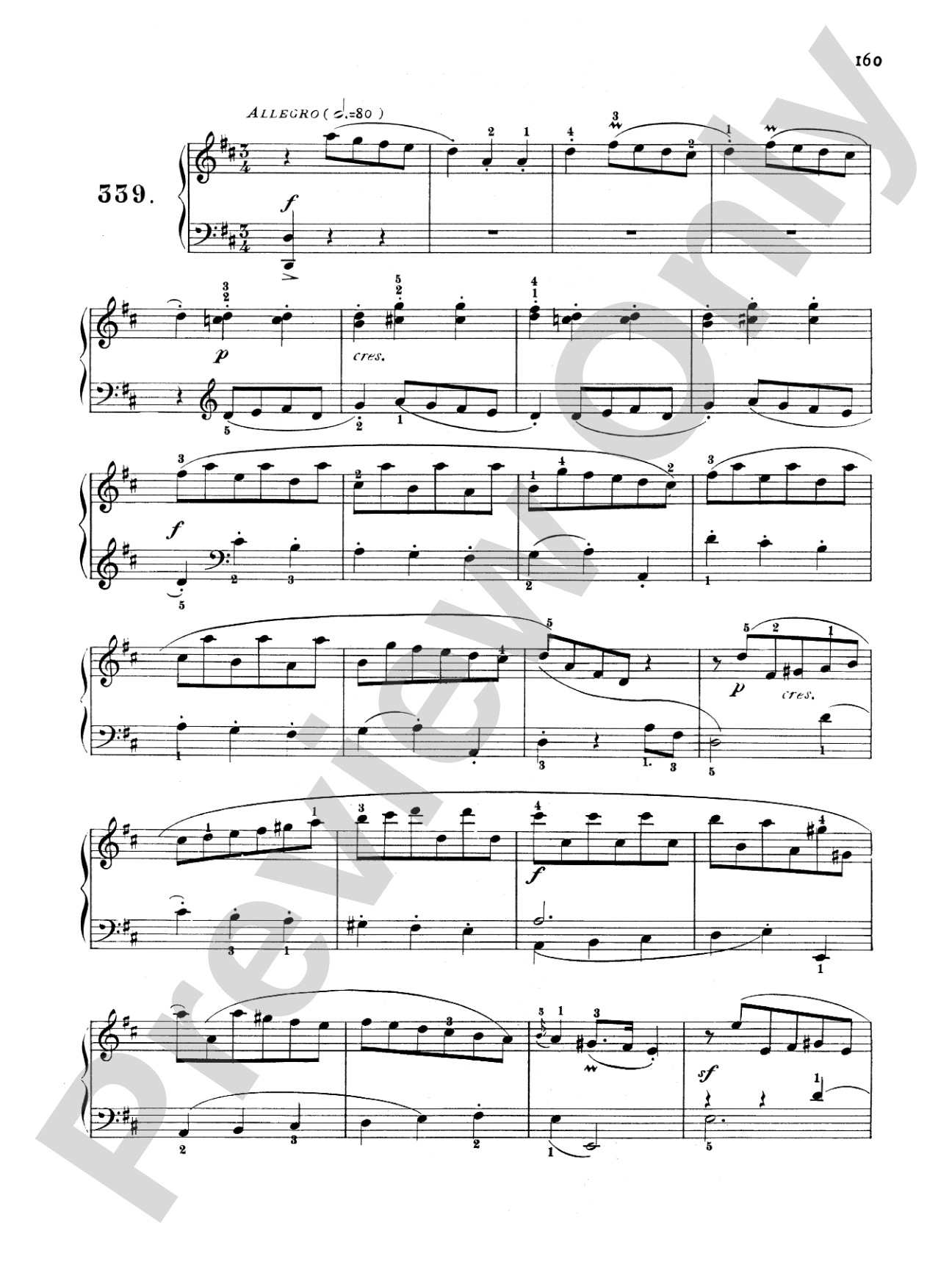
Scarlatti: The Complete Works, Volume VII

By Domenico Scarlatti

Item: 00-PC-0012407

Digital Download
$0.99
Description
10 Suites (Longo 301-350)

Don't just read it, hear it, play along with it, and watch your students grow with it. In MakeMusic Cloud, Scarlatti: The Complete Works, Volume VII comes alive with professional accompaniment, adjustable tempo, and built-in practice tools that turn solo practice into real progress.

Sample Audio
No sample audio found.
Sample Video
Additional Details
Series: Kalmus Edition
Publisher: Alfred Music
Page Count: 224
SKU: 00-PC-0012407

More about this title

About the Composer: Domenico Scarlatti

Domenico Scarlatti (1685-1757) spent most of his career in the Iberian Peninsula, serving royal courts in Portugal and Spain after leaving Italy. His keyboard output was staggering: over 500 sonatas that pushed the technical and musical boundaries of the harpsichord and early piano, influencing everything that followed in keyboard literature.

Scarlatti's sonatas are laboratories for keyboard technique and harmonic innovation. He explored rapid hand crossings, wide intervallic leaps, dramatic dynamic contrasts, and rhythmic vitality that feel almost modern. His influence on later composers—from Haydn to Beethoven to Chopin—runs deep, making him essential listening and playing for pianists serious about understanding the instrument's development.

Why we love this

This collection gives advanced pianists direct access to a major section of the Scarlatti canon in one comprehensive volume. The Kalmus Edition presents these works clearly and affordably, making it practical to explore multiple sonatas across the Longo 301-350 range and discover the stylistic variety and technical sophistication that characterizes Scarlatti's middle-period writing.

What to expect

Scarlatti's world is one of brilliant keyboard virtuosity married to genuine emotional depth. These sonatas pulse with rhythmic energy, leap across the keyboard with fearless abandon, and modulate through unexpected harmonic territories, yet they never sacrifice lyricism or formal clarity. Playing them feels like unlocking the secrets of keyboard writing itself.

Who it's for

Advanced pianists working toward a comprehensive understanding of Baroque keyboard literature will find these sonatas essential. Teachers preparing students for competitions, recitals, or college auditions benefit from having a large, authoritative collection readily available; the range within this single volume supports both technical development and interpretive growth.

How to get the most out of it

  • Establish a clear sense of pulse early. Scarlatti's rhythmic designs often mask the underlying meter through syncopation and hand independence; knowing where beat one lands prevents the piece from becoming rhythmically muddy.
  • Differentiate between hand crossings and passages requiring lateral hand movement. Some require a quick pivot at the moment of crossing; others benefit from a smooth, singing transfer that creates musical continuity rather than a technical display.
  • Shape phrases around harmonic goals rather than surface figurations. Scarlatti's rapid passagework frequently elaborates strong harmonic progressions; listening through the notes to the underlying harmonic motion prevents the performance from sounding merely virtuosic.
  • Balance the Spanish and Italian elements in the musical language. Scarlatti blends Italianate counterpoint with Iberian rhythmic idioms and color; allowing both to coexist keeps the music from feeling either too academic or too percussive.

How to use it

Program individual sonatas from this collection as recital openers or thoughtful interludes between larger Romantic works. A pair of contrasting Scarlatti sonatas (one energetic and technically driven, one introspective) also serves as an effective bridge between a Classical concerto and a modern work, demonstrating the keyboard's range and the composer's influence on centuries of music that followed.

Skills your students will build

  • Hand crossing technique and coordination across both staves
  • Reading rapid scalar and arpeggiated passagework in Baroque notation
  • Voice leading and harmonic analysis in two-part and three-part textures
  • Baroque articulation and ornamentation (trills, mordents, turns)
  • Rhythmic independence between hands and metric clarity under syncopation
  • Pedal use and control on modern instruments while respecting Baroque sound ideals
  • Interpreting repeated sections with stylistic variation and improvisation

You May Also Like