

Scarlatti: The Complete Works, Volume VI: Piano Book
By Domenico Scarlatti
Item: 00-PK-0003749

$24.99
Pickup currently not available
Buy Extra Parts (Digital PDF Download)
Parts Added to Cart!
Related Items
The Complete Works, Volume VI: Piano Book |
$24.95
|
View |
Description
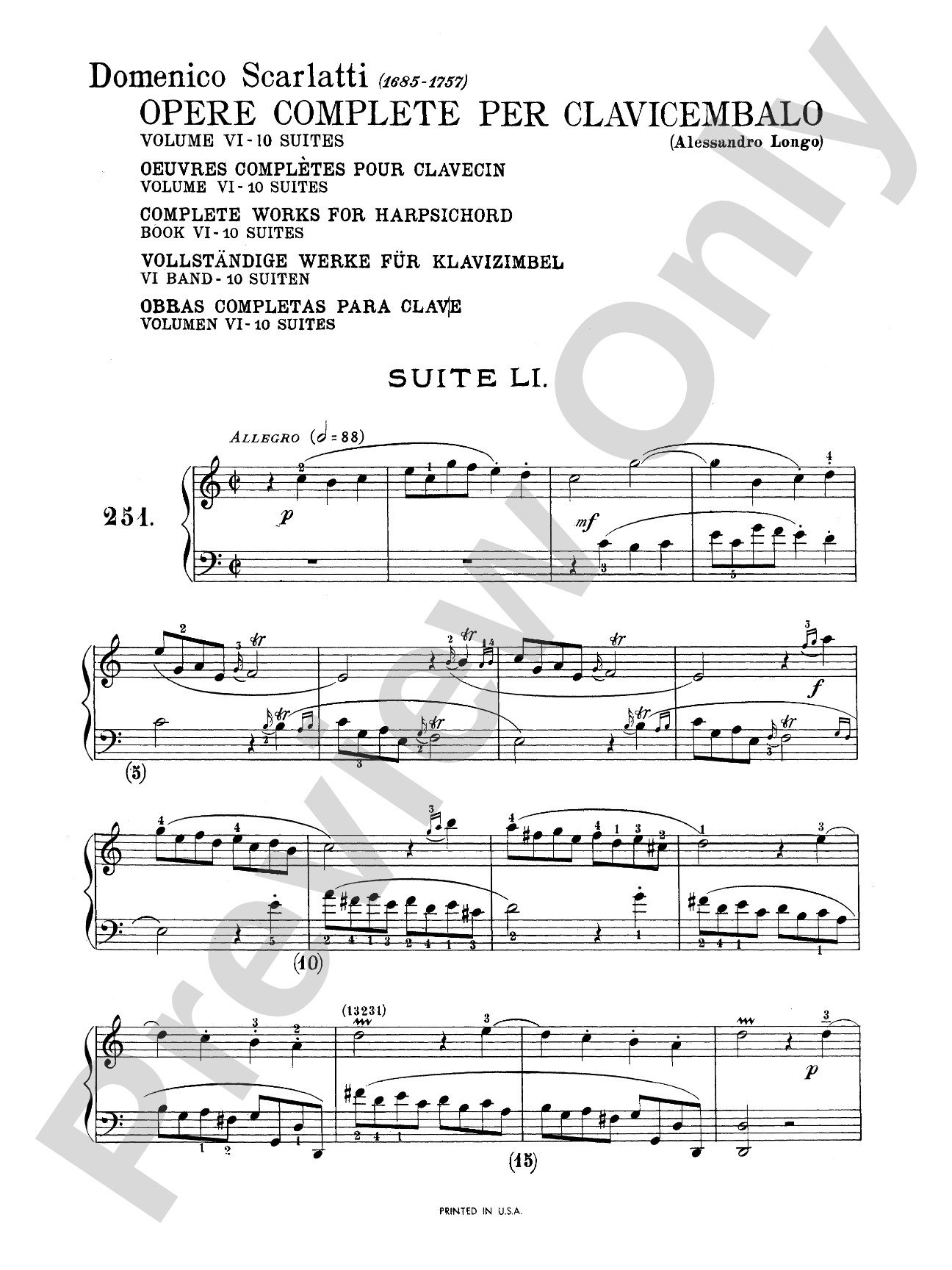
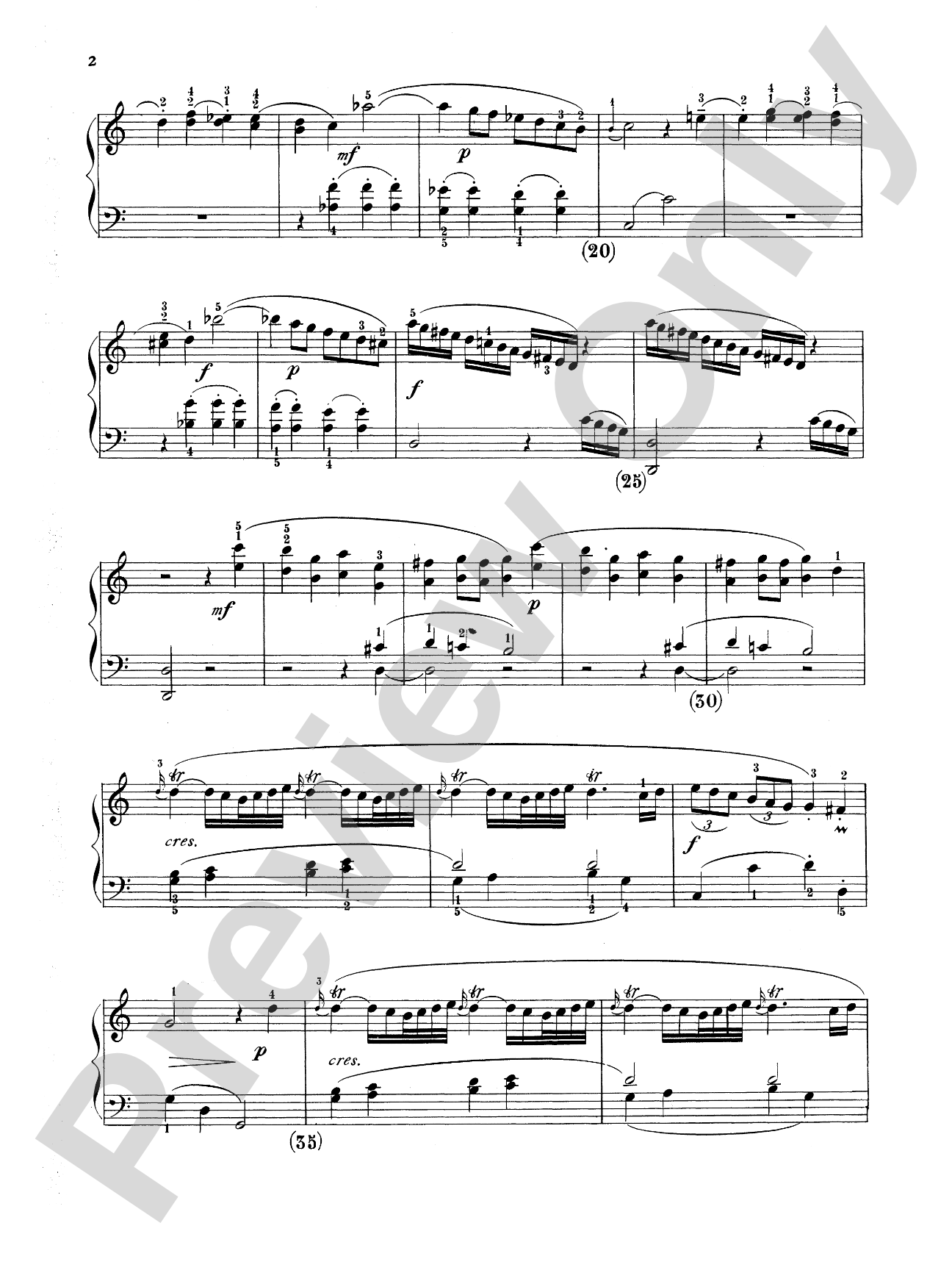
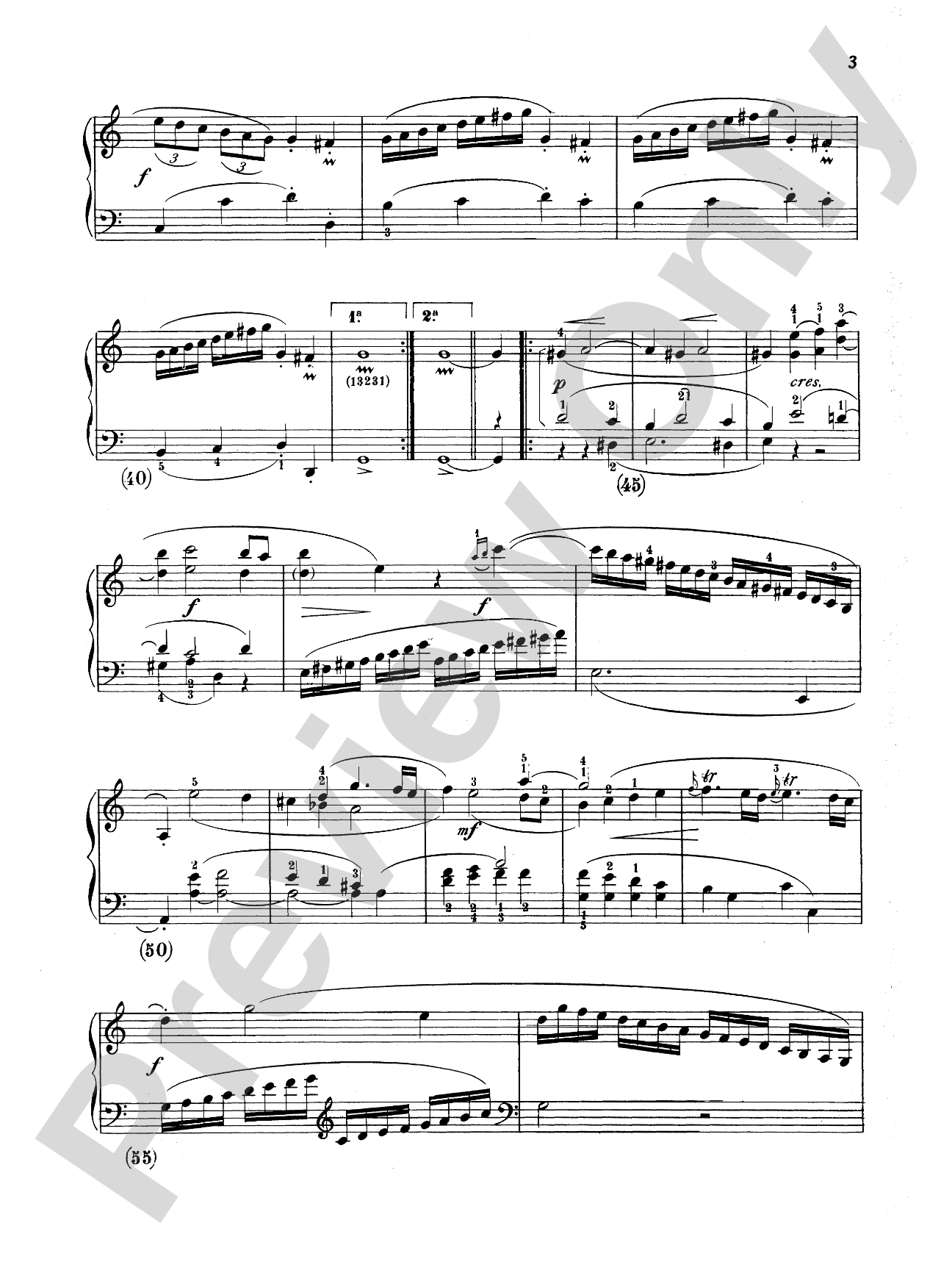
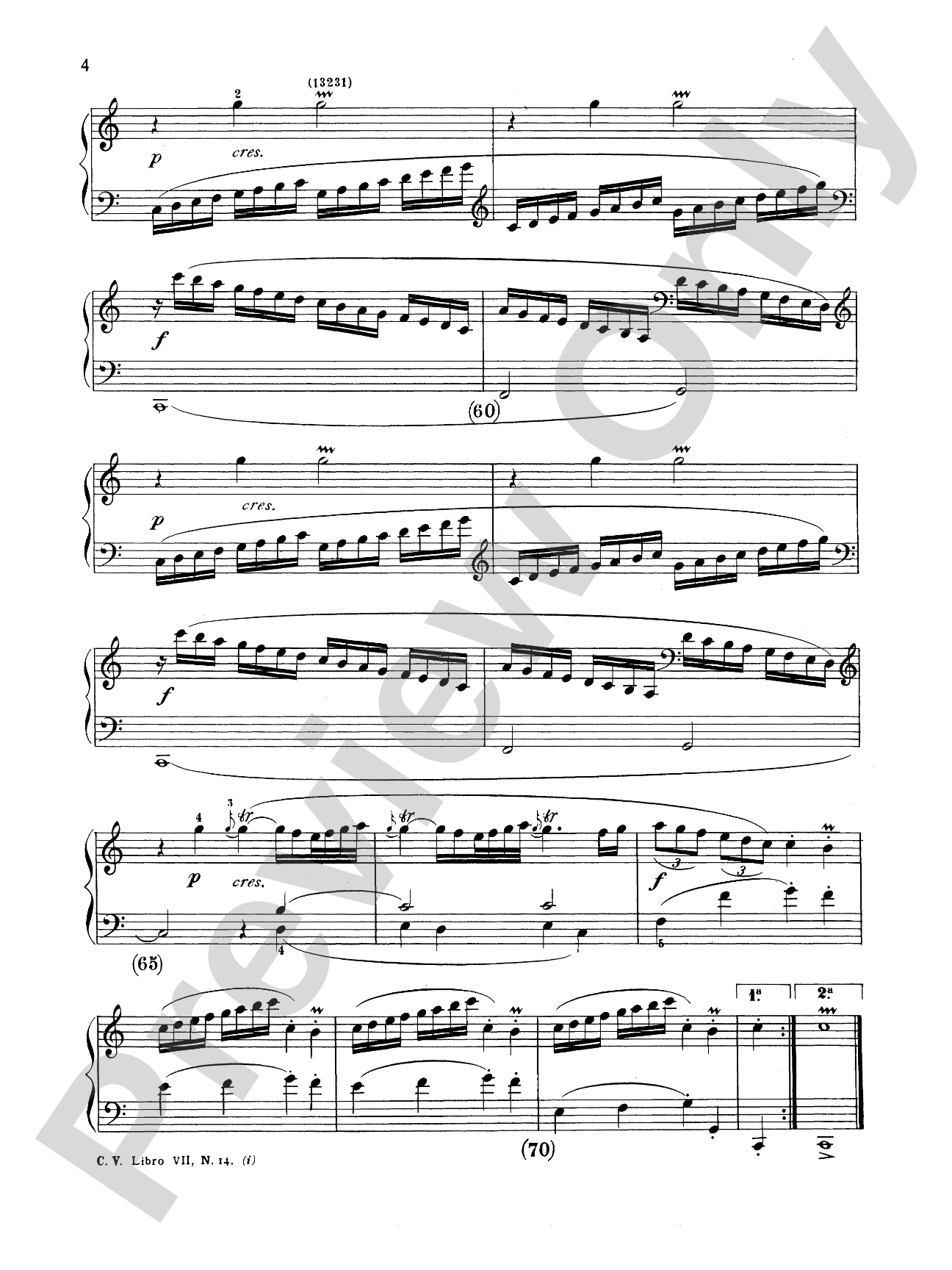
10 Suites (Longo 251-300)


Don't just read it, hear it, play along with it, and watch your students grow with it. In MakeMusic Cloud, Scarlatti: The Complete Works, Volume VI: Piano Book comes alive with professional accompaniment, adjustable tempo, and built-in practice tools that turn solo practice into real progress.
Open in the Player
Jump straight in and assign it today.
Start Your Free Trial
Open this title and explore the full library in minutes.
Sample Audio
No sample audio found.
Sample Video
No sample videos found.
Additional Details
Series:
Kalmus Edition
Publisher:
Alfred Music
Page Count:
208
SKU:
00-PK-0003749
More about this title
About the Composer: Domenico Scarlatti
Domenico Scarlatti (1685-1757) spent most of his career in the Iberian Peninsula, where he served as a keyboard master to the Spanish and Portuguese courts. His 555 keyboard sonatas represent a radical departure from the contrapuntal traditions of his father Alessandro, establishing instead a language of harmonic boldness, dramatic gesture, and virtuosic keyboard writing that anticipated the Classical era.
Scarlatti's sonatas are laboratory pieces for pianists. Each one isolates a specific technical or musical challenge—hand crossing, rapid string-skipping passagework, hand independence, tonal ambiguity, extreme tessitura—and explores it with surgical precision. He invented the modern keyboard idiom.
Why we love this
These ten suites (Longo 251-300) sit at the midpoint of Scarlatti's output, offering pieces with genuine pedagogical depth alongside showpiece material. Advanced pianists get exposure to Baroque keyboard idioms without the fugal density of Bach, while the harmonic progressions and formal innovations reward close study. The Kalmus Edition presents clean, readable texts ideal for serious students moving beyond standard repertoire.
What to expect
Scarlatti's middle-period sonatas pulse with Spanish and Italian energy. Rhythmic ostinatos and rolled figures create propulsive momentum, while sudden harmonic swerves and wide intervallic leaps keep the listener alert. These pieces swing between virtuosic display and intimate exploration, often within the same movement.
Who it's for
Advanced pianists preparing repertoire for recital or competition, undergraduate and graduate students in keyboard studies, and teachers building a comprehensive Baroque curriculum beyond the Bach canon. These sonatas demand secure technique and mature musical judgment, making them ideal for serious music students rather than intermediate learners.
How to get the most out of it
- Approach hand crossing as an architectural feature, not a technical hindrance. Let the cross create visual and sonic space; resist the urge to rush through the overlap.
- Pay attention to Scarlatti's sparse dynamic and articulation markings. Where he writes them, they signal essential interpretive choices. Elsewhere, let the harmonic rhythm and textural density guide your shaping.
- Test multiple fingering solutions before settling on one. Scarlatti's keyboard span and the modern piano's reach create options that historical sources did not have; find the fingering that serves your hand size and musical intention.
- Notice where the harmonic language shifts into unexpected tonal areas. These moments often benefit from slight temporal flexibility to let the ear adjust.
How to use it
Feature individual sonatas in student recitals to showcase advanced technique and musicianship without committing to a full suite. Pair one or two with later Baroque works (Couperin, Rameau) to illustrate the breadth of keyboard writing before the Classical sonata. Use them as teaching repertoire to develop harmonic literacy and keyboard independence.
Skills your students will build
- hand crossing and hand independence at the keyboard
- executing rapid passagework in extreme registers
- reading and interpreting sparse baroque articulation markings
- understanding harmonic function across tonal shifts and unexpected cadences
- finger independence and selective legato in rapid scalar passages
- rhythmic precision in repeated-note figures and ostinatos