Scarlatti:The Complete Works, Volume IV Sheet Music Preview

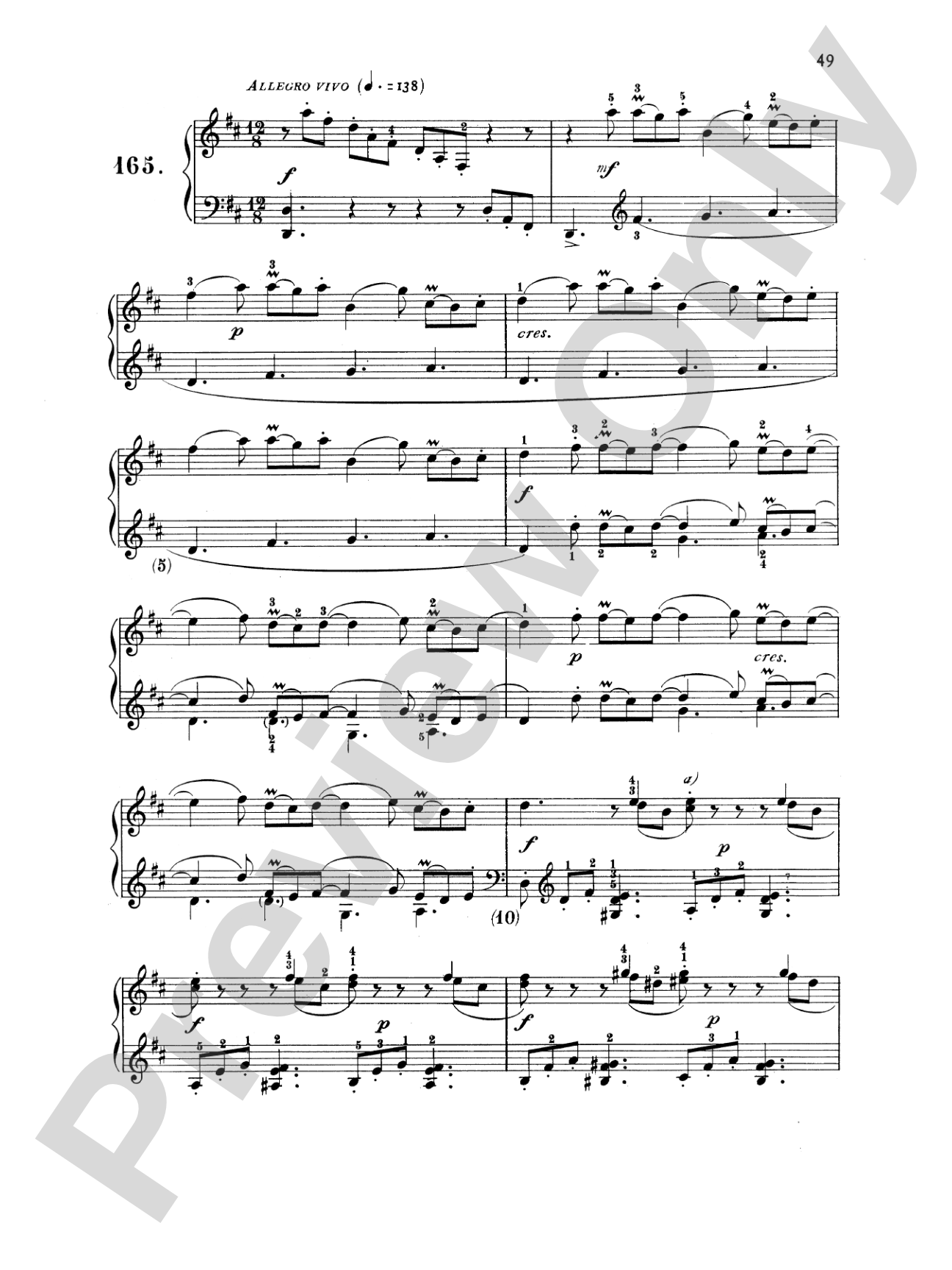
Scarlatti:The Complete Works, Volume IV

By Domenico Scarlatti

Item: 00-PC-0012233

Digital Download
$0.99
Description
10 Suites (Longo 151-200)

Don't just read it, hear it, play along with it, and watch your students grow with it. In MakeMusic Cloud, Scarlatti:The Complete Works, Volume IV comes alive with professional accompaniment, adjustable tempo, and built-in practice tools that turn solo practice into real progress.

Sample Audio
No sample audio found.
Sample Video
Additional Details
Series: Kalmus Edition
Publisher: Alfred Music
Page Count: 200
SKU: 00-PC-0012233

More about this title

About the Composer: Domenico Scarlatti

Domenico Scarlatti (1685-1757) was an Italian Baroque composer whose keyboard sonatas revolutionized piano literature. Working primarily in Spain and Portugal as a court musician, he developed a virtuosic compositional voice that pushed the technical and expressive boundaries of the keyboard instrument far beyond what his contemporaries imagined possible.

Scarlatti's approximately 555 keyboard sonatas stand as his enduring legacy. These works combine Italian melodic sensibility with Spanish harmonic color and rhythmic vitality, creating a body of music that bridges the Baroque and galant styles. His influence on keyboard technique and musical form extends directly to the Classical composers who followed, making him essential to understanding the evolution of piano music.

Why we love this

This volume captures ten suites from the heart of Scarlatti's most inventive period, offering pianists access to works that demand technical agility while rewarding listeners with genuine musical drama. The Kalmus Edition presents these pieces clearly and affordably, making it possible to explore substantial repertoire beyond the handful of Scarlatti sonatas typically heard in recitals. Advanced students encounter writing that combines contrapuntal ingenuity with keyboard idiomatic figuration that feels modern even after three centuries.

What to expect

Scarlatti's music dances. The suites in this volume pulse with rhythmic energy and harmonic surprise, moving between moments of crystalline clarity and passages of shimmering complexity. There's an immediacy and vitality here that distinguishes Scarlatti from other Baroque composers; even in his most intricate counterpoint, the music feels conversational and alive rather than architecturally austere.

Who it's for

Advanced pianists and serious students exploring Baroque keyboard literature beyond Bach and Handel will find this collection essential. Teachers working with post-intermediate students preparing for auditions, competitions, or recitals can draw from these ten suites to construct a program that demonstrates stylistic range and technical command.

How to get the most out of it

  • Approach the hand crossing passages as opportunities for dialogue rather than obstacles; Scarlatti wrote these exchanges as musical conversations between registers, not mere technical display.
  • Shape the running figuration by thinking in melodic phrases rather than mechanical passagework; even rapid scalar writing benefits from line and direction.
  • Observe the ornaments and embellishments as structural elements; they define harmonic motion and character, not decoration added on top.
  • Allow the Spanish and Italian harmonic inflections to inform your voicing choices; Scarlatti's unexpected resolutions and modal inflections need clarity to register with listeners.

How to use it

Feature individual sonatas from this volume in student recitals as contrasting selections alongside Classical or Romantic repertoire, using Scarlatti's harmonic language and keyboard vocabulary as a bridge to later keyboard writing. Construct an all-Baroque program around multiple suites from this edition, pairing Scarlatti with other keyboard works to illustrate the diversity of Baroque keyboard practice. Use these pieces in studio teaching to develop ornament interpretation, hand independence, and the physical and musical vocabulary of eighteenth-century keyboard technique.

Skills your students will build

  • Hand crossing and independence between registers
  • Ornamentation and embellishment interpretation in Baroque style
  • Harmonic analysis of unexpected resolutions and modal inflections
  • Rapid passagework and scalar figuration with musical intent
  • Counterpoint and inner-voice clarity within technically demanding writing
  • Reading and performing Baroque keyboard notation and figured bass implications

You May Also Like