
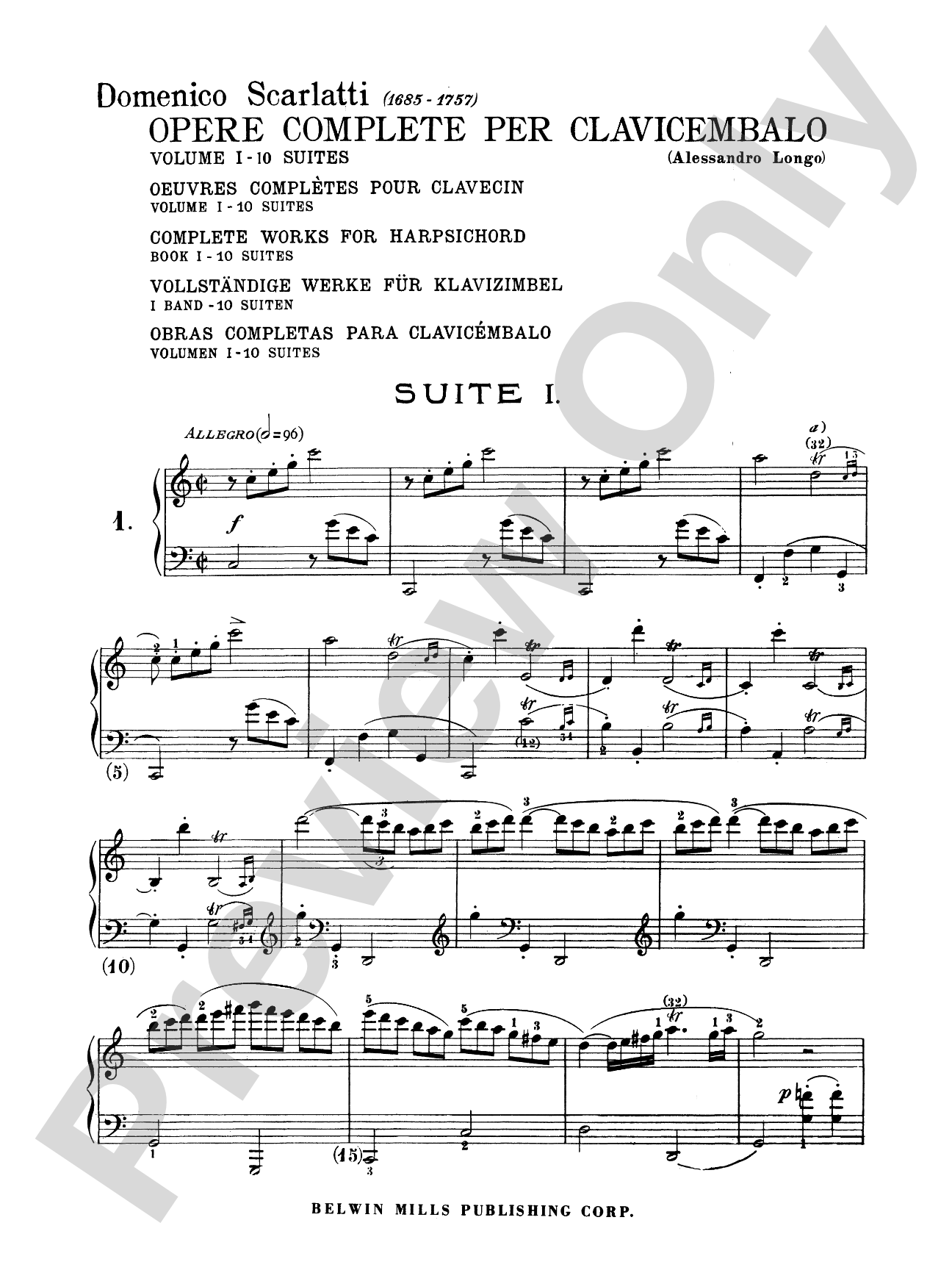
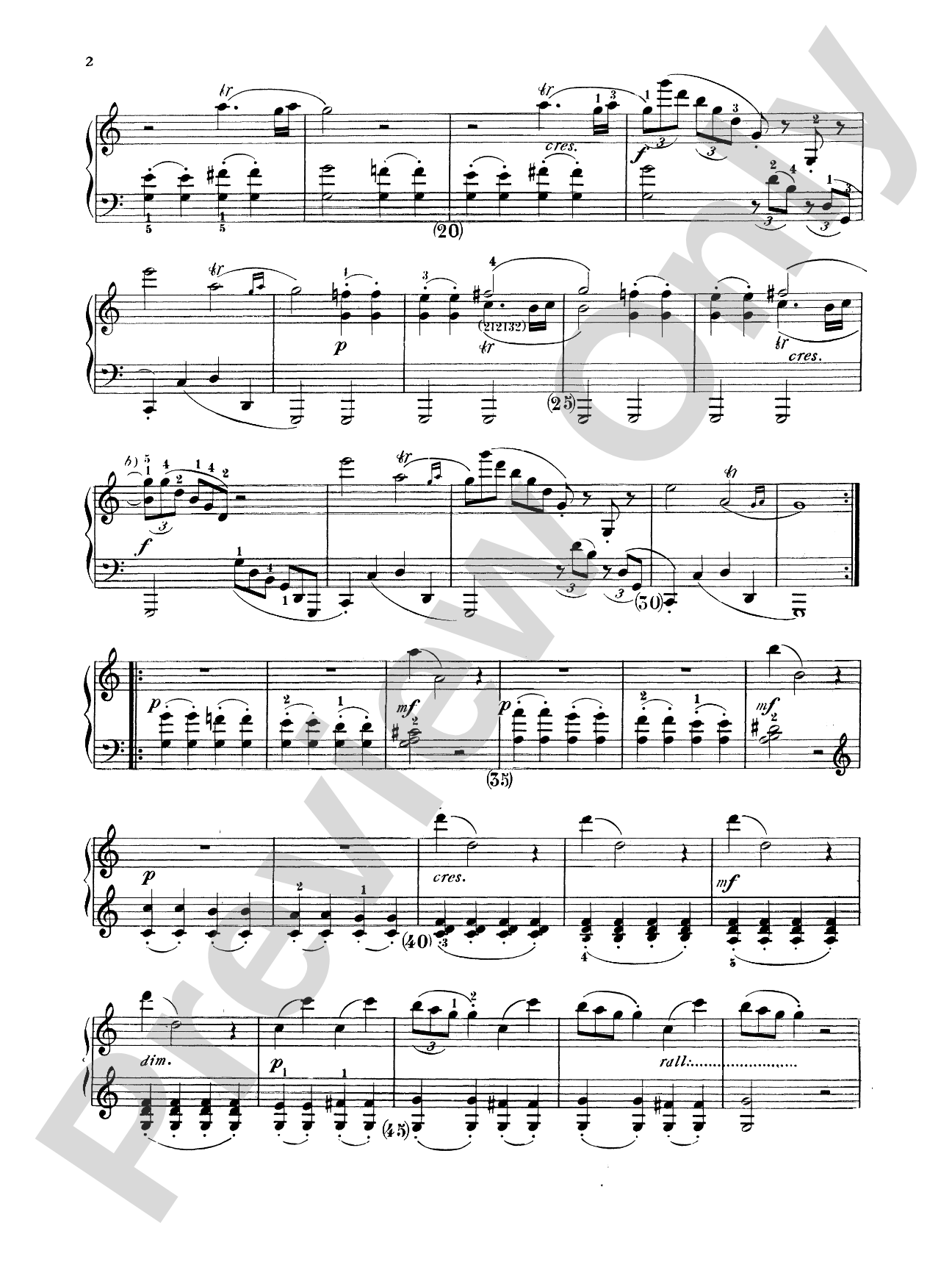
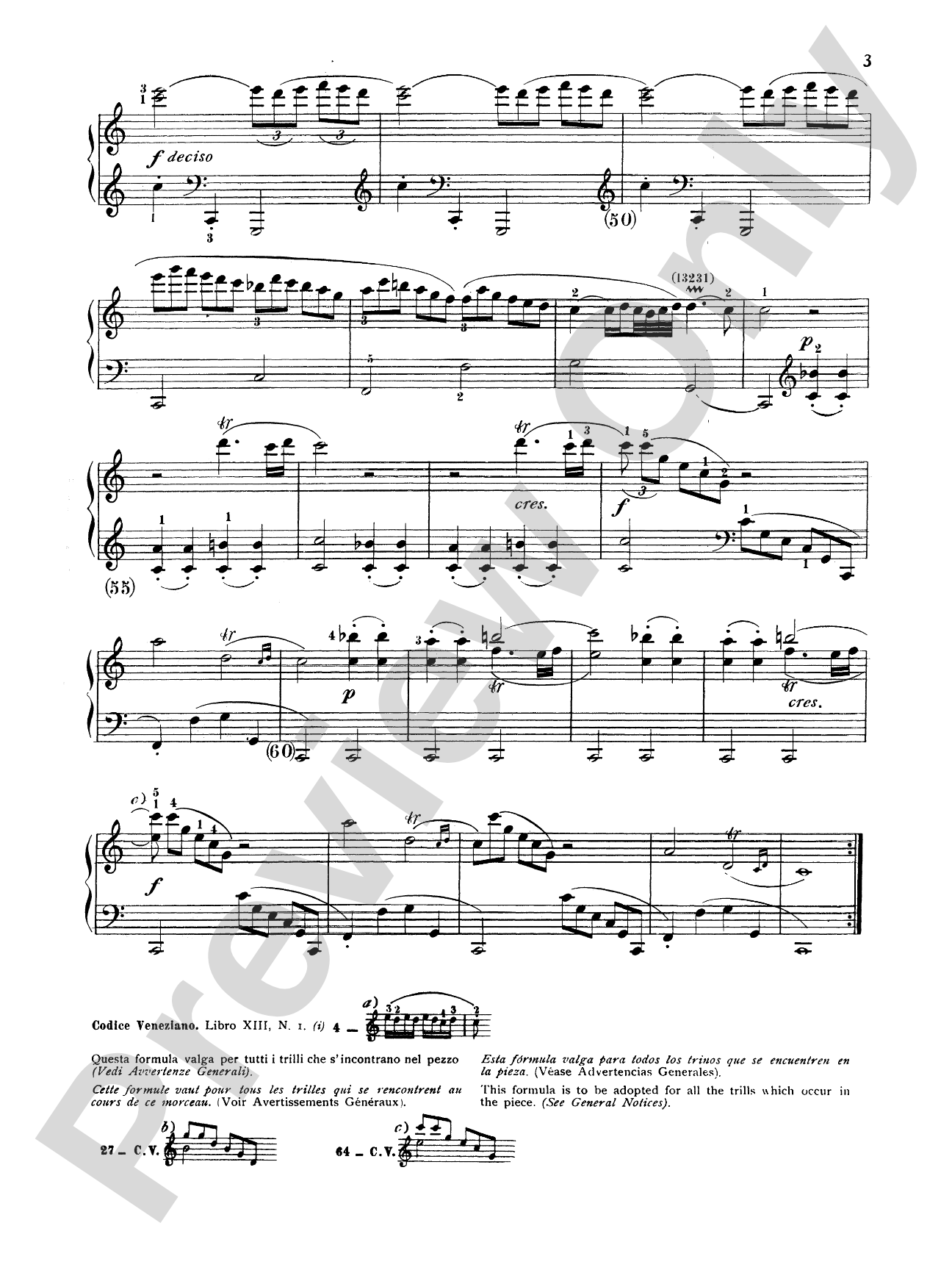

Scarlatti: The Complete Works, Volume I: Piano Book
By Domenico Scarlatti
Item: 00-PK-0003744

$24.99
Pickup currently not available
Buy Extra Parts (Digital PDF Download)
Parts Added to Cart!
Related Items
The Complete Works, Volume I: Piano Book |
$24.95
|
View |
Description
Complete Works of Scarlatti, American Edition, edited by Allessandro Longo. 10 Suites (Longo 1-50)


Don't just read it, hear it, play along with it, and watch your students grow with it. In MakeMusic Cloud, Scarlatti: The Complete Works, Volume I: Piano Book comes alive with professional accompaniment, adjustable tempo, and built-in practice tools that turn solo practice into real progress.
Open in the Player
Jump straight in and assign it today.
Start Your Free Trial
Open this title and explore the full library in minutes.
Sample Audio
No sample audio found.
Sample Video
No sample videos found.
Additional Details
Series:
Kalmus Edition
Publisher:
Alfred Music
Page Count:
200
SKU:
00-PK-0003744
More about this title
About the Composer: Domenico Scarlatti
Domenico Scarlatti (1685, 1757) spent most of his career in the Iberian Peninsula, where he served the royal courts of Spain and Portugal. This geographic distance from the Italian mainstream allowed him to develop a compositional voice entirely his own, blending harpsichord virtuosity with harmonic boldness that often startled his contemporaries.
Scarlatti's sonatas revolutionized keyboard writing. He abandoned the fugal complexity of his father Alessandro in favor of idiomatic passage work, hand-crossing, rapid scales, and unexpected harmonic turns. These 555 sonatas represent the bridge between Baroque keyboard idiom and the Classical era to come.
Why we love this
This volume captures the essential early works of a composer whose keyboard writing transformed instrumental music. The Longo numbering and Kalmus edition make these pieces accessible and playable, offering pianists authentic Baroque repertoire with real technical substance and genuine musical reward. Scarlatti's early suites contain the kernels of his mature style: brilliant passagework, unexpected harmonic turns, and writing that feels modern even today.
What to expect
Scarlatti's keyboard writing sparkles with wit and harmonic surprise while maintaining the elegance of Baroque proportion. These early suites pulse with rhythmic energy and contain moments of profound harmonic ambiguity that still feel fresh. The music balances virtuosic display with genuine lyrical beauty, rewarding performers who dig beneath the surface ornaments.
Who it's for
Advanced pianists seeking Baroque repertoire beyond Bach and Handel, particularly those interested in early keyboard sonata form and the technical innovations of the mid-18th century. Piano students preparing for competitions, recitals, or university auditions will find substantial, rewarding material that builds both interpretive and technical mastery.
How to get the most out of it
- Balance technical display with musical phrasing. Scarlatti's rapid passages should sing, not sparkle emptily. Let the harmonic progressions guide your tempo and articulation choices.
- Honor the ornaments as integral to the melodic line rather than decoration. Trills and turns often sit on structural pitches and define harmonic moments.
- Treat hand crossings and wide leaps as opportunities for textural clarity. These are not accidents of keyboard layout but compositional choices that shape the listener's perception of the music.
- Experiment with tempo flexibility within movements. Scarlatti's binary forms often contain surprising harmonic destinations that can shift the emotional weight of a passage.
How to use it
Build a recital that traces Baroque keyboard evolution by pairing Scarlatti with Bach and Handel, or construct a program around keyboard innovation by following Scarlatti with works that respond to his harmonic language. These suites also serve as excellent bridges between Classical-era studies and deeper exploration of the Baroque, offering technical preparation for later sonata literature.
Skills your students will build
- Binary form navigation and harmonic architecture in early sonata structures
- Rapid passagework with rhythmic precision and textural independence between hands
- Ornamentation integration and stylistically appropriate articulation in Baroque keyboard writing
- Harmonic analysis of unexpected chord progressions and modulations
- Hand independence across wide keyboard spans and crossing patterns
- Baroque fingering and touch techniques