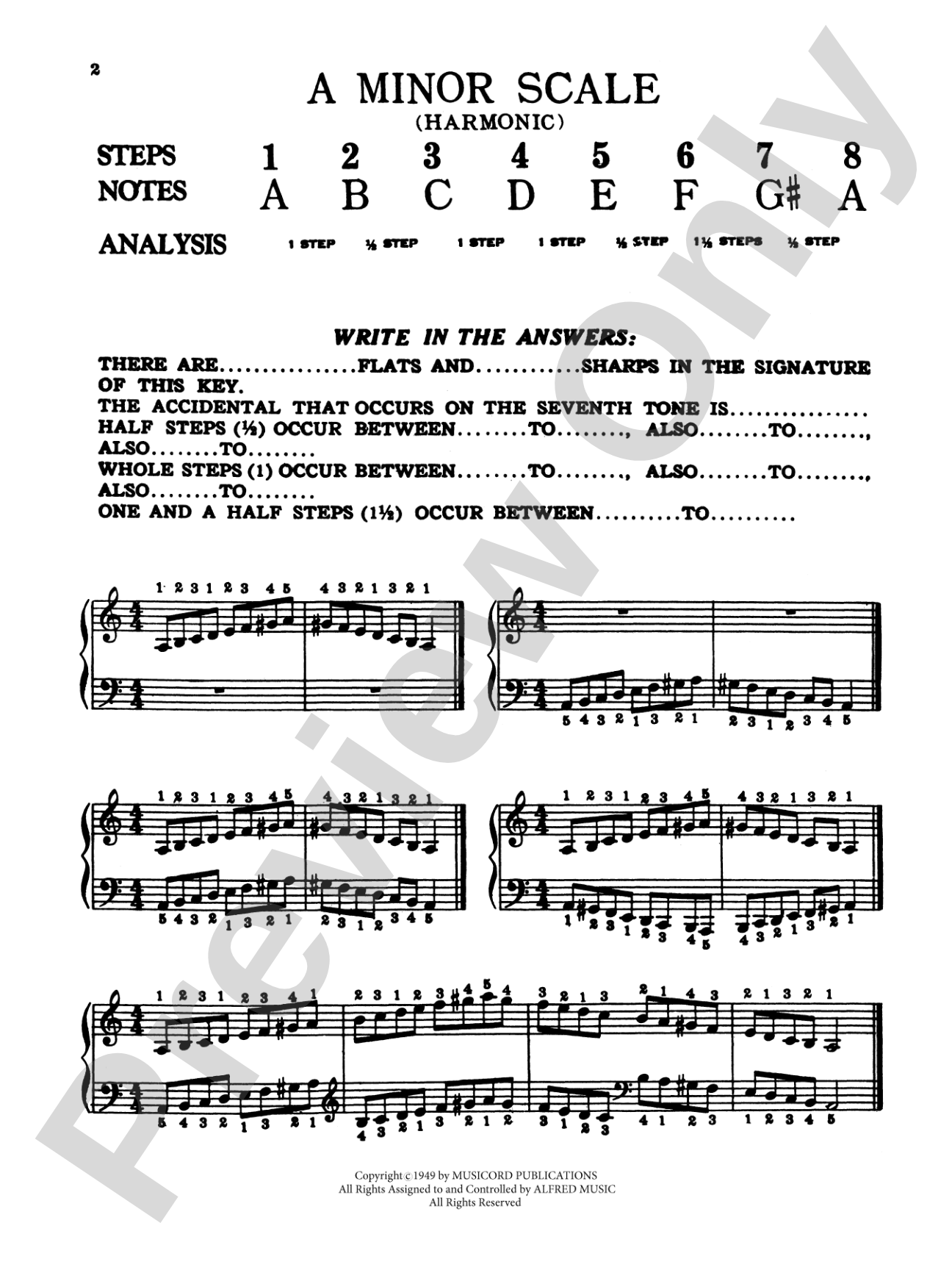
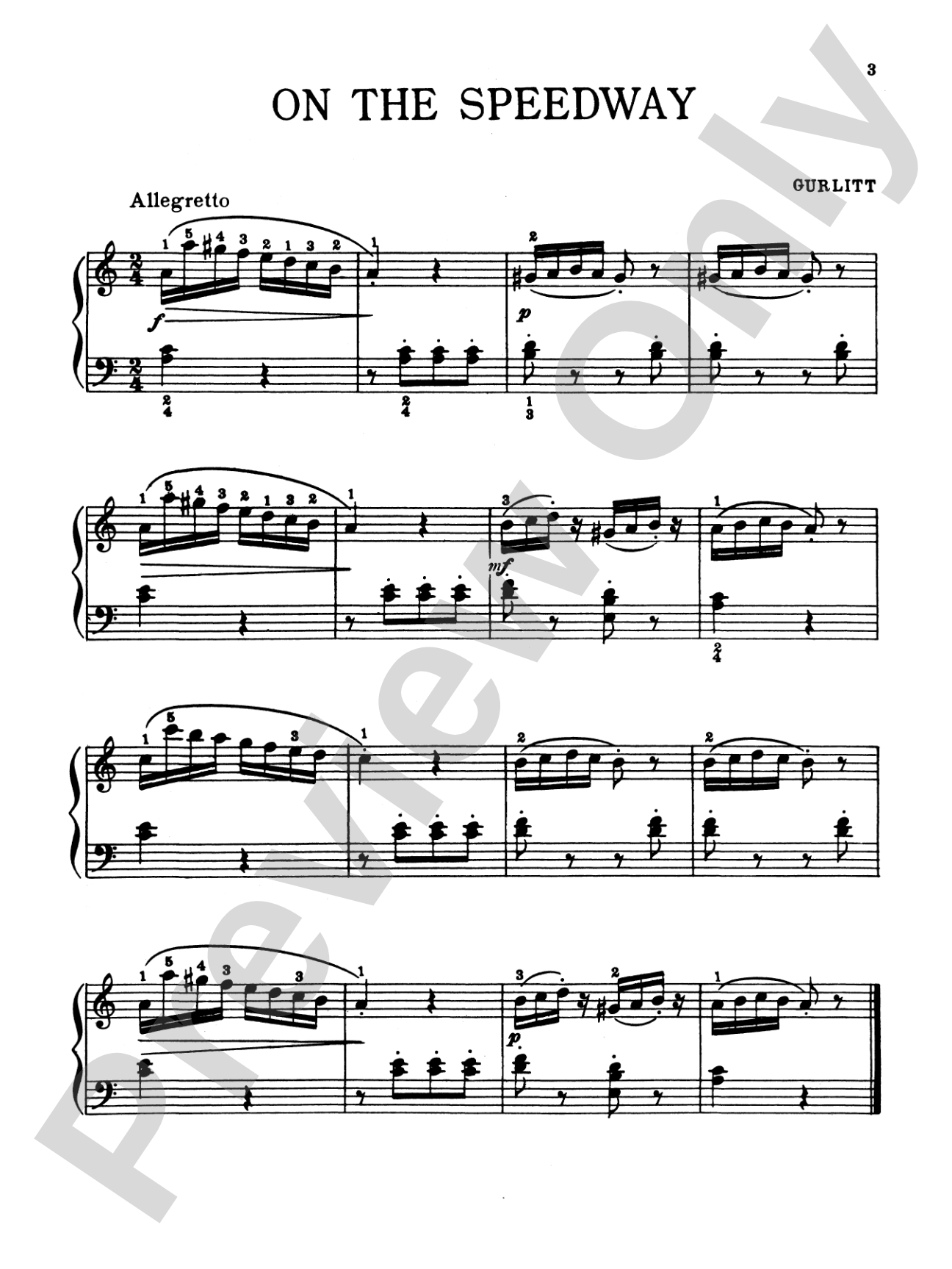
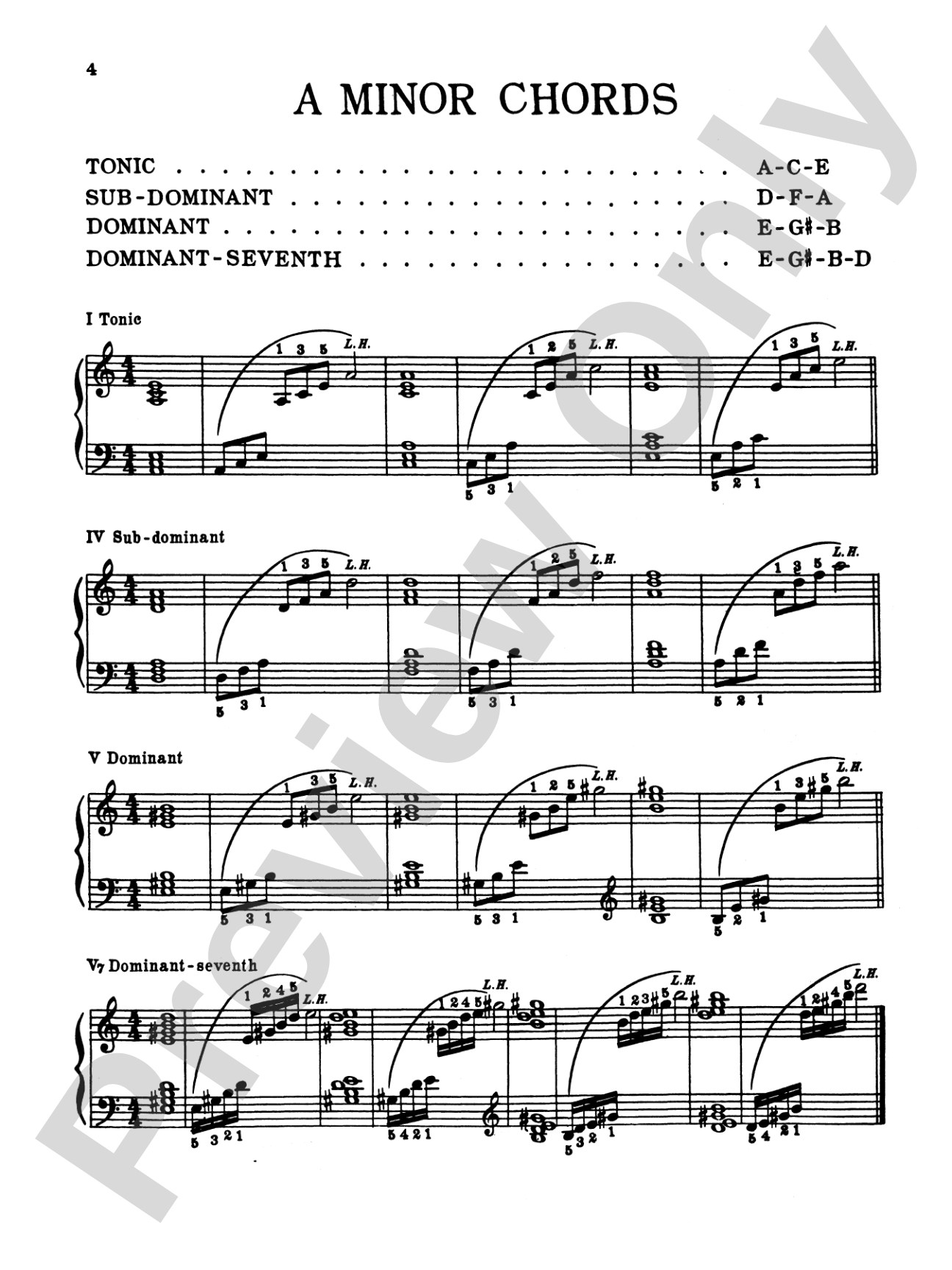
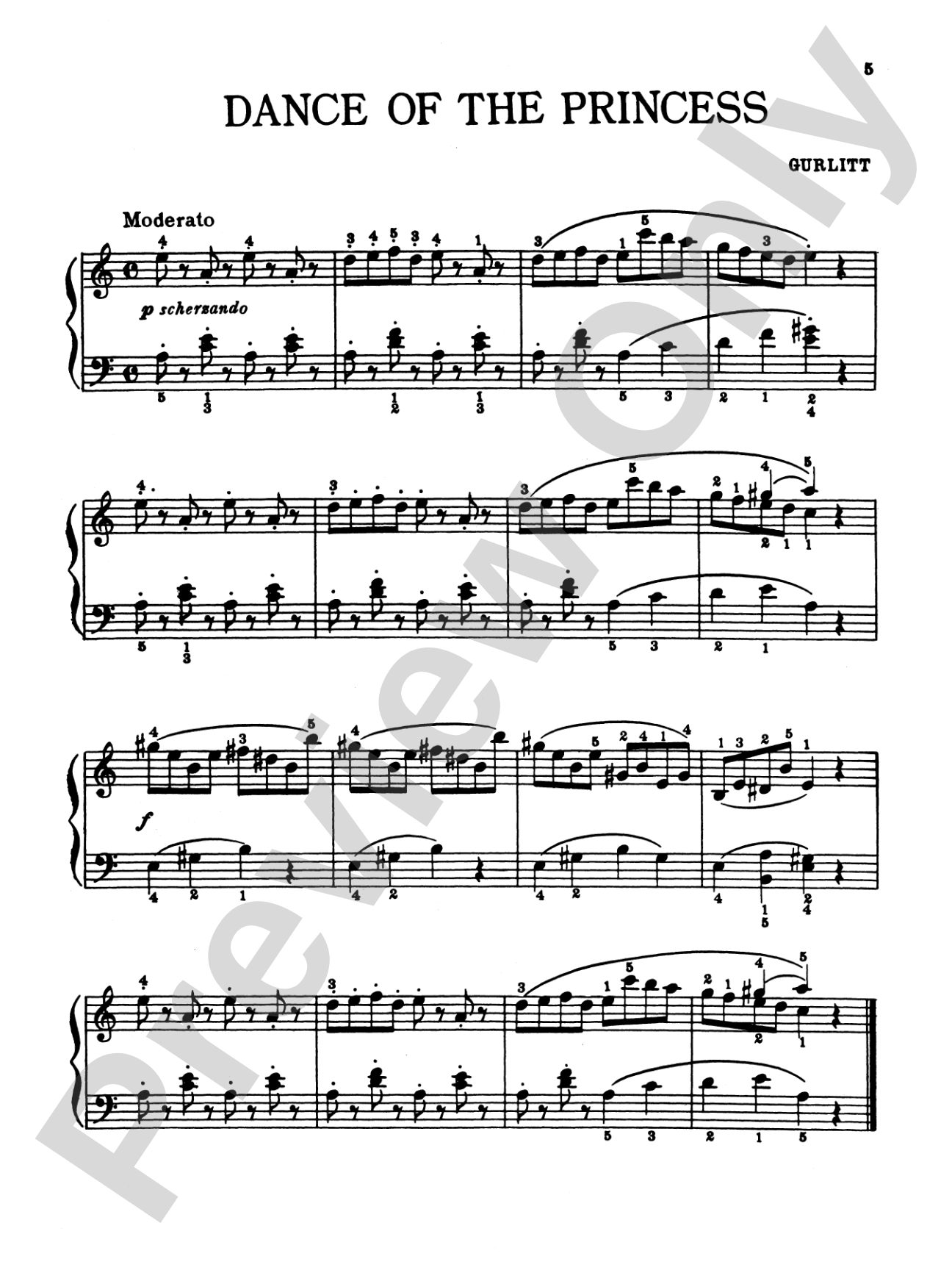
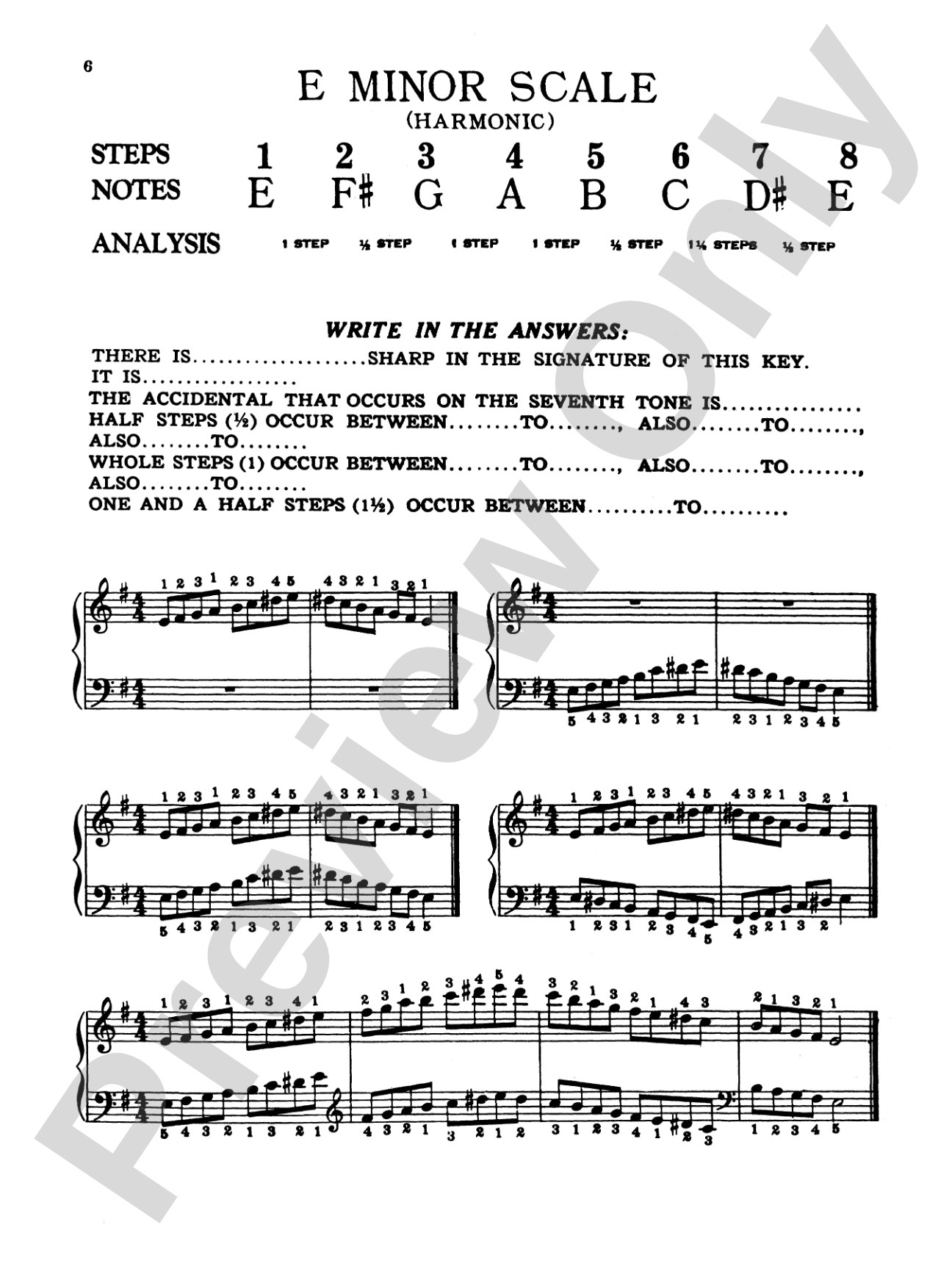
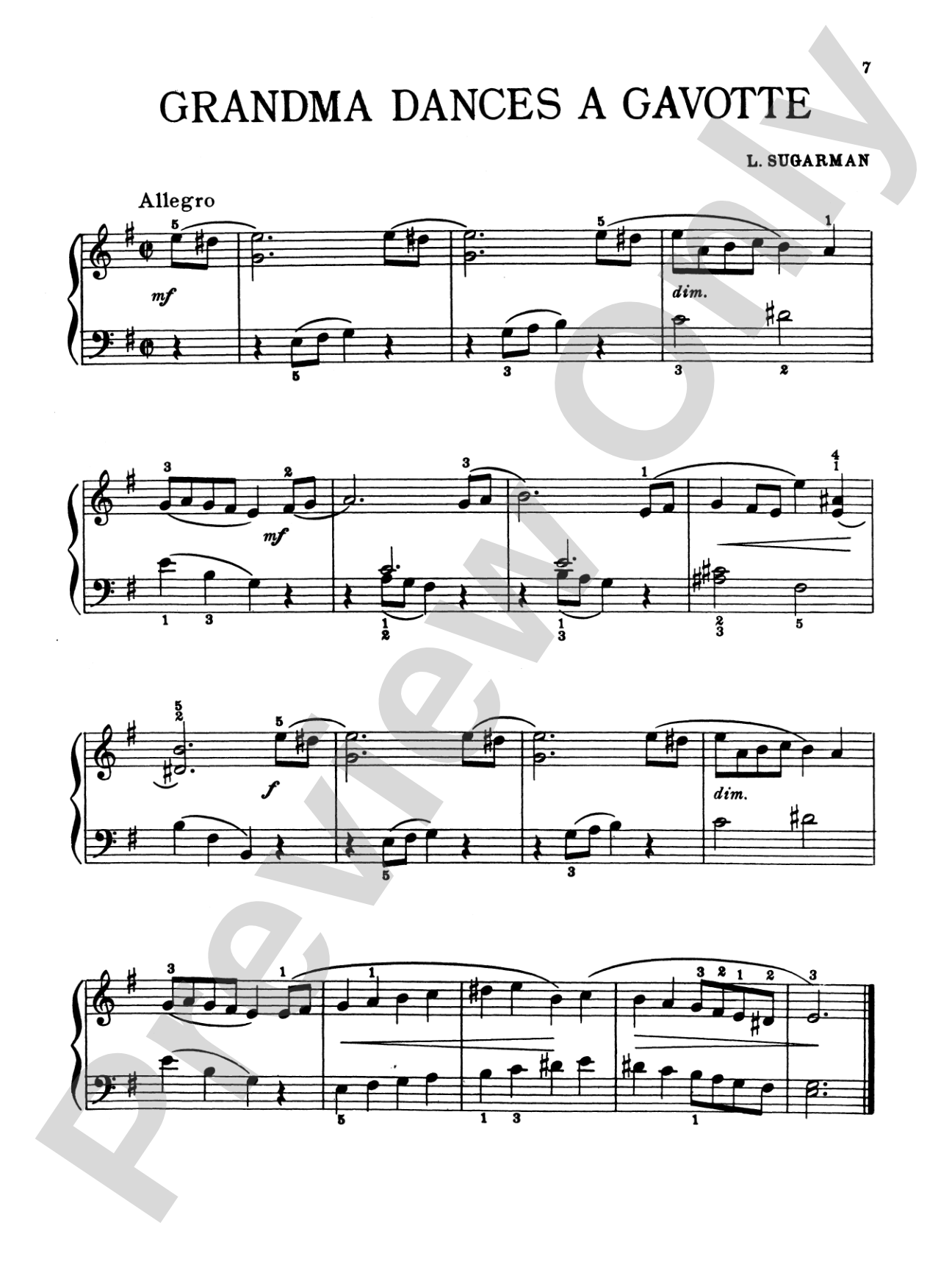
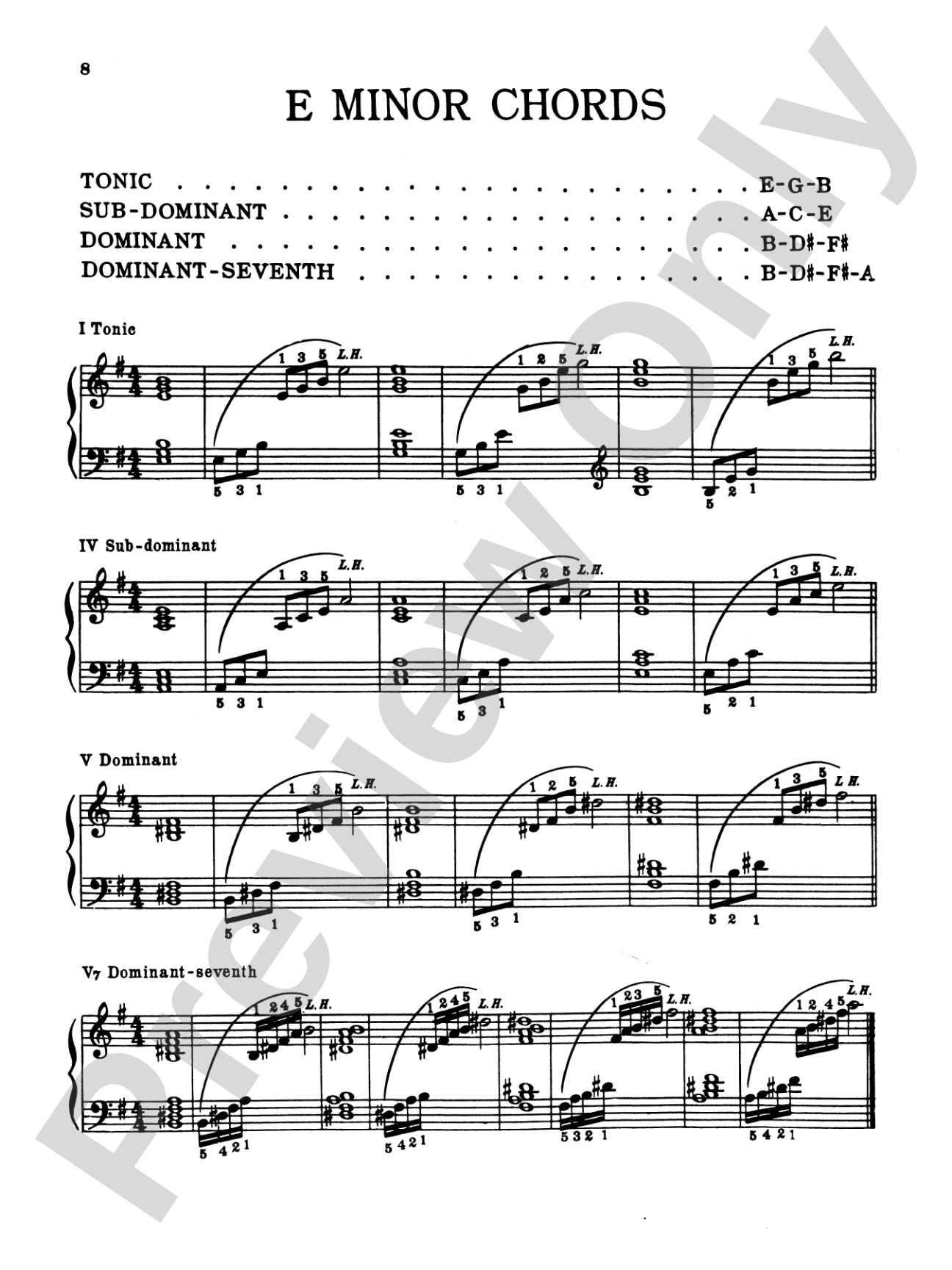
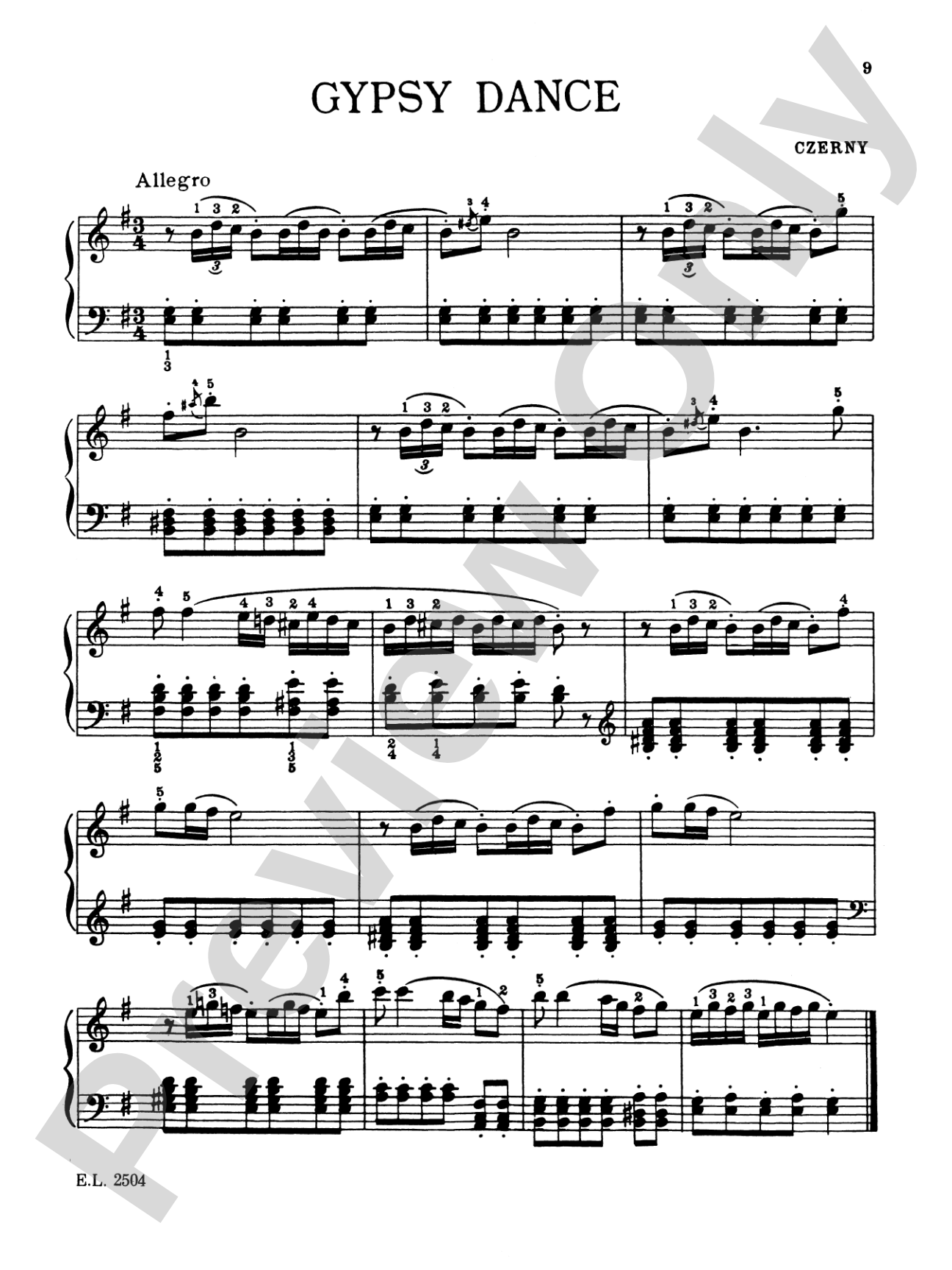
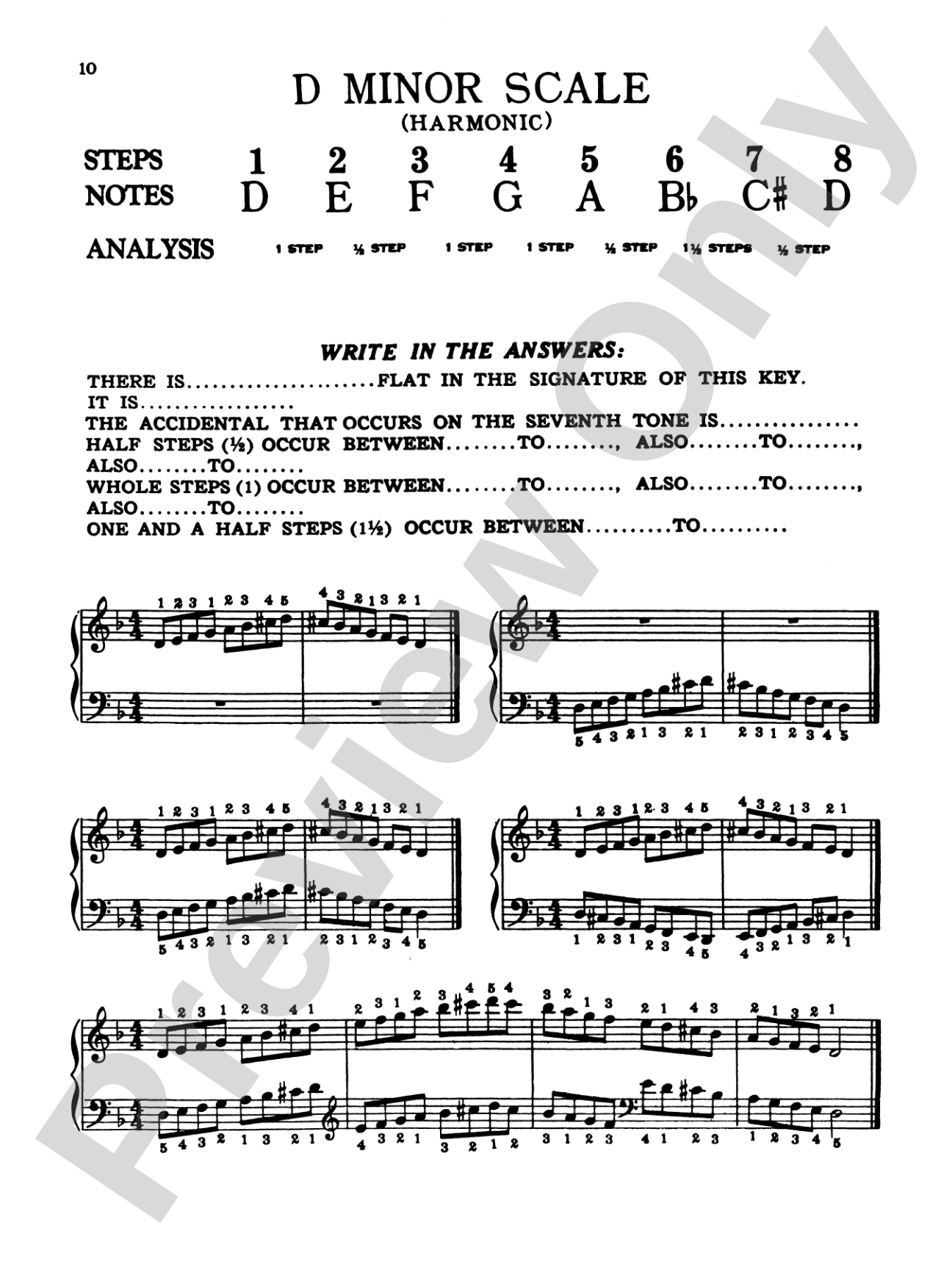
Two-octave scales with fingerings and a 1-page related repertoire piece are included for 12 harmonic minor scales: a, e, d, b, g, f-sharp, c, c-sharp, f, g-sharp, b-flat, e-flat. Two-octave arpeggios with fingering for the i, iv, V and V7 chords and a 1-page related repertoire piece are included for the same 12 minor scales. 48 pages.
Discover MakeMusic Cloud: thousands of interactive titles your students can play along with today.
David Hirschberg has built a reputation for creating piano method materials that prioritize clarity and engagement. His pedagogical approach strips away unnecessary complexity, letting students focus on the mechanics of scales and chord voicings while maintaining genuine musicality through carefully chosen repertoire.
Why we love this
Hirschberg pairs technical work with actual music on every page, so students aren't grinding scales in isolation. The breadth of 12 minor keys keeps intermediate pianists from stalling in the comfortable few they already know, and the inclusion of multiple chord qualities (i, iv, V, V7) builds genuine harmonic literacy rather than finger patterns alone.
What to expect
Direct and purposeful. Each key opens with clean, fingered scales that move logically across the keyboard, followed by straightforward arpeggio work that reinforces root position and chord quality. The repertoire pieces that follow each section feel earned, turning technical drills into genuine musical exploration.
Who it's for
Intermediate pianists working through all 12 minor keys in a systematic way. This works especially well for students preparing for exams or auditions that require harmonic minor scales and arpeggios across multiple keys.
How to get the most out of it
Map out the fingerings before playing and verbalize the shift points; students often rush hand position changes because they haven't planned them.
Anchor the arpeggios with a strong root note on each downbeat to establish tonality before adding fluidity to the upper voices.
Isolate the repertoire pieces and learn them away from the scales first, then return to the scale work as a technical foundation for the same key.
Record yourself playing the scales weekly; comparing playback across weeks reveals progress in evenness and tempo control that practice sessions alone won't show.
How to use it
Assign one key per week during the fall, moving through the complete set by winter. Students finish each key knowing not just the scale but also how that harmonic minor quality sounds in actual music, which creates more confident auditions and performances than scale work alone could build.
Skills your students will build
Two-octave harmonic minor scales across 12 keys with legit fingering patterns
Arpeggio construction for i, iv, V, and V7 chords in minor tonalities
Hand position management across extended ranges and key changes
Recognition of harmonic minor sound and its application in repertoire
Melodic sight-reading within the context of minor key exploration
You May Also Like
Scan to Complete Your Purchase
Use your phone's camera to scan the code below
You'll log in on your phone and the order will be added to your account