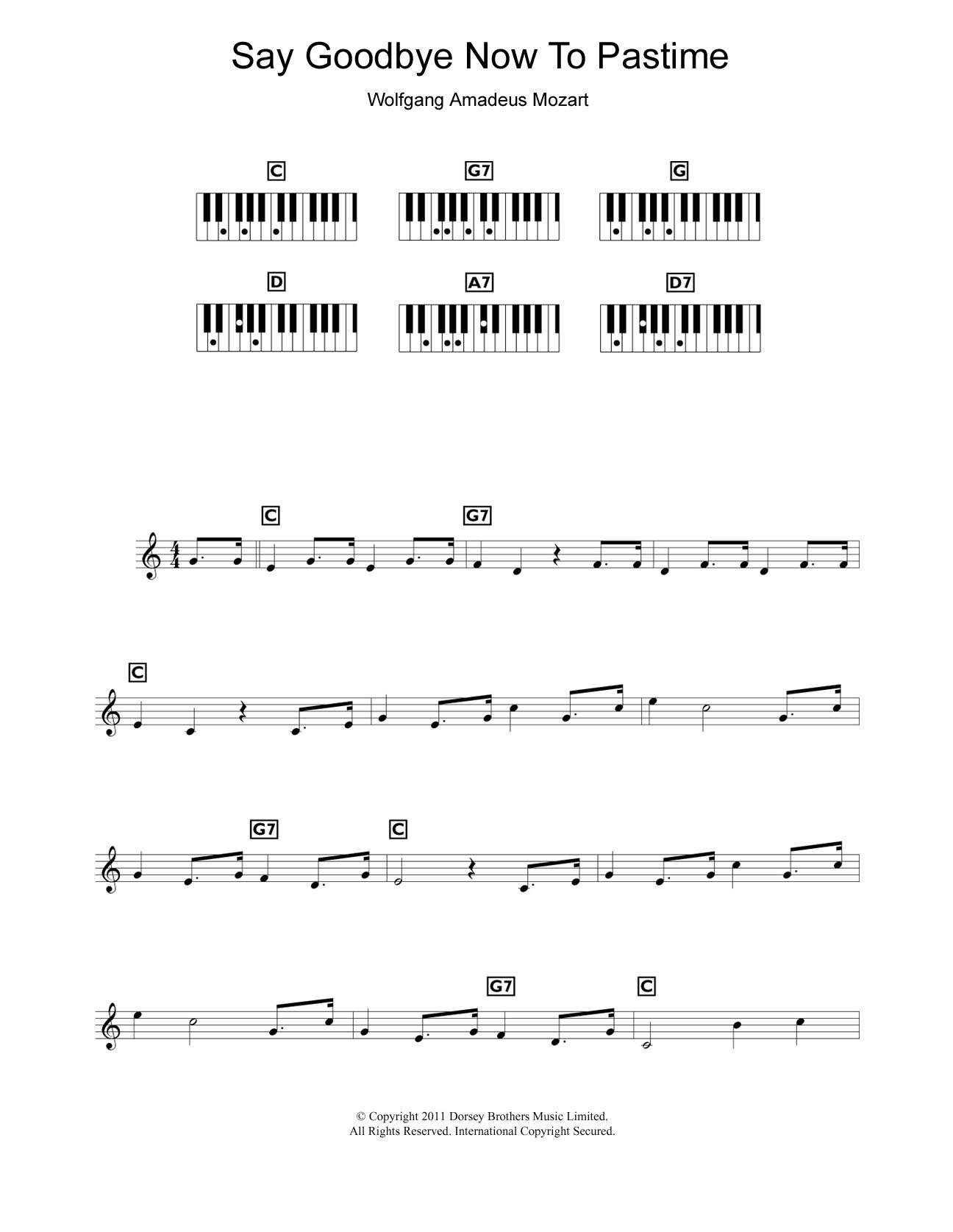
Mozart composed The Marriage of Figaro in 1786, creating one of opera's most enduring masterpieces. His genius for melody, harmonic sophistication, and dramatic timing shaped the classical opera tradition and continues to define how we understand the form.
Why we love this
This aria captures Mozart at his most elegant. The writing sits naturally for singers while maintaining the harmonic and melodic refinement that makes his music so rewarding to perform; even in extract form, it demonstrates why Figaro remains repertoire cornerstone for voice students and chamber ensembles.
What to expect
Graceful and conversational, with the intimacy of a moment whispered rather than declared. The melody flows with natural ease, inviting singers to find elegance through simplicity rather than display.
Who it's for
Voice students tackling Mozart repertoire, chamber ensembles preparing short operatic moments, and teachers building collections of accessible classical arias. This works equally well as a recital piece or a supplementary solo for ensemble programs.
How to get the most out of it
Shape the phrase through breath, not sudden dynamic shifts. The lyricism lives in the line itself.
Anchor the accompaniment's rhythmic foundation without letting it overshadow the vocal line; balance matters here.
Pay attention to Mozart's note values and rests. They function as punctuation and should never feel rushed.
Establish the character and emotional subtext early; this aria has dramatic context that informs phrasing choices.
How to use it
Feature this in a classical chamber concert pairing it with instrumental works from the same period, or nest it within a broader opera/vocal music program that explores dramatic storytelling. At two pages, it fills a genuine need for substantial but manageable Mozart material.
Skills your students will build
Phrasing in classical vocal writing
Idiomatic Mozart style and ornamentation
Balancing vocal line with accompaniment texture
Historical context and dramatic interpretation of operatic language
You May Also Like
Scan to Complete Your Purchase
Use your phone's camera to scan the code below
You'll log in on your phone and the order will be added to your account