
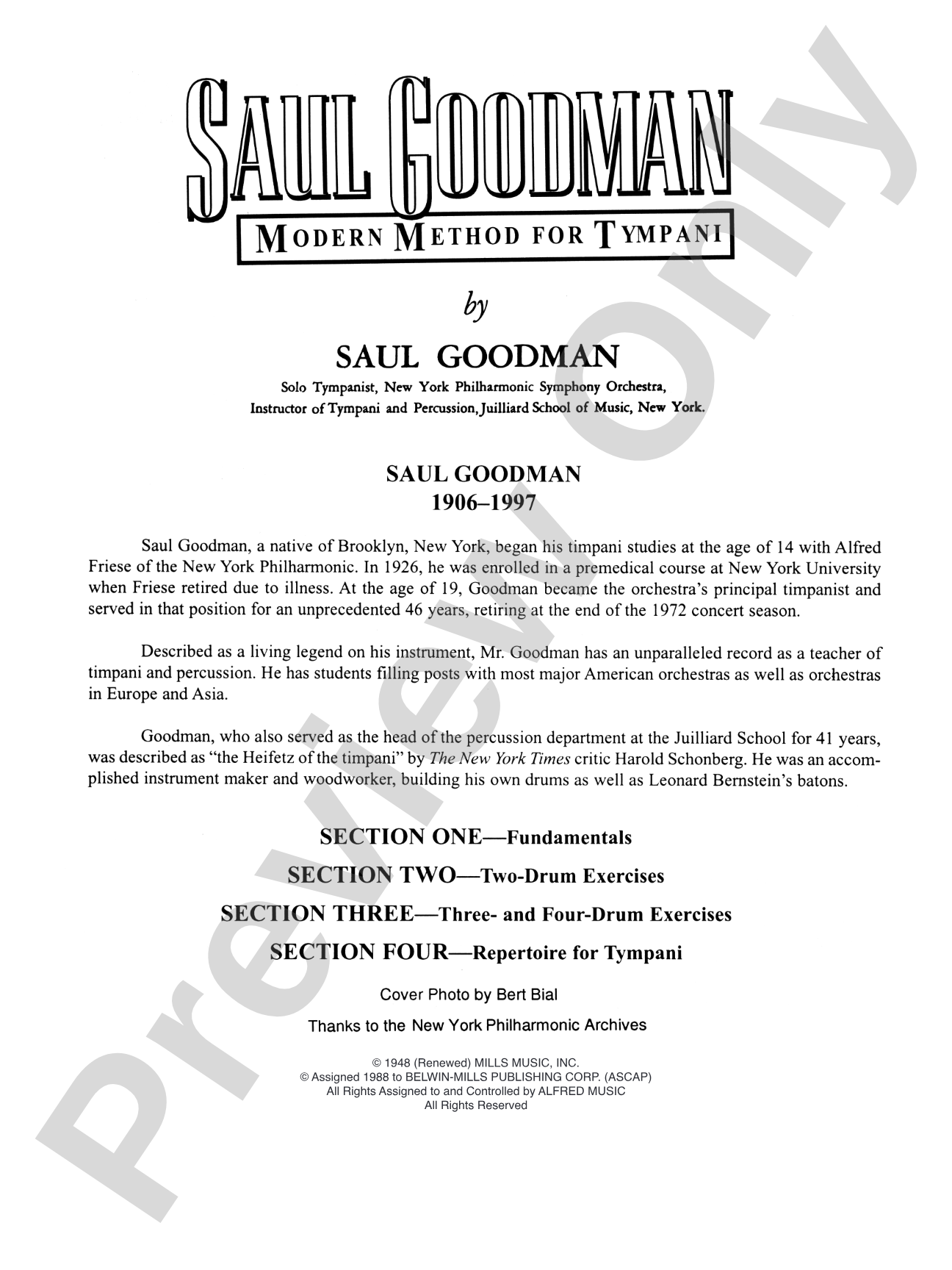
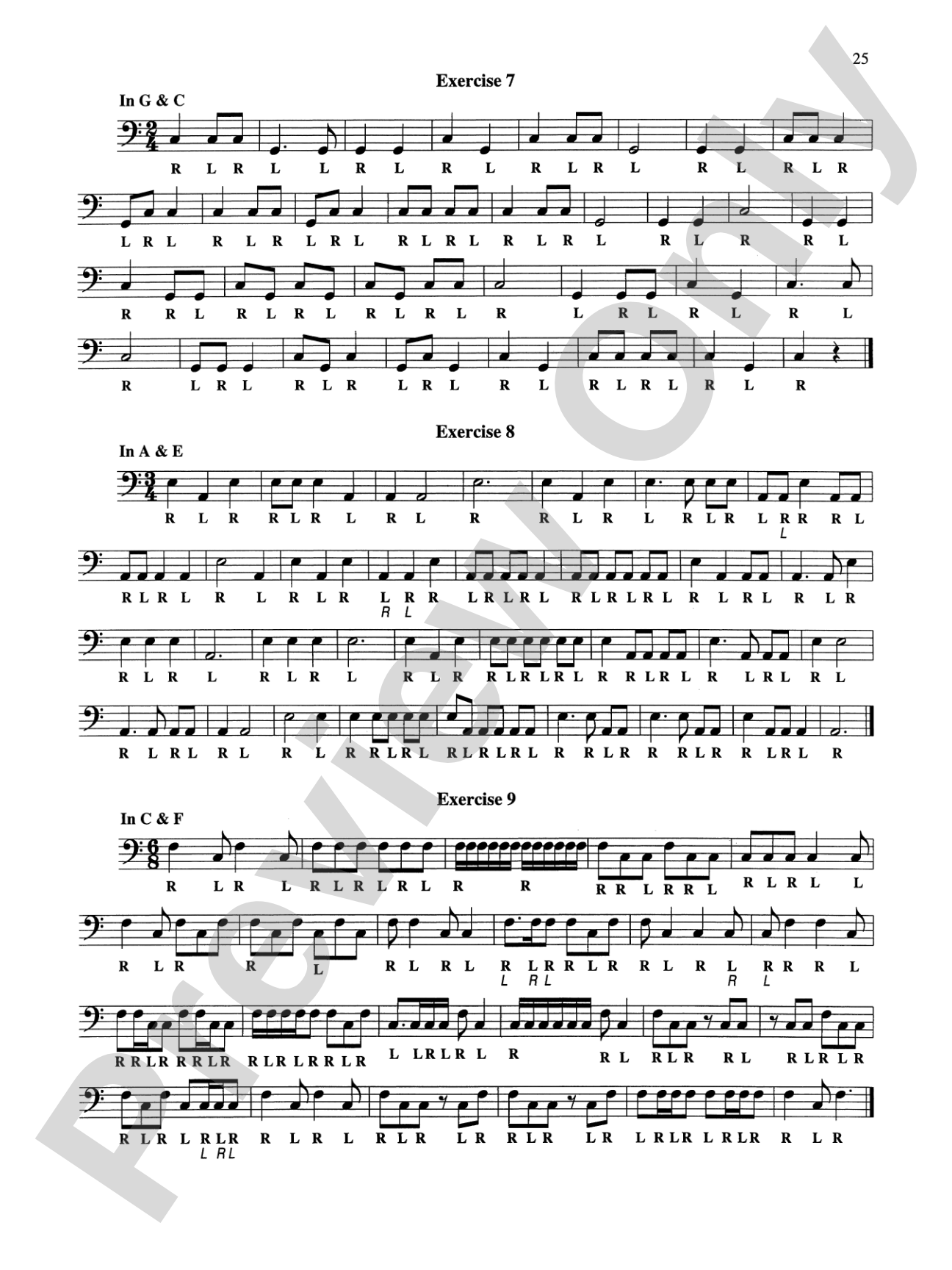
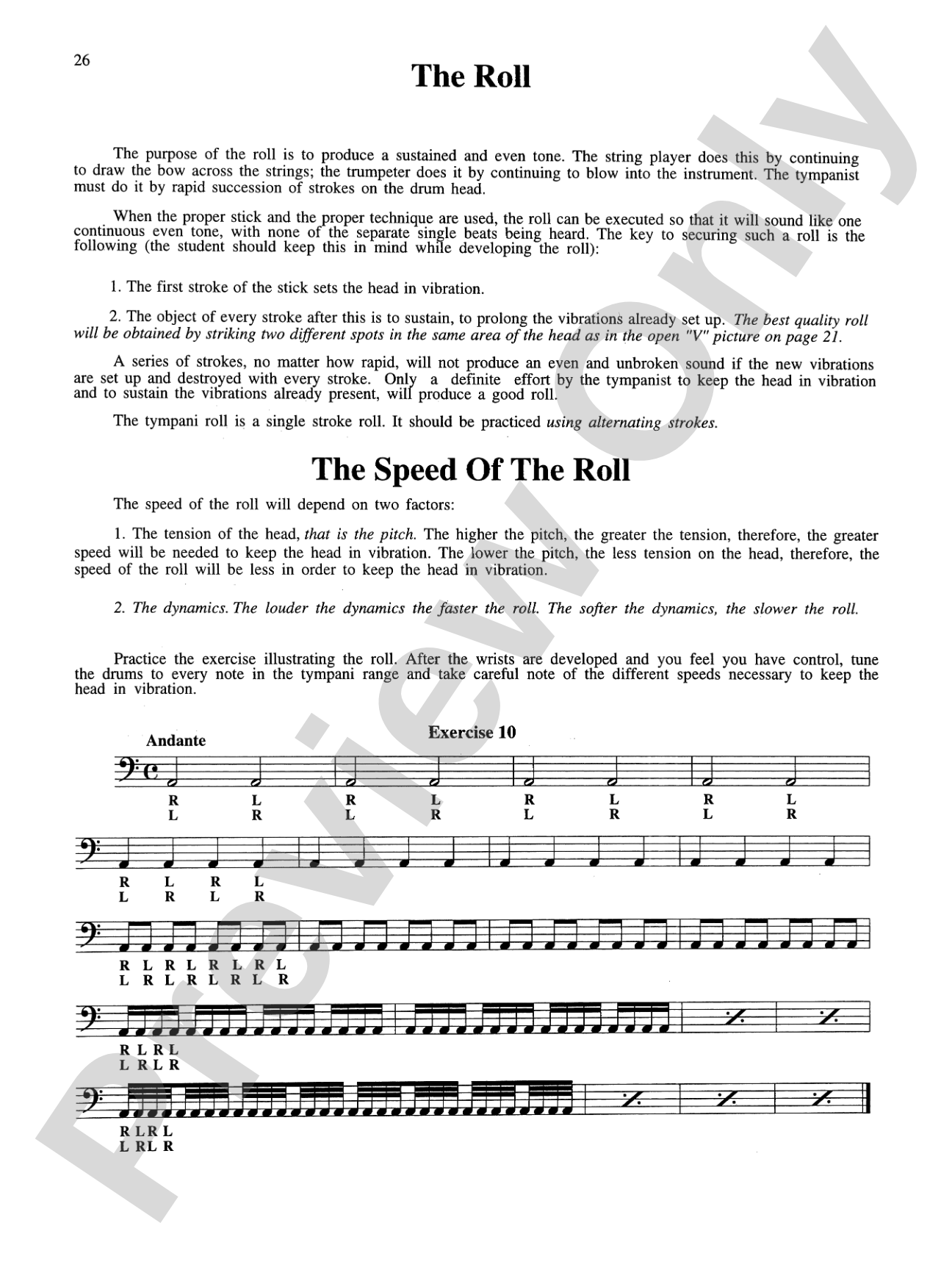
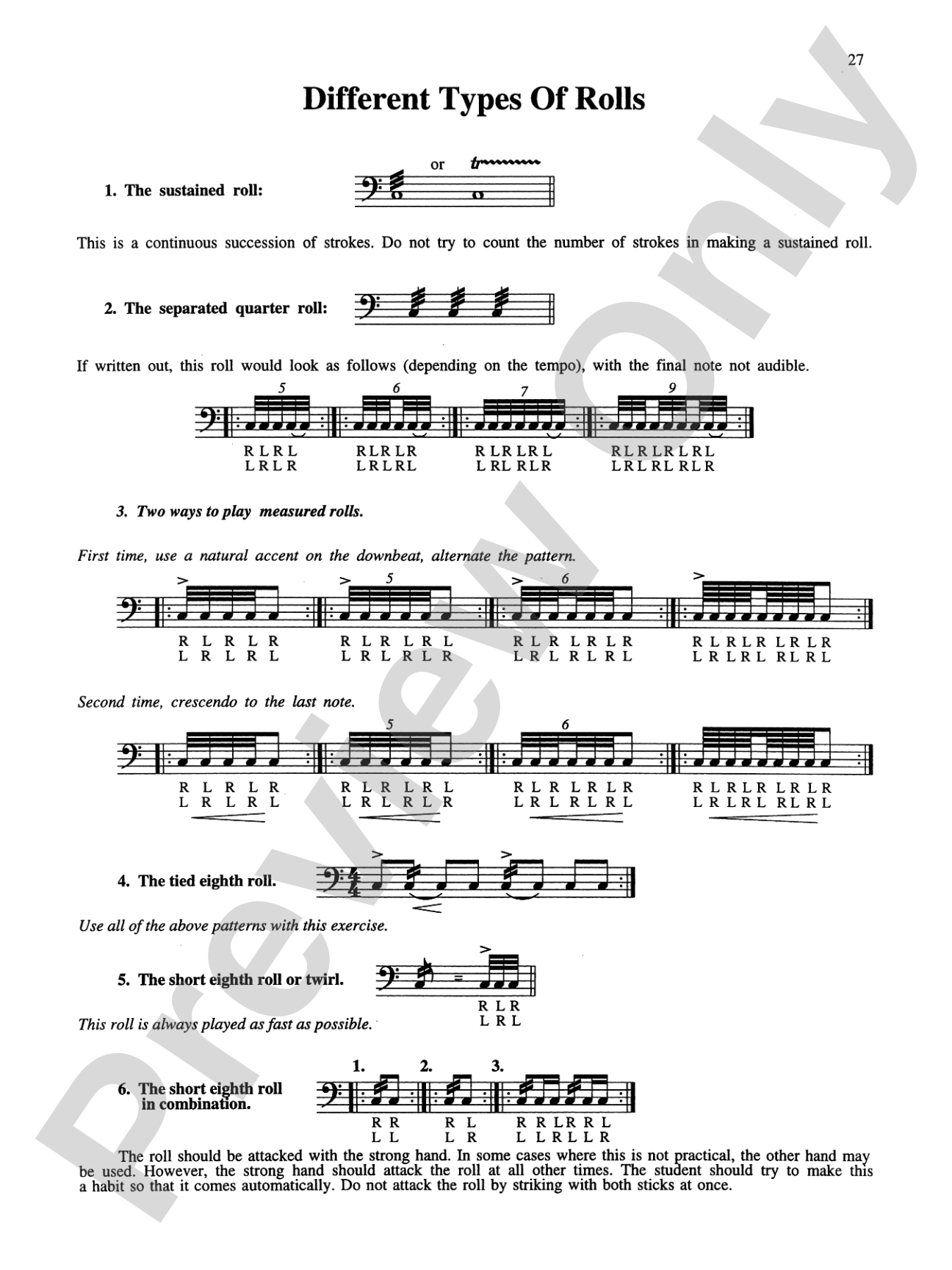

Saul Goodman: Modern Method for Timpani
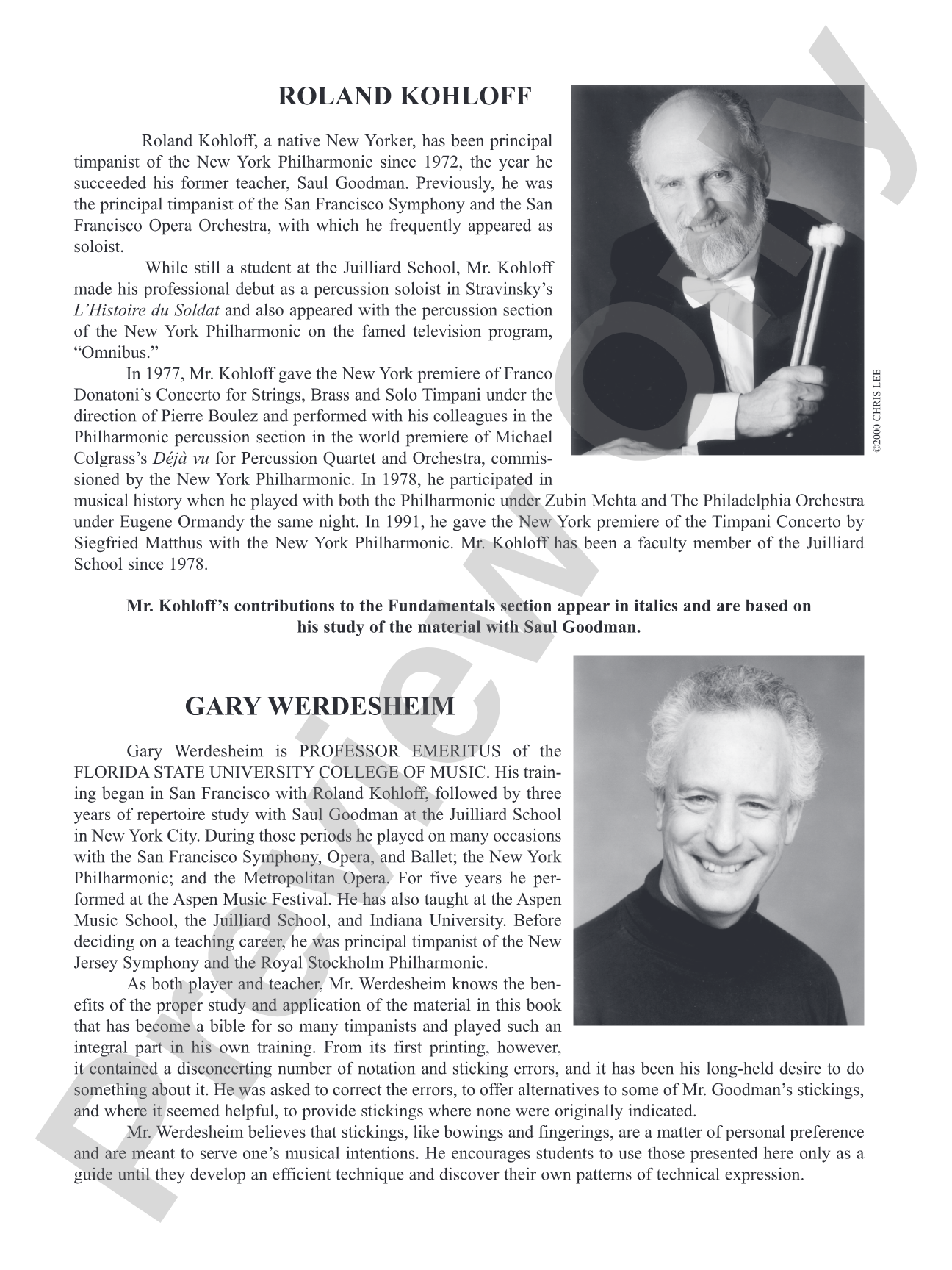
By Saul Goodman / ed. Roland Kohloff and Gary Werdesheim
Item: 00-PB-0002252
$24.99
Pickup currently not available
Related Items
Saul Goodman: Modern Method for Timpani: Timpani Book |
$24.99
|
View |
Description
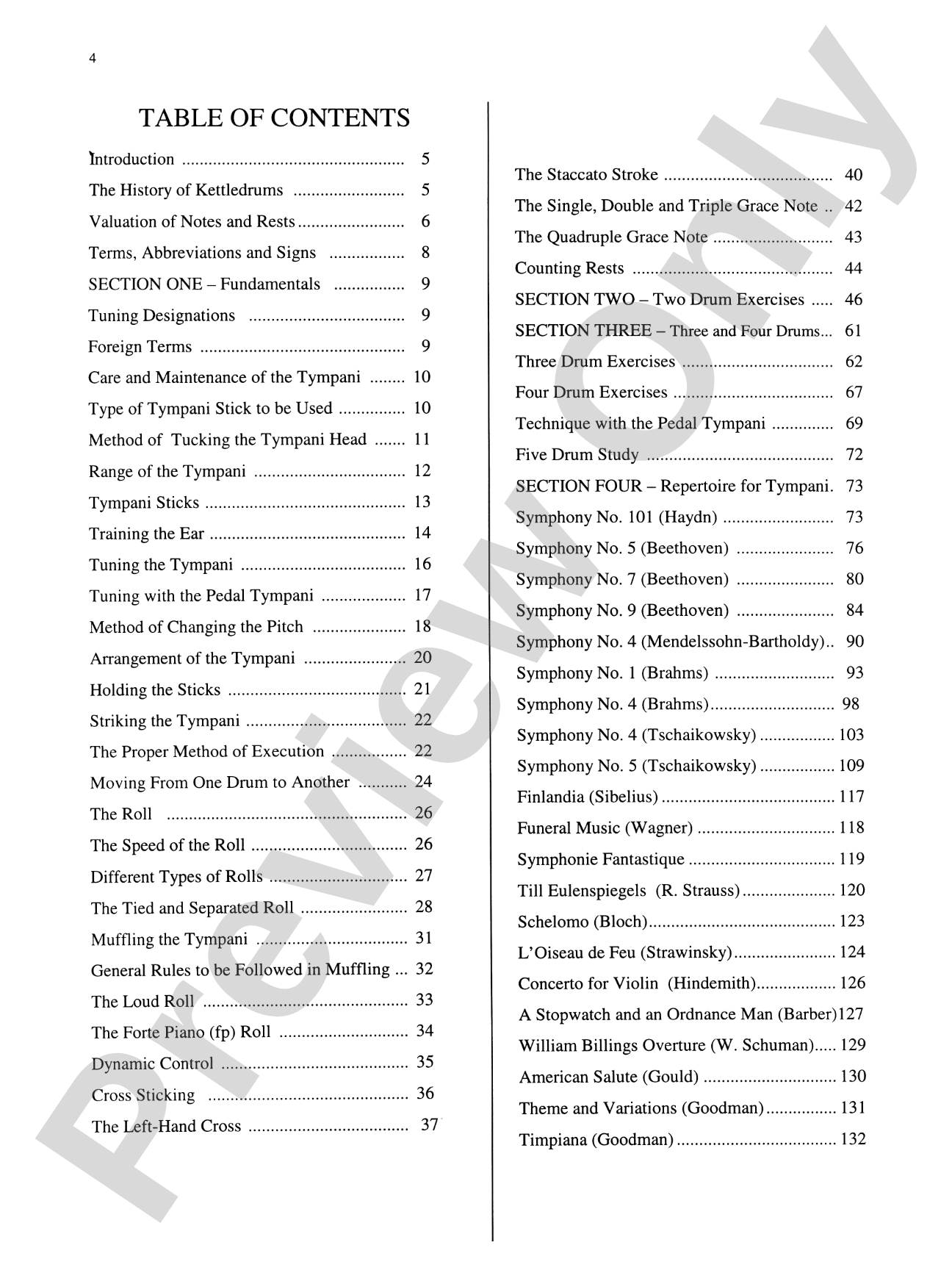
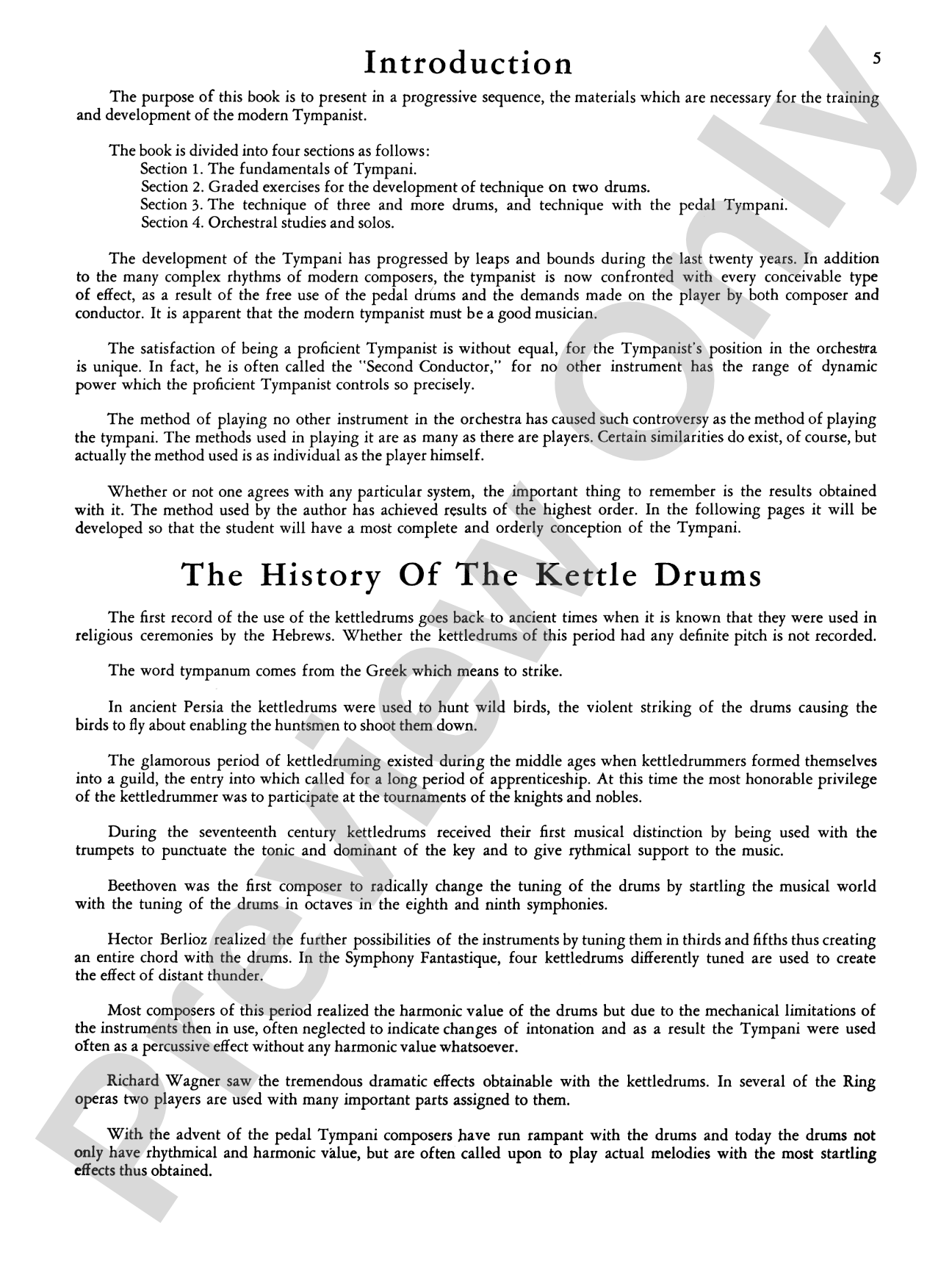
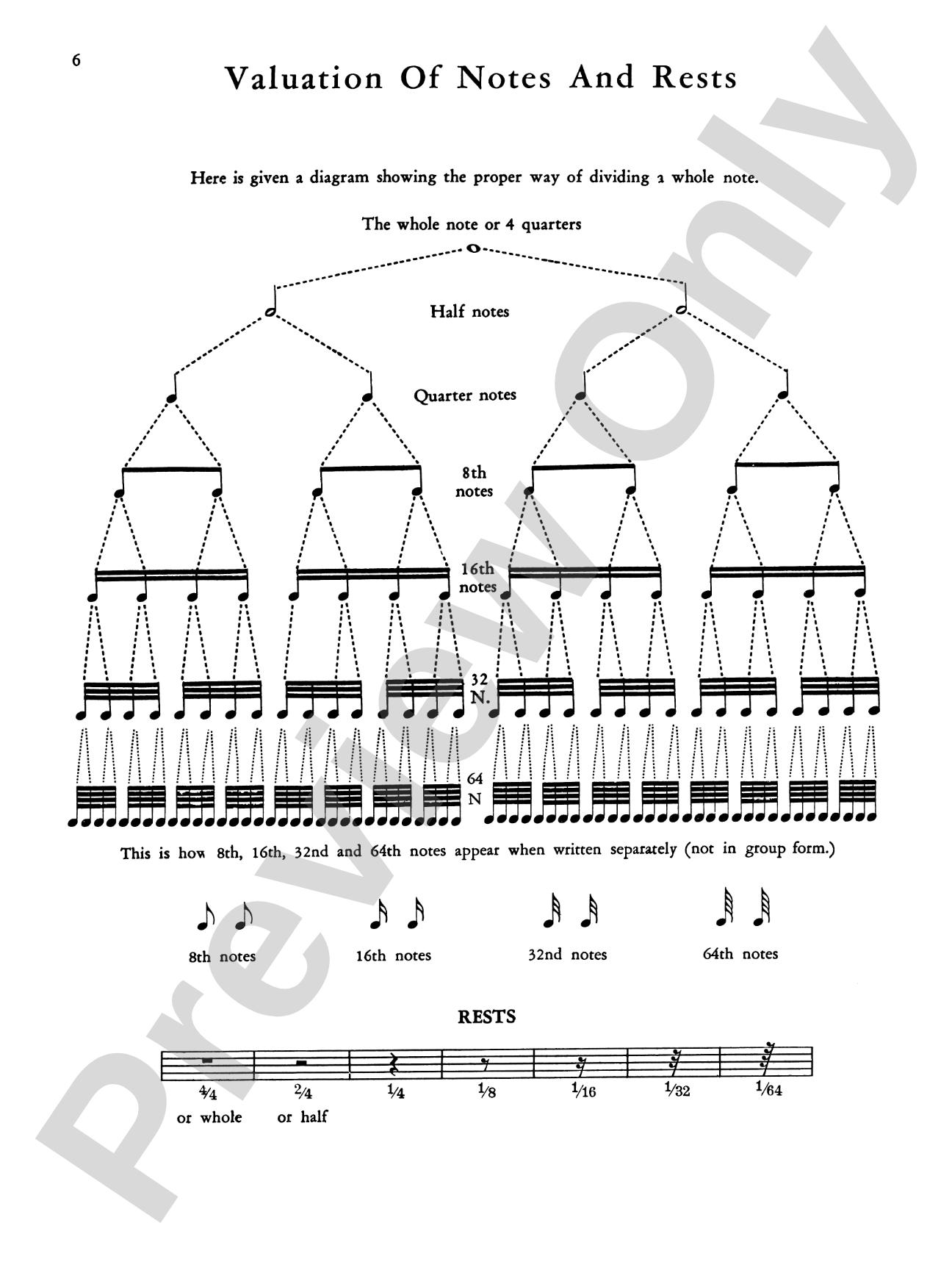
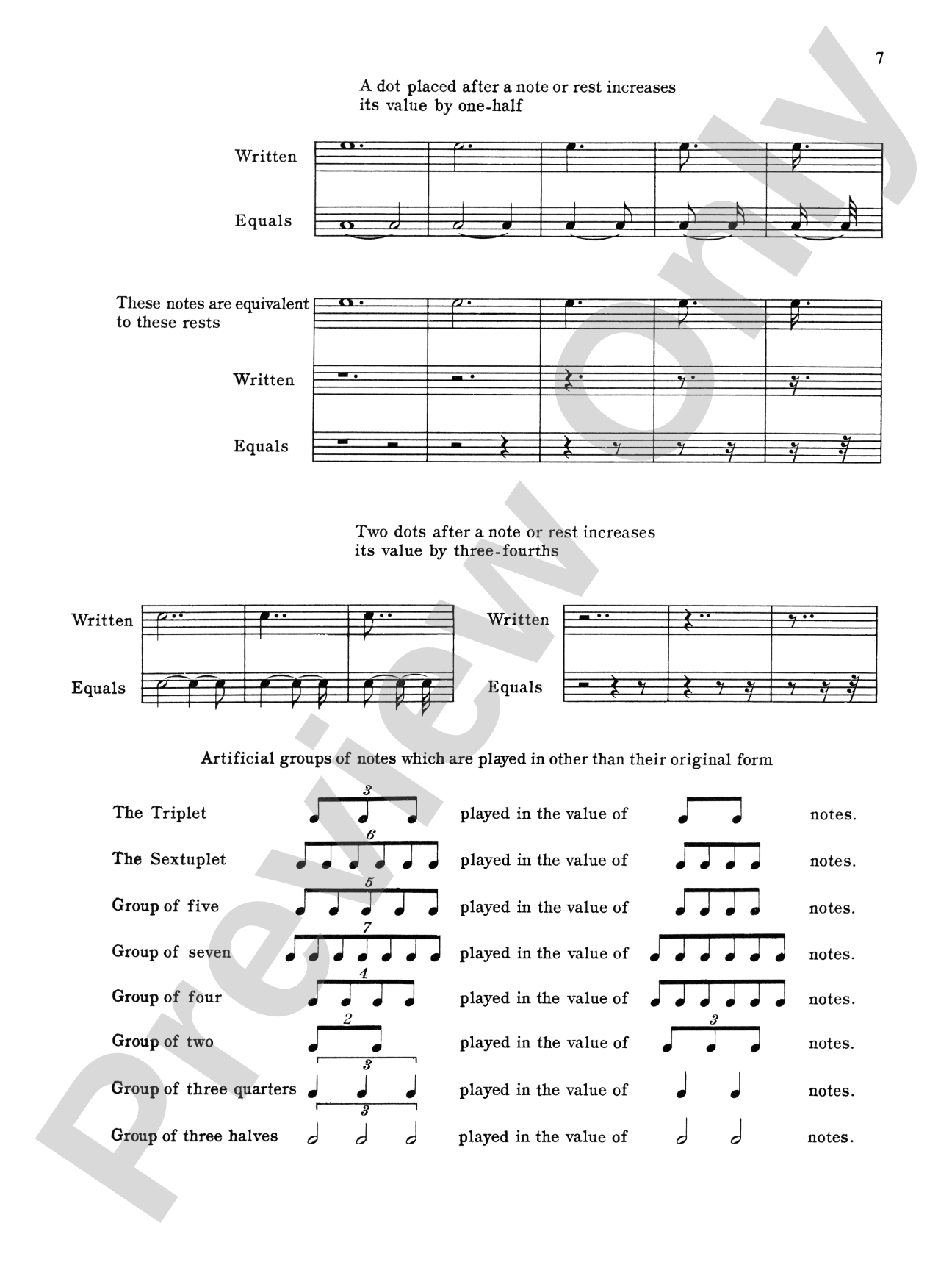
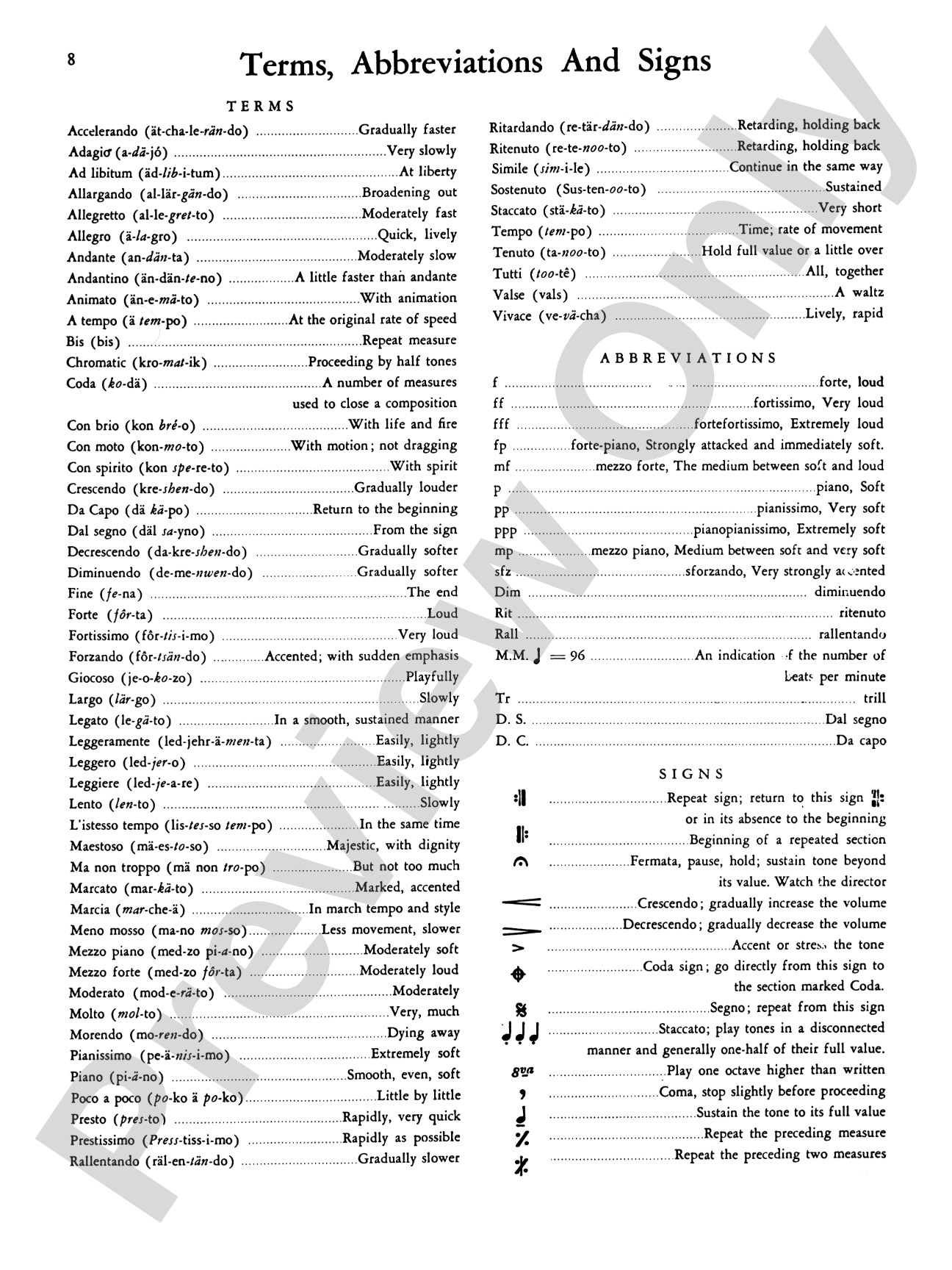
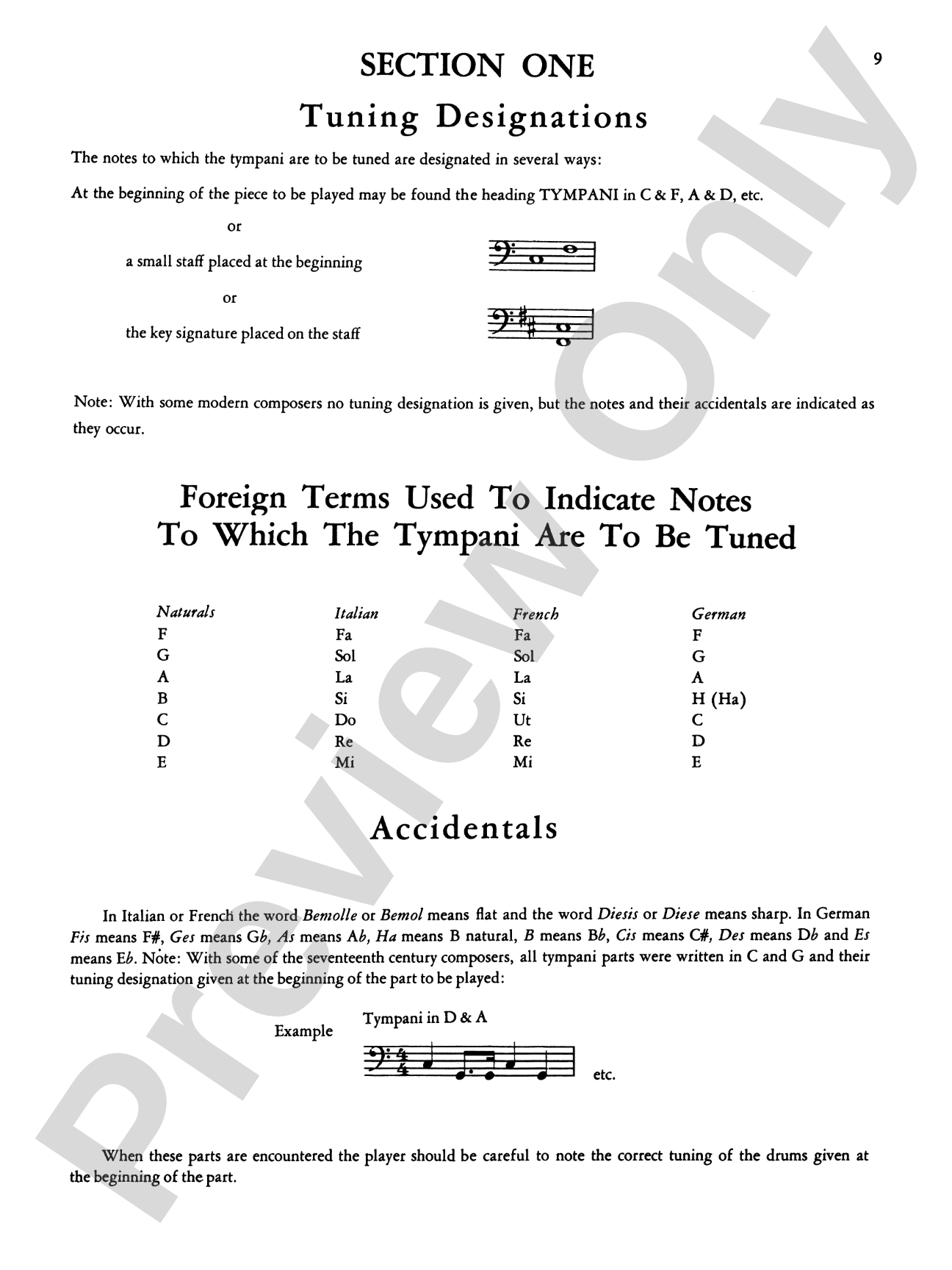
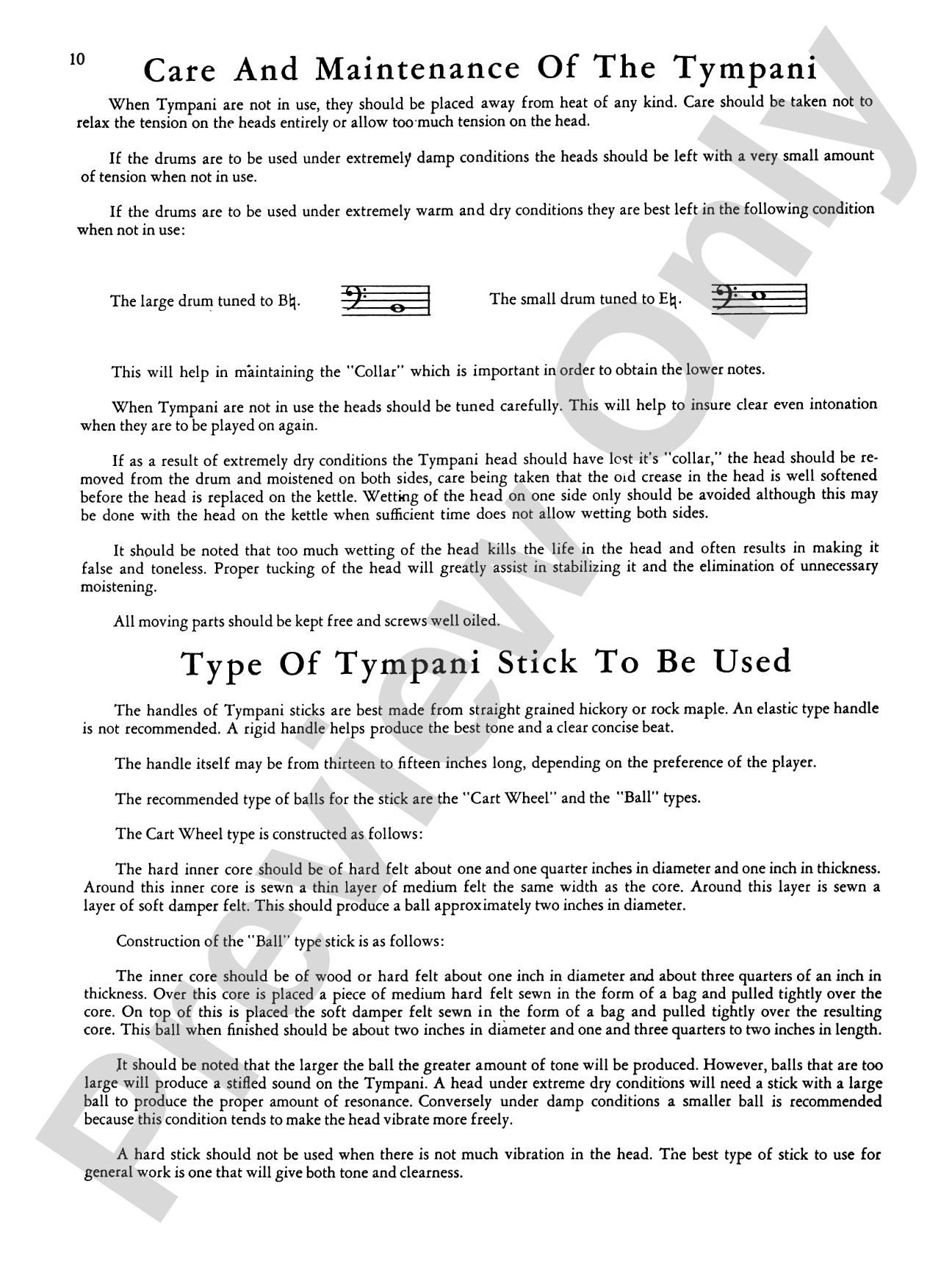
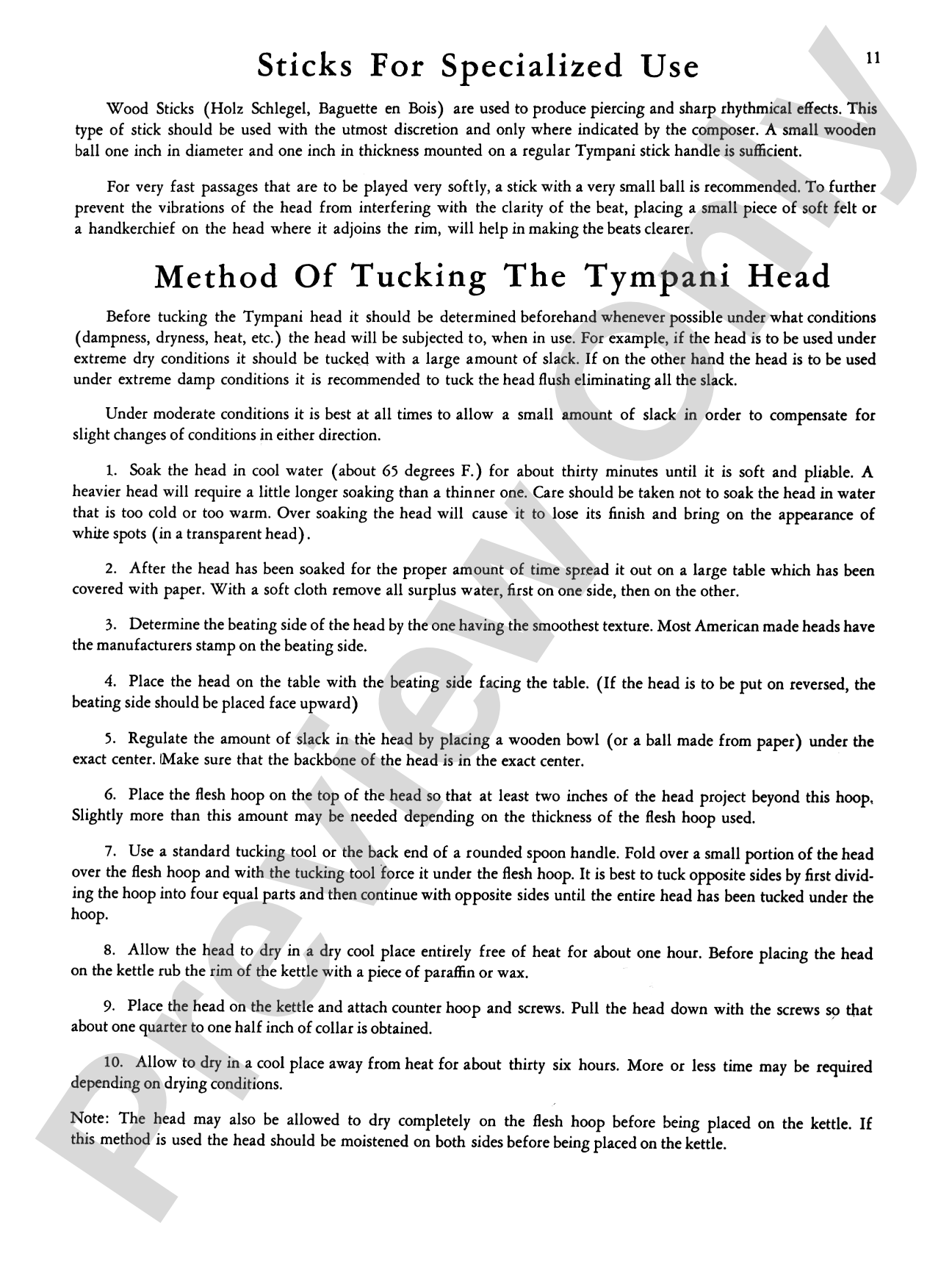
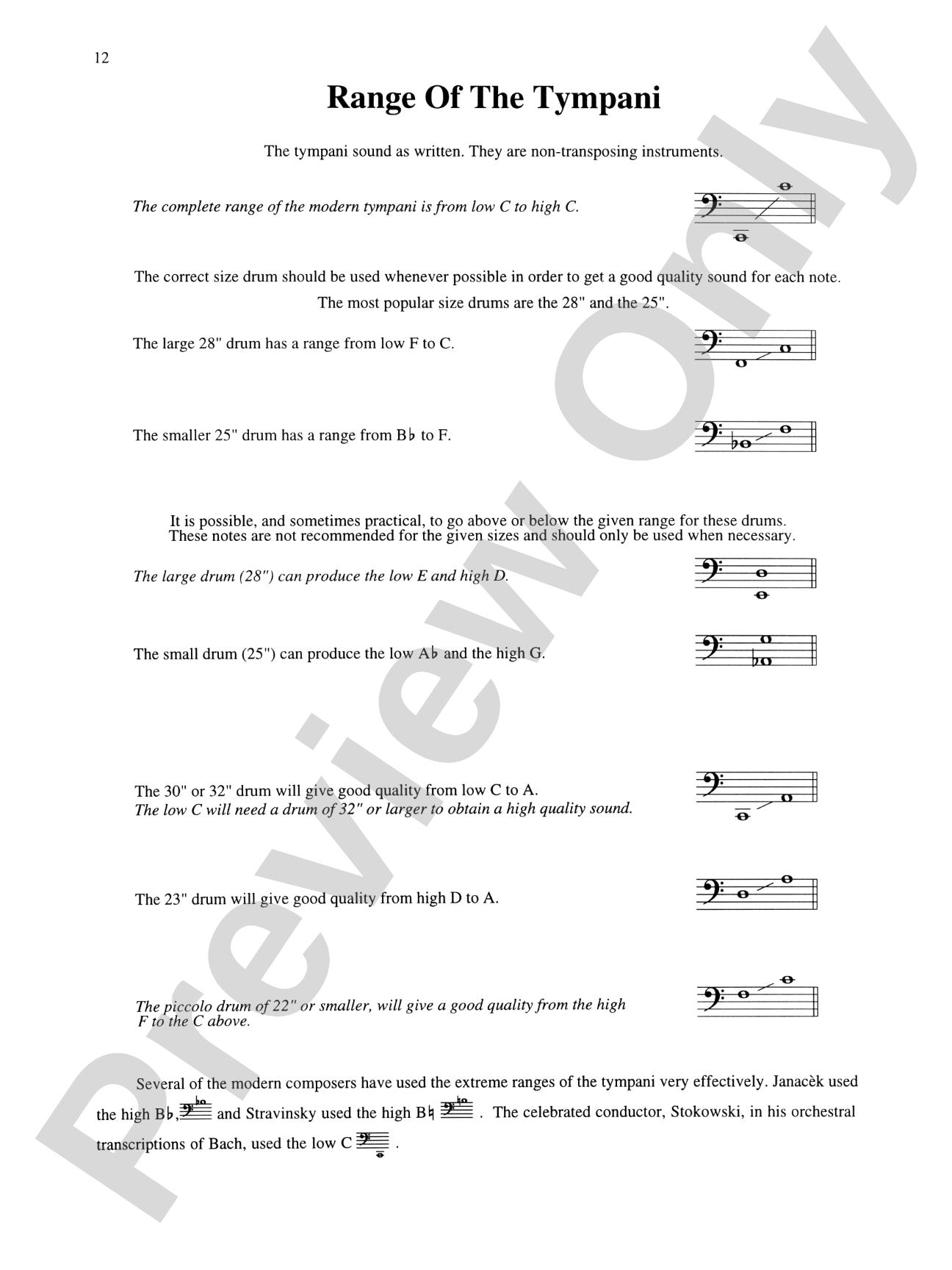
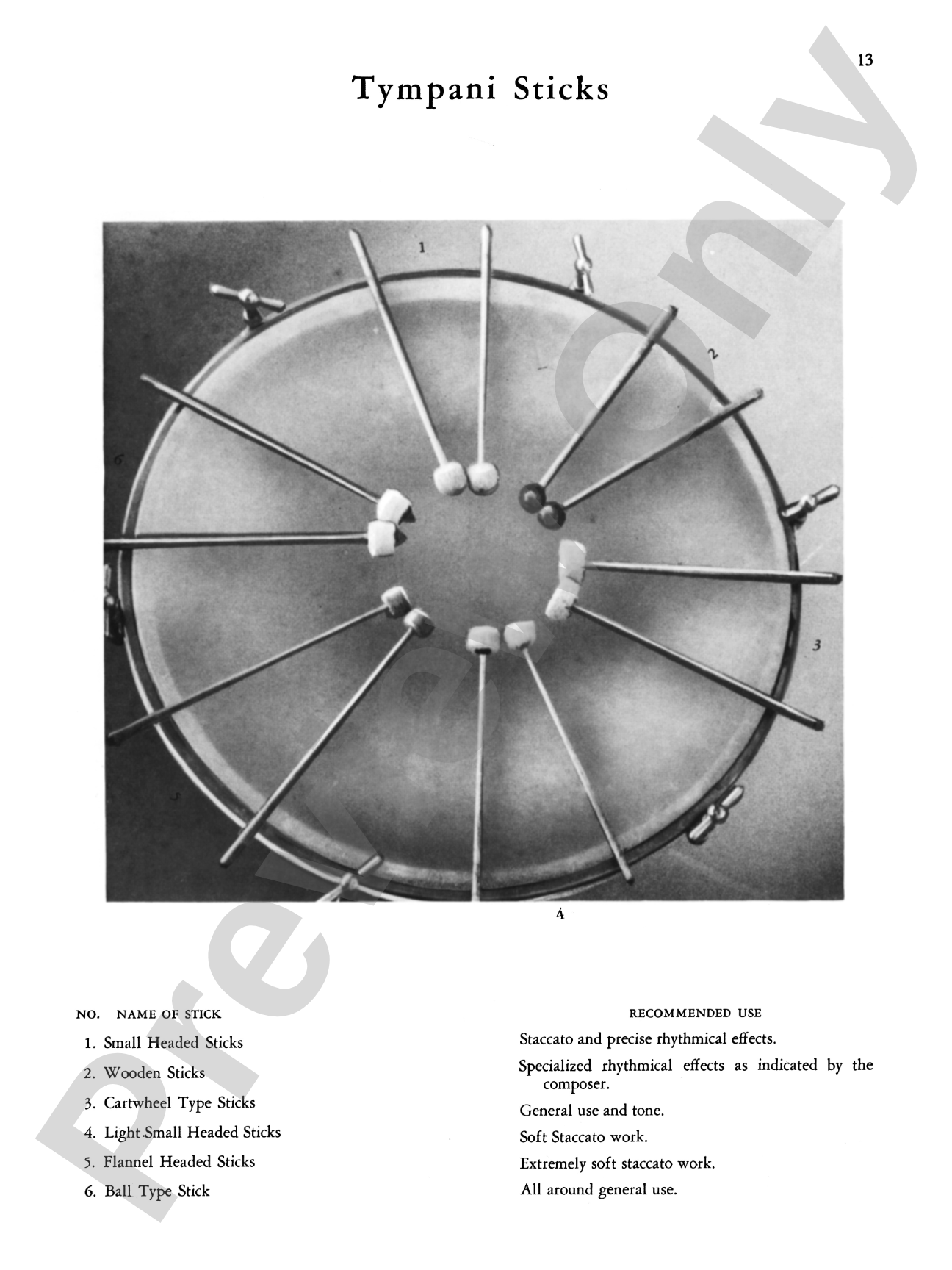
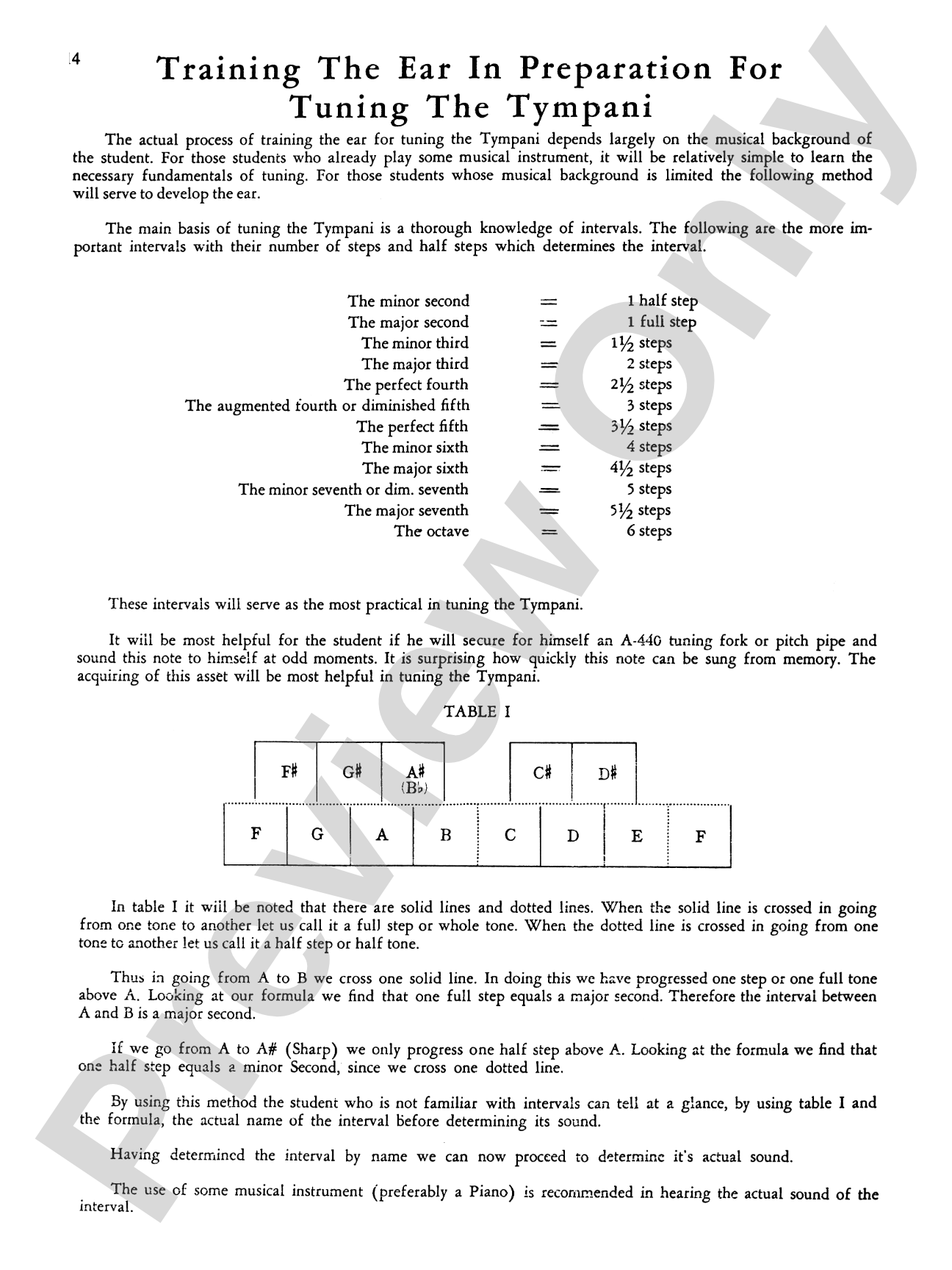
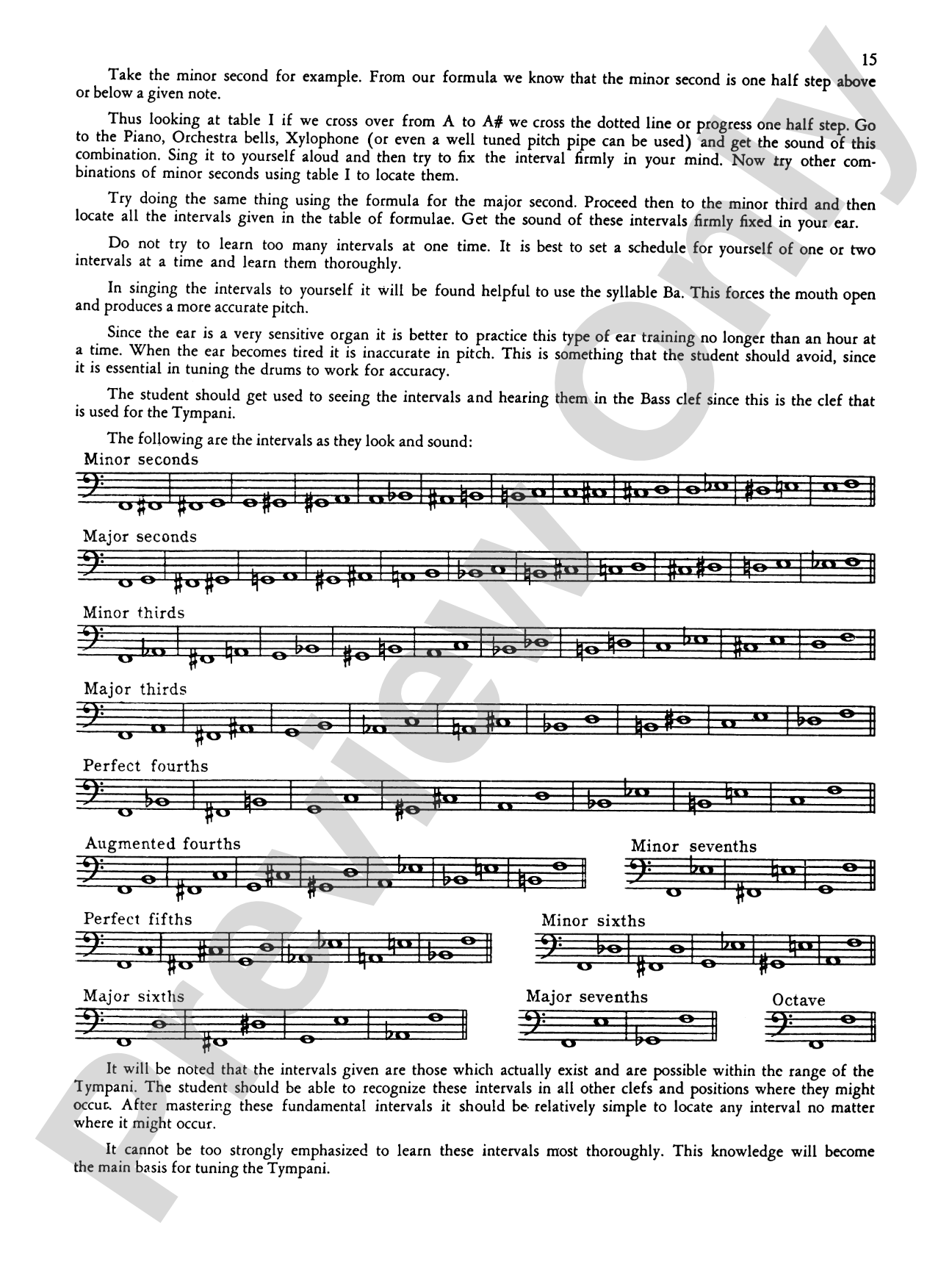
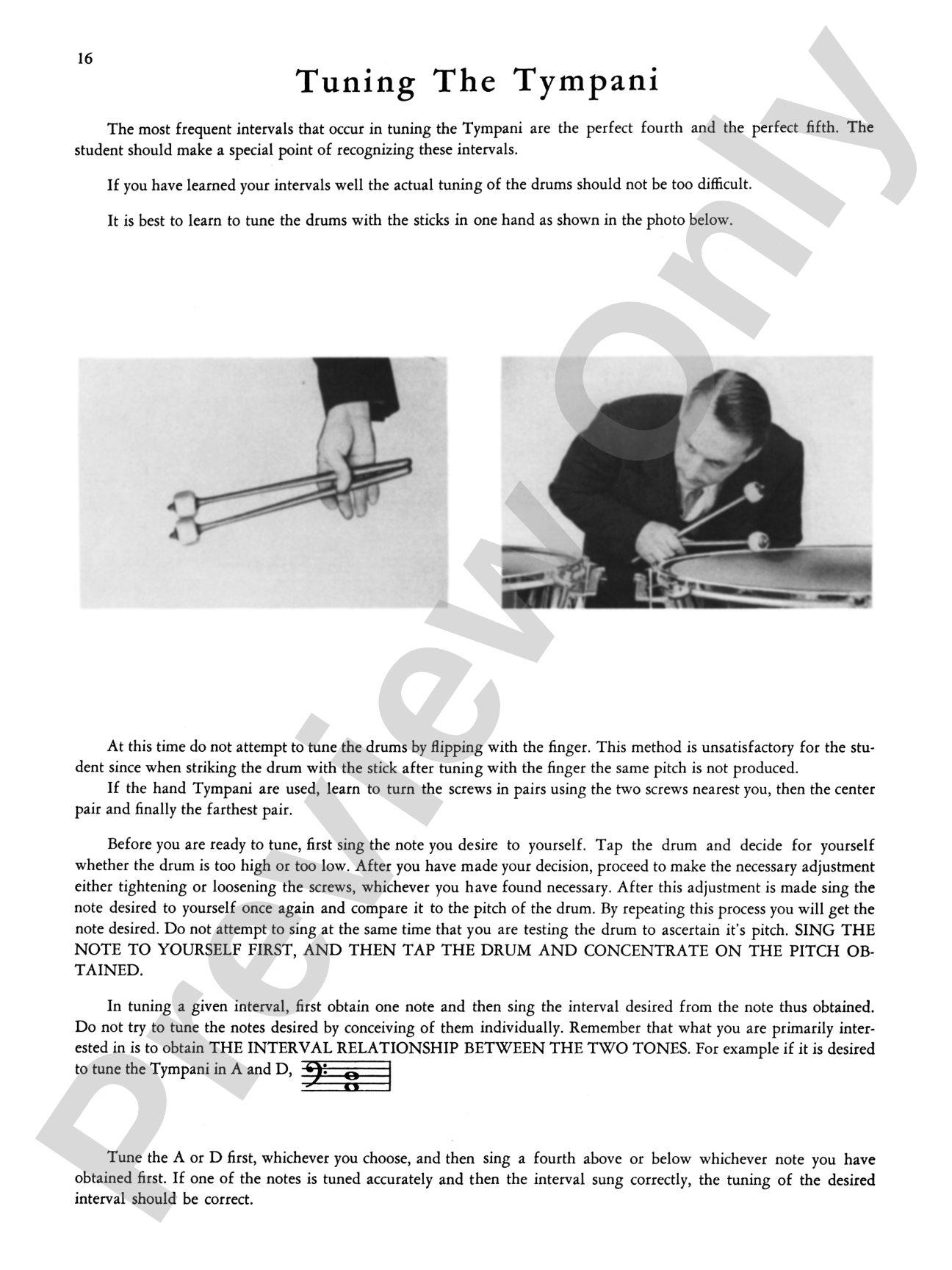
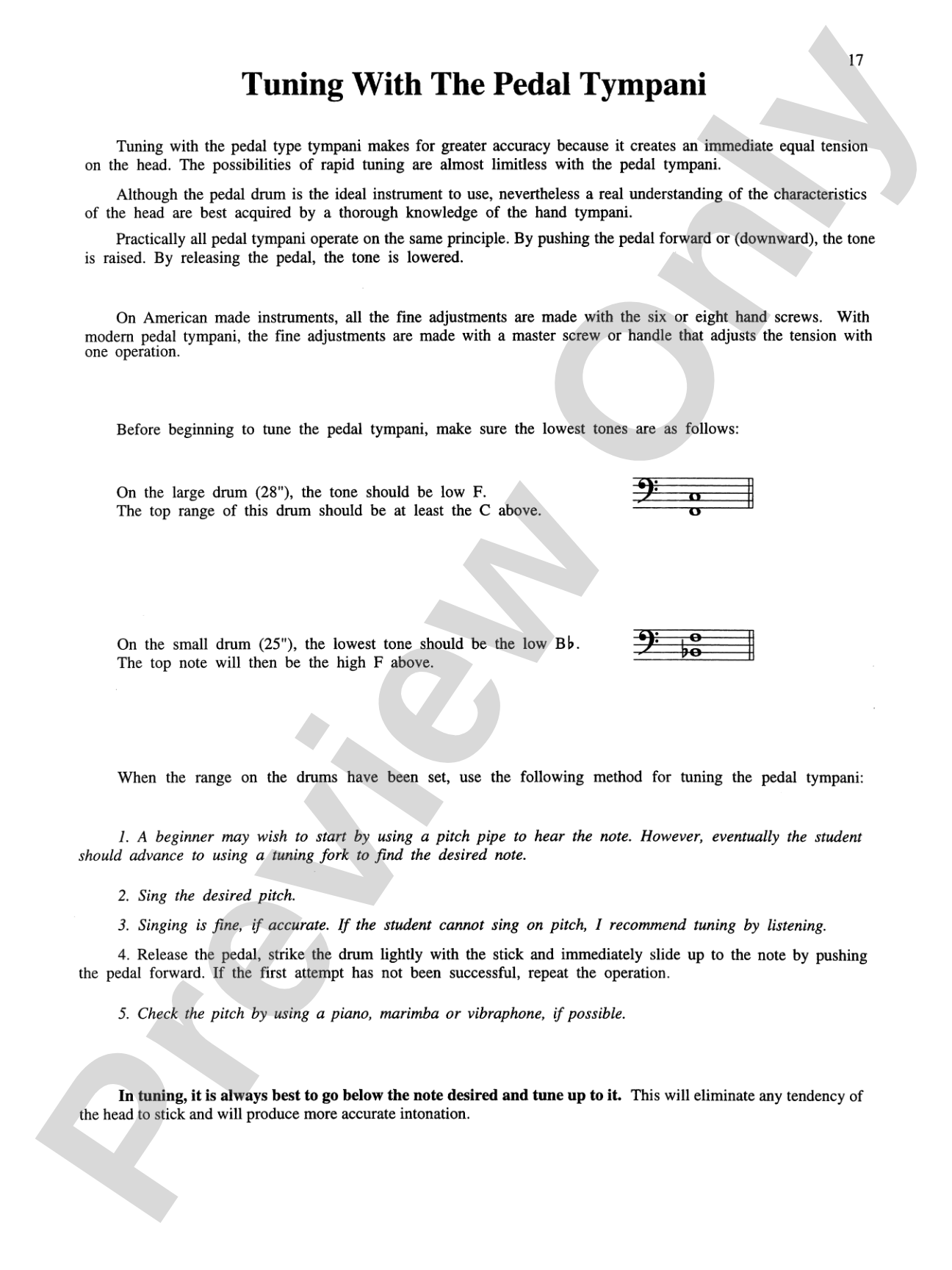
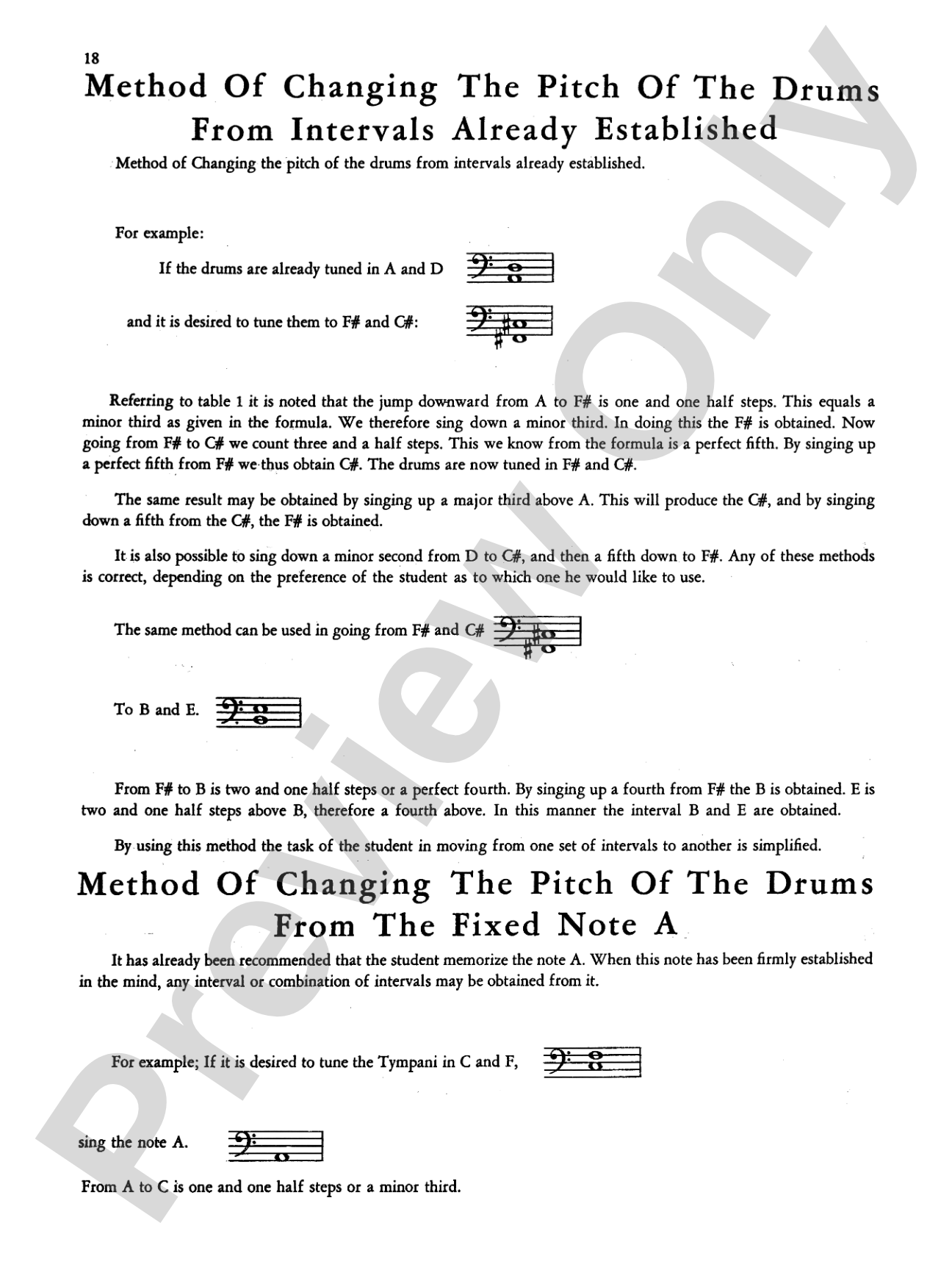
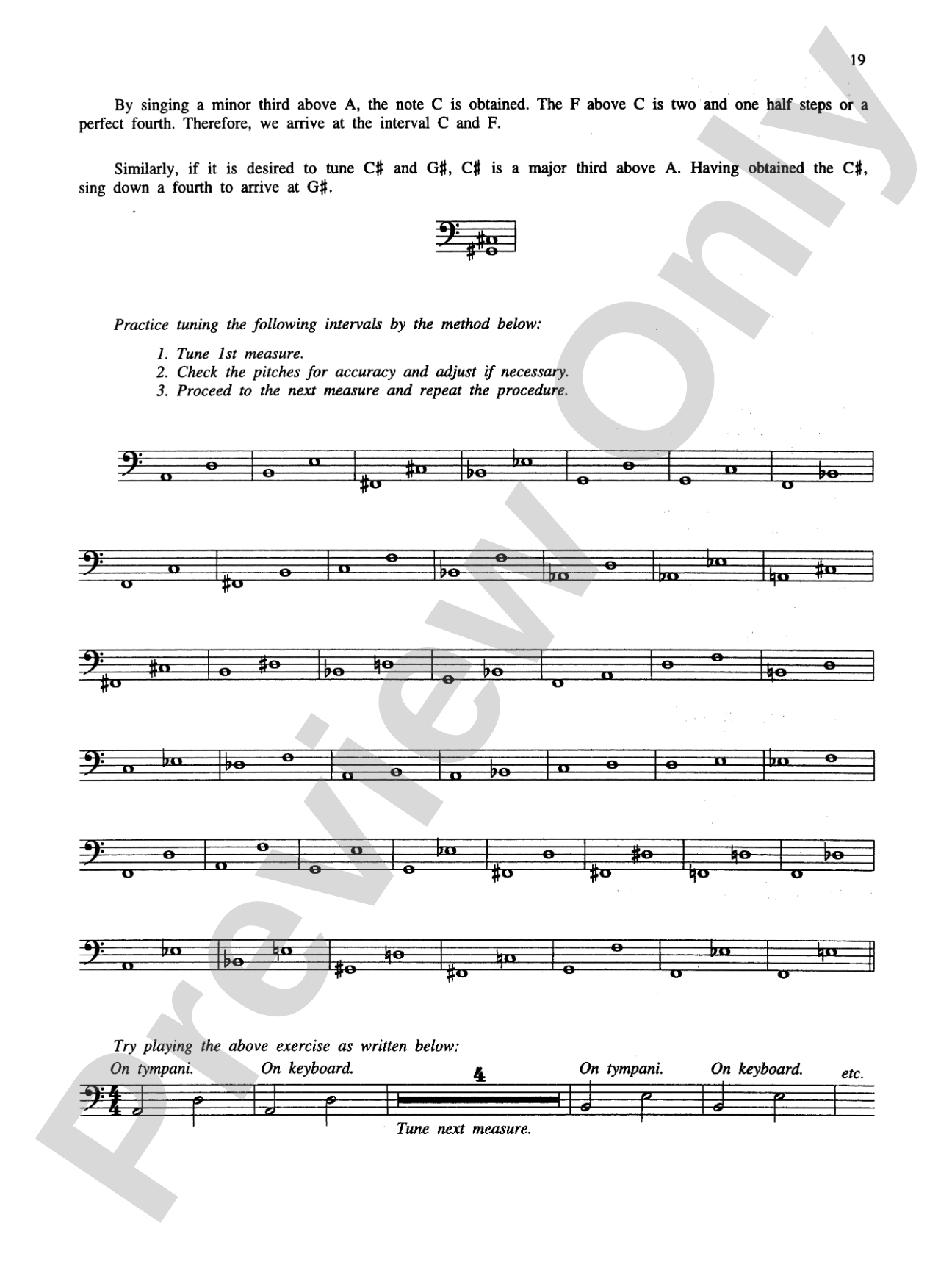
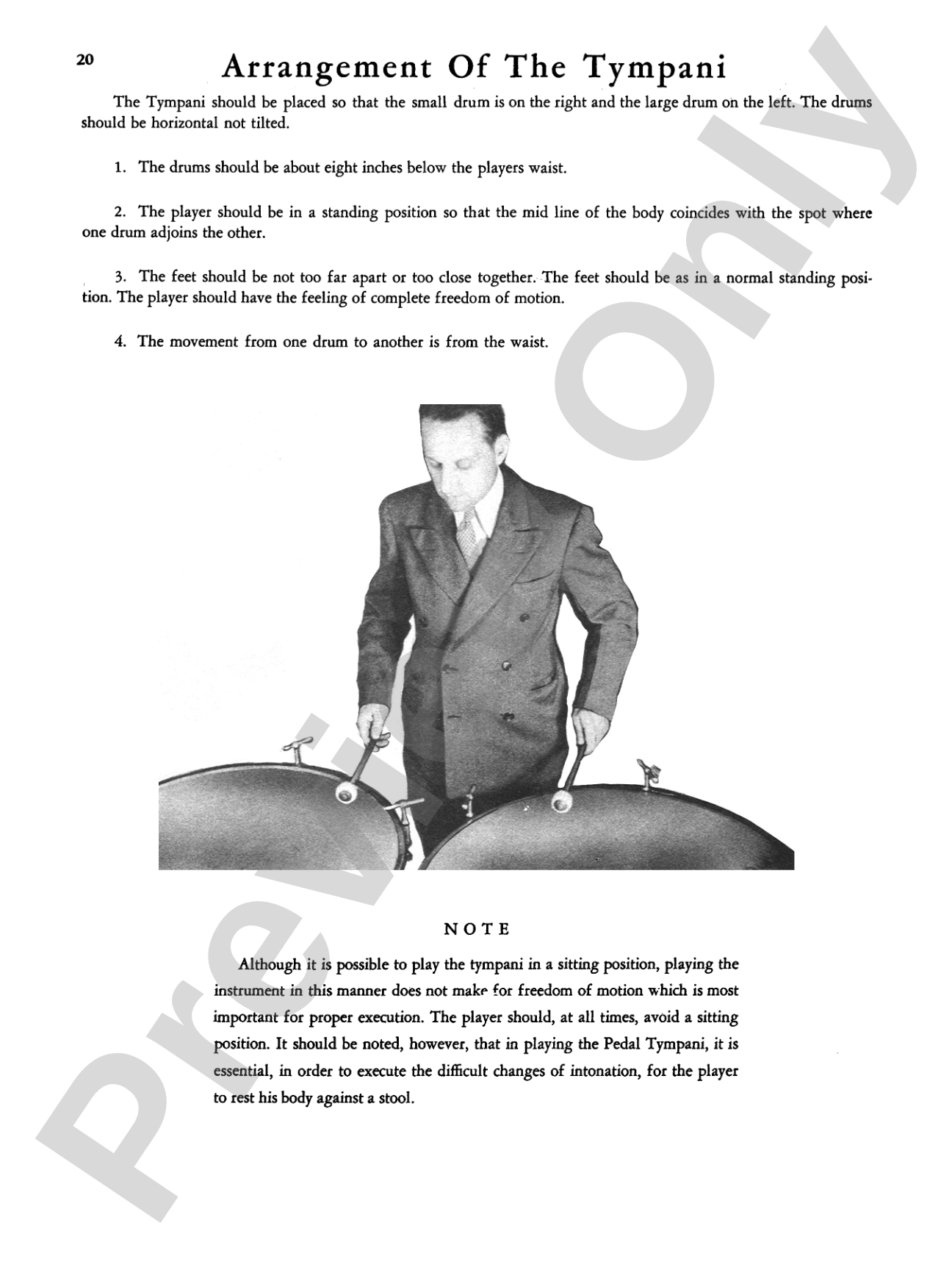
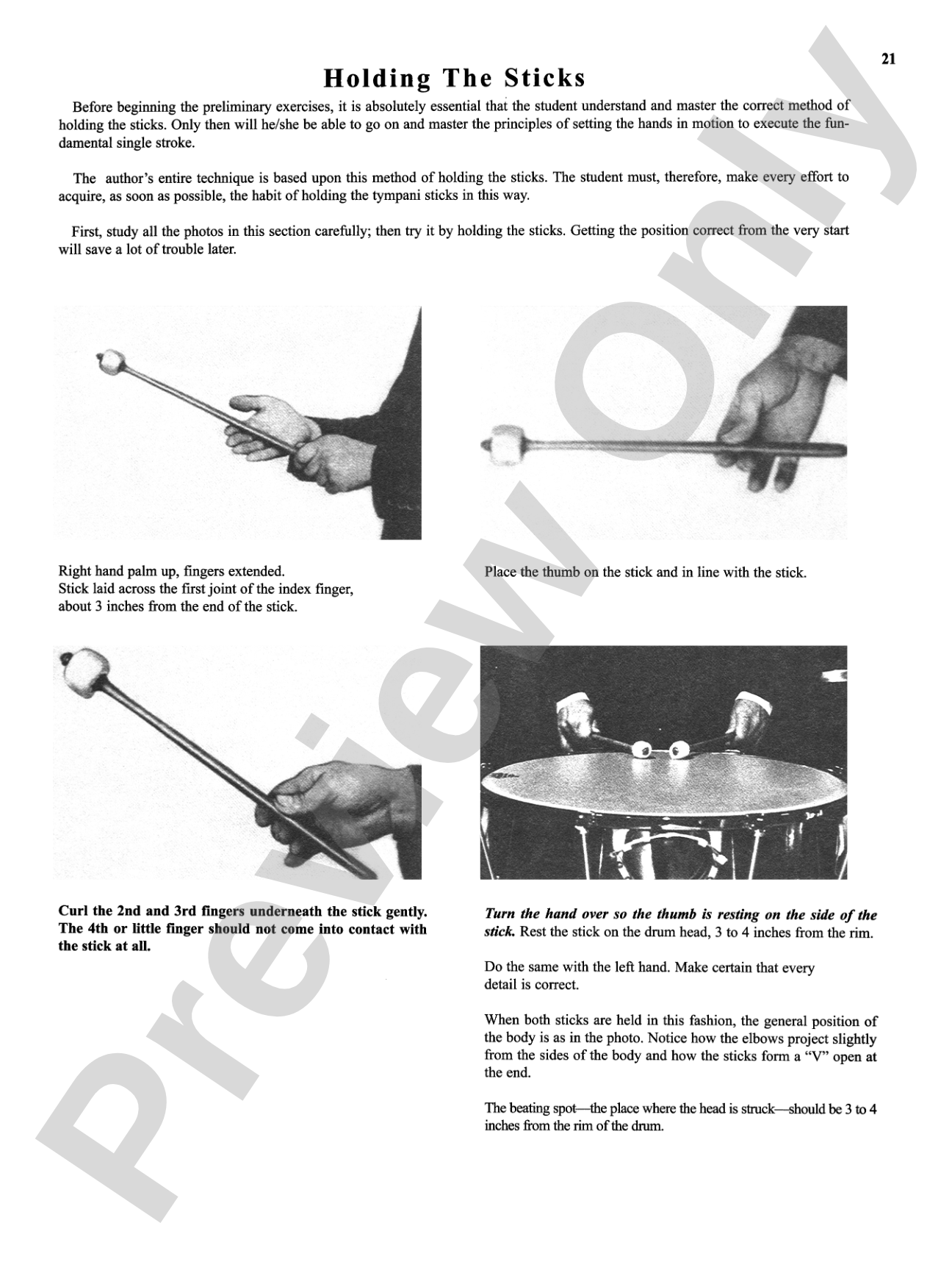
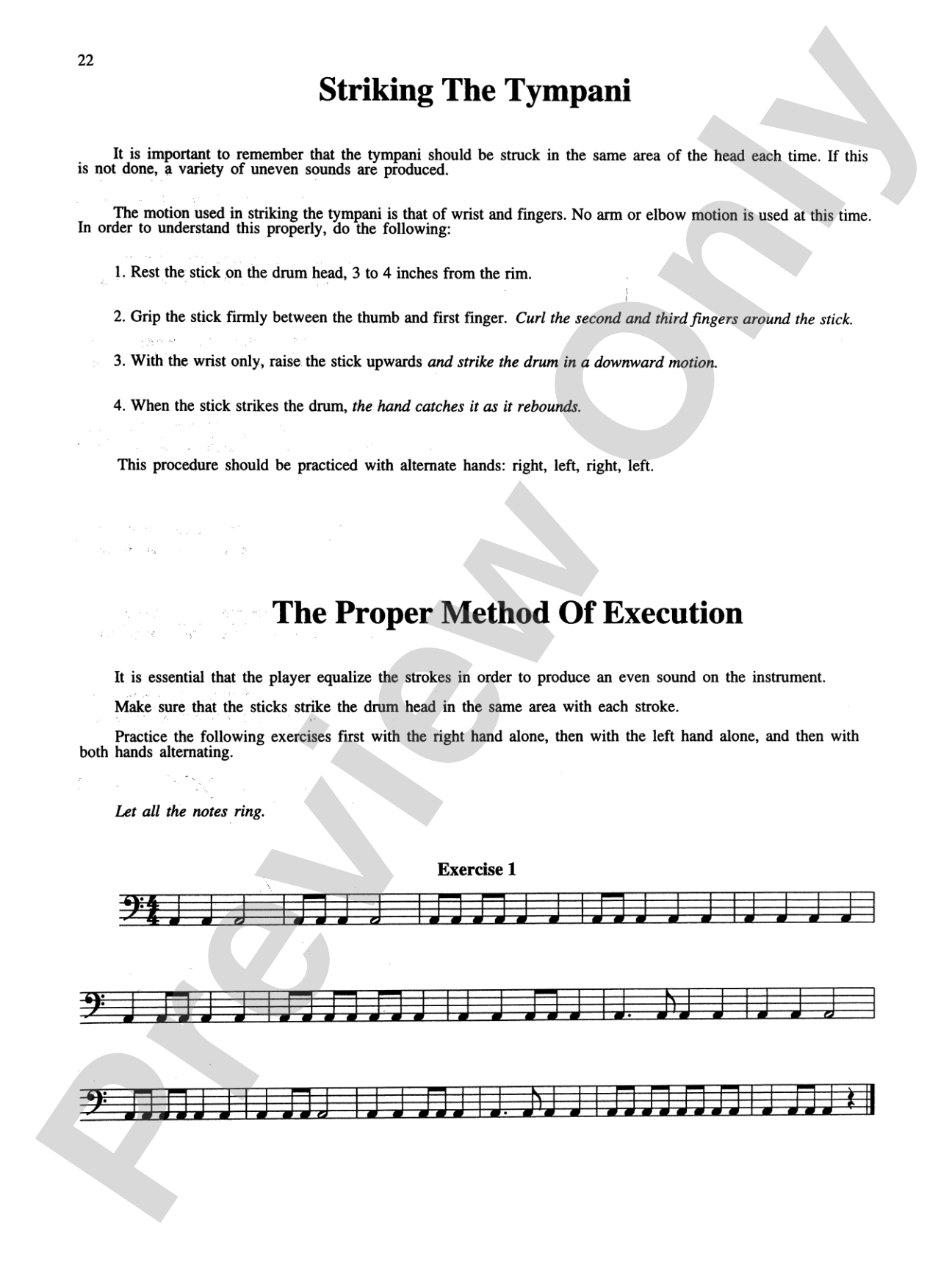
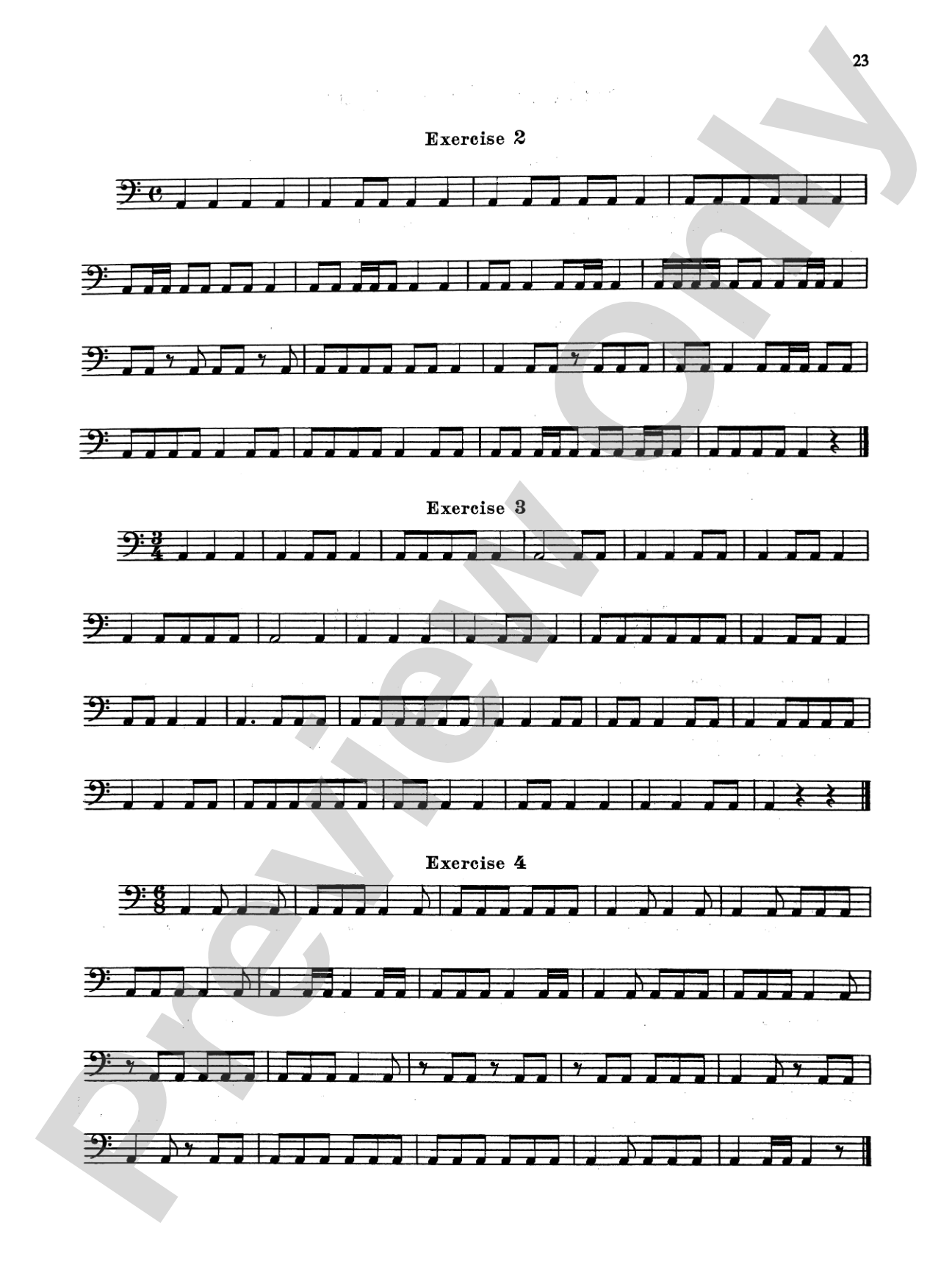
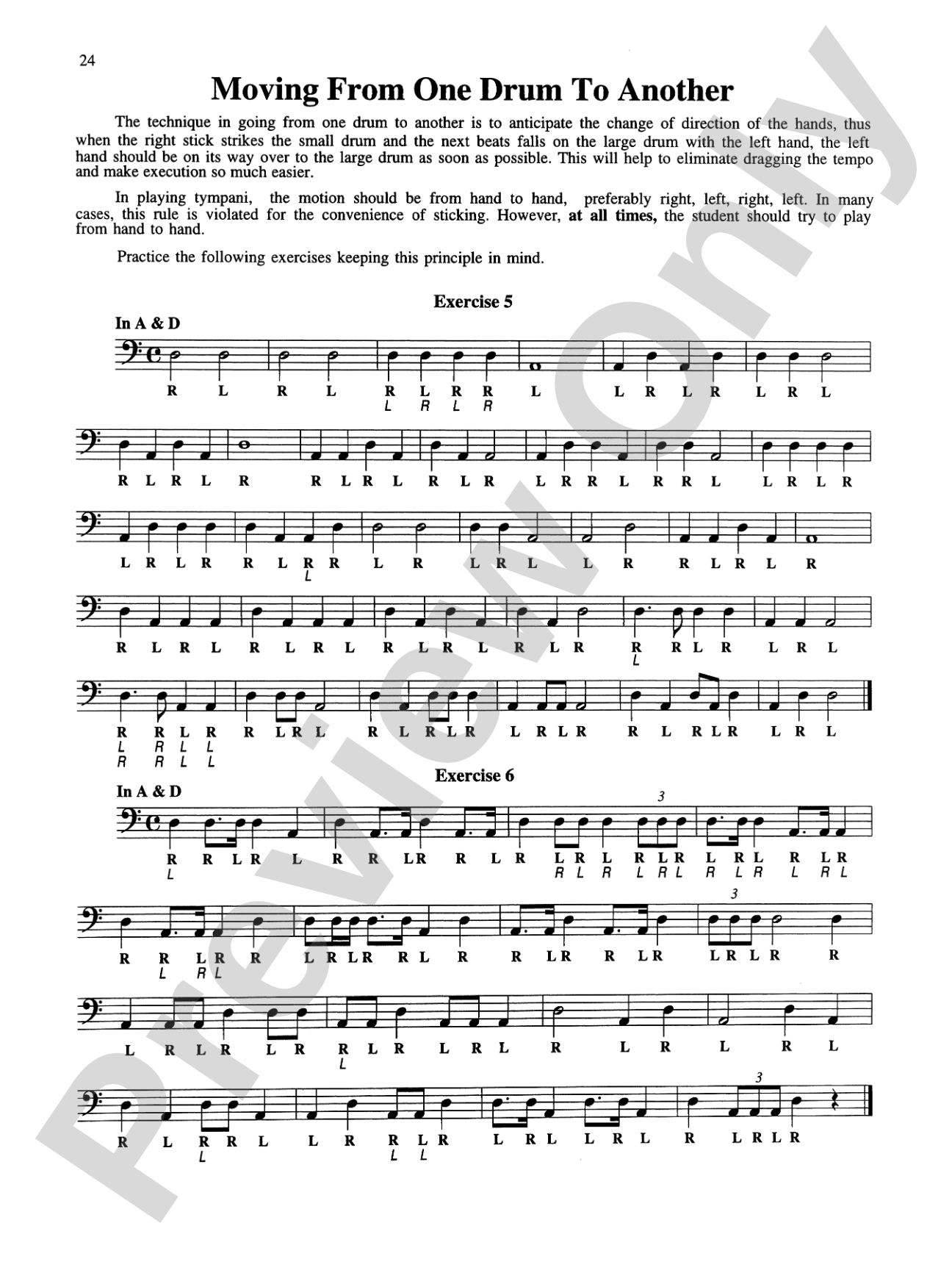
An indispensable book for all timpanists! Divided into 4 sections: Fundamentals: Exercises for the Development of Technique on Two Drums, Three and Four Drum Technique, and Repertoire for Timpani. This is an updated version of the famous Saul Goodman Modern Method for Tympani. Roland Kohloff was the Fundamentals Editor, and Gary Werdesheim was the Music Editor, under the direction of Anthony J. Cirone. Many pages were re-engraved and many photographs have been re-done. This edition will continue the legacy of Saul Goodman as teacher and mentor to generations of percussion students, teachers, and performers.


Saul Goodman: Modern Method for Timpani isn't in MakeMusic Cloud just yet...but it could be. Let us know you'd like to see it, and you'll help shape what comes next. In the meantime, start a free trial and dive into thousands of interactive titles your students can play along with today.
Request This Title
Tell us you want it.
Start Your Free Trial
Explore everything that's ready to play right now.
Sample Audio
No sample audio found.
Sample Video
No sample videos found.
Additional Details
Publisher:
Alfred Music
Page Count:
132
SKU:
00-PB-0002252
More about this title
About the Composer: Saul Goodman
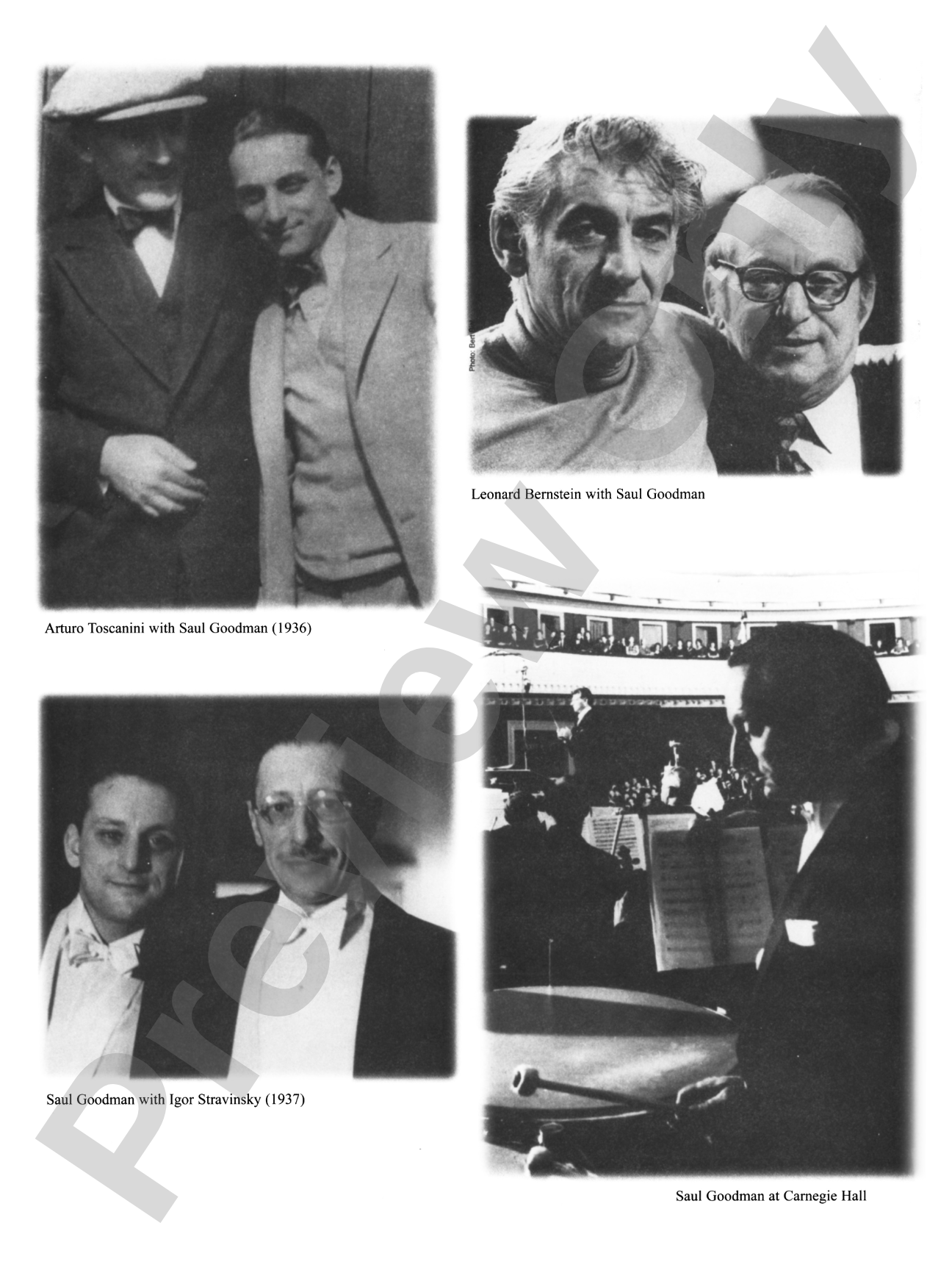
Saul Goodman was a principal timpanist with the New York Philharmonic for decades and one of the most influential percussion pedagogues of the twentieth century. His teaching shaped generations of orchestral musicians, and his methods became foundational texts in percussion studios across North America.
Goodman's approach combined rigorous technical training with musical intelligence. He understood that timpani mastery required not just mechanical facility but deep musicality and ensemble awareness. His legacy extends far beyond the concert hall; educators continue to build curricula around his systematic development of fundamental skills.
Why we love this
This book does what few method books manage: it functions simultaneously as a technical reference, a pedagogical roadmap, and a performance resource. The revision honors Goodman's original vision while incorporating decades of input from Kohloff and Werdesheim, two figures who themselves shaped professional timpani playing. A timpani student working through these 132 pages will develop not just exercises but a coherent philosophy of the instrument.
What to expect
Working through Goodman feels methodical and purposeful. The fundamentals are unadorned; there's no pretense, just direct technical work that accumulates into genuine mastery. By the time you reach the repertoire section, your hands understand the instrument so thoroughly that the music itself becomes the focus rather than the mechanics.
Who it's for
This method serves serious timpani students working toward orchestral placement, band timpanists building secondary proficiency, and percussion teachers seeking a comprehensive, time tested framework for instruction. It also belongs in rehearsal studios where conductors and timpanists collaborate on professional repertoire.
How to get the most out of it
- Work the fundamentals section sequentially rather than selectively. Each exercise builds on previous patterns and expands your physical vocabulary in logical increments.
- When transitioning between two and three drum technique, pay attention to how Goodman structures the progression of stick heights and intervals. This isn't random scaffolding; it mirrors how your hands learn spatial relationships.
- Reference the repertoire section not just as etudes but as windows into actual orchestral writing. Notice which compositional gestures recur across different pieces.
- Record yourself moving through the technical work. Goodman's methods emphasize consistency and control, and audio playback reveals tension patterns or rhythmic drift that your hands don't always feel.
How to use it
Deploy this as the cornerstone text for any percussion student with serious timpani aspirations; pair it with orchestral excerpts at the level your ensemble is tackling. Conductors programming timpani solos or exposed passages benefit from having section members work through Goodman's repertoire selections, which train the specific control and tonality orchestral writing demands.
Skills your students will build
- Grip and stroke technique on two, three, and four drums
- Interval recognition and stick placement across drum spacing
- Dynamic control and tone production across the dynamic spectrum
- Roll execution and clarity at varying speeds
- Rhythmic precision in mixed meters and complex subdivisions
- Pedal technique and tuning accuracy
- Orchestral articulation and style interpretation