Satin Doll Cover Image

Satin Doll: Vocal Solo with Jazz Ensemble Conductor Score

$8.00 USD
Sale price  $8.00 USD Regular price 
Skip to product information
Satin Doll Cover Image

Satin Doll: Vocal Solo with Jazz Ensemble Conductor Score

By Billy Strayhorn, Duke Ellington and Johnny Mercer / arr. Mike Carubia

Grade: 4 (Medium Advanced / Difficult)

Item: 00-WBJE9418C

$8.00
Shipped

One moment…

Description
A great jazz song from the collaboration of Duke Ellington and Billy Strayhorn! This arrangement is for vocal group (SATB or SSAA) with big band, and can be used with a vocal soloist as well. You'll like the way the band backs the singers and even gets a chance to blow on its own. Don't overlook this one!

Satin Doll: Vocal Solo with Jazz Ensemble Conductor Score isn't in MakeMusic Cloud just yet...but it could be. Let us know you'd like to see it, and you'll help shape what comes next. In the meantime, start a free trial and dive into thousands of interactive titles your students can play along with today.

Sample Pages

Sample Audio
No sample audio found.
Sample Video
Additional Details
Series: Jazz Vocal Series
Publisher: Alfred Music
Page Count: 24
UPC: 029156167238
SKU: 00-WBJE9418C

More about this title

About the Composer: Billy Strayhorn
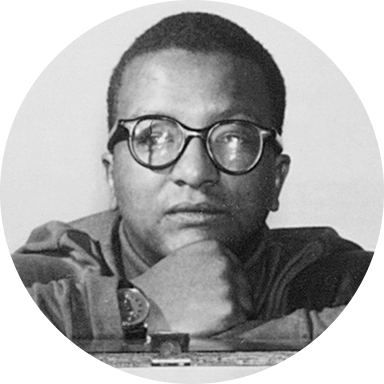
Billy Strayhorn

Billy Strayhorn (1915-1967) emerged as one of the defining voices in American jazz despite spending decades in relative public obscurity. Born in Dayton, Ohio, he began his partnership with Duke Ellington in 1939, a collaboration that would shape the sound of big band jazz for generations. Beyond his role as composer and arranger, Strayhorn lived authentically as a gay Black man during an era when such openness carried profound personal cost, yet his musical legacy endured through countless recordings by jazz greats from Ella Fitzgerald to John Coltrane.

Strayhorn's compositions stand among the most performed in jazz history, even when audiences didn't know his name. "Take the 'A' Train" became the Ellington Orchestra's theme and a cultural touchstone for the Harlem Renaissance era. His ballad "Lush Life," written when he was just sixteen, remains a harmonic and melodic masterwork that continues to challenge and inspire singers. Today, historians and scholars recognize him as one of America's most significant but underappreciated composers, a musician whose influence shaped the entire landscape of American jazz.

Why we love this

Strayhorn's sophisticated harmonic language gives this arrangement real depth at the Grade 4 level, rewarding ensembles that can lock into the jazz vernacular. The accompaniment for vocal soloists or full SATB/SSAA groups feels idiomatic and swinging rather than tacked-on, and the big band gets genuinely exciting solo moments that keep instrumentalists engaged and invested in the piece.

What to expect

Smooth and urbane, with the kind of understated elegance Strayhorn mastered. The arrangement swings without straining, balancing lush harmonic colors in the big band with a memorable, singable melody that invites interpretation and personal expression from whoever carries the vocal line.

Who it's for

Jazz ensembles at the intermediate-advanced level with a confident vocal soloist or strong SATB/SSAA section and the rhythmic flexibility to handle swing interpretation. Programs looking to add a genuine jazz standard to their repertoire will find this arrangement accessible enough for rehearsal-time investment but sophisticated enough to hold their musicians' respect.

How to get the most out of it

  • Balance the vocal line so it sits above the band without drowning out the harmonic movement underneath; Strayhorn's chords are part of what makes this tune work.
  • Lock the rhythm section (drums, bass, piano) into a relaxed swing feel before layering in the horn section; the groove carries everything else.
  • Give the band's solo passages room to breathe and swing hard, treating them as equal musical weight to the vocal sections rather than transitions.
  • Shape the melody with jazz phrasing (slight anticipations, subtle space before important notes) rather than classical legato, even in ballad passages.

How to use it

Program this as a feature for a soloist who understands jazz interpretation, especially in a concert pairing it with other Ellington/Strayhorn standards to showcase the elegance of that songbook. It works equally well as a full ensemble vocal number and fills the gap between uptempo swingers and ballads in a mixed jazz set.

Skills your students will build

  • Jazz phrasing and interpretation (anticipations, space, swing feel)
  • Balancing solo vocal line with big band accompaniment
  • Reading and executing jazz ensemble style parts (drums, bass, comping instruments)
  • Understanding harmonic sophistication in jazz standards
  • Executing ensemble swing rhythms and style coordination

You May Also Like