
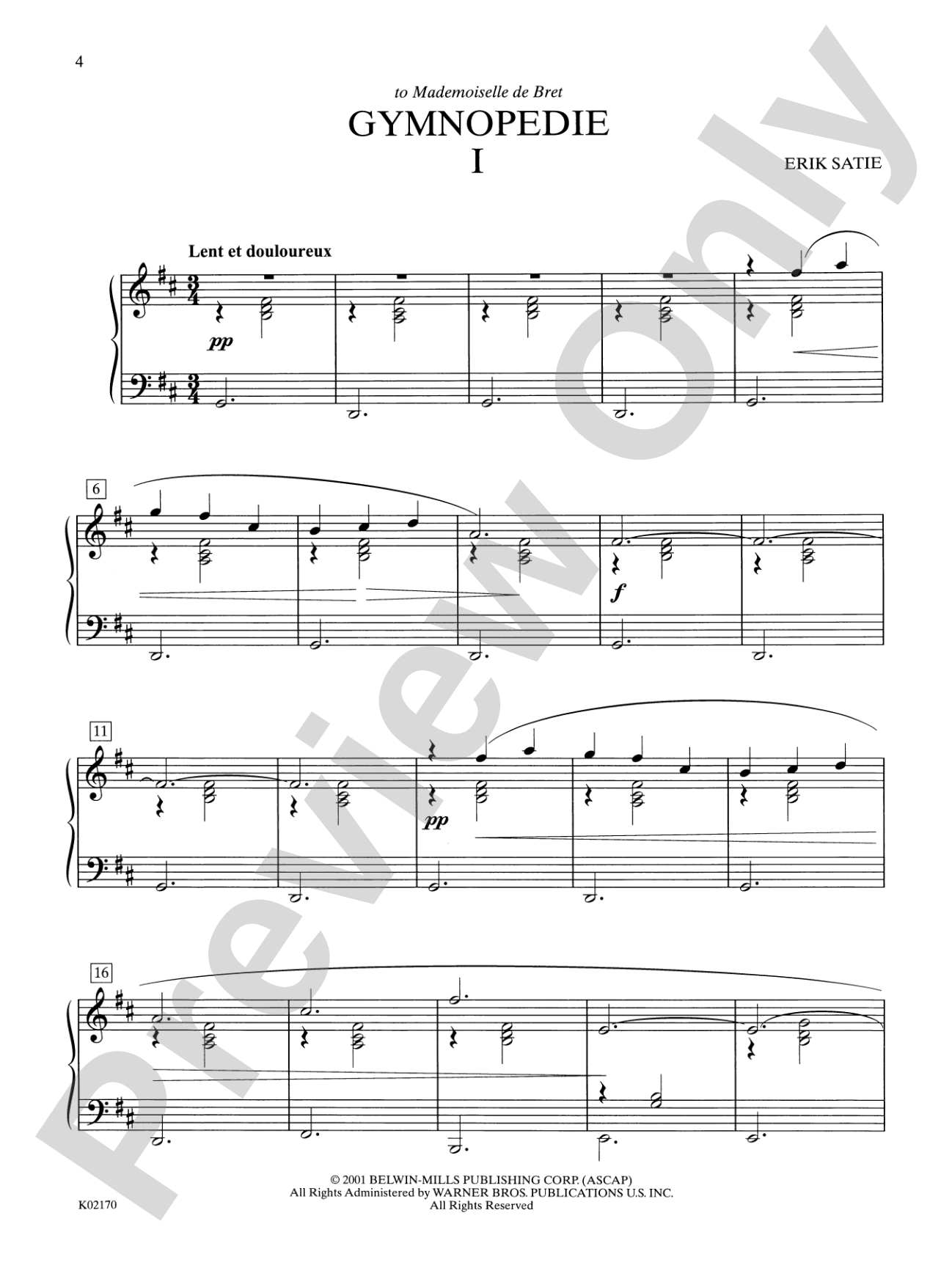

Satie: Three Gymnopedies: Piano
By Erik Satie
Item: 00-PK-0002784

$6.99
Pickup currently not available
Buy Extra Parts (Digital PDF Download)
| Product | Price | Quantity |
|---|---|---|
| Satie: Three Gymnopedies | $1.99 | |
| Satie: Three Gymnopedies | $1.99 | |
| Satie: Three Gymnopedies | $1.99 |
Parts Added to Cart!
Related Items
Three Gymnopedies: Piano |
$6.95
|
View |
Description
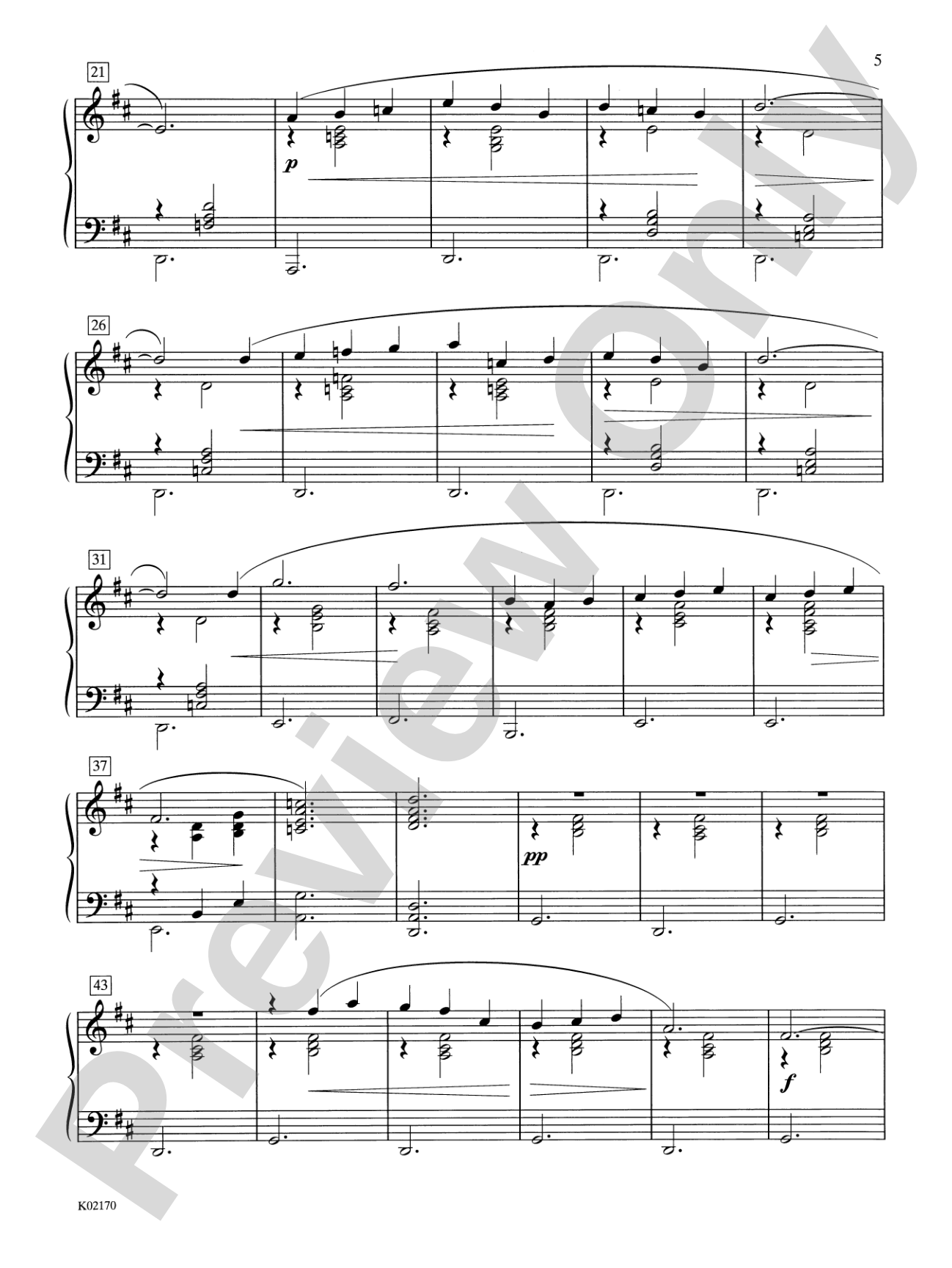
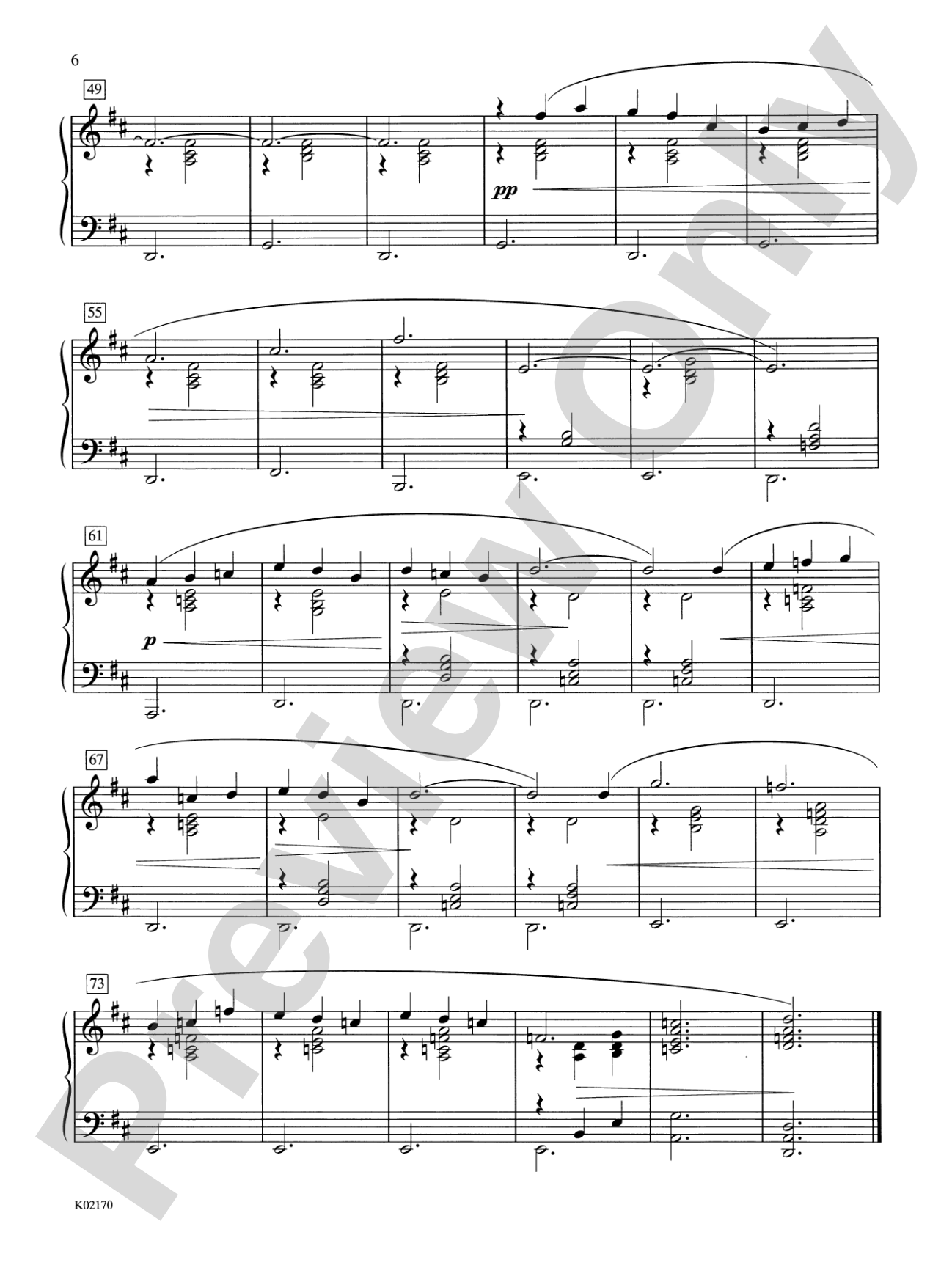
Pianists will love this newly engraved edition of these three often-played works by contemporary composer Erik Satie. The first is the most famous, but all three deserve attention in lessons and recitals. A composer biography has been added. Titles: No. 1 in D Major * No. 2 in C Major * No. 3 in A Minor.


Don't just read it, hear it, play along with it, and watch your students grow with it. In MakeMusic Cloud, Satie: Three Gymnopedies: Piano comes alive with professional accompaniment, adjustable tempo, and built-in practice tools that turn solo practice into real progress.
Open in the Player
Jump straight in and assign it today.
Start Your Free Trial
Open this title and explore the full library in minutes.
Sample Audio
No sample audio found.
Sample Video
No sample videos found.
Additional Details
Series:
Kalmus Edition
Publisher:
Alfred Music
Page Count:
12
SKU:
00-PK-0002784
More about this title
About the Composer: Erik Satie
Erik Satie (1866, 1925) was a French composer and pianist whose work bridged the Romantic era and early modernism. Known for his spare textures, unconventional harmonies, and philosophical approach to composition, Satie rejected the grandiosity of late-Romantic style in favor of simplicity and restraint. His influence on twentieth-century music, minimalism, and ambient sound design remains profound, and his teaching at the Schola Cantorum shaped a generation of French composers.
The Gymnopédies represent some of Satie's most accessible yet sophisticated writing. Composed between 1888 and 1894, these pieces showcase his signature approach: elegant melodies supported by arpeggiated accompaniment, unusual harmonic progressions, and a contemplative atmosphere that rewards close listening and patient interpretation.
Why we love this
These three pieces offer something rare in the piano repertoire: music that sounds elegant and composed without requiring technical fireworks. The newly engraved edition clarifies Satie's sparse notation, making the harmonic subtleties more visible to students while the included biography contextualizes these works within his larger artistic vision. Programming all three together creates a cohesive set that deepens listener appreciation beyond the famous first Gymnopédie.
What to expect
Timeless and introspective, these pieces create a sense of calm clarity. There is something almost hypnotic about Satie's repeated patterns and spare textures; they invite the listener into a quiet, contemplative space rather than demanding emotional demonstration. The harmonic language, while simple in appearance, carries unexpected warmth and occasional melancholy.
Who it's for
Intermediate to early advanced pianists seeking repertoire that values subtlety and harmonic awareness over virtuosity. These pieces reward thoughtful practice from students ready to explore the expressive potential of minimal material and work well in both private lesson settings and recitals.
How to get the most out of it
- Resist the urge to add rubato or tempo fluctuation; Satie's sparse texture means every deviation becomes audible. Let the harmony breathe instead through carefully shaped phrase endings and subtle dynamic shaping.
- The repeated harmonic progressions in each piece can sound static without attention to voice leading. Listen closely to how inner voices move, and allow those gentle shifts to shape your touch and tone color.
- No. 1 in D Major invites a floating, almost suspended quality; No. 3 in A Minor carries more weight and introspection. Find the distinct character of each before attempting to knit them together as a set.
How to use it
Program these three together as a thematic unit exploring early modernist piano music, or use No. 1 as an elegant opening statement on a mixed recital. The set also pairs naturally with Debussy or other French composers, or with other Satie works if you are curating a deeper dive into his output.
Skills your students will build
- Pedaling control and voice transparency in sparse textures
- Harmonic analysis and awareness of subtle voice leading
- Maintaining rhythmic steadiness without mechanical phrasing
- Dynamic shaping and tonal color without textural cues
- Understanding minimalism and modernist compositional philosophy