
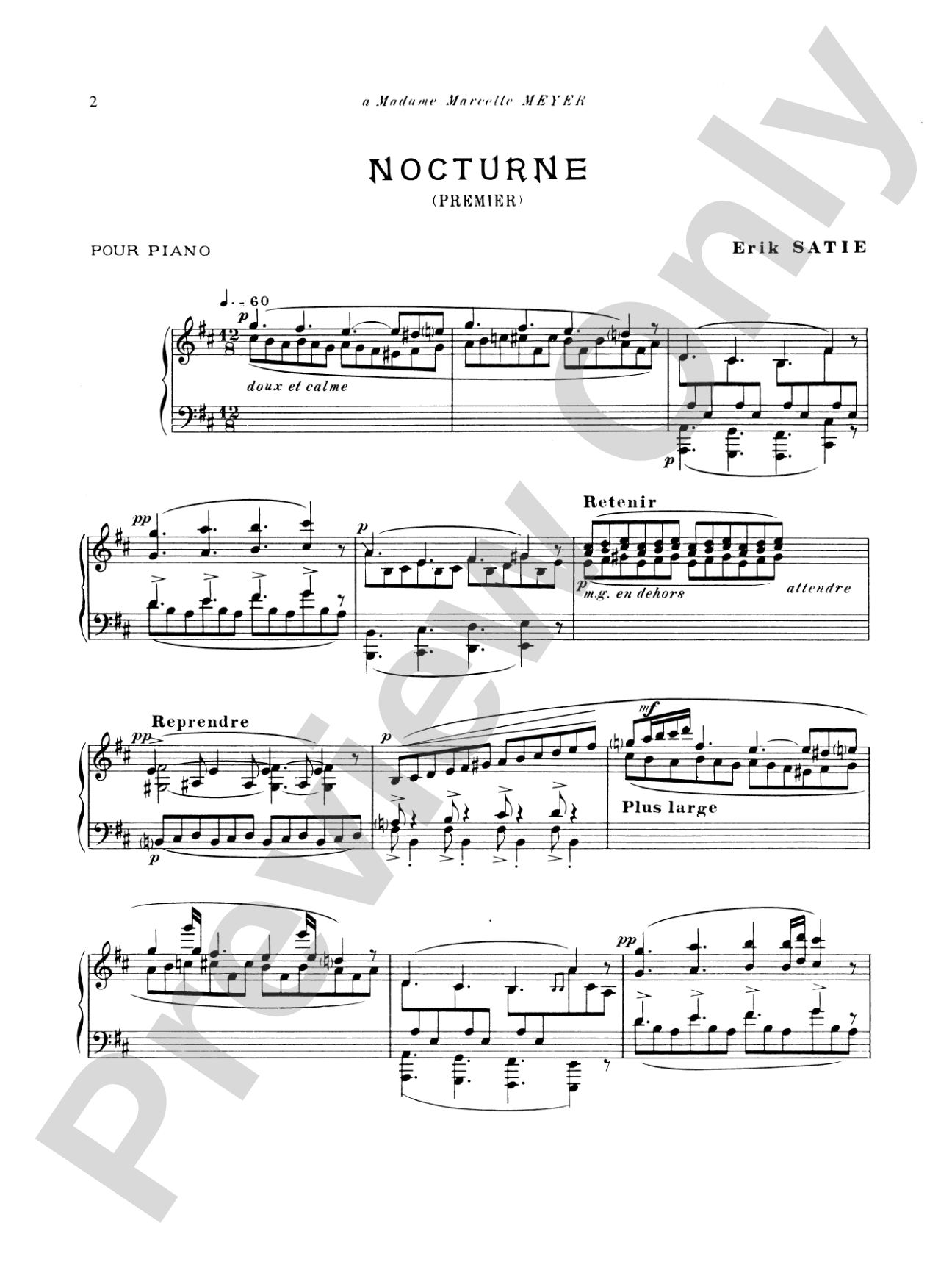
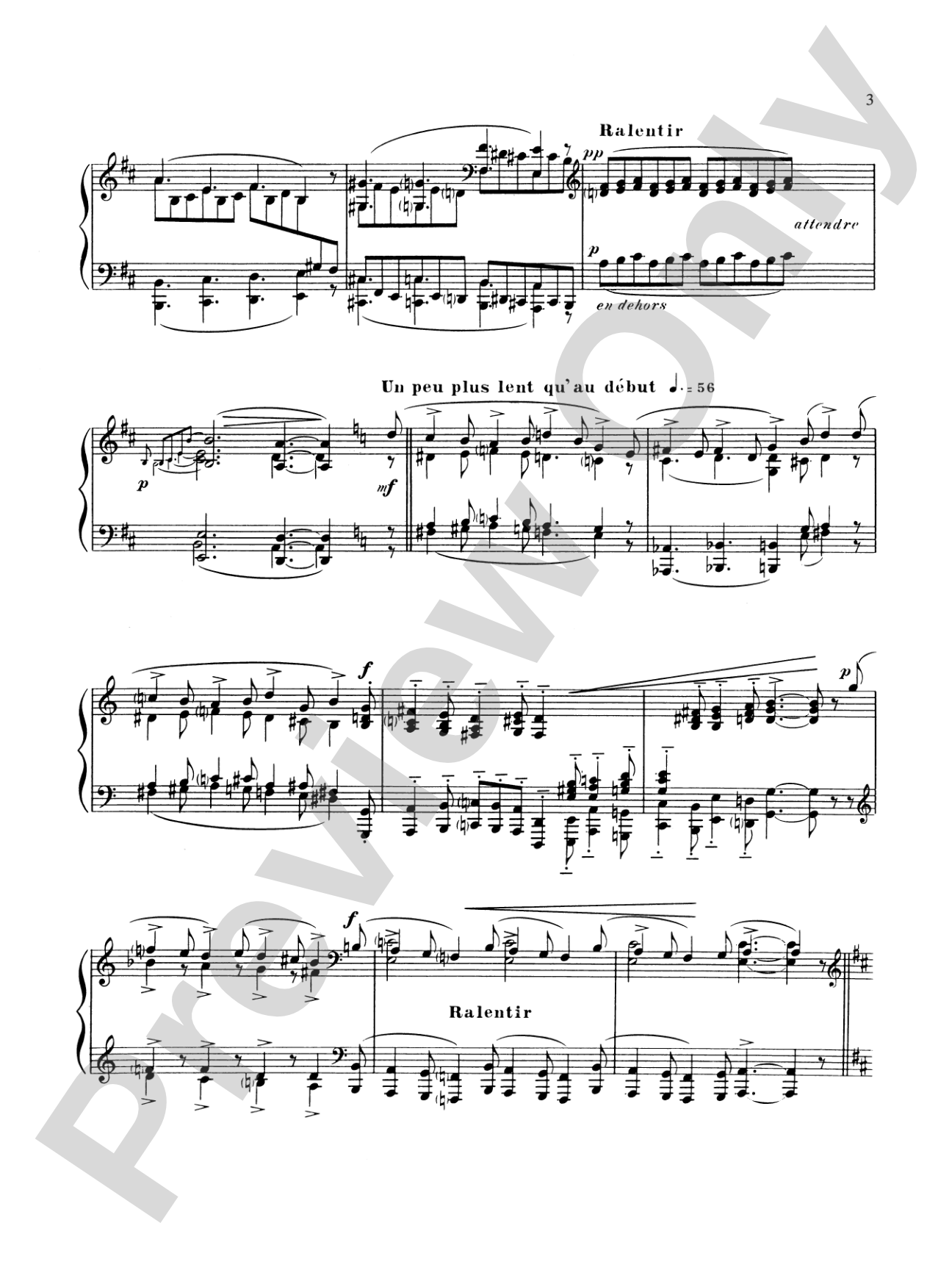
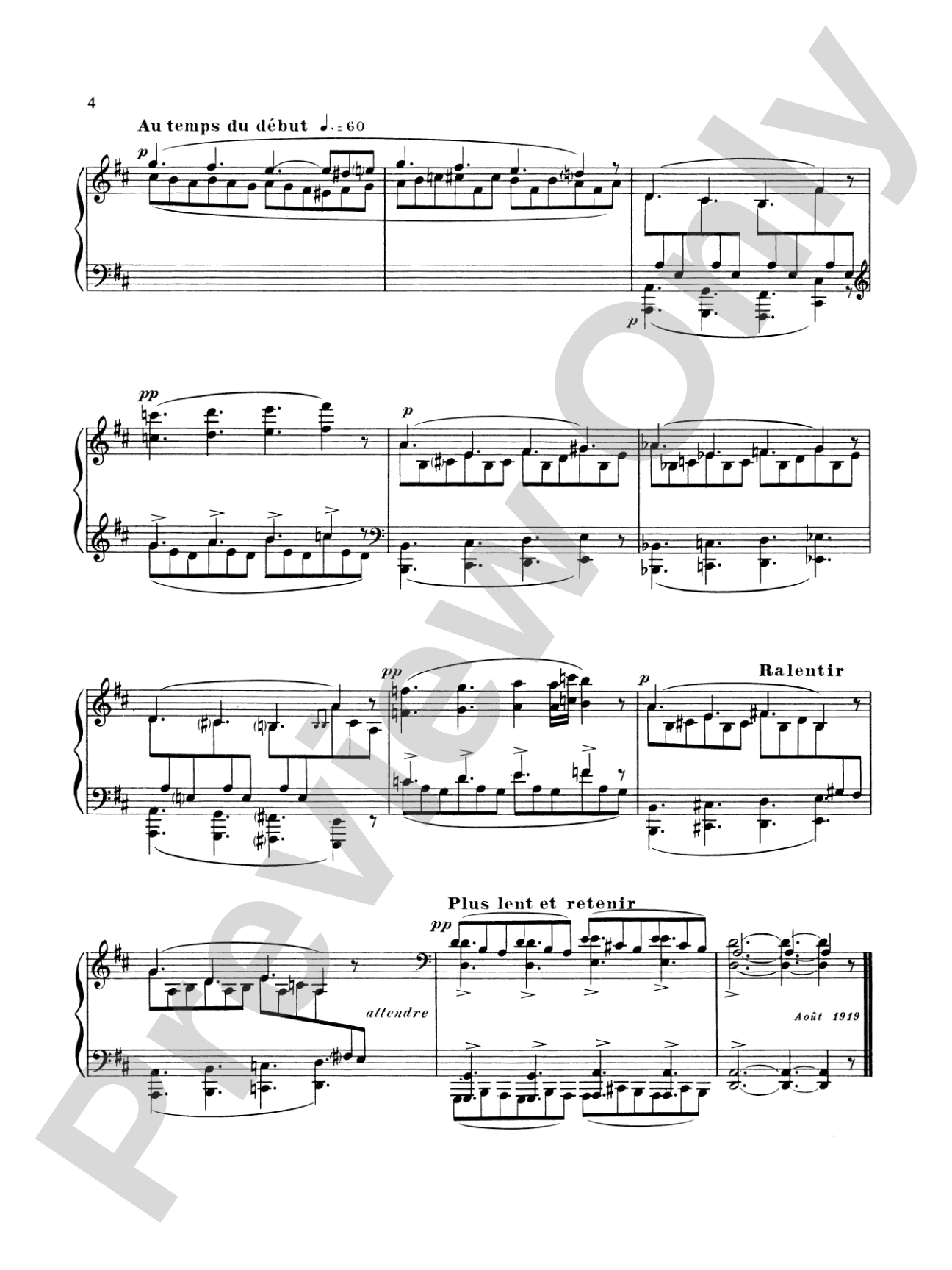

Satie: Five Nocturnes: Piano
By Erik Satie
Level: Late Intermediate
Item: 00-PK-0002821

$7.99
Pickup currently not available
Buy Extra Parts (Digital PDF Download)
| Product | Price | Quantity |
|---|---|---|
| Satie: Five Nocturnes | $0.99 | |
| Satie: Five Nocturnes | $0.99 | |
| Satie: Five Nocturnes | $0.99 | |
| Satie: Five Nocturnes | $0.99 | |
| Satie: Five Nocturnes | $0.99 |
Parts Added to Cart!
Related Items
Five Nocturnes: Piano |
$7.95
|
View |
Description
Using simple melodic ideas, Satie expands the nocturne beyond the romantic period piece using fresh harmonies and mixed meters. Written in 1919, these beautifully crafted nocturnes are considered among Satie's finest works for piano.


Don't just read it, hear it, play along with it, and watch your students grow with it. In MakeMusic Cloud, Satie: Five Nocturnes: Piano comes alive with professional accompaniment, adjustable tempo, and built-in practice tools that turn solo practice into real progress.
Open in the Player
Jump straight in and assign it today.
Start Your Free Trial
Open this title and explore the full library in minutes.
Sample Audio
No sample audio found.
Sample Video
No sample videos found.
Additional Details
Series:
Kalmus Edition
Publisher:
Alfred Music
Page Count:
16
SKU:
00-PK-0002821
More about this title
About the Composer: Erik Satie
Erik Satie (1866-1925) was a French composer and pianist whose work fundamentally challenged late Romantic conventions. Operating largely outside the mainstream concert world, he developed a distinctive aesthetic centered on simplicity, repetition, and harmonic innovation that influenced modernist composers across Europe.
Satie's output spans both serious concert music and pieces designed for cabaret and everyday listening. His piano works, particularly those from his mature period, reveal a composer interested in texture and emotional clarity over virtuosic display. The Five Nocturnes (1919) represent his mastery of the form, combining traditional nocturne atmosphere with 20th-century harmonic thinking.
Why we love this
These nocturnes reward players who seek repertoire beyond the standard Romantic canon while remaining genuinely accessible at the late intermediate level. Satie's approach to melody, harmony, and form teaches pianists how expressive power comes from clarity rather than complexity, and the mixed meters add just enough contemporary flavor to keep ears engaged without demanding technical pyrotechnics.
What to expect
Intimate and contemplative without becoming sentimental. The music inhabits quiet spaces and subtle shifts of light, marked by unexpected harmonic turns that feel both strange and strangely inevitable. There's a quality of deliberation throughout, nothing rushes, nothing overexplains itself.
Who it's for
Late intermediate pianists seeking substantive solo repertoire that bridges late Romantic and early 20th-century styles will find these nocturnes both rewarding and achievable. They suit students who have developed technical security but are ready to focus on tone control, harmonic listening, and interpretive subtlety.
How to get the most out of it
- Treat the simple melodies as if they carry profound weight; avoid rushing or playing through them casually. The harmonic shifts often land quietly, and your phrasing must honor these subtle moments.
- Pedal carefully and specifically. Satie's harmonies often depend on precise voice leading, and overuse of the sustain pedal can muddy the clean sonorities he intended.
- Explore the mixed meters as part of the music's floating, dreamlike quality rather than as rhythmic obstacles. Let the meter shifts feel natural to the phrasing.
- Pay attention to dynamic restraint. These pieces thrive in the softer dynamic ranges, and resistance to building dramatic climaxes is often the right musical choice.
How to use it
Program these nocturnes on a recital as a contrasting set that bridges classical and modern sensibilities, or feature them in a chamber or collaborative concert exploring 20th-century approaches to inherited forms. They work equally well as a complete suite or presented individually alongside other character pieces.
Skills your students will build
- Reading mixed meters (shifts between duple and triple time signatures within a single piece)
- Voice leading across non-functional harmonic progressions
- Pedal control and awareness of harmonic resonance
- Dynamic restraint and sensitivity to understated expression
- Interpreting 20th-century harmonic language while maintaining lyrical intent