

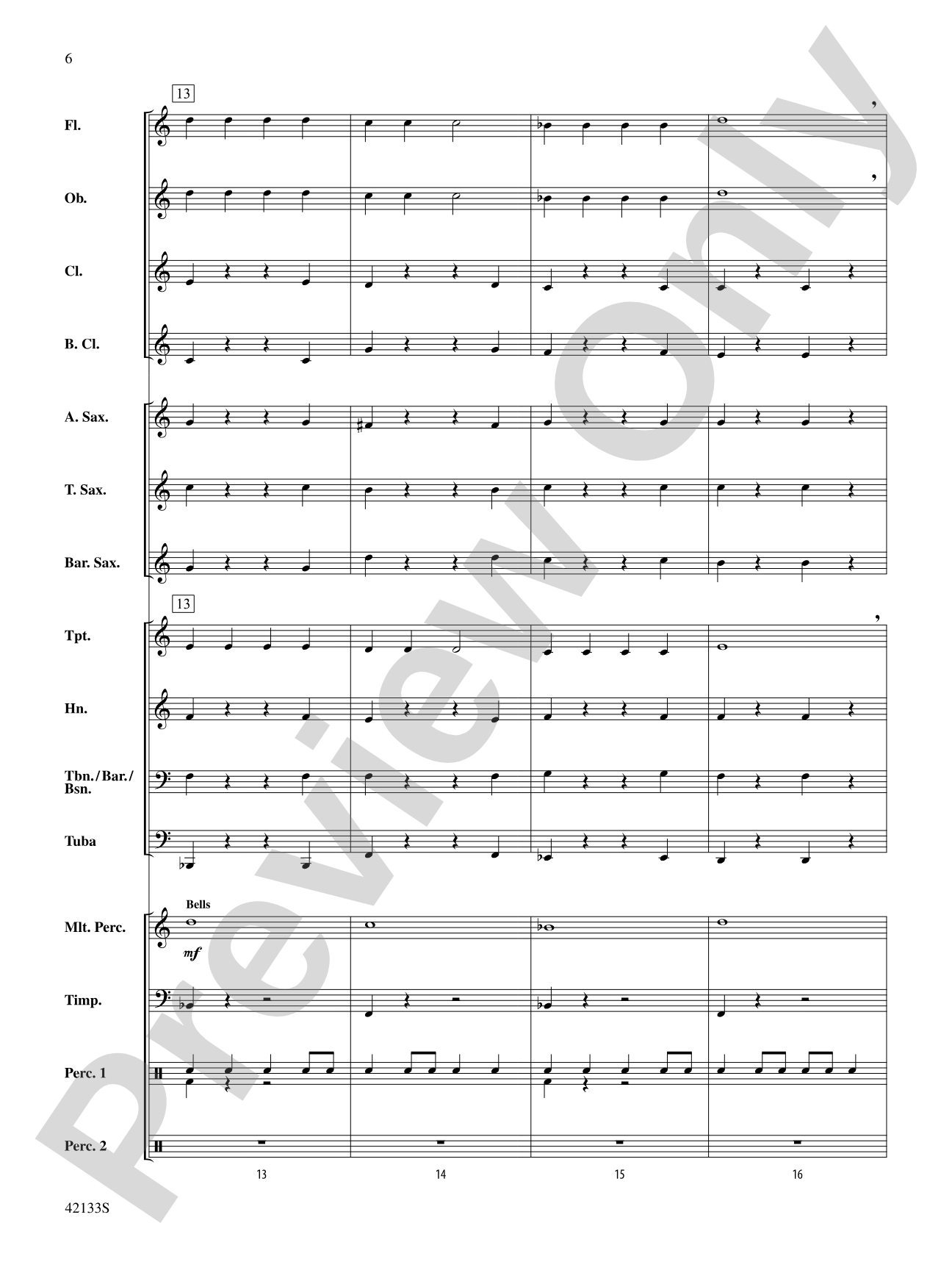
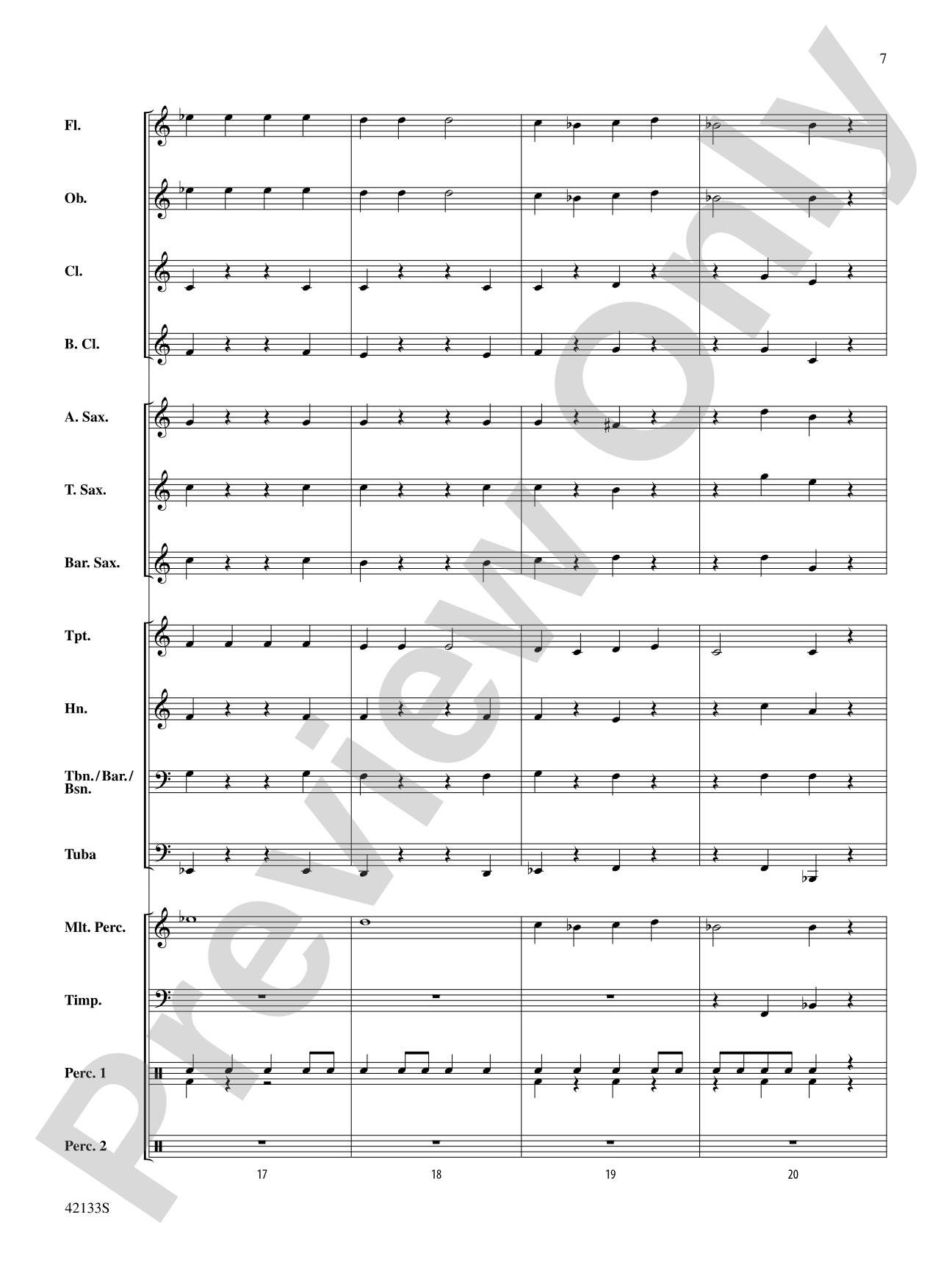
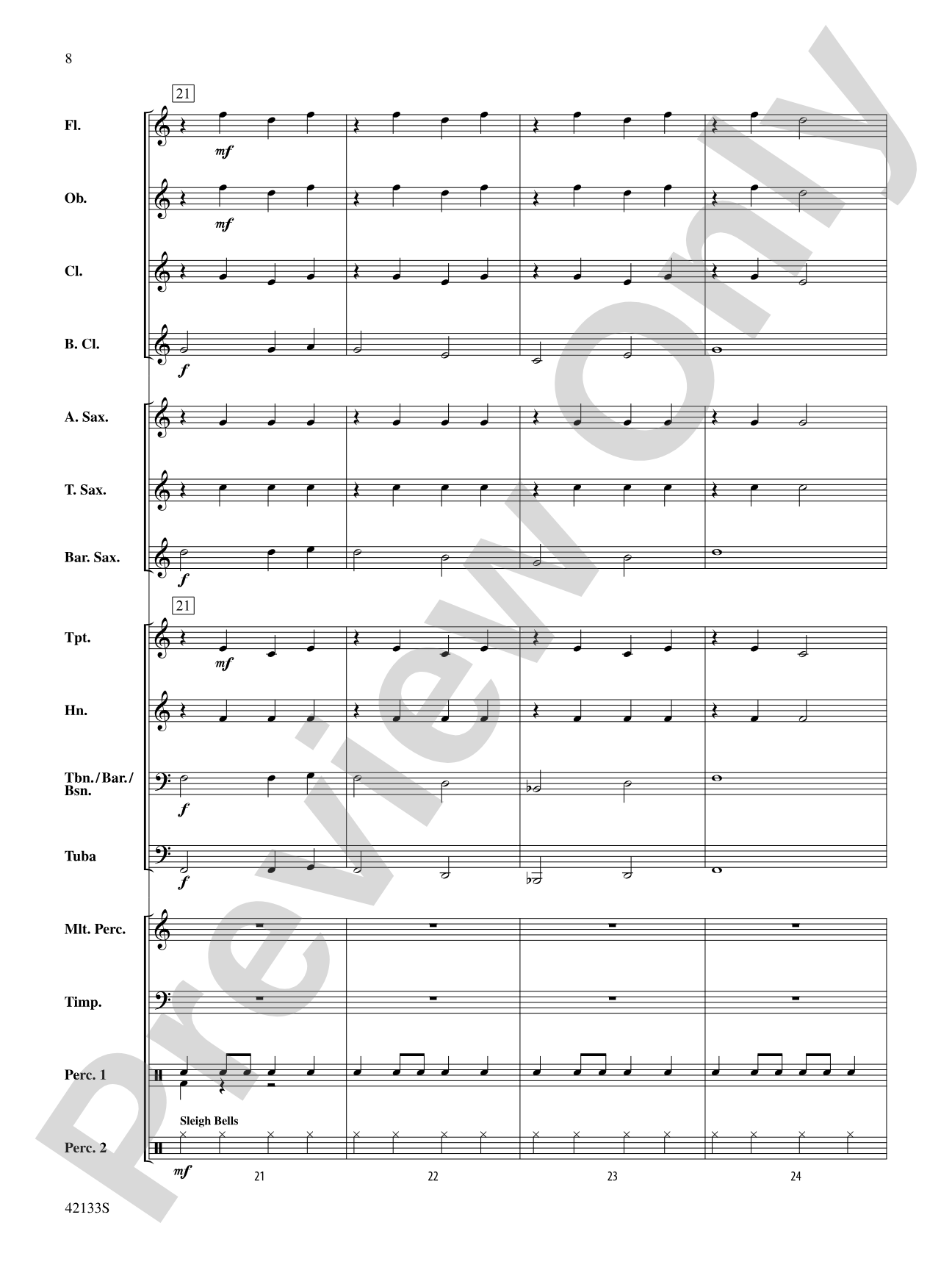
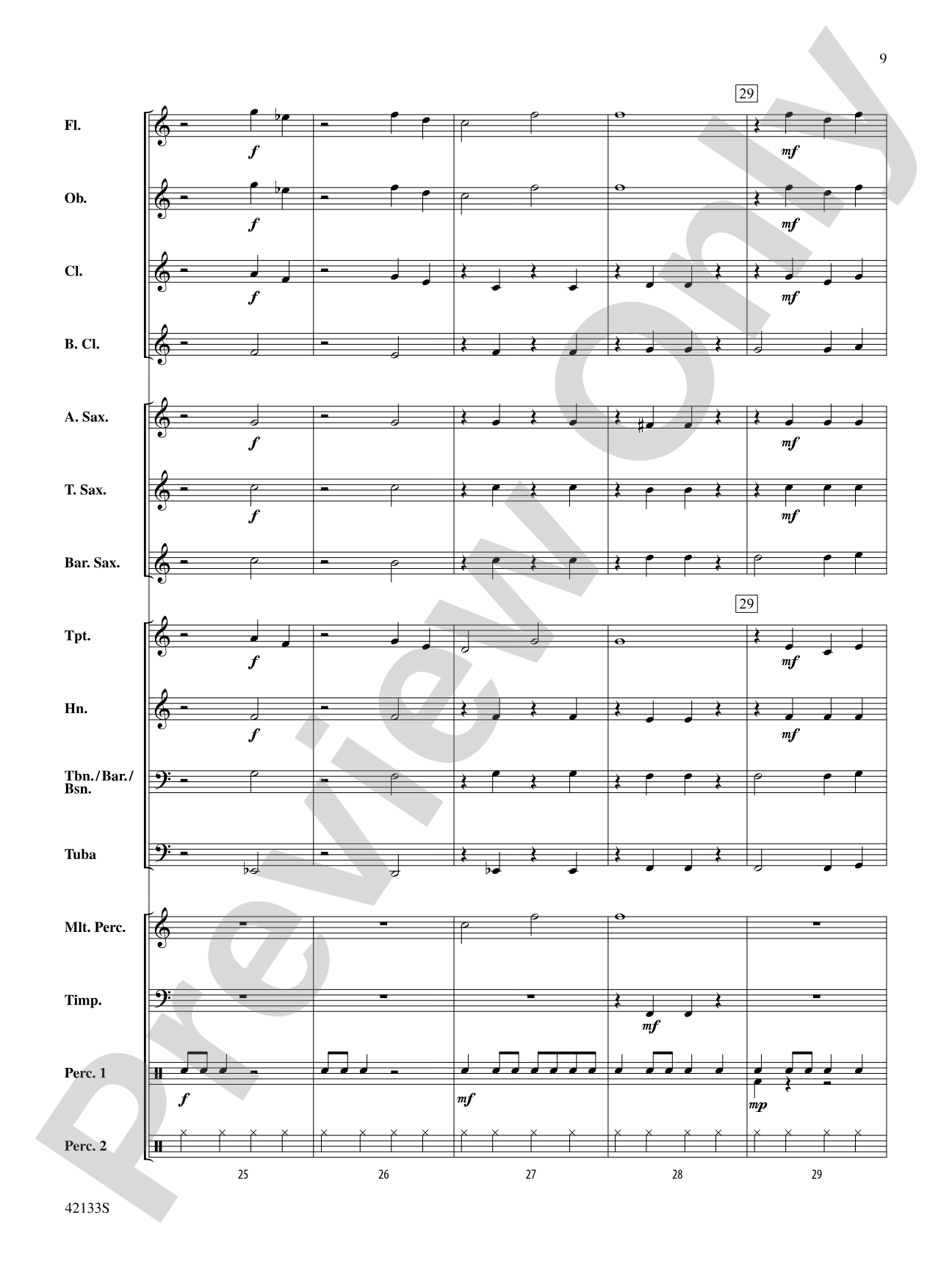
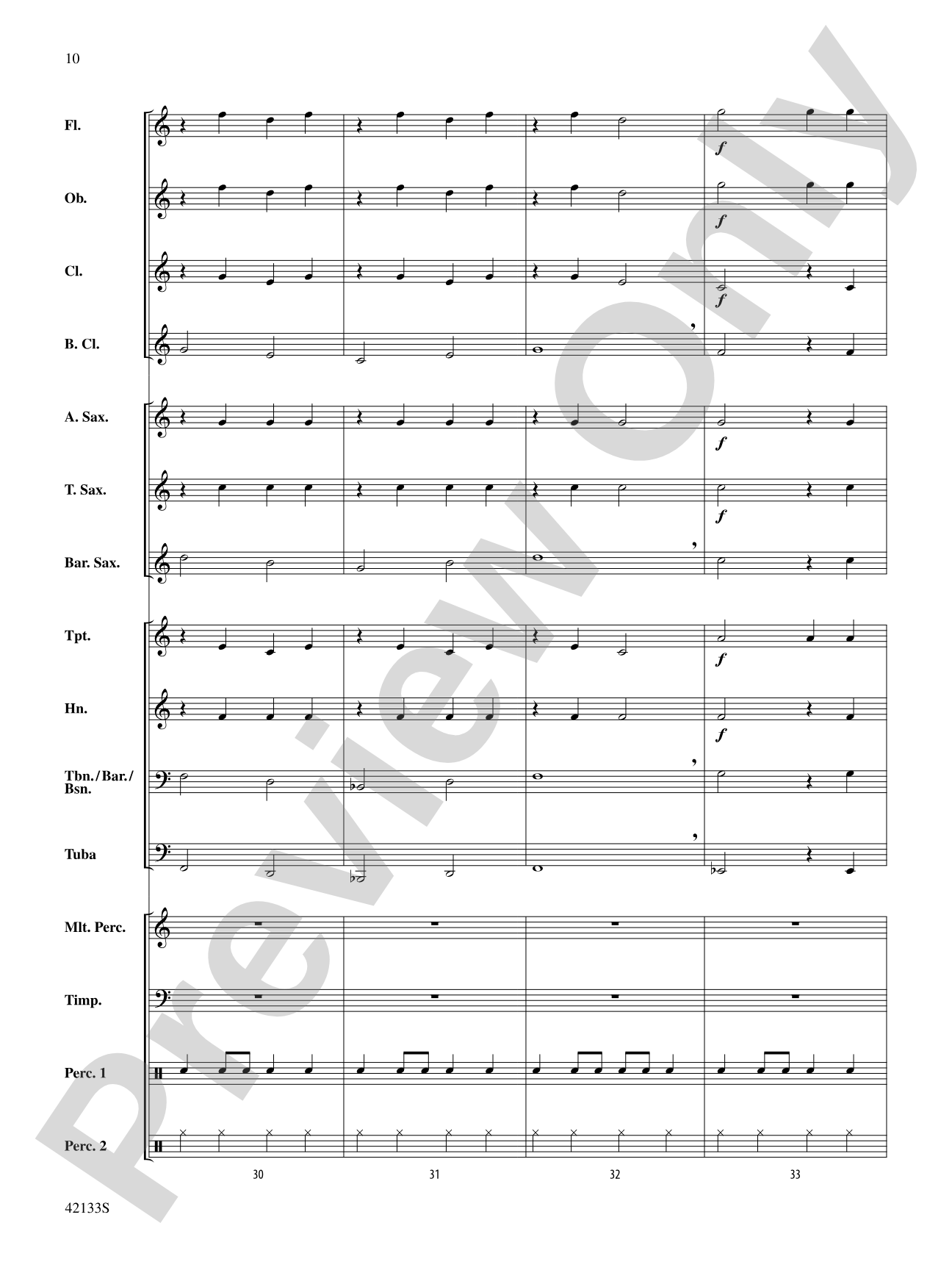
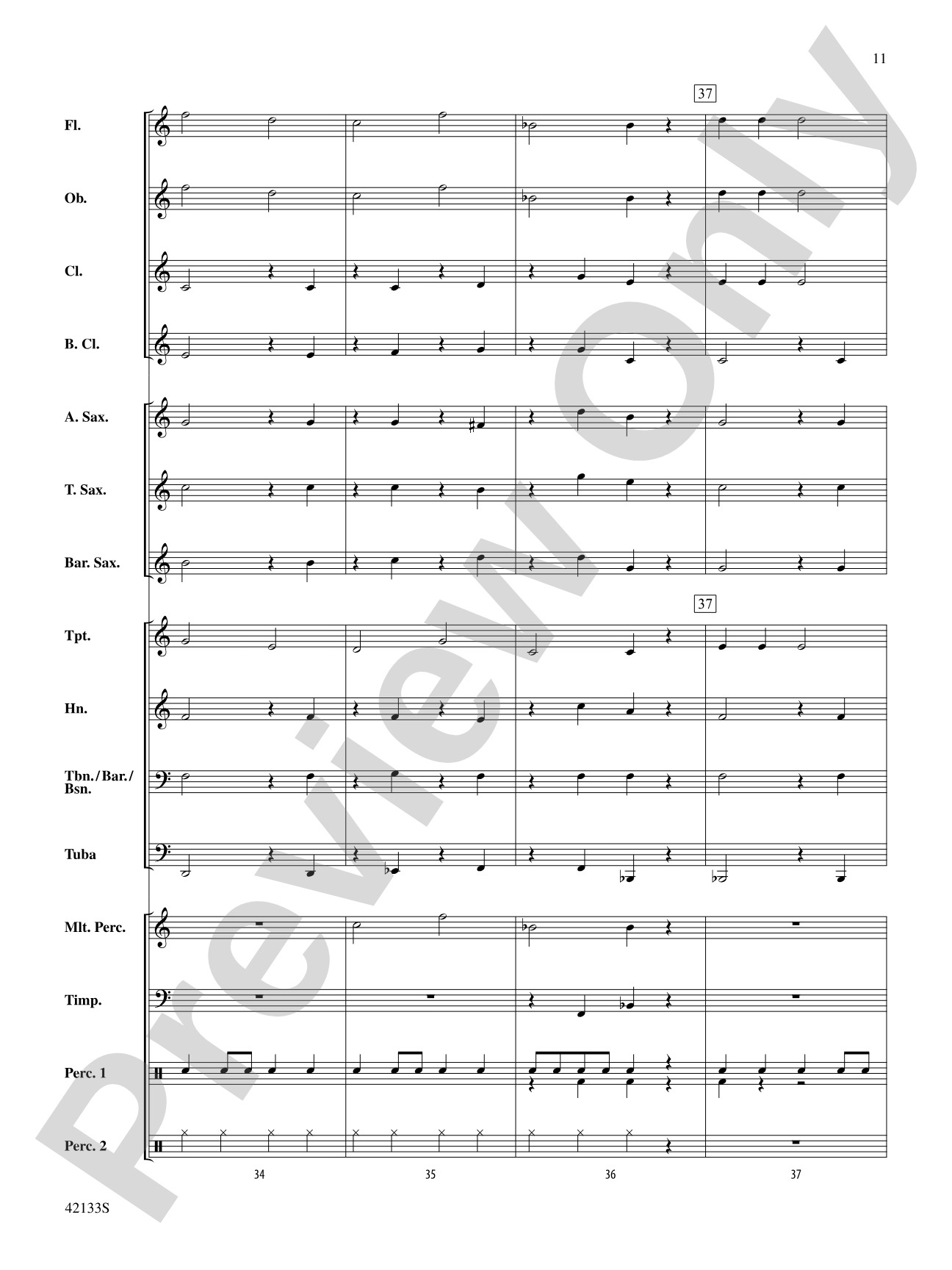
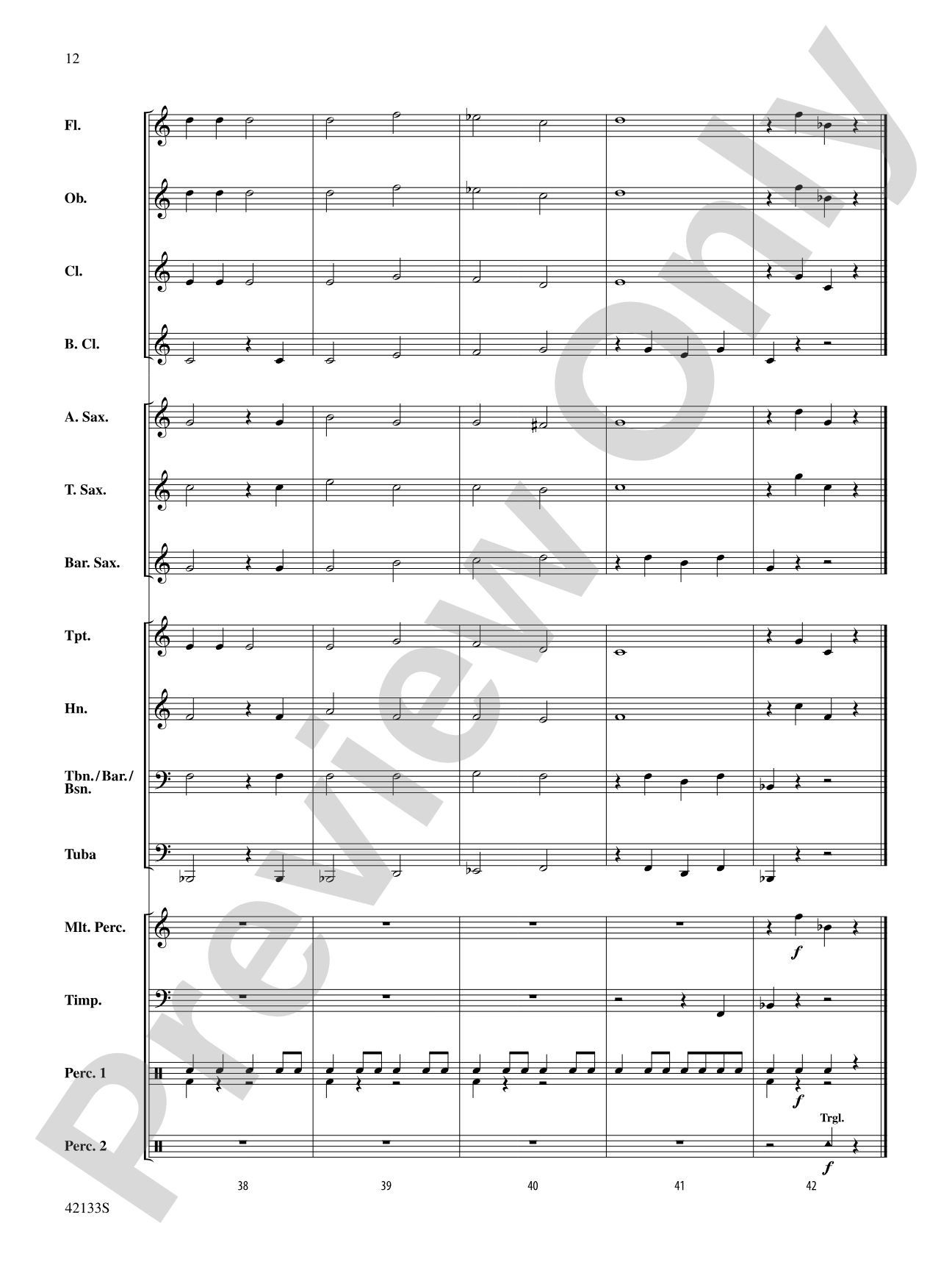

Santa's in the House!: Concert Band Conductor Score & Parts
Featuring: Jolly Old Saint Nicholas / Up on the Housetop / Jingle Bells
Arr. Douglas E. Wagner
Grade: 0.5 (Very Easy)
Item: 00-PK-0006257

$46.00
Pickup currently not available
Buy Extra Parts (Digital PDF Download)
Parts Added to Cart!
Description
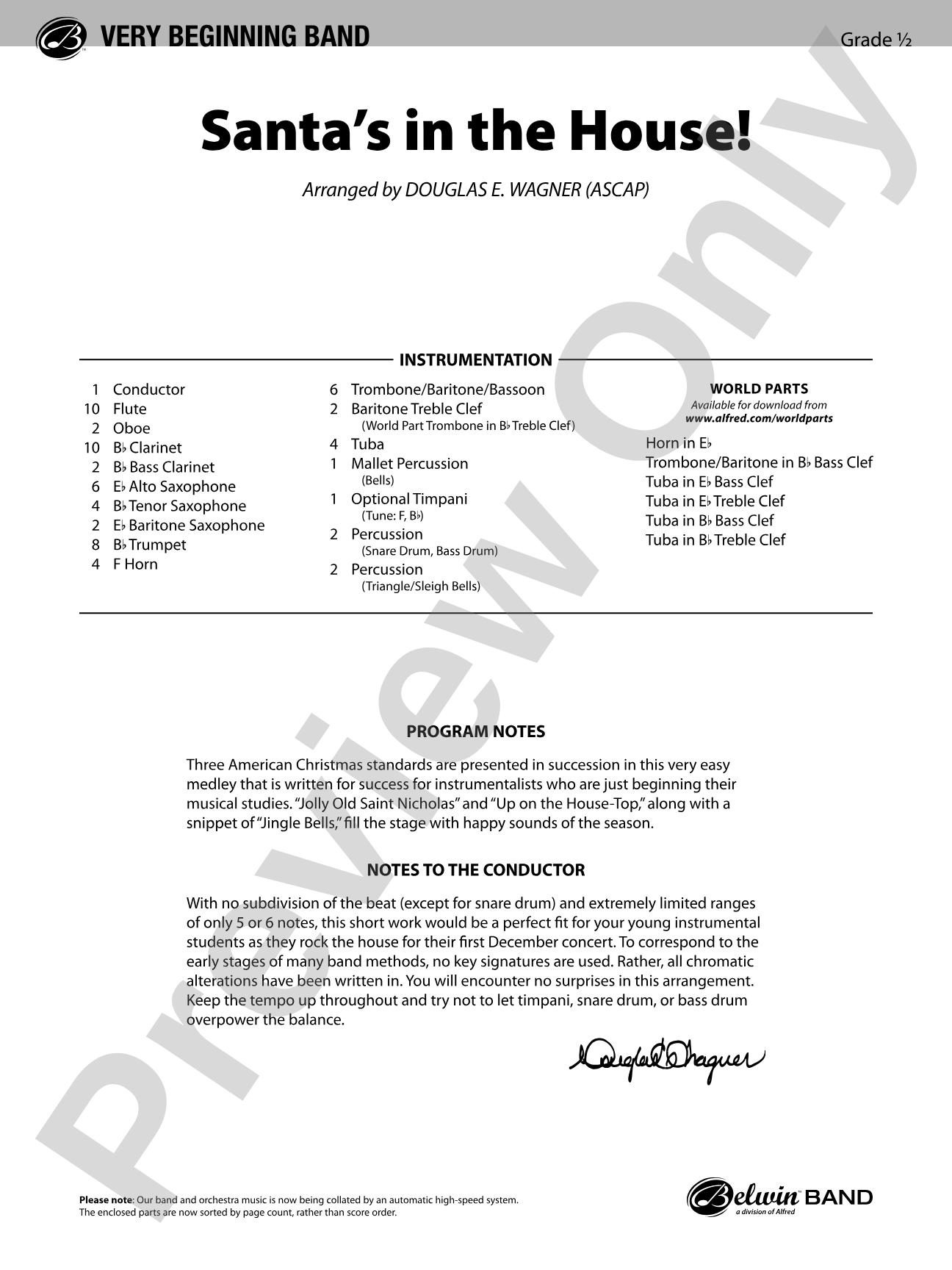
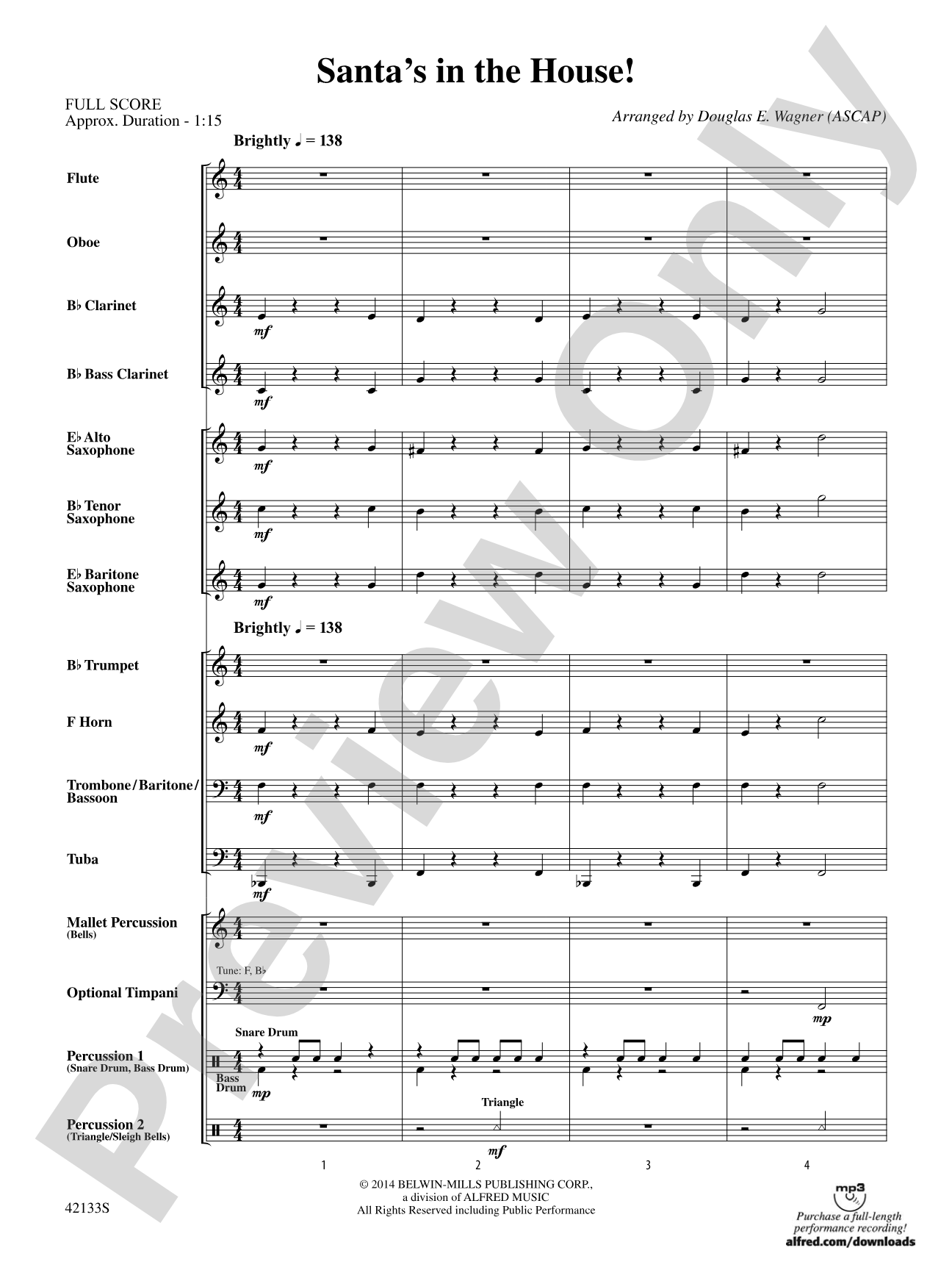
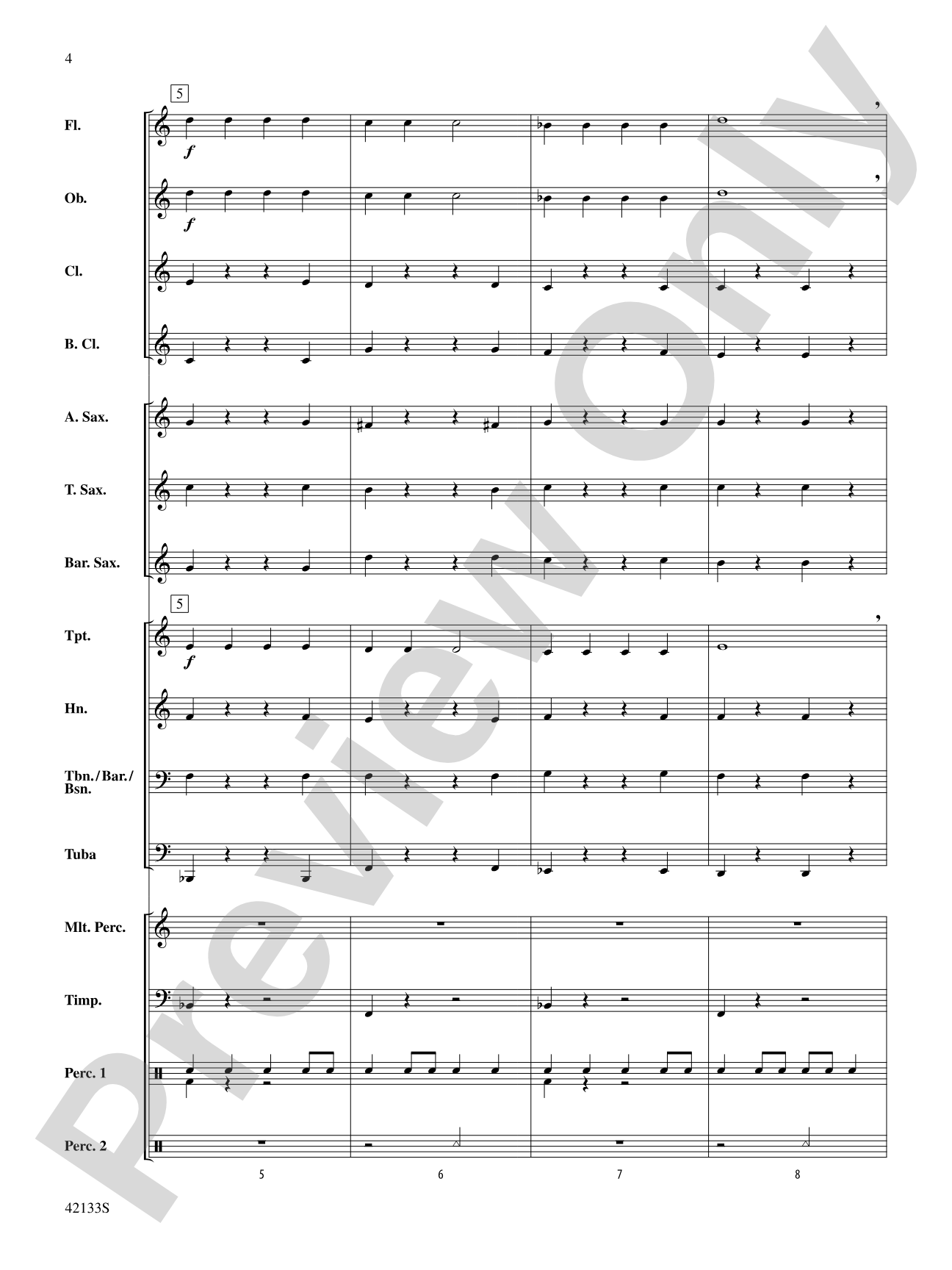
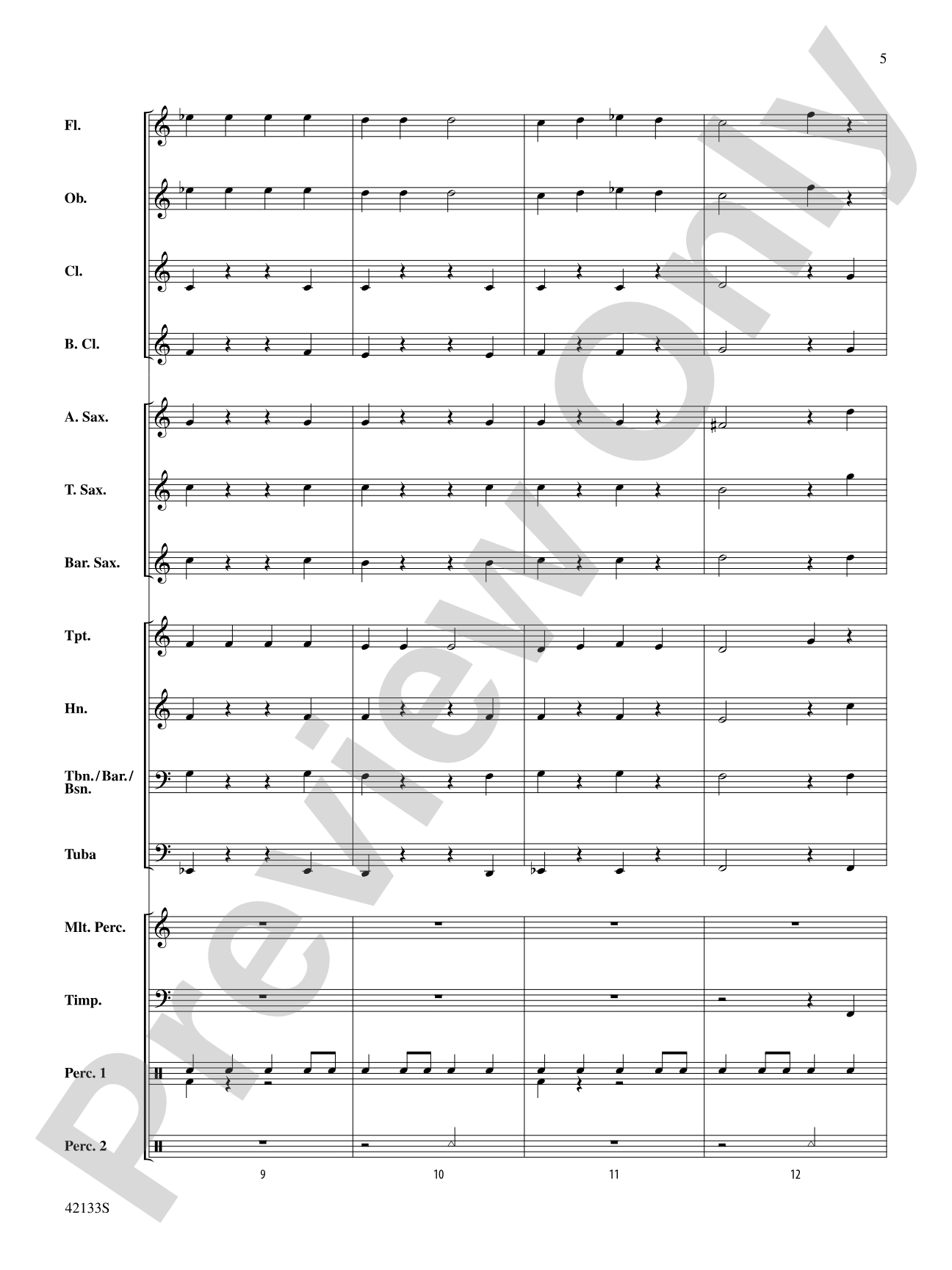
Three American Christmas standards are presented in succession in this very easy medley that is written for success for instrumentalists who are just beginning their musical studies---before they have even learned about key signatures. "Jolly Old Saint Nicholas" and "Up on the Housetop," along with a snippet of "Jingle Bells," fill the stage with happy sounds of the season. (1:15)


Don't just read it, hear it, play along with it, and watch your students grow with it. In MakeMusic Cloud, Santa's in the House!: Concert Band Conductor Score & Parts comes alive with professional accompaniment, adjustable tempo, and built-in practice tools that turn solo practice into real progress.
Open in the Player
Jump straight in and assign it today.
Start Your Free Trial
Open this title and explore the full library in minutes.
Sample Audio
1
Audio File
--:--
0:00
0:00
Sample Video
No sample videos found.
Additional Details
Series:
Belwin Very Beginning Band
Publisher:
Alfred Music
Page Count:
132
SKU:
00-PK-0006257
More about this title
About the Arranger: Douglas E. Wagner

Douglas E. Wagner brings three decades of high school music direction into his prolific compositional career. A Butler University graduate with degrees in music, Wagner has published over 3,500 works across choir, concert band, orchestra, handbell ensemble, organ, piano, and voice since 1973, with more than seventeen million copies in circulation worldwide.
His arrangements and original compositions have reached audiences through concert halls, television, radio broadcasts, and performance venues across the United States and internationally. Wagner currently resides in Indianapolis, Indiana.
Why we love this
This medley captures the joy of holiday music while respecting where absolute beginners actually are in their musical development. Wagner strips away key signatures entirely, keeping the focus on ensemble balance, steady playing, and the pure satisfaction of sounding polished from day one. Three beloved melodies strung together mean students get genuine musical variety within a single, confidence-building arrangement.
What to expect
Warm, accessible, and genuinely celebratory. The arrangement respects the charm of these familiar Christmas songs without overselling them. Students hear themselves making real music from their very first rehearsals, with straightforward rhythms and singable lines that let young musicians breathe and play with confidence rather than struggling through complex notation.
Who it's for
Concert band directors working with students in their first year of instrumental study, particularly those not yet ready for key signature study. This arrangement gives beginning musicians immediate success through recognizable melodies while building foundational ensemble skills. It's equally valuable for holiday concerts, pep band appearances, or informal performances where you need solid, reliable material that sounds far more polished than the students' typical standalone pieces.
How to get the most out of it
- Keep the tempo steady and bright throughout all three tunes. Beginners often drag when they're concentrating, so a gentle conductor pulse helps maintain forward momentum and keeps the festive character intact.
- Balance the melody across sections rather than letting it rest solely with one instrument family. This teaches young musicians to listen beyond their own parts and builds awareness of how different voices work together.
- Give students time to locate their fingerings or slide positions before rehearsal starts. With no key signature complexity to manage, they can focus entirely on rhythmic accuracy and tone production.
- Use the medley structure as a rehearsal tool. Because the three songs repeat familiar melodies, you can isolate trouble spots in one section without starting from the top each time.
How to use it
Program this as your opening number for a winter concert to set an immediate festive tone and put newer ensemble members at ease. The medley format and familiar melodies make it an excellent crowd-pleaser that bridges the gap between your program's opening remarks and more ambitious selections. Its brevity (1:15) also makes it ideal for pep band appearances, holiday assemblies, or any setting where you want instant recognition and instant cheer.
Skills your students will build
- Reading simple melodies without key signatures
- Maintaining ensemble tempo and rhythmic precision
- Balancing sound across instrument sections
- Playing with steady breath support over multiple phrases
- Recognizing and responding to conductor cues
- Building confidence through successful performance of familiar music