
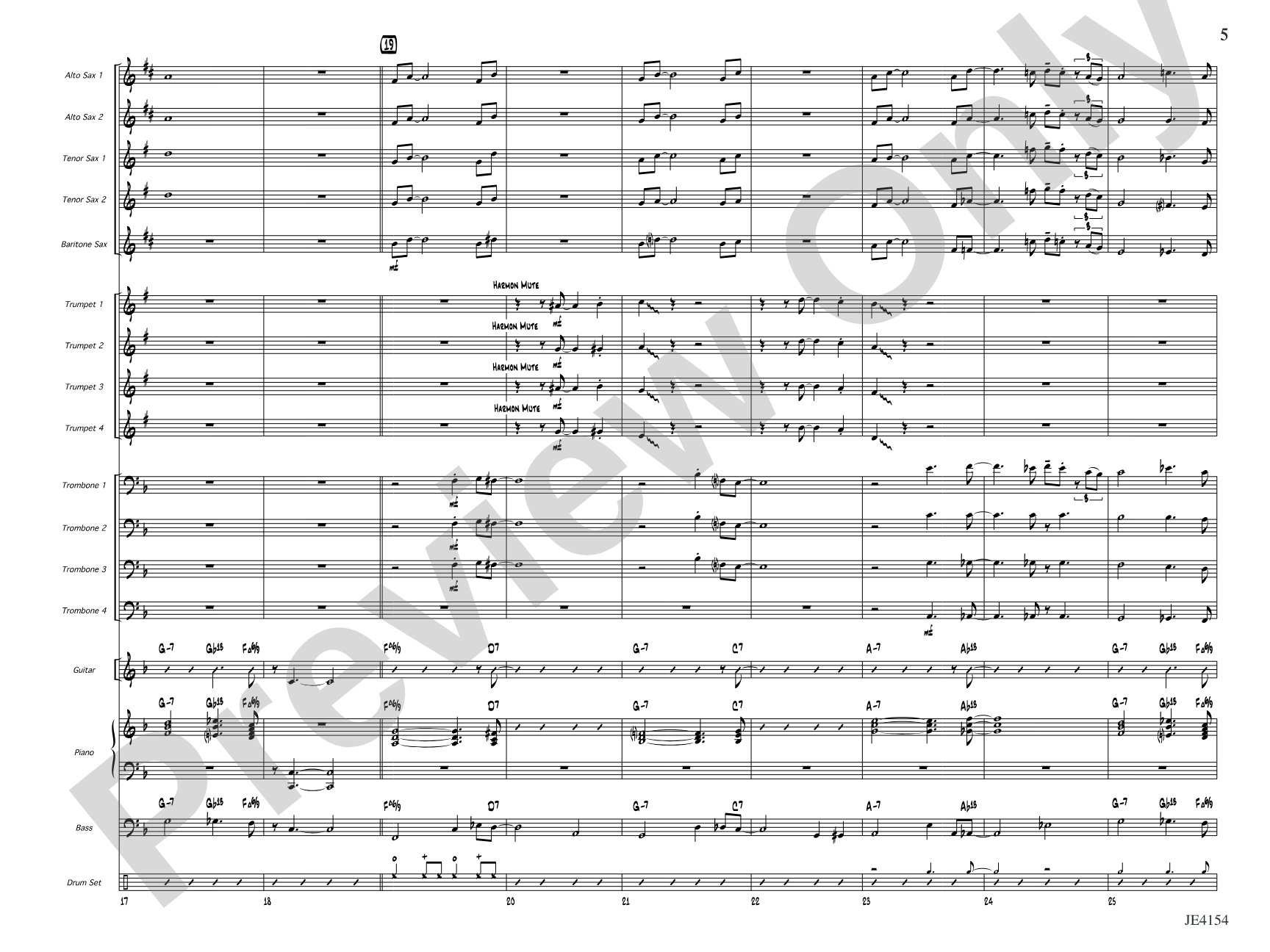
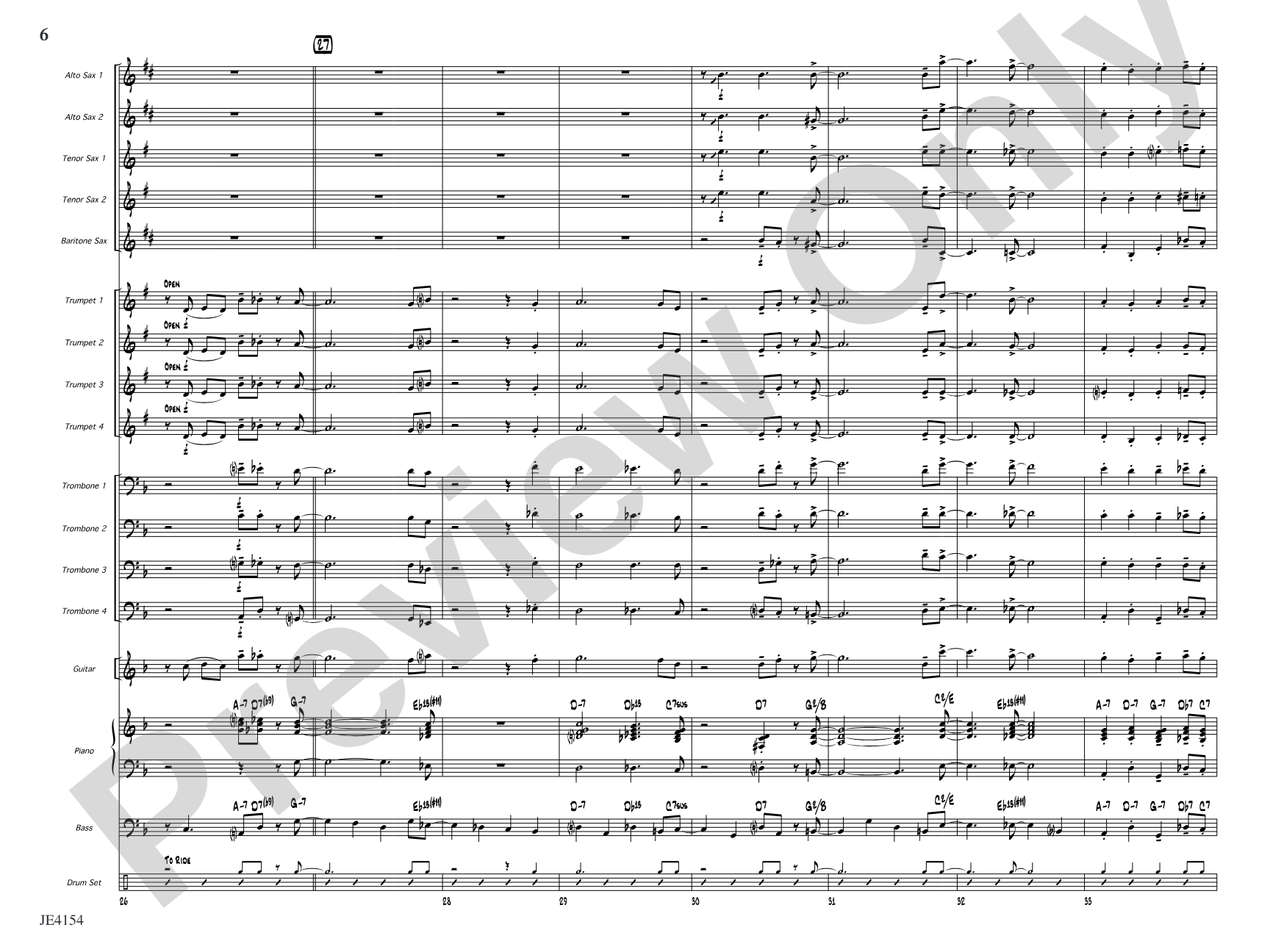
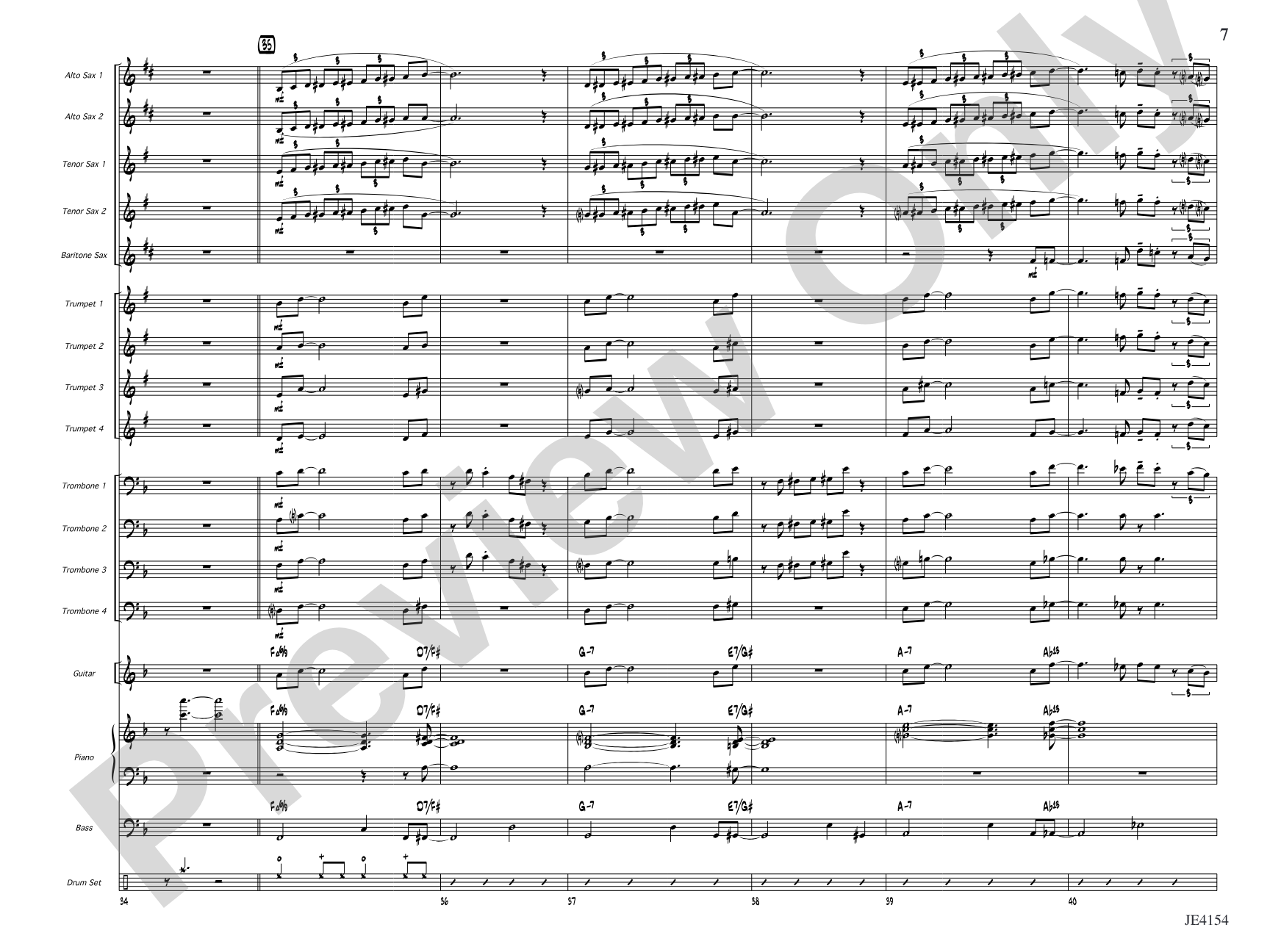
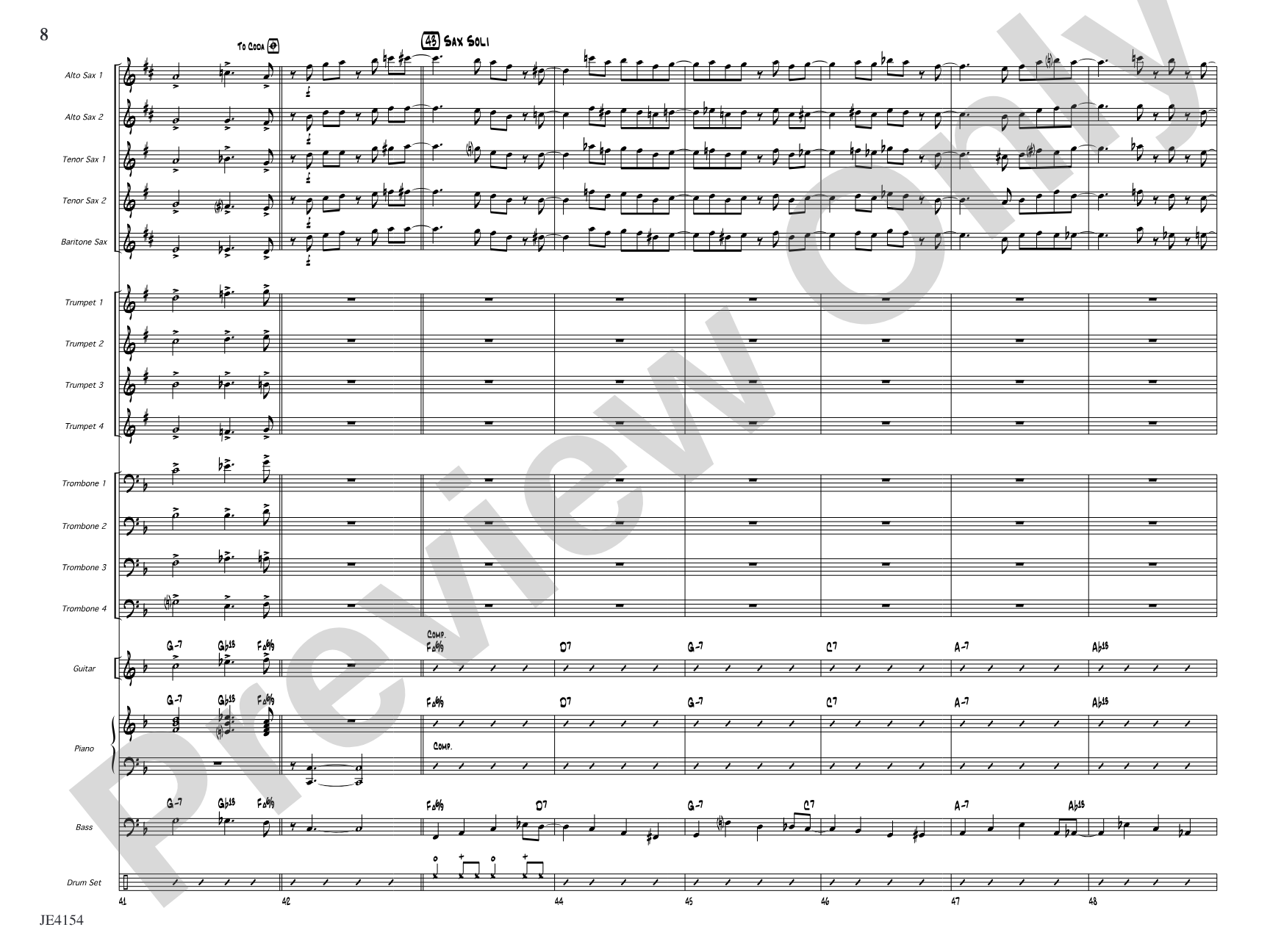
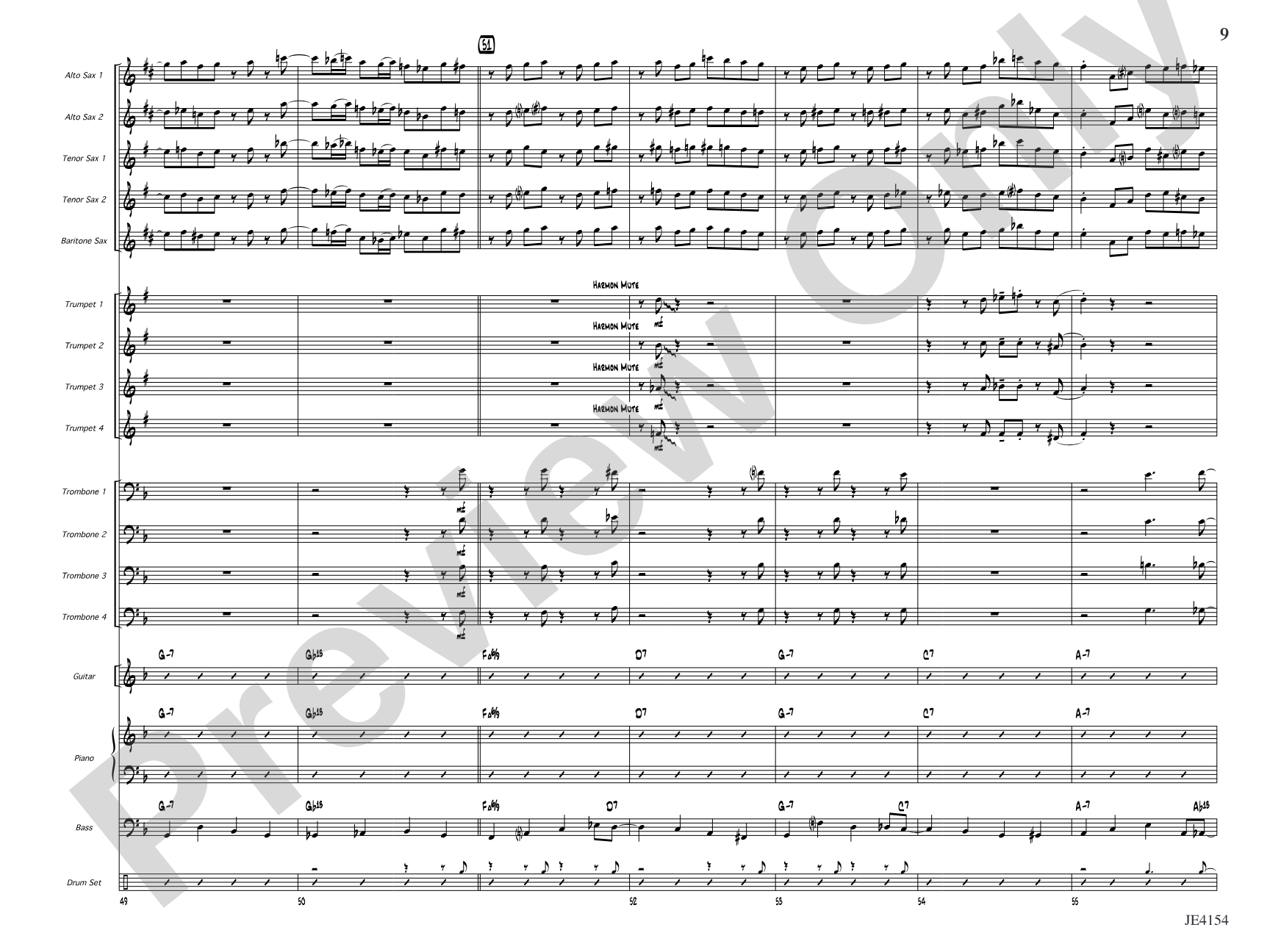
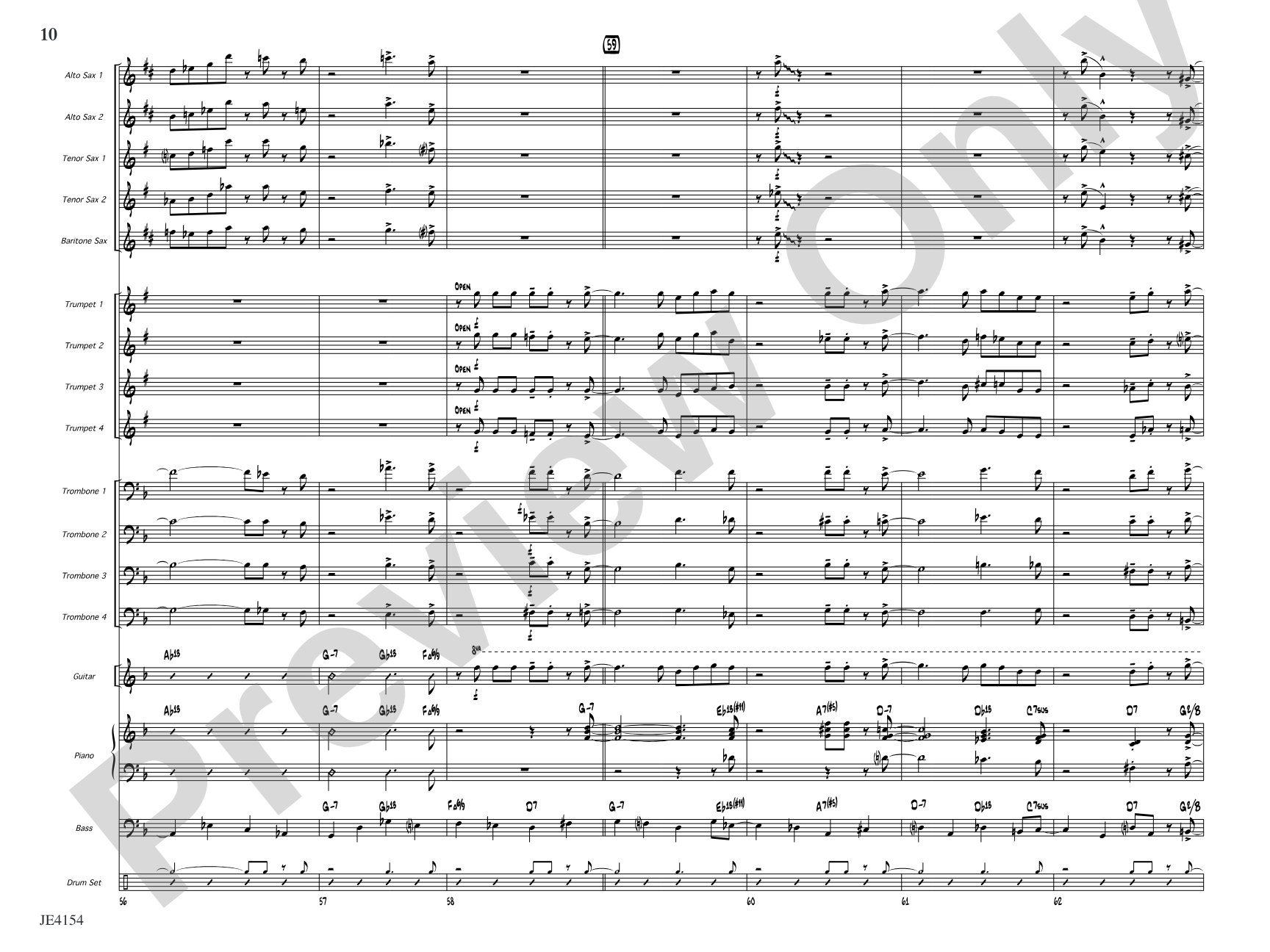
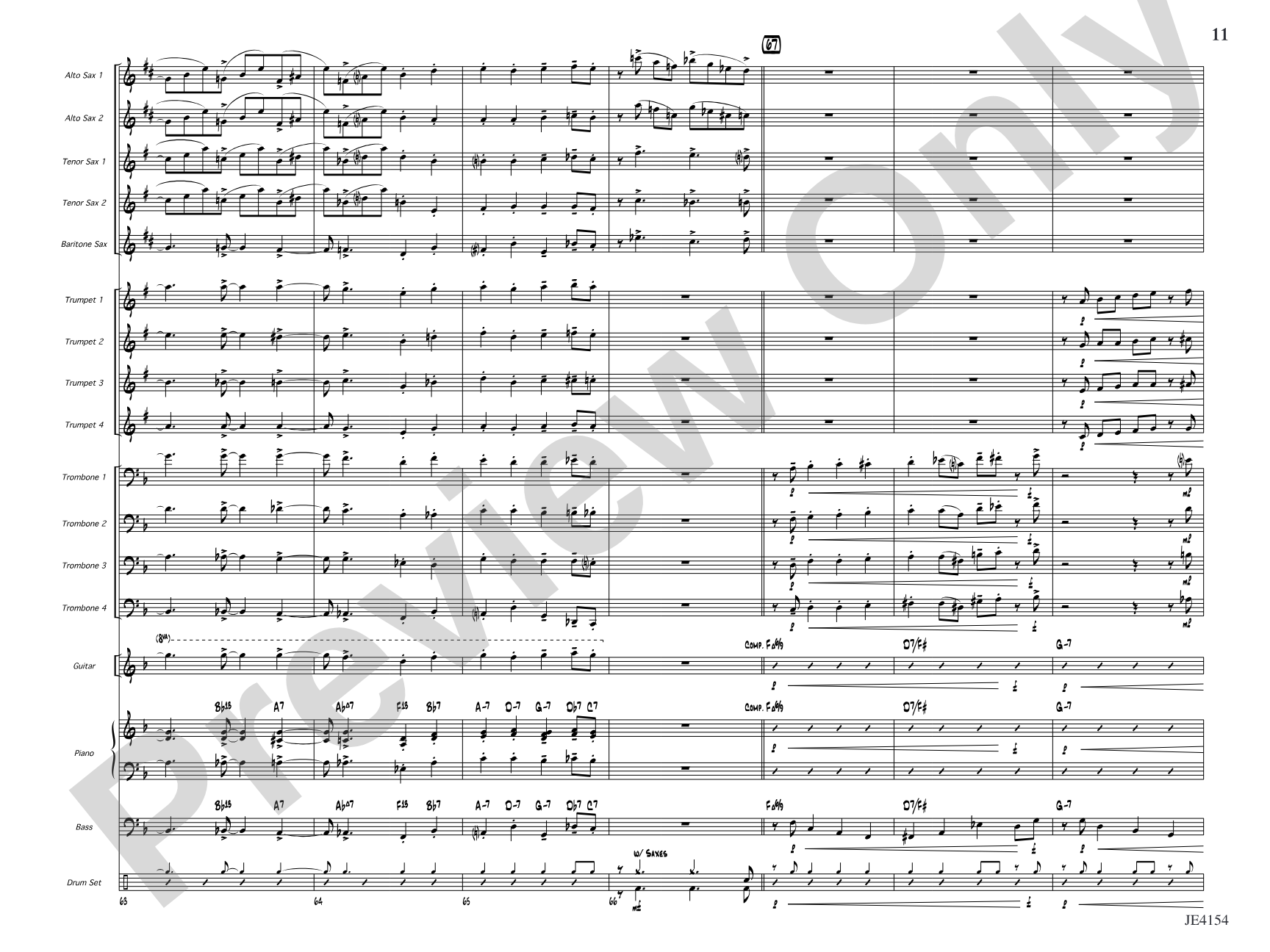
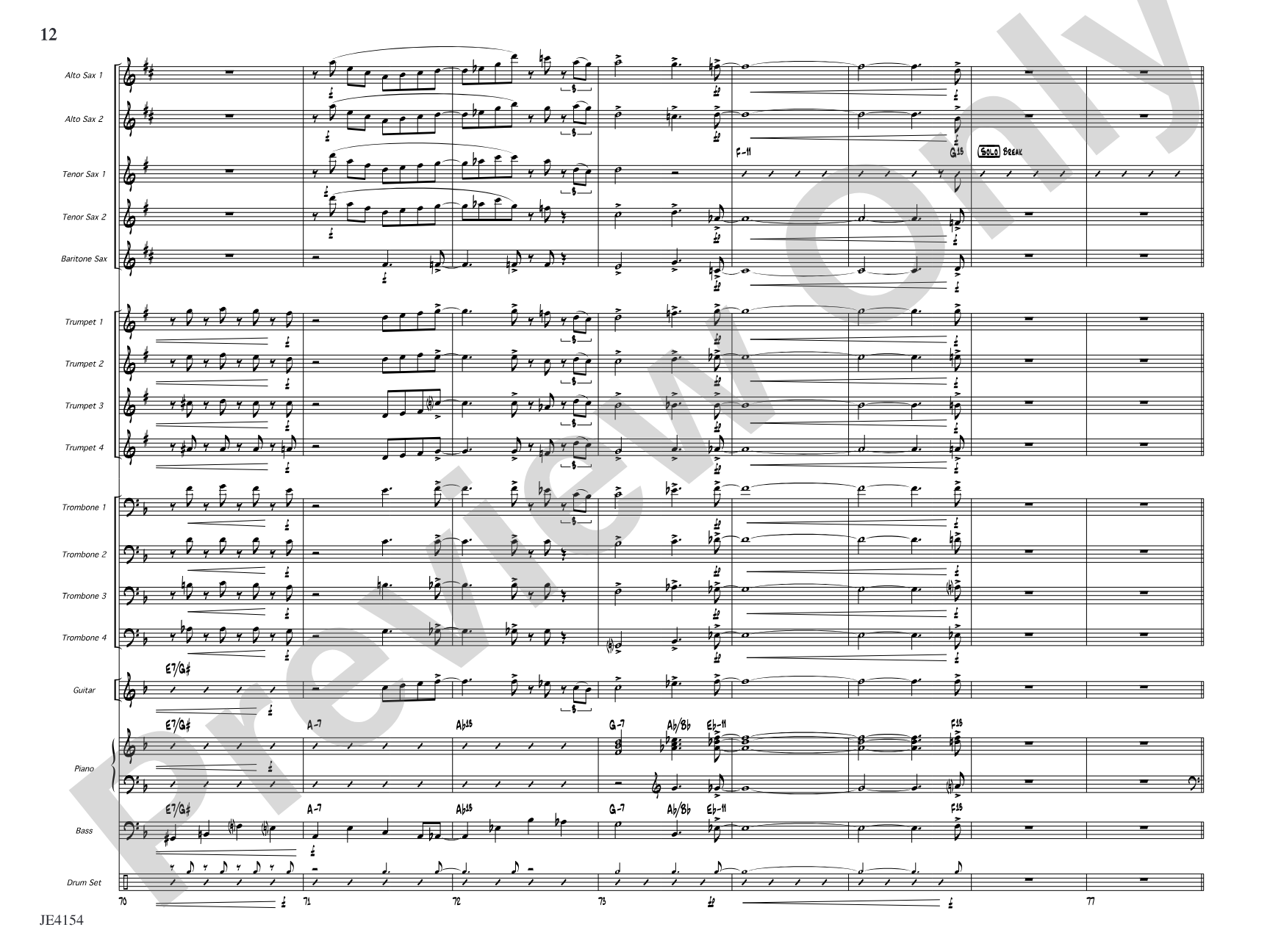
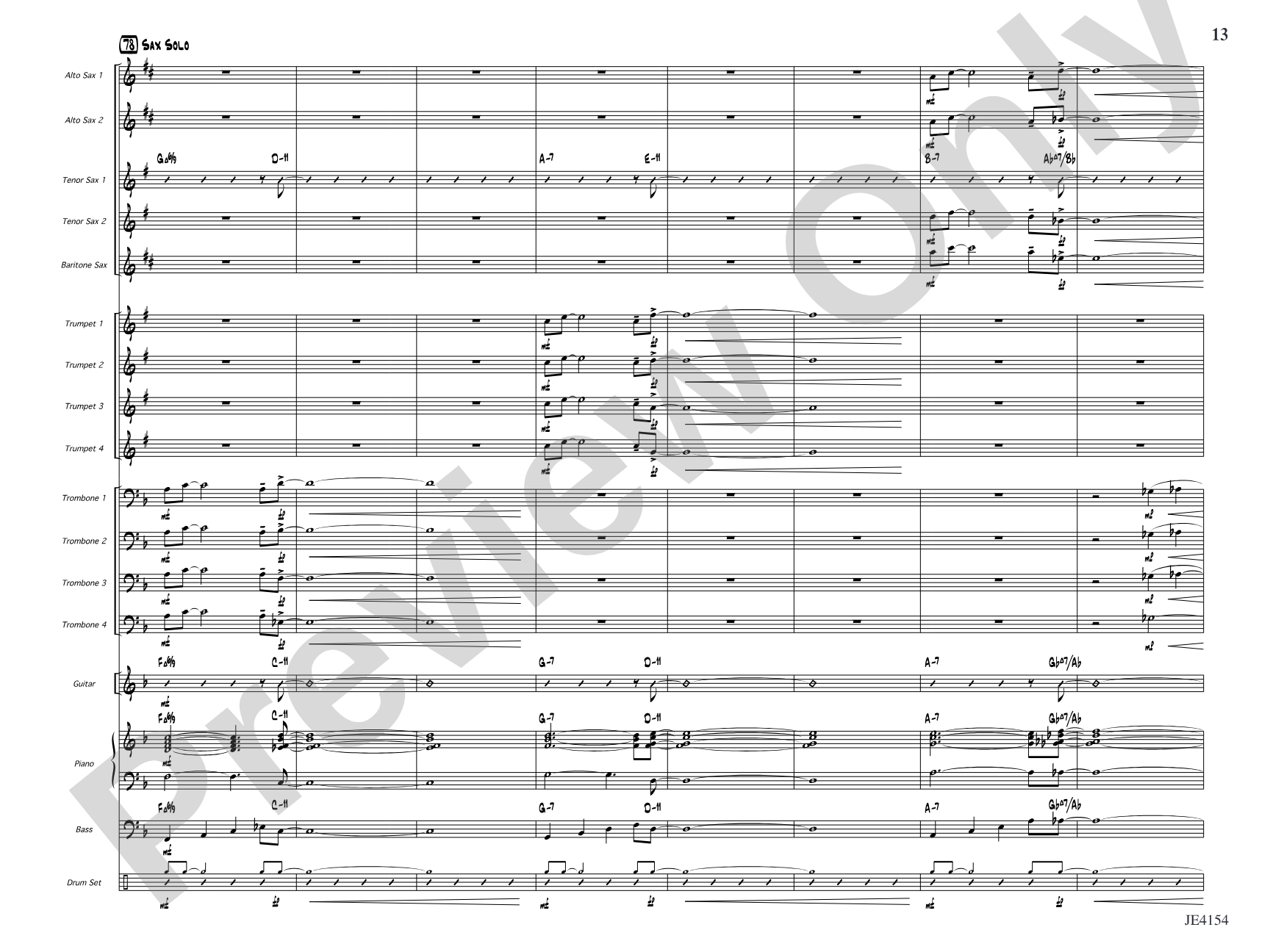
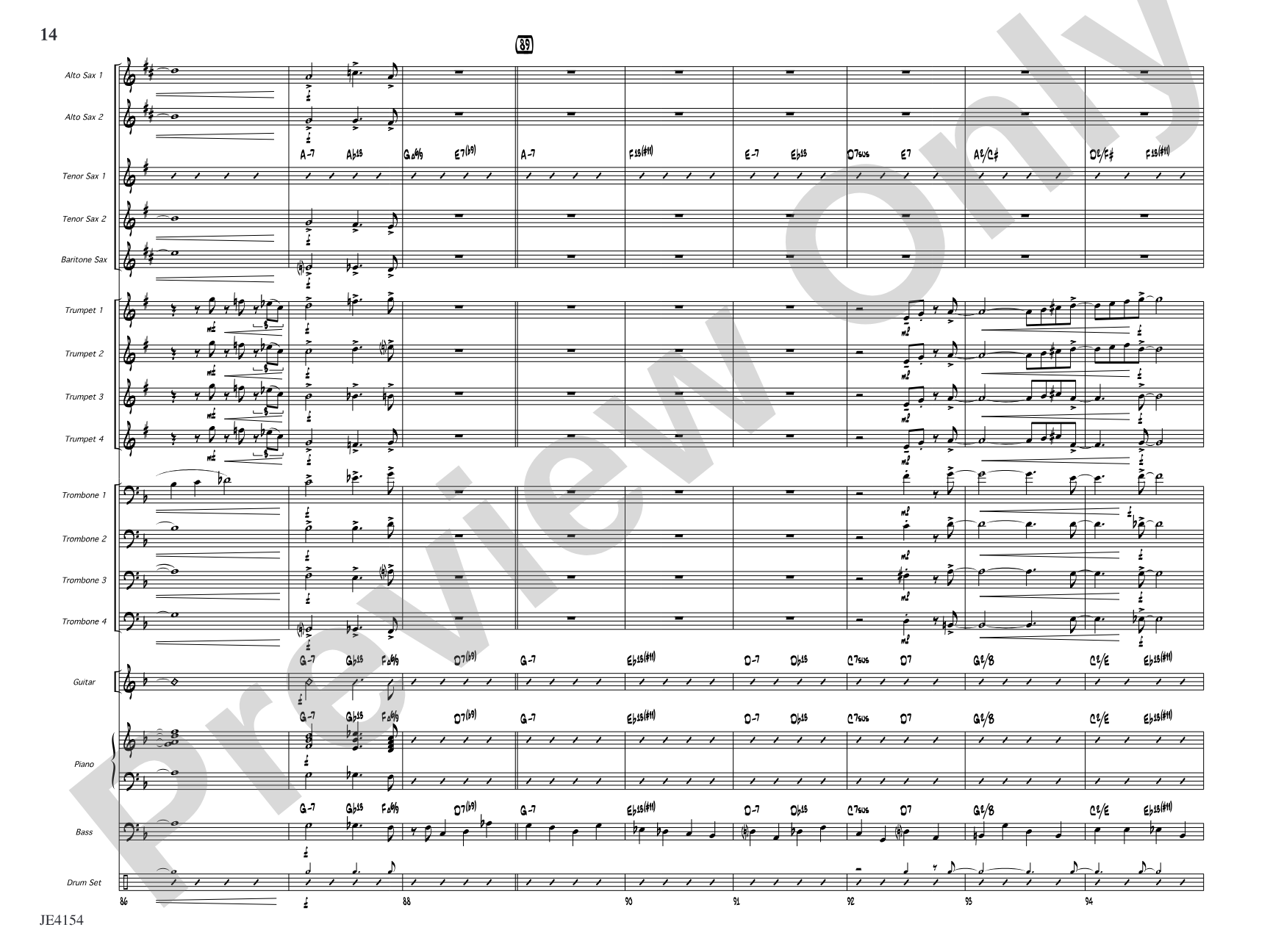
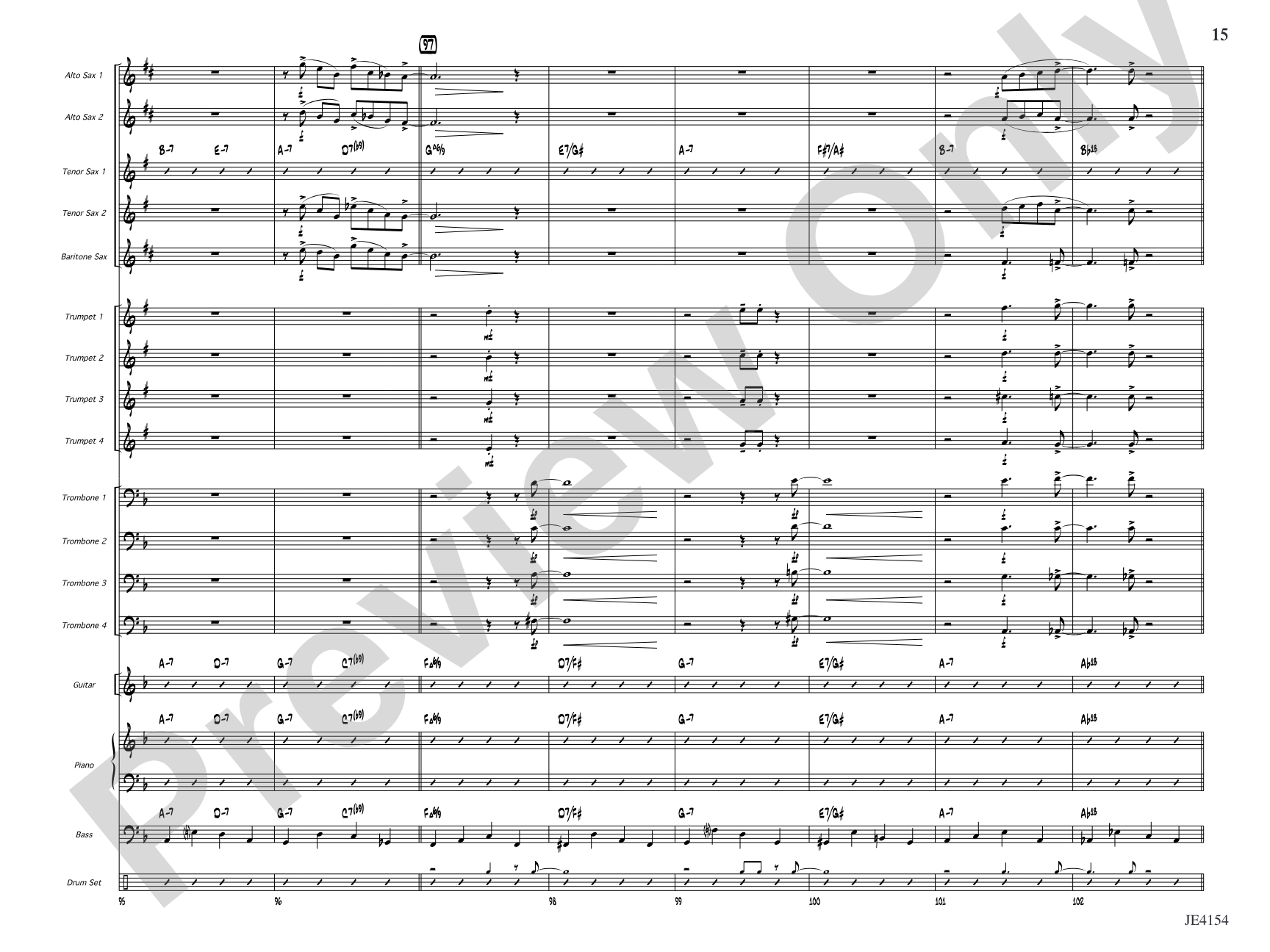
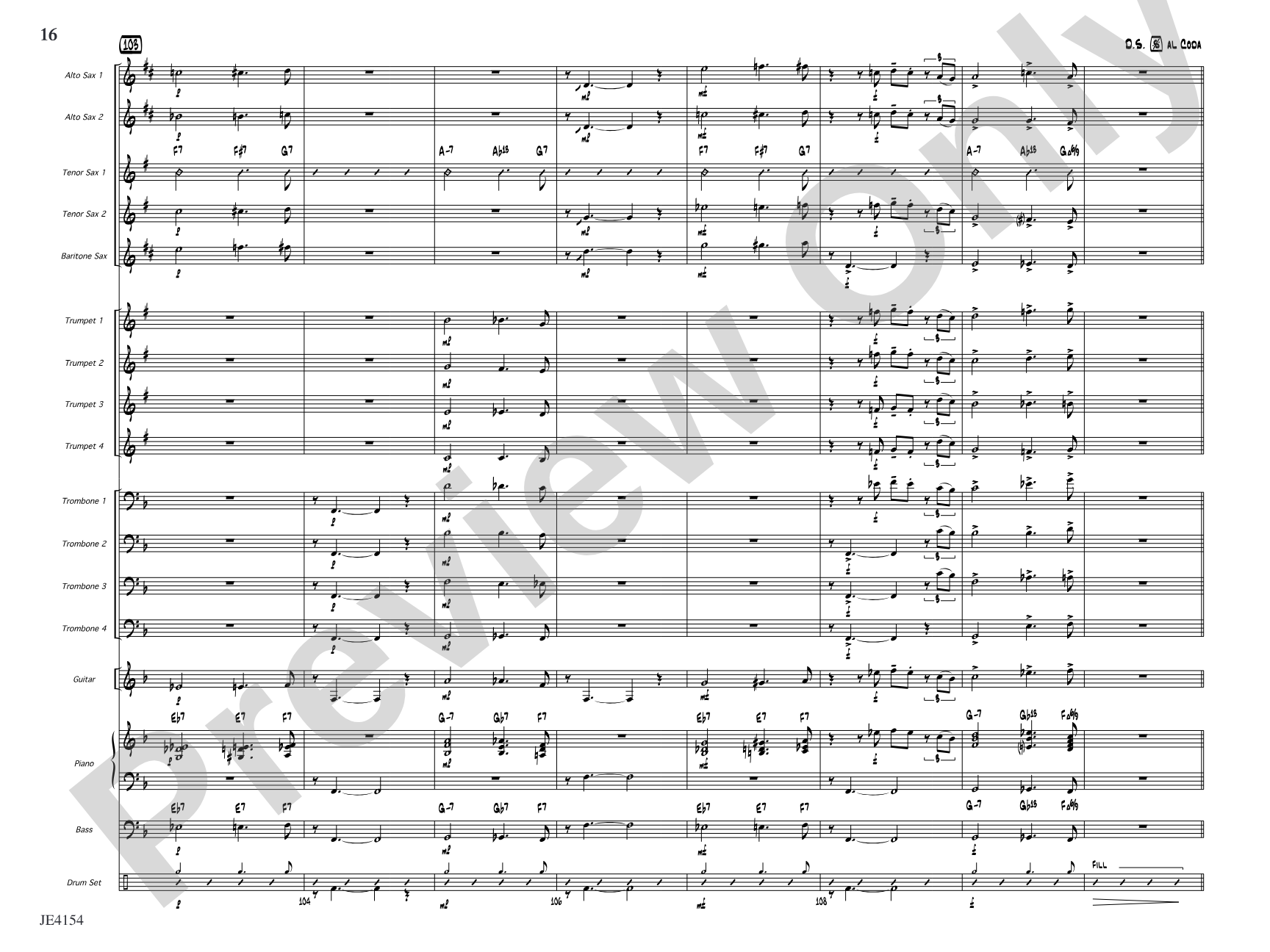
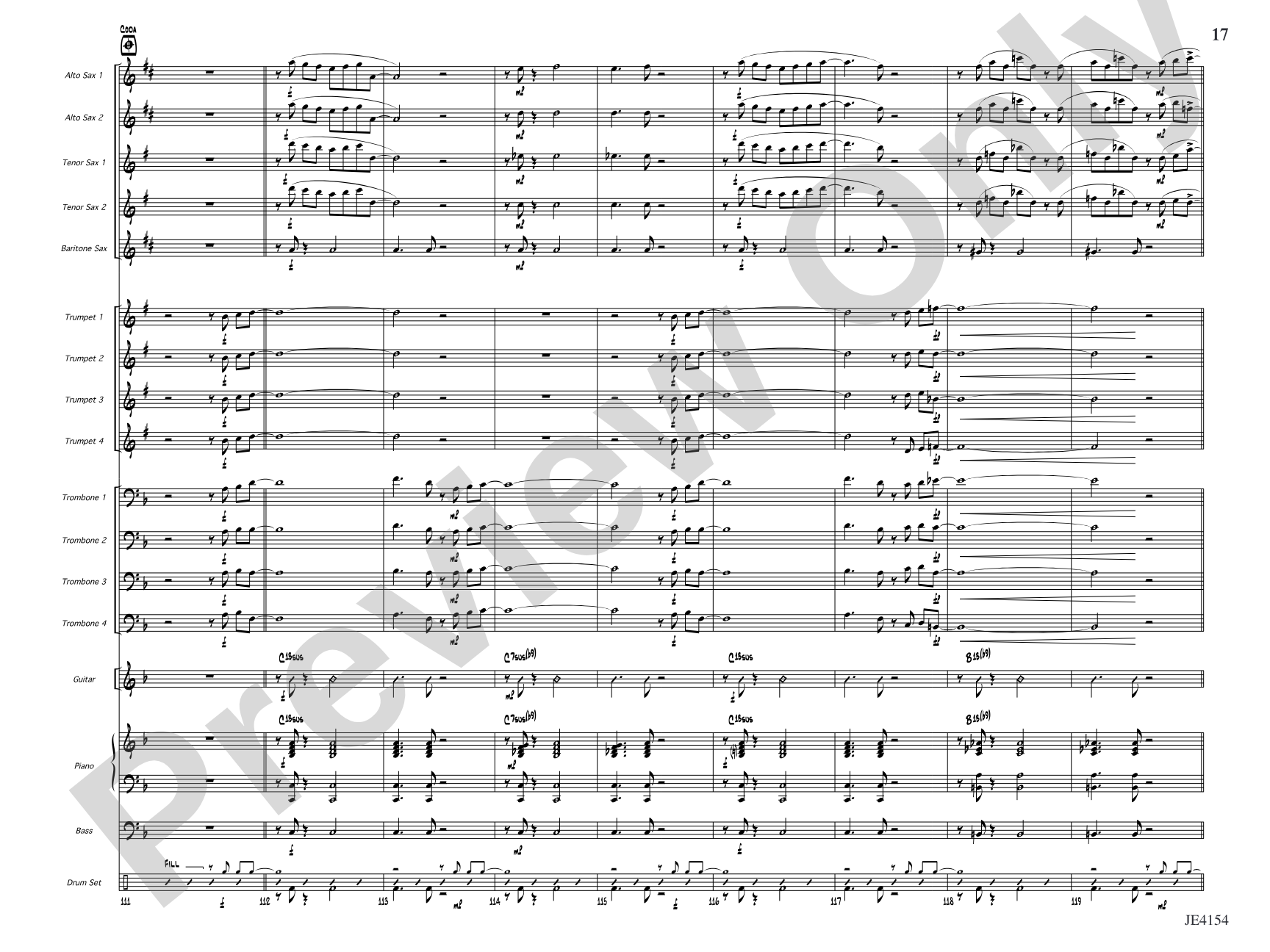
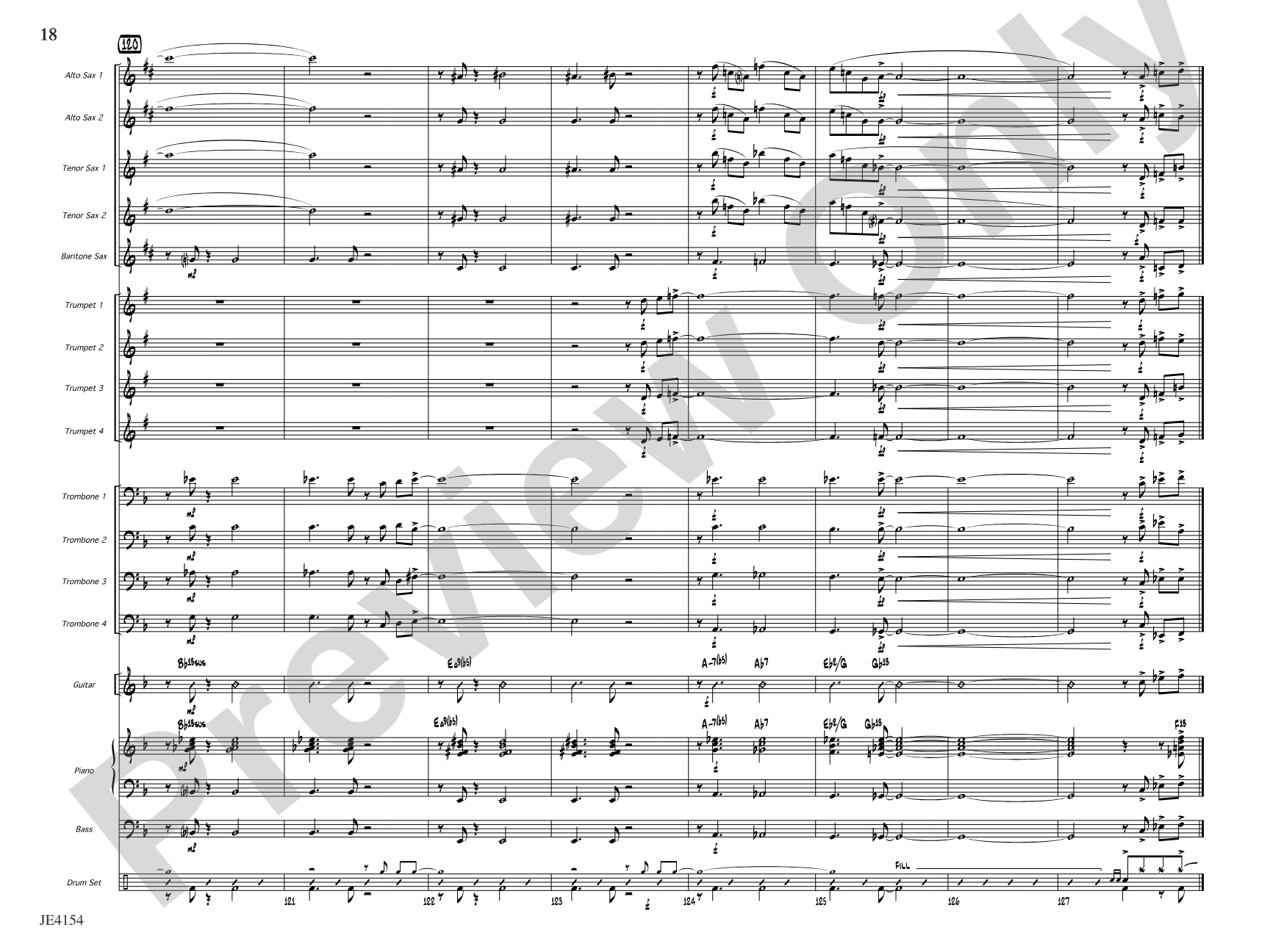

Santa Monica Stroll: Score
By Jeremy Levy
Grade: 3.5
Item: 98-DJE4154S
$6.00
Pickup currently not available
Description
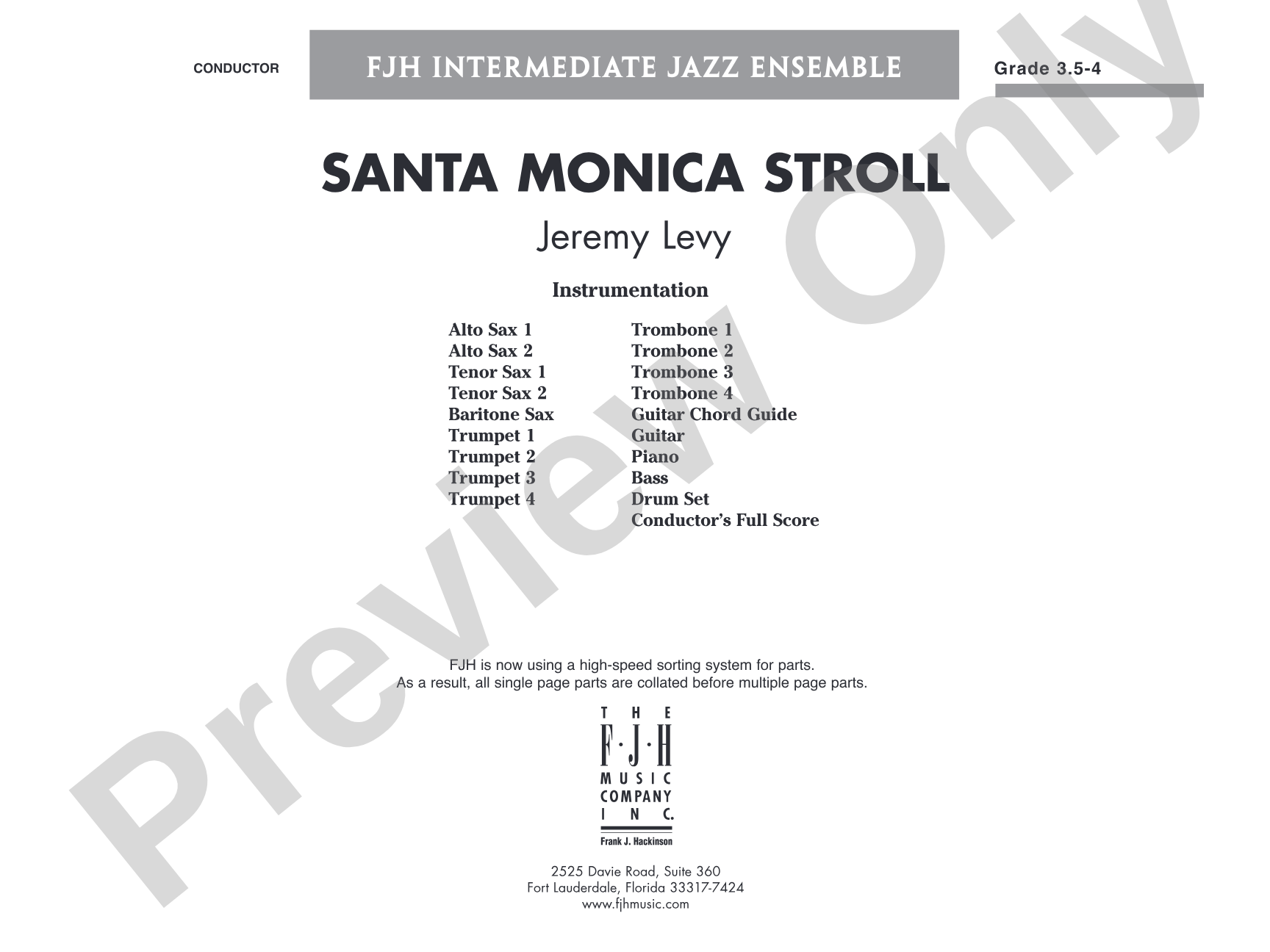
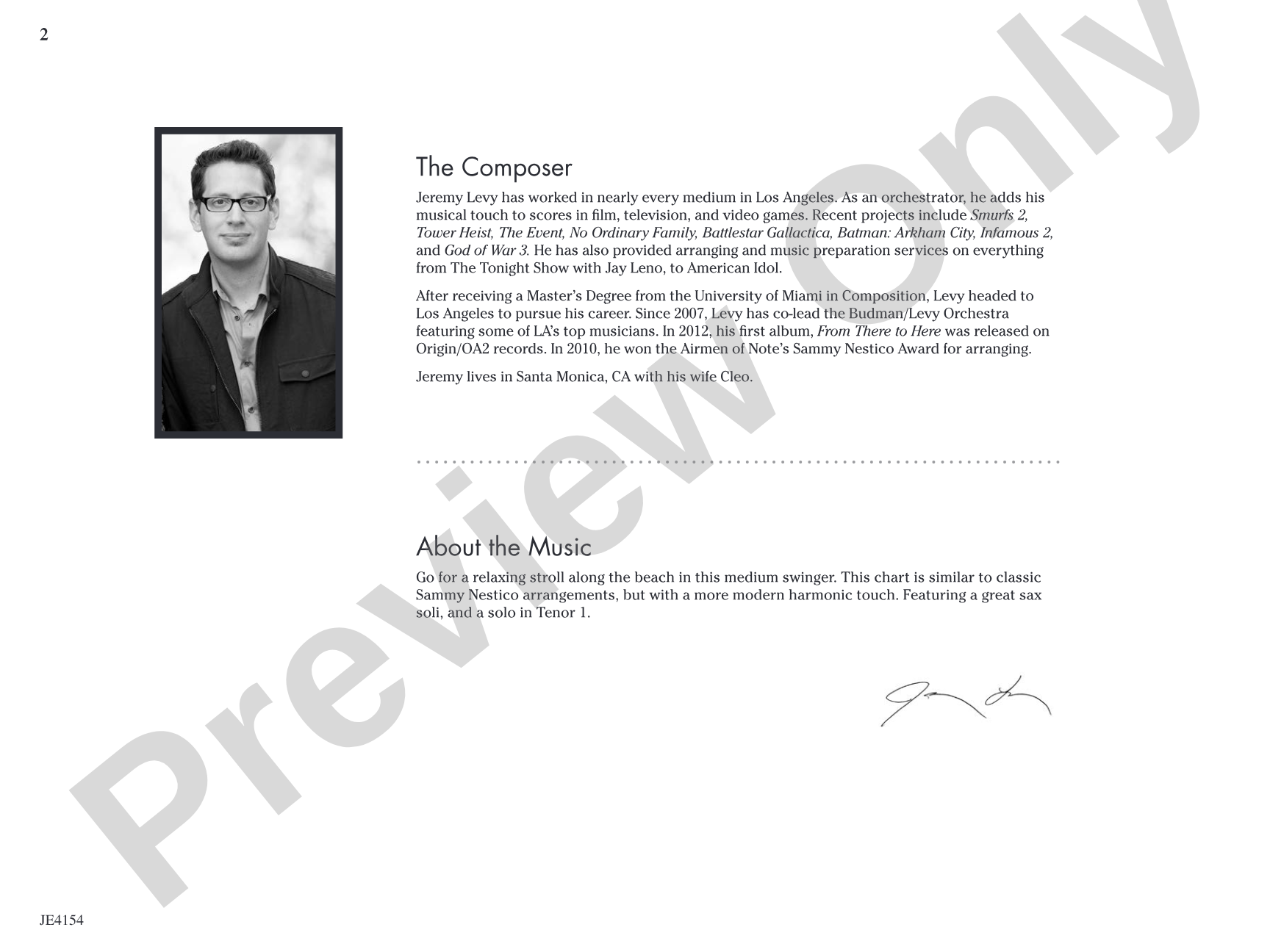
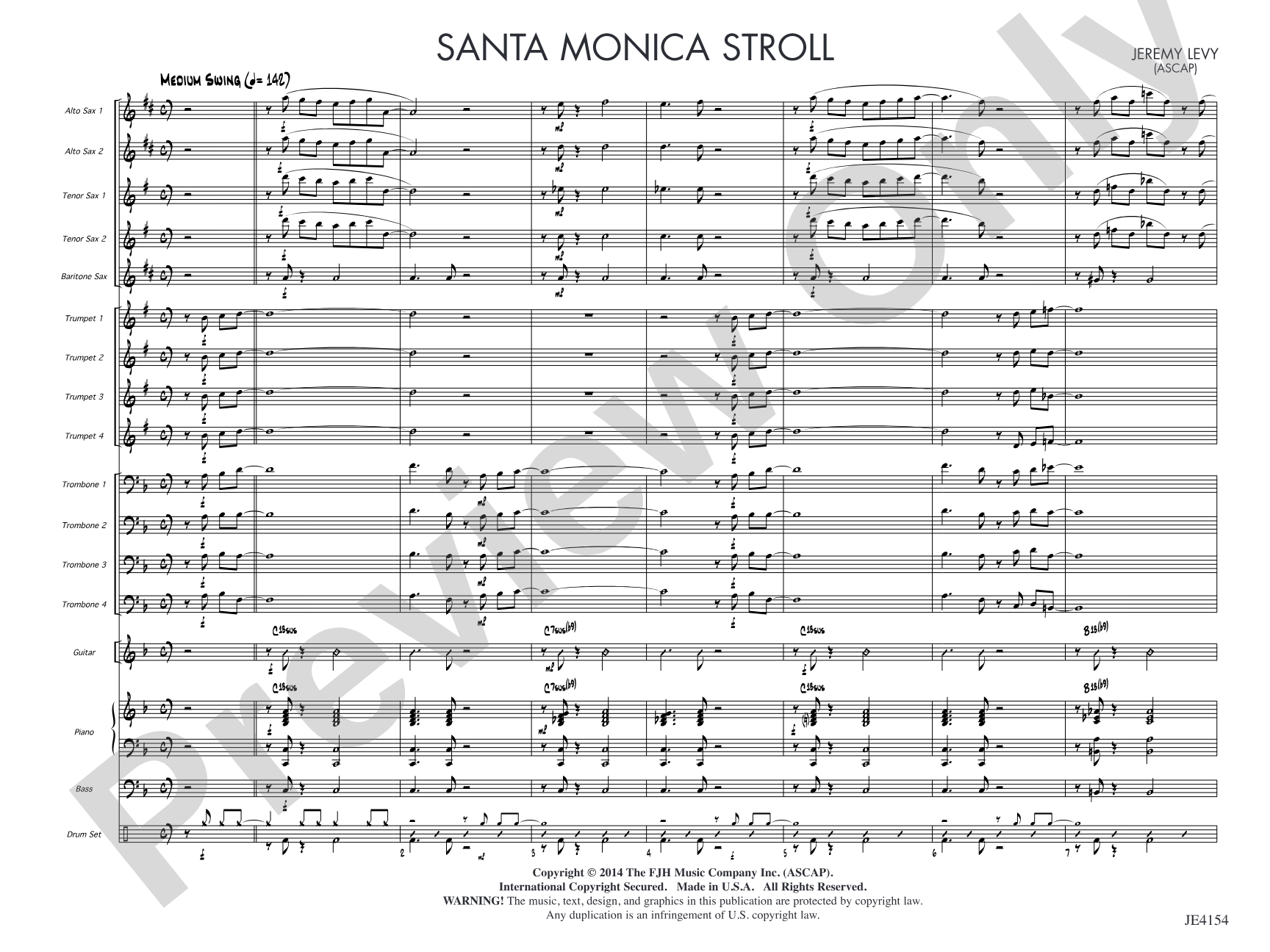
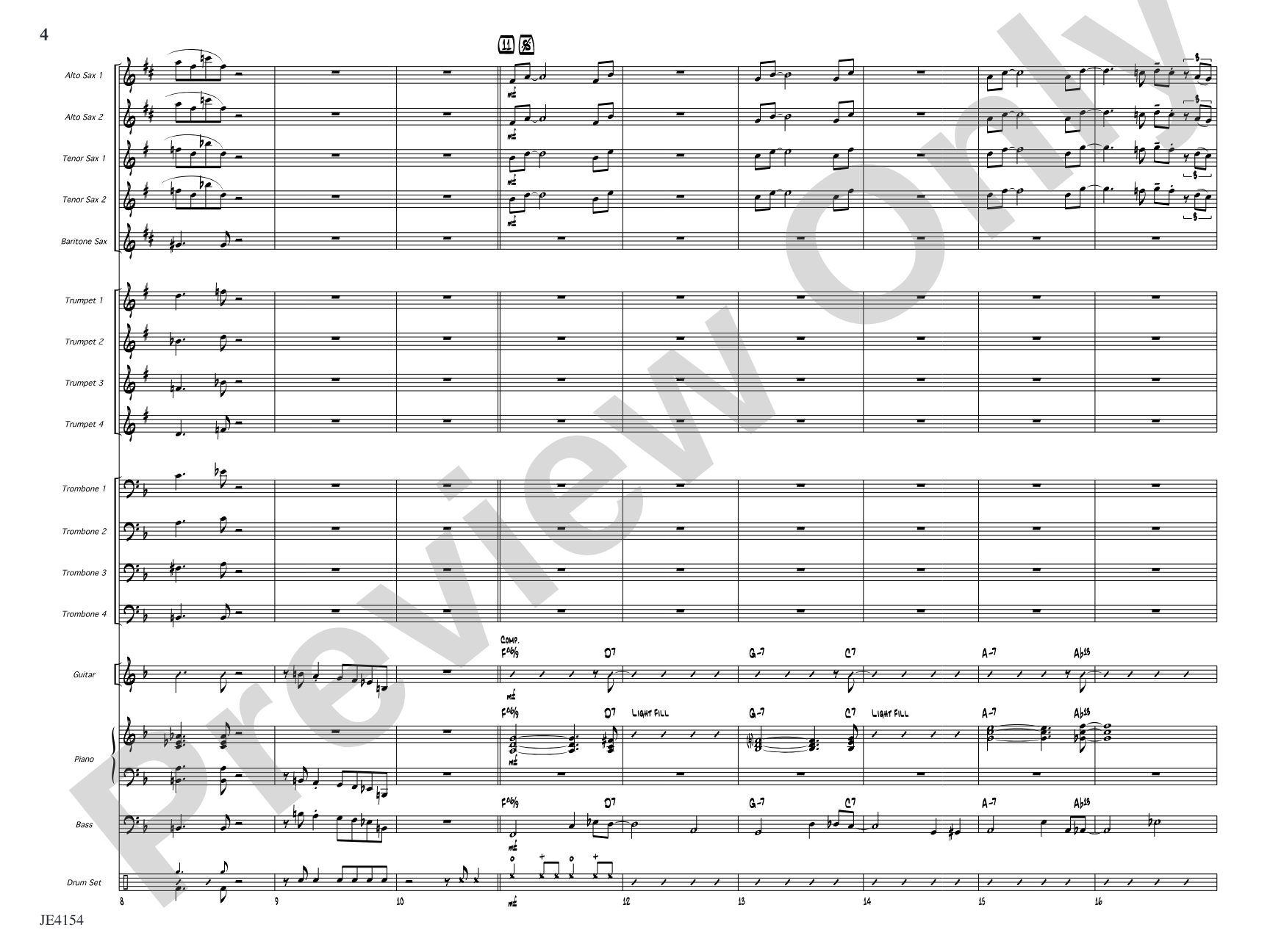
This medium swinger from LA-based composer Jeremy Levy is similar to classic Sammy Nestico arrangements, but with a more modern harmonic touch. Featuring a great sax soli and a solo in tenor 1, this chart includes amazing ensemble writing as well!


Don't just read it, hear it, play along with it, and watch your students grow with it. In MakeMusic Cloud, Santa Monica Stroll: Score comes alive with professional accompaniment, adjustable tempo, and built-in practice tools that turn solo practice into real progress.
Open in the Player
Jump straight in and assign it today.
Start Your Free Trial
Open this title and explore the full library in minutes.
Sample Audio
1
Audio File
--:--
0:00
0:00
Sample Video
No sample videos found.
Additional Details
Series:
FJH Intermediate Jazz Ensemble
Publisher:
The FJH Music Company, Inc.
SKU:
98-DJE4154S
More about this title
Why we love this
Levy captures the swagger of classic big band writing while steering clear of predictable harmonic territory. The sax soli gives your section a moment to shine, and the tenor 1 solo provides exactly the kind of feature that keeps your soloists engaged and excited about rehearsals.
What to expect
A California afternoon captured in sound: relaxed but never lazy, modern but steeped in jazz tradition. The harmonies keep listeners slightly off-balance in the best way, while the groove stays grounded and swinging.
Who it's for
Jazz ensembles ready to move beyond basic swing into more sophisticated harmonic territory. This works for groups with solid section reading and at least one confident tenor soloist.
How to get the most out of it
- Balance the ensemble voicings carefully during the sax soli; the harmonies are sophisticated enough that tuning matters more than it would in a straighter arrangement.
- Spend time with your tenor 1 on phrasing and time feel before the section learns the solo. Their confidence will set the tone for how relaxed the whole chart feels.
- Lock the rhythm section early and often. Modern harmony works best when the foundation is solid and unrushed.
- Record a rough run-through and listen back for blend issues in the ensemble passages. The contemporary harmonic language makes balance more transparent than in traditional swing charts.
How to use it
Program this on a jazz festival or concert where you want to show your ensemble's harmonic sophistication without abandoning accessibility. It pairs well alongside a traditional Nestico chart to illustrate how the language of big band writing continues to evolve.
Skills your students will build
- Reading and executing modern jazz harmonies (tritone substitutions, altered dominants)
- Solo articulation and phrasing in a swing context
- Section ensemble balance in contemporary voicings
- Rhythmic precision and time feel in a medium swinger
- Listening skills for chord quality and intonation in jazz voicings