
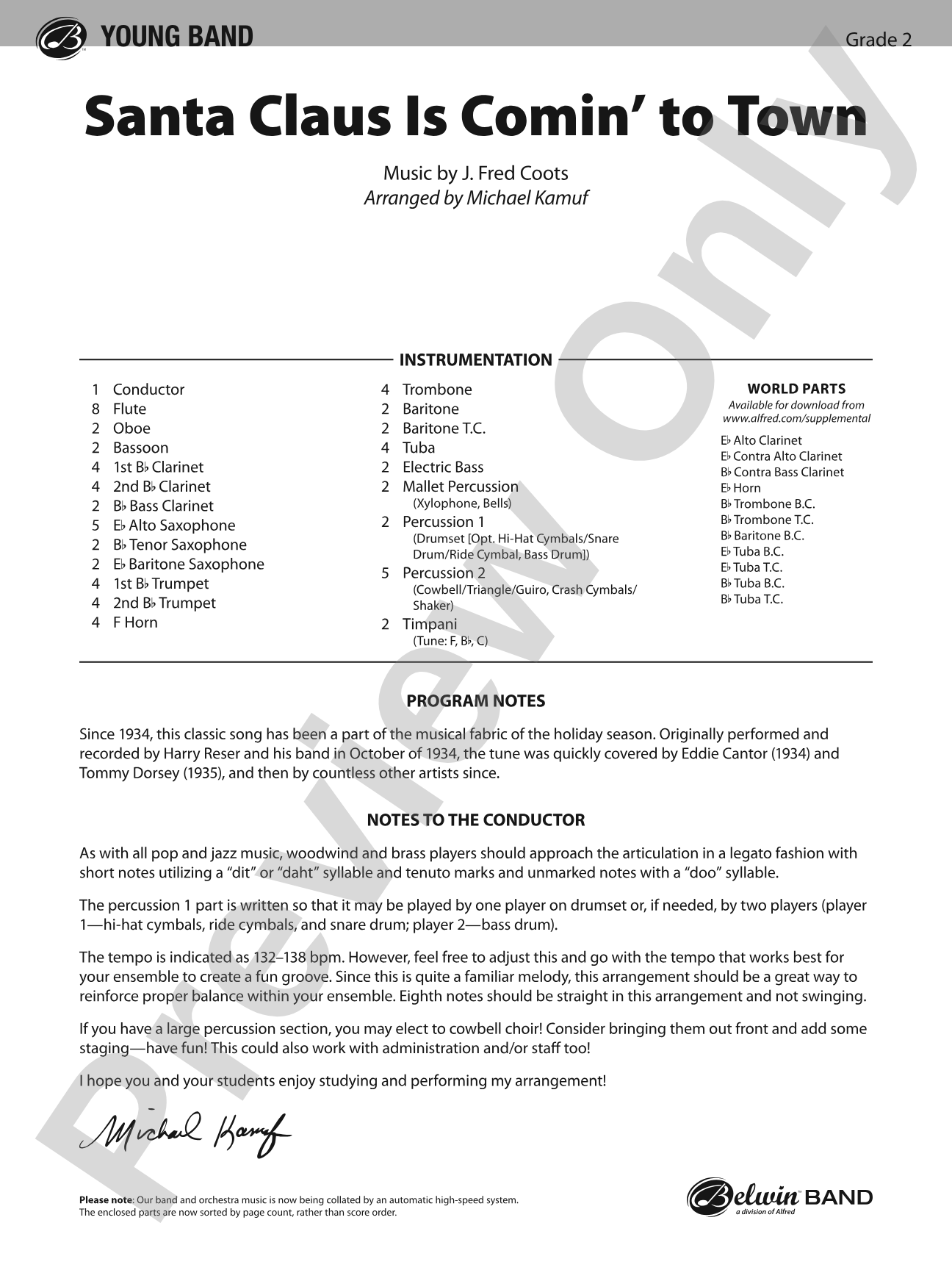

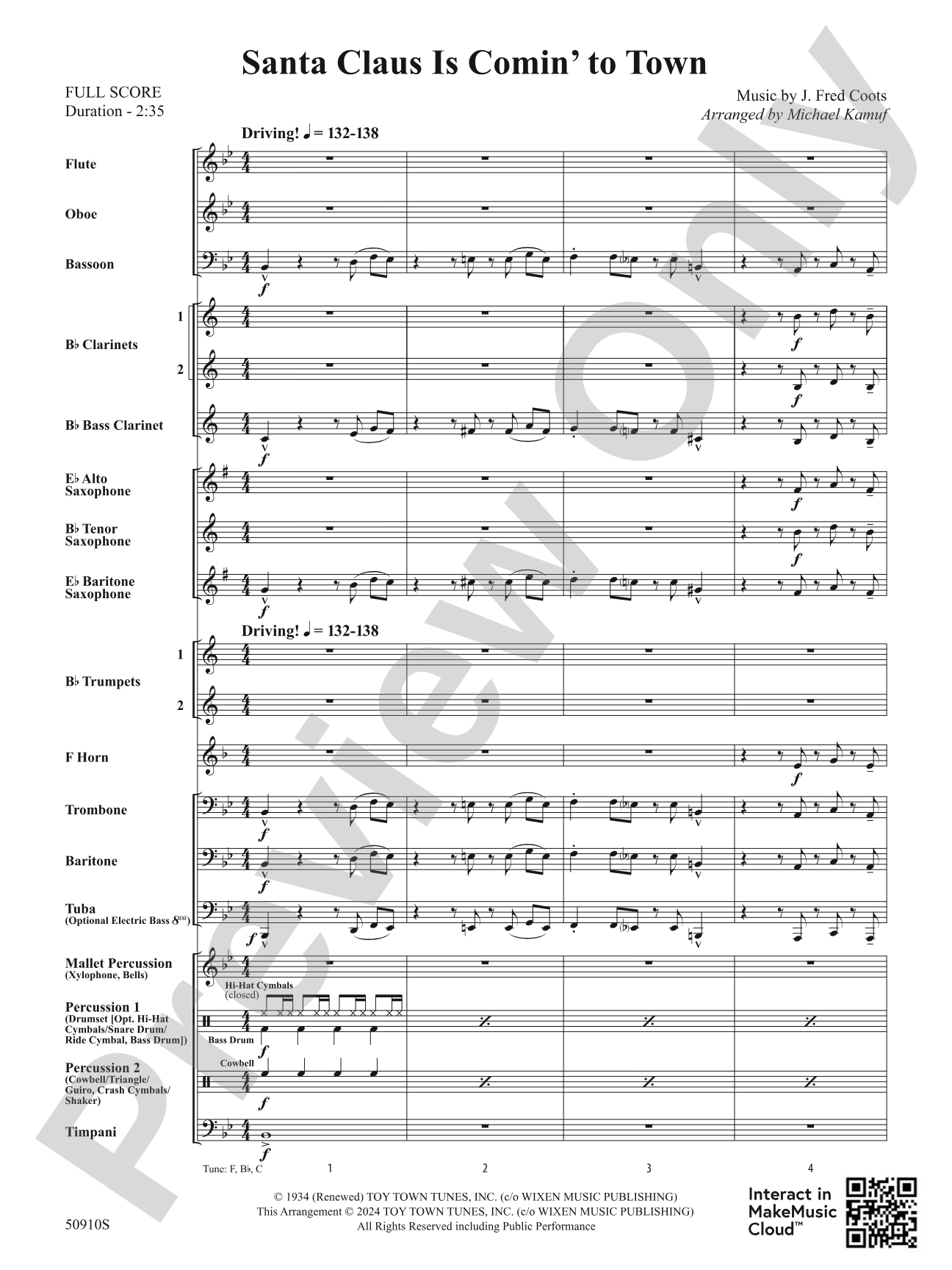
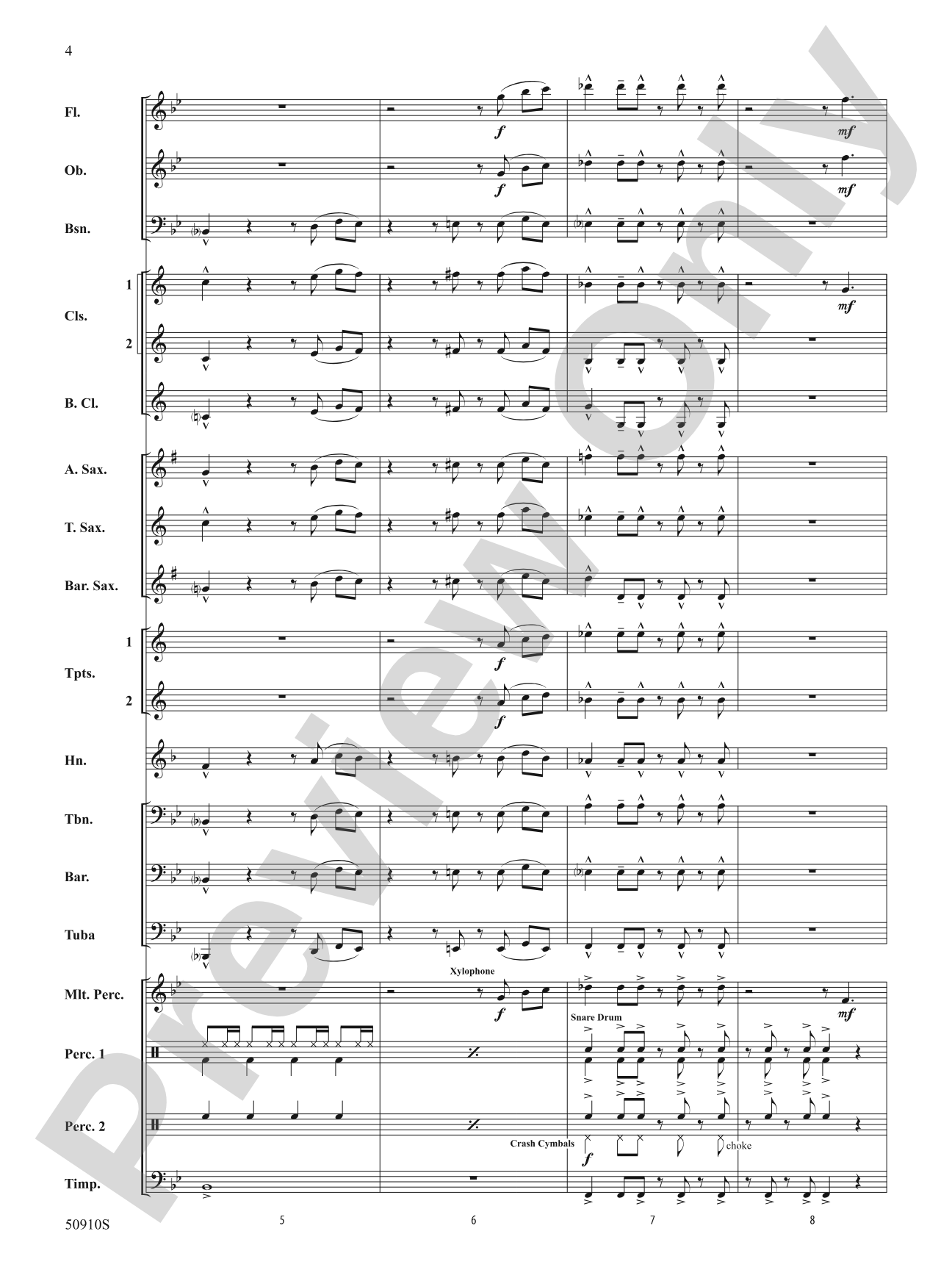
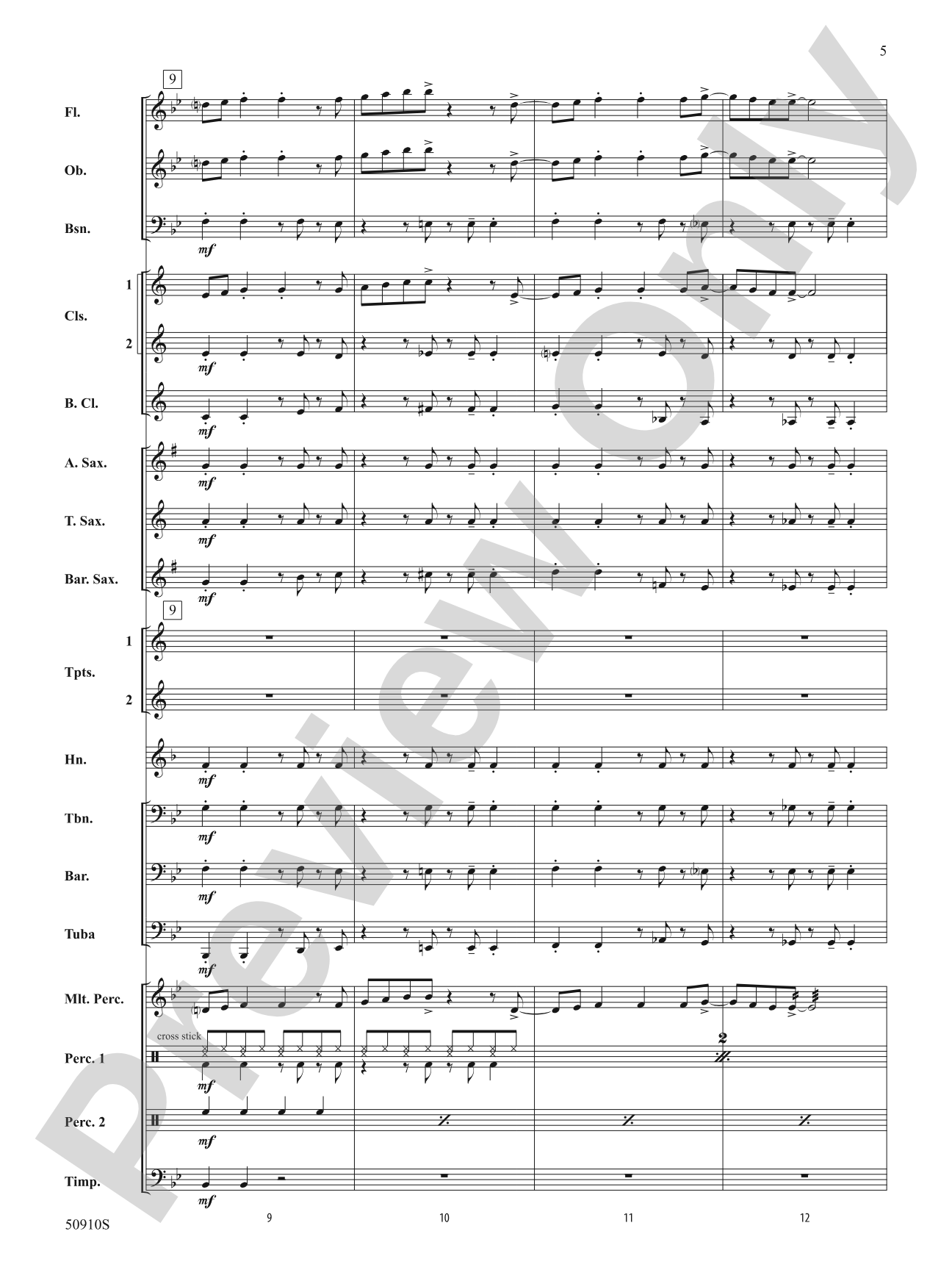
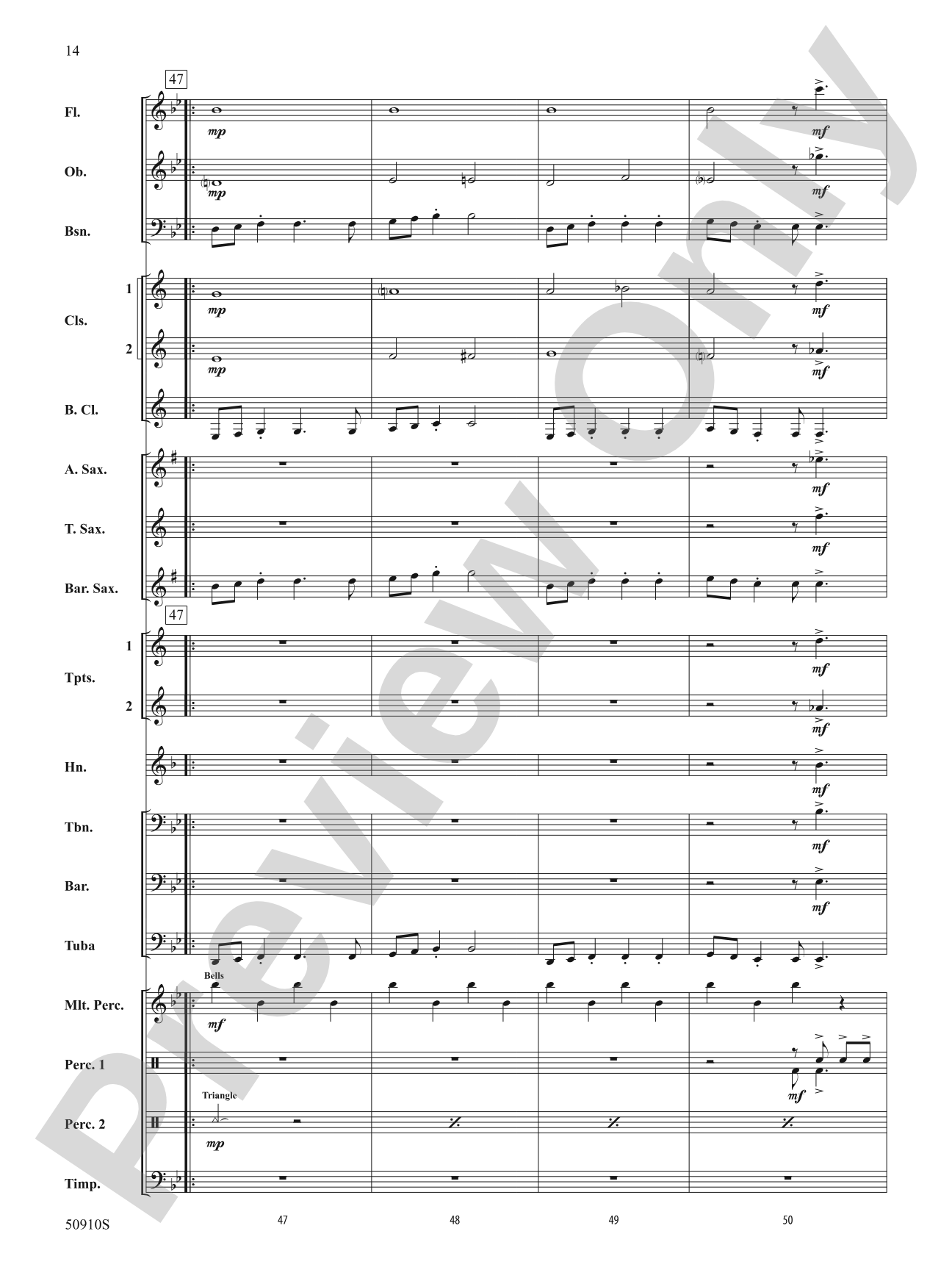
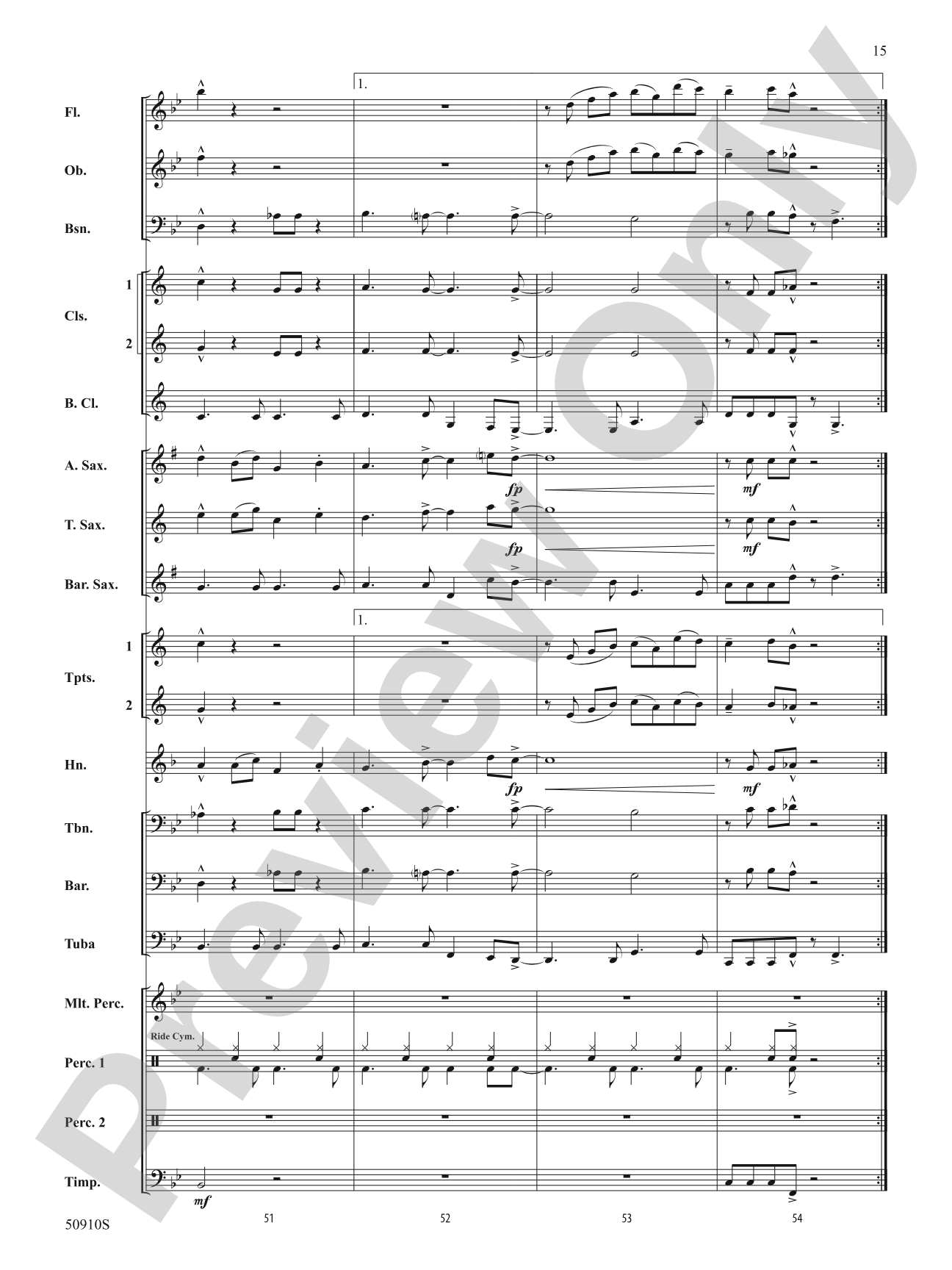
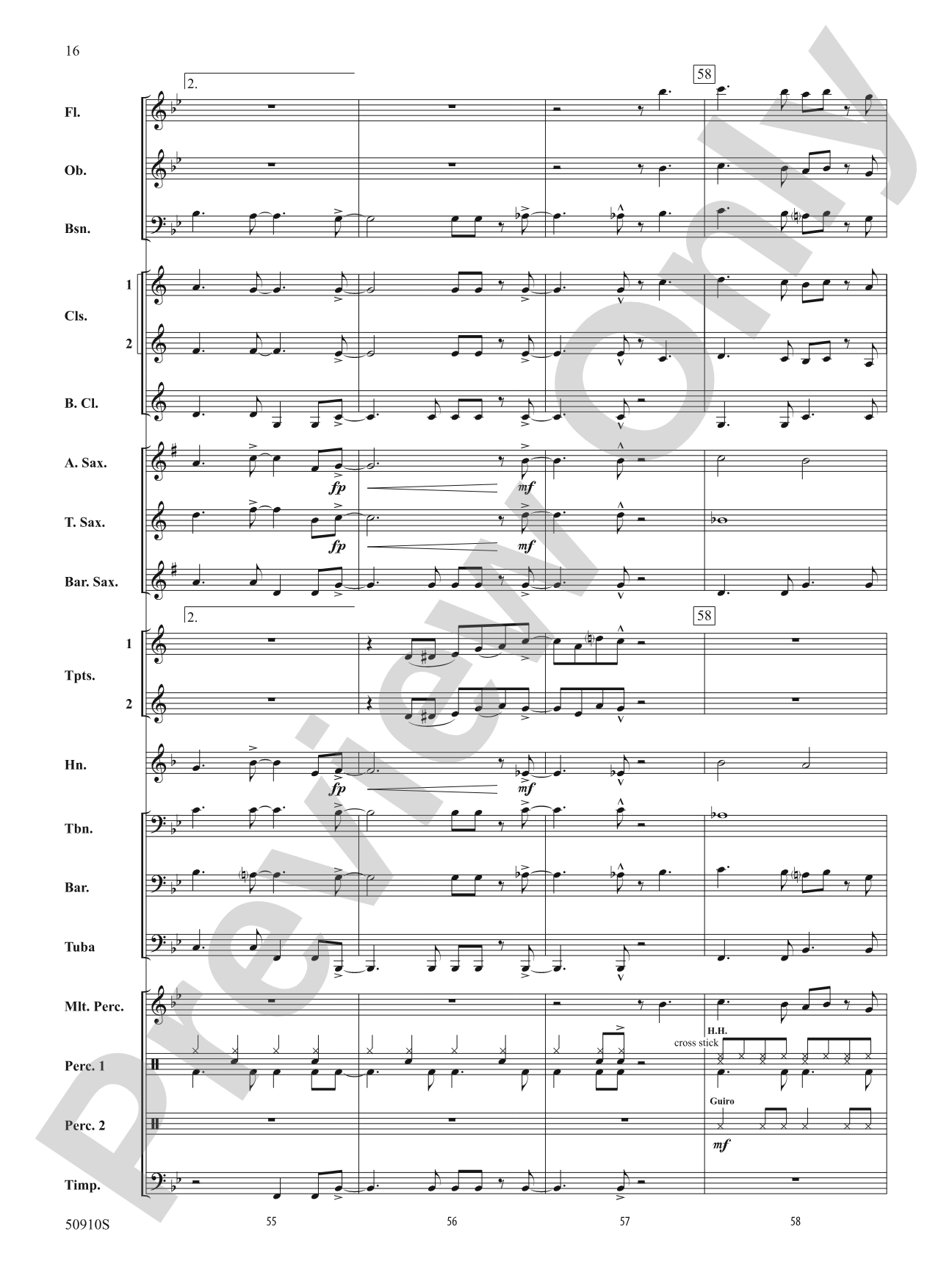
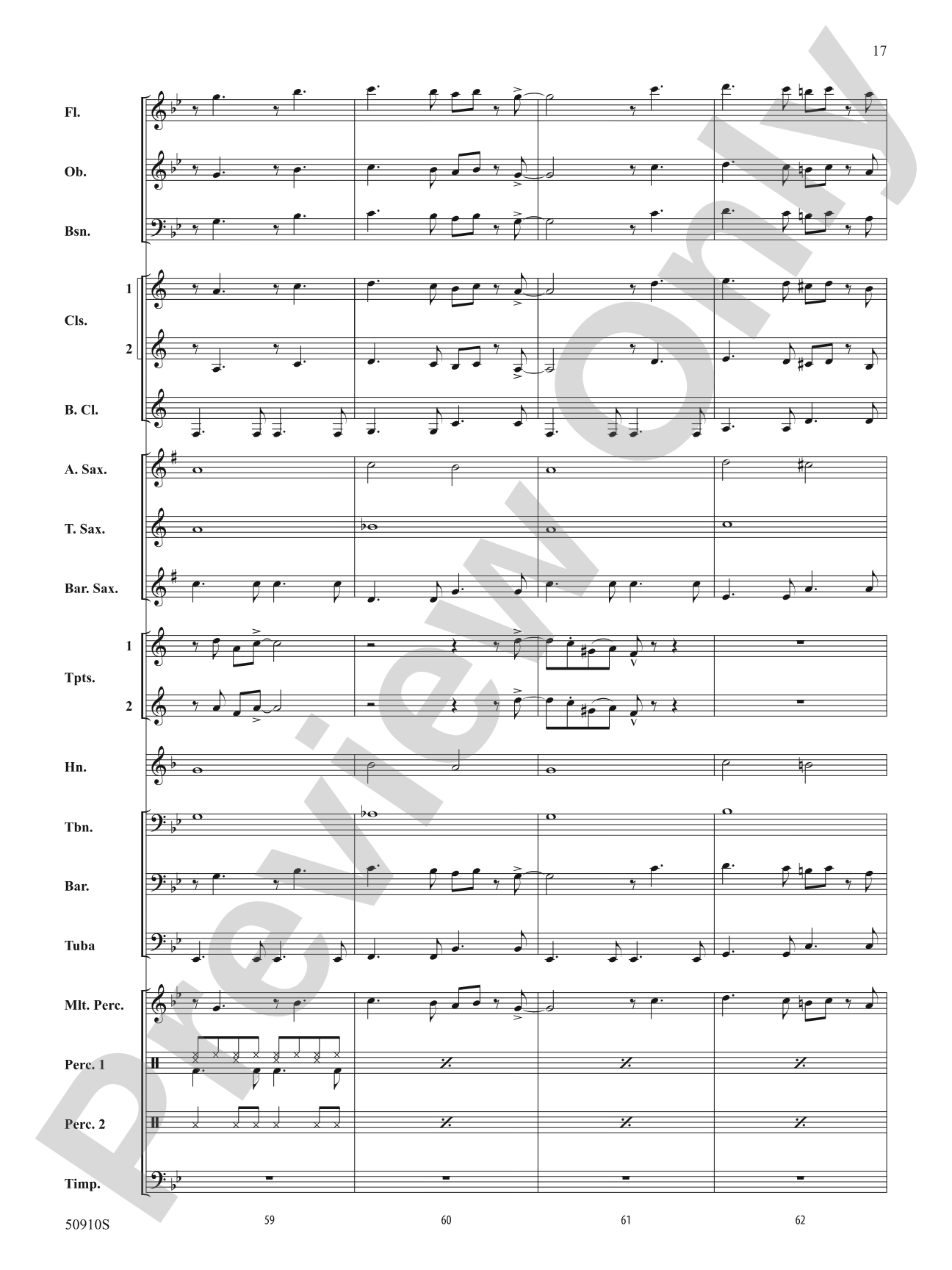
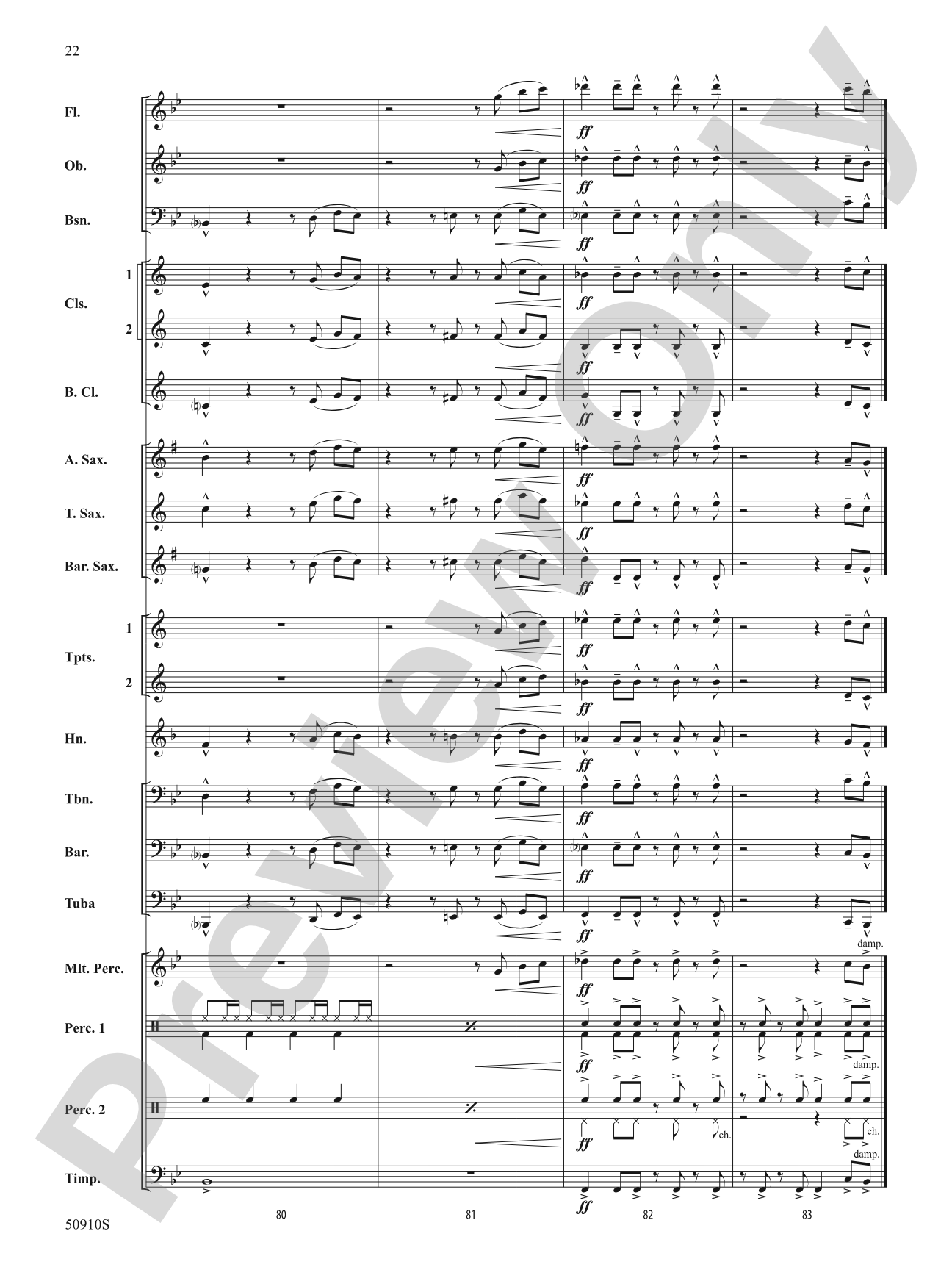

Santa Claus Is Comin' to Town: Concert Band Conductor Score & Parts
Music by J. Fred Coots / arr. Michael Kamuf
Grade: 2
Item: 00-PK-0008917

$70.00
One moment…
Description
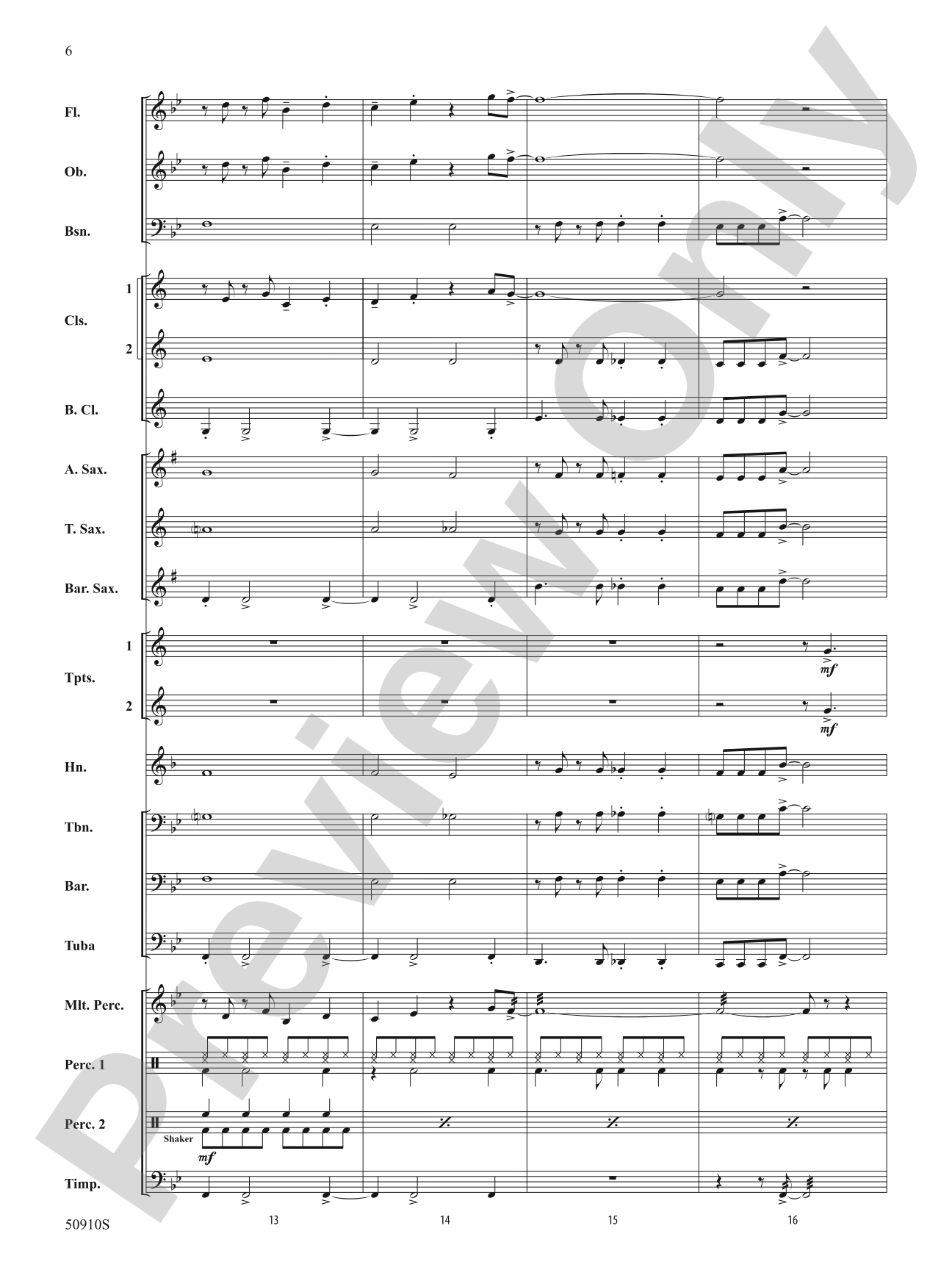
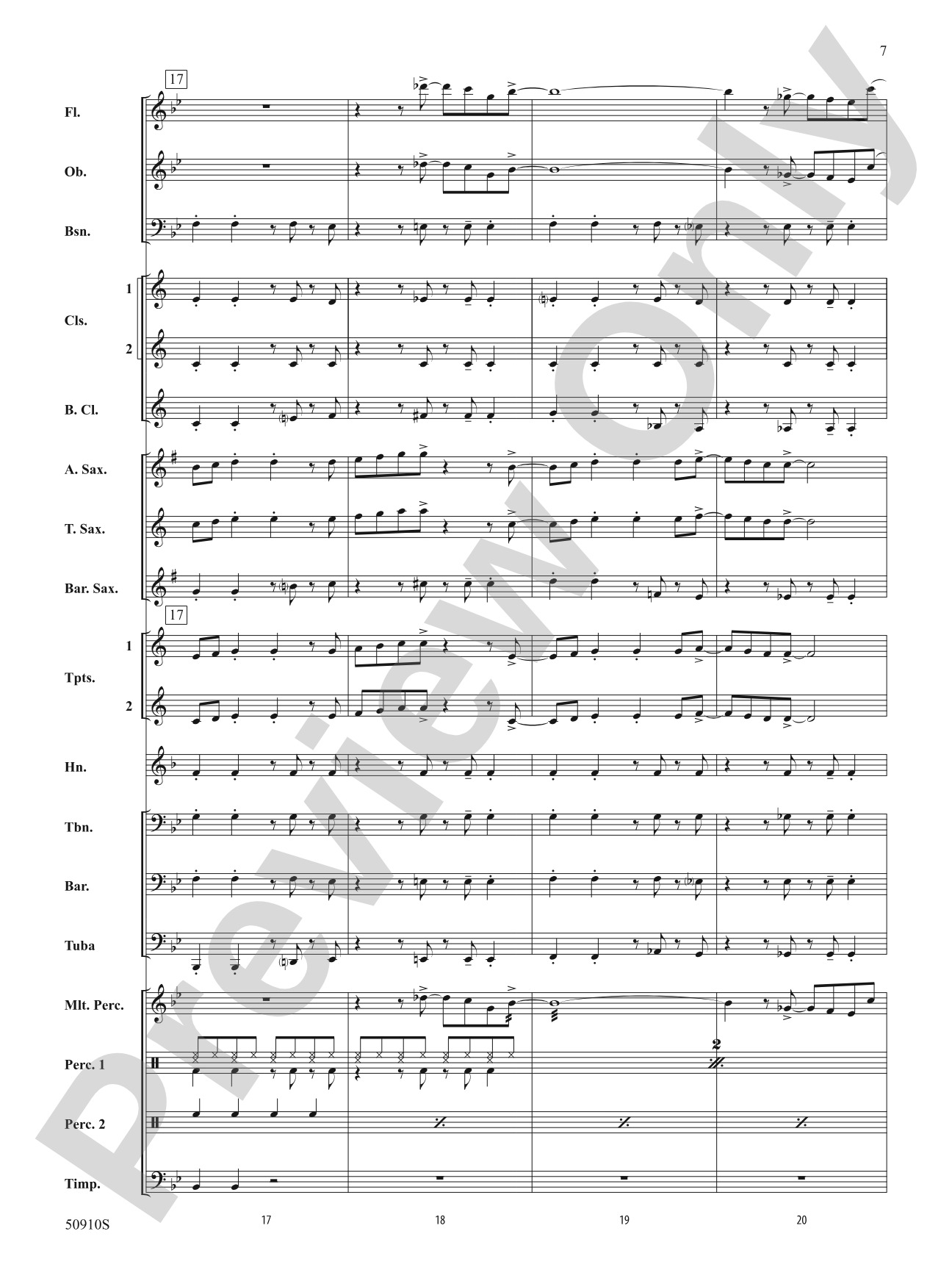
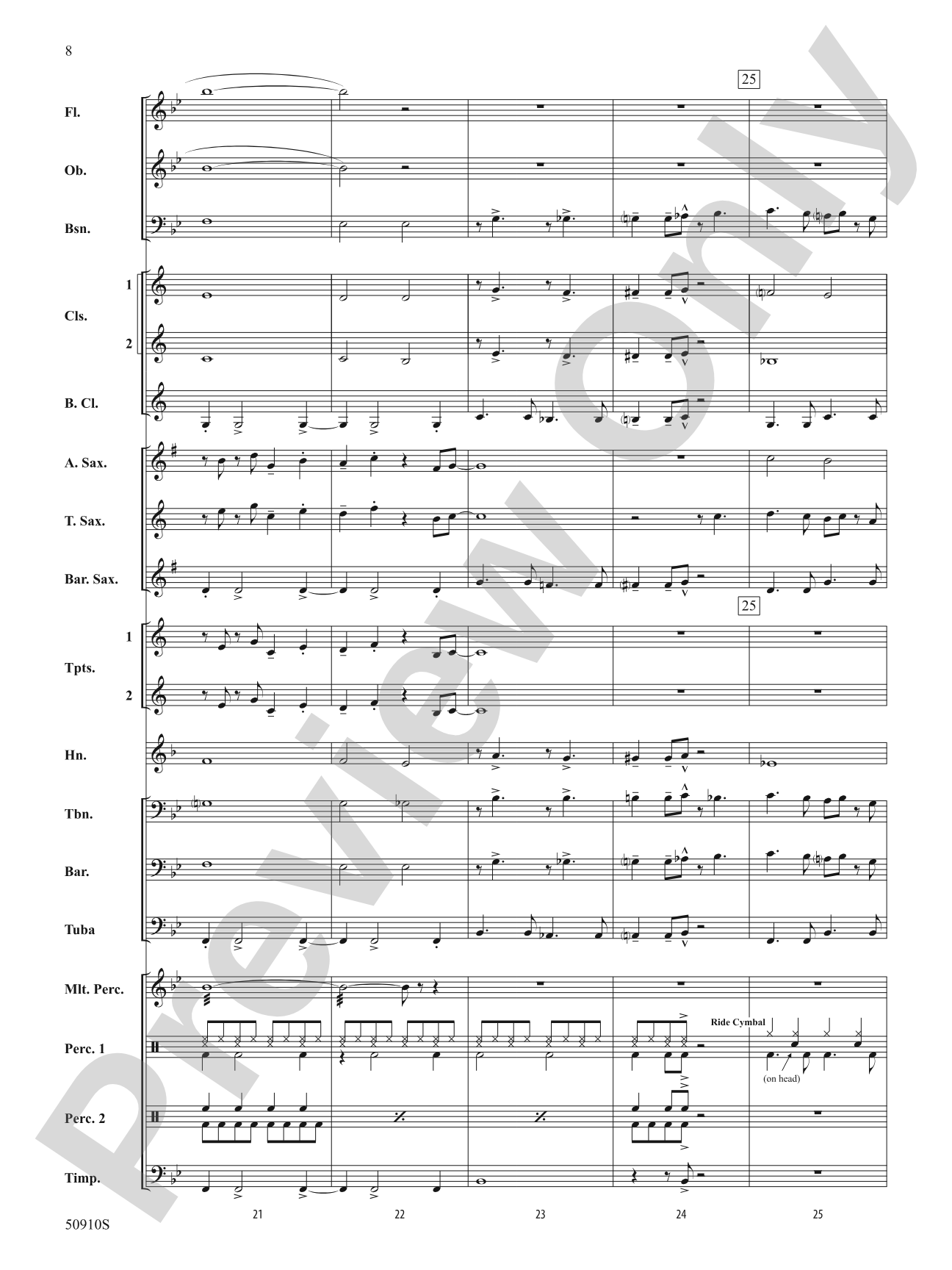
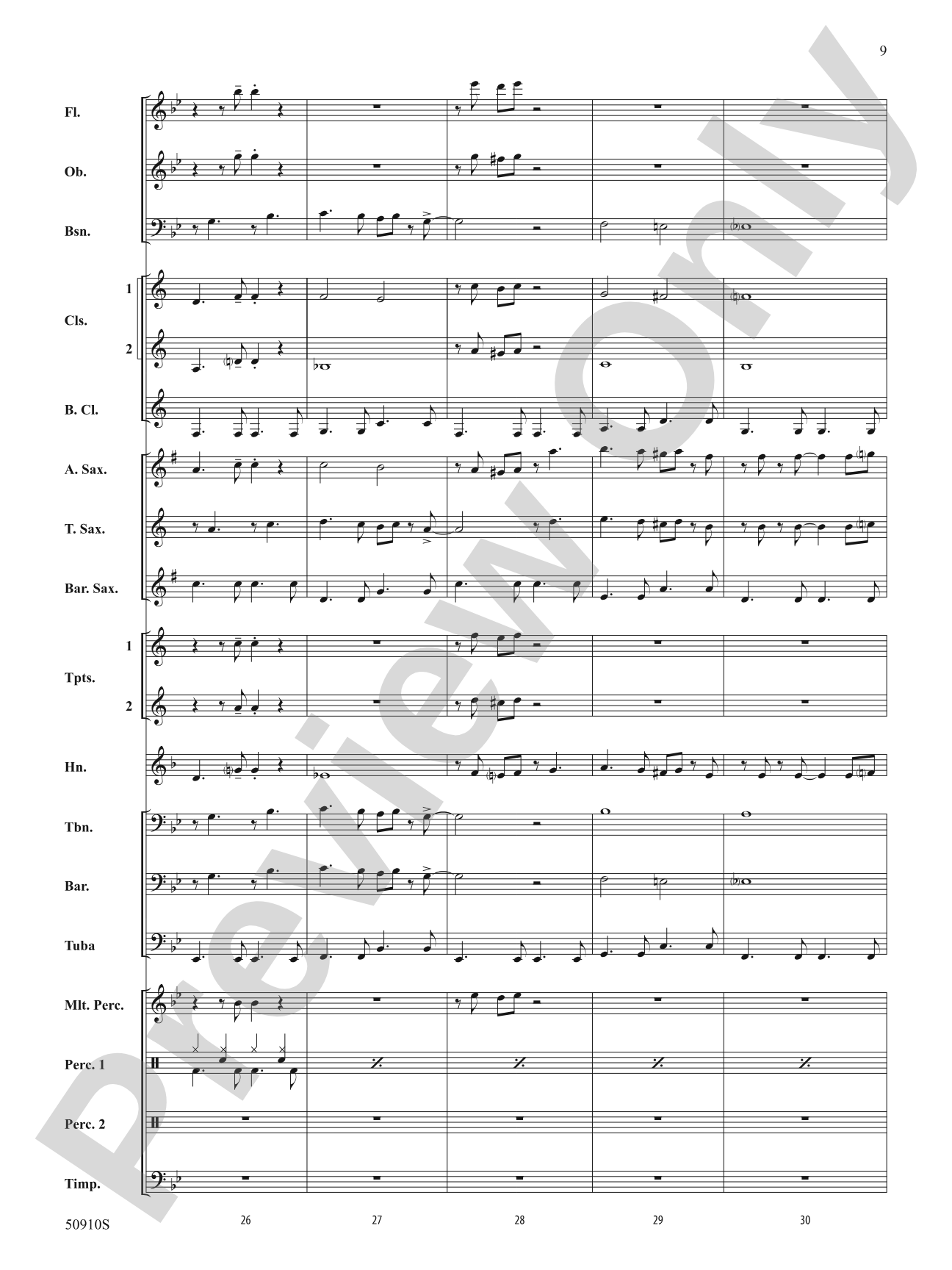
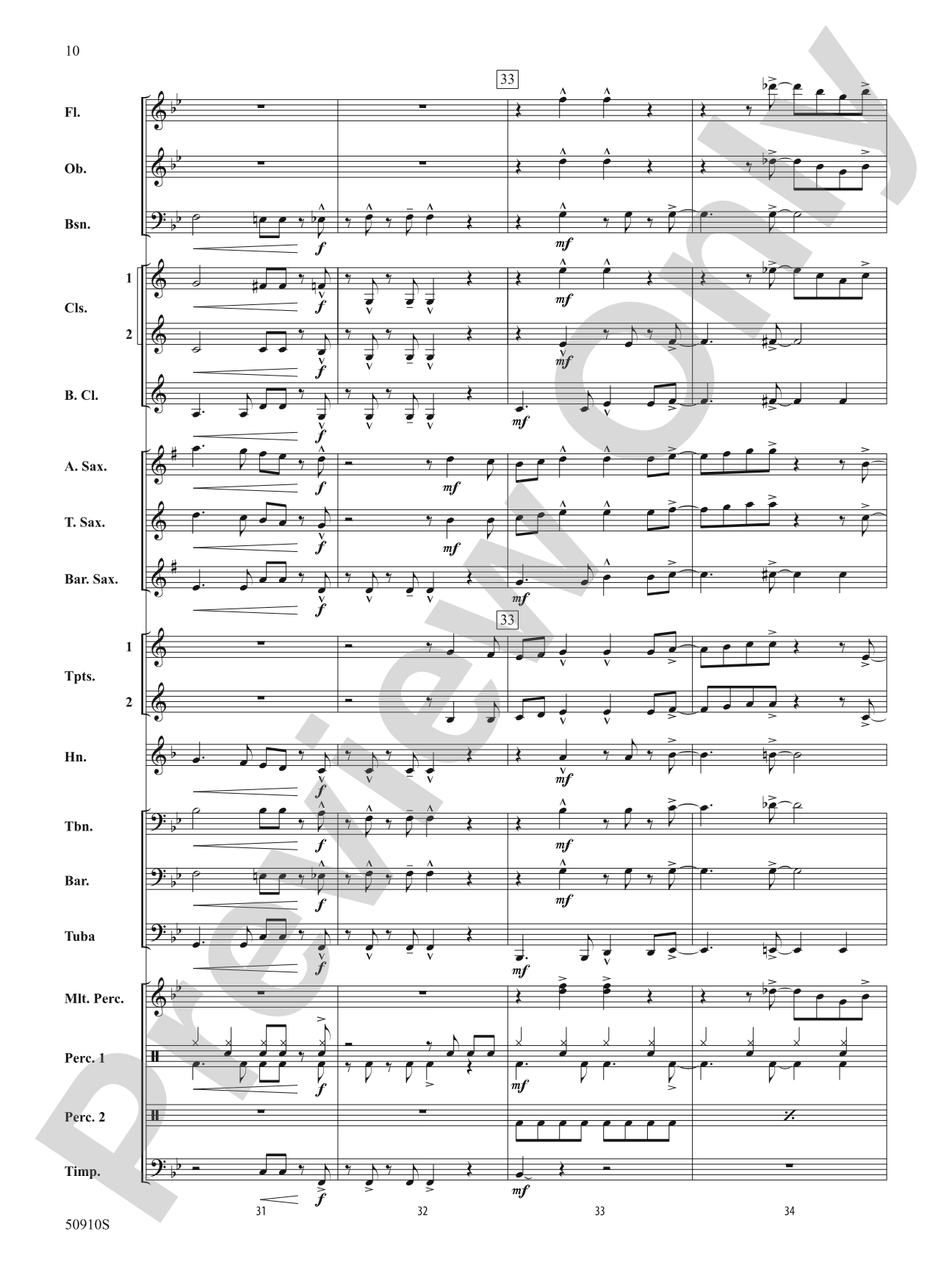
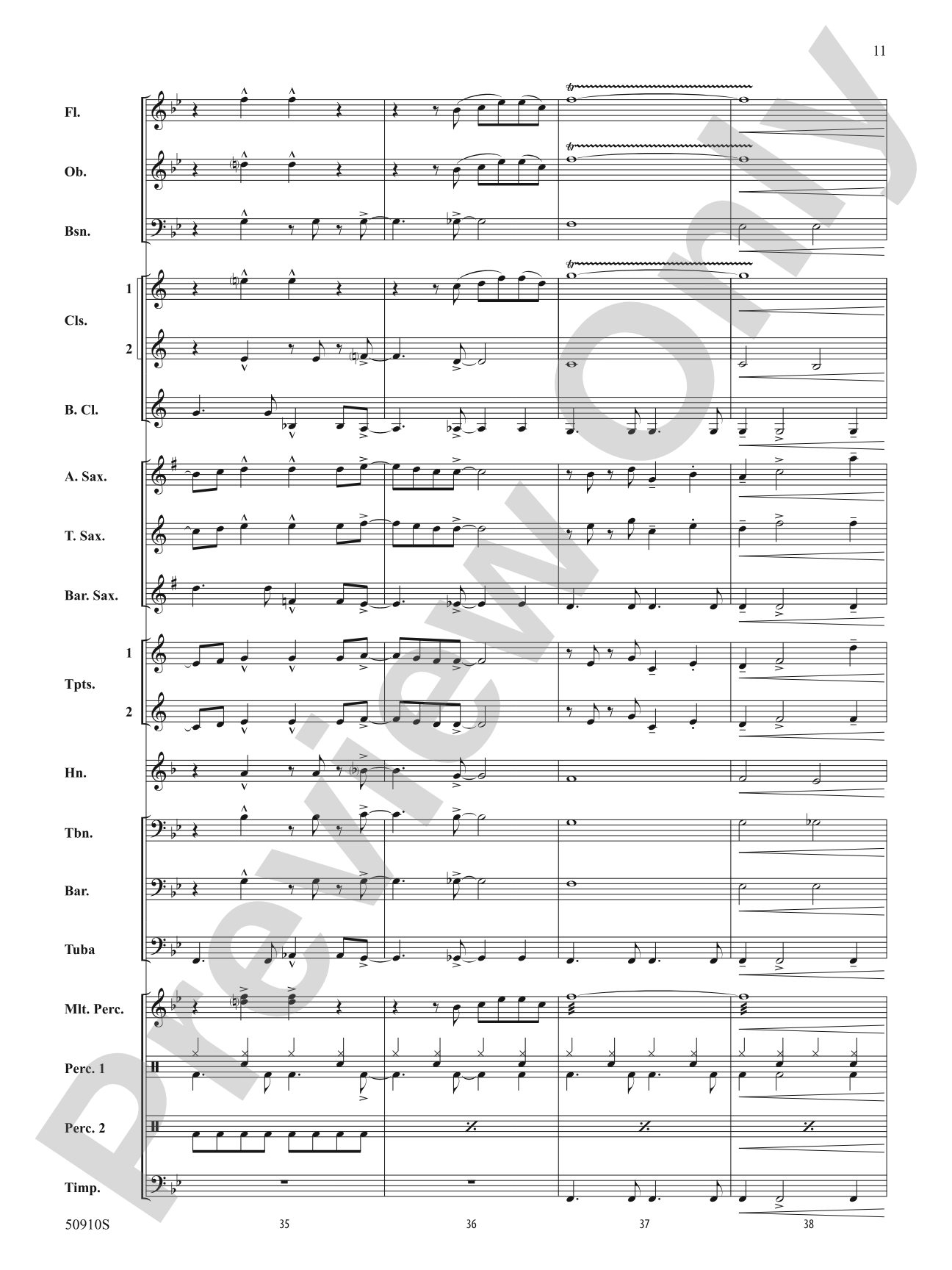
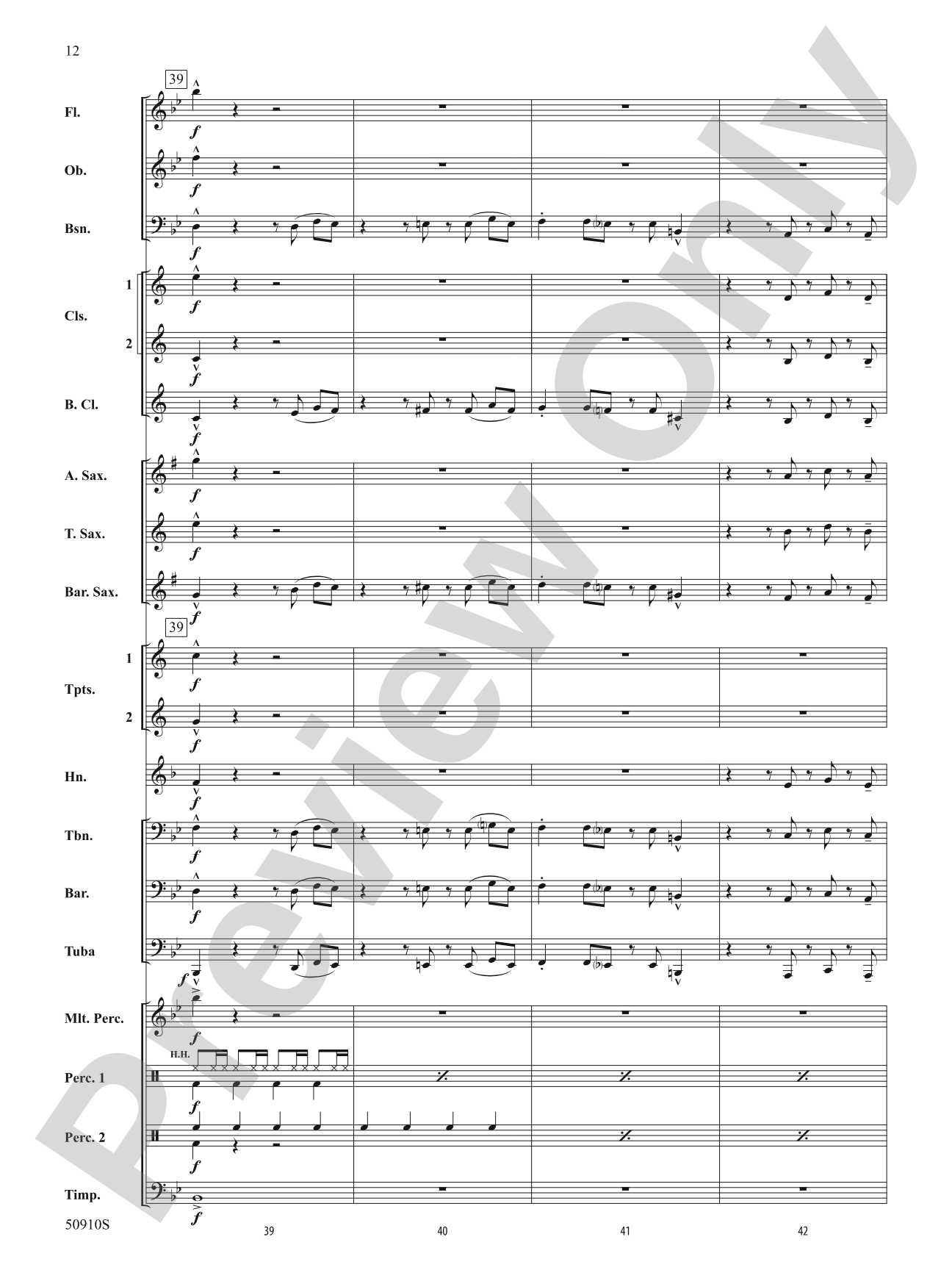
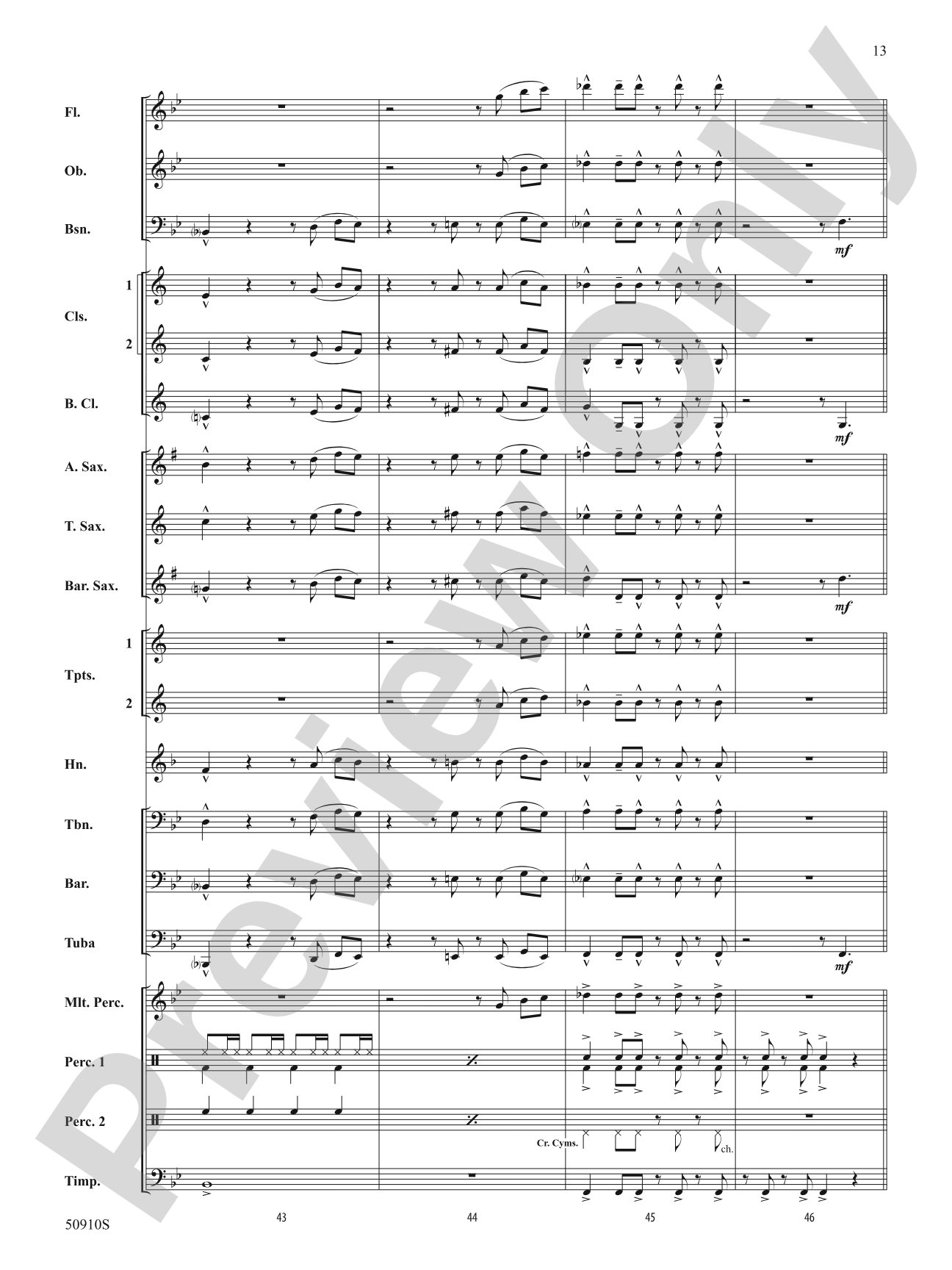
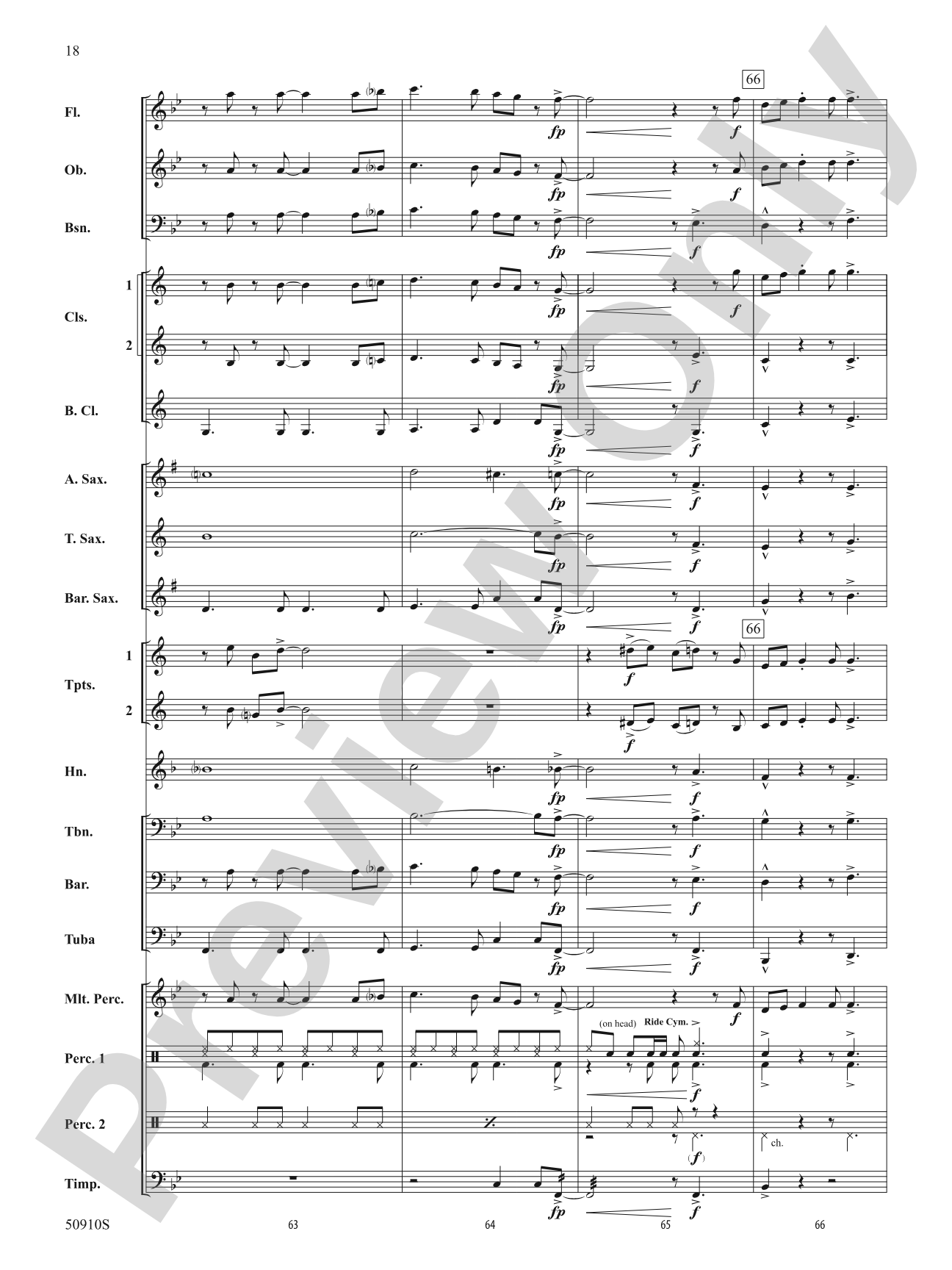
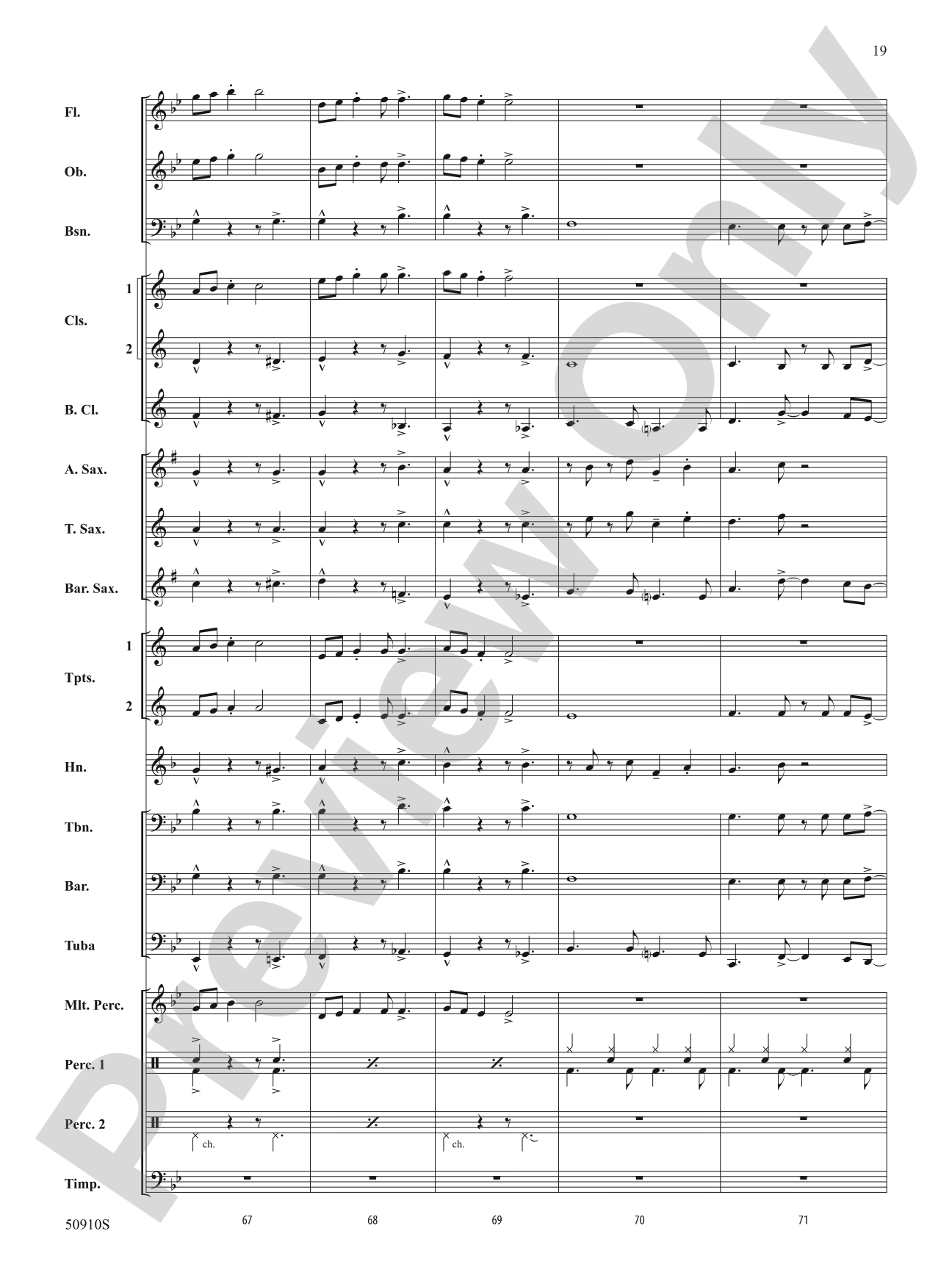
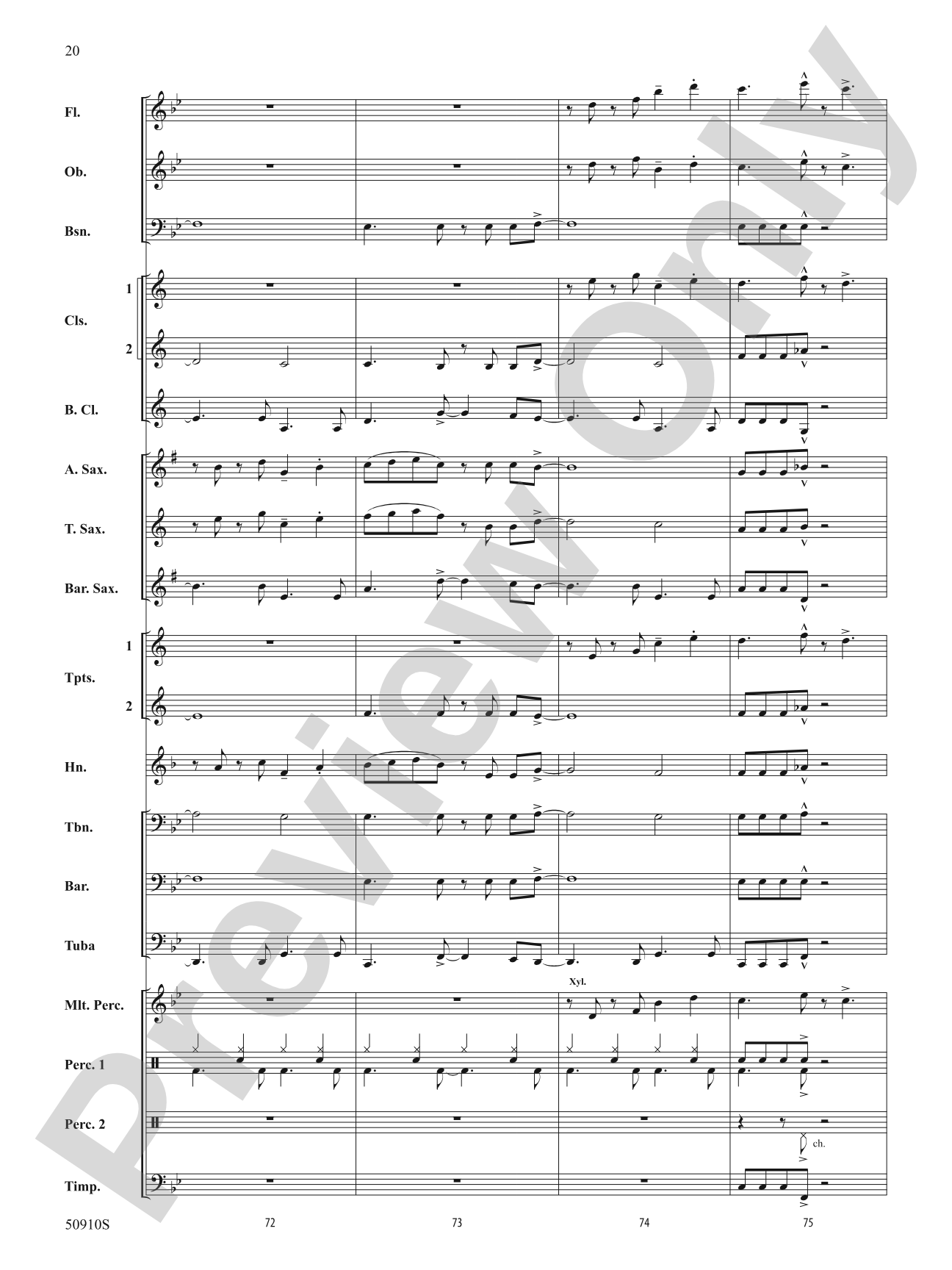
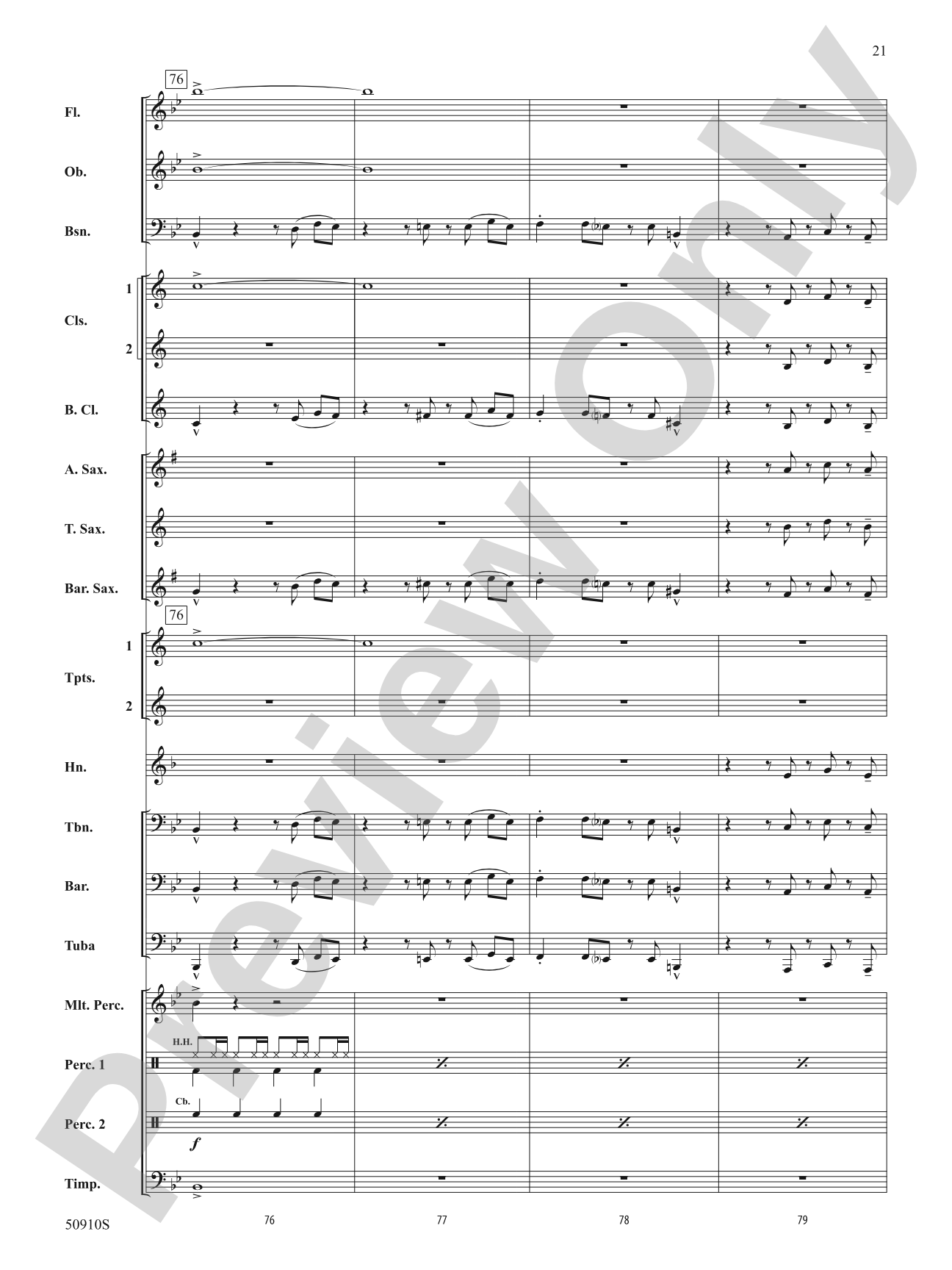
The big guy is getting his groove ON! Santa Claus Is Comin' to Town, arranged by Michael Kamuf, gets a fun, fresh treatment complete with Latin American grooves, cool harmony, and, of course, some cowbell! Adding players on the cowbell part is a great way to employ large percussion sections or to feature your faculty or staff. Bring the house down at your next holiday concert with this classic. (2:35)


Don't just read it, hear it, play along with it, and watch your students grow with it. In MakeMusic Cloud, Santa Claus Is Comin' to Town: Concert Band Conductor Score & Parts comes alive with professional accompaniment, adjustable tempo, and built-in practice tools that turn solo practice into real progress.
Open in the Player
Jump straight in and assign it today.
Start Your Free Trial
Open this title and explore the full library in minutes.
Sample Audio
1
Audio File
--:--
0:00
0:00
Sample Video
Additional Details
Series:
Belwin Young Band
Publisher:
Alfred Music
SKU:
00-PK-0008917
More about this title
About the Composer: J. Fred Coots
J. Fred Coots (1897-1974) composed some of the most enduring American popular songs of the early 20th century. His catalog includes "Santa Claus Is Comin' to Town," written in 1934 with lyricist Haven Gillespie, which became a holiday standard within years of its debut and has since been recorded by hundreds of artists across multiple genres.
Coots's gift for memorable melody and straightforward harmonic language made his work accessible to both professional performers and amateur musicians. His compositions remain staples in music education settings, where their tuneful quality and emotional directness engage students and audiences alike.
Why we love this
Michael Kamuf's arrangement brings genuine rhythmic energy to this perennial favorite without sacrificing the melody that makes it instantly recognizable. The Latin grooves and cowbell give your band an excuse to sound contemporary and celebratory, while the Grade 2 scoring ensures solid young ensembles can deliver a polished, exciting performance that lands hard at a holiday concert.
What to expect
Bright and playful, with a tropical warmth that turns a timeless holiday tune into a contemporary celebration. The Latin percussion and harmonic sophistication create an upbeat, sophisticated energy that feels celebratory without being cartoonish.
Who it's for
Grade 2 concert bands looking for an accessible holiday piece with genuine style and broad appeal. This arrangement works for young ensembles with developing technique, while the rhythmic sophistication and modern groove keep older middle school and early high school bands engaged.
How to get the most out of it
- Keep the Latin rhythms crisp and consistent; lock your rhythm section (bass, drums, and any auxiliary percussion) to the groove before adding the melody parts.
- Distribute the cowbell part strategically. If you have a large percussion section, rotating players keeps the part fresh and gives multiple students a moment to shine.
- Balance the upper woodwind melody against the harmonic foundation; the cool voicings Kamuf wrote will only land if the lower voices are solid and audible.
- Use the recorded accompaniment as a click track during rehearsals to anchor the ensemble's sense of swing and timing.
How to use it
Schedule this as a closing number on a winter concert to send audiences out with infectious joy. It pairs naturally with other contemporary holiday arrangements or seasonal pops medleys, and its 2:35 runtime makes it an efficient closer that doesn't overshadow the program's longer concert works.
Skills your students will build
- Maintaining rhythmic precision within Latin grooves and syncopated figures
- Balancing melody and countermelody across the band
- Ensemble coordination across multiple percussion parts
- Playing with articulation and style appropriate to contemporary popular music
- Reading and executing harmonic voicings in non-traditional (non-classical) contexts