
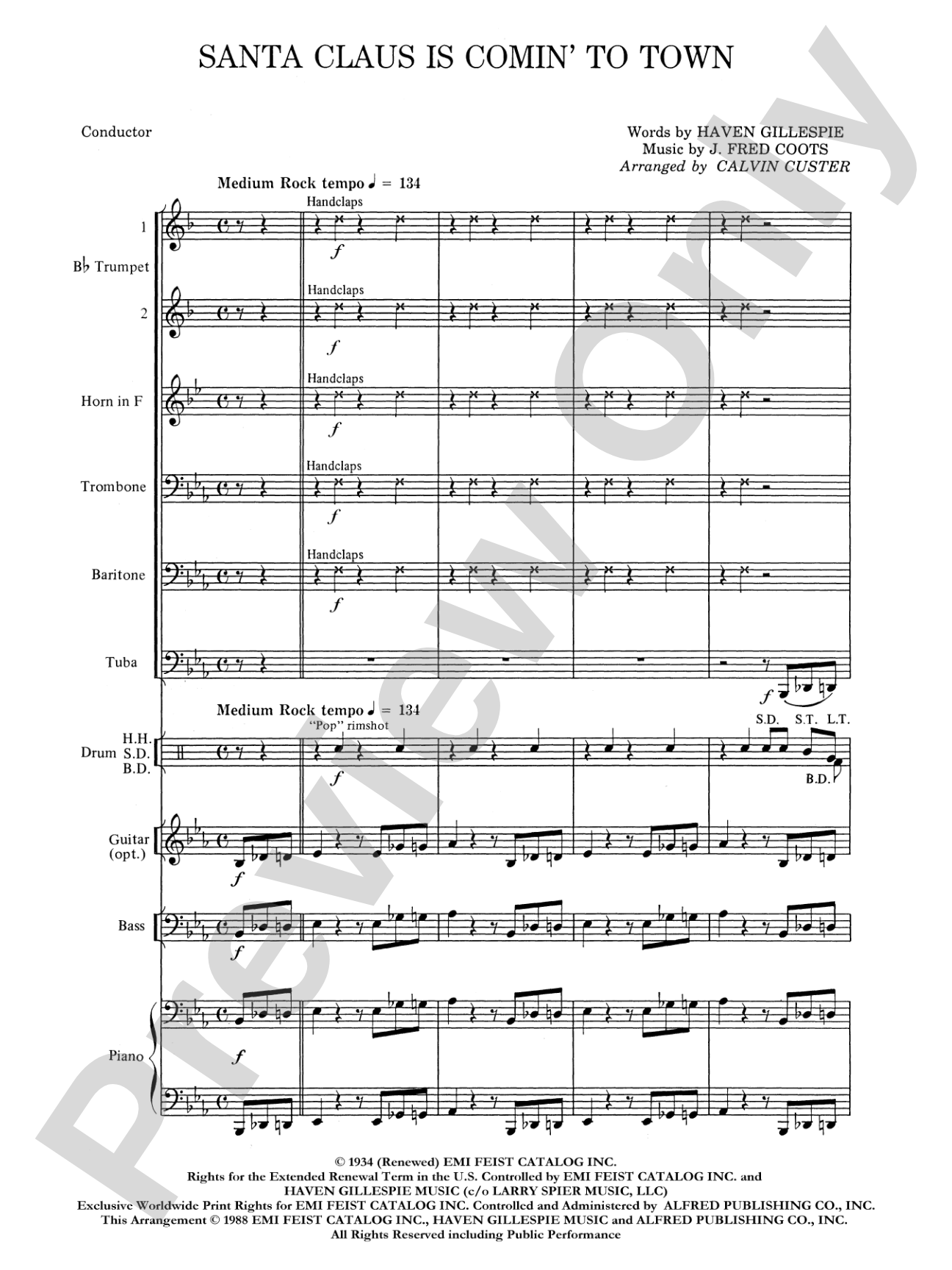
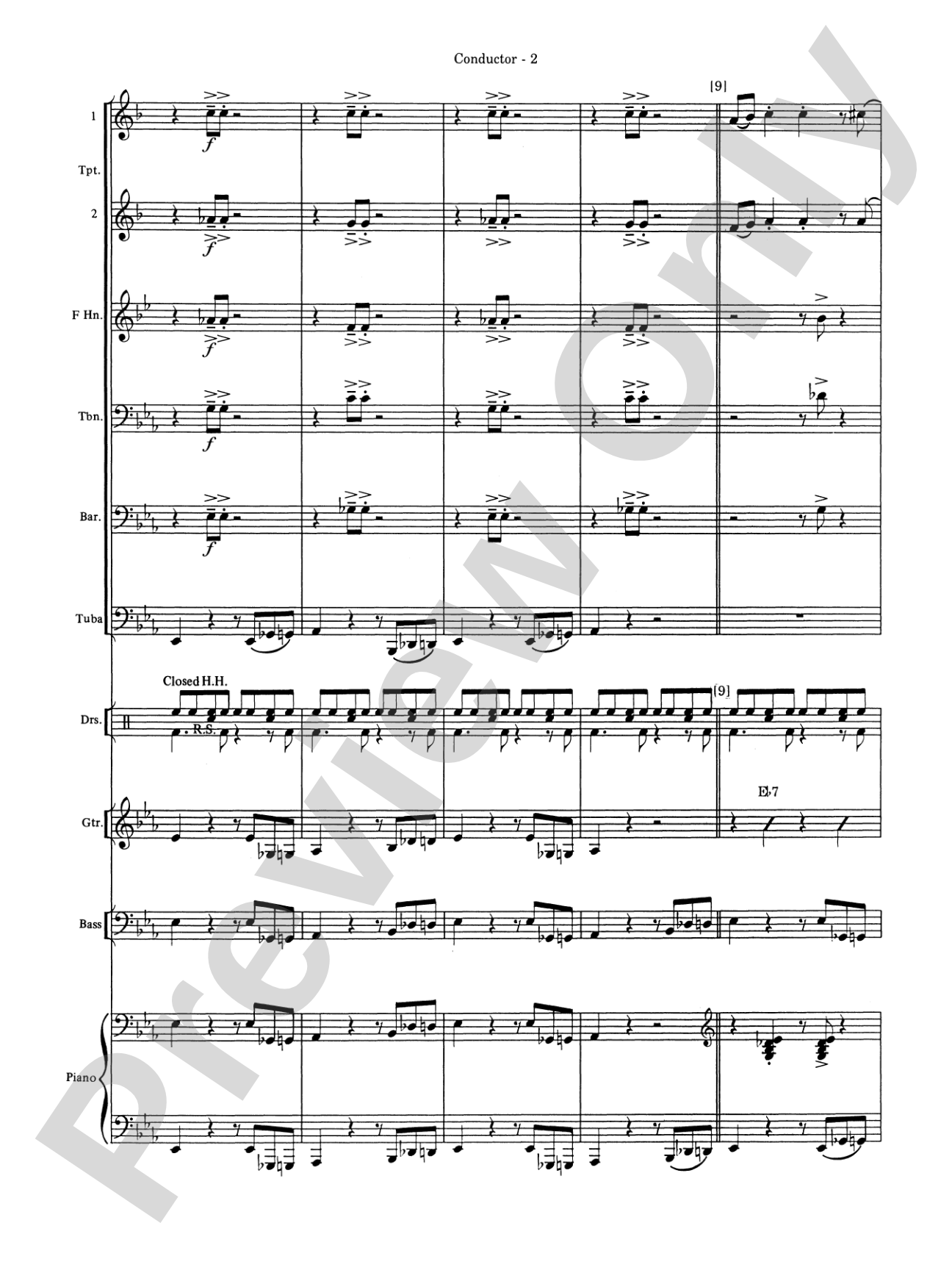
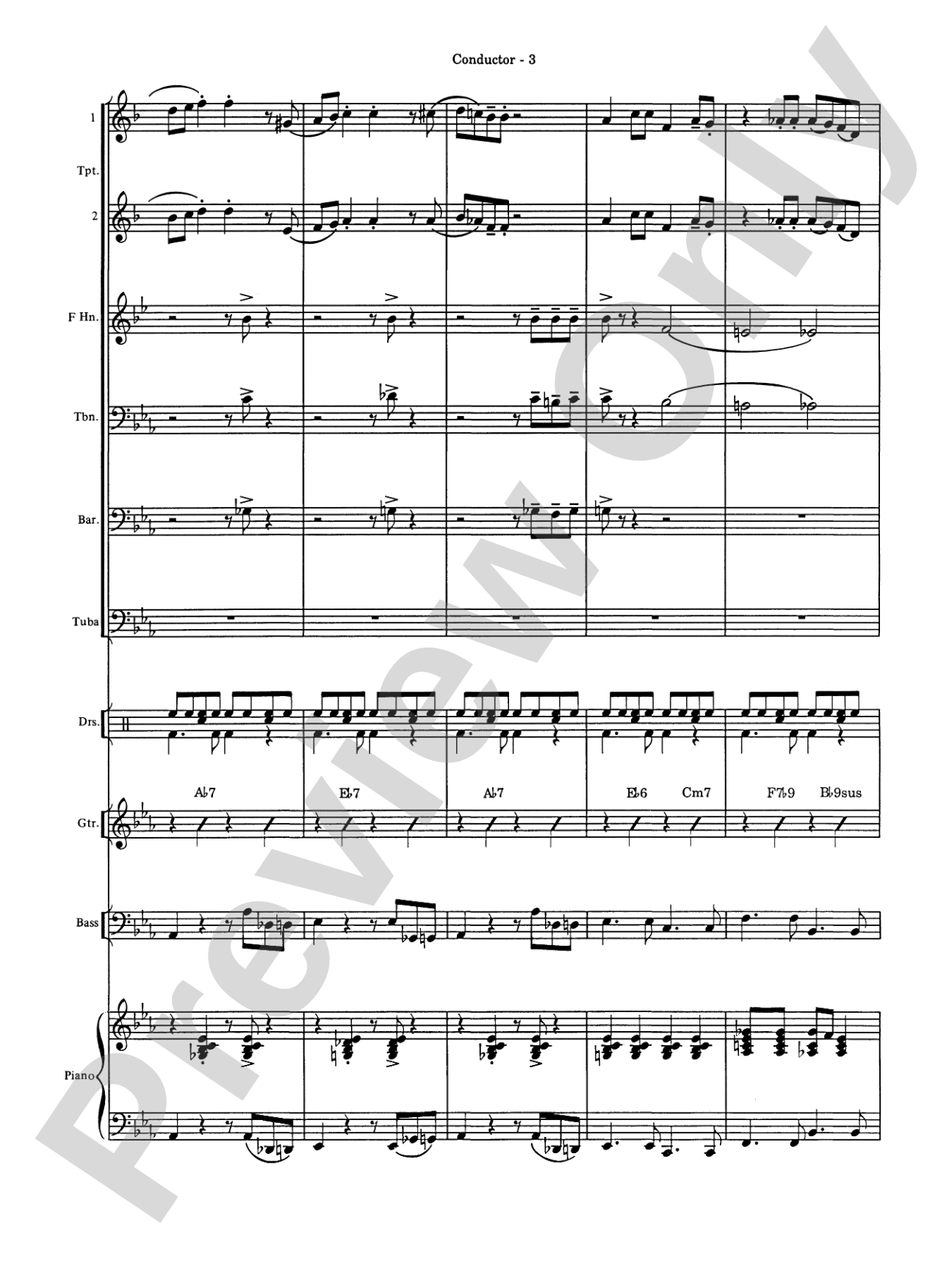
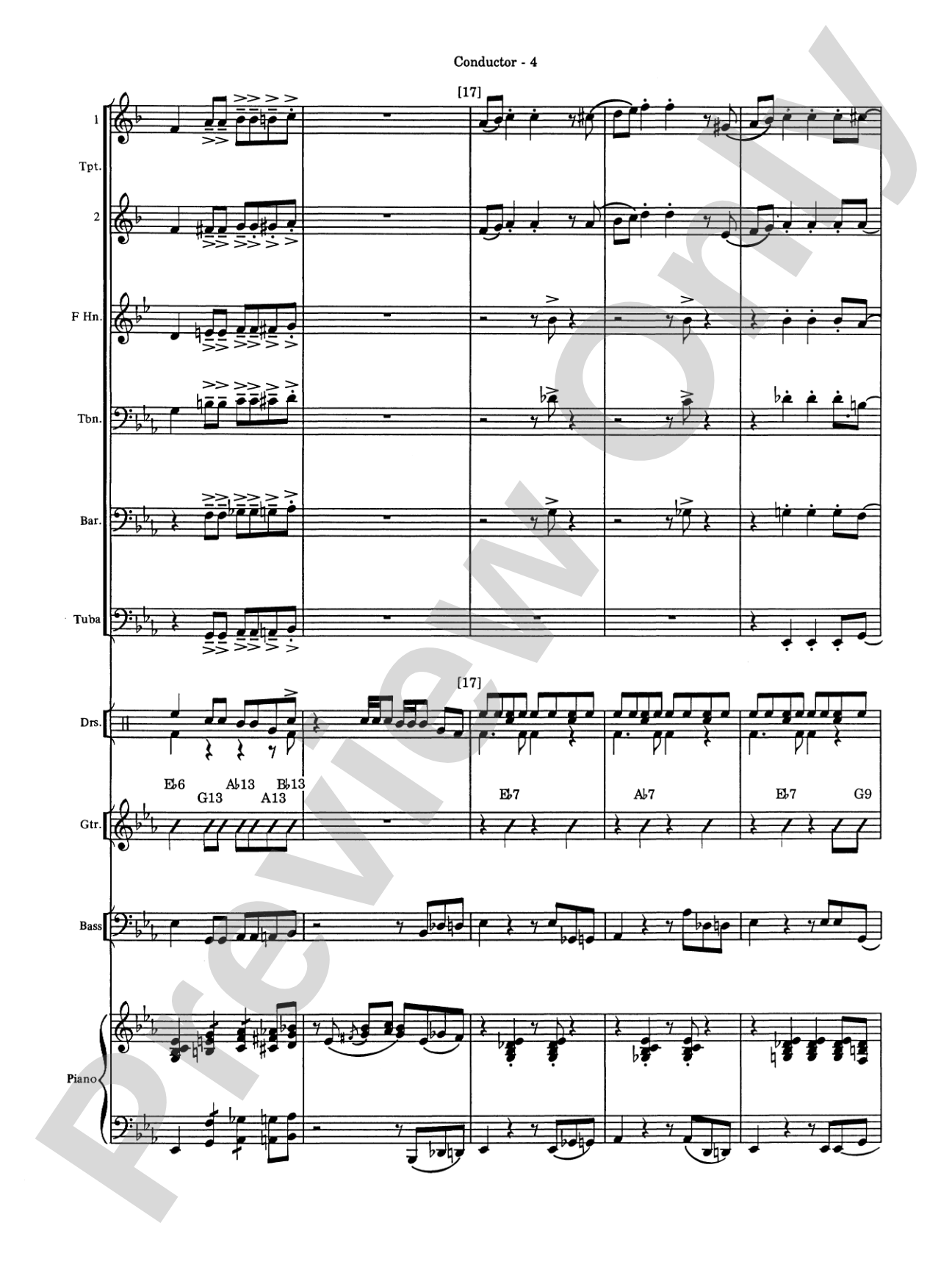
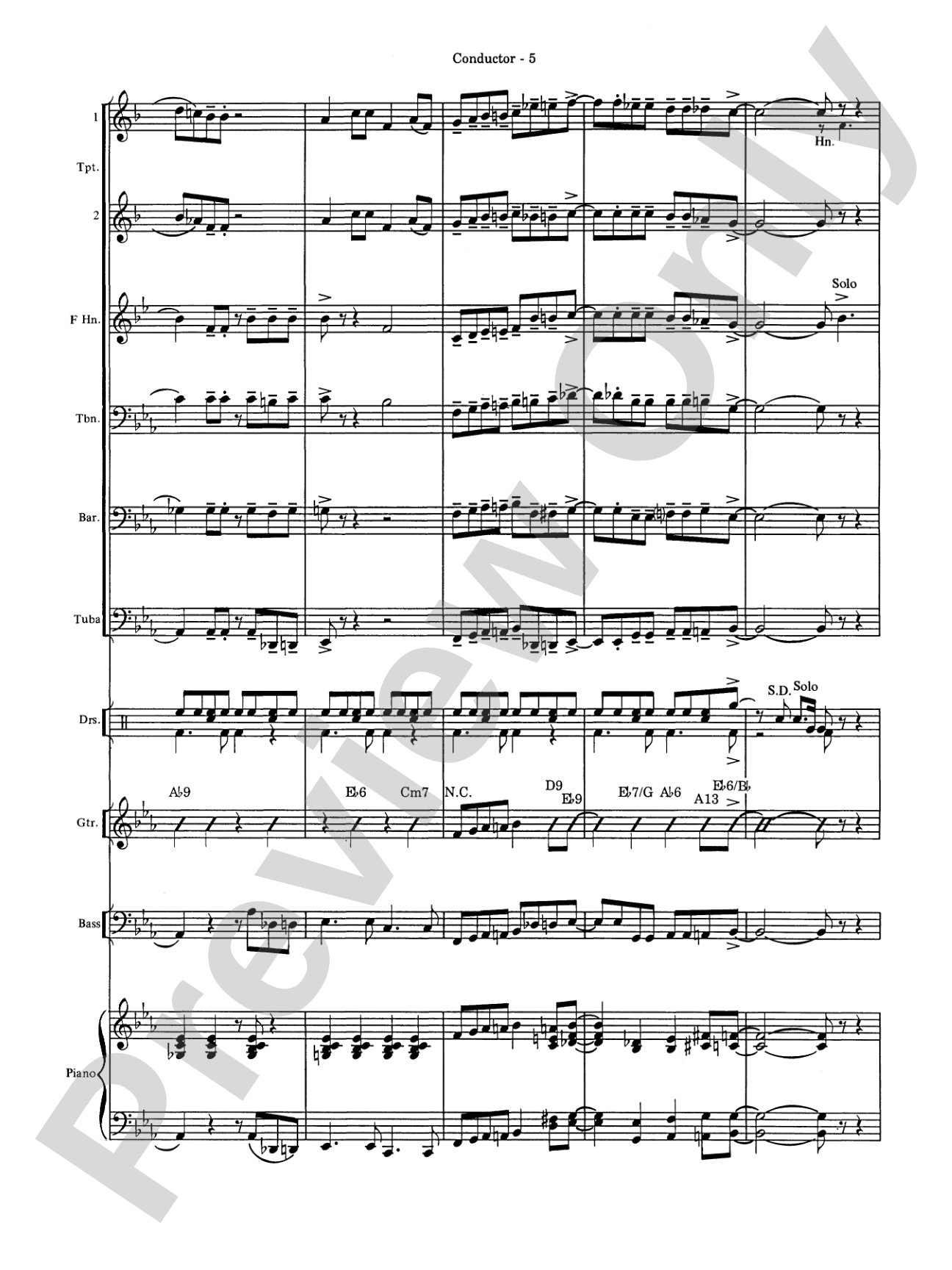
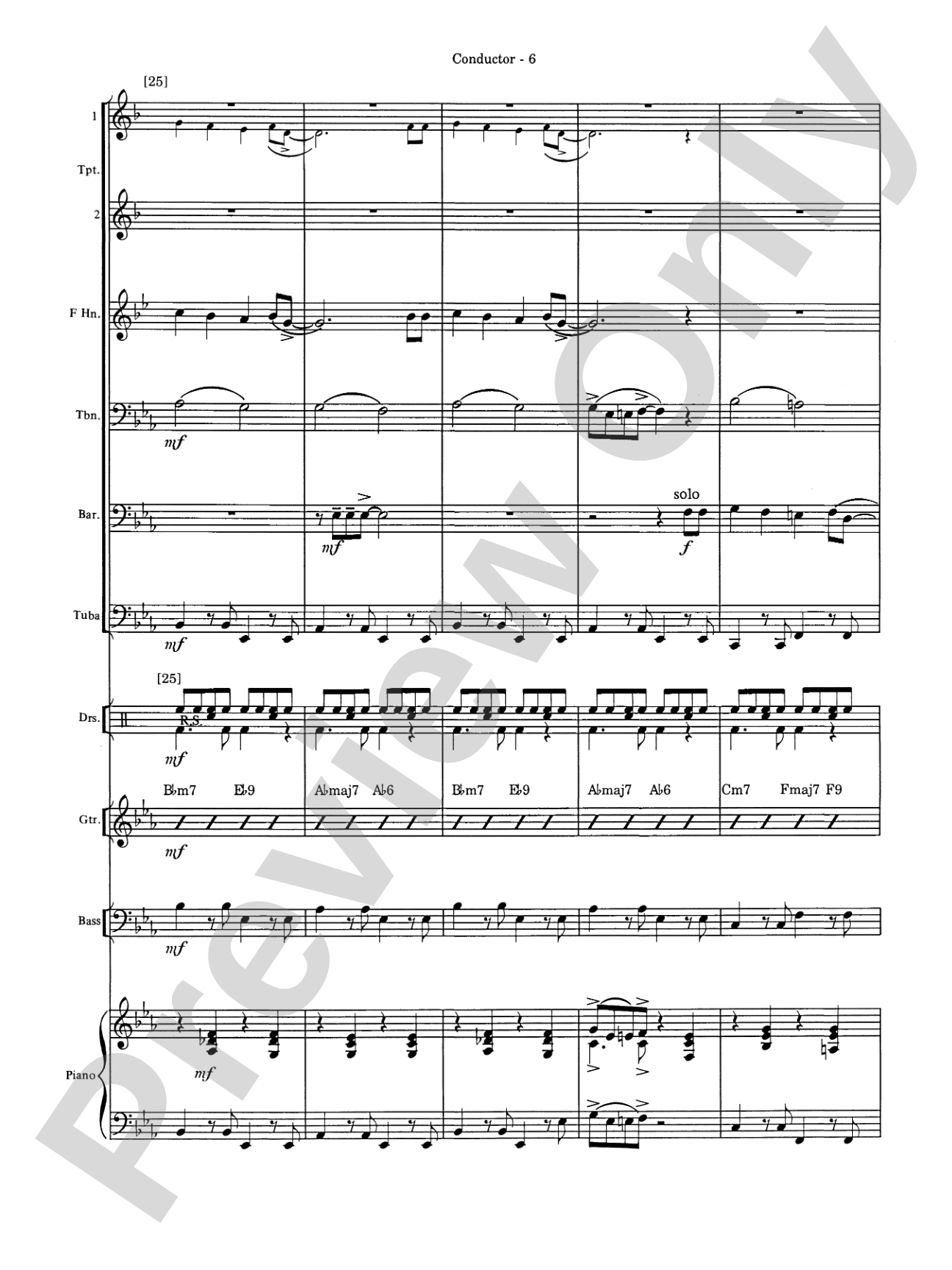
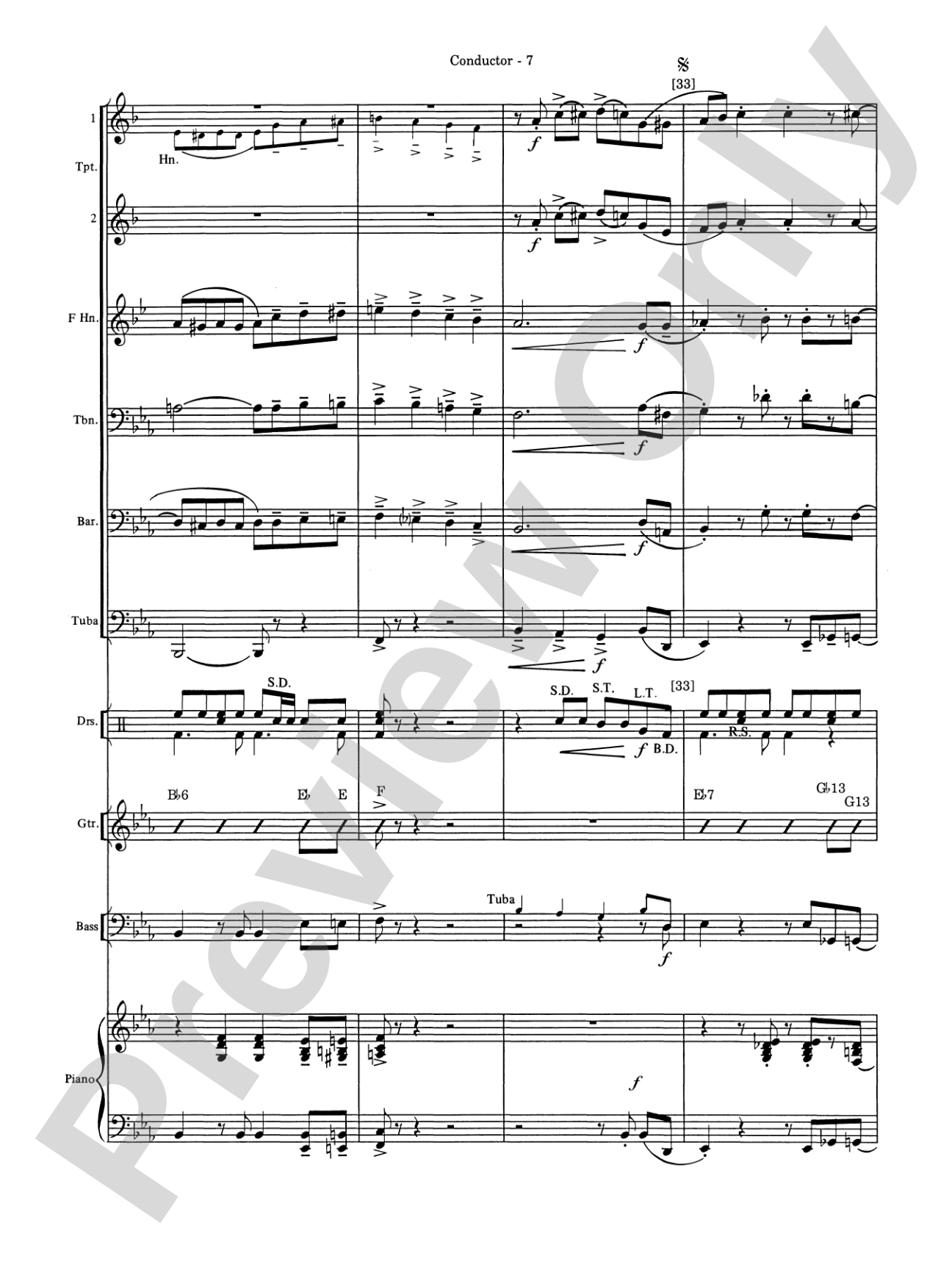
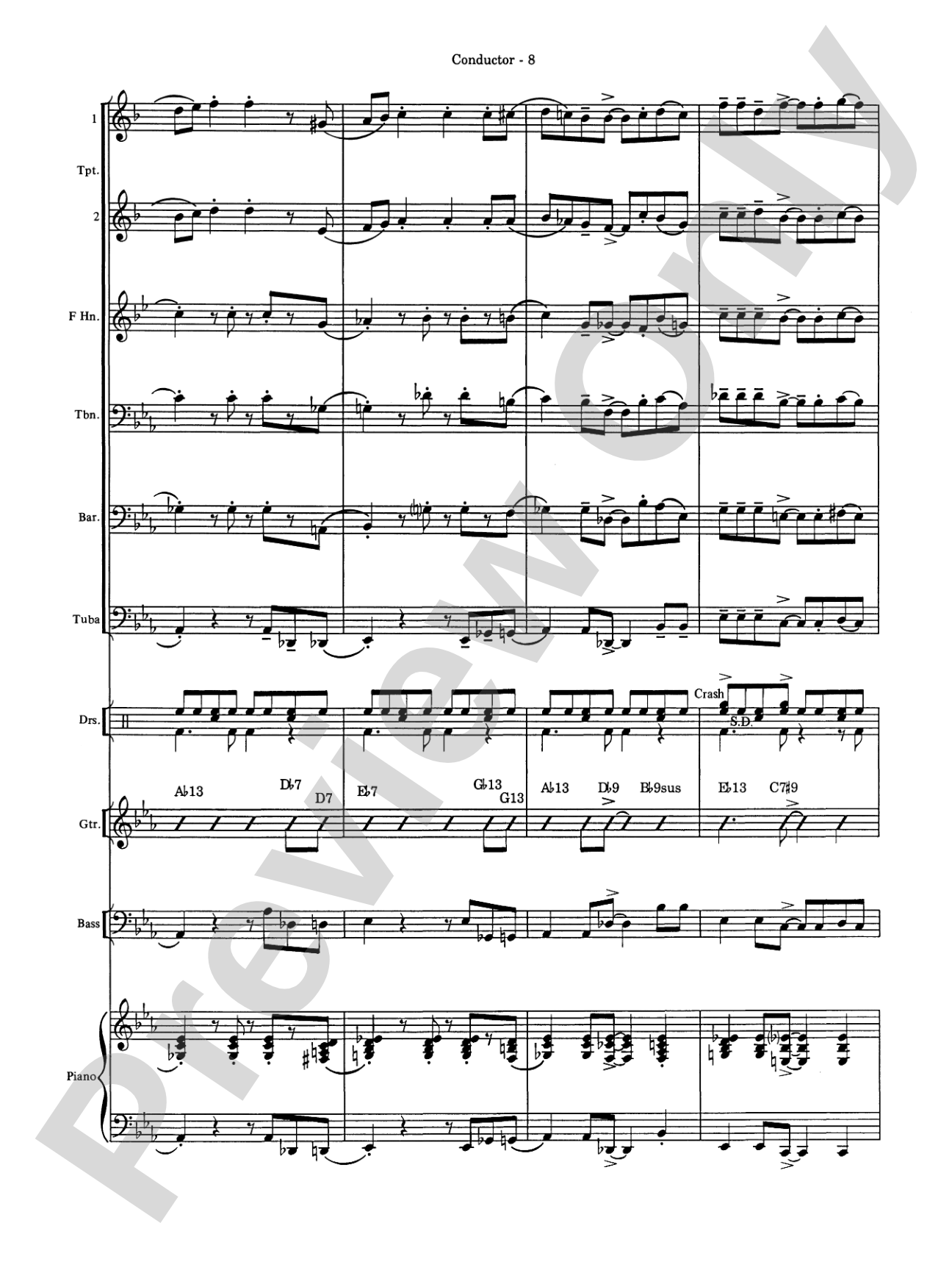
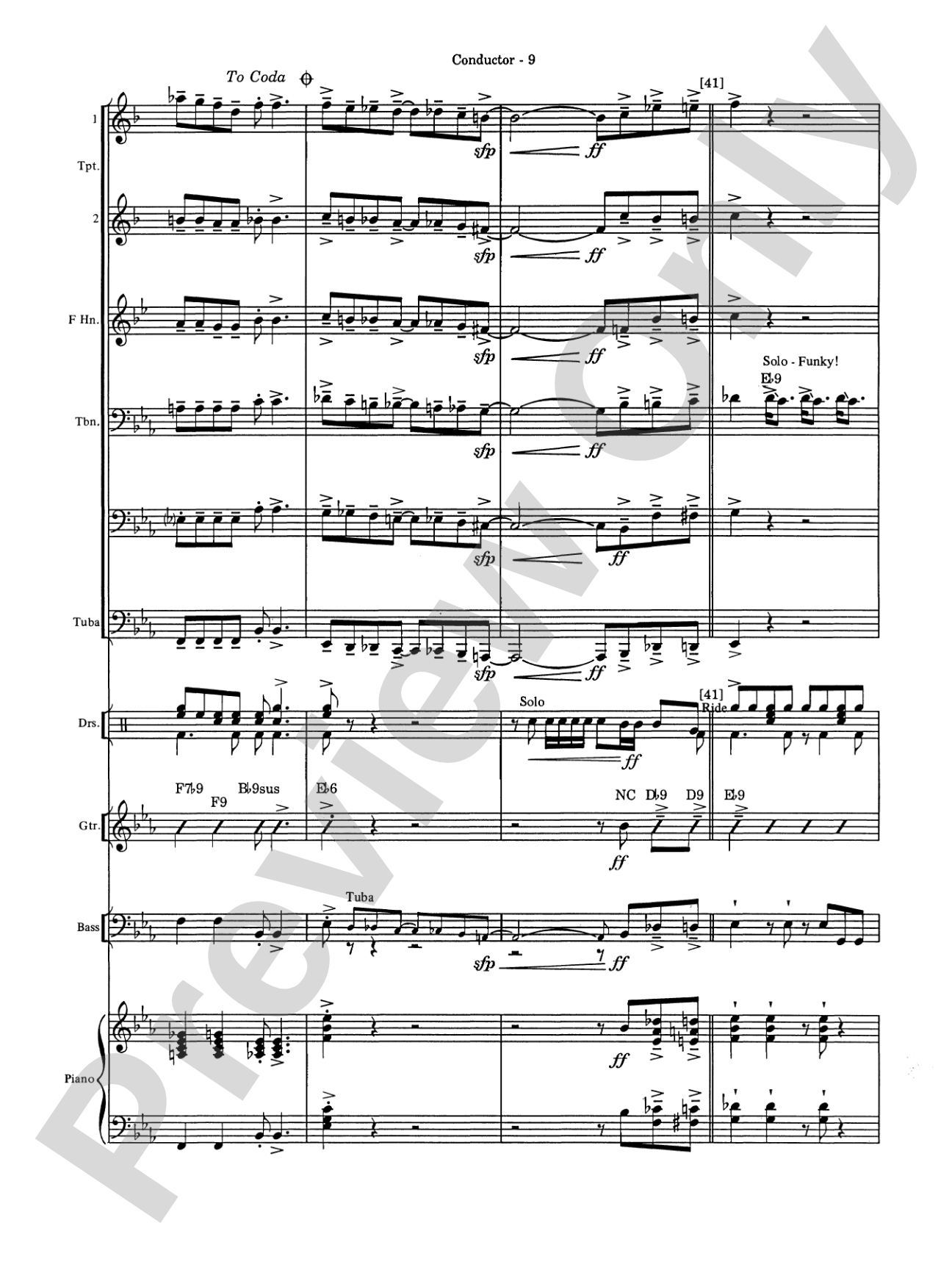
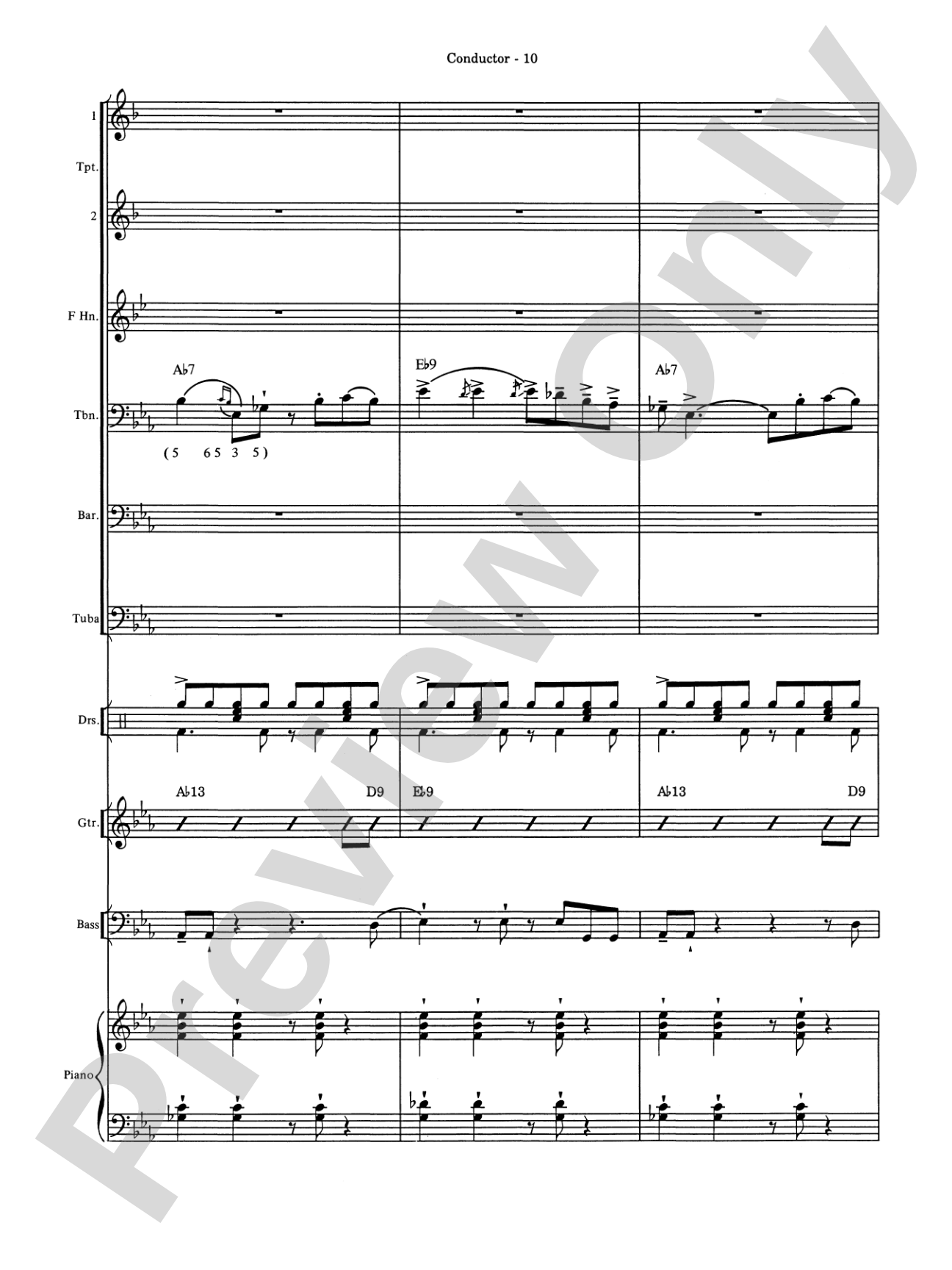
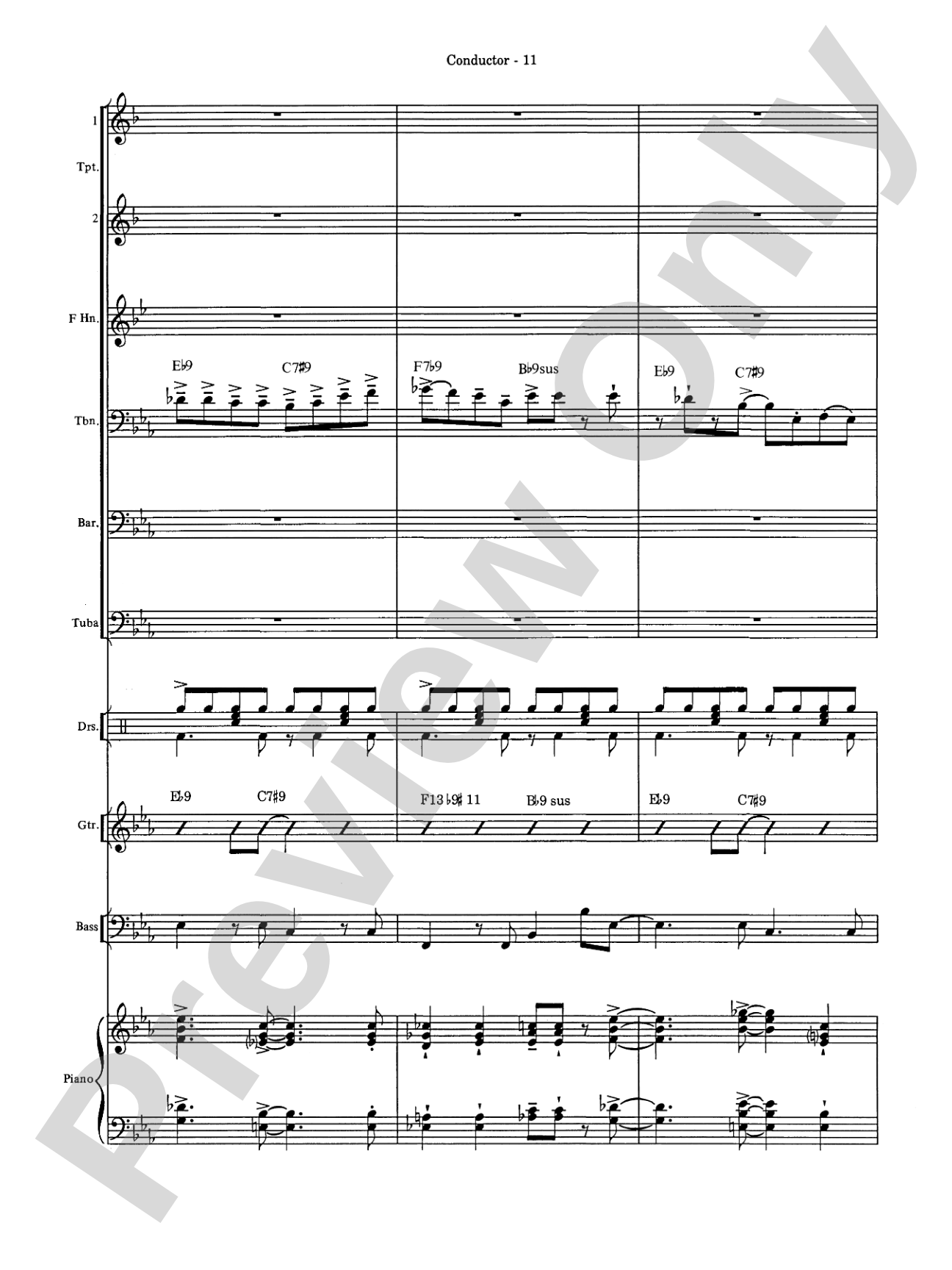
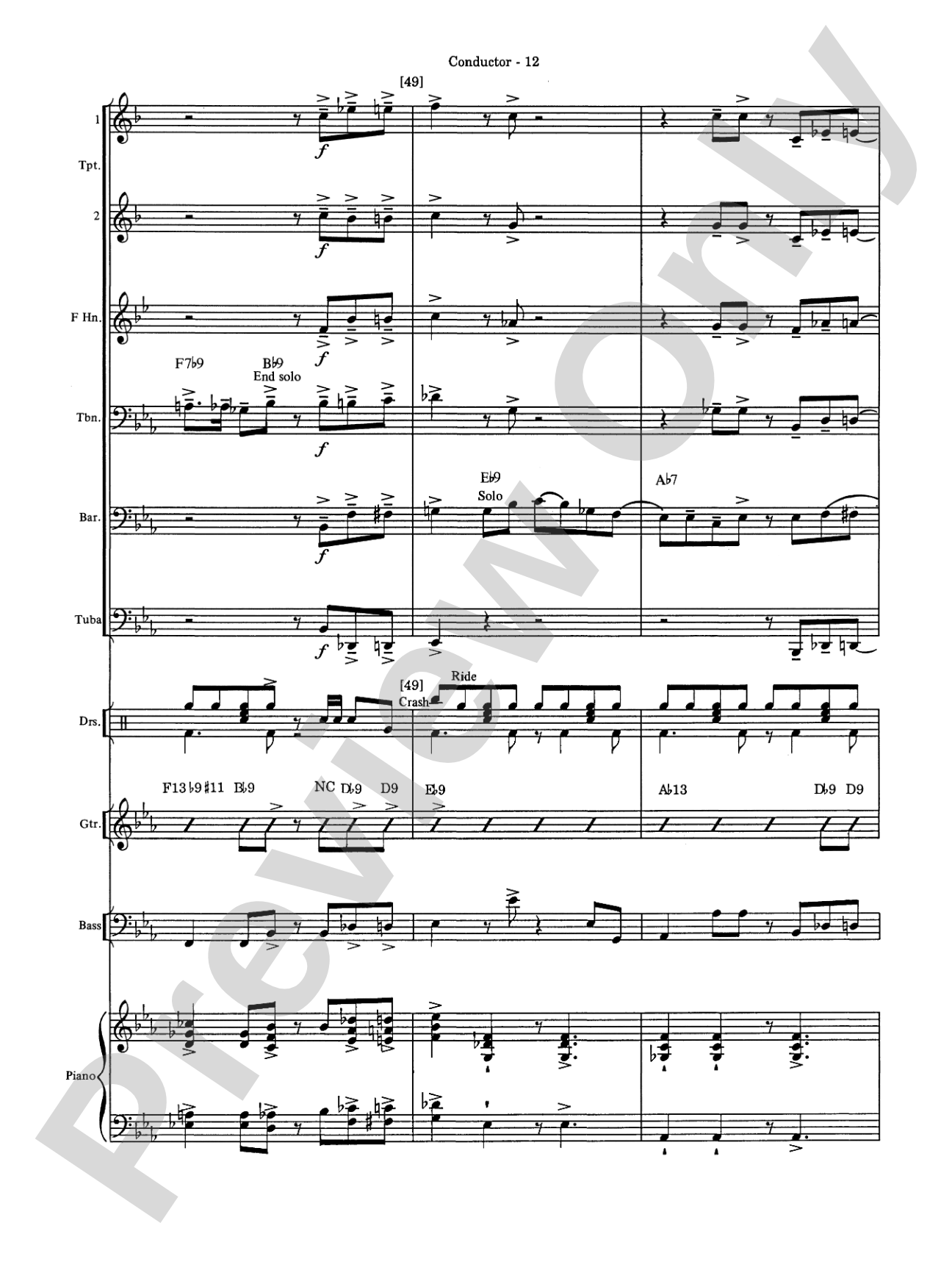
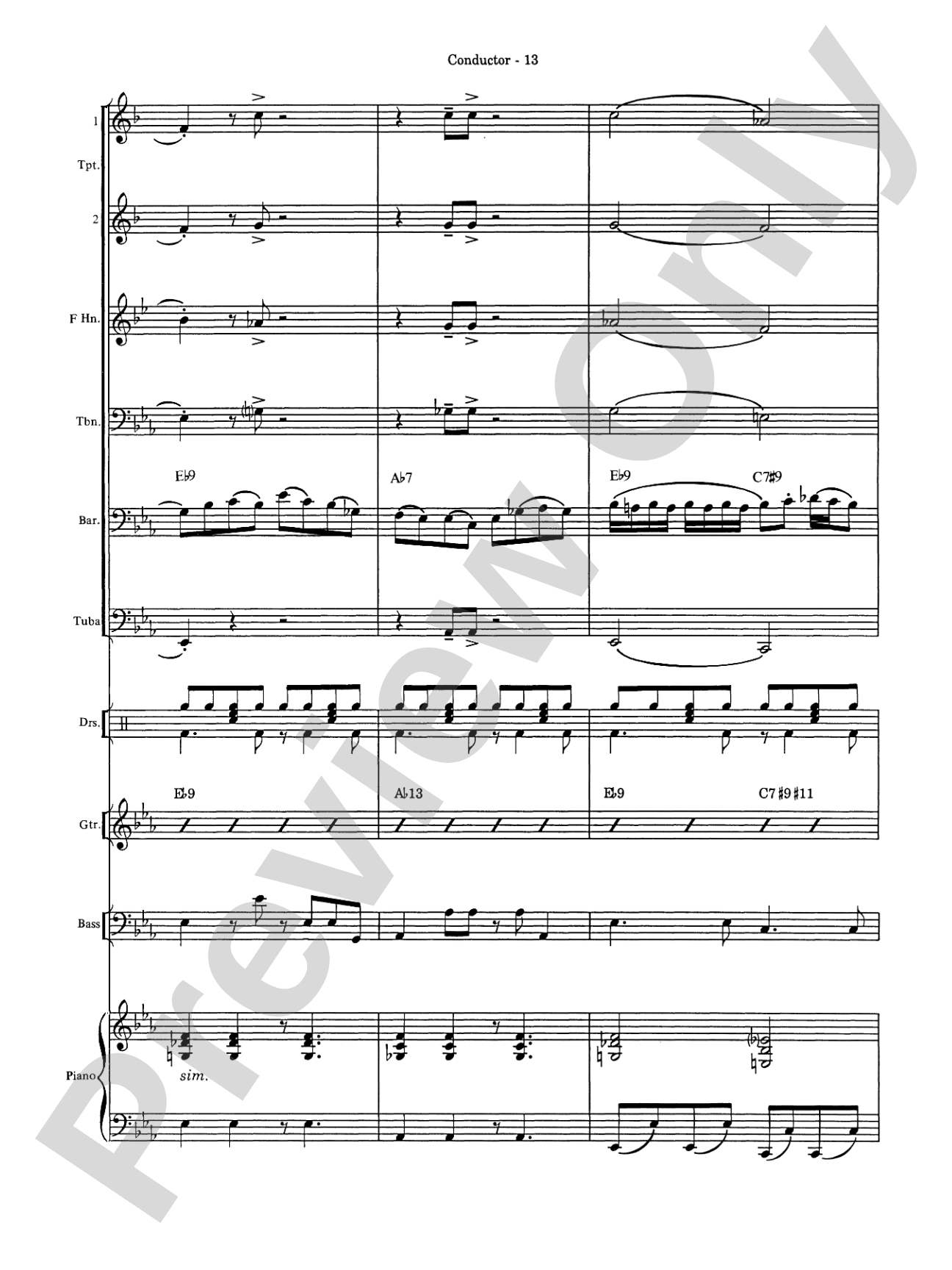
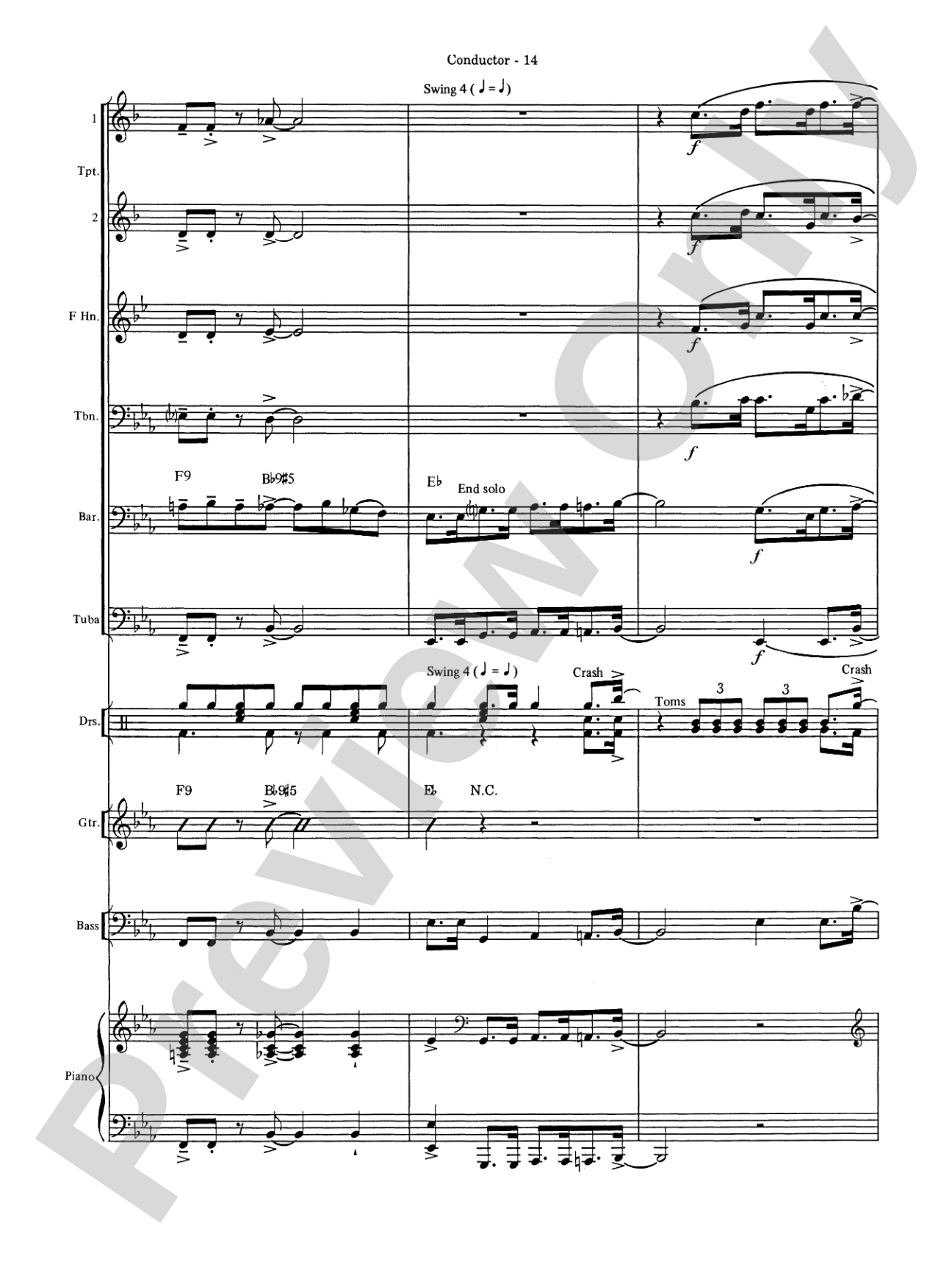
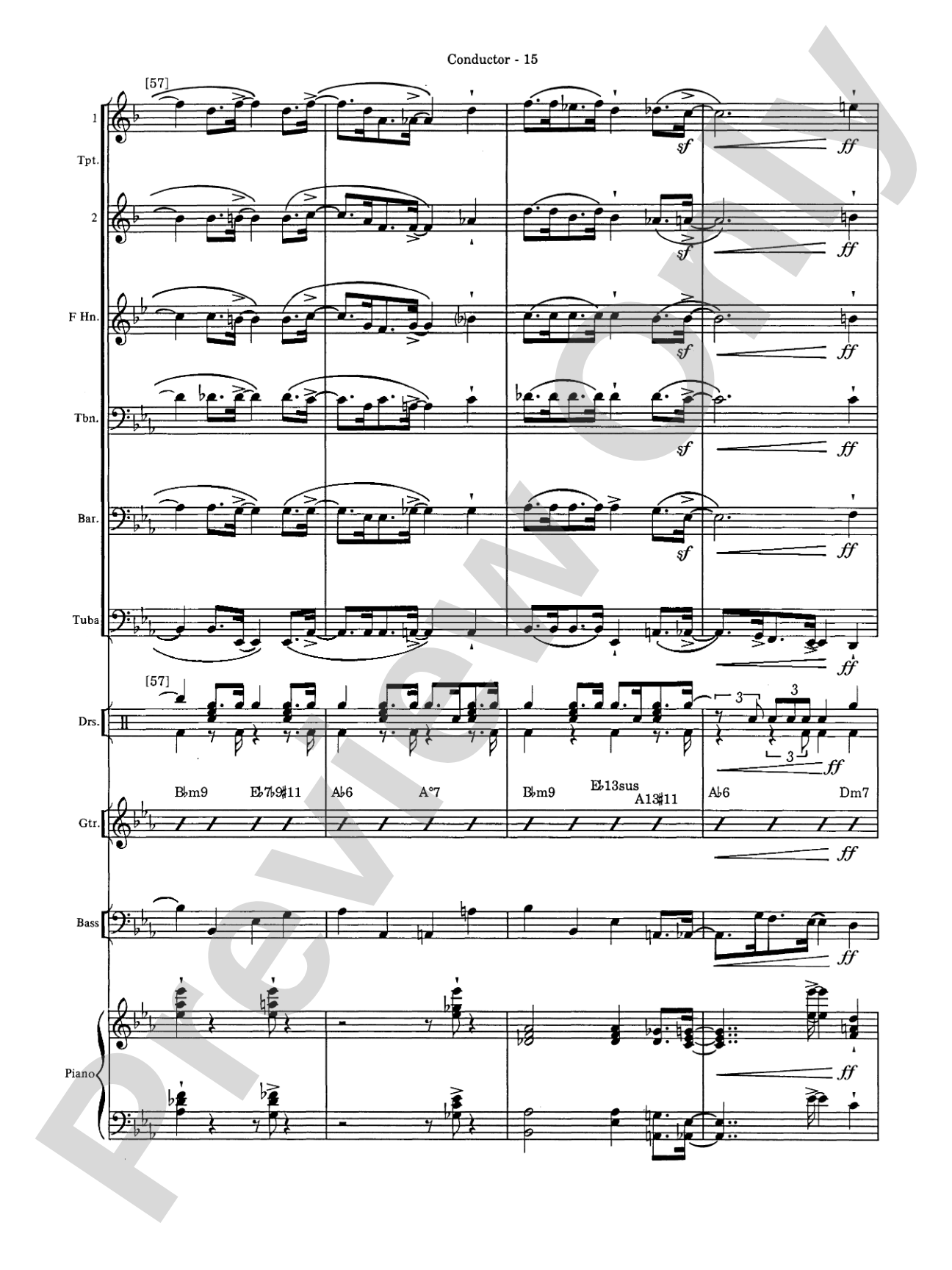
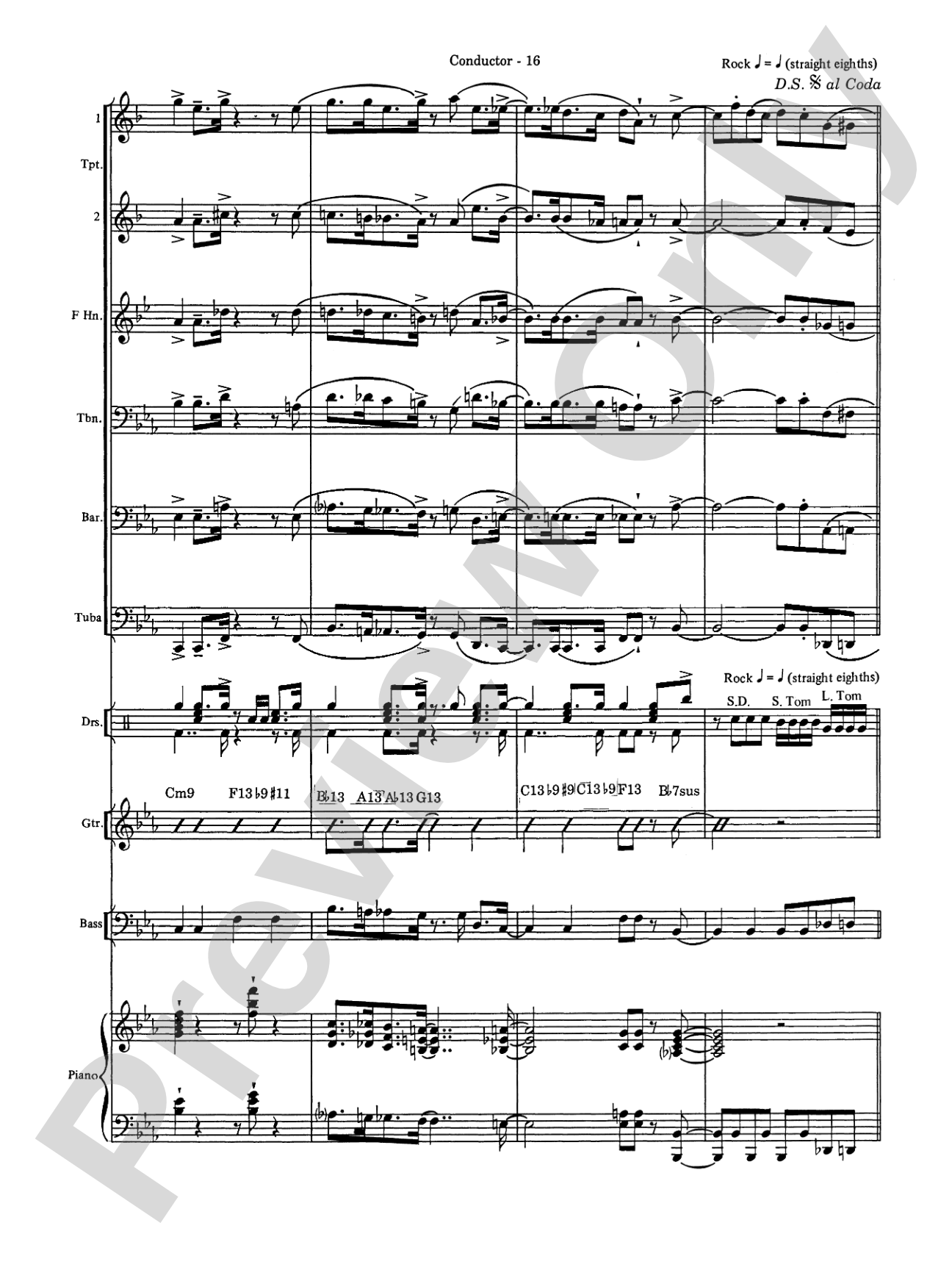



Santa Claus Is Comin' to Town: Brass Choir
Words by Haven Gillespie, music by J. Fred Coots / arr. Calvin Custer
Level: Medium Easy
Item: 00-PK-0001709

$15.99
One moment…
Description
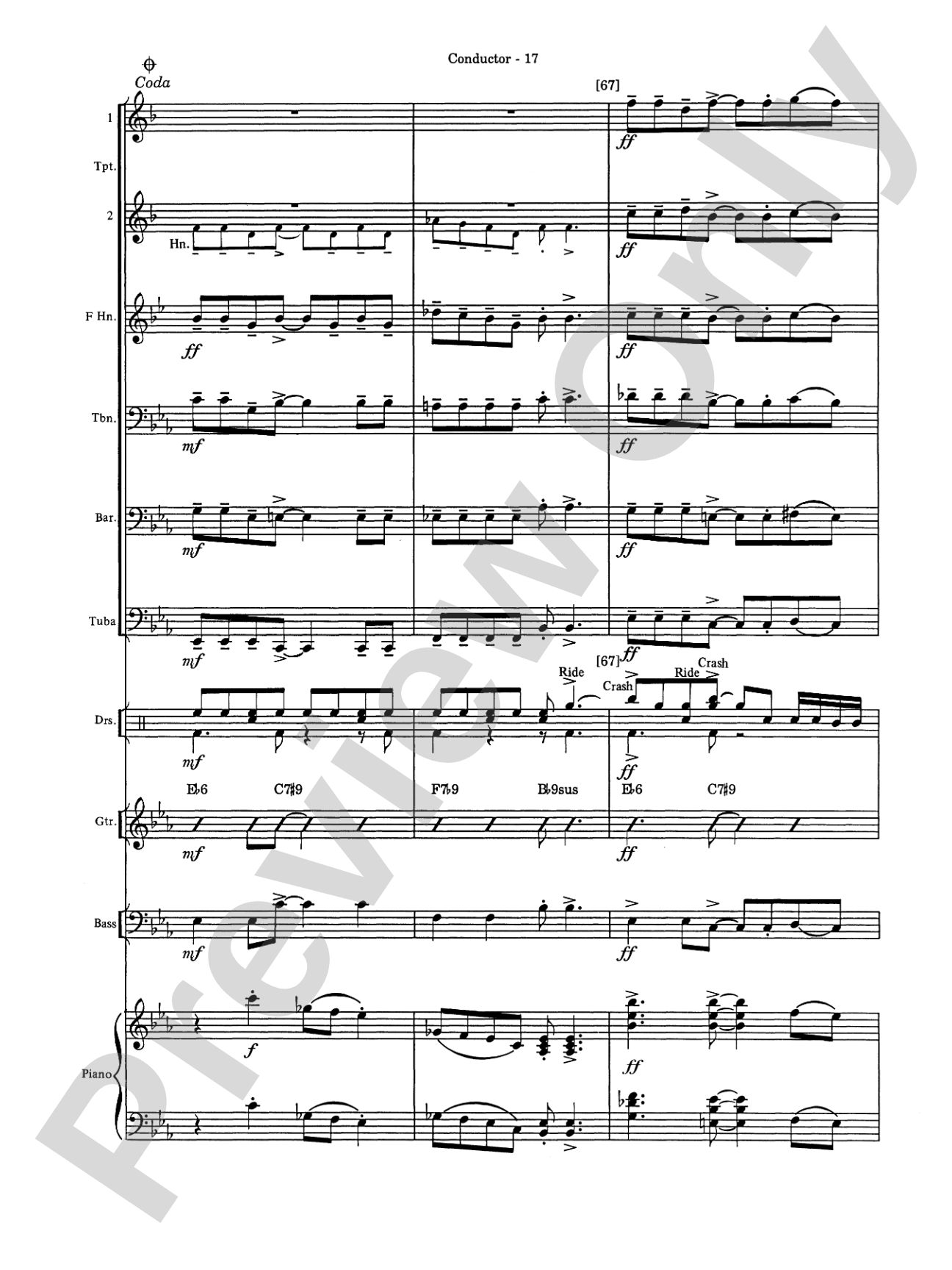
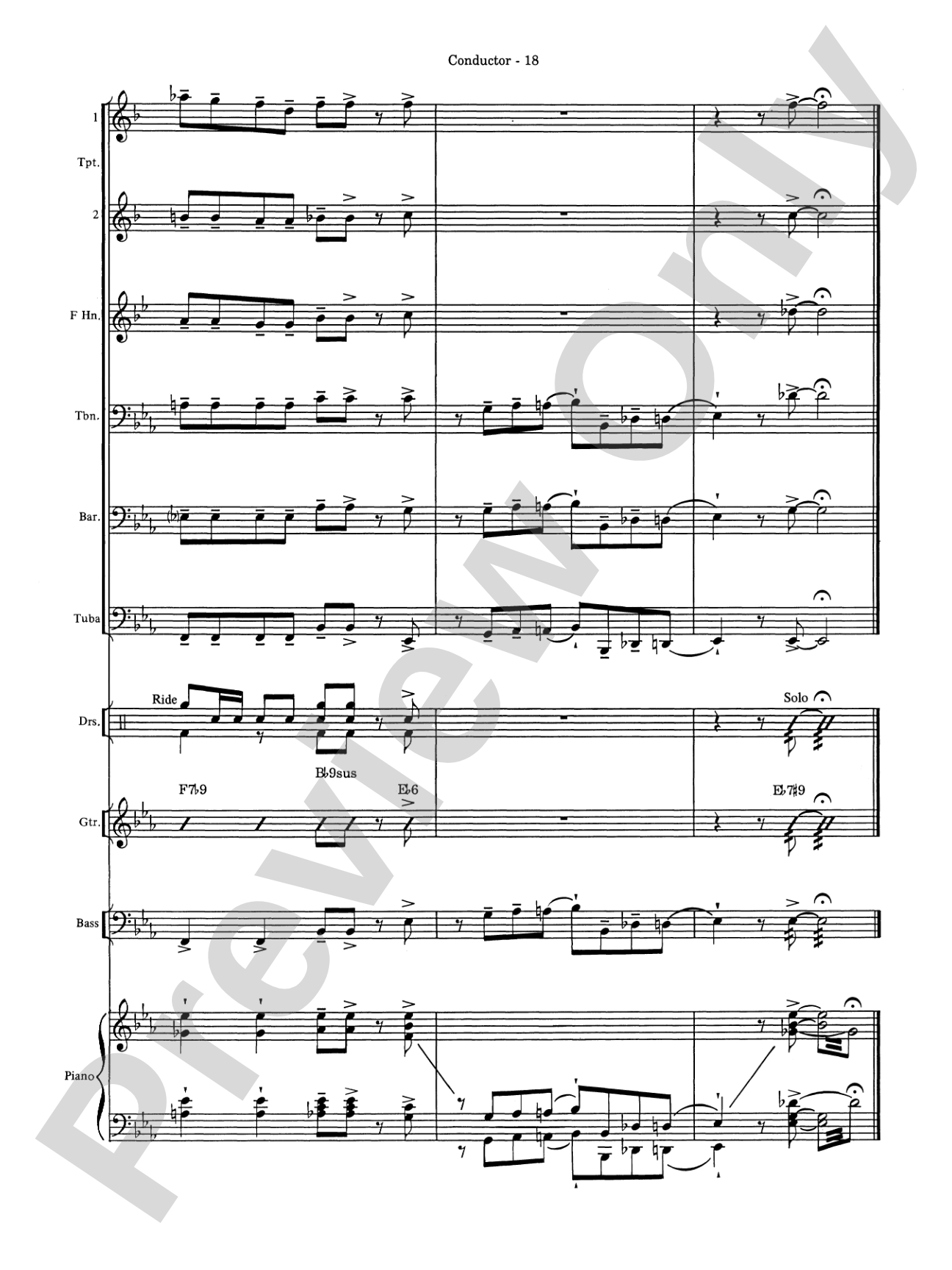
Swing into jazz with masterful arrangements by Calvin Custer. Provide fun and exciting small ensemble music for school events, community concerts, church ensembles, parties, and many other settings. Flute, clarinet, saxophone, and brass choirs can play jazz and popular standards along with a rhythm section of piano, guitar, bass, and drums.
Arrangements include written-out solos with chord changes---perfect for the classically trained player or the experienced jazz soloist. The written-out solos are also included in the full-performance recordings and serve as models for proper style.
Download free full-performance and accompaniment recordings. Play along with the music and learn the correct style with the full-performance track. The accompaniment track includes only piano, guitar, bass, and drums, so if you don't have a rhythm section, you can play along with this track in rehearsal and performance.
Free Recording Downloads:
Full Performance Track
Accompaniment Track


Arrangements include written-out solos with chord changes---perfect for the classically trained player or the experienced jazz soloist. The written-out solos are also included in the full-performance recordings and serve as models for proper style.
Download free full-performance and accompaniment recordings. Play along with the music and learn the correct style with the full-performance track. The accompaniment track includes only piano, guitar, bass, and drums, so if you don't have a rhythm section, you can play along with this track in rehearsal and performance.
Free Recording Downloads:
Full Performance Track
Accompaniment Track
Don't just read it, hear it, play along with it, and watch your students grow with it. In MakeMusic Cloud, Santa Claus Is Comin' to Town: Brass Choir comes alive with professional accompaniment, adjustable tempo, and built-in practice tools that turn solo practice into real progress.
Open in the Player
Jump straight in and assign it today.
Start Your Free Trial
Open this title and explore the full library in minutes.
Sample Audio
1
Audio File
--:--
0:00
0:00
Sample Video
No sample videos found.
Additional Details
Series:
Ensembles That Swing
Publisher:
Alfred Music
Page Count:
44
SKU:
00-PK-0001709
Instrumentation:
Brass Choir
More about this title
About the Composer: J. Fred Coots
J. Fred Coots (1897-1964) was an American composer and songwriter who wrote some of the most enduring holiday standards in American popular music. His gift for memorable melody and straightforward harmonic language made his songs accessible to singers and players of all levels, yet sophisticated enough to reward serious musicians. "Santa Claus Is Comin' to Town," composed in 1934, became a perennial favorite performed by everyone from children's choirs to jazz ensembles.
Coots' catalog reveals a composer who understood both Tin Pan Alley conventions and the emotional core of a good song. His melodies sit naturally in the voice and on instruments, making his work invaluable for music educators seeking material that engages students without sacrificing musicality.
Why we love this
Calvin Custer's arrangement captures the buoyant character of this holiday classic while building in written-out solo passages that give brass players genuine interpretive choices. The swing feel is authentic without being demanding, and the Medium Easy grade ensures accessibility across mixed-ability ensembles. This is the kind of arrangement that makes students excited to rehearse because they're playing real jazz vocabulary, not a simplified tune.
What to expect
Bright, propulsive, and infectiously good-natured. The swing groove carries the familiar melody forward with rhythmic drive, while the brass choir sound delivers warmth and presence. There's a playful quality throughout that feels celebratory without being saccharine; Custer's arrangement respects the tune while giving it genuine jazz credentials.
Who it's for
This arrangement works for brass choirs of mixed instrumentation (trumpets, trombones, horns, and tuba) at the middle school through early high school level. It's equally at home in school jazz ensembles, church music programs, and community brass bands looking for holiday repertoire that swings without requiring virtuosity.
How to get the most out of it
- Study the written-out solos on the full-performance track first. Custer's phrasing and time-feel choices are models for interpretation; listen several times before adding your own embellishments.
- Lock the brass section's articulation in opening hits and rhythmic figures. Consistency here makes the swing feel land cleanly and keeps ensemble sound unified.
- Balance the soloists prominently against the rhythm section. These passages are showcase moments, so encourage players to step forward dynamically while the piano, guitar, bass, and drums provide solid accompaniment.
- Use the accompaniment track in sectional rehearsals to let players hear how their parts sit within the full arrangement and to build confidence before full-ensemble run-throughs.
How to use it
Slot this into winter concerts, holiday community events, and festive fundraisers where audiences expect to hear Christmas music but you want to offer something with musical substance. It also works beautifully in a mixed-repertoire program of popular standards, bridging the gap between classical holiday fare and contemporary crowd-pleasers.
Skills your students will build
- Swing articulation and phrasing in a jazz context
- Reading lead sheets and chord changes
- Balancing solo and ensemble roles within a small group
- Listening to and interpreting recorded models for style accuracy
- Coordinating rhythm section and melodic instruments in jazz texture