


Samba del Sol: String Orchestra Conductor Score & Parts
By Doug Spata
Grade: 1
Item: 00-PK-0005270

$45.00
Pickup currently not available
Buy Extra Parts (Digital PDF Download)
| Product | Price | Quantity |
|---|---|---|
| Samba del Sol: Score | $9.00 | |
| Samba del Sol: 1st Violin | $5.99 | |
| Samba del Sol: 2nd Violin | $5.99 | |
| Samba del Sol: Viola | $5.99 | |
| Samba del Sol: Cello | $5.99 | |
| Samba del Sol: String Bass | $5.99 | |
| Samba del Sol: CLA | $5.99 | |
| Samba del Sol: CAB | $5.99 |
Parts Added to Cart!
Description
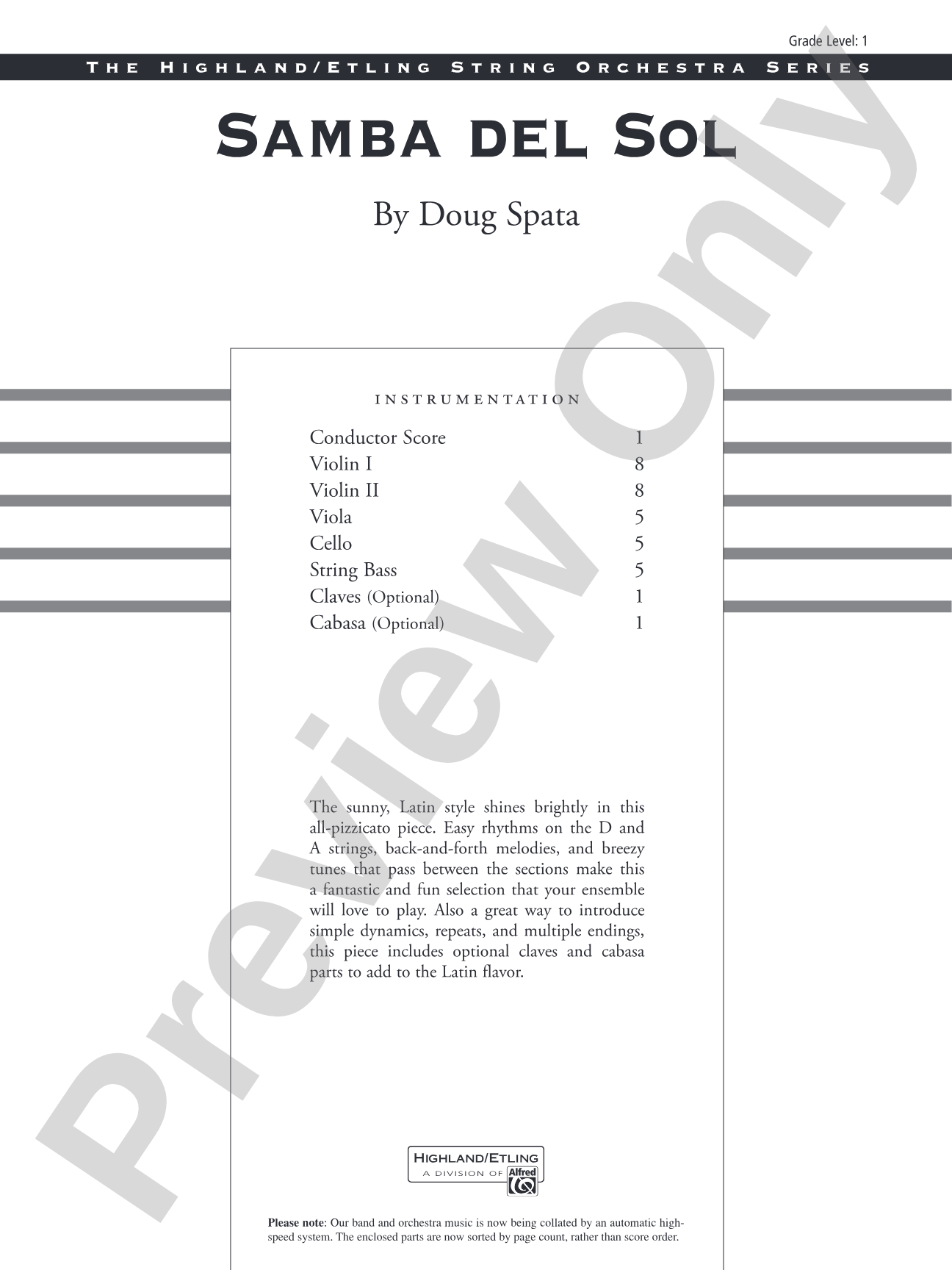
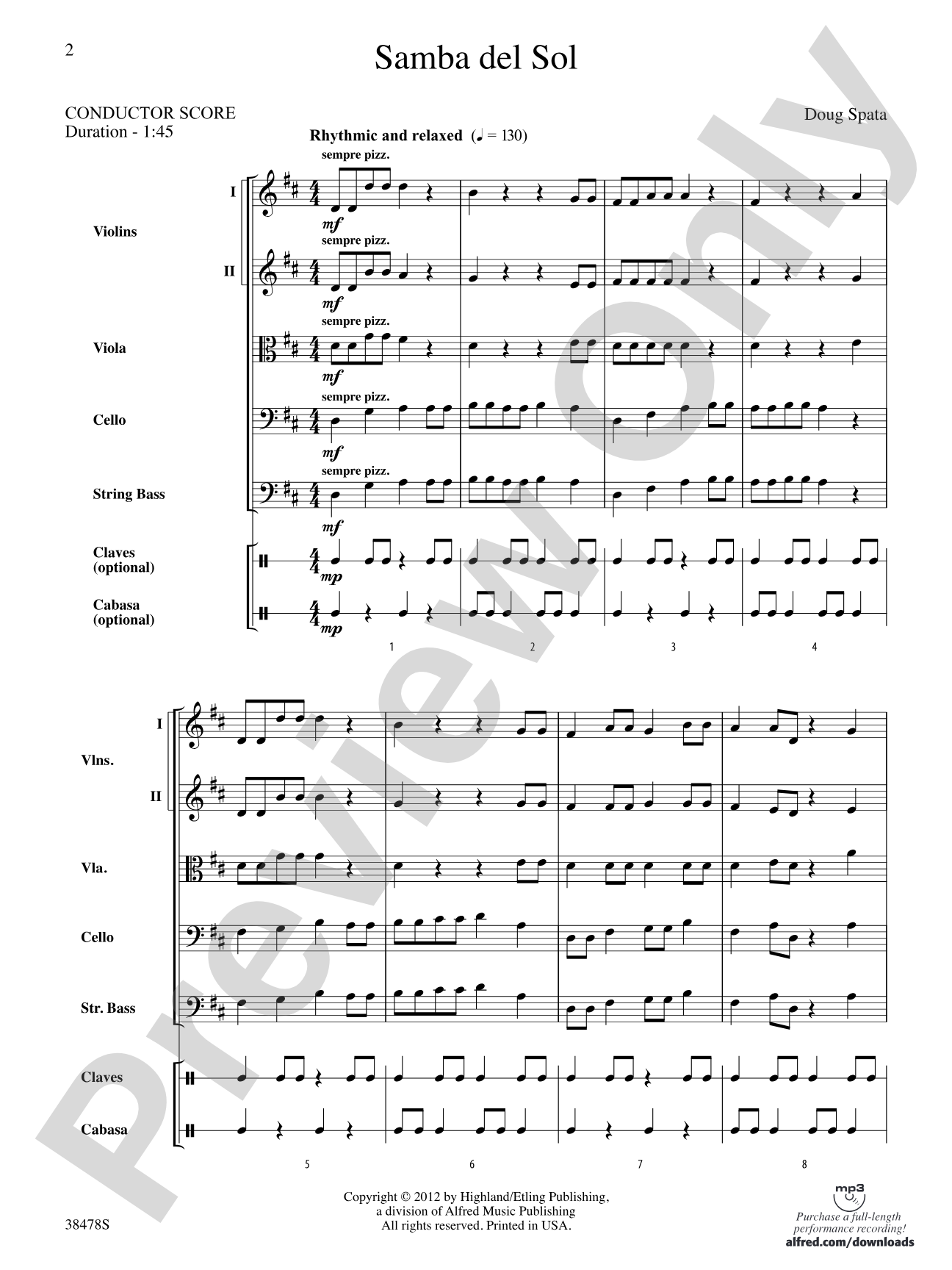
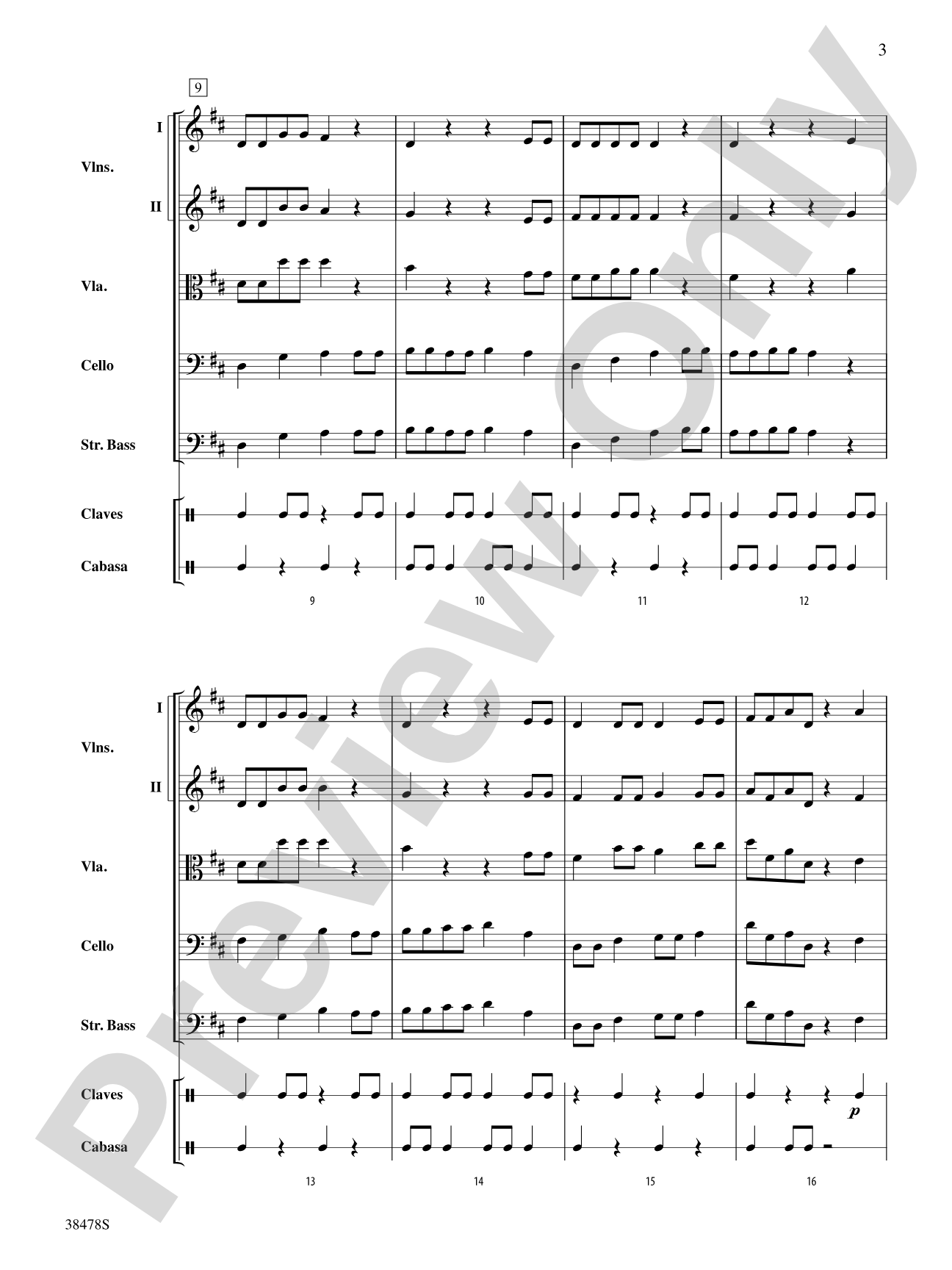
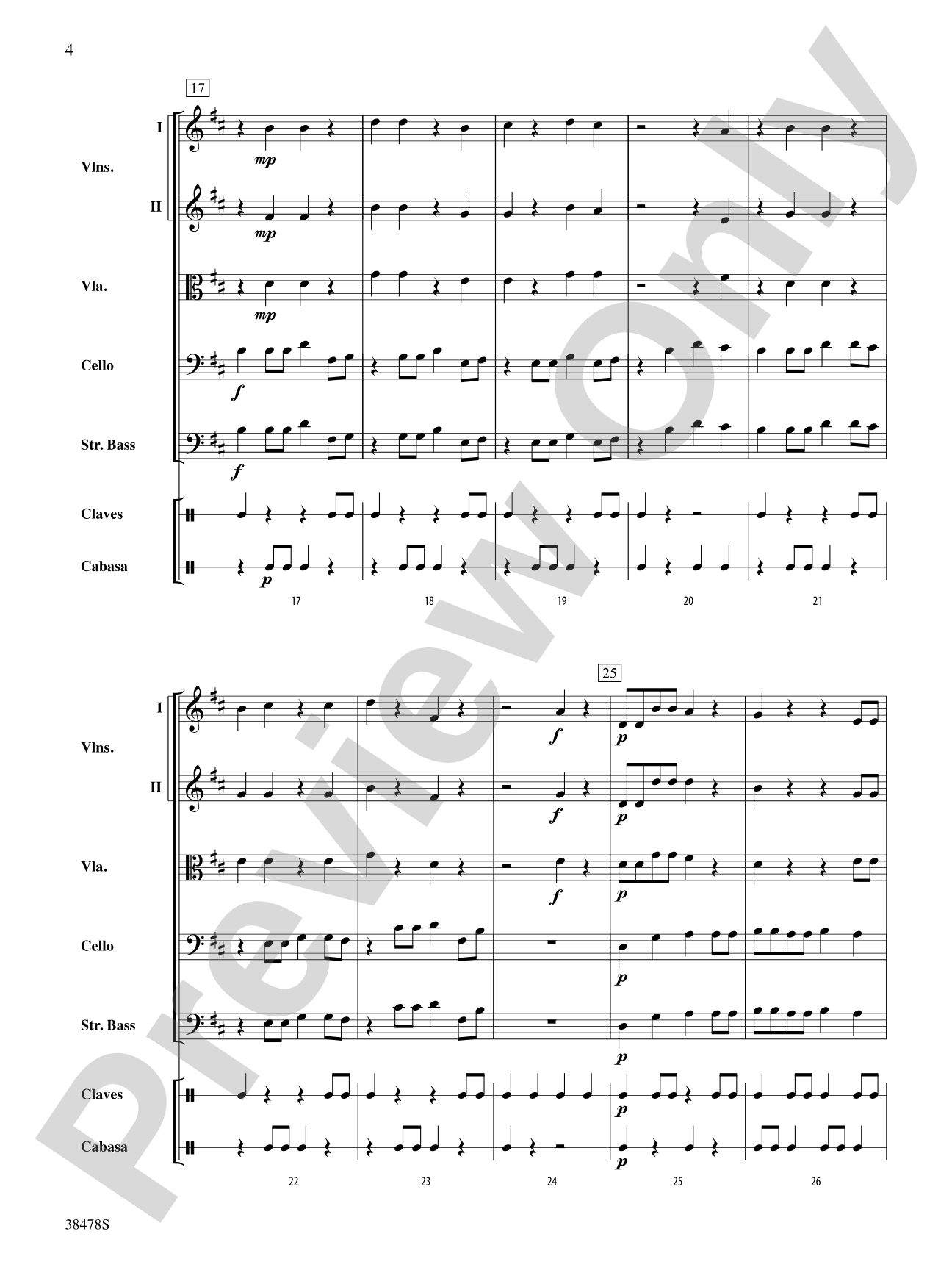
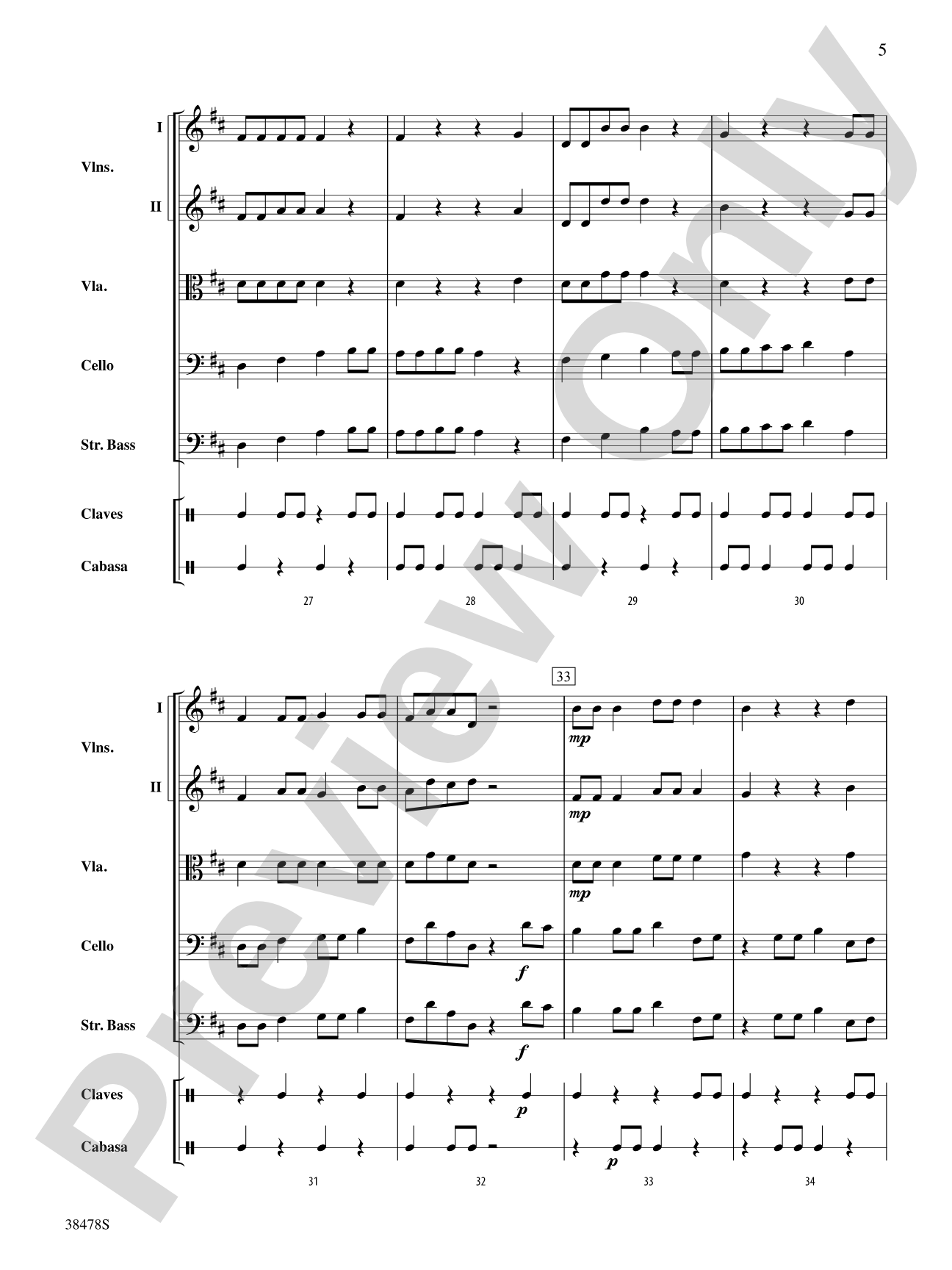
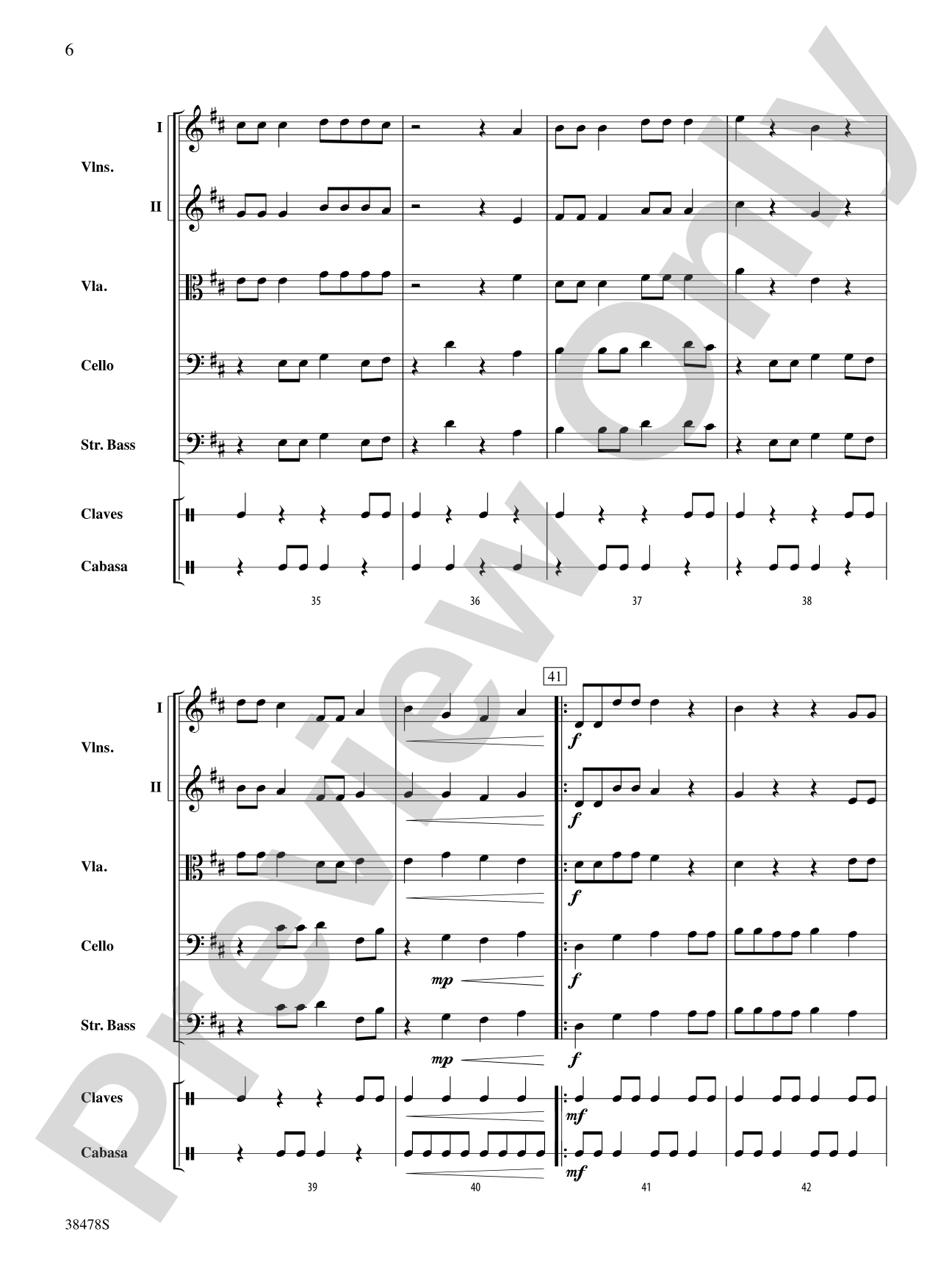
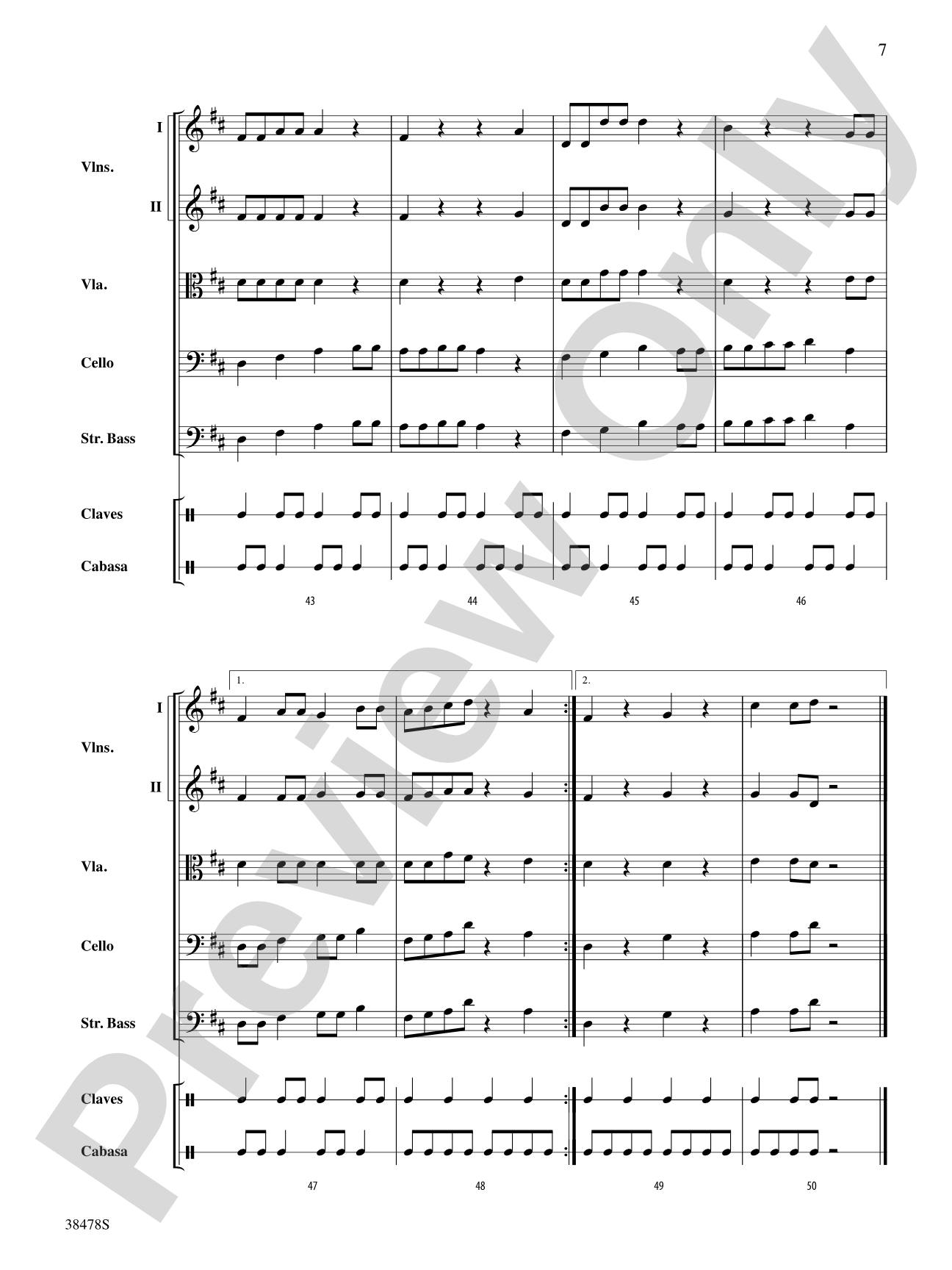
The sunny, Latin style shines brightly in this all-pizzicato piece. Easy rhythms on the D and A strings, back-and-forth melodies, and breezy tunes that pass between the sections make this a fantastic and fun selection that your ensemble will love to play. Also a great way to introduce simple dynamics, repeats, and multiple endings, this piece includes optional claves and cabasa parts to add to the Latin flavor. This title is available in MakeMusic Cloud.


Don't just read it, hear it, play along with it, and watch your students grow with it. In MakeMusic Cloud, Samba del Sol: String Orchestra Conductor Score & Parts comes alive with professional accompaniment, adjustable tempo, and built-in practice tools that turn solo practice into real progress.
Open in the Player
Jump straight in and assign it today.
Start Your Free Trial
Open this title and explore the full library in minutes.
Sample Audio
1
Audio File
--:--
0:00
0:00
Sample Video
No sample videos found.
Additional Details
Series:
Highland/Etling String Orchestra
Publisher:
Alfred Music
Page Count:
66
SKU:
00-PK-0005270
More about this title
About the Composer: Doug Spata

Doug Spata began his musical training as a clarinetist, but his years working as an orchestra director shaped his compositional voice into a distinctive specialty in string writing. His works have earned recognition from educators and audiences nationwide, performed across the United States and internationally, and span an impressive range from operas and ballets to symphonies and chamber music.
Beyond his prolific output for student ensembles, Spata continues to compose for orchestras of all sizes, bringing the same accessibility and musicality that make his educational works so teachable to larger concert and professional settings.
Why we love this
Spata has crafted a piece that delivers immediate gratification. The all-pizzicato texture keeps ensemble coordination straightforward while the rhythmic vitality and melodic exchanges between sections keep players engaged, and the optional Latin percussion parts create a natural entry point for introducing texture and color without overwhelming a first-grade ensemble.
What to expect
Samba del Sol radiates warmth and movement from the first measure. The pizzicato articulation gives the piece a bouncy, conversational quality, as if the sections are trading friendly musical remarks, and the consistent Latin rhythmic pulse creates an immediate sense of forward momentum that feels joyful and accessible.
Who it's for
String orchestras at the beginning stages of ensemble playing benefit most from this piece. The straightforward rhythms, limited technical demands, and infectious Latin character keep young players motivated while they build fundamental skills in rhythm reading, section balance, and response to conducting.
How to get the most out of it
- Keep the pizzicato articulation crisp and uniform across the section. Coordinate left-hand placement and release with your players so that the rhythmic precision matches the bright, bouncy character.
- Balance the back-and-forth melodic passages by bringing out the leading voice slightly while keeping supporting sections steady and transparent.
- If using the optional claves and cabasa parts, rehearse the percussion independently first so they lock into the rhythmic grid before combining with the strings.
- Emphasize the dynamic markings as a teaching moment; mark them clearly on parts so students practice reading and responding to these changes as a conductor and ensemble.
How to use it
This is ideal programming for young ensemble concerts, family outreach events, or any program moment where you want to showcase your orchestra playing something approachable and genuinely fun. It pairs well with slightly more serious fare, offering audience relief and demonstrating that string players can deliver infectious rhythmic joy.
Skills your students will build
- Pizzicato execution and consistency across the ensemble
- Latin rhythmic patterns and steady pulse maintenance
- Reading and responding to simple dynamic markings and repeats
- Multiple melodic endings and sectional independence
- Balancing written-in parts against foreground material