
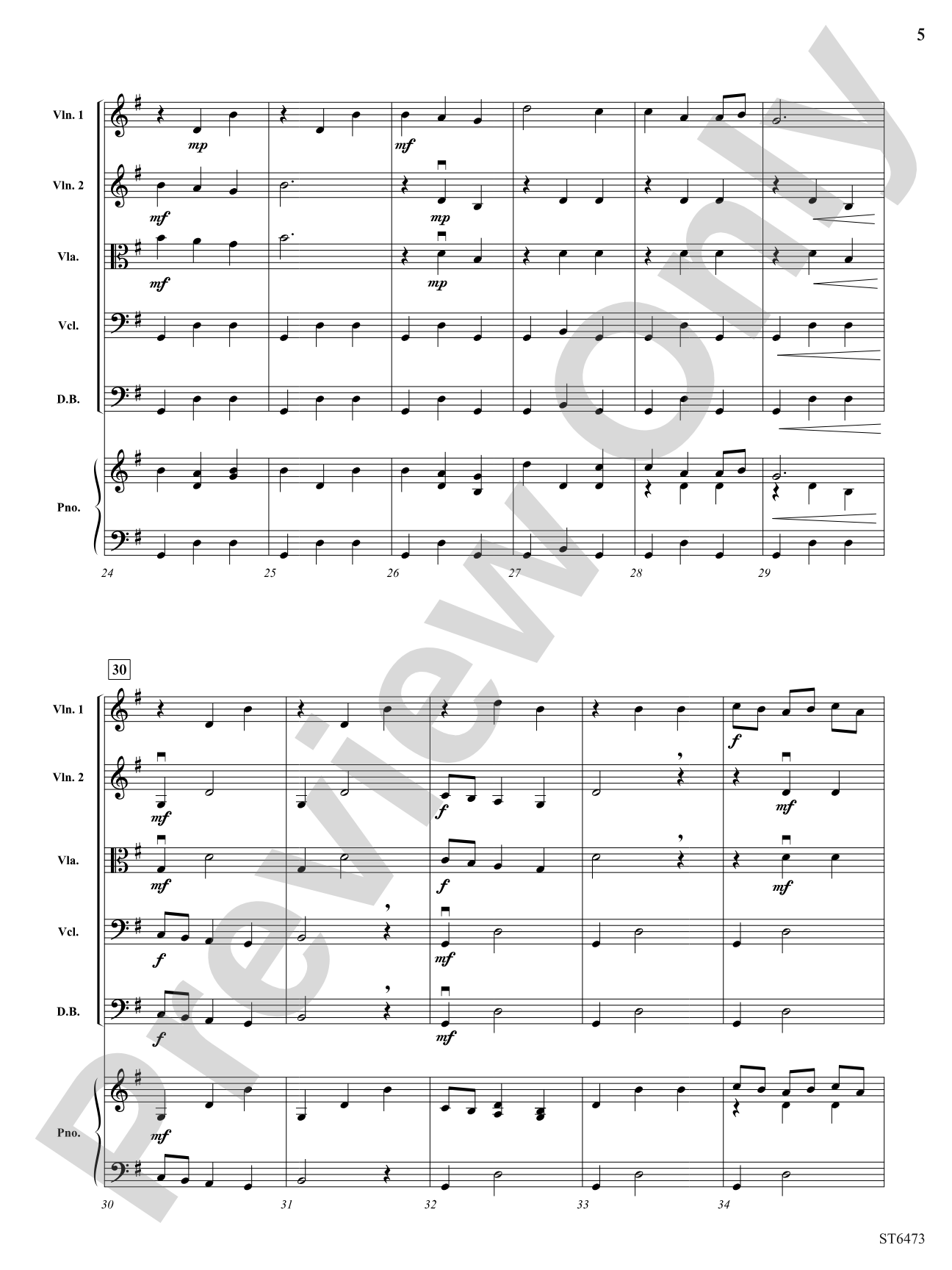
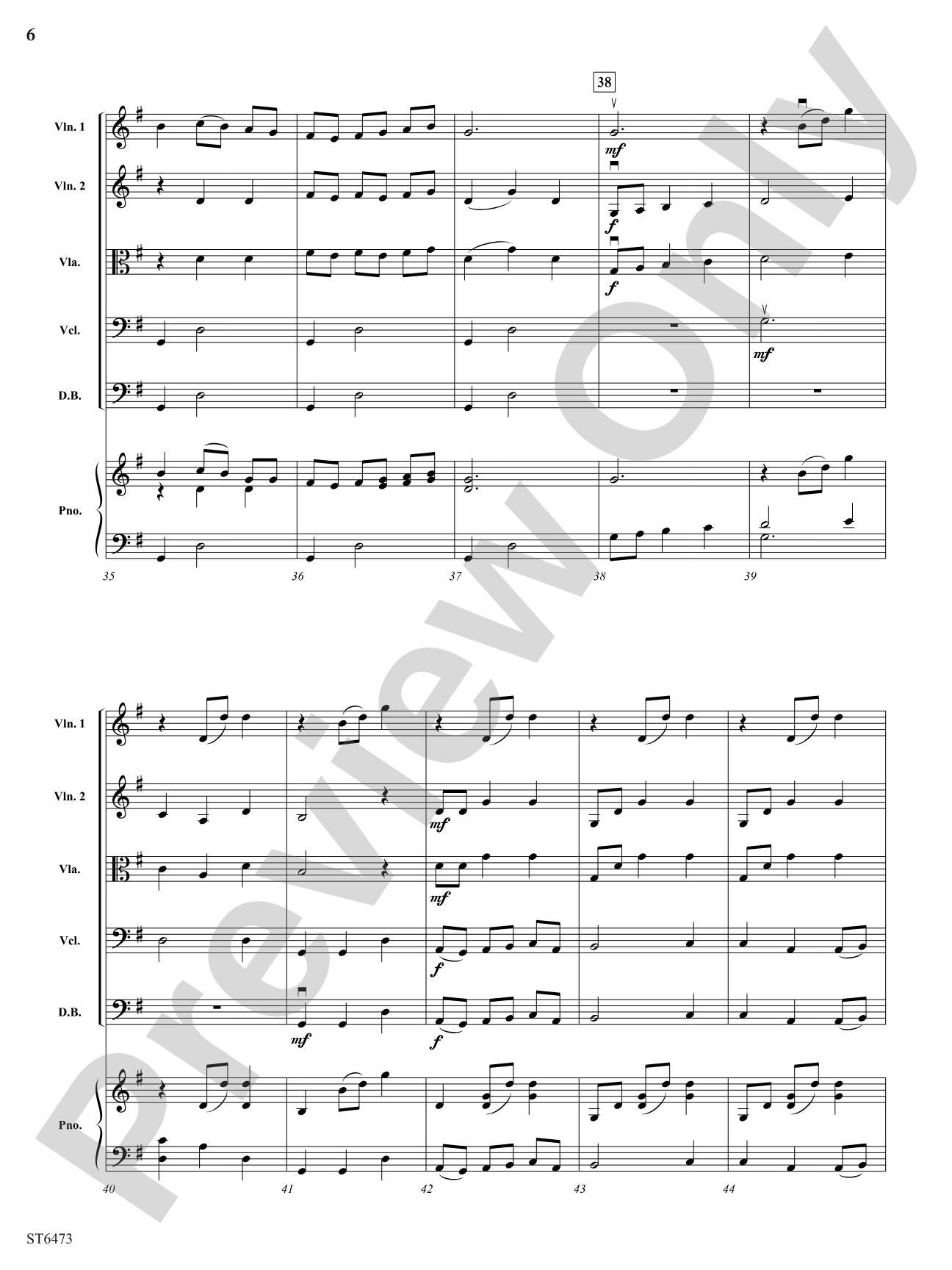
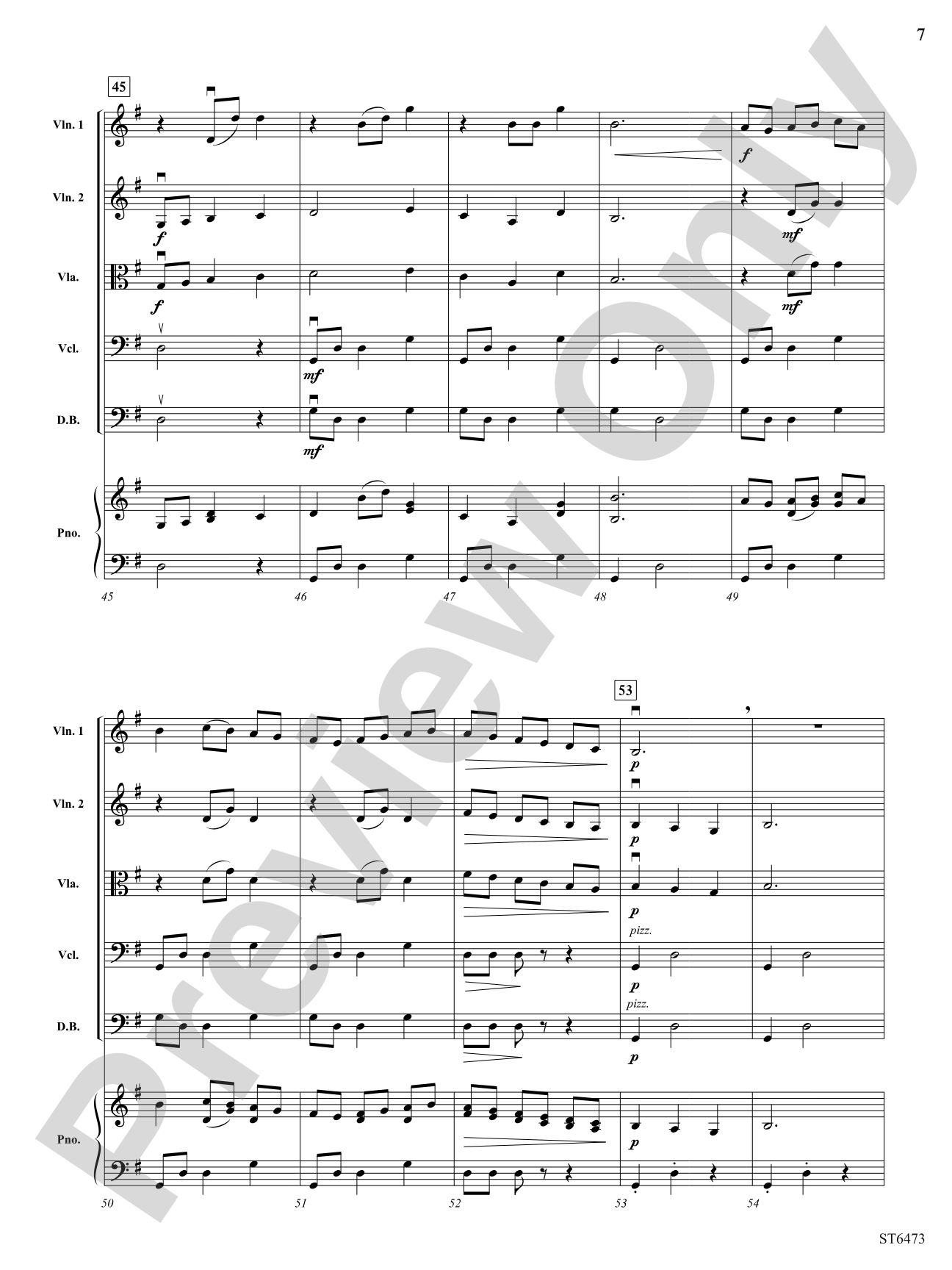
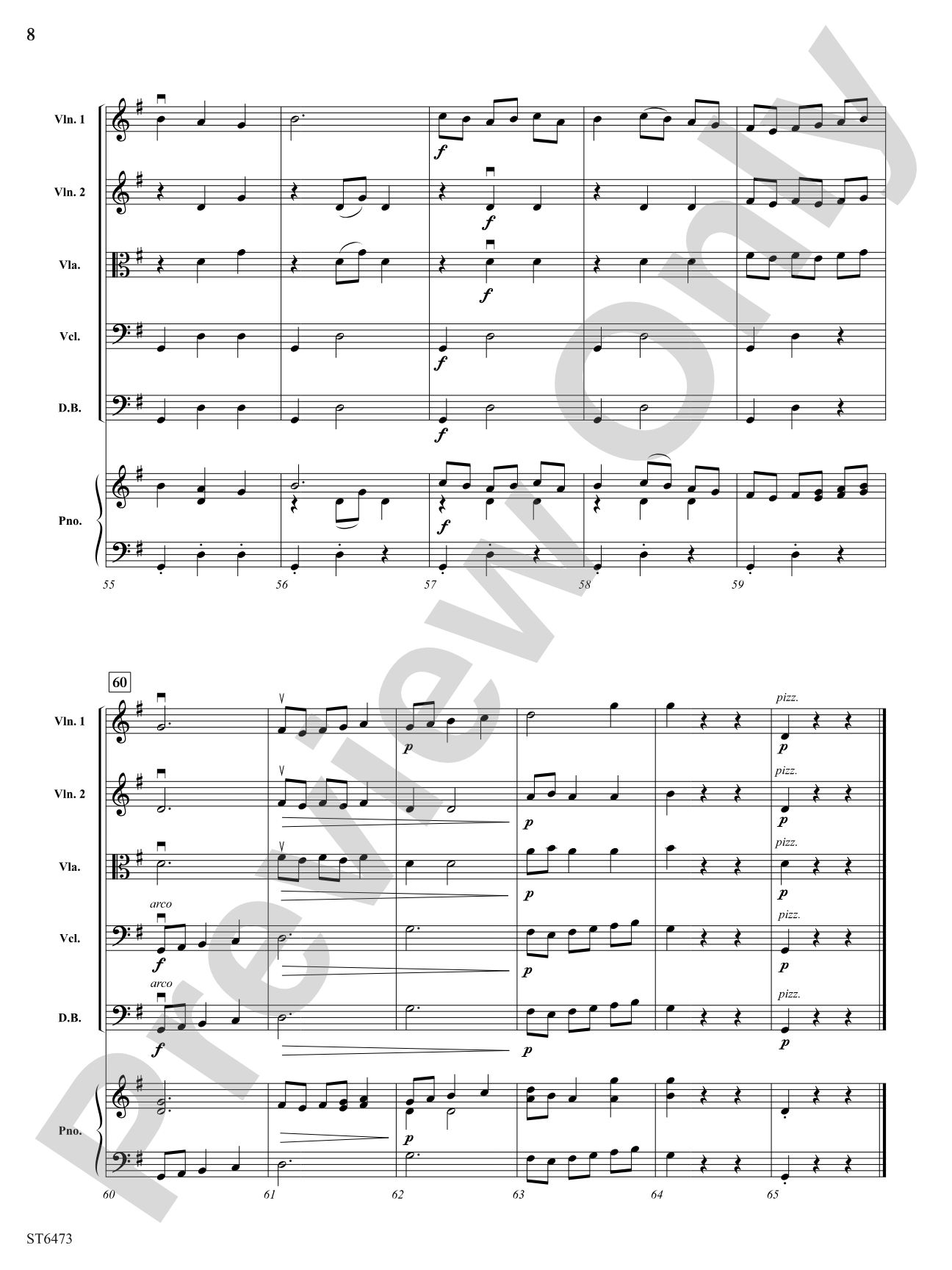

Saltarello: Score
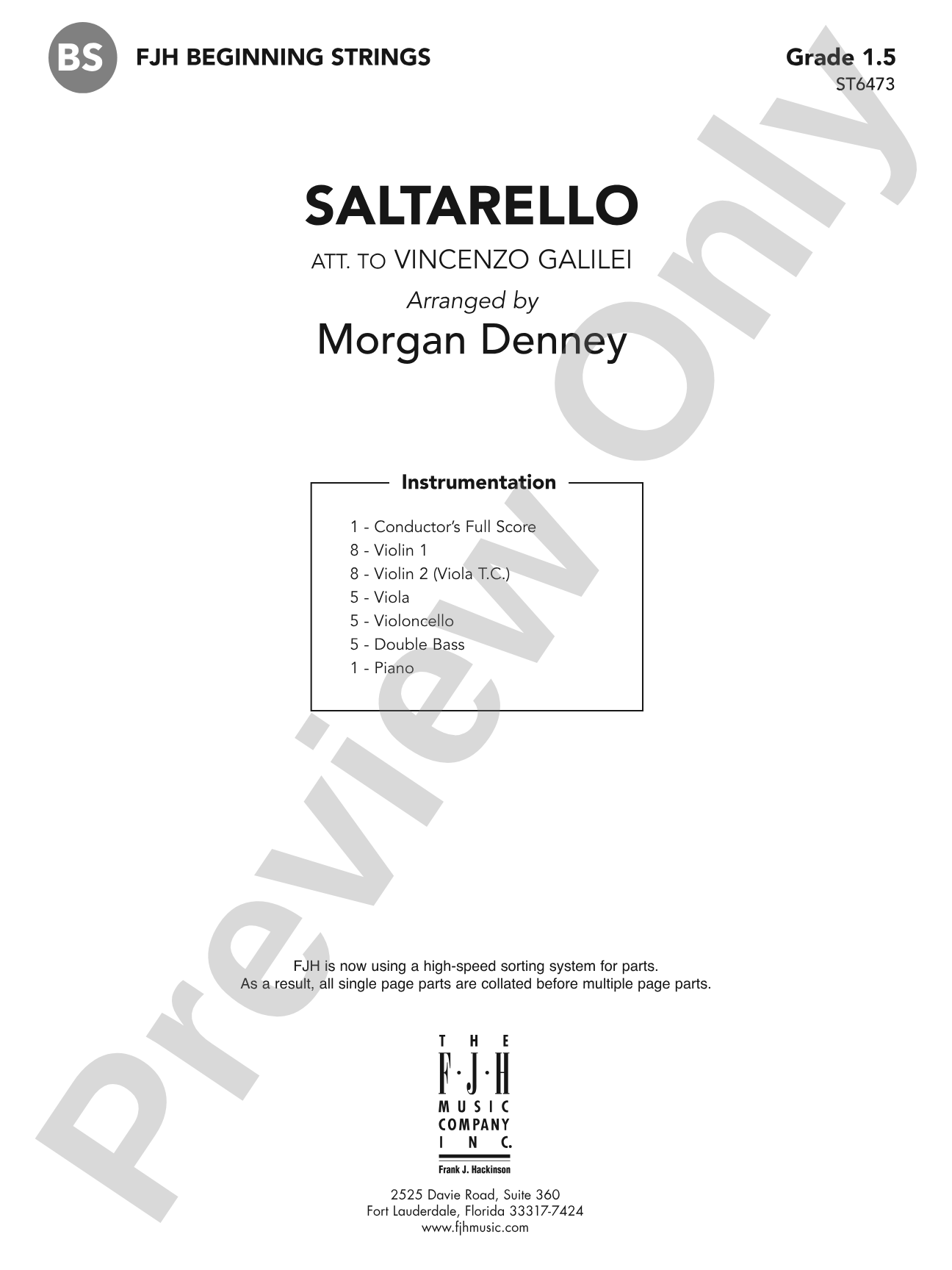
By Vincenzo Galilei / arr. Morgan Denney
Grade: 1.5
Item: 98-DST6473S
$5.00
Pickup currently not available
Description
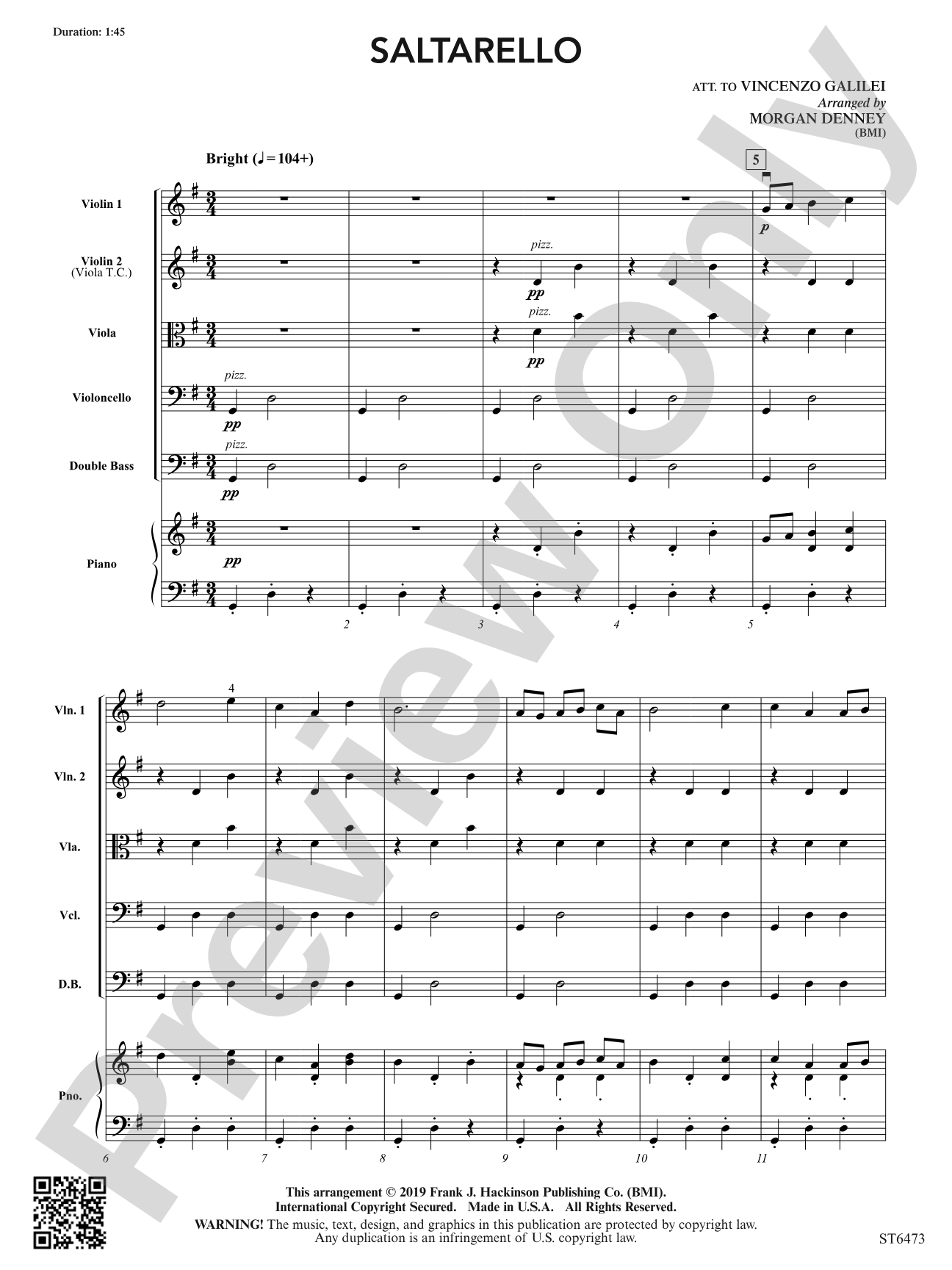
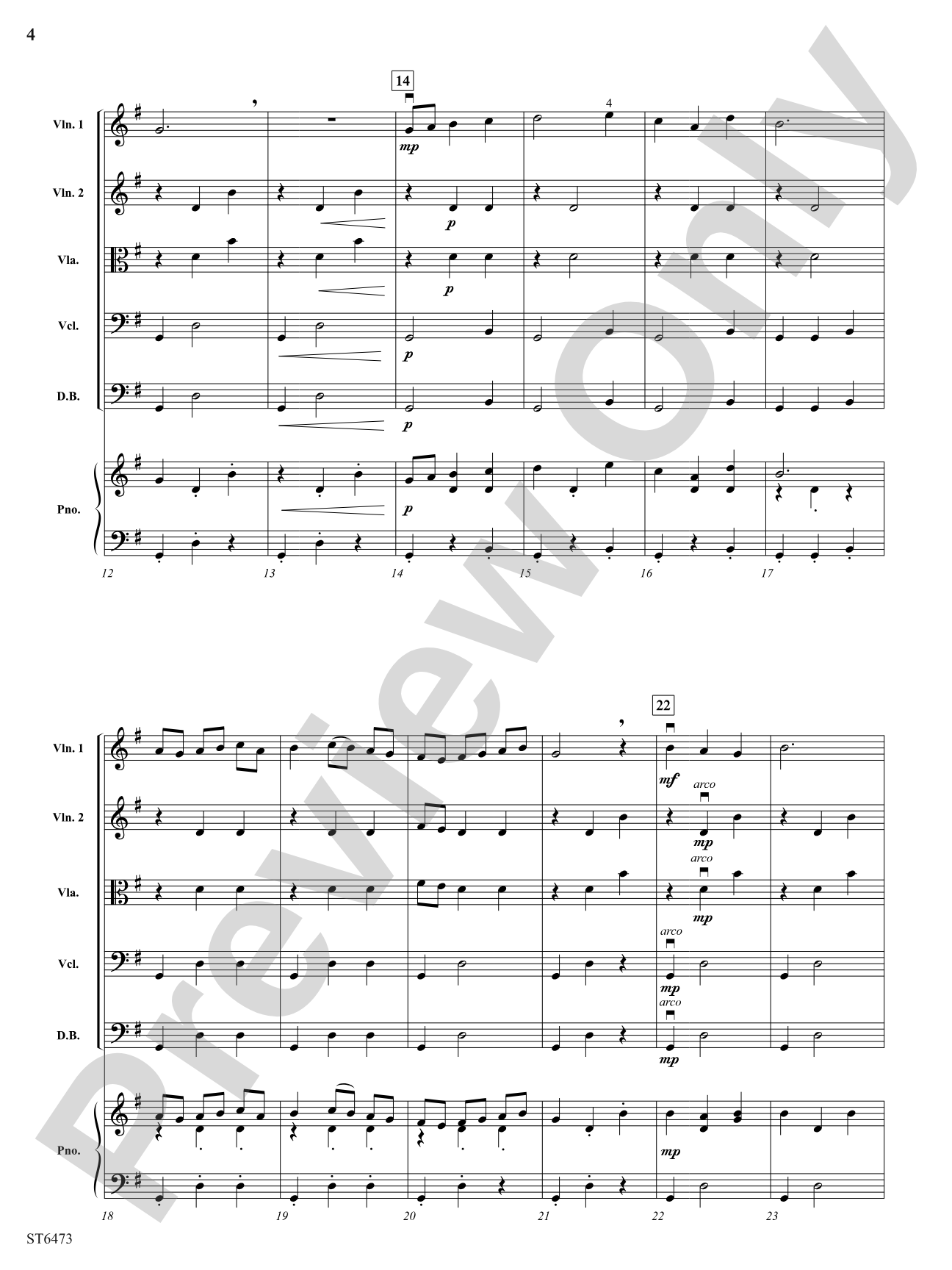
This lively triple-meter dance from the 16th century is very popular with classical guitarists and is now a wonderful addition to the string orchestra repertoire. Pizzicato accompaniments interact with a playful melody that is cleverly developed throughout the ensemble. A delightful work perfect as a change of pace on any program.


Saltarello: Score isn't in MakeMusic Cloud just yet...but it could be. Let us know you'd like to see it, and you'll help shape what comes next. In the meantime, start a free trial and dive into thousands of interactive titles your students can play along with today.
Request This Title
Tell us you want it.
Start Your Free Trial
Explore everything that's ready to play right now.
Sample Audio
1
Audio File
--:--
0:00
0:00
Sample Video
Additional Details
Series:
FJH Beginning Strings
Publisher:
The FJH Music Company, Inc.
SKU:
98-DST6473S
More about this title
About the Composer: Vincenzo Galilei
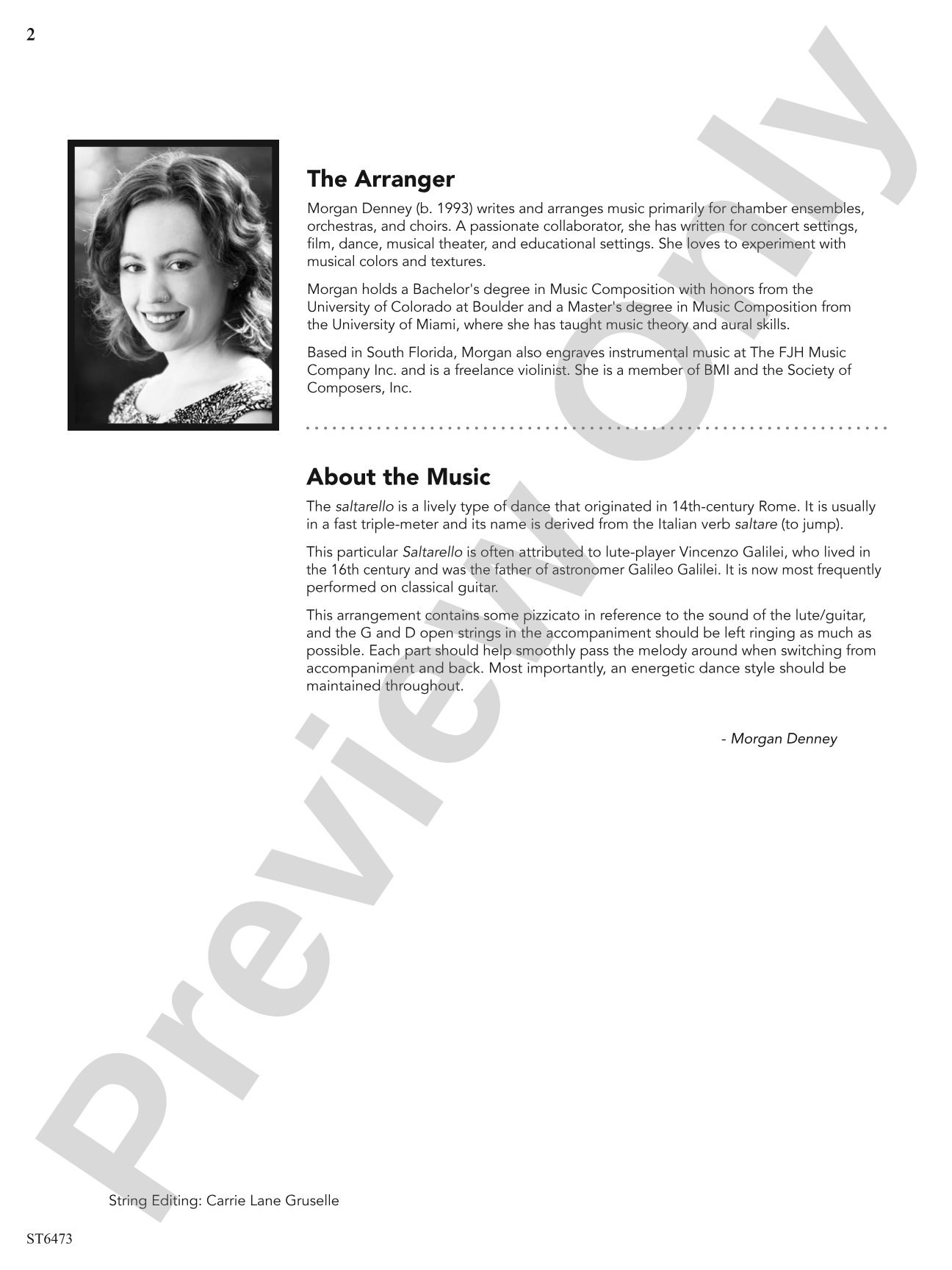
Vincenzo Galilei (1520-1591) was a lutenist, composer, and music theorist whose work bridged the Renaissance and early Baroque periods. Father of the astronomer Galileo Galilei, Vincenzo made significant contributions to music theory and performance practice, particularly through his writings on counterpoint and his compositions for lute. His instrumental works remain staples of classical guitar repertoire and reveal a sophisticated understanding of dance forms and harmonic development.
Galilei's influence on music education extends beyond his own compositions. His theoretical treatises shaped how musicians understood voice leading and expression, while his dance works like the Saltarello demonstrate the accessibility and joy that skilled composition can bring to performers of all levels.
Why we love this
Morgan Denney's arrangement captures the character of a Renaissance dance while making it genuinely playful for young string players. The pizzicato texture keeps early ensembles engaged and prevents the triple meter from feeling static, while the melody's development creates real musical storytelling without demanding advanced technique.
What to expect
Saltarello means "to jump," and Denney's arrangement captures that buoyant energy through the interplay of pizzicato and melody. The work feels like a conversation between dancers, lively and charming, with moments of melodic warmth that prevent the triple meter from becoming repetitive.
Who it's for
String orchestras at the early intermediate level will find this accessible without feeling undersized. Directors programming contests or festivals benefit from a piece that demonstrates musicality and ensemble control while remaining within the technical reach of most Grade 1.5 groups.
How to get the most out of it
- Keep the pizzicato accompaniment light and rhythmically clean; these voices establish the dance's character and must stay conversational with the melody, not overwhelm it.
- Shape the melodic line with gentle dynamic curves that follow its development across the ensemble, resisting the urge to play every entrance at full volume.
- Observe the triple-meter pulse with a dance-like quality, allowing slight breathing room between phrases to honor the work's origins as an actual dance form.
- Balance the transition from pizzicato to any sustained sections by ensuring violins remember the playful quality established at the opening.
How to use it
This works beautifully as a concert opener or as a palate cleanser between weightier works, offering audiences a taste of Renaissance instrumental tradition without requiring extensive rehearsal time. It's equally effective in festival or contest contexts where judges appreciate stylistic variety and clean ensemble playing.
Skills your students will build
- Maintaining consistent pulse in triple meter
- Coordinating articulation across pizzicato and arco sections
- Balancing melody and accompaniment within a small ensemble
- Shaping a simple melodic line with direction and phrasing