
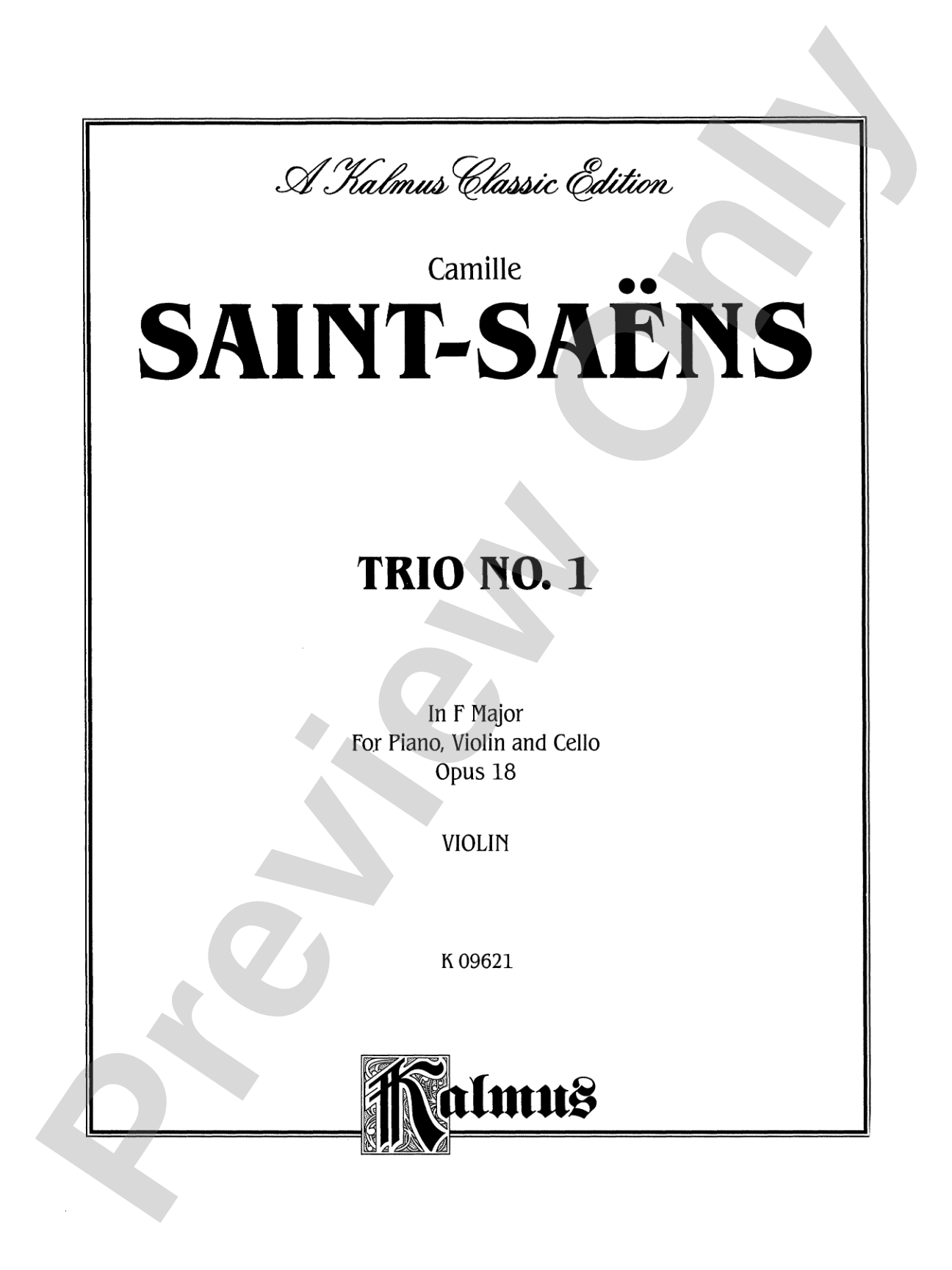

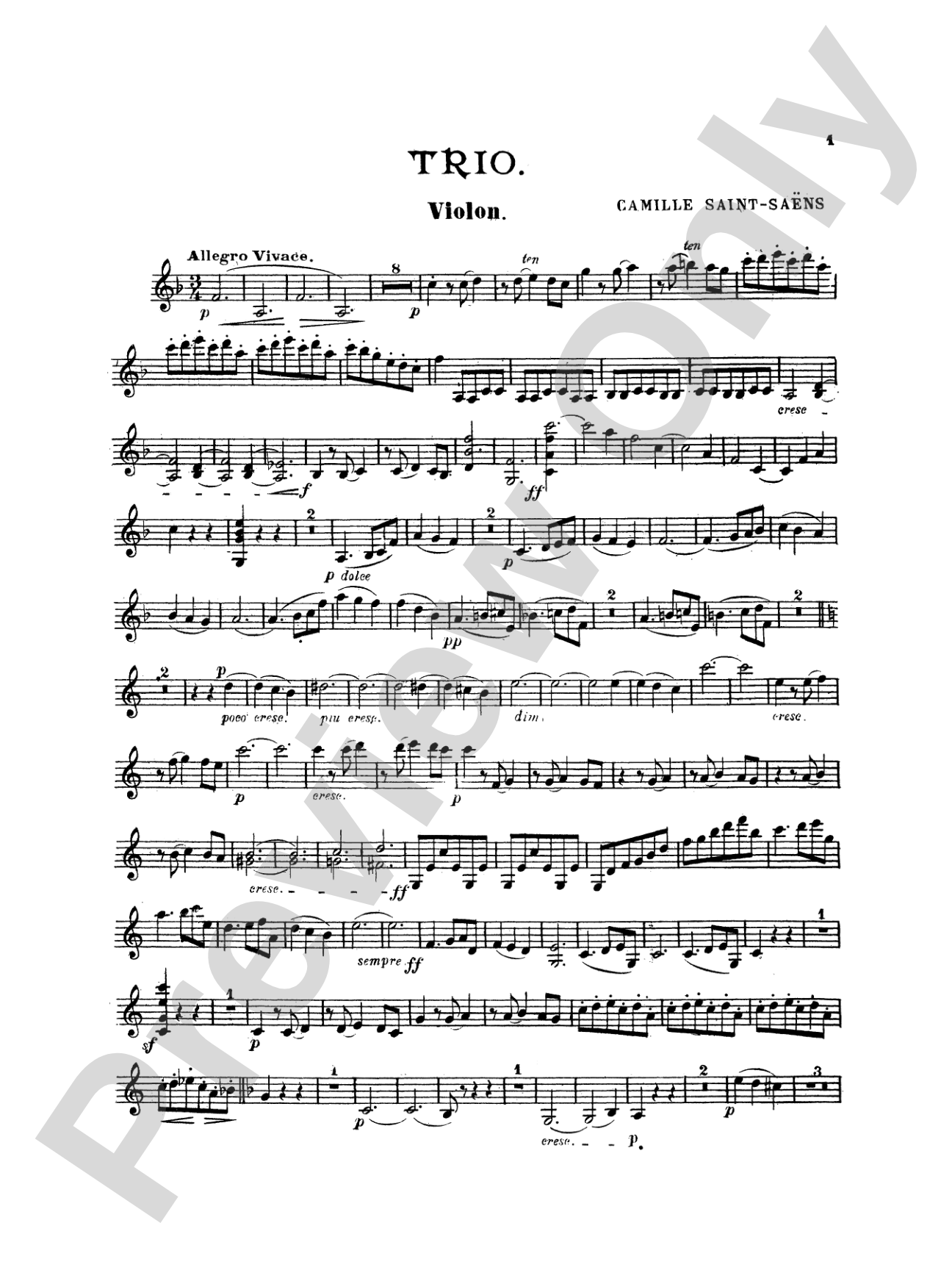
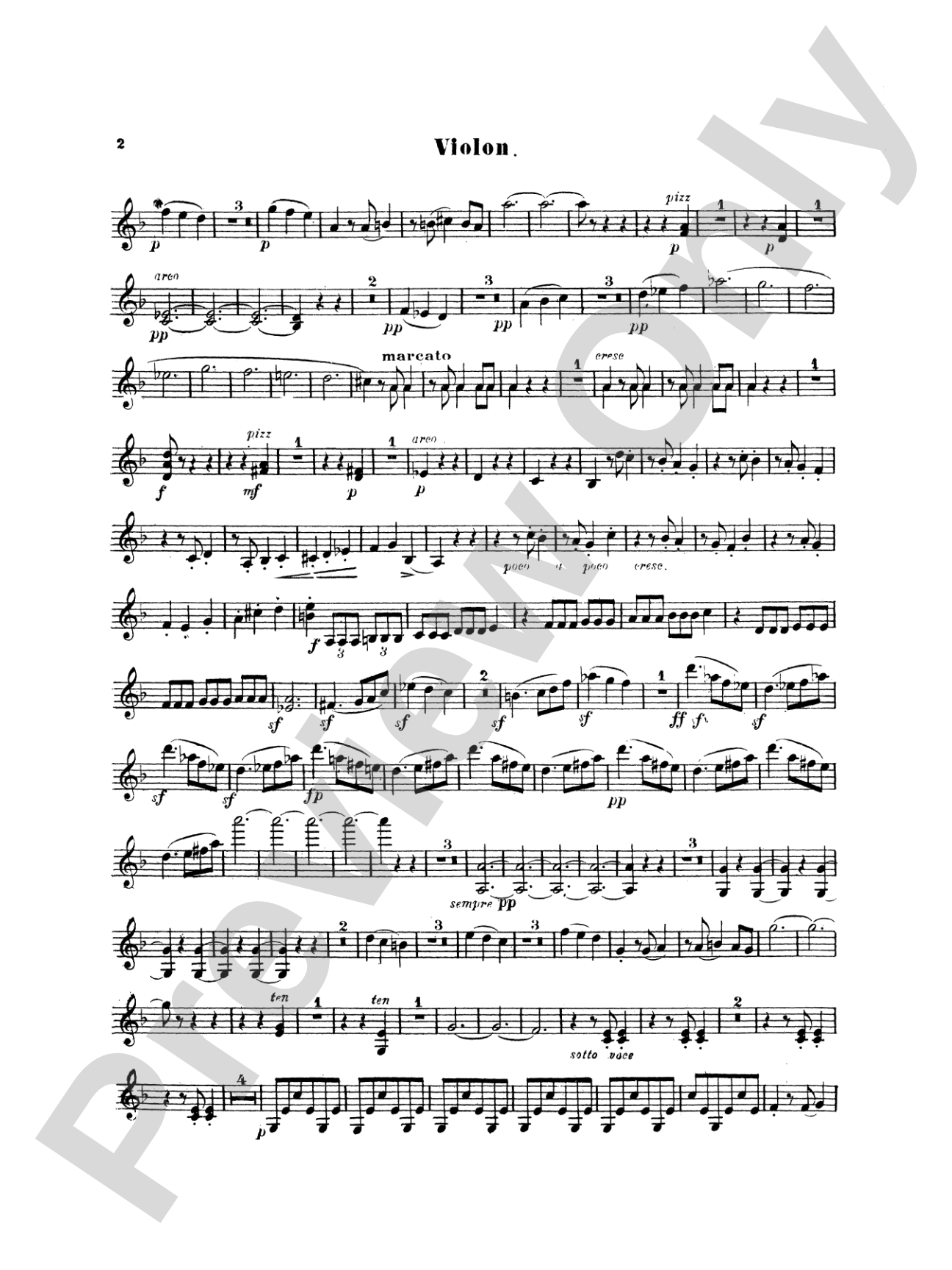
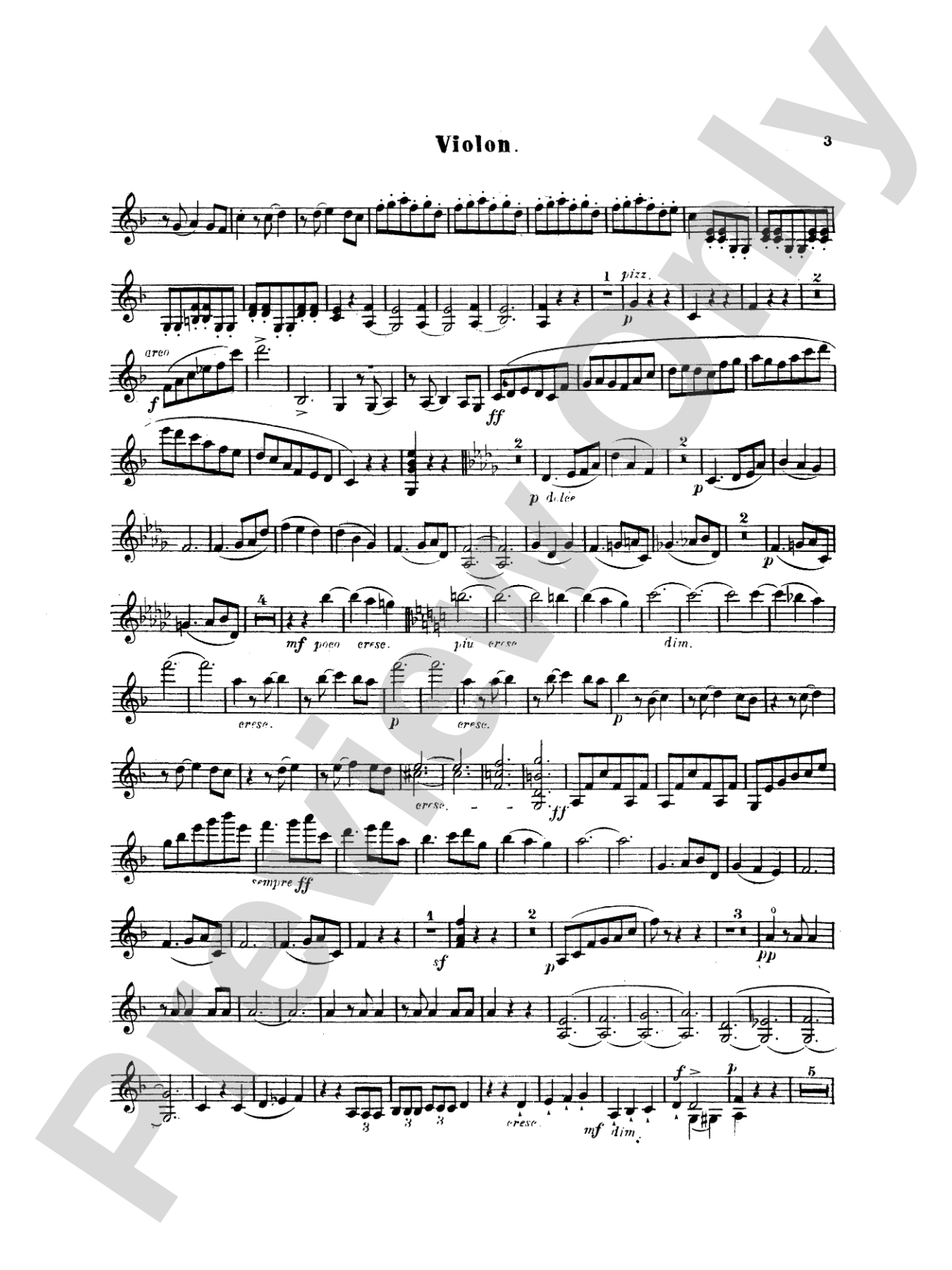
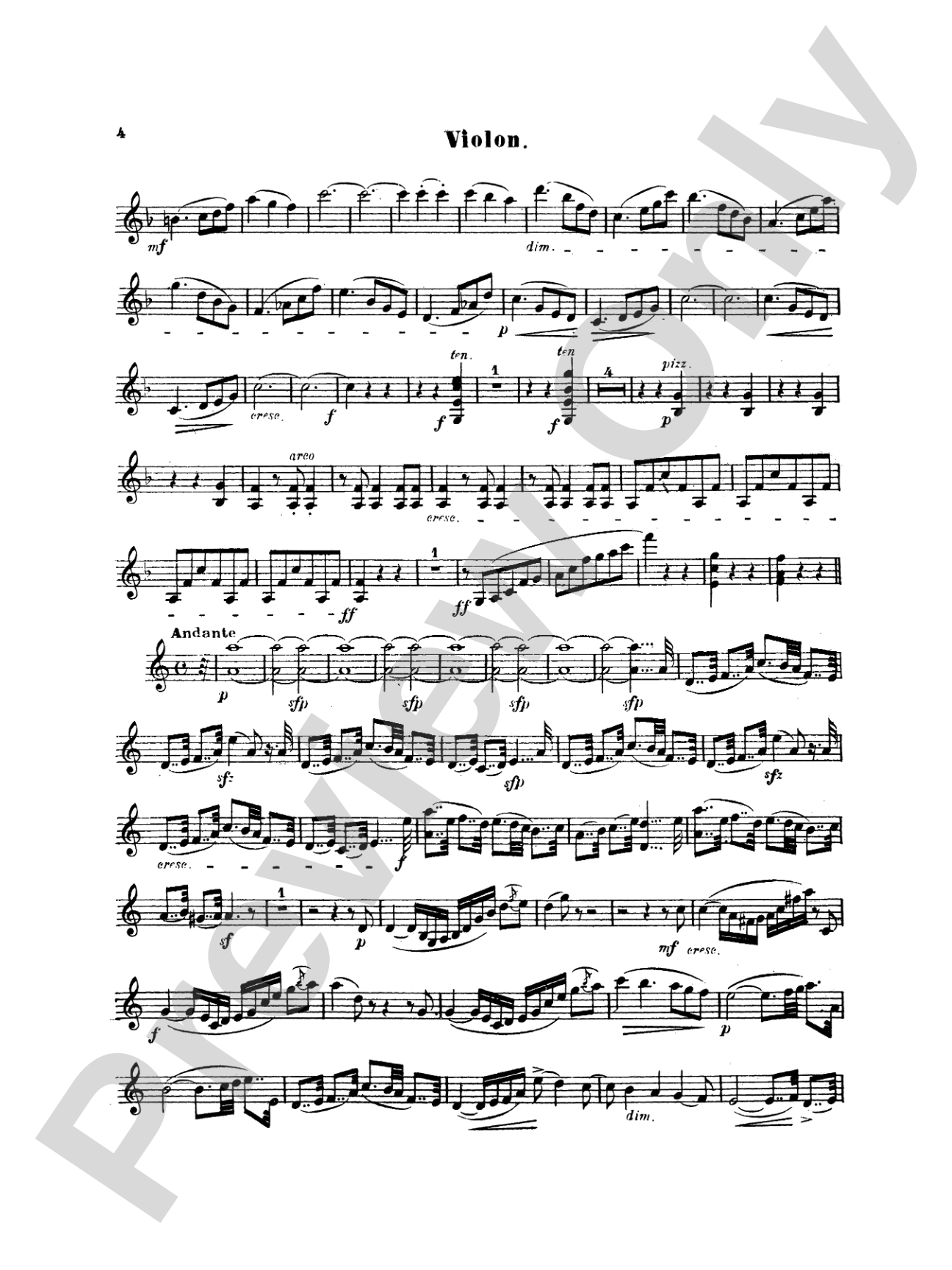
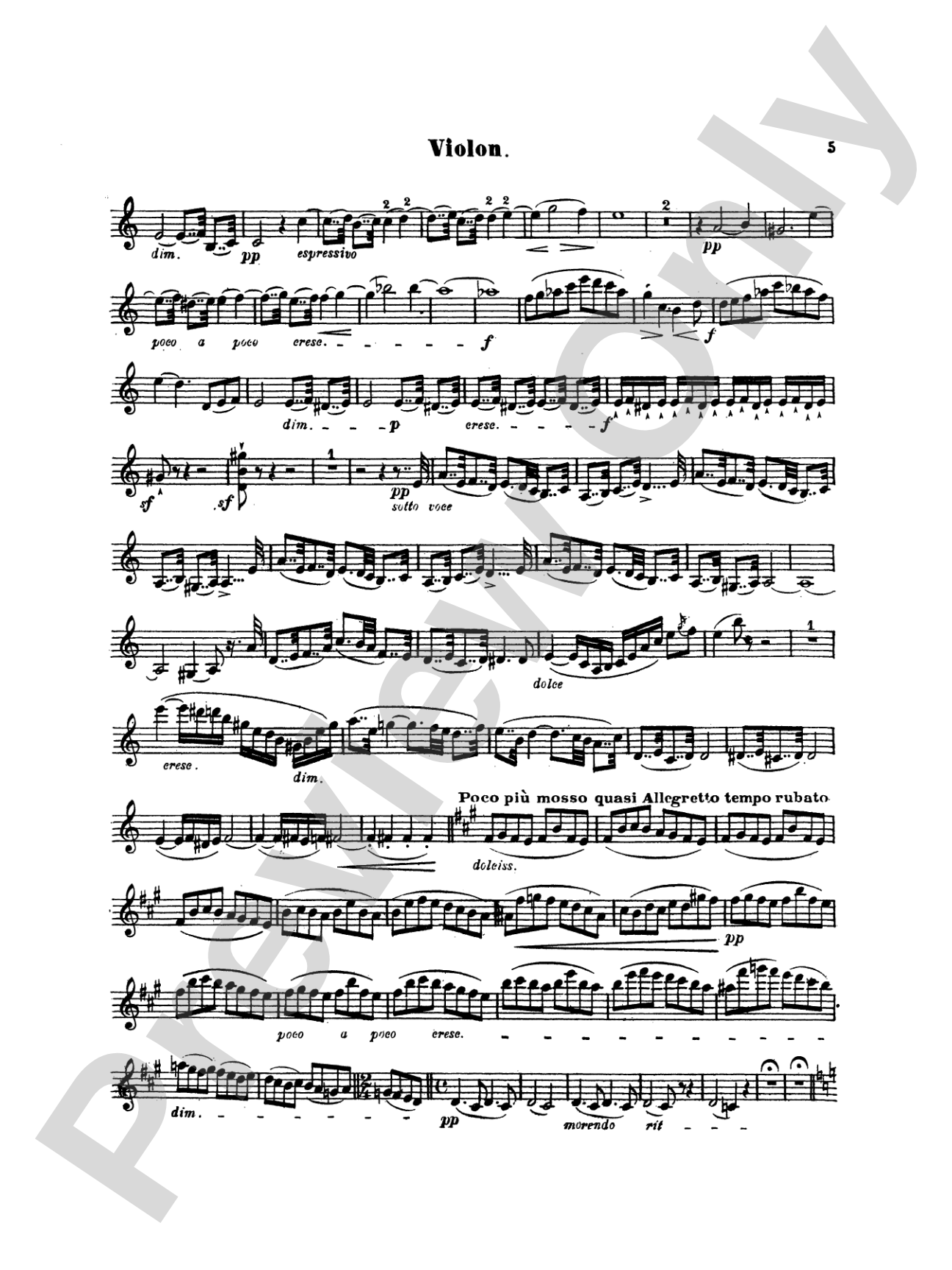
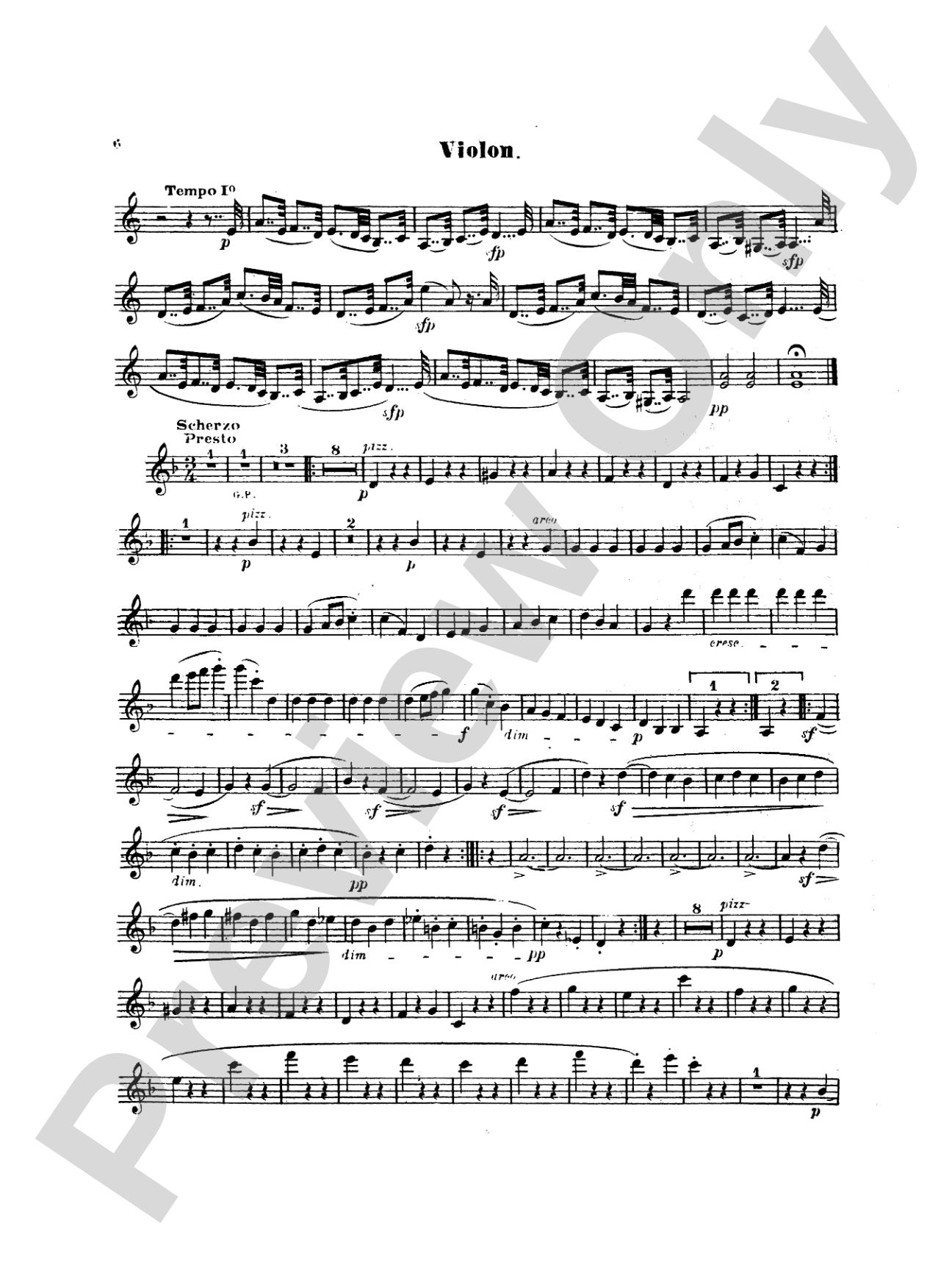
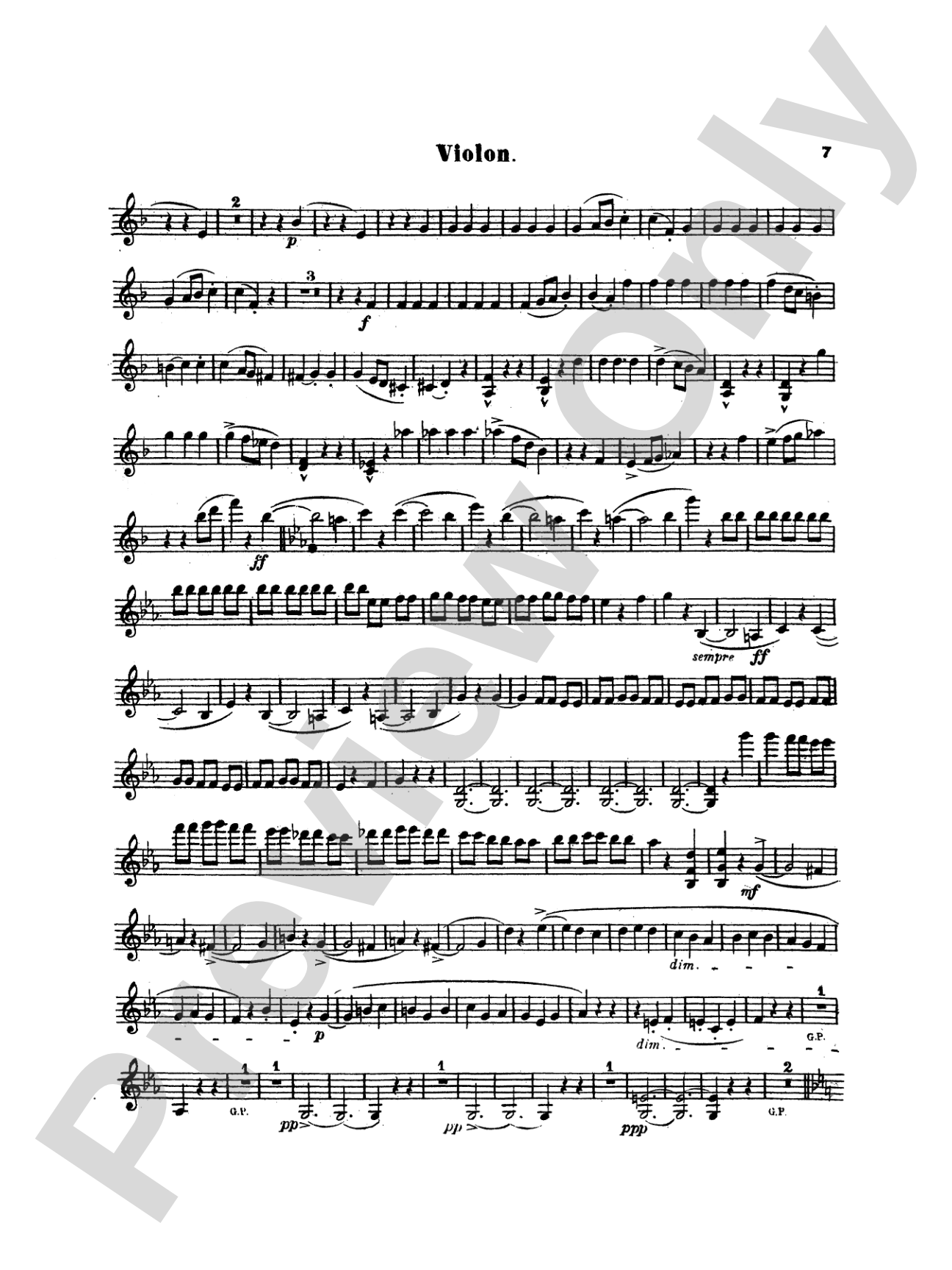
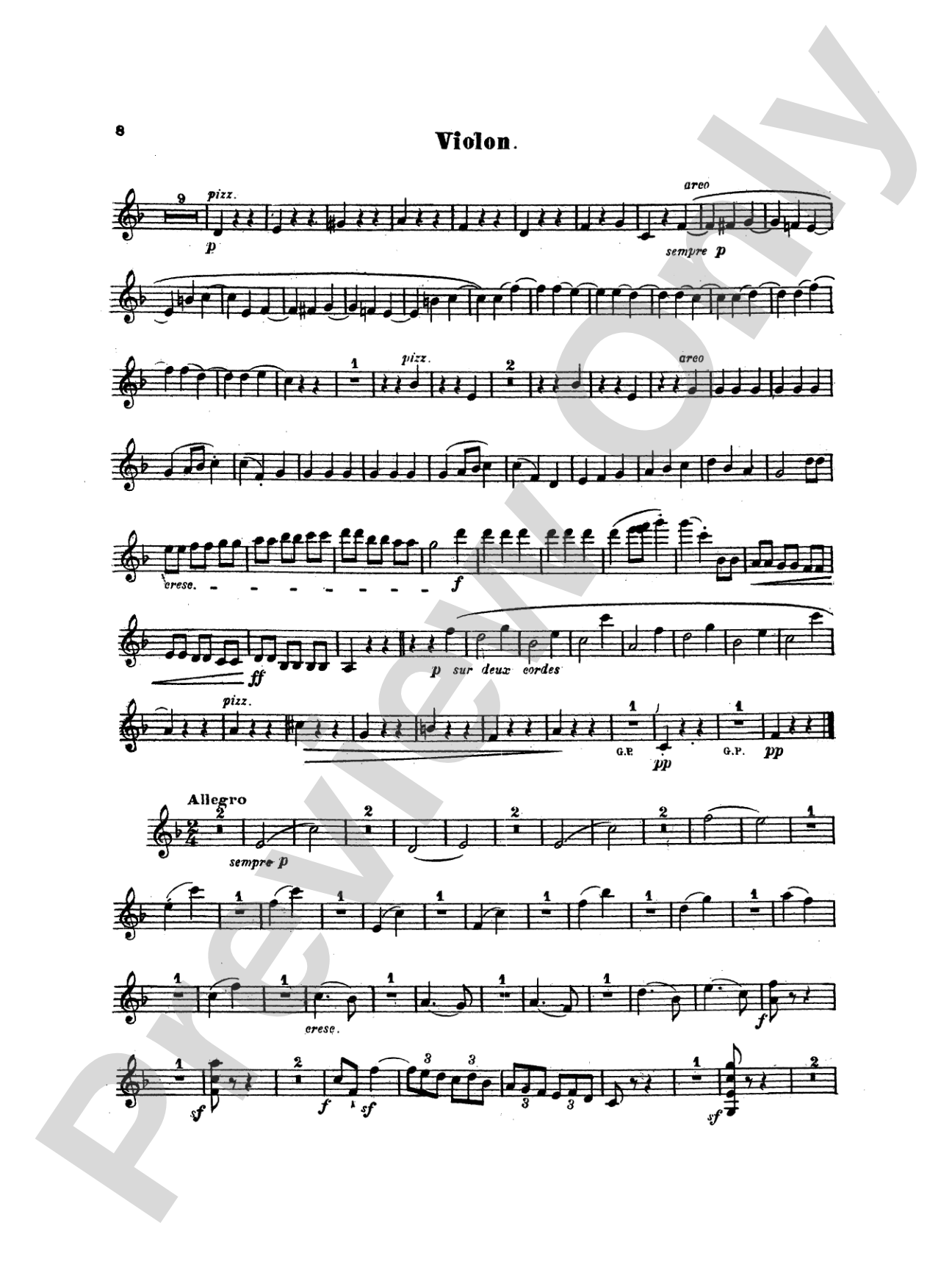
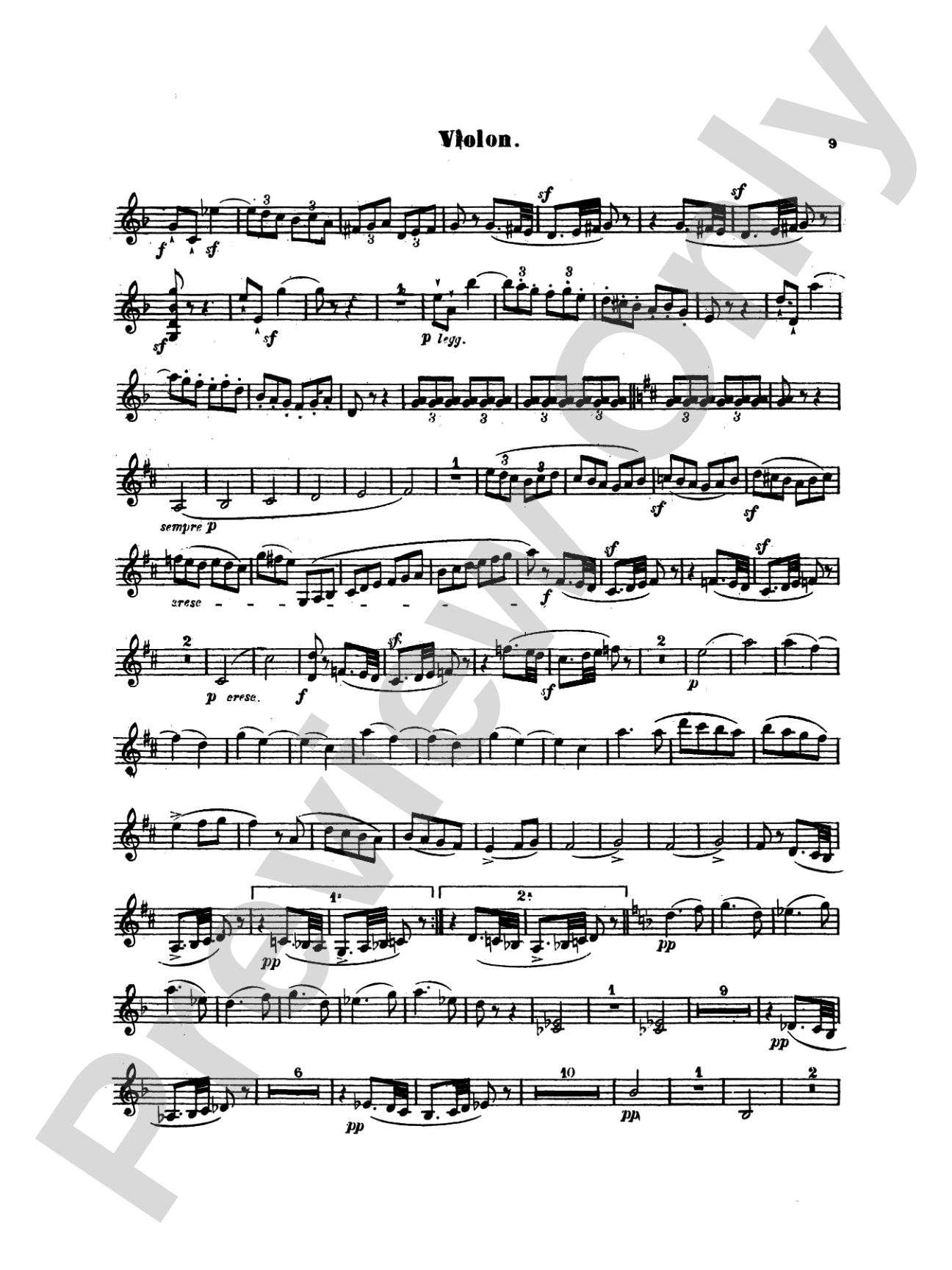
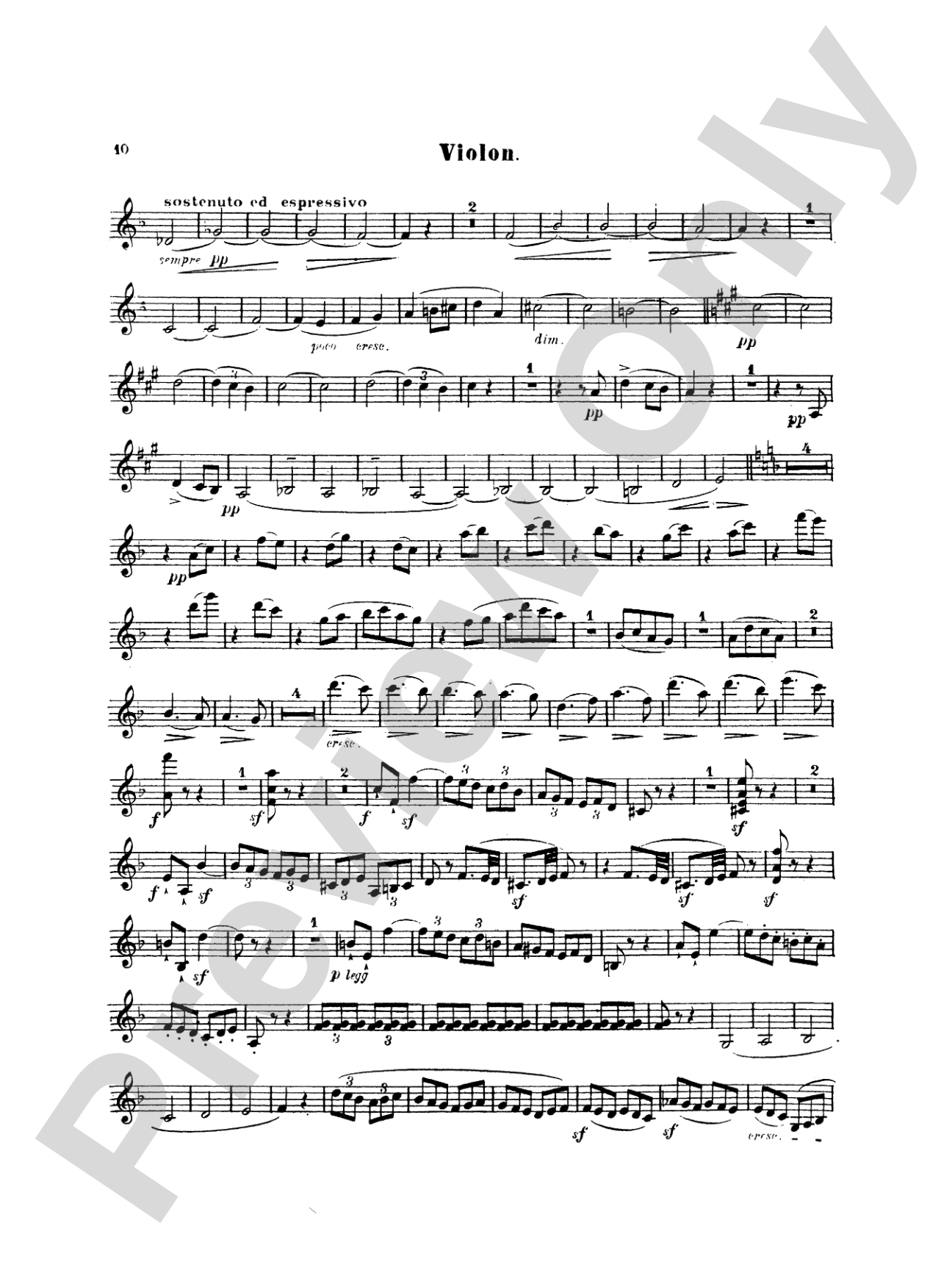
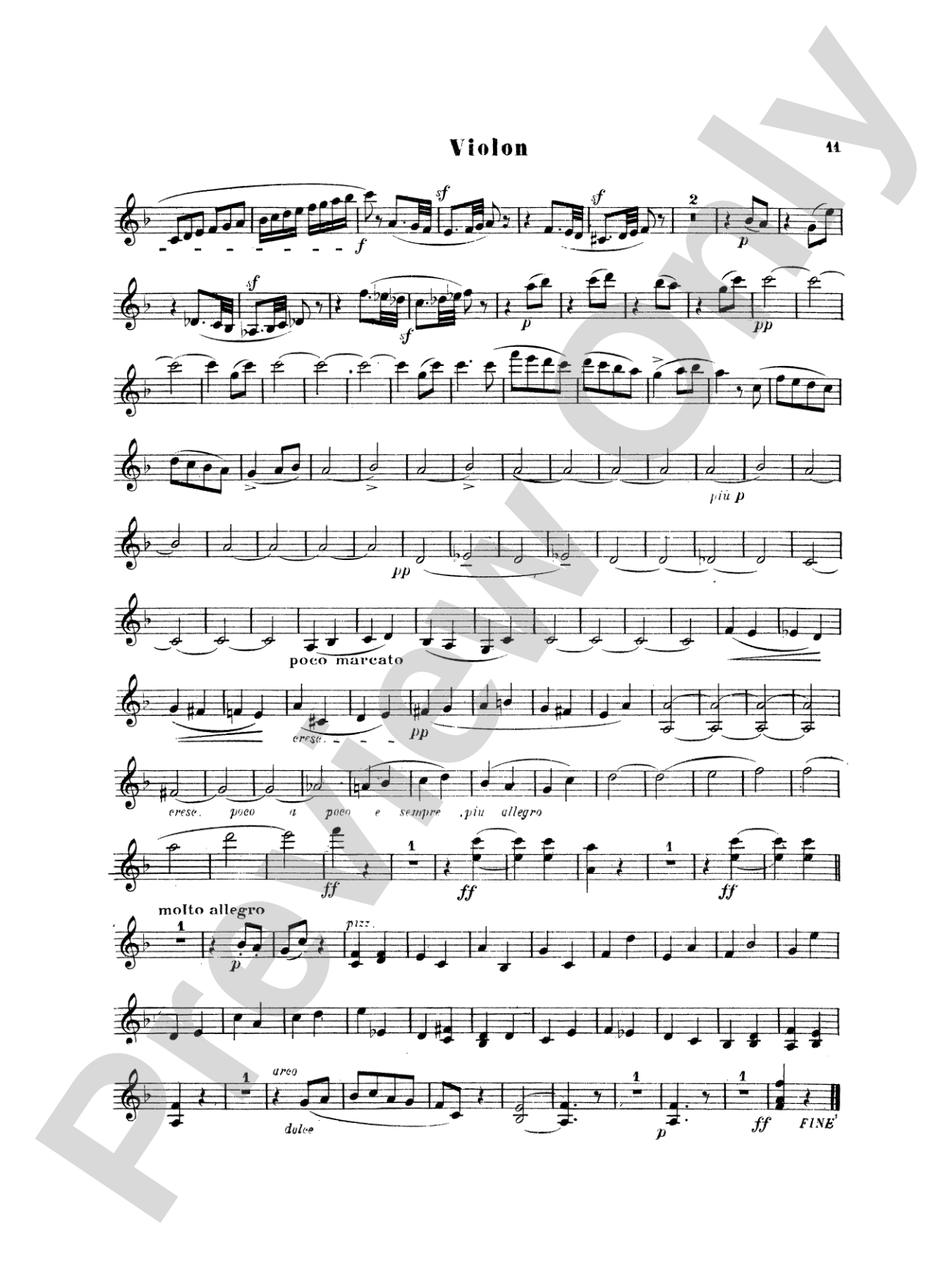




Saint-Saëns: Trio No. 1 in F Major, Op. 18: Chamber Trio Book
By Camille Saint-Saëns
Item: 00-PK-0003812

$24.99
Pickup currently not available
Buy Extra Parts (Digital PDF Download)
| Product | Price | Quantity |
|---|---|---|
| Saint-Saëns: Trio No. 1 in F Major, Op. 18 | $7.99 | |
| Saint-Saëns: Trio No. 1 in F Major, Op. 18 | $7.99 | |
| Saint-Saëns: Trio No. 1 in F Major, Op. 18 | $7.95 |
Parts Added to Cart!
Related Items
Trio No. 1, Opus 18 in F Major: Chamber Trio Book |
$24.95
|
View |
Description
Expertly arranged Trio for Piano, Violin, and Cello by Camille Saint-Saëns from the Kalmus Edition series. This Trio is from the Romantic era.


Don't just read it, hear it, play along with it, and watch your students grow with it. In MakeMusic Cloud, Saint-Saëns: Trio No. 1 in F Major, Op. 18: Chamber Trio Book comes alive with professional accompaniment, adjustable tempo, and built-in practice tools that turn solo practice into real progress.
Open in the Player
Jump straight in and assign it today.
Start Your Free Trial
Open this title and explore the full library in minutes.
Sample Audio
No sample audio found.
Sample Video
No sample videos found.
Additional Details
Series:
Kalmus Edition
Publisher:
Alfred Music
Page Count:
92
SKU:
00-PK-0003812
Instrumentation:
Piano, Violin & Cello
More about this title
About the Composer: Camille Saint-Saëns
Camille Saint-Saëns (1835, 1921) was a French composer of towering technical skill and restless creativity. He wrote across every major genre, operas, symphonies, concertos, and chamber works, with a gift for melody and orchestration that made him one of the most performed composers of his era. His chamber music reveals a different side of his genius: intimate, carefully crafted works that prioritize clarity of texture and dialogue between instruments rather than virtuosic display.
Saint-Saëns' three piano trios belong to the heart of his output. The First Trio in F Major appeared in 1863 and remains a favorite among chamber musicians for its elegant proportions, warm lyricism, and the balance it strikes between technical interest and musical substance. It's a work that rewards both the professionals who champion it and the serious students discovering chamber music for the first time.
Why we love this
Saint-Saëns writes chamber music that feels both substantial and singable. This trio sits at the sweet spot between concert-worthy material and genuine pleasure for the players involved, with balanced writing that respects the strengths of each instrument without requiring virtuosic fireworks. Programming a Saint-Saëns trio signals musical maturity and gives advanced chamber ensembles repertoire that audiences recognize and musicians genuinely enjoy.
What to expect
Graceful and conversational, with the warmth of the Romantic idiom balanced by Classical clarity. The F Major tonality opens the sound; you'll experience moments of lyrical sweetness, structural momentum through the development sections, and the satisfaction of ensemble writing where all three players contribute equally to the musical fabric.
Who it's for
This trio works well for advanced high school chamber ensembles, adult amateur groups, and pre-conservatory students preparing for competitions or festival performances. Chamber trios at this level will find writing that challenges their ensemble listening skills without requiring extended technical passages outside their reach.
How to get the most out of it
- Balance the three voices as equals. The piano carries harmonic weight, but the violin and cello lines are never accompaniment; listen for moments where melody passes between the strings and ensure those transitions register clearly.
- Shape longer phrases through gentle dynamic waves rather than sudden accents. Romantic-era chamber music breathes through subtle swells that arise from harmonic tension, not from marking every crescendo in the score.
- Establish a flexible yet steady tempo in the opening movement. Saint-Saëns' phrasing often asks for slight give-and-take; agree as a trio on where you'll breathe together and where one player leads slightly.
How to use it
Pair this with other Romantic chamber works on a recital that celebrates the intimacy of trio writing, or stand it alone as the centerpiece of a chamber concert. It also fits naturally into festival or competition programs where judges expect to hear established masterworks performed with musicianship.
Skills your students will build
- Balancing three independent lines with equal musical weight
- Shaping Romantic-era phrases through subtle dynamic inflection rather than obvious accent
- Coordinating ensemble entries and transitions when melody passes between instruments
- Reading and executing idiomatic writing for piano, violin, and cello in a chamber setting
- Sustaining harmonic awareness while maintaining rhythmic independence